NASA Ames Astrogram – July/August 2024
Congratulations to the ACS3 Team on the Successful Unfurling of Solar Sail
Ames and Langley just added another light to the night sky. Congratulations to the Advanced Composite Solar Sail System (ACS3) team on the successful test of our next-generation solar sail technology that will allow future small spacecraft to “sail on sunlight” as they explore the cosmos. On Aug. 29, the team saw the first images captured by the CubeSat cameras as the mission accomplished its primary objective – successfully deploying the reflective polymer solar sail and its four composite booms in space. We are eager to share high-resolution images from the spacecraft in the coming weeks.
As the team celebrates achieving this milestone and the exciting possibilities for future small spacecraft missions, it’s a bittersweet victory. As many of you know, the mission’s lead systems engineer, Alan Rhodes, passed away unexpectedly in June. He devoted more than three years to the mission and watched with enthusiasm as the CubeSat launched on April 23. He is in our thoughts as the mission celebrates this latest milestone.
After sunset, the best opportunities to see the CubeSat’s sail that spans 33 x 33 feet or half a tennis court will be in the northern skies. Stay tuned to NASA.gov and @NASAAmes on social media for updates on how to see the spacecraft passing over your area. Look for details in an upcoming centerwide with instructions on how to use the NASA App to help you narrow your search for the most accurate viewing opportunities.
This mission is another shining example of the inspiration, talent, and innovation that drives the work that we do to develop forward-thinking technologies. Our efforts are impactful and continue to create new possibilities for robotic spaceflight. We can’t wait to see what’s next for the Advanced Composite Solar Sail System.
Ames Welcomes Agency Senior Leadership
by Tara Friesen
NASA Associate Administrator Jim Free, NASA Deputy Associate Administrator Casey Swails, and Director of Cross Agency Strategy Integration John Keefe, visited Ames on Aug. 28 to meet with Ames leadership, tour the facilities, and meet with employees. This was Free’s first visit to Ames since he was appointed associate administrator in November 2023, and Keefe’s first visit since recently joining NASA.
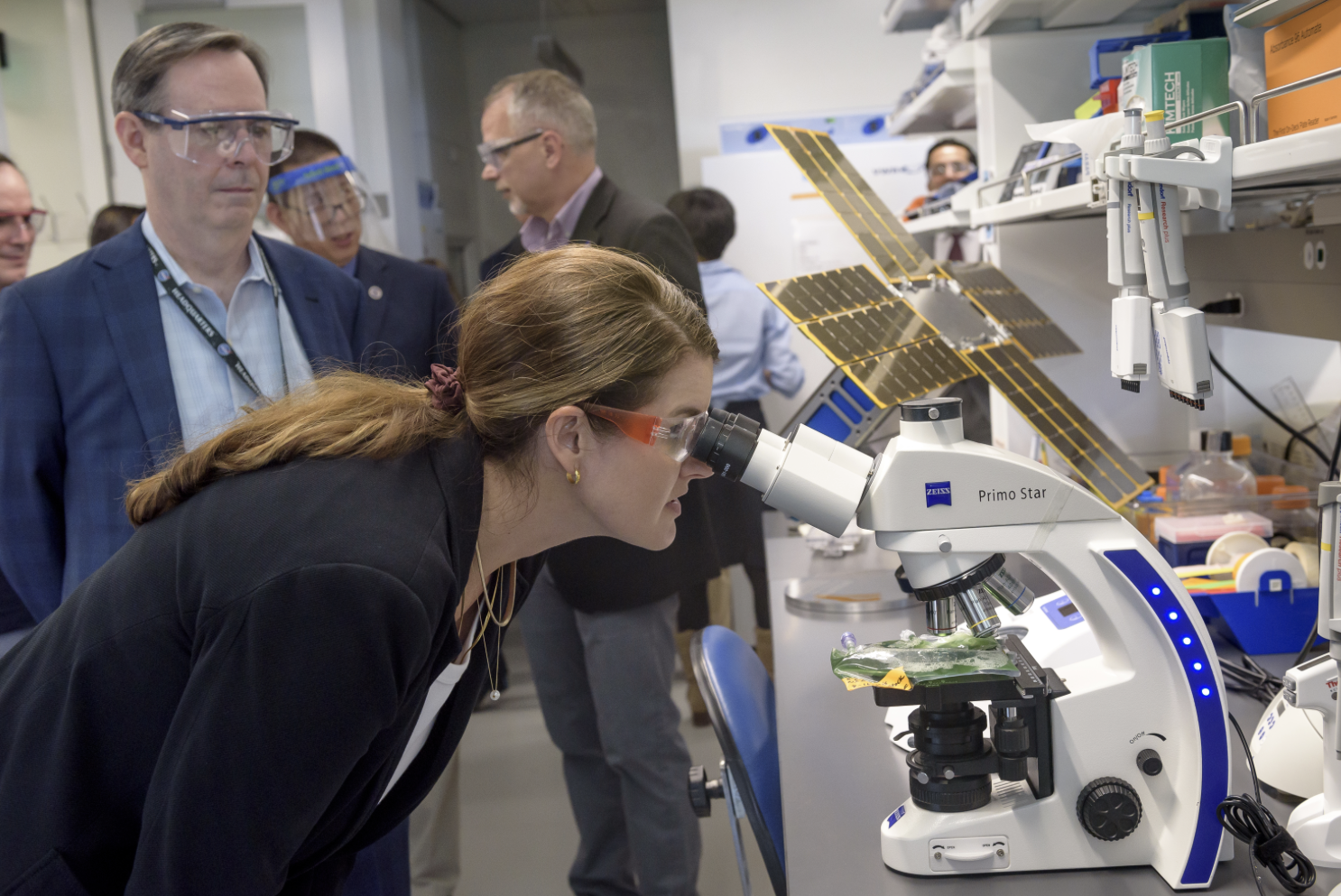
While spending the day at the center, Free, Swails, and Keefe heard from Ames subject matter experts across many center core competences and missions. They visited the Space Biosciences Research Lab, the Advanced Supercomputing Facility where they were able to see the Hyperwall and the Modular Supercomputer; the VIPER (Volatiles Investigating Polar Exploration Rover) Mission Control Center, and the Arc Jet Facility. They also visited Future Flight Central, the AOL (Airspace Operations Lab), and took part in a wildfire demonstration and discussion. They completed their tour in the NASA Research Park and then toured the Unitary Plan Wind Tunnel drive system where they viewed a model of the X-66 demonstrator aircraft semi span currently in the test section. They also walked through the area where the proposed Berkeley Space Center will be built.
As we always say, there’s a little bit of Ames in every NASA mission. Thank you to all the members of the Ames community who supported this visit and shared updates on their work with agency senior leadership.
NASA Celebrates Ames’ Legacy of Research on National Aviation Day
by Tara Friesen
NASA works every day to improve air travel – and has been doing so since its creation decades ago. On National Aviation Day, Aug. 19, NASA and all fans of aviation got the chance to celebrate the innovative research and development the agency has produced to improve capability and safety in flight.
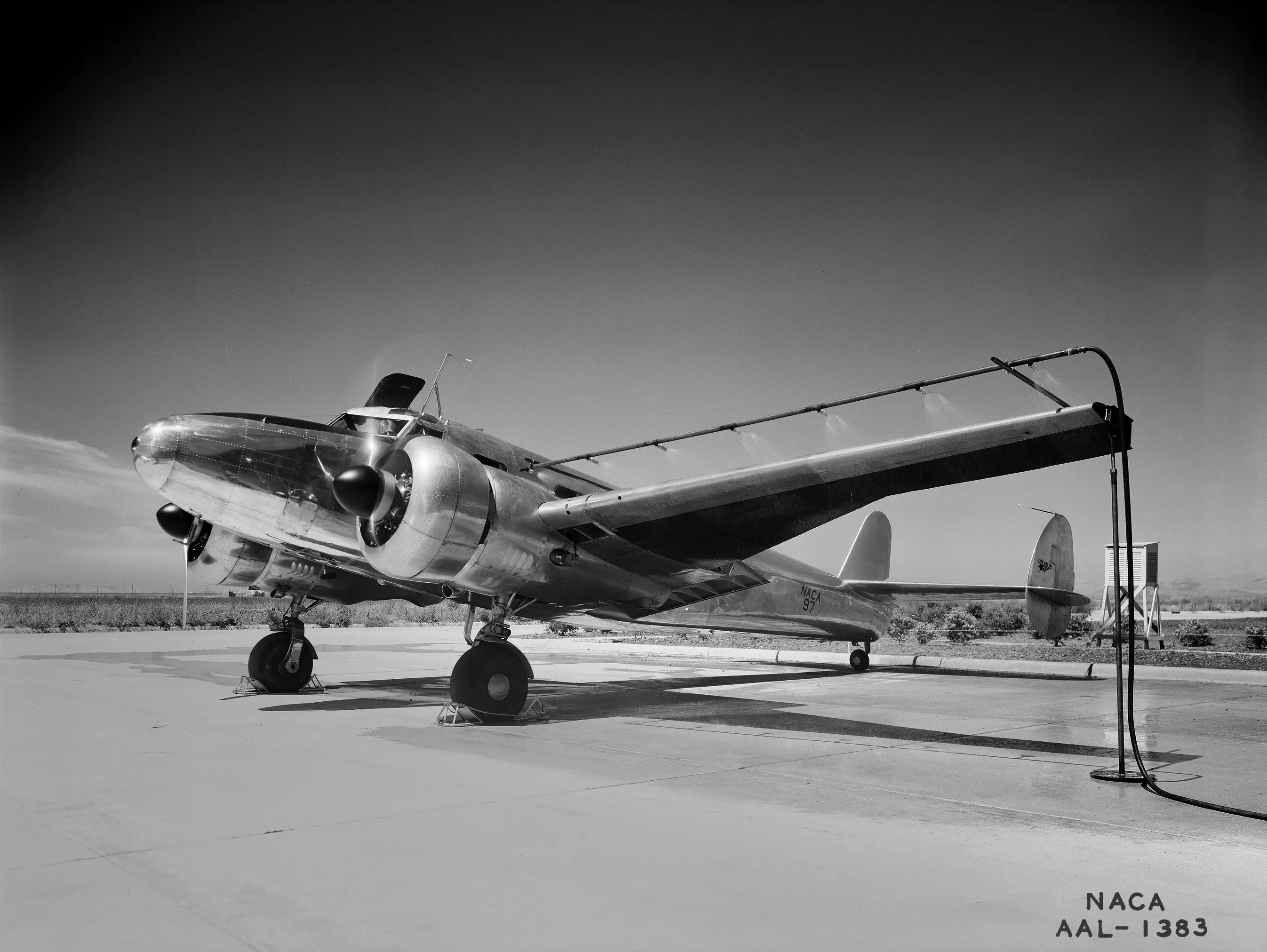
NASA’s Ames Research Center in California’s Silicon Valley has a historic legacy in aeronautics research. When the center was founded in 1939 by the National Advisory Committee for Aeronautics (NACA), its early research included working to reduce icing on aircraft wings.
When ice coats the wings of an airplane, it reduces lift and increases drag, which can cause the aircraft to lose altitude and control. Ames researchers developed different approaches to solve the icing challenge, including a “hot wing” thermal anti-icing system. The system worked by running hot engine exhaust along the leading edges of aircraft wings, warming them and preventing ice buildup. Ames researchers modified aircraft and tested them before traveling to Minnesota, where they were flown in icy conditions.
Today, many turbine-powered aircraft, like passenger jets, use “bleed air” anti-icing systems, which warm the leading edges of aircraft wings using compressed air from their engines. These systems are built upon the early research and testing done at Ames.
The legacy of aviation innovation continues at Ames, through aeroscience research like wind tunnel testing, air traffic management, and advanced aircraft systems.
Ames’ WIN, WiO and the USAF Host Inspiring Women’s Equality Day Event
In 1973, Congress designated August 26 as Women’s Equality Day to commemorate the 1920 certification of the 19th Amendment to the Constitution, granting women the right to vote. Since then, the observance has grown to include focusing attention on women’s continued efforts toward gaining full equality. Voting is one of the primary ways we participate in the political process, express our opinions, and help shape the goals and values of our nation. Since 1973, we have celebrated Women’s Equality Day on Aug. 26 to commemorate the certification of the 19th Amendment in 1920, which granted women the right to vote. We honor the efforts of the suffragists who fought tirelessly for equality throughout the early 1900s and the work that continued after certification to ensure all women were able to exercise that right.
At the time of its founding in 1958, NASA was a male-dominated workforce. By the 1960s, women were making significant contributions to the Apollo mission. Today, the trend continues to head in the right direction. Five of NASA’s 10 centers have women directors in center leadership and women are engaged in every facet of science, discovery, and exploration.
Ames’ Women’s Influence Network (WIN), Women in Operations (WiO), and the US Air Force National Guard hosted an inspiring Women’s Equality Day event on Aug. 26 at the RQW Airmen Resiliency Center in Mountain View. The Ames event included a panel featuring women from WIN and WiO, as well as presentations from NASA leaders, local elected officials, and other government agencies. Mayor Yan Zhao from the City of Saratoga attended. Mayor Pat Showalter from the City of Mountain View provided opening remarks, along with Deputy Center Director Dr. Dave Korsmeyer.
A presentation by the 129th Rescue Wing, which consists of the entire Air National Guard unit at Moffett Field. This portion of the program highlighted airmen in the 129thRescue Wing that had gone above and beyond. A second panel discussion was then held by the San Francisco Federal Bureau of Investigation.
NASA also hosted an agencywide event on Aug. 26, featuring Deputy Administrator Pam Melroy, Armstrong Flight Research Center’s Deputy Center Director Laurie Grindle, and NASA Historian Jennifer Ross-Nazzal.
Women’s Equality Day provides an opportunity to underscore the agency’s commitment to providing an inclusive and equitable workplace today and ensuring a welcoming future for the next generation of employees. It is not only the right thing to do; it is essential to NASA’s success.
Family Members Tour VIPER Mission Center
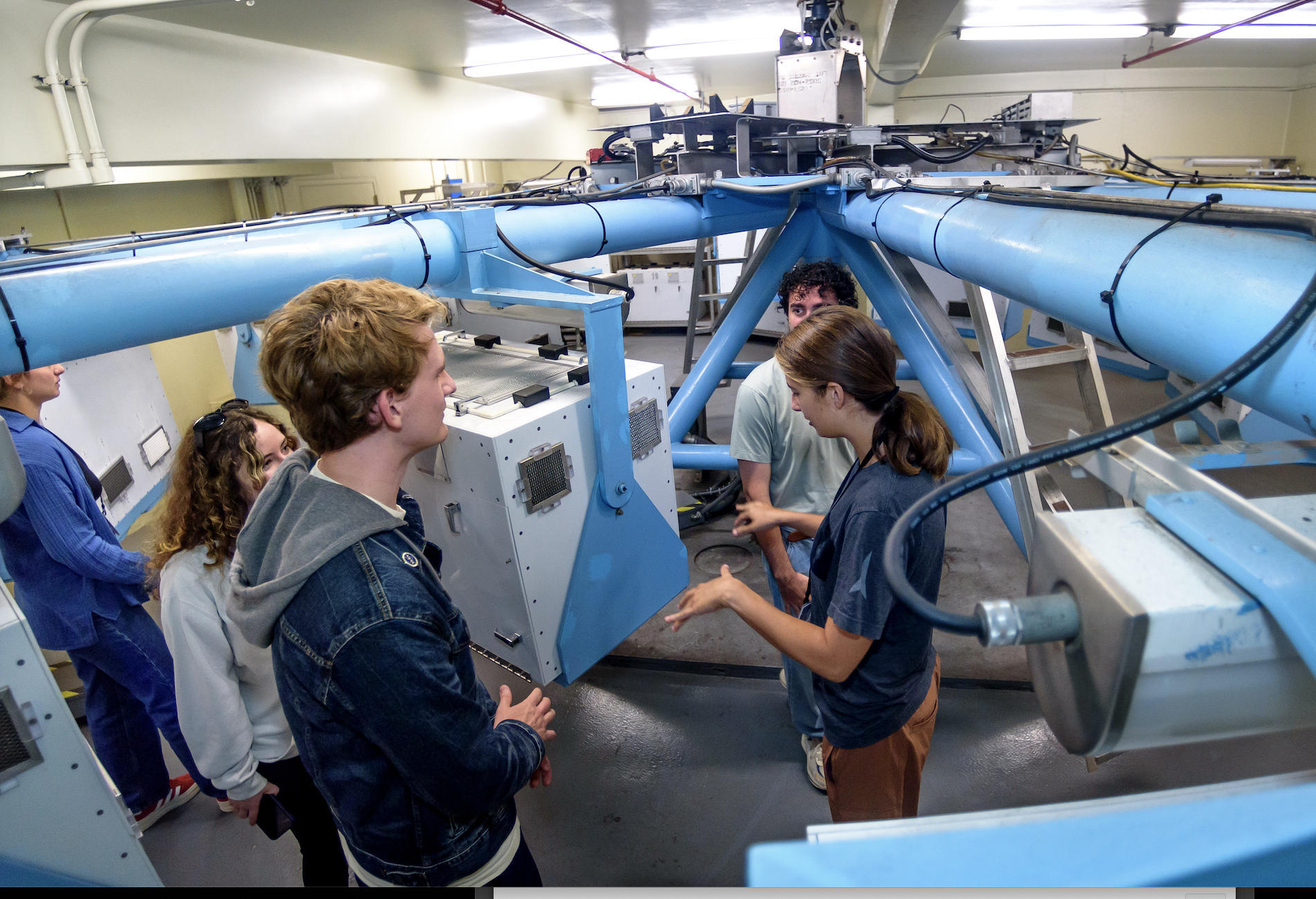
On Aug. 14, family members of the Volatiles Investigating Polar Exploration Rover (VIPER) were invited to see demonstrations and participate in hands-on activities at Ames for a friends and family day
National Full Scale Aerodynamic Complex (NFAC) Turns 80
NASA Seeks Input on Safety for Future Commercial Drone Operations
by Hillary Smith
NASA recently gathered representatives from the Federal Aviation Administration (FAA), police and fire departments, and commercial industry to figure out how to take an important step for public safety drones: allowing them to fly past where their operators can see them.
Currently, most drone operations are limited to areas known as “visual line of sight” for safety purposes. However, engineers and researchers are developing the infrastructure to allow drones to operate beyond this point. As the FAA works to authorize these types of flights, NASA is helping ensure these operations are safe and efficient.
This work from NASA and the FAA could have significant commercial applications – including drone deliveries – but at their June meeting, the agencies were focused on public safety drones used for search-and-rescue, accident scene reconstruction, and situational awareness during fires and other emergencies. Researchers need to figure out how drones on public safety missions can operate safely beyond visual line of sight – and do so in airspace shared with drones on commercial missions.
Hosted by NASA’s Ames Research Center in California’s Silicon Valley, the meeting took place in Arlington, Texas City Hall. Attendees included members of the FAA, the Department of Homeland Security, the Texas Department of Public Safety, the Arlington local police and fire departments, and representatives of the Dallas-Fort Worth International Airport. The group’s discussion included the special considerations needed for public safety drone operations beyond visual line of sight. And they identified at least one significant challenge: how to ensure that public safety drones have priority when operating in the same airspace with commercial drones.
NASA researchers provided feedback from this session to the FAA, commercial drone operators, and service providers. Input from the public safety meeting will support the FAA’s evaluation of commercial drone flights beyond visual line of sight, which the agency is currently conducting in the Dallas-Fort Worth area. Data from these operations will inform FAA rulemaking.
NASA’s work is led by its Uncrewed Aircraft Systems Traffic Management System Beyond Visual Line of Sight effort, which falls under the Air Traffic Management Exploration project. This subproject directly supports NASA’s Advanced Air Mobility mission. Advanced Air Mobility aims to transform our communities by bringing the movement of people and goods off the ground, on demand, and into the sky.
New Zealand Prime Minister Tours Ames, Celebrates Partnership
On July 12, Ames welcomed the Prime Minister of New Zealand, Christopher Luxon. New Zealand was a pivotal partner in crafting the Artemis Accords and is a longstanding partner with NASA in commercial space and Earth science.
At Ames, the prime minister was hosted in the Advanced Supercomputing Facility where he was briefed on Ames’ core competences and learned about NASA’s partnership with Rocket Lab to launch missions from New Zealand’s coast including the Advanced Composite Solar Sail,Starling, and CAPSTONE.
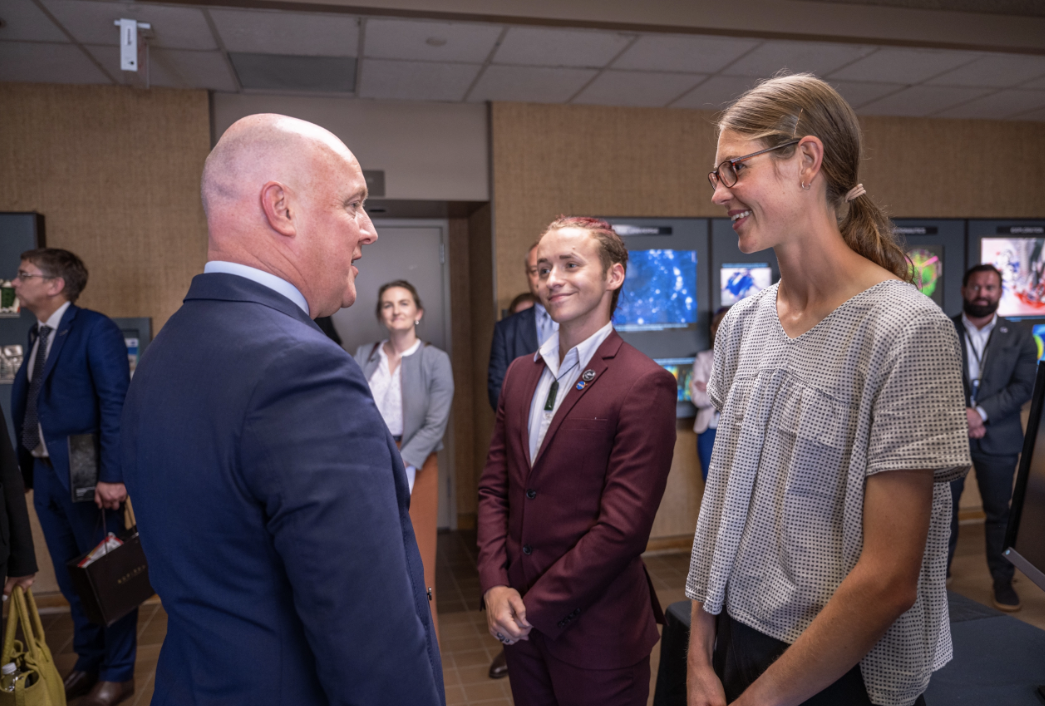
He also met with two Ames interns from New Zealand’s Space Scholarship program, Alex McKendry, who is researching neuromorphic computing applications in small spacecraft autonomy, and Faun Watson, who is using the Low Density Shock Tube to simulate sustainable satellite de-orbiting technology. The students are here under the NASA International Internships Project.
In addition, Ames experts briefed the prime minister on NASA’s and New Zealand’s collaborative efforts to study Earth’s interconnected systems. He also learned about SOFIA’s enduring connection to New Zealand, which hosted the aircraft seven times to observe objects visible in the southern hemisphere.
Before leaving the center, the prime minister visited the Pleiades and Cabeus supercomputers and examined the capabilities of the facility’s upgraded hyperwall, which brings numerical data to life with over a billion pixels across 128 screens.
Ames leadership spoke with the prime minister about a partnership between NASA’s Indigenous Peoples Initiative, the Society for Māori Astronomy Research and Traditions, and members of the Māori Working Group in Aerospace. This partnership will support the need for Māori-led initiatives to monitor environmental and ecological impacts in their communities and add diverse voices to Earth observations and research.
It is a privilege to welcome our international partners to Ames and share our wealth of knowledge and technology. Collaboration is critical to NASA’s mission, particularly as we go back to the Moon and beyond, together. We value our continued partnership with New Zealand and their role in Earth science and the evolving commercial space industry.
NASA’s Upgraded Hyperwall Offers Improved Data Visualization
by Tara Friesen
In May, the NASA Advanced Supercomputing (NAS) facility, located at Ames Research Center, celebrated the newest generation of its hyperwall system, a wall of LCD screens that display supercomputer-scale visualizations of the very large datasets produced by NASA supercomputers and instruments.
The upgrade is the fourth generation of hyperwall clusters at NAS. The LCD panels provide four times the resolution of the previous system, now spanning across a 300-square foot display with over a billion pixels. The hyperwall is one of the largest and most powerful visualization systems in the world.
Systems like the NAS hyperwall can help researchers visualize their data at large scale, across different viewpoints or using different parameters for new ways of analysis. The improved resolution of the new system will help researchers “zoom in” with greater detail.
The hyperwall is just one way researchers can utilize NASA’s high-end computing technology to better understand their data. The NAS facility offers world-class supercomputing resources and services customized to meet the needs of about 1,500 users from NASA centers, academia and industry.
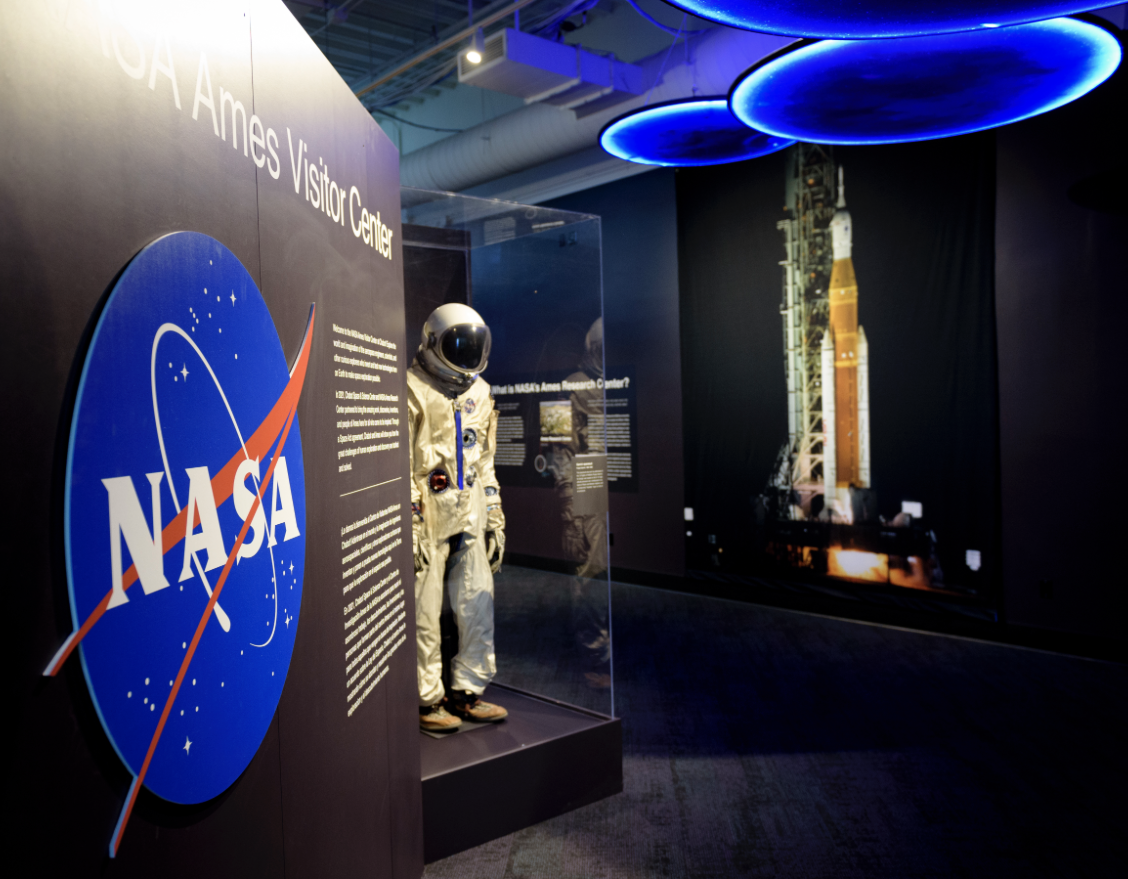
Liftoff! Redesigned NASA Ames Visitor Center Engages Kids, Families
by Tara Friesen
The San Francisco Bay Area has a new and interactive way to learn more about the innovative work of NASA’s Ames Research Center. A newly redesigned NASA Ames Visitor Center at Chabot Space & Science Center in Oakland, California, reopened to the public June 22 at the NASA Fest at Chabot celebration.
The two-day festival included hands-on activities, workshops, and conversations with NASA Ames experts, as well as presentations from local STEM organizations.
“Curiosity and inspiration are the core of what we do at NASA,” said Eugene Tu, center director at Ames. “This new exhibit is a chance for us to share a bit of what happens behind the scenes that makes our work possible and inspire the next generation.”
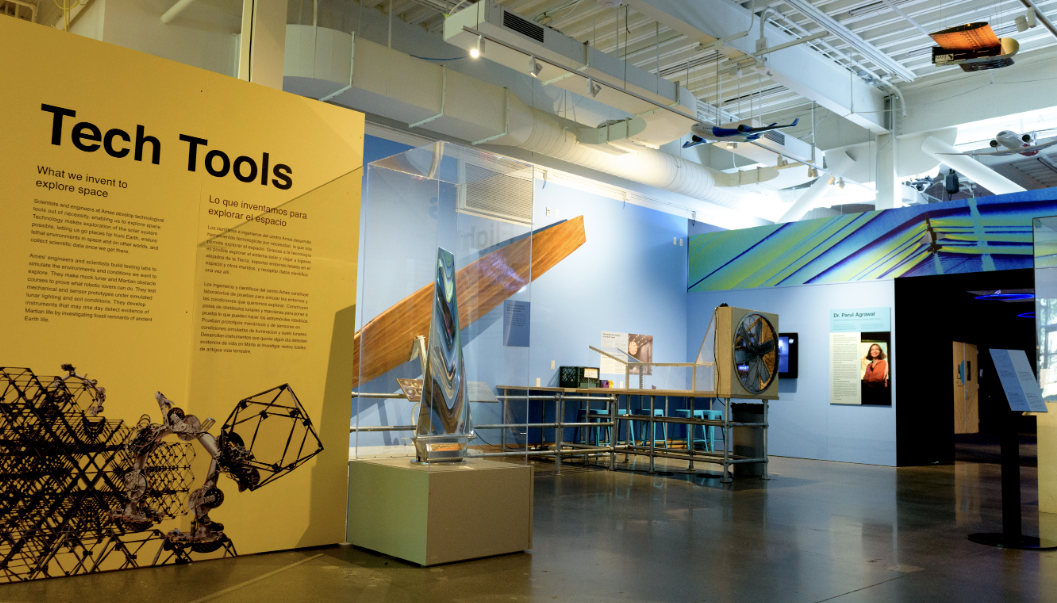
The updated visitor center includes a fully reimagined 360-degree experience, featuring new exhibits, models, and more. An interactive exhibit puts visitors in the shoes of a NASA Ames scientist, designing and testing rovers, planes, and robots for space exploration.
The NASA Ames Visitor Center first opened at Chabot in November 2021. The newly reimagined space is one way NASA seeks to engage and excite kids and families in science and technology.
NASA Cloud-Based Platform Could Help Streamline, Improve Air Traffic
by John Gould
Just like your smartphone navigation app can instantly analyze information from many sources to suggest the best route to follow, a NASA-developed resource is now making data available to help the aviation industry do the same thing.
To assist air traffic managers in keeping airplanes moving efficiently through the skies, information about weather, potential delays, and more is being gathered and processed to support decision making tools for a variety of aviation applications.
Appropriately named the Digital Information Platform (DIP), this living database hosts key data gathered by flight participants such as airlines or drone operators. It will help power additional tools that, among other benefits, can save you travel time.
“Through DIP we’re also demonstrating how to deliver digital services for aviation users via a modern cloud-based, service-oriented architecture,” said Swati Saxena, DIP project manager at NASA’s Ames Research Center in California.
The intent is not to compete with others. Instead, the hope is that industry will see DIP as a reference they can use in developing and implementing their own platforms and digital services.
“Ultimately, the aviation industry – the Federal Aviation Administration, commercial airlines, flight operators, and even the flying public – will benefit from what we develop,” Saxena said.
The platform and digital services have even more benefits than just saving some time on a journey.
For example, NASA recently collaborated with airlines to demonstrate a traffic management tool that improved traffic flow at select airports, saving thousands of pounds of jet fuel and significantly reducing carbon emissions.
Now, much of the data gathered in collaboration with airlines and integrated on the platform is publicly available. Users who qualify can create a guest account and access DIP data at a new website created by the project.
It’s all part of NASA’s vision for 21st century aviation involving revolutionary next-generation future airspace and safety tools.
Managing Future Air Traffic
During the 2030s and beyond, the skies above the United States are expected to become much busier.
Facing this rising demand, the current National Airspace System – the network of U.S. aviation infrastructure including airports, air navigation facilities, and communications – will be challenged to keep up. DIP represents a key piece of solving that challenge.
NASA’s vision for future airspace and safety involves new technology to create a highly automated, safe, and scalable environment.
What this vision looks like is a flight environment where many types of vehicles and their pilots, as well as air traffic managers, use state-of-the-art automated tools and systems that provide highly detailed and curated information.
These tools leverage new capabilities like machine learning and artificial intelligence to streamline efficiency and handle the increase in traffic expected in the coming decades.
Digital Services Ecosystem in Action
To begin implementing this new vision, our aeronautical innovators are evaluating their platform, DIP, and services at several airports in Texas. This initial stage is a building block for larger such demonstrations in the future.
“These digital services are being used in the live operational environment by our airline partners to improve efficiency of the current airspace operations,” Saxena said. “The tools are currently in use in the Dallas/Fort Worth area and will be deployed in the Houston airspace in 2025.”
The results from these digital tools are already making a difference.
Proven Air Traffic Results
During 2022, a NASA machine learning-based tool named Collaborative Digital Departure Rerouting, designed to improve the flow of air traffic and prevent flight delays, saved more than 24,000 lbs. (10,886 kg.) of fuel by streamlining air traffic in the Dallas area.
If such tools were used across the entire country, the improvements made in efficiency, safety, and sustainability would make a notable difference to the flying public and industry.
“Continued agreements with airlines and the aviation industry led to the creation and expansion of this partnership ecosystem,” Saxena said. “There have been benefits across the board.”
DIP was developed under NASA’s Airspace Operations and Safety Program.
Ames Selected Co-Winner 2024 NASA Software of the Year Award
Ames Research Center is a co-winner for the 2024 NASA Software of the Year (SOY) award for “ProgPy -Prognostics Python” software, which was among five submissions competing this year. NASA Johnson Space Center also was selected as co-winner of the SOY award. Put simply, ProgPy helps predict how long a machine will work before it runs into challenges, essentially computing its remaining useful life (more information below).
The agency-wide annual SOY competition rewards high-quality, innovative, and robust software using efficient software engineering processes that meet NASA’s stringent safety and reliability standards. Sponsors of the competition include the NASA Chief Engineer, the NASA Chief Information Officer, and the NASA Office of Safety and Mission Assurance. NASA’s Inventions and Contribution Board (ICB) reviewed and ranked the nominations, in coordination with the sponsors.
Congratulations to the ProgPy team from Code TI: Christopher Teubert, Katelyn Griffith, Matteo Corbetta, Chetan Kulkarni, Jason Watkins, Matthew J. Daigle, Portia Banerjee, Adam Sweet and interns, Miryam Strautkalns, and Aditya Tummala for this recognition by the agency.
The NASA Prognostic Package (ProgPy) is a python prognostics framework focused on building, using, and evaluating models and algorithms for prognostics (computation of remaining useful life). It also includes the health management of engineering systems and provides a set of prognostics models for select components and prognostics algorithms developed within this framework, suitable for use in prognostics for these components. In addition to algorithms for state estimation and prediction, including uncertainty propagation. ProgPy combines NASA’s prog_models and prog_algs packages into a single python package, for simplicity and clarity.
Every new software developed or improved, helps advance the agency’s work. Employees are invited to submit disclosures on your software and technology development work at https://invention.nasa.gov to make these important benefits a reality.
Special Thanks
Appreciation and special thanks to Ames’ Technology Transfer Office, Inventions and Contributions Board (ICB) members, and 2024 NASA SOY selection panel members who reviewed and selected the technology that Ames put forward for the agencywide competition. They helped assemble, vet, and submit the nomination package and helped prepare the team for their final presentation delivered to the SOY Judging Panel.
Congratulations to the ProgPY team for this recognition and for continuing the Ames tradition of leading the agency in software development!
Former NASA Software of the Year Winners
As a center, we have enjoyed great success in previous NASA Software of the Year (SOY) competitions. This achievement adds to our legacy, which includes:
Unsteady Pressure-Sensitive Paint (uPSP), (Honorable Mention, 2023)
Porous Microstructure Analysis (PuMA), (Software of the Year, 2022)
Airspace Technology Demonstration 2 (ATD-2) (Runner-Up, 2021)
Astrobee Robot and Ground Software (Runner-Up, 2020)
UAS Traffic Management Services (UTM) (Software of the Year, 2019)
NASA Task Load Index TLX, (Runner-Up, 2018)
TSAS for Air Traffic Control (Software of the Year, 2017)
Pegasus 5 CFD Tool (Software of the Year, 2016)
NEQAIR v14.x Non-Equilibrium Radiative Transport and Spectra Program (Software of the Year, 2015)
Configuration-Based Aerodynamics (CBAERO) with Marshall Space Flight Center (Software of the Year, 2014)
NASA App with JPL (Software of the Year, 2012)
Kepler Science Operations Center (SOC) (Software of the Year, 2010)
World Wind Java (Software of the Year, 2009)
Data Parallel Line Relaxation Code (DPLR) (Software of the Year, 2007)
Future Air Traffic Management Concepts Evaluation Tool (FACET) (Software of the Year, 2006)
Cart3D (Software of the Year, 2002)
Remote Agent with JPL (Software of the Year, 1999)
Center TRACON Automation System (Software of the Year, 1998)
Flow Analysis Software Toolkit (FAST) (Software of the Year, 1995)
Incompressible Navier-Stokes Flow Solver in Three Dimensions (INS3D) (Software of the Year, 1994)
The ICB members included Leland Stone (Code TH) and Mary Livingston (Code AA). Leland also serves as chair of Ames’ Software of the Year selection panel. From the Ames Technology Transfer Office (Code DI): Kim Hines (Chief), Kimberly Minafra, Hong Vong, Jay Singh, and Katie Smyth. The 2024 Ames SoY Selection Panel members were Harry Partridge (Code D), Craig Pires (Code D), Robert Duffy (Code TI), Robert Windhorst (Code AFH), Estela Buchmann (Code AF), Sean Colgan (Code STA).
Careers & disABLED Magazine names Nathaniel Smith 2024 Employee of the Year
Nathanial (Neal) Smith, an aerospace engineer at Ames in the Experimental Aero-Physics Branch (Code AOX) was selected as Employee of the Year by Careers & the disABLED Magazine for his professional and advocacy efforts on behalf of people with disabilities in the workplace and in the community. His research is computer vision-based technique implementations for novel approaches to optical data reduction, and flow physics analysis. He is open to sharing about his disability to inspire others.
Congratulations Neal! As Administrator Nelson has said, ensuring NASA is inclusive and accessible is critical to the agency’s ability to innovate, achieve excellence, and advance the mission. We are fortunate to benefit from Neal’s commitment to this goal here at Ames. The NASA Ames family is proud of your contributions to the agency and your continuous involvement with the Ames Disability Advocates employee resource group. Find out more about Neal and his award in the Spring Awards issue of Careers & the disABLED.
Awardees of the FY24 Ames Research Innovation Award Announced
The Office of the Chief Scientist (OCS) is pleased to announce the FY24 Ames Research Innovation Award (ARIA) awardees.
ARIA promotes the vitality of Ames through strategic investments in scientific research, capabilities, and people. It encourages the development of new, high-risk/high-return investigations that stress innovation, exploration, and/or interdisciplinary work. ARIA focuses on innovative or basic scientific research in areas that are relevant to agency and center goals, without necessarily being tied to any specific future mission opportunity. ARIA proposals must be research oriented and are considered seedling funding for innovative/disruptive research that will enable next generation science and research.
Please join us in congratulating the FY24 ARIA awardees:
- Don Banfield, “Ice Giant Watchdog Concept”
- Jared Broddrick, “Systems Biology Analysis of Biological Payload Telemetry Data”
- Egle Cekanaviciute, “Human Airway Model Responses to Airborne Stimuli”
- Michael Flynn, “Radio-catalytic Radiation Protection”
- Jessica Koehne, “Detection and Characterization of Single Mag-EC ELISA Constructs for Ultra-Low LOD Life Detection”
- Yasaman Shirazi, “Assessing miRNA Biomarkers Associated with Spaceflight Induced Bone Loss and Fracture Risk”
Visit the OCS website for more information.
Congratulations to the Awardees of the 2024 Internal Research and Development
Ames Research Center is pleased to announce the awardees of the FY24 Internal Research and Development (IRAD).The IRAD develops strategic technical capabilities in support of the center competencies and thereby enables science, technology, and engineering efforts for future agency missions. The advances in science and technology through this program will provide potential opportunities for technical risk reduction and/or increased cost effectiveness and initiate potentially transformational solutions.
Congratulations to the FY24 IRAD awardees:
Walter Alvarado, Biomarkers in Radiation Exhalation Assessment Tool for Health Evaluation (BREATHE).
Don Banfield, Mars Doppler Wind & Thermal Sounder Ozone Cell Maturation.
Grace Belancik, Cryocooler-Deposited CO2 Purifier.
Amanda Brecht, AIR (Ames Infrared Imager): Maturation of a Compact and Versatile Hyperspectral Imager.
Anthony Colaprete, Moon3D and Dust Particle Suite: An Artemis IV Deployed Payload.
Magnus Haw, IMPedance Analysis and Certification Technology (IMPACT).
Tori Hoehler, Verification and Validation of ARC Enceladus Life Signatures and Habitability (ELSAH) Payload Elements for New Frontiers 5.
Brian Kempa, DARTS: Distributed Autonomous Robotic Tomography of Seismics.
Jessica Lee, Fluorescence detection and optogenetic activation for microbial experimentation beyond LEO.
Mike Padgen, SAMMS: Spaceflight Autonomous Multigenerational Microbial Sequencer.
Keith Peterson, PICA-Flex: A Low-Cost Advanced Ablative TPS in NASA’s New MERINO Family of Materials (Materials Engineered for Re-entry using Innovative Needling Operations).
Richard Quinn, Microfluidic Icy-World Chiral-Chemistry Analyzer (MICCA).
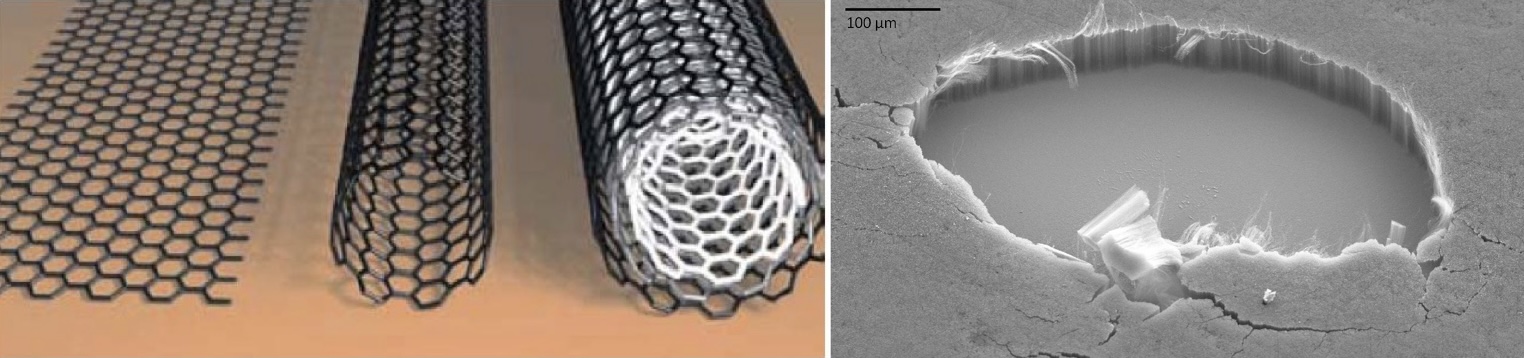
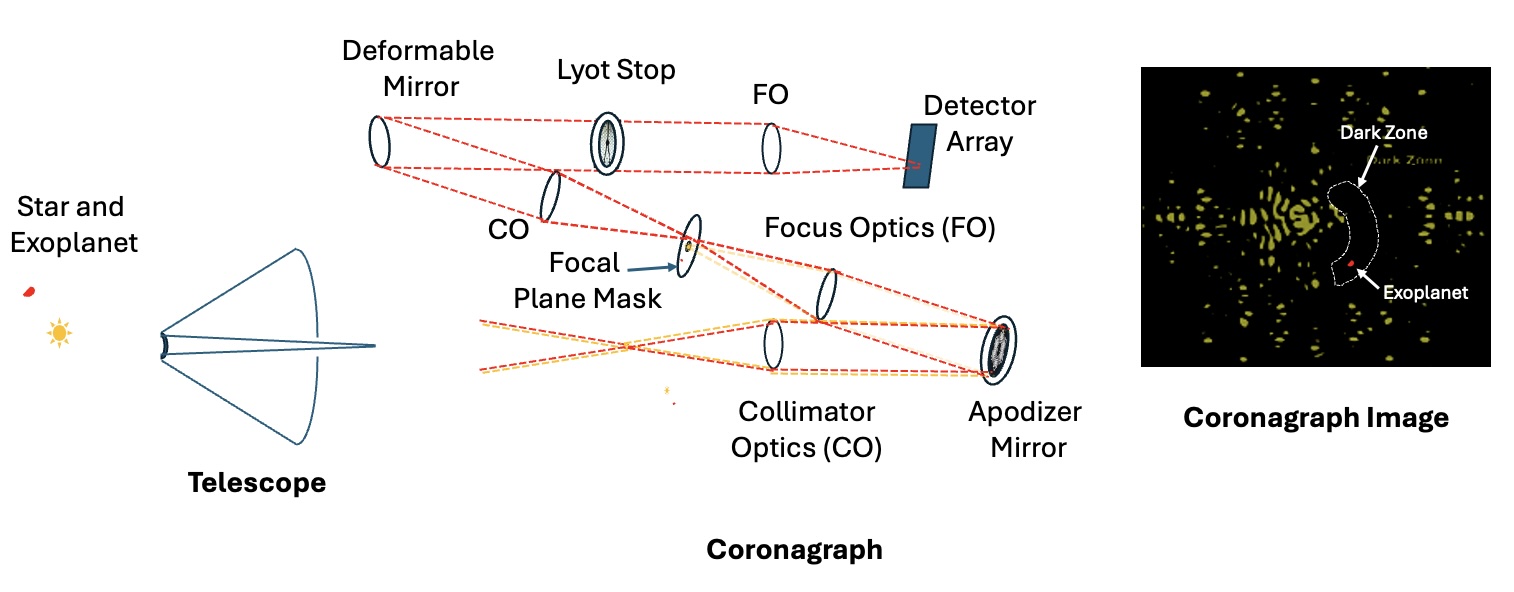
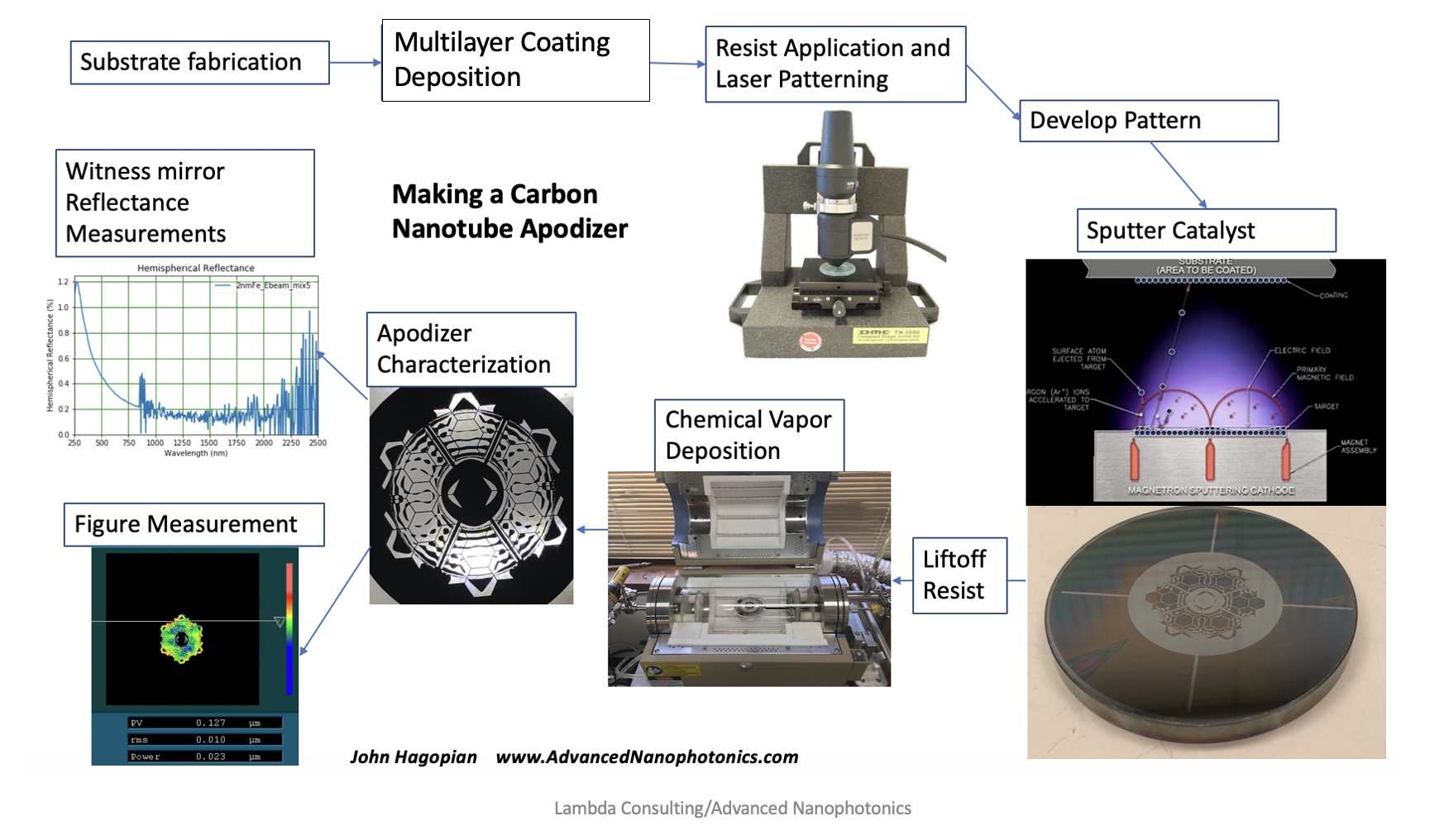
Naseem Rangwala, Enabling a New Vacuum High-Contrast Imaging Testbed for NASA’s Habitable Worlds Observatory.
Farid Salama, Developing a New Negative Ion Production System on the COSmIC Facility for Interstellar and Planetary applications.
This year, the IRAD was highly competitive with more than 65 proposals submitted from across the center and represents an over 100% increase in the number of proposals submitted compared to last year. The 14 proposals selected represent an approximately $2.8 million center investment over two years and consists of 13 proposals by principal investigators not in the FY23 awards.
We appreciate everyone’s interest in this important program and look forward to hearing about the results of these investigations.
Congratulations to all the FY24 IRAD recipients!
Visit the IRAD website for more information.
Dr. Yvonne Cagle Receives Presidential Lifetime Achievement Award, Gold Medal
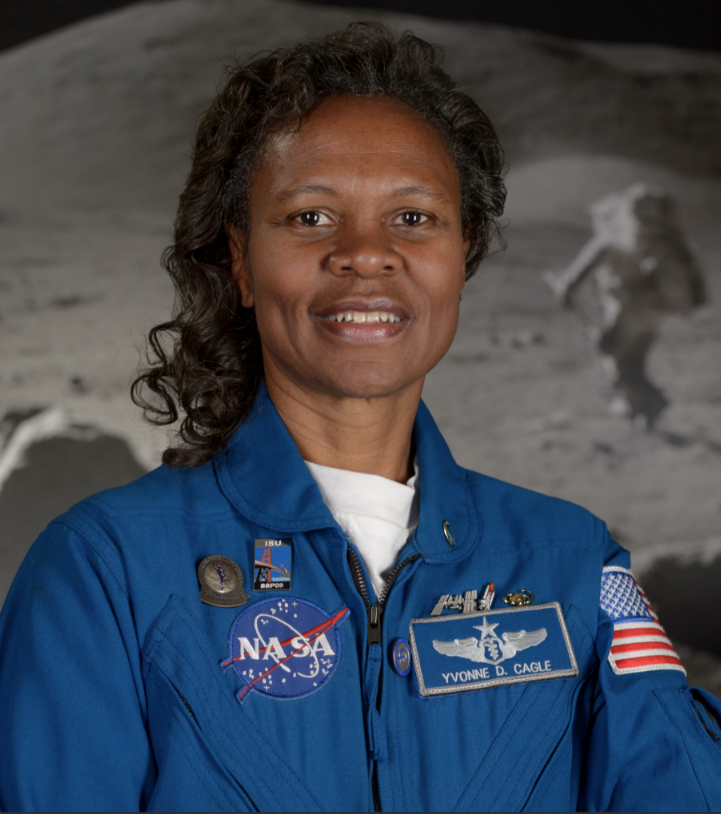
Congratulations to NASA astronaut and longtime Ames Management Astronaut Representative, Dr. Yvonne Cagle, currently assigned to the Partnerships Office, who was presented with the Presidential Lifetime Achievement Award, Gold Medal, on June 17.
Cagle received the award during Black Space Week, following her participation on a panel with fellow astronauts Victor Glover, Jessica Watkins, Leland Melvin, and Joan Higginbotham at the National Museum of African American History and Culture. The panel examined the past, present, and future of space exploration.
At the event, Cagle shared her insight upon returning from a sailing research trip studying the geoscience and thermal chemical profiles of the oceans in anticipation of planetary soil sampling opportunities for future lunar and Mars missions. As NASA prepares to send humans back to the Moon and on to Mars, we need to consider, “The way the planet speaks, the way the soil speaks, the way the ocean can let us know when its coasts are under strain, and how that can be really disruptive to our planet and our lives… And I began to realize that the Earth is alive; it breathes. And I really want to use some of the discoveries I’ve made over my years as a medical doctor and overlay them on the face of the Earth, and then take that perspective to look back from the lens of space to see if we can all come together, work together to regenerate, thrive, and sustain ourselves both here on the planet and off.”
This most recent award joins many others that recognize Cagle’s excellence, including the National Defense Service Medal, Air Force Achievement Medal, United States Air Force Air Staff Exceptional Physician Commendation and National Technical Association Distinguished Scientist Award. A senior flight surgeon and a contributor to the study of astronaut health, Cagle is a valued colleague at Ames and an inspiration to the next generation of medical doctors, scientists, and space explorers.
National Academies Study Selects Dr. Jen Heldmann as Geosciences Panel Chair
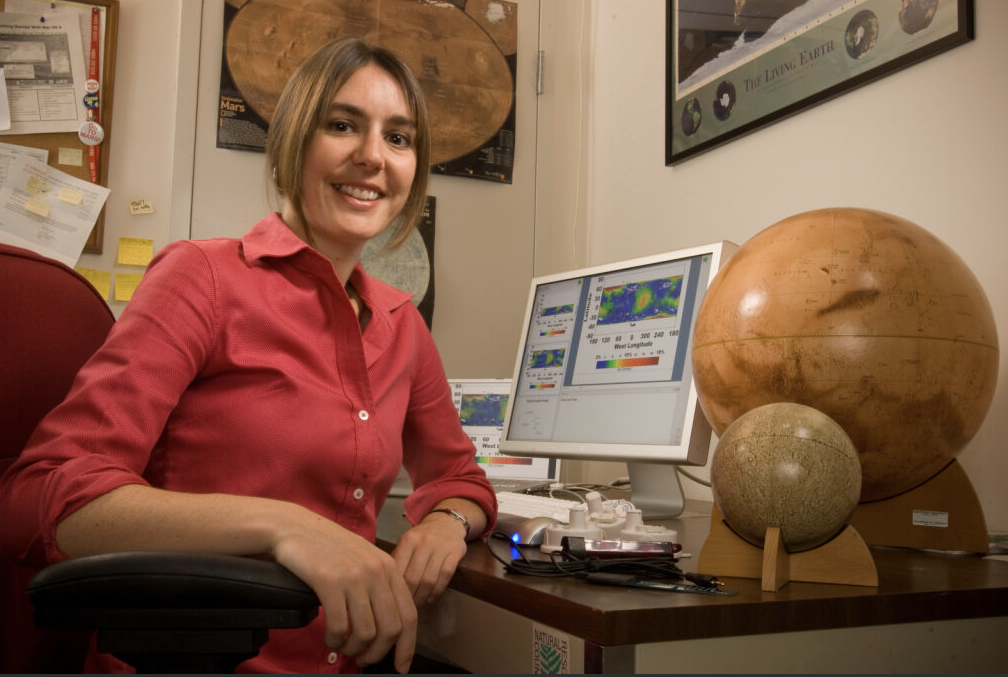
Ames’ Planetary Scientist Dr. Jen Heldmann has been selected as Chair of the Geosciences Panel in a study led by the National Academies of Science, Engineering and Medicine (NASEM) entitled “A Science Strategy for the Human Exploration of Mars.” The Geosciences panel is one of four that will provide input to the steering committee to identify and prioritize Mars science objectives best conducted by humans. The panel’s report will also outline mission campaigns to achieve these prioritized science objectives.
Aligning with NASA’s Moon to Mars Objectives
According to the National Academies: “A Science Strategy for the Human Exploration of Mars will identify high priority science objectives (in all relevant disciplines) to be addressed by human explorers across multiple science campaigns on the surface of Mars. This includes identifying and prioritizing science objectives from the relevant decadal survey reports and discipline roadmaps and NASA’s Moon to Mars Objectives, determining types of samples to be collected and measurements to be taken, identifying science campaigns to address the objectives, and identifying preliminary criteria for the selection of appropriate landing sites.
Research Interests
Heldmann’s research interests focus on planetary volatiles, in-situ resource utilization (ISRU) and enabling human exploration of the Moon and Mars. Her expertise includes spacecraft data analysis, numerical modeling, and fieldwork in Mars-analog environments in locations such as Chile’s Atacama Desert, the Canadian High Arctic and Antarctica. She has contributed to space missions starting with the Ames-led LCROSS (Lunar Crater Observation and Sensing Satellite) mission to the Moon, and currently serves as a science team member for the VIPER (Volatiles Investigating Polar Exploration Rover) mission.
Heldmann serves as principal investigator (PI) for both NASA’s FINESSE (Field Investigations to Enable Solar System Science & Exploration) and RESOURCE (Resource Exploration and Science of OUR Cosmic Environment) projects and has served as PI or co-I on a host of other projects and grants. She has supported the Artemis Program as a member of the Artemis III Science Definition Team, as co-lead of the Artemis III Geology Team, and as a crew trainer for Artemis Astronauts (among other duties).
Congratulations to Dr. Heldmann in her new role helping to lead NASA into the coming decades of human Mars exploration!
NASA Public Engagement Specialist Jonas Dino Loves to Inspire Kids with STEM
by Gianine Figliozi
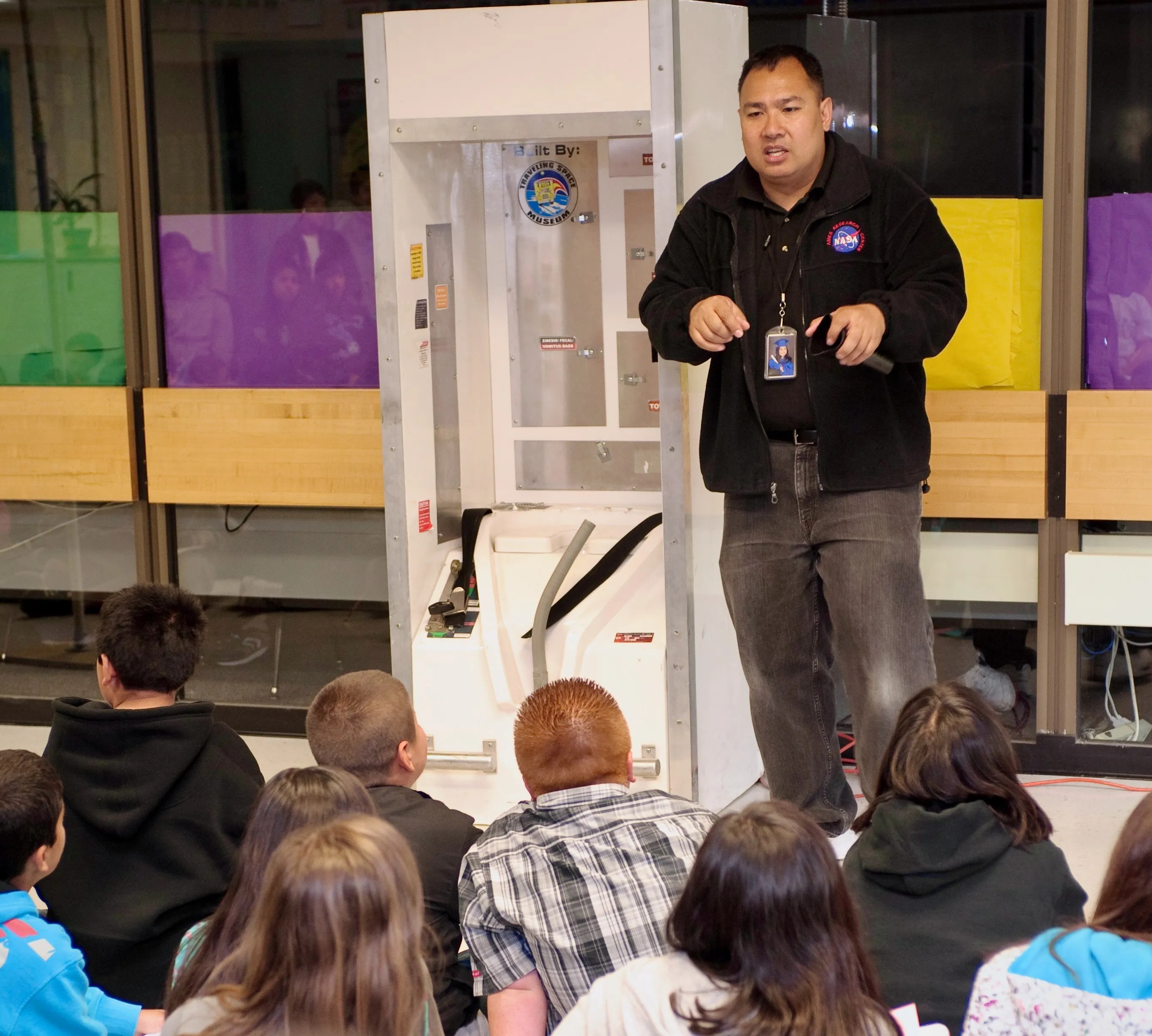
Careers at NASA were not on his radar growing up. But Jonas Dino, public engagement specialist at NASA’s Ames Research Center in California’s Silicon Valley, ended up with his perfect job that involves connecting people with NASA.
One of the best parts of his job is to learn first-hand about NASA’s cutting-edge research and translate these concepts to the next generation.
“I’m excited about what NASA does and where we are going,” said Dino, “As an extrovert, I love interacting with the public, especially little kids.”
When speaking to younger children, Dino often kneels, to get to their level. With the future of aeronautics and space exploration in mind, he has a message for them: ‘NASA needs you.’
“They love space and think it is very cool, but many don’t think they could ever work at NASA,” said Dino. “I want to help them see: anything is possible.”
A path to NASA he didn’t know existed
A first-generation immigrant from the Philippines, Dino’s academic start focused on studying life sciences.
“As a Filipino, you’re encouraged to go into the medical field as a career,” said Dino.
After joining the Marine Corps, Reserve, he returned home to study biology at San Jose State University (SJSU). After doing poorly at organic chemistry, he took his next “logical” step and switched his major to nursing. After working in the field, he realized that was not for him either. Luckily, he had been taking psychology classes, following his interests, and could graduate with a psychology degree by only taking two more classes.
After three changes in major and just getting ready to graduate, Dino was hit by a car. His injury and subsequent recovery gave him time to evaluate what he wanted to do with his life.
“I was pretty good at talking to people and teaching,” said Dino. “Maybe I could do that as a job?”
Dino started his teaching career at James Logan – the same high school he graduated from in 1985. He eventually ran for and was elected as a trustee for the New Haven Unified School District in the San Francisco Bay Area. Unfortunately, to take that seat, he could not be a teacher in the district – a conflict of interest. Suddenly needing a job, he found the internship book at SJSU where he was getting his master’s degree. Soon, he was evaluating opportunities: a high-tech company or NASA?
“It was during the dotcom boom and my family strongly encouraged me to take the high-tech internship,” said Dino. “I took the internship at NASA Ames and have never regretted my decision.”
Working as a communicator, Dino has covered the gamut of NASA projects from aeronautics to space missions, including a lunar mission, LCROSS, that helped confirm the presence of water on the Moon.
His favorite part of his job is STEM engagement.
“There is nothing like seeing a kid’s eyes get larger, or that proverbial light-bulb-turn-on-above-their-heads when you teach them something new,” said Dino. “When you see kids are hungry for science, you need to feed it.”
He did serve his community on the school board for four terms – 16 years. Now, he serves as an advocate for the NASA Ames workforce as president of the Ames Federal Employees Union.
“NASA is a great place to work, it has been a blast, for nearly 24 years.”
Nudging an asteroid
A little push in the right direction, even incidental, can have a huge effect on your trajectory – and thus where you end up – if it happens early on. This is true both for rogue rocks, on the loose in the solar system, and for people too.
“When I was a kid, I took apart everything because I wanted to know what’s inside and how everything worked,” said Dino. “Looking back, I should have been an engineer.”
“I have two children, a son and a daughter,” said Dino. “I’m encouraging my daughter to go into STEM; we need more young women in STEM careers but too many girls are pushed away from this choice by the time they are in middle school. I also want to encourage Filipino kids to make their own career choices and maybe even to come work for NASA.”
To help pursue these goals, Dino started a memorial scholarship in honor of his father for Filipino students going into STEM fields. He handed out the inaugural scholarship for this last May.
NASA never stops for Dino. Whether at work or on his free time, he’s always talking about NASA. While dishing out samples of his Filipino adobo recipe during a recent adobo-cooking contest – according to Dino, every Filipino family has their own recipe for this dish – he also handed out NASA knowledge. He won second place.
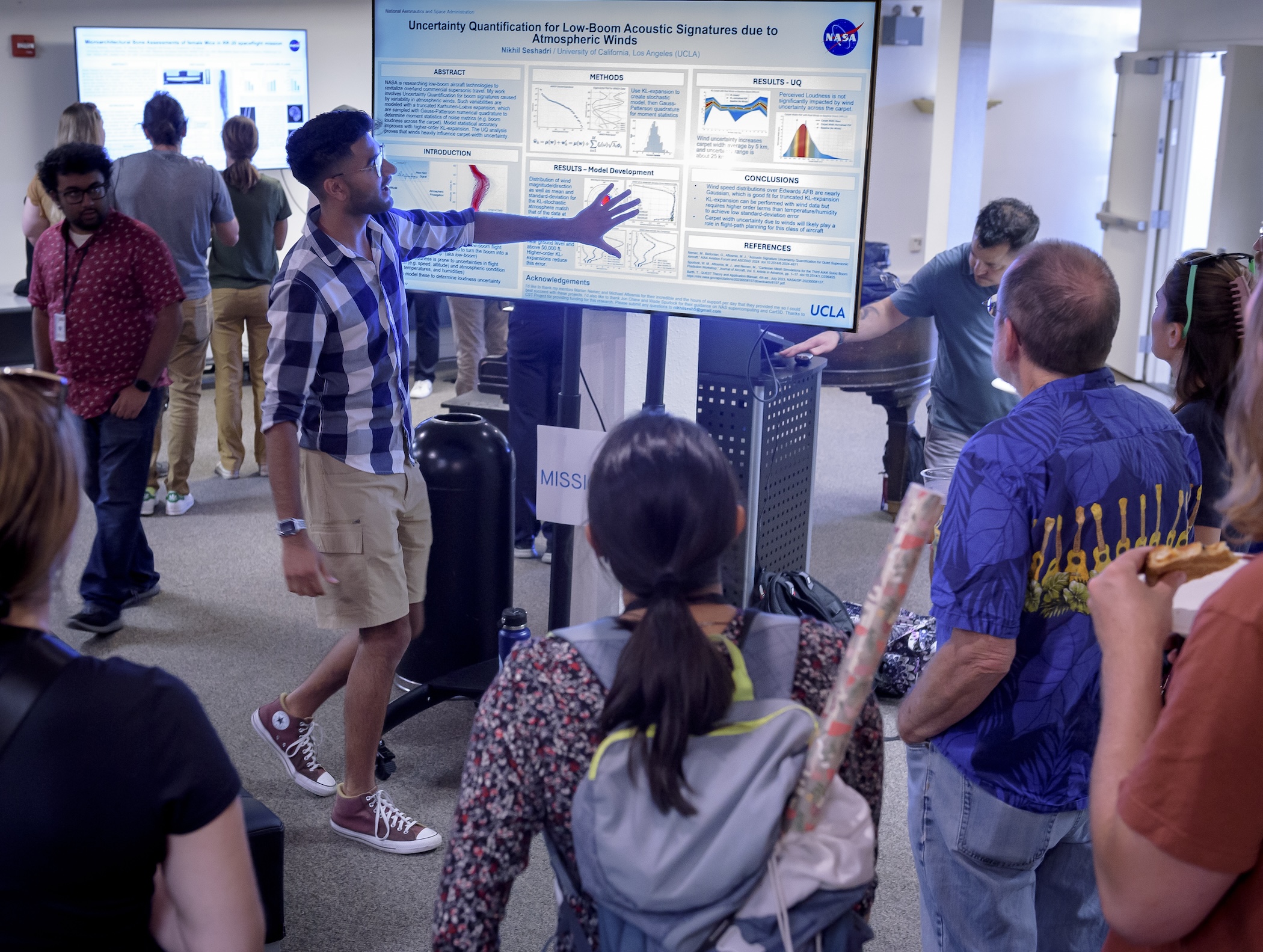
Summer Interns Present at Poster Session
Ames summer interns presented their research projects that they worked on during the summer to center leadership and mentors during a poster session event in Building 3 in the NASA Research Park.
Mountain View Tech Showcase and Panel Highlight Local Innovations
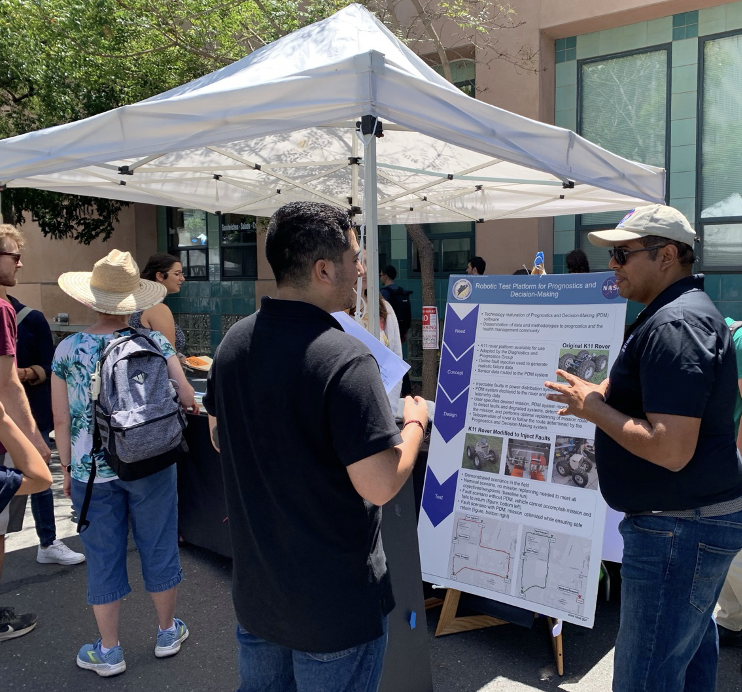
Ames participated in a technology panel and exhibited at the two-day Mountain View Technology Showcase event July 24 and 25, held annually at the Mountain View Center for the Performing Arts. This event was a testament to the collaborative spirit of companies and partners from within the city and surrounding areas, all coming together to highlight the latest technology innovations. Chetan Kulkarni, Code T, shared his work on algorithm development, and Donald Durston, Code A, shared his work on supersonic aircraft, sonic booms, and the X-59. The panel provided the general public with a better understanding of the current and future state of unmanned airspace use in Mountain View, particularly the long history of air and space research and development, the myriad of uses, the challenges of managing use at different altitudes, what aspects our local companies are focusing on, and how they all fit together to help our everyday lives.
Space Life Sciences Training Program (SLSTP) Interns Tour Ames
Surfing NASA’s Internet of Animals: Satellites Study Ocean Wildlife
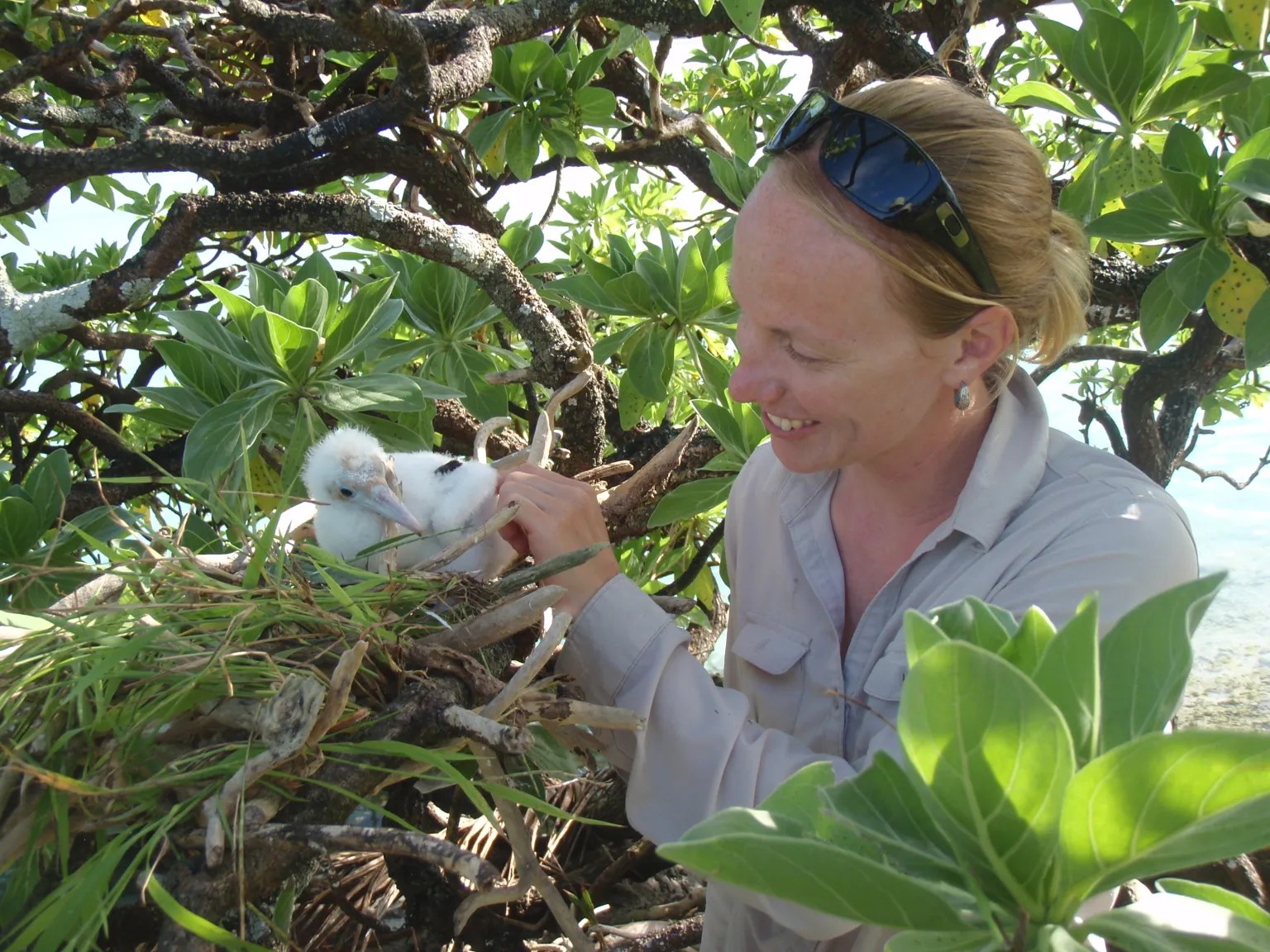
Anchoring the boat in a sandbar, research scientist Morgan Gilmour steps into the shallows and is immediately surrounded by sharks. The warm waters around the tropical island act as a reef shark nursery, and these baby biters are curious about the newcomer. They zoom close and veer away at the last minute, as Gilmour slowly makes her way toward the kaleidoscope of green sprouting from the island ahead.
Gilmour, a scientist at NASA’s Ames Research Center in California’s Silicon Valley, conducts marine ecology and conservation studies using data collected by the U.S. Geological Survey (USGS) from animals equipped with wildlife tags. Palmyra Atoll, a United States marine protected area, provides the perfect venue for this work.
A collection of roughly 50 small islands in the tropical heart of the Pacific Ocean, the atoll is bursting with life of all kinds, from the reef sharks and manta rays circling the shoreline to the coconut crabs climbing palm branches and the thousands of seabirds swooping overhead. By analyzing the movements of dolphins, tuna, and other creatures, Gilmour and her collaborators can help assess whether the boundaries of the marine protected area surrounding the atoll actually protect the species they intend to, or if its limits need to shift.
Launched in 2020 by The Nature Conservancy and its partners – USGS, NOAA (National Oceanic and Atmospheric Administration), and several universities – the project team deployed wildlife tags at Palmyra in 2022, when Gilmour was a scientist with USGS.
Now with NASA, she is leveraging the data for a study under the agency’s Internet of Animals project. By combining information transmitted from wildlife tags with information about the planet collected by satellites – such as NASA’s Aqua, NOAA’s GOES (Geostationary Operational Environmental Satellite) satellites, and the U.S.-European Jason-3 – scientists can work with partners to draw conclusions that inform ecological management.
“Internet of Animals is more than just an individual collection of movements or individual studies; it’s a way to understand the Earth at large,” said Ryan Pavlick, then Internet of Animals project scientist at NASA’s Jet Propulsion Laboratory in Southern California, during the project’s kickoff event.
The Internet of Animals at Palmyra
“Our work at Palmyra was remarkably comprehensive,” said Gilmour. “We tracked the movements of eight species at once, plus their environmental conditions, and we integrated climate projections to understand how their habitat may change. Where studies may typically track two or three types of birds, we added fish and marine mammals, plus air and water column data, for a 3D picture of the marine protected area.”
Now, the NASA team has put that data into a species distribution model, which combines the wildlife tracking information with environmental data from satellites, including sea surface temperature, chlorophyll concentration, and ocean current speed. The model can help researchers understand how animal populations use their habitats and how that might shift as the climate changes.
Preliminary results from Internet of Animals team show that the animals tracked are moving beyond the confines of the Palmyra marine protected area. The model identified suitable habitats both in and around the protected zone – now and under predicted climate change scenarios – other researchers and decisionmakers can utilize that knowledge to inform marine policy and conservation.
Following a 2023 presidential memorandum, NOAA began studying and gathering input on whether to expand the protected areas around Palmyra and other parts of the Pacific Remote Islands Marine National Monument. Analysis from NASA’s Internet of Animals could inform that and similar decisions, such as whether to create protected “corridors” in the ocean to allow for seasonal migrations of wildlife. The findings and models from the team’s habitat analysis at Palmyra also could help inform conservation at similar latitudes across the planet.
Beyond the Sea: Other Internet of Animals Studies
Research at Palmyra Atoll is just one example of work by Internet of Animals scientists.
Claire Teitelbaum, a researcher with the Bay Area Environmental Research Institute based at NASA Ames, studies avian flu in wild waterfowl, investigating how their movement may contribute to transmission of the virus to poultry and other domestic livestock.
Teams at Ames and JPL are also working with USGS to create next-generation wildlife tags and sensors. Low-power radar tags in development at JPL would be lightweight enough to track small birds. Ames researchers plan to develop long-range radio tags capable of maximizing coverage and transmission of data from high-flying birds. This could help researchers take measurements in hard-to-reach layers of the atmosphere.
With the technology brought together by the Internet of Animals, even wildlife can take an active role in the study of Earth’s interacting systems, helping human experts learn more about our planet and how best to confront the challenges facing the natural world.
To learn more about the Internet of Animals visit: https://www.nasa.gov/nasa-earth-exchange-nex/new-missions-support/internet-of-animals/
The Internet of Animals project is funded by NASA and managed at NASA’s Jet Propulsion Laboratory in Southern California. The team at NASA’s Ames Research Center in California’s Silicon Valley is part of the NASA Earth Exchange, a Big Data initiative providing unique insights into Earth’s systems using the agency’s supercomputers at the center. Partners on the project include the U.S. Geological Survey, The Nature Conservancy, the National Oceanic and Atmospheric Administration, the Yale Center for Biodiversity and Global Change, Stanford University, University of Hawaii, University of California Santa Barbara, San Jose State University, University of Washington, and the Max Planck Institute for Animal Behavior.
NASA’s Speakers Bureau Unveils New “NASA Engages” Tool
The NASA Speakers Bureau is excited to share a new online tool called NASA Engages! The tool matches the NASA workforce’s individual interests and expertise with internal and external engagement activities. The tool will allow us to engage learners and the public in NASA’s mission through sharing individual experiences, expertise, and content! This tool will help facilitate the teaching that our NASA Experts are eager to share with the public and we want to help expand learning for the public in the fields of math, science and space exploration.
You can join the more than 1,000 other NASA employees in sharing your passion for space exploration with communities and students. You’ll also be guided through registering your profile and a demonstration of the new tool’s functionalities.
Thousands of students, employees, organizations and industry leaders have been connected with NASA subject matter experts. We have heard that our speakers have enriched lives and helped people of all ages to become interested in math, science and space exploration. We want to continue to be a positive influence in the world.
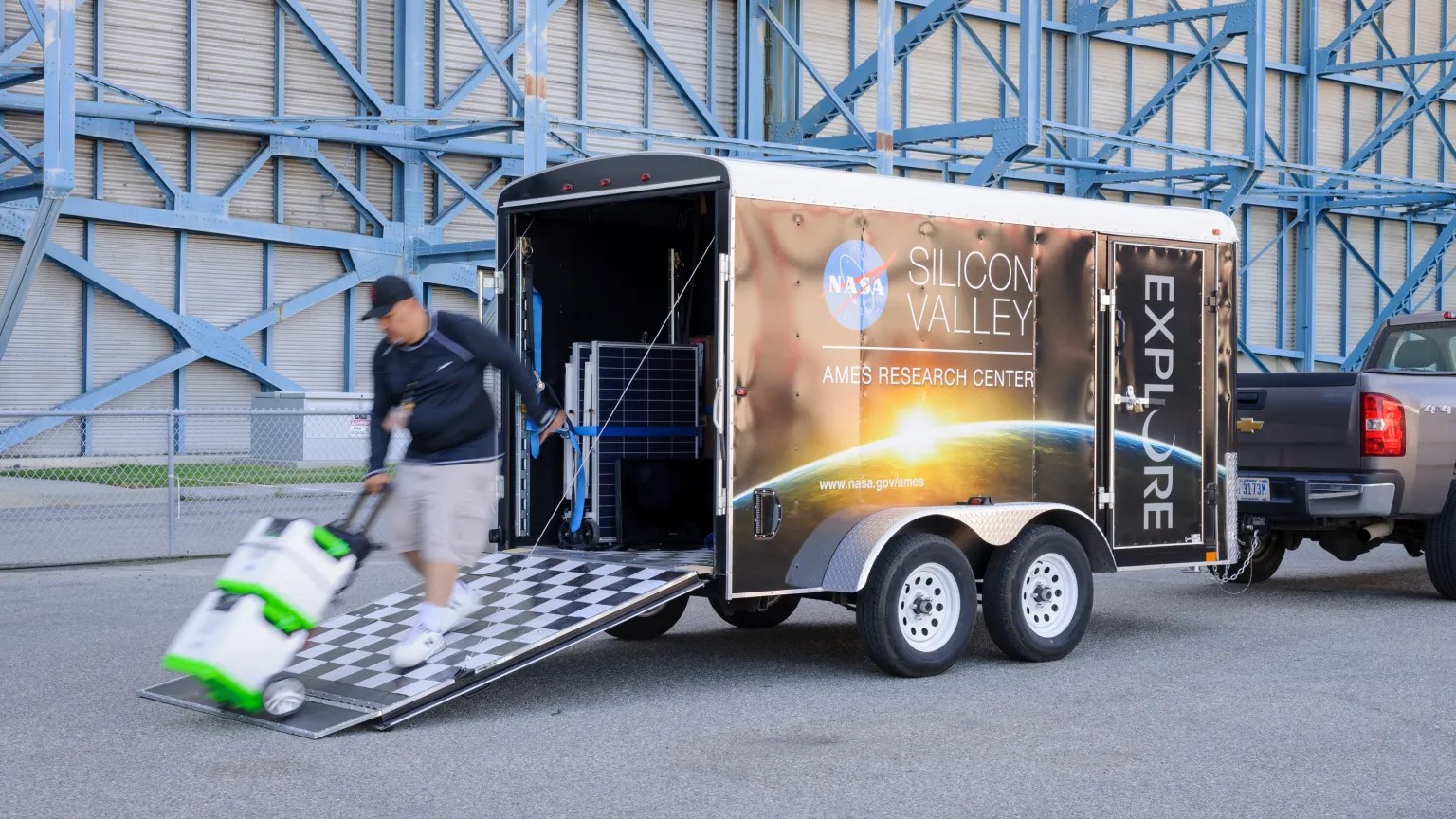
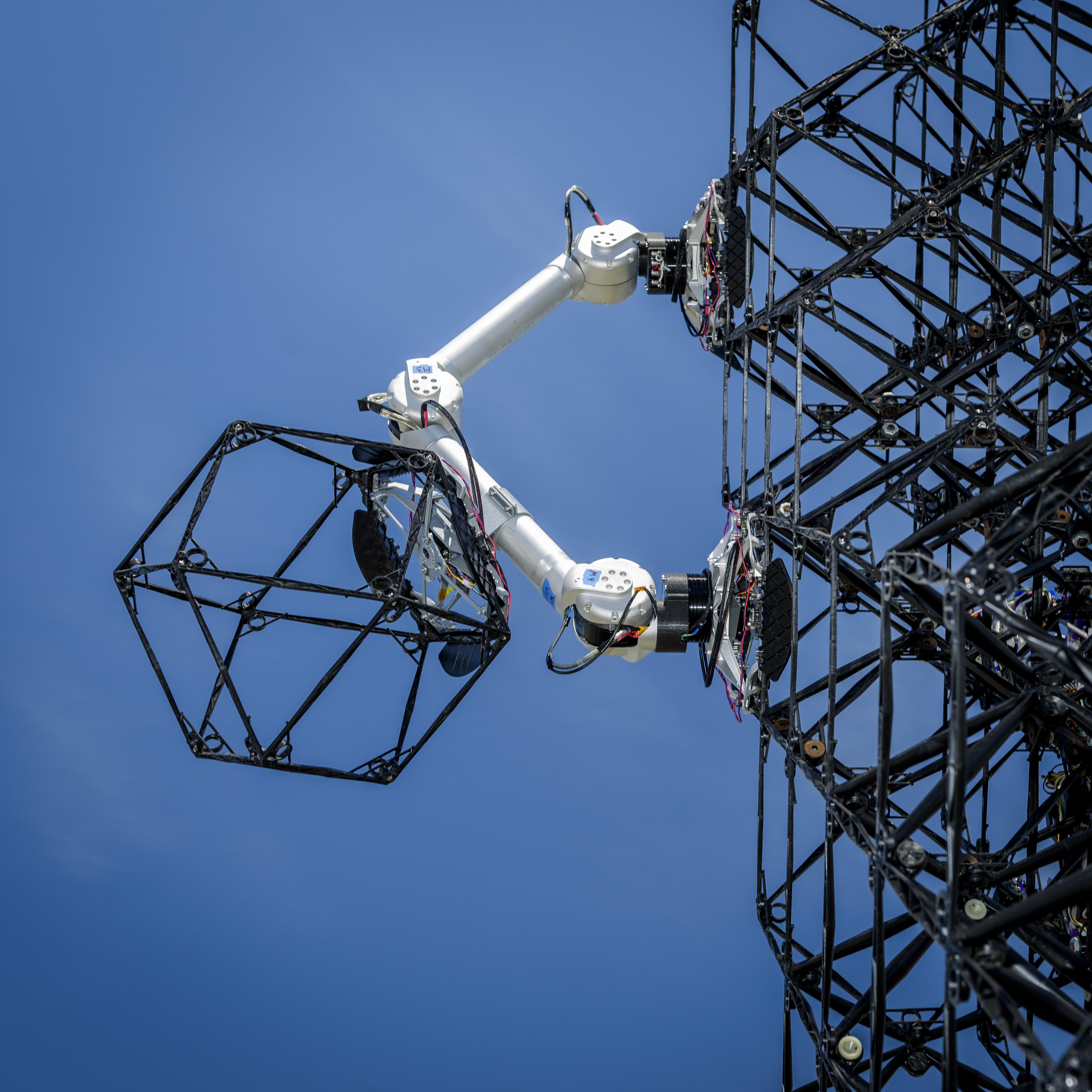
Ames Coded Structures Lab demonstrates SOLL-E Robot at the Roverscape
The Ames Coded Structures Lab demonstrates the operation of the Automated Reconfigurable Mission Adaptive Digital Assembly Systems (ARMADAS) at the Roverscape. This is a close-up view of the Scaling Omni-directional Lattice Locomoting Explorer (SOLL-E, pronounced “Sully”) robot that moves on the exterior of the structure, carries and places the building elements, called voxels.
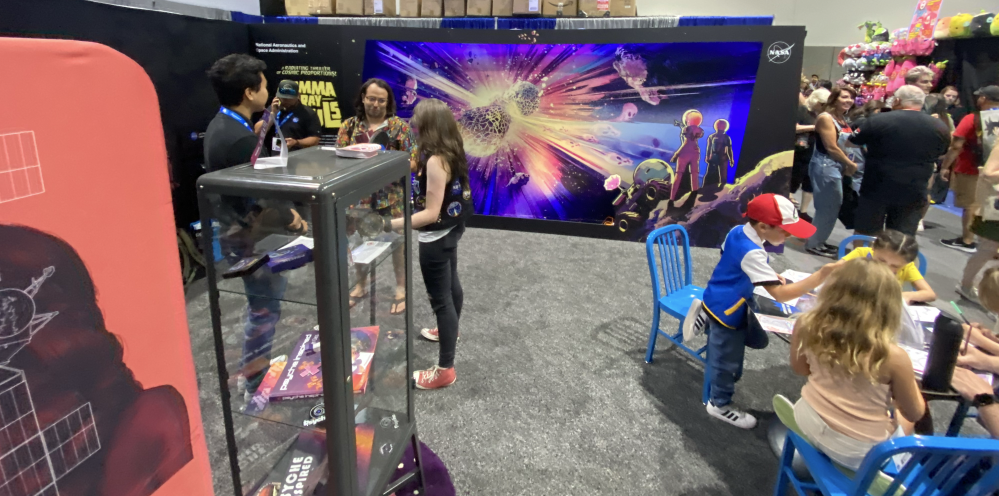
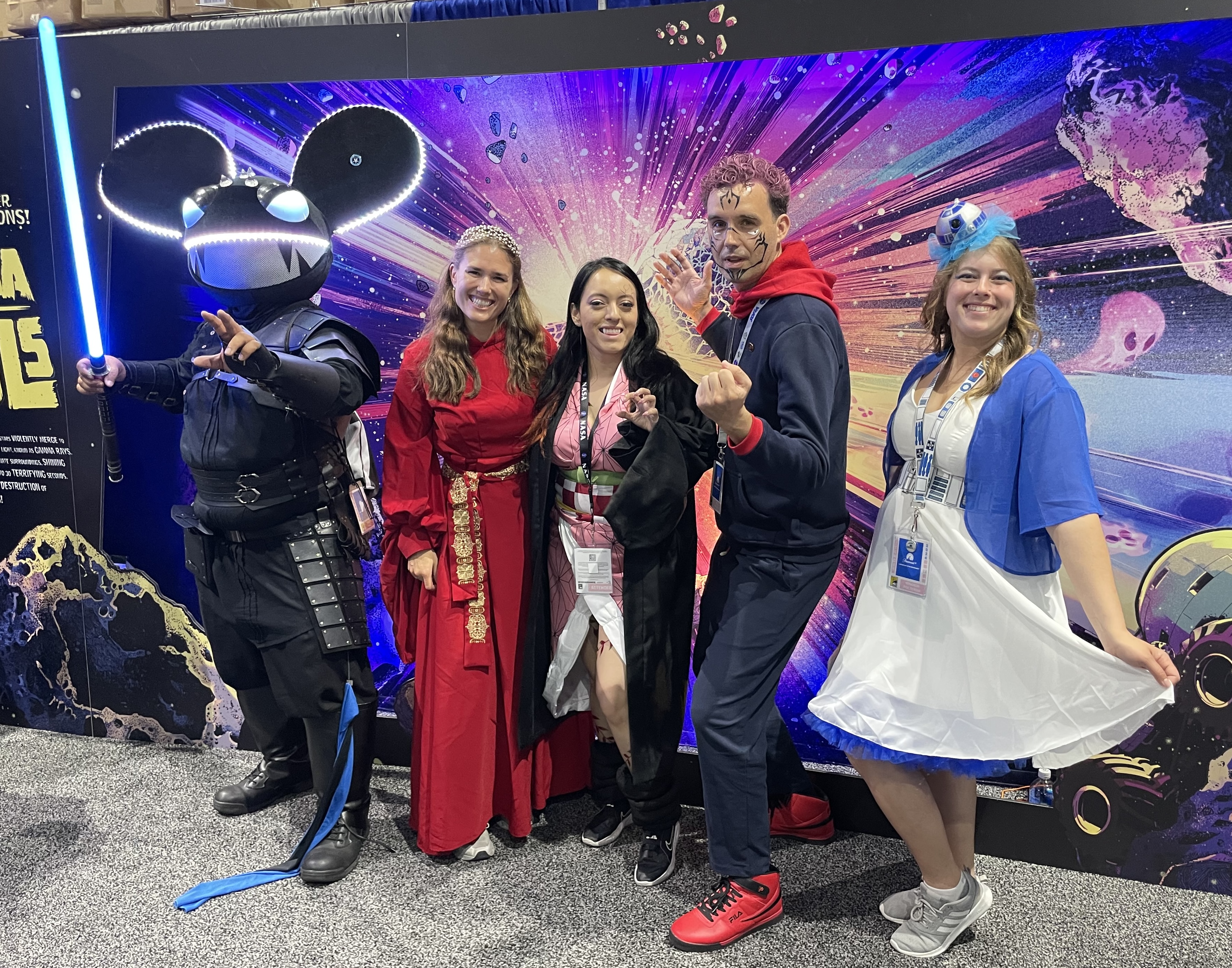
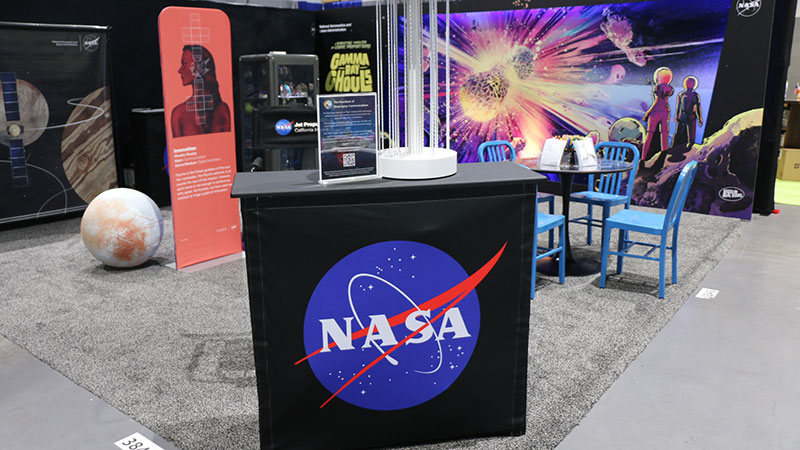
NASA Display Draws Comic-Con Attendee Fans and Space Enthusiasts Alike
Ames’ Office of Communications, in collaboration with Johnson Space Center participated in the San Diego Comic-Con on July 26. Attendees were drawn to the NASA booth displays, eager to learn about NASA’s current and future missions.
NASA Community College Aerospace Scholars (NCAS) Tour Ames
In Memoriam…
NASA Science Instrument Development Manager Alan Rhodes Passes Away
Alan Rhodes passed away on June 27 at his home in St. Louis, Missouri. Alan came to Ames in 2016 when he joined the Stratospheric Observatory for Infrared Astronomy (SOFIA) program, our now retired flying telescope, and managed science instrument development efforts through 2020. He then joined the Advanced Composite Solar Sail System (ACS3) mission, a CubeSat that uses solar sails powered by the Sun, as the mission’s lead systems engineer.
Alan served as a project manager for most of his career. After graduating college, he worked for the Naval Undersea Warfare Center as an acquisition management specialist from 2001-2003. From 2003-2005, he was a foreign comparative test project manager and from 2005-2006, he was a senior analyst in integrated warfare systems for Stanley Associates. His first position with NASA was as a test director and project manager at Johnson Space Center in Houston from 2006-2011. Between 2012-2016, Alan worked as project manager for the US Corps of Engineers, the Small Business Innovation Research (SBIR) for the National Oceanographic and Atmospheric Administration (NOAA) and Bonneville Power Administration. He rejoined NASA in 2016.
Anyone who had the privilege of working with Alan can vouch for his enthusiasm. He believed in NASA’s mission and went out of his way to let colleagues know that he valued and appreciated them. He was genuinely excited to be involved in furthering our knowledge of space. He said at the time of the ACS3 launch in April 2024, “The hope is that the new technologies verified on this spacecraft will inspire others to use them in ways we haven’t even considered.”
Although Alan witnessed the launch of the CubeSat and watched it meet its milestones, unfortunately, he did not get to see the final test. In the upcoming weeks, we can all watch in anticipation as ACS3 unfurls its sails in space and tests the novel lightweight flexible composite booms. Cameras mounted on the spacecraft will capture this spectacular feat to share with the world.
Alan made a big impact in a relatively short time and his untimely death is a reminder that no one knows how much time we have on Earth. A flag ceremony was held at Ames to honor Alan on July 31, in front of the N200 flagpoles.
Alan appreciated the importance of sharing NASA’s story so others can learn and build upon it. It’s important for us to never take one day for granted. Our work at NASA makes a difference to people today and the agency’s impact will benefit generations to come.
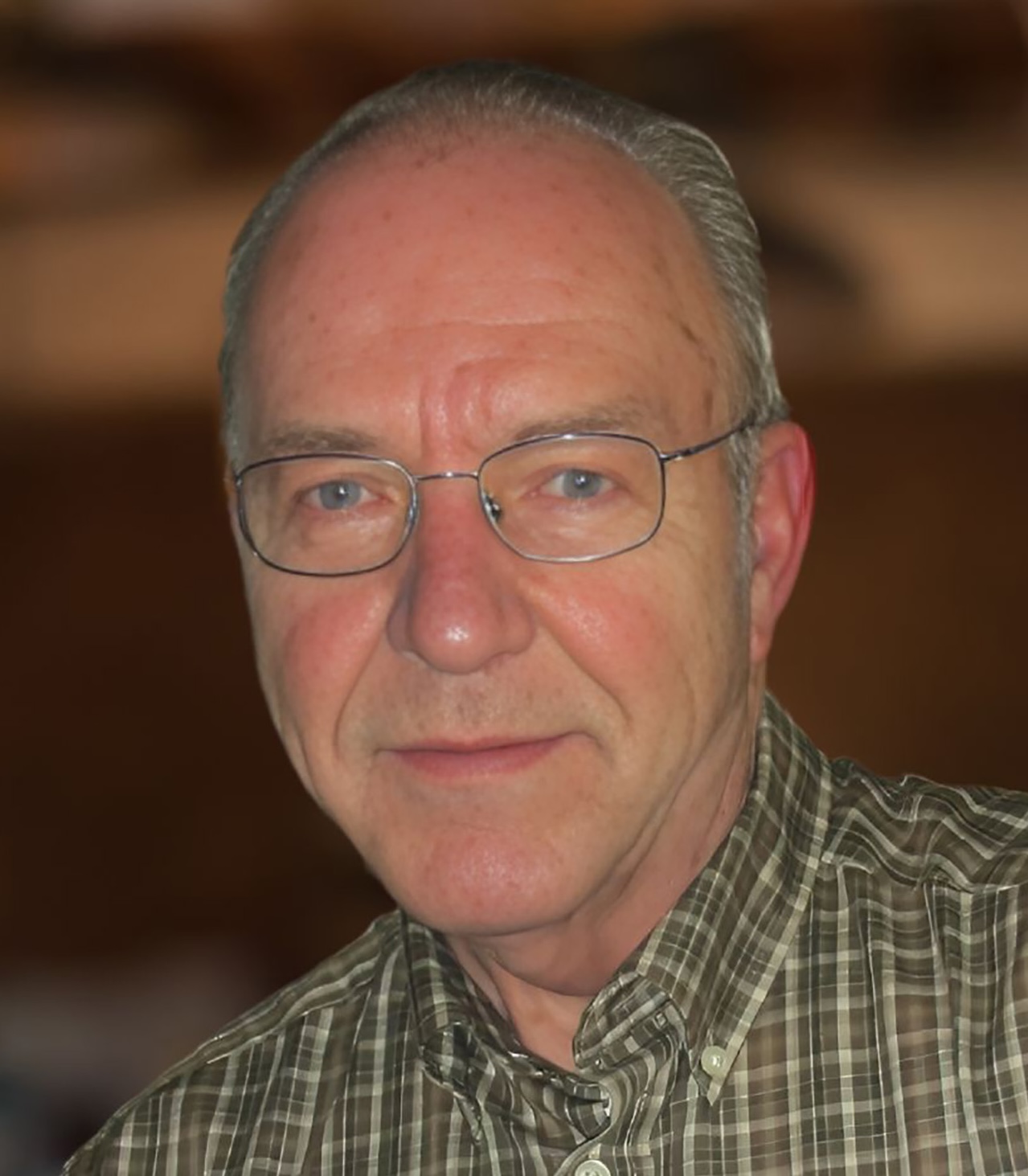
Former Ames Deputy Director, Aeronautical Engineer Vic Peterson Passes
Victor (Vic) Lowell Peterson, age 90, passed away at his home in Los Altos, California on July 10. Vic was active and engaged up until the very end. He learned of his extensive cancers days before his death. He lived an amazing, full, and rich life.
Vic was born June 11, 1934 in Saskatoon, Saskatchewan, Canada to Edwin and Ruth (McKeeby) Peterson. His father served as headmaster of several deaf and blind schools through Canada and Montana before the family moved to Portland, Oregon. Vic was the last surviving member of his family as his older and younger brothers predeceased him.
Vic was an avid midget and IndyCar race fan from the age of 12. He met a midget car owner on his paper route and was soon working as a pit crew member—the beginning of his love for engineering. They always referred to him as their son and introduced him to legendary race car drivers.
Throughout high school, Vic worked at the Davidson Bakery where the owner wanted to send him to baking school with the intent of taking over the business. He played trombone in the high school band, with a subset of the band playing dance gigs.
His love, however, was aeronautical engineering. He attended Oregon State University (1952 -1956) where he was part of the inaugural Aeronautical Engineering class. Vic was a member of Acacia Fraternity while at Oregon State. He earned his B.S. Aeronautical Engineering and was commissioned 2nd Lt. USAF upon graduation in 1956. He was honorably discharged from the USAF with rank of Captain after, as he put it, only having a desk job. Vic also earned an M.S. Aeronautics and Astronautics Sciences from Stanford University and an M.S. Management as an Alfred P. Sloan Fellow from Massachusetts Institute of Technology. He authored more than 50 technical publications and received numerous citations and awards, including the Presidential Rank Award of Distinguished Executive at the White House from President George H. W. Bush.
Vic was recruited to work at the National Advisory Committee for Aeronautics (NACA), Ames Aeronautical Laboratory, at Moffett Field, right out of college. That was the beginning of his long and illustrious career at NASA. He began as an aeronautical research intern, was soon promoted to aeronautical research engineer, and aerospace research scientist before moving into managerial roles: assistant chief, Hypersonic Aerodynamics branch; chief, Aerodynamics branch; Chief, Thermo and Gas Dynamics division; director of Astronautics; director of Astrophysics; and finally deputy director. Vic retired in 1992. He always spoke fondly of the people and his time at Ames Research Center. He often remarked that he was fortunate to have his dream job at the place he most wanted to work for his entire career.
Vic met Jacquie Hubbard at Oregon State. They married December 21, 1955. He is survived by his wife, Jacquie, of 68 years, his daughters Linda Fouquet and Janet Peterson, and son-in-law Sam Fouquet. His son, Victor Craig Peterson died in 2012. He had five grandchildren and four great-grandchildren. His family brought immense joy to him.
He designed and built the addition of their Los Altos home and completed an elaborate landscaping project after retirement. He enjoyed his home, gardening, investing, and staying connected with his fellow NASA retirees.
When asked what he did at work, Vic inevitably replied, “My day was a day like all days, filled with the events that make history.” And indeed it was. Vic Peterson was brilliant, committed, humble, and loving.
A Service of Remembrance and Thanksgiving Celebrating the Life of Victor L. Peterson will be held on Oct. 8, 2024, at Noon at Sunnyvale United Methodist Church, located at 535 Old San Francisco Road, Sunnyvale, California, 94086.
Former Chief Counsel at Ames Jack Glazer Passes
Jack H. Glazer, S.J.D., died on May 24, at his home, a historical landmark on Nob Hill conveyed as his gift to the University of California, San Francisco (UCSF). Predeceasing him on August 30, 2001, was his beloved and adored wife, Zelda d’Angleterre Glazer, whose funeral urn was interred with him at Home of Peace Cemetery in Colma, California. Additionally, her name and accomplishments have been memorialized by Jack both in the creation of a Chair on Brain Tumor Research established at UCSF and in the identity of the historical property transferred by gift to that institution on his wife’s name.
Distinguished career paths both in the U.S. Navy as a combat veteran and in his civilian pursuits as a lawyer were Jack’s lot in life. As to the Navy in 1945, at age 17, he left the South Bronx to enlist as an apprentice seaman, ultimately remaining through the years in the Ready Reserve and retiring from the Navy in 1988, after obtaining the rank of captain. Turning to his experiences as a member of the California and District of Columbia Bars, his more inviting assignments included service in Geneva Switzerland as legal counsel to the International Telecommunication Union, a United Nations specialized agency involved in the elaboration of the first multilateral treaties applicable to the legal regime of outer space.
After returning to the United States, Jack embarked in 1965, upon an enviable legal career spanning some 23 years as Chief Counsel at Ames Research Center, an assignment capped by an award of NASA’s Exceptional Service Medal. On his academic side in the law, he was armed with degrees ranging from the baccalaureate to the doctorate from Duke University, Georgetown, and U.C. Berkeley. Jack also was a recognized writer and adjunct professor in the emerging field of Space Law, a subject he taught at the Hastings College of the Law and other universities in the Bay Area.
Former Space Science & Astrobiology Division Manager Cora Millena Dies
Corazon (Cora) Millena passed away on June 26. Cora began her career at NASA in 1985 and was a member of the Ames community for 39 years. Her life story had a memorable connection to NASA and you’re encouraged to take a moment to read her personal essay.
Born in the Philippines, Cora was a fifth-grade student in 1960 when she learned about NASA’s Echo-1 communications satellite. Inspired by the launch, she hoped to one day immigrate to the United States and work for the space agency.
Cora worked hard to overcome many challenges in her life. She studied business administration in college and graduated from the Mapua Institutes of Technology in the Philippines. She finally realized her dream when she moved to San Jose with her family in 1975.
As a program manager in the Space Science and Astrobiology Division at Ames, Cora worked on the Cassini mission, the Mars Climate Modeling Center, and on the Stratospheric Observatory for Infrared Astronomy (SOFIA) program. She was also a longtime member of the Ames Asian American, Native Hawaiian, and Pacific Islander community.
Powered by WPeMatico
Get The Details…
Astrid Albaugh