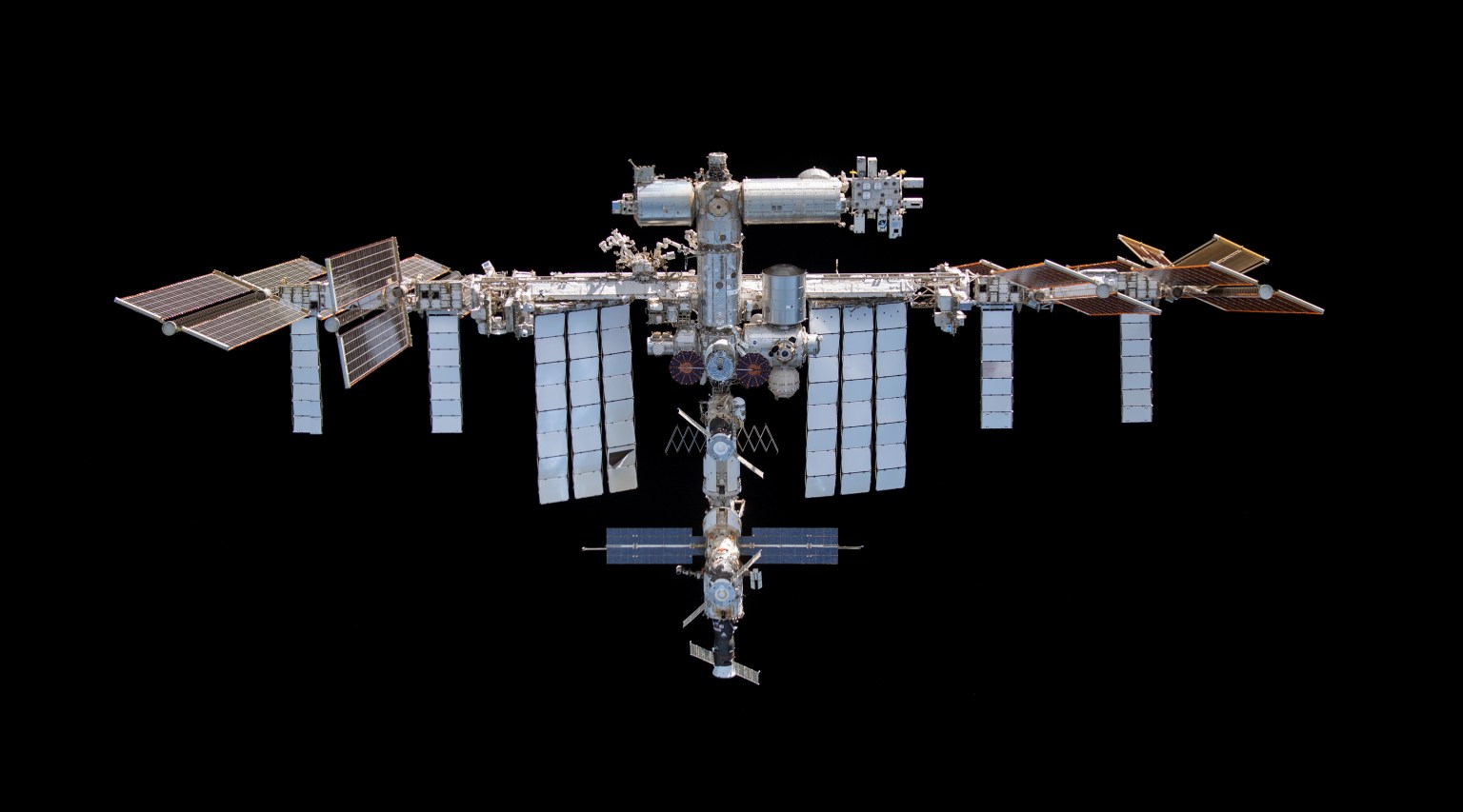
NASA Receives 15th Consecutive ‘Clean’ Financial Audit Opinion
Credit: NASA
For the 15th consecutive year, NASA received an unmodified, or “clean,” opinion from an external auditor on its fiscal year 2025 financial statements.
The rating is the best possible audit opinion, certifying that NASA’s financial statements conform with Generally Accepted Accounting Principles for federal agencies and accurately present the agency’s financial position.
“NASA has delivered a complete and reliable report of our fiscal operations, critical to our success for the Golden Age of exploration and innovation,” said NASA Administrator Jared Isaacman. “NASA’s mission drives innovation in space exploration, scientific discovery, and aeronautics, pushing the boundaries of what’s possible. Our fiscal year 2025 budget fuels economic growth, drives the growing space economy, and keeps America first amidst increasing global competition.”
The 2025 Agency Financial Report provides key financial and performance information and demonstrates the agency’s commitment to transparency in the use of American taxpayers’ dollars. In addition, the 2025 report presents progress during the past year, and spotlights the array of NASA missions, objectives, and workforce advanced with these financial resources.
“This achievement reflects our team’s diligent stewardship of NASA’s resources, including our commitment to responsibly managing taxpayers’ dollars entrusted to the agency,” said Sidney Schmidt, NASA’s acting chief financial officer. “Their unwavering dedication to sound financial management and robust internal controls ensures we uphold public trust. Congratulations and thank you to everyone involved for your commendable efforts and hard work.”
In fiscal year 2025, NASA marked significant progress toward the Artemis II test flight. Targeted to launch no earlier than Friday, Feb. 6, the Artemis II mission will send four astronauts around the Moon and back to test the systems and hardware which will return humanity to the lunar surface. NASA and its partners landed two robotic science missions on the Moon, welcomed seven new signatory countries to the Artemis Accords, and advanced medical and technological experiments for long-duration space missions like hand-held X-ray equipment and navigation capabilities.
NASA also led a variety of science discoveries, including launching a joint satellite mission with India to regularly monitor Earth’s land and ice-covered surfaces, as well as identifying and tracking the third interstellar object in our solar system; achieved 25 continuous years of human presence aboard the International Space Station; and, for the first time, flew a test flight of the agency’s X-59 supersonic plane that will help revolutionize air travel.
Expedition 74 Continues After Crew-11 Returns to Earth
Expedition 74 crew members (from left) NASA astronaut Chris Williams and Roscosmos cosmonauts Sergey Kud-Sverchkov and Sergey Mikaev pose for a portrait at NASA’s Johnson Space Center in Houston, Texas.
NASA/James Blair
Three Expedition 74 crew members continue to reside aboard the International Space Station now following the return to Earth of NASA’s SpaceX Crew-11 mission on Thursday. The orbiting trio will conduct research and maintenance while awaiting the arrival of four new crewmates planned in February.
NASA astronauts Zena Cardman and Mike Fincke and JAXA (Japan Aerospace Exploration Agency) astronaut Kimiya Yui and Roscosmos cosmonaut Oleg Platonov are back on Earth completing 167 days in space. The Crew-11 quartet returned in a SpaceX Dragon back to Earth for a parachute-assisted splashdown off the coast of California just ten-and-a-half-hours after undocking from the station’s Harmony module.
Meanwhile, NASA Flight Engineer Chris Williams along with station Commander Sergey Kud-Sverchkov and Flight Engineer Sergei Mikaev are on the orbital outpost and will stay in space until summer. The trio arrived on Thanksgiving Day last year aboard the Soyuz MS-28 spacecraft beginning an eight-month space research mission.
Williams spent Friday inside the Quest airlock deconfiguring a pair of spacesuits set up for last week’s spacewalk before it was postponed. He cleaned and flushed the suits’ internal water-cooling loops that regulate a spacewalker’s body temperature. Next, he powered down and inspected the suits, then uninstalled suit hardware, components, and batteries.
Mikaev installed Earth observation hardware and programmed it to photograph African landmarks from Namibia’s Namib Desert to Kenya’s Nabiyotum Crater on the southern tip of Lake Turkana. Kud-Sverchkov serviced the Elektron oxygen generator inside the Zvezda service module then documented the location of hardware stowed throughout the station’s Roscosmos segment.
Back on Earth, NASA’s SpaceX Crew-12 members are looking ahead to next month when they are targeted to launch atop a SpaceX Falcon 9 rocket aboard a Dragon crew spacecraft and join Expedition 74. Crew-12 will be commanded by Jessica Meir and piloted by Jack Hathaway, both NASA astronauts, with Sophie Adenot of ESA (European Space Agency) and Andrey Fedyaev of Roscosmos serving as mission specialists. NASA, SpaceX, and international partners are working to advance the launch of Crew-12, which is currently slated for Sunday, Feb. 15, following the early departure of Crew-11.
What You Need to Know About NASA’s Artemis II Moon Mission
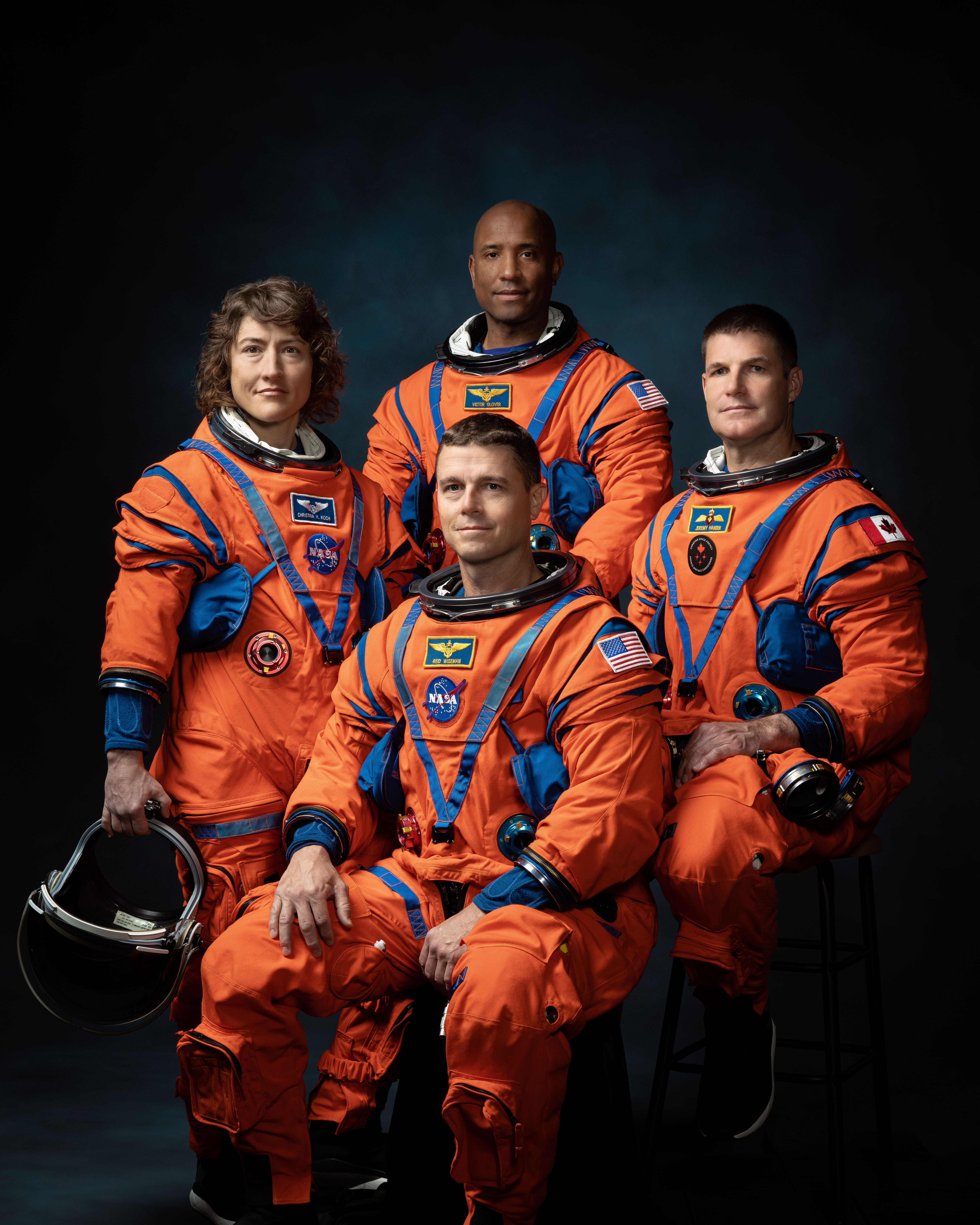
The crew of NASA’s Artemis II mission: NASA astronauts Christina Koch, Reid Wiseman, Victor Glover, and CSA (Canadian Space Agency) astronaut Jeremy Hansen.
Credit: NASA
NASA is weeks away from sending astronauts farther than any crew has traveled before, with the agency’s second mission in its Artemis campaign. The Artemis II Press Kit now is available with information on the mission, astronauts, and other resources for media.
“Artemis II will be a momentous step forward for human spaceflight. This historic mission will send humans farther from Earth than ever before and deliver the insights needed for us to return to the Moon — all with America at the helm,” said NASA Administrator Jared Isaacman. “Artemis II represents progress toward establishing a lasting lunar presence and sending Americans to Mars. I could not be more impressed by our NASA team and the Artemis II crew, and wish them well. Boldly forward.”
Under the Artemis campaign, NASA is returning humans to the Moon for economic benefits, scientific discovery, and to prepare for crewed missions to Mars.
NASA Develops Blockchain Technology to Enhance Air Travel Safety and Security
3 min read
Preparations for Next Moonwalk Simulations Underway (and Underwater)
By Supreet Kaur
In an era where data security is critical to aviation safety, NASA is exploring bold new solutions.
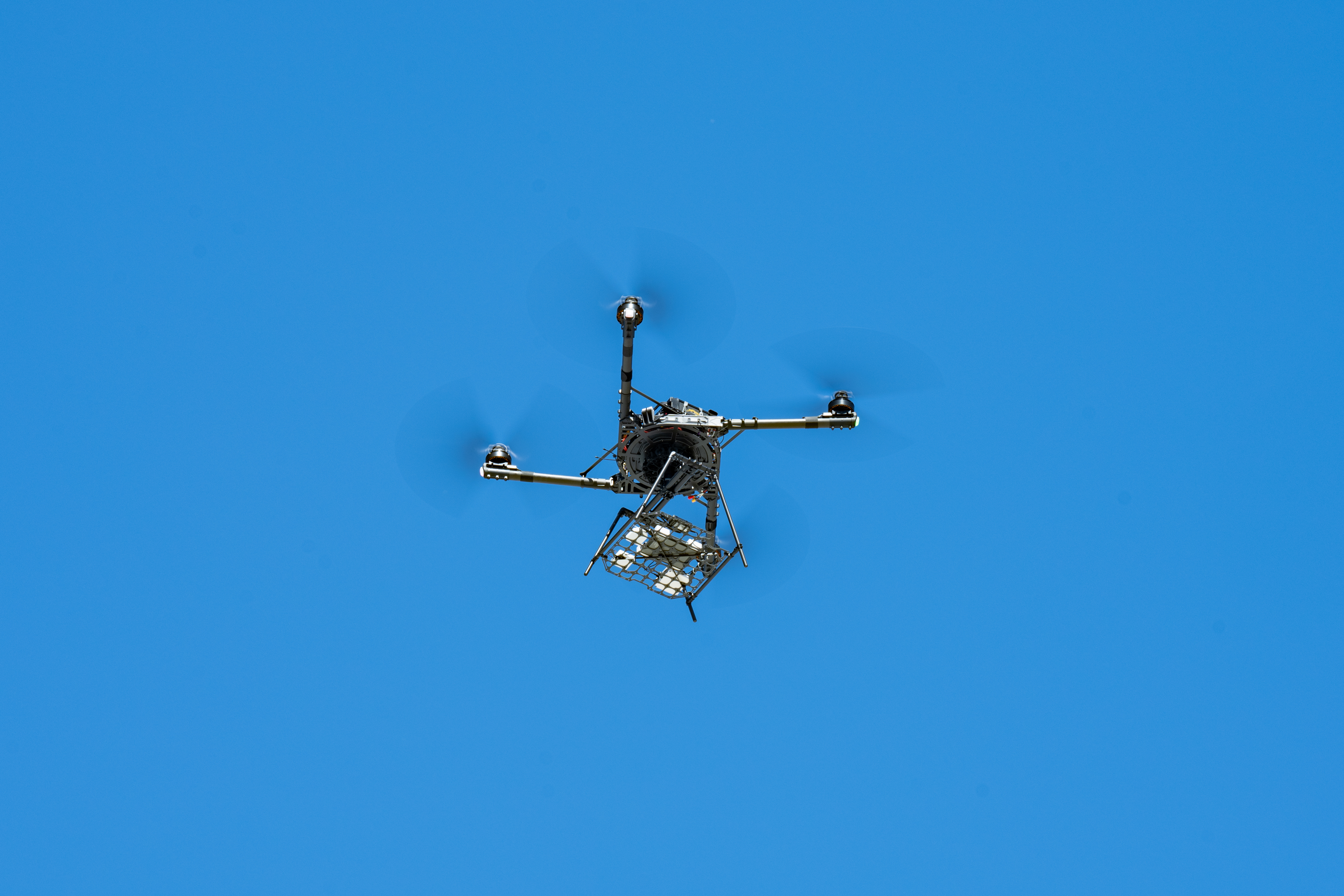
An Alta-X drone carries a custom built simulated Unmanned Aircraft Systems environment payload for the new blockchain system tests.
Credit: NASA/Brandon Torres Navarette
Through a drone flight test at NASA’s Ames Research Center in California’s Silicon Valley, researchers tested a blockchain-based system for protecting flight data. The system aims to keep air traffic management safe from disruption and protect data transferred between aircraft and ground stations from being intercepted or manipulated.
For aviation and airspace operations to remain safe, users need to be able to trust that data is reliable and transparent. While current systems have been able to protect flight data systems, cyberthreats continue to evolve, requiring new approaches. NASA researchers found the blockchain-based system can safely transmit and store information in real time.
Blockchain operates like a decentralized database — it does not rely on a single computer or centralized system. Instead, it shares information across a vast network, recording and verifying every change to a dataset. The system ensures the data stays safe, accurate, and trustworthy.
Previous cybersecurity research focused on implementing a layered security architecture — using multiple physical and digital security measures to control system access. For this test, researchers took a different approach using blockchain to address potential threats.
Using drones allowed the team to show that the blockchain framework could yield benefits across several priority areas in aviation development, including autonomous air traffic management, urban air mobility, and high-altitude aircraft.
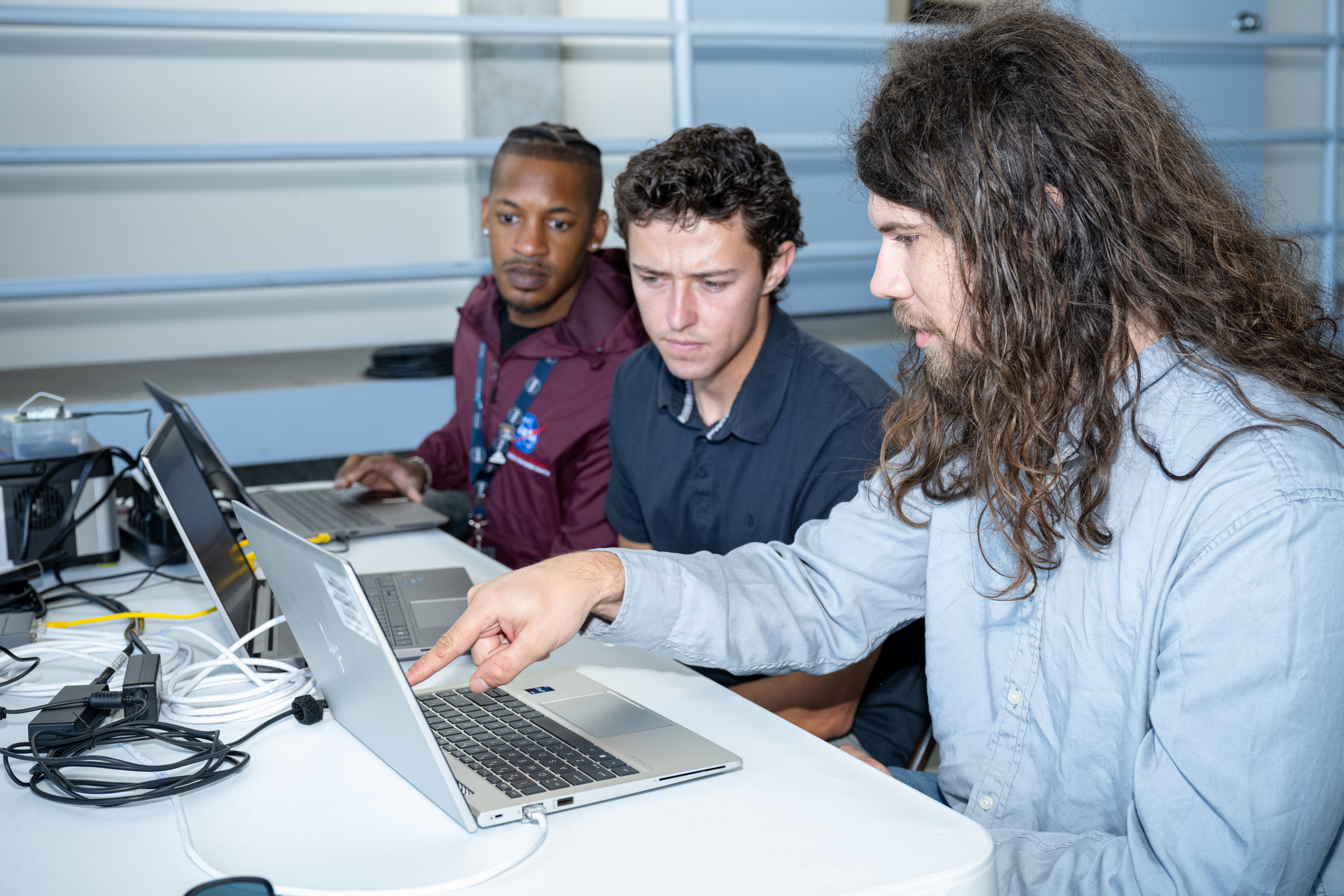
Terrence D. Lewis (left), Kale Dunlap (center), and Aidan Jones monitor the flow of telemetry from both actual and simulated flights, ensuring the simulation and blockchain systems are processing and recording data accurately.
Credit: NASA/Brandon Torres Navarette
This NASA research explored how blockchain can secure digital transactions between multiple systems and operators. The team used an open-source blockchain framework that allows trusted users real-time sharing and storage of critical data like aircraft operator registration information, flight plans, and telemetry. This framework restricts access to this data to trusted parties and approved users only.
To further examine system resilience, the team introduced a set of cybersecurity tests designed to assess, improve, and reinforce security during operations in airspace environments. During an August flight at Ames, the team demonstrated these capabilities using an Alta-X drone with a custom-built software and hardware package that included a computer, radio, GPS system, and battery.
The test simulated an environment with a drone flying in real-world conditions, complete with a separate ground control station and the blockchain and security infrastructure. The underlying blockchain framework and cybersecurity protocols can be extended to support high-altitude operations at 60,000 feet and higher and Urban Air Mobility operations, paving the way for a more secure, scalable, and trusted ecosystem.
NASA researchers will continue to look at the data gathered during the test and apply what they’ve learned to future work. The testing will ultimately benefit U.S. aviation stakeholders looking for new tools to improve operations.
Through its Air Traffic Management and Safety project, NASA performed research to transform air traffic management systems to safely accommodate the growing demand of new air vehicles. The project falls under NASA’s Airspace Operations and Safety Program, a part the agency’s Aeronautics Research Mission Directorate that works to enable safe, efficient aviation transportation operations that benefit the flying public and industry.
Out of This World Discoveries: Space Station Research in 2025
5 Min Read
Out of This World Discoveries: Space Station Research in 2025
As Earth completed its orbit around the Sun to close out 2025, the International Space Station circled our planet more than 5,800 times. Serving as humanity’s unique laboratory in space, the station has hosted thousands of experiments and technology demonstrations, advancing science in ways that cannot be replicated on Earth.
In 2025 alone, more than 750 experiments supported exploration missions, improved life on Earth, and opened commercial opportunities in low Earth orbit. The space station continues to drive innovation by enabling human exploration of the Moon and Mars, transforming medical research, deepening our understanding of the universe, and fostering a growing commercial economy.
Read through just a handful of 2025’s innovative research achievements from the orbiting laboratory.
25 Years of humans researching in orbit
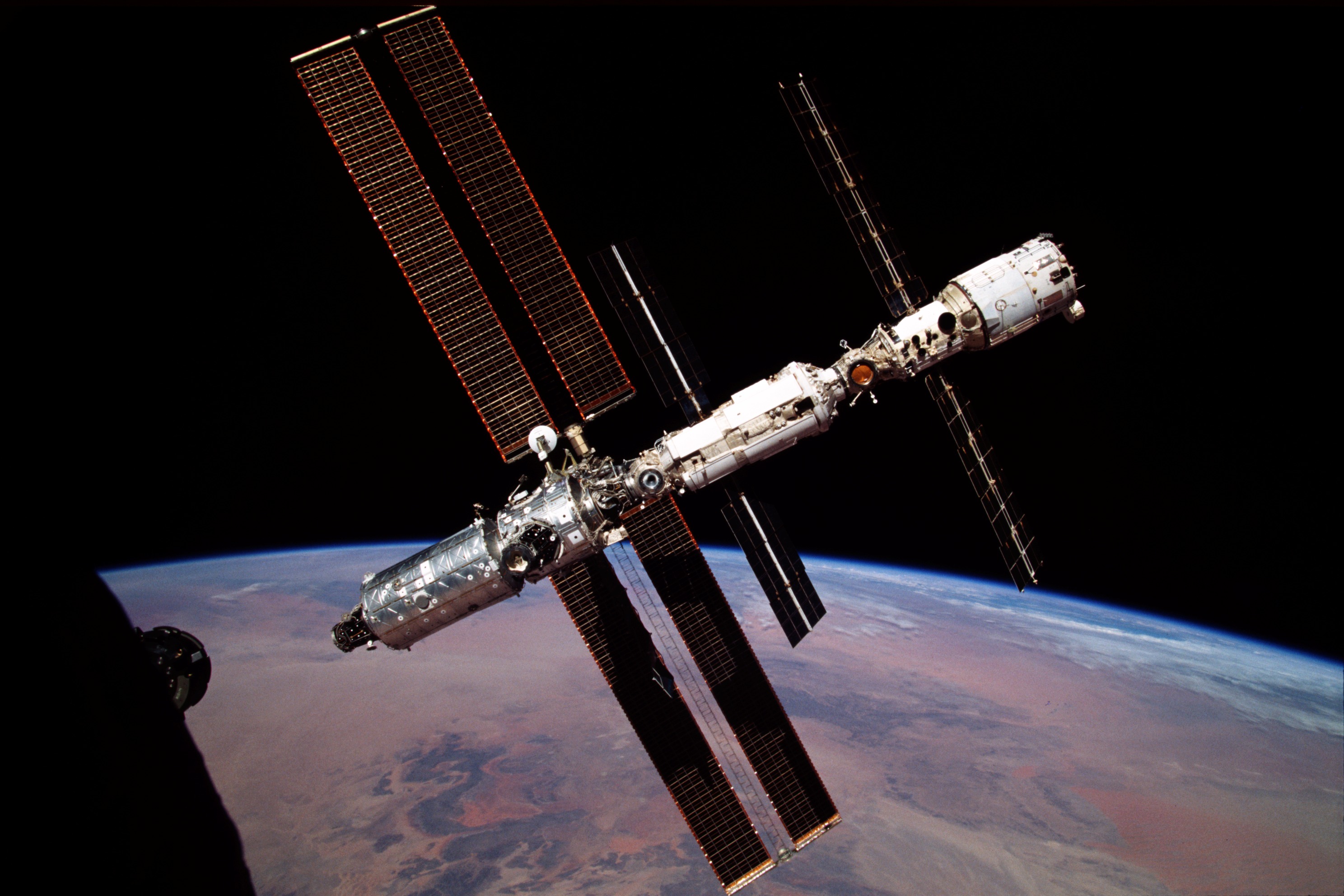
The International Space Station photographed in 2000 by the Expedition 1 crew.
NASA
On Nov. 2, 2025, humanity reached a milestone of cosmic proportions: 25 years of continuous human presence aboard the International Space Station. Since the first crew arrived on Nov. 2, 2000, NASA and its partners from around the world have conducted more than 4,000 research investigations and technology demonstrations. More than 290 people from 26 countries have visited the space station, where continuous human presence enables research that surpasses the capabilities of satellites and autonomous platforms. The space station’s unique microgravity environment, paired with crew operations, continues to unlock discoveries and push the boundaries of humanity’s curiosity and innovation.
A breakthrough cancer treatment
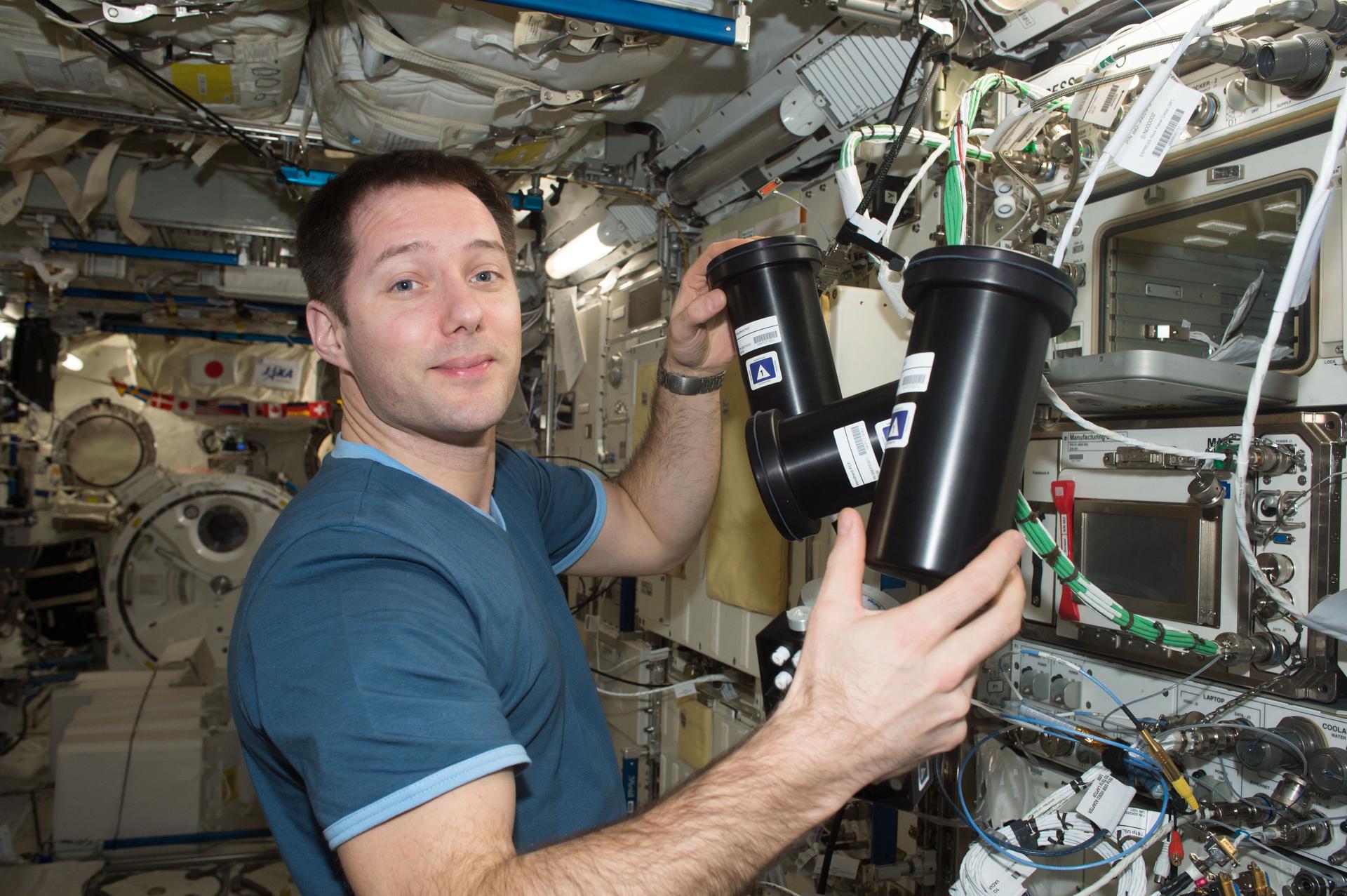
ESA (European Space Agency) astronaut Thomas Pesquet conducts research aboard the International Space Station supporting the advancement of cancer therapeutics.
NASA
Research aboard the International Space Station helped inform the development of a newly FDA-approved injectable medication used to treat several types of early-stage cancers. The research yielded early insights into the structure and size of particles needed to develop the medication through protein crystal growth experiments. This new delivery method promises to lower costs and significantly reduce treatment time for patients and healthcare providers, while maintaining drug efficiency. Microgravity research can produce higher-quality, medically relevant crystals than Earth-based labs, enabling these types of medical advances. These developments showcase how space station research can drive innovation, improve lives, and foster commercial opportunities.
Medical implants printed in orbit
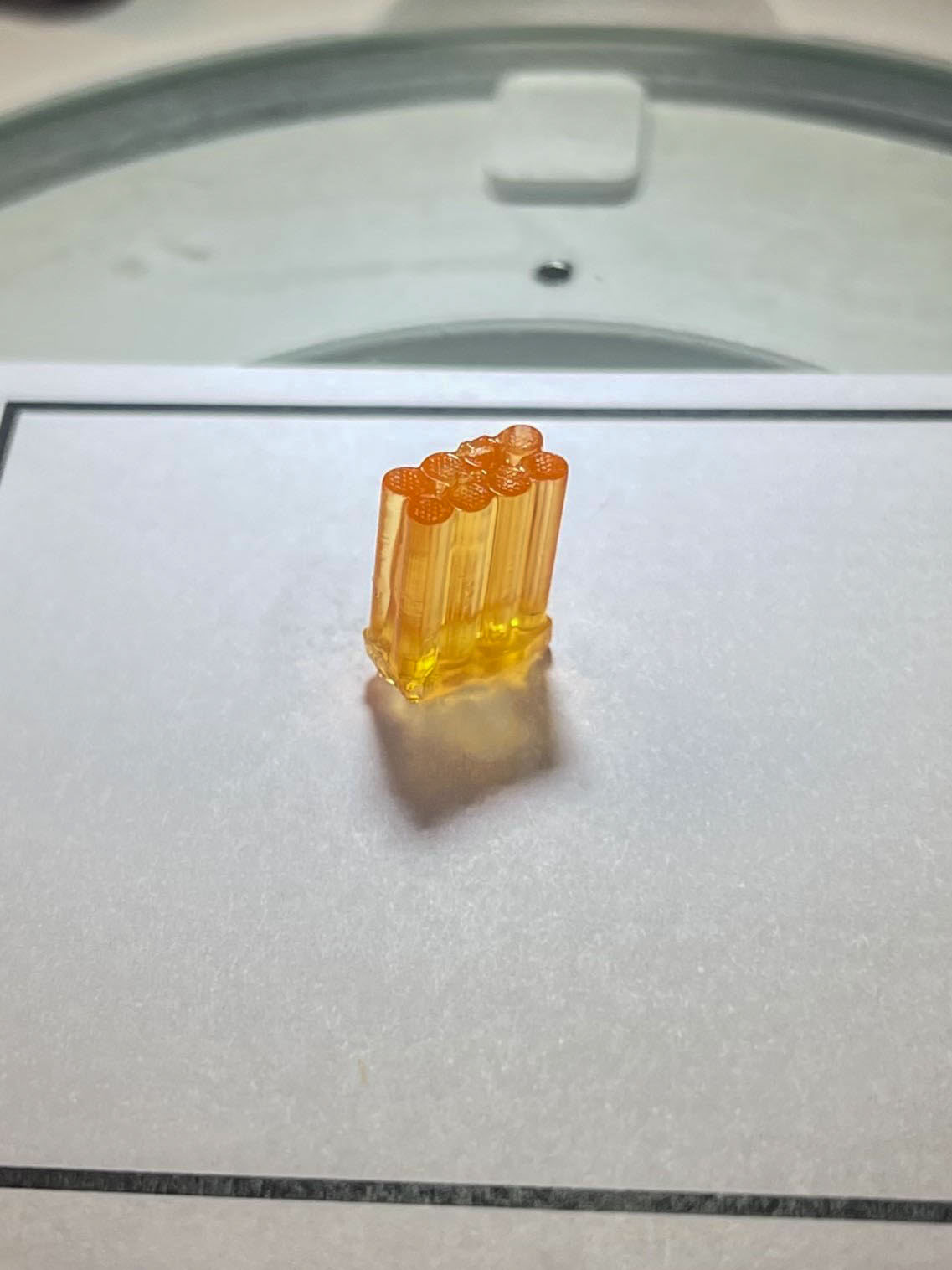
Eight medical devices for peripheral nerve repair were printed simultaneously aboard the International Space Station. Credit: Auxilium Biotechnologies.
Eight medical implants designed to support nerve regeneration were successfully 3D printed aboard the International Space Station for preclinical trials on Earth. When nerve damage occurs, these types of implants are designed to improve blood flow and enable targeted drug delivery. Printing in microgravity can prevent particle settling, resulting in more uniform and stable structures. In-space manufacturing is helping to advance medical treatments and other technologies while also enabling astronauts to print devices and tools on demand during future missions.
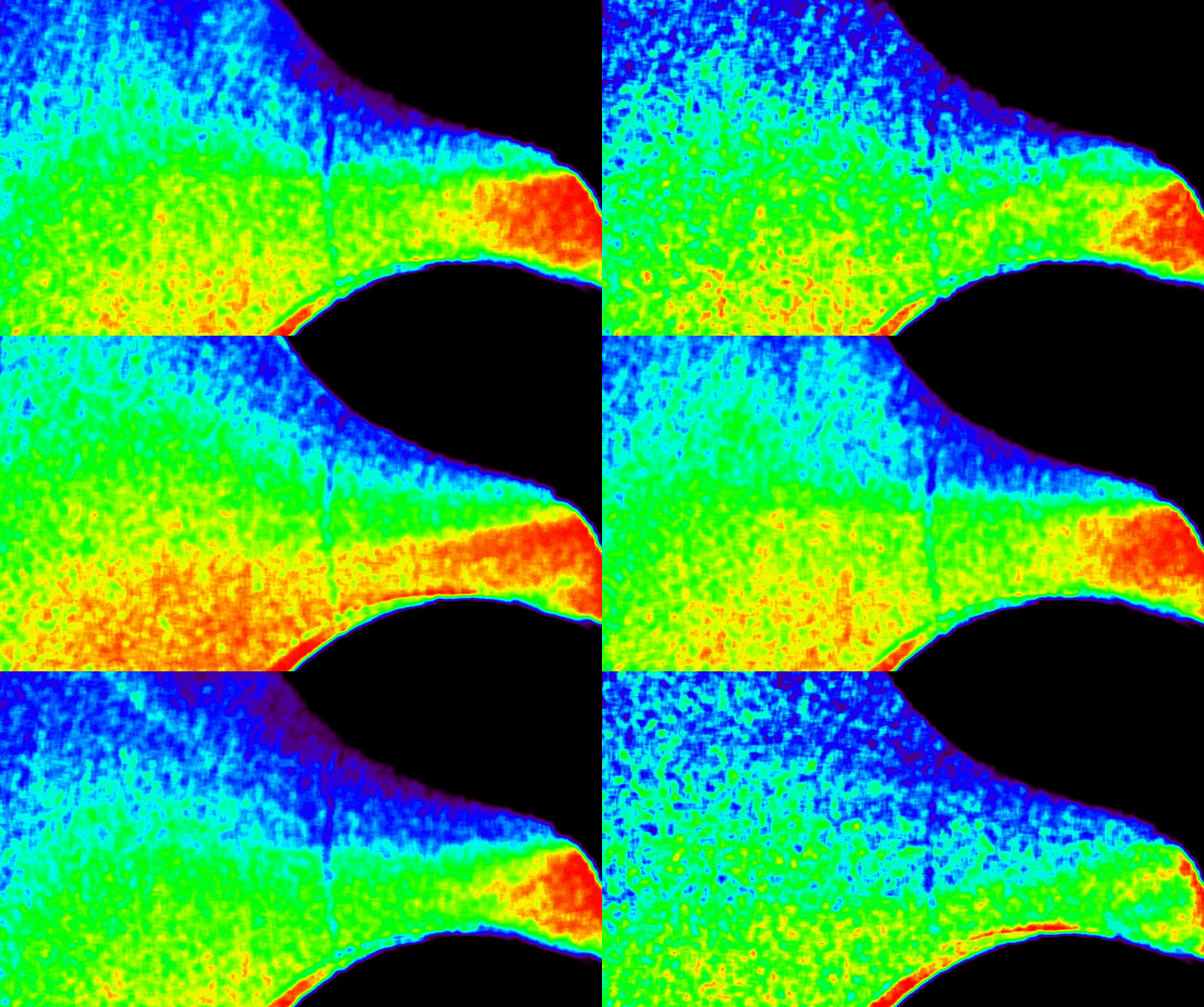
Using data from NASA’s CODEX (Coronal Diagnostic Experiment), this animated, color-coded heat map shows temperature changes of the Sun over the course of couple days, where red indicates hotter regions and purple indicates cooler ones.
NASA/KASI/INAF/CODEX
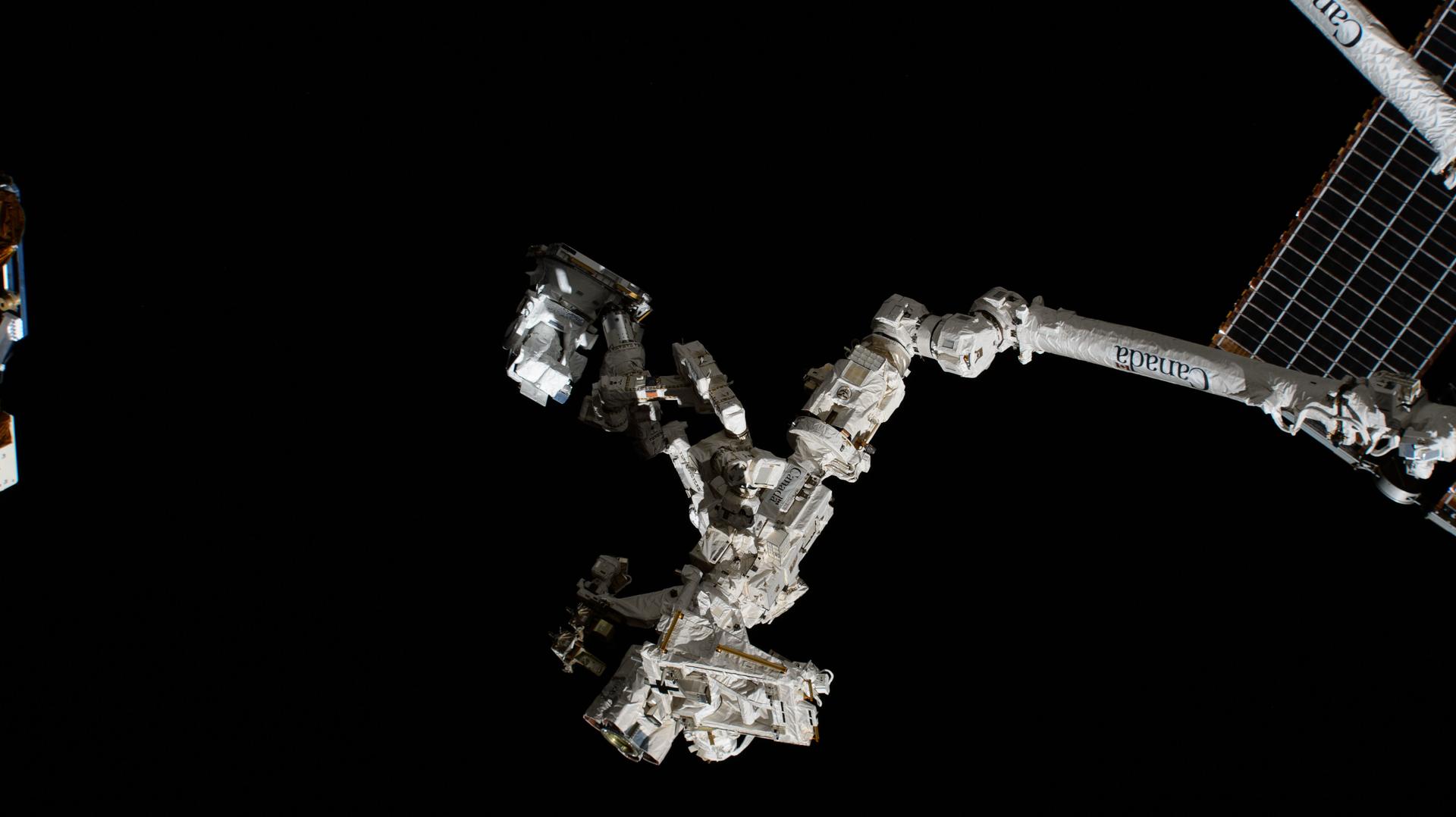
Dextre, attached to the International Space Station’s Canadarm2 robotic arm, carries CODEX.
NASA
A solar coronagraph aboard the International Space Station captured its first unique images detailing the Sun’s outer atmosphere while measuring solar wind temperature and speed. The instrument blocks the Sun’s bright light to reveal its faint outer atmosphere, or corona, where solar wind originates. Earlier experiments focused on the corona’s density, but this new device enables the study of what heats and accelerates the solar wind, offering a more complete picture of how energy moves through the Sun’s atmosphere. These observations help researchers understand how solar activity affects Earth and space-based technology, such as satellites, communications networks, and power systems.
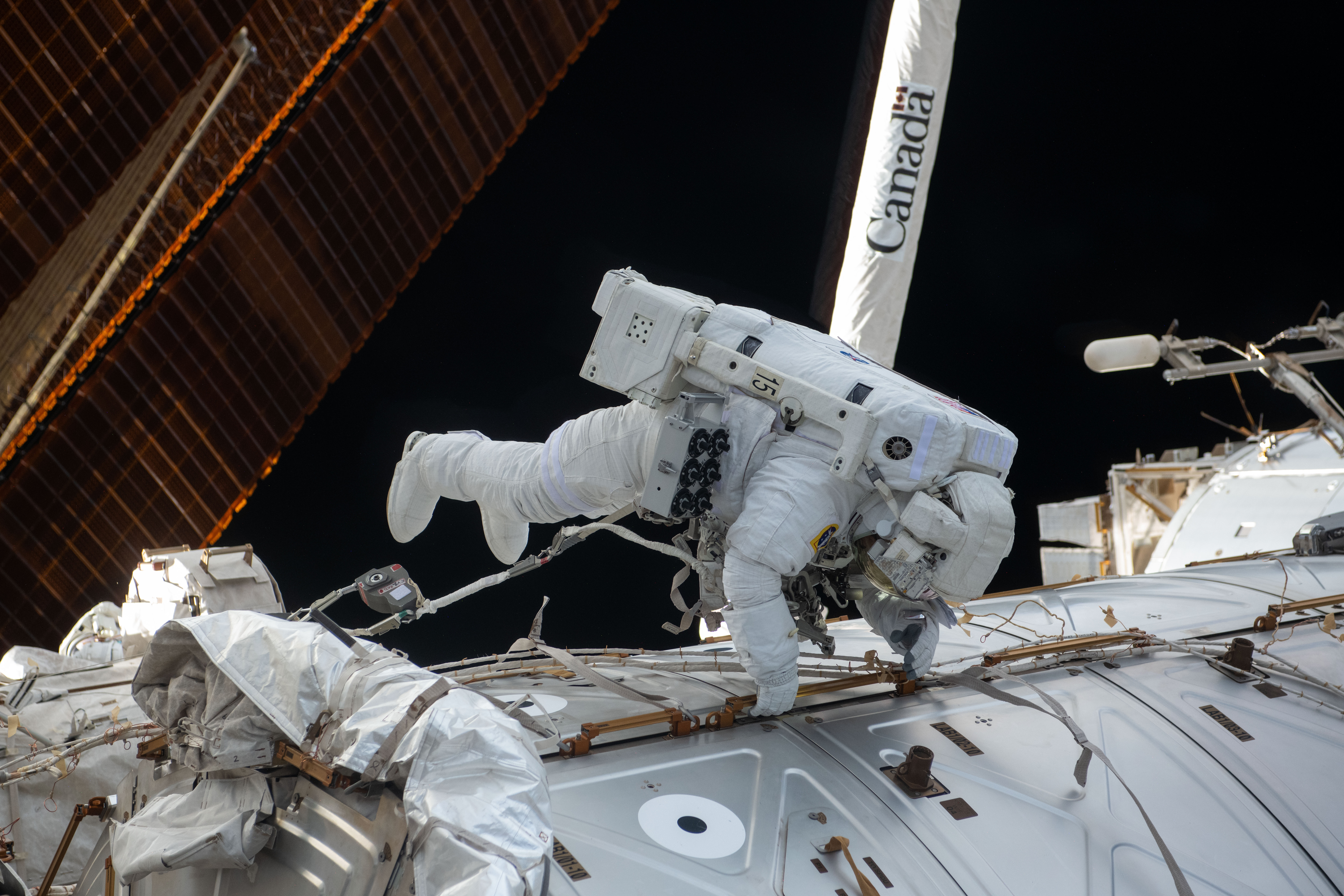
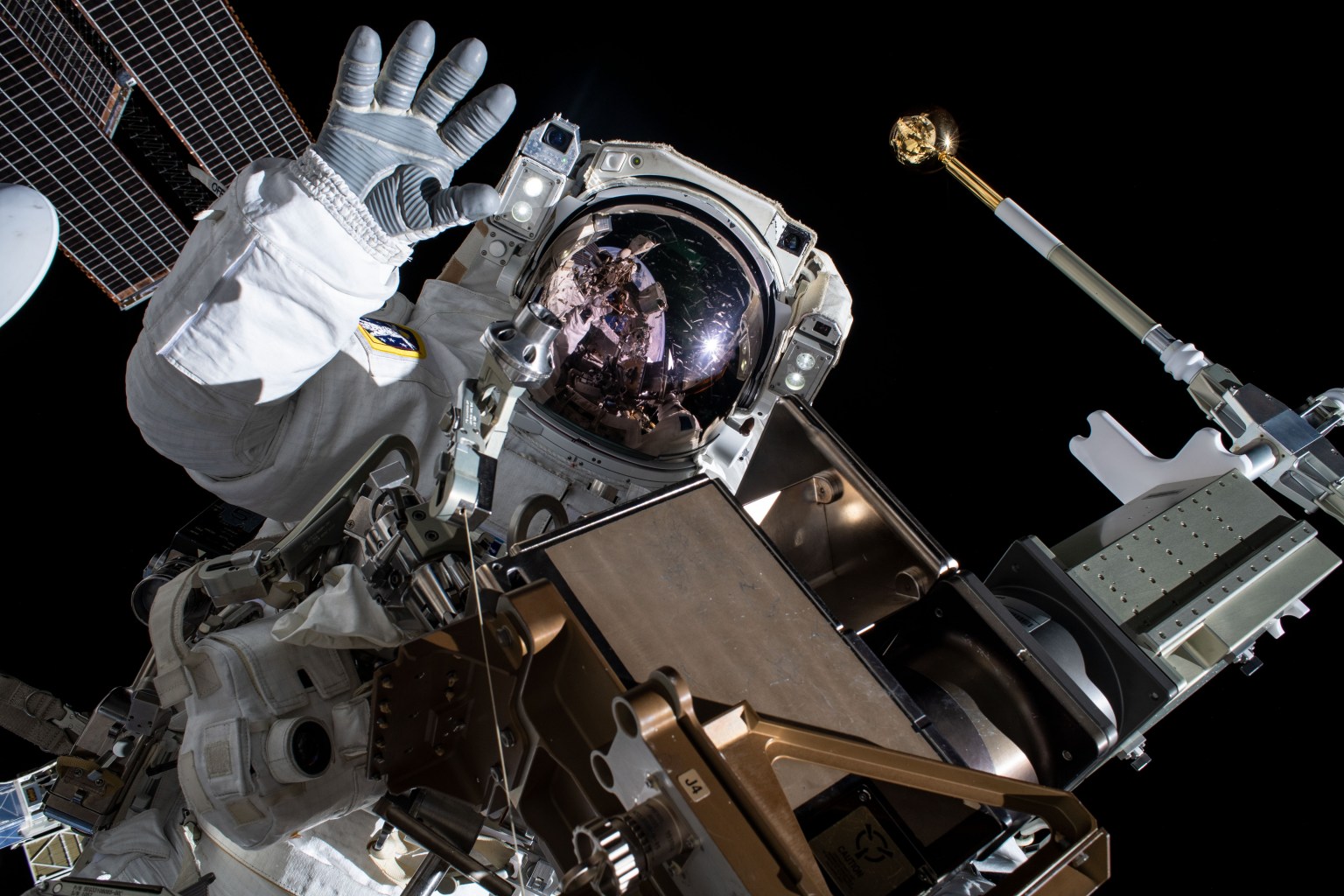
NASA astronaut Butch Wilmore works outside the International Space Station on Jan. 30, 2025, during a five-hour and 26-minute spacewalk.
NASA
NASA astronaut Butch Wilmore collected microbiological samples during a spacewalk outside the International Space Station. Samples were taken near the life support system vents to see if the orbital complex releases microorganisms. This experiment helps researchers examine if and how these microorganisms survive and reproduce in the harsh space environment, as well as how they may behave at destinations such as the Moon and Mars. After returning to Earth, the samples underwent DNA extraction and sequencing. Another round of collections is planned for future spacewalks. The data could help determine whether changes are needed on crewed spacecraft and spacesuits to reduce biocontamination during missions to explore destinations where life may exist now or in the past.
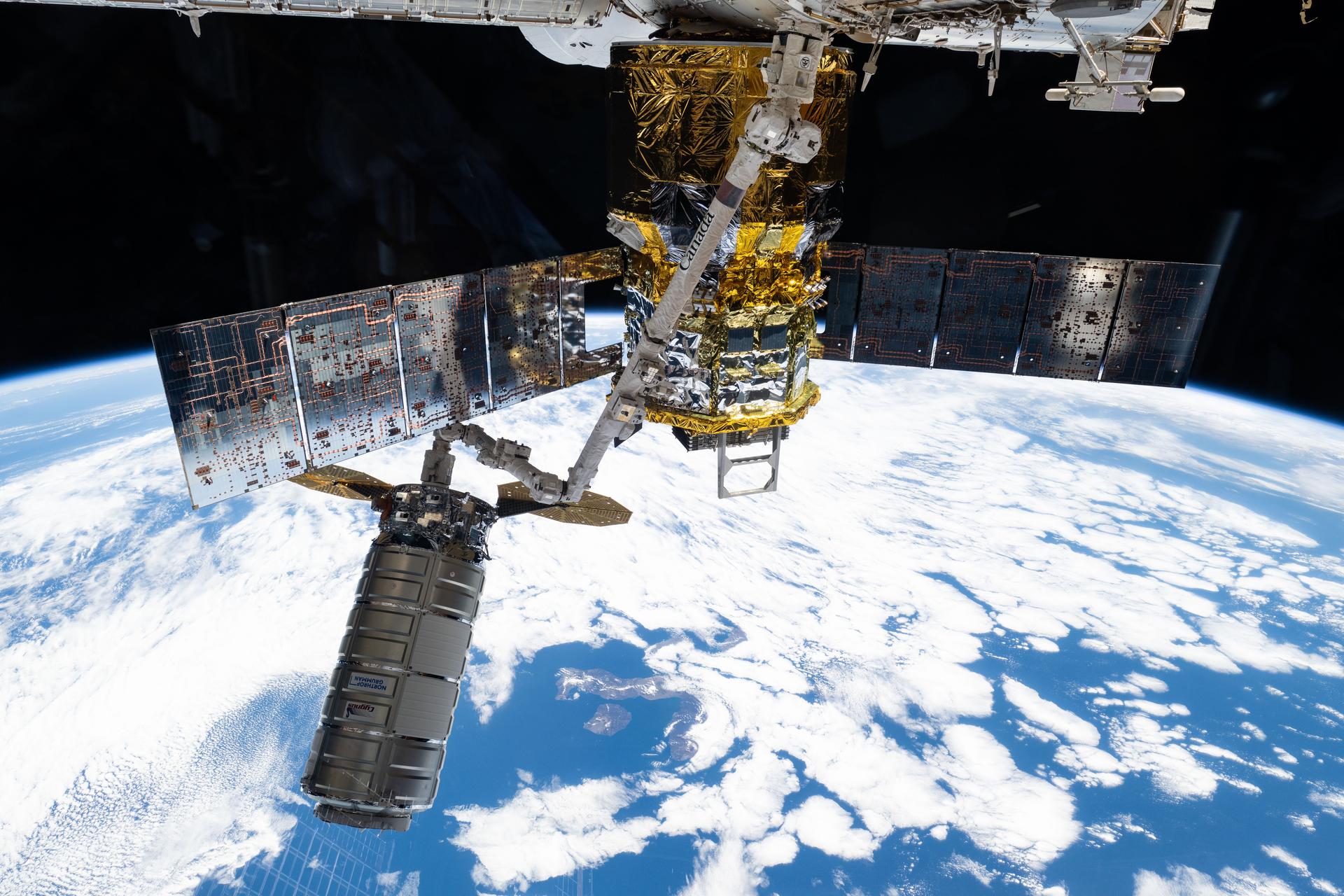
Northrop Grumman’s Cygnus XL spacecraft is grappled by the International Space Station’s Canadarm2. In the background, JAXA’s (Japan Aerospace Exploration Agency) HTV-X1 cargo craft is docked to the orbital complex.
NASA
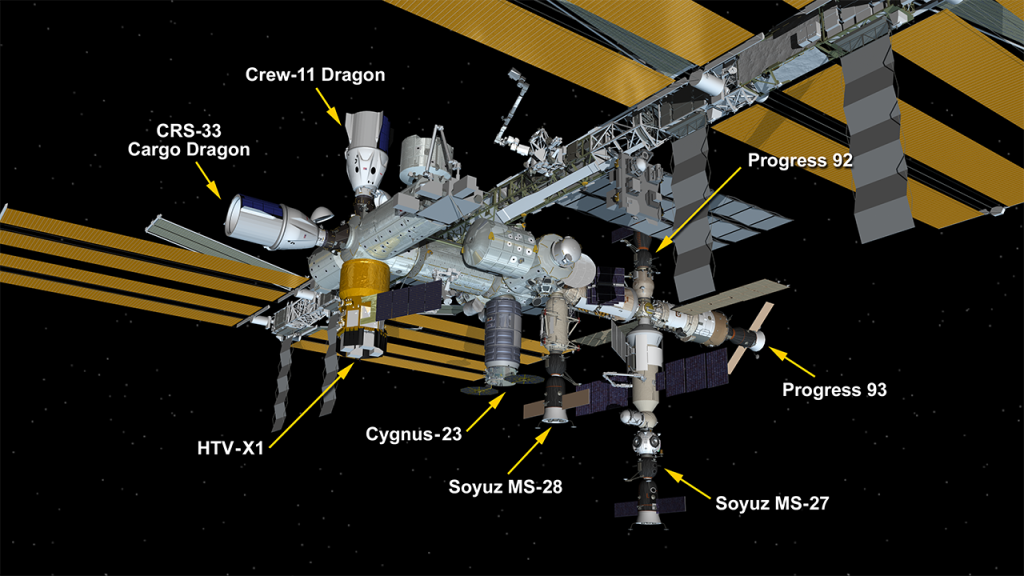
The International Space Station visiting spacecraft configuration on Dec.1, 2025 showing eight spacecraft parked at the orbital complex.
NASA
For the first time in International Space Station history, all eight docking ports of the orbiting laboratory were occupied at once. Three crew spacecraft and five cargo resupply craft were attached to station, including JAXA’s new cargo vehicle HTV-X1 and Northrup Grumman’s new Cygnus XL. The eight spacecraft delivered astronauts, cargo, and scientific experiments from around the world to be conducted in the unique microgravity environment. This milestone highlights the space station’s evolution, inviting commercial partners and international collaboration to continue expanding the orbiting laboratory’s research capabilities.
Space station research meets the Moon’s surface
NICER (Neutron Star Interior Composition Explorer) is shown mounted to the International Space Station in the image on the left, and LEXI (right) is shown attached to the top of Firefly Aerospace’s Blue Ghost in an artist’s concept.
NASA/Firefly Aerospace
Three experiments that landed on the Moon during Firefly Aerospace’s Blue Ghost Mission-1 were enabled by earlier research aboard the International Space Station. These studies help improve space weather monitoring, test computer recovery from radiation damage, and advance lunar navigation systems. The orbiting laboratory continues to lay the foundation for missions beyond low Earth orbit, driving exploration deeper into space.
The space station continues to deliver out-of-this-world achievements that cannot be replicated on Earth. Its research capabilities are a springboard for humanity’s future in innovation and testing the limits of what’s possible.
Here’s to 2026 — another year of defying physics and pushing the boundaries of science and exploration.