Crew Unpacks Dragon and Begins Activating New Science Experiments
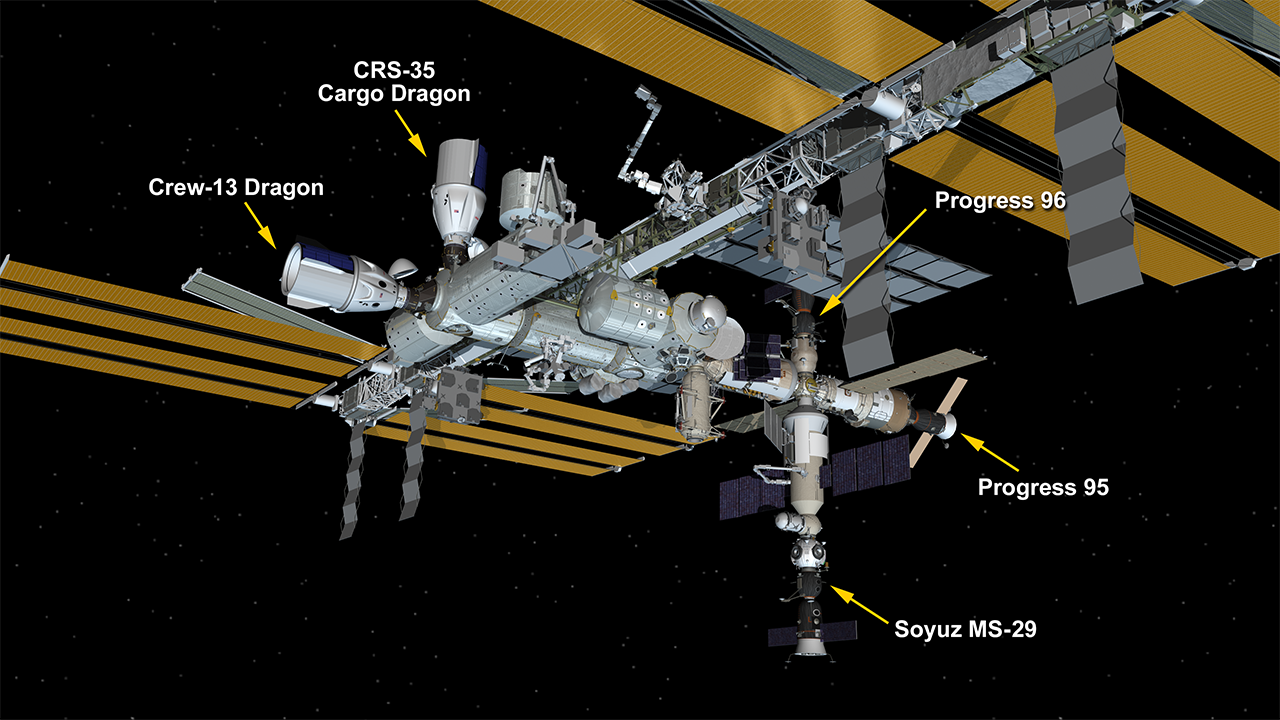
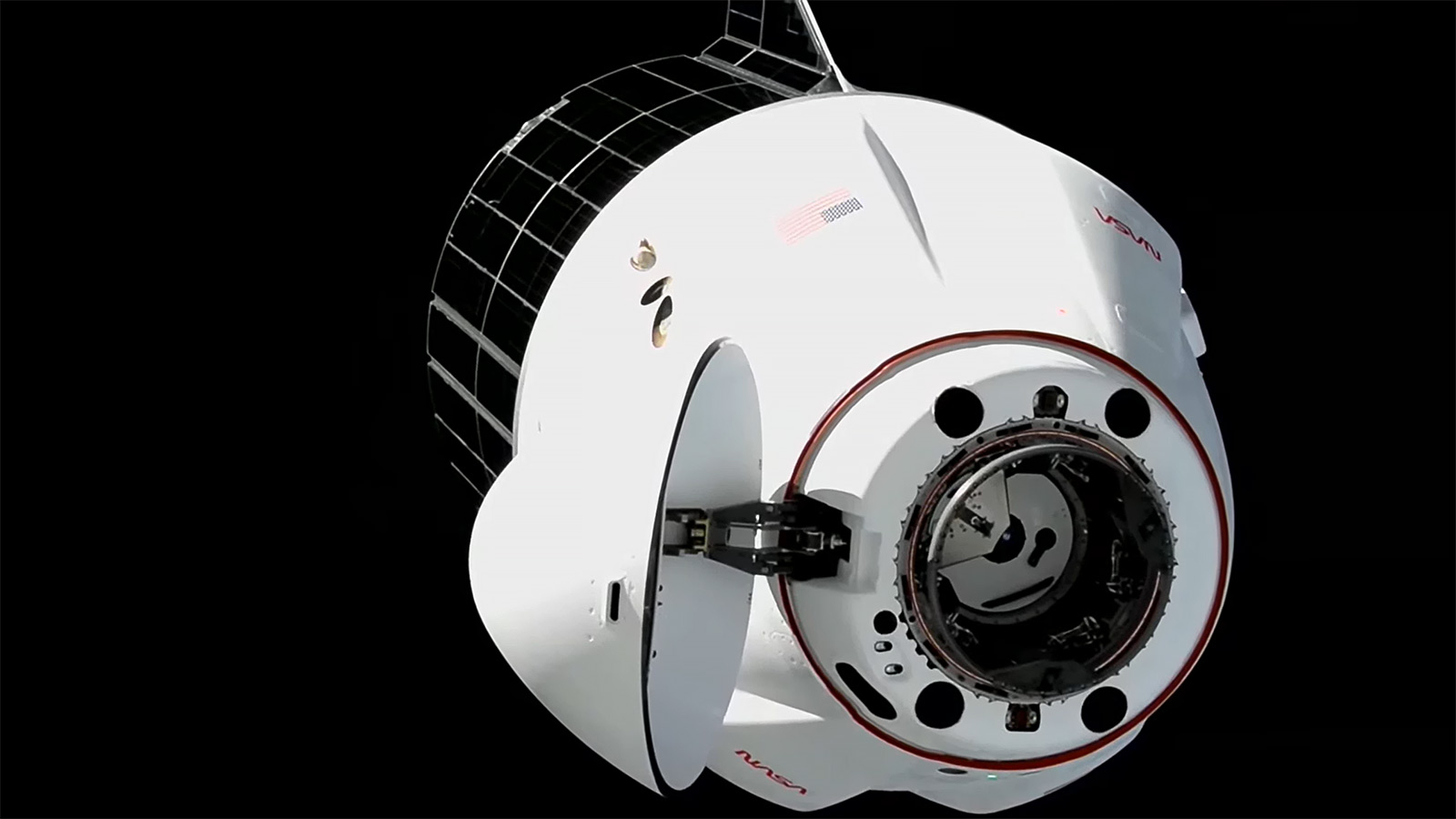
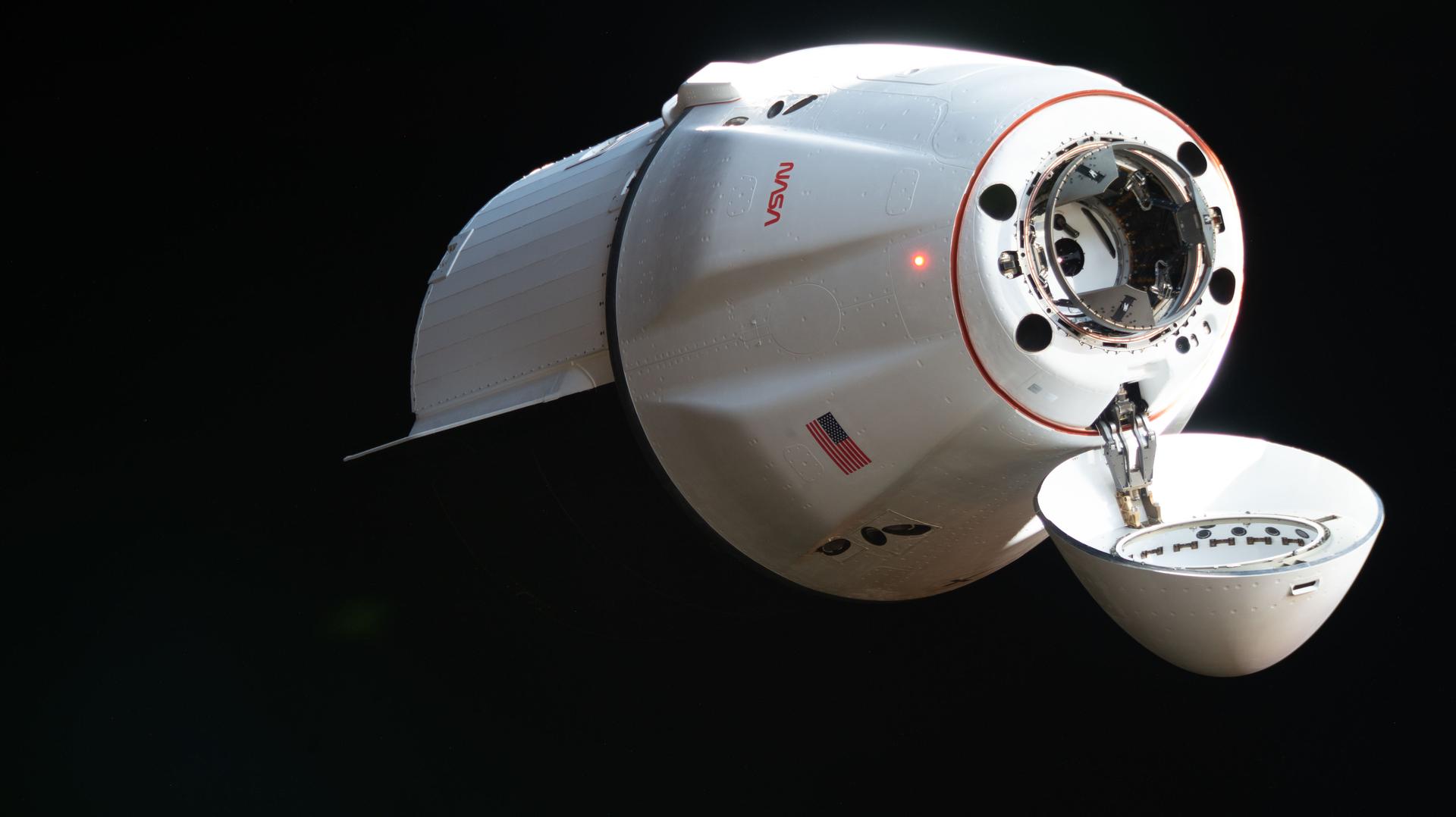
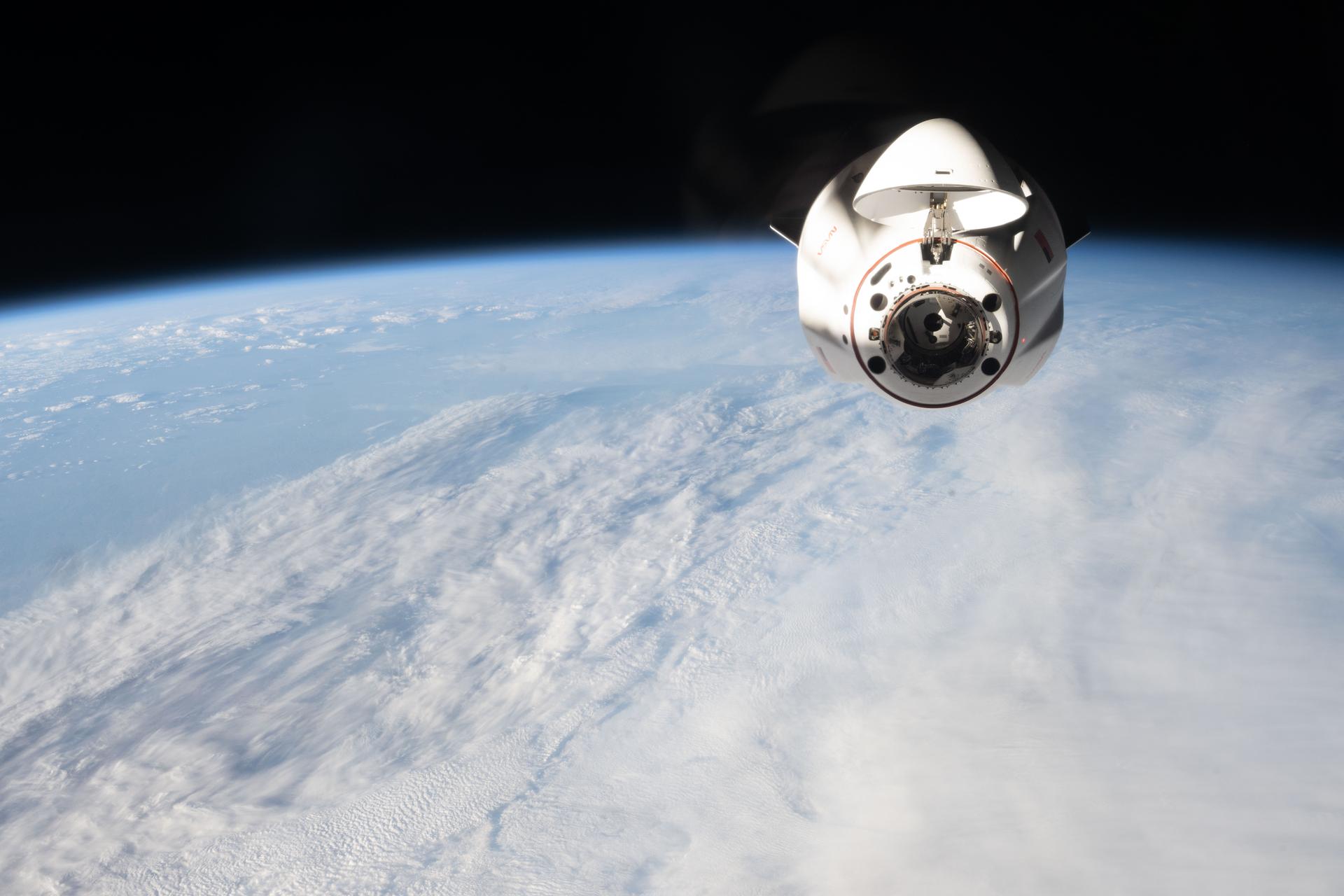
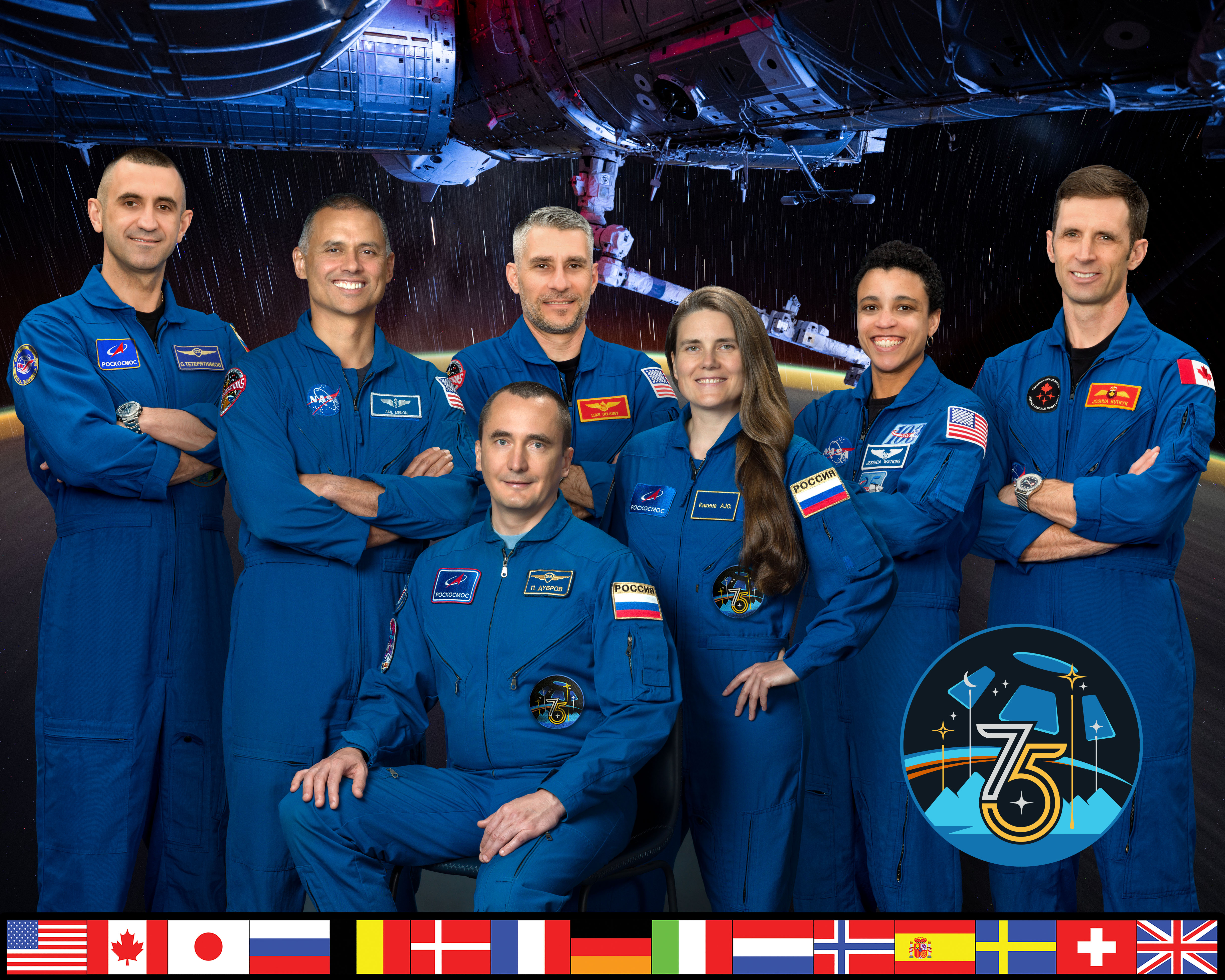
Five spacecraft are docked at the International Space Station following the arrival of a cargo-packed SpaceX Dragon on Thursday. The Expedition 75 crew members have begun unloading Dragon and are activating new science experiments to benefit life on and off the Earth.
Dragon completed its automated docking to the orbital outpost’s space-facing port on the Harmony module at 10:27 a.m. EDT on Thursday. The uncrewed spacecraft began its mission with a launch atop a Falcon 9 rocket at 6:33 a.m. on Wednesday from Florida carrying over 6,300 pounds of new science, supplies, and roll-out solar arrays.
Shortly after Dragon’s arrival on Thursday, NASA flight engineer Anil Menon conducted pressure and leak checks then equalized pressure between the cargo spacecraft and the space station. Afterward, Menon opened the hatch and entered Dragon followed by flight engineers Jessica Watkins and Luke Delaney of NASA and Joshua Kutryk of CSA (Canadian Space Agency).
The quartet quickly got to work transferring a variety of critical scientific samples from portable science freezers and incubators into station science freezers and research racks for upcoming study and analysis. Some of the new experiments will soon explore creating artificial retinas and growing heart tissues in weightlessness. Other investigations being activated on Friday and over the weekend include growing protein crystals to develop more precise cancer treatments and observing the genetic response of plants growing in microgravity to advance spacecraft life support systems.
A pair of roll-out solar arrays are installed inside Dragon’s unpressurized trunk where they will soon be retrieved by the Canadarm2 robotic arm. Engineers on the ground will remotely command Canadarm2 to remove the roll-out solar arrays from Dragon and temporarily stow them on logistics platforms on the station’s truss structure. Menon and Kutryk will finalize the installation of the roll-out solar arrays during a pair of spacewalks scheduled for Oct. 29 and Nov. 5. The solar arrays will be activated on the truss structure augmenting the space station’s power generation system.
Station commander Pyotr Dubrov and flight engineer Anna Kikina of Roscosmos wrapped up a weeklong study exploring the use of an exoskeleton suit to remotely control robots. The duo investigated wearing the specialized Teledroid suit while using virtual reality goggles and operating hand controls to manipulate tools in a simulated space environment. Results may help crew members prepare for remote robotics operations on future long-term space exploration missions.
Roscosmos flight engineer Sergey Teteryatnikov participated in a different virtual reality study wearing a headset and responding to computerized stimuli testing how his sense of balance and orientation are adapting to weightlessness. Teteryatnikov wrapped up his shift at the end of the week inspecting hydraulics components and servicing the Elektron oxygen generator.
Learn more about station activities by following the space station blog, @space_station on X, as well as the ISS Facebook and ISS Instagram accounts.
Get the latest from NASA delivered every week. Subscribe here.
Powered by WPeMatico
Mark A. Garcia