NASA’s Webb, Hubble Telescopes Affirm Universe’s Expansion Rate, Puzzle Persists

NASA’s Webb, Hubble Telescopes Affirm Universe’s Expansion Rate, Puzzle Persists

6 min read

NASA’s Webb, Hubble Telescopes Affirm Universe’s Expansion Rate, Puzzle Persists

When you are trying to solve one of the biggest conundrums in cosmology, you should triple check your homework. The puzzle, called the “Hubble Tension,” is that the current rate of the expansion of the universe is faster than what astronomers expect it to be, based on the universe’s initial conditions and our present understanding of the universe’s evolution.

Scientists using NASA’s Hubble Space Telescope and many other telescopes consistently find a number that does not match predictions based on observations from ESA’s (European Space Agency’s) Planck mission. Does resolving this discrepancy require new physics? Or is it a result of measurement errors between the two different methods used to determine the rate of expansion of space?
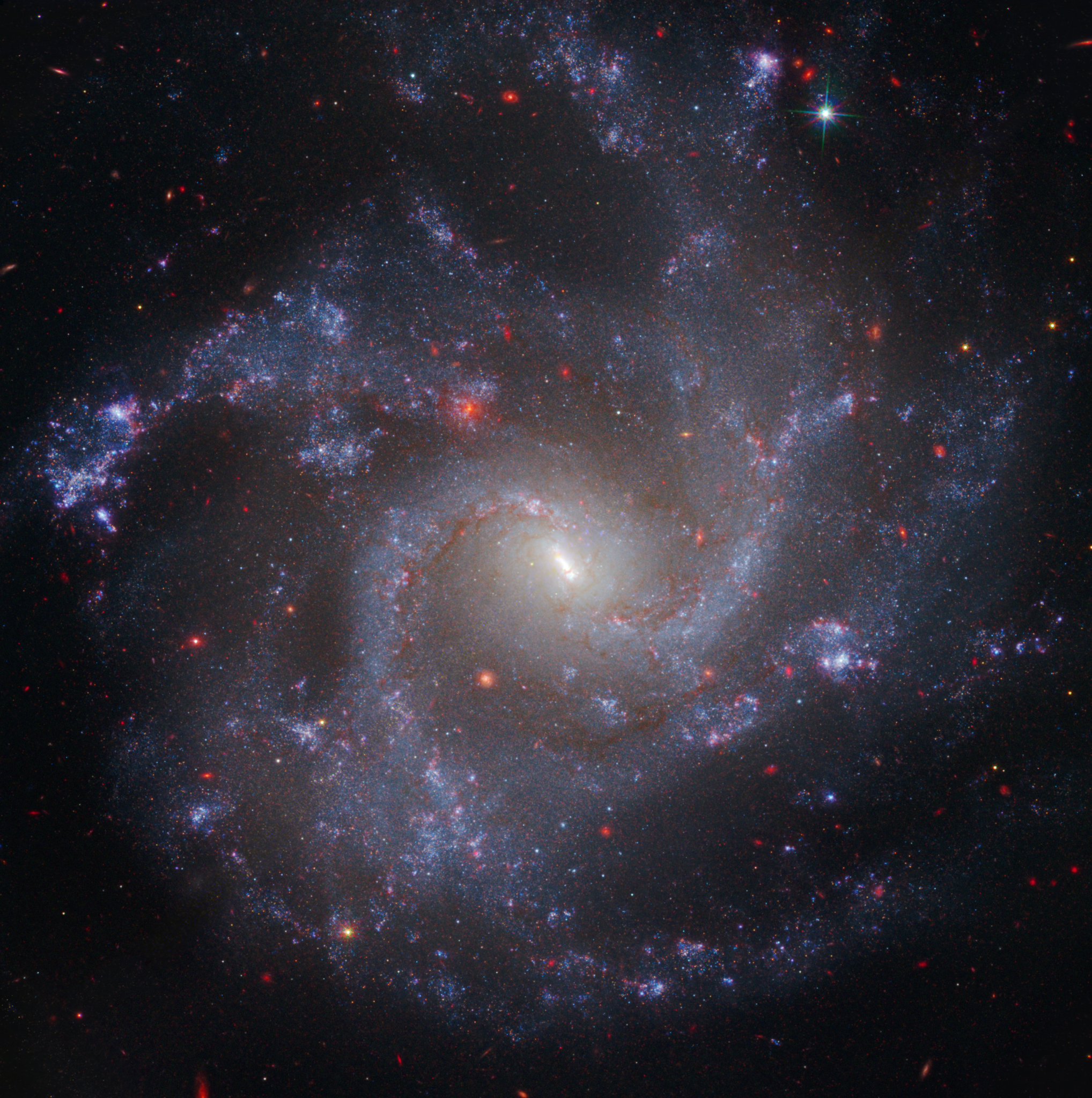
A spiral galaxy with a small bar of bright-white stars at its core. Two main spiral arms extend outward from each end of the bar. They appear to fork into multiple branches beyond the galaxy's core. The spiral arms have a lavender hue. Bright-white and bright-red stars dot the galaxy. Reddish-brown dust lanes line the inner curves of the spiral arms.
This image of NGC 5468, a galaxy located about 130 million light-years from Earth, combines data from the Hubble and James Webb space telescopes. This is the farthest galaxy in which Hubble has identified Cepheid variable stars. These are important milepost markers for measuring the expansion rate of the universe. The distance calculated from Cepheids has been cross-correlated with a type Ia supernova in the galaxy. Type Ia supernovae are so bright they are used to measure cosmic distances far beyond the range of the Cepheids, extending measurements of the universe’s expansion rate deeper into space.

Hubble has been measuring the current rate of the universe’s expansion for 30 years, and astronomers want to eliminate any lingering doubt about its accuracy. Now, Hubble and NASA’s James Webb Space Telescope have tag-teamed to produce definitive measurements, furthering the case that something else – not measurement errors – is influencing the expansion rate.

“With measurement errors negated, what remains is the real and exciting possibility we have misunderstood the universe,” said Adam Riess, a physicist at Johns Hopkins University in Baltimore. Riess holds a Nobel Prize for co-discovering the fact that the universe’s expansion is accelerating, due to a mysterious phenomenon now called “dark energy.”

As a crosscheck, an initial Webb observation in 2023 confirmed that Hubble measurements of the expanding universe were accurate. However, hoping to relieve the Hubble Tension, some scientists speculated that unseen errors in the measurement may grow and become visible as we look deeper into the universe. In particular, stellar crowding could affect brightness measurements of more distant stars in a systematic way.

The SH0ES (Supernova H0 for the Equation of State of Dark Energy) team, led by Riess, obtained additional observations with Webb of objects that are critical cosmic milepost markers, known as Cepheid variable stars, which now can be correlated with the Hubble data.

“We’ve now spanned the whole range of what Hubble observed, and we can rule out a measurement error as the cause of the Hubble Tension with very high confidence,” Riess said.

The team’s first few Webb observations in 2023 were successful in showing Hubble was on the right track in firmly establishing the fidelity of the first rungs of the so-called cosmic distance ladder.

Astronomers use various methods to measure relative distances in the universe, depending upon the object being observed. Collectively these techniques are known as the cosmic distance ladder – each rung or measurement technique relies upon the previous step for calibration.

But some astronomers suggested that, moving outward along the “second rung,” the cosmic distance ladder might get shaky if the Cepheid measurements become less accurate with distance. Such inaccuracies could occur because the light of a Cepheid could blend with that of an adjacent star – an effect that could become more pronounced with distance as stars crowd together and become harder to distinguish from one another.

The observational challenge is that past Hubble images of these more distant Cepheid variables look more huddled and overlapping with neighboring stars at ever farther distances between us and their host galaxies, requiring careful accounting for this effect. Intervening dust further complicates the certainty of the measurements in visible light. Webb slices though the dust and naturally isolates the Cepheids from neighboring stars because its vision is sharper than Hubble’s at infrared wavelengths.
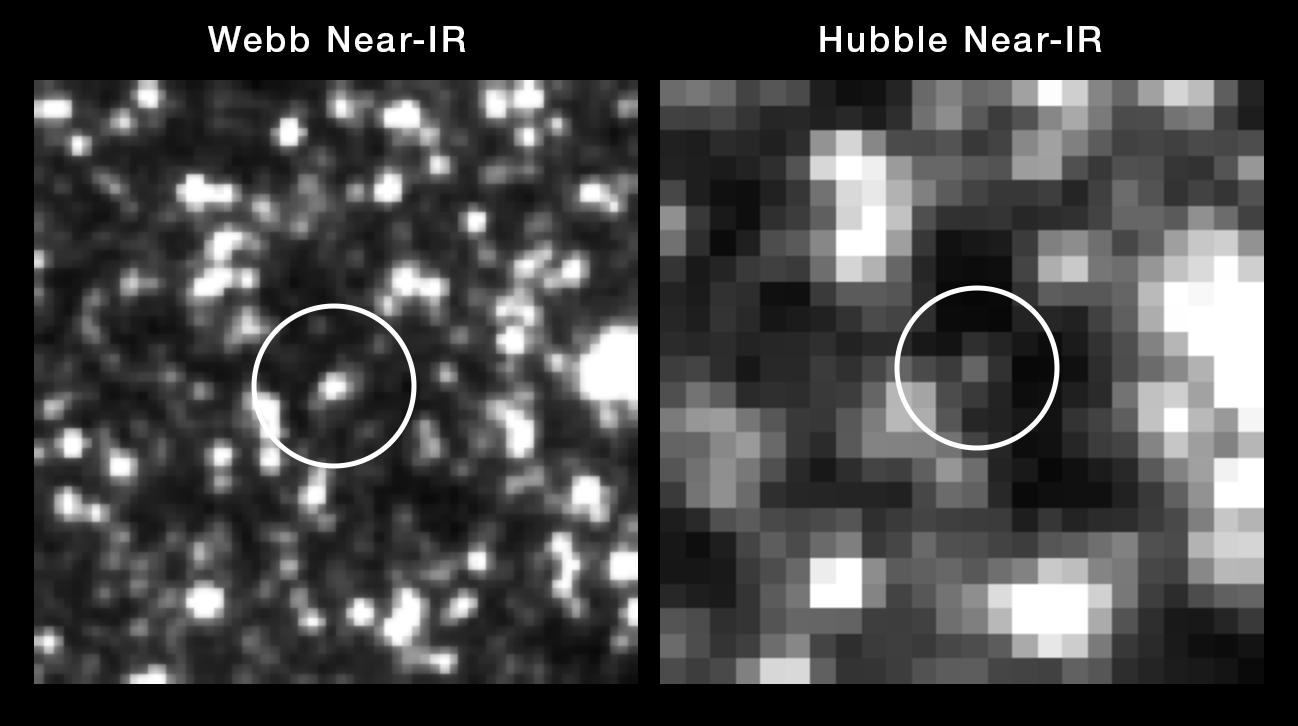
A horizontal, two-panel image of pixelated, black-and-white star fields. The left image label is: “Webb Near-IR.” It holds a few dozen points of light of varying brightness. At the center of the image, a circle marks one bright point. The right image label is: “Hubble Near-IR.” It holds more indistinct, blurry patches whose overall brightness is similar to the more defined regions in the left image. At center, a circle marks a light gray pixel.
At the center of these side-by-side images is a special class of star used as a milepost marker for measuring the universe’s rate of expansion – a Cepheid variable star. The two images are very pixelated because they are a very zoomed-in view of a distant galaxy. Each of the pixels represents one or more stars. The image from the James Webb Space Telescope is significantly sharper at near-infrared wavelengths than Hubble (which is primarily a visible-ultraviolet light telescope). By reducing the clutter with Webb’s crisper vision, the Cepheid stands out more clearly, eliminating any potential confusion. Webb was used to look at a sample of Cepheids and confirmed the accuracy of the previous Hubble observations that are fundamental to precisely measuring the universe’s expansion rate and age.
NASA, ESA, CSA, STScI, Adam G. Riess (JHU, STScI)

“Combining Webb and Hubble gives us the best of both worlds. We find that the Hubble measurements remain reliable as we climb farther along the cosmic distance ladder,” said Riess.

The new Webb observations include five host galaxies of eight Type Ia supernovae containing a total of 1,000 Cepheids, and reach out to the farthest galaxy where Cepheids have been well measured – NGC 5468 – at a distance of 130 million light-years. “This spans the full range where we made measurements with Hubble. So, we’ve gone to the end of the second rung of the cosmic distance ladder,” said co-author Gagandeep Anand of the Space Telescope Science Institute in Baltimore, which operates the Webb and Hubble telescopes for NASA.

Hubble and Webb’s further confirmation of the Hubble Tension sets up other observatories to possibly settle the mystery. NASA’s upcoming Nancy Grace Roman Space Telescope will do wide celestial surveys to study the influence of dark energy, the mysterious energy that is causing the expansion of the universe to accelerate. ESA’s Euclid observatory, with NASA contributions, is pursuing a similar task.

At present it’s as though the distance ladder observed by Hubble and Webb has firmly set an anchor point on one shoreline of a river, and the afterglow of the big bang observed by Planck’s measurement from the beginning of the universe is set firmly on the other side. How the universe’s expansion was changing in the billions of years between these two endpoints has yet to be directly observed. “We need to find out if we are missing something on how to connect the beginning of the universe and the present day,” said Riess.

These finding were published in the February 6, 2024 issue of The Astrophysical Journal Letters.

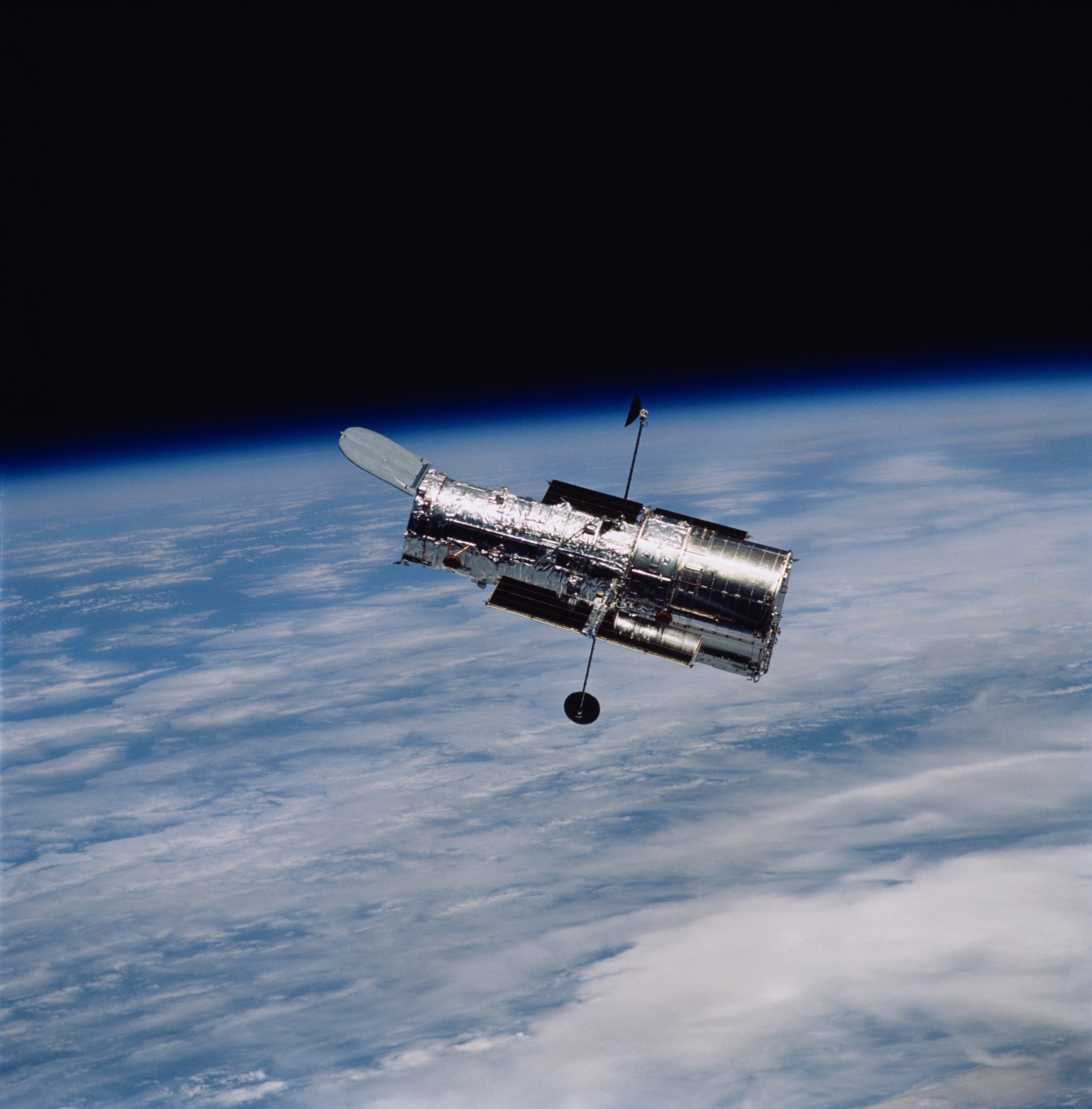
The Hubble Space Telescope has been operating for over three decades and continues to make ground-breaking discoveries that shape our fundamental understanding of the universe. Hubble is a project of international cooperation between NASA and ESA. NASA’s Goddard Space Flight Center in Greenbelt, Maryland, manages the telescope. Goddard also conducts mission operations with Lockheed Martin Space in Denver, Colorado. The Space Telescope Science Institute (STScI) in Baltimore, Maryland, conducts Hubble and Webb science operations for NASA.

The James Webb Space Telescope is the world’s premier space science observatory. Webb is solving mysteries in our solar system, looking beyond to distant worlds around other stars, and probing the mysterious structures and origins of our universe and our place in it. Webb is an international program led by NASA with its partners, ESA (European Space Agency) and the Canadian Space Agency.

More Webb News: https://science.nasa.gov/mission/webb/latestnews/

More Hubble News: https://science.nasa.gov/mission/hubble/hubble-news/

More Webb Images: https://science.nasa.gov/mission/webb/multimedia/images/

More Hubble Images: https://science.nasa.gov/mission/hubble/multimedia/hubble-images/

Webb Mission Page: https://science.nasa.gov/mission/webb/

Hubble Mission Page: https://science.nasa.gov/mission/hubble/

Learn More

Media Contacts:

Claire Andreoli – claire.andreoli@nasa.gov
Laura Betz – laura.e.betz@nasa.gov
NASA’s Goddard Space Flight Center, Greenbelt, MD

Ray Villard, Christine Pulliam
Space Telescope Science Institute, Baltimore, MD

Share

Details

Last Updated
Mar 11, 2024
Editor
Andrea Gianopoulos
Location
Goddard Space Flight Center

Powered by WPeMatico

Get The Details…

Peering Into the Tendrils of NGC 604 with NASA’s Webb

Peering Into the Tendrils of NGC 604 with NASA’s Webb

4 Min Read

Peering Into the Tendrils of NGC 604 with NASA’s Webb

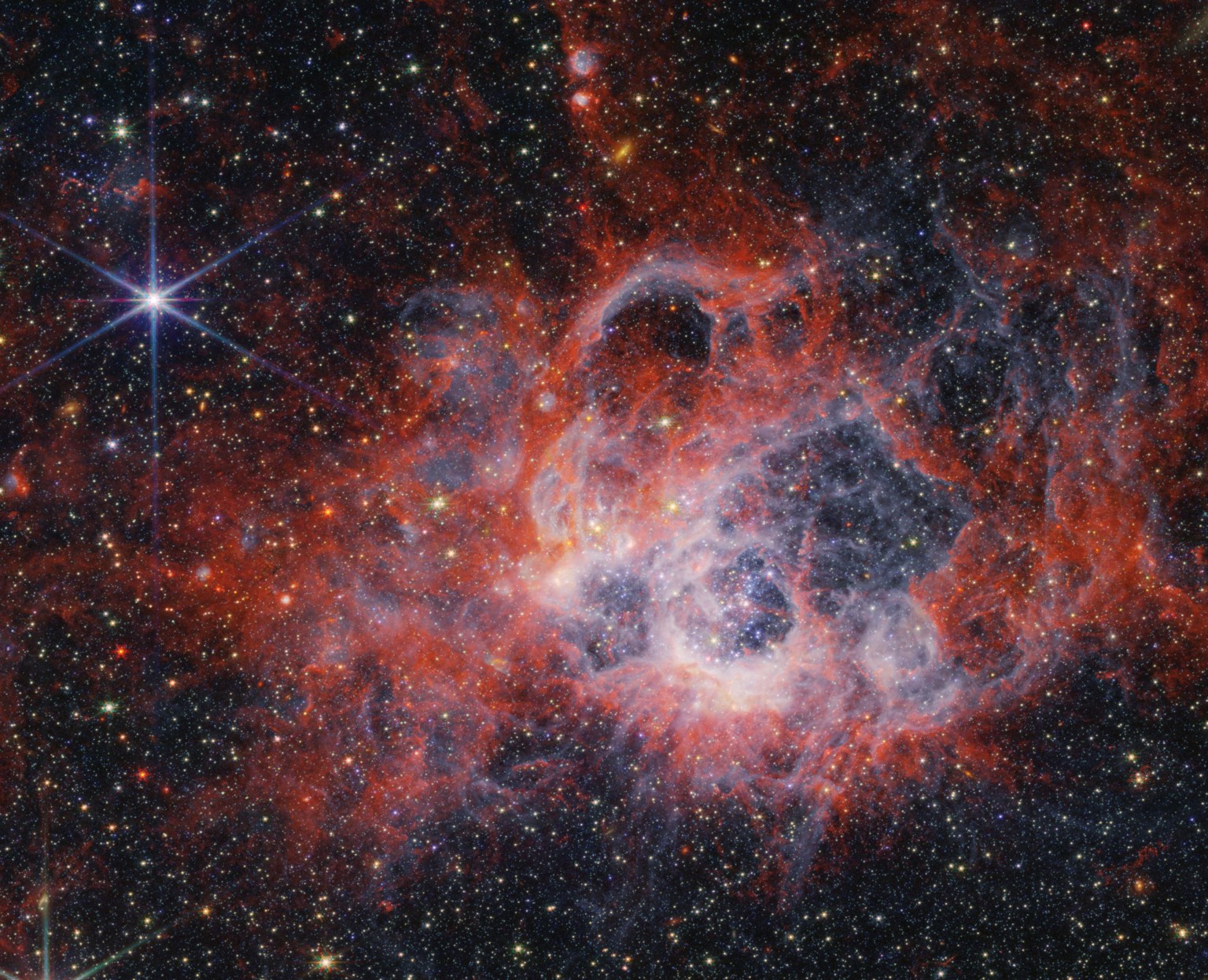
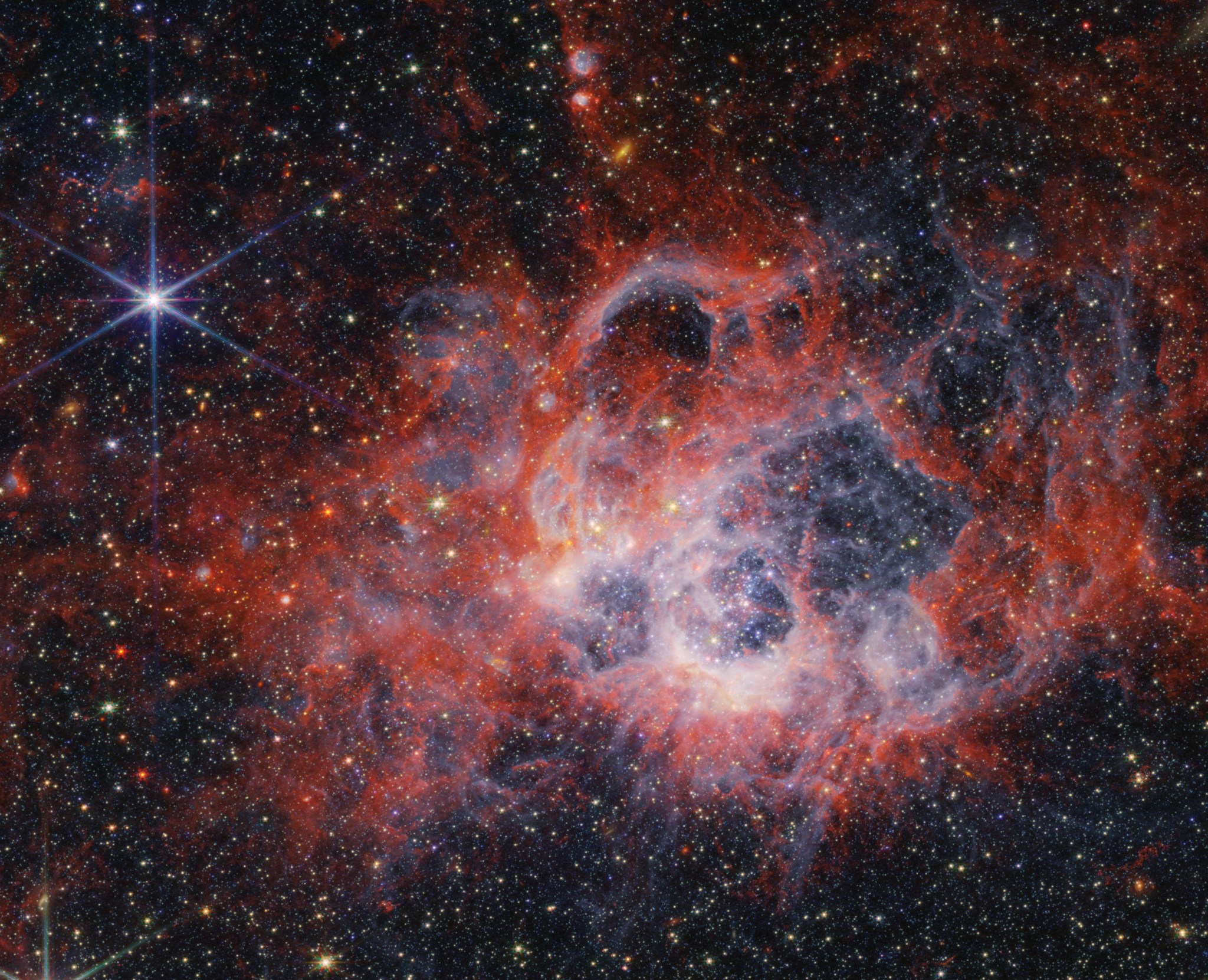
At the center of the image is a nebula on the black background of space. The nebula is comprised of clumpy, red, filamentary clouds. At the center-right of the red clouds is a large cavernous bubble, and at the center of the bubble there is an opaque blueish glow with speckles of stars. At the edges of the bubble, the dust is white. There are several other smaller cavernous bubbles at the top of the nebula, including two tiny cavities at the top center of the image. There are thousands of stars that fill the surrounding area outside the nebula, most of them are yellow or white. At 11 o’clock and 6 o’clock there are extremely bright stars with 8 diffraction spikes. There are also some smaller, red stars and a few disk-shaped galaxies scattered across the image.
Star-forming region NGC 604.
Credits:
NASA, ESA, CSA, STScI

The formation of stars and the chaotic environments they inhabit is one of the most well-studied, but also mystery-shrouded, areas of cosmic investigation. The intricacies of these processes are now being unveiled like never before by NASA’s James Webb Space Telescope.

Two new images from Webb’s NIRCam (Near-Infrared Camera) and MIRI (Mid-Infrared Instrument) showcase star-forming region NGC 604, located in the Triangulum galaxy (M33), 2.73 million light-years away from Earth. In these images, cavernous bubbles and stretched-out filaments of gas etch a more detailed and complete tapestry of star birth than seen in the past.

Sheltered among NGC 604’s dusty envelopes of gas are more than 200 of the hottest, most massive kinds of stars, all in the early stages of their lives. These types of stars are B-types and O-types, the latter of which can be more than 100 times the mass of our own Sun. It’s quite rare to find this concentration of them in the nearby universe. In fact, there’s no similar region within our own Milky Way galaxy.

This concentration of massive stars, combined with its relatively close distance, means NGC 604 gives astronomers an opportunity to study these objects at a fascinating time early in their life.

Image: NIRCam View NGC 604

At the center of the image is a nebula on the black background of space. The nebula is comprised of clumpy, red, filamentary clouds. At the center-right of the red clouds is a large cavernous bubble, and at the center of the bubble there is an opaque blueish glow with speckles of stars. At the edges of the bubble, the dust is white. There are several other smaller cavernous bubbles at the top of the nebula, including two tiny cavities at the top center of the image. There are thousands of stars that fill the surrounding area outside the nebula, most of them are yellow or white. At 11 o’clock and 6 o’clock there are extremely bright stars with 8 diffraction spikes. There are also some smaller, red stars and a few disk-shaped galaxies scattered across the image.
This image from NASA’s James Webb Space Telescope’s NIRCam (Near-Infrared Camera) of star-forming region NGC 604 shows how stellar winds from bright, hot, young stars carve out cavities in surrounding gas and dust.
NASA, ESA, CSA, STScI

In Webb’s near-infrared NIRCam image, the most noticeable features are tendrils and clumps of emission that appear bright red, extending out from areas that look like clearings, or large bubbles in the nebula. Stellar winds from the brightest and hottest young stars have carved out these cavities, while ultraviolet radiation ionizes the surrounding gas. This ionized hydrogen appears as a white and blue ghostly glow.

The bright orange-colored streaks in the Webb near-infrared image signify the presence of carbon-based molecules known as polycyclic aromatic hydrocarbons, or PAHs. This material plays an important role in the interstellar medium and the formation of stars and planets, but its origin is a mystery. As you travel farther from the immediate clearings of dust, the deeper red signifies molecular hydrogen. This cooler gas is a prime environment for star formation.

Webb’s exquisite resolution also provides insights into features that previously appeared unrelated to the main cloud. For example, in Webb’s image, there are two bright, young stars carving out holes in dust above the central nebula, connected through diffuse red gas. In visible-light imaging from NASA’s Hubble Space Telescope, these appeared as separate splotches.

Image: MIRI View NGC 604

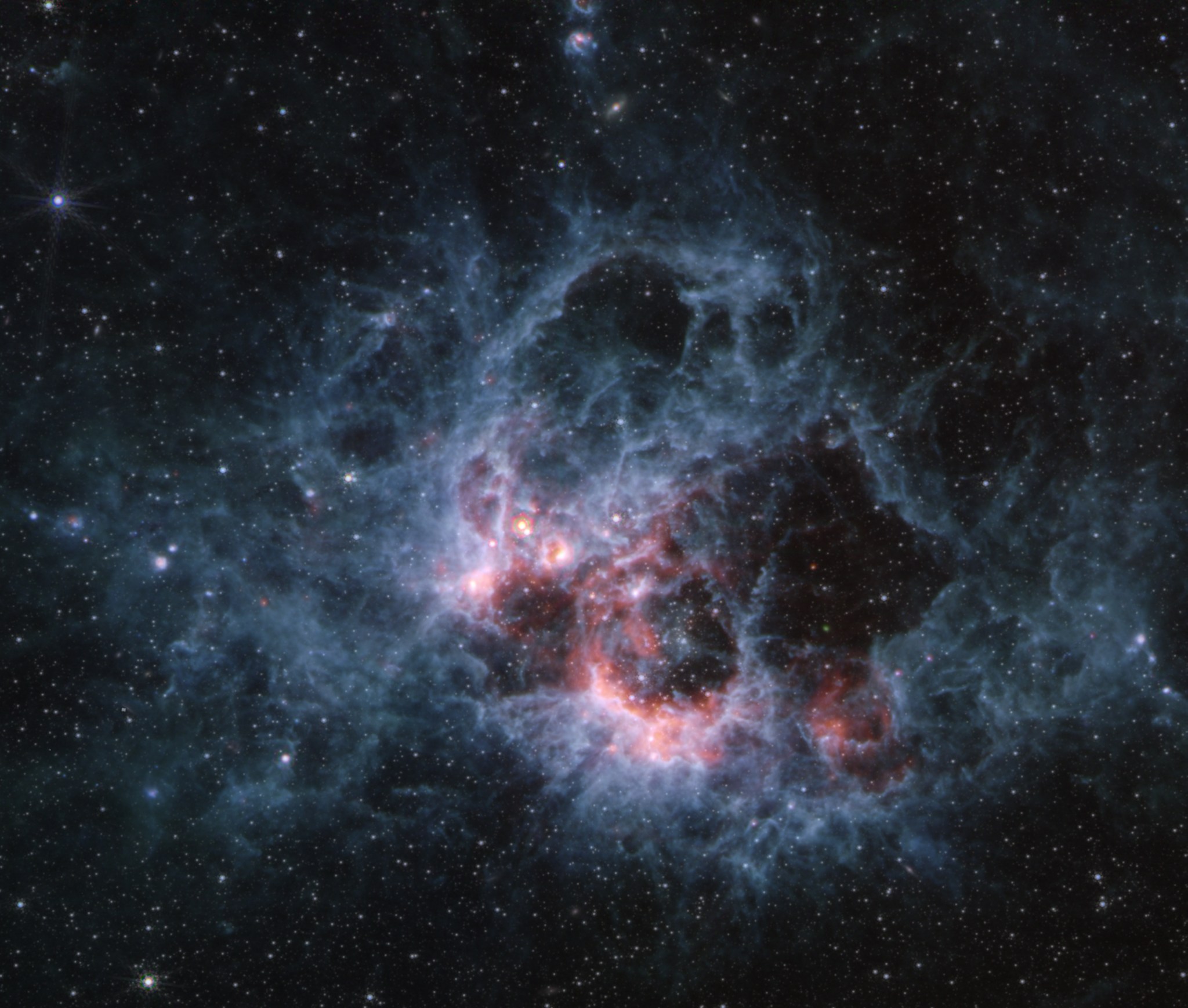
At the center of the image is a nebula on the black background of space. The nebula is comprised of wispy filaments of light blue clouds. At the center-right of the blue clouds is a large cavernous bubble. The bottom left edge of this cavernous bubble is filled with hues of pink and white gas. There are several other smaller cavernous bubbles at the top of the nebula, including two tiny cavities at the top center of the image. There are hundreds of dim stars that fill the surrounding area of the nebula.
This image from NASA’s James Webb Space Telescope’s MIRI (Mid-Infrared Instrument) of star-forming region NGC 604 shows how large clouds of cooler gas and dust glow in mid-infrared wavelengths. This region is home to more than 200 of the hottest, most massive kinds of stars, all in the early stages of their lives.
NASA, ESA, CSA, STScI

Webb’s view in mid-infrared wavelengths also illustrates a new perspective into the diverse and dynamic activity of this region. In the MIRI view of NGC 604, there are noticeably fewer stars. This is because hot stars emit much less light at these wavelengths, while the larger clouds of cooler gas and dust glow. Some of the stars seen in this image, belonging to the surrounding galaxy, are red supergiants – stars that are cool but very large, hundreds of times the diameter of our Sun. Additionally, some of the background galaxies that appeared in the NIRCam image also fade. In the MIRI image, the blue tendrils of material signify the presence of PAHs.

NGC 604 is estimated to be around 3.5 million years old. The cloud of glowing gases extends to some 1,300 light-years across.

Video: Explore the Images

Explore Webb’s images of NGC 604 with Dr Jane Rigby (Webb Senior Project Scientist). Credit: NASA

The James Webb Space Telescope is the world’s premier space science observatory. Webb is solving mysteries in our solar system, looking beyond to distant worlds around other stars, and probing the mysterious structures and origins of our universe and our place in it. Webb is an international program led by NASA with its partners, ESA (European Space Agency) and the Canadian Space Agency.

Downloads

Right click the images in this article to open a larger version in a new tab/window.
Download full resolution images for this article from the Space Telescope Science Institute.

Media Contacts

Laura Betzlaura.e.betz@nasa.gov, Rob Gutrorob.gutro@nasa.gov
NASA’s Goddard Space Flight Center, Greenbelt, Md.

Christine Pulliamcpulliam@stsci.edu
Space Telescope Science Institute, Baltimore, Md.

Related Information

Hubble’s view of NGC 604

Hubble’s view of NGC 604 host galaxy Triangulum (M33)

Star Lifecycle

More Webb News – https://science.nasa.gov/mission/webb/latestnews/

More Webb Images – https://science.nasa.gov/mission/webb/multimedia/images/

Webb Mission Page – https://science.nasa.gov/mission/webb/

Related For Kids

What is a galaxy?

What is a Nebula?

What is the Webb Telescope?

SpacePlace for Kids

En Español

Ciencia de la NASA

NASA en español 

Space Place para niños

Powered by WPeMatico

Get The Details…

Station Goes into Final Handovers Before Next Crew Departs

Station Goes into Final Handovers Before Next Crew Departs

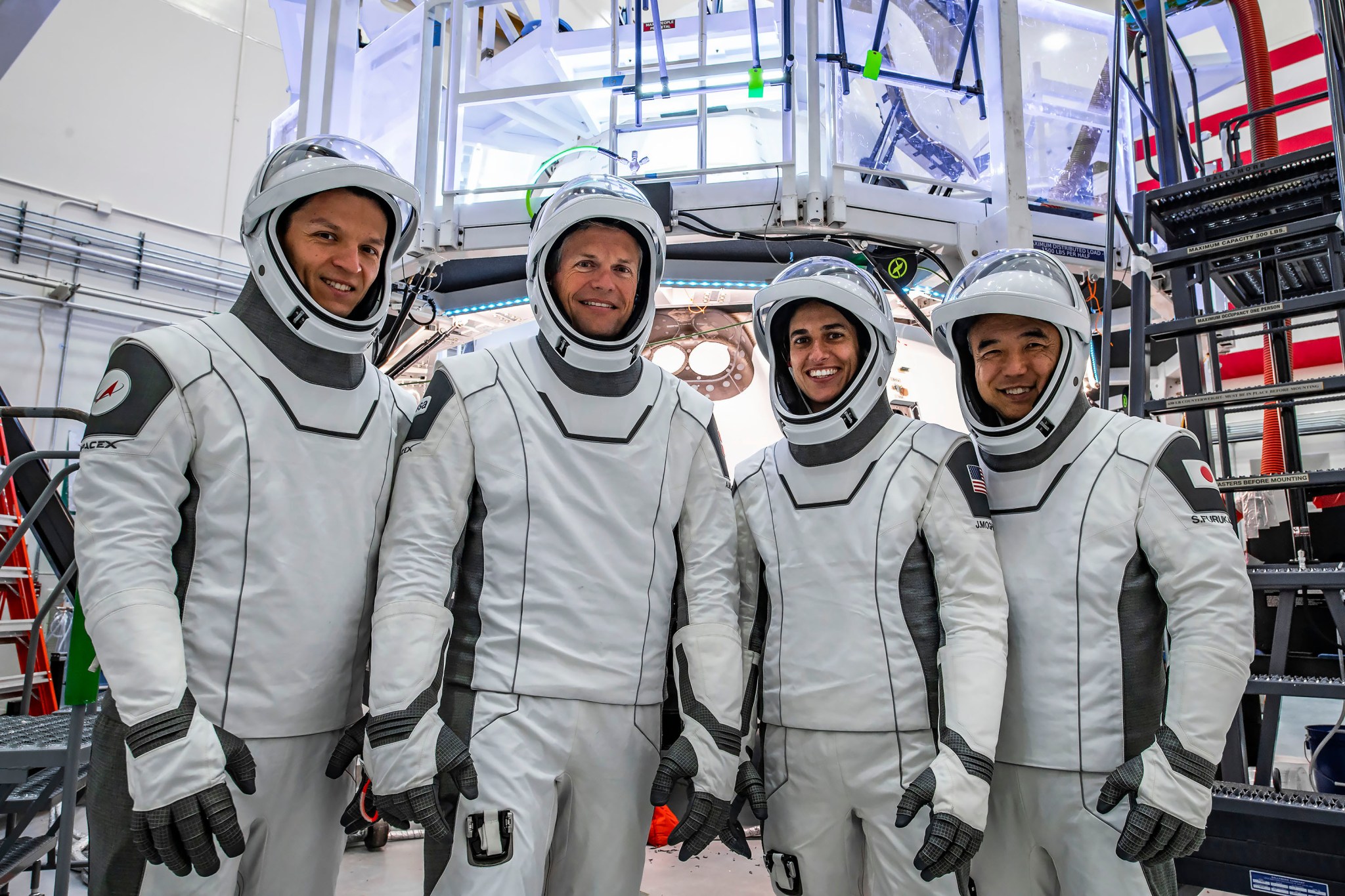
The Crew-7 quartet (from left), cosmonaut Konstantin Borisov, ESA (European Space Agency) astronaut Andreas Mogensen, NASA astronaut Jasmin Moghbeli, and JAXA (Japan Aerospace Exploration Agency) astronaut Satoshi Furukawa pose for a photo in their Dragon flight suits ahead of their departure from the International Space Station.

Two crews aboard the International Space Station are continuing mission handover responsibilities before four Expedition 70 crewmates return to Earth next week. In the meantime, a host of advanced space research is underway to improve life on Earth and in space.

The next crew to leave the orbital outpost is due to undock inside the SpaceX Dragon “Endurance” spacecraft from the Harmony module’s space-facing port on Monday. NASA astronaut Jasmin Moghbeli will lead Pilot Andreas Mogensen, and Mission Specialists Satoshi Furukawa and Konstantin Borisov back to Earth inside Dragon for a splashdown off the coast of Florida. The commercial crew quartet has been aboard the space station since Aug. 27, 2023.

Moghbeli and Mogensen have spent the week readying Dragon for its return, checking spacecraft systems and hardware in coordination with mission controllers from SpaceX and NASA. They have also been working with Furukawa and Borisov packing personal items and station cargo for the ride back to Earth.

Mogensen and Furukawa managed to fit in a pair of different experiments in their busy schedule at the end of the week. Mogensen from ESA (European Space Agency) peered at cell samples through a microscope for the Project EAGLE cardiac health study. The experiment may provide therapeutic insights for space-caused and Earthbound heart conditions. Furukawa from JAXA (Japan Aerospace Exploration Agency) serviced samples inside the Kibo laboratory module’s Solid Combustion Experiment Module that acquires data on how oxygen-fed solid fuels burn in microgravity.

NASA Flight Engineer Loral O’Hara, who will remain in space until early April, assisted new NASA Flight Engineer Mike Barratt as he worked out for the first time on the Advanced Resistive Exercise Device. After that, she swapped out a spool of optical fiber samples inside the Microgravity Science Glovebox. The sample work was done for a study exploring the manufacturing of optical fibers in space superior to those produced on Earth.

Barratt later joined his Dragon “Endeavour” crewmates Matthew Dominick and Jeanette Epps, both from NASA, and Roscosmos cosmonaut Alexander Grebenkin and called down to mission controllers to discuss Dragon operations during their ride to the space station. The foursome continues getting familiarized with orbital exercise equipment, life support systems, emergency procedures, and more.

Borisov and veteran cosmonaut Oleg Kononenko wrapped up operations with the lower body negative pressure suit being tested for its potential to relieve the effects of returning to Earth’s gravity after spending several months in space. Flight Engineer Nikolai Chub worked throughout the station’s Roscosmos segment servicing ventilation systems. Chub and Kononenko will continue their mission aboard the orbital outpost and stay in space several more months.


Learn more about station activities by following the space station blog, @space_station and @ISS_Research on X, as well as the ISS Facebook and ISS Instagram accounts.

Get weekly updates from NASA Johnson Space Center at: https://roundupreads.jsc.nasa.gov/

Get the latest from NASA delivered every week. Subscribe here: www.nasa.gov/subscribe

Powered by WPeMatico

Get The Details…

Abby Graf

NASA’s SpaceX Crew-7 Return to Earth to Air Live on NASA Platforms

NASA’s SpaceX Crew-7 Return to Earth to Air Live on NASA Platforms

NASA’s SpaceX Crew-7 poses for a photo before their mission to the International Space Station. From left to right: Mission Specialist Konstantin Borisov, Pilot Andreas Mogensen, Commander Jasmin Moghbeli, and Mission Specialist Satoshi Furukawa.
Credits: SpaceX

NASA will provide live coverage of the agency’s SpaceX Crew-7 return to Earth from the International Space Station, beginning with a change-of-command ceremony at 11:55 a.m. EDT on Sunday, March 10.

NASA astronaut Jasmin Moghbeli, ESA (European Space Agency) astronaut Andreas Mogensen, JAXA (Japan Aerospace Exploration Agency) astronaut Satoshi Furukawa, and Roscosmos cosmonaut Konstantin Borisov are preparing to wrap up their nearly six-month science mission, and bring home time-sensitive research to Earth.

Pending weather conditions off the coast of Florida, the SpaceX Dragon spacecraft is scheduled to undock from the space station at 11:05 a.m. Monday, March 11, to begin the journey home, with NASA coverage beginning at 10:45 a.m. NASA and SpaceX are targeting as early as 5:35 a.m. Tuesday, March 12, for splashdown off the Florida coast.

The return and related activities will air live on NASA+, NASA Television, the NASA app, and the agency’s website. Learn how to stream NASA TV through a variety of platforms including social media.

NASA’s coverage is as follows (all times Eastern and subject to change based on real-time operations):

Sunday, March 10

11:55 a.m.: Crew-7 farewell remarks and change of command ceremony aboard the space station

Monday, March 11

9 a.m.: Hatch closure coverage begins

9:15 a.m.: Hatch closing

10:45 a.m.: Undocking coverage begins

11:05 a.m.: Undocking

Following conclusion of Dragon departure from station, NASA coverage will continue with audio only, with full coverage resuming ahead of the deorbit burn and splashdown.

Tuesday, March 12

4:30 a.m.: Coverage begins as the spacecraft leaves low Earth orbit, completes re-entry, and prepares for splashdown

5:35 a.m.: Splashdown

7 a.m.: Return to Earth media teleconference call with the following participants:

  • Steve Stich, manager, NASA’s Commercial Crew Program
  • Jeff Arend, manager for systems engineering and integration, NASA’s International Space Station Office
  • SpaceX representative
  • Eric Van Der Wal, Houston office team leader, ESA
  • Hiroshi Sasaki, vice president for human space flight and space exploration, JAXA

Media may ask questions via phone. For the dial-in number and passcode, media should contact the Kennedy newsroom no later than 6 a.m. Tuesday, March 11, at ksc-newsroom@mail.nasa.gov.

See full mission coverage, NASA’s commercial crew blog, and more information about the mission at:

https://www.nasa.gov/commercialcrew

-end-

Joshua Finch
Headquarters, Washington
202-358-1100
joshua.a.finch@nasa.gov

Steve Siceloff
Kennedy Space Center, Fla.
321-867-2468
steven.p.sieceloff@nasa.gov

Leah Cheshier
Johnson Space Center, Houston
281-483-5111
leah.d.cheshier@nasa.gov

Powered by WPeMatico

Get The Details…
Tiernan P. Doyle

Luxembourg Leaders Focus on Lunar Exploration at Visit to NASA Ames

Luxembourg Leaders Focus on Lunar Exploration at Visit to NASA Ames

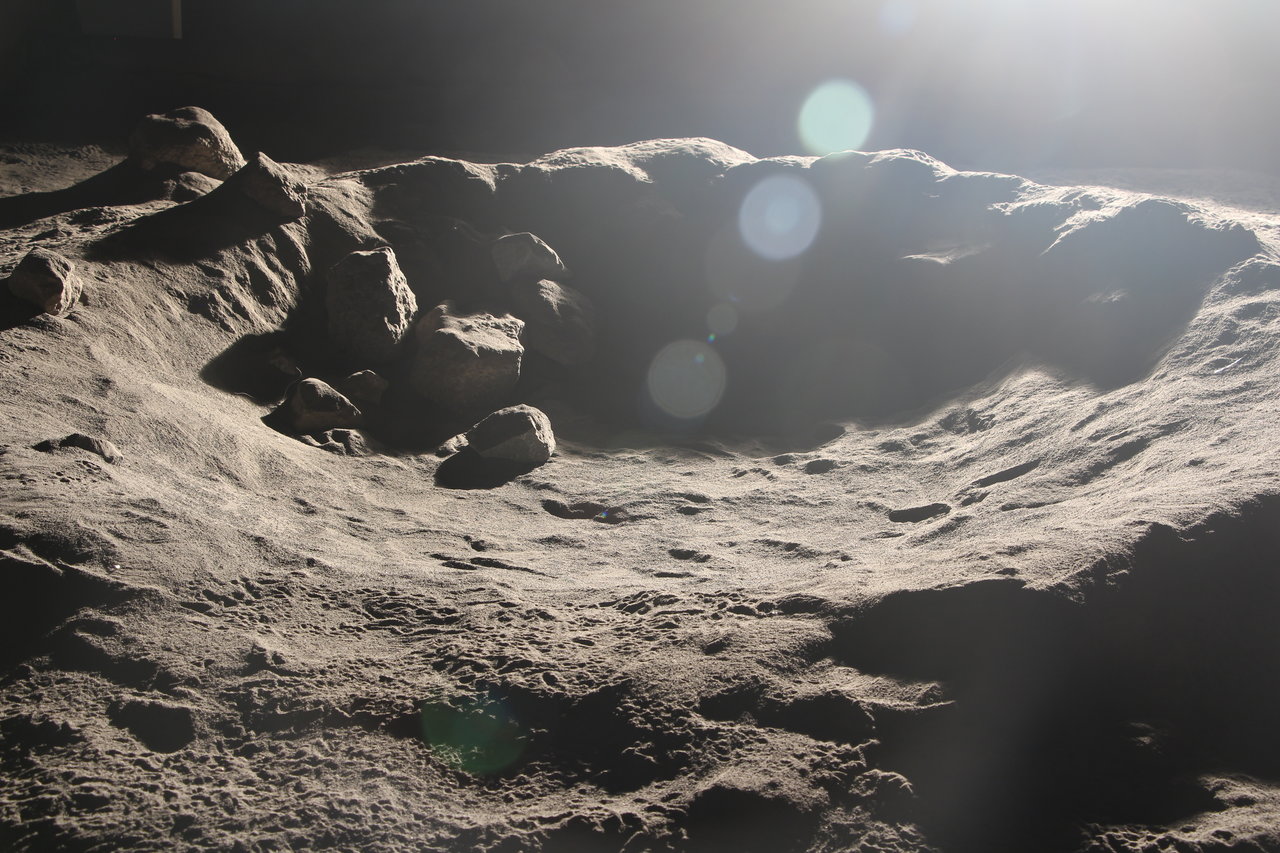
Using the Lunar Lab and Regolith Testbeds at NASA’s Ames Research Center, a team created this simulated lunar environment to study lighting conditions experienced at the unexplored poles of the Moon. 
NASA/Uland Wong

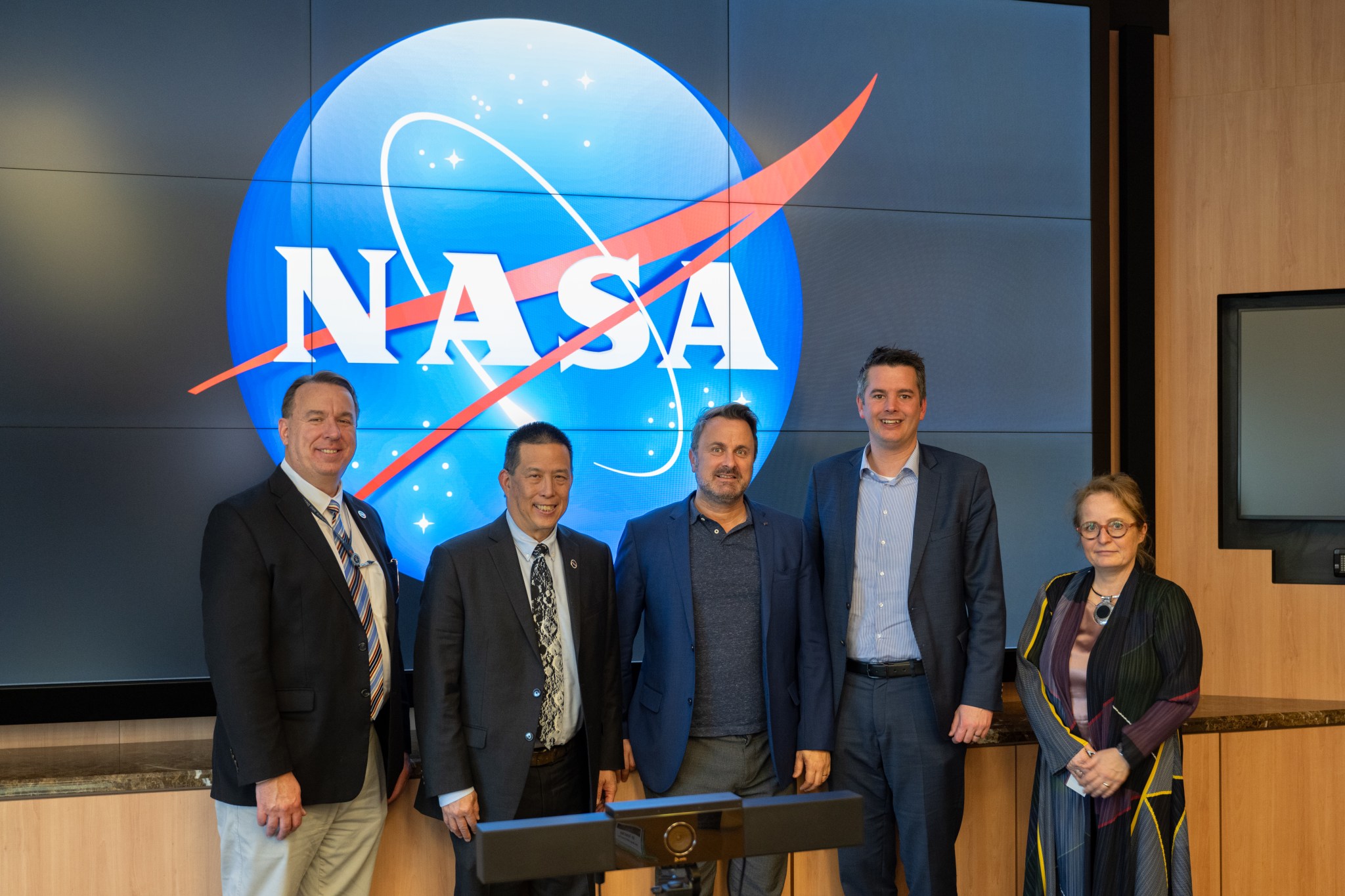
The challenges of working on the surface of the Moon are at the center of a facility at NASA’s Ames Research Center in California’s Silicon Valley. The Lunar Lab and Regolith Testbeds help scientists and engineers – from NASA and industry alike – study how well science instruments, robots, and people might be able to safely work, manipulate, navigate, and traverse the tough lunar terrain. On March 7, three visitors from the Grand Duchy of Luxembourg – Deputy Prime Minister Xavier Bettel, Minister of the Economy Lex Delles, and Ambassador to the United States Nicole Bintner – learned more about the work happening here. 

During the visit, lunar rock and crater features crafted from lunar soil, or regolith, simulant were lit by harsh, low-angle illumination to simulate sunlight conditions at the Moon’s poles. Members of the VIPER mission (Volatiles Investigating Polar Exploration Rover) discussed their work testing optical sensors at the lab for NASA’s water-hunting Moon rover. Engineering versions of VIPER’s hazard-avoidance cameras and lighting system, tested in the facility, were also on display. The lab is managed by NASA’s Solar System Exploration Research Virtual Institute (SSERVI). 

Acting Deputy Center Director David Korsmeyer, left, Ames Center Director Eugene Tu, Deputy Prime Minister of Luxembourg Xavier Bettel, Luxembourg Minister of Economy Lex Delles, and Ambassador Nicole Bintner, right, meet at Ames on March 7, 2024.
NASA/Brandon Torres

The Regolith Testbeds enable research applicable to places beyond our Moon as well, including Mercury, asteroids, and regolith-covered moons like Mars’ Phobos. 

Luxembourg was one of the first nations to sign the Artemis Accords and has taken steps to enable commercial space exploration. At Ames, the visitors learned about the center’s support of NASA’s Artemis exploration goals, including with VIPER, agency supercomputing resources, and the development of advanced tools for lunar operations. 

Powered by WPeMatico

Get The Details…
Abby Tabor