NASA Moon to Mars Architecture Workshops Promote Collaboration 

NASA Moon to Mars Architecture Workshops Promote Collaboration 
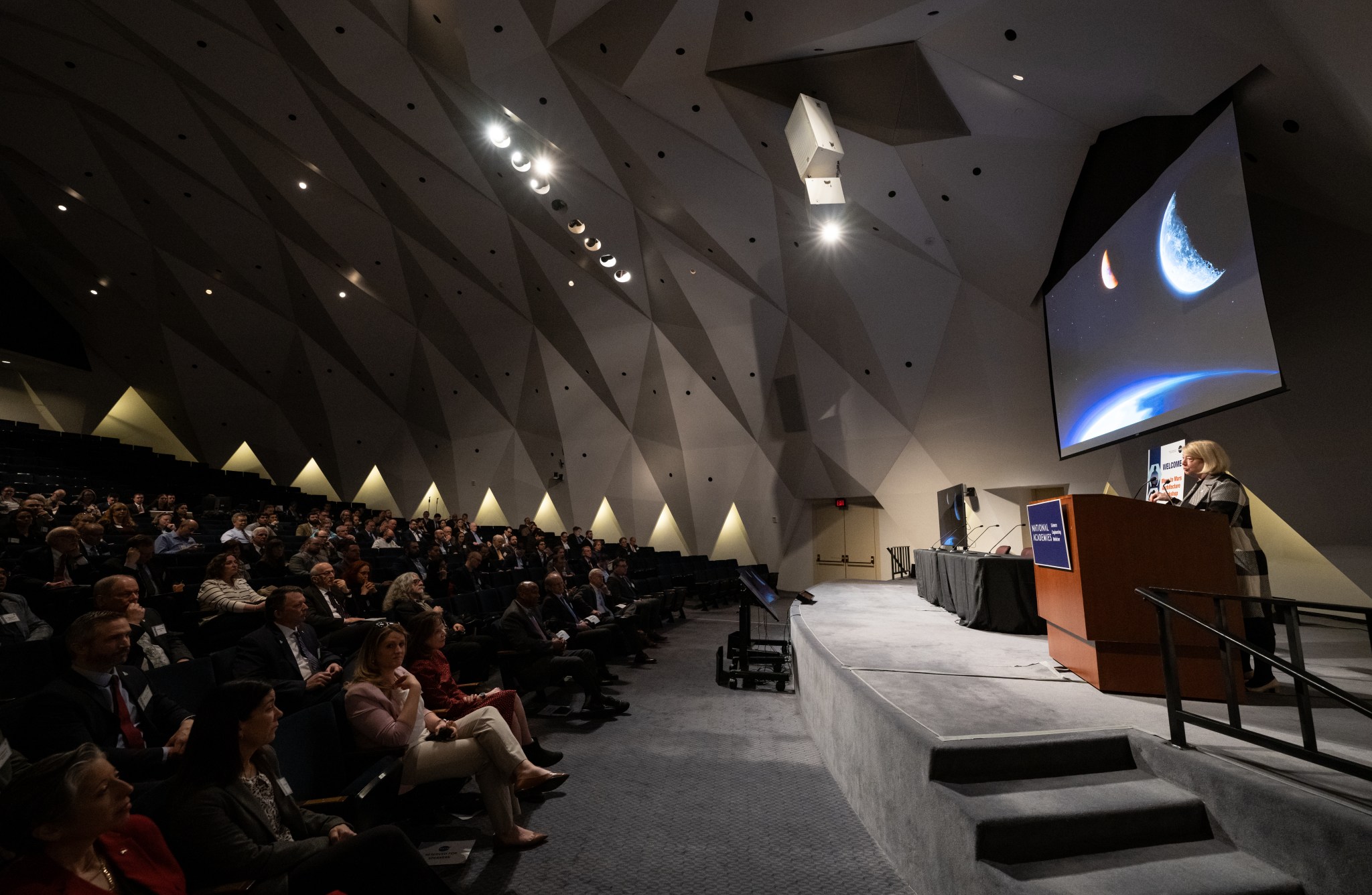
NASA Deputy Administrator Pam Melroy welcomes 2024 Moon to Mars Architecture Workshop attendees from the stage of the Fred Kavli at the National Academy of Sciences in Washington.
NASA/Keegan Barber

NASA held two workshops in mid-February to share the latest progress on the agency’s Moon to Mars architecture and solicit feedback from industry, academia, and the international community. Representatives from 18 countries, 85 aerospace companies, and 25 academic institutions shared their perspectives on NASA’s roadmap for long-term lunar exploration and humanity’s journey to the Red Planet. 
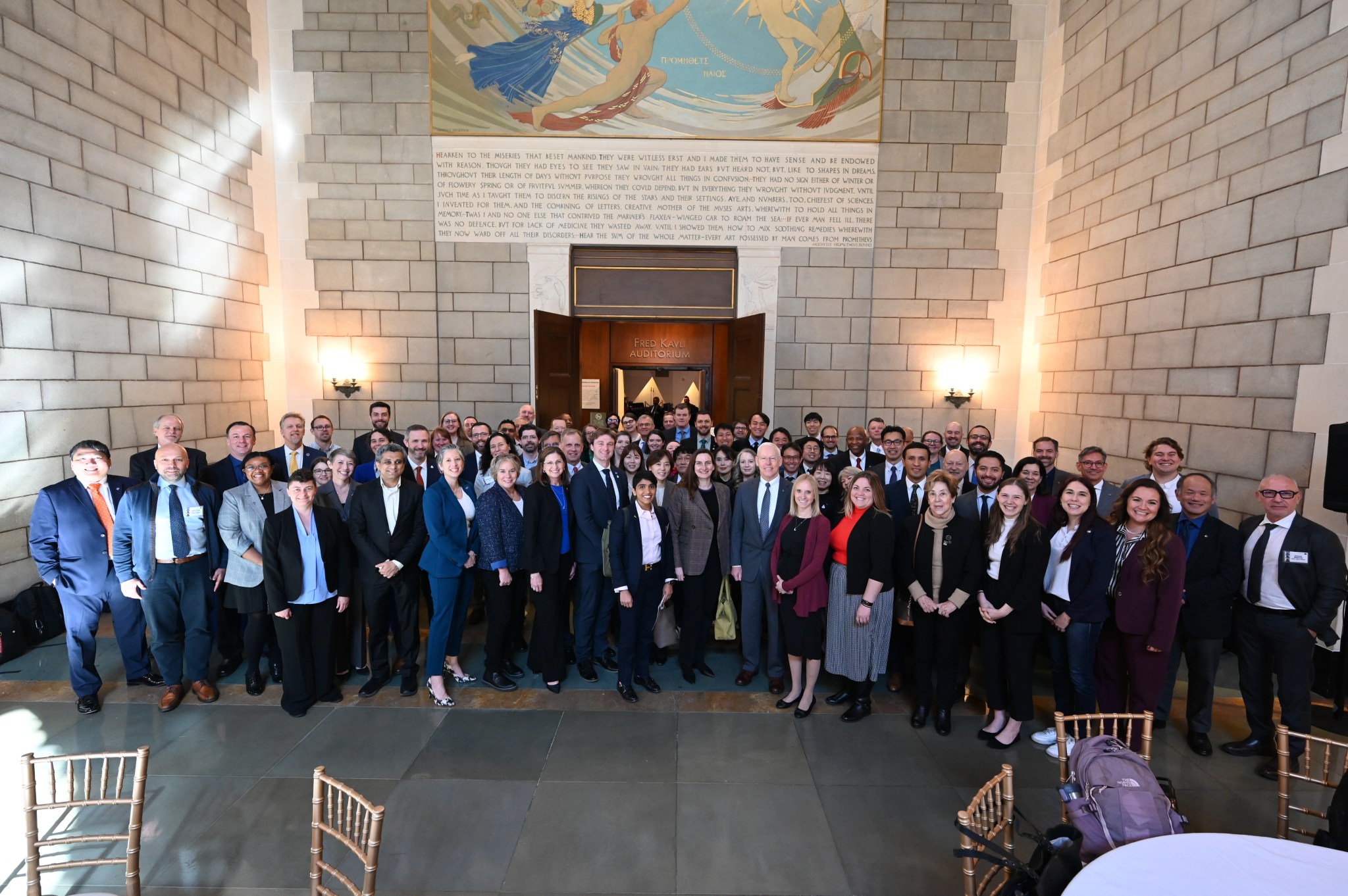
50 attendees representing 18 countries attended the Moon to Mars Architecture Workshop on Feb. 20. In this photo, attendees and NASA personnel gather for a photo in the great hall of the National Academy of Sciences in Washington.
NASA/Greg Mercer

NASA’s Moon to Mars architecture is derived from the agency’s Moon to Mars Objectives, a set of overarching guideposts for exploration. NASA evolves and refines the architecture as part of its annual Architecture Concept Review process, which includes workshops to gather feedback on NASA’s process and results, and produces a yearly Architecture Definition Document, which details the architecture and overall approach.  

The 2023 Architecture Concept Review cycle resulted in a first revision of the Architecture Definition Document, 13 white papers on relevant topics, and studies critical to understanding NASA’s needs and capability gaps. The agency also identified seven key decisions that will need to be made early in the process of developing a human Mars exploration architecture.  

The latest workshops, hosted by the Space Studies Board of the National Academy of Sciences, encouraged the agency’s partners from industry, academia, and around the world to provide feedback on these latest updates and discuss how they can contribute to the architecture.  Through feedback sessions, attendees suggested areas for improvement and offered recommendations for future focus areas.  
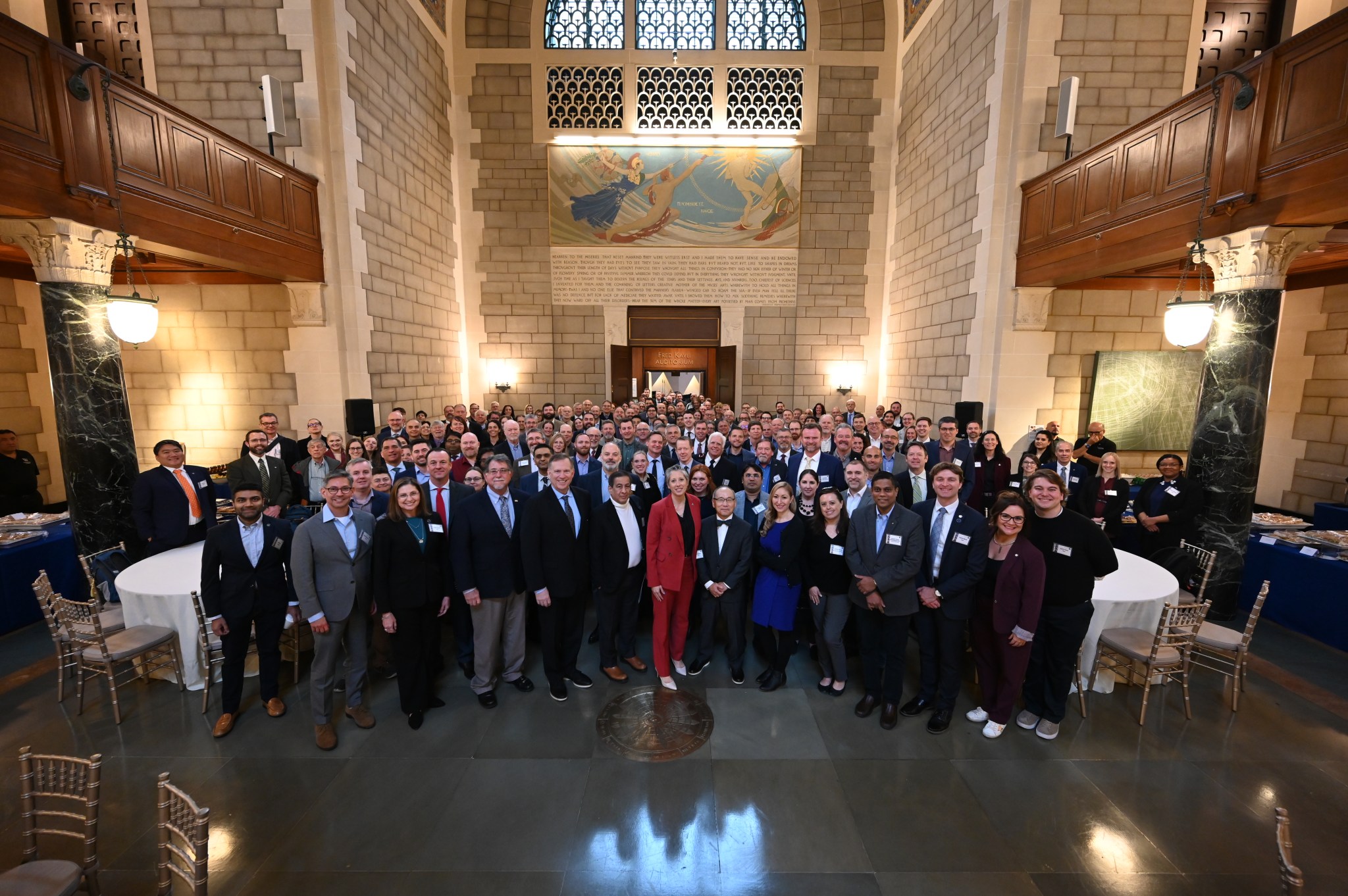
140 attendees representing 110 industry and academic organizations attended the Moon to Mars Architecture Workshop on Feb. 22. In this photo, attendees and NASA personnel gather for a photo in the great hall of the National Academy of Sciences in Washington.
NASA/Greg Mercer

These opportunities to hear from the broader aerospace community also help NASA identify partnerships that can overcome capability gaps or enhance the fulfillment of the Moon to Mars Objectives.

Under NASA’s Artemis campaign, the agency will establish the foundation for long-term scientific exploration at the Moon; land the first woman, first person of color, and its first international partner astronaut on the lunar surface; and prepare for human expeditions to Mars for the benefit of all. 

Powered by WPeMatico

Get The Details…
Danny Baird
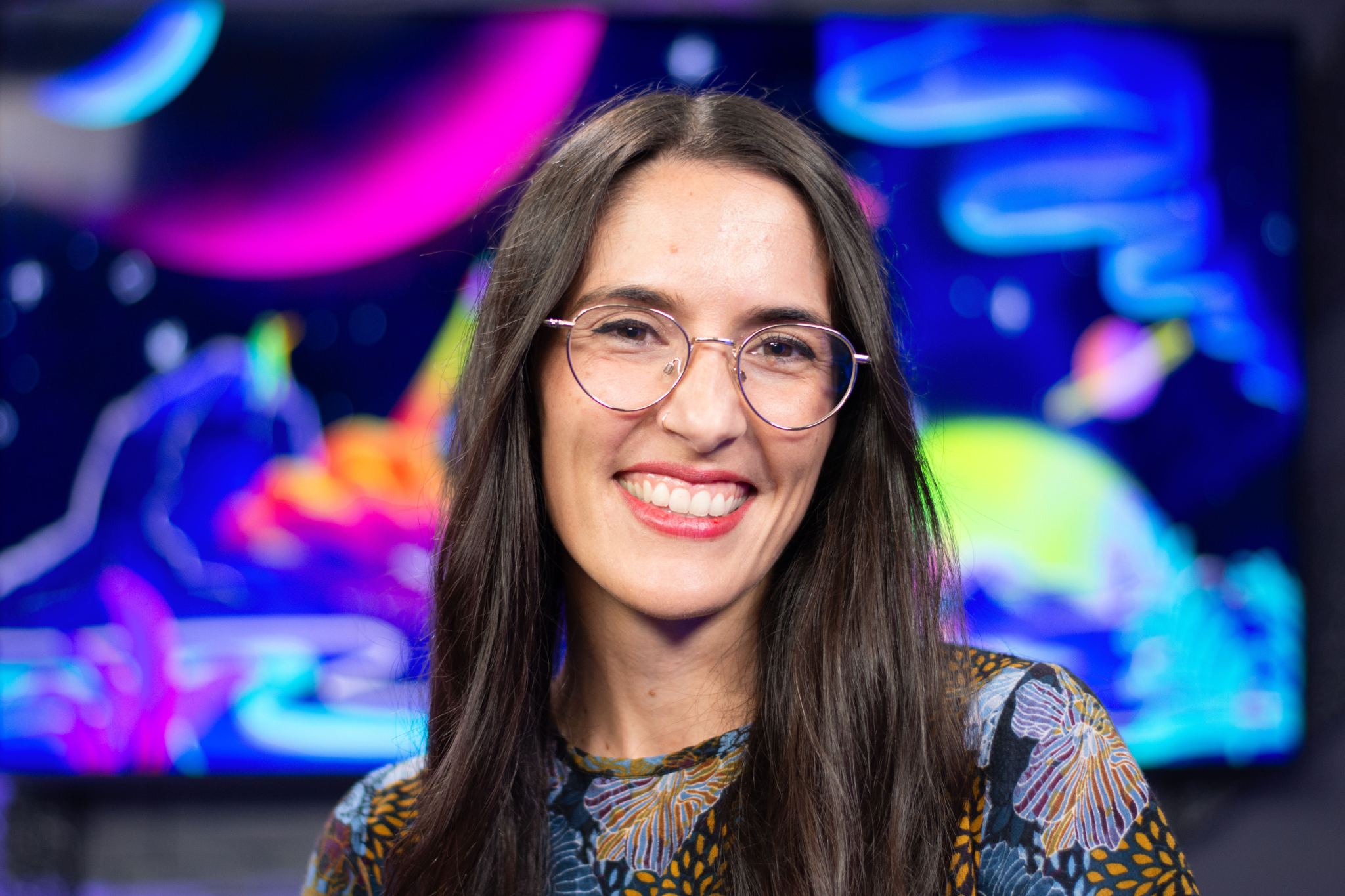
Noelia González, escritora y editora científica sénior de la NASA en español

Noelia González, escritora y editora científica sénior de la NASA en español

Noelia González sonríe ampliamente en el centro de la imagen. Lleva unos grandes anteojos redondos y una blusa con estampado de flores azules y naranjas, y su pelo castaño oscuro le enmarca la cara. Detrás de ella hay una ilustración de colores brillantes de "Universo curioso de la NASA", el primer pódcast en español de la NASA.

“Obviamente, el español tiene mucho que ver con la accesibilidad y la ampliación de nuestro público. Utilizamos el español como una herramienta para romper esas barreras y conectar con las audiencias. El español es el idioma con el que crecí en Uruguay y el idioma con el que me siento más cómoda. Es maravilloso que pueda utilizarlo como un puente para comunicarme con nuestros públicos en diferentes plataformas.

“Queremos informar, pero también deseamos inspirar y relatar las historias que van más allá de las misiones y la ciencia. Deseamos contar las historias personales en [‘Universo curioso de la NASA’, el primer pódcast en español de la NASA].

“Comenzamos como un episodio extra de una miniserie de un podcast que ya existía [en inglés], ‘NASA’s Curious Universe, pero queríamos desarrollar algo que fuera único, que estuviera específicamente adaptado al público hispano de Estados Unidos y de todo el mundo. Que tuviera nuestro estilo y nuestra voz. Y me siento muy, muy afortunada, orgullosa y agradecida de haber tenido la oportunidad de desarrollar ese pódcast desde cero, con la orientación y el trabajo de otros colegas.

“Como inmigrante que soy, haciendo reportajes sobre otros inmigrantes, quiero mostrarle a la gente que el espacio exterior es para todos, y eso es algo que repetimos una y otra vez. Constantemente confirmo cuán cierto es ese mensaje porque va más allá de la NASA. Va más allá de Estados Unidos. No hay fronteras en el espacio. La gente que trabaja en estas misiones está haciendo algo por la humanidad, no solo por la agencia espacial. Aunque no soy científica ni ingeniera, me siento parte de ello. Yo soy parte de estos momentos históricos, como cuando lanzamos Artemis y la Prueba de Redireccionamiento del Asteroide Doble, DART [por sus siglas en español]”.

– Noelia González, escritora y editora científica sénior de la NASA en español, ADNET Systems, Centro de Vuelos Espaciales Goddard de la NASA

Crédito de la imagen: NASA / Angeles Miron
Entrevistadora: NASA / Angel Kumari

Read this Faces of NASA feature in English here.

Powered by WPeMatico

Get The Details…
Michelle Zajac

NASA Launches Snap It! Computer Game to Learn About Eclipses

NASA Launches Snap It! Computer Game to Learn About Eclipses

2 Min Read

NASA Launches Snap It! Computer Game to Learn About Eclipses

A cartoon blue alien, Earth, camera, and rocket are against a dark blue, starry background.
In NASA’s Snap It! An Eclipse Photo Adventure game, players will help the traveler take photos of the Sun and create postcards.
Credits:
NASA

On April 8, 2024, a total solar eclipse will be visible to over 30 million people across North America. To help kids learn about solar eclipses, NASA is launching Snap It! An Eclipse Photo Adventure.

On April 8, 2024, a total solar eclipse will be visible to over 30 million people across North America. To help kids learn about solar eclipses, NASA is launching Snap It! An Eclipse Photo Adventure on March 8.
Krystofer Kim and Joy Ng/NASA

The Snap It! game – designed for kids ages 7 and up – lets players help out the Traveler, an enthusiastic character who loves to explore the universe. The Traveler has previously learned about black holes and is now visiting Earth to learn about eclipses. 

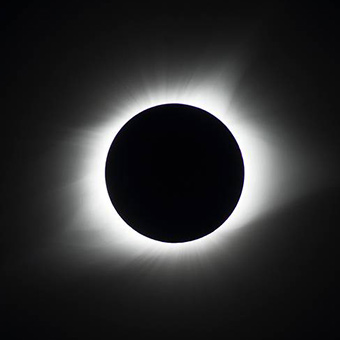
Solar eclipses occur when the Moon passes between Earth and the Sun. The total solar eclipse later this year will completely block the Sun’s light from reaching parts of eastern and southern North America, bathing the landscape in darkness. Through taking photos of the Sun and decorating postcards, the goal of this game is to learn about eclipses and objects that transit, or pass in front of, the Sun. The game can be played on any computer using an internet browser.

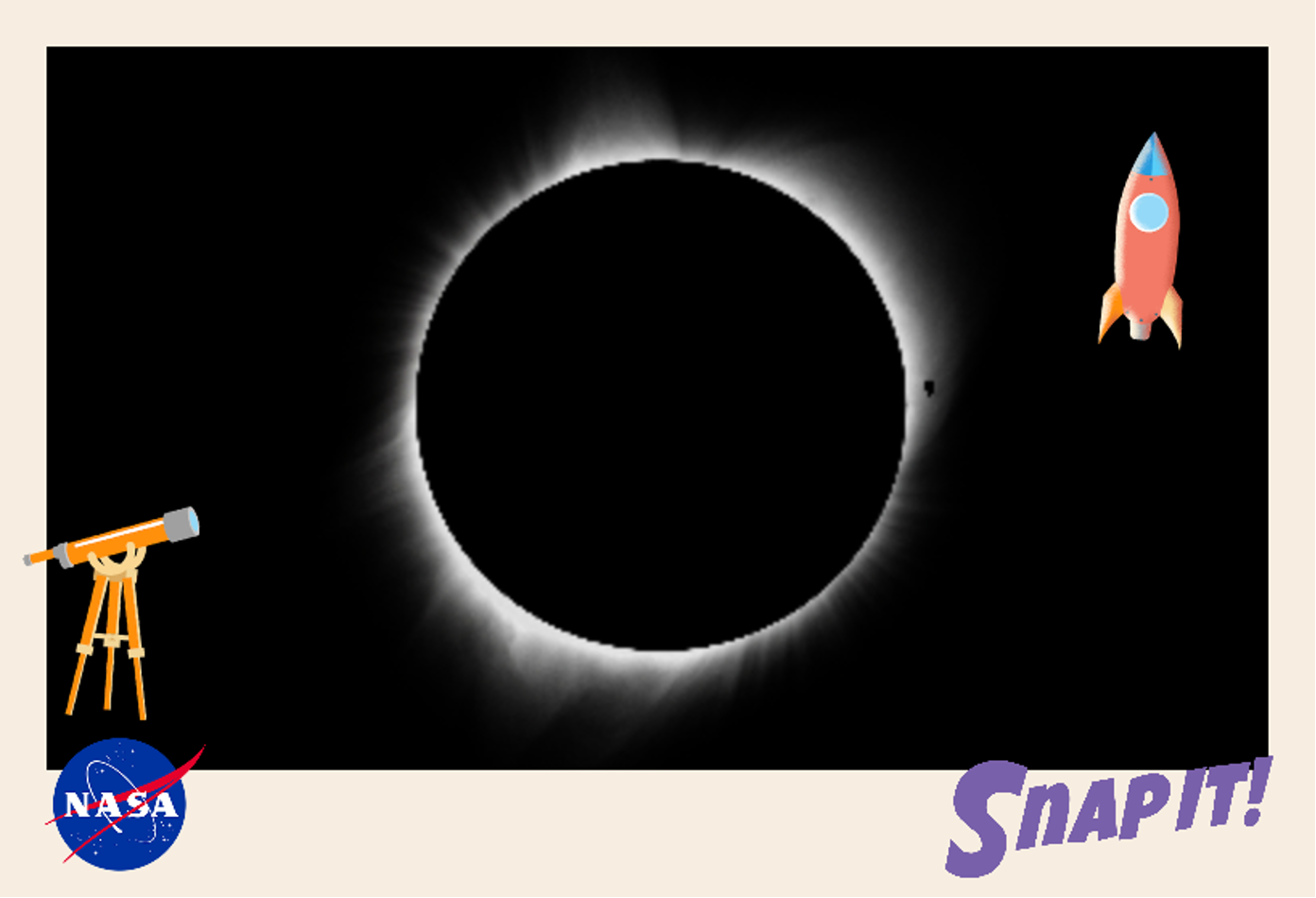
A postcard that show a large image a total solar eclipse in the middle – a black circle with the Sun's white wispy corona flowing out. There is a cartoon telescope on the bottom left and a cartoon rocket on the top right. On the bottom left, there is also the NASA insignia. On the bottom right, it says
With the Snap It! game, players can create postcards to share with their friends and family.
NASA

Play the game and share your #SnapIt postcards with friends and family: https://go.nasa.gov/SnapIt

By Mara Johnson-Groh
NASA’s Goddard Space Flight Center, Greenbelt, Md.

Powered by WPeMatico

Get The Details…

Carolina Rudisel, oficial de Protocolo

Carolina Rudisel, oficial de Protocolo

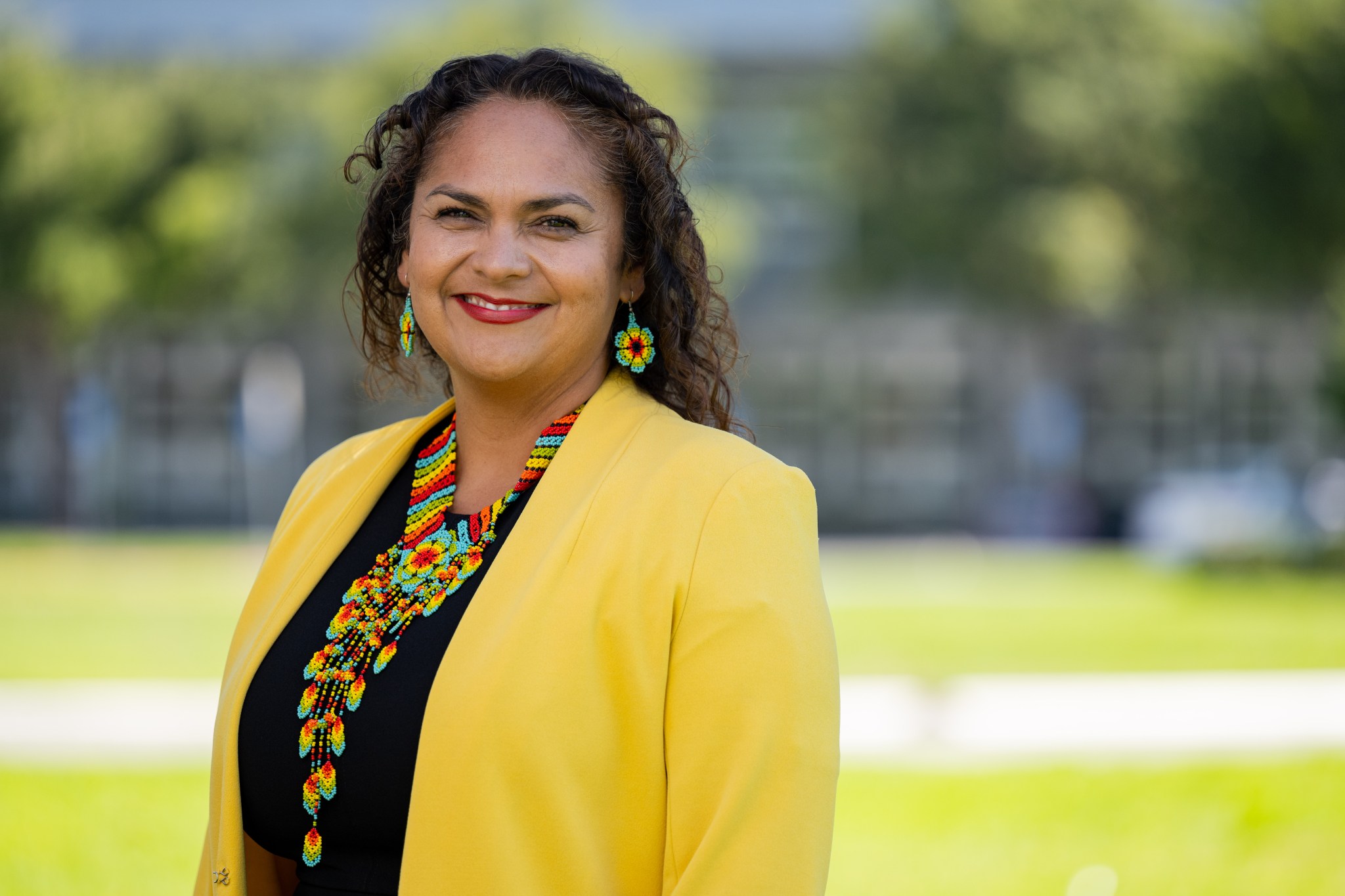
Carolina Rudisel sonríe alegremente mientras mira a la cámara. Lleva una chaqueta amarilla y una blusa negra, combinadas con un collar largo con los colores del arcoíris y unos pendientes en forma de flor, y su pelo castaño ondulado enmarca su cara. Está al aire libre y a sus espaldas se ven frondosos árboles verdes y pasto.

“Nunca me hubiera imaginado que estaría aquí en la NASA. Soy inmigrante. Originalmente era ciudadana mexicana. De hecho, nací en México, pero mis padres vinieron a Estados Unidos [y obtuve mi tarjeta de residencia] cuando tenía dos años de edad. … Mis padres llegaron con una visa de trabajo, por lo que éramos trabajadores migrantes [cuando yo] crecía.

“… Fue una crianza difícil, así que sabía lo que me deparaba la vida si me quedaba en [mi] pueblito. Sabía que me quedaría estancada, ya que incluso ahora, mirando hacia atrás, algunas de las personas que conocí todavía están estancadas. Entonces, decidí que ingresaría al ejército porque sabía que necesitaba hacer un cambio radical. Y así fue como ingresé al ejército, y mi vida dio un giro completo. … Allí fue donde conocí a mi marido. Hemos estado juntos por 32 años y casados por 29 años.

“… [Antes de ingresar] al ejército… estaba en el lado equivocado de la ley. Estaba literalmente de pie frente a un juez que tenía mi destino en sus manos. … Mi reclutador estaba en mi audiencia, así que hicimos un trato con el fiscal y me dejaron ir con una multa. Pero mi vida pudo haber sido completamente diferente. Así que sabía que un cambio radical era absolutamente necesario para mi vida.

“… Avanzando unos años: Ingresé al ejército, salí y terminé pasando la mayor parte del tiempo en el extranjero. Viví en Japón; de hecho, nuestros dos hijos nacieron en Japón. Vivimos en Japón, Rusia, Sri Lanka, Bélgica y nuestro último puesto fue en Londres.

“… Trabajaba para la Oficina del Agregado de Defensa, y mi compañera de trabajo estaba en la Marina y me dijo: ‘¡Hay un trabajo en la NASA en el norte de California! Eres de California, ¿verdad?… Deberías postularte’. Y [pensé]: ‘De ninguna manera es posible’. Sabes, soy una persona de negocios, mi experiencia está en los negocios. Era analista de presupuesto financiero. Y entonces, pensaba: ‘De ninguna manera’. Ella [dijo]: ‘Deberías postularte. ¡Postúlate, postúlate! Lo peor que podrían decirte es que no’. Y yo pensé: ‘¿Sabes qué? Tienes razón’. Me postulé, llegué a la NASA [y] de hecho comencé aquí como secretaria del director del centro.

“… Intento decirle a la gente que no se trata de desde dónde se empieza, ni de los errores que se hayan cometido. Es lo que haces con ellos. Y puedes cambiar no solo por ti misma, sino [también] para que otros puedan verte cambiar y [sepan] que todo es posible”.

– Carolina Rudisel, oficial de Protocolo, Oficina del Director, Centro de Investigación Ames de la NASA

Crédito de la imagen: NASA / Brandon Torres
Entrevistadora: NASA / Michelle Zajac

Read this Faces of NASA feature in English here.

Powered by WPeMatico

Get The Details…
Michelle Zajac

NASA Sets Science Webinar Coverage for Space Station Resupply Mission

NASA Sets Science Webinar Coverage for Space Station Resupply Mission

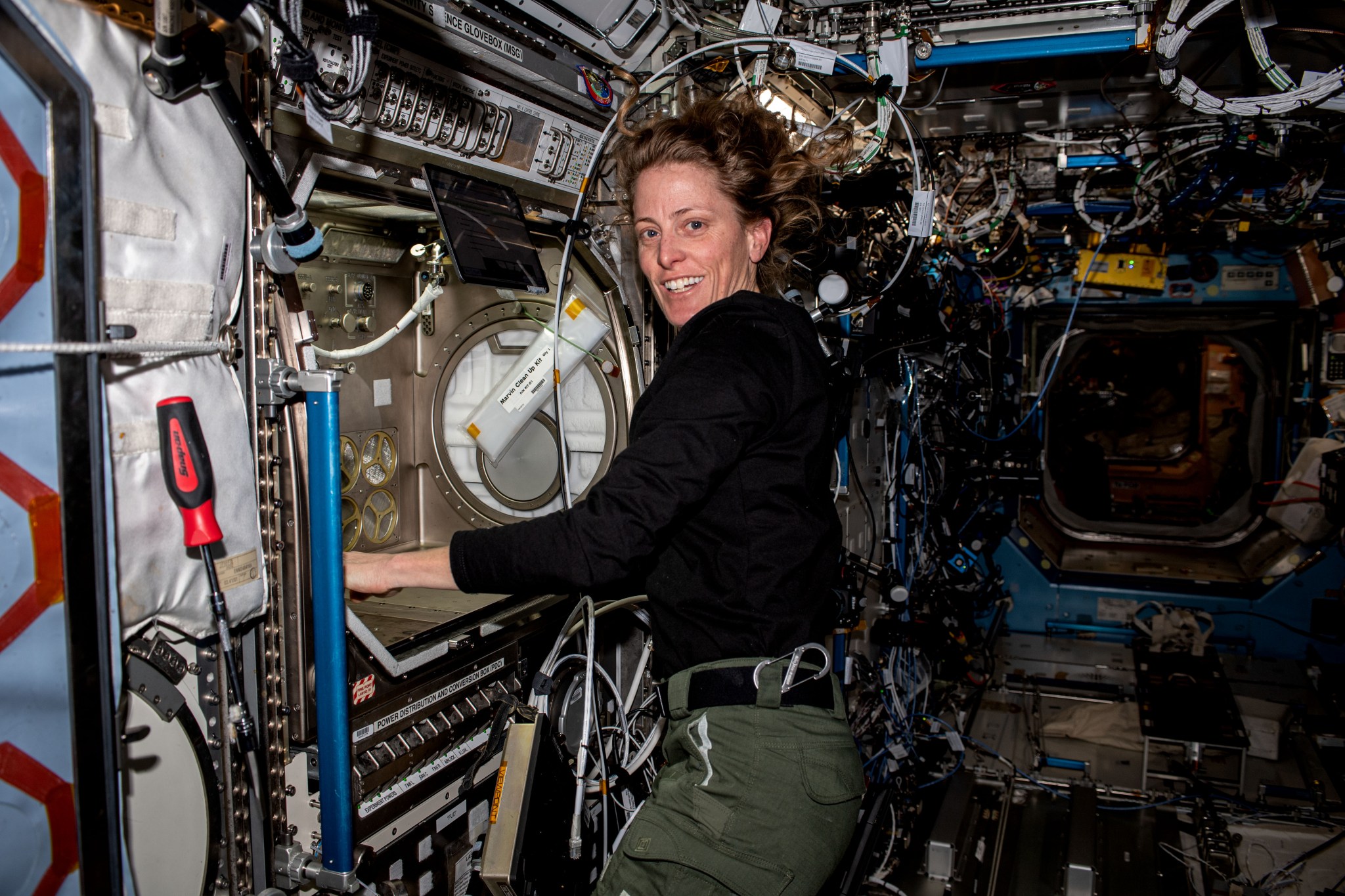
(Sept. 28, 2023) — NASA astronaut and Expedition 70 Flight Engineer Loral O’Hara is pictured working with the Microgravity Science Glovebox, a contained environment crew members use to handle hazardous materials for various research investigations in space.
Credit: NASA

In preparation for NASA’s SpaceX 30th commercial resupply mission, the agency will stream an International Space Station National Lab science webinar at 1 p.m. EST Friday, March 8, to discuss the hardware, technology demonstrations, and science experiments headed to the space station.

NASA will provide coverage of the webinar on the agency’s website.

SpaceX is targeting no earlier than mid-March to launch its Dragon cargo spacecraft on top of a Falcon 9 rocket from Space Launch Complex 40 at Cape Canaveral Space Force Station in Florida.

The science webinar will include the following participants:

  • Heidi Parris, associate program scientist, NASA’s International Space Station Program
  • Davide Marotta, science program director for in-space biomedicine, ISS National Laboratory
  • Marc Elmouttie, research group leader, Commonwealth Scientific and Industrial Research Organization
  • Paula Grisanti, CEO, National Stem Cell Foundation
  • Kris Kuehnel, managing director, Space Exploration Operations, Airbus U.S. Space & Defense
  • Michelle Lucas, founder and CEO, Higher Orbits
  • Hema Ramkumar, founder and CEO, Oculogenex
  • Jordan McKaig, graduate student, Georgia Institute of Technology

To participate in the event, members of the media must register for access by 12 p.m., March 8 at:

https://bit.ly/3T1CBi9

SpaceX’s Dragon will deliver new science investigations, supplies, and equipment for the international crew, including tests of technologies to monitor sea ice, automate 3D mapping, and create nanoparticle solar cells.

Cargo resupply by U.S. companies increases NASA’s ability to conduct more investigations aboard the orbiting laboratory. Those investigations lead to new technologies, medical treatments, and products that improve life on Earth. Other U.S. government agencies, private industries, and academic and research institutions can also conduct microgravity research through our partnership with the International Space Station National Laboratory.

Humans have occupied the space station continuously since November 2000. In that time, 279 people and a variety of international and commercial spacecraft have visited the orbital outpost. It remains the springboard to NASA’s next great leap in exploration, including future missions to the Moon under the Artemis campaign, and ultimately, human exploration of Mars.

For more information about commercial resupply missions, visit:

https://www.nasa.gov/commercialresupply

-end-

Julian Coltre
Headquarters, Washington
202-358-1100
julian.n.coltre@nasa.gov

Powered by WPeMatico

Get The Details…
Tiernan P. Doyle