30 Years Ago: STS-66, the ATLAS-3 Mission to Study the Earth’s Atmosphere
On Nov. 3, 1994, space shuttle Atlantis took to the skies on its 13th trip into space. During the 11-day mission, the STS-66 crew of Commander Donald R. McMonagle, Pilot Curtis L. Brown, Payload Commander Ellen Ochoa, and Mission Specialists Joseph R. Tanner, Scott E. Parazynski, and French astronaut Jean-François Clervoy representing the European Space Agency (ESA) operated the third Atmospheric Laboratory for Applications and Sciences (ATLAS-3), and deployed and retrieved the U.S.-German Cryogenic Infrared Spectrometers and Telescopes for the Atmosphere-Shuttle Pallet Satellite (CRISTA-SPAS), as part of NASA’s Mission to Planet Earth. The remote sensing instruments studied the Sun’s energy output, the atmosphere’s chemical composition, and how these affect global ozone levels, adding to the knowledge gained during the ATLAS-1 and ATLAS-2 missions.
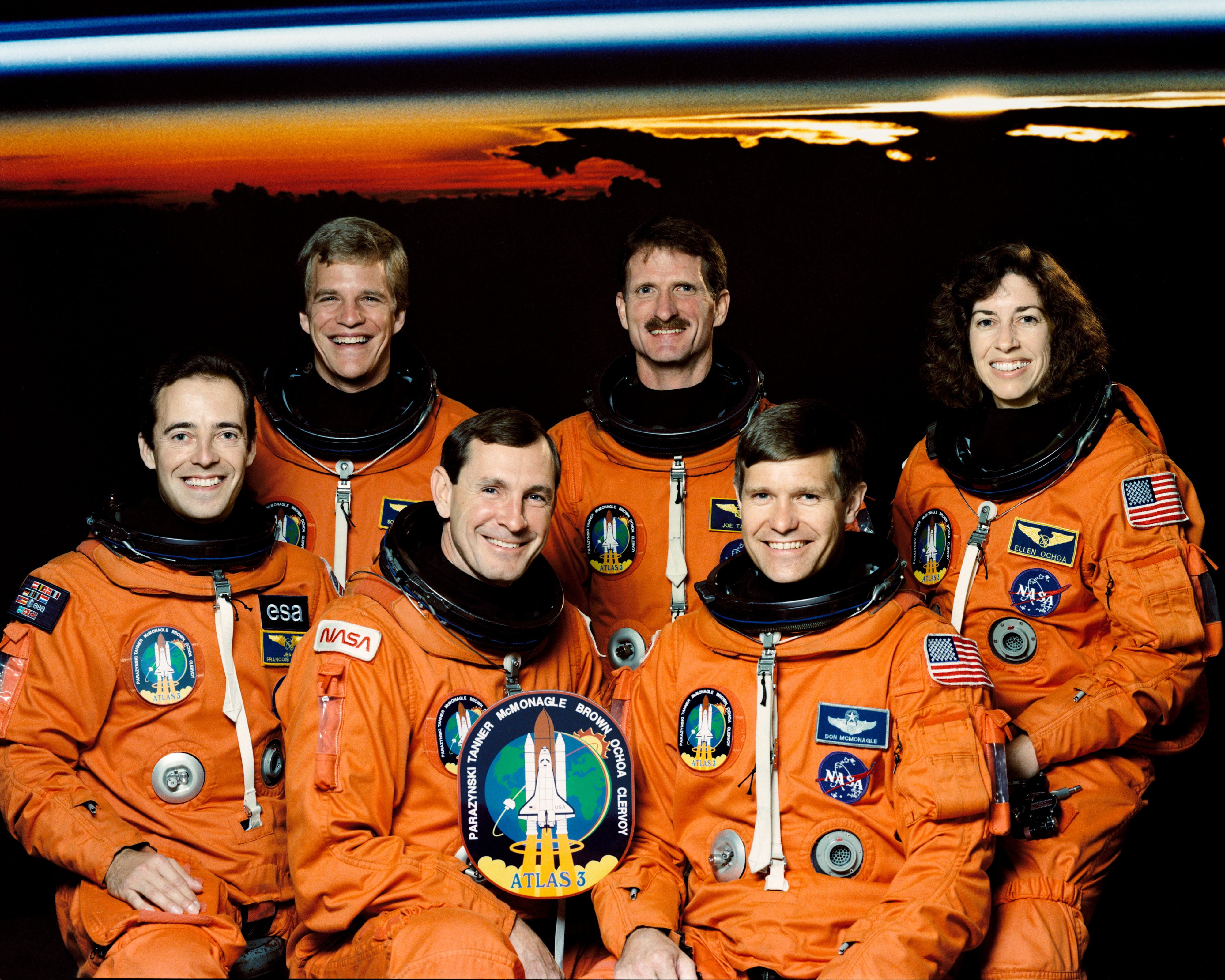
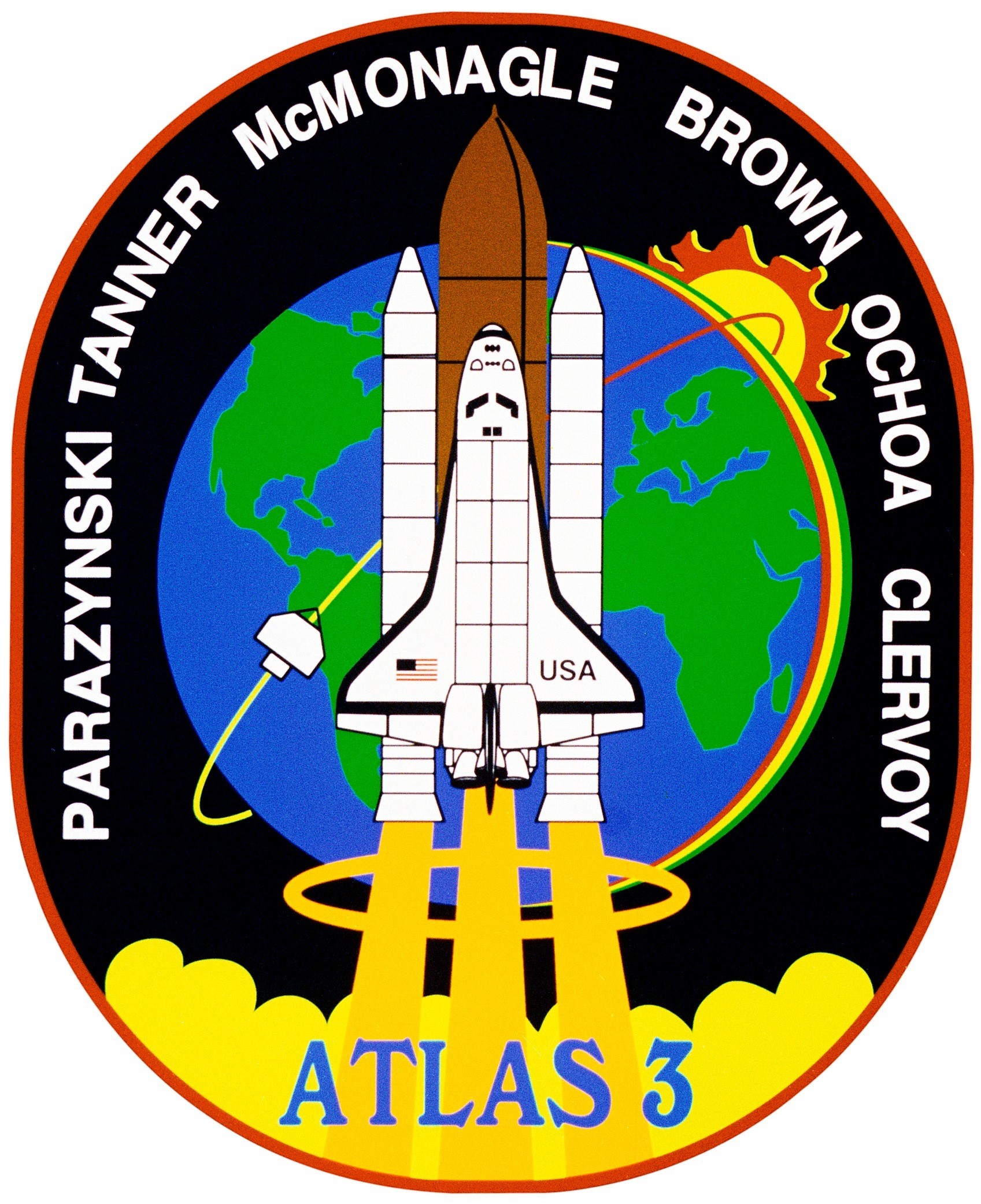
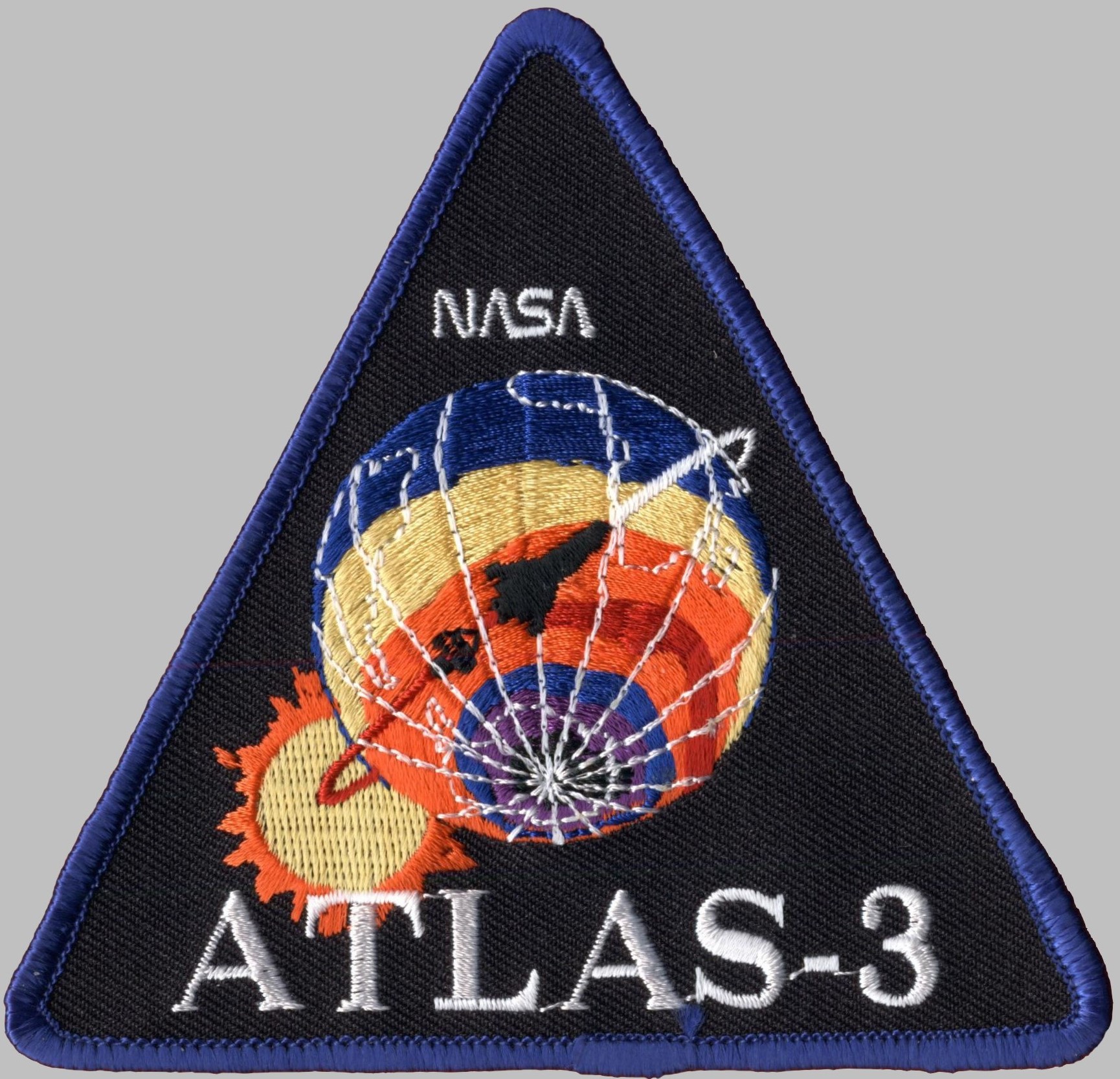
Left: Official photo of the STS-68 crew of Jean-François Clervoy, left, Scott E. Parazynski, Curtis L. Brown, Joseph R. Tanner, Donald R. McMonagle, and Ellen Ochoa. Middle: The STS-66 crew patch. Right: The ATLAS-3 payload patch.
In August 1993, NASA named Ochoa as the ATLAS-3 payload commander, and in January 1994, named the rest of the STS-66 crew. For McMonagle, selected as an astronaut in 1987, ATLAS-3 marked his third trip into space, having flown on STS-39 and STS-54. Brown, also from the class of 1987, previously flew on STS 47, while Ochoa, selected in 1990, flew as a mission specialist on STS-56, the ATLAS-2 mission. For Tanner, Parazynski, and Clervoy, all from the Class of 1992 – the French space agency CNES previously selected Clervoy as one of its astronauts in 1985 before he joined the ESA astronaut cadre in 1992 – STS-66 marked their first spaceflight.

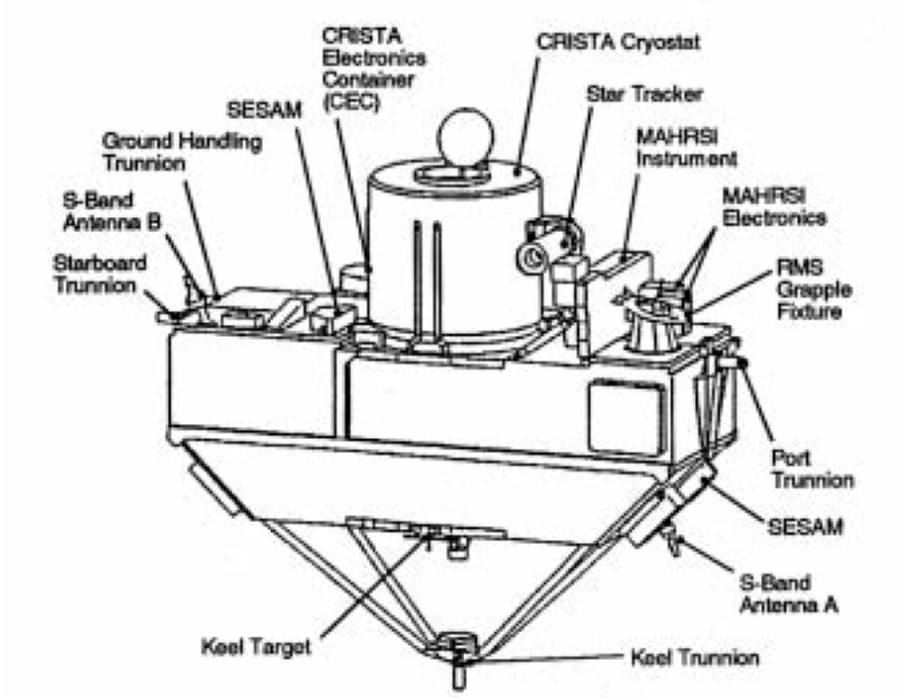
Left: Schematic illustration of ATLAS-3 and its instruments. Right: Schematic illustration of CRISTA-SPAS retrievable satellite and its instruments.
The ATLAS-3 payload consisted of six instruments on a Spacelab pallet and one mounted on the payload bay sidewall. The pallet mounted instruments included Atmospheric Trace Molecule Spectroscopy (ATMOS), Millimeter-Wave Atmospheric Sounder (MAS), Active Cavity Radiometer Irradiance Monitor (ACRIM), Measurement of the Solar Constant (SOLCON), Solar Spectrum Measurement from 1,800 to 3,200 nanometers (SOLSCAN), and Solar Ultraviolet Spectral Irradiance Monitor (SUSIM).
The Shuttle Solar Backscatter Ultraviolet (SSBUV) instrument constituted the payload bay sidewall mounted experiment. While the instruments previously flew on the ATLAS-1 and ATLAS-2 missions, both those flights took place during the northern hemisphere spring. Data from the ATLAS-3’s mission in the fall complemented results from the earlier missions. The CRISTA-SPAS satellite included two instruments, the CRISTA and the Middle Atmosphere High Resolution Spectrograph Investigation (MAHRSI).
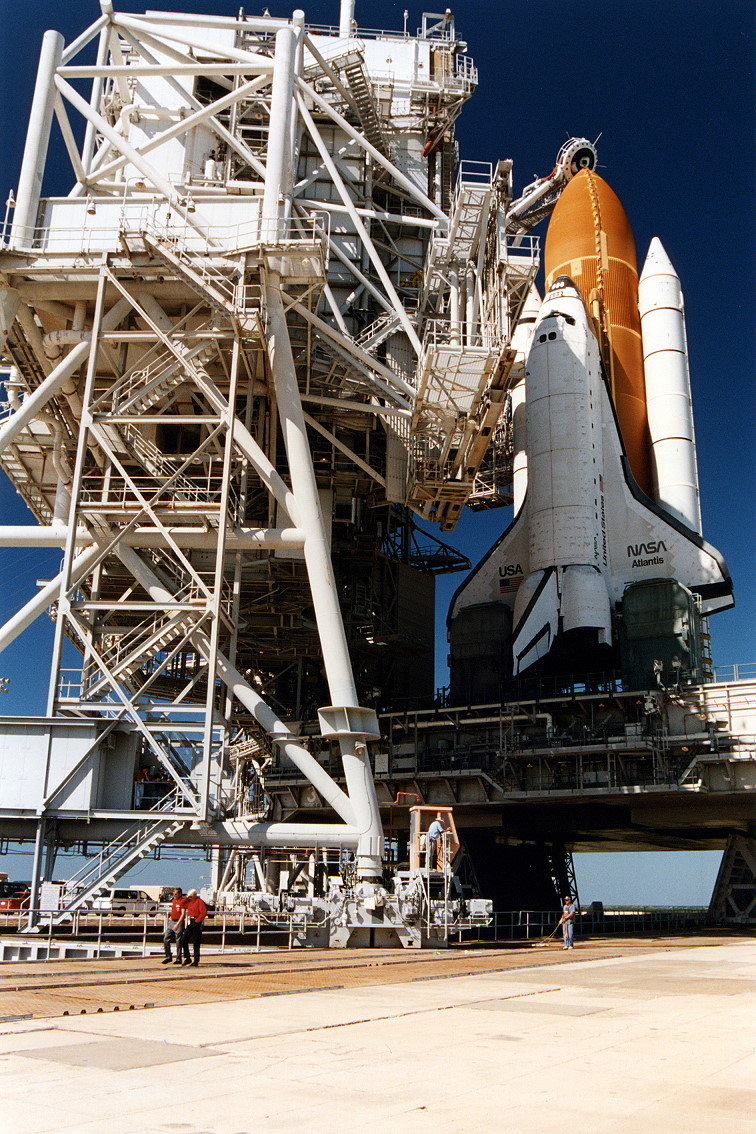
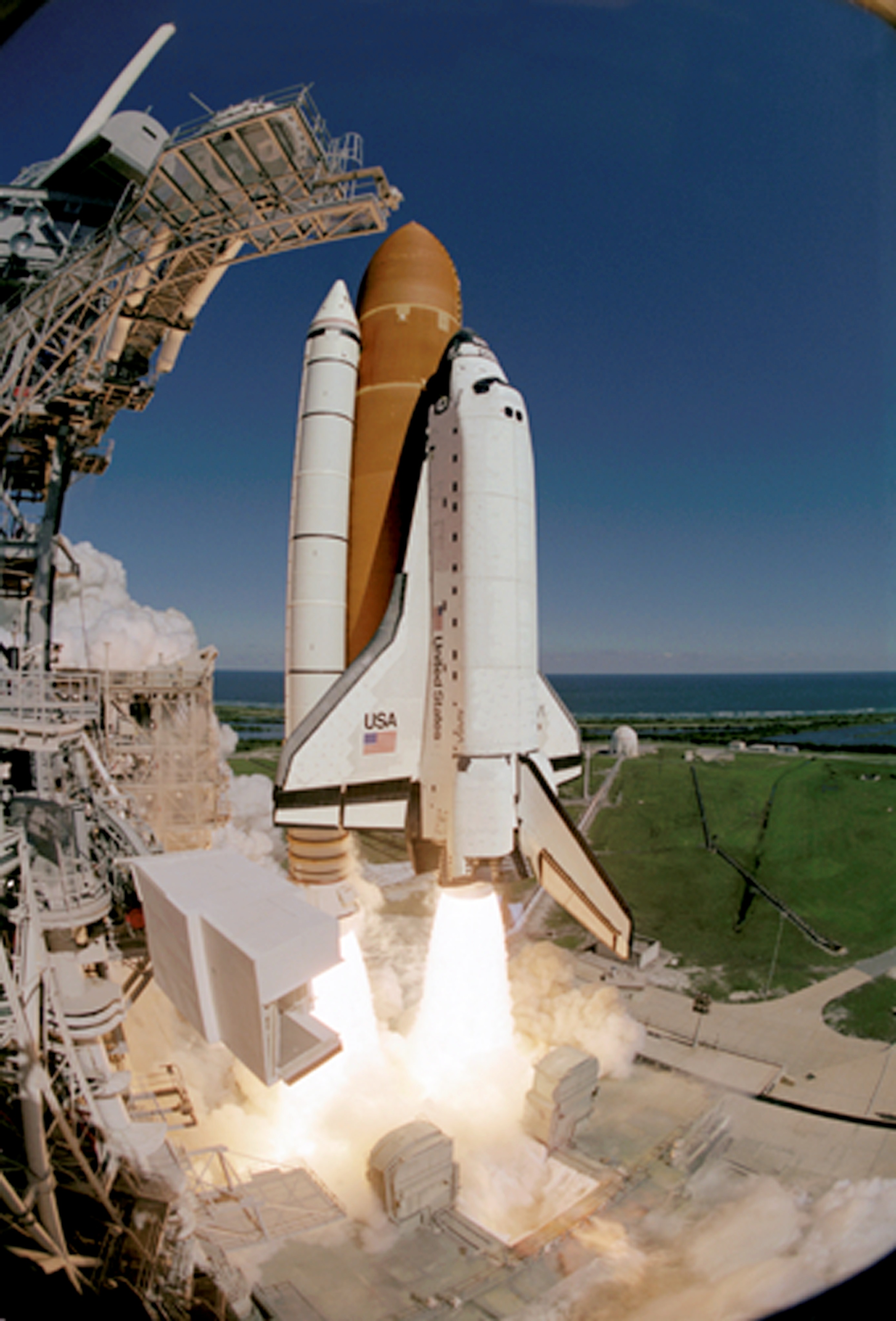
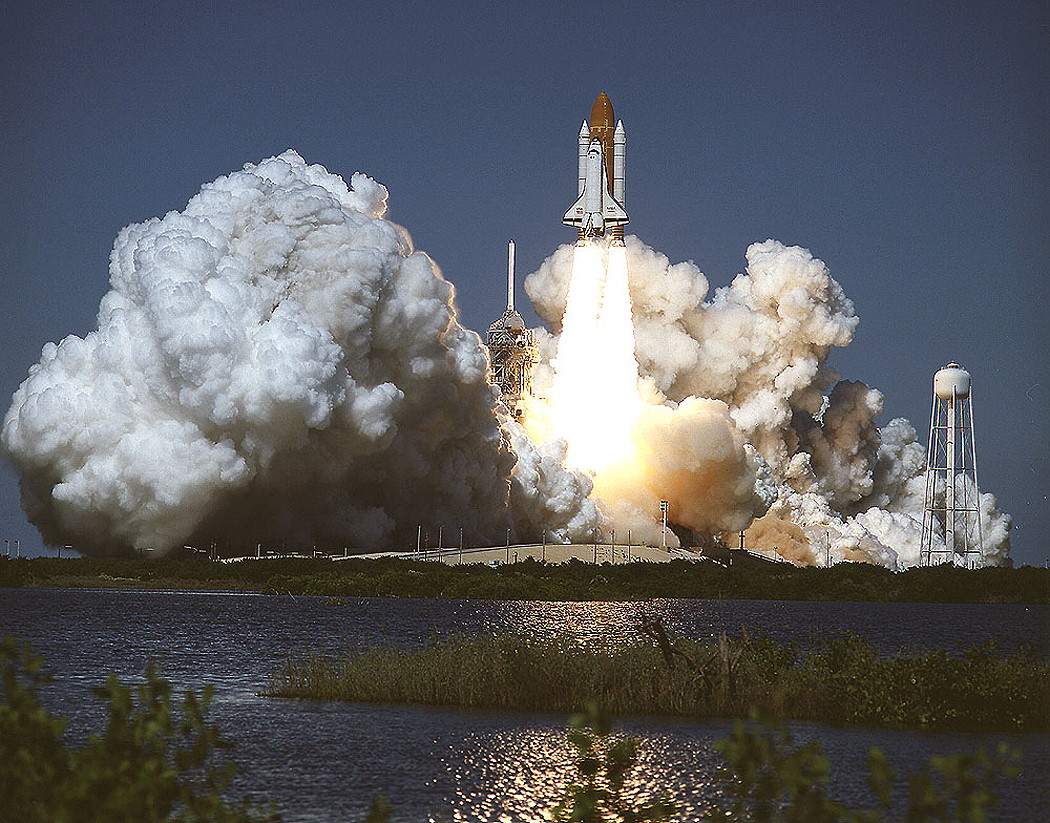
Left: Space shuttle Atlantis at Launch Pad 39B at NASA’s Kennedy Space Center in Florida. Middle: Liftoff of Atlantis on STS-66. Right: Atlantis rises into the sky.
Following its previous flight, STS-46 in August 1992, Atlantis spent one and a half years at the Rockwell plant in Palmdale, California, undergoing major modifications before arriving back at KSC on May 29, 1994. During the modification period, workers installed cables and wiring for a docking system for Atlantis to use during the first Shuttle-Mir docking mission in 1995 and equipment to allow it to fly Extended Duration Orbiter missions of two weeks or longer. Atlantis also underwent structural inspections and systems upgrades including improved nose wheel steering and a new reusable drag chute. Workers in KSC’s Orbiter Processing Facility installed the ATLAS-3 and CRISTA-SPAS payloads and rolled Atlantis over to the Vehicle Assembly Building on Oct. 4 for mating with its External Tank and Solid Rocket Boosters. Atlantis rolled out to Launch Pad 39B six days later. The six-person STS-66 crew traveled to KSC to participate in the Terminal Countdown Demonstration Test, essentially a dress rehearsal for the launch countdown, on Oct. 18.
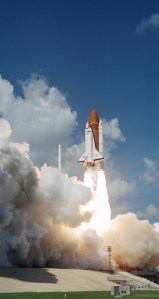
They returned to KSC on Oct. 31, the same day the final countdown began. Following a smooth countdown leading to a planned 11:56 a.m. EST liftoff on Nov. 3, 1994, Atlantis took off three minutes late, the delay resulting from high winds at one of the Transatlantic Abort sites. The liftoff marked the third shuttle launch in 55 days, missing a record set in 1985 by one day. Eight and a half minutes later, Atlantis delivered its crew and payloads to space. Thirty minutes later, a firing of the shuttle’s Orbiter Maneuvering System (OMS) engines placed them in a 190-mile orbit inclined 57 degrees to the equator. The astronauts opened the payload bay doors, deploying the shuttle’s radiators, and removed their bulky launch and entry suits, stowing them for the remainder of the flight.
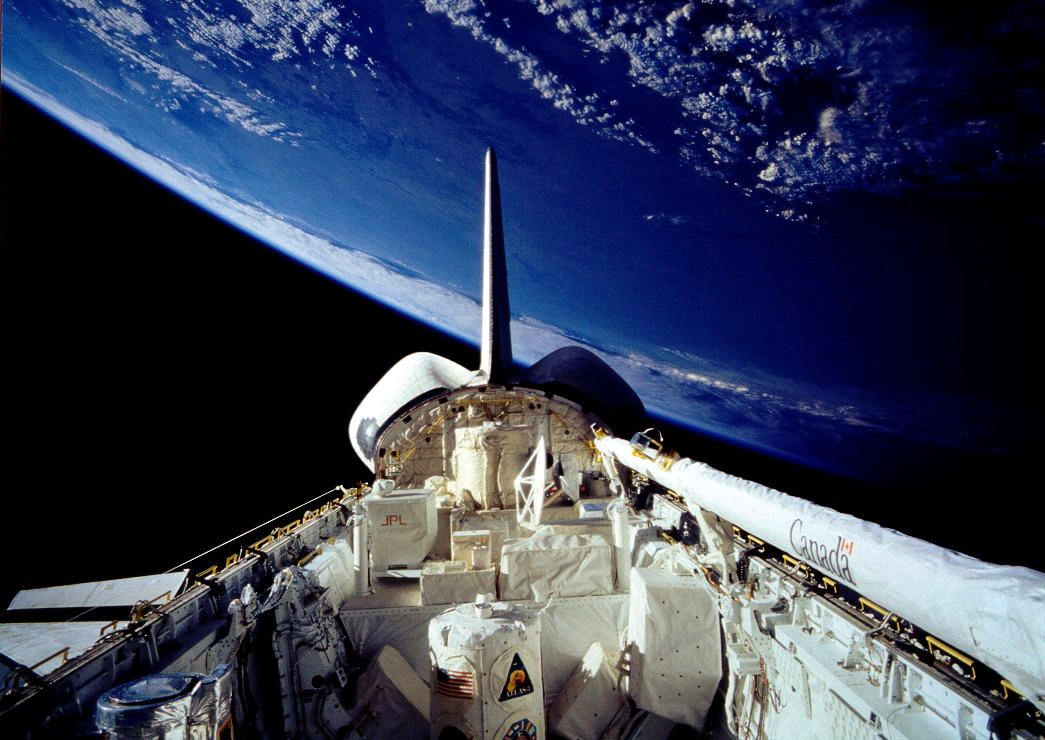

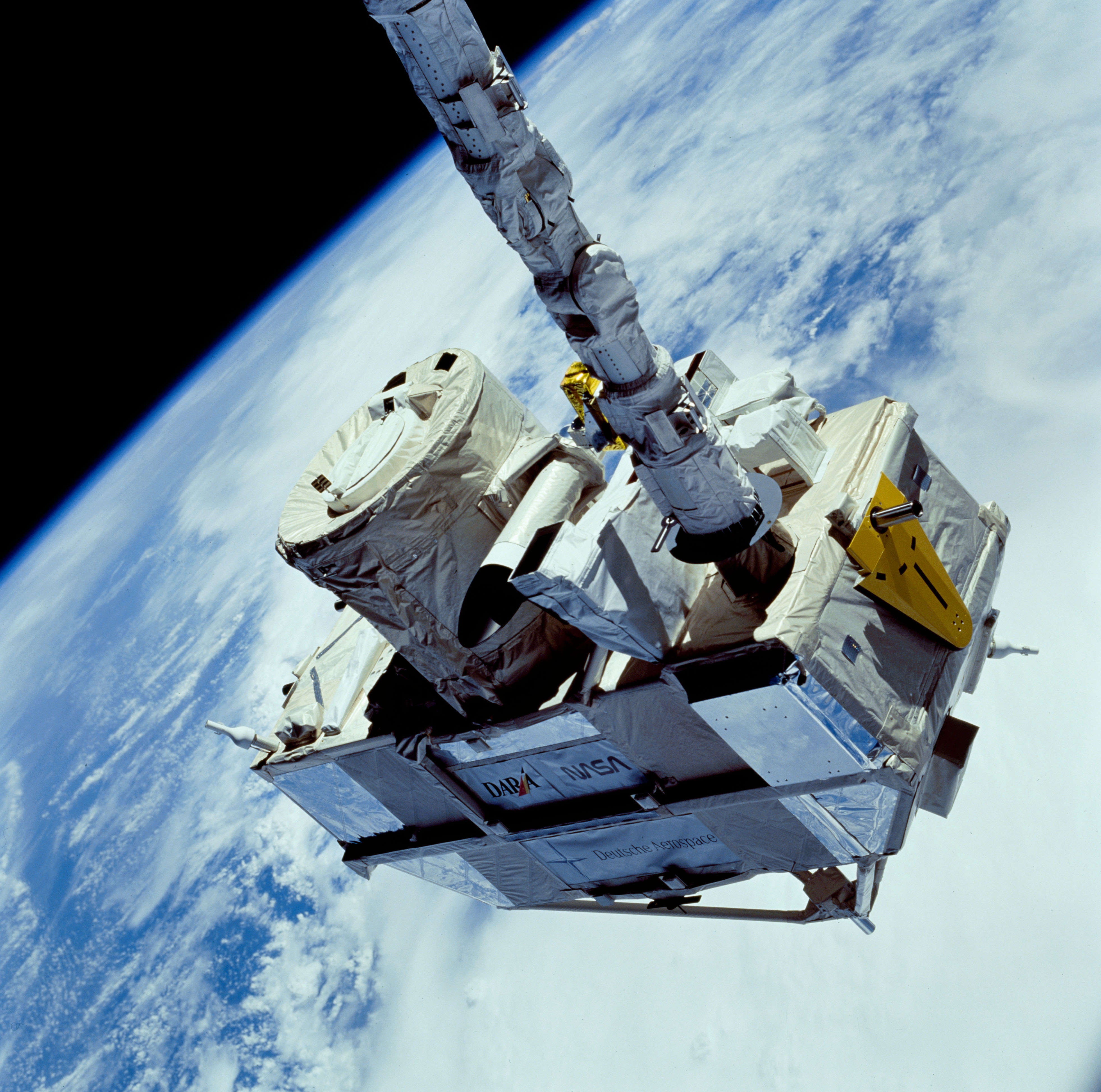
Left: Atlantis’ payload bay, showing the ATLAS-3 payload and the CRISTA-SPAS deployable satellite behind it. Middle: European Space Agency astronaut Jean-François Clervoy uses the shuttle’s Remote Manipulator System (RMS) to grapple the CRISTA-SPAS prior to its release. Right: Clervoy about to release CRISTA-SPAS from the RMS.
The astronauts began to convert their vehicle into a science platform, and that included breaking up into two teams to enable 24-hour-a-day operations. McMonagle, Ochoa, and Tanner made up the Red Team while Brown, Parazynski, and Clervoy made up the Blue Team. Within five hours of liftoff, the Blue Team began their sleep period while the Red Team started their first on orbit shift by activating the ATLAS-3 instruments, the CRISTA-SPAS deployable satellite, and the Remote Manipulator System (RMS) or robotic arm in the payload bay and some of the middeck experiments. The next day, Clervoy, operating the RMS, grappled CRISTA-SPAS, lifted it from its cradle in the payload bay, and while Atlantis flew over Germany, deployed it for its eight-day free flight. McMonagle fired Atlantis’ thrusters to separate from the satellite.
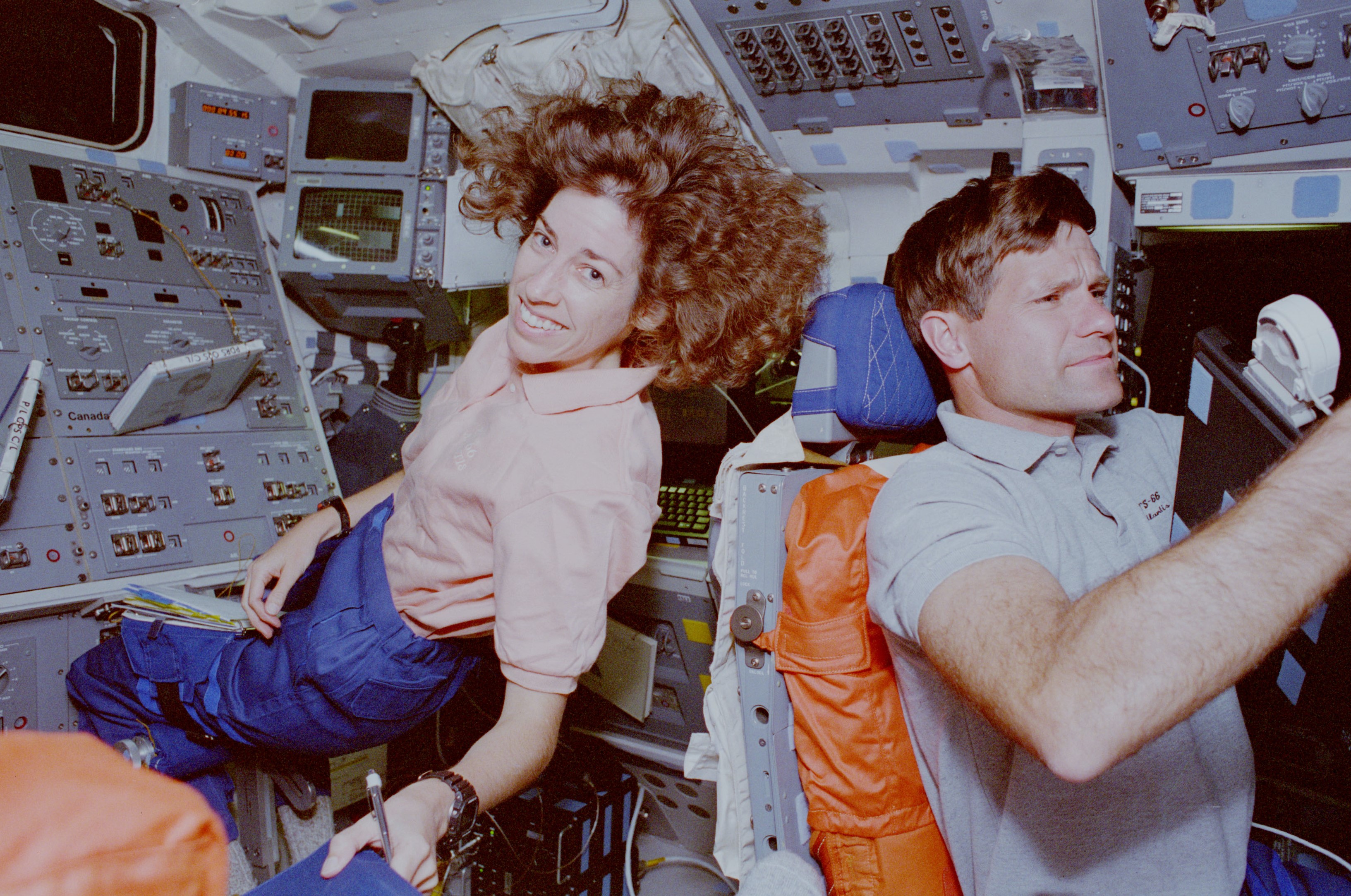


Left: Ellen Ochoa and Donald R. McMonagle on the shuttle’s flight deck. Middle: European Space Agency astronaut Jean-François Clervoy in the commander’s seat during the mission. Right: Scott E. Parazynski operates a protein crystallization experiment in the shuttle middeck.

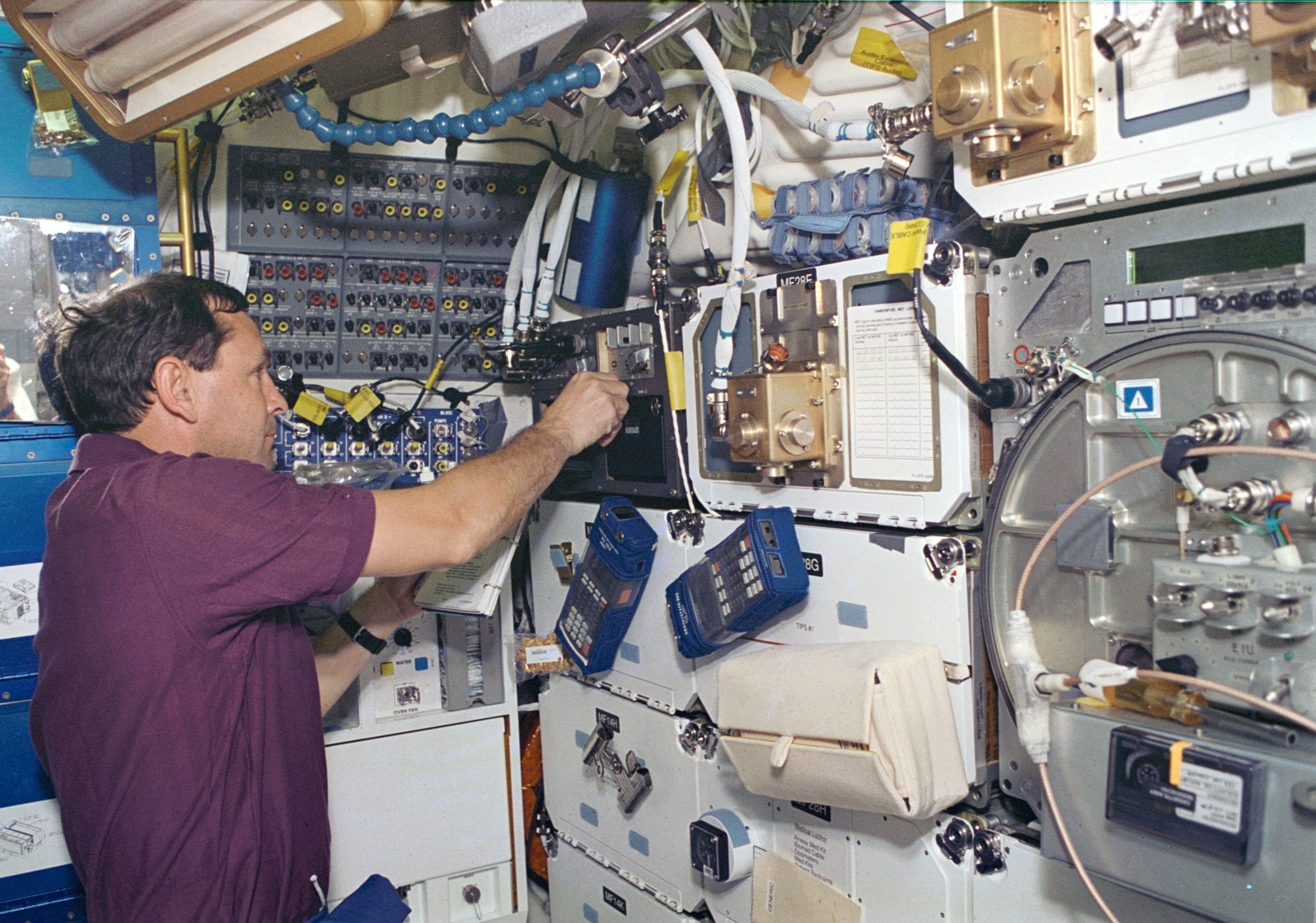
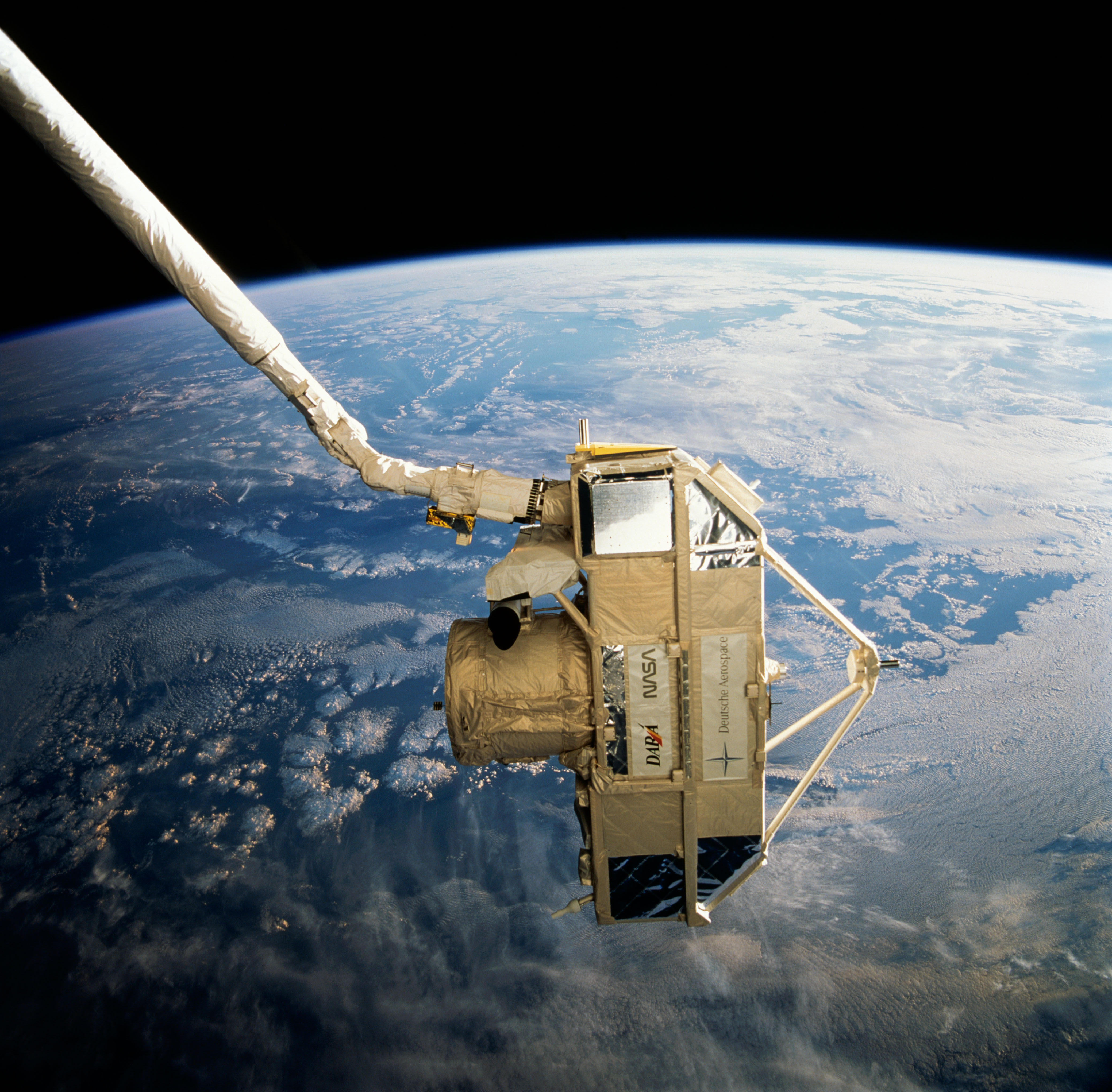
Left: Joseph R. Tanner operates a protein crystallization experiment. Middle: Curtis L. Brown operates a microgravity acceleration measurement system. Right: Ellen Ochoa uses the shuttle’s Remote Manipulator System to grapple CRISTA-SPAS following its eight-day free flight.
For the next eight days, the two teams of astronauts continued work with the ATLAS instruments and several middeck and payload bay experiments such as protein crystal growth, measuring the shuttle microgravity acceleration environment, evaluating heat pipe performance, and a student experiment to study the Sun that complemented the ATLAS instruments. On November 12, the mission’s 10th day, the astronauts prepared to retrieve the CRISTA-SPAS satellite. For the retrieval, McMonagle and Brown used a novel rendezvous profile unlike previous ones used in the shuttle program. Instead of making the final approach from in front of the satellite, called the V-bar approach, Atlantis approached from below in the so-called R-bar approach. This is the profile Atlantis planned to use on its next mission, the first rendezvous and docking with the Mir space station. It not only saved fuel but also prevented contamination of the station’s delicate sensors and solar arrays. Once within 40 feet of CRISTA-SPAS, Ochoa reached out with the RMS, grappled the satellite, and then berthed it back in the payload bay.
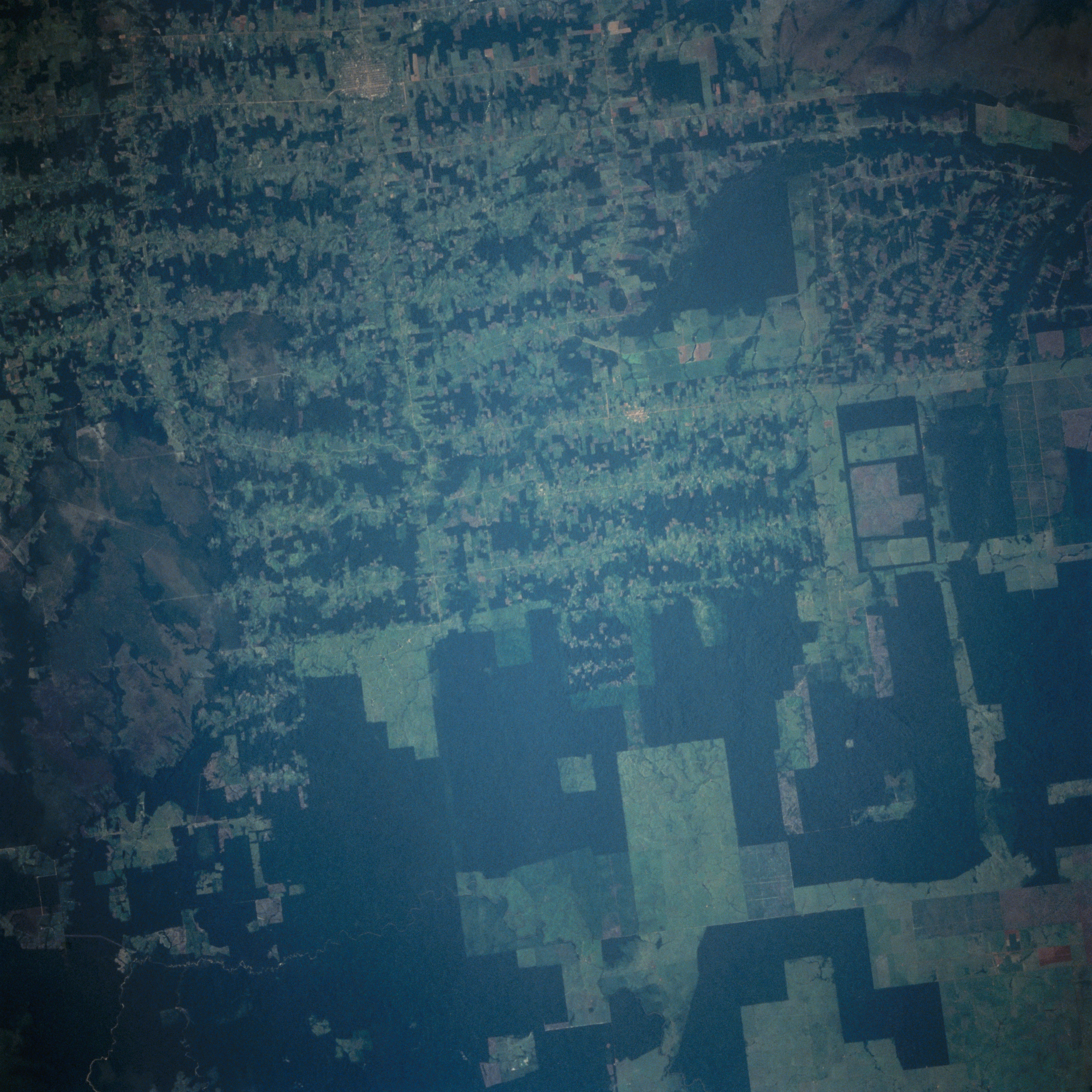
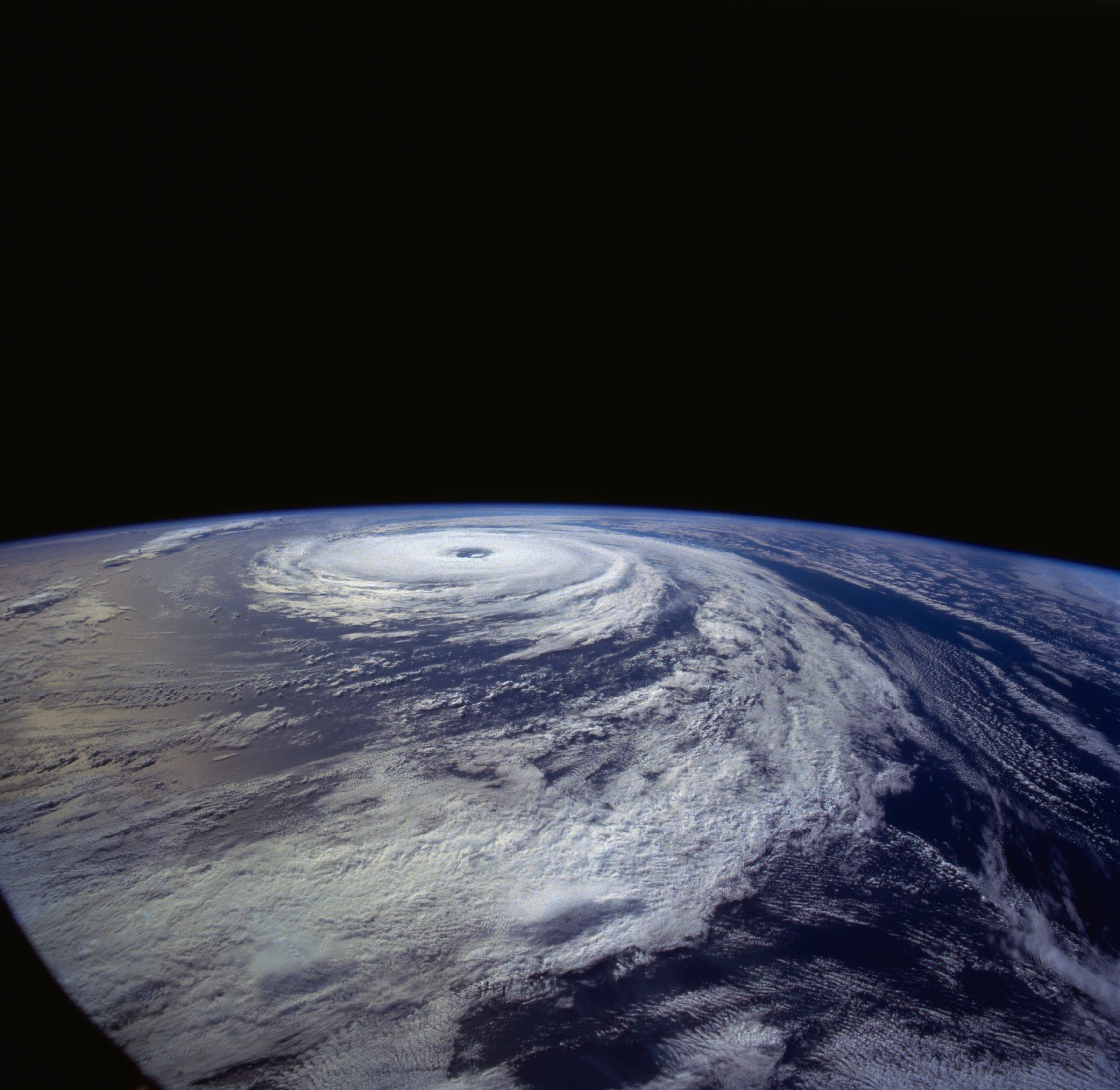
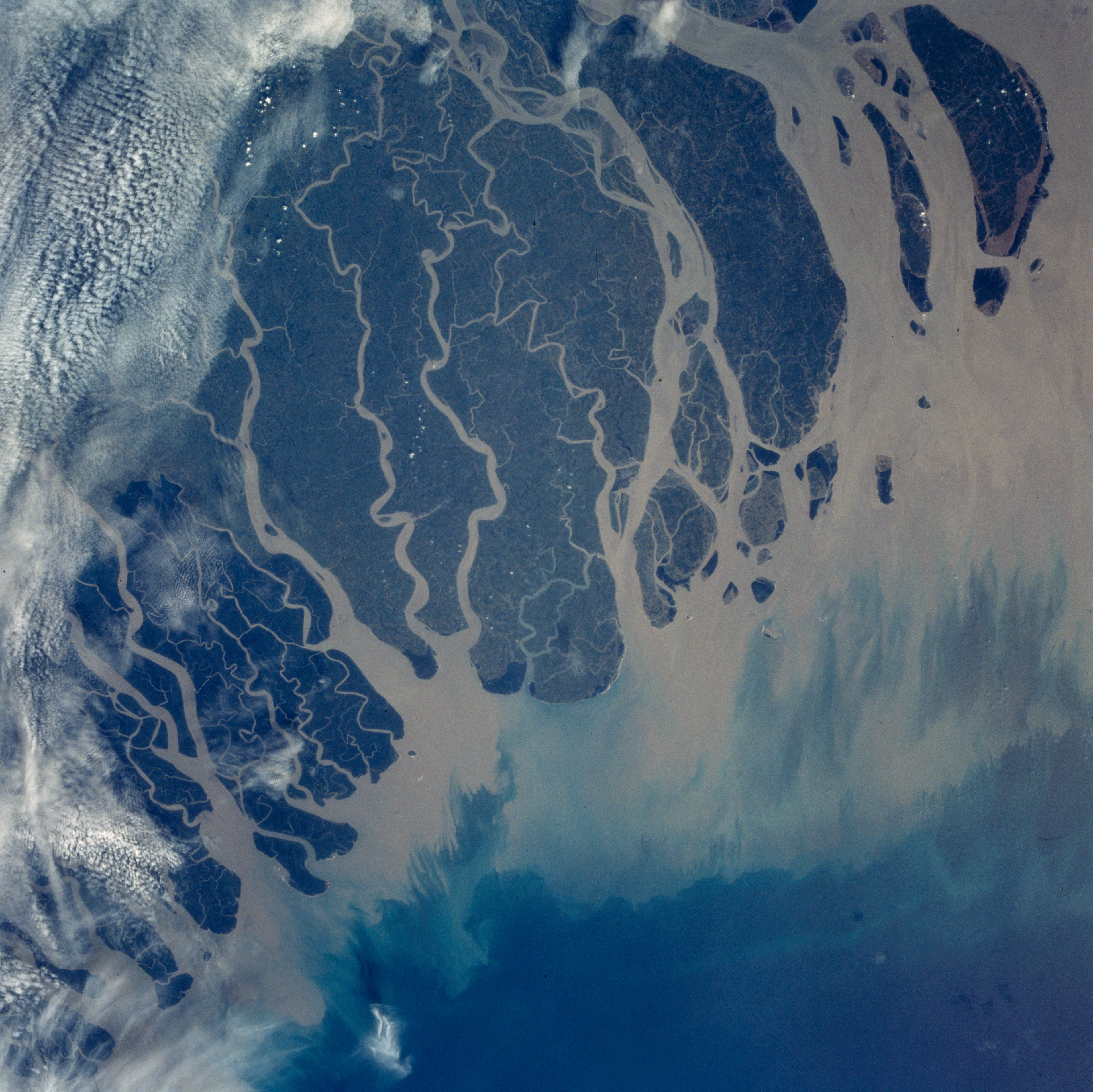

A selection from the 6,000 STS-66 crew Earth observation photographs. Left: Deforestation in the Brazilian Amazon. Middle left: Hurricane Florence in the North Atlantic. Middle right: The Ganges River delta. Right: The Sakurajima Volcano in southern Japan.
As a Mission to Planet Earth, the STS-66 astronauts spent considerable time looking out the window, capturing 6,000 images of their home world. Their high inclination orbit enabled views of parts of the planet not seen during typical shuttle missions.
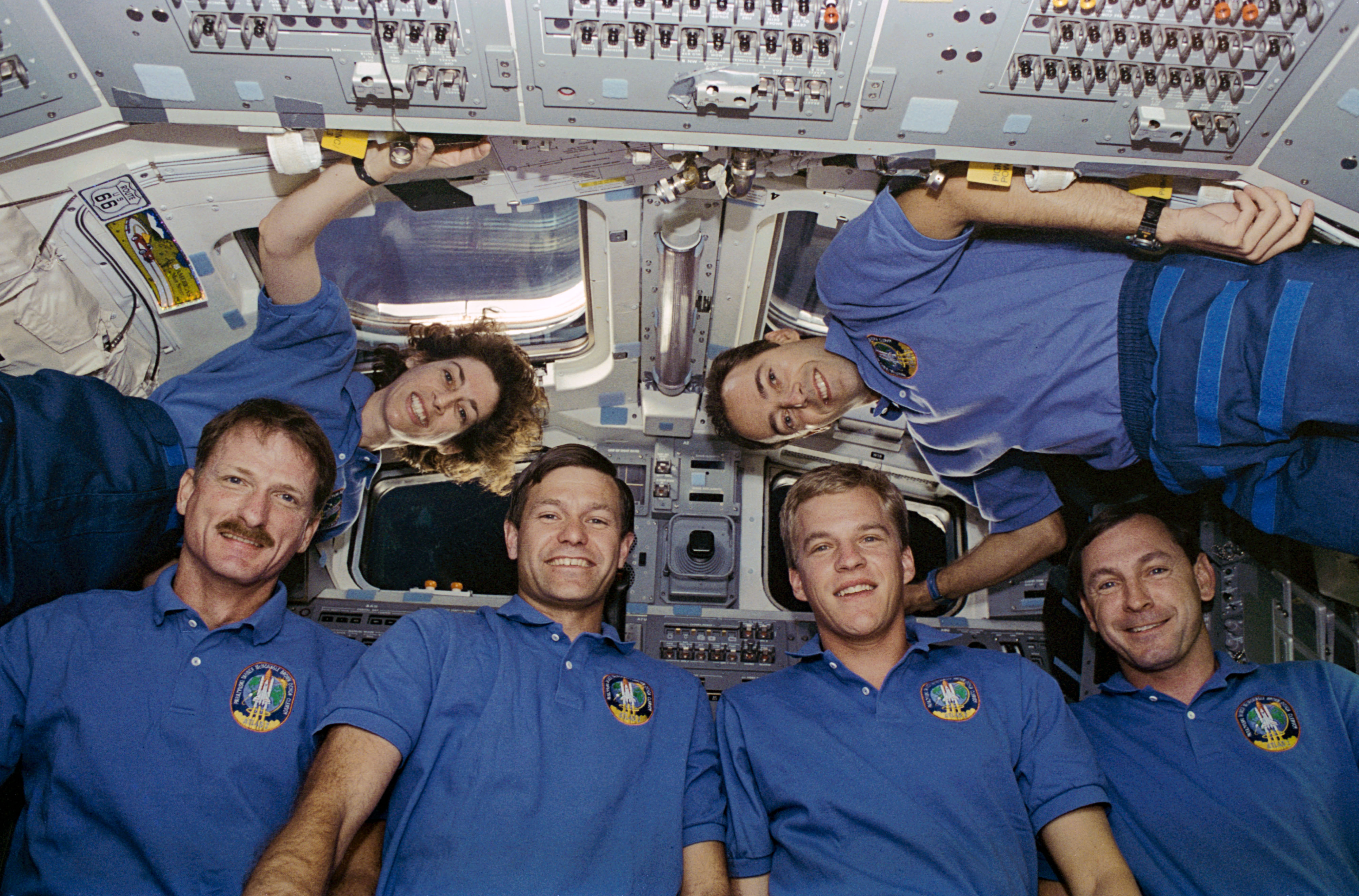
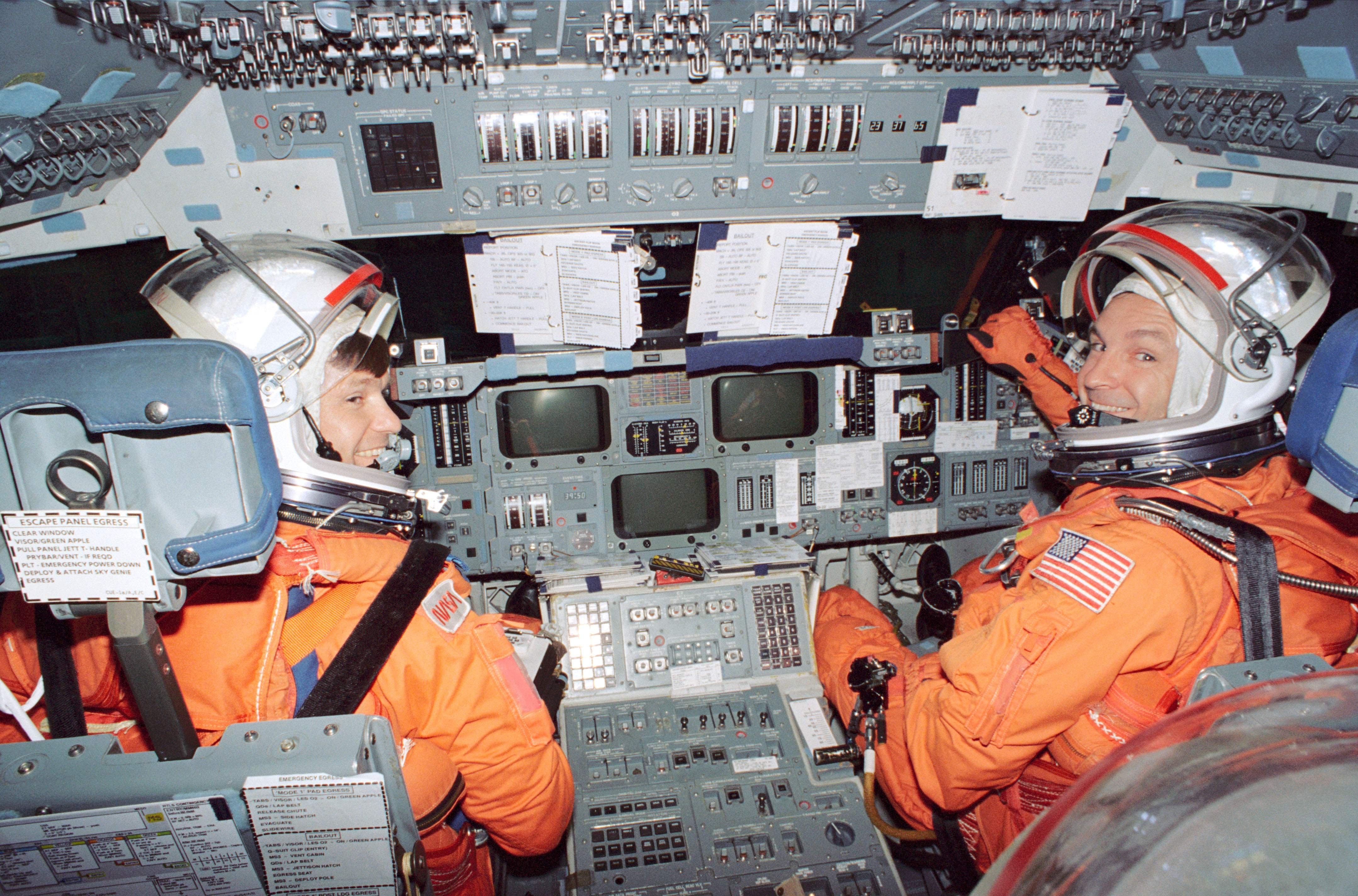
Left: The inflight STS-66 crew photo. Right: Donald R. McMonagle, left, and Curtis R. Brown prepare for Atlantis’ deorbit and reentry.
On flight day 11, with most of the onboard film exposed and consumables running low, the astronauts prepared for their return to Earth the following day. McMonagle and Brown tested Atlantis’ reaction control system thrusters and aerodynamic surfaces in preparation for deorbit and descent through the atmosphere, while the rest of the crew busied themselves with shutting down experiments and stowing away unneeded equipment.
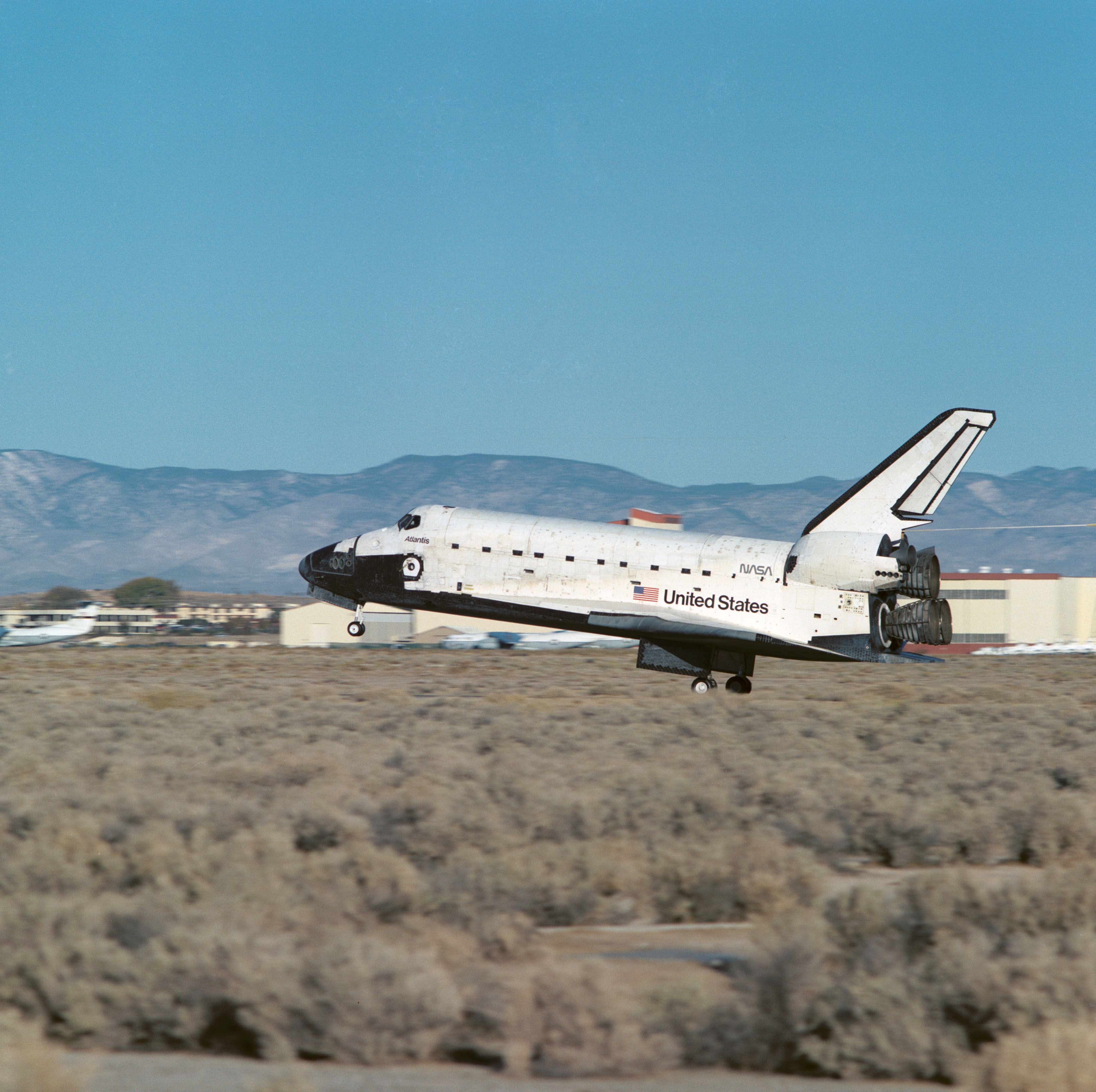

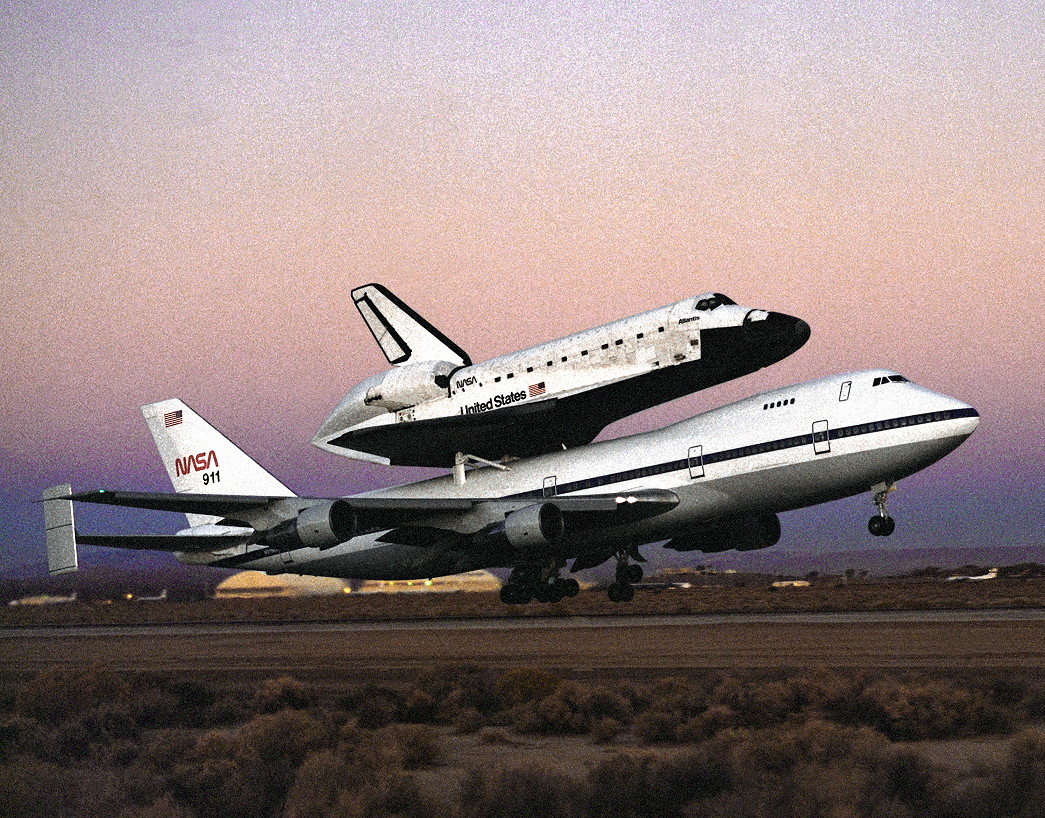
Left: Atlantis makes a perfect touchdown at California’s Edwards Air Force Base. Middle: Atlantis deploys the first reusable space shuttle drag chute. Right: Mounted atop a Shuttle Carrier Aircraft, Atlantis departs Edwards for the cross-country trip to NASA’s Kennedy Space Center in Florida.
On Nov. 14, the astronauts closed Atlantis’ payload bay doors, donned their launch and entry suits, and strapped themselves into their seats for entry and landing. Tropical Storm Gordon near the KSC primary landing site forced a diversion to Edwards Air Force Base (AFB) in California. The crew fired Atlantis’ OMS engines to drop out of orbit. McMonagle piloted Atlantis to a smooth landing at Edwards, ending the 10-day 22-hour 34-minute flight, Atlantis’ longest flight up to that time. The crew had orbited the Earth 174 times. Workers at Edwards safed the vehicle and placed it atop a Shuttle Carrier Aircraft for the ferry flight back to KSC. The duo left Edwards on Nov. 21, and after stops at Kelly Field in San Antonio and Eglin AFB in the Florida panhandle, arrived at KSC the next day. Workers there began preparing Atlantis for its next flight, STS-71 in June 1995, the first Shuttle-Mir docking mission. Meanwhile, a Gulfstream jet flew the astronauts back to Ellington Field in Houston for reunions with their families. As it turned out, STS-66 flew Atlantis’ last solo flight until STS-125 in 2009, the final Hubble Servicing Mission. The 16 intervening flights, and the three that followed, all docked with either Mir or the International Space Station.
“The mission not only met all our expectations, but all our hopes and dreams as well,” said Mission Scientist Timothy L. Miller of NASA’s Marshall Space Flight Center in Huntsville, Alabama. “One of its high points was our ability to receive and process so much data in real time, enhancing our ability to carry out some new and unprecedented cooperative experiments.” McMonagle said of STS-66, “We are very proud of the mission we have just accomplished. If there’s any one thing we all have an interest in, it’s the health of our planet.”
Enjoy the crew narrate a video about the STS-66 mission.
Powered by WPeMatico
Get The Details…
Kelli Mars