Still Kickin’ Since the ’70s: NASA’s Voyager Mission Keeps Exploring

Still Kickin’ Since the ’70s: NASA’s Voyager Mission Keeps Exploring
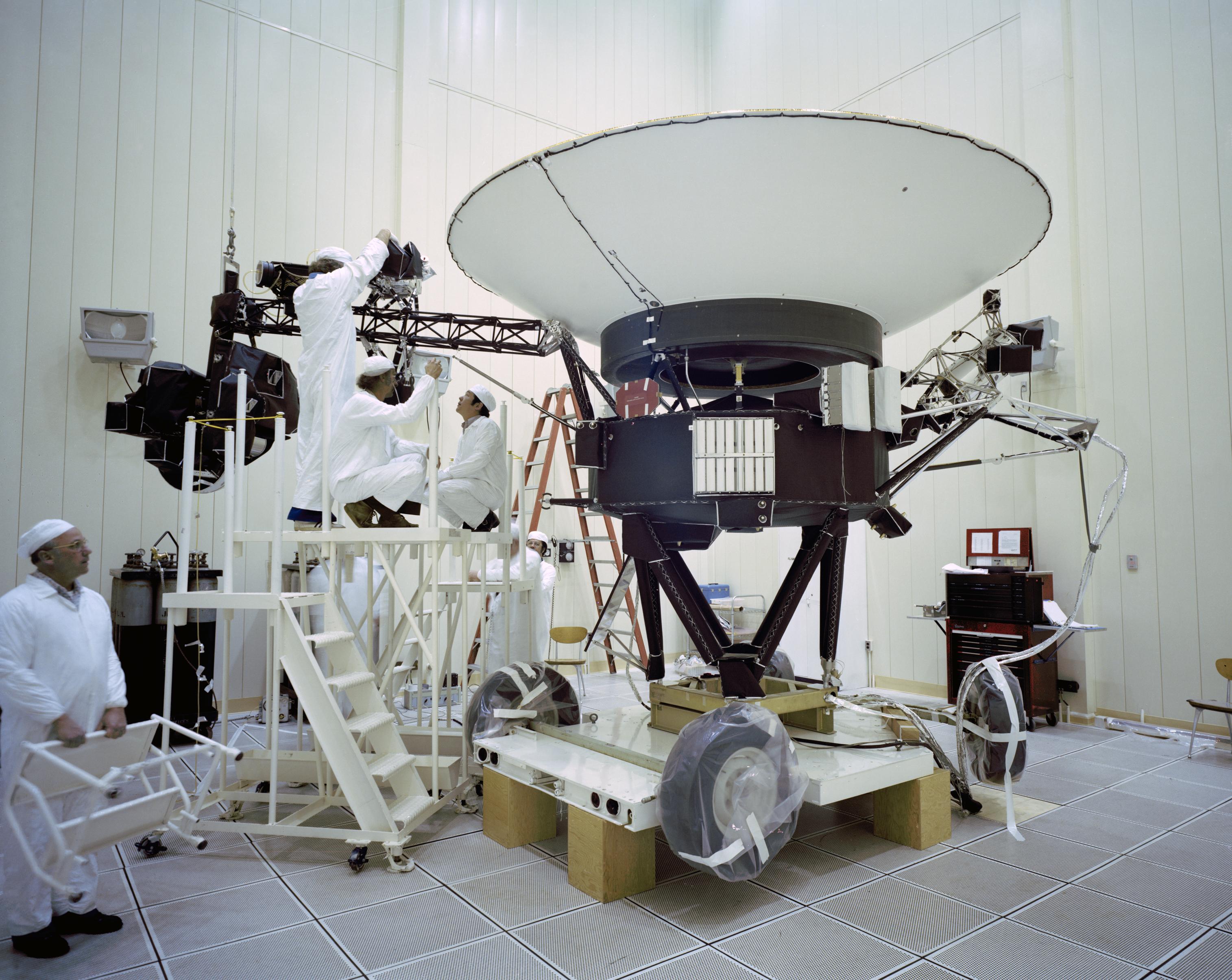
Engineers working on NASA's Voyager 2 spacecraft inside a lab
This archival photo shows engineers working on NASA’s Voyager 2 spacecraft on March 23, 1977.
NASA/JPL-Caltech

NASA’s Voyager mission launched in the 1970s. Today, it’s making history as it conducts new science. But how are two spacecraft from the ’70s not just surviving, but thriving farther out in space than any other spacecraft has been before?

A Little Mission Background

Voyager is a NASA mission made up of two different spacecraft, Voyager 1 and 2, which launched to space on Sept. 5, 1977, and Aug. 20, 1977, respectively. In the decades following launch, the pair took a grand tour of our solar system, studying Jupiter, Saturn, Uranus, and Neptune — one of NASA’s earliest efforts to explore the secrets of the universe. These twin probes later became the first spacecraft to operate in interstellar space — space outside the heliosphere, the bubble of solar wind and magnetic fields emanating from the Sun. Voyager 1 was the first to enter interstellar space in 2012, followed by Voyager 2 in 2018.  

Today, Voyager continues not just because it can, but because it still has work to do studying interstellar space, the heliosphere, and how the two interact. “We wouldn’t be doing Voyager if it wasn’t taking science data,” said Suzanne Dodd, the mission’s current project manager and the director for the Interplanetary Network at NASA’s Jet Propulsion Laboratory.

But across billions of miles and decades of groundbreaking scientific exploration, this trailblazing interstellar journey has not been without its trials. So, what’s the Voyager secret to success? 

In short: preparation and creativity.  
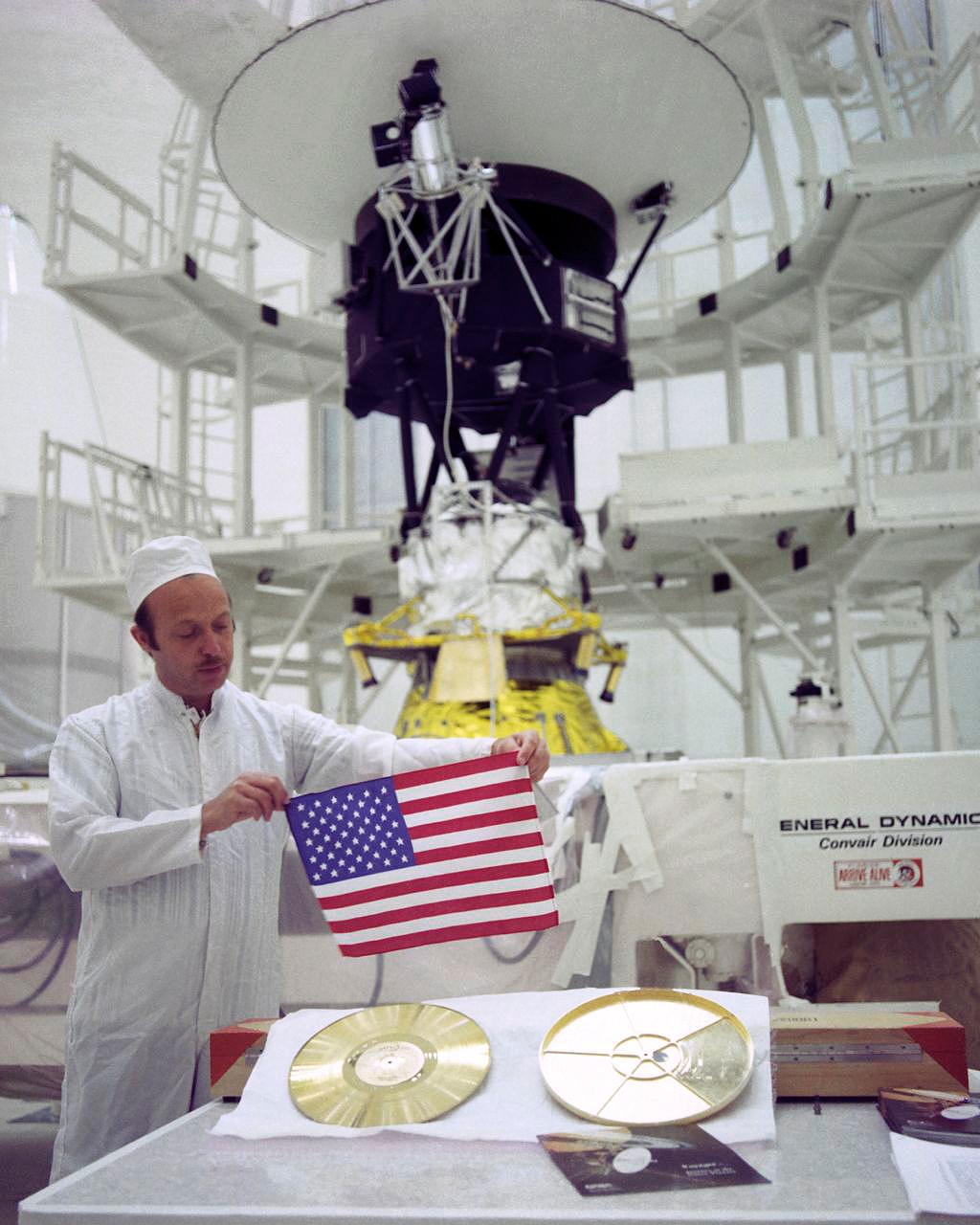
John Casani, Voyager project manager in 1977, holding a small Dacron flag that was folded and sewed into the thermal blankets of the Voyager spacecraft before they launched 36 years ago. Below him lie the Golden Record (left) and its cover (right). In the background stands Voyager 2 before it headed to the launch pad.
As NASA’s two Voyager spacecraft travel out into deep space, they carry a small American flag and a Golden Record packed with pictures and sounds — mementos of our home planet. This picture shows John Casani, Voyager project manager in 1977, holding a small Dacron flag that was folded and sewed into the thermal blankets of the Voyager spacecraft before they launched 36 years ago. Below him lie the Golden Record (left) and its cover (right). In the background stands Voyager 2 before it headed to the launch pad. The picture was taken at Cape Canaveral, Fla., on Aug. 4, 1977.
NASA/JPL-Caltech

We Designed Them Not to Fail

According to John Casani, Voyager project manager from 1975 to launch in 1977, “we didn’t design them to last 30 years or 40 years, we designed them not to fail.”

One key driver of the mission’s longevity is redundancy. Voyager’s components weren’t just engineered with care, they were also made in duplicate. 

According to Dodd, Voyager “was designed with nearly everything redundant. Having two spacecraft — right there is a redundancy.” 

“We didn’t design them to last 30 years or 40 years, we designed them not to fail.”

John Casani

John Casani

Voyager Project Manager, 1975-1977

A Cutting-Edge Power Source

The twin Voyager spacecraft can also credit their longevity to their long-lasting power source. 

Each spacecraft is equipped with three radioisotope thermoelectric generators. These nuclear “batteries” were developed originally by the U.S. Department of Energy as part of the Atoms for Peace program enacted by President Eisenhower in 1955. Compared to other power options at the time — like solar power, which doesn’t have the reach to work beyond Jupiter — these generators have allowed Voyager to go much farther into space. 

Two black cylinders stacked on top of each other.
Each of NASA’s Voyager probes are equipped with three radioisotope thermoelectric generators (RTGs), including the one shown here at NASA’s Kennedy Space Center in Florida. The RTGs provide power for the spacecraft by converting the heat generated by the decay of plutonium-238 into electricity.

Launched in 1977, the Voyager mission is managed for NASA by the agency’s Jet Propulsion Laboratory, a division of Caltech in Pasadena, California.

NASA/JPL-Caltech

Voyager’s generators continue to take the mission farther than any before, but they also continue to generate less power each year, with instruments needing to be shut off over time to conserve power. 

Creative Solutions  

As a mission that has operated at the farthest edges of the heliosphere and beyond, Voyager has endured its fair share of challenges. With the spacecraft now in interstellar space running on software and hardware from the 1970s, Voyager’s problems require creative solutions.  

Retired mission personnel who worked on Voyager in its earliest days have even come back out of retirement to collaborate with new mission personnel to not just fix big problems but to pass on important mission know-how to the next generation of scientists and engineers.

“From where I sit as a project manager, it’s really very exciting to see young engineers be excited to work on Voyager. To take on the challenges of an old mission and to work side by side with some of the masters, the people that built the spacecraft,” Dodd said. “They want to learn from each other.” 

People sitting around a table indoors cheer.
After receiving data about the health and status of Voyager 1 for the first time in five months, members of the Voyager flight team celebrate in a conference room at NASA’s Jet Propulsion Laboratory on April 20. Credit: NASA/JPL-Caltech
NASA/JPL-Caltech

Within just the last couple of years, Voyager has tested the mission team’s creativity with a number of complex issues. Most recently, the thrusters on Voyager 1’s thrusters, which control the spacecraft’s orientation and direction, became clogged. The thrusters allow the spacecraft to point their antennae and are critical to maintaining communications with Earth. Through careful coordination, the mission team was able to remotely switch the spacecraft to a different set of thrusters. 

These kinds of repairs are extra challenging as a radio signal takes about 22 ½ hours to reach Voyager 1 from Earth and another 22 ½ hours to return. Signals to and from Voyager 2 take about 19 hours each way.

Voyager’s Interstellar Future

This brief peek behind the curtain highlights some of Voyager’s history and its secrets to success. 

The Voyager probes may continue to operate into the late 2020s. As time goes on, continued operations will become more challenging as the mission’s power diminishes by 4 watts every year, and the two spacecraft will cool down as this power decreases. Additionally, unexpected anomalies could impact the mission’s functionality and longevity as they grow older.

As the mission presses on, the Voyager team grows this legacy of creative problem solving and collaboration while these twin interstellar travelers continue to expand our understanding of the vast and mysterious cosmos we inhabit. 

Read More

Share

Details

Last Updated

Nov 04, 2024

Powered by WPeMatico

Get The Details…

NASA, Bhutan Conclude Five Years of Teamwork on STEM, Sustainability

NASA, Bhutan Conclude Five Years of Teamwork on STEM, Sustainability

5 min read

Preparations for Next Moonwalk Simulations Underway (and Underwater)

Two people stand in a chili field in Punakha, Bhutan.
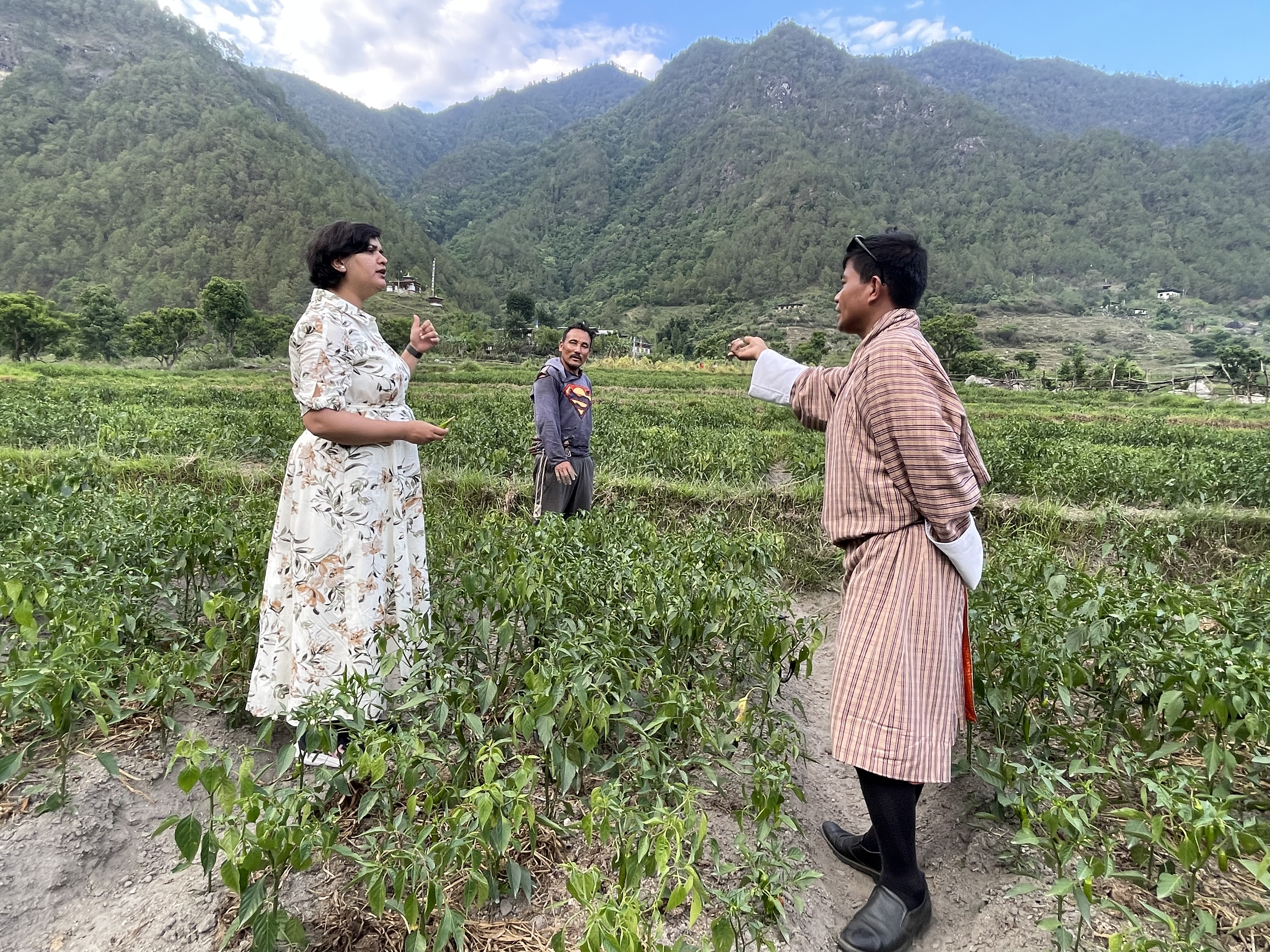
In Punakha, Bhutan, Dr. Aparna Phalke (left) from SERVIR works with a translator to converse with a local chili farmer (center) about his experiences cultivating these fields for over 30 years– including agricultural management practices, market prices, and farming challenges
Sarah Cox/SERVIR

NASA and the Kingdom of Bhutan have been actively learning from each other and growing together since 2019. The seeds planted over those years have ripened into improved environmental conservation, community-based natural resource management, and new remote sensing tools.

Known for its governing philosophy of “gross national happiness,” [Bhutan] has a constitutional mandate to maintain at least 60% forest cover. The government’s goals include achieving nationwide food security by 2030. 

Bhutan first approached the U.S. State Department to partner on science, technology, engineering, and mathematics (STEM) opportunities for the country, and NASA was invited to help lead these opportunities. In 2019, Bhutan’s King Jigme Khesar Namgyel Wangchuck visited NASA’s Ames Research Center in Silicon Valley, California, and was introduced to several NASA programs.

NASA’s Earth scientists and research staff from several complementary programs have helped support Bhutan’s goals by providing data resources and training to make satellite data more useful to communities and decision makers. Bhutan now uses NASA satellite data in its national land management decisions and plans to foster more geospatial jobs to help address environmental issues.

Supporting Bhutan’s Environmental Decision Makers

Bhutan’s National Land Commission offers tax breaks to farmers to support food security and economic resilience. However, finding and reaching eligible farmers on the ground can be expensive and time consuming, which means small farmers in remote areas can be missed. 

A team from SERVIR – a joint NASA-U.S. Agency for International Development initiative – worked with Bhutanese experts to create decision-making tools like the Farm Action Toolkit  (FAcT). The tool uses imagery from the NASA-U.S. Geological Survey Landsat satellites to identify and measure the country’s farmland. SERVIR researchers met with agricultural organizations – including Bhutan’s Ministry of Agriculture and Livestock, National Statistics Bureau, and National Center for Organic Agriculture – to adjust the tool for the country’s unique geography and farming practices. The Land Commission now uses FAcT to identify small farms and bring support to more of the country. 

NASA also develops local capacity to use Earth data through efforts like the Applied Remote Sensing Training Program (ARSET). In early 2024, ARSET staff worked with SERVIR and Druk Holdings and Investments (DHI) to host a workshop with 46 Bhutanese government personnel. Using tailored local case studies, the teams worked to find ways to better manage natural resources, assist land use planning, and monitor disasters. 

“We look forward to continuing this collaboration, as there are still many areas where NASA’s expertise can significantly impact Bhutan’s development goals,” said Manish Rai, an analyst with DHI who helped coordinate the workshop. “This collaboration is a two-way street. While Bhutan has benefited greatly from NASA’s support, we believe there are also unique insights and experiences that Bhutan can share with NASA, particularly in areas like environmental conservation and community-based natural resource management.” 

A large group of people sit at tables watching someone present at the Royal University of Bhutan College of Natural Resources.
Dr. Aparna Phalke gives a presentation on NASA technology and the SERVIR program to a group of 100 students at the Royal University of Bhutan College of Natural Resources.
Sarah Cox/SERVIR

Encouraging Bhutan’s Future Environmental Leaders

By working with students and educators from primary schools to the university level, Bhutan and NASA have been investing in the country’s future environmental leadership. Supporting educators and “training trainers” have been pillars of this collaboration.

NASA and Bhutan have worked together to boost the skills of early-career Earth scientists. For example, NASA’s DEVELOP program for undergraduates worked directly with local institutions to create several applied science internships for Bhutanese students studying in the U.S. 

Tenzin Wangmo, a high school biology teacher in Bhutan, participated in DEVELOP projects focusing on agriculture and water resources. According to Wangmo, the lessons learned from those projects have been helpful in connecting with her students about STEM opportunities and environmental issues. “Most people only think of NASA as going to space, rather than Earth science,” she said. “It was encouraging to my students that there are lots of opportunities for you if you try.”

NASA is also supporting Bhutan’s future environmental leadership through the GLOBE (Global Learning and Observations to Benefit the Environment) Program. The GLOBE program is a U.S. interagency outreach program that works with teachers to support STEM literacy through hands-on environmental learning. Since 2020, GLOBE has worked through the U.S. State Department and organizations like the Ugyen Wangchuck Institute for Forest Research and Training to support educators at two dozen schools in Bhutan. The program reached more than 650 students with activities like estimating their school’s carbon footprint. 

This focus on STEM education enables students and professionals to contribute to Bhutan’s specific development goals now and in the future. 

Sonam Tshering, a student who completed two DEVELOP projects on Bhutanese agriculture while studying at the University of Texas at El Paso, was able to share the value of these efforts at the 2023 United Nations Climate Conference. “By applying satellite data from NASA, we aimed to create actionable insights for our local farmers and our policymakers back in Bhutan,” she said. 

By Jacob Ramthun and Lena Pranksy, SERVIR Communications Team, and Jonathan O’Brien, ARSET Communications Team

News Media Contact

Lane Figueroa
Marshall Space Flight Center, Huntsville, Ala.
256.544.0034
lane.e.figueroa@nasa.gov 

Powered by WPeMatico

Get The Details…
Beth Ridgeway

Atlantis Begins 13th Space Trip

Atlantis Begins 13th Space Trip

NASA

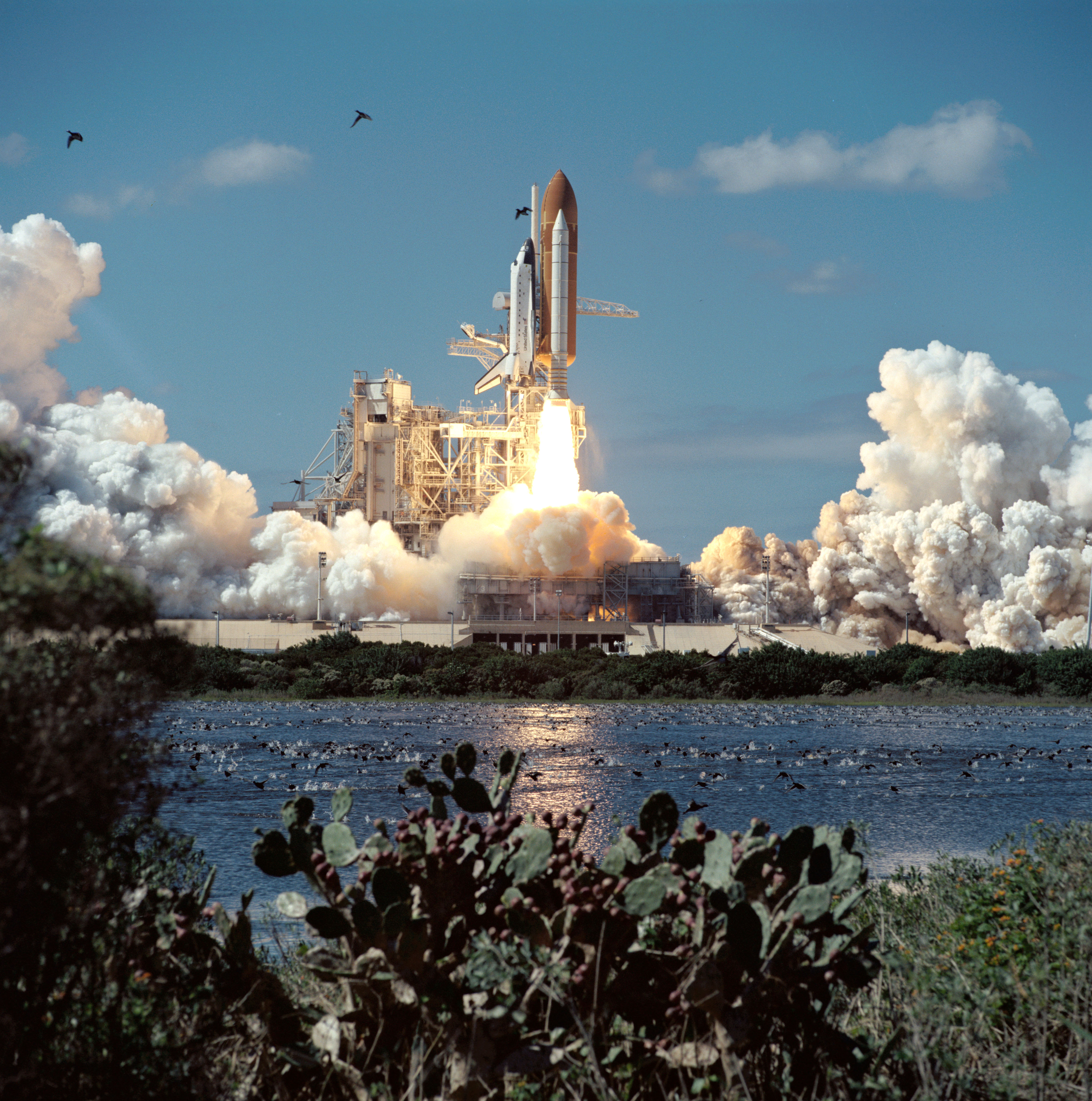
Space shuttle Atlantis lifts off in this Nov. 3, 1994, image, with NASA astronauts Donald R. McMonagle, Curtis L. Brown, Jr., Ellen S. Ochoa, Scott E. Parazynski, and Joseph R. Tanner, and ESA (European Space Agency) astronaut Jean-Francois-Clervoy aboard. During the 11-day mission, the crew studied Earth’s atmosphere, gathering data on the Sun’s energy output, the atmosphere’s chemical composition, and how these affect global ozone levels.

Learn more about the mission.

Image credit: NASA

Powered by WPeMatico

Get The Details…
Monika Luabeya

¿Cómo se investiga en gravedad cero? Preguntamos a una científica de la NASA

¿Cómo se investiga en gravedad cero? Preguntamos a una científica de la NASA

1 Min Read

¿Cómo se investiga en gravedad cero? Preguntamos a una científica de la NASA

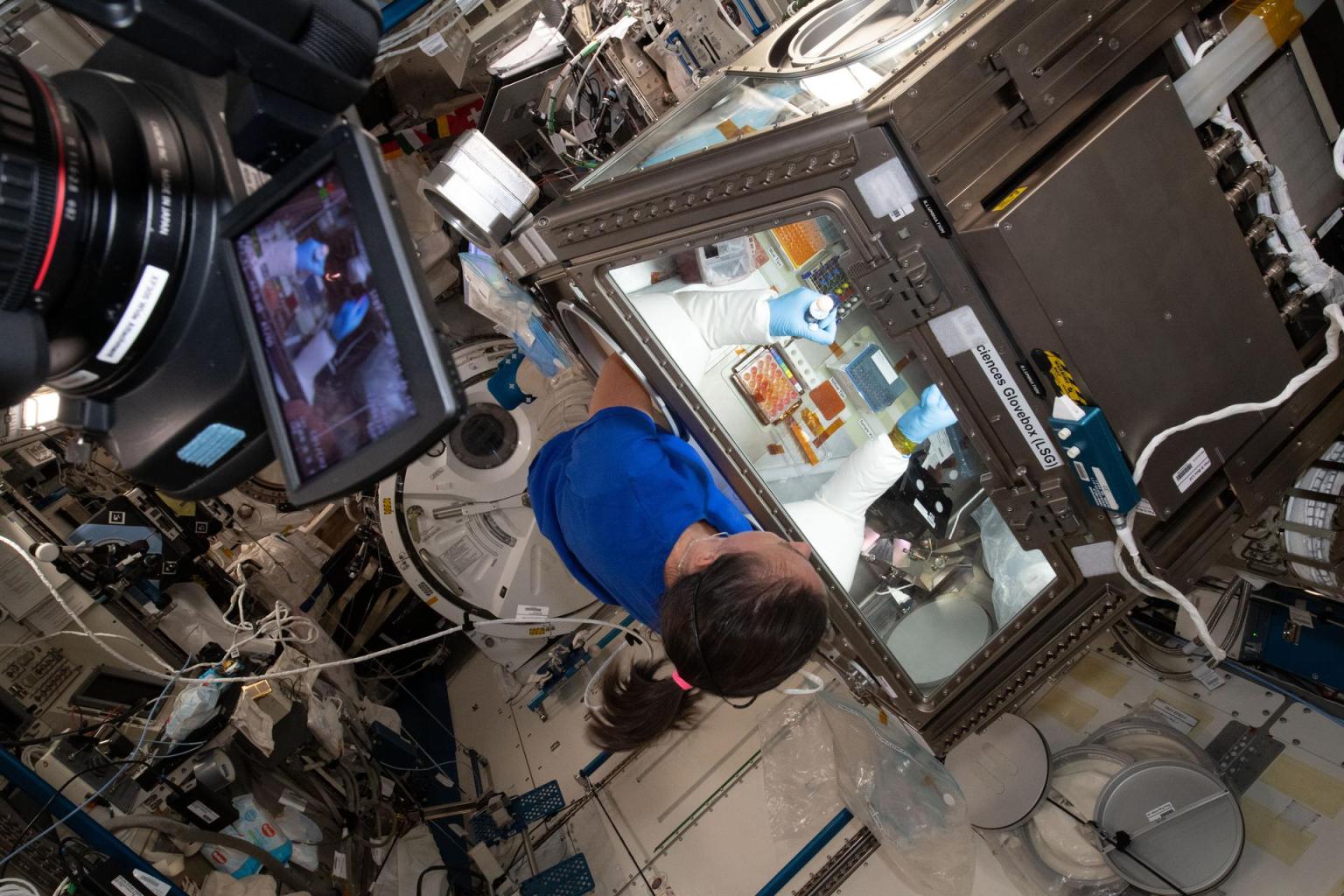
La astronauta de la NASA Megan McArthur atiende a las células de donantes dentro de la Caja de Guantes de Ciencias en Microgravedad para el estudio Inmunidad Celeste.

La astronauta de la NASA Megan McArthur atiende a las células de donantes dentro de la Caja de Guantes de Ciencias en Microgravedad para el estudio Inmunidad Celeste.

Credits:
NASA

Realizar experimentos científicos en la Tierra puede ser complicado pero en el espacio es aún más difícil debido a las condiciones de gravedad cero y microgravedad. La gerente de investigaciones comerciales de la Estación Espacial Internacional, Yuri Guinart-Ramírez, te explica cómo en la estación se llevan a cabo cientos de investigaciones científicas en condiciones de microgravedad y cómo los investigadores adaptan sus experimentos e instrumentos para que funcionen adecuadamente en ese entorno.

Crédito de video: NASA 360

Share

Details

Last Updated

Nov 04, 2024

Powered by WPeMatico

Get The Details…
Ana Guzman

Professional Learning: Using Children’s Books to Build STEM Habits of Mind

Professional Learning: Using Children’s Books to Build STEM Habits of Mind

3 min read

Professional Learning: Using Children’s Books to Build STEM Habits of Mind

On October 14, 2024, the Science Activation program’s NASA eClipsTM Education team from the National Institute of Aerospace’s Center for Integrative Science, Technology, Engineering, & Mathematics (STEM) Education (NIA-CISE) delivered a professional development session entitled “Using Children’s Books to Build STEM Habits of Mind” to 62 Media Specialists and Gifted Teachers from Richmond Public Schools in Virginia.

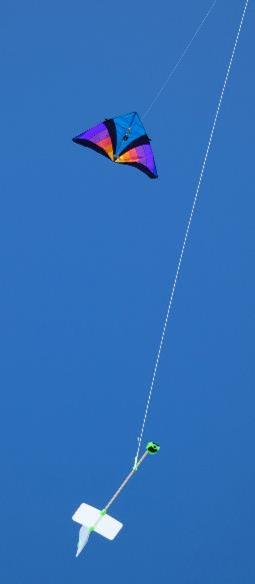
The session kicked off with an engaging overview of NASA’s methods for gathering Earth data, including the use of stratospheric balloons. Participants then took part in the Balloon Aerodynamics Challenge 1 & 2. Divided into small groups, the teachers assumed the role of “stratospheric balloon engineers” and were tasked with adjusting helium-filled balloons to achieve neutral buoyancy. Initially, teams analyzed qualitative and quantitative aspects of their balloons before exploring the materials available to help them reach the target height. Once they achieved neutral buoyancy, their next challenge was to guide their balloons around the room using only a straw and a 5×7-inch card. As they completed this task, participants linked the activity to Bernoulli’s Principle and Newton’s Laws of Motion.

Following the activity, teachers were introduced to NASA eClips’ newly released Guide Lites: Comparing Science and Engineering Practices Using Black Box Models. During this segment, they discussed the distinction between engineering and science, reflecting on the engineering practices applied in the Balloon Aerodynamics Challenge and how scientific concepts influenced their balloon modifications.

Additionally, teachers explored Favorite STEM Books and Activities: A Literary Collection Curated by the NASA eClips Team and Advisory Board Members, a resource designed to integrate children’s literature with STEM learning. Participants reviewed at least two book entries from the collection, assessing their alignment with educational standards, evaluating associated activities, and offering feedback on strengths and suggested improvements. As a final activity, teams selected a STEM trade book from the curated collection and analyzed it for potential cross-disciplinary connections, including inquiry, engineering, or hands-on activities.

The event was planned collaboratively with Judy Deichman (Coordinator of Library Services for Richmond Public Schools), Lynn Pleveich (Coordinator for Programs for the Gifted and Talented in Richmond Public Schools), Dr. Sharon Bowers and Joan Harper-Neely (NASA eClips Senior STEM Specialists), and Betsy McAllister (NIA’s Educator in Residence from Hampton City Schools).

NASA eClips is supported by NASA under cooperative agreement award number NNX16AB91A and is part of NASA’s Science Activation Portfolio. Learn more about how Science Activation connects NASA science experts, real content, and experiences with community leaders to do science in ways that activate minds and promote deeper understanding of our world and beyond: https://science.nasa.gov/learn


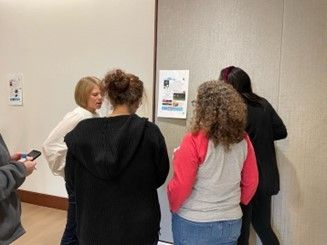
Teacher teams discussed the alignment of STEM books to educational standards and provided feedback for the new activity, Favorite STEM Books and Activities: A Literary Collection Curated by the NASA eClips Team and Advisory Board Members.

Share

Details

Last Updated

Nov 04, 2024

Editor
NASA Science Editorial Team

Powered by WPeMatico

Get The Details…