Station Nation: Meet Nick Kopp, SpaceX Dragon Flight Lead
Nick Kopp is a Dragon flight lead in the Transportation Integration Office at Johnson Space Center in Houston. He is currently leading NASA’s efforts to prepare, launch, and return the agency’s 32nd SpaceX commercial resupply services mission. He works directly with SpaceX and collaborates with NASA’s many internal, external, and international partners to ensure the success of this and other cargo missions to the International Space Station.
Read on to learn about his career with NASA and more!

The time and effort spent building, maintaining, and conducting science on the International Space Station is spent by people in our community and communities around the world to further humanity’s collective understanding of the universe around us.
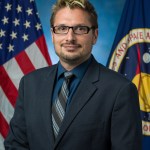
Nick Kopp
Transportation Integration Office Flight Lead
Where are you from?
I am from Cleveland, Ohio.
Tell us about your role at NASA.
I work directly with SpaceX to ensure the Dragon cargo spacecraft meets NASA’s requirements to visit the space station. I also collaborate with NASA’s various partners who are safely flying science investigations and other cargo to and from the space station. For the upcoming flight, I’ve worked extensively with SpaceX to prepare to return the Dragon cargo spacecraft off the coast of California.
How would you describe your job to family or friends who may not be familiar with NASA?
I’m responsible for getting stuff to and from the International Space Station safely.
How long have you been working for NASA?
I have been working for NASA for about 15 years at both Marshall Space Flight Center in Alabama and Johnson Space Center in Texas.
What advice would you give to young individuals aspiring to work in the space industry or at NASA?
It takes so many different people with all kinds of different skills working together to make missions happen. I would suggest looking at NASA’s websites to find the skill or task that makes you want to learn more and then focusing your energy into that skill. Surround yourself with people with similar goals. Connect with people in the industry and ask them questions. You are in control of your destiny!
What was your path to NASA?
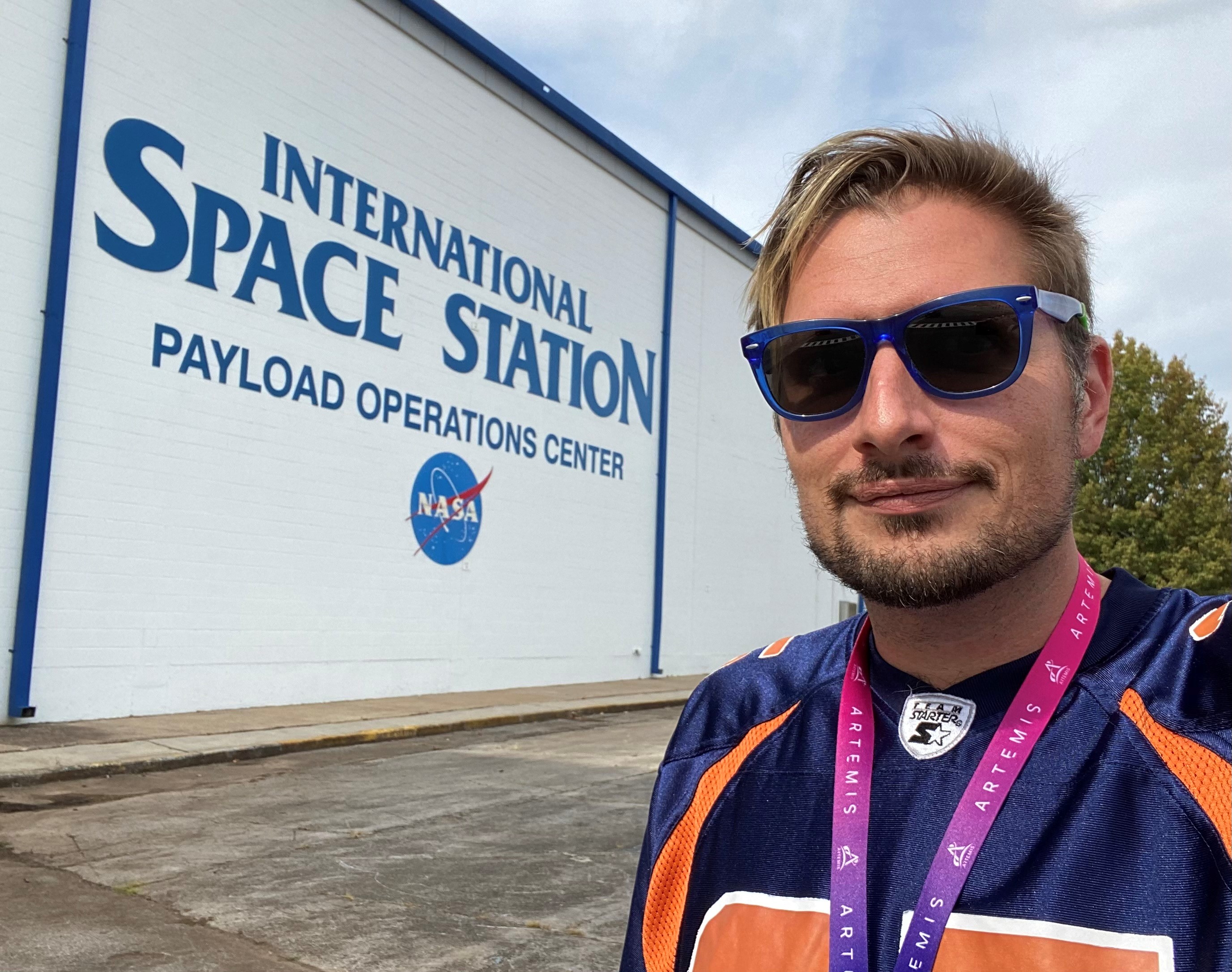
I’ve wanted to work at NASA since I was a kid and my grandfather showed me the Moon through his home-built telescope. I studied aerospace engineering at the University of Illinois, where I joined Students for the Exploration and Development of Space and attended a conference at NASA’s Goddard Space Flight Center in Maryland. I met some folks from the Payload Operations Integration Center and learned of the awesome space station science operations at Marshall. I was lucky enough to be chosen for a contractor job working directly with astronauts on the space station to conduct science experiments!
Is there someone in the space, aerospace, or science industry that has motivated or inspired you to work for the space program? Or someone you discovered while working for NASA who inspires you?
After working with him from the ground when he was aboard the space station, I was lucky enough to spend many overnight shifts getting to know NASA astronaut and Flight Director TJ Creamer. TJ’s path to NASA and his servant leadership have left an ongoing legacy for people at the agency. His general attitude, extreme competence, friendly demeanor, and genuine care for people around him continue to inspire me every day to become a great leader.
What is your favorite NASA memory?
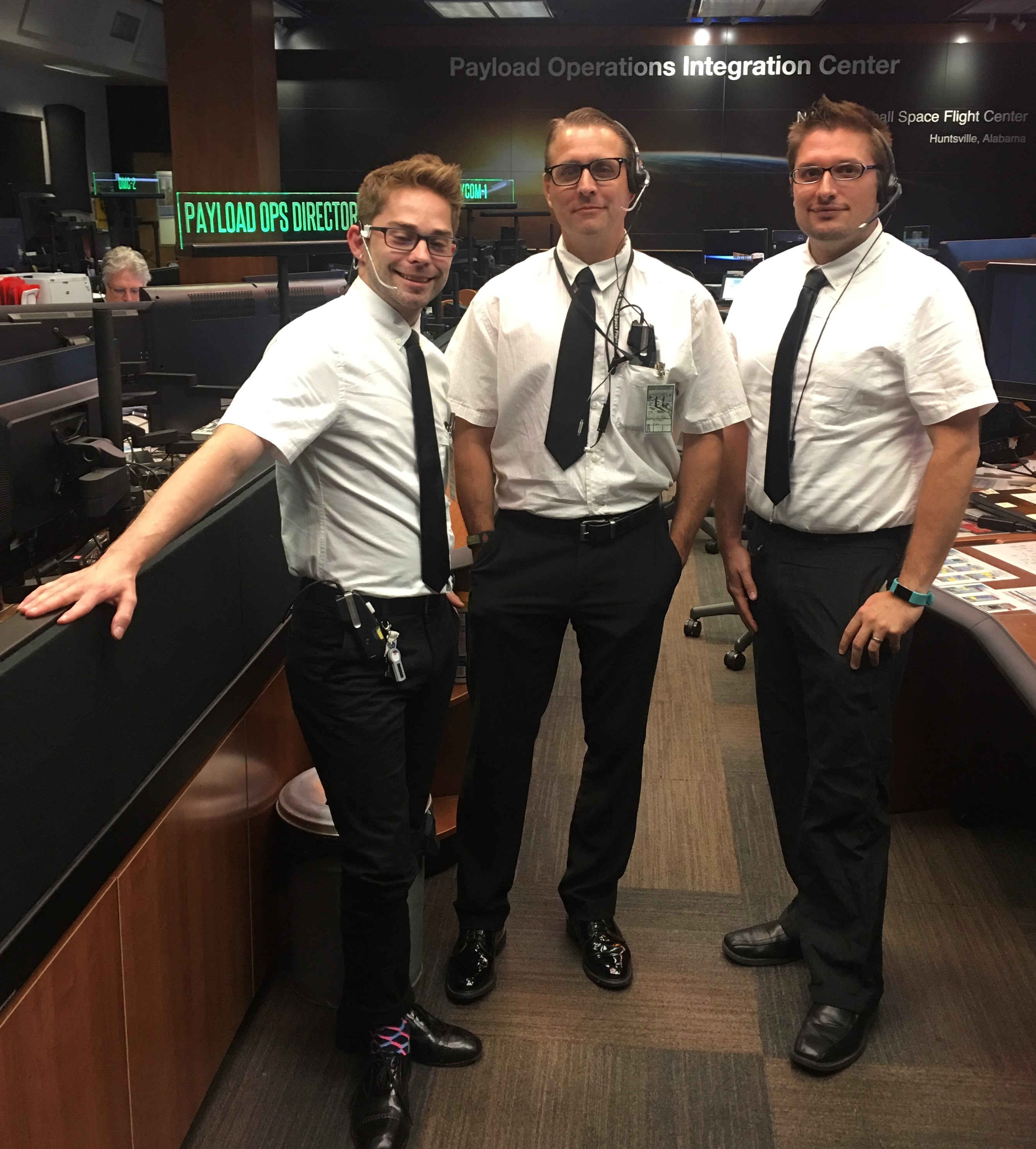
My favorite NASA memory is being selected as a payload operations director on the International Space Station Payload Operations and Integration Center flight control team. I looked up to those in this position for 10 years and did everything I could to gather the skills and knowledge I needed to take on the role. I became responsible for the minute-to-minute operations of astronauts conducting science investigations on the space station. I vividly remember the joy I felt learning of the news of my assignment, taking my first shift, my first conversation with an astronaut in space, and the bittersweet decision to leave and continue my career goals at NASA in a different role.
What do you love sharing about station? What’s important to get across to general audiences to help them understand the benefits to life on Earth?
Although it takes place off the planet, research on the space station is conducted for people on Earth. The time and effort spent building, maintaining, and conducting science on the International Space Station is spent by people in our community and communities around the world to further humanity’s collective understanding of the universe around us. When we understand more about science, we can be more successful. So many people around the planet have had life-changing benefits from experiments that can only be done by people conducting research in microgravity, above the atmosphere, where you can view most of Earth.
If you could have dinner with any astronaut, past or present, who would it be?
I would have dinner with anyone from the Apollo 13 crew. I’d love to learn how they felt that NASA’s culture drove the outcome of that mission.
Do you have a favorite space-related memory or moment that stands out to you?
While working a night shift at the operations center in Huntsville, Alabama, we were monitoring payloads returning to Earth on a Dragon cargo spacecraft. We took a quick break outside the control center to watch as the spacecraft re-entered Earth’s atmosphere above us on its way to splash down off the coast of Florida. It was a clear night. As the spacecraft flew overhead, we saw the ablative heat shield create a shimmering trail of fire and sparkles that stretched across the whole night sky. It looked as though Tinker Bell just flew over us!
What are some of the key projects you’ve worked on during your time at NASA? What have been your favorite?
Some of my favorite projects I’ve worked on include:
- Serving as the International Space Station Program’s representative as flight lead for NASA’s SpaceX Crew-8 mission
- Troubleshooting unexpected results when conducting science on the space station
- Writing instructions for astronauts filming a virtual reality documentary on the space station
- Assessing design changes on the Space Launch System rocket’s core stage
- Managing and training a team of flight controllers
- Helping NASA move Dragon spacecraft returns from Florida to California
What are your hobbies/things you enjoy outside of work?
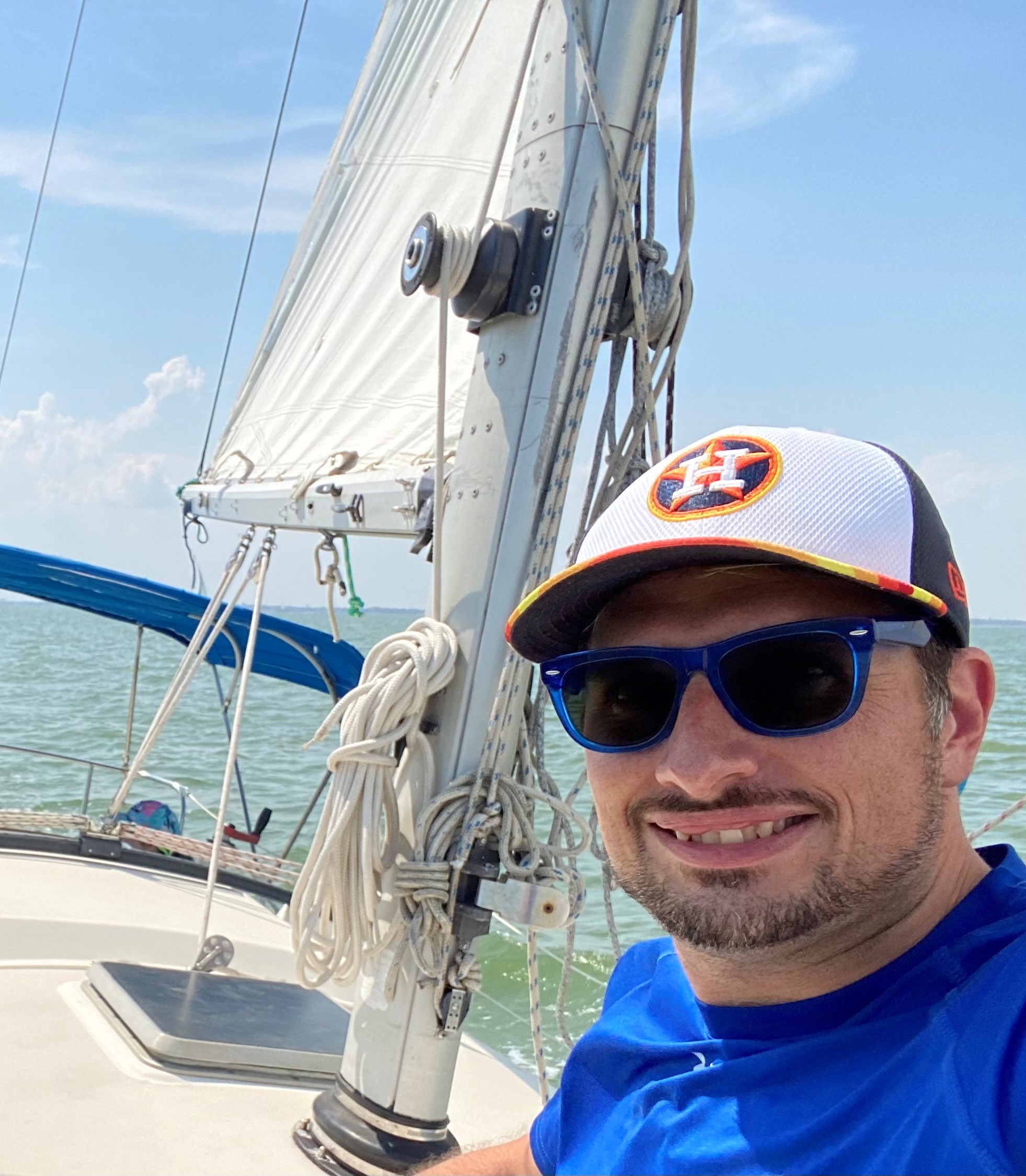
I love playing board games with my wife, sailing, flying, traveling around the world, and learning about leadership and project management theory.
Day launch or night launch?
The Crew-8 night launch, specifically, where the Falcon 9 booster landed just above me!
Favorite space movie?
Spaceballs
NASA “worm” or “meatball” logo?
Meatball

Every day, we’re conducting exciting research aboard our orbiting laboratory that will help us explore further into space and bring benefits back to people on Earth. You can keep up with the latest news, videos, and pictures about space station science on the Station Research & Technology news page. It’s a curated hub of space station research digital media from Johnson and other centers and space agencies.
Sign up for our weekly email newsletter to get the updates delivered directly to you.
Follow updates on social media at @ISS_Research on Twitter, and on the space station accounts on Facebook and Instagram.
Powered by WPeMatico
Get The Details…
Sumer Loggins