Celestial Wonders in Leo

Celestial Wonders in Leo

3 Min Read

Celestial Wonders in Leo

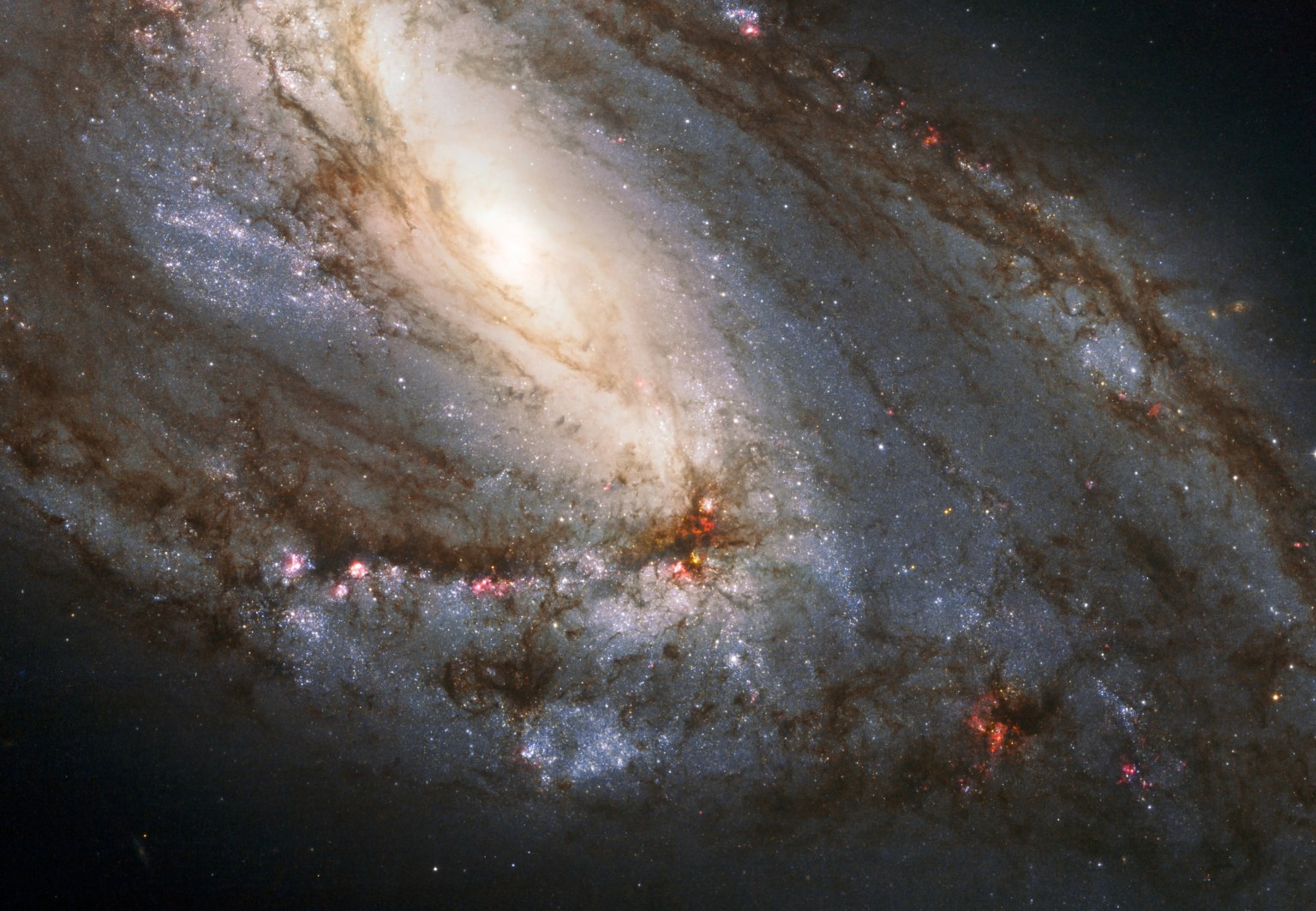
A spiral galaxy is viewed sideways, with the glowing core closer to the upper left of the image. It is surrounded by spiral arms laced through with dark dust and bright regions of star formation.
Showing a large portion of M66, this Hubble photo is a composite of images obtained at visible and infrared wavelengths. The images have been combined to represent the real colors of the galaxy.
Credits:
NASA, ESA and the Hubble Heritage (STScI/AURA)-ESA/Hubble Collaboration; Acknowledgment: Davide De Martin and Robert Gendler

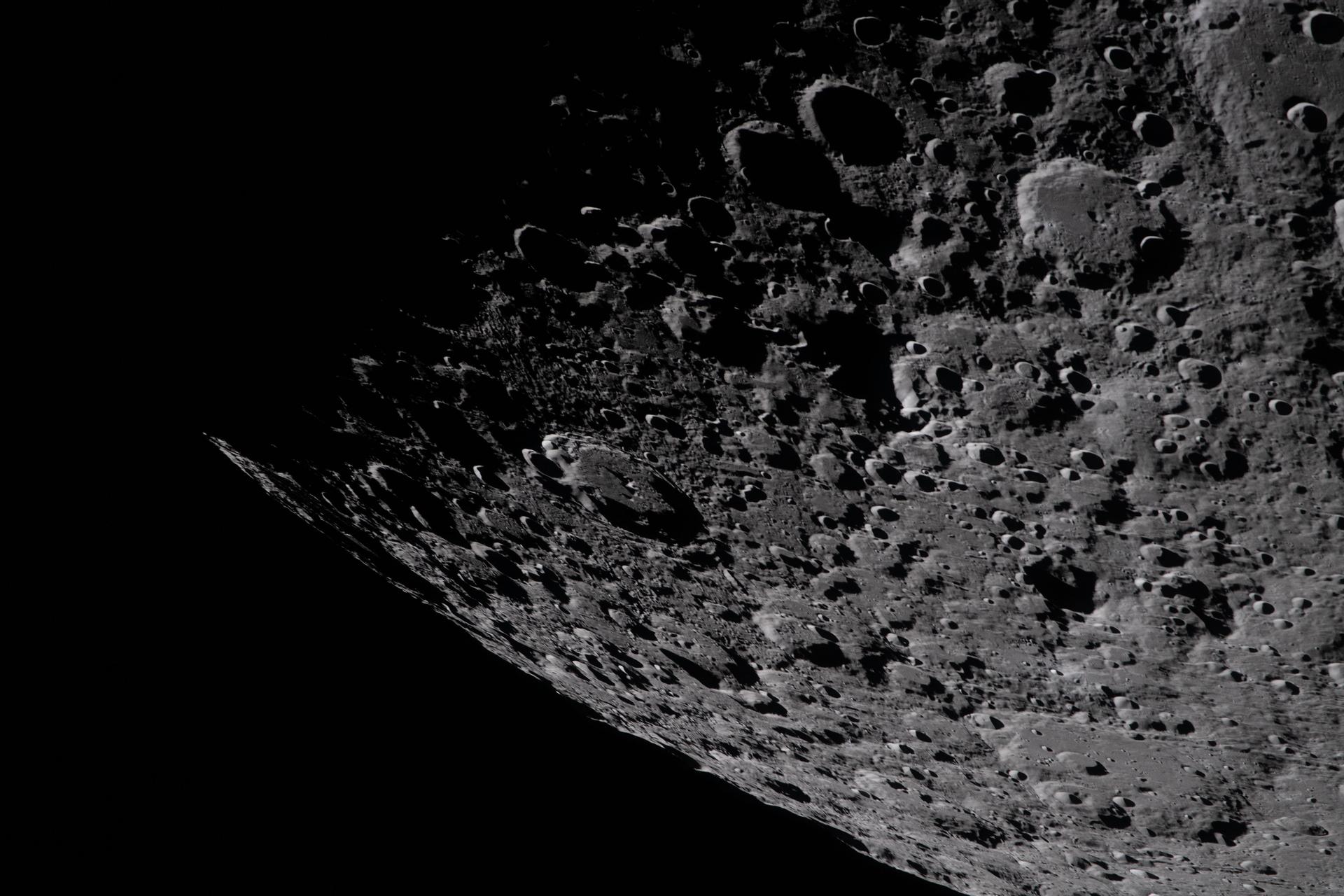
Leo is a prominent sight for stargazers in April. Its famous sickle, punctuated by the bright star Regulus, draws many a beginning stargazer’s eyes, inviting deeper looks into some of Leo’s celestial delights, including a great double star and a famous galactic trio.

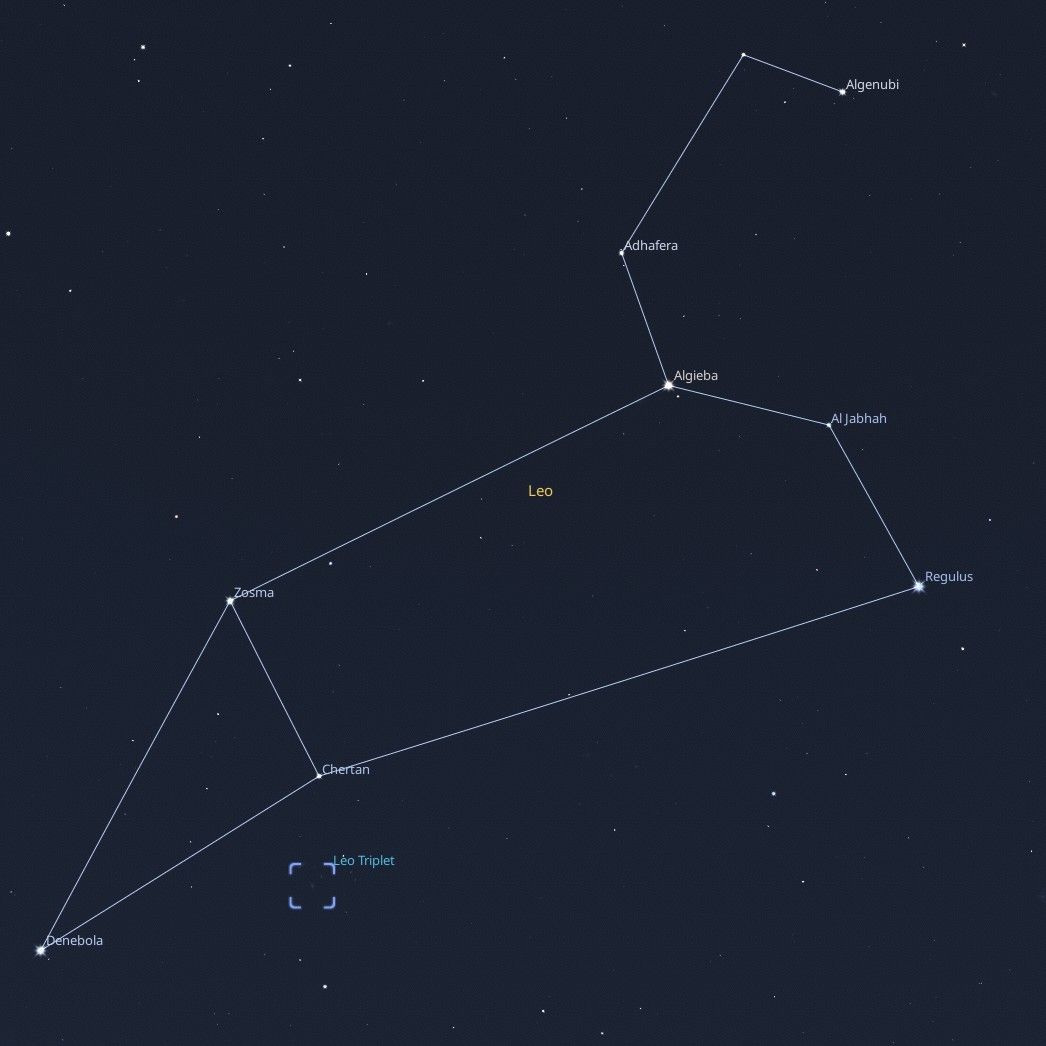
A star map featuring the Leo constellation. Several bright stars are visible, such as Regulus and Denebola. A group of galaxies called The Leo Triplet are highlighted.
The constellation, Leo. You can find this constellation in the springtime skies.
Stellarium

Leo’s distinctive forward sickle, or “reverse question mark,” is easy to spot as it climbs the skies in the southeast after sunset. If you are having a difficult time spotting the sickle, look for bright Sirius and Procyon in Canis Major and Canis Minor. Complete a triangle by drawing two lines to the east, joining at the bright star Regulus, the “period” in the reverse question mark. Trailing them is a trio of bright stars forming an isosceles triangle, the brightest star in that formation named Denebola. Connecting these two patterns together forms the constellation of Leo the Lion, with the forward-facing sickle being the lion’s head and mane, and the rear triangle its hindquarters. Can you see this mighty feline? It might help to imagine Leo proudly sitting up and staring straight ahead, like a celestial Sphinx. To help find these objects, you can use online tools like Stellarium Web.

If you peer deeper into Leo with a small telescope or binoculars, you’ll find a notable double star! Look in the sickle of Leo for its second-brightest star, Algieba, also called Gamma Leonis. This star splits into two bright yellow stars even with a small magnification. You can make this “split” with binoculars, but it’s more apparent with a telescope. Compare the color and intensity of these two stars: do you notice any differences? There are other multiple-star systems in Leo; spend a few minutes scanning with your instrument of choice, and see what you discover.

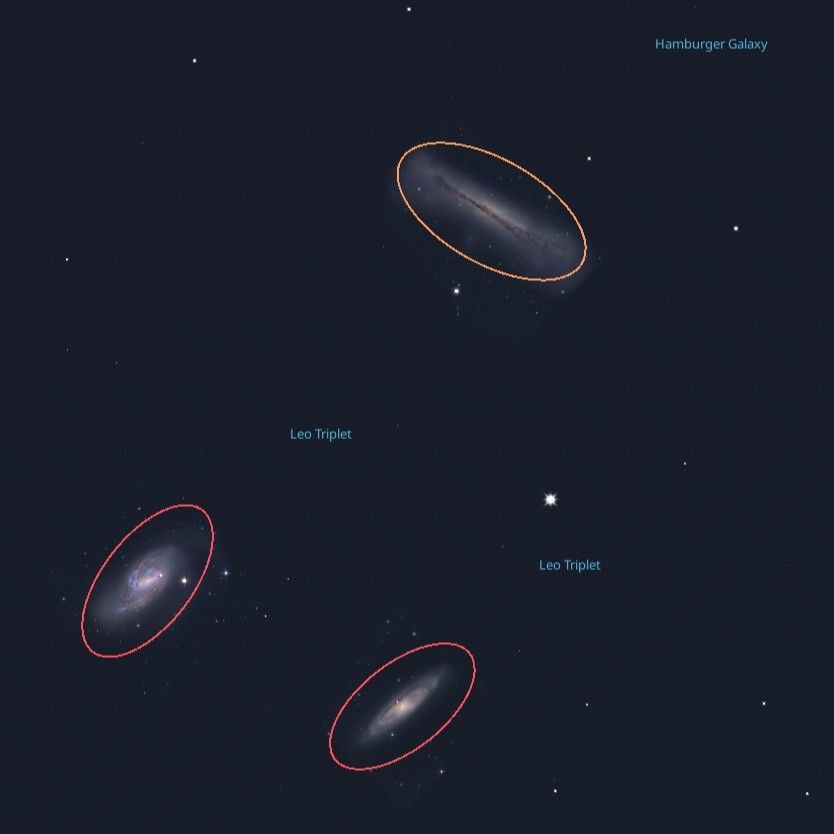
A star map featuring the Leo Triplet - M65, M66 and NGC 3628 - the Hamburger Galaxy. These can be found in the Leo constellation.
The Leo Triplet – three galaxies that appear to be close together under the star Chertan in the Leo constellation.
Stellarium

One of the most famous sights in Leo is the “Leo Triplet”: three galaxies that appear to be close together. They are indeed gravitationally bound to one another, around 30 million light-years away! You’ll need a telescope to spot them, and use an eyepiece with a wide field of view to see all three galaxies at once! Look below the star Chertan to find galaxies M65, M66, and NGC 3628 – The Hamburger Galaxy. Compare and contrast the appearance of each galaxy – while they are all spiral galaxies, each one is tilted at different angles to our point of view! Do they all look like spiral galaxies to you?

April is Citizen Science Month, and there are some fun Leo-related activities you can participate in! If you enjoy
comparing the Triplets, the Galaxy Zoo project could use your eyes to help classify different galaxies from sky survey data! Looking at Leo itself can even help measure light pollution: the Globe at Night project uses Leo as their target constellation for sky quality observations from the Northern Hemisphere. Find and participate in many more NASA community science programs at NASA Citizen Science. Happy observing!

Originally posted by Dave Prosper: April 2021

Last Updated by Kat Troche: April 2026

Powered by WPeMatico

Get The Details…

NASA’s Northrop Grumman CRS-24 Mission Targets Friday, April 10 Launch

NASA’s Northrop Grumman CRS-24 Mission Targets Friday, April 10 Launch

Northrop Grumman’s Cygnus XL cargo spacecraft, carrying more than 11,000 pounds of new science investigations and supplies for the Expedition 73 crew, approaches the International Space Station. The two spacecraft were orbiting 257 miles above a cloudy Mumbai, India. Cygnus XL is an expanded version of Northrop Grumman’s previous Cygnus cargo vehicle, offering increased payload capacity and pressurized cargo volume.
Northrop Grumman’s Cygnus XL cargo spacecraft, carrying more than 11,000 pounds of new science investigations and supplies, approaches the International Space Station on Sept. 18, 2025.
NASA

NASA, Northrop Grumman, and SpaceX now are targeting no earlier than 8:03 a.m. EDT Friday, April 10, for the next Cygnus XL and Falcon 9 launch opportunity to resupply the International Space Station. Teams adjusted the Wednesday, April 8, launch opportunity due to forecasted inclement weather at Space Launch Complex 40 at Cape Canaveral Space Force Station in Florida. 

Following an April 10 launch, astronauts aboard the space station will use the Canadarm2 to capture the Cygnus XL at 11:39 p.m. Saturday, April 11, before the spacecraft is robotically installed on the Unity module’s Earth-facing port for cargo unloading. If needed, the next available launch opportunity is 7:40 a.m., on April 11. 

Watch the agency’s launch and arrival coverage on NASA+, Amazon Prime, and the agency’s YouTube channel. Learn how to watch NASA content through a variety of platforms, including social media.  

Learn more about station activities by following the space station blog, @space_station on X, as well as the ISS Facebook and ISS Instagram accounts.

Get the latest from NASA delivered every week. Subscribe here.

Powered by WPeMatico

Get The Details…

Mark A. Garcia

NASA’s Artemis II Crew Beams Official Moon Flyby Photos to Earth

NASA’s Artemis II Crew Beams Official Moon Flyby Photos to Earth

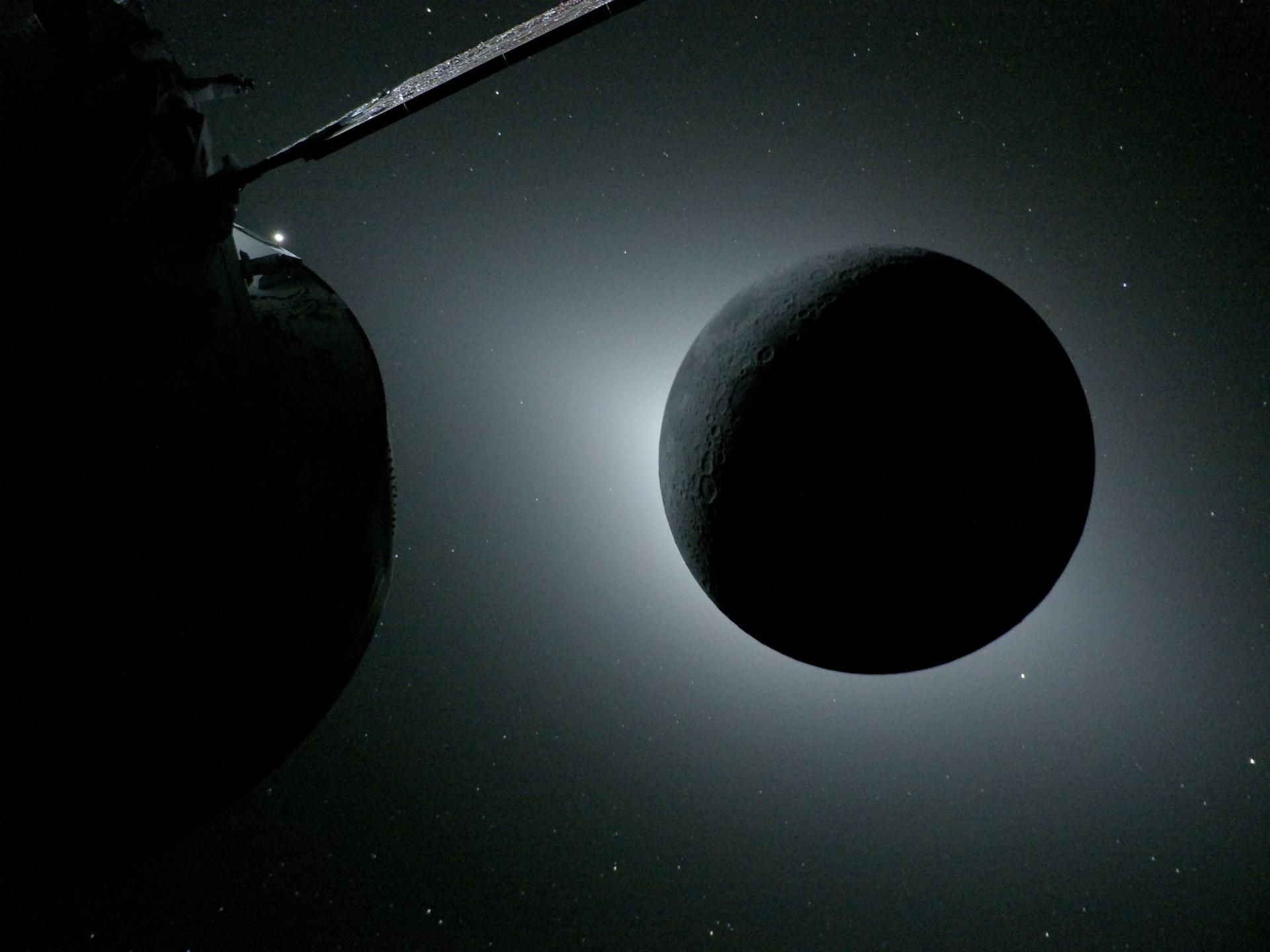
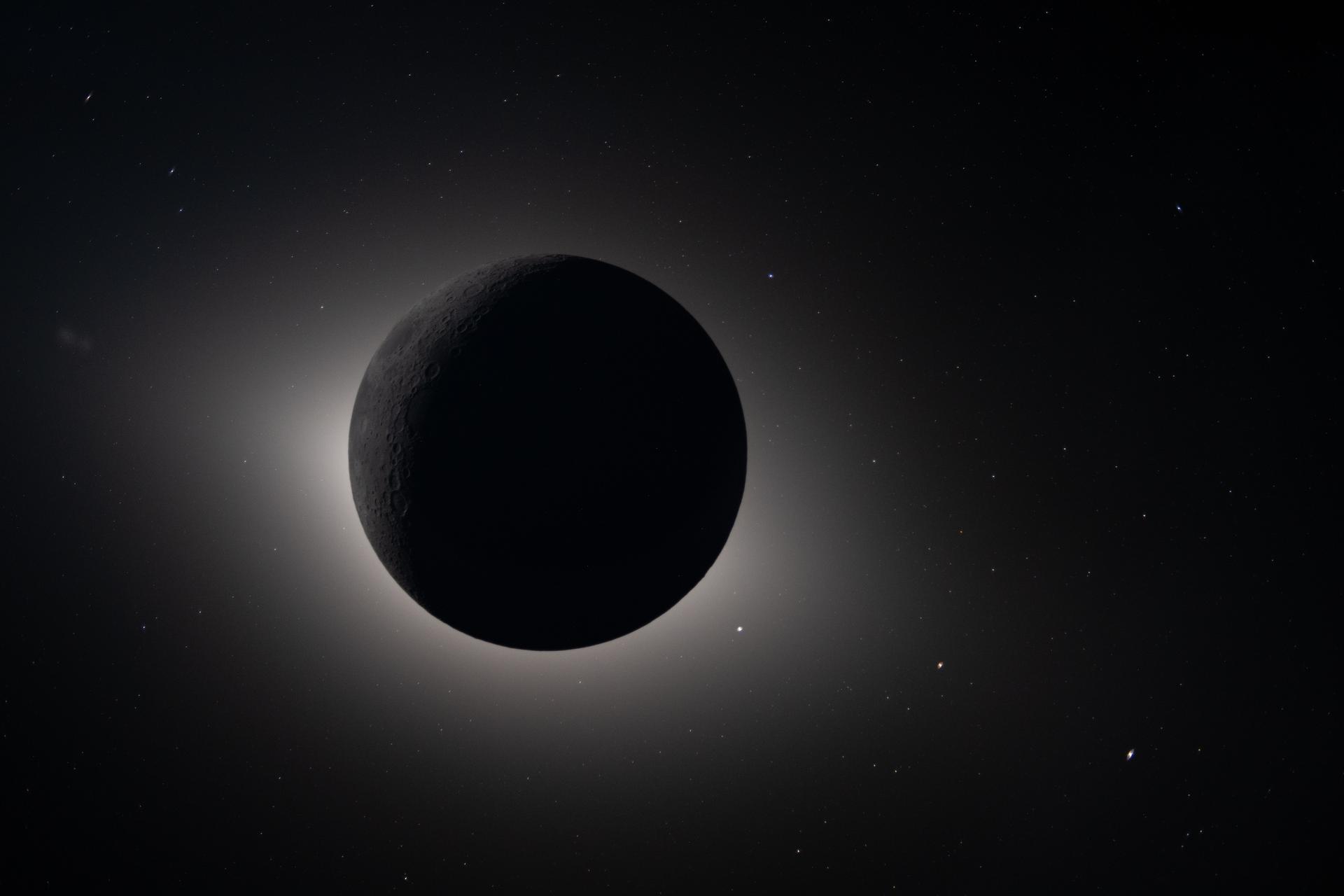
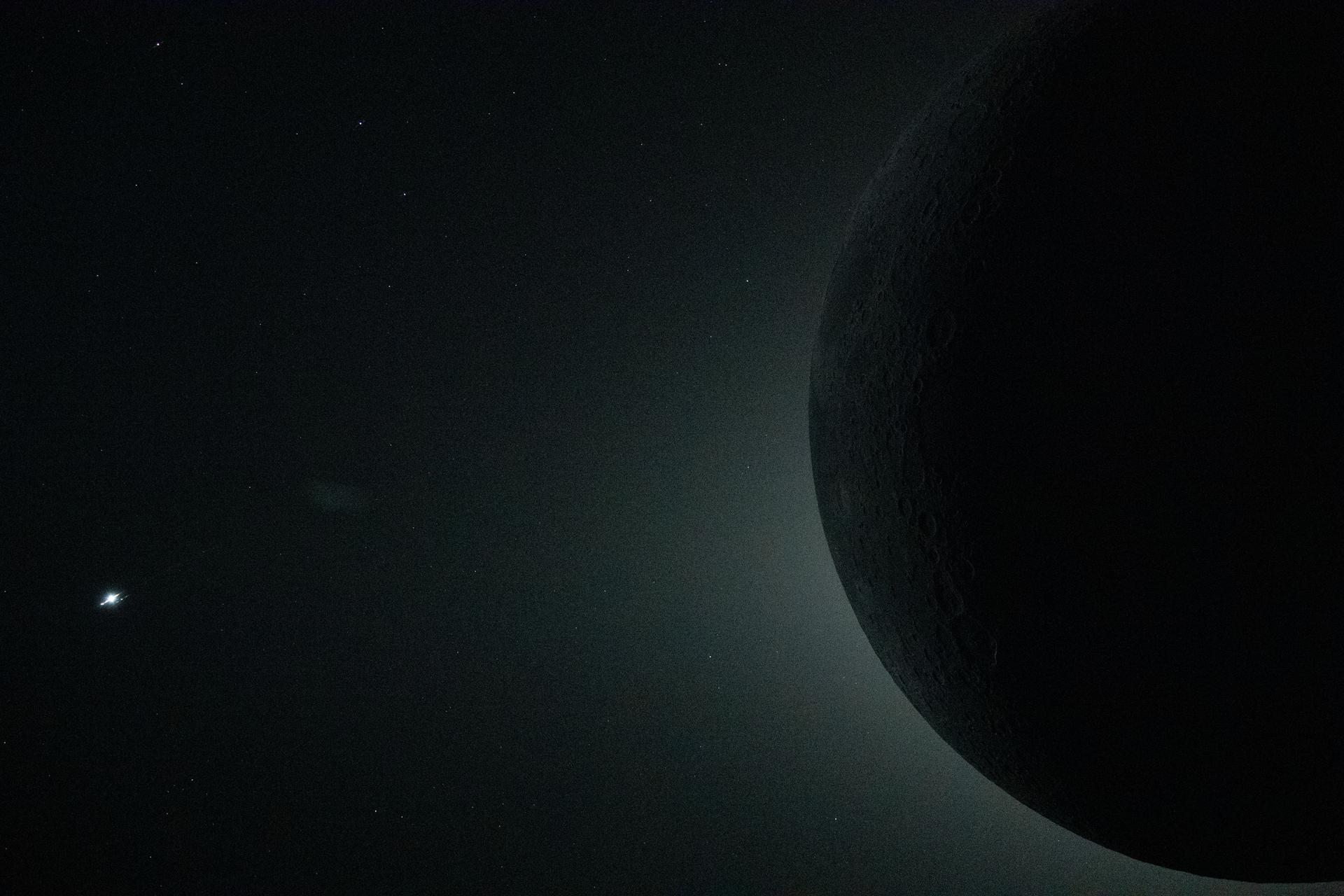
The Moon, backlit by the Sun during a solar eclipse, is photographed by NASA’s Orion spacecraft on April 6, 2026, during the Artemis II mission. Orion is visible in the foreground on the left. Earth is reflecting sunlight at the left edge of the Moon, which is slightly brighter than the rest of the disk. The bright spot visible just below the Moon’s bottom right edge is Saturn. Beyond that, the bright spot at the right edge of the image is Mars.
The Moon, backlit by the Sun during a solar eclipse, is photographed by NASA’s Orion spacecraft on Monday, April 6, 2026, during the Artemis II mission. Orion is visible in the foreground on the left. Earth is reflecting sunlight at the left edge of the Moon, which is slightly brighter than the rest of the disk. The bright spot visible just below the Moon’s bottom right edge is Saturn. Beyond that, the bright spot at the right edge of the image is Mars.
Credit: NASA

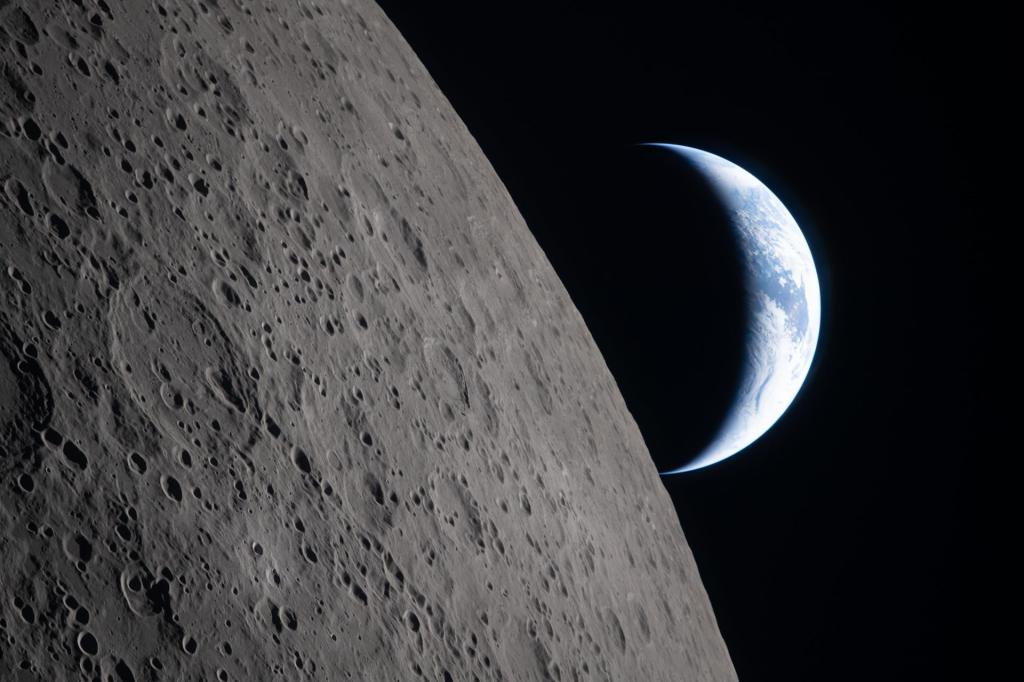
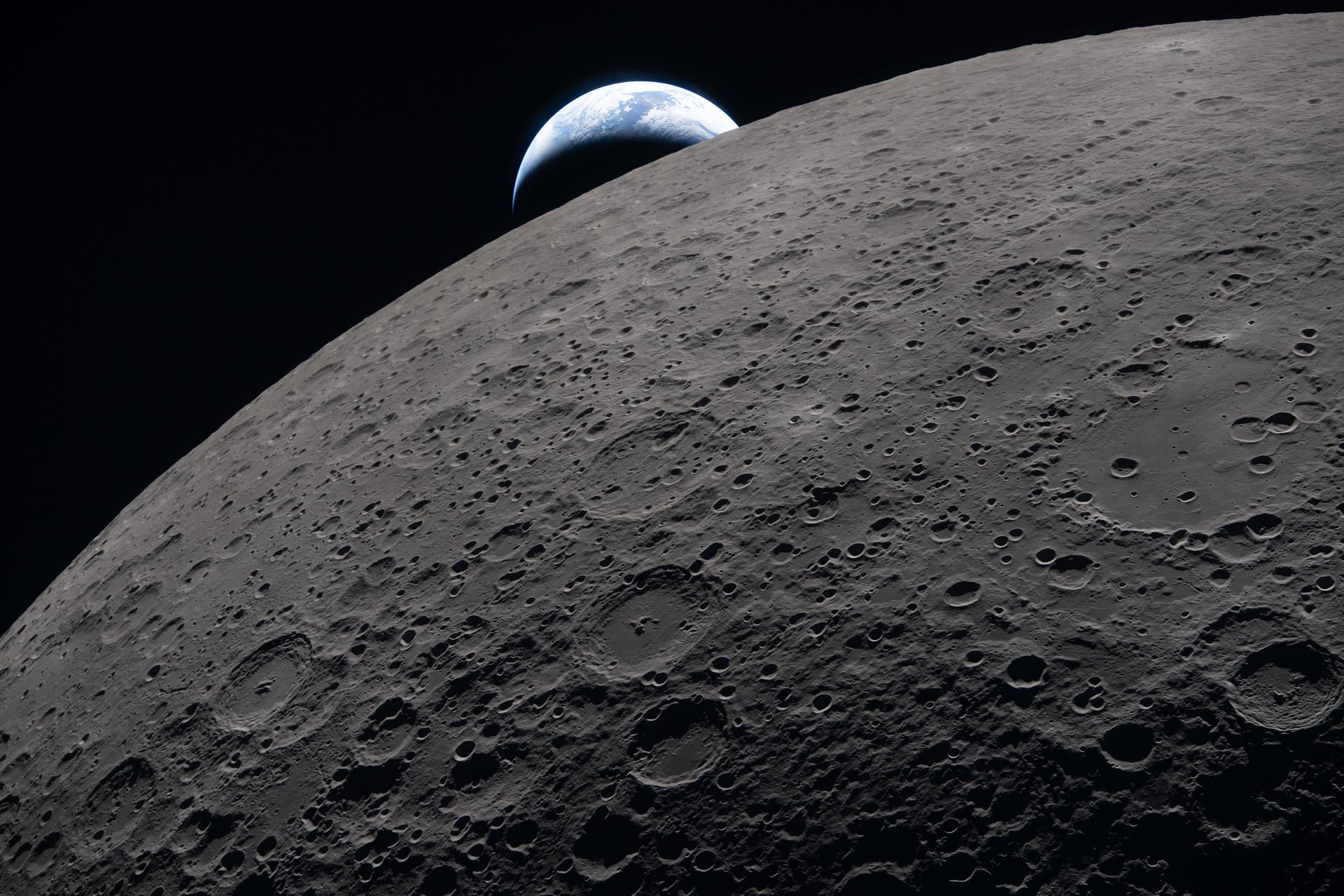
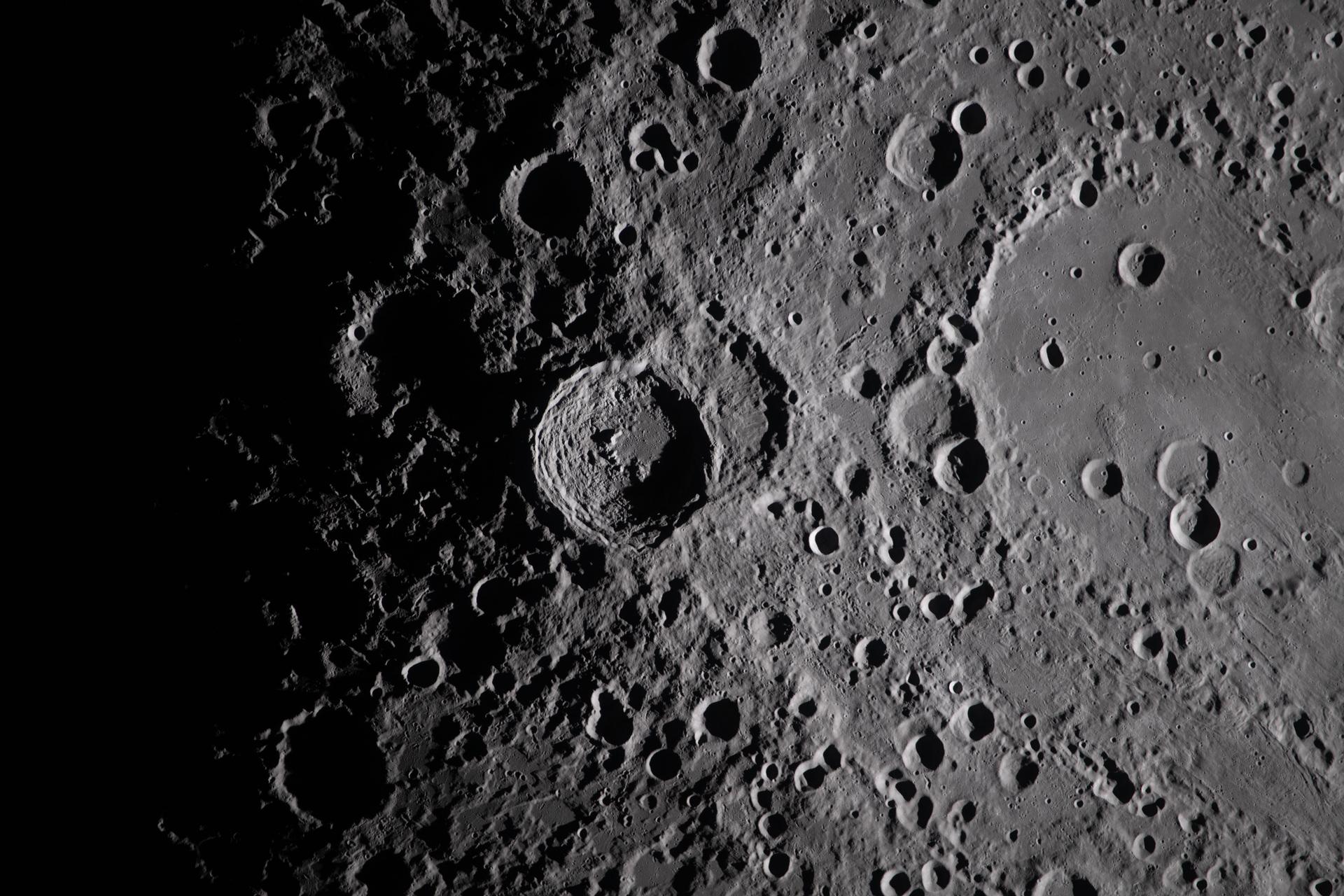
The first flyby images of the Moon captured by NASA’s Artemis II astronauts during their historic test flight reveal some regions no human has seen, including a rare in-space solar eclipse. Released Tuesday, astronauts captured the images April 6 during the mission’s seven-hour flyby of the lunar far side, showing humanity’s return to the Moon’s vicinity and opening a trove of scientific data.

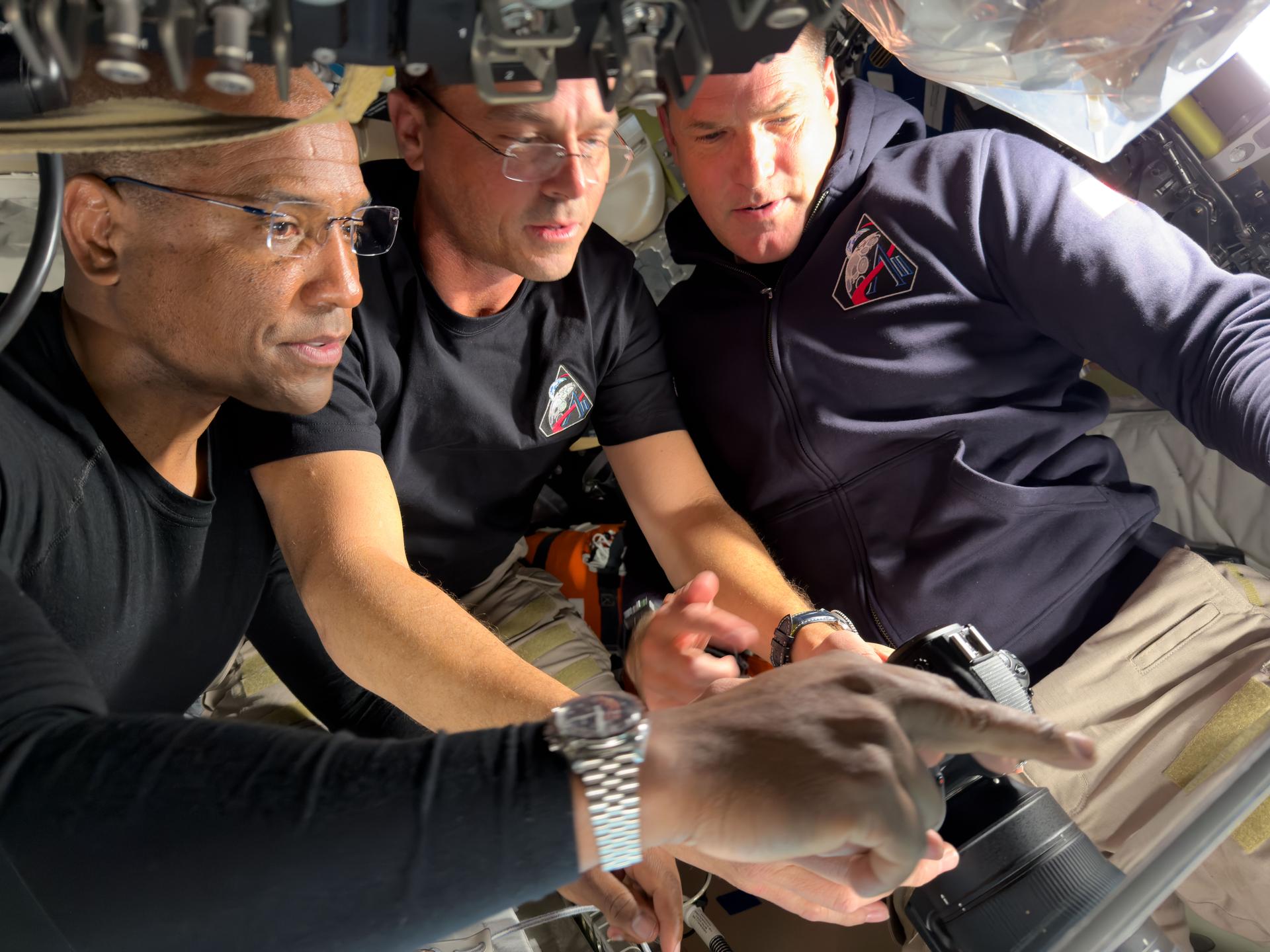
NASA astronauts Reid Wiseman, Victor Glover, Christina Koch, and CSA (Canadian Space Agency) astronaut Jeremy Hansen, have used a fleet of cameras to take thousands of photos. The agency released several images, with more expected in the coming days as the crew members are more than halfway through their journey and now headed home toward Earth.

“Our four Artemis II astronauts — Reid, Victor, Christina, and Jeremy — took humanity on an incredible journey around the Moon and brought back images so exquisite and brimming with science, they will inspire generations to come,” said Dr. Nicky Fox, associate administrator, Science Mission Directorate, NASA Headquarters in Washington.

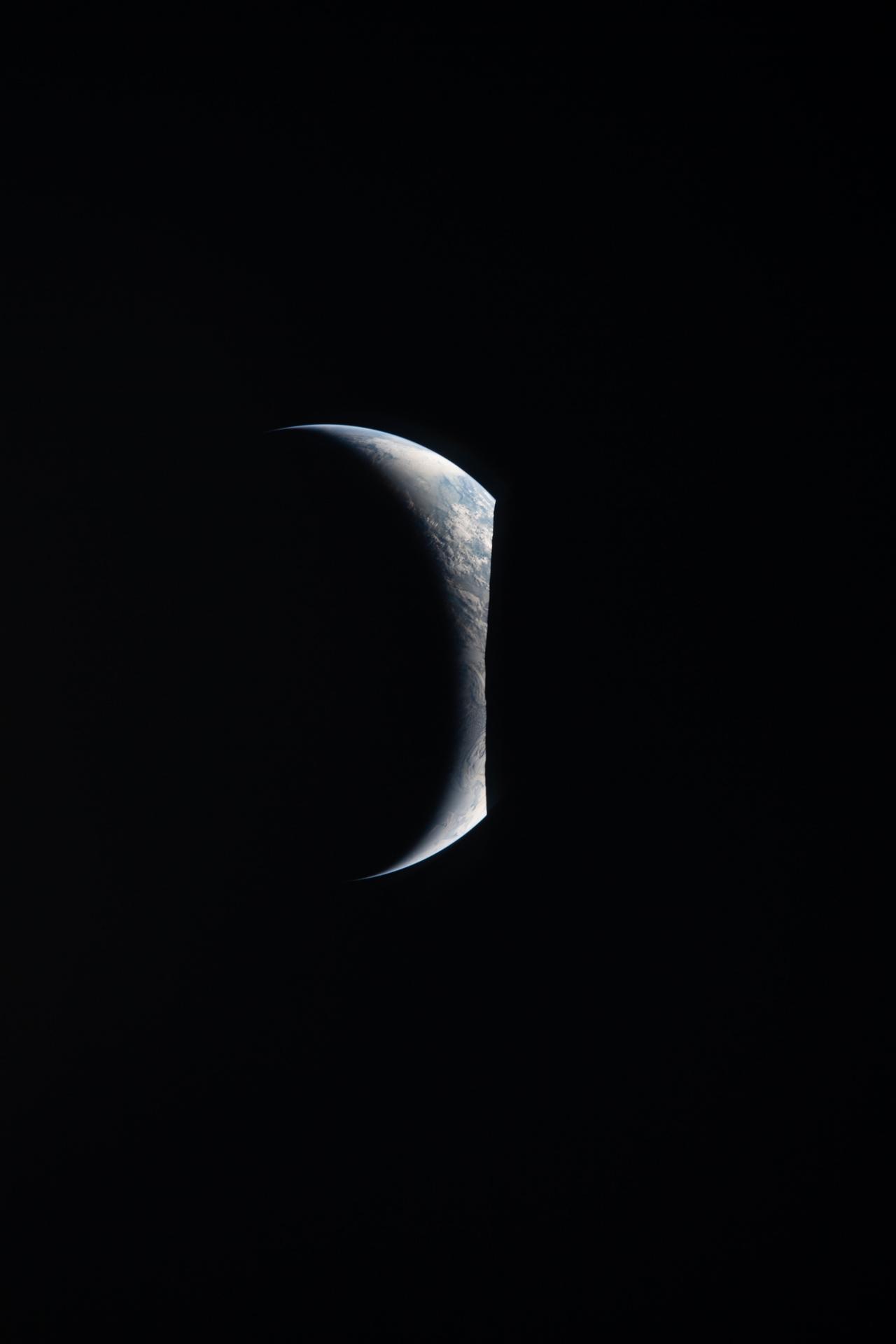
During the lunar flyby, the crew documented impact craters, ancient lava flows, and surface fractures that will help scientists study the Moon’s geologic evolution. They monitored color, brightness, and texture differences across the terrain, observed an earthset and earthrise, and captured solar‑eclipse views of the Sun’s corona. The crew also reported six meteoroid impact flashes on the darkened lunar surface.

Scientists already are analyzing the downlinked images, audio, and data to refine the timing and locations of these events and compare them with observations from amateur astronomers. The new imagery also will help NASA better understand the Moon’s geology and inform future exploration and science missions that will lay the foundation for an enduring presence on the Moon ahead of future astronaut missions to Mars.

“It was remarkable listening to the crew describe the stunning views during the flyby,” said Jacob Bleacher, NASA’s chief exploration scientist at the agency’s headquarters. “At first, their descriptions didn’t quite match what we were seeing on our screens. Now that higher resolution images are coming down, we can finally experience the moments they were trying to share and truly appreciate the scientific return provided by these images and our other research on this mission.” 

Official NASA imagery for viewing and download is available on the agency website and digital platforms, including:

Media should follow NASA’s media usage guidelines for all publication and distribution of these images.

NASA is targeting 8:07 p.m. EDT (5:07 p.m. PDT) Friday, April 10, for the return of Artemis II off the coast of San Diego. NASA+ live return coverage begins at 6:30 p.m.  and will continue until NASA and Department of War personnel safely assist the crew out of Orion and transport them to the USS John P. Murtha.

Briefings, events, and 24/7 mission coverage are streaming on NASA’s YouTube channel and events will each have their own stream closer to their start time. Learn how to watch NASA content through a variety of online platforms, including social media.

As part of Golden Age of innovation and exploration, NASA will send Artemis astronauts on increasingly difficult missions to explore more of the Moon for scientific discovery, economic benefits, and to build on our foundation for the first crewed missions to Mars.

To learn more about the Artemis program, visit:

https://www.nasa.gov/artemis

-end-

Cheryl Warner / Katherine Rohloff
Headquarters, Washington
202-358-1100
cheryl.m.warner@nasa.gov / katherine.a.rohloff@nasa.gov

Share

Details

Last Updated

Apr 07, 2026

Editor
Jessica Taveau

Powered by WPeMatico

Get The Details…
Jessica Taveau

Earthset

Earthset

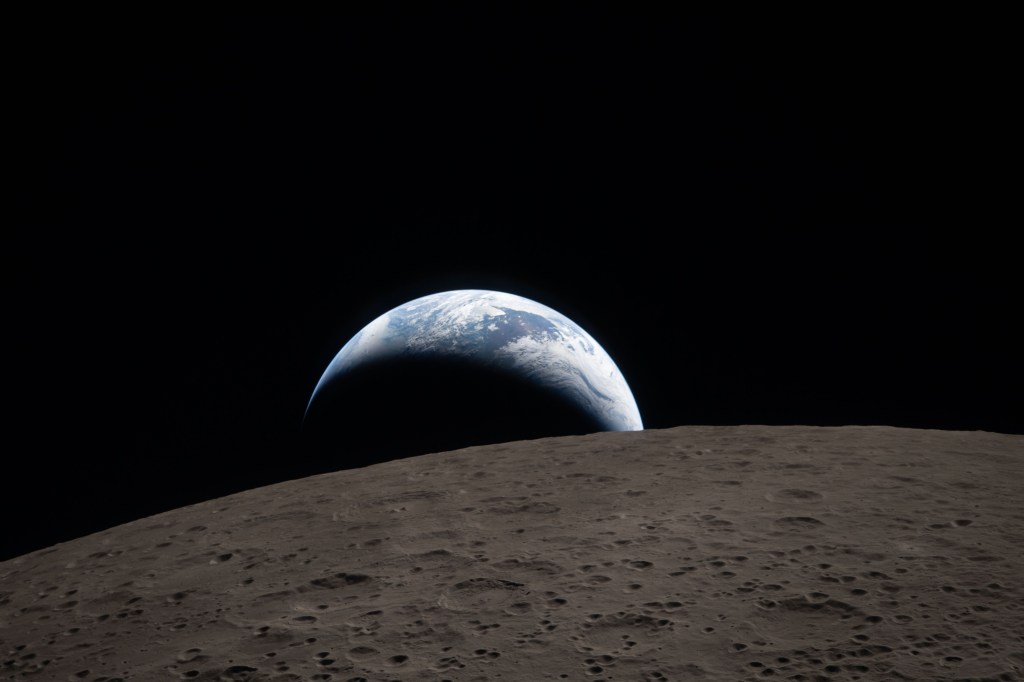
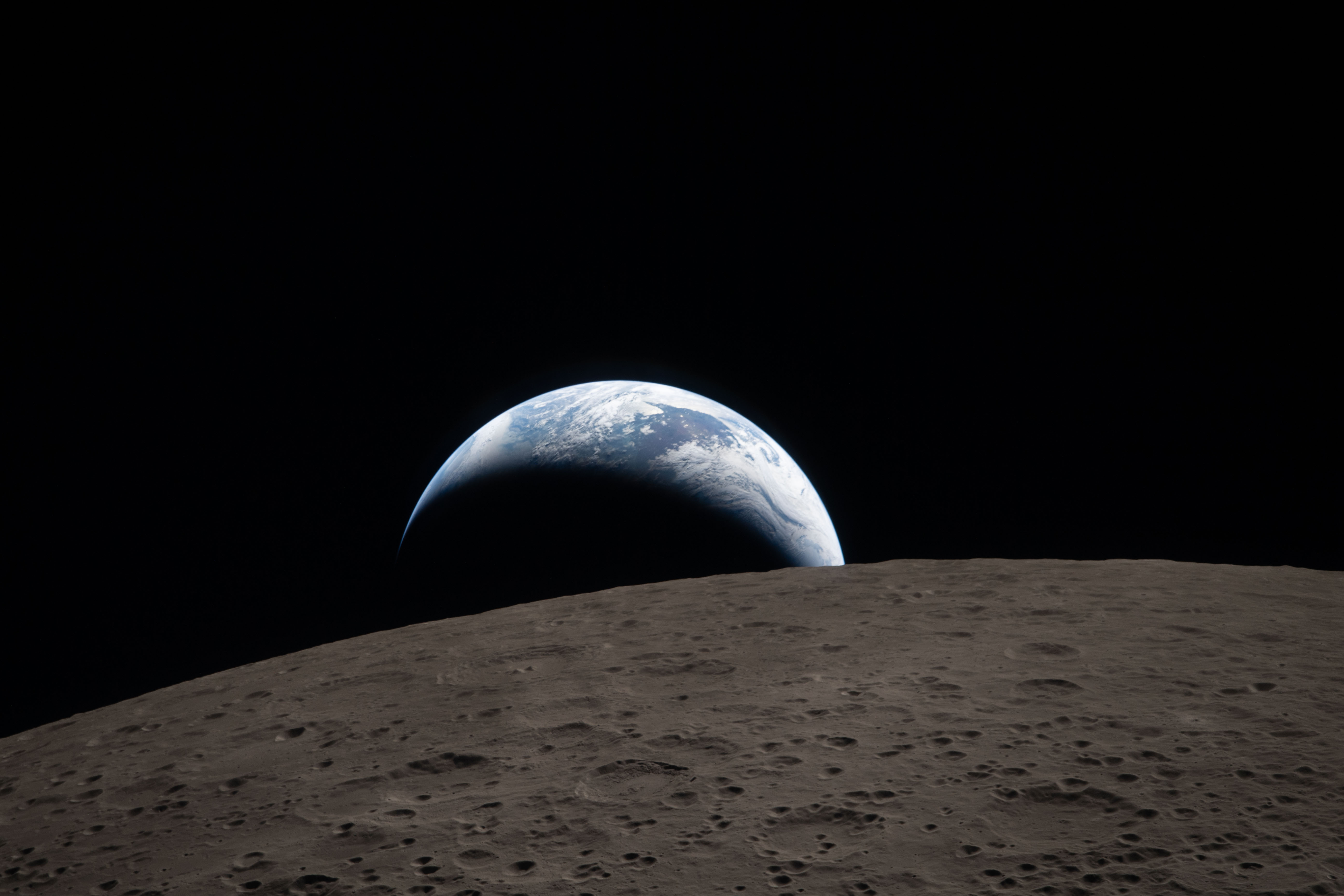
A muted blue Earth with bright white clouds sets behind the cratered lunar surface. The dark portion of Earth is experiencing nighttime. On Earth’s day side, swirling clouds are visible over the Australia and Oceania region. In the foreground, Ohm crater has terraced edges and a flat floor interrupted by central peaks. Central peaks form in complex craters when the lunar surface, liquefied on impact, splashes upwards during the crater’s formation.
NASA

The Artemis II crew captured this view of Earth setting on April 6, 2026, as they flew around the Moon. As the astronauts flew over the Moon’s far side, the crew photographed and described terrain features including impact craters, ancient lava flows, and surface cracks and ridges formed as the Moon slowly evolved over time. They also noted differences in color, brightness and texture, which provide clues that help scientists understand the composition and history of the lunar surface.

The image is reminiscent of the iconic Earthrise image taken by astronaut Bill Anders 58 years earlier as the Apollo 8 crew flew around the Moon. The Apollo 8 mission was the first crewed spacecraft to circumnavigate the Moon.

For more imagery from the mission, visit our Artemis II Multimedia Page.

Image credit: NASA

Powered by WPeMatico

Get The Details…
Monika Luabeya

Experience the Rollout of SLS Hardware for Artemis III

Experience the Rollout of SLS Hardware for Artemis III

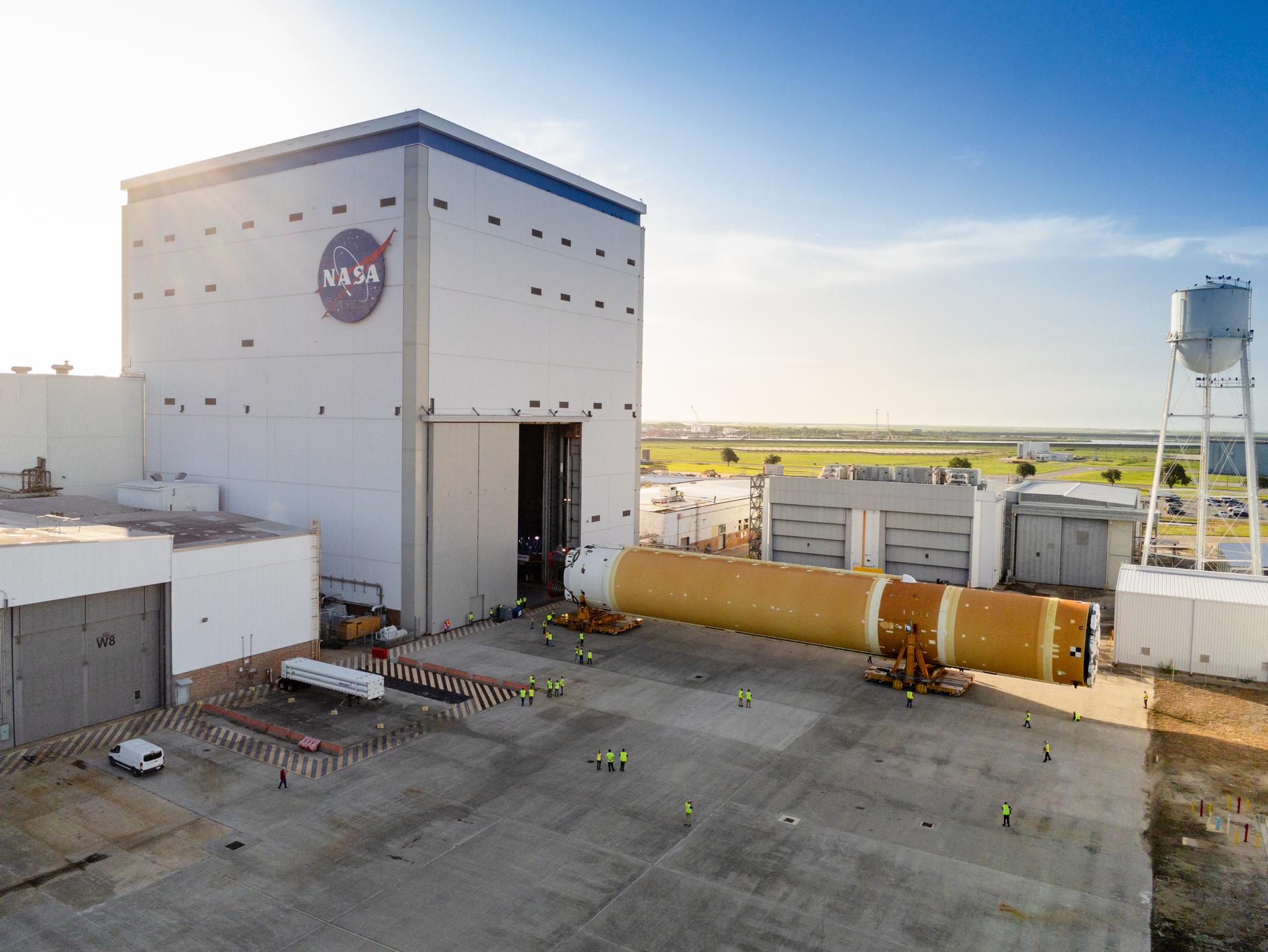
This photo shows NASA and Boeing, the SLS core stage lead contractor, preparing the SLS (Space Launch System) rocket core stage for shipment at NASA’s Michoud Assembly Facility in New Orleans. On July 6, NASA and Boeing moved the Artemis II rocket stage to Building 110. The move comes as teams prepare to roll the massive rocket stage with its four RS-25 engines to the agency’s Pegasus barge for delivery to NASA’s Kennedy Space Center in Florida in mid-July. Prior to the move, technicians began removing external access stands, or scaffolding, surrounding the core stage to assess the interior elements, including its complex avionics and flight propulsion systems. The stage is fully manufactured at NASA Michoud.
This photo shows NASA and Boeing, the SLS core stage lead contractor, preparing the SLS (Space Launch System) rocket core stage for shipment at NASA’s Michoud Assembly Facility in New Orleans.
NASA/Eric Bordelon

Digital creators and social media users are invited to register to attend the rollout of the third SLS (Space Launch System) core stage as it is prepped to head from NASA’s Michoud Assembly Facility to NASA’s Kennedy Space Center.

Are you passionate about social media and communications? Do you love to create content for an audience? Are you a fan of new, unique experiences? If you said yes, this NASA Social event is for you! This is your opportunity to be on the front lines as NASA continues to lay the groundwork for future deep space exploration.

The NASA Social event will be a one-day event as soon as mid to late April pending the launch of Artemis II. A maximum of 20 digital creators will be selected to attend this event and will be given access similar to news media.

NASA Social participants will have the opportunity to:

  • Tour NASA’s Michoud Assembly Facility
  • Learn directly from subject matter experts
  • Meet fellow digital creators and social media users
  • Spend time with members of NASA’s social media team
  • View the rollout of the SLS core stage for Artemis III

NASA Social registration for the hardware rollout opens on this page on Tuesday, April 7, and the deadline to apply is noon EDT on Friday, April 10. All applications will be considered on a case-by-case basis.

APPLY NOW

Do I need to have a social media account to register?

Yes. This event is designed for people who:

  • Actively use multiple social networking platforms and tools to disseminate information to a unique audience.
  • Regularly produce new content that features multimedia elements.
  • Have the potential to reach a large number of people using digital platforms.
  • Reach a unique audience, separate and distinctive from traditional news media and/or NASA audiences.
  • Must have an established history of posting content on social media platforms.
  • Have previous postings that are highly visible, respected, and widely recognized.

Users are encouraged to follow @NASAArtemis for Artemis updates on X, Facebook, and Instagram. Updates and information about the event will be shared on X via @NASA_Events.

How do I register?

Registration for this event opens April 7 and closes at noon EDT on April 10. Registration is for one person only (you) and is non-transferable. Each individual wishing to attend must register separately. Each application will be considered on a case-by-case basis.

Can I register if I am not a U.S. citizen?

No, this event is open to only U.S citizens

When will I know if I am selected?

After registrations have been received and processed, an email with confirmation information and additional instructions will be sent to those selected. We expect to send the first notifications on Monday, April 13.

What are NASA Social credentials?

All NASA social applications will be considered on a case-by-case basis. Those chosen must prove through the registration process they meet specific engagement criteria.

What are the registration requirements?

Registration indicates your intent to travel to NASA Michoud and attend the one-day event in person. You are responsible for your own expenses for travel, accommodation, food, and other amenities.

The schedule of events and special guest appearances are subject to change without notice. NASA is not responsible for loss or damage incurred as a result of attending. NASA, moreover, is not responsible for loss or damage incurred if the event is canceled with limited or no notice. Please plan accordingly.

Michoud is a government facility. Those who are selected may need to complete additional steps to receive clearance to enter the secure areas.

IMPORTANT: Those without proper identification cannot be admitted.

For United States Citizens:

You will be required to present a REAL ID compliant identification or valid U.S. passport PLUS one of the following:

Acceptable documents to accompany federal or state identification:

  • U.S. Passport
  • Unexpired Employment Authorization Card (Form I-688A)
  • Unexpired Employment Authorization Document issued by DHS that contains a photograph (Form I-688B)
  • Driver’s license or ID card issued by a state or outlying possession of the United States provided it contains a photograph or information such as name, date of birth, gender, height, eye color, and address
  • ID card issued by federal, state or local government agencies or entities, provided it contains a photograph or information such as name, date of birth, gender, height, eye color and address
  • School ID card with a photograph
  • Voter’s Registration Card
  • Military Dependent’s ID Card
  • U.S. Military card or draft record
  • U.S. Coast Guard Merchant Mariner Card
  • Native American Tribal Document
  • U.S. Social Security Card issued by the Social Security Administration (other than a card stating it is not valid for employment)
  • Original or Certified copy of birth certificate issued by a state, county, municipal authority or outlying possessions of the United States bearing an official seal
  • U.S. Citizen ID Card (Form I-197)
  • ID Card for use of Resident Citizens of the United States (Form I-179)
  • Unexpired employment authorization document issued by DHS (other than those listed previously)

For Legal Resident Aliens:

  • Same items required of U. S. Citizens, and:
  • Permanent Resident Card or Alien Registration Receipt Card with photograph (Form I-551)
  • Unexpired Temporary Resident Card (Form I-688)
  • Certification of Birth Abroad issued by the Department of State (Form FS-545 or Form DS-1350)

The REAL ID Act was passed by Congress in 2005 to establish minimum security standards for state-issued driver’s licenses and identification cards.

All registrants must be at least 18 years old.

What if the rollout date changes?

Many different factors can cause a scheduled date change. NASA may adjust the date of the NASA Social accordingly to coincide with a new target rollout date, and will notify registrants of any changes via email.

If the event is postponed, attendees will be invited to attend at a later date. If the rollout is postponed beyond 72 hours, the NASA Social event may be canceled.

NASA Social attendees are responsible for any additional costs they incur related to any launch delay. We strongly encourage participants to make travel arrangements that are refundable and/or flexible.

What if I cannot come to Michoud Assembly Facility?

If you cannot come to NASA Michoud and attend in person, you should not register for the NASA Social. Join the conversation by following @NASAArtemis on X, Facebook, and Instagram,

If you cannot make this NASA Social, don’t worry; NASA is planning many other NASA Social events in the near future at various locations! Check for updates on NASA Socials.

Powered by WPeMatico

Get The Details…
Gary Daines