NASA Sets Launch Coverage for Space Weather Missions

NASA Sets Launch Coverage for Space Weather Missions

A triptych illustration shows the Carruthers Geocorona Observatory facing the Sun, the IMAP spacecraft mapping the heliosphere, and SWFO-L1 monitoring space weather near Earth.
From left to right, NASA’s Carruthers Geocorona Observatory, IMAP (Interstellar Mapping and Acceleration Probe), and the National Oceanic and Atmospheric Administration’s (NOAA) Space Weather Follow On-Lagrange 1 (SWFO-L1) missions will map our Sun’s influence across the solar system in new ways.
Credit: NASA

NASA will provide live coverage of prelaunch and launch activities for an observatory designed to study space weather and explore and map the boundaries of our solar neighborhood.

Launching with IMAP (Interstellar Mapping and Acceleration Probe) are two rideshare missions, NASA’s Carruthers Geocorona Observatory and the National Oceanic and Atmospheric Administration’s (NOAA) Space Weather Follow On-Lagrange 1 (SWFO-L1), both of which will provide insight into space weather and its impacts at Earth and across the solar system.

Liftoff of the missions on a SpaceX Falcon 9 rocket is targeted for 7:32 a.m. EDT, Tuesday, Sept. 23, from Launch Complex 39A at NASA’s Kennedy Space Center in Florida. Watch coverage beginning at 6:40 a.m. on NASA+, Amazon Prime, and more. Learn how to watch NASA content through a variety of platforms, including social media.

The IMAP spacecraft will study how the Sun’s energy and particles interact with the heliosphere — an enormous protective bubble of space around our solar system — to enhance our understanding of space weather, cosmic radiation, and their impacts on Earth and human and robotic space explorers. The spacecraft and its two rideshares will orbit approximately one million miles from Earth, positioned toward the Sun at a location known as Lagrange Point 1.

NASA’s Carruthers Geocorona Observatory is a small satellite that will observe Earth’s outermost atmospheric layer, the exosphere. It will image the faint glow of ultraviolet light from this region, called the geocorona, to better understand how space weather impacts our planet. The Carruthers mission continues the legacy of the Apollo era, expanding on measurements first taken during Apollo 16.

The SWFO-L1 spacecraft will monitor space weather and detect solar storms in advance, serving as an early warning beacon for potentially disruptive space weather, helping safeguard Earth’s critical infrastructure and technological-dependent industries. The SWFO-L1 spacecraft is the first NOAA observatory designed specifically for and fully dedicated to continuous, operational space weather observations.

Media accreditation for in-person coverage of this launch has passed. NASA’s media credentialing policy is available online. For questions about media accreditation, please email: ksc-media-accreditat@mail.nasa.gov.

NASA’s mission coverage is as follows (all times Eastern and subject to change based on real-time operations):

Sunday, Sept. 21

2:30 p.m. – NASA Prelaunch News Conference on New Space Weather Missions

  • Nicky Fox, associate administrator, Science Mission Directorate, NASA Headquarters in Washington
  • Brad Williams, IMAP program executive, NASA Headquarters
  • Irene Parker, deputy assistant administrator for Systems at NOAA’s National Environmental Satellite, Data, and Information Service
  • Denton Gibson, launch director, NASA’s Launch Services Program, NASA Kennedy
  • Julianna Scheiman, director, NASA Science Missions, SpaceX
  • Arlena Moses, launch weather officer, 45th Weather Squadron, U.S. Space Force

Watch the briefing on the agency’s website or NASA’s YouTube channel.

Media may ask questions in person or via phone. Limited auditorium space will be available for in-person participation for previously credentialed media. For the dial-in number and passcode, media should contact the NASA Kennedy newsroom no later than one hour before the start of the event at ksc-newsroom@mail.nasa.gov.

3:45 p.m. – NASA, NOAA Science News Conference on New Space Weather Missions

  • Joe Westlake, director, Heliophysics Division, NASA Headquarters
  • David McComas, IMAP principal investigator, Princeton University
  • Lara Waldrop, Carruthers Geocorona Observatory principal investigator, University of Illinois Urbana-Champaign
  • Jamie Favors, director, Space Weather Program, Heliophysics Division, NASA Headquarters
  • Clinton Wallace, director, NOAA Space Weather Prediction Center
  • James Spann, senior scientist, NOAA Office of Space Weather Observations

Watch the briefing on the agency’s website or NASA’s YouTube channel.

Media may ask questions in person and via phone. Limited auditorium space will be available for in-person participation. For the dial-in number and passcode, media should contact the NASA Kennedy newsroom no later than one hour before the start of the event at ksc-newsroom@mail.nasa.gov. Members of the public may ask questions on social media using the hashtag #AskNASA.

Monday, Sept. 22

11:30 a.m. – In-person media one-on-one interviews with the following:

  • Nicky Fox, associate administrator, Science Mission Directorate, NASA Headquarters
  • Kieran Hegarty, IMAP project manager, Johns Hopkins University Applied Physics Lab
  • Jamie Rankin, IMAP instrument lead for Solar Wind and Pickup Ion, Princeton University
  • John Clarke, Carruthers deputy principal investigator, Boston University
  • Dimitrios Vassiliadis, SWFO-L1 program scientist, NOAA
  • Brent Gordon, deputy director, NOAA Space Weather Prediction Center

Remote media may request a one-on-one video interview online by 3 p.m. on Thursday, Sept. 18.

Tuesday, Sept. 23

6:40 a.m. – Launch coverage begins on NASA+,  Amazon Prime and more. NASA’s Spanish launch coverage begins on NASA+, and the agency’s Spanish-language YouTube channel.

7:32 a.m. – Launch

Audio-Only Coverage

Audio-only of the launch coverage will be carried on the NASA “V” circuits, which may be accessed by dialing 321-867-1220, or -1240. On launch day, “mission audio,” countdown activities without NASA+ media launch commentary, will be carried on 321-867-7135.

NASA Website Launch Coverage

Launch day coverage of the mission will be available on the agency’s website. Coverage will include links to live streaming and blog updates beginning no earlier than 6 a.m., Sept. 23, as the countdown milestones occur. Streaming video and photos of the launch will be accessible on demand shortly after liftoff. Follow countdown coverage on the IMAP blog.

For questions about countdown coverage, contact the NASA Kennedy newsroom at 321-867-2468.

Para obtener información sobre cobertura en español en el Centro Espacial Kennedy o si desea solicitar entrevistas en español, comuníquese con María-José Viñas: maria-jose.vinasgarcia@nasa.gov.

Attend Launch Virtually

Members of the public can register to attend this launch virtually. NASA’s virtual guest program for this mission also includes curated launch resources, notifications about related opportunities or changes, and a stamp for the NASA virtual guest passport following launch.

Watch, Engage on Social Media

Let people know you’re watching the mission on X, Facebook, and Instagram by following and tagging these accounts:

X: @NASA, @NASAKennedy, @NASASolarSystem, @NOAASatellies

Facebook: NASA, NASA Kennedy, NASA Solar System, NOAA Satellites

Instagram: @NASA, @NASAKennedy@NASASolarSystem, @NOAASatellites

For more information about these missions, visit:

https://www.nasa.gov/sun

-end-

Abbey Interrante
Headquarters, Washington
301-201-0124
abbey.a.interrante@nasa.gov

Sarah Frazier
Goddard Space Flight Center, Greenbelt, Md.
202-853-7191
sarah.frazier@nasa.gov

Leejay Lockhart
Kennedy Space Center, Fla.
321-747-8310
leejay.lockhart@nasa.gov

John Jones-Bateman
NOAA’s Satellite and Information Service, Silver Spring, Md.
202-242-0929
john.jones-bateman@noaa.gov

Powered by WPeMatico

Get The Details…
Jessica Taveau

Crew Awaits Second Cargo Mission in Less Than a Week; Keeps Up Biotech Research

Crew Awaits Second Cargo Mission in Less Than a Week; Keeps Up Biotech Research

Image of a bright blue ocean on Earth that was captured from a window on the SpaceX Dragon Endurance spacecraft as it approached the International Space Station.
This view of Earth was captured from a window on the SpaceX Dragon Endurance spacecraft as it approached the International Space Station.

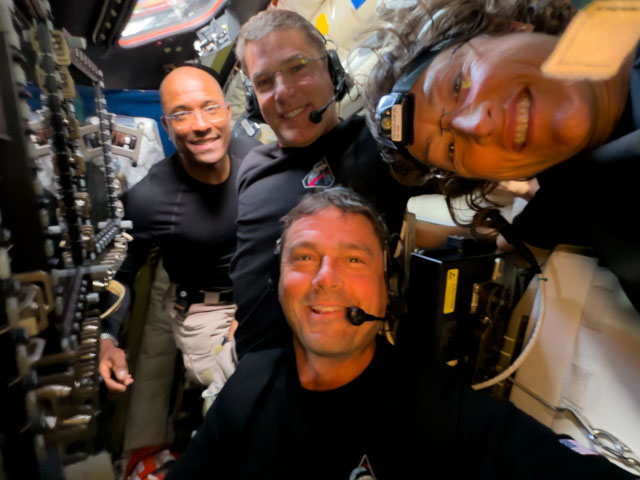
One cargo spacecraft has docked to the International Space Station and another one is on its way to continue resupplying the Expedition 73 crew. While the orbital residents await their next delivery, they continued researching on Monday advanced ways to keep humans healthy and nourished on long duration space missions.

Roscosmos’ Progress 93 cargo craft completed its trip to the orbital outpost at 1:23 p.m. EDT on Saturday, Sept. 13, when it docked to the Zvezda service module’s rear port delivering over 2.8 tons of food, fuel, and supplies. Station Commander Sergey Ryzhikov opened the Progress’ hatch the next day and entered the spacecraft with Flight Engineer Alexey Ovchinin to begin unpacking the new gear. Progress 93 began its mission after launching from the Baikonur Cosmodrome in Kazakhstan on Thursday, Sept. 11.

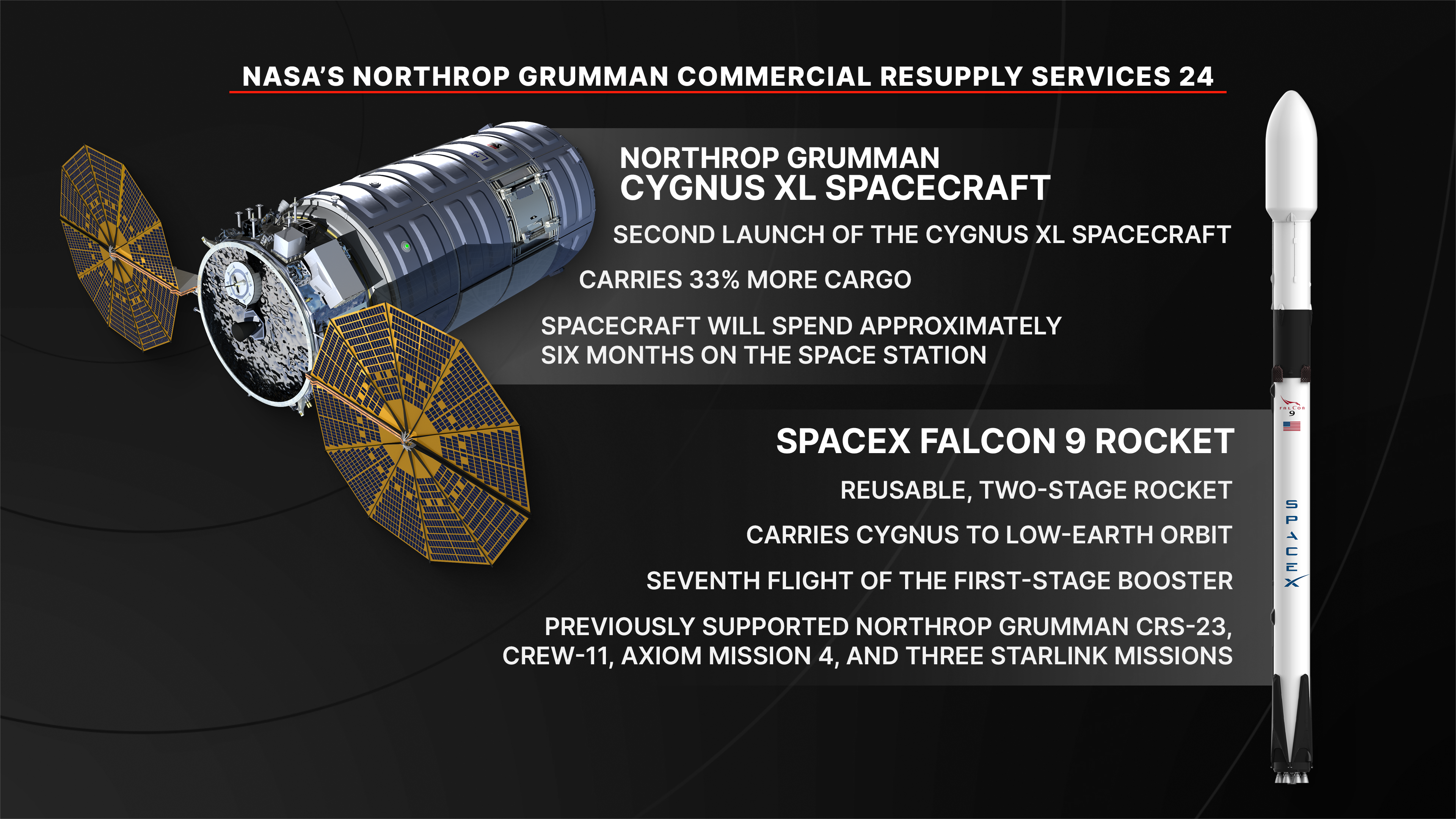
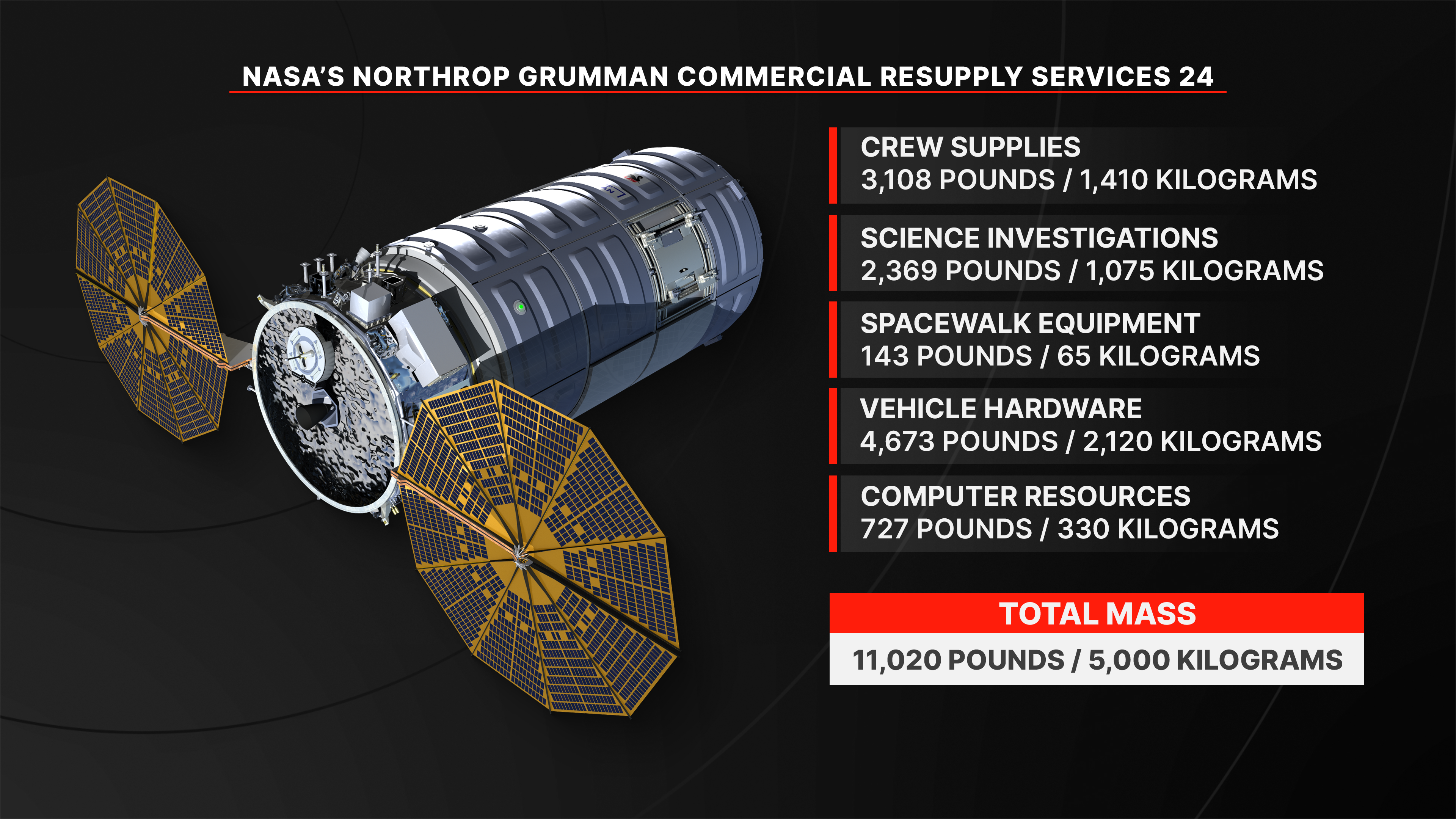
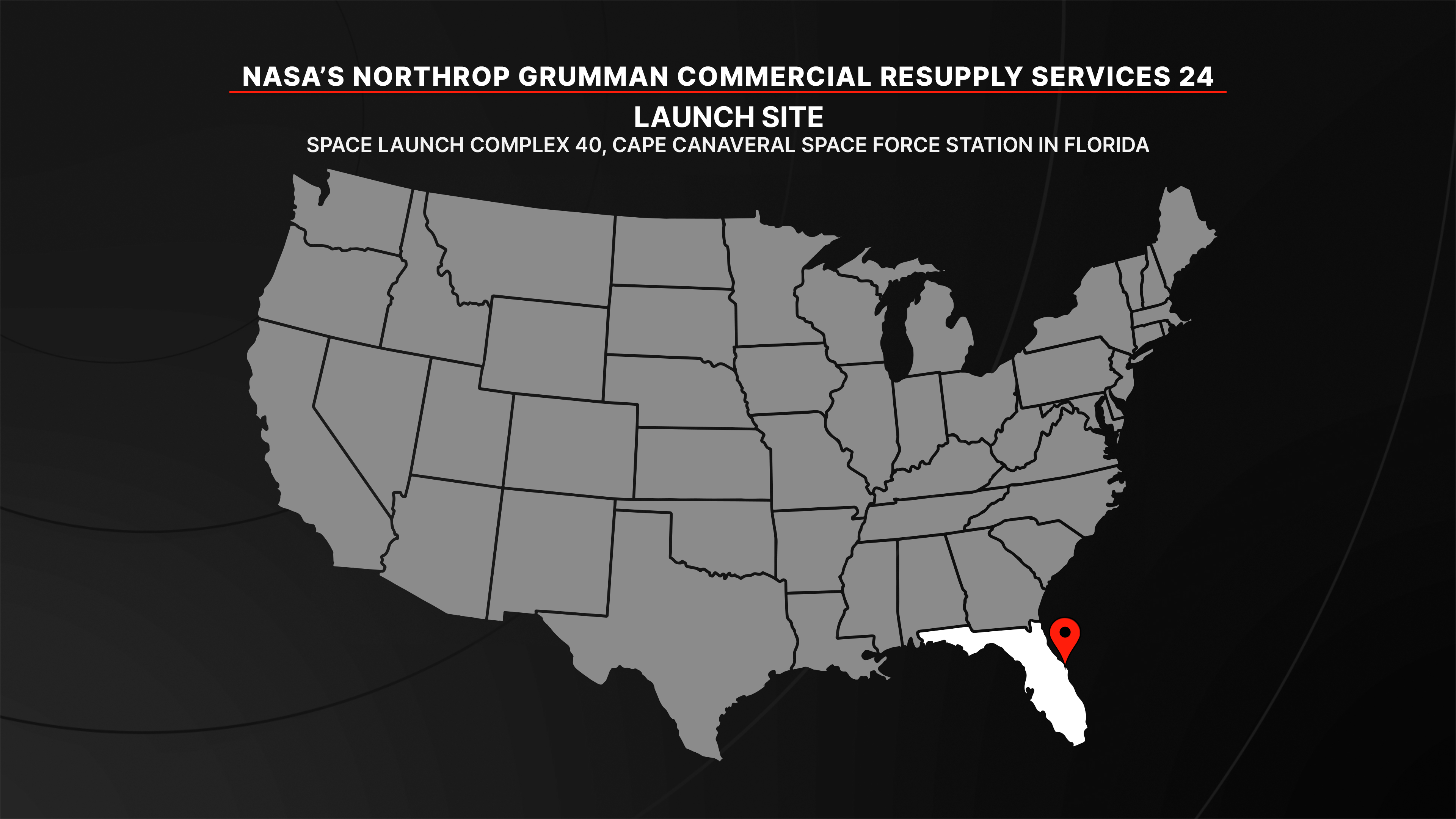
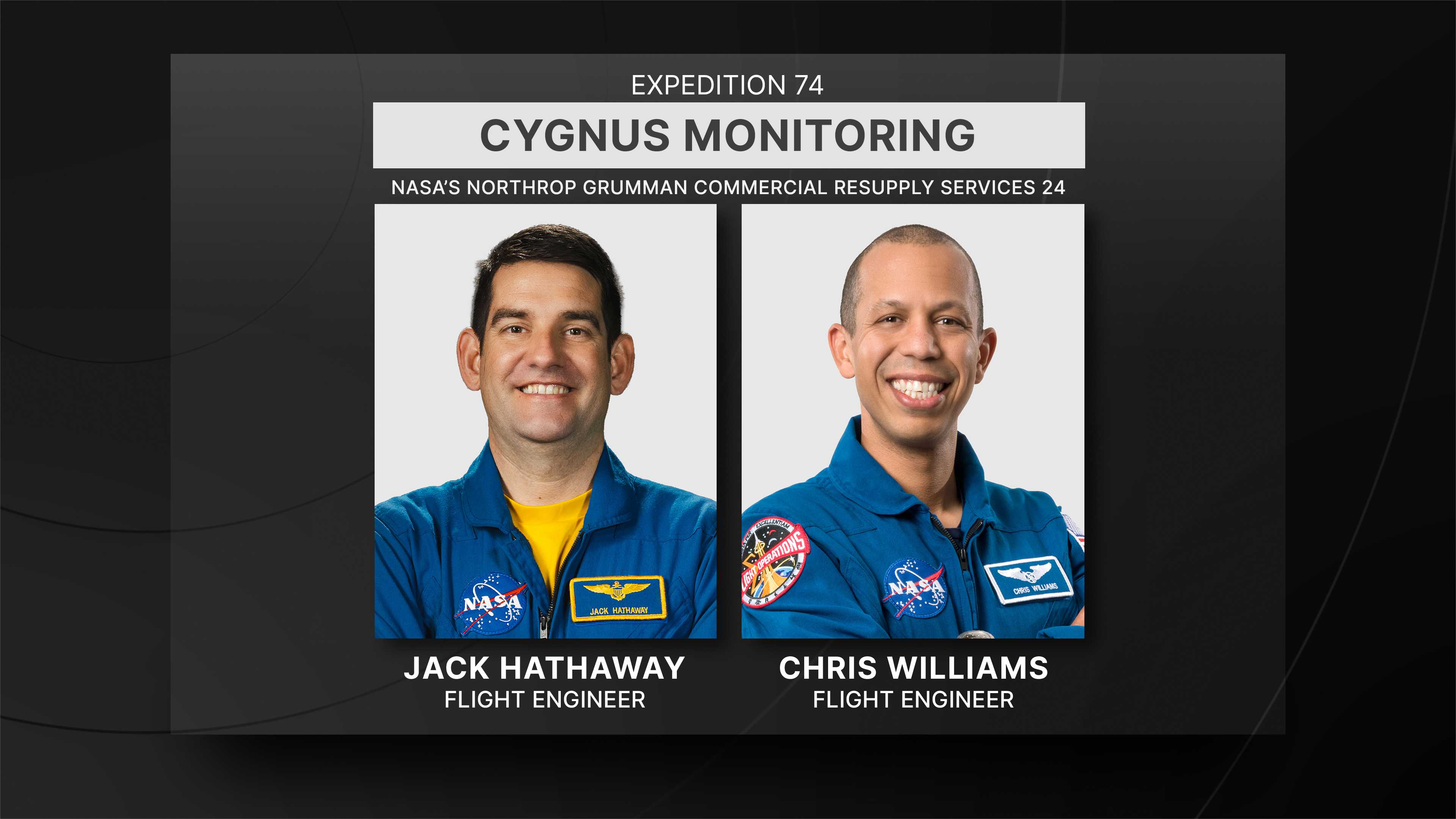
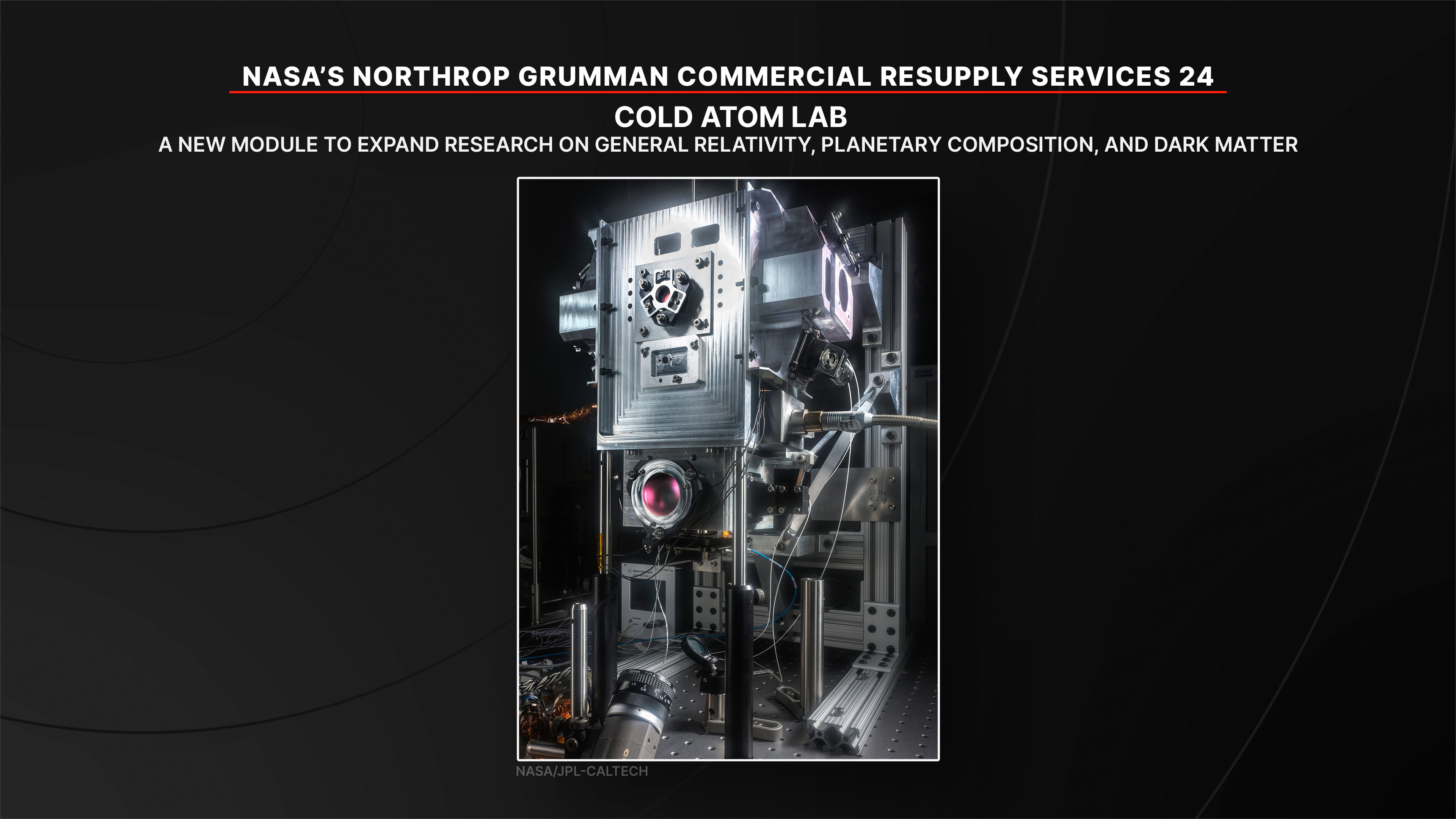
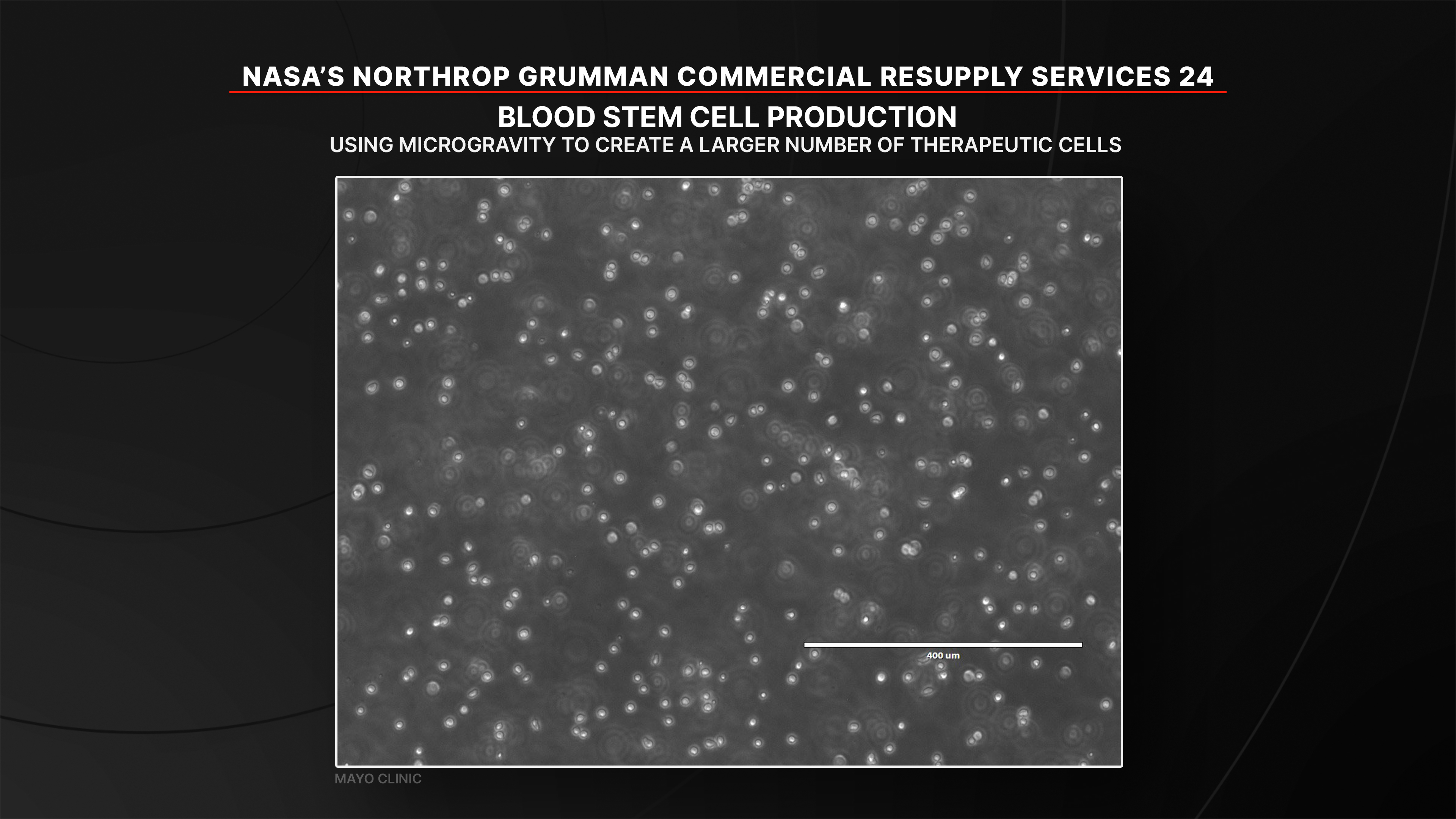
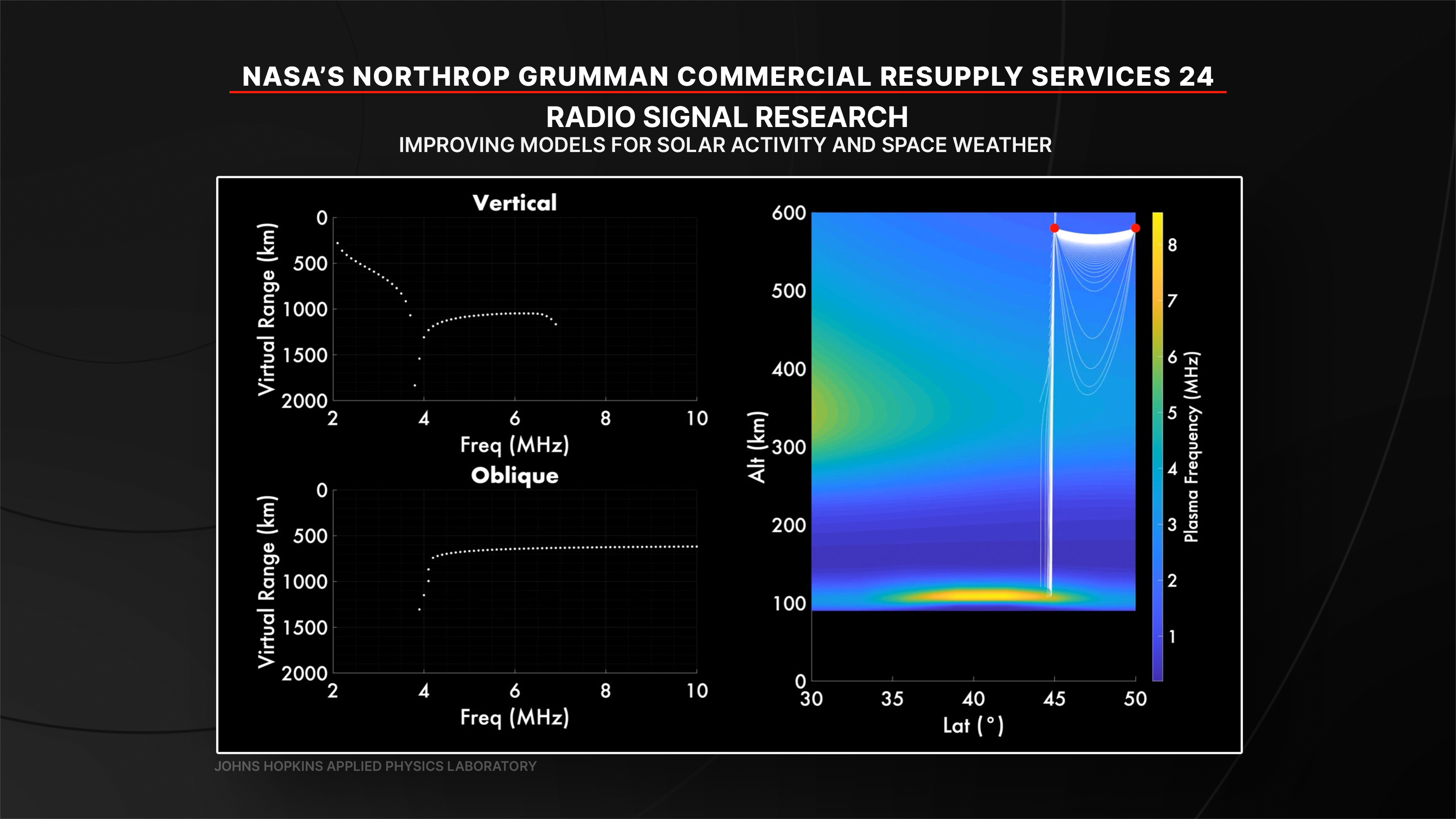
Northrop Grumman’s Cygnus XL resupply ship, carrying over 11,000 pounds of new science experiments and station hardware, is orbiting Earth today after blasting off at 6:11 p.m. on Sunday, Sept. 14, from Cape Canaveral Space Force Station in Florida. Cygnus XL will catch up to the orbital outpost on Wednesday as NASA Flight Engineers Jonny Kim and Zena Cardman monitor the spacecraft’s automated approach and rendezvous. Kim will command the Canadarm2 robotic arm from the cupola’s robotics workstation to reach out and capture the spacecraft at 6:35 a.m. on Wednesday when it reaches a point about 10 meters from the station. Ground controllers will then take over and remotely command Canadarm2 to install Cygnus to the Unity module’s Earth-facing port where it will stay for six months. Listen to mission managers talk about the Cygnus XL mission during Friday’s prelaunch media teleconference on YouTube.

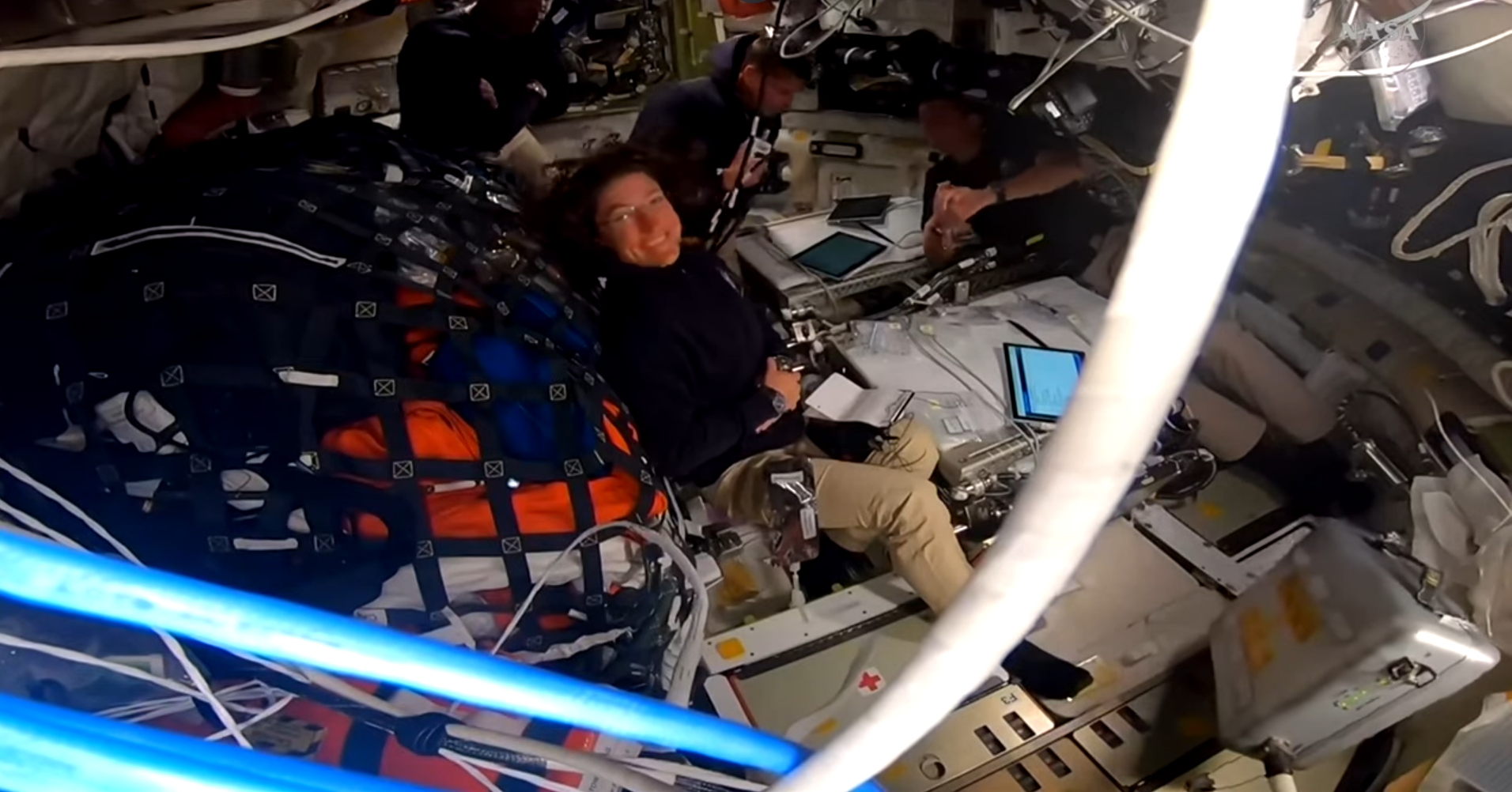
Meanwhile, biotechnology research filled Monday’s crew schedule keeping scientists on the ground informed about microgravity’s effect on the human body. The astronauts not only study advanced space biology but also regularly send down physical and mental data informing doctors of crew health in real time.

Kim and Cardman joined each other at the beginning of their shift Monday collecting blood pressure measurements and ultrasound artery scans. Kim, a Harvard-educated physician, led the study operating the biomedical gear and examining Cardman with assistance from doctors on the ground. Cardman also wore electrodes measuring her cardiac activity for the portion of the CIPHER human research investigation studying heart, brain, and eye function in space.

Later during the second half of his shift, Kim took turns with Flight Engineer Kimiya Yui of JAXA (Japan Aerospace Exploration Agency) studying how liver tissues with blood vessels bioprinted on Earth react to weightlessness. They each split their shift and used a portable glovebag inside the Destiny laboratory module processing experiment modules containing the tissue samples then inserting the modules inside an artificial gravity-generating research platform. Results may advance the manufacture of high-quality vascularized tissues and organs improving long term health for astronauts and quality of life for patients on Earth.

Cardman wrapped up her shift on Monday treating bone stem cell samples in the Kibo laboratory module’s Life Science Glovebox for preservation in a science freezer and later analysis. Researchers are exploring how microgravity affects bone tissue to safeguard a crew member’s skeletal system and possibly treat aging conditions and bone diseases on Earth.

NASA Flight Engineer Mike Fincke worked inside the Harmony module exploring ways to produce vitamins and nutrients on spacecraft helping supply adequate nutrition for long-term space missions. He treated yeast, yogurt, and fermented milk samples then stowed them in a research incubator for the BioNutrients-3 investigation seeking to create a biomanufacturing facility to help sustain future space crews.

Roscosmos cosmonauts Sergey Ryzhikov and Alexey Zubritsky, station Commander and Flight Engineer respectively, spent Monday configuring the new Progress 93 for docked operations. The duo began Monday checking out a docking mechanism inside of the Zvezda service module’s aft port where Progress arrived on Saturday. Ryzhikov and Zubritsky then spent the rest of their shift transferring water and unpacking cargo from inside the Progress. Flight Engineer Oleg Platonov focused on science photographing landmarks in South America for analysis and maintaining physics research hardware that observes complex plasmas potentially advancing spacecraft designs and industrial processes on Earth.

Learn more about station activities by following the space station blog@NASASpaceOps and @space_station on X, as well as the ISS Facebook and ISS Instagram accounts. 

Powered by WPeMatico

Get The Details…

Kelcie Nicole Howren

Helicopter Training for Artemis Missions

Helicopter Training for Artemis Missions

NASA astronauts Matthew Dominick (left, in a blue jumpsuit with a patch on the right arm) and Mark Vande Hei (right, in camouflage clothing) in the cockpit of a helicopter. Dominick holds an open binder in his right hand and points forward with his left. They are both wearing black helmets. There is another person behind Dominick, also wearing a blue jumpsuit and helmet, facing the opposite way.
NASA/Michael DeMocker

NASA astronauts Matthew Dominick (left) and Mark Vande Hei (right) prepare to fly out to a landing zone in the Rocky Mountains as part of the certification run for the NASA Artemis course on Aug. 26, 2025. The mountains in northern Colorado offer similar visual illusions and flight environments to the Moon.

The newly certified lander flight training course marks a key milestone in crew training for Artemis missions to the Moon. Through Artemis, NASA will explore the lunar South Pole, paving the way for human exploration farther into the solar system, including Mars.

Learn more about the training course.

Image credit: NASA/Michael DeMocker

Powered by WPeMatico

Get The Details…
Monika Luabeya

Avatars for Astronaut Health to Fly on NASA’s Artemis II

Avatars for Astronaut Health to Fly on NASA’s Artemis II

5 min read

Avatars for Astronaut Health to Fly on NASA’s Artemis II

Two fingers holding a transparent rectangular device the size of a USB drive. Inside the device is a long line of blue with two short, red lines at opposite ends.
An organ chip for conducting bone marrow experiments in space.
Emulate

NASA announced a trailblazing experiment that aims to take personalized medicine to new heights. The experiment is part of a strategic plan to gather valuable scientific data during the Artemis II mission, enabling NASA to “know before we go” back to the lunar surface and on to Mars.

The AVATAR (A Virtual Astronaut Tissue Analog Response) investigation will use organ-on-a-chip devices, or organ chips, to study the effects of deep space radiation and microgravity on human health. The chips will contain cells from Artemis II astronauts and fly side-by-side with crew on their approximately 10-day journey around the Moon. This research, combined with other studies on the health and performance of Artemis II astronauts, will give NASA insight into how to best protect astronauts as exploration expands to the surface of the Moon, Mars, and beyond. 

AVATAR is NASA’s visionary tissue chip experiment that will revolutionize the very way we will do science, medicine, and human multi-planetary exploration.”

Nicky Fox

Associate Administrator, NASA Science Mission Directorate

AVATAR is NASA’s visionary tissue chip experiment that will revolutionize the very way we will do science, medicine, and human multi-planetary exploration,” said Nicky Fox, associate administrator, Science Mission Directorate at NASA Headquarters in Washington. “Each tissue chip is a tiny sample uniquely created so that we can examine how the effects of deep space act on each human explorer before we go to ensure we pack the appropriate medical supplies tailored to each individual’s needs as we travel back to the Moon, and onward to Mars.”

The investigation is a collaboration between NASA, government agencies, and industry partners, leveraging commercial expertise to gain a deeper understanding of human biology and disease. This research could accelerate innovations in personalized healthcare, both for astronauts in space and patients on Earth.

Organ-on-a-chip: mimic for human health

Organ chips, also referred to as tissue chips or microphysiological systems, are roughly the size of a USB thumb drive and used to help understand — and then predict — how an individual might respond to a variety of stressors, such as radiation or medical treatments, including pharmaceuticals. Essentially, these small devices serve as “avatars” for human organs. 

Organ chips contain living human cells that are grown to model the structures and functions of specific regions in human organs, such as the brain, lungs, heart, pancreas, and liver — they can beat like a heart, breathe like a lung, or metabolize like a liver. Tissue chips can be linked together to mimic how organs interact with each other, which is important for understanding how the whole human body responds to stressors or treatments.

Researchers and oncologists use human tissue chips today to understand how a specific patient’s cancer might react to different drugs or radiation treatments. To date, a standard milestone for organs-on-chips has been to keep human cells healthy for 30 days. However, NASA and other research institutions are pushing these boundaries by increasing the longevity of organ chips to a minimum of six months so that scientists can observe diseases and drug therapies over a longer period.

Bone marrow as bellwether

The Artemis II mission will use organ chips created using blood-forming stem and progenitor cells, which originate in the bone marrow, from Artemis II crew members.

Bone marrow is among the organs most sensitive to radiation exposure and, therefore, of central importance to human spaceflight. It also plays a vital role in the immune system, as it is the origin of all adult red and white blood cells, which is why researchers aim to understand how deep space radiation affects this organ.

Studies have shown that microgravity affects the development of bone marrow cells. Although the International Space Station operates in low Earth orbit, which is shielded from most cosmic and solar radiation by the Earth’s magnetosphere, astronauts often experience a loss of bone density. Given that Artemis II crew will be flying beyond this protective layer, AVATAR researchers also seek to understand how the combined stressors of deep space radiation and microgravity affect the developing cells.

To make the bone marrow organ chips, Artemis II astronauts will first donate platelets to a local healthcare system. The cells remaining from their samples will contain a small percentage of bone marrow-derived stem and progenitor cells. NASA-funded scientists at Emulate, Inc., which developed the organ chip technology used in AVATAR, will purify these cells with magnetic beads that bind specifically to them. The purified cells will then be placed in the bone marrow chips next to blood vessel cells and other supporting cells to model the structure and function of the bone marrow.

Investigating how radiation affects the bone marrow can provide insights into how radiation therapy and other DNA-damaging agents, such as chemotherapeutic drugs, impair blood cell formation. Its significance for both spaceflight and medicine on Earth makes the bone marrow an ideal organ to study in the Artemis II AVATAR project.

Passenger for research

“For NASA, organ chips could provide vital data for protecting astronaut health on deep space missions,” said Lisa Carnell, director of NASA’s Biological and Physical Sciences division at NASA Headquarters. “As we go farther and stay longer in space, crew will have only limited access to on-site clinical healthcare. Therefore, it’ll be critical to understand if there are unique and specific healthcare needs of each astronaut, so that we can send the right supplies with them on future missions.”

During the Artemis II mission, the organ chips will be secured in a custom payload developed by Space Tango and mounted inside the capsule during the mission. The battery-powered payload will maintain automated environmental control and media delivery to the organ chips throughout the flight.

For NASA, organ chips could provide vital data for protecting astronaut health on deep space missions.”

Lisa Carnell

Director of NASA’s Biological and Physical Sciences Division

Upon return, researchers at Emulate will examine how spaceflight affected the bone marrow chips by performing single-cell RNA sequencing, a powerful technique that measures how thousands of genes change within individual cells. The scientists will compare data from the flight samples to measurements of crew cells used in a ground-based immunology study happening simultaneously. This will provide the most detailed look at the impact of spaceflight and deep space radiation on developing blood cells to date.

Keep Exploring

BPS Scientific Goals

Biological & Physical Sciences Division (BPS)

  • NASA’s Biological and Physical Sciences Division pioneers scientific discovery and enables exploration by using space environments to conduct investigations not possible on Earth. Studying biological and physical phenomenon under extreme conditions allows researchers to advance the fundamental scientific knowledge required to go farther and stay longer in space, while also benefitting life on Earth.

Powered by WPeMatico

Get The Details…

Weird Ways to Observe the Moon

Weird Ways to Observe the Moon

3 min read

Weird Ways to Observe the Moon

Sun Funnels in action! Starting clockwise from the bottom left, a standalone Sun Funnel; attached to a small refractor to observe the transit of Mercury in 2019; attached to a large telescope in preparation for evening lunar observing; projection of the Moon on a funnel from a medium-size scope (5 inches).
Night Sky Network

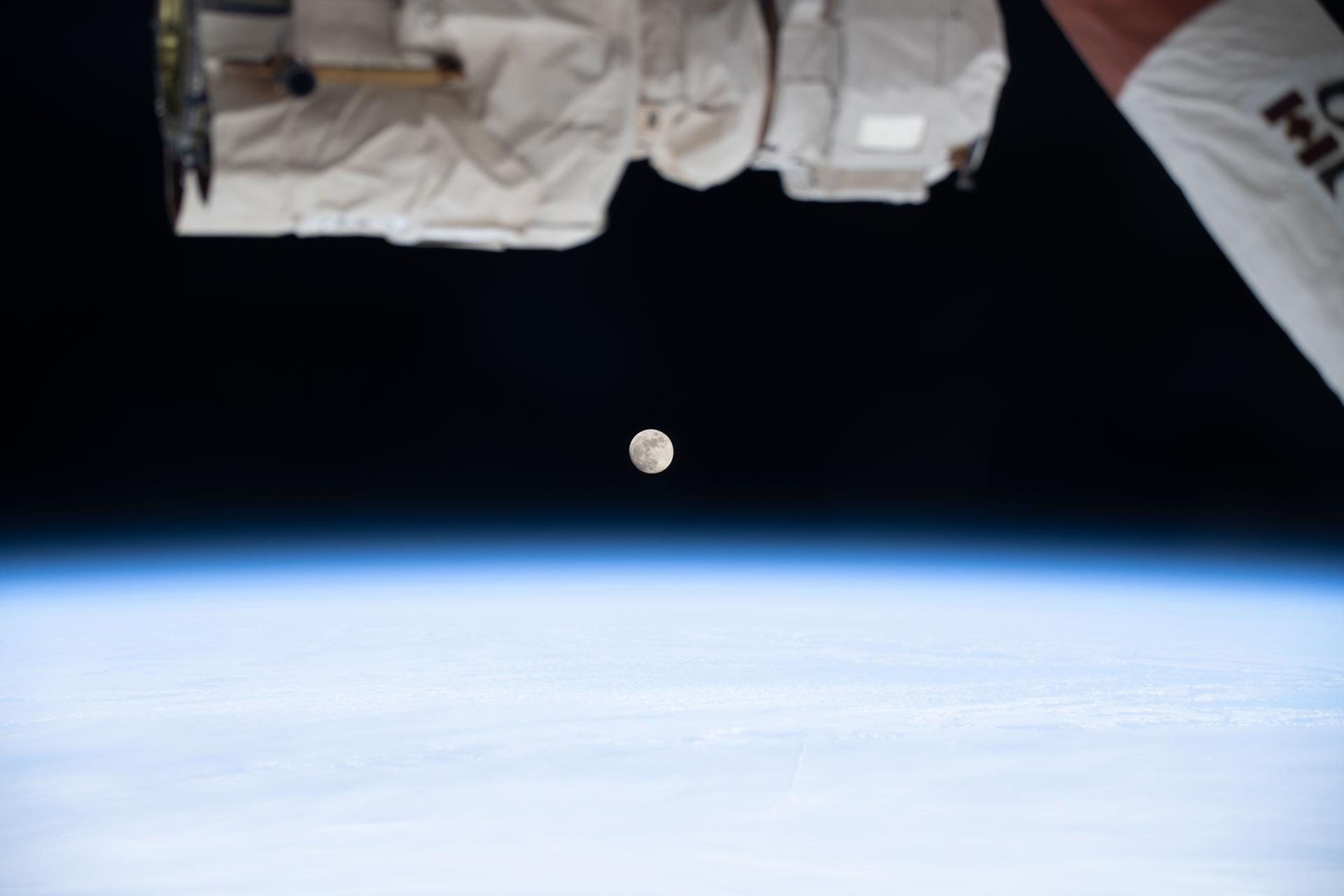
International Observe the Moon Night is on October 4, 2025, this year– but you can observe the Moon whenever it’s up, day or night! While binoculars and telescopes certainly reveal incredible details of our neighbor’s surface, bringing out dark seas, bright craters, and numerous odd fissures and cracks, these tools are not the only way to observe details about our Moon. There are more ways to observe the Moon than you might expect, just using common household materials.

Put on a pair of sunglasses, especially polarized sunglasses! You may think this is a joke, but the point of polarized sunglasses is to dramatically reduce glare, and so they allow your eyes to pick out some lunar details! Surprisingly, wearing sunglasses even helps during daytime observations of the Moon.

One unlikely tool is the humble plastic bottle cap! John Goss from the Roanoke Valley Astronomical Society shared these directions on how to make your own bottle cap lunar viewer, which was suggested to him by Fred Schaaf many years ago as a way to also view the thin crescent of Venus when close to the Sun:

“The full Moon is very bright, so much that details are overwhelmed by the glare. Here is an easy way to see more! Start by drilling a 1/16-inch (1.5 mm) diameter hole in a plastic soft drink bottle cap. Make sure it is an unobstructed, round hole.  Now look through the hole at the bright Moon. The image brightness will be much dimmer than normal – over 90% dimmer – reducing or eliminating any lunar glare. The image should also be much sharper because the bottle cap blocks light from entering the outer portion of your pupil, where imperfections of the eye’s curving optical path likely lie.” Many report seeing a startling amount of lunar detail!

You can project the Moon! Have you heard of a “Sun Funnel”? It’s a way to safely view the Sun by projecting the image from an eyepiece to fabric stretched across a funnel mounted on top. It’s easy to make at home, too – directions are here: bit.ly/sunfunnel. Depending on your equipment, a Sun Funnel can view the Moon as well as the Sun– a full Moon gives off more than enough light to project from even relatively small telescopes. Large telescopes will project the full Moon and its phases with varying levels of detail; while not as crisp as direct eyepiece viewing, it’s still an impressive sight! You can also mount your smartphone or tablet to your eyepiece for a similar Moon-viewing experience, but the funnel doesn’t need batteries.

Of course, you can join folks in person or online to celebrate our Moon on October 4, 2025, with International Observe the Moon Night – find details at moon.nasa.gov/observe.

Originally posted by Dave Prosper: September 2021

Last Updated by Kat Troche: March 2025

Powered by WPeMatico

Get The Details…