Robert Siegel

Robert Siegel

Hall of Fame Plaque with Portrait.

Citation

Glenn Research Center established itself as a hub of heat transfer expertise early in its history. Rooted in basic research, as opposed to applied, this group developed new theories that would transform the body of knowledge up to that point. Robert Deissler, Simon Ostrach, adn Robert Siegel are three of the most influential heat transfer researchers in center history. Their theoretical skills made them world-renown in their own right, and it was the application of their theories that would help the center expand and excel in emerging fields such as jet engines, nuclear propulsion, and space exploration. Both Deissler and Siegel wrote seminal text books on the subject. Ostrach is a pioneer in the fields of buoyancy-driven flows and microgravity science.

Biography

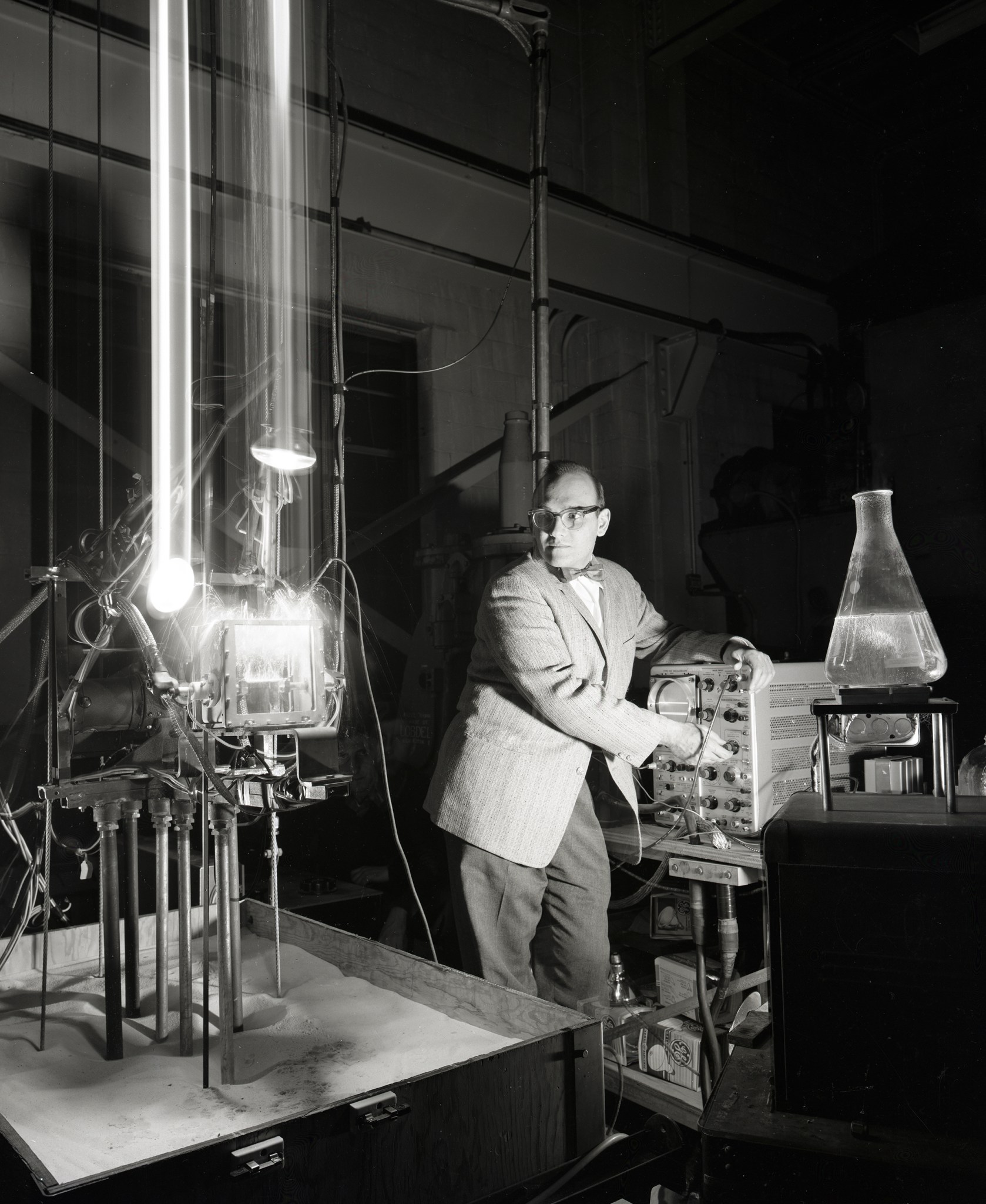
Robert Siegel began his career at the Laboratory in 1955. His first work was with the heat transfer group, investigating issues with nuclear aircraft propulsion. Later, he became head of the Analytical Heat Transfer Section. Siegel began investigating heat transfer for conditions in space, leading him to design the world’s first drop tower in 1957.

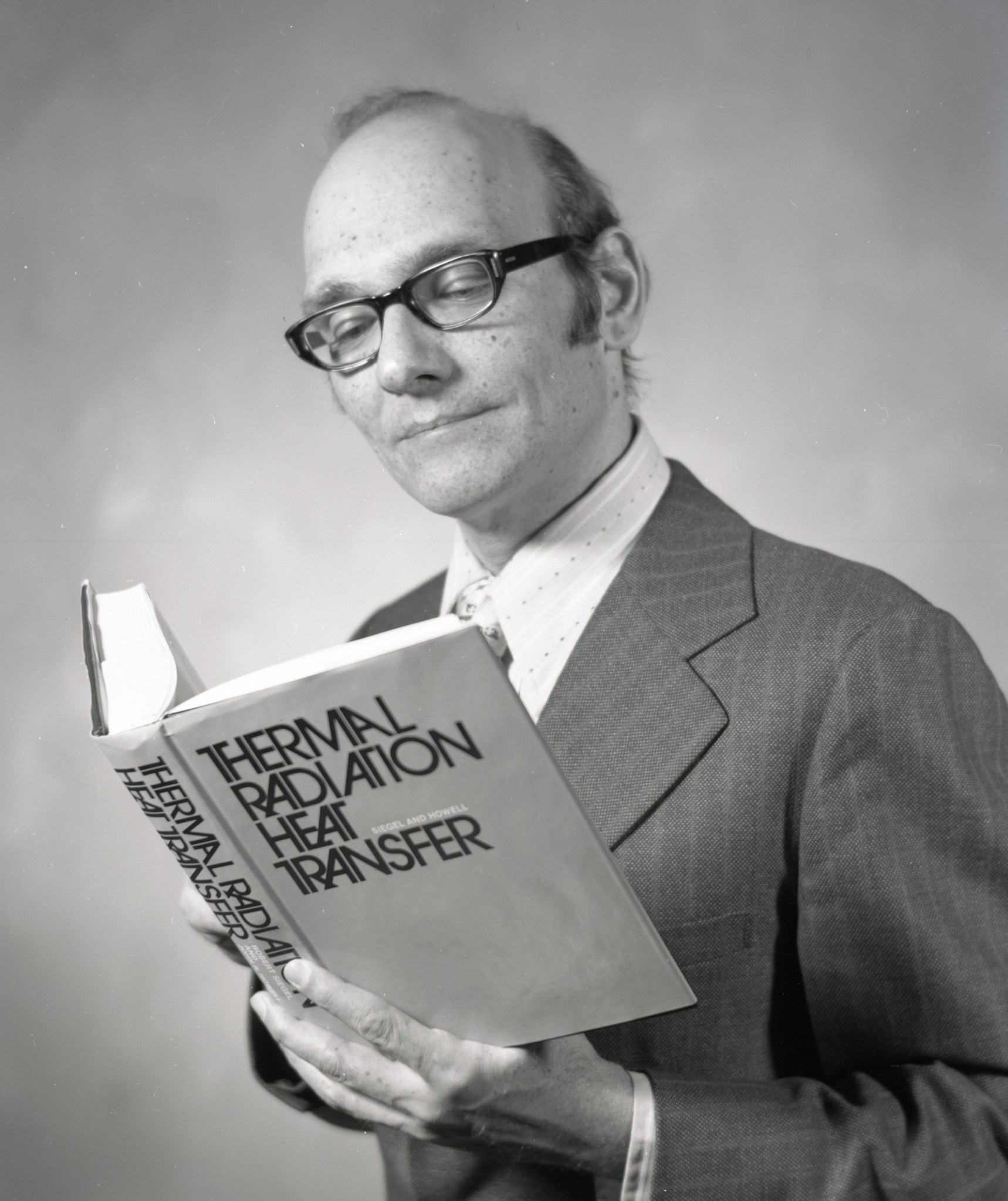
Siegel is regarded internationally as an expert on heat transfer, thanks in part to his text book, “Thermal Radiation Heat Transfer,” which he coauthored with J.W. Howell. When Siegel set out to develop a course on heat transfer for the center, he was not able to find a suitable textbook. The course notes he developed grew into this text book, which was published in 1972. There have been five editions of the book, and it has been translated into several languages. It is still used widely as a graduate-level textbook.

In 1970 Siegel was awarded the ASME Heat Transfer Memorial Award, which recognizes pioneers in the field of heat transfer, for his many significant contributions to the knowledge of boiling, radiation, convection, and conduction, including pioneering experiments under zero-gravity conditions. Siegel was elected as an ASME fellow in 1977 and an AIAA Fellow in 1991. In 1986 he was awarded NASA’s Exceptional Scientific Achievement Medal for his numerous important and wide-ranging contributions to the field of heat transfer, including some of the earliest work on zero-gravity boiling, radiation heat transfer in porous media, and transient natural convection heat transfer. In 1996 he was presented with the Max Jakob Award for his distinguished contributions in the field of heat transfer. He retired from NASA in 1999.

Dr. Robert Siegel passed away in September 2017.

Related Documents

Photographs
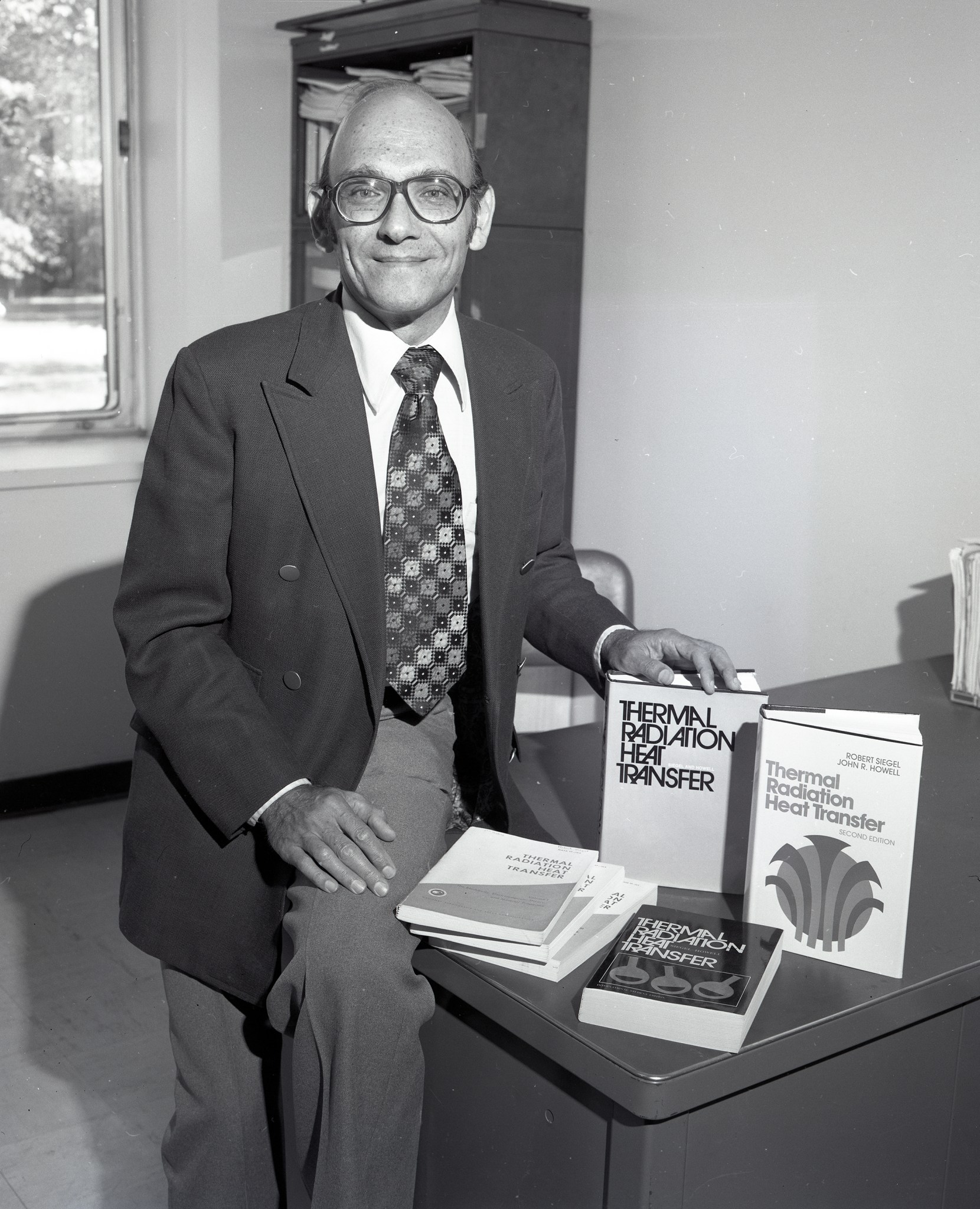
Man displaying books.
Bob Siegel poses in his Engine Research Building office with the books he authored (1980).
NASA
Man operating drop test.
Siegel with microgravity equipment.
Bob Siegel uses a 9-foot drop tower to study fluid boiling in microgravity (4/29/1960).
NASA
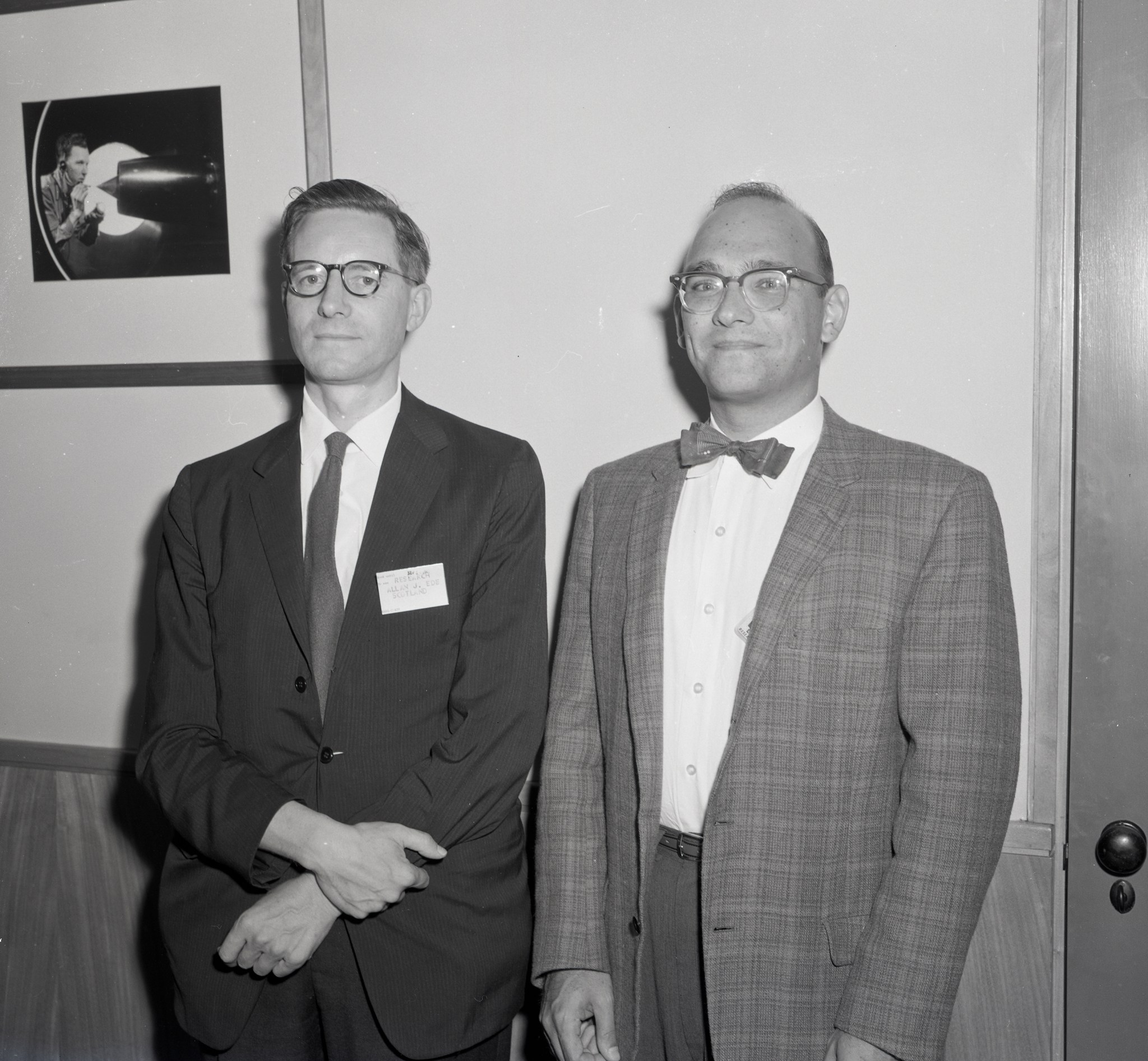
Two men standing.
study fluid boiling in microgravity (4/29/1960).
Ede and Siegel
Bob Siegel hosts Allen Ede from the UK National Engineering Laboratory in Scotland (9/14/1961).
NASA
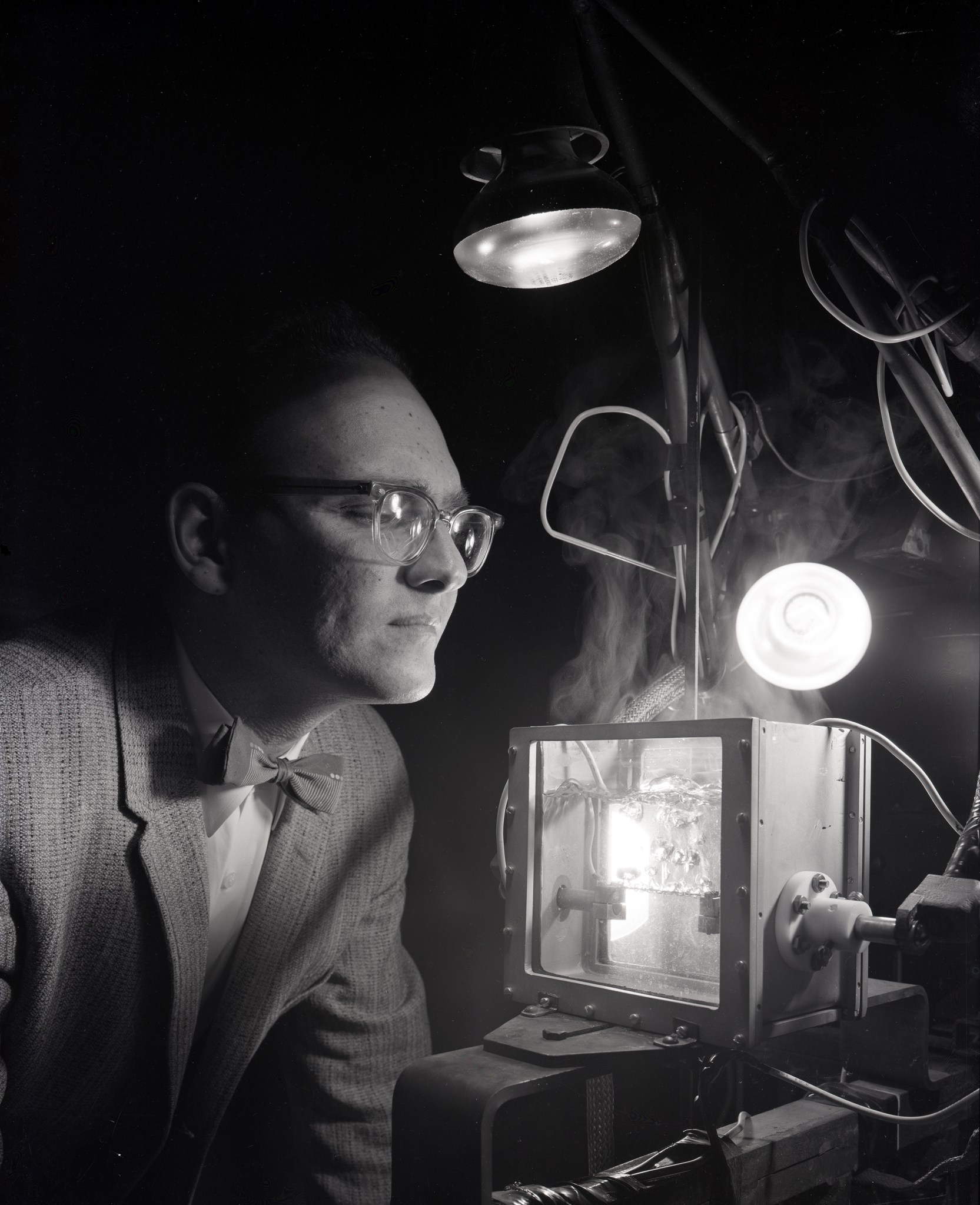
Man inspecting test equipment.
Robert Siegel examines test section of 9-foot drop tower used for microgravity research (1960).
NASA
Man reading a book.
Bob Siegel poses with the heat transfer textbook he and J.W. Howell wrote (1972).
NASA
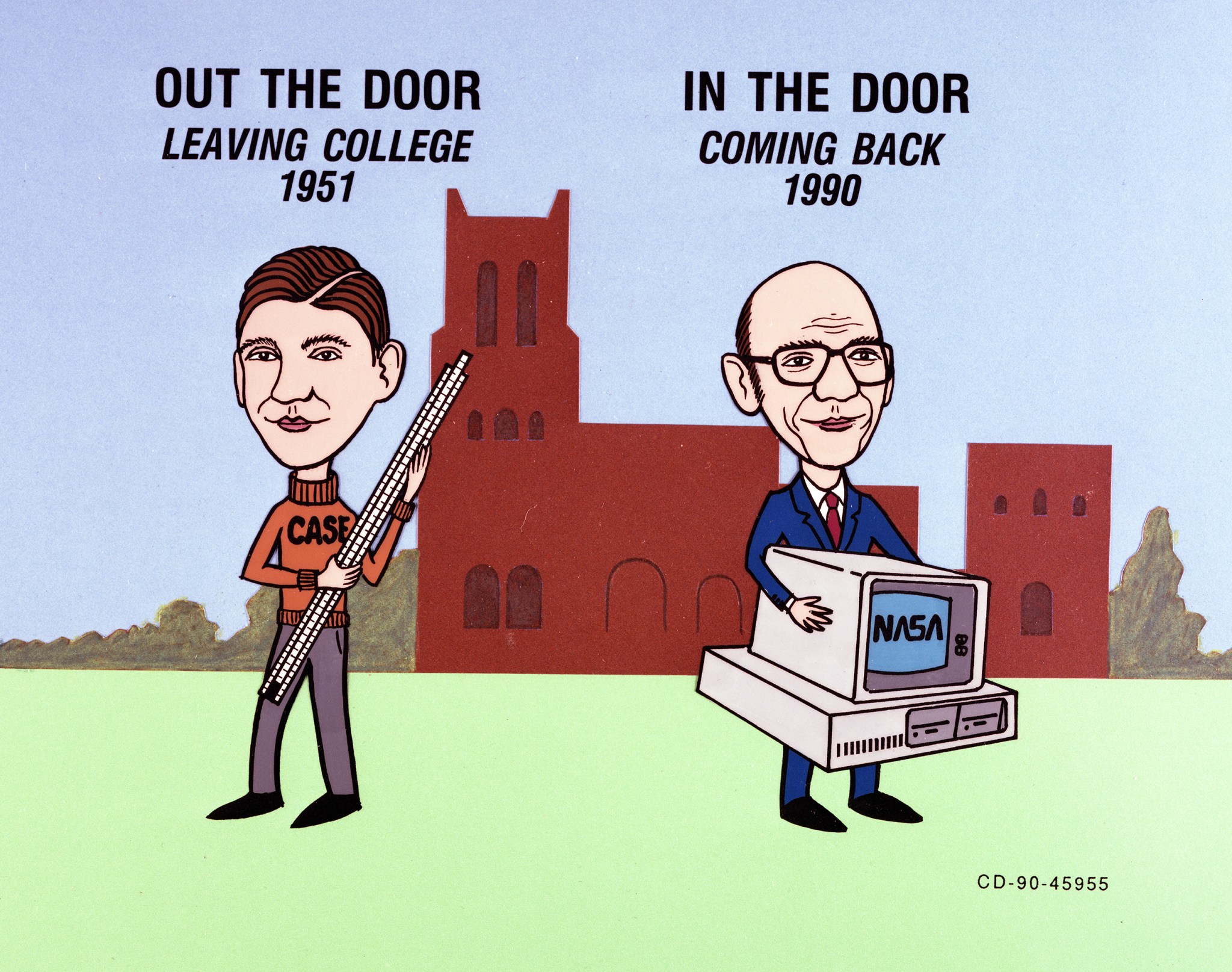
Cartoon featuring two men.
Cartoon illustrating Robert Siegel’s return to Case Western Reserve University (1990).
NASA
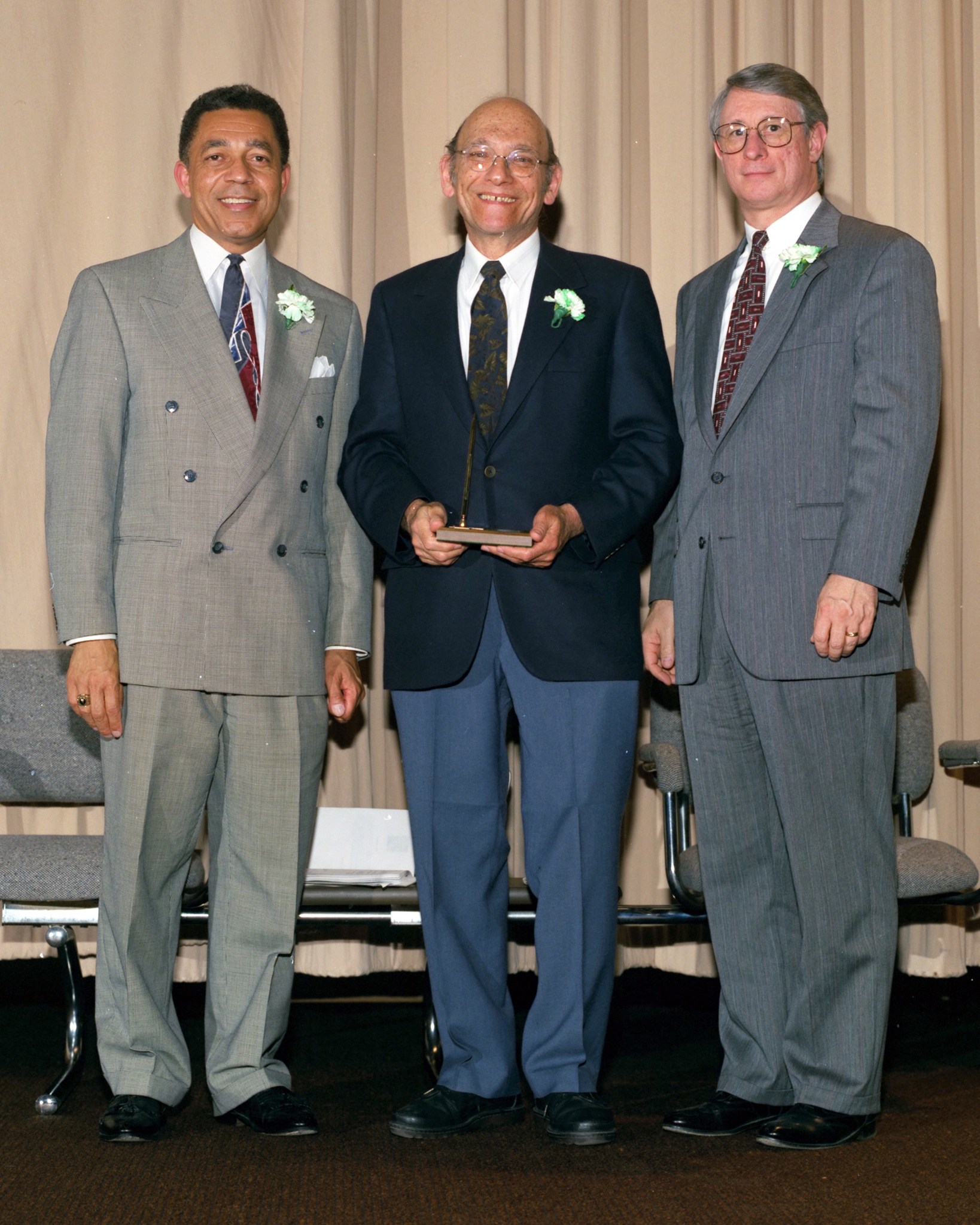
Three men standing on stage.
Deputy Director Gerald Barna (right) and newscaster Leon Bibb present Siegel with his 40-Year Service Award (6/7/1995).
NASA
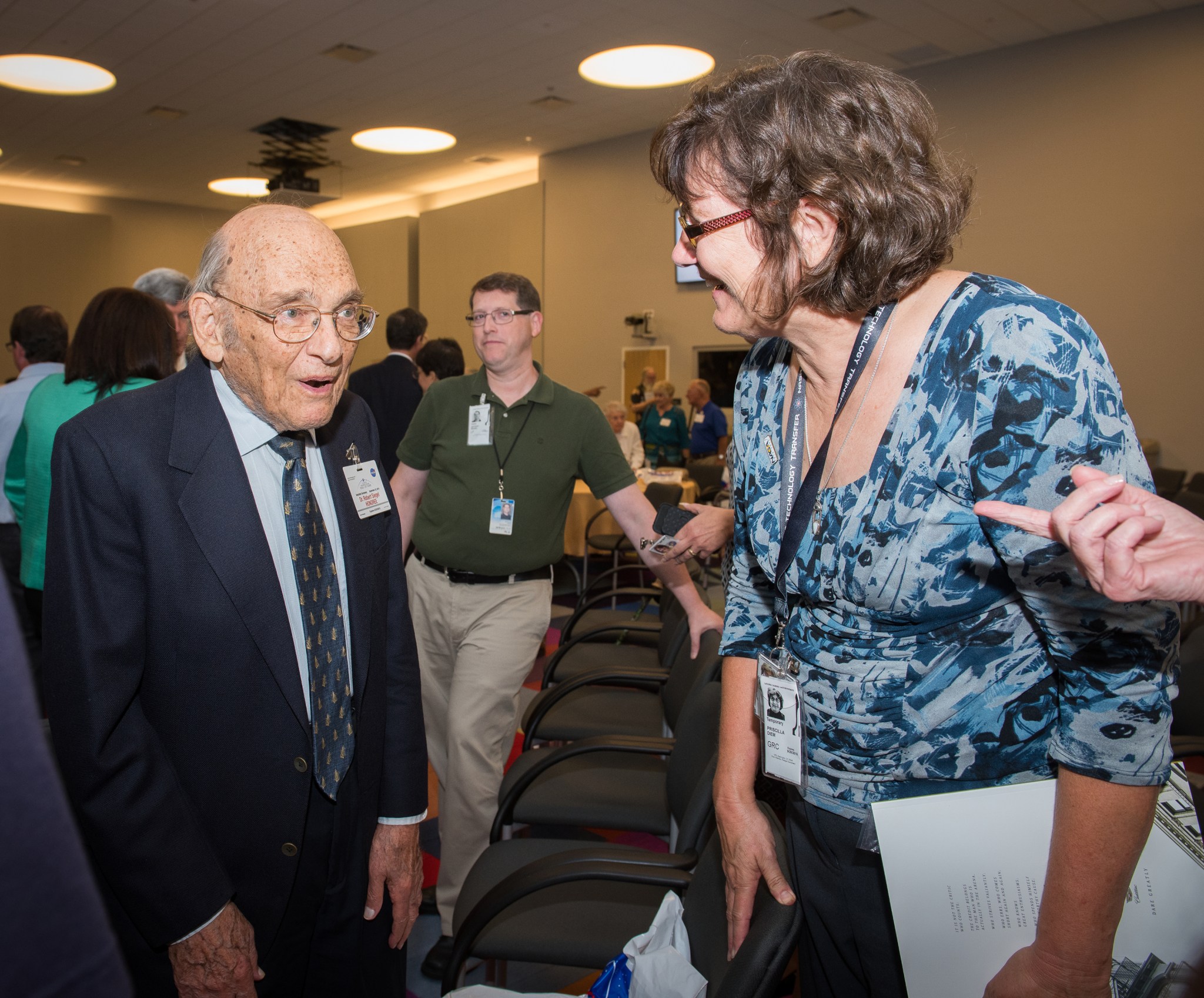
Man and woman talking in auditorium.
Mechanical engineer Priscilla Diem congratulates Bob Siegel after the Hall of Fame Induction Ceremony (9/25/2015).
NASA

Powered by WPeMatico

Get The Details…
Robert S. Arrighi
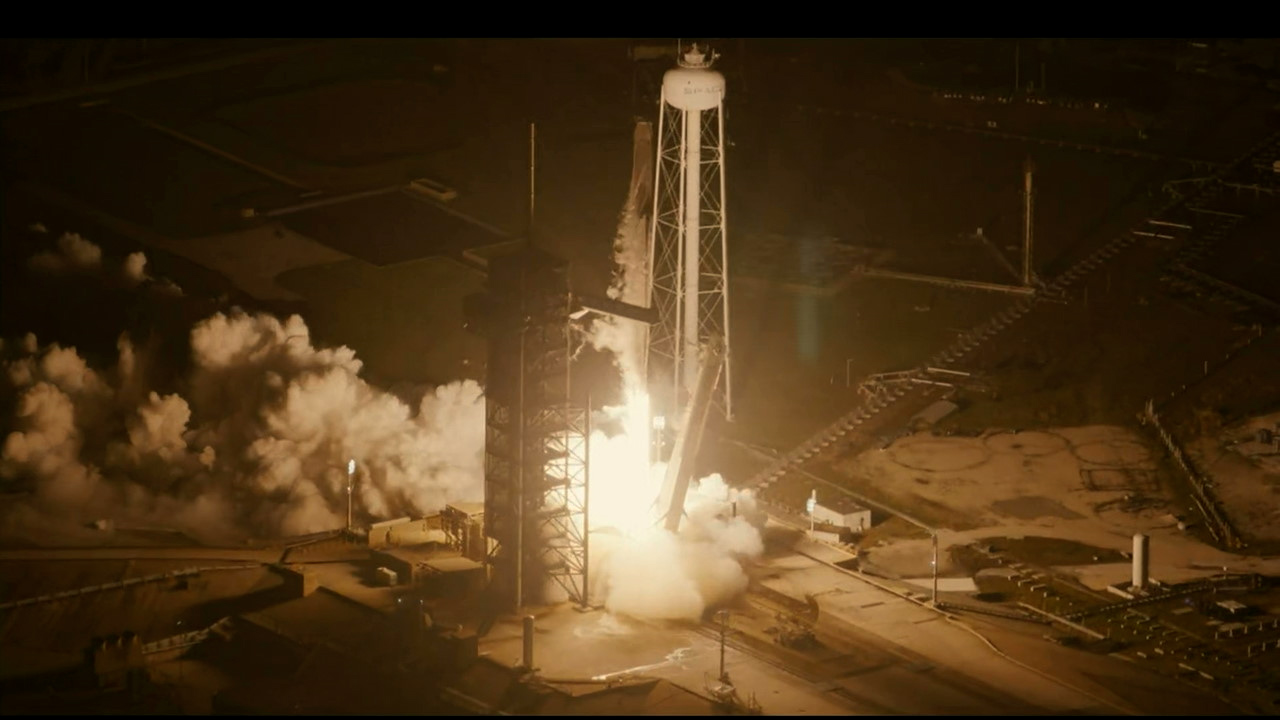
Dragon Endeavour Reaches Orbit, News Conference at 12:15 a.m. EST

Dragon Endeavour Reaches Orbit, News Conference at 12:15 a.m. EST

NASA’s SpaceX Crew-8 mission launches from Kennedy Space Center at 10:53 p.m. EST on Sunday, March 3, 2024.
NASA’s SpaceX Crew-8 mission launches from Kennedy Space Center at 10:53 p.m. EST on Sunday, March 3, 2024. Photo credit: NASA Television

The SpaceX Dragon spacecraft carrying NASA astronauts Matthew Dominick, commander; Michael Barratt, pilot; and mission specialist Jeanette Epps along with Roscosmos cosmonaut mission specialist Alexander Grebenkin to the International Space Station has safely reached orbit, and the nosecone has opened.

A postlaunch news conference will be held at approximately 12:15 a.m. EST at the agency’s Kennedy Space Center with the following participants:

  • Steve Stich, manager, Commercial Crew Program, NASA Kennedy
  • Joel Montalbano, manager, International Space Station Program, NASA Johnson
  • Sarah Walker, director, Dragon Mission Management, SpaceX

NASA will air the postlaunch news conference on NASA+, NASA Television, the NASA app, YouTube, and the agency’s website.

Follow along with mission activities and get more information on the International Space Station blog.

Learn more about commercial crew and space station activities by following @commercial_crew, @Space_Station, @ISS_Research on X, as well as the Commercial Crew Facebook, ISS Facebook, and ISS Instagram accounts.

Powered by WPeMatico

Get The Details…

Jason Costa

Separation Confirmed! Dragon Now Flying Solo

Separation Confirmed! Dragon Now Flying Solo

The Dragon spacecraft has separated from the Falcon 9’s second stage and is flying on its own. The spacecraft is traveling at approximately 17,500 miles per hour (28,200 kilometers per hour). In less than a minute, the Dragon nosecone open sequence will begin.

Powered by WPeMatico

Get The Details…

Jason Costa

Falcon 9 Second Stage Engine Shuts Down

Falcon 9 Second Stage Engine Shuts Down

After about nine minutes of flight, the Falcon 9’s second stage has shut down and the Dragon spacecraft now is in orbit, where it will soon separate from Falcon 9’s upper stage and continue its journey to the International Space Station. Momentarily, the rocket’s first stage will attempt to land at SpaceX’s Landing Zone 1 at Cape Canaveral Space Force Station.

Powered by WPeMatico

Get The Details…

Jason Costa