NASA’s GUSTO Prepares to Map Space Between the Stars

NASA’s GUSTO Prepares to Map Space Between the Stars

6 min read

NASA’s GUSTO Prepares to Map Space Between the Stars
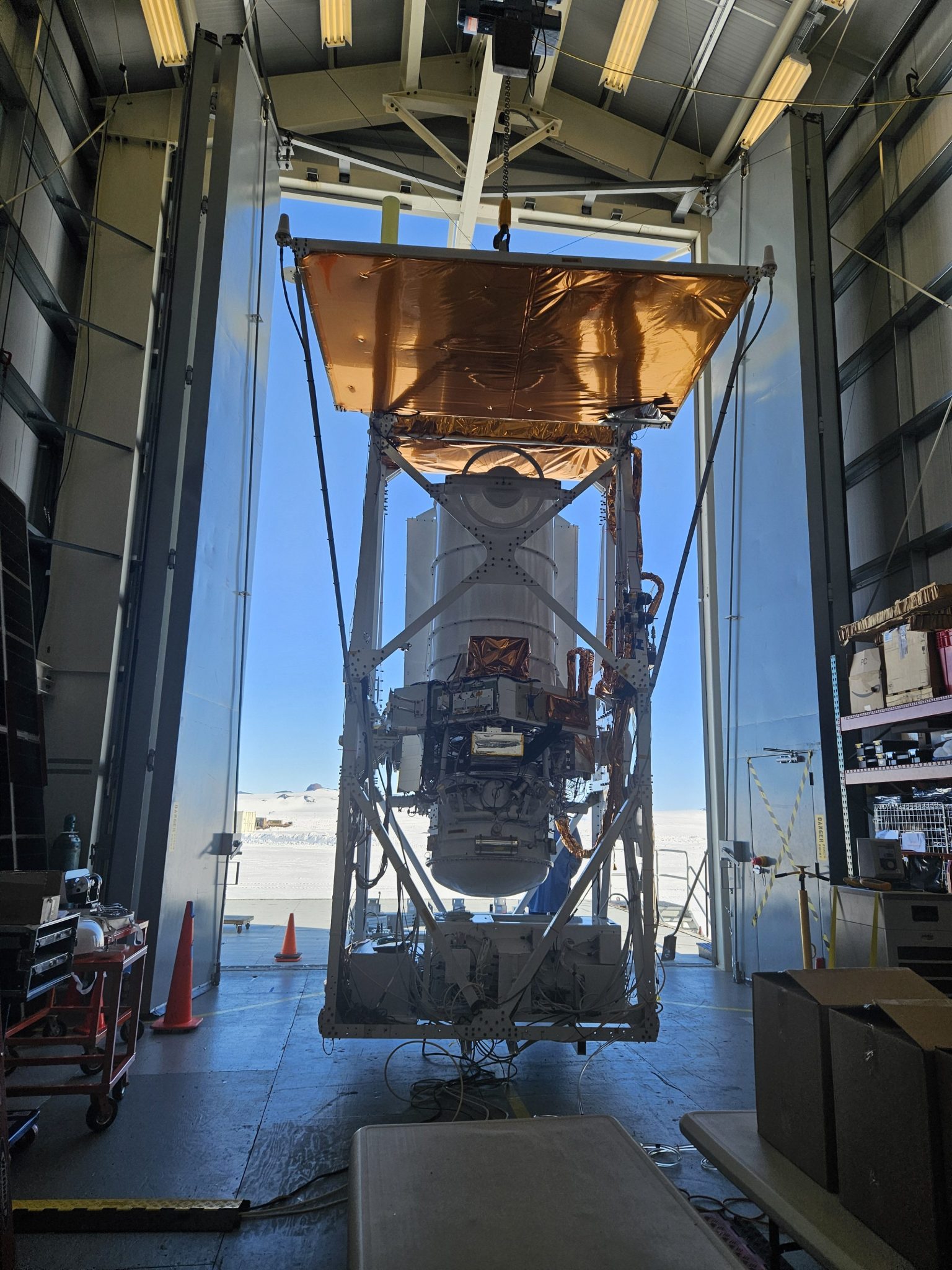
GUSTO's star trackers being calibrated while the payload is suspended by crane payload suspended by crane
 The GUSTO telescope hangs from the hangar crane during telescope pointing tests at the Long Duration Balloon Facility on the Ross Ice Shelf near the U.S. National Science Foundation’s McMurdo Station, Antarctica, on Dec. 6, 2023. Mission specialists were calibrating the star cameras, used to determine the direction of pointing of the telescope.
Credit: José Silva on behalf of the GUSTO Team

On a vast ice sheet in Antarctica, scientists and engineers are preparing a NASA experiment called GUSTO to explore the universe on a balloon. GUSTO will launch from the Ross Ice Shelf, near the U.S. National Science Foundation’s McMurdo Station research base, no earlier than Dec. 21.

GUSTO, which stands for Galactic/Extragalactic ULDB Spectroscopic Terahertz Observatory, will peer into the space between stars called the interstellar medium. The balloon-borne telescope will help scientists make a 3D map of a large part of the Milky Way in extremely high-frequency radio waves. Examining a 100-square-degree area, GUSTO will explore the many phases of the interstellar medium and the abundances of key chemical elements in the galaxy.

By studying the LMC and comparing it to the Milky Way, we’ll be able to understand how galaxies evolve from the early universe until now.

Chris Walker

Chris Walker

GUSTO principal investigator

In particular, GUSTO will scan the interstellar medium for carbon, oxygen, and nitrogen because they are critical for life on Earth. These elements can also help scientists disentangle the complex web of processes that sculpt the interstellar medium.  

While our galaxy brims with billions of stars, including our Sun, that are interesting in their own right, the space between them holds a wealth of clues about how stars and planets are born.

The interstellar medium is where diffuse, cold gas and dust accumulate into gigantic cosmic structures called molecular clouds, which, under the right conditions, can collapse to form new stars. From the swirling disk of material around the young star, planets can form.

GUSTO is unique in its ability to examine the first part of this process, “to understand how these clouds form in the first place,” Chris Walker, principal investigator of GUSTO at the University of Arizona, said. GUSTO is a collaboration between NASA, the University of Arizona, Johns Hopkins Applied Physics Laboratory (APL), and the Netherlands Institute for Space Research (SRON); as well as MIT, JPL, the Smithsonian Astrophysical Observatory, and others.
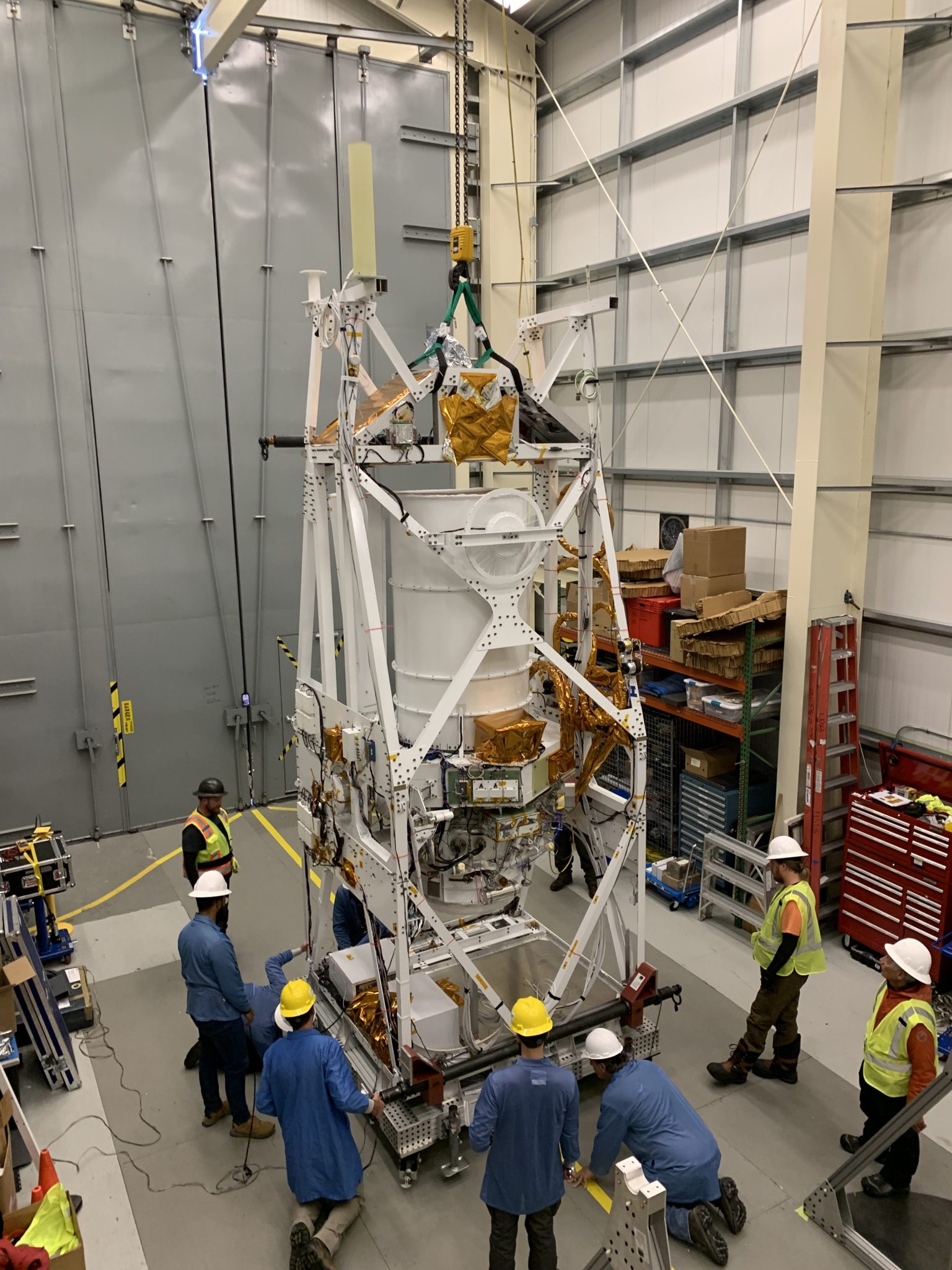
Flipping GUSTO from horizontal to vertical
The GUSTO telescope is seen on Nov. 9, 2023, as Colombia Scientific Balloon Facility personnel assist the GUSTO team in flipping the observatory from a horizontal position to a vertical position. The photo was taken at the Long Duration Balloon Facility on the Ross Ice Shelf near the U.S. National Science Foundation’s McMurdo Station, Antarctica.
Credit: José Silva on behalf of the GUSTO Team

Eventually, when massive stars die and explode as supernovae, massive shock waves ripple through molecular clouds, which can in turn lead to more stars being born, or simply destroy the clouds. GUSTO can also look at this end stage of the molecular clouds.

GUSTO functions as a cosmic radio, equipped to “listen” for particular cosmic ingredients. That’s because it senses the high-frequency signals that atoms and molecules transmit. The “T” in GUSTO stands for “terahertz” – that’s about a thousand times higher than the frequencies that cellphones operate at.

“We basically have this radio system that we built that we can turn the knob and tune to the frequency of those lines,” Walker said. “And if we hear something, we know it’s them. We know it’s those atoms and molecules.”

As the telescope moves across the sky, scientists will use it to map the intensity and velocities of the signals from particular atoms and molecules at each position. “Then we can go back and connect the dots and create an image that looks like a photograph of what the emission looks like,” Walker said.

Observations like these can’t be done for carbon, nitrogen, and oxygen from Earth-based telescopes because of the water vapor in our atmosphere absorbing the light from the atoms and molecules in question, interfering with measurements. On a balloon about 120,000 feet above the ground, GUSTO will fly above most of that water vapor. “For the type of science we do, it’s as good as being in space,” Walker said.

The GUSTO telescope will also reveal the 3D structure of the Large Magellanic Cloud, or LMC, a dwarf galaxy near our Milky Way. The LMC resembles some of the galaxies of the early universe that NASA’s James Webb Space Telescope is exploring. But since the LMC is much closer than the distant early galaxies, scientists can examine it in greater detail with GUSTO.

“By studying the LMC and comparing it to the Milky Way, we’ll be able to understand how galaxies evolve from the early universe until now,” Walker explained.

GUSTO is expected to fly for at least 55 days on a 39 million cubic-foot zero-pressure balloon, a type of balloon that can fly high for long periods of time in the Austral Summer over Antarctica and has the diameter of a football field as it floats.

LDBF sign at McMurdo
GUSTO team member José Silva, Ph.D. student at the Netherlands Institute for Space Research (SRON), stands next to the Long Duration Balloon Facility sign on the Ross Ice Shelf, 8 miles from the U.S. National Science Foundation’s McMurdo Station, Antarctica, on Nov. 9, 2023.
Credit: Geoffrey Palo on behalf of the GUSTO Team

Antarctica provides an ideal launch location for GUSTO. During the southern hemisphere’s summer, the continent gets constant sunlight, so a scientific balloon can be extra stable there. Plus, the atmospheric zone around the South Pole generates cold rotating air – creating a phenomenon called an anticyclone, which enables balloons to fly in circles without disturbance.

“Missions will fly in circles around the South Pole for days or weeks at a time, which is really valuable to the science community,” said Andrew Hamilton, chief of the NASA Balloon Program Office at the Wallops Flight Facility in Virginia. “The longer they have for observation, the more science they can get. 

GUSTO is the first balloon-borne experiment in NASA’s Explorer program. It has the same scientific reach as the program’s space-borne satellites, such as TESS (the Transiting Exoplanet Survey Satellite) and IXPE (Imaging X-Ray Polarimetry Explorer).

“With GUSTO, we’re really trying to trailblaze,” said Kieran Hegarty, Program Manager for GUSTO at APL. “We want to show that balloon investigations do return compelling science.”

A total of twelve mission team members from University of Arizona and APL are on site in Antarctica performing the final checks before GUSTO’s launch.

With seals and penguins nearby, Walker and colleagues are hard at work readying this experiment for its ultimate adventure in the sky. For Walker, GUSTO represents some 30 years of effort, the outgrowth of many experiments from Earth-based telescopes and other balloon efforts.

“We all feel very fortunate and privileged to do a mission like this – to have the opportunity to put together the world’s most advanced terahertz instrument ever created, and then drag it halfway around the world and then launch it,” he said. “It’s a challenge, but we feel honored and humbled to be in the position to do it.”

About the Mission

In March 2017, NASA Astrophysics Division selected the Explorer Mission of Opportunity GUSTO (Galactic/Extragalactic ULDB Spectroscopic Terahertz Observatory) to measure emissions from the interstellar medium to help scientists determine the life cycle of interstellar gas by surveying a large region of our Milky Way galaxy and the Large Magellanic Cloud. The GUSTO mission is led by Principal Investigator Christopher Walker from the University of Arizona in Tucson. The team also includes the Johns Hopkins University Applied Physics Laboratory in Laurel, Maryland, which provided the balloon platform to mount the instrumentation, known as the gondola, and the GUSTO project management. The University of Arizona provided the GUSTO telescope and the focal plane instrument, which incorporates detector technologies from NASA’s Jet Propulsion Laboratory in Pasadena, California, the Massachusetts Institute of Technology in Cambridge, Arizona State University in Tempe, and SRON Netherlands Institute for Space Research.

Media Contacts

By Elizabeth Landau
Headquarters, Washington
202-358-0845
elizabeth.r.landau@nasa.gov

Alise Fisher
Headquarters, Washington
202-358-2546
alise.m.fisher@nasa.gov

Powered by WPeMatico

Get The Details…

50 Years Ago: Skylab 4 Astronauts Push Past the One-Month Mark

50 Years Ago: Skylab 4 Astronauts Push Past the One-Month Mark

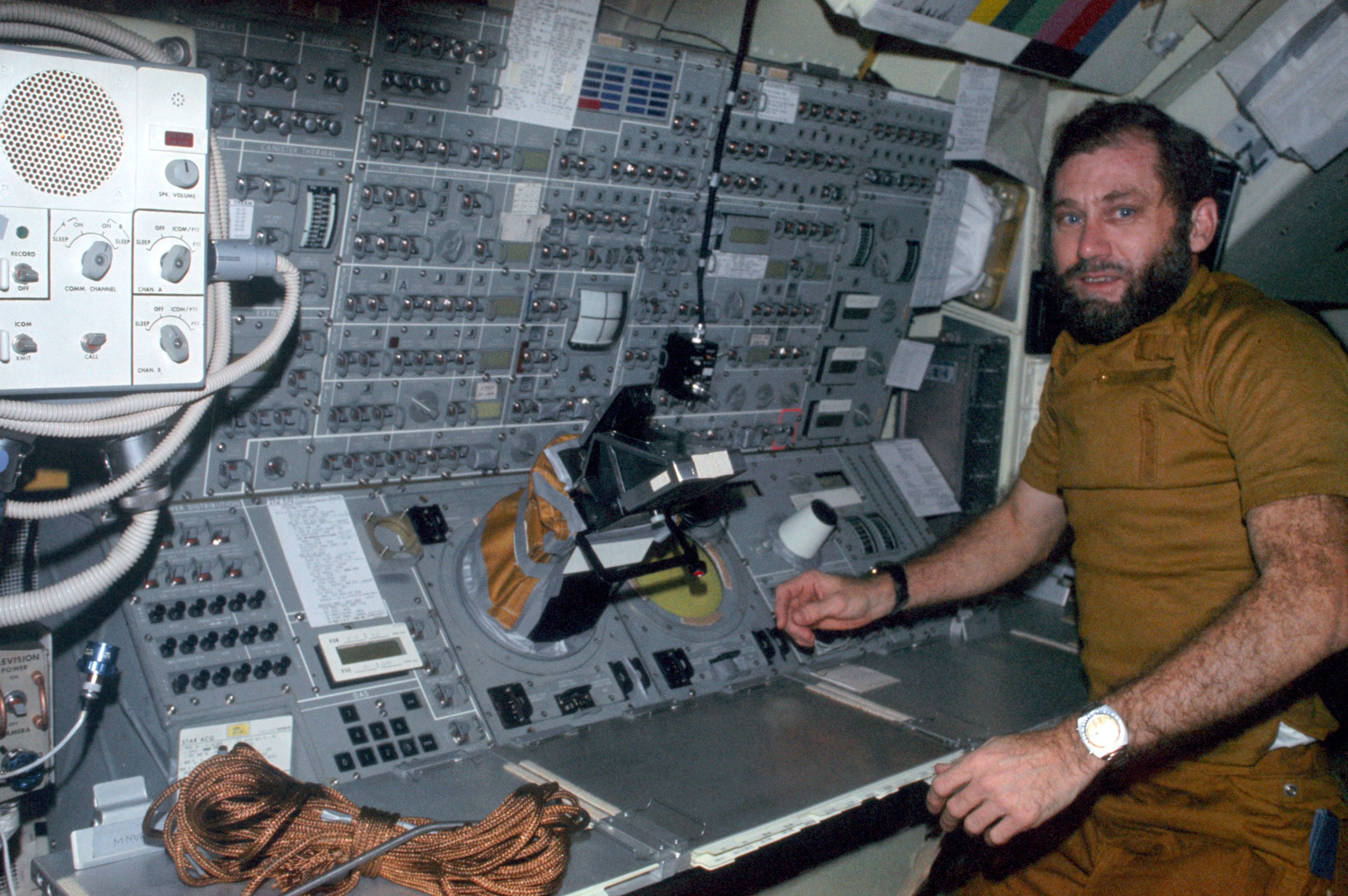
In December 1973, Skylab 4 astronauts Gerald P. Carr, Edward G. Gibson, and William R. Pogue passed the one-month mark of the third and final mission aboard the Skylab space station. Launching on Nov. 16, they began a planned 56-day flight that mission managers fully expected to extend to 84 days. They continued the science program begun by the previous two Skylab crews, including biomedical studies on the effects of long-duration space flight on the human body, Earth observations using the Earth Resources Experiment Package (EREP), and solar observations with instruments mounted on the Apollo Telescope Mount (ATM). To study newly discovered Comet Kohoutek, scientists added cometary observations to the crew’s already busy schedule, including adding a far ultraviolet camera to Skylab’s instrument suite.

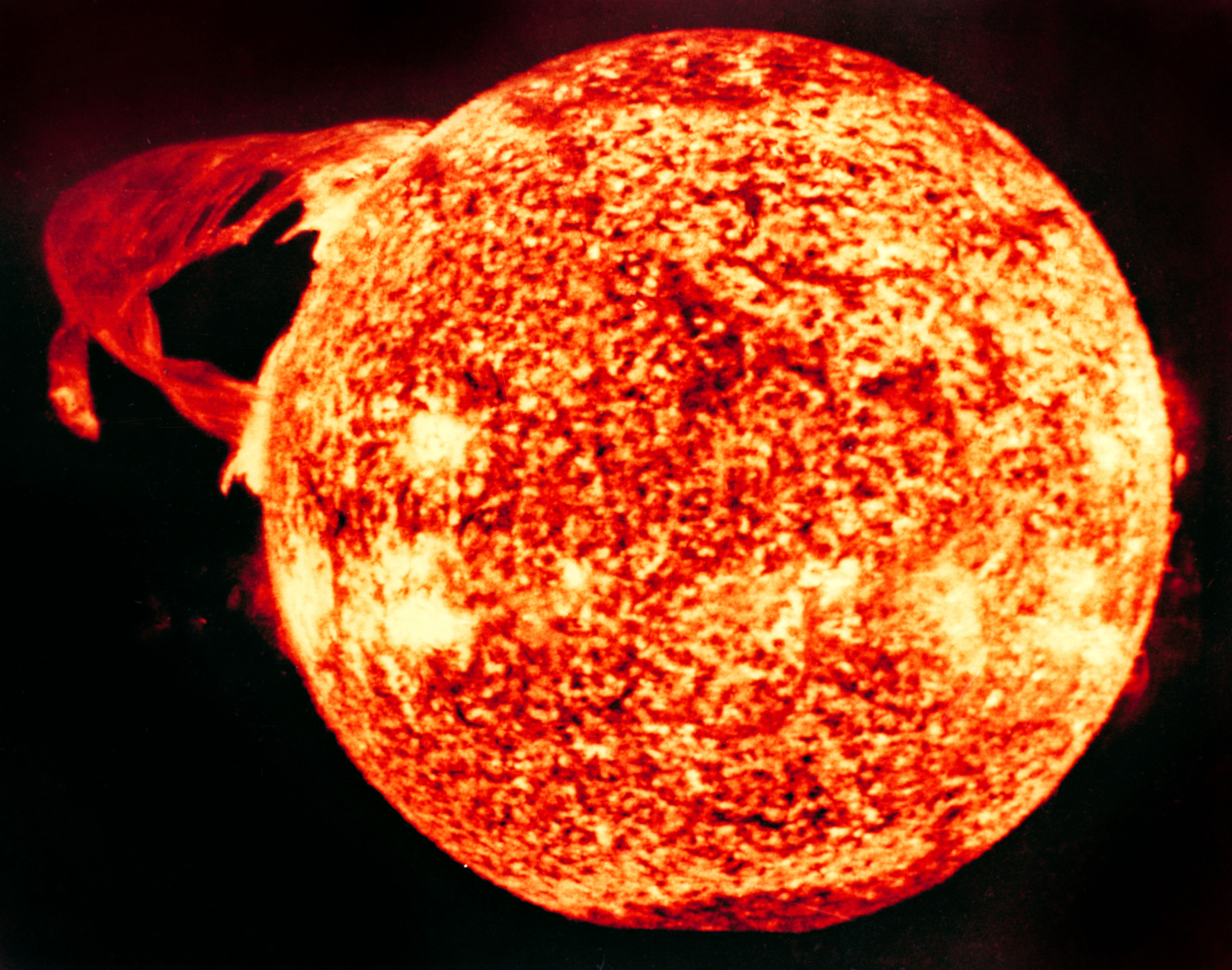
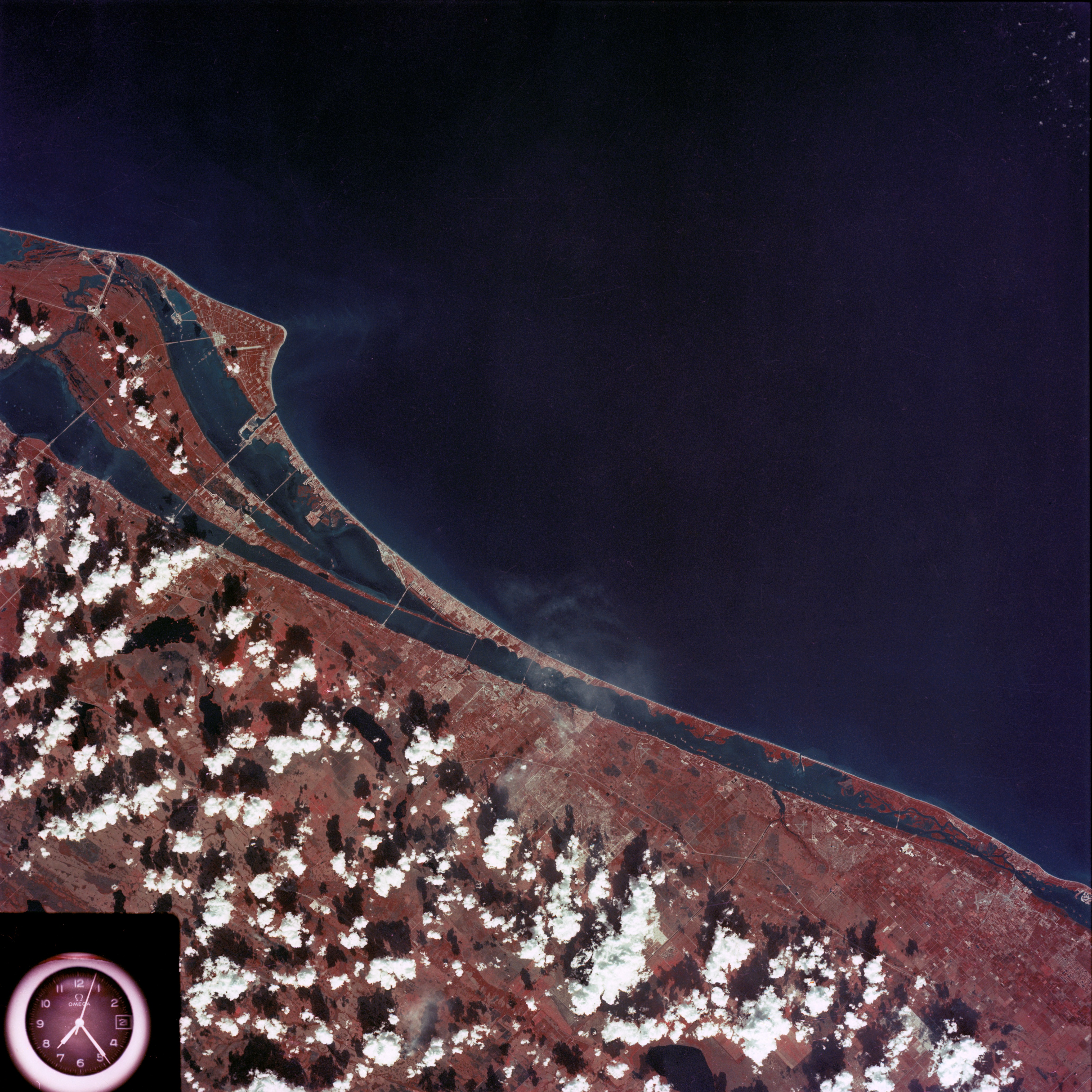
Image of a massive solar flare taken by one of the Apollo Telescope Mount instruments Earth Resources Experiment Package infrared photograph of Florida’s central Atlantic coast including NASA’s Kennedy Space Center Gerald P. Carr monitors Edward G. Gibson during a lower body negative pressure test of his cardiovascular system
Left: Image of a massive solar flare taken by one of the Apollo Telescope Mount instruments. Middle: Earth Resources Experiment Package infrared photograph of Florida’s central Atlantic coast including NASA’s Kennedy Space Center. Right: Gerald P. Carr monitors Edward G. Gibson during a lower body negative pressure test of his cardiovascular system.

On Dec. 13, the mission’s 28th day, program officials assessed the astronauts’ performance and the status of the station and fully expected that they could complete the nominal 56-day mission and most likely the full 84 days. Despite being overworked and often behind the timeline, Carr, Gibson, and Pogue had already accomplished 84 hours of ATM solar observations, 12 EREP passes, 80 photographic and visual Earth observations, all of the scheduled medical experiments, as well as numerous other activities such as student experiments, and science demonstrations. The astronaut’s major concern centered around the timelining process that had not given them time to adjust to their new environment and did not consider their on-orbit daily routine. Despite the crew sending taped verbal messages to the ground asking for help in fixing these issues, the problem persisted. Skylab 4 Lead Flight Director Neil B. Hutchinson later admitted that the ground team learned many lessons about timelining long duration missions during the first few weeks of Skylab 4.

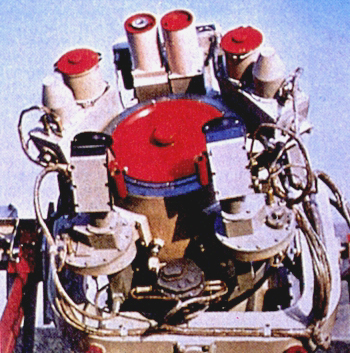
Soyuz 13 cosmonauts Pyotr I. Klimuk, left, and Valentin V. Lebedev during their mission Model of Soyuz 13, showing the replacement of the forward docking system with the Orion-2 telescope inside its housing Preflight view of the Orion-2 instrument package
Left: Soyuz 13 cosmonauts Pyotr I. Klimuk, left, and Valentin V. Lebedev during their mission. Middle:  Model of Soyuz 13, showing the replacement of the forward docking system with the Orion-2 telescope inside its housing. Right: Preflight view of the Orion-2 instrument package. Image credits: courtesy of Roscosmos.

On Dec. 18, Carr, Gibson, and Pogue received visitors in low Earth orbit. On their 33rd day aboard the Skylab space station, the Soviet Union launched Soyuz 13, with Pyotr I. Klimuk and Valentin V. Lebedev aboard. Although the event marked the first time in history that American astronauts and Soviet cosmonauts orbited the Earth at the same time, the two crews neither met nor communicated with each other, traveling in very different orbits with different missions. The Soyuz 13 cosmonauts operated a scientific package called Orion-2, comprised of three ultraviolet spectrographs for stellar observations and an X-ray telescope to image the Sun. Soviet engineers modified the orbital compartment of the Soyuz, removing its docking apparatus to accommodate the Orion-2 instruments. On Dec. 26, the cosmonauts landed in Kazakhstan in the middle of a snowstorm. The success of Soyuz 13 gave the Soviets and their American counterparts confidence that the spacecraft, modified after the Soyuz 11 accident, would be safe for the Apollo-Soyuz Test Project (ASTP), a joint mission agreed to in May 1972 and planned for July 1975.

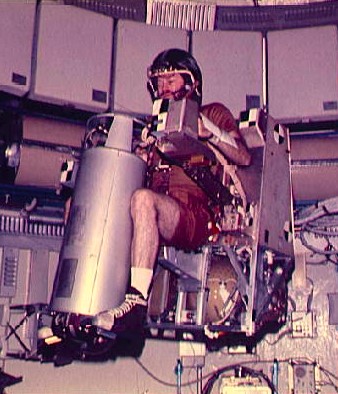
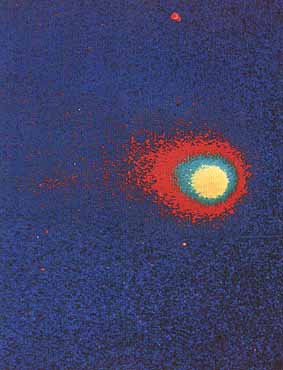
Gerald P. Carr flying the Astronaut Maneuvering Unit A far ultraviolet image of Comet Kohoutek William R. Pogue at the controls of the Apollo Telescope Mount
Left: Gerald P. Carr flying the Astronaut Maneuvering Unit. Middle: A far ultraviolet image of Comet Kohoutek. Right: William R. Pogue at the controls of the Apollo Telescope Mount.

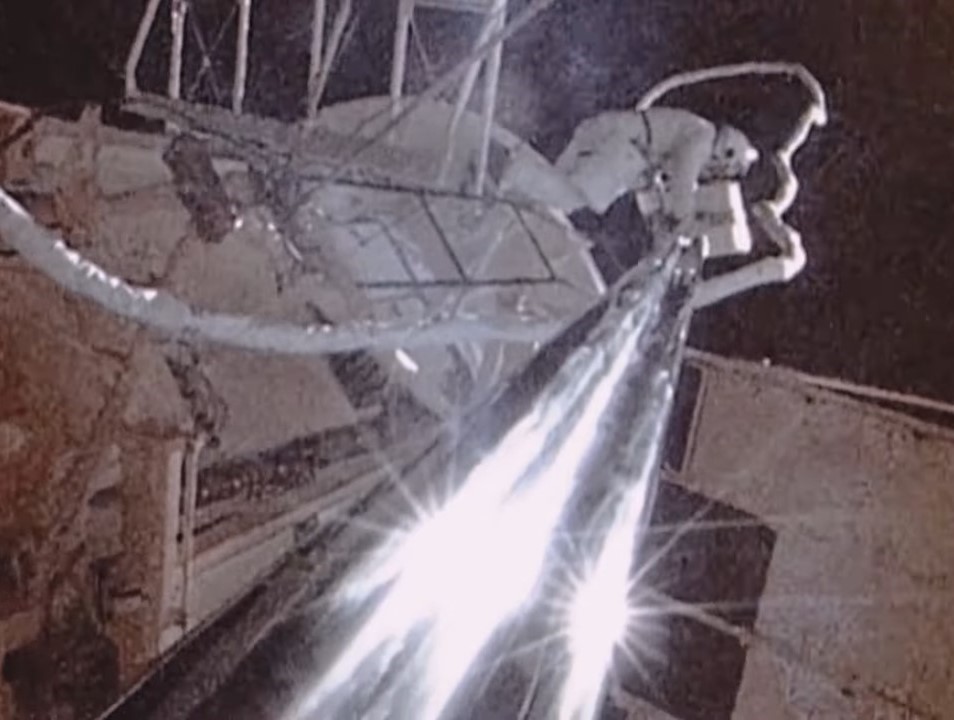
Carr, Gibson, and Pogue increased their focus on observing Comet Kohoutek as it neared perihelion, or its closest approach to the Sun, on Dec. 28. At that point, Skylab’s solar telescopes could observe the comet better than any ground-based instruments. In addition to dedicated observations during two spacewalks, the astronauts continued to monitor the comet well into January as it headed rapidly away from the Sun, to return in maybe 75,000 years. The astronauts continued their medical studies and Earth observations as well as tests inside the large dome of the workshop of the Astronaut Maneuvering Unit, a precursor of the Manned Maneuvering Unit used during the space shuttle program to retrieve satellites.

Skylab 4 astronauts Gerald P. Carr, left, Edward G. Gibson, and William R. Pogue build and decorate their makeshift Christmas tree Carr, left, Gibson, and Pogue’s Christmas stockings Gibson, left, Carr, and Pogue open Christmas presents
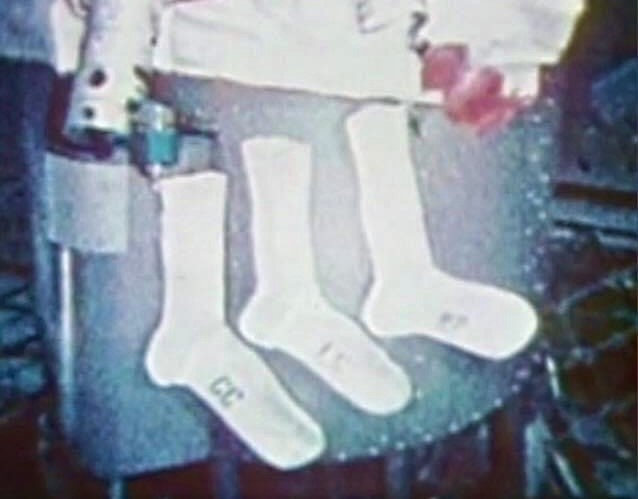
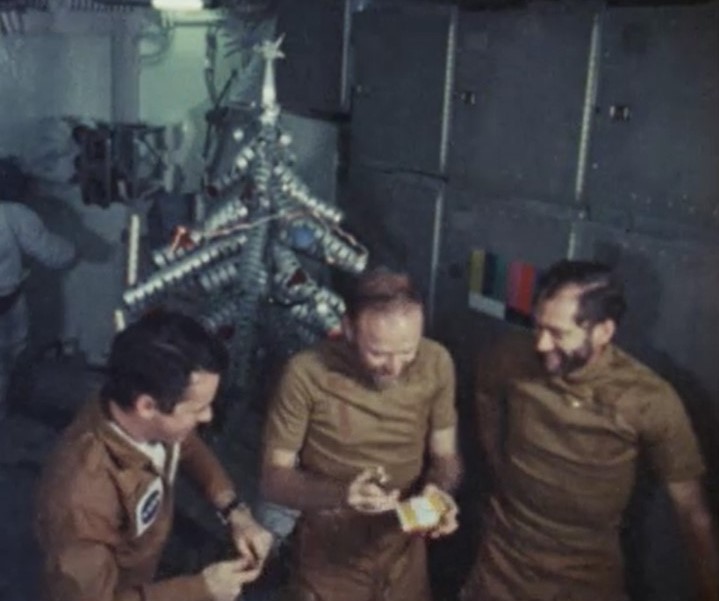
Left: Skylab 4 astronauts Gerald P. Carr, left, Edward G. Gibson, and William R. Pogue build and decorate their makeshift Christmas tree. Middle: Carr, left, Gibson, and Pogue’s Christmas stockings. Right: Gibson, left, Carr, and Pogue open Christmas presents.

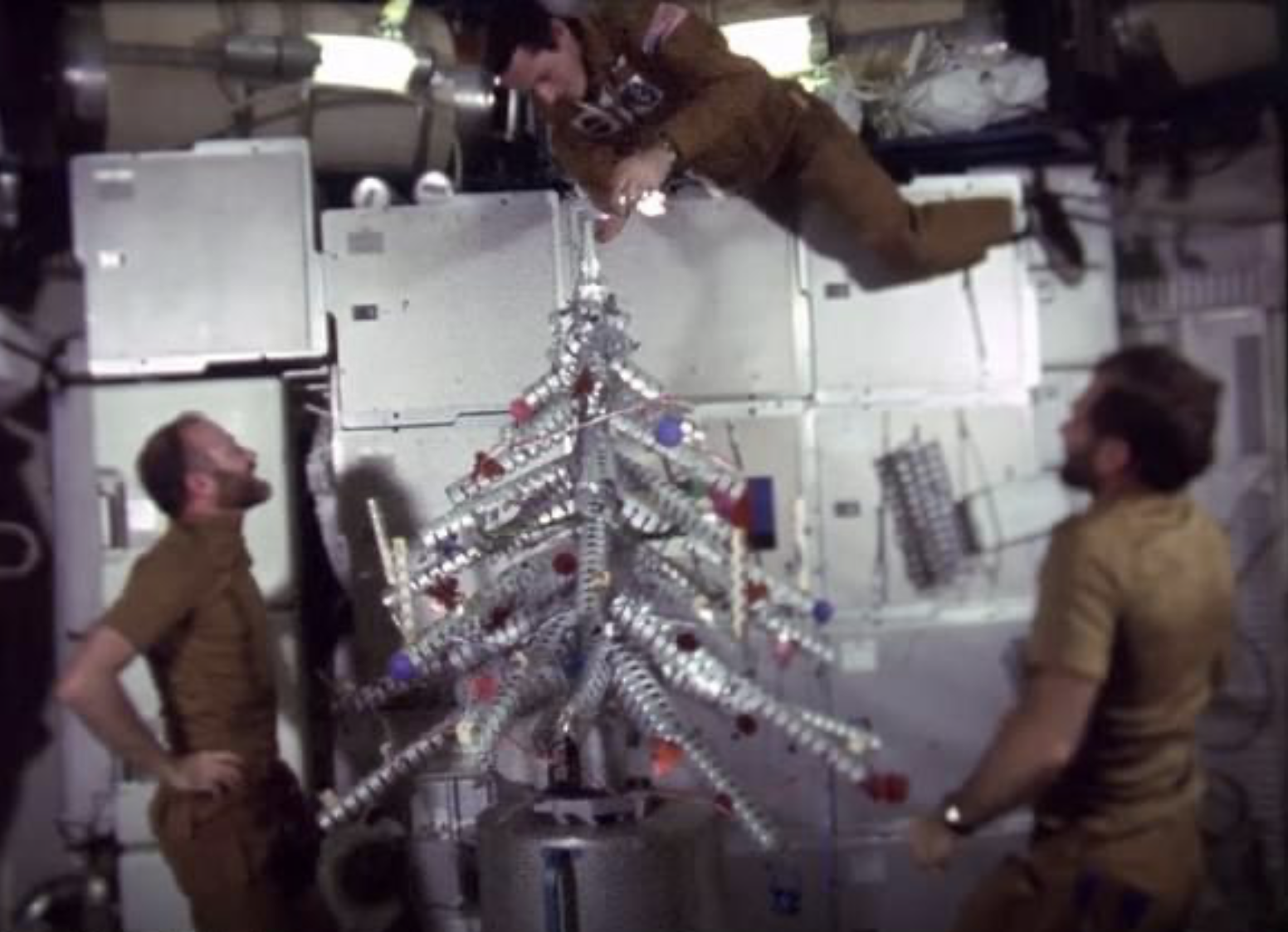
For only the second time, American astronauts celebrated Christmas in space. On the first occasion five years earlier, Apollo 8 astronauts observed Christmas as the first crew to orbit the Moon. In the more spacious Skylab workshop, and with more time to prepare, Carr, Gibson, and Pogue built a makeshift Christmas tree by repurposing food cans, used colored decals as decorations, and topped it with a cardboard cutout in the shape of a comet. They hung stockings on the wall beneath the tree and sent holiday greetings to people on the ground.

Image of Skylab 4 astronaut Gerald P. Carr from the mission’s second spacewalk, changing film cassettes in the Apollo Telescope Mount (ATM) Image of Skylab 4 astronaut Gerald P. Carr from the mission’s second spacewalk, repairing one of the ATM instruments Image of Skylab 4 astronaut Gerald P. Carr from the mission’s second spacewalk, observing Comet Kohoutek.
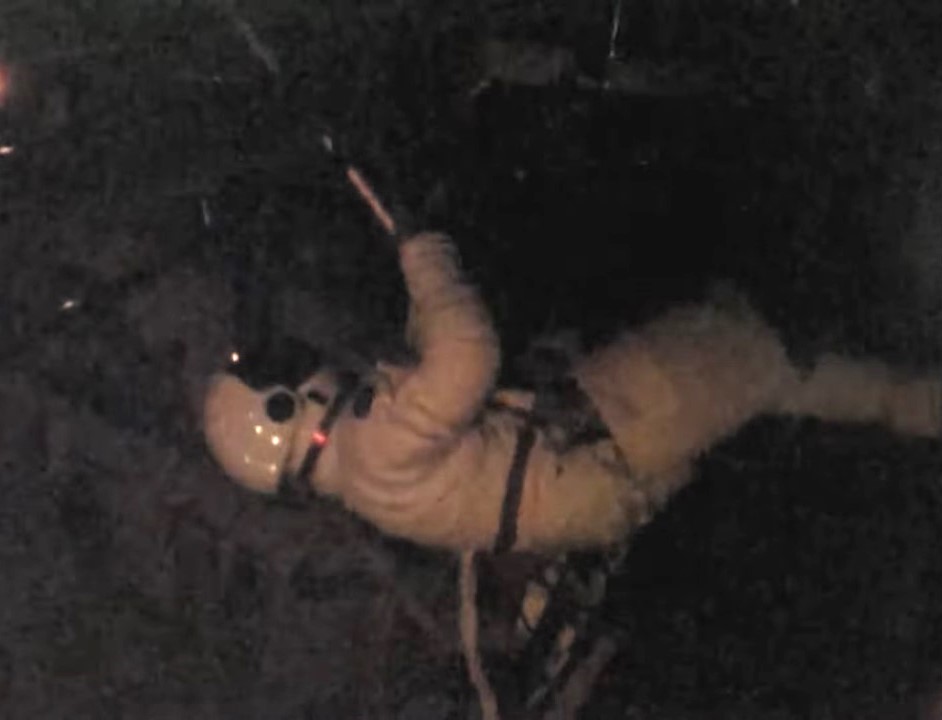
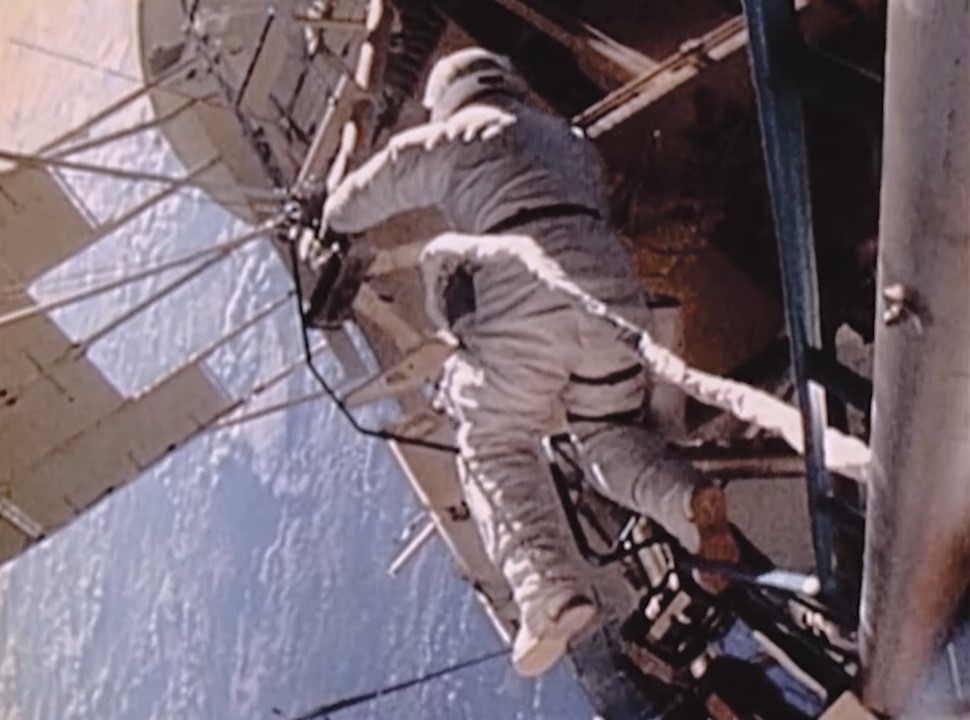
Skylab 4 astronaut Gerald P. Carr in three scenes from the mission’s second spacewalk, with tasks including changing film cassettes in the Apollo Telescope Mount (ATM), repairing one of the ATM instruments, and observing Comet Kohoutek.

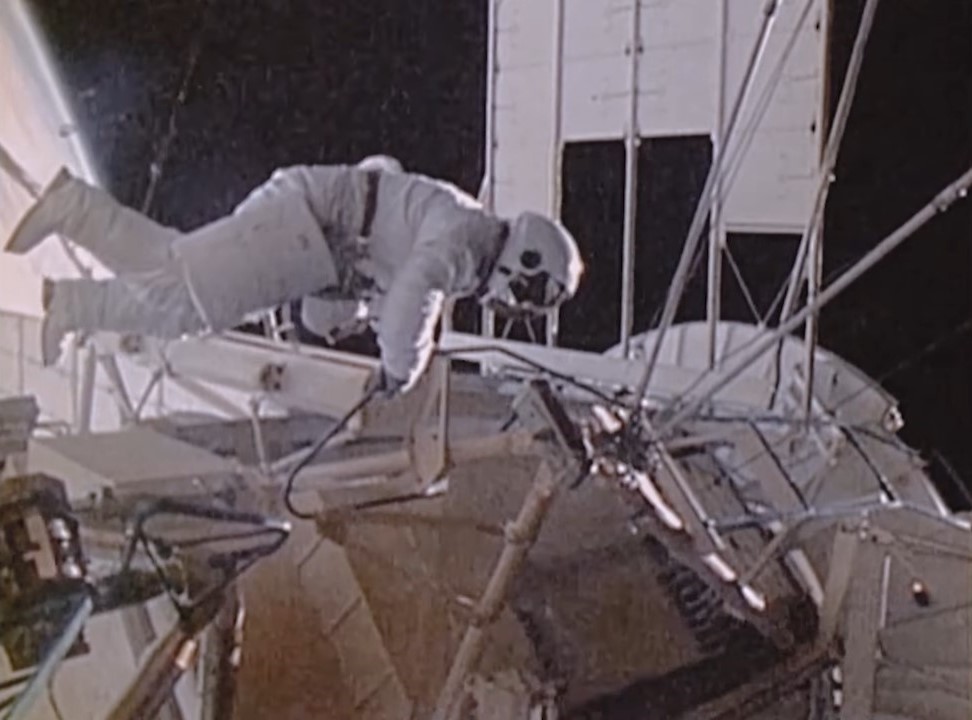
The main task on Christmas Day involved the mission’s second spacewalk. Carr and Pogue spent 7 hours and 1 minute outside the space station, then a record for Earth orbital spacewalks. In addition to replacing film cartridges in the ATM, they repaired a stuck filter wheel on an ATM instrument, and used an ultraviolet camera to photograph Comet Kohoutek. Once back inside the station, they enjoyed a Christmas dinner complete with fruitcake, talked to their families, and opened presents from the astronauts’ wives that the ground crew at NASA’s Kennedy Space Center in Florida had hidden in lockers in the Command Module.

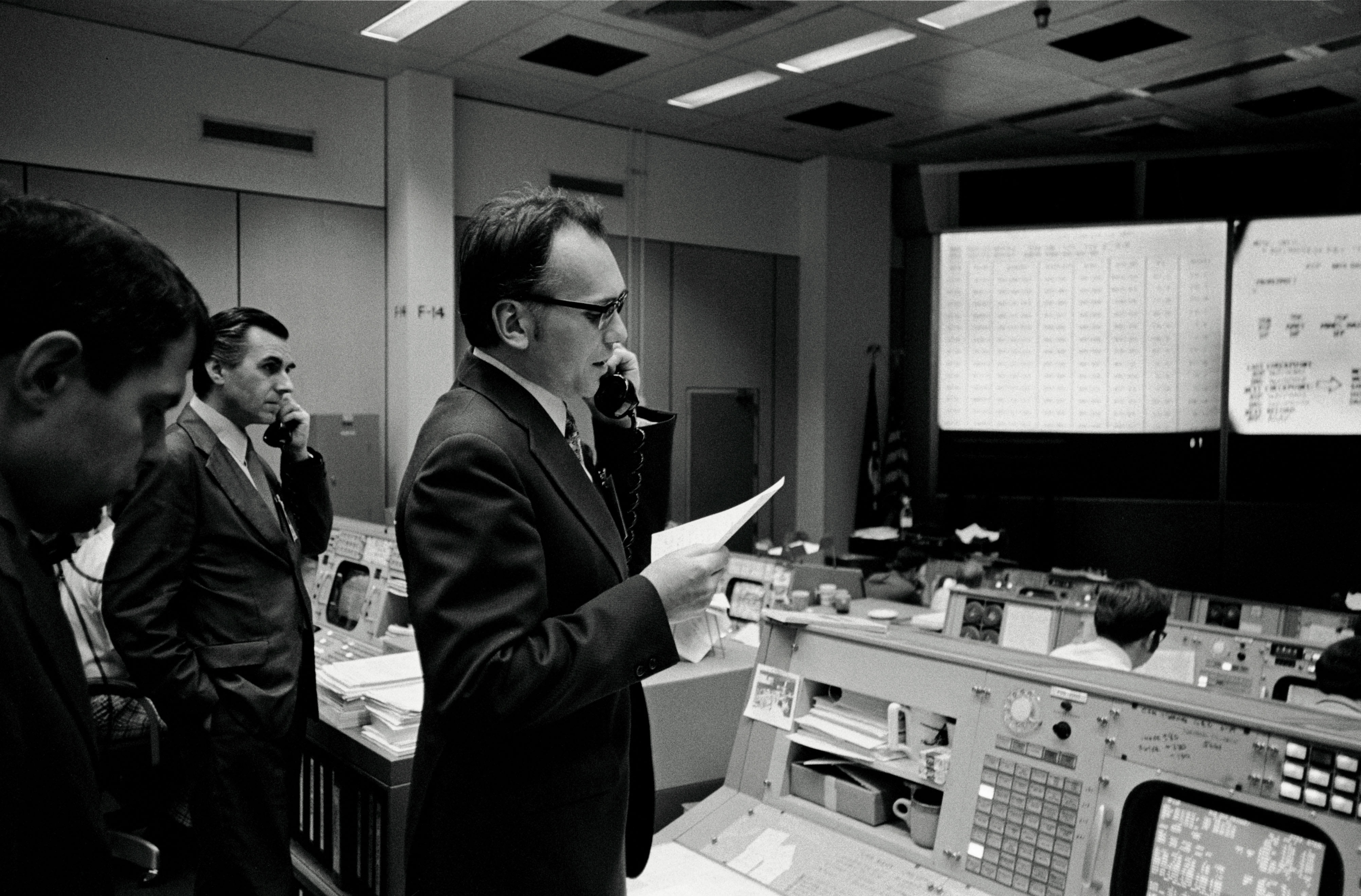
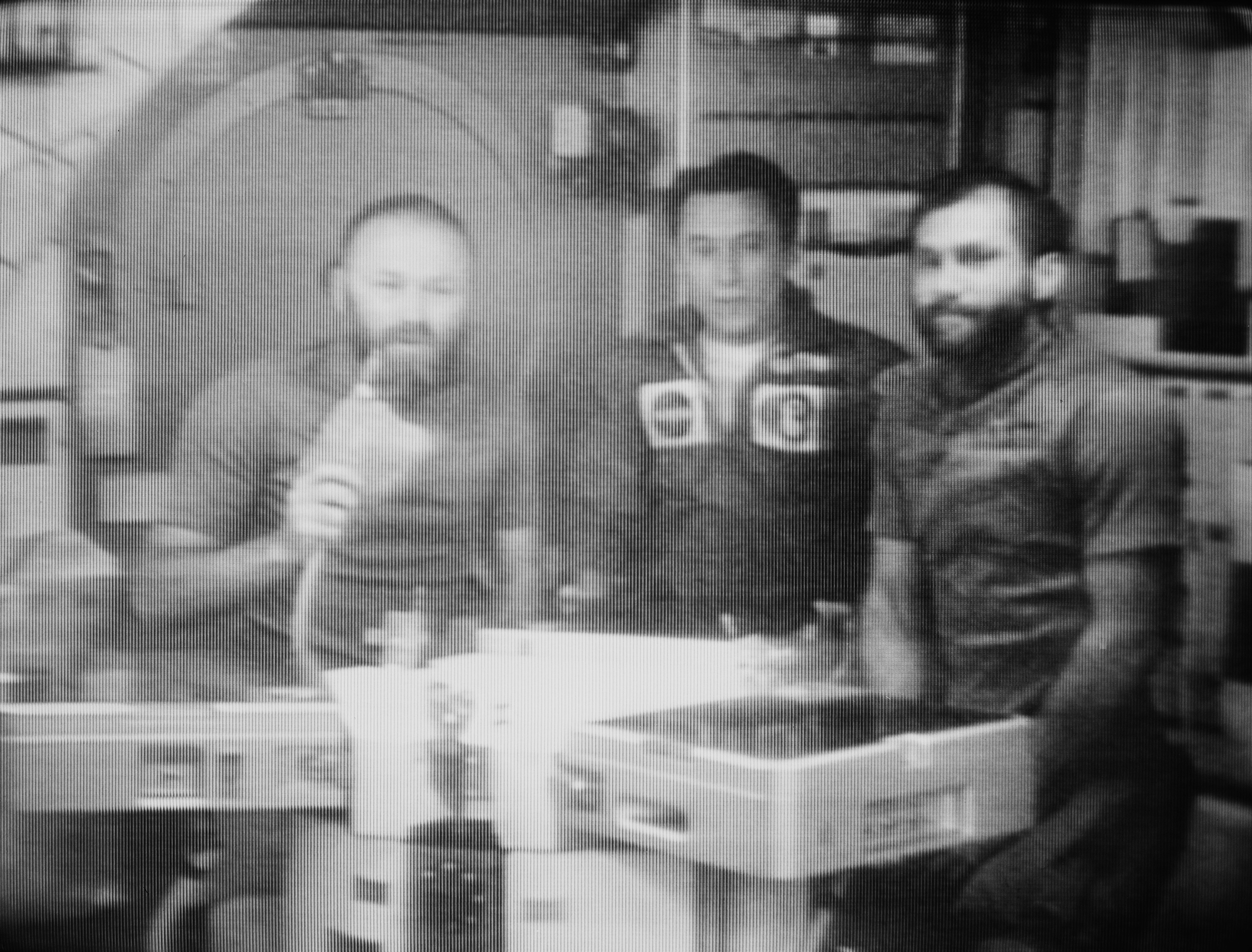
In the Mission Control Center at NASA’s Johnson Space Center in Houston, Professor Luboš Kohoutek talks with the Skylab 4 crew Astronauts Gerald P. Carr, left, Edward G. Gibson, and William R. Pogue during the videoconference with Professor Kohoutek Gibson during the third Skylab 4 spacewalk, exclusively dedicated to study Comet Kohoutek
Left: In the Mission Control Center at NASA’s Johnson Space Center in Houston, Professor Luboš Kohoutek talks with the Skylab 4 crew. Middle: Astronauts Gerald P. Carr, left, Edward G. Gibson, and William R. Pogue during the videoconference with Professor Kohoutek. Right: Gibson during the third Skylab 4 spacewalk, exclusively dedicated to study Comet Kohoutek.

On Dec. 28, the day the astronauts reached the halfway point of their 84-day mission, they held an 11-minute video conference with the comet’s discoverer, Czech astronomer Luboš Kohoutek during his visit to the Mission Control Center at NASA’s Johnson Space Center (JSC) in Houston. The next day, Carr and Gibson completed the mission’s third spacewalk lasting 3 hours 29 minutes and dedicated to observing and photographing the comet. Although the crew’s work schedule had improved over the previous few weeks, the astronauts still found it difficult to accomplish the timeline the planners laid out for them. To rectify the problem, Carr requested a dedicated space to ground voice conference so the issues could be aired and rectified. Following what Carr later called the first sensitivity session in space on Dec. 30, planners understood the astronauts’ constraints and the crew worked more effectively the second half of the mission. Capsule communicator Richard H. Truly mentioned that JSC Director Christopher C. Kraft and Flight Crew Operations Chief Donald K. “Deke” Slayton had listened to the conversation and agreed that the teams “made about a million bucks” during the 55-minute conversation. The lessons learned about scheduling activities for long-duration spaceflights proved useful to later programs such as Shuttle/Mir and the International Space Station.

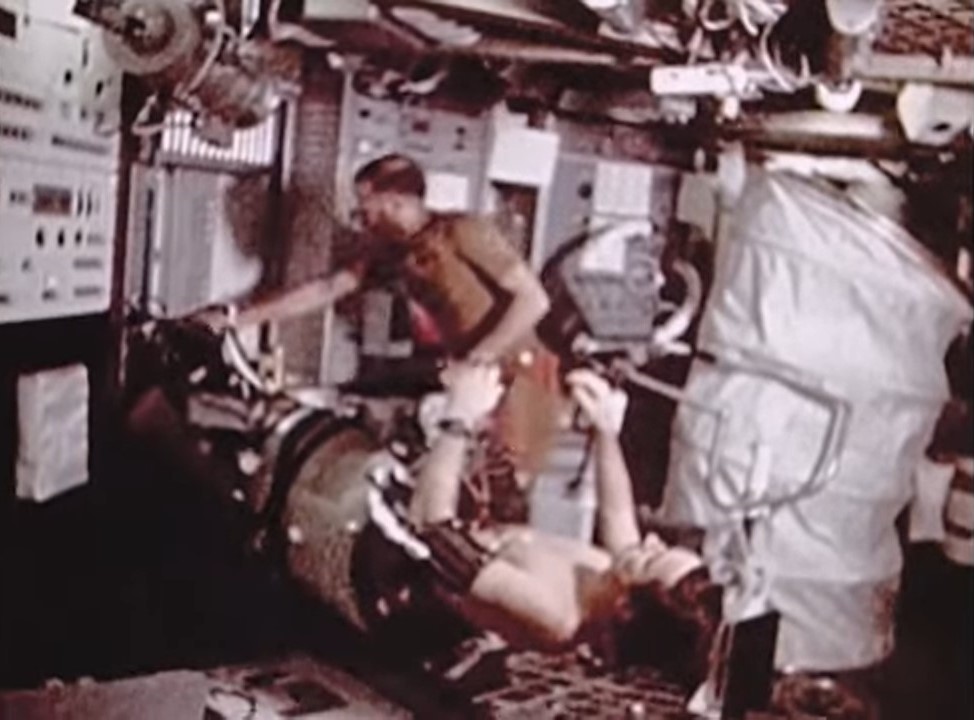
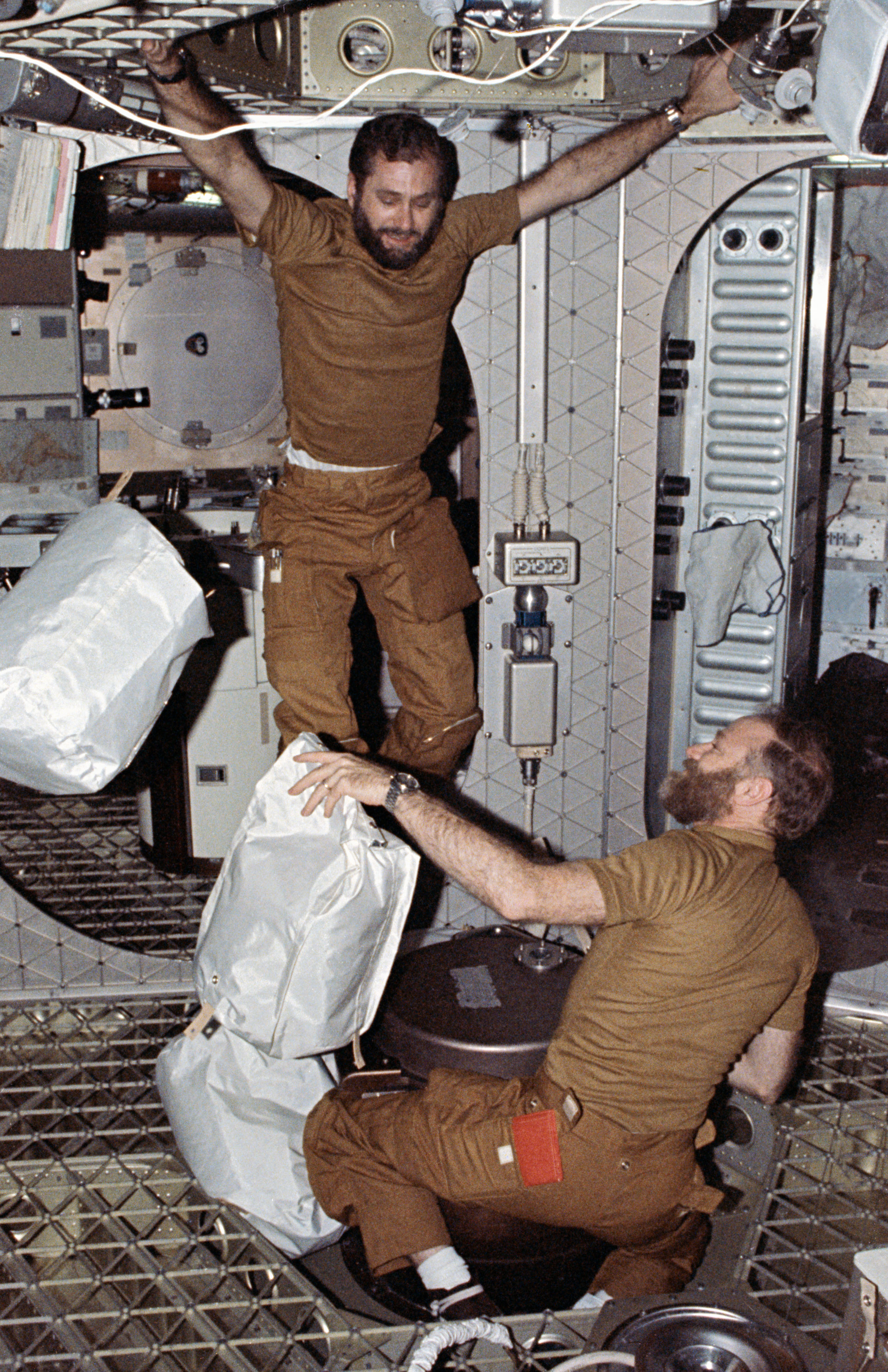
Williams R. Pogue, left, and Gerald P. Carr place bags into the trash airlock Edward G. Gibson floats into the large volume of the orbital workshop from airlock module Carr and Pogue demonstrate weightlessness
Left: Williams R. Pogue, left, and Gerald P. Carr place bags into the trash airlock. Middle: Edward G. Gibson floats into the large volume of the orbital workshop from airlock module. Right: Carr and Pogue demonstrate weightlessness.

On Jan. 1, 1974, Carr, Gibson, and Pogue celebrated the coming of the new year, the first space crew to observe that holiday along with Thanksgiving and Christmas. An American astronaut would not repeat that for 23 years until John E. Blaha during his four-month stay aboard the Mir space station in 1996-7. On Jan. 10, Carr, Gibson, and Pogue enjoyed a day off, meaning planners only scheduled one third of their time, freeing them to pursue activities of their own choosing. On the ground, mission managers held the 56-day review of the mission and based on the crew’s health and the station’s condition declared the mission go for 84 days, although strictly speaking, managers and flight surgeons approved the mission’s extension one week at a time.

For more insight into the Skylab 4 mission, read Carr’s, Gibson’s, and Pogue’s oral histories with the JSC History Office.

To be continued …

With special thanks to Ed Hengeveld for his expert contributions on Skylab imagery.

Share

Details

Last Updated

Dec 18, 2023

Related Terms

Powered by WPeMatico

Get The Details…
Kelli Mars

SpaceX Dragon Departure from Space Station for NASA Targets Wednesday

SpaceX Dragon Departure from Space Station for NASA Targets Wednesday

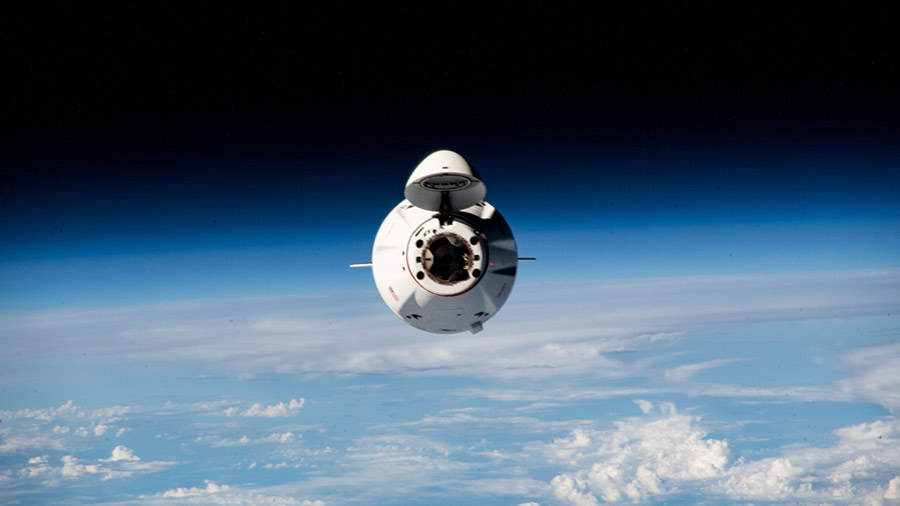
The SpaceX Dragon cargo spacecraft is pictured approaching the space station above the Indian Ocean on March 16, 2023.

NASA and SpaceX now are targeting no earlier than 5:05 p.m. EST Wednesday, Dec. 20, for the undocking of the company’s 29th Dragon commercial resupply services mission from the International Space Station due to unfavorable weather conditions.

Joint teams continue to evaluate weather conditions as a cold front passes through the splashdown zones off the coast of Florida to determine the best autonomous undocking opportunity.

Coverage of Dragon’s departure Wednesday will begin at 4:45 p.m. on the NASA+ streaming service via the web or the NASA app. Coverage also will air live on NASA Television, YouTube, and on the agency’s website. Learn how to stream NASA TV through a variety of platforms including social media.

After re-entering Earth’s atmosphere, the spacecraft will splash down off the coast of Florida, which will not be broadcast on NASA TV. Follow updates on return plans on the agency’s space station blog.


Learn more about station activities by following the space station blog@space_station and @ISS_Research on X, as well as the ISS Facebook and ISS Instagram accounts.

Get weekly video highlights at: https://roundupreads.jsc.nasa.gov/videoupdate/

Get the latest from NASA delivered every week. Subscribe here: www.nasa.gov/subscribe

Powered by WPeMatico
Get The Details…

Mark Garcia

SpaceX Dragon Departure from Space Station for NASA Targets Tuesday

SpaceX Dragon Departure from Space Station for NASA Targets Tuesday

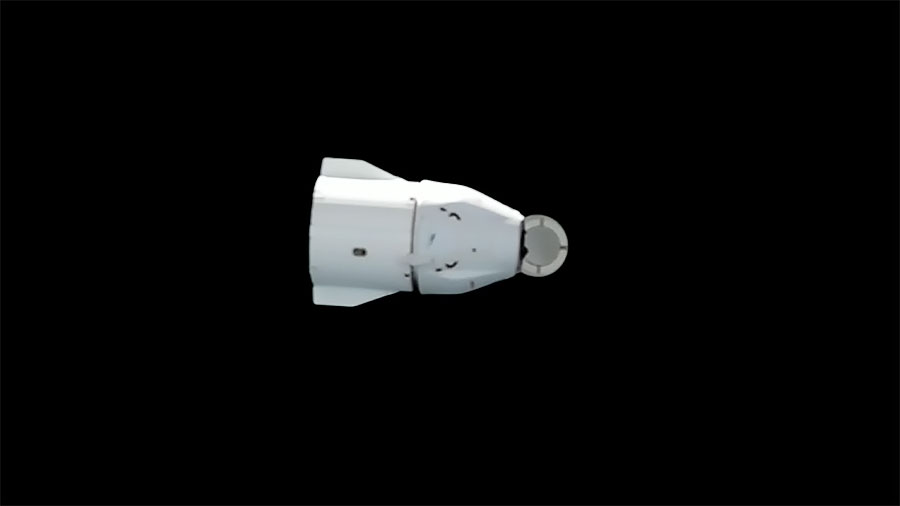
The SpaceX Dragon cargo spacecraft is pictured departing the vicinity of the space station following its undocking from the Harmony module's space-facing port on January 9, 2023.
The SpaceX Dragon cargo spacecraft is pictured departing the vicinity of the space station following its undocking from the Harmony module’s space-facing port on January 9, 2023.

NASA and SpaceX now are targeting no earlier than 5:05 p.m. EST Tuesday, Dec. 19, for the undocking of the company’s 29th Dragon commercial resupply services mission from the International Space Station due to unfavorable weather conditions.

Joint teams continue to evaluate weather conditions as a cold front passes through the splashdown zones off the coast of Florida to determine the best autonomous undocking opportunity.

Coverage of Dragon’s departure Tuesday will begin at 4:45 p.m. on the NASA+ streaming service via the web or the NASA app. Coverage also will air live on NASA Television, YouTube, and on the agency’s website. Learn how to stream NASA TV through a variety of platforms including social media.

After re-entering Earth’s atmosphere, the spacecraft will splash down off the coast of Florida, which will not be broadcast on NASA TV. Follow updates on return plans on the agency’s space station blog.


Learn more about station activities by following the space station blog@space_station and @ISS_Research on X, as well as the ISS Facebook and ISS Instagram accounts.

Get weekly video highlights at: https://roundupreads.jsc.nasa.gov/videoupdate/

Get the latest from NASA delivered every week. Subscribe here: www.nasa.gov/subscribe

Powered by WPeMatico
Get The Details…

Mark Garcia

Crew Loads Dragon with NASA Science, Keeps Up Space Research

Crew Loads Dragon with NASA Science, Keeps Up Space Research

The waning gibbous Moon is pictured just above Earth's horizon in this photograph from the station as it orbited 262 miles above a cloudy central Asia.
The waning gibbous Moon is pictured just above Earth’s horizon in this photograph from the station as it orbited 262 miles above a cloudy central Asia.

The Expedition 70 crew is continuing to pack a U.S. cargo spacecraft readying for its departure early next week. The seven residents living aboard the International Space Station also explored virtual reality while servicing a variety of science and life support hardware.

NASA and SpaceX are postponing the Sunday, Dec. 17, undocking of a SpaceX Dragon cargo resupply spacecraft from the International Space Station due to unfavorable weather conditions as a cold front passes through the splashdown zones off the coast of Florida.

Joint teams continue to evaluate weather conditions to determine the best opportunity for Dragon to autonomously undock from the space station with the next available opportunity no earlier than 5:05 p.m. EST Monday, Dec. 18.

Weather permitting for the Monday undocking, coverage of Dragon’s departure will begin at 4:45 p.m. on the NASA+ streaming service via the web or the NASA app. Coverage also will air live on NASA Television, YouTube, and on the agency’s website. Learn how to stream NASA TV through a variety of platforms including social media.

After re-entering Earth’s atmosphere, the spacecraft will splash down off the coast of Florida, which will not be broadcast on NASA TV. Follow updates on return plans on the agency’s space station blog.

Astronauts Jasmin Moghbeli of NASA and Satoshi Furukawa of JAXA (Japan Aerospace Exploration Agency) resumed transferring science-packed cargo freezers from the station’s EXPRESS racks and into Dragon. The duo activated and configured the science freezers inside Dragon securing the preserved biological samples for retrieval and analysis on Earth.

Earlier, Moghbeli swapped out hardware inside the Solution Crystallization Observation Facility, a research device that investigates the morphology and growth of crystals. She also shook mixture tubes containing seed samples for a space botany study. Furukawa reconnected a power and communications unit inside combustion research hardware located in the Kibo laboratory module.

Commander Andreas Mogensen from ESA (European Space Agency) started his day on an experiment that aims to strengthen computer programming skills and promote STEM careers for students on Earth. Mogensen later wore virtual reality googles and watched a 360-degree movie to understand its stabilizing effect on the nervous system for the VR Mental Care experiment.

NASA Flight Engineer Loral O’Hara of NASA spent her day working on lab maintenance throughout the orbital outpost. She replaced orbital plumbing components and deployed a portable fan inside the Tranquility module then swapped out a broken wireless antenna in the Unity module.

The space station’s three cosmonauts stayed focused on their contingent of science activities and orbital systems upkeep. Flight Engineers Oleg Kononenko and Nikolai Chub once again scanned their stomachs with an ultrasound device after breakfast for a Roscosmos space digestion study. Kononenko then repositioned eggs inside an incubator for a biology experiment while Chub transferred dismantled life support gear from the Zarya module and into Unity. Flight Engineer Konstantin Borisov spent his morning on orbital plumbing tasks then finished the day photographing and inspecting windows on the Zvezda service module.


Learn more about station activities by following the space station blog@space_station and @ISS_Research on X, as well as the ISS Facebook and ISS Instagram accounts.

Get weekly video highlights at: https://roundupreads.jsc.nasa.gov/videoupdate/

Get the latest from NASA delivered every week. Subscribe here: www.nasa.gov/subscribe

Powered by WPeMatico
Get The Details…

Mark Garcia