NASA Astronaut Loral O’Hara to Discuss Space Station Mission

NASA Astronaut Loral O’Hara to Discuss Space Station Mission
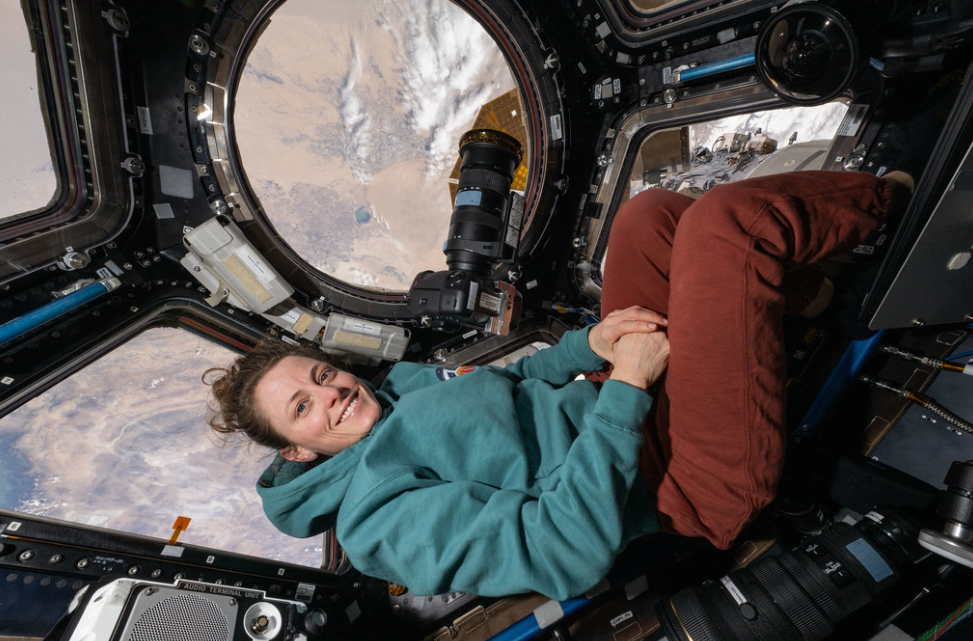
NASA astronaut Loral O’Hara is pictured inside the cupola aboard the International Space Station.
Credit: NASA

After spending six-and-a-half-months aboard the International Space Station, NASA astronaut Loral O’Hara will participate in a news conference at 10:45 a.m. EDT Monday, April 15, at the agency’s Johnson Space Center in Houston.

The news conference will air live on NASA+, NASA Television, the NASA app, YouTube, and the agency’s website. Learn how to stream NASA TV through a variety of platforms including social media.

Media interested in participating in person must contact the NASA Johnson newsroom no later than 5 p.m. Friday, April 12, by calling 281-483-5111 or emailing: jsccommu@mail.nasa.gov.

Media wishing to participate virtually must contact the newsroom no later than two hours before the start of the event. NASA’s media accreditation policy is available online. Questions may also be submitted on social media by using #AskNASA.

O’Hara launched Sept. 15, 2023, alongside Roscosmos cosmonauts Oleg Kononenko and Nikolai Chub, and returned to Earth April 6 with Roscosmos cosmonaut Oleg Novitskiy and spaceflight participant Marina Vasilevskaya of Belarus. Novitskiy and Vasilevskaya launched with NASA astronaut Tracy C. Dyson to the station aboard the Soyuz MS-25 spacecraft on March 23.

O’Hara completed 204 days in space, 3,264 orbits of the Earth, and 86.5 million miles during her first spaceflight. She witnessed the arrival of eight visiting spacecraft and the departure of seven visiting spacecraft, including both crewed and cargo missions. O’Hara also completed one spacewalk totaling six hours, 42 minutes.

While aboard the orbiting lab, O’Hara conducted dozens of science and technology activities to benefit future exploration in space and life back on Earth. O’Hara is among the first astronauts to participate in CIPHER, or the Complement of Integrated Protocols for Human Exploration Research program, an investigation that studies the psychological and physiological changes humans experience during spaceflight. Collecting data from astronauts on missions of different durations supports the development of ways to protect crew health on long-duration missions to the Moon and Mars.

O’Hara conducted experiments bioprinting cardiac tissues in microgravity which could advance technology for creating replacement organs and tissues for transplant on Earth. She also studied the effects of microgravity on bone marrow mesenchymal stem cells to improve our understanding of the mechanisms behind bone loss and support the development of ways to better protect crew members and people on Earth from its effects.

Get the latest NASA space station news, images, and features on Instagram, Facebook, and X.

-end-

Joshua Finch / Julian Coltre / Claire O’Shea
Headquarters, Washington
202-358-1100
joshua.a.finch@nasa.gov / julian.n.coltre@nasa.gov / claire.a.o’shea@nasa.gov

Courtney Beasley
Johnson Space Center, Houston
281-483-5111
courtney.m.beasley@nasa.gov

Powered by WPeMatico

Get The Details…
Lauren E. Low
New NASA Strategy Envisions Sustainable Future for Space Operations

New NASA Strategy Envisions Sustainable Future for Space Operations

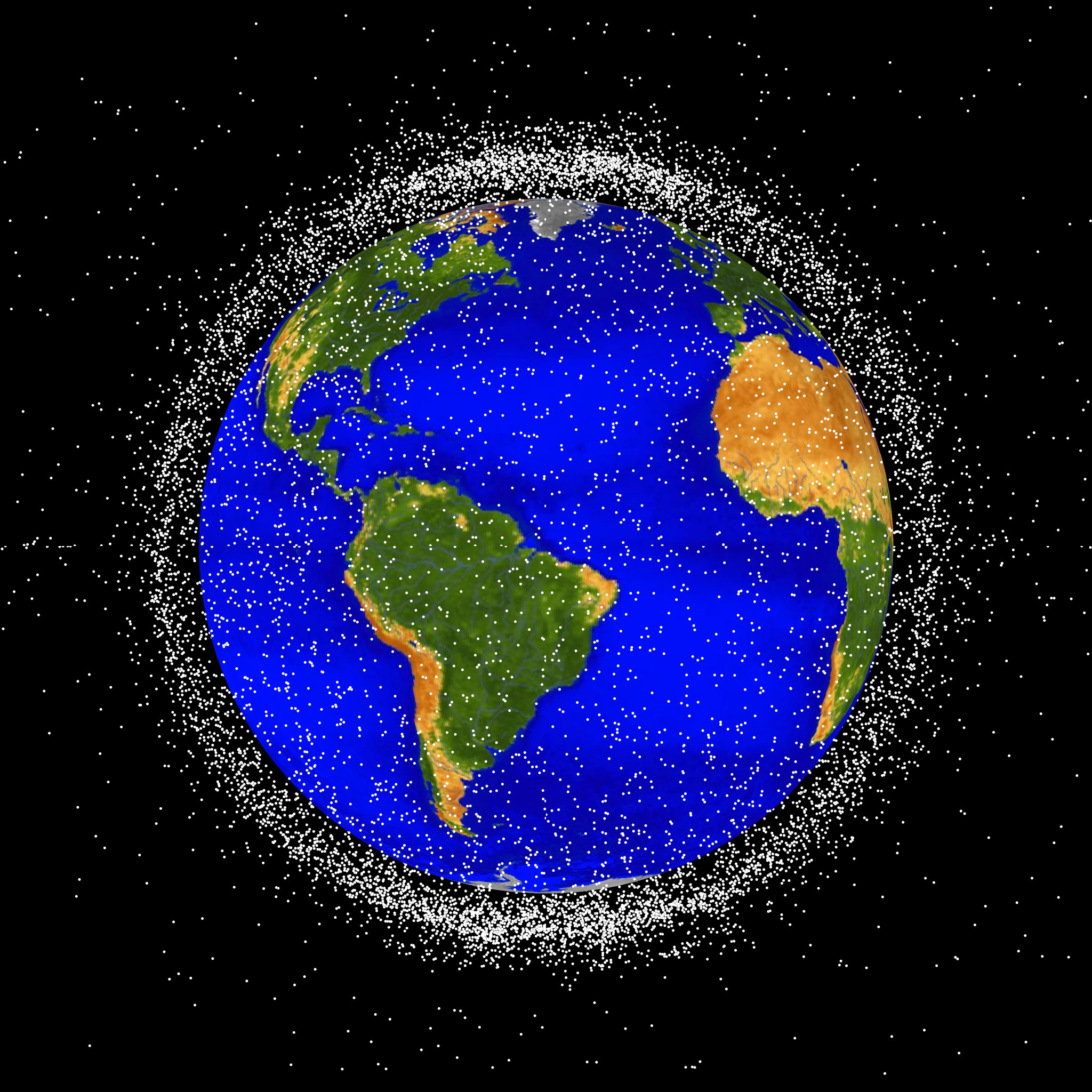
Low Earth orbit, the focus of volume one of NASA’s Space Sustainability Strategy, is the most concentrated area for orbital debris. This computer-generated image showcases objects that are currently being tracked. 
Credits: NASA ODPO

To address a rapidly changing space operating environment and ensure its preservation for generations to come, NASA released the first part of its integrated Space Sustainability Strategy, on Tuesday advancing the agency’s role as a global leader on this crucial issue.

“The release of this strategy marks true progress for NASA on space sustainability,” said NASA Deputy Administrator Pam Melroy. “Space is busy – and only getting busier. If we want to make sure that critical parts of space are preserved so that our children and grandchildren can continue to use them for the benefit of humanity, the time to act is now. NASA is making sure that we’re aligning our resources to support sustainable activity for us and for all.”

For decades, NASA has served as a proactive leader for responsible and sustainable space operations. Entities across the agency develop best practices, analytic tools, and technologies widely adopted by operators around the world. The new strategy seeks to integrate those efforts through a whole-of-agency approach – allowing NASA to focus its resources on the most pressing issues. To facilitate that integration, NASA will appoint a new director of space sustainability to coordinate activities across the agency.

Key aspects of our approach include providing global leadership in space sustainability, supporting equitable access to space, and ensuring NASA’s missions and operations enhance space sustainability. 

Space environments currently are seeing the rapid emergence of commercial capabilities, many of them championed by NASA. These capabilities include increased low Earth orbit satellite activity and plans for the use of satellite constellations, autonomous spacecraft, and commercial space destinations. However, this increased activity also has generated challenges, such as an operating environment more crowded with spacecraft and increased debris. Understanding the risks and benefits associated with this growth is crucial for space sustainability. 

Developed under the leadership of a crossagency advisory board, the space sustainability strategy focuses on advancements NASA can make toward measuring and assessing space sustainability in Earth orbit, identifying cost-effective ways to meet sustainability targets, incentivizing the adoption of sustainable practices through technology and policy development, and increasing efforts to share and receive information with the rest of the global space community.

NASA’s approach to space sustainability recognizes four operational domains: Earth, Earth orbit, the orbital area near and around the Moon known as cislunar space, and deep space, including other celestial bodies. The first volume of the strategy focuses on sustainability in Earth orbit. NASA plans to produce additional volumes focusing on the other domains.

Learn more about the Space Sustainability Strategy at:

https://www.nasa.gov/spacesustainability

-end-

Amber Jacobson / Rob Margetta
Headquarters, Washington
202-358-1600
amber.c.jacobson@nasa.gov / robert.j.margetta@nasa.gov

Share

Details

Last Updated

Apr 09, 2024

Powered by WPeMatico

Get The Details…
Tiernan P. Doyle

Seeing Totality

Seeing Totality

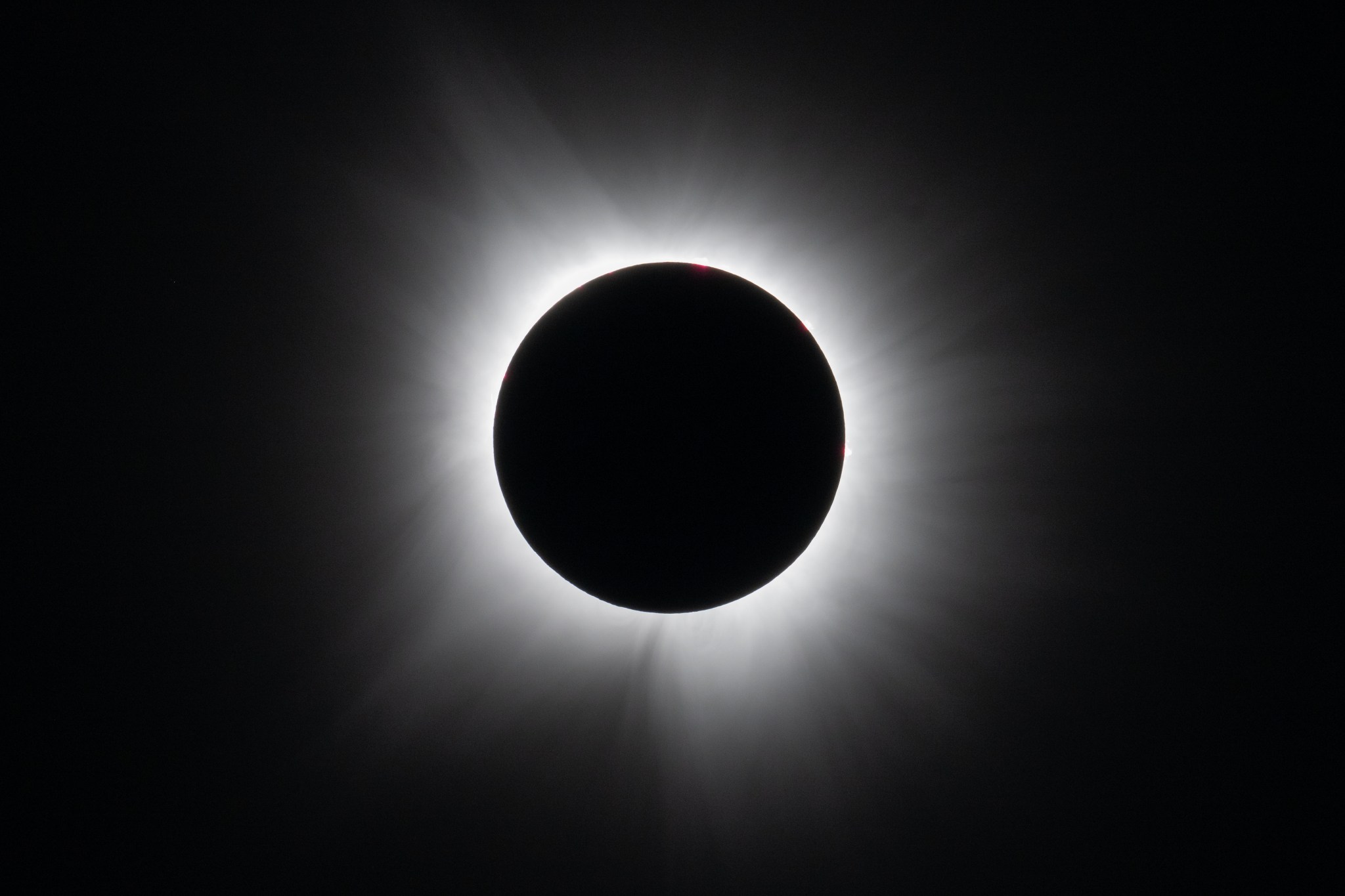
The Moon totally obscures the Sun in this image. The Moon is a black circle and light from the Sun surrounds the Moon's border.
NASA/Keegan Barber

On April 8, 2024, a NASA photographer captured the total solar eclipse in Dallas. A small part of North America, from Mexico’s Pacific coast to the Atlantic coast of Newfoundland, Canada, saw the total solar eclipse, while all North America and parts of Central America and Europe saw a partial solar eclipse. The next total solar eclipse that will travel across the lower 48 states from coast to coast is in 2045.

See more photos of the eclipse on Flickr.

Image Credit: NASA/Keegan Barber

Powered by WPeMatico

Get The Details…
Monika Luabeya

Through Astronaut Eyes, Virtual Reality Propels Gateway Forward  

Through Astronaut Eyes, Virtual Reality Propels Gateway Forward  

2 min read

Preparations for Next Moonwalk Simulations Underway (and Underwater)

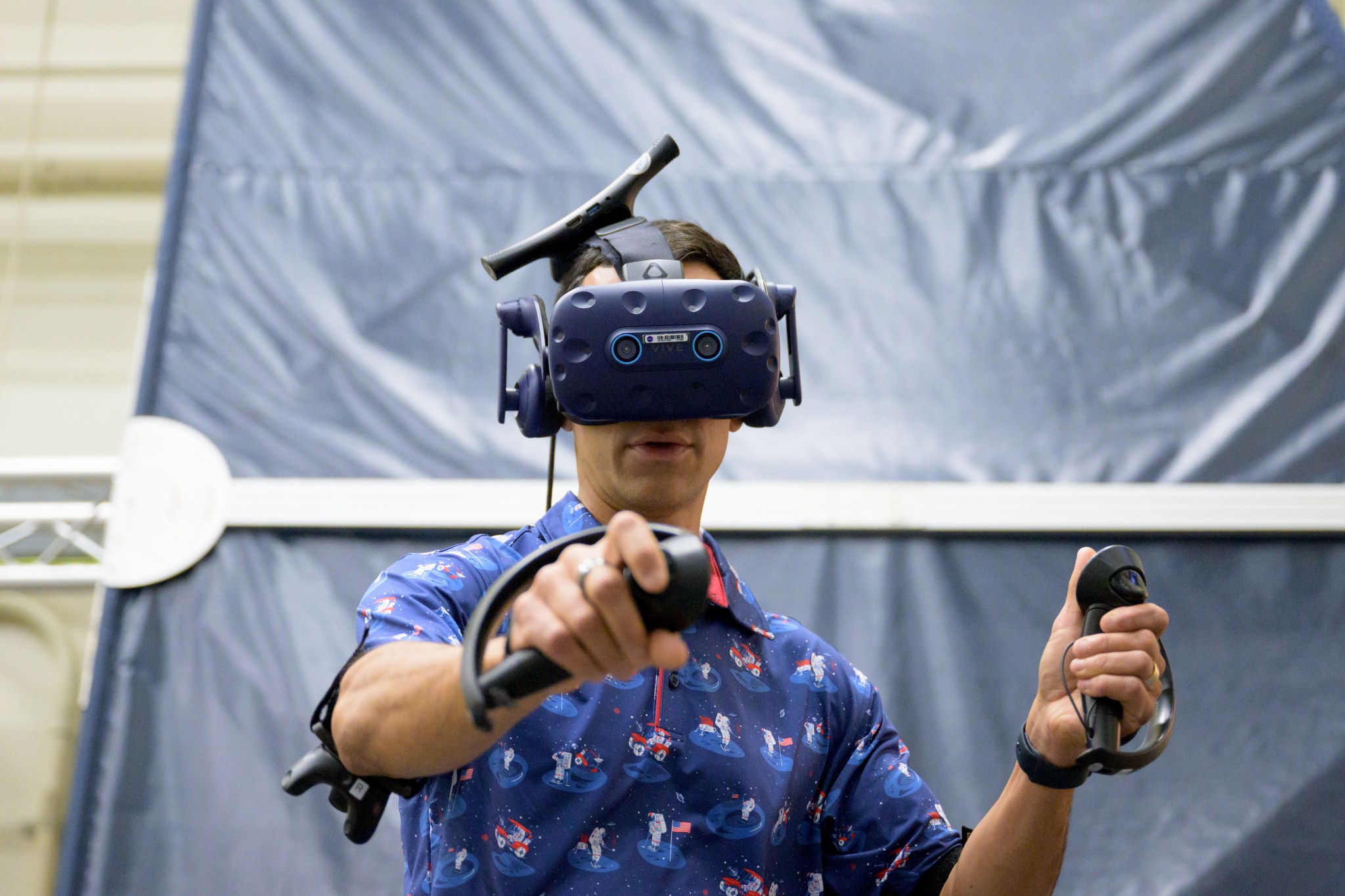
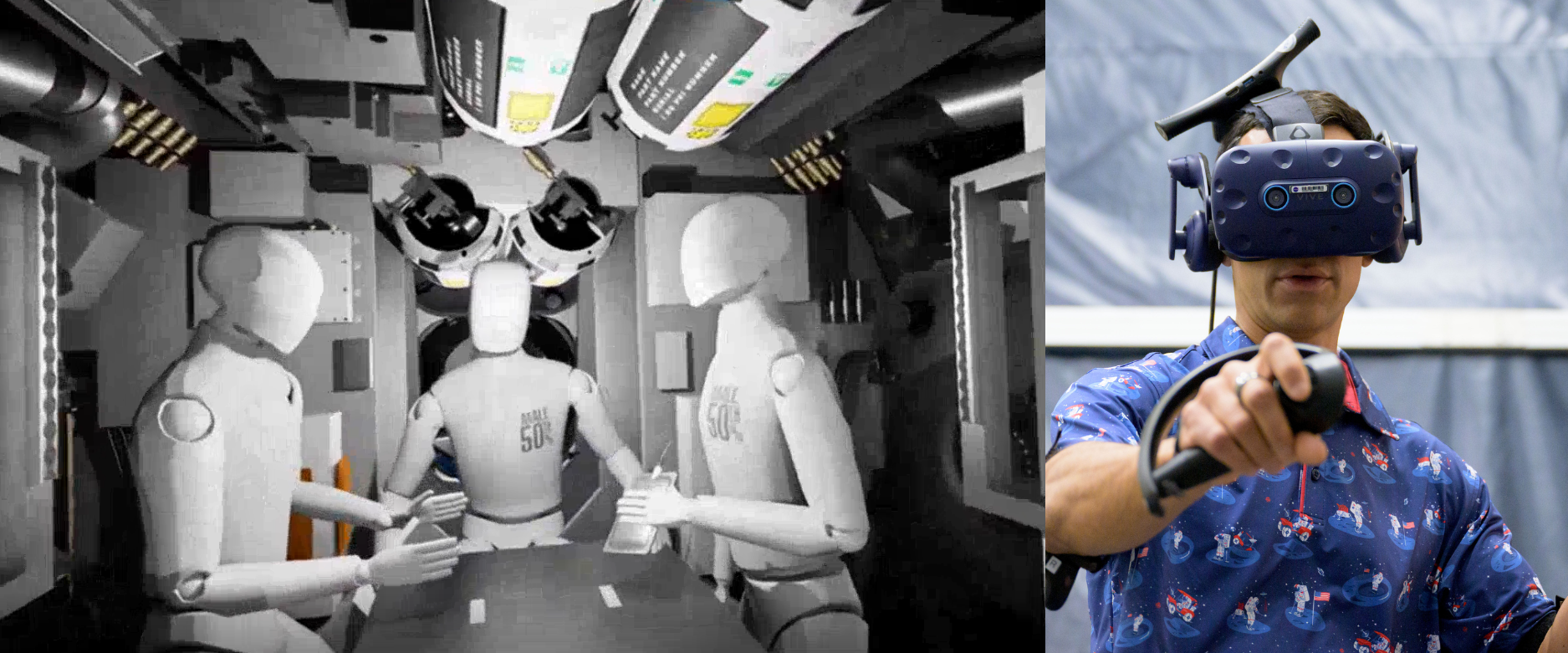
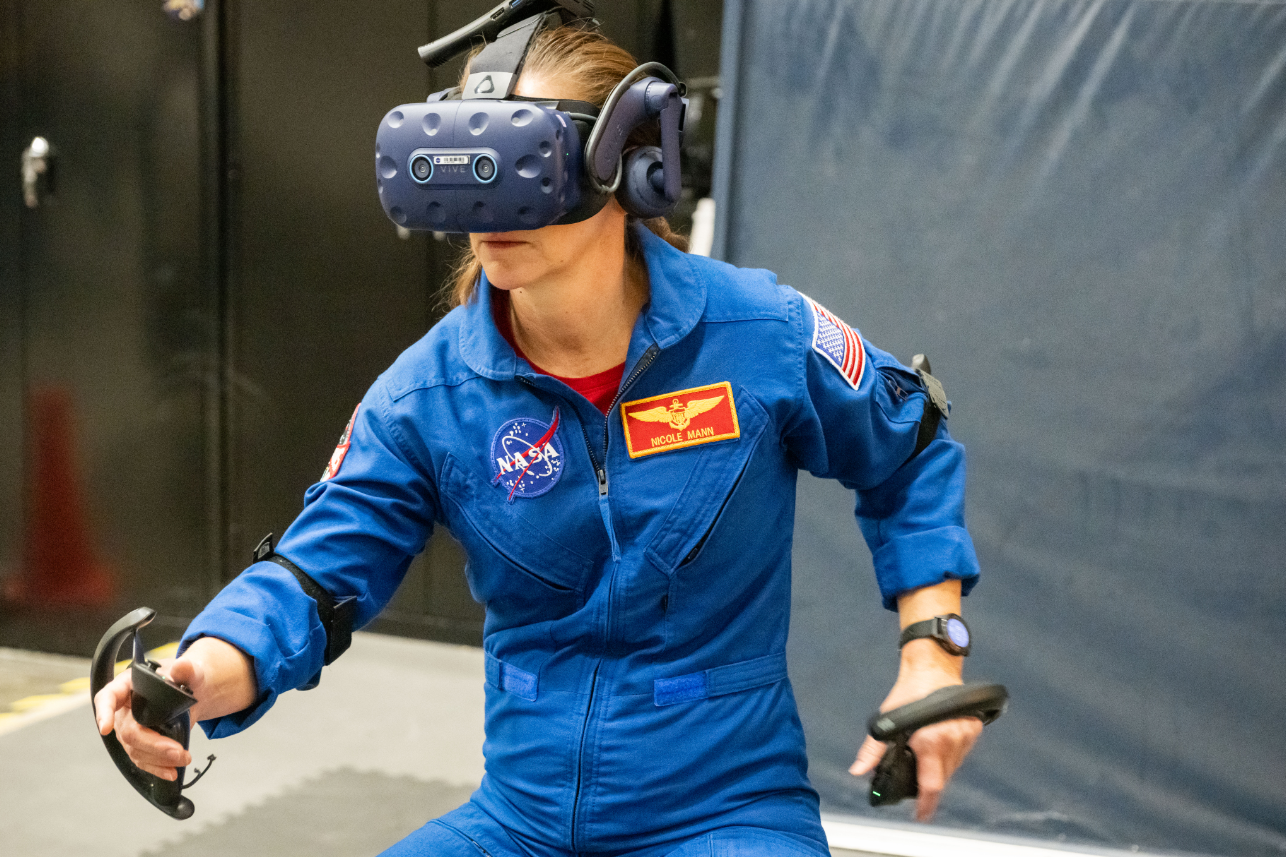
NASA Astronaut Raja Chari wearing a VR headset and holding VR controllers in both hands, immersed in training at the Virtual Reality Training Lab at NASA's Johnson Space Center.
NASA Astronaut Raja Chari explores Gateway in virtual reality at NASA’s Johnson Space Center.

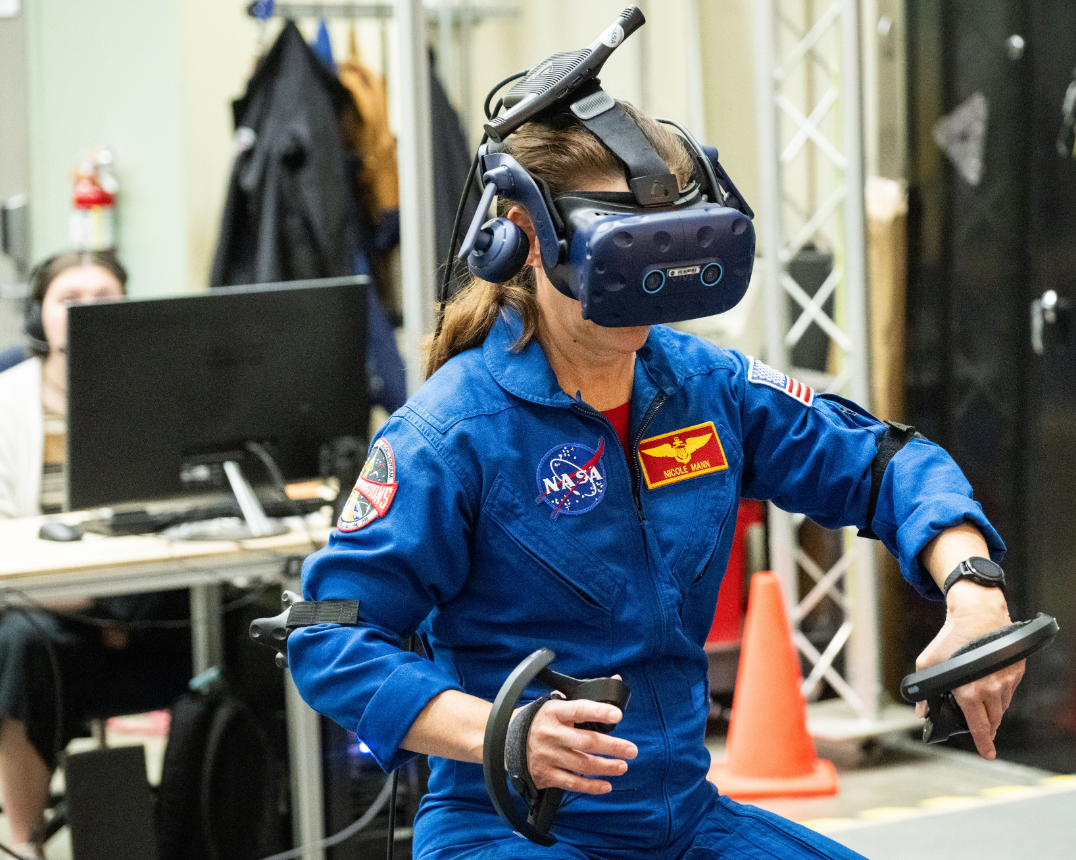
Astronauts living aboard the Gateway lunar space station will be the first humans to make their home in deep space. To fine-tune the design of the next-generation science lab, solar-powered spaceship, and home-away-from home for international teams of astronauts, NASA calls on the likes of Raja Chari and Nicole Mann, experienced astronauts who know a thing or two about living and working on a space station.  

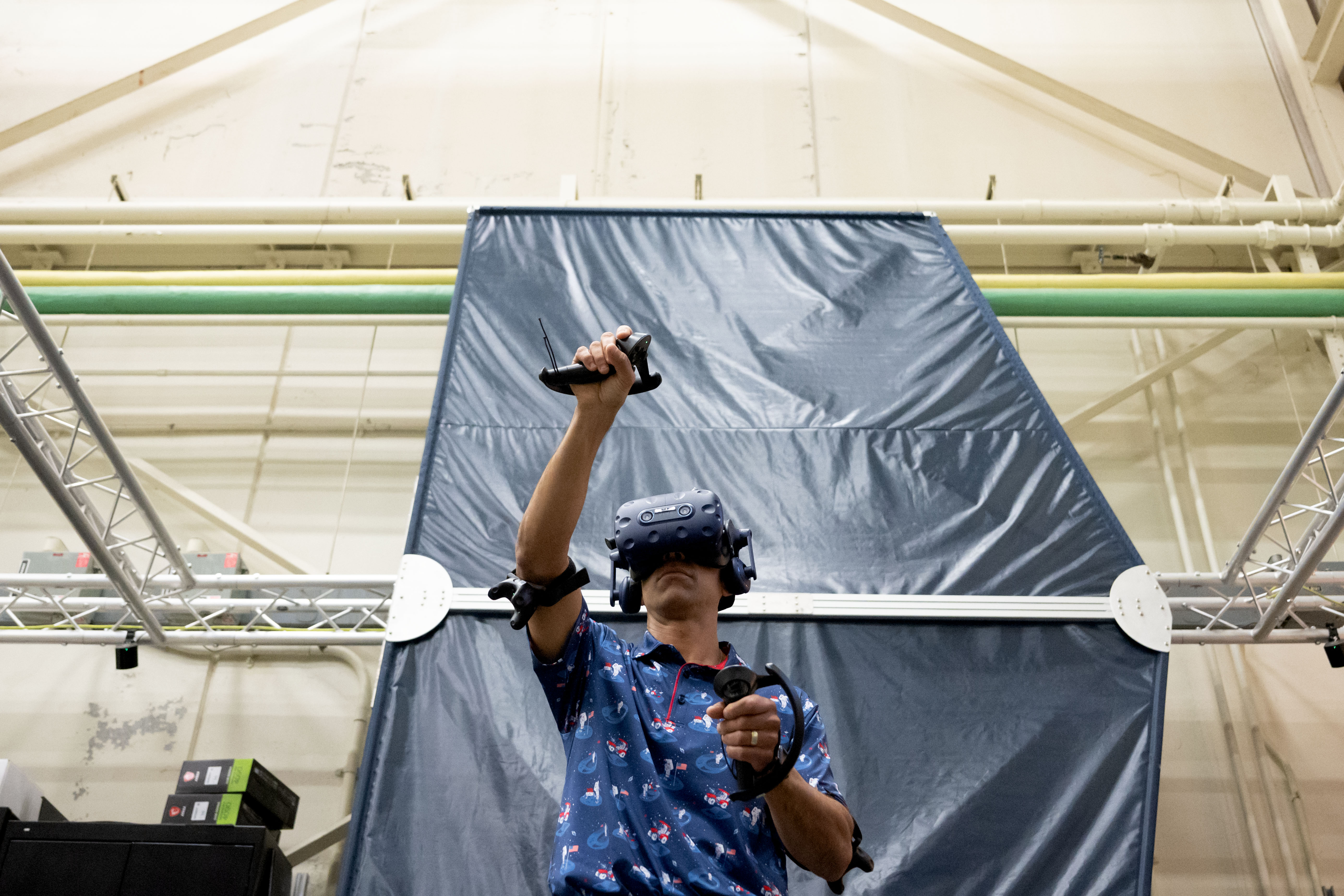
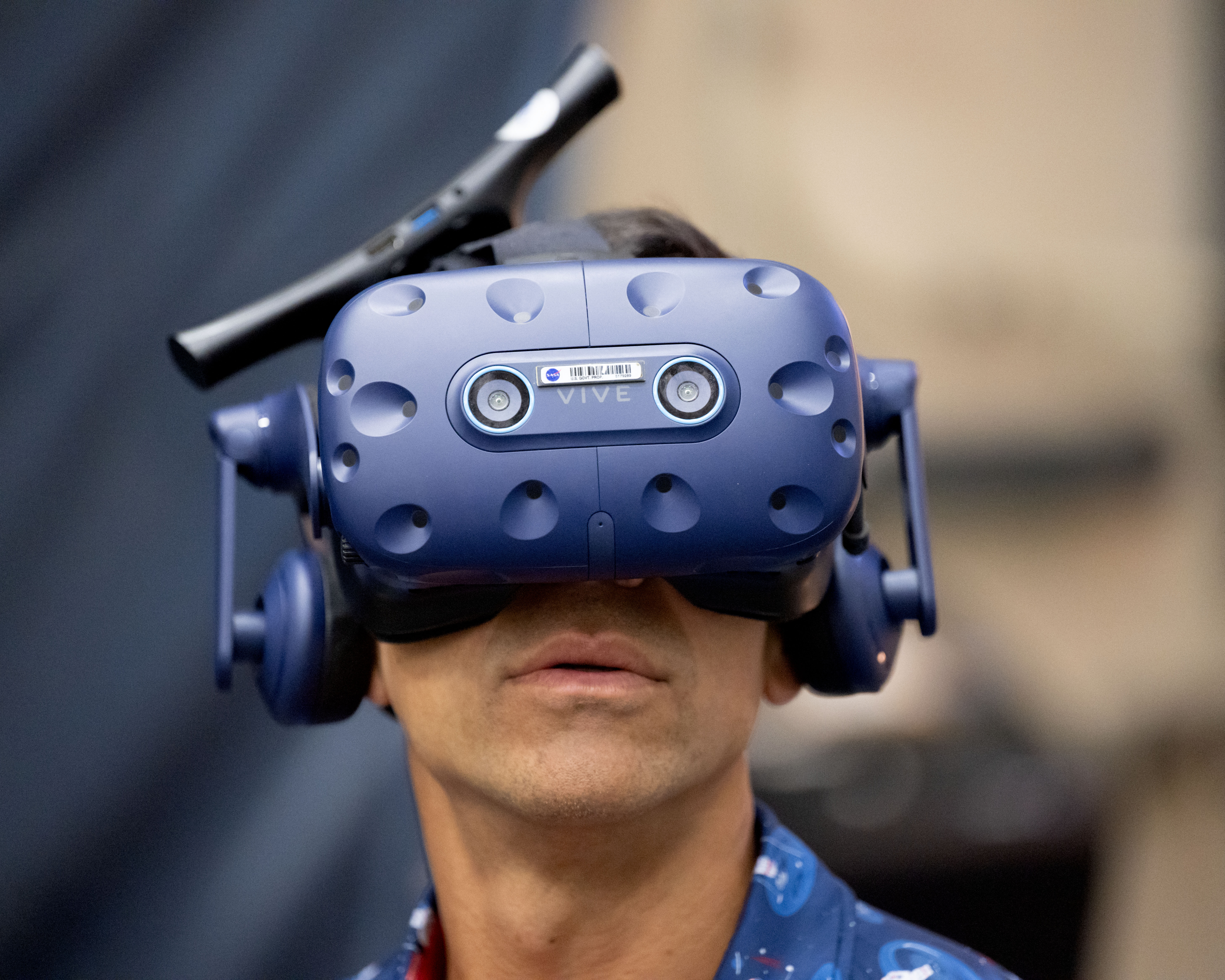
Commanders of the SpaceX Crew-3 and Crew-5 missions to the International Space Station, respectively, Chari and Mann recently brought their long-duration mission experience to bear when they strapped into virtual reality (VR) headsets to tour Gateway, humanity’s first space station to orbit the Moon.  

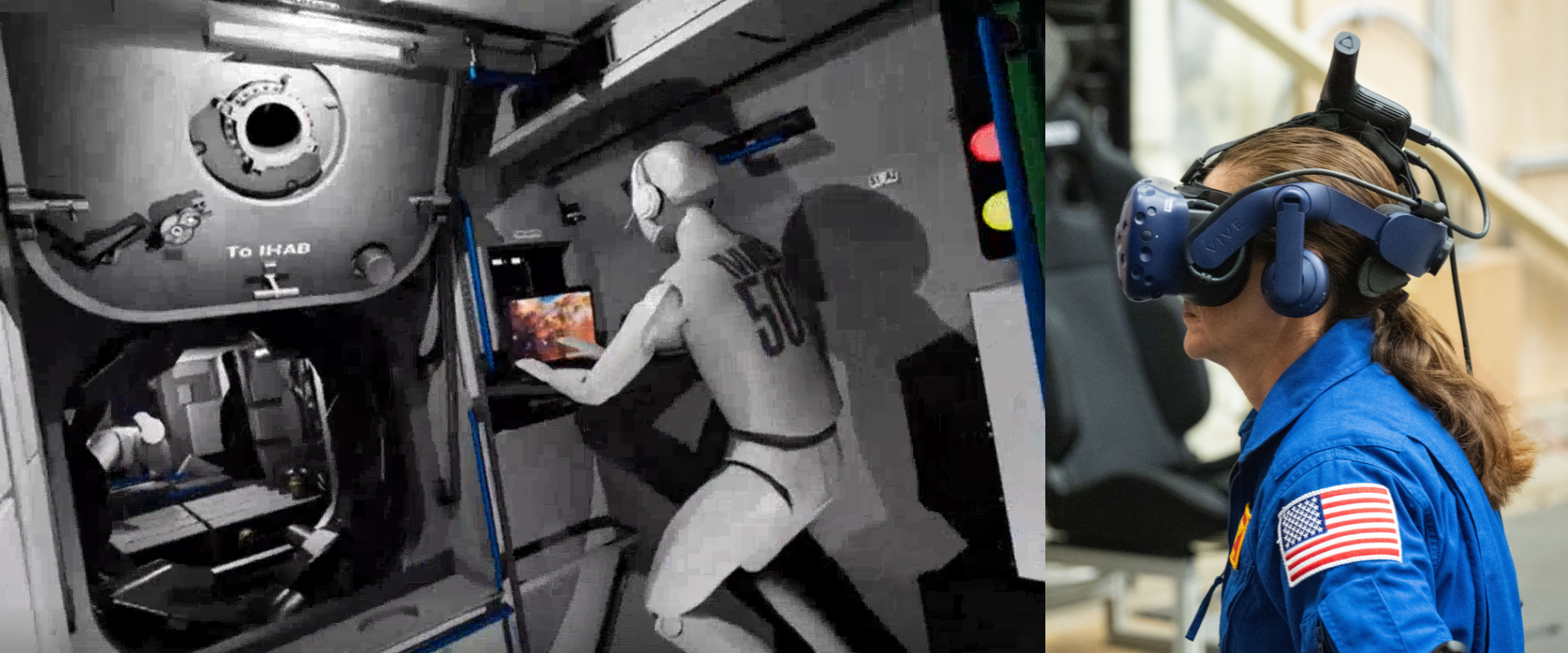
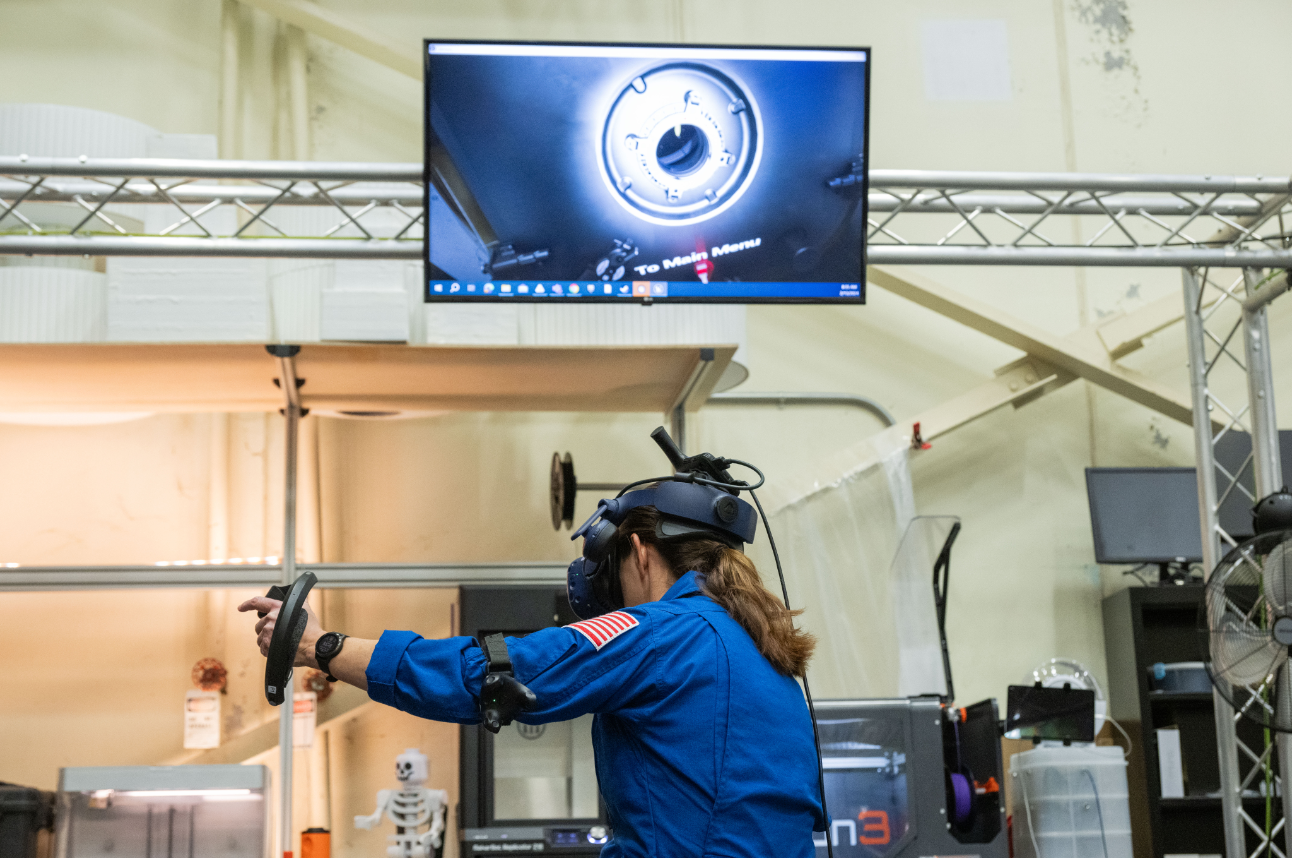
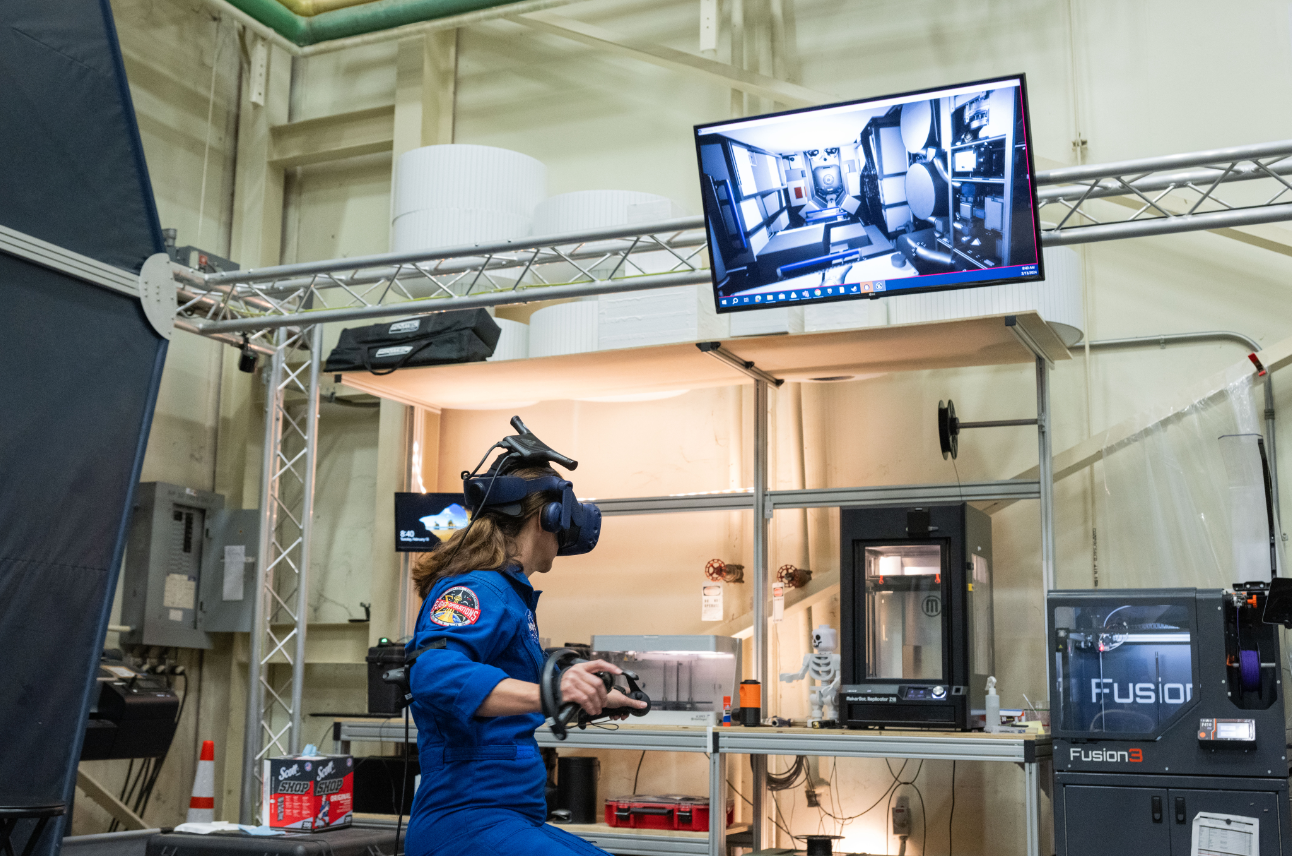
NASA Astronaut Nicole Mann wearing a VR headset, with an image of the virtual reality simulation she is experiencing displayed next to her. The simulation shows the interior of Gateway.
NASA Astronaut Nicole Mann exploring Gateway’s HALO module.

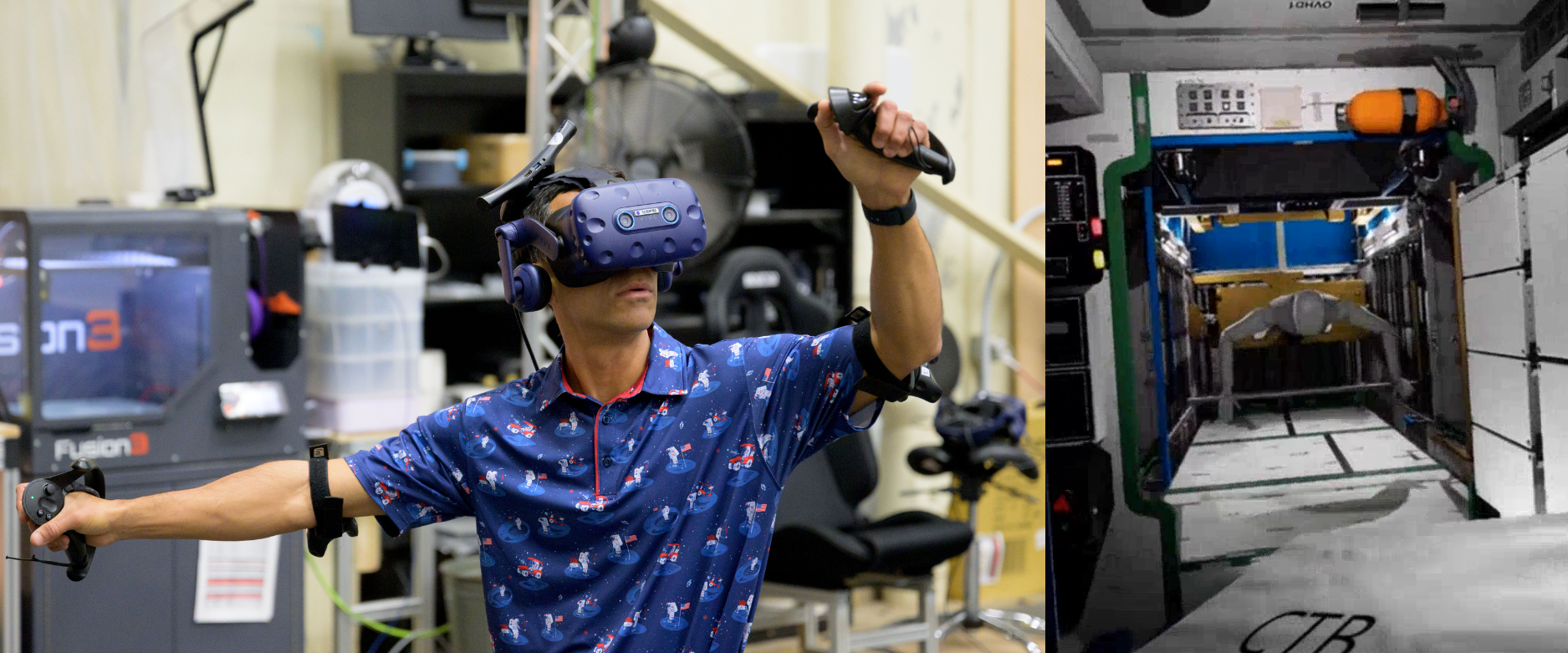
During VR testing, astronauts engage in a variety of tasks that they expect to encounter in their day-to-day life on Gateway during real Artemis missions, including performing science experiments, retrieving supplies, and preparing warm meals. By combining VR models with real-world astronaut experience, NASA designers can make tweaks to Gateway’s interior design for a safer and comfier space station.  

NASA Astronaut Raja Chari wearing a VR headset and holding VR controllers in both hands, with an image of the virtual reality simulation he is experiencing displayed next to him. The simulation shows the interior of Gateway, as Chari navigates through the virtual environment during a testing session at NASA's Johnson Space Center's Virtual Reality Training Lab.

Gateway is poised to revolutionize deep space exploration at the Moon and beyond as a testbed for next-generation technology and new science to better understand the impact of space on humans. This space station is a critical component of the Artemis campaign to return humans to the lunar surface for scientific discovery and pave the way for the first human missions to Mars. 

NASA Astronaut Raja Chari wearing a VR headset and holding VR controllers in both hands, with an image of the virtual reality simulation he is experiencing displayed next to him. The simulation shows the interior of Gateway, as Chari navigates through the virtual environment during a testing session at NASA's Johnson Space Center's Virtual Reality Training Lab.

Image credits: NASA/Bill Stafford/Josh Valcarcel

Powered by WPeMatico

Get The Details…
Dylan Connell

Making Ultra-fast Electron Measurements in Multiple Directions to Reveal the Secrets of the Aurora

Making Ultra-fast Electron Measurements in Multiple Directions to Reveal the Secrets of the Aurora

3 Min Read

Making Ultra-fast Electron Measurements in Multiple Directions to Reveal the Secrets of the Aurora

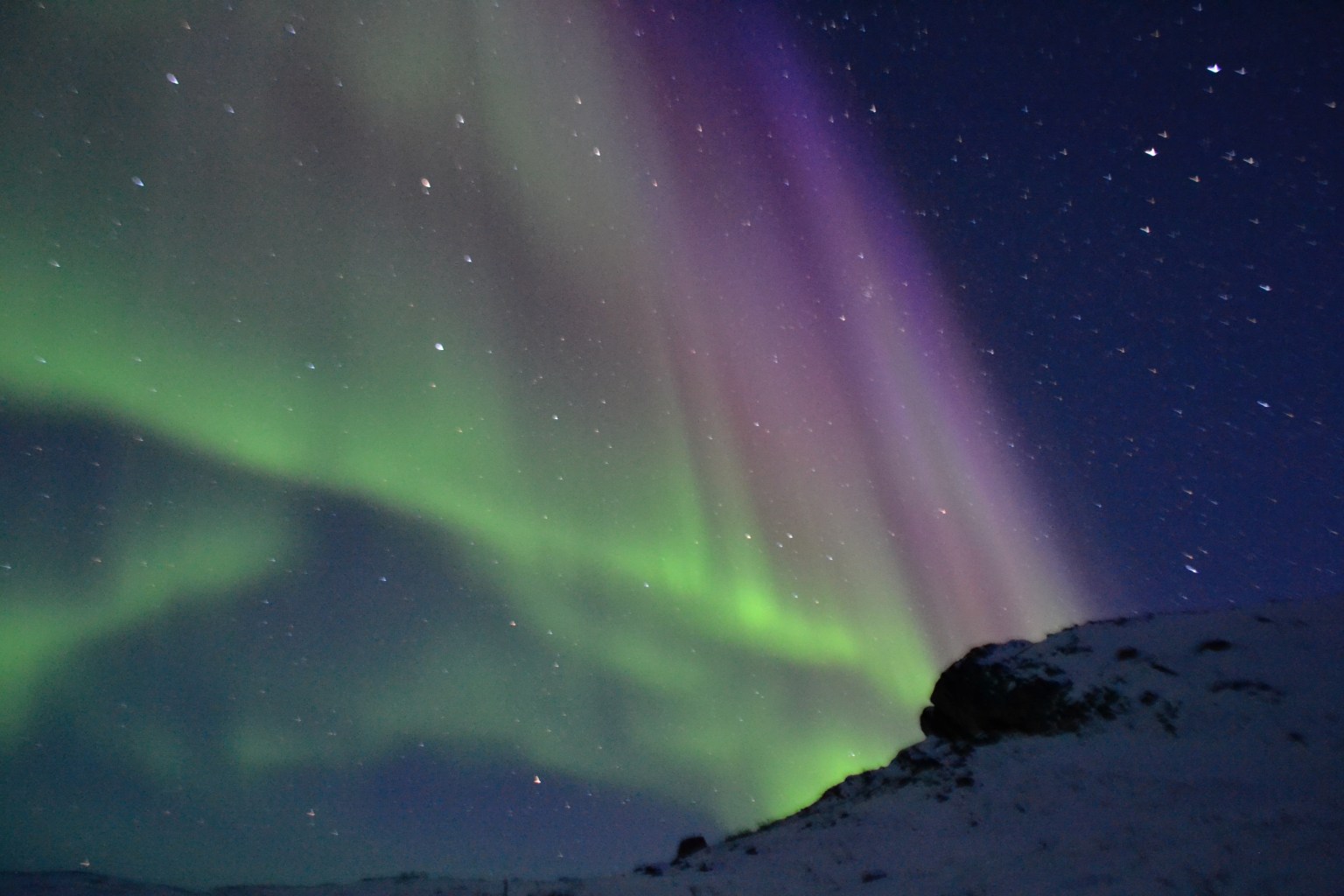
Photo of the aurora (taken in Greenland) that shows tall rays extending to high altitudes. These rays are caused by particles, mainly electrons and protons, precipitating into the upper atmosphere from space.
Credits:
NASA-GSFC

The energetic electrons that drive the aurora borealis (the northern lights) have a rich and very dynamic structure that we currently do not fully understand.  Much of what we know about these electrons comes from instruments that have fundamental limitations in their ability to sample multiple energies with high time resolution. To overcome these limitations, NASA is using an innovative approach to develop instrumentation that will enhance our measurement capabilities by more than an order of magnitude—revealing a wealth of new information about the amazing physics happening within the aurora.

Typical electron instruments rely on a technique called electrostatic deflection, which requires changing a voltage to select different energies of electrons to measure.  These instruments have been flown on many different space missions and have provided almost all of the in-situ electron measurements made inside the aurora.  They work great when observing on timescales of seconds or even down to around a tenth of a second, but they fundamentally cannot observe down to smaller (millisecond) timescales due to the time it takes to sweep through voltages.

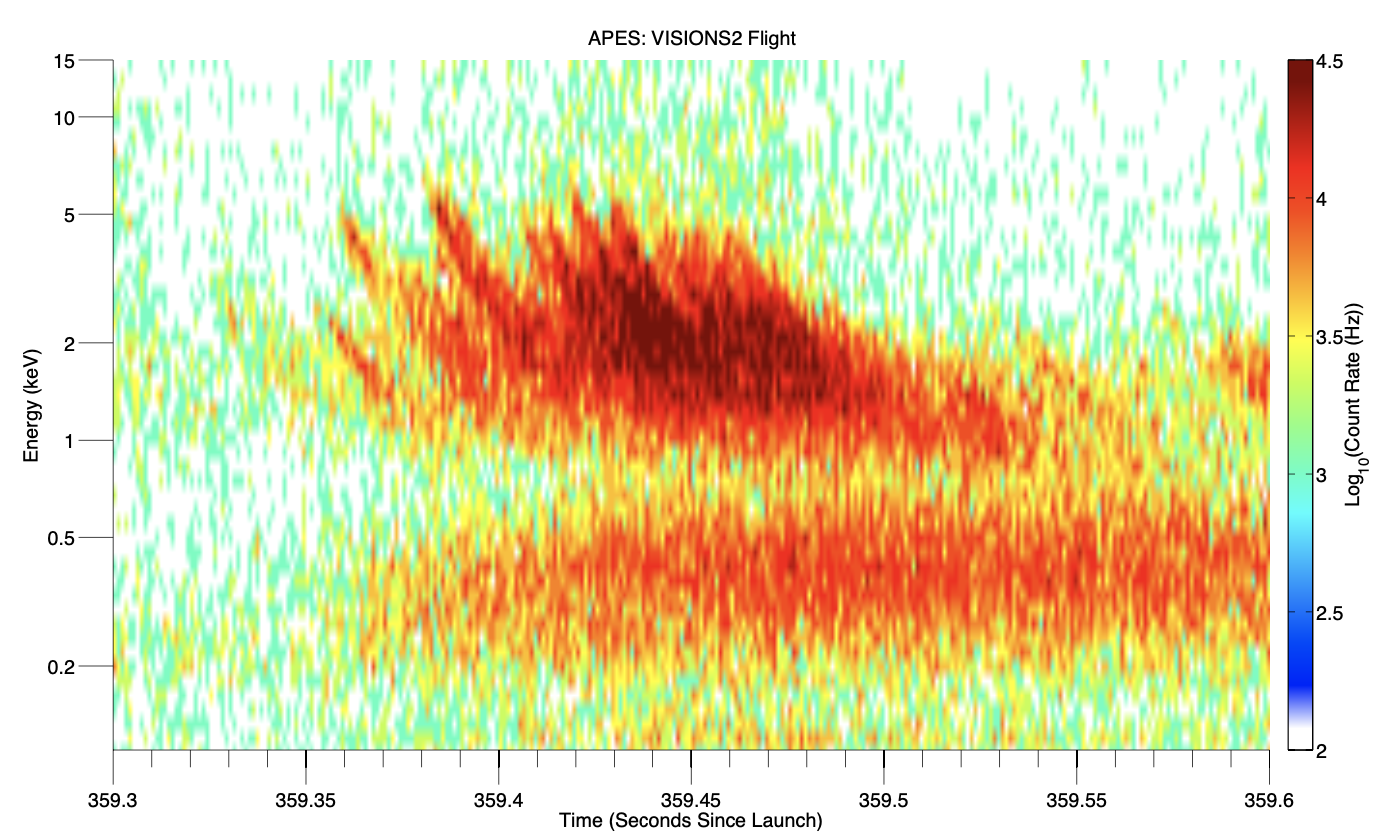
Ground-based optical observations of the aurora have shown that there can be rapid spatial and temporal variations that are beyond the observing capabilities of traditional electron instruments.  Therefore, members of the Geophysics Laboratory at NASA’s Goddard Space Flight Center developed an instrument called the Acute Precipitating Electron Spectrometer (APES) that can measure electron precipitation within the aurora at a one millisecond cadence.  APES uses a strong magnetic field inside the instrument to separate electrons with different energies onto different spatial regions of the detector.  This method allows the instrument to measure the entire electron energy spectrum simultaneously at a very high rate (every 1 ms).

This landscape of “mountains” and “valleys” speckled with glittering stars is actually the edge of a nearby, young, star-forming region called NGC 3324 in the Carina Nebula. Captured in infrared light by NASA’s new James Webb Space Telescope, this image reveals for the first time previously invisible areas of star birth.
Image Credit: NASA GSFC
Precipitating electron spectra measured inside the aurora at one millisecond time resolution using the APES instrument on the Visualizing Ion Outflow via Neutral Atom Sensing-2 (VISIONS-2) sounding rocket flight. This entire plot covers a period of 300 milliseconds. The slanted red stripes in the middle of the figure are on the order of 10 milliseconds apart.
Image credit: NASA GSFC

In the design of APES, one major trade-off had to be made.  For the magnetic field geometry to work properly, the instrument can only observe in one direction. This concept works well if the goal is just to measure the precipitating (downgoing) electrons in the aurora that ultimately hit the atmosphere.  However, we know that electrons in the aurora also move in other directions; in fact, these electrons contain a lot of information about other physical processes happening farther out in space.

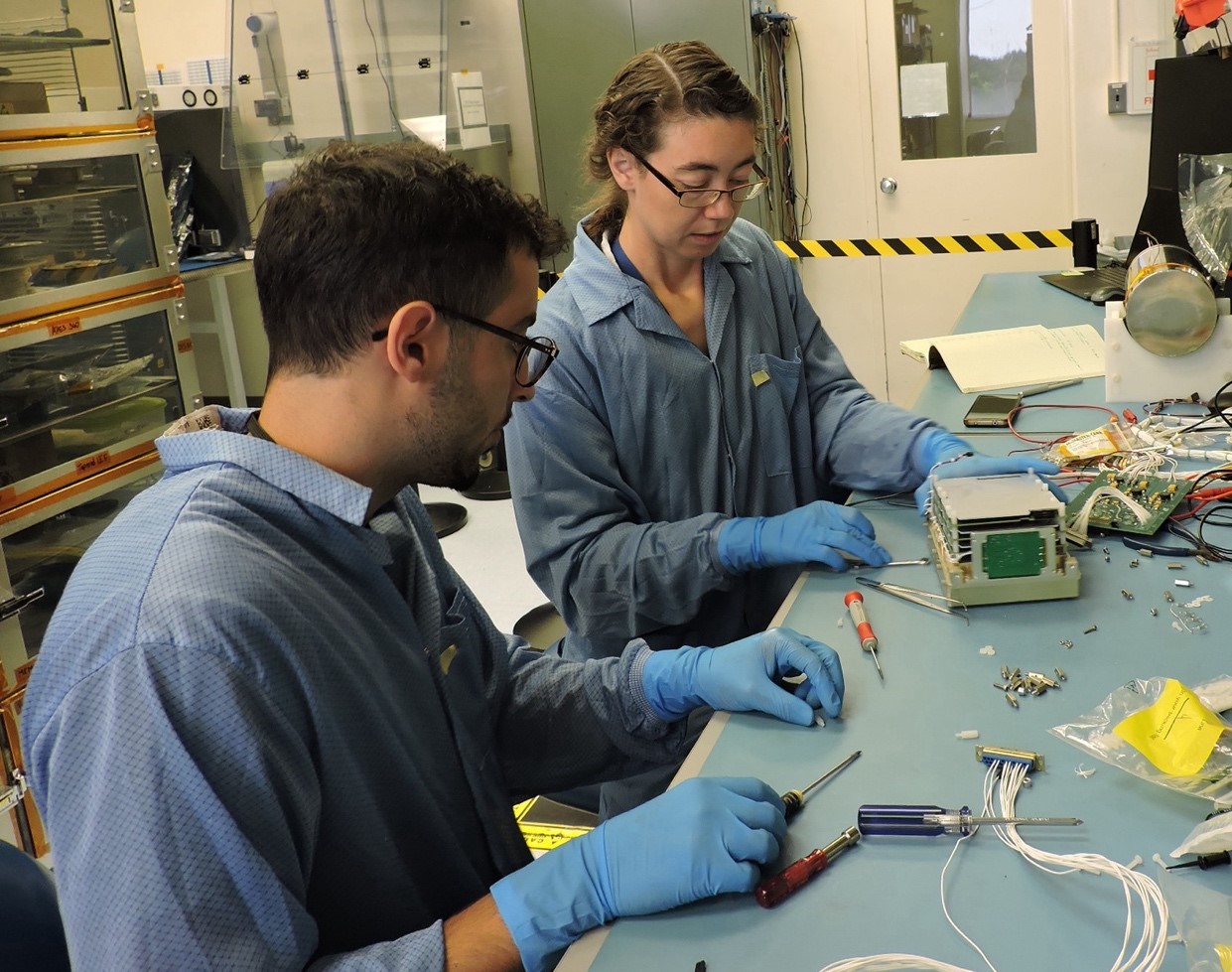
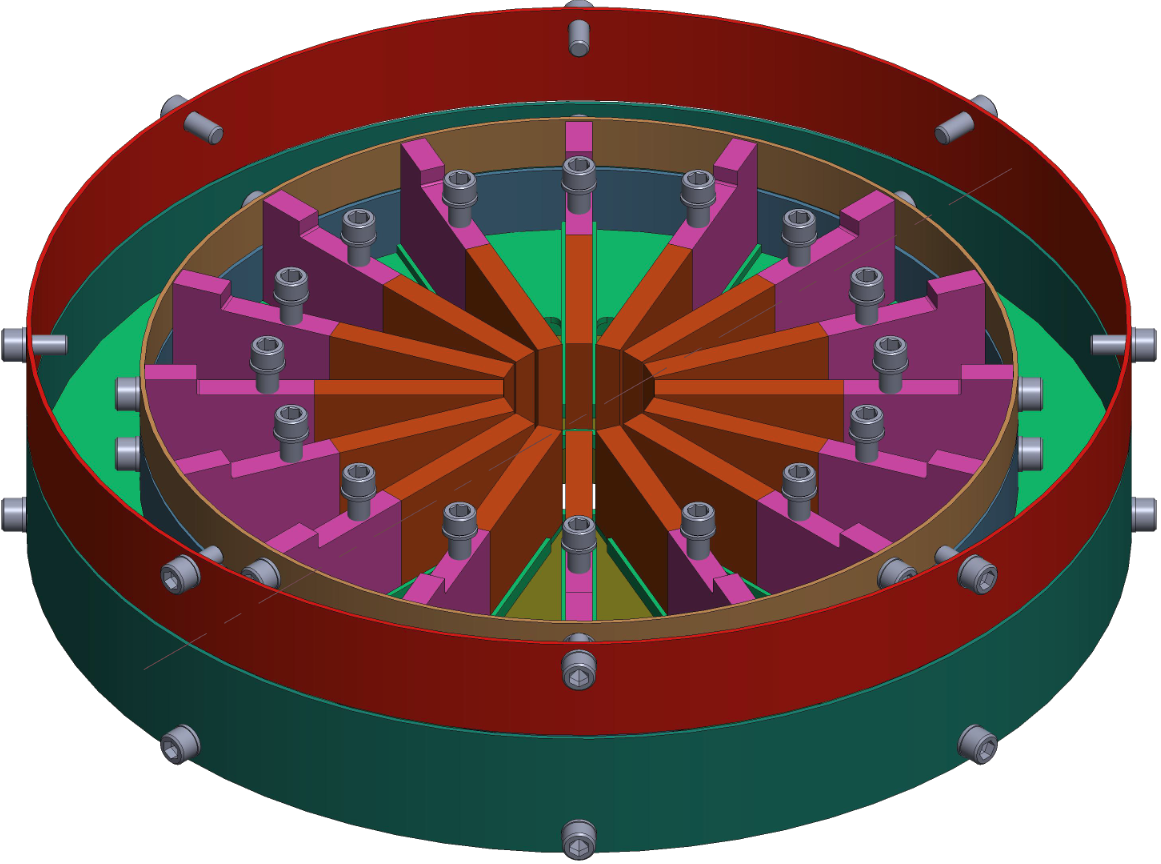
To enable measurement of electrons in more than one direction, the Goddard team developed the APES-360 instrument concept. To create the APES-360 design, the team employed the same operating principles used in APES, but updated them to accommodate a multi-look direction geometry that covers a 360-degree field of view using 16 different sectors.  The team had to overcome several technical challenges to develop the APES-360 concept.  In particular, the electronics design had to accommodate many more anodes (charge detecting surfaces) and the associated circuitry in a small area. 

The design of the mechanical assembly of the magnetic optics section for APES-360. The actual magnets are the orange rectangles near the middle. The entrance aperture is a gap between the green and red outer bands.
Image credit: NASA GSFC

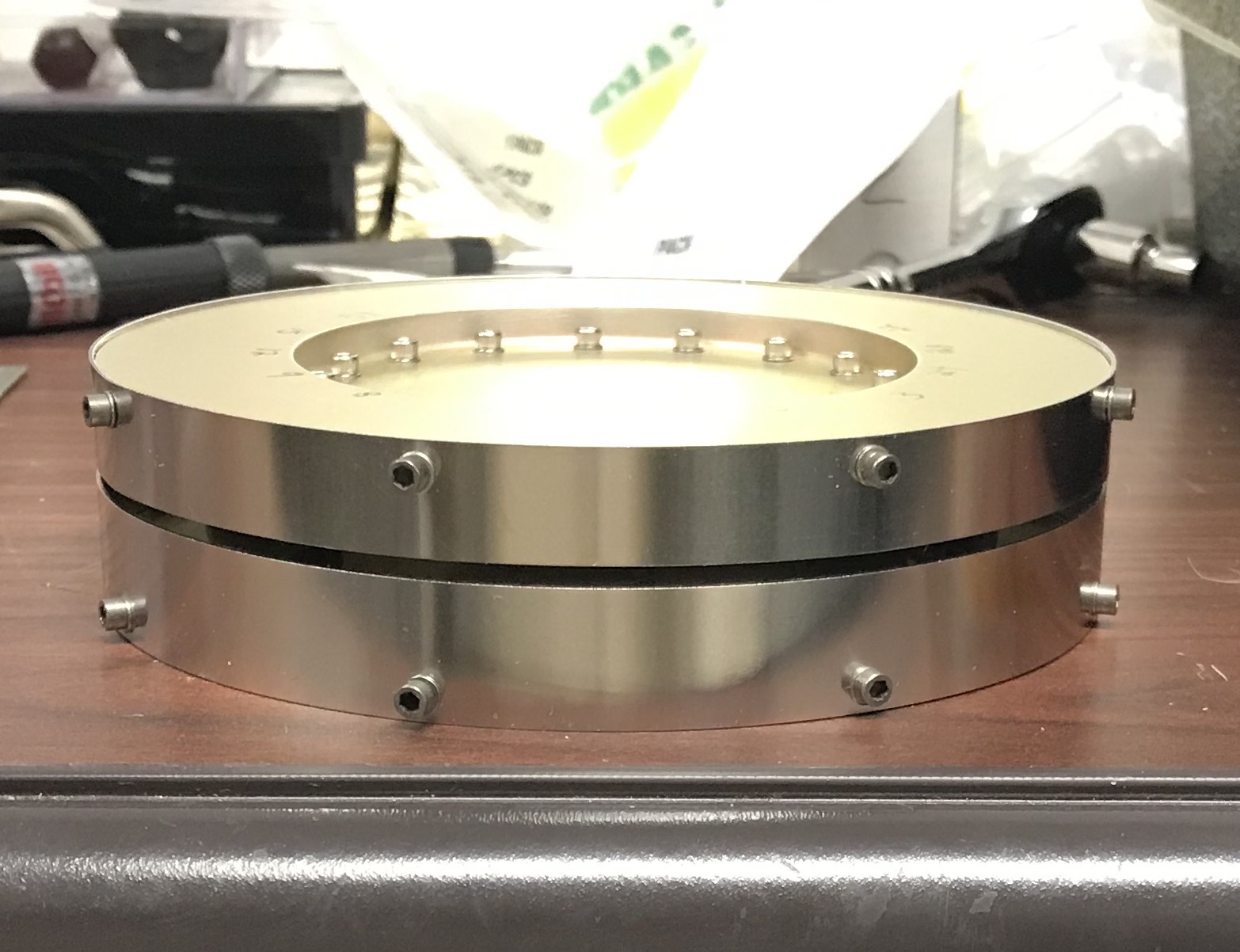
The APES-360 prototype that is currently being built will be tested and calibrated at Goddard and will fly on a sounding rocket into active aurora in the winter of 2025.  This flight will provide real-life data from inside the aurora that will be used to validate the instrument performance and inform future design improvements.

Magnet assembly of prototype APES-360 instrument for simultaneously measuring electron spectra in 16 different directions.
Image credit: NASA GSFC

The APES-360 instrument is being designed to fit into a CubeSat form factor so that it can be used on future CubeSat missions to study the aurora. The instrument could also ultimately be flown on larger orbital missions, as well.

PROJECT LEAD:

Dr. Robert G Michell, NASA Goddard Space Flight Center (GSFC)

SPONSORING ORGANIZATIONS:

Heliophysics, Geospace Physics Laboratory (GSFC Code 673) and H-TIDeS.

Share

Details

Last Updated
Apr 09, 2024

Powered by WPeMatico

Get The Details…