Annual Highlights of Results 2023: Introduction and Analyses
After 25 years of international collaboration operating the largest and most technologically advanced laboratory in low Earth orbit, the current decade of research results has seen thousands of researchers around the world completing their investigations, analyzing their data, and publishing their findings.
Through close examination of station client feedback obtained since 2002, station program managers, administration personnel, and technical staff have improved their processes and software tools to enhance communication with research teams for better in-flight data collection and sample return. These refinements affect experiment results and the conclusions researchers draw. The enhanced planning and coordination of investigation launch, stowage, crew time allocation, accessibility to station’s research capabilities (i.e., facilities), and data delivery are critical to the effective operation of scientific projects for accurate results to be shared with the scientific community, sponsors, legislators, and the public.
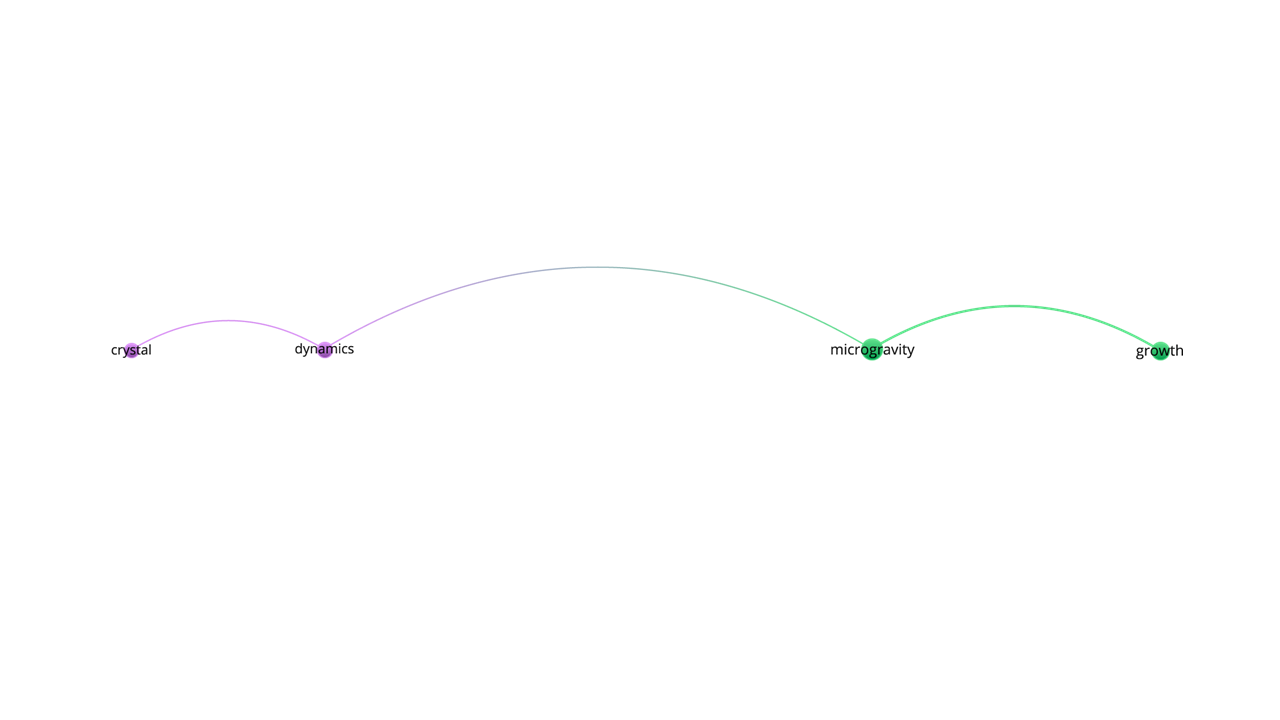
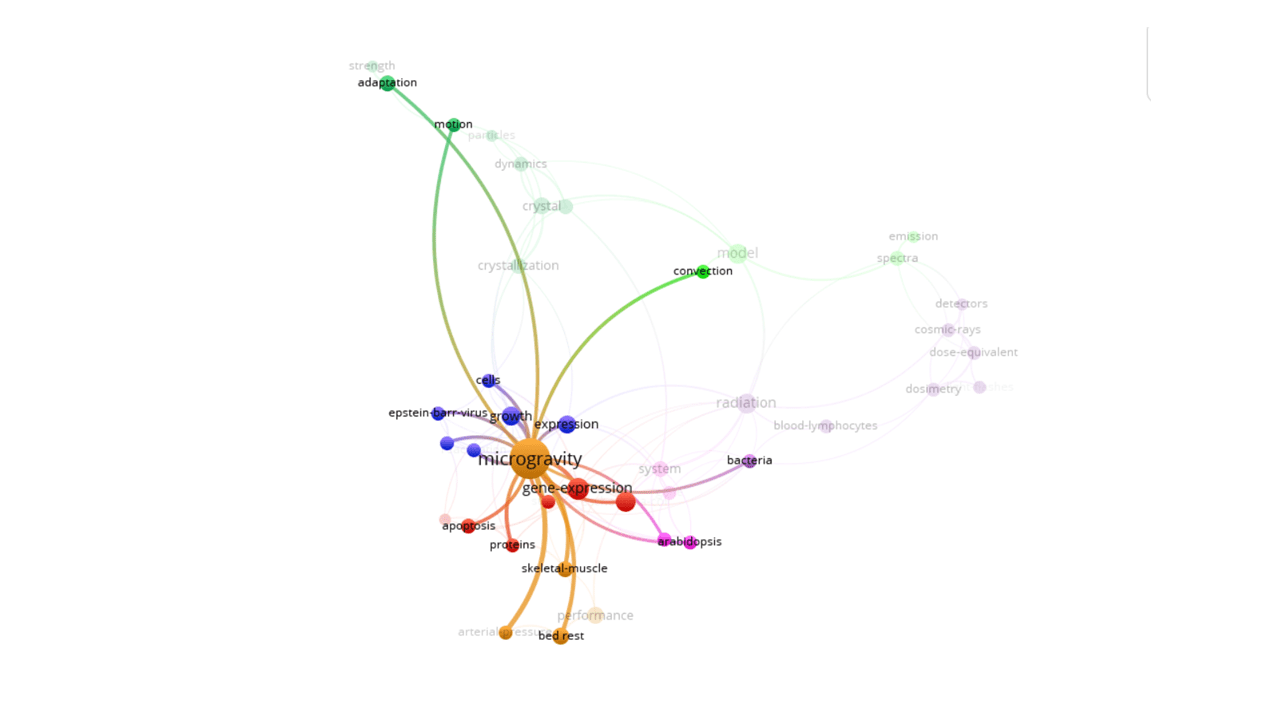
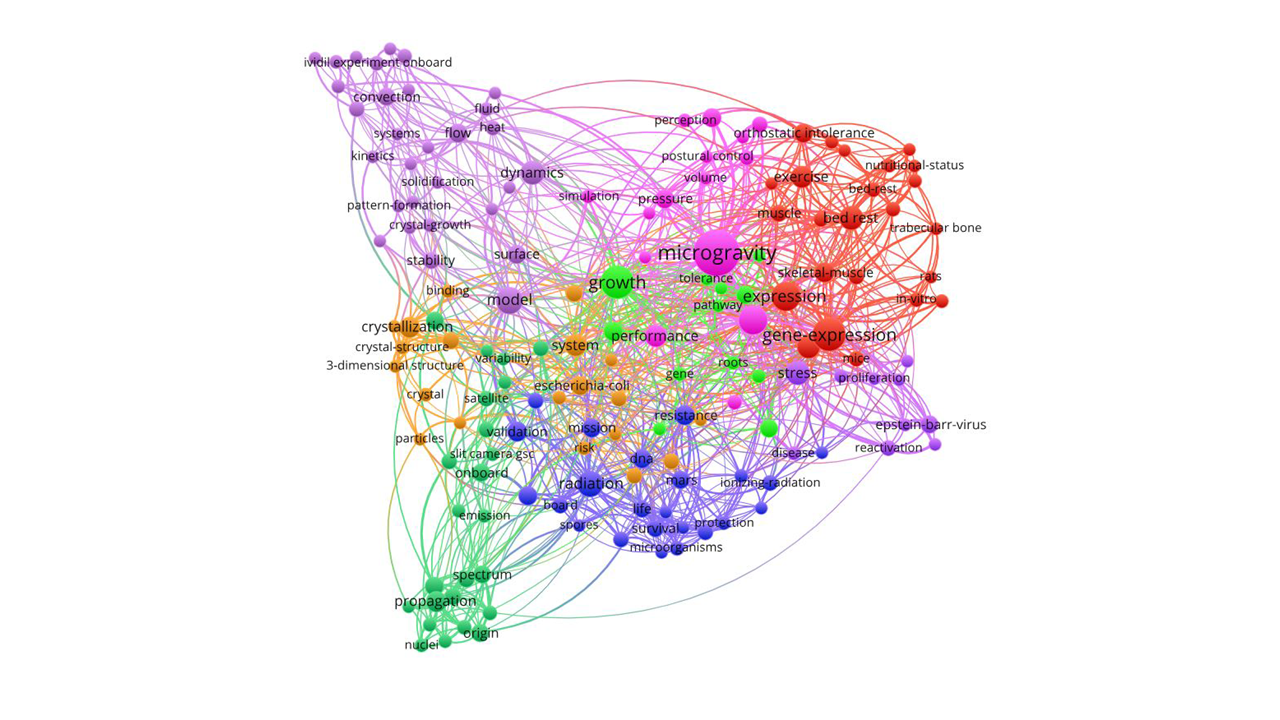
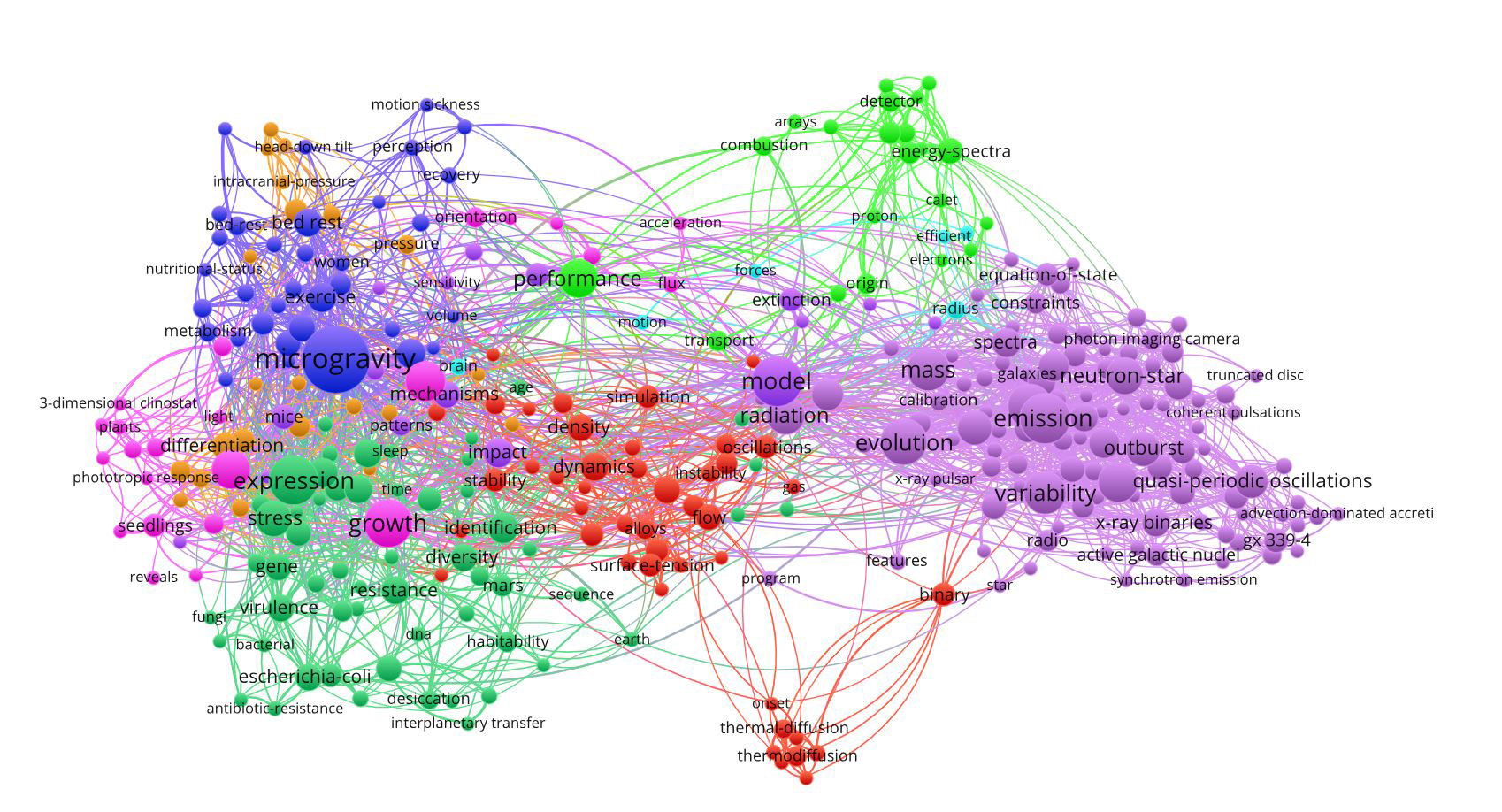
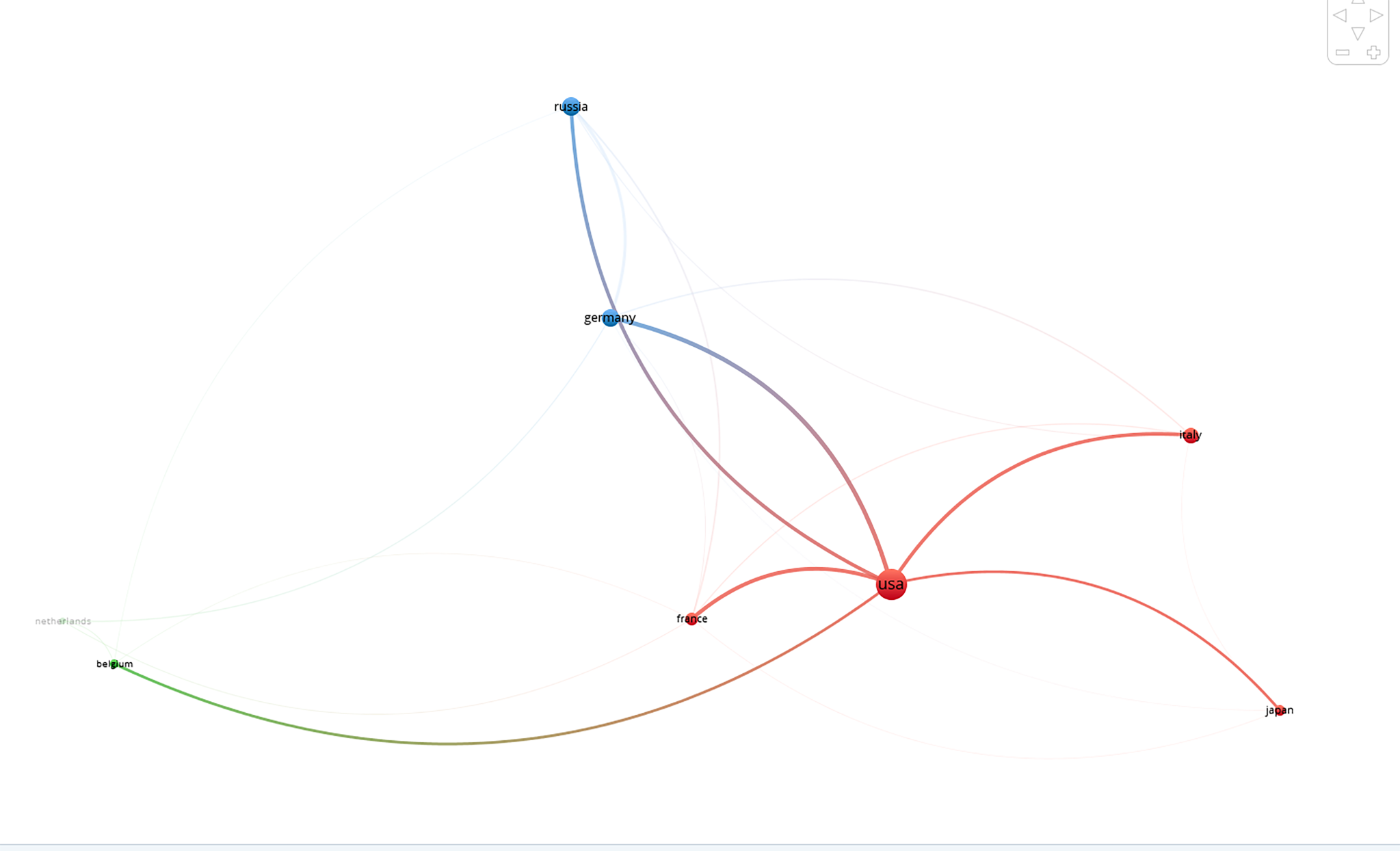
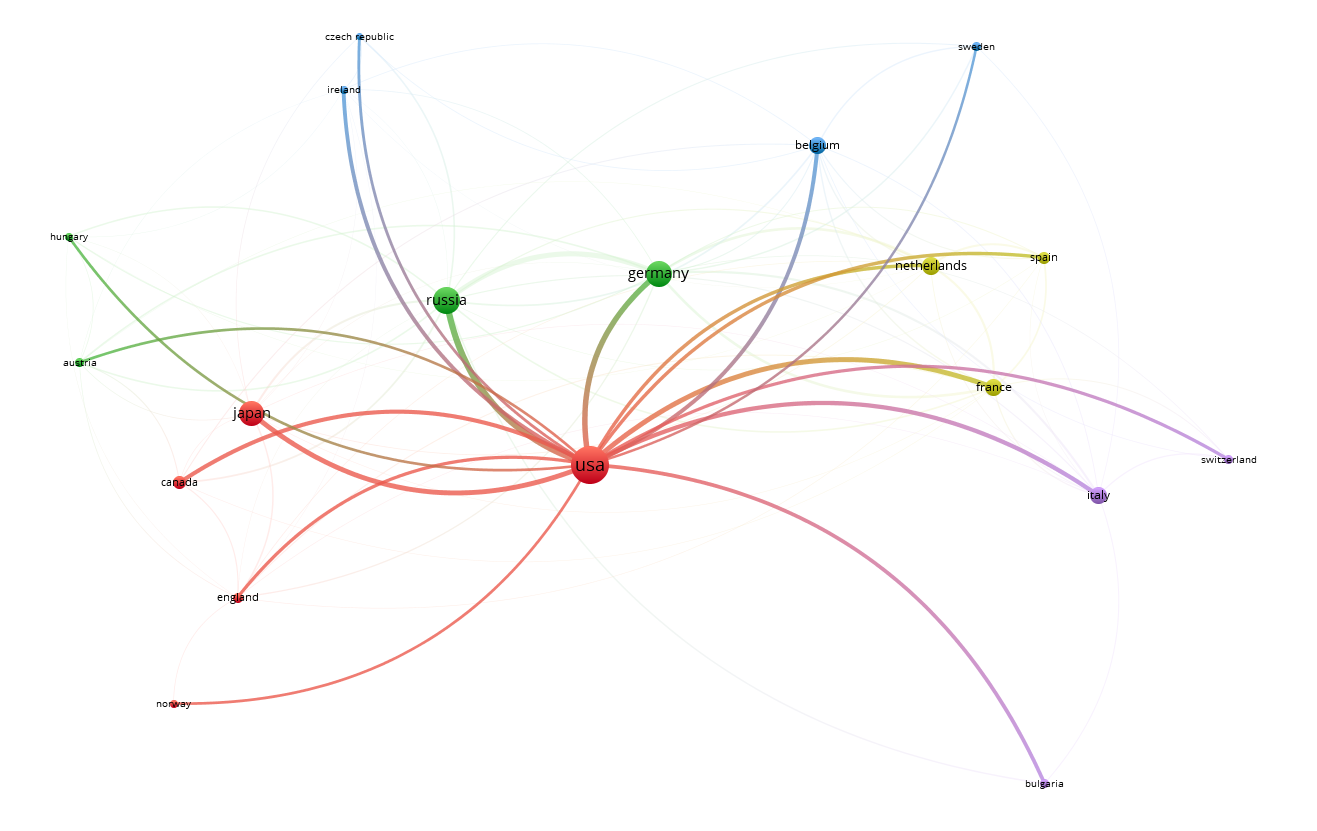
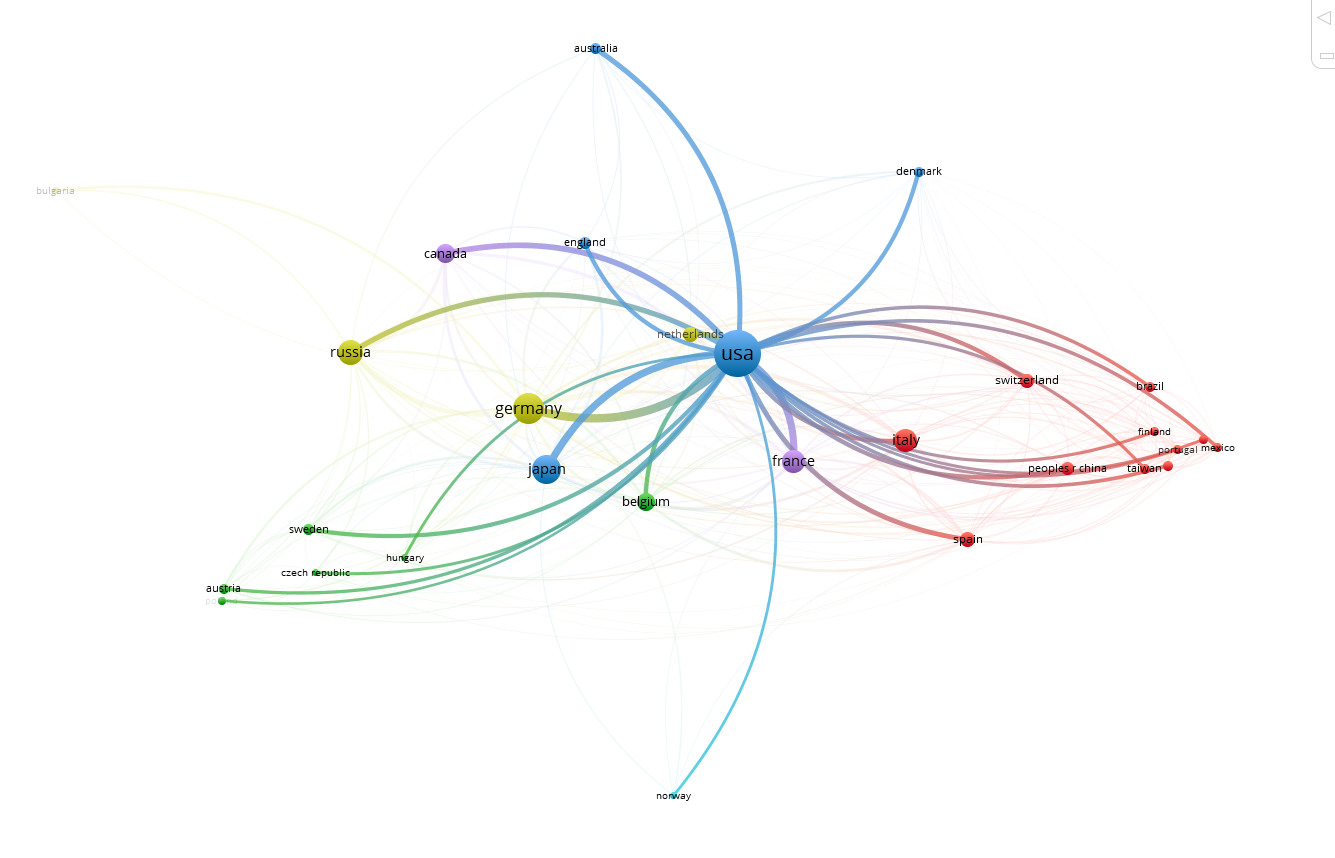
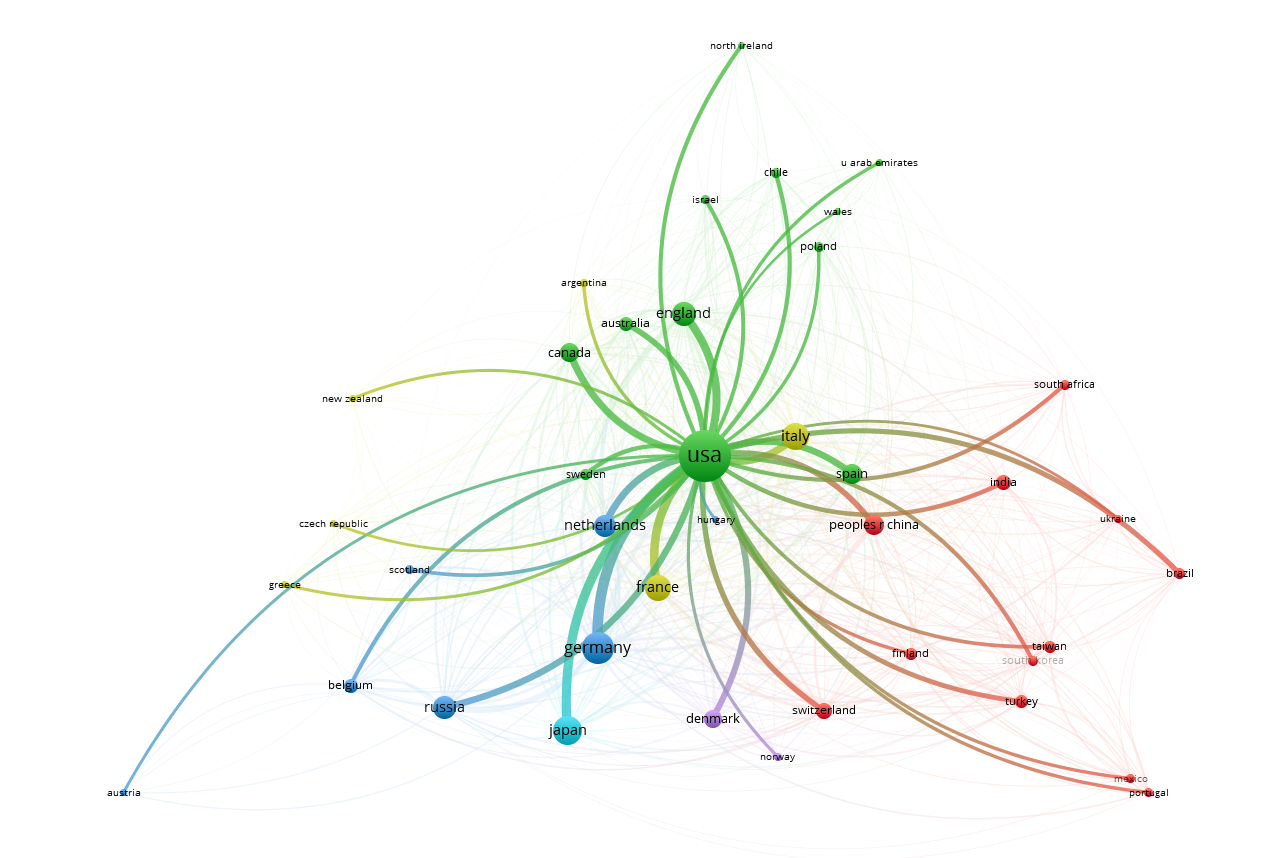
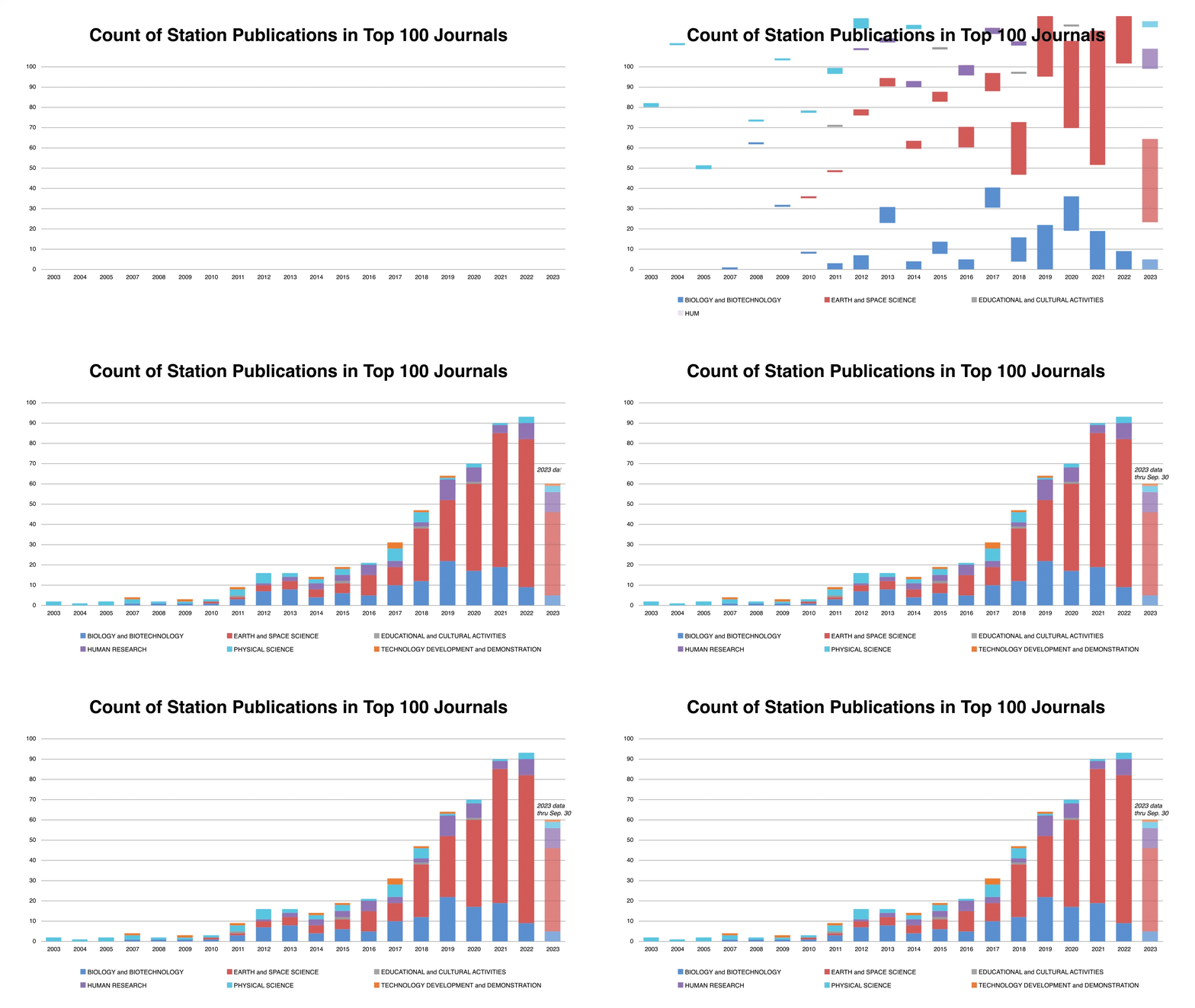
Over 3,700 investigations have operated since Expedition 1, with more than 250 active research facilities, the participation of more than 100 countries, the work of more than 5,000 researchers, and over 4,000 publications. The growth in research (Figure 1) and international collaboration (Figure 2) has prompted the publication of over 560 research articles in top-tier scientific journals with about 75 percent of those groundbreaking studies occurring since 2018 (Figure 3).
Figure 1 . Bibliometric mapping of station research growth over time. Count of the keyword microgravity co-occurring at least five times with other research keywords at different time periods. A) 1999-2005: n=11; B) 2006-2011: n=49; C) 2012-2017 n=69; D) 2018-Sep. 2023: n=115. The node size represents the number of publications containing the research keywords (larger nodes = more publications), the distance between nodes represents relatedness between research keywords, and the colors represent different research areas.
Figure 1-A) 1999-2005: n=11
Figure 1-B) 2006-2011: n=49
Figure 1-C) 2012-2017 n=69
Figure 1-D) 2018-Sep. 2023: n=115
Bibliometric analyses conducted through VOSviewer1 measure the impact of space station research by quantifying and visualizing networks of journals, citations, subject areas, and collaboration between authors, countries, or organizations. Using bibliometrics, a broad range of challenges in research management and research evaluation can be addressed. The network visualizations, stacked charts, and line graphs provided in this introduction demonstrate the growth and influence of station research.
Figure 2. Bibliometric mapping of station collaboration growth over time. Measurement of co-authorship strength (i.e., total line thicknesses) between the United States and other countries in the network at different time periods. A) 1999-2005: total link strength = 19 B) 2006-2011: total link strength = 74; C) 2012-2017: total link strength = 150; D) 2018-Sep. 2023: total link strength = 442. Nodes represent the number of publications for each country. Distance and color are not relevant indicators in this chart.
Figure 2-A) 1999-2005: total link strength = 19
Figure 2-B) 2006-2011: total link strength = 74
Figure 2-C) 2012-2017: total link strength = 150
Figure 2-D) 2018-Sep. 2023
Figure 3. Count of publications reported in journals ranked in the top 100 according to global standards of Clarivate. A total of 567 top-tier publications through the end of FY-23 are shown by year and research category.
In this year’s edition of the Annual Highlights of Results, we report findings from a wide range of topics in biology and biotechnology, physics, human research, Earth and space science, and technology development – including investigations about plant root orientation, tissue damage and repair, bubbles, lightning, fire dynamics, neutron stars, cosmic ray nuclei, imaging technology improvements, brain and vascular health, solar panel materials, grain flow, as well as satellite and robot control.
The findings highlighted here are only a small sample representative of the research conducted by all the participating space agencies – ASI (Agenzia Spaziale Italiana), CSA (Canadian Space Agency), ESA (European Space Agency), JAXA (Japanese Aerospace Exploration Agency), Roscosmos, and NASA – on station in the past 12 months.
Many more studies in fiscal year (FY)-23 revealed remarkable results, such as finding reduced fat accumulation in the bone marrow (MARROW), identifying gene mutations that preserve muscle (Molecular Muscle), improving optical beams…detecting bacterial antibiotic resistance during spaceflight (Plazmida), observing abnormal cell division of human neural stem cells (STaARS Bioscience-4), among others. A full list of all the publications collected in FY-23 can be found at the end of this report.
A publicly accessible database of space station investigations and publications can be found in the Space Station Research Explorer (SSRE) website, and all editions of the Annual Highlights of Results from the International Space Station can be found through the Past Annual Highlights of Results from the Space Station Research Results Library.
Between Oct. 1, 2022, and Sept. 30, 2023, we identified a total of 330 articles associated with station research. Of these 330 articles, 268 appeared in peer-reviewed journals, 59 in conference proceedings, and 3 in gray literature such as books, magazines, technical reports, or patents. Articles are also categorized based on how authors obtained their results. There were 204 publications that reported direct implementation of the science aboard station (i.e., Results), 37 that reported development of the payload prior to operation on station (i.e., Flight Preparation), and 89 that emerged as follow-ups to station science (i.e., Derived). Because derived articles are new scientific studies generated from shared data, derived science is an additional return on the investment trusted to station science. For FY-23, this return on investment was 27 percent. Full definitions of these publication types (i.e, Results, Flight Preparation, and Derived) categories can be found on page 10 of this report.
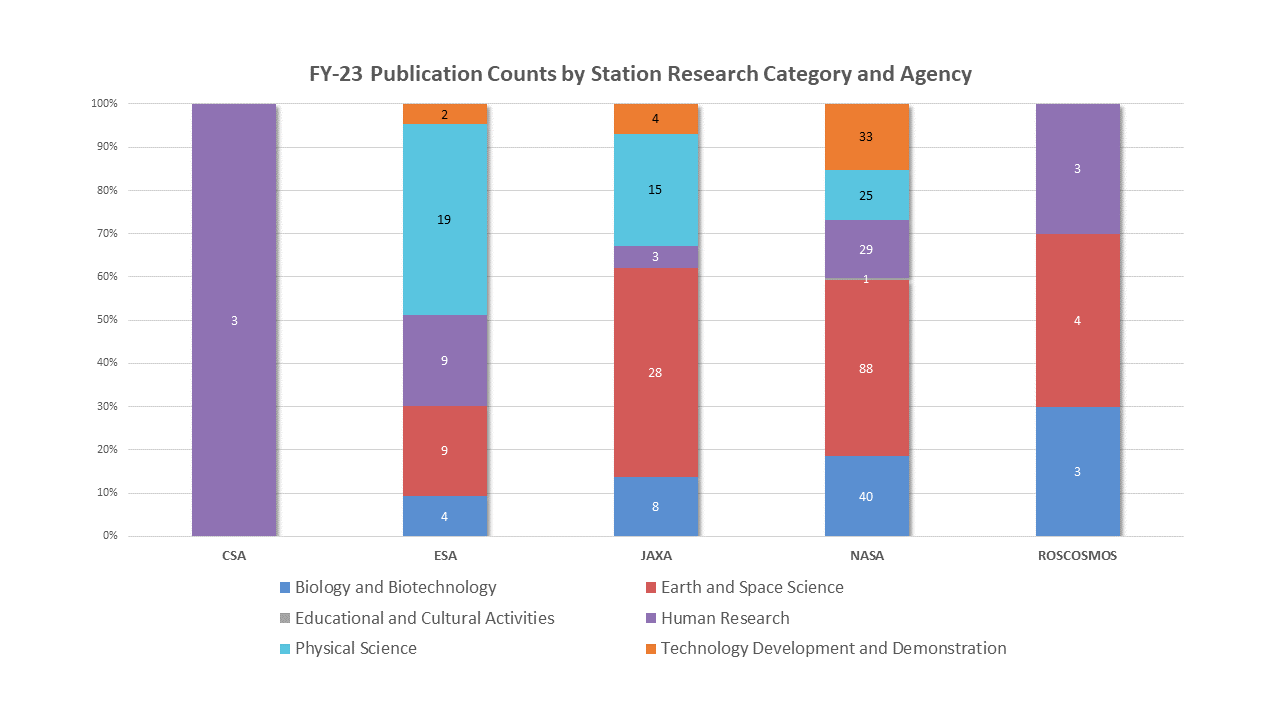
Figure 4. Count of publications by agency and station research category. A total of 330 articles were collected in FY-23.
Figure 4 shows a stacked chart with the count of articles collected in FY-23 broken out by space agency and research category. In summary, we found three articles for CSA, 43 articles for ESA, 58 articles for JAXA, 10 articles for Roscosmos, and 216 articles for NASA. Of the 330 articles collected in FY-23, 66 were articles published prior to Oct. 1, 2022.
Measuring Space Station Impacts
The significant impact of sustained international multidisciplinary research in microgravity can be observed through the findings published in world-class scientific journals that adhere to a rigorous scientific peer-review process.
With the assistance of Clarivate, a global database that collects publication and journal information for annual journal ranking and metrics, we identified the top findings produced by station researchers. One parameter, the journal’s Eigenfactor Score2, ranks each journal based on readership and influence, including the different citation standards of each discipline.
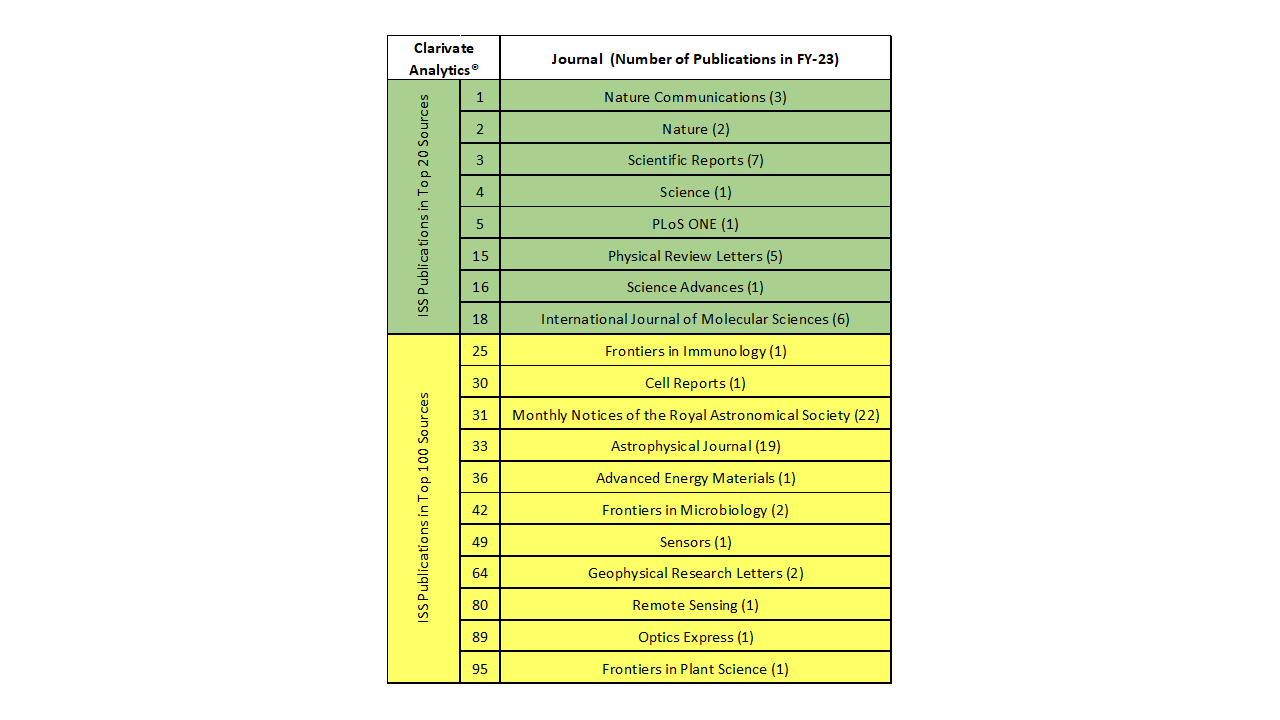
From Oct 1, 2022, to Sept 30, 2023, 78 articles appeared in top-tier journals. Of those 78 articles, 26 were reported in top 20 journals (see Table 1).
Table 1. A total of 78 articles were published in top-tier journals in FY-23: 21 articles in top 20 (green) and 57 articles in top 100 (yellow). Data ranked according to Clarivate Journal Citations Reports (JCR) Eigenfactor score.
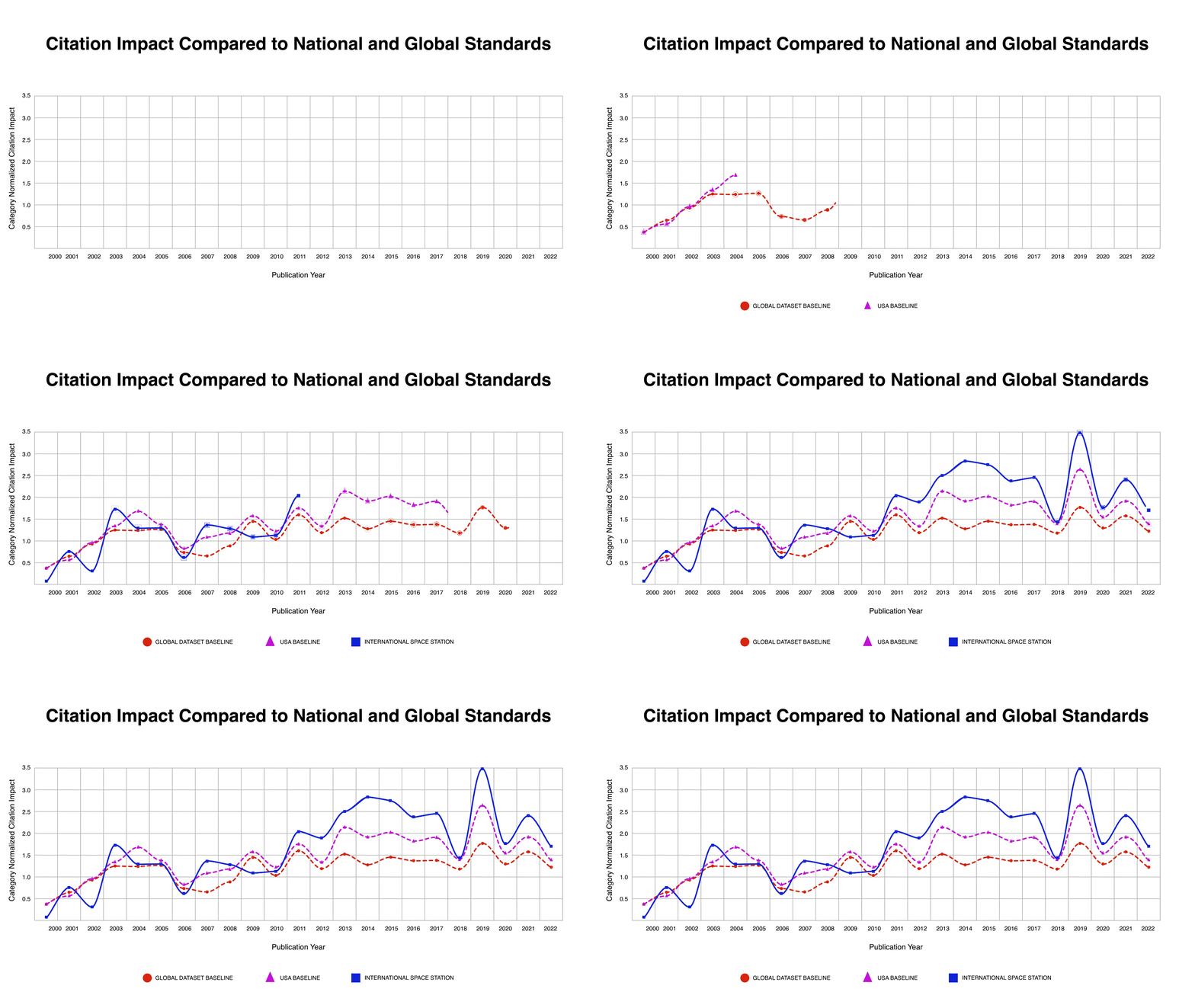
In addition to the research diversity and top-tier results obtained from station, a comparison of station science to global and US standards of category-normalized citation impact (i.e., adjusted impact of a publication based on its research area) shows greater influence of station science since 2010 compared to other research endeavors taking place domestically or internationally. The authority of station research was particularly prominent in 2019, and it continues to hold its place in the scientific community to date. Figure 5 illustrates this important comparison.
Figure 5. Citation impact (normalized by research area) of station science publications compared to national and global standards.
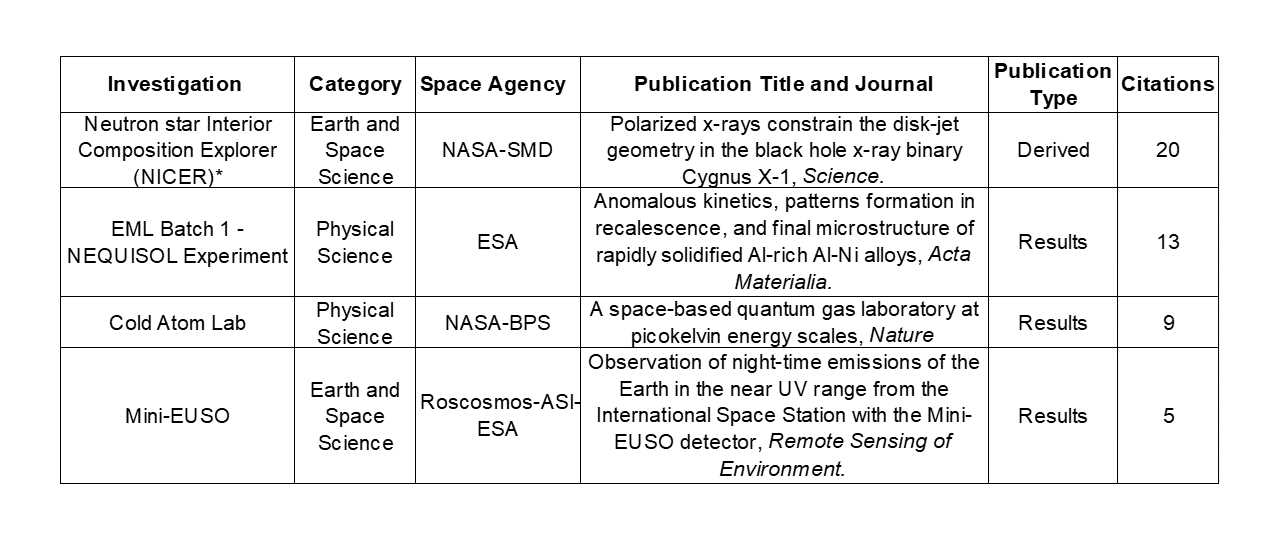
The high impact of space station is in great part attributed to the researchers who conduct transformative science in low Earth orbit. As shown in Table 2, four studies published in FY-23 have already received much acclaim from others in their field.
Table 2. List of articles published in FY-23 that have been widely recognized in a short period of time. *NICER reported two additional FY-23 publications with over 10 citations.
Advancements in technology and research on station have inspired students all over the world to pursue STEM careers, encouraged researchers to explore bold questions, and incentivized economies through the initiation of businesses in the space industry. While some of the most decisive steps toward space commercialization are recent, researchers from small and large companies, academic institutions, and government agencies have been conducting experiments in space since 2005 through the International Space Station National Lab. Today, the hard work is paying off. In FY-23, we collected 39 publications from investigations sponsored by National Lab with fascinating results in droplet behavior for the improvement of condensing systems (Drop Vibration), the reliable use of a genome examination and editing tool (Ax-1 CRSPR), the identification of specific gut bacteria involved in bone loss (Rodent Research-5), the use of neural networks for improved image analysis (Spaceborne Computer-2), and much more. In addition to the accomplishments of the International Partners and NASA on space station, National Lab’s alternative route to send investigations to space have demonstrated that new paths can be explored to expand research in microgravity for the advancement of science and benefit of humanity.
Evolution of Space Station Results
The archive of space station investigations went online in 2004. Since that time, changes to methods for tracking investigations and publications have been implemented, including increased differentiation between research disciplines and a re-characterization of publication fields. Currently, the following publication types are included in the Program Science Toolbox:
- Flight Preparation Results – publications about the development work performed for an investigation, facility, or project prior to operation on space station.
- Station Results – publications that provide information about the performance and results of an investigation, facility, or project as a direct implementation on station or on a vehicle to space station.
- Derived Results – publications that use data from an investigation that operated on station, but the authors of the article are not members of the original investigation team. Derived Results articles have emerged as a direct outcome of the open-source data initiative, which gives access to raw data for new researchers to analyze and publish innovative results, expanding global knowledge and scientific benefits.
- Patents – applications filed based on the performance and results of an investigation, facility, or project on station, or on a vehicle to space station.
- Related – publications that lead to the development of an investigation, facility, or project.
Linking Space Station Benefits
Space station research results lead to benefits for human exploration of space, benefits to humanity, and the advancement of scientific discovery. This year’s Annual Highlights of Results from the International Space Station includes descriptions of just a few of the results that were published from across the space station partnership during the past year.
- Space station investigation results have yielded updated insights into how to live and work more effectively in space by addressing such topics as understanding radiation effects on crew health, combating bone and muscle loss, improving designs of systems that handle fluids in microgravity, and determining how to maintain environmental control efficiently.
- Results from the space station provide new contributions to the body of scientific knowledge in the physical sciences, life sciences, and Earth and space sciences to advance scientific discoveries in multi-disciplinary ways.
- Space station science results have Earth-based applications, including understanding our climate, contributing to the treatment of disease, improving existing materials, and inspiring the future generation of scientists, clinicians, technologists, engineers, mathematicians, artists, and explorers.
Citations:
1Van Eck NJ, Waltman L. Software survey: VOSviewer, a computer program for bibliometric mapping. Scientometrics. 2010; 84(2):523-538. DOI: 10.1007/s11192-009-0146-3.
2West JD, Bergstrom TC, Bergstrom CT. The Eigenfactor Metrics™: A Network approach to assessing scholarly journals. College and Research Libraries. 2010;71(3). DOI: 10.5860/0710236.
Keep Exploring
Discover More Topics
Powered by WPeMatico
Get The Details…
Ana Guzman