NASA’s Planetary Protection Team Conducts Vital Research for Deep Space Missions

NASA’s Planetary Protection Team Conducts Vital Research for Deep Space Missions
5 Min Read

NASA’s Planetary Protection Team Conducts Vital Research for Deep Space Missions

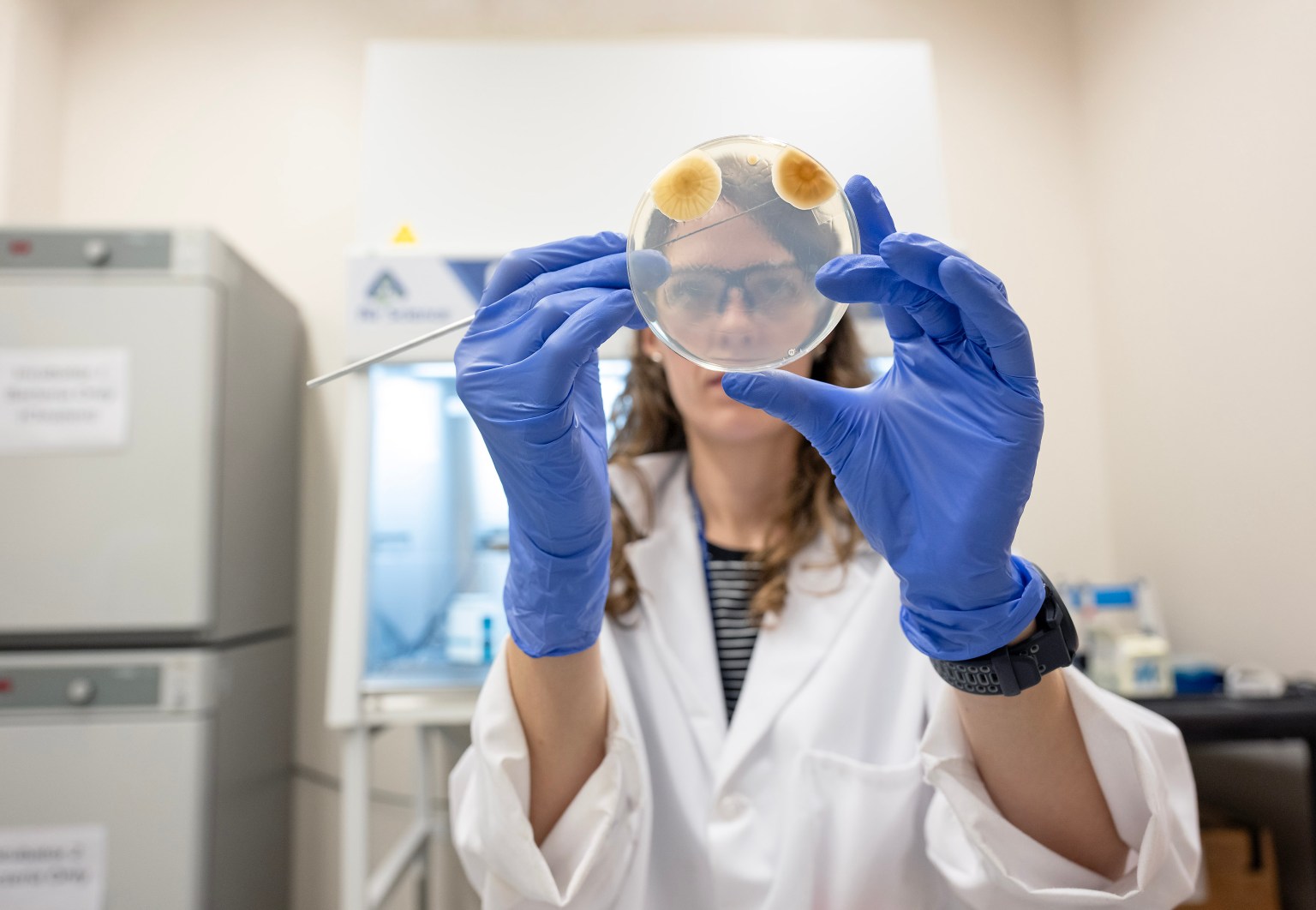
Marshall Space Flight Center's Chelsi Cassilly holds a Petri dish in front of her toward the camera and examines the specimen collected.

Cassilly examines fungal growth obtained from a space environmental exposure study, part of the Planetary Protection team’s work to understand the ability of microbes to survive conditions in deep space.

Credits:
NASA/Charles Beason

By Celine Smith

As NASA continues its exploration of the solar system, including future crewed missions to Mars, experts in the agency’s Office of Planetary Protection are developing advanced tactics to prevent NASA expeditions from introducing biological contaminants to other worlds.

At NASA’s Marshall Space Flight Center in Huntsville, Alabama, the Planetary Protection team is contributing to this work – pursuing new detection, cleaning, and decontamination methods that will protect alien biospheres, safeguard future planetary science missions, and prevent potentially hazardous microbes from being returned to Earth. The Planetary Protection team is a part of the Space Environmental Effects (SEE) team in Marshall’s Materials and Processes Laboratory.
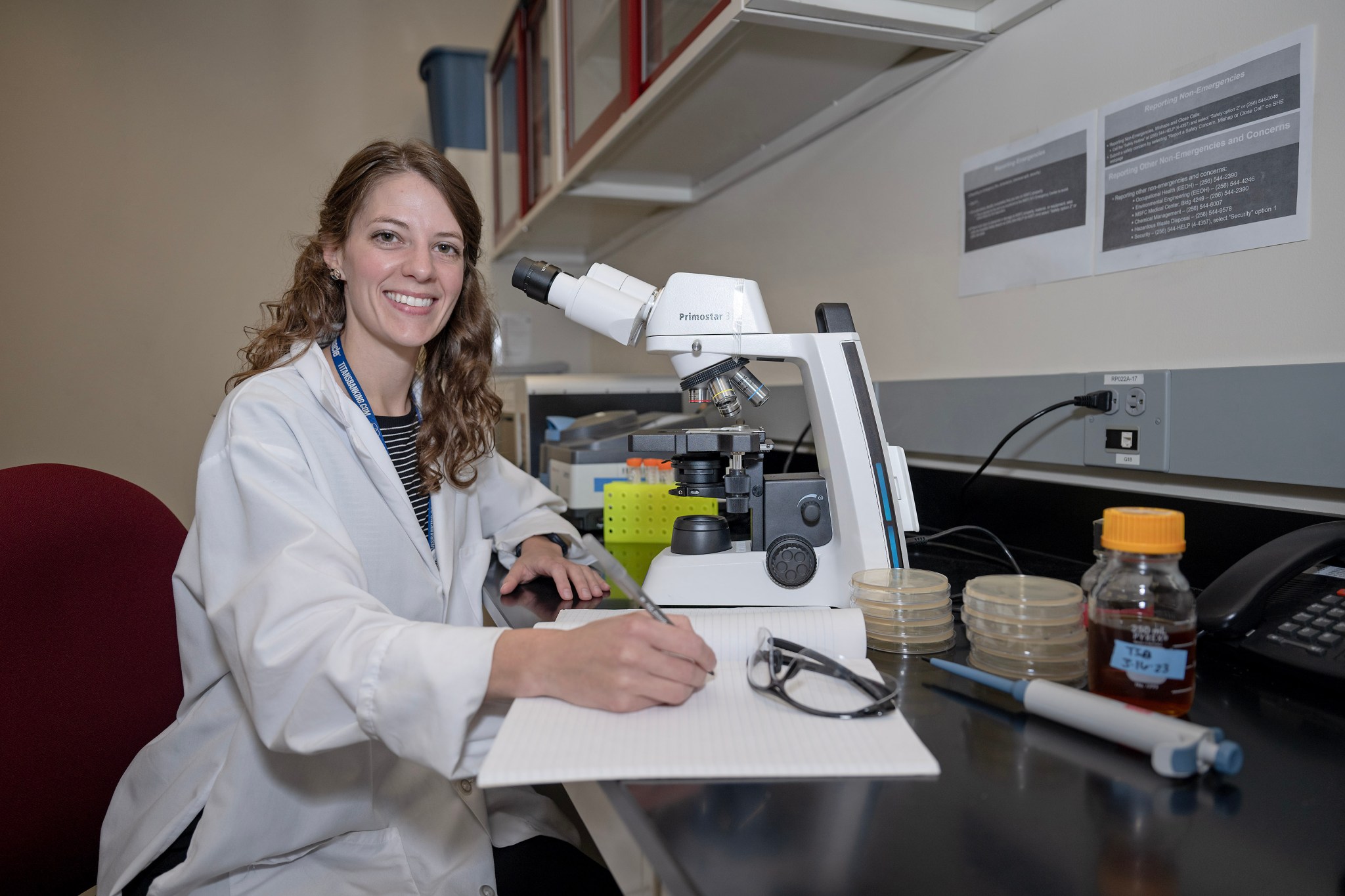
Planetary Protection microbiologist Chelsi Cassilly sits at a microscope in a white lab coat smiling at the camera.
Chelsi Cassilly, lead of Marshall Space Flight Center’s Planetary Protection Laboratory, researches microbes and their behaviors to preserve the environment of other planetary bodies after future missions.
NASA/Charles Beason

Planetary Protection microbiologist Chelsi Cassilly said much of Planetary Protection focuses on “bioburden” which is typically considered the number of bacterial endospores (commonly referred to as “spores”) found on and in materials. Such materials can range from paints and coatings on robotic landers to solid propellants in solid rocket motors. NASA currently requires robotic missions to Mars meet strict bioburden limits and is assessing how to apply similar policies to future, crewed missions to the Red Planet.

“It’s impossible to eliminate microbes completely,” Cassily said. “But it’s our job to minimize bioburden, keeping the probability of contamination sufficiently low to protect the extraterrestrial environments we explore.”

Currently, Marshall’s Planetary Protection research supports NASA’s Mars Ascent Vehicle, a key component of the planned Mars Sample Return campaign, and risk-reduction efforts for the Human Landing System program.

Critically, Planetary Protection prevents the introduction of microbes from Earth onto planetary bodies where they might proliferate and subsequently interfere with scientific study of past or current life there. If Earth’s microbes were to contaminate samples collected on Mars or Europa, the scientific findings would be an inaccurate depiction of these environments, potentially precluding the ability to determine if life ever existed there. Preserving the scientific integrity of these missions is of the utmost importance to Cassilly and her team.

Contamination mitigation tactics used in the past also may not work with modern hardware and materials. For the Viking missions to Mars, NASA employed a total spacecraft “heat microbial reduction” (HMR) process, a prolonged exposure to high temperatures to kill off or minimize microbes. As spacecrafts advance, NASA is more discerning, using HMR for components and/or subassemblies instead of the entire spacecraft.

According to Cassilly, HMR may not always be an ideal solution because, extended time at high temperatures required to kill microbes can degrade the integrity of certain materials, potentially impacting mission success. While this is not a problem for all materials, there is still a need to expand NASA’s repertoire of acceptable microbial reduction techniques to include ones that may be more efficient and sustainable.
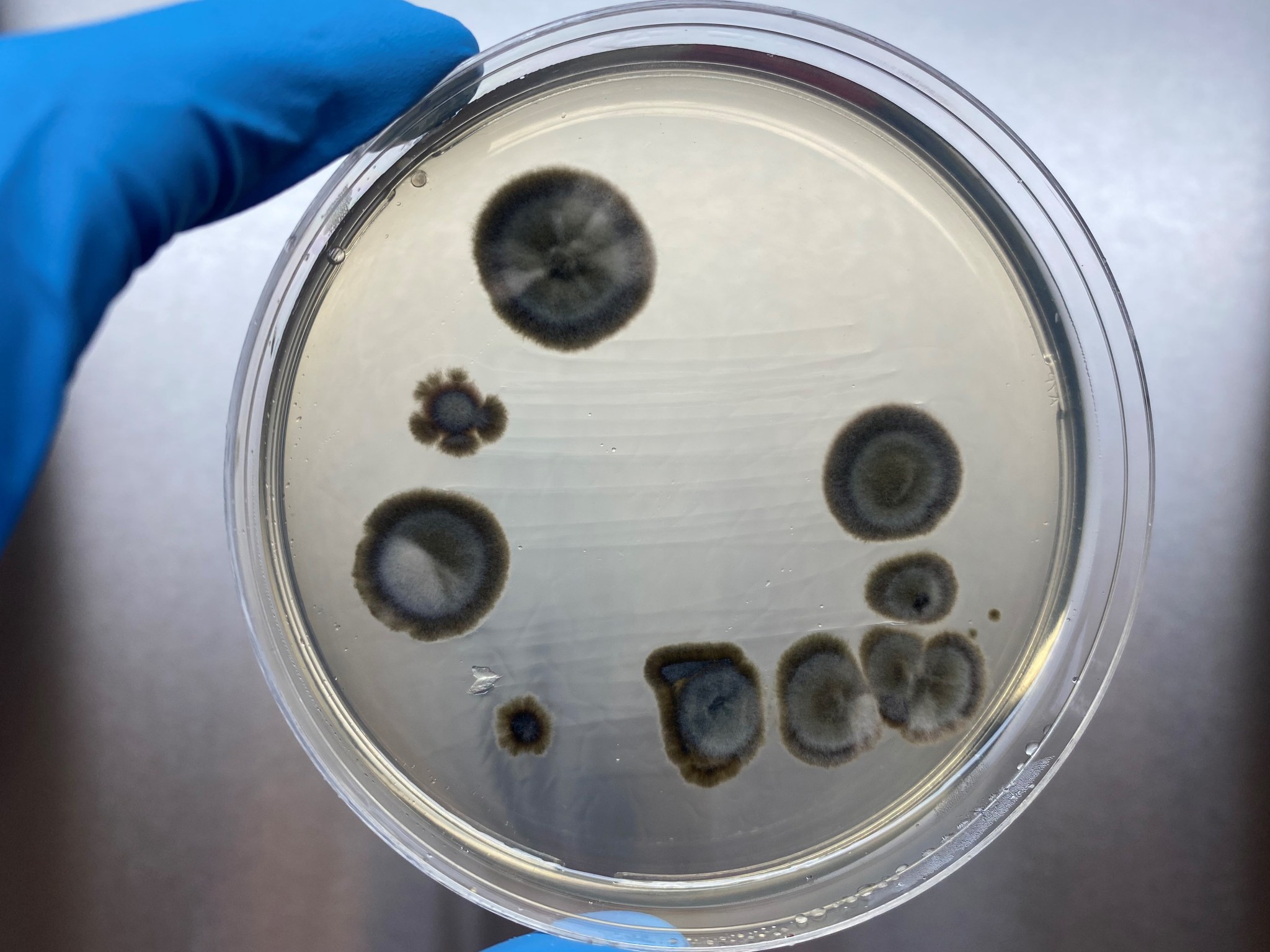
A Petri dish held by a gloved hand hosts several black circular spots of varying sizes and one flower shaped spot.
This mold from the genus Cladosporium was collected from the surface of a cleanroom table at Marshall. This and other microbes within cleanrooms pose the biggest threat to spacecraft cleanliness and meeting Planetary Protection requirements.
Jacobs Engineering/Chelsi Cassilly

To contribute to NASA’s Planetary Protection efforts, Cassilly undertook a project – funded by a Jacobs Innovation Grant – to build a microbial library that could better inform and guide mitigation research. That meant visiting cleanrooms at Marshall to collect prevalent microbes, extracting DNA, amplifying specific genes, and submitting them for commercial sequencing. They identified 95% of the microbes within their library which is continually growing as more microbes are collected and identified.

The Planetary Protection team is interested in taking this work a step further by exposing their microbial library to space-like stressors—including ultraviolet light, ionizing radiation, temperature extremes, desiccation, and vacuum—to determine survivability.

Understanding the response of these microbes to space environmental conditions, like those experienced during deep space transit, helps inform our understanding of contamination risks associated with proposed planetary missions.

Chelsi Cassilly

Chelsi Cassilly

Planetary Protection microbiologist

“The research we’re doing probes at the possibility of using space itself to our advantage,” Cassilly said.

Cassilly and Marshall materials engineers also supported a study at Auburn University in Auburn, Alabama, to determine whether certain manufacturing processes effectively reduce bioburden. Funded by a NASA Research Opportunity in Space and Earth Sciences (ROSES) grant, the project assessed the antimicrobial activity of various additives and components used in solid rocket motor production. The team is currently revising a manuscript which should appear publicly in the coming months.
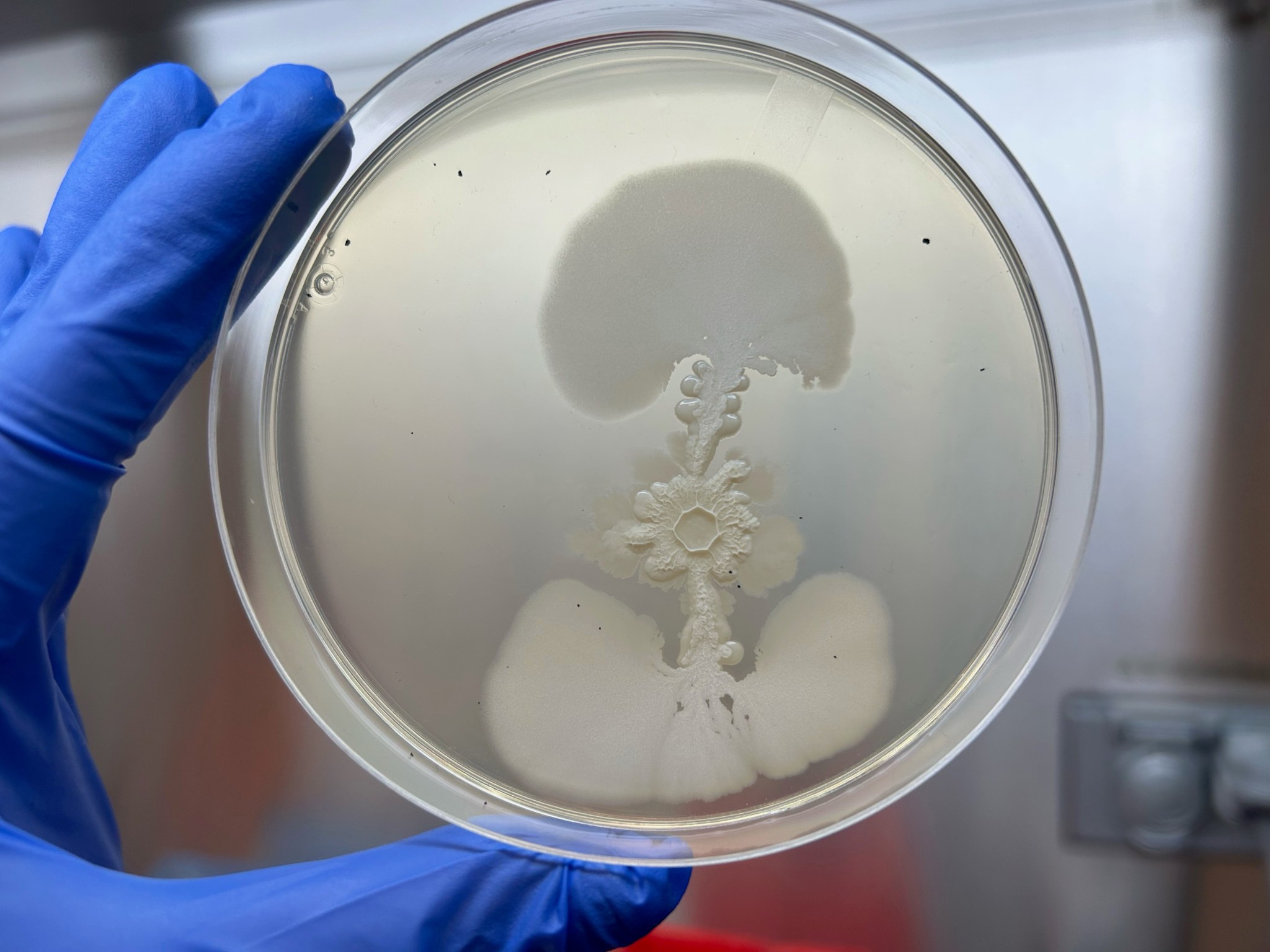
A gloved hand holds a Petri dish that appears to have a white specimen. It appears to look like a skull, spine, and hip bones in the photo that are all white.
This Bacillus isolate with striking morphology was collected from a sample of insulation commonly used in solid rocket motors. Cassilly studies these and other material-associated microbes to evaluate what could hitch a ride on spacecraft.
Jacobs Engineering/Chelsi Cassilly

Cassilly also supported research by Marshall’s Solid Propulsion and Pyrotechnic Devices Branch to assess estimates of microbial contamination associated with a variety of commonly used nonmetallic spacecraft materials. The results showed that nearly all the materials analyzed carry a lower microbial load than previously estimated – possibly decreasing the risk associated with sending these materials to sensitive locations.

Such findings benefit researchers across NASA who are also pursuing novel bioburden reduction tactics, Cassilly said, improving agencywide standards for identifying, measuring, and studying advanced planetary protection techniques.

“Collaboration unifies our efforts and makes it so much more possible to uncover new solutions than if we were all working individually,” she said.

NASA’s Office of Planetary Protection is part of the agency’s Office of Safety and Mission Assurance at NASA Headquarters in Washington. The Office of Planetary Protection oversees bioburden reduction research and development of advanced strategies for contamination mitigation at Marshall Space Flight Center; NASA’s Jet Propulsion Laboratory in Pasadena, California; NASA’s Goddard Space Flight Center in Greenbelt, Maryland; and NASA’s Johnson Space Center in Houston.

For more information about NASA’s Marshall Space Flight Center, visit:

https://www.nasa.gov/centers/marshall/home/index.html

Share

Details

Last Updated

Feb 22, 2024

Powered by WPeMatico

Get The Details…
Beth Ridgeway
Pose Bowl: Spacecraft Detection and Pose Estimation Challenge

Pose Bowl: Spacecraft Detection and Pose Estimation Challenge

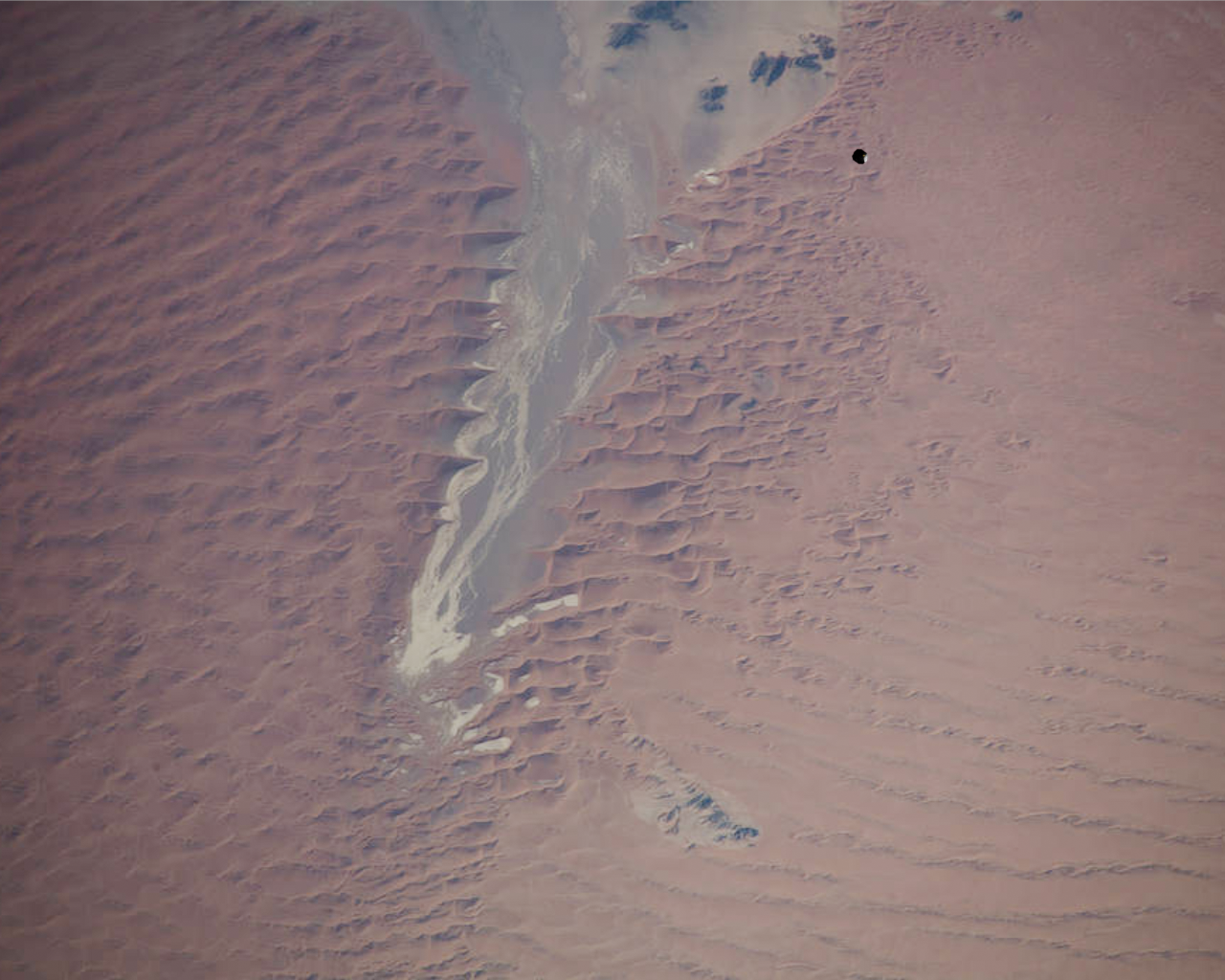
Satellite image of another spacecraft above a red, sandy landscape.

In the Pose Bowl: Spacecraft Detection and Pose Estimation Challenge, solvers will help NASA develop algorithms that could be run on inspector (chaser) spacecraft. There are two tracks, with different associated prizes. In the Detection Track, solvers develop object detection solutions that identify the boundaries of spacecraft in an image. In the Pose Estimation Track, solvers develop solutions that identify changes in the position and orientation (pose) of the chaser spacecraft camera across a sequence of images.

Award: $40,000 in total prizes

Open Date: February 20, 2024

Close Date: May 14, 2024

For more information, visit: https://www.drivendata.org/competitions/group/competition-nasa-spacecraft/

Powered by WPeMatico

Get The Details…
Sarah Douglas

NASA to Continue Testing for New Artemis Moon Rocket Engines

NASA to Continue Testing for New Artemis Moon Rocket Engines

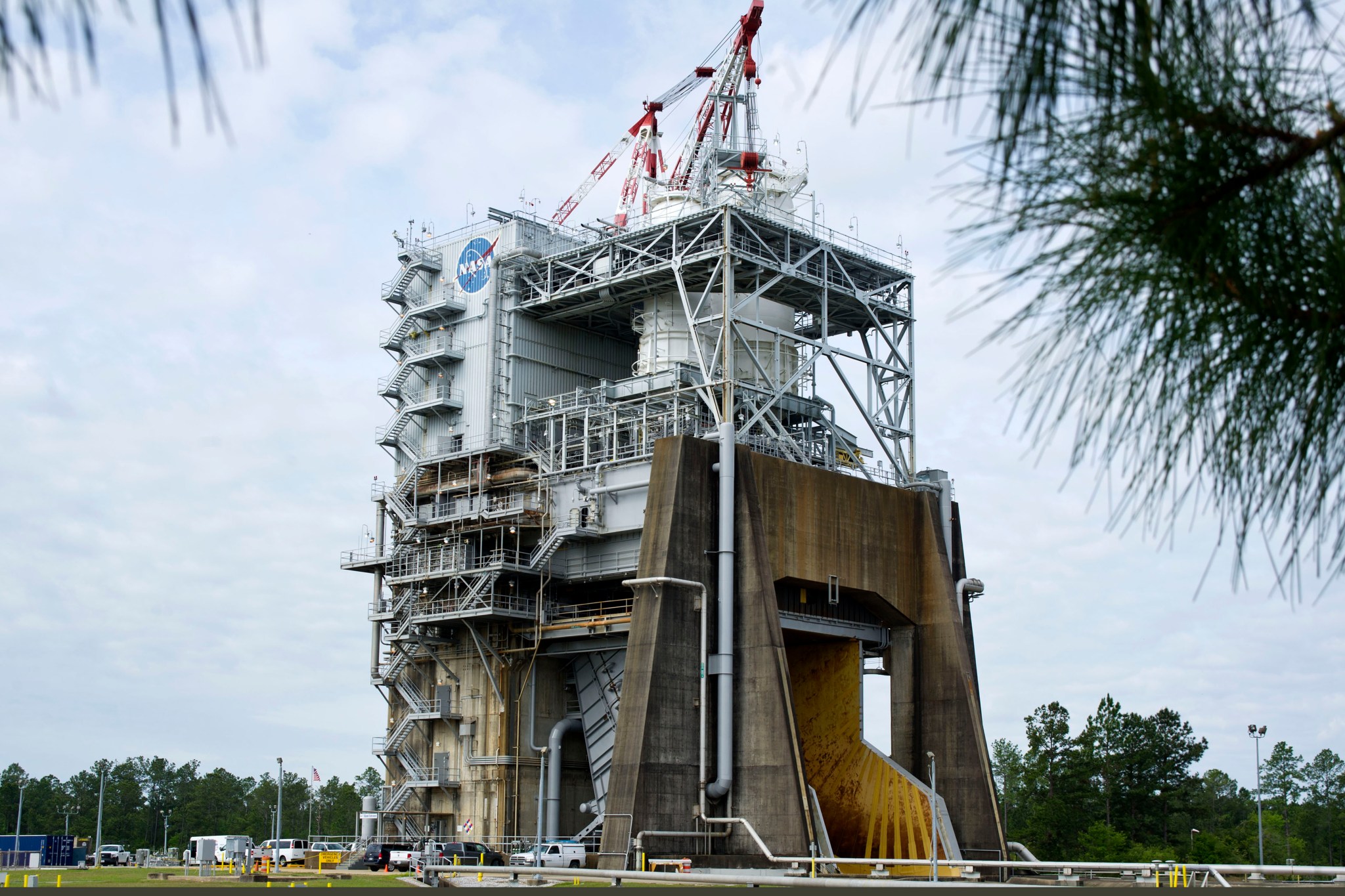
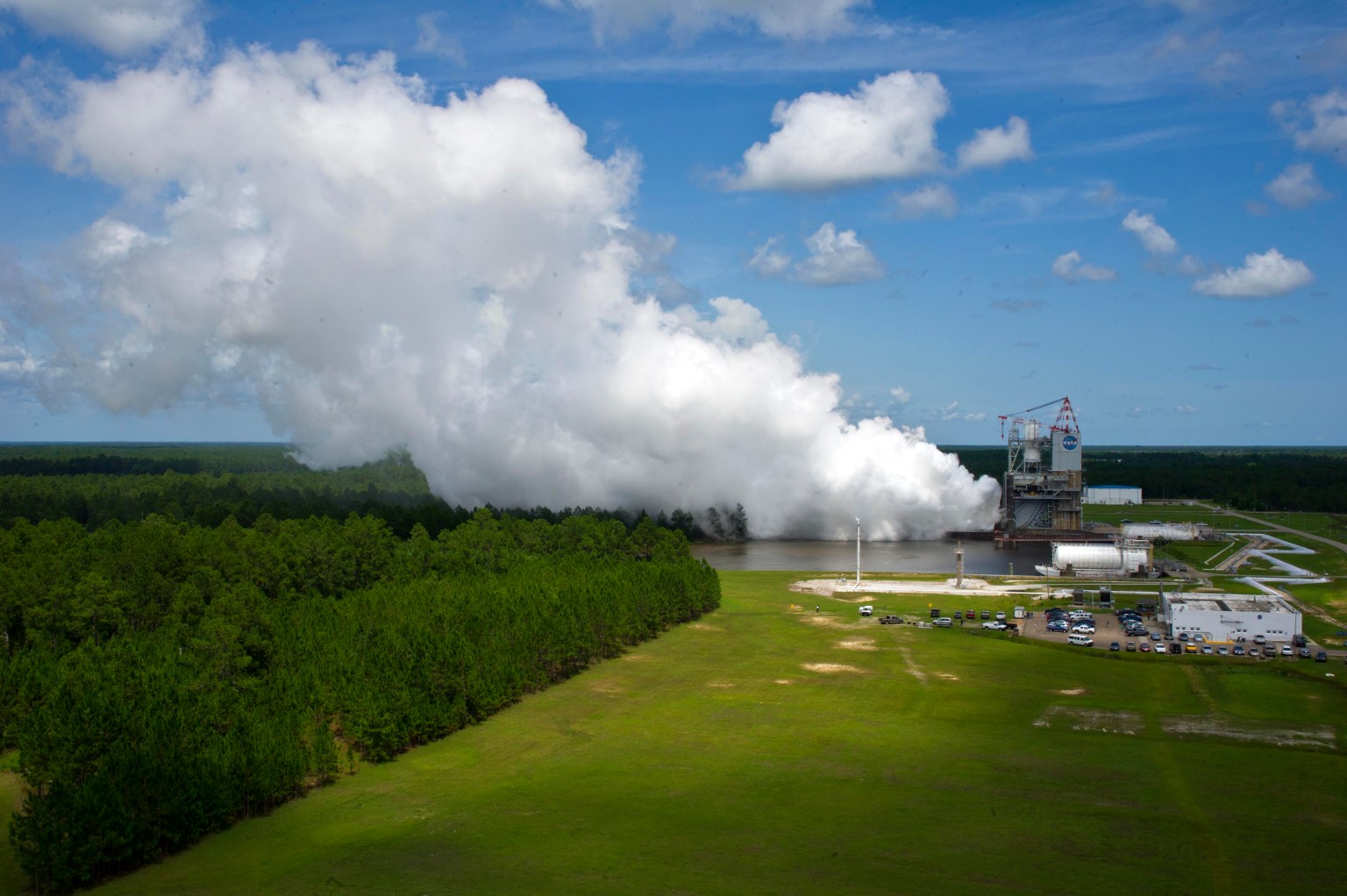
View of the Fred Haise Test Stand at NASA Stennis
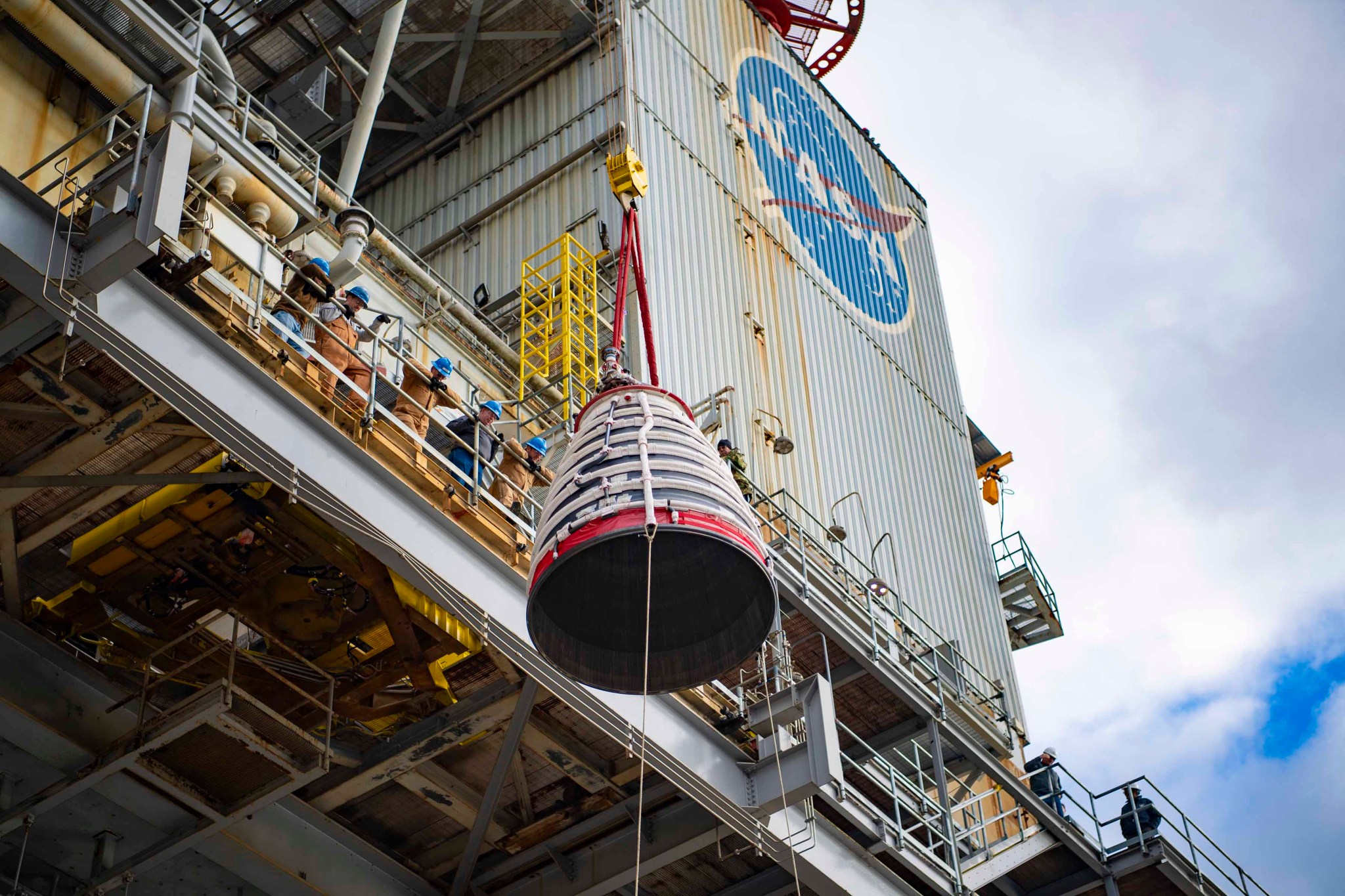
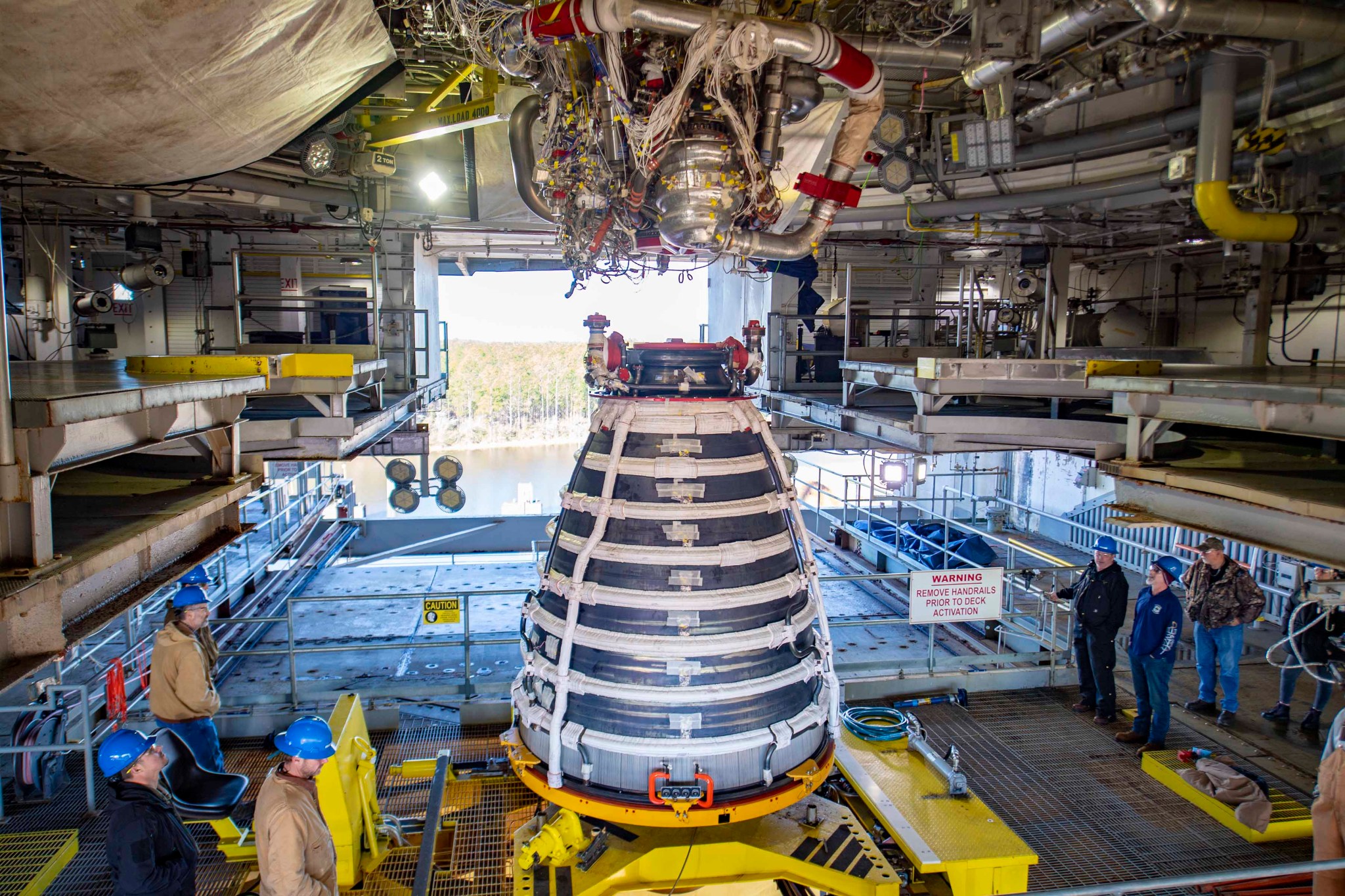
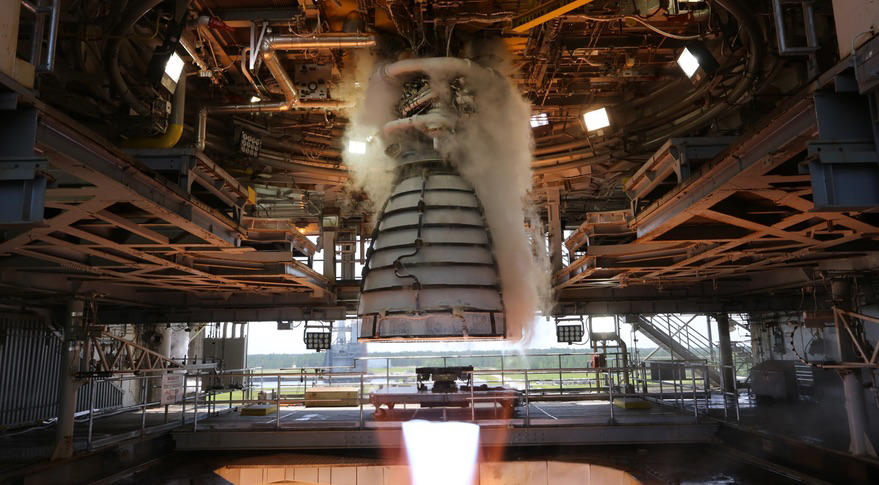
Teams at NASA’s Stennis Space Center install a new RS-25 engine nozzle in early February in preparation for continued testing on the Fred Haise Test Stand. NASA is conducting a series of tests to certify production of new RS-25 engines for future (Space Launch System) missions, beginning with Artemis V.
NASA/Danny Nowlin

NASA will conduct an RS-25 hot fire Friday, Feb. 23, moving one step closer to production of new engines that will help power the agency’s SLS (Space Launch System) rocket on future Artemis missions to the Moon and beyond.

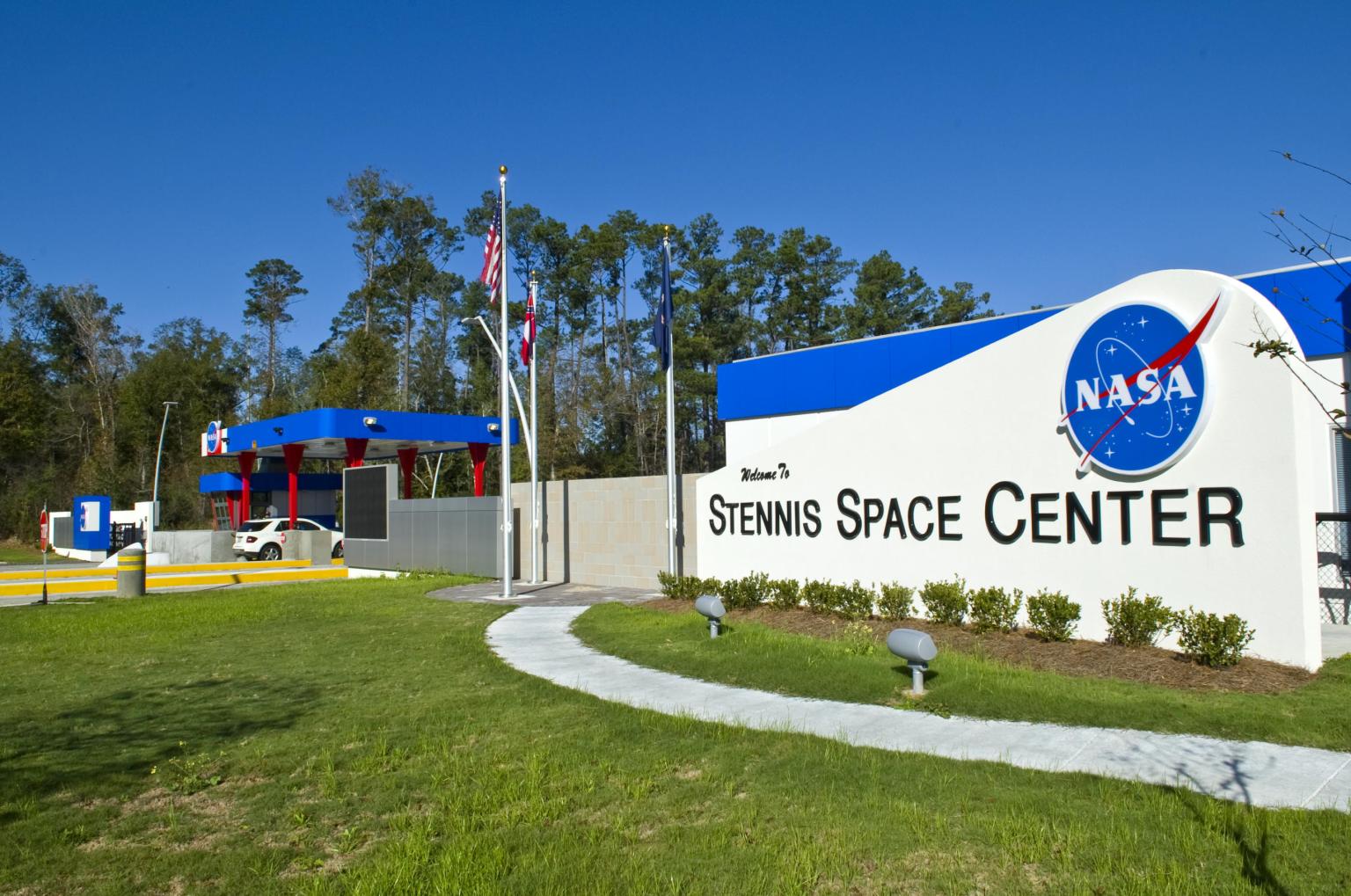
Teams at NASA’s Stennis Space Center near Bay St. Louis, Mississippi, are set to begin the second half of a 12-test RS-25 certification series on the Fred Haise Test Stand, following installation of a second production nozzle on the engine.

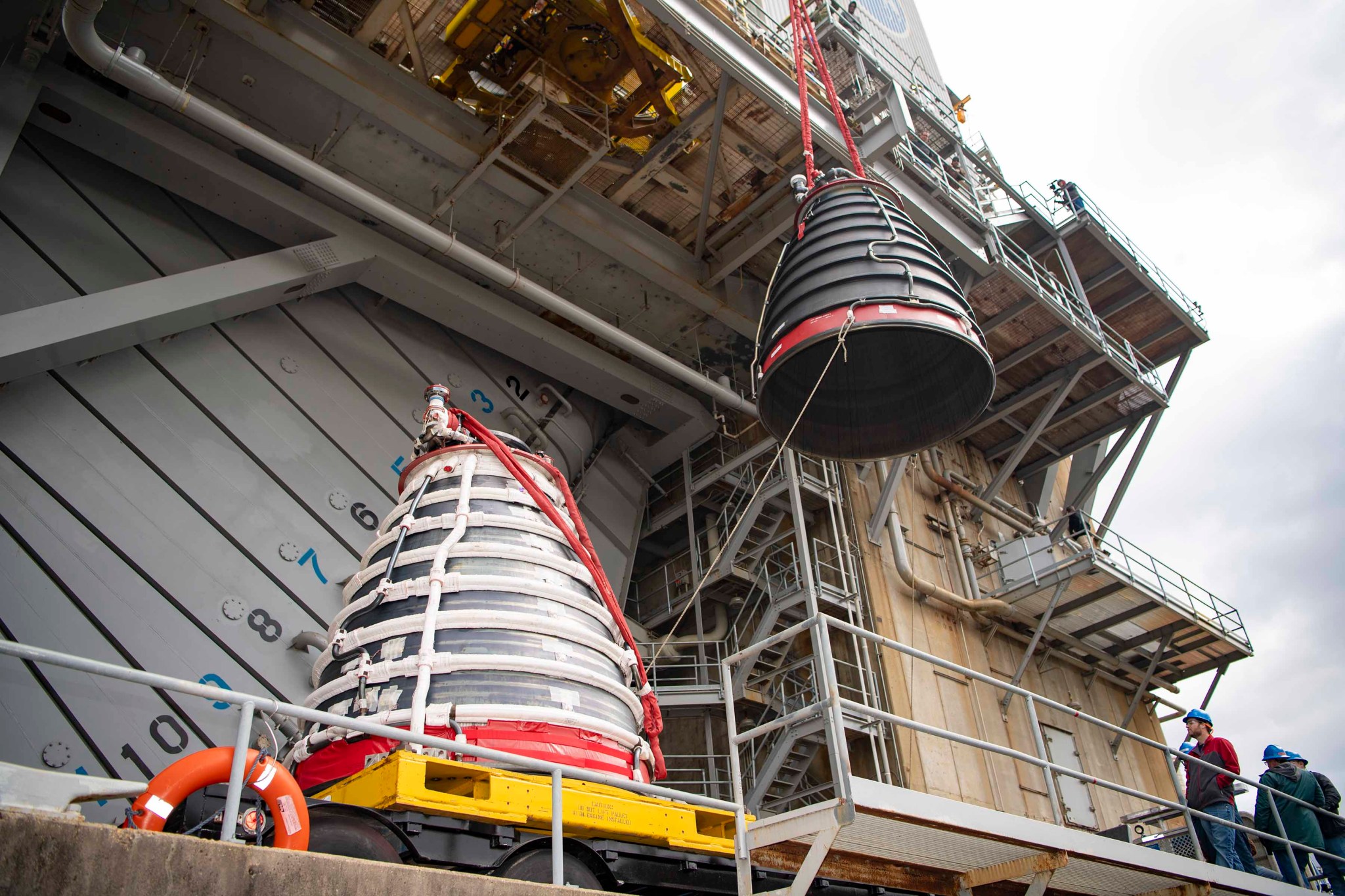
A view of a RS-25 test engine suspended in air on the Fred Haise Test Stand at NASA Stennis
Teams at NASA’s Stennis Space Center install a new RS-25 engine nozzle in early February in preparation for continued testing on the Fred Haise Test Stand. NASA is conducting a series of tests to certify production of new RS-25 engines for future (Space Launch System) missions, beginning with Artemis V.
NASA/Danny Nowlin
A view of a RS-25 test engine suspended in air on the Fred Haise Test Stand at NASA Stennis
Teams at NASA’s Stennis Space Center install a new RS-25 engine nozzle in early February in preparation for continued testing on the Fred Haise Test Stand. NASA is conducting a series of tests to certify production of new RS-25 engines for future (Space Launch System) missions, beginning with Artemis V.
NASA/Danny Nowlin

The six remaining hot fires are part of the second, and final, test series collecting data to certify an updated engine production process, using innovative manufacturing techniques, for lead engines contractor Aerojet Rocketdyne, an L3Harris Technologies company.

As NASA aims to establish a long-term presence on the Moon for scientific discovery and exploration, and prepare for future missions to Mars, new engines will incorporate dozens of improvements to make production more efficient and affordable while maintaining high performance and reliability.

Four RS-25 engines, along with a pair of solid rocket boosters,  launch NASA’s powerful SLS rocket, producing more than 8.8 million pounds of thrust at liftoff for Artemis  missions.

During the seventh test of the 12-test series, operators plan to fire the certification engine for 550 seconds and up to a 113% power level.

“NASA’s commitment to safety and ‘testing like you fly’ is on display as we plan to fire the engine beyond 500 seconds, which is the same amount of time the engines must fire to help launch the SLS rocket to space with astronauts aboard the Orion spacecraft,” said Chip Ellis, project manager for RS-25 testing at Stennis.

The Feb. 23 test features a second certification engine nozzle to allow engineers to gather additional performance data on the upgraded unit. The new nozzle was installed on the engine earlier this month while it remained at the test stand. Using specially adapted procedures and tools, the teams were able to swap out the nozzles with the engine in place.

Close up view of a RS-25 test engine on the Fred Haise Test Stand at NASA Stennis
Teams at NASA’s Stennis Space Center install a new RS-25 engine nozzle in early February in preparation for continued testing on the Fred Haise Test Stand. NASA is conducting a series of tests to certify production of new RS-25 engines for future (Space Launch System) missions, beginning with Artemis V.
NASA/Danny Nowlin
In early February 2024, teams at NASA’s Stennis Space Center near Bay St. Louis, Mississippi, completed an RS-25 nozzle remove-and-replace procedure as part of an ongoing hot fire series on the Fred Haise Test Stand.

The new nozzle will allow engineers to collect and compare performance data on a second production unit. The RS-25 nozzle, which directs engine thrust, is the most labor-intensive component on the engine and the hardest to manufacture, said Shawn Buckley, Aerojet Rocketdyne’s RS-25 nozzle integrated product team lead.

Aerojet Rocketdyne has focused on streamlining the nozzle production process. Between manufacture of the first and second production units, the company reduced hands-on labor by 17%.

“The nozzle is a work of machinery and work of art at the same time,” Buckley said. “Our team sees this nozzle as more than a piece of hardware. We see the role we play in the big picture as we return humans to the Moon.”

With completion of the certification test series, all systems will be “go” to produce the first new RS-25 engines since the space shuttle era. NASA has contracted with Aerojet Rocketdyne to produce 24 new RS-25 engines using the updated design for missions beginning with Artemis V. NASA and Aerojet Rocketdyne modified 16 former space shuttle missions for use on Artemis missions I through IV.

Through Artemis, NASA will establish the foundation for long-term scientific exploration at the Moon, land the first woman, first person of color, and first international partner astronaut on the lunar surface, and prepare for human expeditions to Mars for the benefit of all.

Share

Details

Last Updated

Feb 22, 2024

Editor
NASA Stennis Communications
Contact
C. Lacy Thompson
Location
Stennis Space Center

Powered by WPeMatico

Get The Details…
LaToya Dean

NASA Center Boosted YF-12 Supersonic Engine Research

NASA Center Boosted YF-12 Supersonic Engine Research

4 min read

Preparations for Next Moonwalk Simulations Underway (and Underwater)

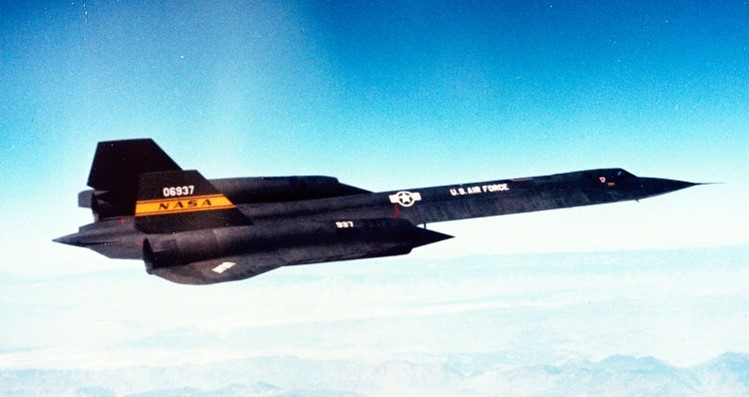
A black YF-12C aircraft with a white U.S. Air Force logo on the front section and an orange NASA logo on the tail flies above white clouds and a blue sky.
NASA pilots flew this YF-12C aircraft from 1971 and 1978 to perform airspeed calibrations and collect propulsion system data at numerous flight conditions.
Credit: NASA

Supersonic flight became a reality in October 1947, when the Bell X-1 rocket plane broke the sound barrier. NASA’s Lewis Research Center in Cleveland (now, NASA Glenn), which had served as the agency’s aeropropulsion leader since it was established in the 1940s, subsequently helped NASA advance the technology needed to make longer supersonic flights possible.

A host of military aircraft capable of reaching supersonic speeds followed the Bell X-1. In the 1960s, Lockheed’s family of Blackbirds (the original A-12, the YF-12 interceptor, and the SR-71 reconnaissance vehicle) became the world’s first aircraft able to cruise at supersonic speeds for extended periods. However, the expansion of this capability to larger transport aircraft was difficult, in large part due to the lack of data collected about propulsion systems during longer supersonic flights.

To solve problems that weren’t found during design-phase testing of these aircraft and to advance crucial technology, like the supersonic mixed-compression inlet, the military loaned two retired YF-12s to the Dryden Flight Research Center (today, NASA Armstrong) in 1969 as part of a collaborative NASA/Air Force effort. They planned to compare data from YF-12 flights to data collected in wind tunnels at NASA’s Ames, Langley, and Lewis Research Centers.

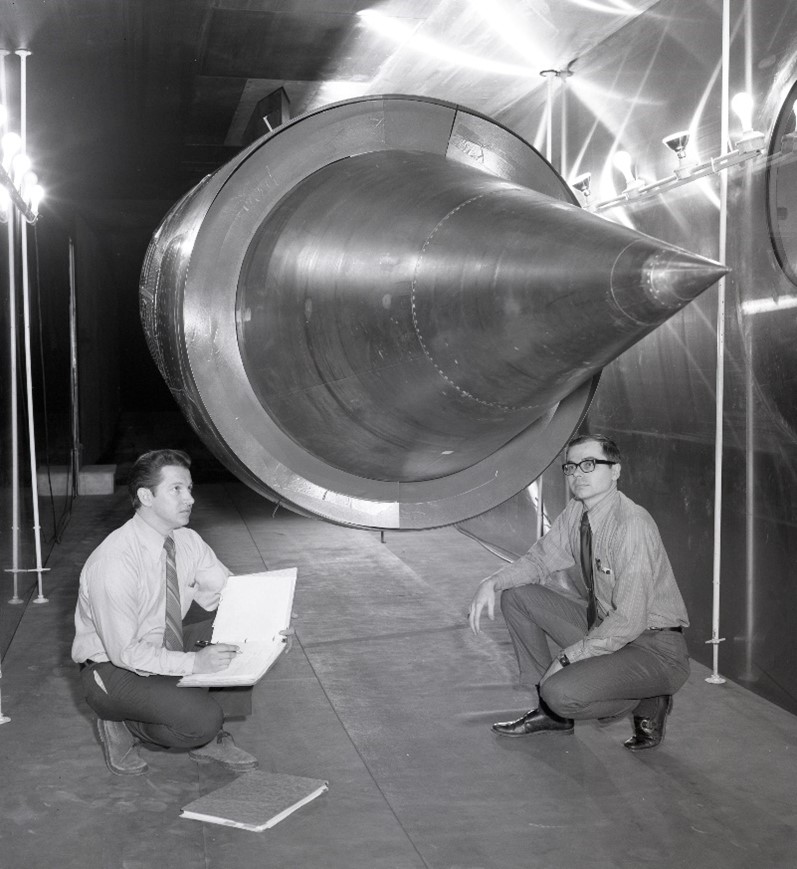
A black-and-white photo of two people dressed in suits and ties crouching under a YF-12 flight inlet in a wind tunnel. The person on the left looks up at the large, pointy inlet and writes in a binder.
Bobby Sanders (left) and Robert Coltrin check a full-scale YF-12 flight inlet prior to a February 1972 test run in the NASA Lewis Research Center (now NASA Glenn) 10×10 Supersonic Wind Tunnel. Although the 5-foot 9-inch diameter inlet was large for the test section, no problems arose
Credit: NASA/Martin Brown

Lewis’ researchers had studied supersonic inlets in wind tunnels since the early 1950s and were in the midst of an extensive evaluation of supersonic nozzles and inlets using an F-106 Delta Dart. In this new effort, Lewis was responsible for testing a full-scale YF-12 inlet in the center’s 10×10 Supersonic Wind Tunnel and analyzing a 32,500-pound thrust Pratt & Whitney J58 engine in the Propulsion Systems Laboratory (PSL).

Although mixed-compression inlets, which allowed the engines to operate as turbojets at subsonic speeds and as ramjets at higher Mach numbers, were highly efficient, their design left the engines vulnerable to flow disturbances that often caused “unstarts.” Unstarts produced instantaneous drag that could stall the engine or cause the aircraft to quickly roll or yaw. Lewis researchers tested an actual inlet from a crashed SR-71, which they installed into the 10×10 in November 1971.

Over the next year, researchers collected aerodynamic data under different conditions in the wind tunnel. They also tested a new inlet control system patented by Lewis engineers Bobby Sanders and Glenn Mitchell that used mechanical valves to protect the aircraft against unstarts. It was the first time the system was tested on a full-scale piece of hardware.

Researchers also studied the relationships between the airframe, inlet, engine, and control system during normal flight conditions and when experiencing realistic flow disturbances.

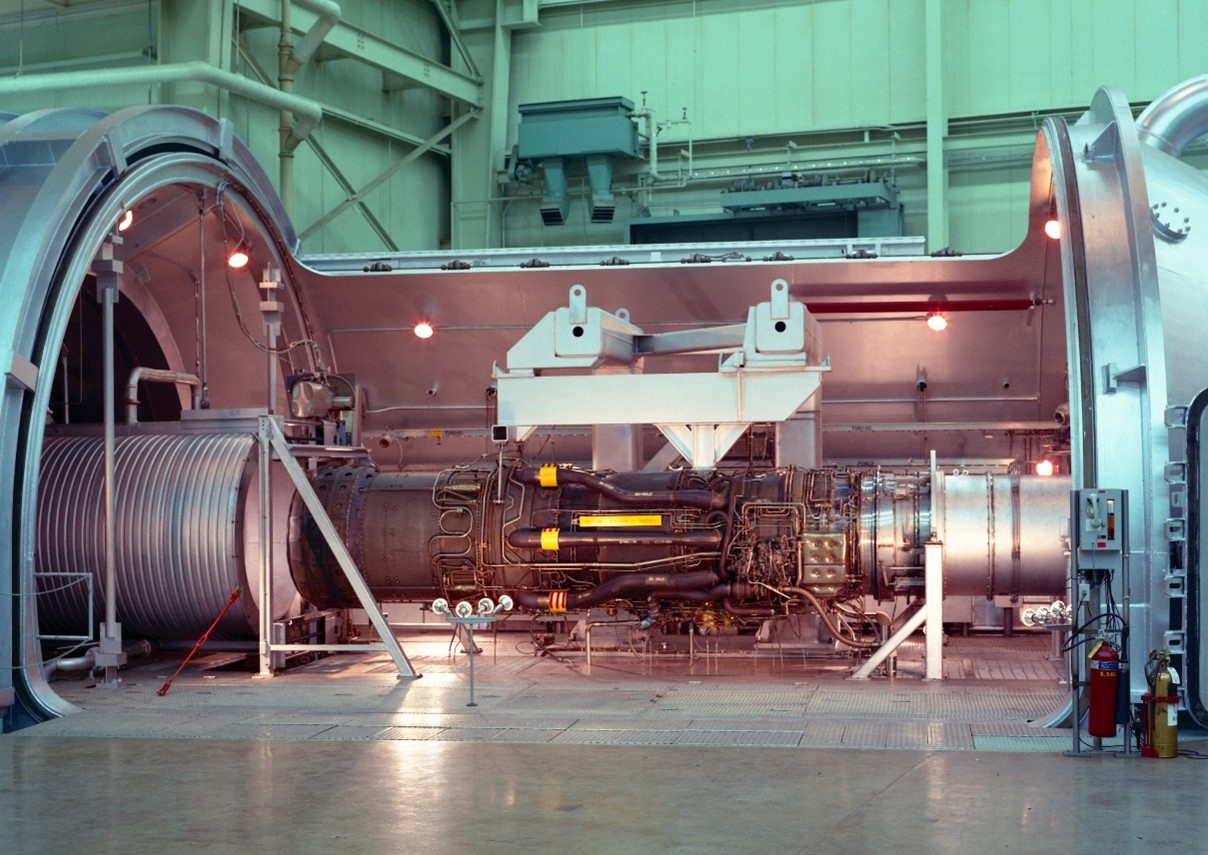
A large engine with many pipes and wires on its sides sits in a large testing facility.
A Pratt & Whitney J58 engine installed in the NASA Lewis Research Center (now, NASA Glenn) Propulsion Systems Laboratory No. 4 facility in November 1973. The center’s technicians had to take great precautions to protect the instrumentation and control systems from the engine’s 1000-degree-Fahrenheit surface temperatures during the testing.
Credit: NASA/Martin Brown

In the summer of 1973, a full-scale J-58 engine became the first hardware tested in Lewis’ new PSL second altitude chamber. For the next year, researchers captured data under normal conditions and while using mesh inlet screens to simulate in-flight air-flow distortions.

The PSL tests also measured the engine’s emissions as part of a larger effort to determine the high-altitude emissions levels of potential supersonic transports.

While the YF-12 program was terminated in 1979 as the agency’s aeronautical priorities shifted, a year’s worth of ground testing had already been completed in NASA’s wind tunnels and the YF-12s had completed nearly 300 research flights. The program had expanded to include the development of high-temperature instrumentation, airframe pressure and flow mapping, thermal loads, and the inlet control system.

NASA engineers demonstrated that small-scale models could be successfully used to design full-scale supersonic inlets, while the flight data was used to better understand the effect of subscale models and tunnel interference on data. Perhaps most importantly, the program at Lewis led to a digital control system that improved the response of the supersonic inlet to flow disturbances, which nearly eliminated engine restarts.

Many of the program’s concepts were integrated into the SR-71’s design in the early 1980s and have contributed to NASA’s continuing efforts over the decades to achieve a supersonic transport aircraft.

Additional Resources:

NASA Facts:  The Lockheed YF-12

Mach 3+ NASA/USAF YF-12 Flight Research, 1969-1979 by Peter Merlin

NASA Facts:  SR-71 Blackbird

Powered by WPeMatico

Get The Details…
Robert S. Arrighi

Heart Health, 3D Printing, and More Research Pack Station Schedule

Heart Health, 3D Printing, and More Research Pack Station Schedule

The waxing gibbous Moon is pictured above the Earth's horizon in this photograph from the space station as it orbited above a cloudy Western Europe.
The waxing gibbous Moon is pictured above the Earth’s horizon in this photograph from the space station as it orbited above a cloudy Western Europe.

Heart scans, 3D printing, and fire safety were the top research topics aboard the International Space Station on Wednesday. The Expedition 70 crew also spent its day on a variety of scientific maintenance and cargo activities.

Astronauts Loral O’Hara and Satoshi Furukawa kicked off their day continuing more experimental work for the CIPHER suite of 14 human research investigations. O’Hara from NASA led the cardiac portion of the biology study scanning the chest of Furukawa from JAXA (Japan Aerospace Exploration Agency) with the Ultrasound 2 device. Doctors on the ground observed the downlinked data for insights into heart health in space.

O’Hara then moved on and uninstalled robotic surgery demonstration hardware from an EXPRESS rack for return to Earth on a future mission. At the end of the day, she swapped out samples and research components supporting a space fire safety experiment inside the Combustion Integrated Rack. Furukawa checked out the operation of a free-flying camera robot then reconfigured the Kibo laboratory module to accommodate new cargo from an upcoming resupply mission.

Commander Andreas Mogensen from ESA (European Space Agency) spent most of his day setting up the Metal 3D printer in the Columbus laboratory module. The device is testing the ability to print parts in space reducing the need to depend on resupply missions or pack spare parts on future exploration missions. NASA Flight Engineer Jasmin Moghbeli worked inside the Tranquility module throughout Wednesday replacing orbital plumbing components.

Two cosmonauts, Konstantin Borisov and Nikolai Chub, tested a specialized suit that may speed up a crew member’s adjustment to Earth’s gravity after living in space for several months or longer. The lower body negative pressure suit is designed to counteract the tendency of body fluids to pool in the upper body due to the lack of gravity. Chub later continued unpacking the new Progress 87 resupply ship while Borisov synched station cameras to Greenwich Mean Time (GMT) then serviced an oxygen generator.

Veteran cosmonaut Oleg Kononenko worked during the morning inspecting structures inside the Zvezda service module. During the afternoon, the five-time station resident checked seat shock absorbers inside the Soyuz MS-24 crew ship then performed a systems check on the Progress 87 with the vehicle’s hatch closed.


Learn more about station activities by following the space station blog@space_station and @ISS_Research on X, as well as the ISS Facebook and ISS Instagram accounts.

Get weekly video highlights at: https://roundupreads.jsc.nasa.gov/videoupdate/

Get the latest from NASA delivered every week. Subscribe here: www.nasa.gov/subscribe

Powered by WPeMatico

Get The Details…

Mark Garcia