Daylong Robotics as Crew Tests Advanced Attire aboard Station

Daylong Robotics as Crew Tests Advanced Attire aboard Station

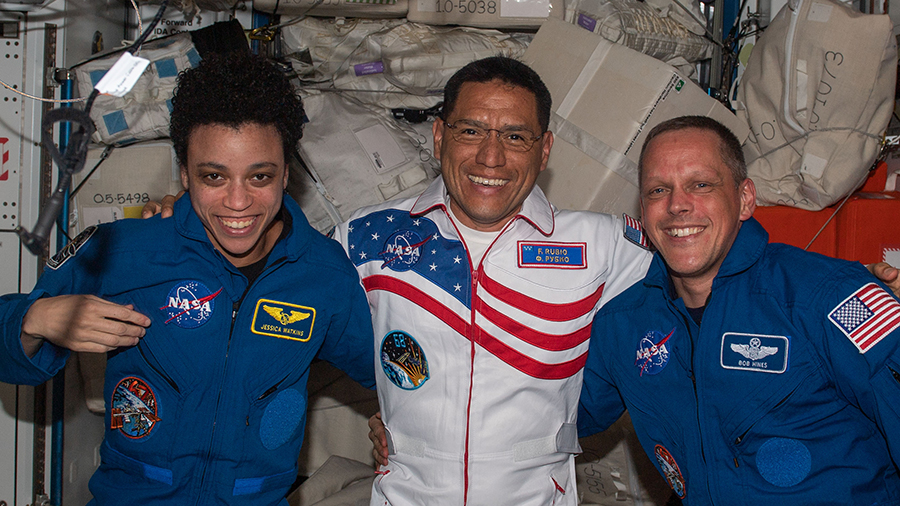
Expedition 67 crew members pose with fresh fruit flying weightlessly in microgravity delivered recently aboard the Progress 81 cargo craft

Wednesday saw daylong automated robotics activities as the crew tested advanced attire while working aboard the International Space Station. The Expedition 67 crew also ensured communications and life support systems continued operating in tip-top shape today.

The Kibo laboratory module from the Japan Aerospace Exploration Agency (JAXA) is the site of a pair of robotics free-flyers, known as Astrobees, autonomously navigating and performing maneuvering techniques today. NASA astronaut Jessica Watkins cleared Kibo of obstacles in the morning then activated the Astrobees for a day full of automated robotics operations.

The toaster-sized, cube-shaped devices are using uplinked command algorithms while downlinking video so scientists can monitor their automated abilities in real-time from the ground. Researchers are testing the robotic assistants for their ability to aid astronauts with routine tasks and monitor station systems, thus increasing mission effectiveness in space.

Watkins also continued testing the comfort and mobility of wearing a specialized radiation protection vest while working aboard the orbiting lab. She then serviced hardware supporting advanced combustion and physics experiments.

ESA (European Space Agency) astronaut Samantha Cristoforetti tested another experimental garment today that monitors crew health. She wore a smart-shirt that is integrated with sensors and wirelessly transmits data about the performance of a crew member’s cardiovascular system in microgravity.

NASA Flight Engineers Kjell Lindgren and Bob Hines worked throughout Wednesday on a variety of station maintenance activities. Lindgren replaced components on the advanced resistive exercise device before inspecting hatch seals in the station’s U.S. segment. Hines measured airflows throughout the station then installed a scratch pane on a window inside the cupola.

Cosmonauts Oleg Artemyev and Sergey Korsakov were back on exercise research duty today studying ways to maximize the effectiveness of a workout in microgravity. Artemyev then set up Earth observation hardware while Korsakov checked out life support gear inside the Nauka multipurpose laboratory module. Flight Engineer Denis Matveev tested different methods of communicating with students on Earth then worked on ventilation systems and video recording hardware.

Get The Details…

Mark Garcia

Powered by WPeMatico

Crew Checks Station Sound Levels, Tests Radiation Protection Vest

Crew Checks Station Sound Levels, Tests Radiation Protection Vest

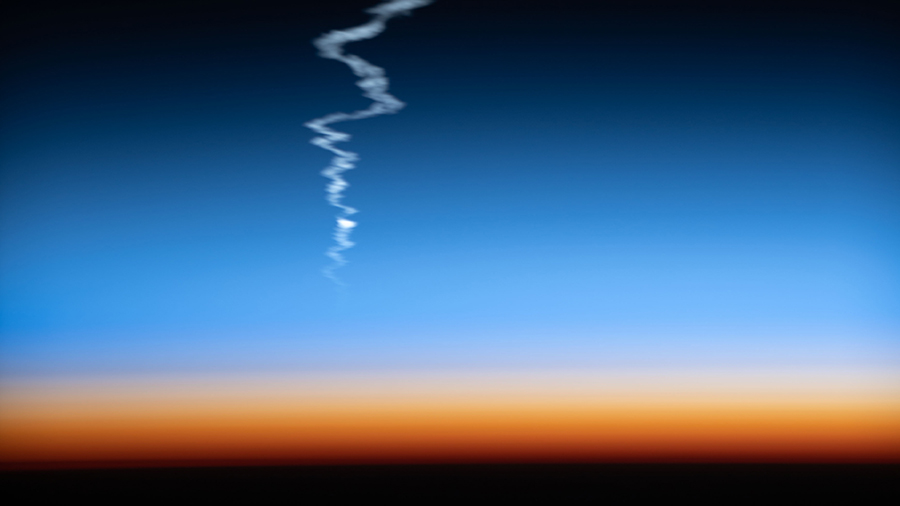
The waxing crescent Moon is pictured above Earth's atmosphere illuminated by an orbital sunset as the International Space Station flew 258 miles above the Atlantic Ocean.
The waxing crescent Moon is pictured above Earth’s atmosphere illuminated by an orbital sunset as the International Space Station flew 258 miles above the Atlantic Ocean.

A variety of research operations were on the schedule for the Expedition 67 crew today including hearing checks, radiation protection, and space botany. The four astronauts and three cosmonauts also focused on cargo operations and International Space Station maintenance throughout the day.

NASA and SpaceX now are targeting no earlier than June 28 for the launch of the cargo Dragon spacecraft flight, designated CRS-25, to the International Space Station, pending variables, including availability on the Eastern Range and space station scheduling. The joint teams stood down from a launch attempt this week after elevated vapor readings were measured during propellant loading of the Dragon.

Flight Engineers Samantha Cristoforetti of ESA (European Space Agency) and Kjell Lindgren of NASA took turns monitoring the noise levels they are exposed to while working on the orbiting lab. Cristoforetti attached the Acoustic Diagnostics device to herself in the morning capturing and recording sound level data. She then handed over the audio hardware to Lindgren in the afternoon so he could begin his acoustic monitoring session.

NASA Flight Engineer Jessica Watkins tried on the AstroRad radiation protection vest Tuesday morning. The specialized vest is being tested for its ability to protect against solar particle events while providing comfort during normal station activities.

NASA Flight Engineer Bob Hines was back on gardening duty as he replaced seed cartridges and tended to radishes and mizuna greens growing for the XROOTS space botany study. Hines and Watkins then partnered together in the afternoon for packing activities inside the Cygnus space freighter ahead of its departure planned for late June.

Cosmonauts Oleg Artemyev and Sergey Korsakov continued their exercise research today learning how to maximize the effectiveness of a workout in microgravity. The duo then split up and serviced a variety of communications and life support gear. Roscosmos Flight Engineer Denis Matveev started his day with an Earth photography session then moved on to cargo transfer tasks inside the Progress 80 resupply ship docked to the Poisk module.

Get The Details…

Mark Garcia

Powered by WPeMatico

Dragon Mission on Hold as Astronauts Conduct Eye Exams, Spacesuit Work

Dragon Mission on Hold as Astronauts Conduct Eye Exams, Spacesuit Work

A portion of the SpaceX Cargo Dragon vehicle is pictured as the space station orbited above northern France in September of 2021.

NASA and SpaceX are standing down from this week’s Falcon 9 launch of the CRS-25 cargo mission to the International Space Station. Officials from NASA and SpaceX met today to discuss an issue identified over the weekend and the best path forward.

During propellant loading of the Dragon spacecraft, elevated vapor readings of mono-methyl hydrazine (MMH) were measured in an isolated region of the Draco thruster propulsion system. The propellant and oxidizer have been offloaded from that region to support further inspections and testing. Once the exact source of the elevated readings is identified and cause is determined, the joint NASA and SpaceX teams will determine and announce a new target launch date.

In the meantime, Flight Engineers Jessica Watkins of NASA and Samantha Cristoforetti of ESA (European Space Agency) are getting up to speed with the Dragon cargo craft’s rendezvous and docking procedures. The duo trained on a computer on Monday to prepare for their roles when they monitor Dragon’s automated arrival and docking.

Eye exams were on the schedule with NASA Flight Engineer Kjell Lindgren taking charge as Crew Medical Officer today. He operated medical imaging gear, using standard optical coherence tomography techniques, and scanned the eyes and retinas of Cristoforetti and NASA Flight Engineer Bob Hines.

Before beginning his eye exam, Hines cleaned up and stowed obsolete combustion research hardware to make room for newer science gear being delivered on upcoming resupply missions. The first time space-flyer also worked on light orbital plumbing duties and recirculated fluids to support plants growing for the XROOTS space botany study.

Lindgren started his day in the Quest airlock servicing U.S spacesuits. The first time space-flyer collected water samples from the suit cooling loops and cleaned their water lines before installing new components. Watkins completed the spacesuit work in the afternoon following her Dragon rendezvous training.

In the station’s Russian segment, Commander Oleg Artemyev and Flight Engineer Sergey Korsakov took turns exploring ways to maximize and monitor the effectiveness of physical exercise in space. Artemyev also updated cargo inventory systems as Korsakov unpacked supplies from inside the new Progress 81 resupply ship.  Flight Engineer Denis Matveev installed Earth observation gear before photographing the inside of the Nauka multipurpose laboratory module4 for inspection purposes.

Get The Details…

Mark Garcia

Powered by WPeMatico

Progress Cargo Craft Docks to Station after Two Orbits

Progress Cargo Craft Docks to Station after Two Orbits

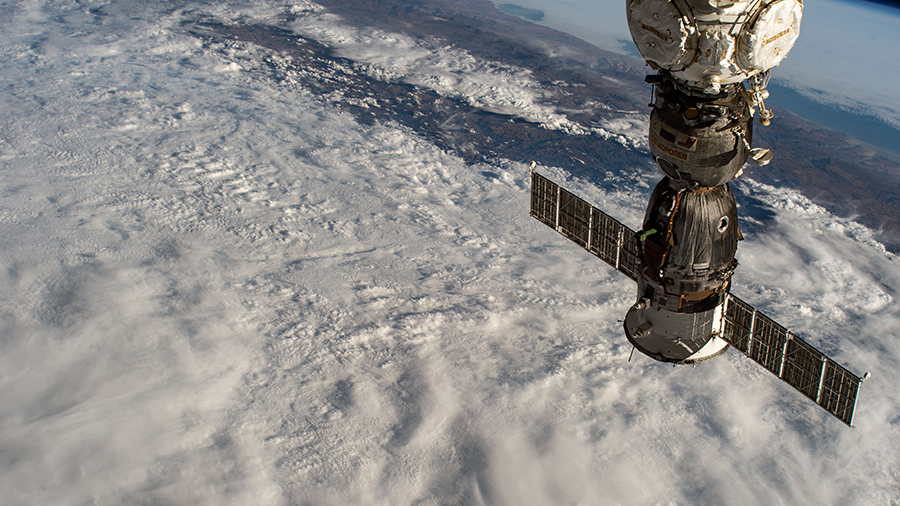
Five spaceships are parked at the space station including the SpaceX Dragon Freedom; the Cygnus space freighter; the Soyuz MS-21 crew ship; and the Progress 80 and 81 resupply ships.

An uncrewed Russian Progress 81 spacecraft arrived at the International Space Station’s Zvezda service module at 9:02 a.m. EDT, two orbits after launch from the Baikonur Cosmodrome in Kazakhstan.

Progress is delivering almost three tons of food, fuel and supplies to the International Space Station for the Expedition 67 crew.


Learn more about station activities by following the space station blog@space_station and @ISS_Research on Twitter, as well as the ISS Facebook and ISS Instagram accounts.

Get weekly video highlights at: http://jscfeatures.jsc.nasa.gov/videoupdate/

Get the latest from NASA delivered every week. Subscribe here: www.nasa.gov/subscribe

Get The Details…

Mark Garcia

Powered by WPeMatico

Three Tons of Cargo Approaching Station Today

Three Tons of Cargo Approaching Station Today

The Progress 76 resupply ship approaches the space station for a docking in July of 2020.

NASA Television, the agency’s website and the NASA app now are providing live coverage of the docking of a Russian cargo spacecraft to the International Space Station.

The uncrewed Russian Progress 81 launched on a Soyuz rocket at 5:32 a.m. EDT (2:32 p.m. Baikonur time) Friday, June 3, from the Baikonur Cosmodrome in Kazakhstan.


Learn more about station activities by following the space station blog@space_station and @ISS_Research on Twitter, as well as the ISS Facebook and ISS Instagram accounts.

Get weekly video highlights at: http://jscfeatures.jsc.nasa.gov/videoupdate/

Get the latest from NASA delivered every week. Subscribe here: www.nasa.gov/subscribe

Get The Details…

Mark Garcia

Powered by WPeMatico