Webb Unlocks Secrets of One of the Most Distant Galaxies Ever Seen

Webb Unlocks Secrets of One of the Most Distant Galaxies Ever Seen
5 Min Read

Webb Unlocks Secrets of One of the Most Distant Galaxies Ever Seen

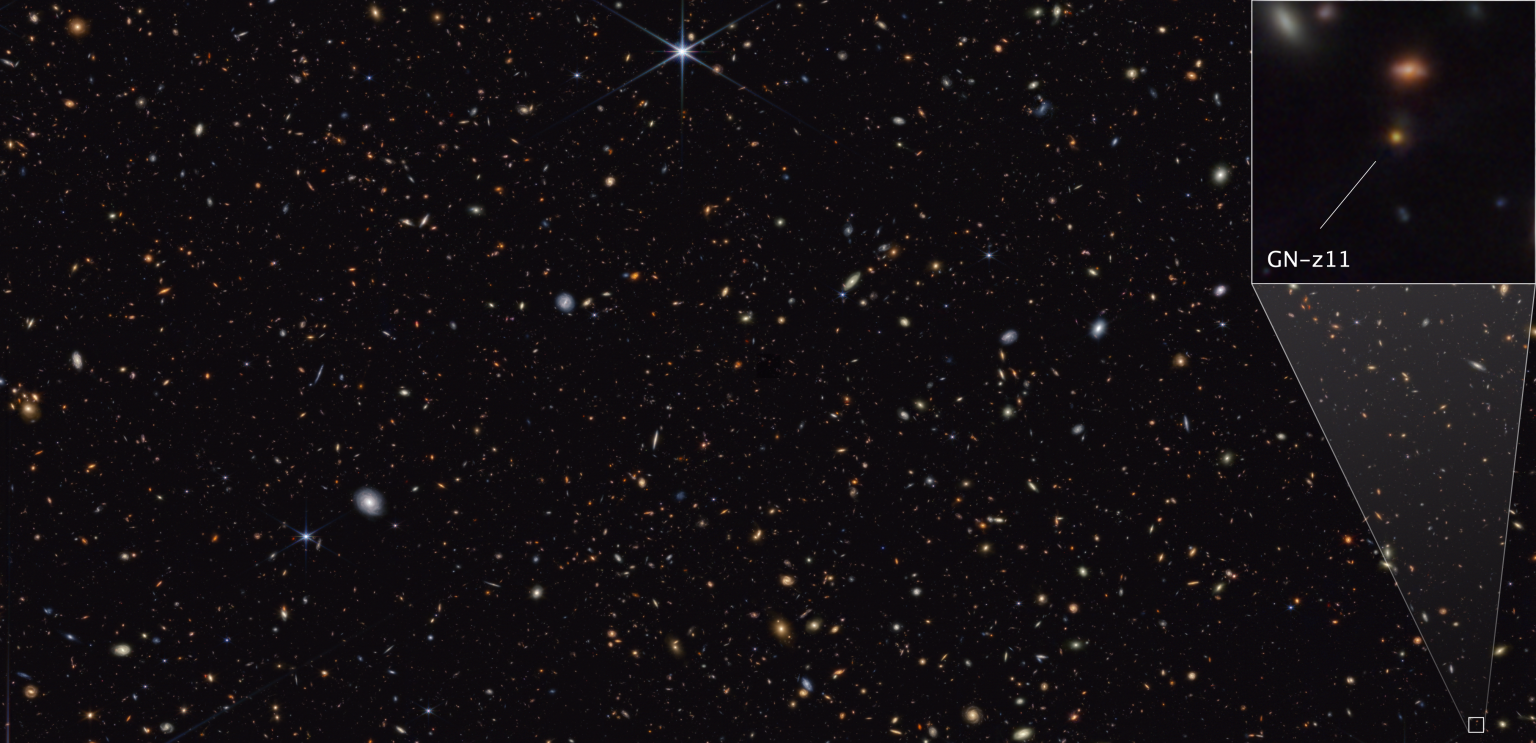
A rectangular image with thousands of galaxies of various shapes and colors on the black background of space. Some are noticeably spirals, either face-on or edge-on, while others are blobby ellipticals. Many are too small to discern any structure. One prominent foreground star at top center features Webb’s signature 8-point diffraction spikes. At lower right, a small region is highlighted with a white box. Vertical lines extend upward like a cone to the bottom corners of a larger box at upper right, showing a zoomed in version of the highlighted area. The pullout features a galaxy labeled GN-z11, seen as a fuzzy yellow dot. Above it is another galaxy, seen as a fuzzy red oval.

NASA’s James Webb Space Telescope NIRCam (Near-Infrared Camera) instrument shows a portion of the GOODS-North field of galaxies. At lower right, a pullout highlights the galaxy GN-z11.

Credits:
NASA, ESA, CSA, Brant Robertson (UC Santa Cruz), Ben Johnson (CfA), Sandro Tacchella (Cambridge), Marcia Rieke (University of Arizona), Daniel Eisenstein (CfA)

Looking deeply into space and time, two teams using NASA’s James Webb Space Telescope have studied the exceptionally luminous galaxy GN-z11, which existed when our 13.8 billion-year-old universe was only about 430 million years old.

Initially detected with NASA’s Hubble Space Telescope, this galaxy — one of the youngest and most distant ever observed  — is so bright that it is challenging scientists to understand why. Now, GN-z11 is giving up some of its secrets.

Vigorous Black Hole Is Most Distant Ever Found

A team studying GN-z11 with Webb found the first clear evidence that the galaxy is hosting a central, supermassive black hole that is rapidly accreting matter. Their finding makes this the farthest active supermassive black hole spotted to date.

“We found extremely dense gas that is common in the vicinity of supermassive black holes accreting gas,” explained principal investigator Roberto Maiolino of the Cavendish Laboratory and the Kavli Institute of Cosmology at the University of Cambridge in the United Kingdom. “These were the first clear signatures that GN-z11 is hosting a black hole that is gobbling matter.”

Image: GOODS-North field of galaxies

A rectangular image with thousands of galaxies of various shapes and colors on the black background of space. Some are noticeably spirals, either face-on or edge-on, while others are blobby ellipticals. Many are too small to discern any structure. One prominent foreground star at top center features Webb’s signature 8-point diffraction spikes. At lower right, a small region is highlighted with a white box. Vertical lines extend upward like a cone to the bottom corners of a larger box at upper right, showing a zoomed in version of the highlighted area. The pullout features a galaxy labeled GN-z11, seen as a fuzzy yellow dot. Above it is another galaxy, seen as a fuzzy red oval.
This image from NASA’s James Webb Space Telescope NIRCam (Near-Infrared Camera) instrument shows a portion of the GOODS-North field of galaxies. At lower right, a pullout highlights the galaxy GN-z11, which is seen at a time just 430 million years after the big bang. The image reveals an extended component, tracing the GN-z11 host galaxy, and a central compact source whose colors are consistent with those of an accretion disk surrounding a black hole.
NASA, ESA, CSA, Brant Robertson (UC Santa Cruz), Ben Johnson (CfA), Sandro Tacchella (Cambridge), Marcia Rieke (University of Arizona), Daniel Eisenstein (CfA)

Using Webb, the team also found indications of ionized chemical elements typically observed near accreting supermassive black holes. Additionally, they discovered a very powerful wind being expelled by the galaxy. Such high-velocity winds are typically driven by processes associated with vigorously accreting supermassive black holes.

“Webb’s NIRCam (Near-Infrared Camera) has revealed an extended component, tracing the host galaxy, and a central, compact source whose colors are consistent with those of an accretion disk surrounding a black hole,” said investigator Hannah Übler, also of the Cavendish Laboratory and the Kavli Institute.

Together, this evidence shows that GN-z11 hosts a 2-million-solar-mass, supermassive black hole in a very active phase of consuming matter, which is why it’s so luminous.

Pristine Gas Clump in GN-z11’s Halo Intrigues Researchers

A second team, also led by Maiolino, used Webb’s NIRSpec (Near-Infrared Spectrograph) to find a gaseous clump of helium in the halo surrounding GN-z11.

“The fact that we don’t see anything else beyond helium suggests that this clump must be fairly pristine,” said Maiolino. “This is something that was expected by theory and simulations in the vicinity of particularly massive galaxies from these epochs — that there should be pockets of pristine gas surviving in the halo, and these may collapse and form Population III star clusters.”

Finding the never-before-seen Population III stars — the first generation of stars formed almost entirely from hydrogen and helium — is one of the most important goals of modern astrophysics. These stars are anticipated to be very massive, very luminous, and very hot. Their expected signature is the presence of ionized helium and the absence of chemical elements heavier than helium.

The formation of the first stars and galaxies marks a fundamental shift in cosmic history, during which the universe evolved from a dark and relatively simple state into the highly structured and complex environment we see today.

Image: Pristine Gas Clump Near GN-z11
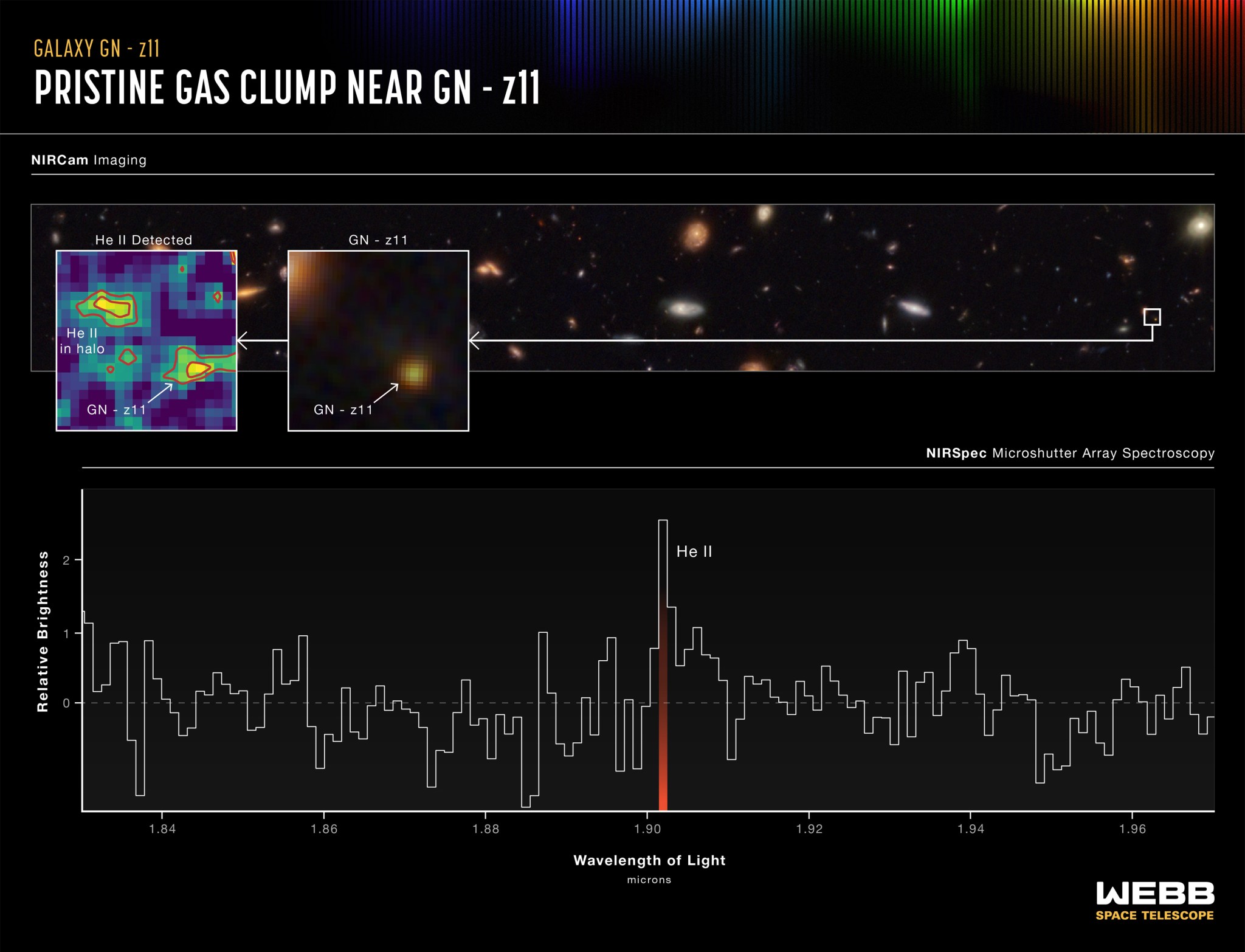
A graphic labeled “Galaxy GN-z11, Pristine Gas Clump Near GN-z11.” The graphic is divided into two sections. The top half of the graphic features a rectangular image of a field of galaxies with two pullouts, the second of them labeled “Helium Two Detected.” The bottom half shows a single line graph.
This two-part graphic shows evidence of a gaseous clump of helium in the halo surrounding galaxy GN-z11. In the top portion, at the far right, a small box identifies GN-z11 in a field of galaxies. The middle box shows a zoomed-in image of the galaxy. The box at the far left displays a map of the helium gas in the halo of GN-z11, including a clump that does not appear in the infrared colors shown in the middle panel. In the lower half of the graphic, a spectrum shows the distinct “fingerprint” of helium in the halo. The full spectrum shows no evidence of other elements and so suggests that the helium clump must be fairly pristine, made of hydrogen and helium gas left over from the big bang, without much contamination from heavier elements produced by stars. Theory and simulations in the vicinity of particularly massive galaxies from these epochs predict that there should be pockets of pristine gas surviving in the halo, and these may collapse and form Population III star clusters.
NASA, ESA, CSA, Ralf Crawford (STScI)

In future Webb observations, Maiolino, Übler, and their team will explore GN-z11 in greater depth, and they hope to strengthen the case for the Population III stars that may be forming in its halo.

The research on the pristine gas clump in GN-z11’s halo has been accepted for publication by Astronomy & Astrophysics. The results of the study of GN-z11’s black hole were published in the journal Nature on January 17, 2024. The data was obtained as part of the JWST Advanced Deep Extragalactic Survey (JADES), a joint project between the NIRCam and NIRSpec teams.

The James Webb Space Telescope is the world’s premier space science observatory. Webb is solving mysteries in our solar system, looking beyond to distant worlds around other stars, and probing the mysterious structures and origins of our universe and our place in it. Webb is an international program led by NASA with its partners, ESA (European Space Agency) and the Canadian Space Agency.

Downloads

Right click the images in this article to open a larger version in a new tab/window.

Download full resolution images for this article from the Space Telescope Science Institute.

Read/download the research results on the pristine gas clump in GN-z11’a halo.

Read/download the research results of the study of GN-z11’s black hole.

Media Contacts

Laura Betzlaura.e.betz@nasa.gov, Rob Gutrorob.gutro@nasa.gov
NASA’s Goddard Space Flight Center, Greenbelt, Md.

Christine Pulliamcpulliam@stsci.edu
Space Telescope Science Institute, Baltimore, Md.

Related Information

Galaxy Basics

Galaxy Evolution

More Webb News – https://science.nasa.gov/mission/webb/latestnews/

More Webb Images – https://science.nasa.gov/mission/webb/multimedia/images/

Webb Mission Page – https://science.nasa.gov/mission/webb/

Related For Kids

What is a galaxy?

What is the Webb Telescope?

SpacePlace for Kids

En Español

Ciencia de la NASA

NASA en español 

Space Place para niños

Powered by WPeMatico
Get The Details…

Raymond Sharp

Raymond Sharp

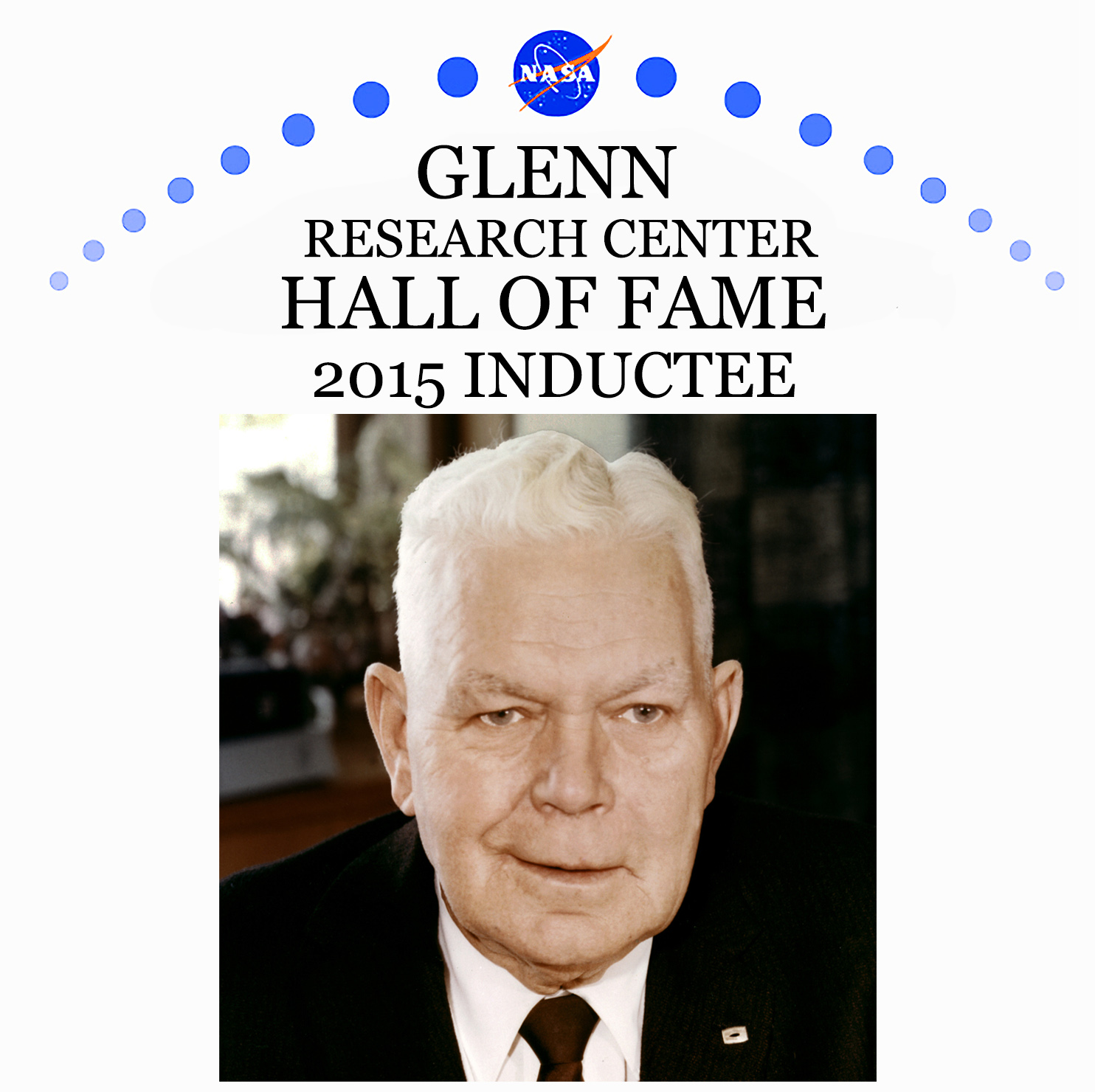
Hall of Fame Plaque with Portrait.

Citation

Edward Raymond Sharp, known as “Ray,” was the center’s director for its first 20 years. Sharp expedited the wartime construction of the laboratory; empowered the research staff with the freedom and tools to succeed; and inspired fierce commitment and loyalty among the staff. Employees, management, local officials, and visitors were all drawn to Sharp’s enormous personality. Although lacking any formal scientific of engineering training, Sharp’s determination to provide for his staff, attentiveness to the work being done, and sincere affection for the staff made him the rock upon which the center was built.

Biography

Edward Raymond Sharp, known as Ray, was, the guiding force for the first 20 years of the laboratory that would become the NASA Glenn Research Center. Sharp expedited the wartime construction of the lab, empowered the research staff with the freedom and tools to succeed, and inspired fierce commitment and loyalty among the staff. Employees, management, local officials, and visitors were all drawn to Sharp’s enormous personality. Although Sharp lacked any formal scientific or engineering training, his determination to provide for his staff, attentiveness to the work being done, and sincere affection for the staff made him the rock upon which the Center was built.

Sharp was born in rural Elizabeth City, Virginia, in 1894. As a young man he worked in shipyards all along the southeastern coastline. During World War I he served on the USS Sacramento gunboat, which managed to escort convoys through the North Atlantic and Mediterranean without engaging in battle. After the war, Sharp returned to the shipyards. In 1922 the Army hired him to lead the reassembling of the ill-fated Roma airship at Langley Field. Upon completion of the project, the NACA hired Sharp as its hangar manager. He was the NACA’s 54th employee. During this period Sharp earned a law degree at William and Mary and was quickly promoted. As Langley’s Administrative Officer, Sharp was subordinate only to Engineer in Charge Henry Reid from 1925 to 1940. The two men ran the laboratory and handled all dealings between Langley and Headquarters.

In September 1940 Langley named Sharp the chief of its Construction Division. This was a significant position, since the NACA had just decided to create two new research laboratories—the Ames Aeronautical Laboratory in Sunnyvale, California, and the Aircraft Engine Research Laboratory (which would later would become NASA Glenn) in Cleveland, Ohio. The NACA transferred Sharp to California in 1940 to supervise the construction of Ames. As that process was nearing completion in 1941, Sharp returned to Langley to supervise the construction and design of the engine lab. He also participated in the team that ultimately selected Cleveland for the new lab.

In August 1941 Sharp arrived in Cleveland to personally oversee the construction—which was already over budget and behind schedule. For the next year and a half, Sharp worked tirelessly to complete the work and make the Lab operational. The completion of the hangar in the fall of 1941 was the first big accomplishment. This permitted the first transfer of Langley personnel to Cleveland in December 1941, just as the United States entered the war. Sharp was crucial to the difficult negotiation of a contract with the primary construction company. He and Headquarters officials brought the contract to the White House on December 31 where President Roosevelt approved it. The pace of the construction accelerated almost immediately, and the Laboratory was completed ahead of schedule.

As the facilities were beginning to operate in December 1942, Headquarters asked Construction Manager Ray Sharp to stay on and administer the new Laboratory upon its completion. This decision brought an outpouring of gratitude from the staff. At nearly 50 years old, Sharp was one of the oldest people at the laboratory. As such, he and his wife Vera were natural parental figures—particularly for the large number of young mechanics and clerical and administrative staff members at the lab. Sharp was frequently out of his office visiting the test cells and offices. As a result he was familiar with nearly every employee and, despite his lack aeronautical training, understood the work being done. Sharp also made a conscious effort to unify the staff by hosting a wide array of social events, extracurricular activities, and sports leagues.

Sharp also encouraged the use of young, untrained individuals. He was among the first to recognize the potential of teenage model aircraft enthusiasts. The lab used aircraft model builders to create models for wind tunnel tests, but Sharp felt that their ability to continually improve designs was applicable to a range of NACA positions. To facilitate this, he instituted the Apprentice Program, which trained unskilled individuals to be mechanics, electricians, and technicians.

Sharp came from a managerial background. Instead of trying to direct the lab’s research himself, he entrusted this to his technical staff—particularly Chief of Research Addison Rothrock and the core division chiefs that transferred from Langley. Sharp claimed that he would rather have employees view him as an advisor rather than a boss. Immediately after the war, he allowed his staff to reorganize the new laboratory to focus on turbojets. In 1949 Sharp appointed Abe Silverstein, the head of the Wind Tunnels and Flight Division, to fill the vacant chief of research position. It soon became the associate director position. Sharp handled the administrative aspects of running the laboratory, while Silverstein managed the research and test facilities. It was a highly successful arrangement.

Sharp managed the Lab’s budget, operations, and dealings with Headquarters and the local community. He was unafraid to fight Headquarters, Congress, or other institutions to provide his staff with the tools they needed to carry out their work—world-class facilities, valuable new staff members, and funding—to create the environment for his employees to succeed. Sharp was proud of their successes. He readily showed the lab off to visitors or in the press, and regularly posed for photographs with guests in front of the Administration Building.

In 1947 President Truman awarded Sharp the U.S. Medal for Merit for his work to get the laboratory functioning quickly during World War II. The following year, Case Institute of Technology awarded him an honorary doctorate degree.

Sharp continued to lead as the space program began to take shape. He pushed forward his staff’s opinion that the NACA should lead the new space efforts, and he served on the NACA’s Special Committee on Space Technology, which ultimately outlined the role that the NACA would play when the new space agency—NASA—was founded. Sharp retired on December 31, 1960—nearly 40 years after joining the NACA. NASA awarded him with its Medal for Outstanding Leadership and named him Director Emeritus. Ray Sharp passed away in July 1961.

At the NASA Lewis Research Center’s memorial service, Acting Director Gene Manganiello said, “Because this choice of words is so difficult, let me borrow a statement from Disraeli: “Life is too short to be little.” This to me expressed perfectly the person, the philosophy, and the character of Ray Sharp. He was not little but big—big in everything—in person, in the enjoyment of life, in ideas, in humanitarianism, and in the conception and execution of all enterprises with which he was associated.”

In 1986 center management decided to name the new Employee Center in honor of Sharp.

Related Documents

Photographs

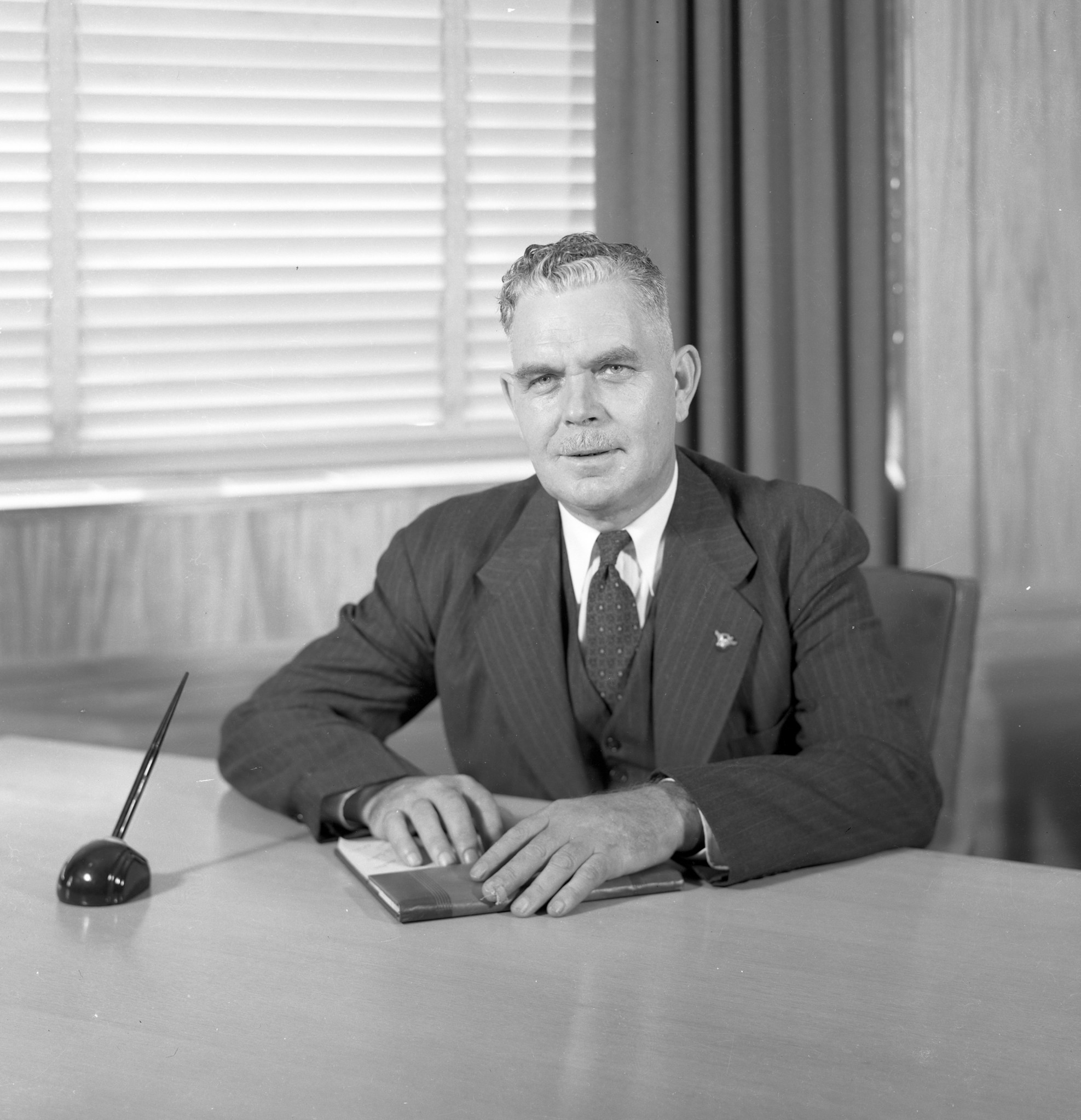
Man sitting at desk.
Director Raymond Sharp at his desk in the Administration Building (1944).
NASA
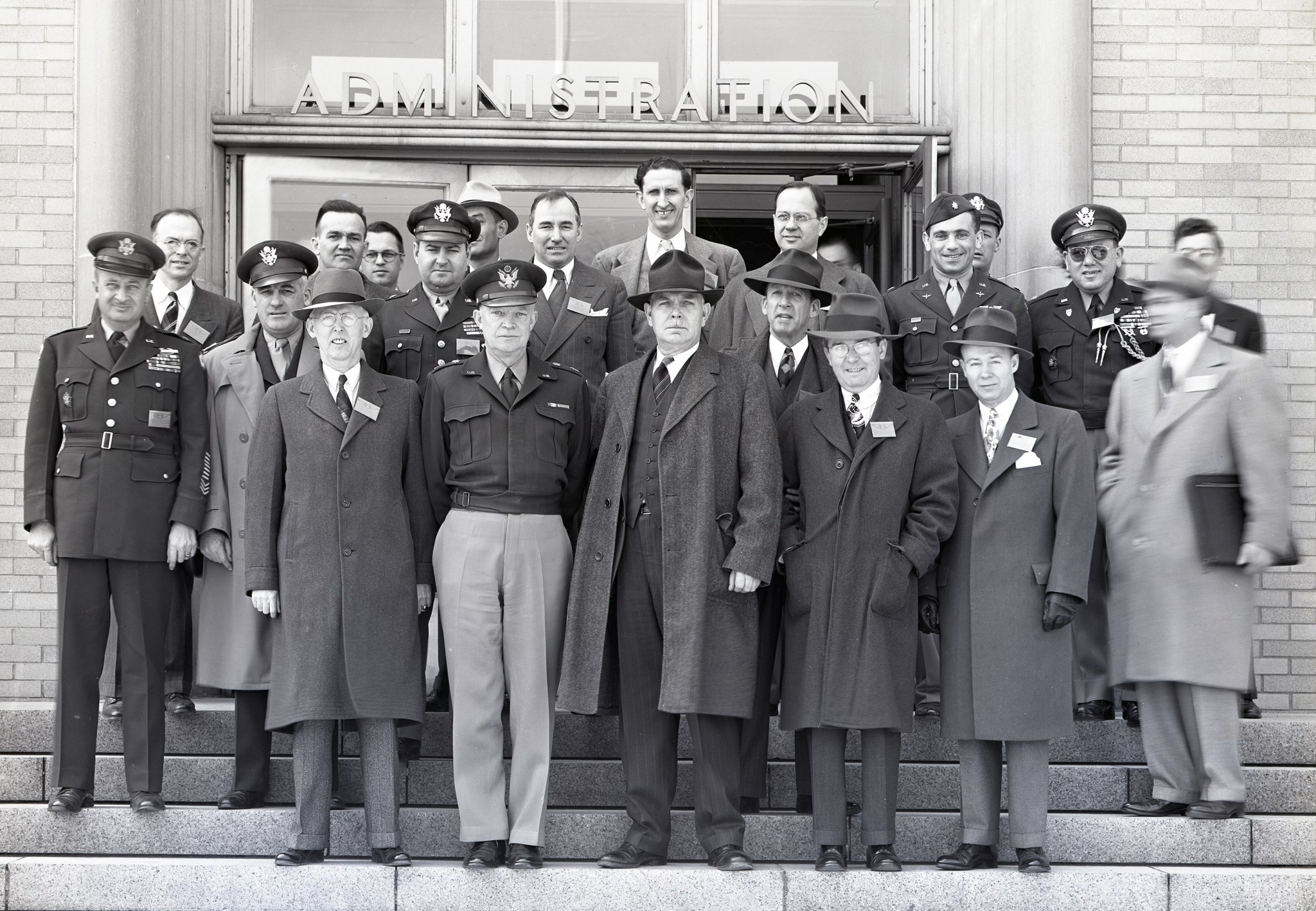
Group of people posing outside of building.
Sharp hosts General Dwight Eisenhower and other officials during a visit to the lab (4/1//1946).
NASA
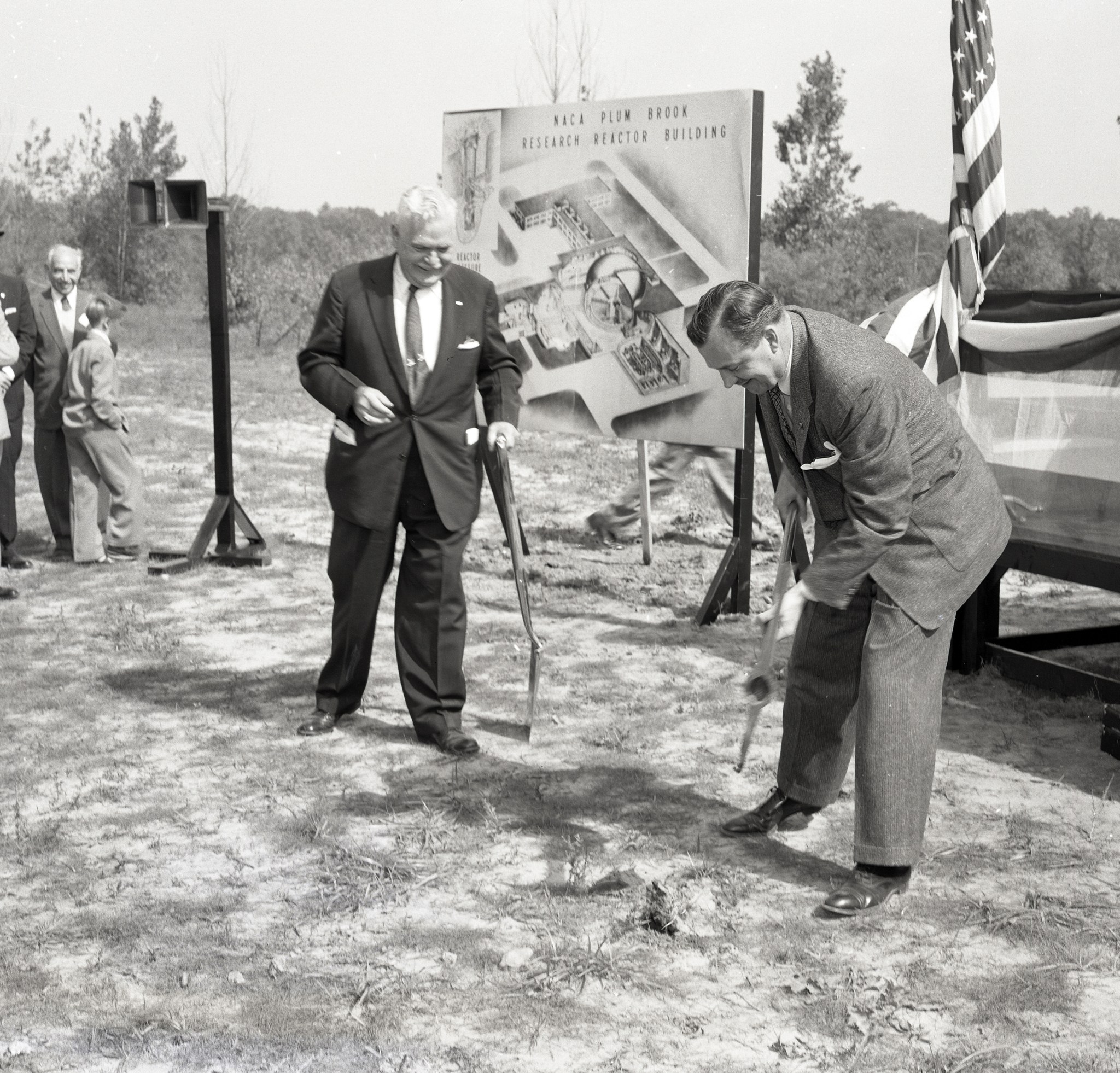
Two men digging earth at ceremony.
Ray Sharp and Congressman A. David Baumhart break ground in Sandusky for the Plum Brook Reactor Facility (9/26/1956).
NASA
Two men at desk with aircraft model.
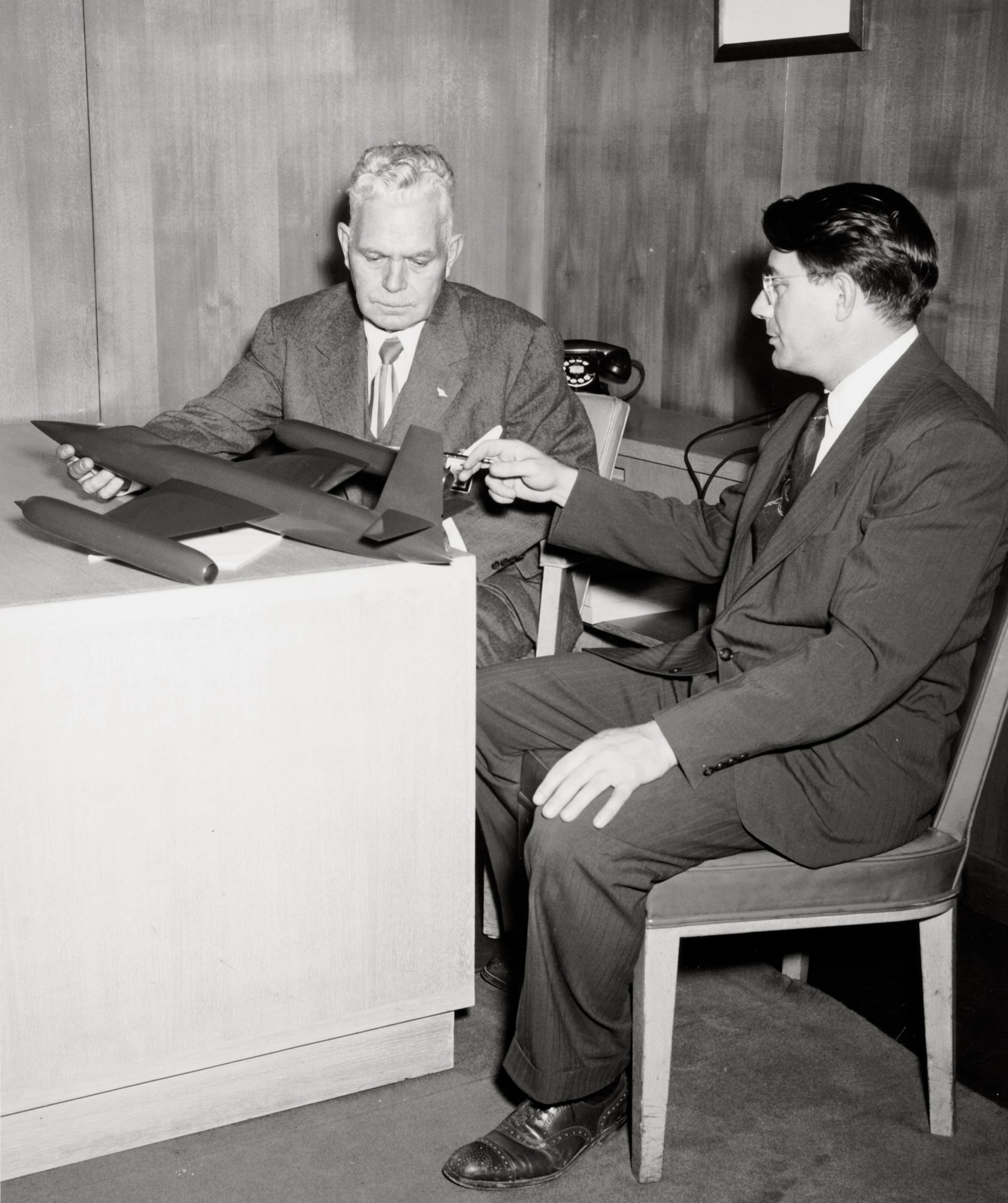
Ray Sharp and Associate Director Abe Silverstein look at a model of a ramjet-powered aircraft in October 1951.
NASA
Three men exiting building.
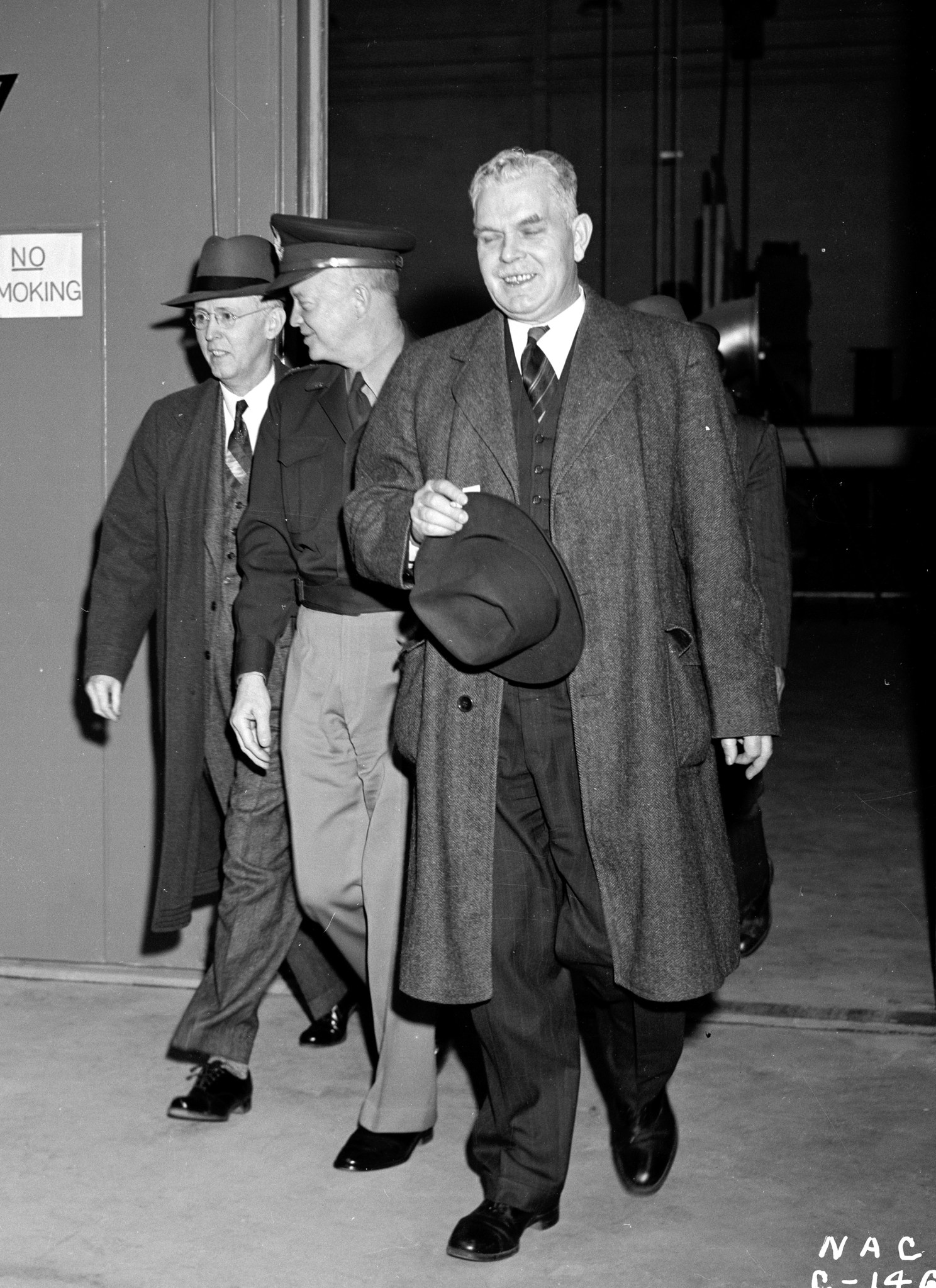
Sharp leads General Dwight Eisenhower and NACA Secretary John Victory on a tour of the laboratory (4/11/1946).
NASA
Man looking at holiday greeting on wall.
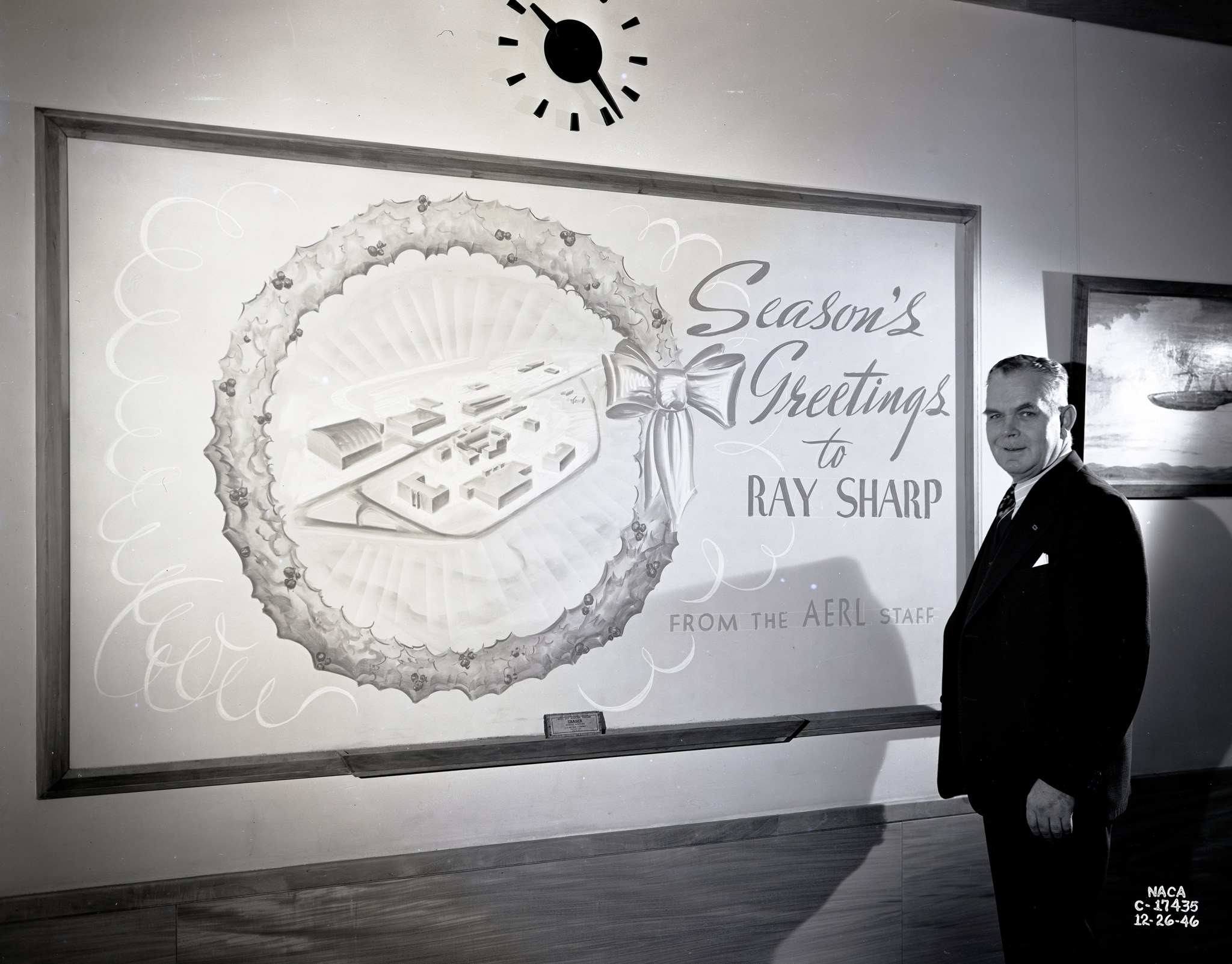
Ray Sharp admires holiday illustration created by his staff (12/26/1946).
NASA
Identification badge.
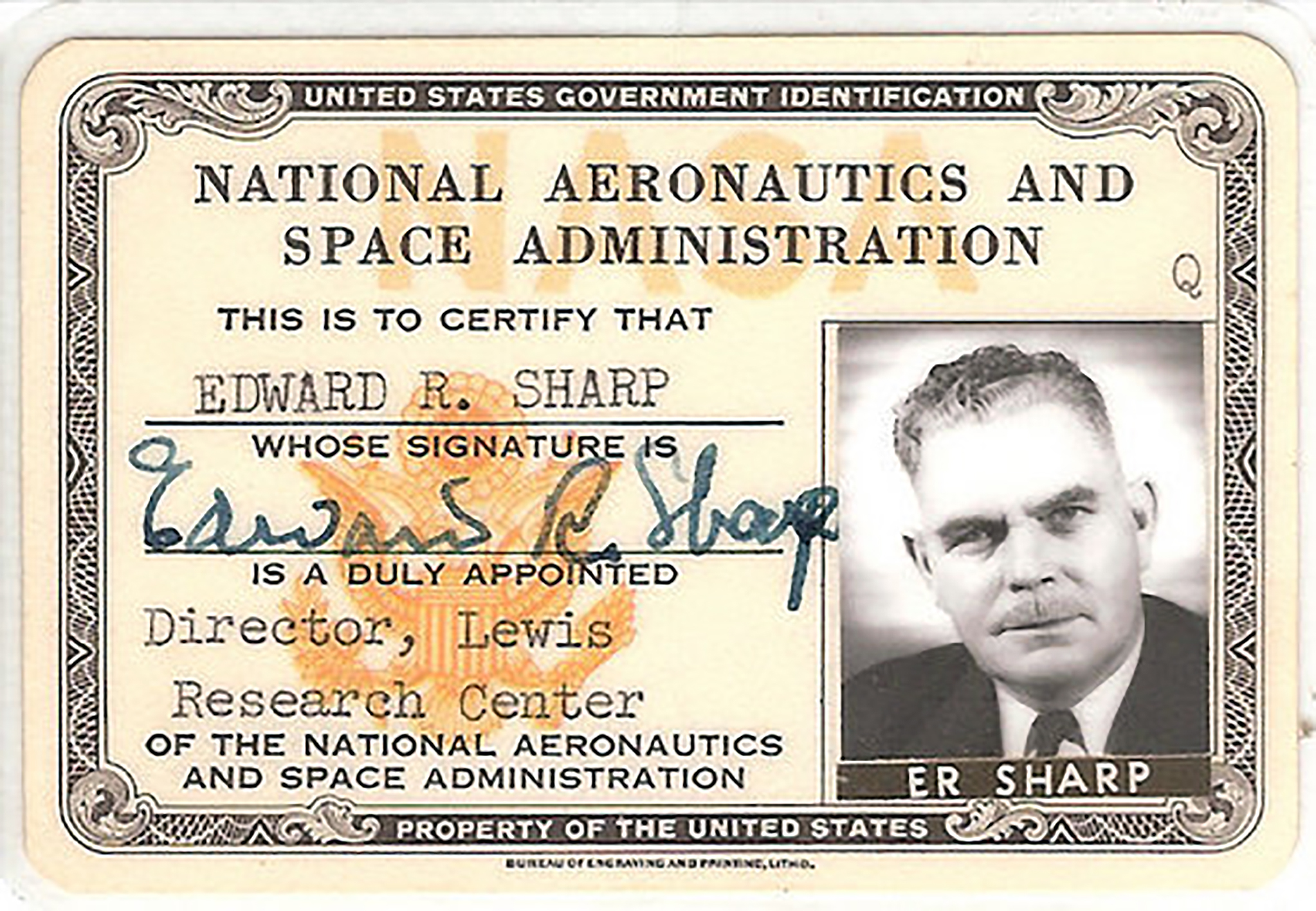
Ray Sharp’s NASA badge (c1960).
NASA
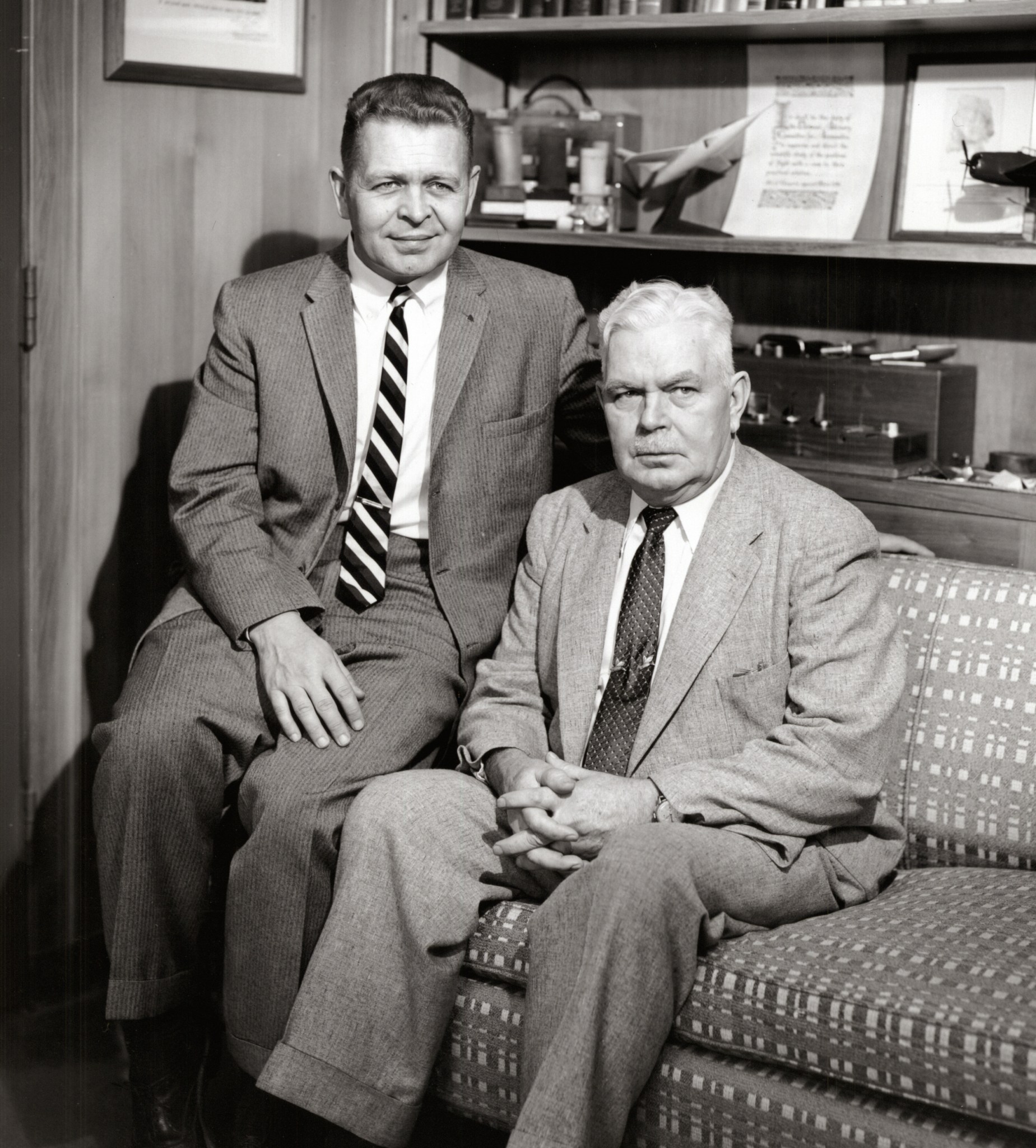
Two men seated on couch.
Ray Sharp with his son Eddie, who was a draftsman at the lab in the 1940s and early 1950s.
NASA

Powered by WPeMatico
Get The Details…
Robert S. Arrighi

Robert Siegel

Robert Siegel

Hall of Fame Plaque with Portrait.

Citation

Glenn Research Center established itself as a hub of heat transfer expertise early in its history. Rooted in basic research, as opposed to applied, this group developed new theories that would transform the body of knowledge up to that point. Robert Deissler, Simon Ostrach, adn Robert Siegel are three of the most influential heat transfer researchers in center history. Their theoretical skills made them world-renown in their own right, and it was the application of their theories that would help the center expand and excel in emerging fields such as jet engines, nuclear propulsion, and space exploration. Both Deissler and Siegel wrote seminal text books on the subject. Ostrach is a pioneer in the fields of buoyancy-driven flows and microgravity science.

Biography

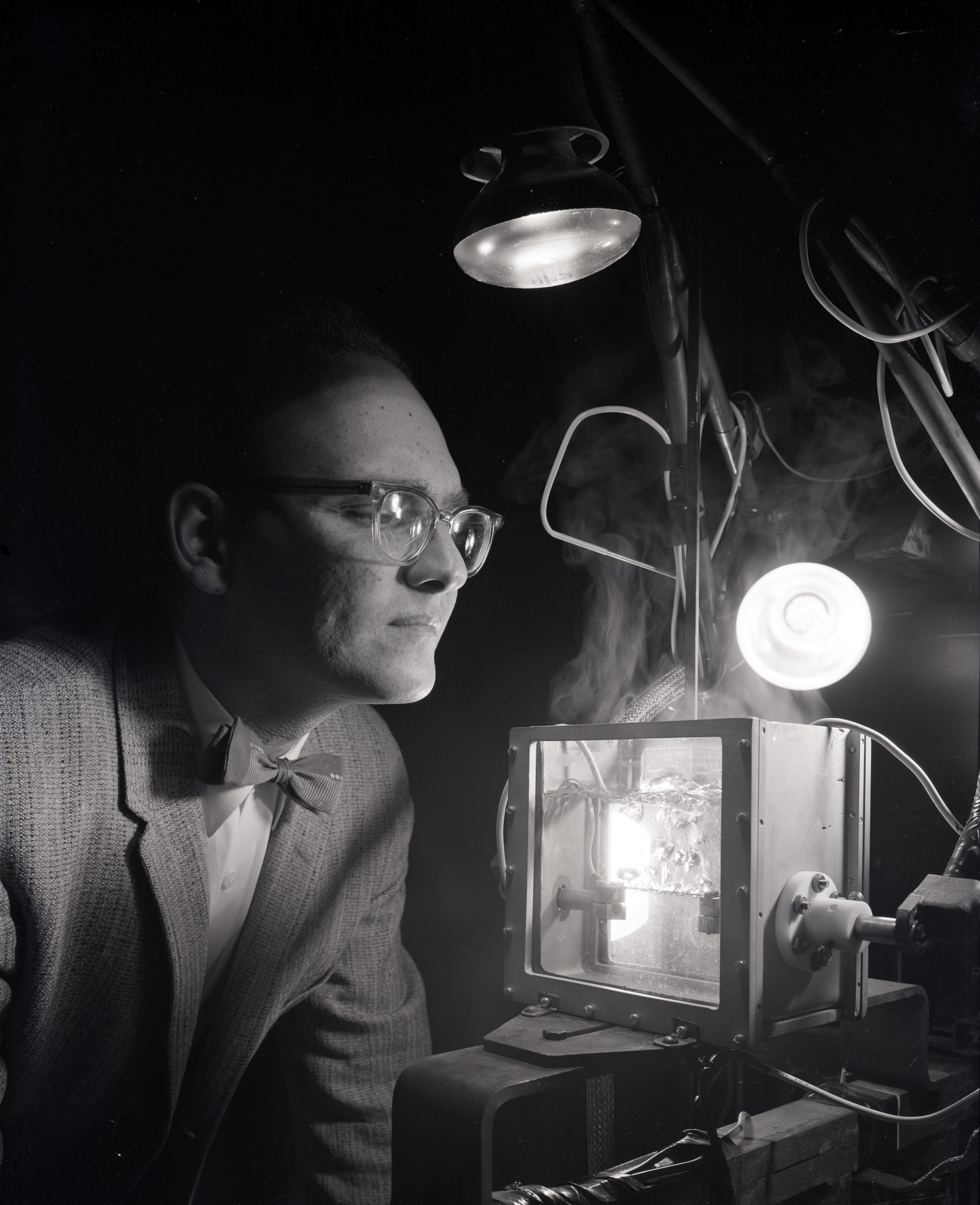
Robert Siegel began his career at the Laboratory in 1955. His first work was with the heat transfer group, investigating issues with nuclear aircraft propulsion. Later, he became head of the Analytical Heat Transfer Section. Siegel began investigating heat transfer for conditions in space, leading him to design the world’s first drop tower in 1957.

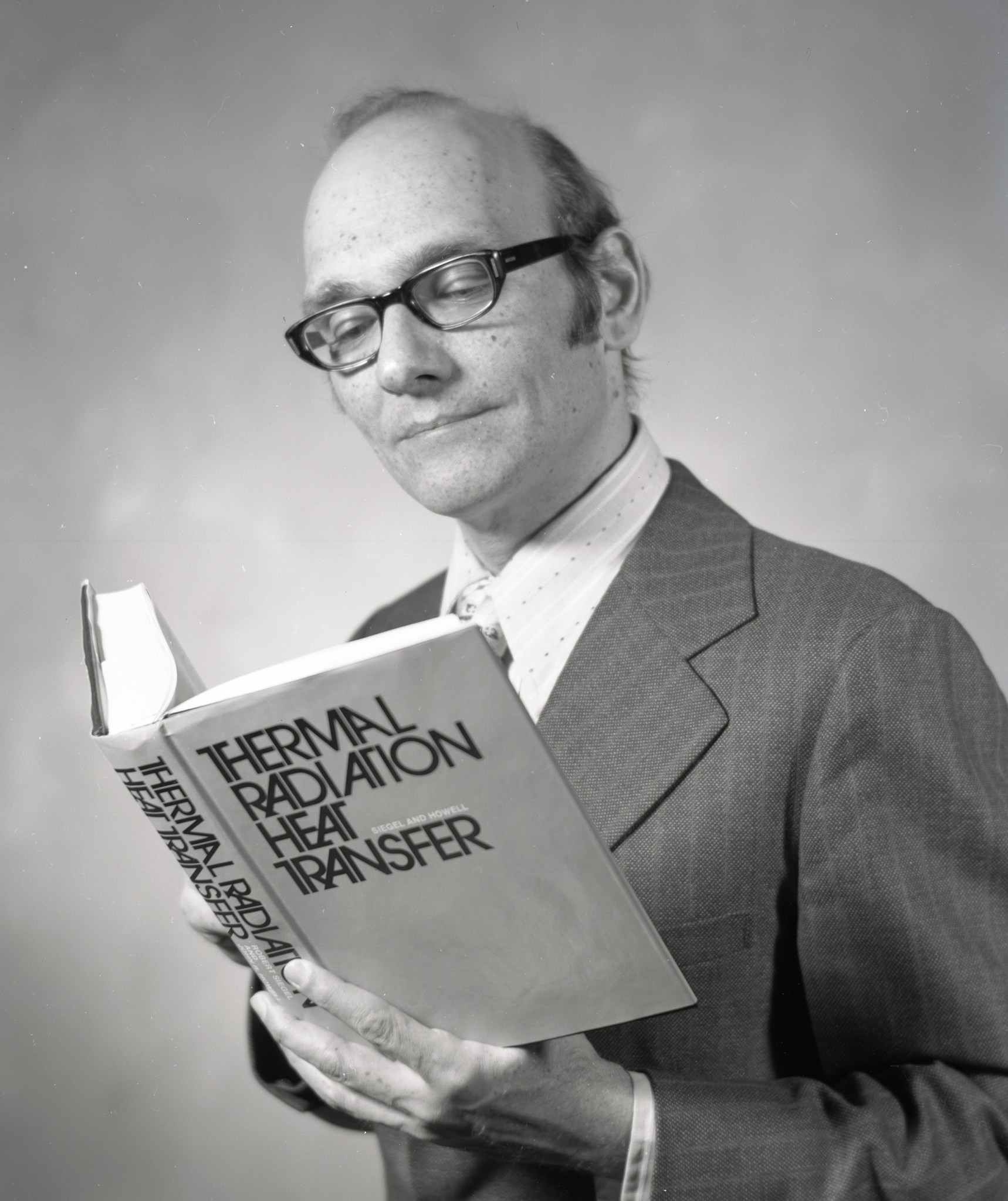
Siegel is regarded internationally as an expert on heat transfer, thanks in part to his text book, “Thermal Radiation Heat Transfer,” which he coauthored with J.W. Howell. When Siegel set out to develop a course on heat transfer for the center, he was not able to find a suitable textbook. The course notes he developed grew into this text book, which was published in 1972. There have been five editions of the book, and it has been translated into several languages. It is still used widely as a graduate-level textbook.

In 1970 Siegel was awarded the ASME Heat Transfer Memorial Award, which recognizes pioneers in the field of heat transfer, for his many significant contributions to the knowledge of boiling, radiation, convection, and conduction, including pioneering experiments under zero-gravity conditions. Siegel was elected as an ASME fellow in 1977 and an AIAA Fellow in 1991. In 1986 he was awarded NASA’s Exceptional Scientific Achievement Medal for his numerous important and wide-ranging contributions to the field of heat transfer, including some of the earliest work on zero-gravity boiling, radiation heat transfer in porous media, and transient natural convection heat transfer. In 1996 he was presented with the Max Jakob Award for his distinguished contributions in the field of heat transfer. He retired from NASA in 1999.

Dr. Robert Siegel passed away in September 2017.

Related Documents

Photographs

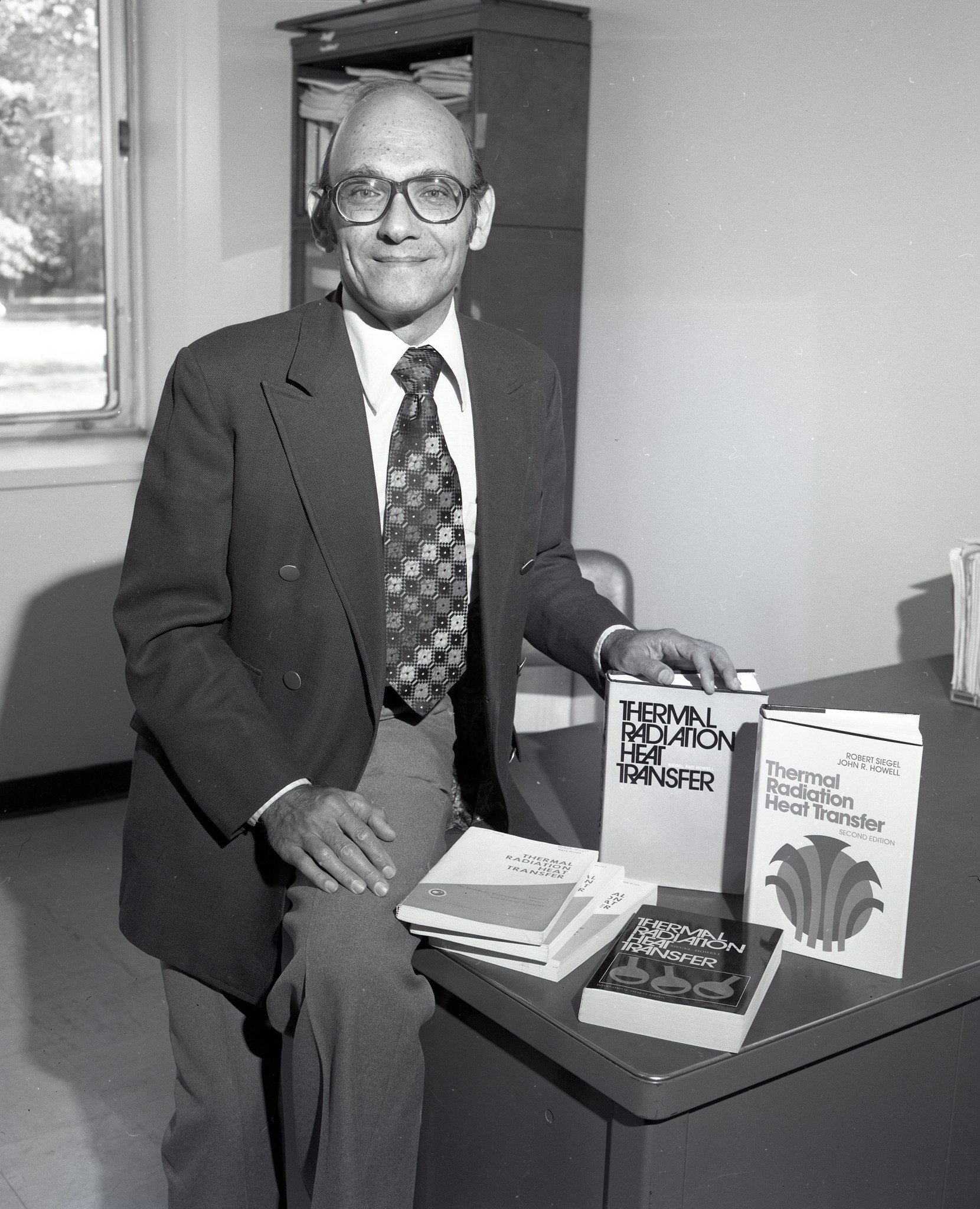
Man displaying books.
Bob Siegel poses in his Engine Research Building office with the books he authored (1980).
NASA
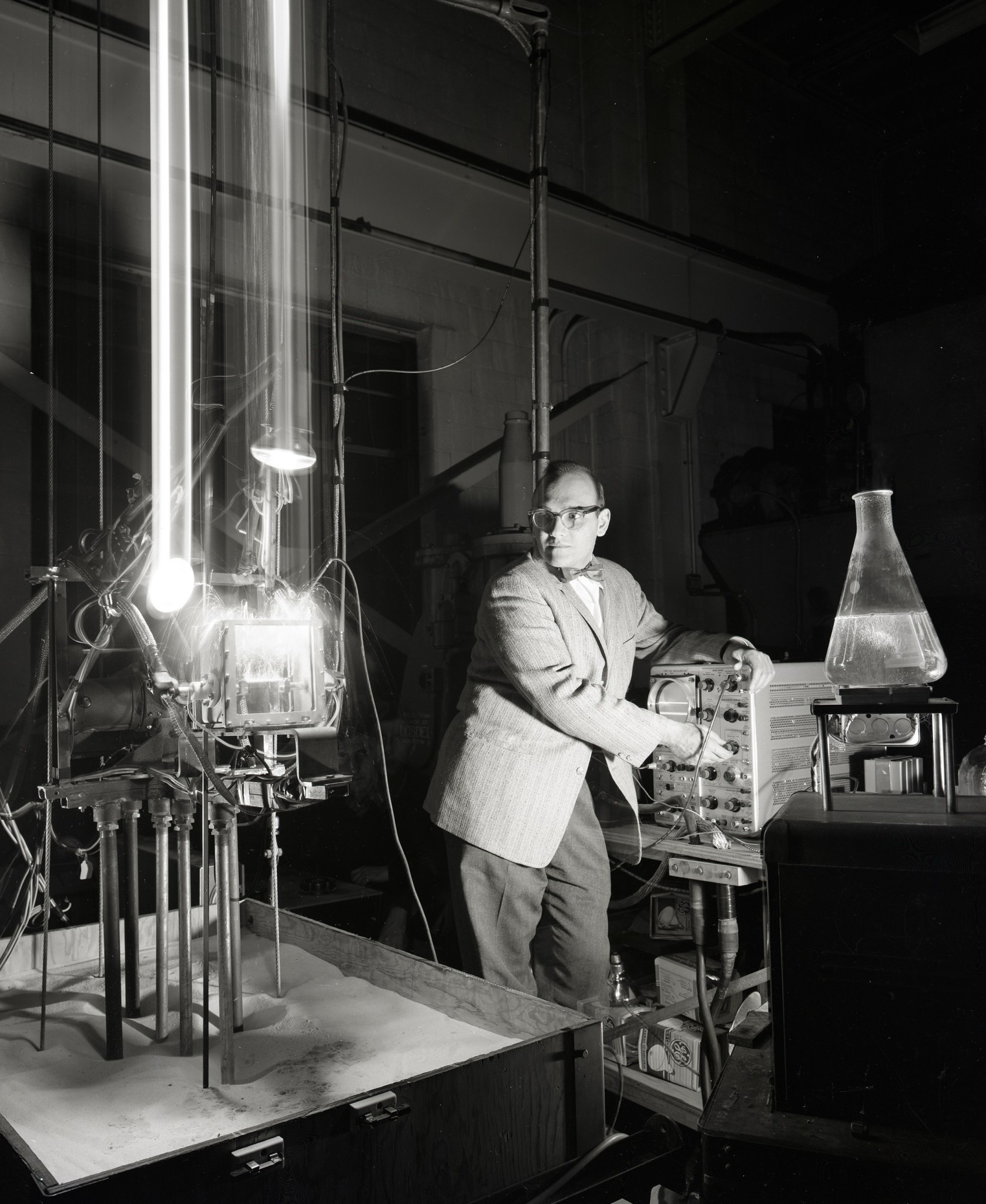
Man operating drop test.
Siegel with microgravity equipment.
Bob Siegel uses a 9-foot drop tower to study fluid boiling in microgravity (4/29/1960).
NASA
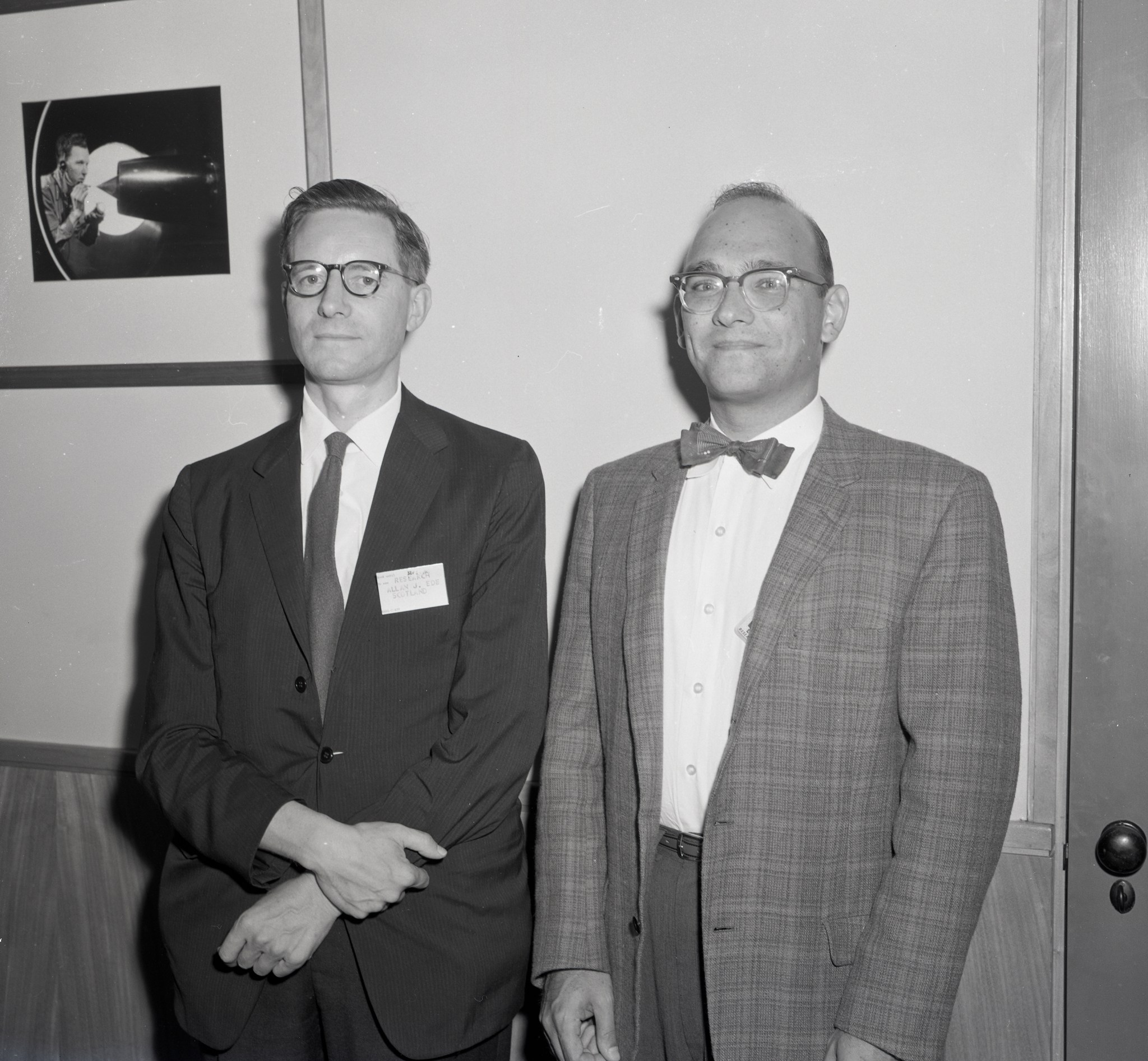
Two men standing.
study fluid boiling in microgravity (4/29/1960).
Ede and Siegel
Bob Siegel hosts Allen Ede from the UK National Engineering Laboratory in Scotland (9/14/1961).
NASA
Man inspecting test equipment.
Robert Siegel examines test section of 9-foot drop tower used for microgravity research (1960).
NASA
Man reading a book.
Bob Siegel poses with the heat transfer textbook he and J.W. Howell wrote (1972).
NASA
Cartoon featuring two men.
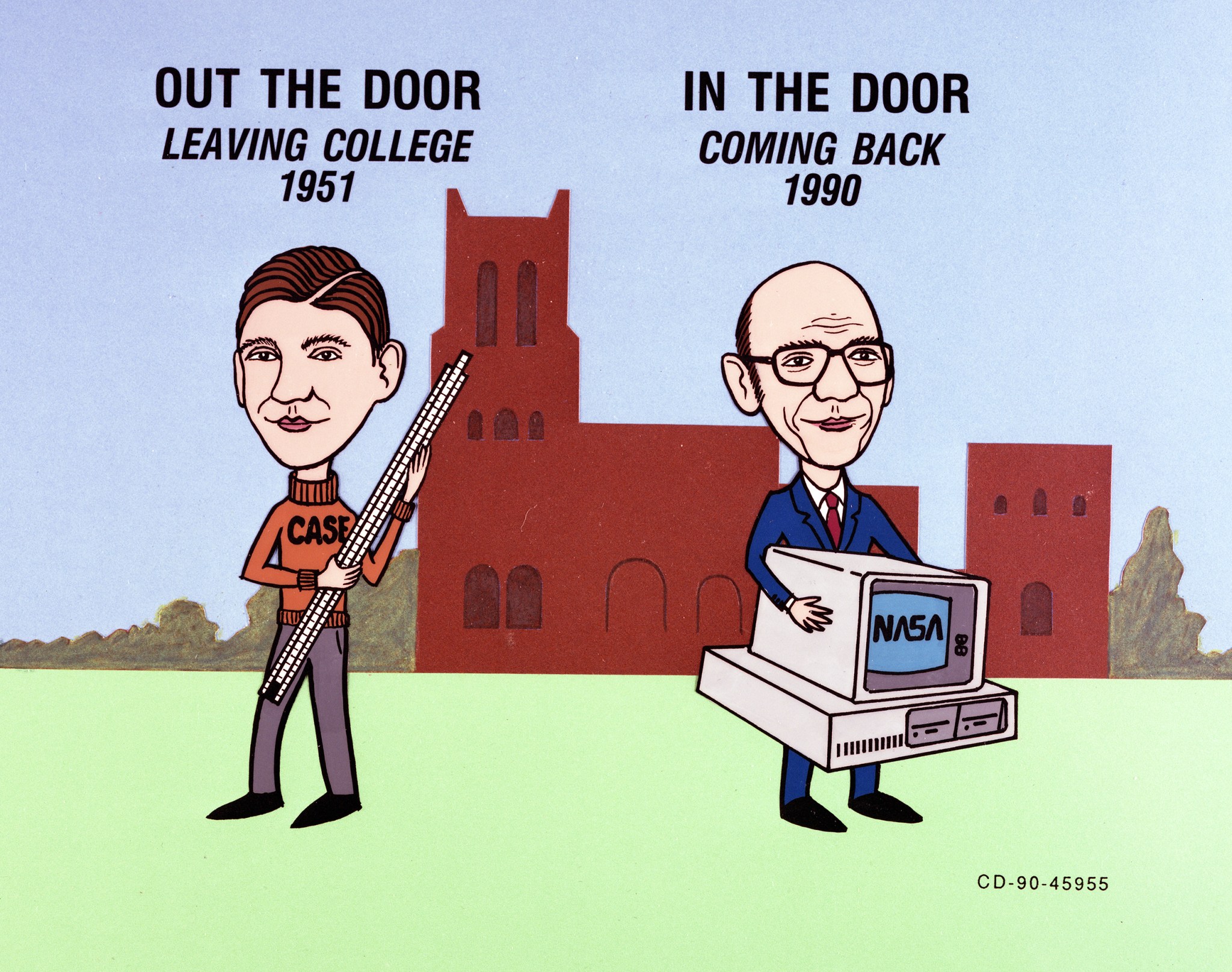
Cartoon illustrating Robert Siegel’s return to Case Western Reserve University (1990).
NASA
Three men standing on stage.
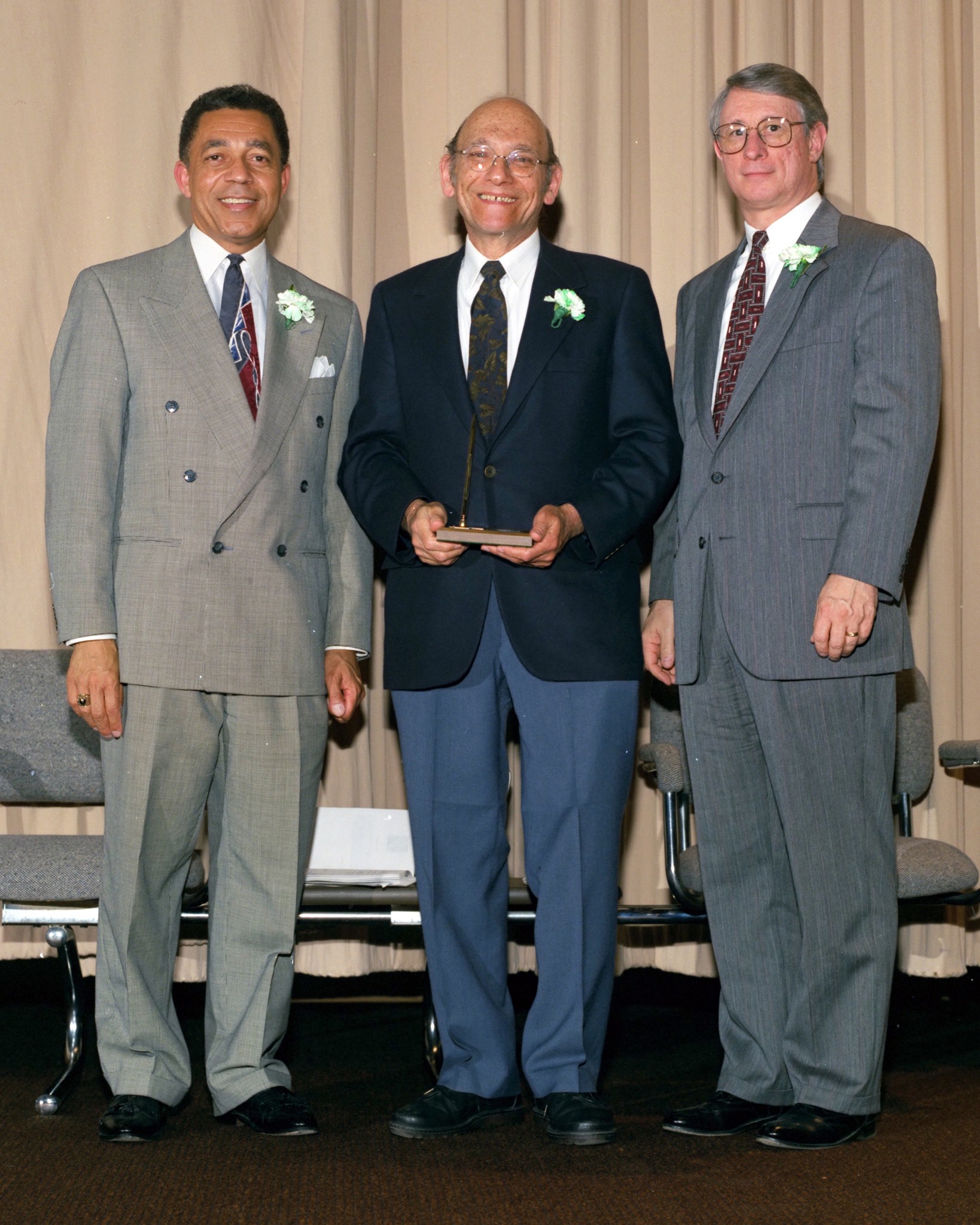
Deputy Director Gerald Barna (right) and newscaster Leon Bibb present Siegel with his 40-Year Service Award (6/7/1995).
NASA
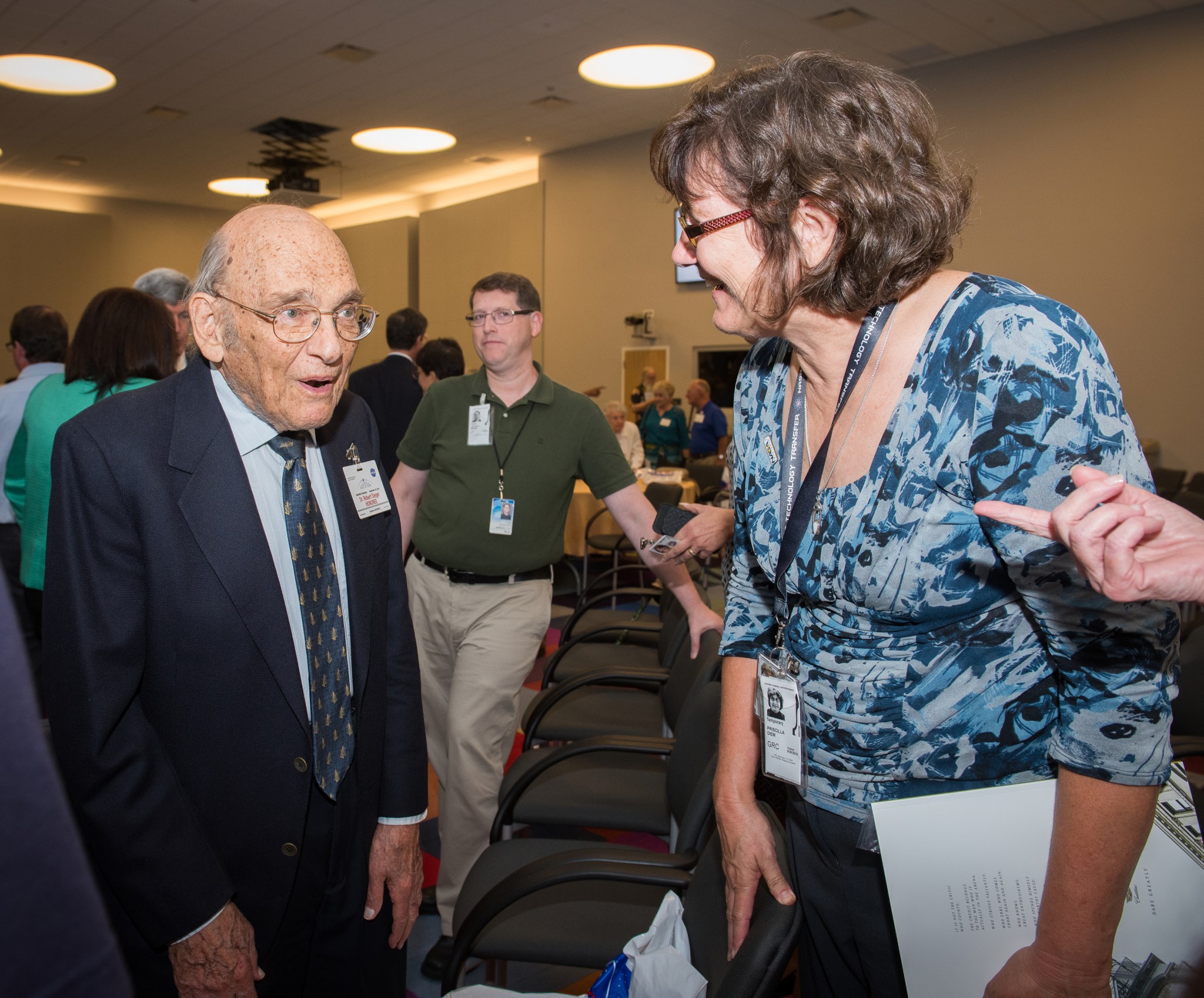
Man and woman talking in auditorium.
Mechanical engineer Priscilla Diem congratulates Bob Siegel after the Hall of Fame Induction Ceremony (9/25/2015).
NASA

Powered by WPeMatico
Get The Details…
Robert S. Arrighi

NASA’s SpaceX Crew-8 Launches to International Space Station

NASA’s SpaceX Crew-8 Launches to International Space Station

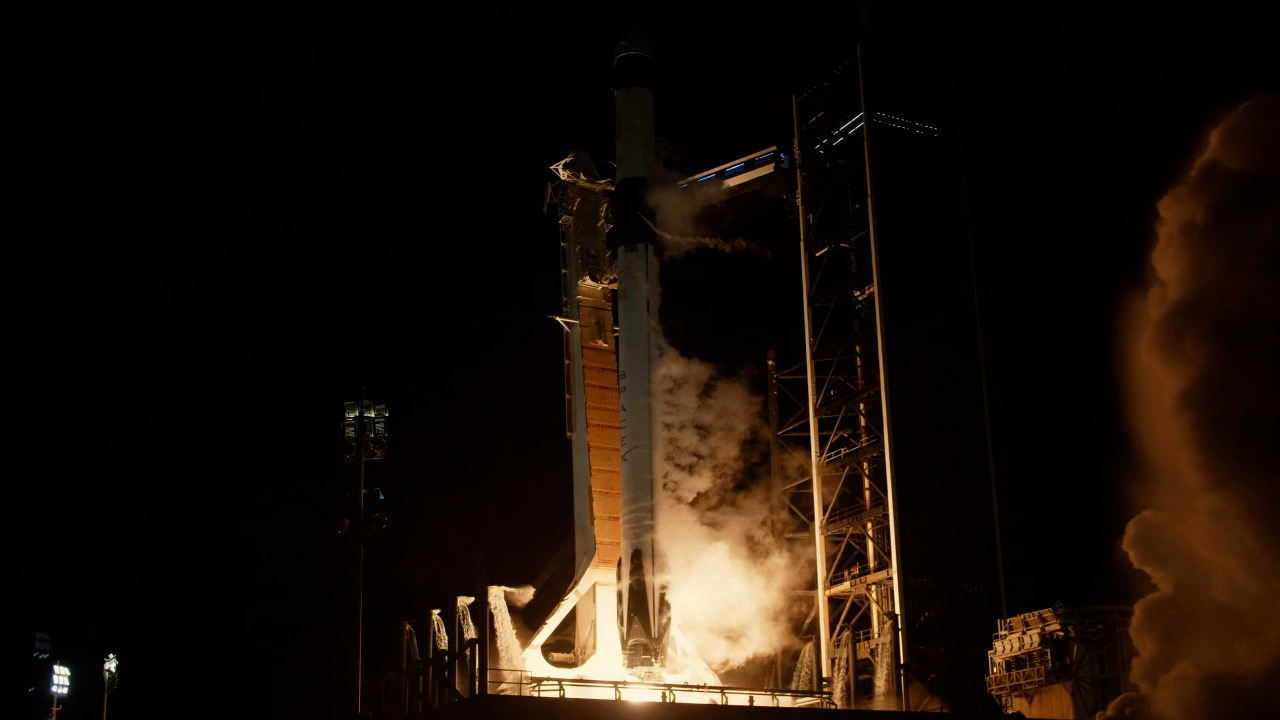
 A SpaceX Falcon 9 rocket launched on March 3, 2024, from NASA’s from Kennedy Space Center in Florida carrying the agency’s SpaceX Crew-8 mission into orbit for a mission to the International Space Station.
NASA

Editor’s note: This release was updated March 4, 2024, to correct the audio only link.

An international crew of four reached orbit following a successful launch to the International Space Station at 10:53 p.m. EST Sunday from Launch Complex 39A at NASA’s Kennedy Space Center in Florida. NASA’s SpaceX Crew-8 mission is the agency’s eighth commercial crew rotation mission with the company to the space station.

A SpaceX Falcon 9 rocket propelled the Dragon spacecraft into orbit carrying NASA astronauts Matthew Dominick, Michael Barratt, and Jeanette Epps, along with Roscosmos cosmonaut Alexander Grebenkin, for a science expedition aboard the orbital laboratory.

“Congratulations to NASA and SpaceX on another successful launch to the International Space Station! On this eighth crew rotation mission, we are once again showing the strength of our commercial partnerships and American ingenuity that will propel us further in the cosmos,” said NASA Administrator Bill Nelson. “Aboard the station, the crew will conduct more than 200 science experiments and technology demonstrations to help fuel this new era of space exploration and benefit humanity here on Earth.”

During Dragon’s flight, SpaceX will monitor a series of automatic spacecraft maneuvers from its mission control center in Hawthorne, California. NASA teams will monitor space station operations throughout the flight from the Mission Control Center at the agency’s Johnson Space Center in Houston. NASA coverage continues with audio only commentary until the start of the rendezvous and docking broadcast.

The Dragon spacecraft, named Endeavour, will dock autonomously to the forward port of the station’s Harmony module about 3 a.m. Tuesday, March 5. NASA will provide live coverage of rendezvous, docking, and hatch opening, beginning at 1 a.m., on NASA+, NASA Television, the NASA app, YouTube, and the agency’s website. NASA also will continue coverage of the crew welcome ceremony once they are aboard the orbital outpost. Learn how to stream NASA TV through a variety of platforms including social media.

Crew-8 will join the space station’s Expedition 70 crew of NASA astronauts Jasmin Moghbeli and Loral O’Hara, ESA (European Space Agency) astronaut Andreas Mogensen, JAXA (Japan Aerospace Exploration Agency) astronaut Satoshi Furukawa, and Roscosmos cosmonauts Konstantin Borisov, Oleg Kononenko, and Nikolai Chubb. For a short time, the number of crew aboard the space station will increase to 11 until Crew-7 members Moghbeli, Mogensen, Furukawa, and Borisov return to Earth a few days later.

Crew-8 will conduct new scientific research to prepare for human exploration beyond low Earth orbit and benefit humanity on Earth. Experiments include a study of brain organoids to understand neurodegenerative disorders, shifts in body fluids during spaceflight, and the effects of UV radiation and microgravity on plant growth. These are just a few of the more than 200 science experiments and technology demonstrations that will take place during their mission.

With this mission, NASA will maximize use of the space station, where astronauts have lived and worked continuously for more than 23 years testing technologies, performing science, and developing the skills needed to operate future commercial destinations in low Earth orbit and explore farther from Earth. Research conducted on the space station provides benefits for people on Earth and paves the way for future long-duration trips to the Moon and beyond through NASA’s Artemis missions.

More about Crew-8

Matthew Dominick is the commander for Crew-8, his first spaceflight since his selection as an astronaut in 2017. During Expedition 70/71 aboard the space station, he will serve as a mission specialist. Follow @dominickmatthew on X.

Michael Barratt is the Crew-8 pilot, making his third visit to the space station. In 2009, Barratt served as a flight engineer for Expeditions 19/20 as the station transitioned its standard crew complement from three to six and performed two spacewalks. He flew aboard the space shuttle Discovery in 2011 on STS-133, which delivered the Permanent Multipurpose Module and fourth Express Logistics Carrier. Barratt has spent a total of 212 days in space. During Expedition 70/71, he will serve as a mission specialist.

Jeanette Epps is a mission specialist for Crew-8, her first spaceflight, working with the commander and pilot to monitor the spacecraft during the dynamic launch and re-entry phases of flight. Epps was selected by NASA as an astronaut in 2009. She will serve as a flight engineer during Expeditions 70/71. Follow @Astro_Jeanette on X.

Roscosmos cosmonaut Alexander Grebenkin is flying on his first mission. He will serve as a flight engineer during Expeditions 70/71.

Learn more about NASA’s SpaceX Crew-8 mission and Commercial Crew Program at:

https://www.nasa.gov/commercialcrew

-end-

Josh Finch / Claire O’Shea
Headquarters, Washington
202-358-1100
joshua.a.finch@nasa.gov / claire.a.oshea@nasa.gov

Steven Siceloff / Danielle Sempsrott
Kennedy Space Center, Florida
321-867-2468
steven.p.siceloff@nasa.gov / danielle.c.sempsrott@nasa.gov

Leah Cheshier
Johnson Space Center, Houston
281-483-5111
leah.d.cheshier@nasa.gov

Powered by WPeMatico
Get The Details…
Jennifer M. Dooren

NASA Stennis Software Assurance Expert Enjoys the Challenge Her Work Provides

NASA Stennis Software Assurance Expert Enjoys the Challenge Her Work Provides

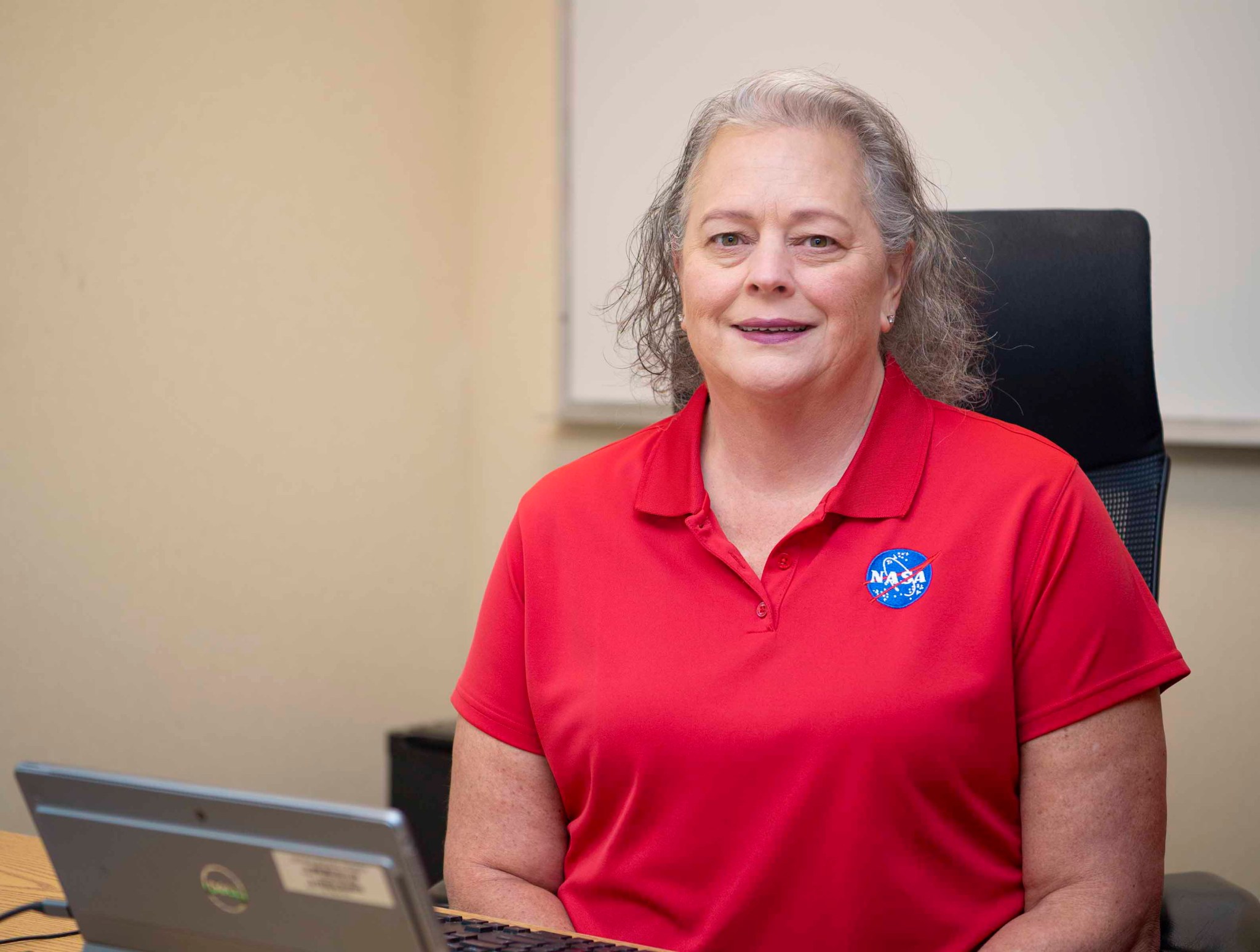
Rae Anderson, wearing a red polo shirt with the NASA meatball on the pocket, smiles at the camera while using her laptop.
Rae Anderson, subject matter expert for software assurance in the NASA Stennis Safety and Mission Assurance Directorate, is the first employee at NASA’s Stennis Space Center – and one of five civil servants across NASA – to earn the highest distinction in the Safety and Mission Assurance Technical Excellence Program in the discipline of software assurance. The level four certification demonstrates Anderson’s dedication to growing her knowledge and skills to become an effective contributor to the agency’s mission.
NASA/Danny Nowlin

Rae Anderson never set out to have a career with NASA, but the pursuit of opportunities around her interest in computer science led the Union City, Tennessee native to the agency that explores the secrets of the universe for the benefit of all.

In turn, Anderson’s desire to expand her knowledge helped her become the first employee at NASA’s Stennis Space Center – and one of five civil servants across NASA – to earn the highest distinction in the Safety and Mission Assurance Technical Excellence Program in the discipline of Software Assurance.

“I want to be good at my job, so early in my career, I set a goal of reaching this certification,” Anderson said.

The program’s level four certification demonstrates Anderson’s dedication to growing her knowledge and skills to become an effective contributor to the agency’s mission. As the subject matter expert for software assurance, Anderson serves as a technical lead for a team in the NASA Stennis Safety and Mission Assurance Directorate that supports the center’s work with propulsion testing and autonomous systems.

Along the way, I have been a part of a team at NASA Stennis that has good people who are going to do what they need to do to accomplish goals, whatever it takes to accomplish it and to do it safely.

rae anderson

rae anderson

NASA Stennis SME for Software Assurance

Whether it is propulsion testing for NASA’s Artemis mission or autonomous systems work on pace for the first-ever in-flight autonomous systems mission, the work at NASA Stennis relies on software to carry out complex tasks. Anderson’s team reviews software management plans to ensure all requirements are met to conduct the work safely. She helps lead the effort to determine possible hazards and, if any are present, to put controls and mitigations in place to lessen the risk.

“It’s important to ensure any potential issues are mitigated,” Anderson said. “It is not a guarantee, but it gives a better feeling that all have done what they are supposed to do as far as following the process and that the software is technically sound to move forward. With software, there’s always going to be bugs because there is so much of it. We are there as the checks and balances of engineering as a project moves forward.”

Before moving forward and earning a computer science degree from the University of Tennessee-Martin, Anderson grew up 20 minutes from the Tennessee-Kentucky border, which meant she did not live near a NASA center. When she thought about NASA and space, astronauts and the solar system came to mind.

Since Anderson’s career in software brought her to live in Slidell, Louisiana, and ultimately begin work at NASA Stennis 16 years ago, Anderson has discovered that NASA is much more. She has found NASA to be a place that combines her knowledge of software with a diverse and highly skilled workforce, coming together for the benefit of humanity.

“Along the way, I have been a part of a team at NASA Stennis that has good people who are going to do what they need to do to accomplish goals, whatever it takes to accomplish it and to do it safely,” Anderson said.

For information about NASA’s Stennis Space Center, visit:

Stennis Space Center – NASA

Powered by WPeMatico

Get The Details…
LaToya Dean