Lagniappe for April 2024

Lagniappe for April 2024
7 Min Read

Lagniappe for April 2024

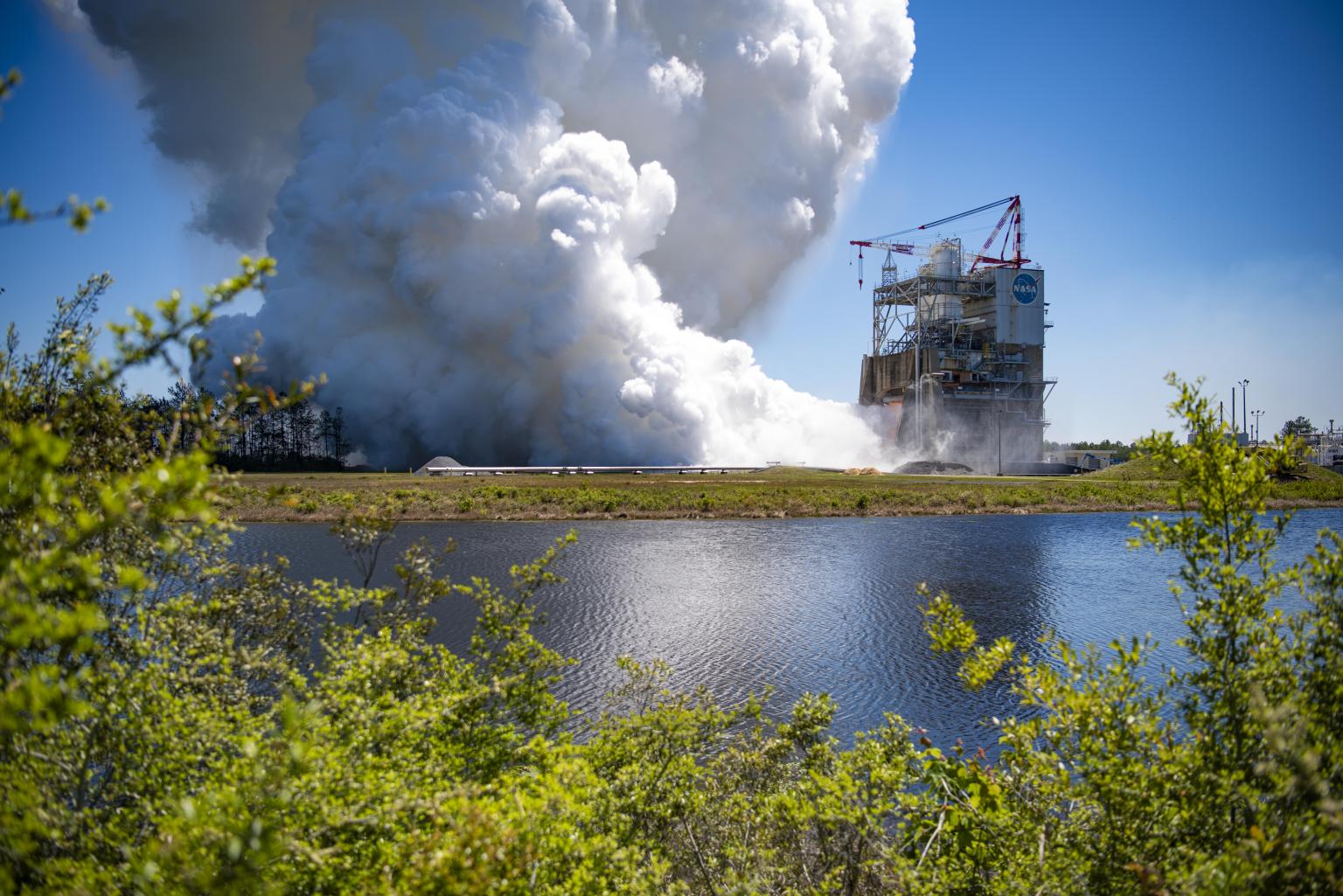
a RS-25 hot fire is seen across the canal at NASA Stennis Test Complex; cover for April 2024 Lagniappe

Explore the April 2024 issue, highlighted by NASA achieving a milestone for new Artemis Moon rocket engines, NASA and Stennis Leaders providing an annual update, and a reminder about the total solar eclipse on April 8.

Explore the April 2024 issue featuring:

  • NASA Achieves Milestone for Engines to Power Future Artemis Missions
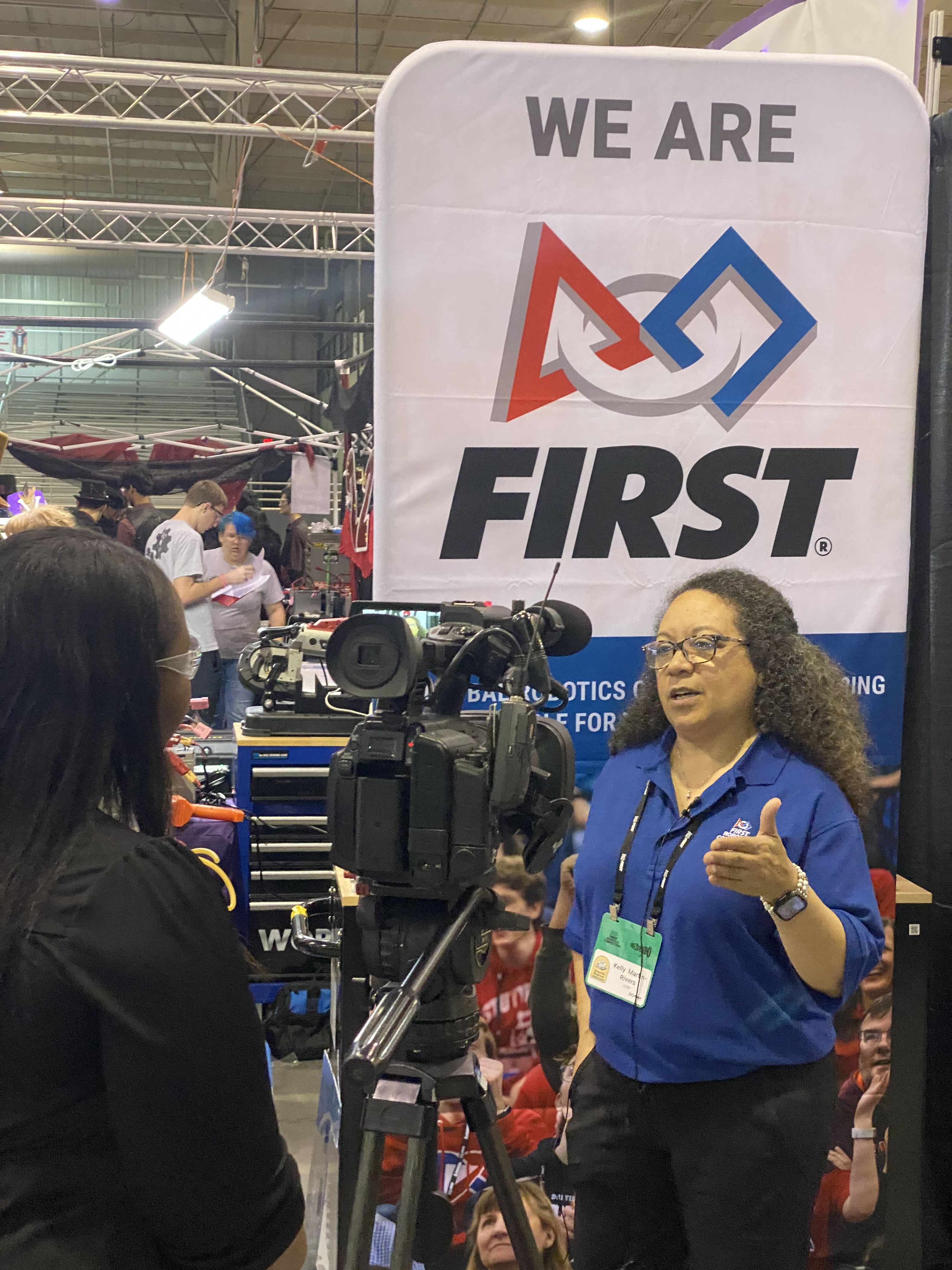
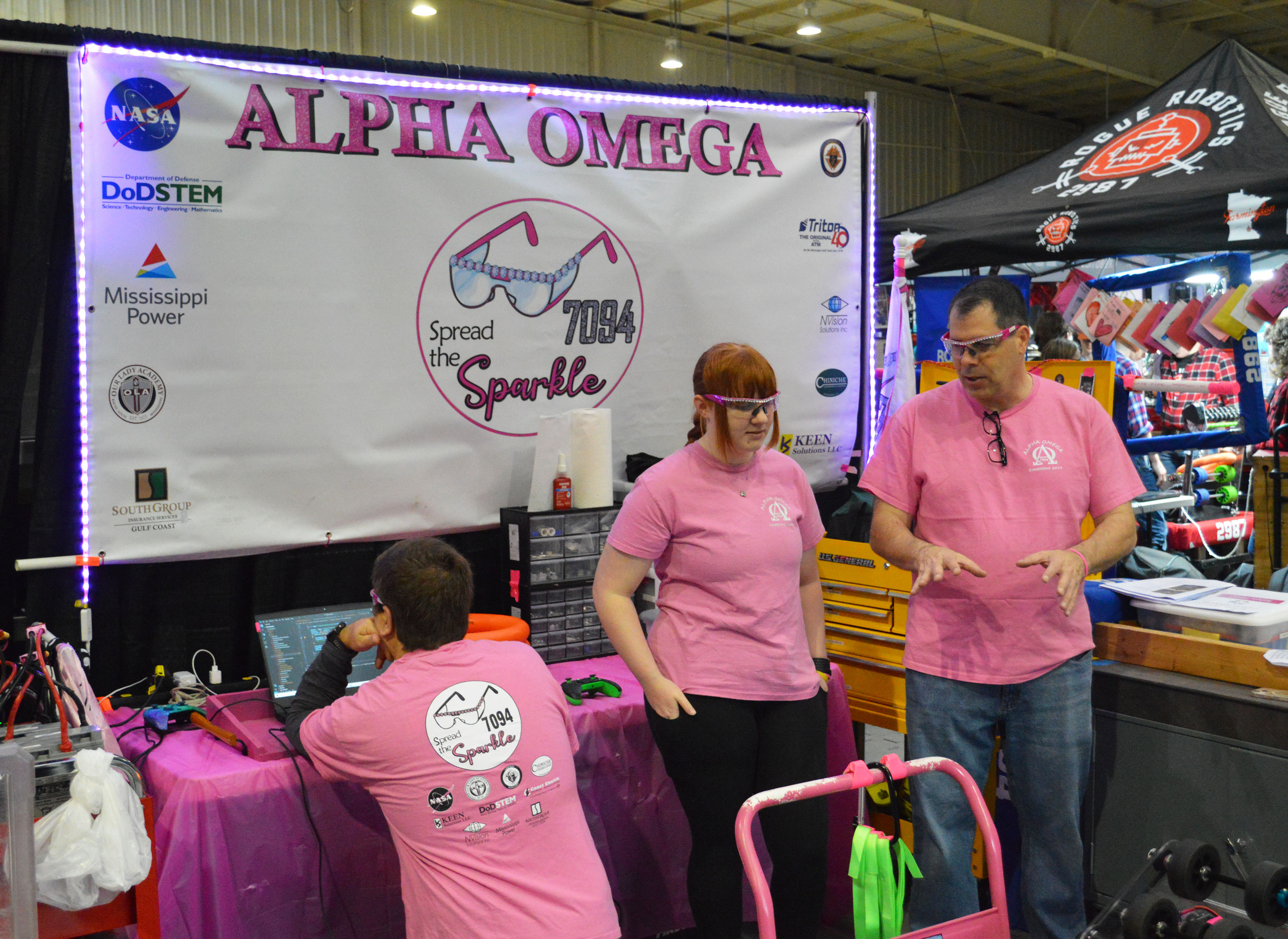
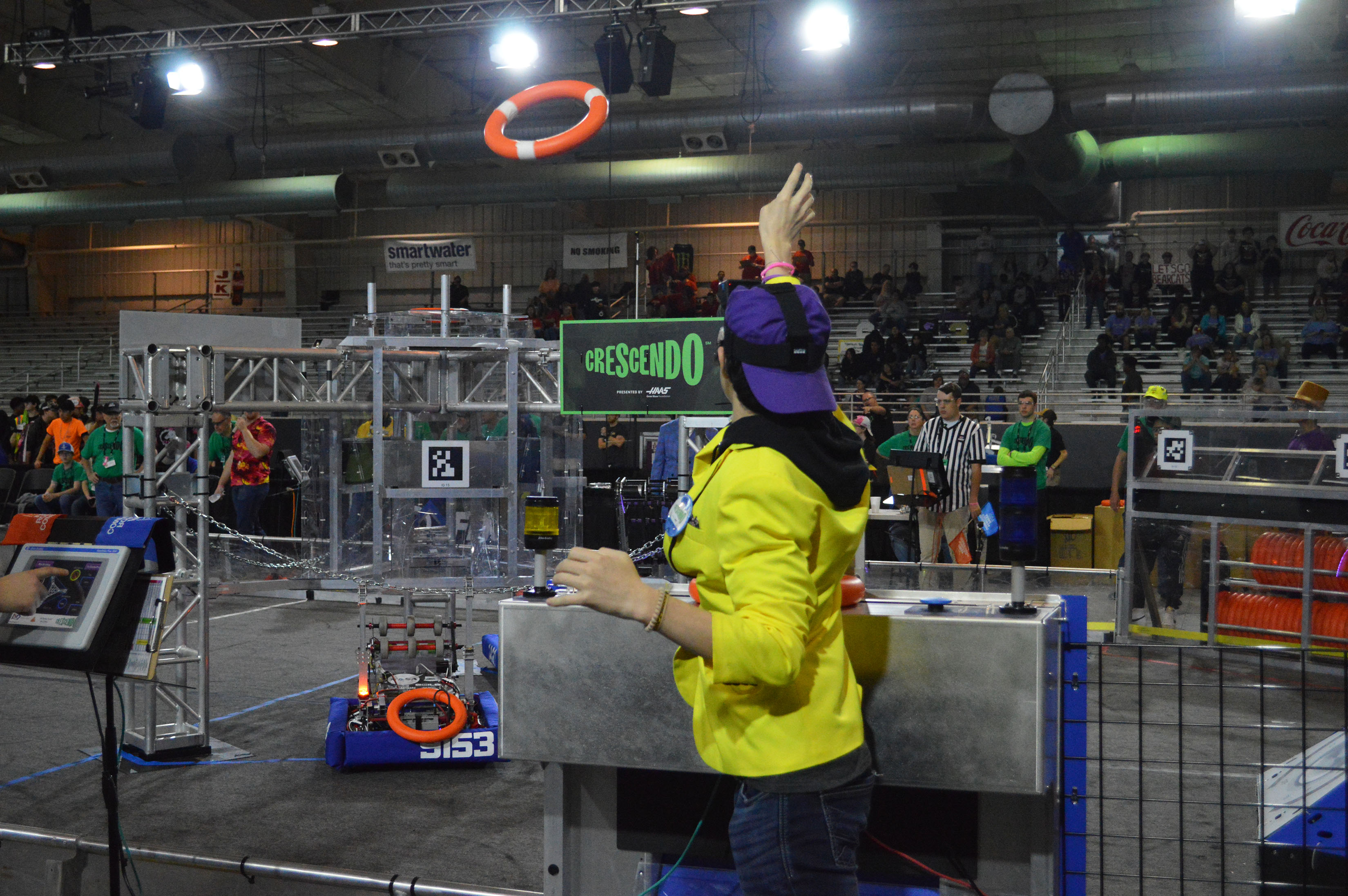
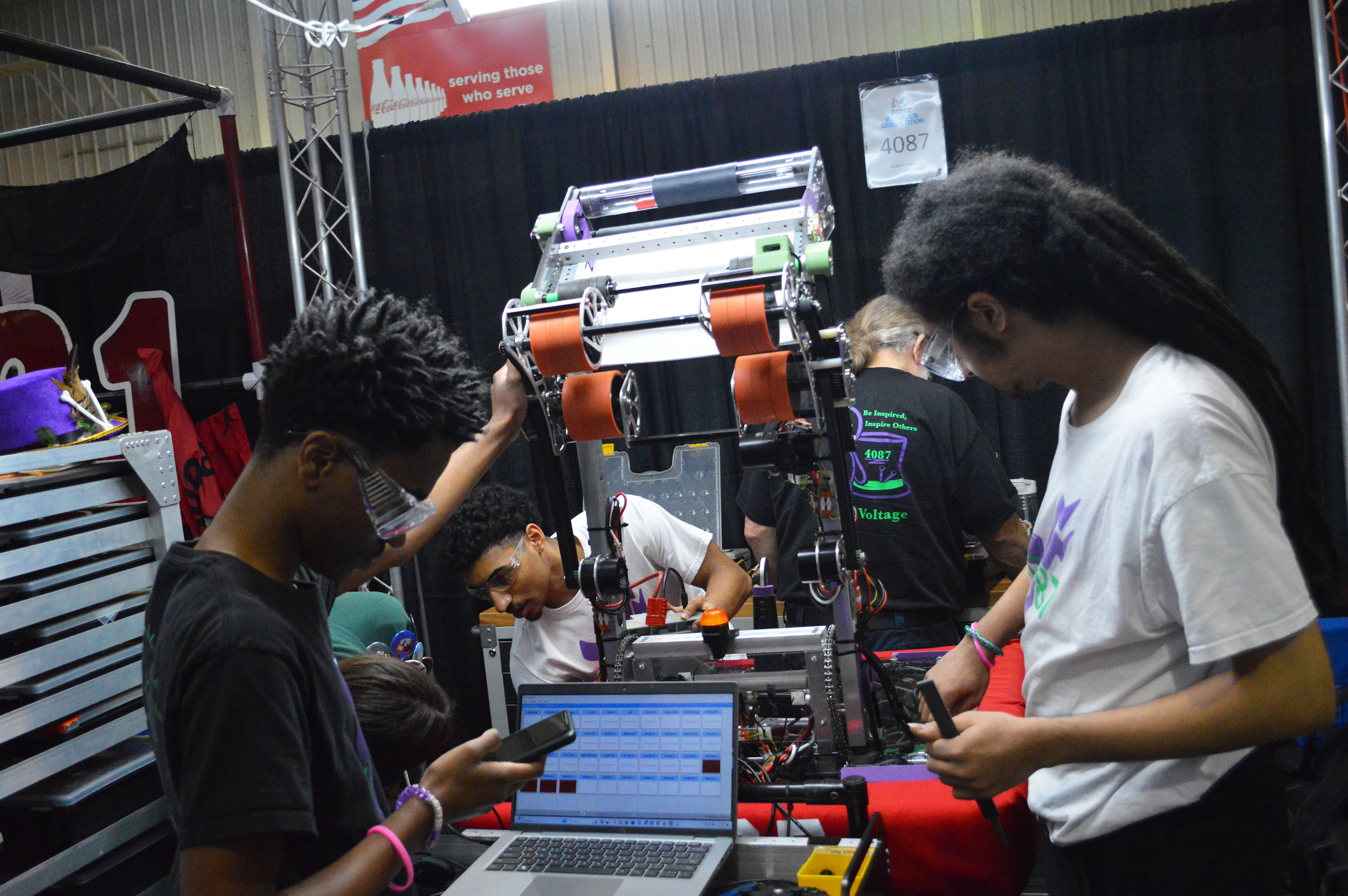
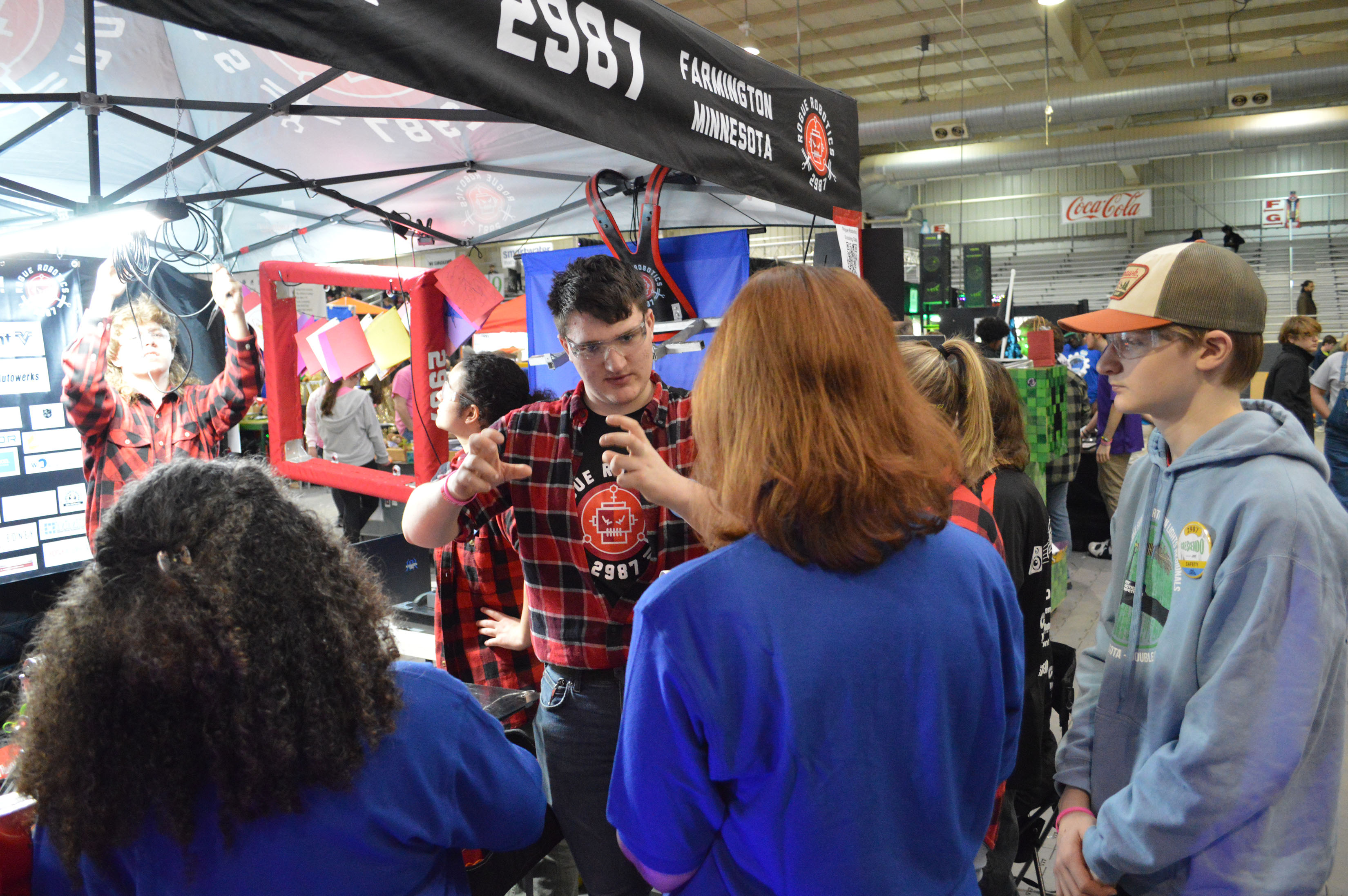
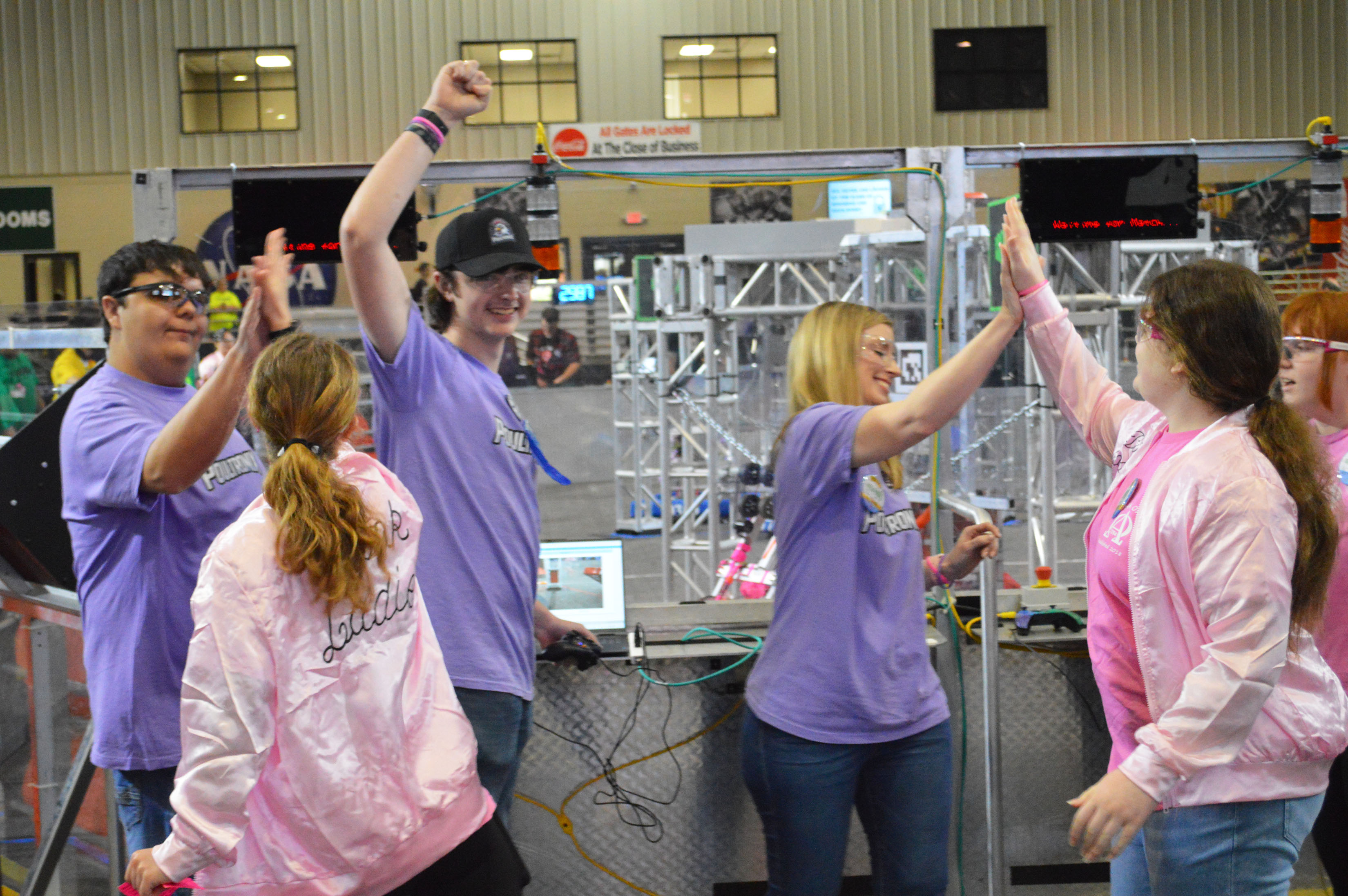
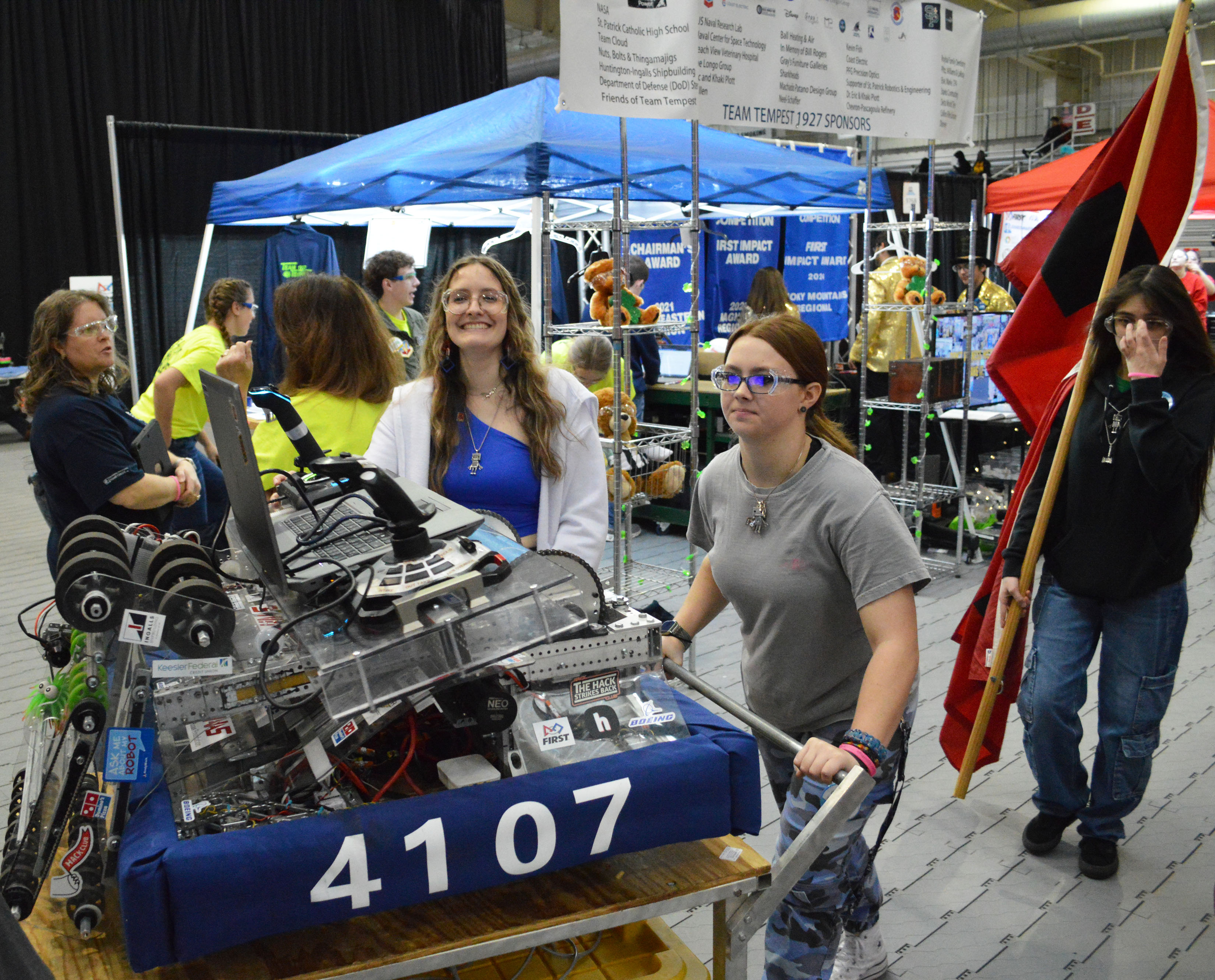
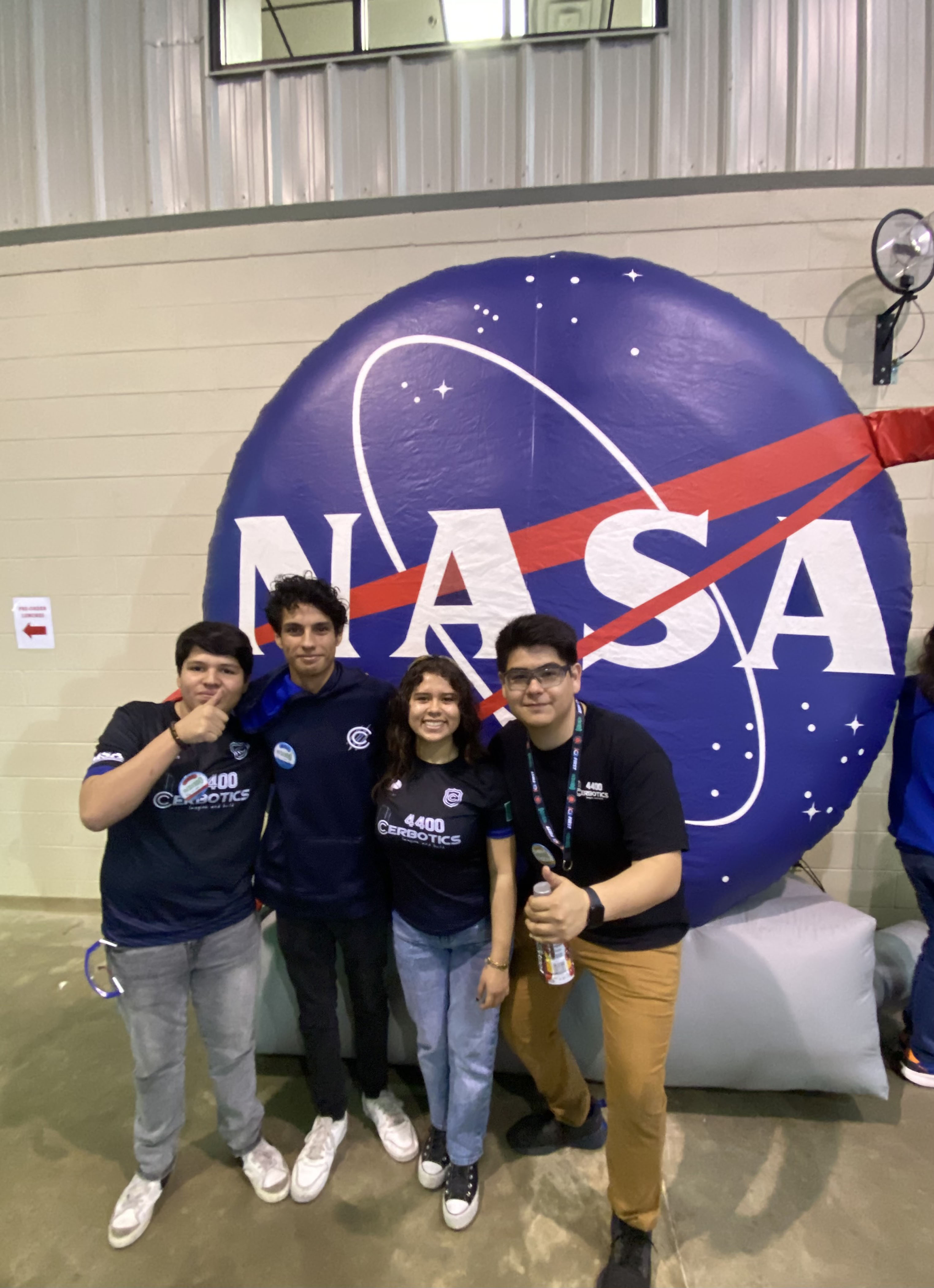
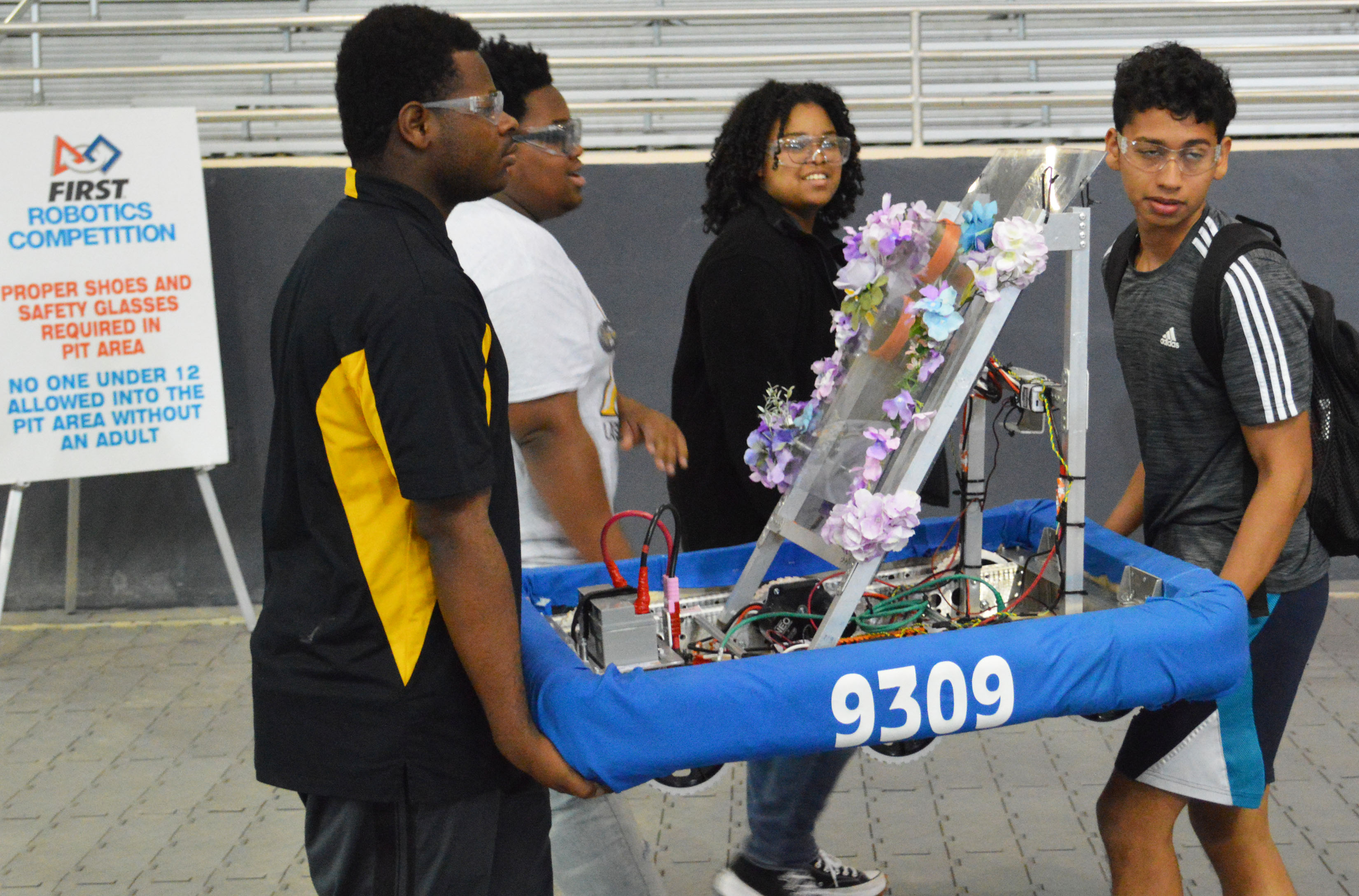
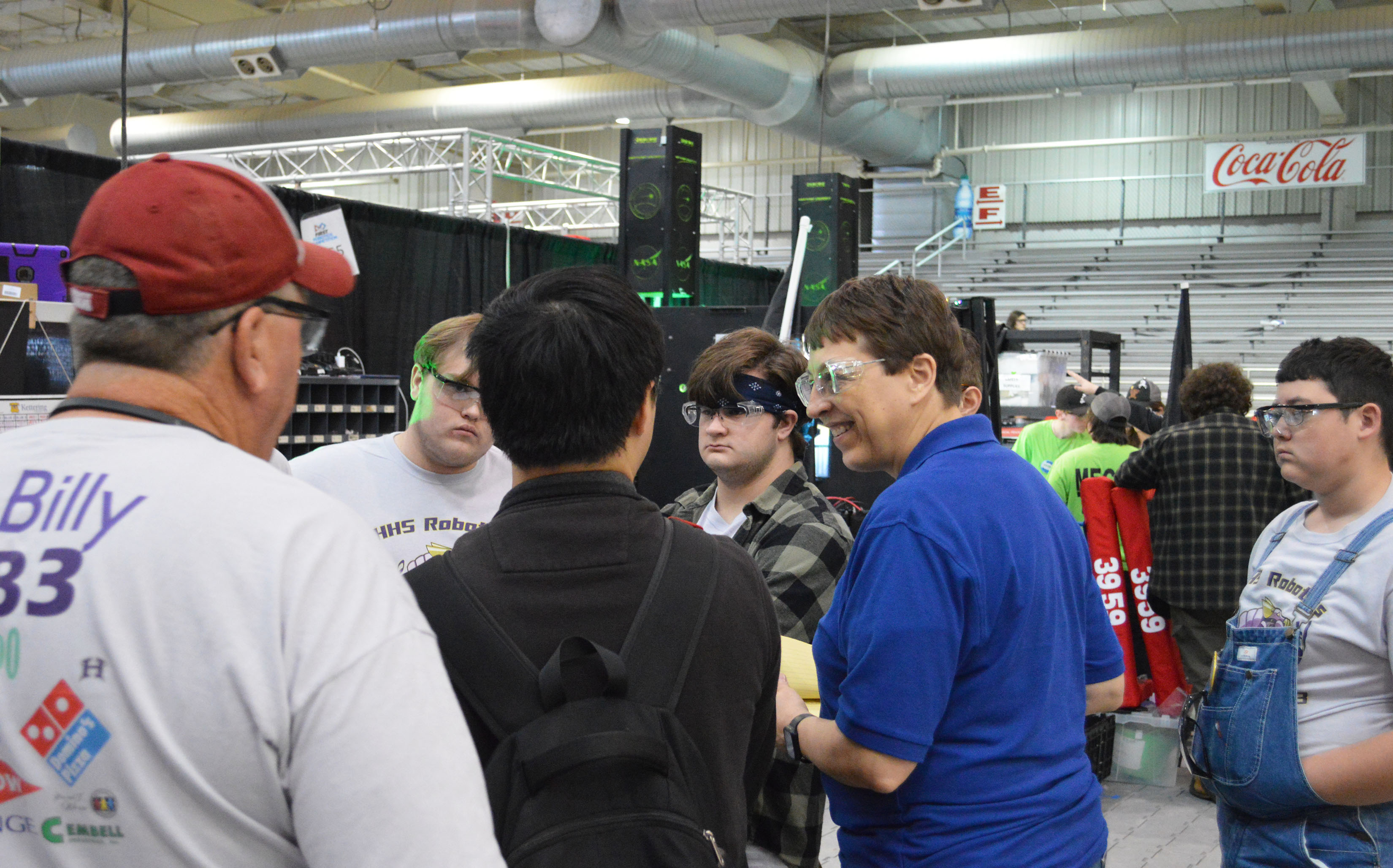
  • NASA-Sponsored FIRST Robotics Competition Welcomes 37 Teams to Magnolia Regional
  • NASA, Stennis Leaders Provide Annual Update

Gator Speaks
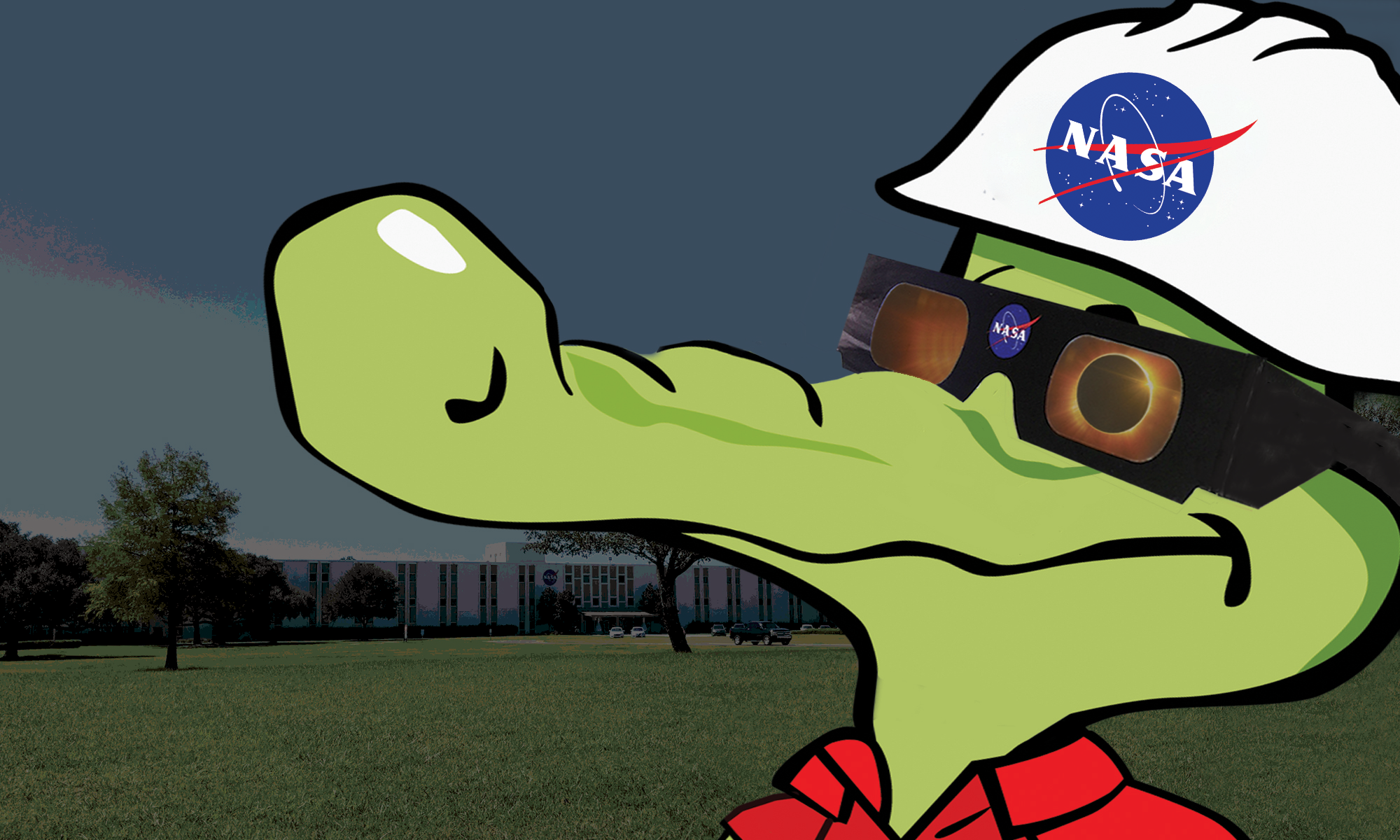
Gator experiencing a solar eclipse; the illustrated character is wearing a white hard hat and glasses
Gator Speaks
NASA/Stennis

Picture this. The year is 2044. It is 20 years into the future, and you think to yourself, “Life is all about moments. Sometimes we recognize the moment at hand, and at other times, it passes us by before we notice. I wish I paid attention when NASA told me about the last total solar eclipse in 2024, since it has been such a long time since one was visible across the United States.”

Then, you snap out of the daydream of the future, return to the present moment, and realize, “Wait! There’s still time to view the total solar eclipse in 2024.”

The regret you were feeling from missing out on the total solar eclipse in 2024 fades. Indeed, the moment has not passed you by… yet.

The total solar eclipse coming on Monday, April 8, 2024, will in fact be the last total solar eclipse visible from the contiguous United States until 2044. If you are like Gator, you may have to brush up on what the word contiguous means, which describes the adjoining U.S. states and the District of Columbia that make up the United States of America.

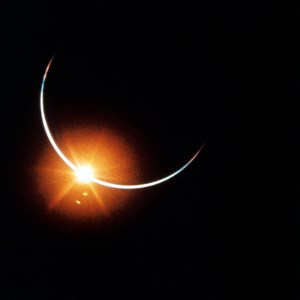
It is a long time until 2044, so I invite all to step outside on April 8 and safely give this year’s eclipse a look. A total solar eclipse happens when the Moon passes between the Sun and Earth, completely blocking the face of the Sun.

Depending on your location, you may be in a spot where the Moon’s shadow completely covers the Sun, known as the path of totality. The sky will become dark, as if it were dawn or dusk. Weather permitting, people along the path of totality will see the Sun’s corona, or outer atmosphere, which is usually obscured by the bright face of the Sun.

No matter where you are on April 8, NASA has you covered with this Solar Eclipse Guide: What to Expect: A Solar Eclipse Guide (nasa.gov).

It will help you learn more about when the eclipse will occur, where you can go to watch the eclipse, and how you will watch the eclipse safely.

Every day, NASA explores the secrets of the universe for the benefit of all. On April 8, I invite you to join NASA wherever you might be and explore the views of the total solar eclipse.

INFINITY Science Center, the official visitor center of NASA Stennis, will be open on Monday, April 8, from 9 a.m. to 2 p.m. at regular admission rates. All are invited for a day of solar science.

In Case You Missed It

NASA Stennis welcomed two special guests March 6 when NASA astronauts Reid Wiseman and Christina Koch visited south Mississippi to view an RS-25 hot fire test. Along with NASA astronaut Victor Glover and Canadian Space Agency astronaut Jeremy Hansen, Wiseman and Koch were named to the Artemis II crew on April 3, 2023. The four astronauts will be the crew that ventures around the Moon on Artemis II as the first crewed mission on NASA’s path to establishing a long-term presence at the Moon for science and exploration through Artemis.

About Gator

Gator has served as the official mascot of NASA’s Stennis Space Center near Bay St. Louis, Mississippi, dating back to the site’s early construction years. The character has since been featured on NASA Stennis site certificates and awards. Gator also provides a source of encouragement for all things NASA in Lagniappe, the official monthly newsletter of NASA Stennis. To subscribe to the monthly newsletter, simply send your name, location, and email address to the NASA Stennis Office of Communications. Together, we are going back to the Moon – and beyond!

NASA Stennis Top News

NASA Achieves Milestone for Engines to Power Future Artemis Missions

NASA achieved a major milestone April 3 for production of new RS-25 engines to help power its Artemis campaign to the Moon and beyond with completion of a critical engine certification test series at NASA’s Stennis Space Center near Bay St. Louis, Mississippi.

Artemis Generation Students Inspired During NASA STEM Event

The questions kept coming, exceeding the allotted time, as students at NASA’s Next Gen STEM event in late February explored the importance of computer science for future agency missions.

Center Activities

NASA, Stennis Leaders Provide Annual Update

NASA Stennis Acting Director John Bailey delivered the annual State of NASA Stennis address to over 100 business and industry leaders from Mississippi and Louisiana during the 12th annual NASA Stennis Space Center Director’s Community Briefing on March 20 at the Slidell Municipal Auditorium in Slidell, Louisiana.

Bailey discussed ongoing activities at the center and the outlook for NASA Stennis’ mission objectives, including propulsion testing, autonomous systems, range operations, and growth of the federal city.

A new NASA Stennis overview video, narrated by NASA Stennis employee Barry Robinson and featuring the diverse and highly skilled NASA Stennis workforce, premiered at the briefing with community leaders to an enthusiastic response.

“I really love that video,” Bailey said to the audience. “We just produced that, and it really gives you an idea of who we are. Really, the thing I like the most is when all of our employees get up there and I see how excited they are because they are our most valuable resource we have. We could not do what we do without our employees, and we have some of the best in the world doing what we do for NASA.”

Participating speakers and organizations included: Hansel Gill, acting director of NASA’s Michoud Assembly Facility in New Orleans; Jennifer Hailes, deputy technical director of Naval Meteorology and Oceanography Command; Steve Heller, founder, CEO, and CTO of Evolution Space. Mark Glorioso, chairman of Partners for Stennis & Michoud, served as emcee for the event.

NASA-Sponsored FIRST Robotics Competition Welcomes 37 Teams to Magnolia Regional

Thirty-seven high school teams from eight states and one from Mexico competed during the second annual FIRST Robotics Magnolia Regional Competition in Laurel, Mississippi, on March 15. The FIRST (For the Inspiration and Recognition of Science and Technology) Robotics event is described as the ultimate sport of the mind as teams concentrate and share in the excitement of success. NASA’s Stennis Space Center joined with NASA’s Robotics Alliance Project and co-sponsor Mississippi Power to bring to life all aspects of science, technology, engineering, and mathematics (STEM) in the Magnolia state through the regional event.
NASA Attends New Orleans Entrepreneur Week
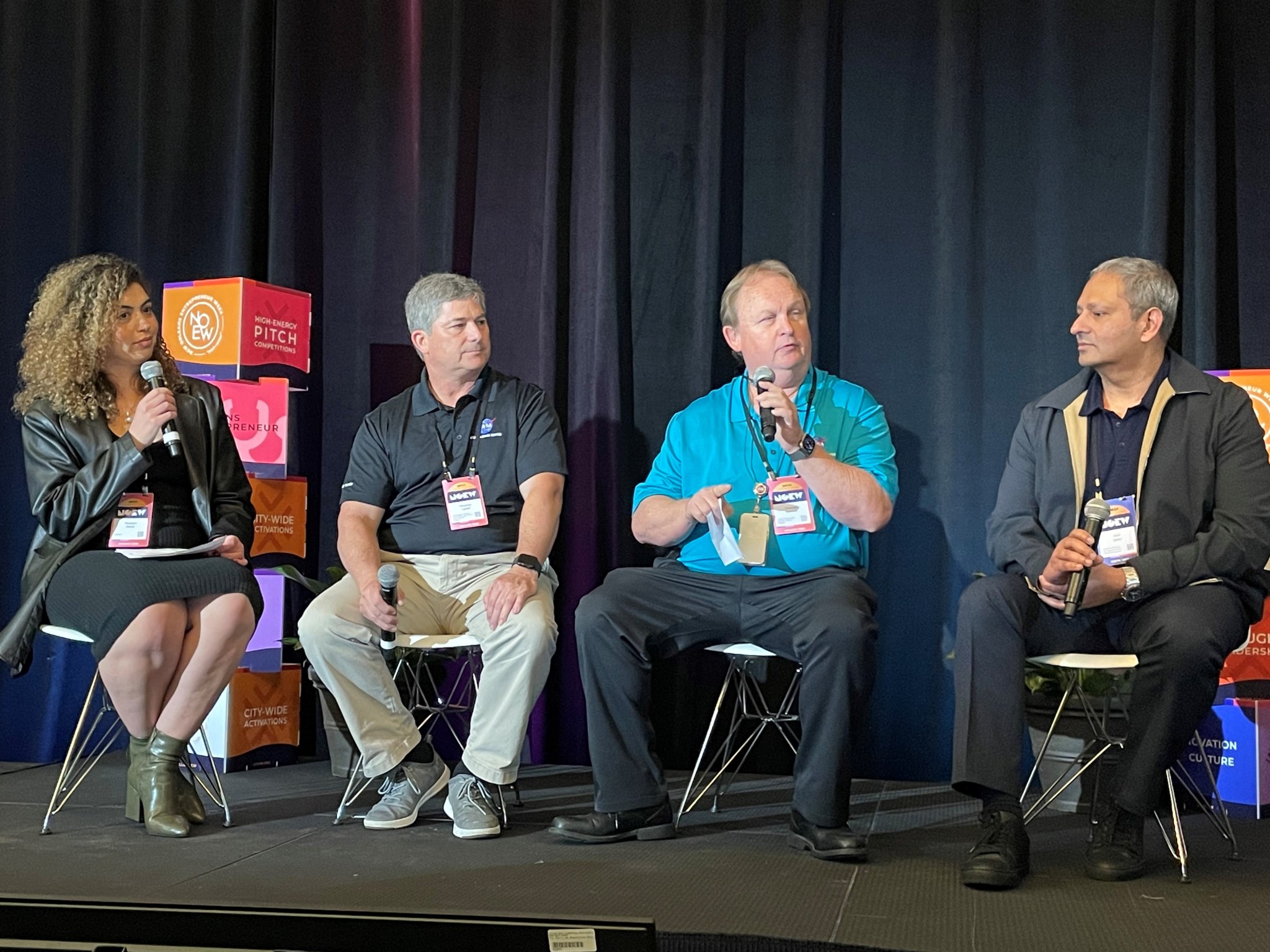
4 members of the New Orleans Entrepreneur Week panel are sitting on a stage
Two employees from NASA’s Stennis Space Center near Bay St. Louis, Mississippi, participated as technology transfer panelists during the 13th annual New Orleans Entrepreneur Week at Gallier Hall on March 13. Tom Stanley, chief technology transfer officer at NASA Stennis, and Tom Lipski, technology transfer expansion lead at NASA Stennis, joined Passant Rabie, space reporter at Gizmodo, and Anil John, technical director at the U.S. Department of Homeland Security (DHS), to discuss how NASA and DHS help contribute to startup business activity. Pictured from left are Rabie, Lipski, Stanley, and John. The New Orleans Entrepreneur Week panel event focused on bringing together innovators and visionaries to explore, learn, and connect.
NOEW

NASA in the News

Employee Profile

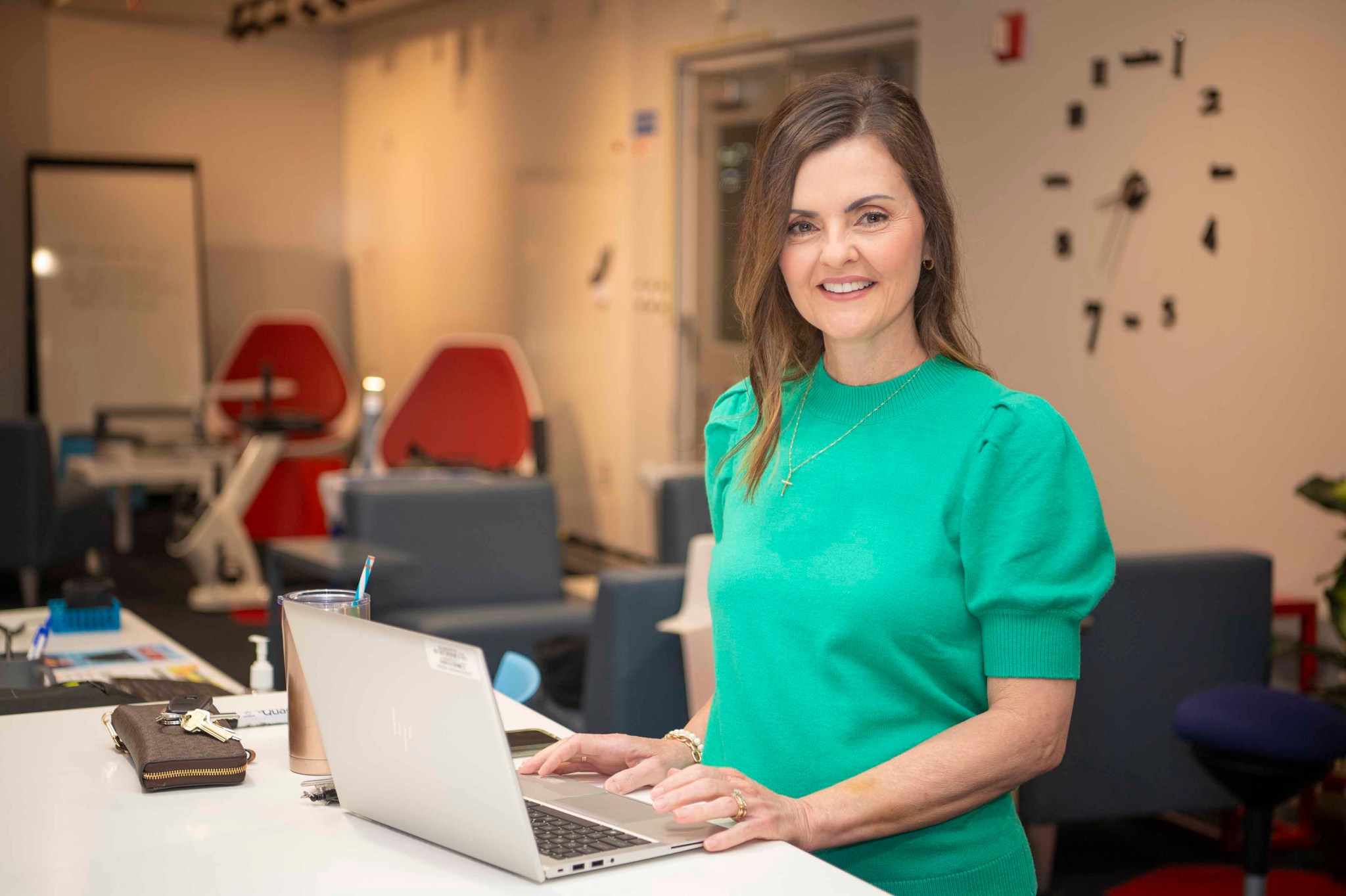
a woman, cherie beech, wearing a green sweater smiles at the camera while standing at a desk working on a laptop
Cherie Beech works in the NASA Stennis Office of the Chief Information Officer, where she helps many of the more than 5,200 employees of the NASA Stennis Federal City, as customer engagement and information technology acquisition specialist.
NASA/Danny Nowlin

Cherie Beech knows full well the opportunity that working at NASA’s Stennis Space Center near Bay St. Louis, Mississippi, affords.

Additional Resources

Subscription Info

Lagniappe is published monthly by the Office of Communications at NASA’s Stennis Space Center. The NASA Stennis office may be contacted by at 228-688-3333 (phone); ssc-office-of-communications@mail.nasa.gov (email); or NASA OFFICE OF COMMUNICATIONS, Attn: LAGNIAPPE, Mail code IA00, Building 1111 Room 173, Stennis Space Center, MS 39529 (mail).

The Lagniappe staff includes: Managing Editor Lacy Thompson, Editor Bo Black, and photographer Danny Nowlin.

To subscribe to the monthly publication, please email the following to ssc-office-of-communications@mail.nasa.gov – name, location (city/state), email address.

Powered by WPeMatico

Get The Details…
LaToya Dean
40 Years Ago: STS-41C, the Solar Max Repair Mission

40 Years Ago: STS-41C, the Solar Max Repair Mission

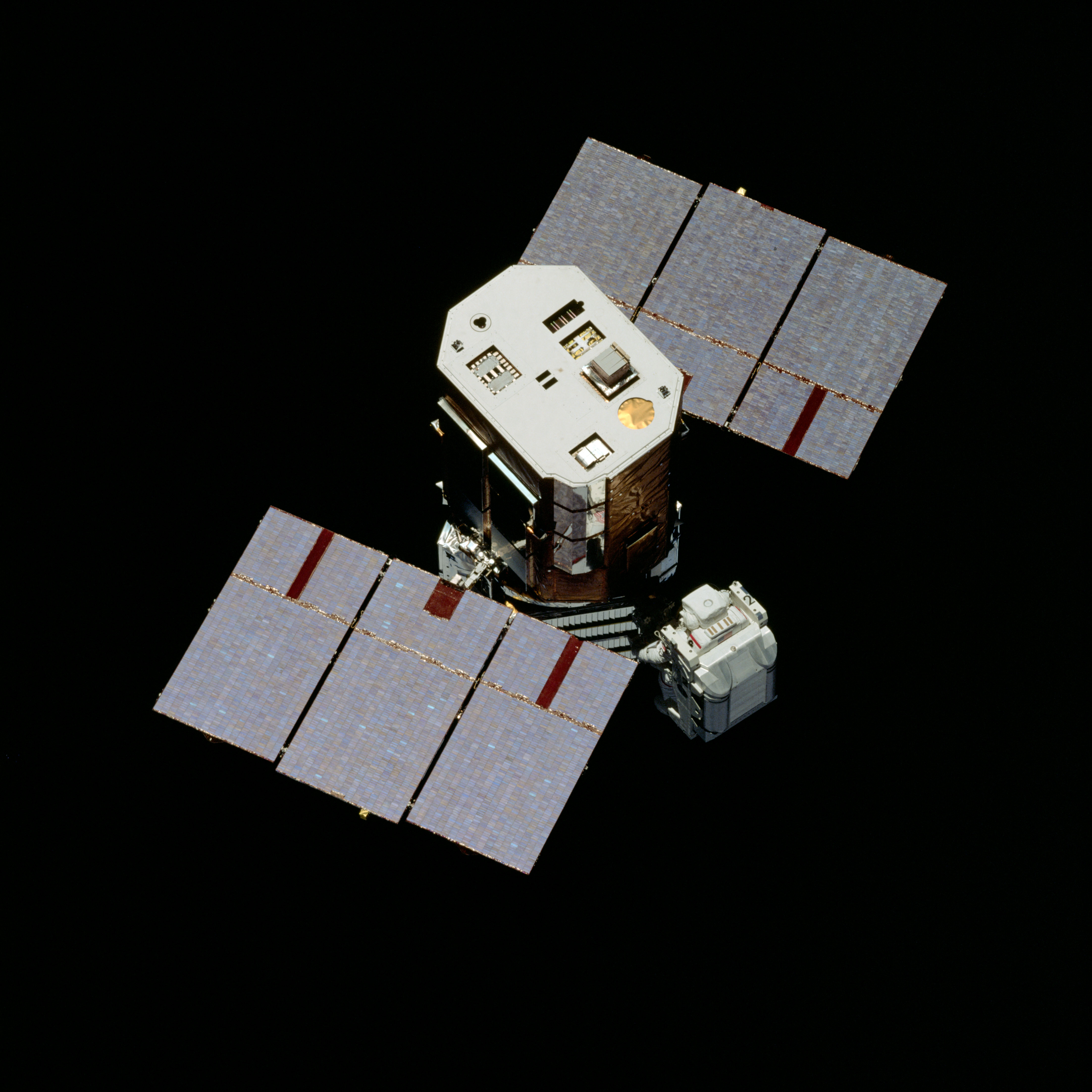
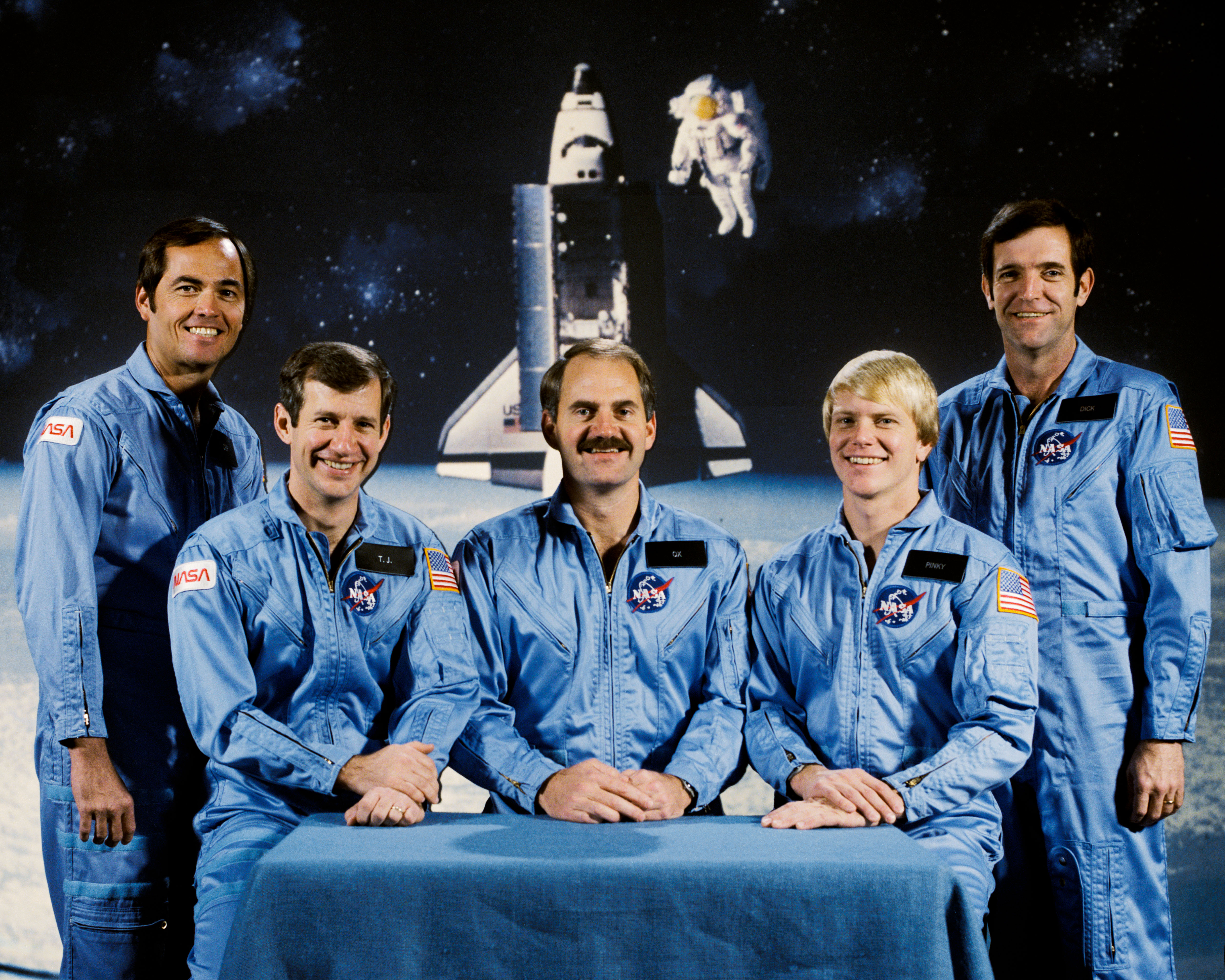
On Apr. 6, 1984, space shuttle Challenger took off on its fifth flight, STS-41C. Its five-person crew of Commander Robert L. “Crip” Crippen, Pilot Francis R. “Dick” Scobee, and Mission Specialists Terry J. “TJ” Hart, James D. “Ox” Van Hoften, and George D. “Pinky Nelson flew a seven-day mission that expanded the shuttle’s capabilities. They deployed the Long Duration Exposure Facility (LDEF), the largest and heaviest shuttle payload up to that time. They retrieved, repaired, and redeployed the failing Solar Max satellite in a highly complex choreography of rendezvous and proximity operations, autonomous astronaut flying of the Manned Maneuvering Unit (MMU), robotic operations, and spacewalking. The mission also demonstrated the ability of the ground teams and astronauts to successfully respond to unexpected situations.

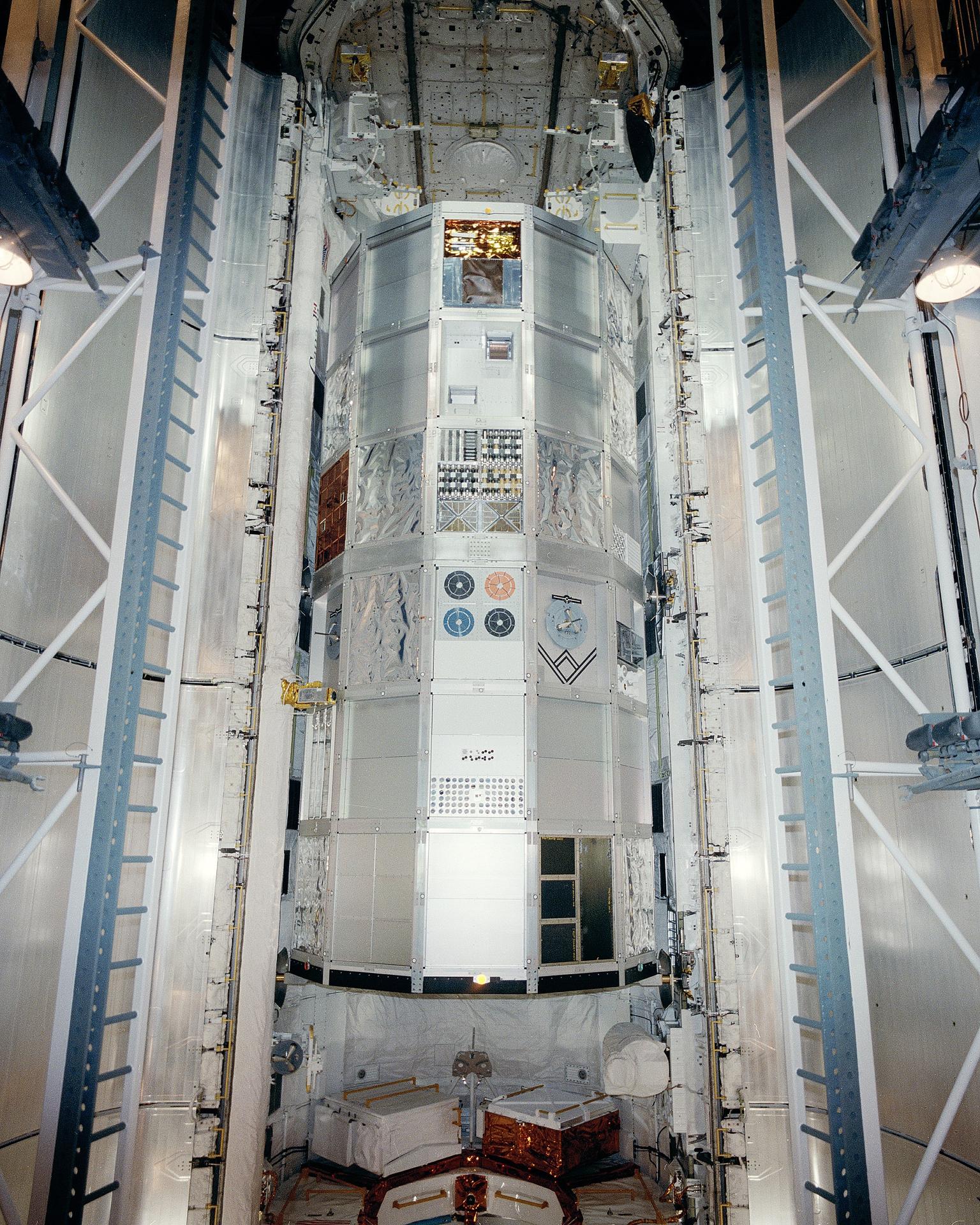
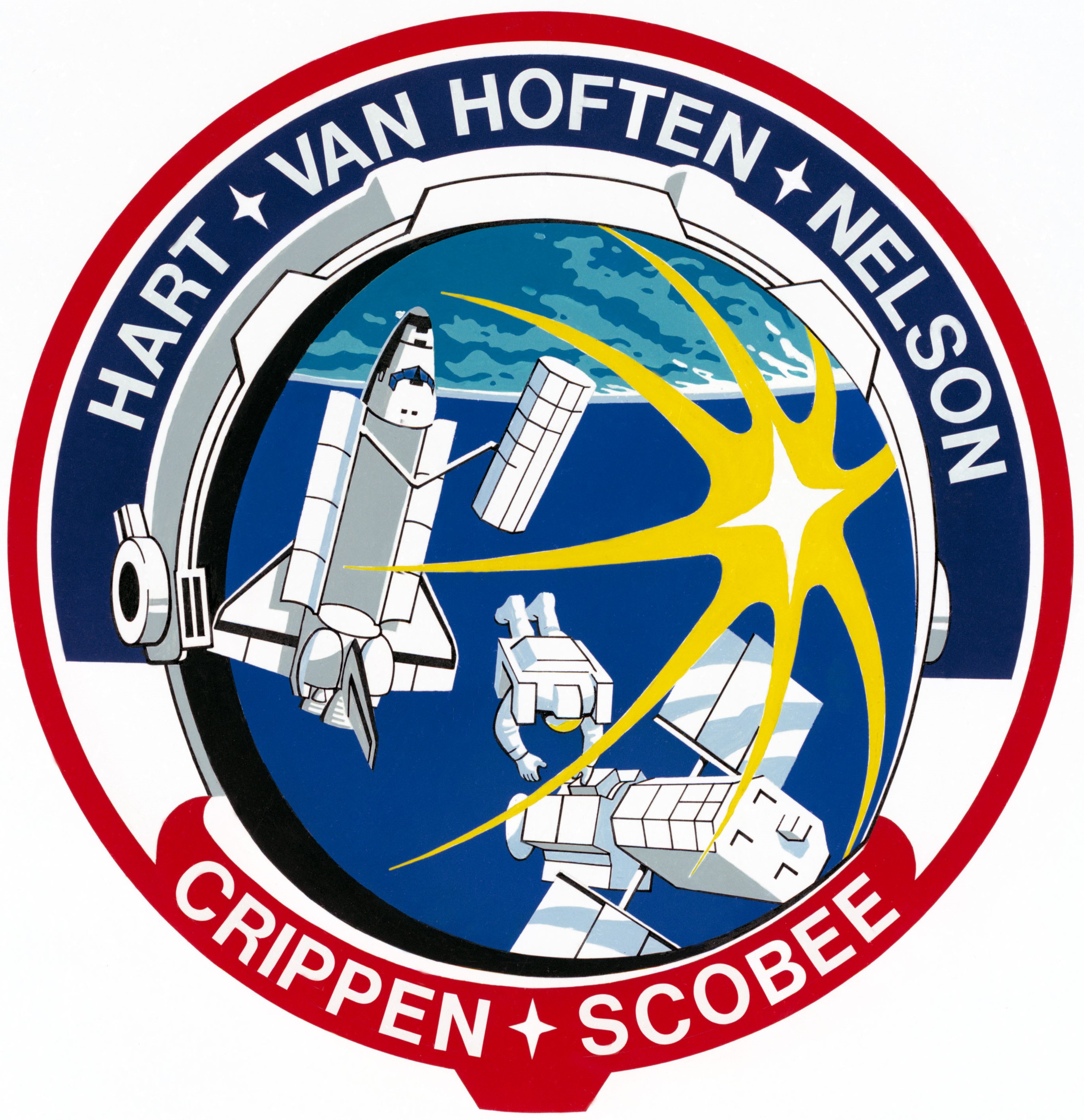
The STS-41C crew of (clockwise from bottom left) Commander Robert L. Crippen, Mission Specialists Terry J. Hart, James D. “Ox” Van Hoften, and George D. “Pinky” Nelson, and Pilot Francis R. “Dick” Scobee The STS-41C crew patch Challenger’s payload bay for STS-41C
Left: The STS-41C crew of (clockwise from bottom left) Commander Robert L. Crippen, Mission Specialists Terry J. Hart, James D. “Ox” Van Hoften, and George D. “Pinky” Nelson, and Pilot Francis R. “Dick” Scobee. Middle: The STS-41C crew patch. Right: Challenger’s payload bay for STS-41C.

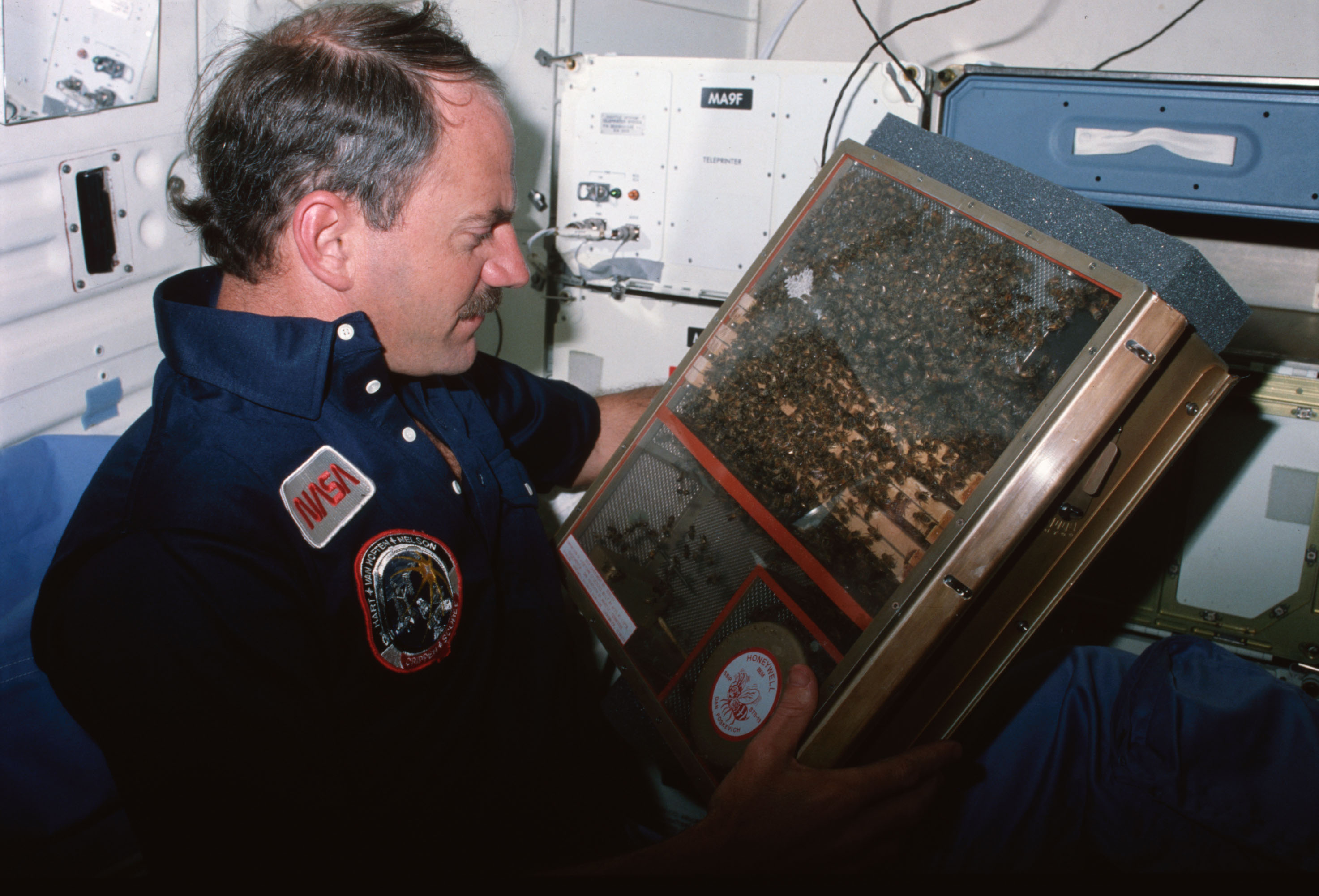
In February 1983, NASA announced Crippen, Scobee, Hart, Van Hoften, and Nelson as the STS-13 crew, the mission renamed STS-41C in September 1983. Crippen, the flight’s only veteran, had flown as the pilot for the first shuttle flight STS-1 in April 1981 and at the time of the announcement in training to command STS-7 in June 1983. For the other four, all selected as astronauts in 1978, STS-41C represented their first trip into space. The mission had two primary objectives. First, the deployment of the LDEF, managed by NASA’s Langley Research Center in Hampton, Virginia, and second, the retrieval, repair, and release of the Solar Maximum Mission, Solar Max for short, satellite, managed by NASA’s Goddard Space Flight Center in Greenbelt, Maryland. A student experiment in the middeck looked at the behavior of 3,300 honeybees in weightlessness. Crippen and Scobee had prime responsibility for operating the shuttle and conducting the rendezvous and proximity operations. Hart had primary responsibility for deploying LDEF using the Canadian-built Remote Manipulator System (RMS), the shuttle’s robotic arm. Nelson would fly the MMU to secure Solar Max so Hart could grapple it with the RMS and place it into a Flight Support Structure (FSS) in Challenger’s payload bay where Nelson and Van Hoften would execute the repairs. Several earlier shuttle flights rehearsed techniques and tested hardware to make STS-41C successful, including the first shuttle spacewalk on STS-6, the SPAS-01 rendezvous and proximity operations on STS-7, the PFTA test of the RMS on STS-8, and the test flights of the MMU on STS-41B.

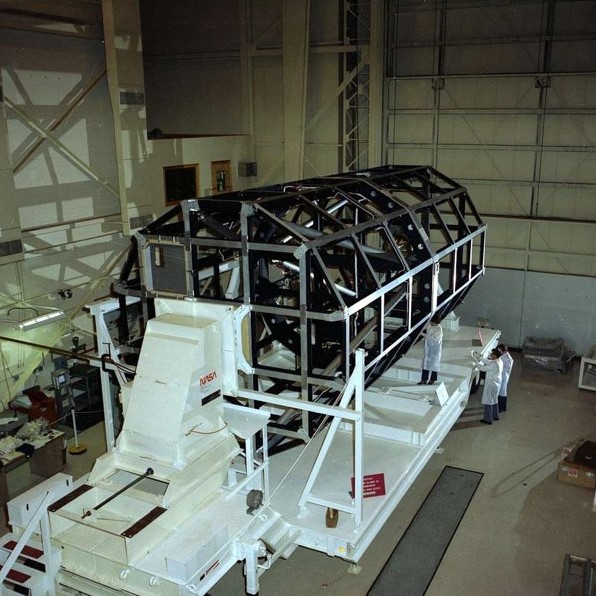
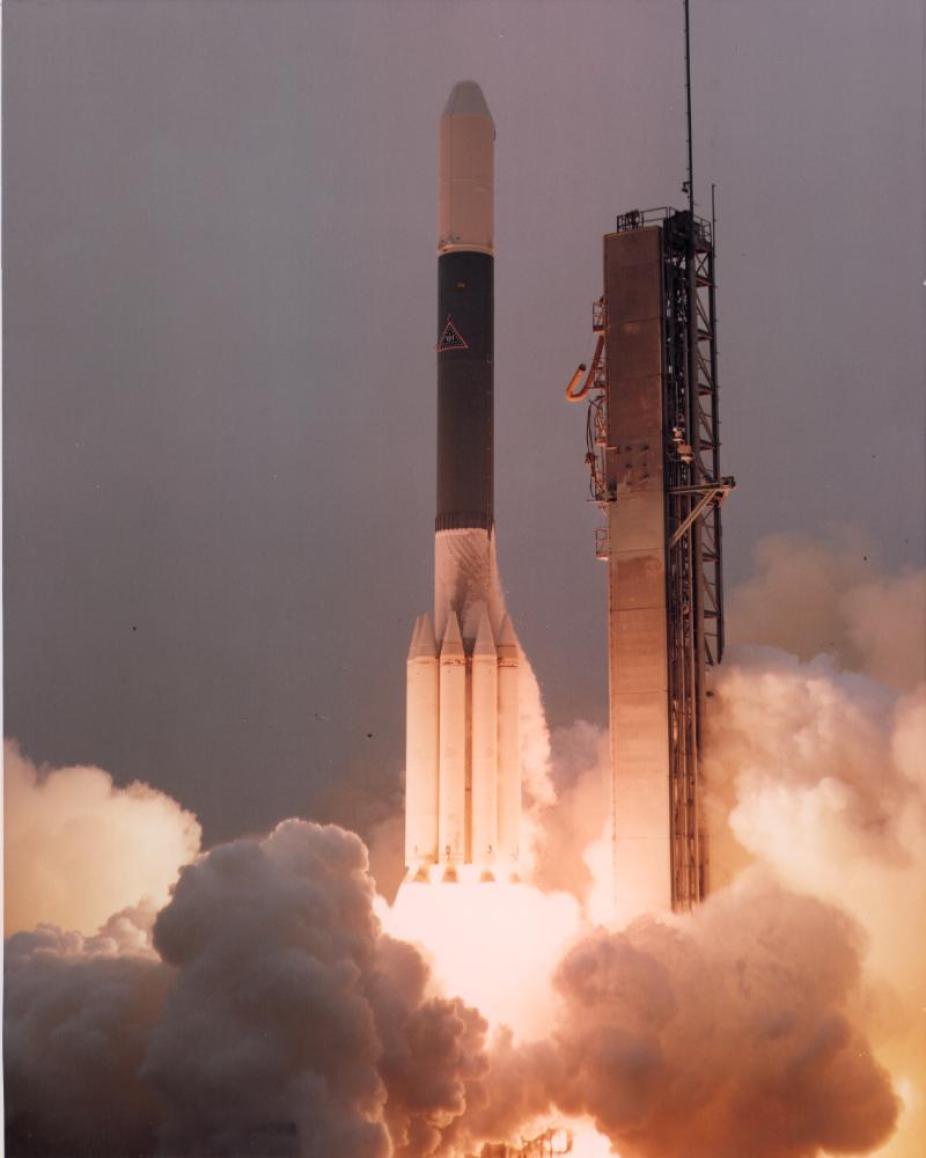
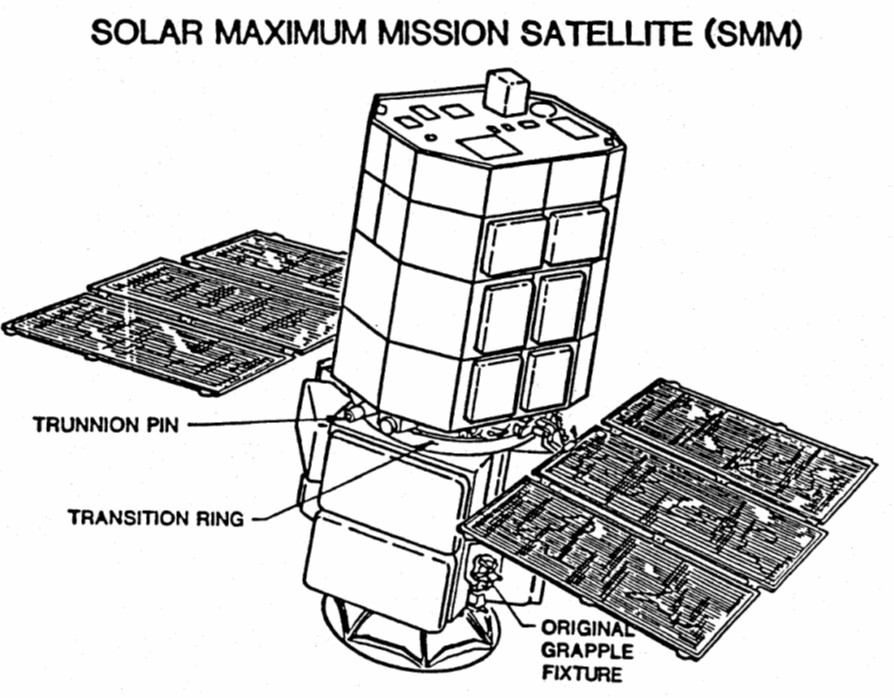
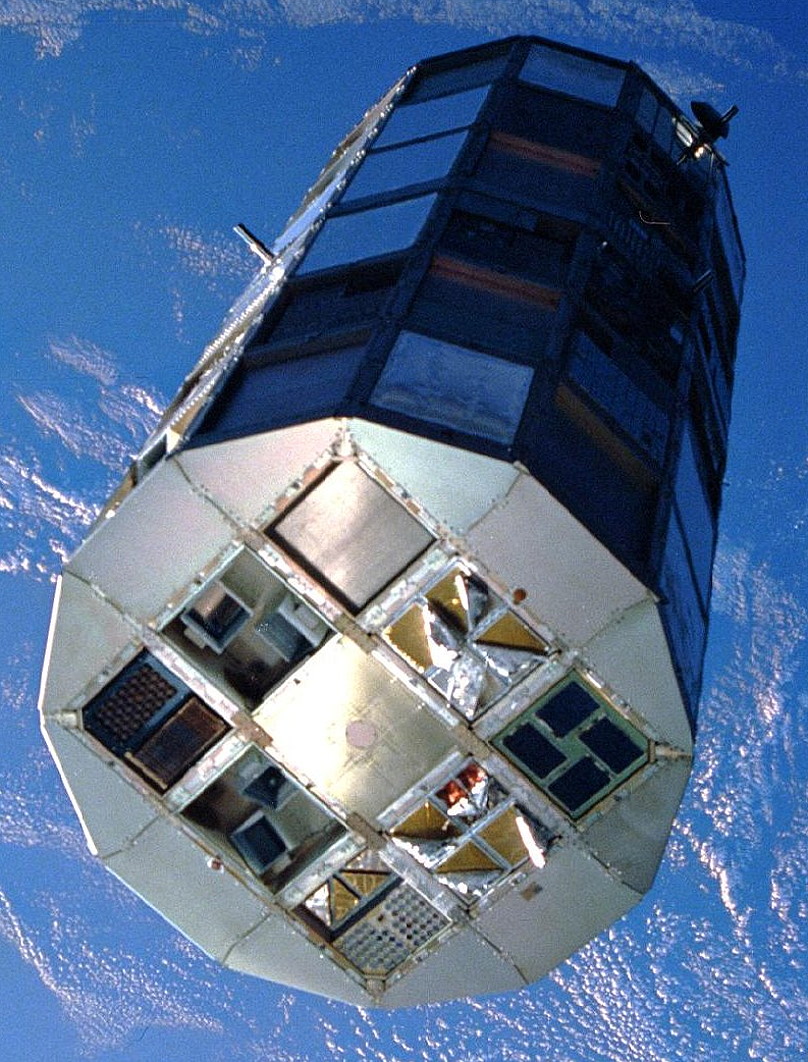
The structure of the Long-Duration Exposure Facility before the installation of the experiments Launch of the Solar Maximum Mission in February 1980 Schematic of the Solar Max satellite
Left: The structure of the Long-Duration Exposure Facility before the installation of the experiments. Middle: Launch of the Solar Maximum Mission in February 1980. Right: Schematic of the Solar Max satellite.

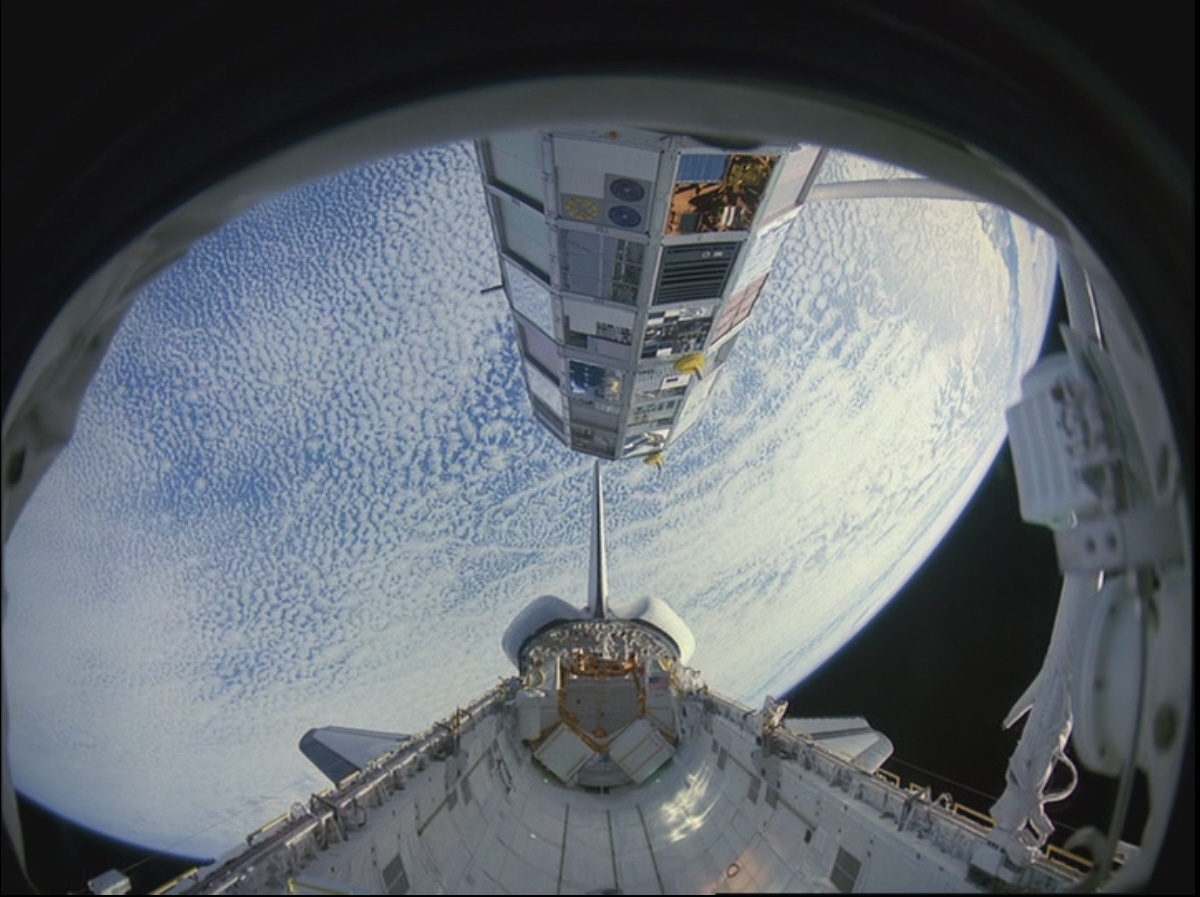
The LDEF consisted of a 21,400-pound structure measuring 14 by 30 feet, at the time the largest and heaviest object launched by the shuttle and handled by the RMS. The satellite contained 86 trays of various types of materials and structures, power and propulsion science, electronics, and optics representing 57 individual experiments managed by 194 U.S. and international principal investigators. A later shuttle mission planned to retrieve LDEF after 9-10 months in orbit and return it to Earth. Solar Max, launched on Feb. 14, 1980, utilized the Multi-Mission Modular Spacecraft body, specifically designed for retrieval by the space shuttle for servicing and/or repair by spacewalking astronauts. One of its instruments, the white-light coronagraph/polarimeter, operated successfully before suffering an electronics failure in September 1980. Two months later, the second of four fuses in Solar Max’s attitude control system failed, causing it to rely on its magnetorquers to maintain attitude. This meant that only three of its seven instruments could obtain useful data, as others required more accurate pointing. Ground controllers put the satellite in a slow spin to keep it in a stable sun-pointed orbit awaiting the arrival of the repair crew. Should the repairs prove unsuccessful, the astronauts could secure Solar Max in Challenger’s payload bay and return it to Earth.

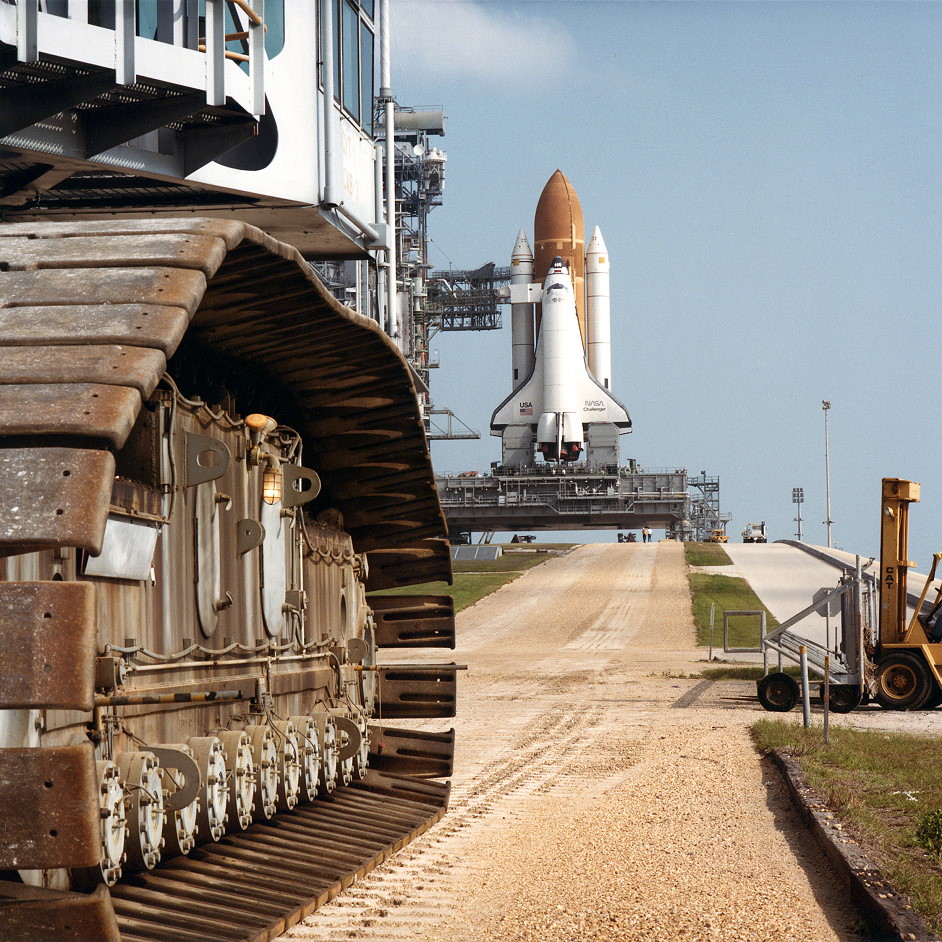
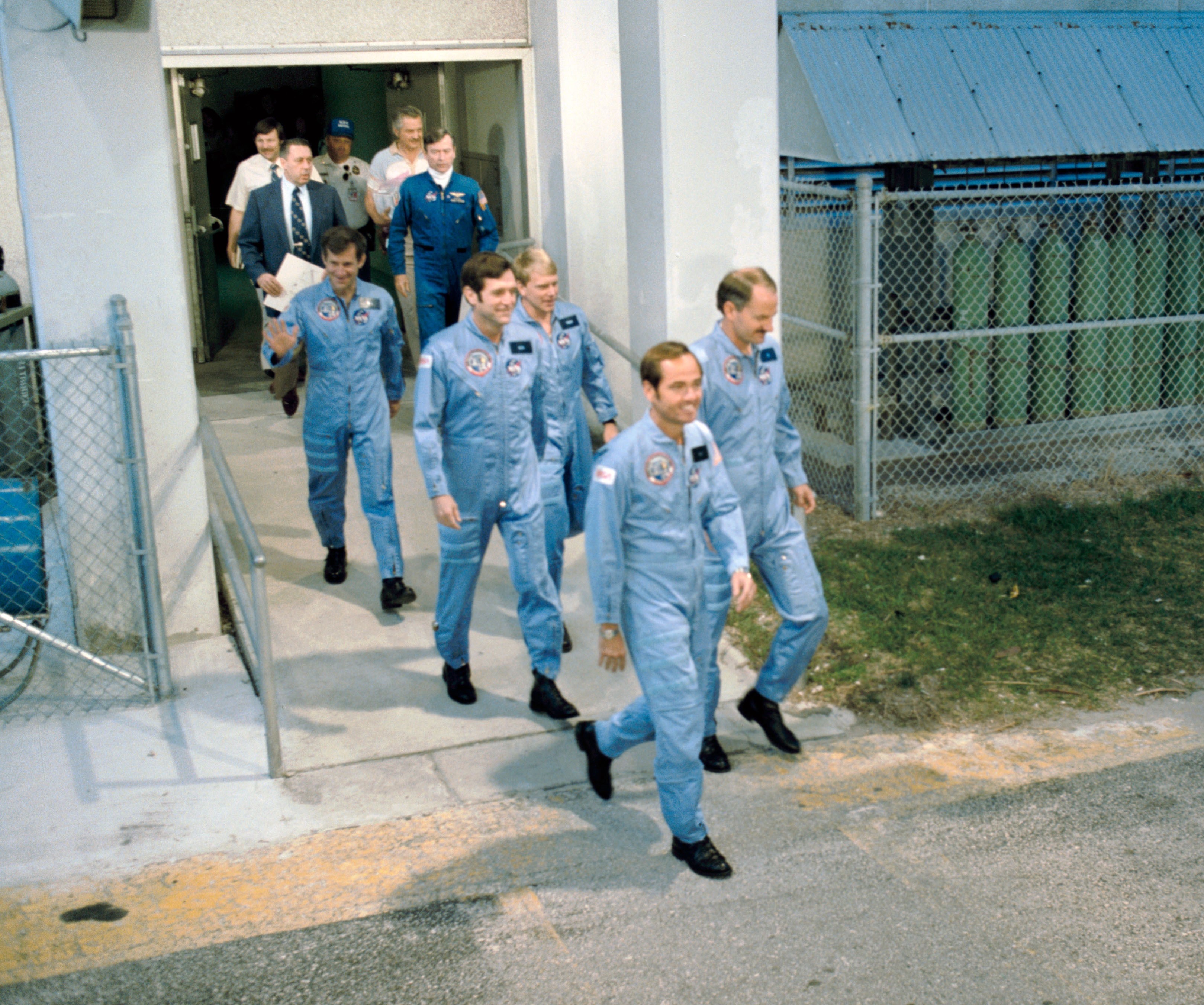
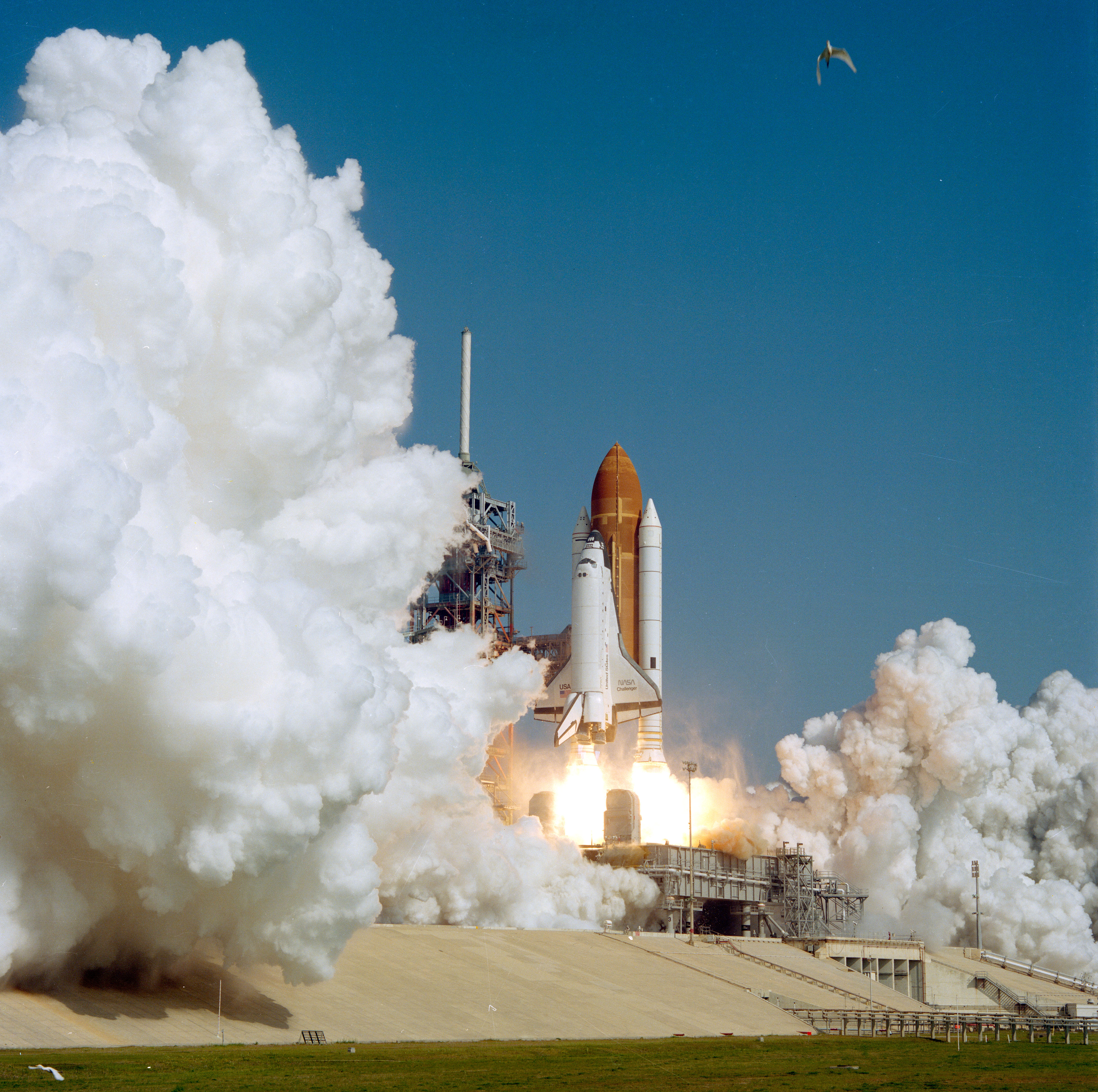
The crawler transporter departs Launch Pad 39A after delivering Challenger On launch day, the STS-41C astronauts walk out of crew quarters to board the Astrovan for the ride to Launch Pad 39A Challenger rises into the sky
Left: The crawler transporter departs Launch Pad 39A after delivering Challenger. Middle: On launch day, the STS-41C astronauts walk out of crew quarters to board the Astrovan for the ride to Launch Pad 39A. Right: Challenger rises into the sky.

Challenger’s successful first shuttle landing at KSC on Feb. 11, 1984, to end the STS-41B mission shortened the turnaround time between touchdown and the next launch to a then-record 55 days. Following refurbishment and mating with its External Tank (ET) and Solid Rocket Boosters, Challenger returned to Launch Pad 39A on March 29. Liftoff occurred on schedule at 8:58 a.m. EST on April 6, with Challenger taking its five-member crew into the skies. As soon as the shuttle cleared the launch tower, control of the flight shifted to Mission Control at the Johnson Space Center in Houston, where Flight Director Gary E. Coen led his team of controllers, including capsule communicator or capcom John E. Blaha, monitored all aspects of the launch. STS-41C performed the first direct to orbit ascent, using the shuttle’s main engines to achieve orbit instead of relying on the Orbiter Maneuvering System (OMS) engines to complete the job. The ET reentered over the Pacific Ocean near Hawaii, providing ground observers with a brilliant light show as it broke apart. A later two-minute OMS burn circularized the orbit to reach Solar Max’s 290-mile altitude, the highest of the shuttle program to that time. Once in orbit, the astronauts opened Challenger’s payload bay doors and deployed the Ku-band high-gain antenna to communicate with the Tracking and Data Relay Satellite (TDRS). They activated and checked out the FSS to support Solar Max in the payload bay and Hart unstowed the RMS and tested its mobility.

STS-41C astronaut Terry J. Hart lifts the Long-Duration Exposure Facility (LDEF) out of Challenger’s payload bay LDEF shortly after release LDEF recedes from Challenger
Left: STS-41C astronaut Terry J. Hart lifts the Long-Duration Exposure Facility (LDEF) out of Challenger’s payload bay. Middle: LDEF shortly after release. Right: LDEF recedes from Challenger.

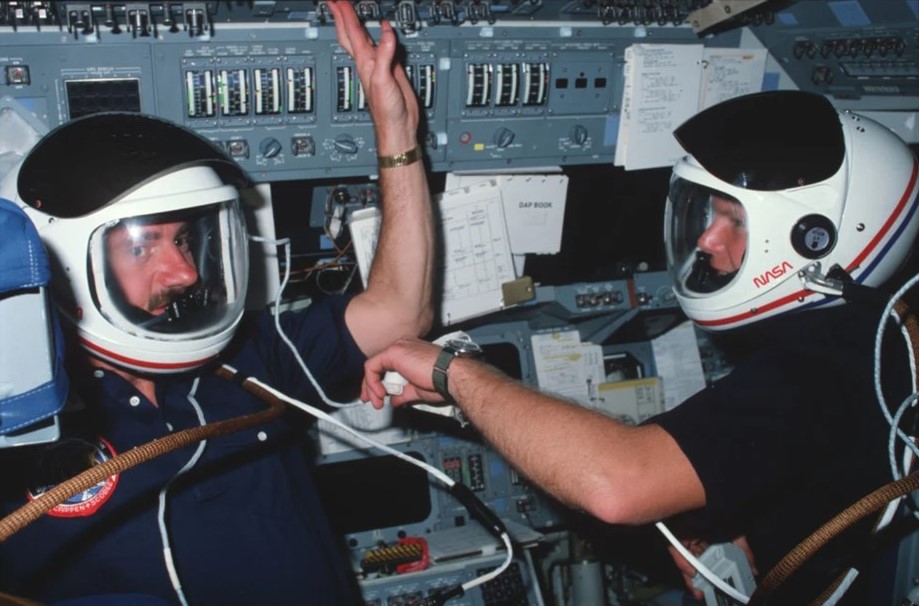
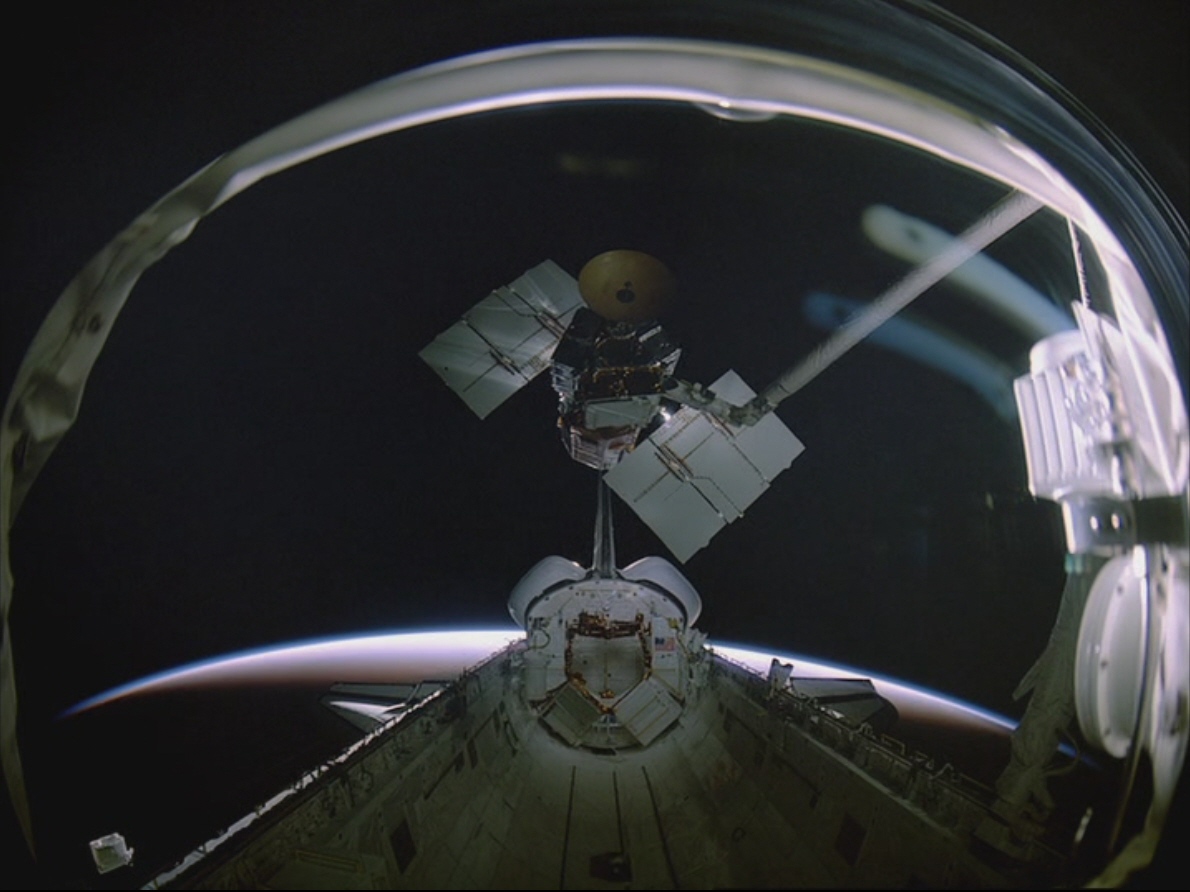
The main activity for the astronauts’ second day in space centered around the deployment of LDEF. Crippen undid the retention latches holding LDEF in the payload bay. Hart operated the RMS, grappling LDEF first by the Experiment Initiation System fixture to activate the experiments, then relocating the arm’s end-effector to LDEF’s second fixture to lift it straight out of the payload bay. Holding it high over Challenger, Hart commanded the end effector to release LDEF and Crippen and Scobee pulsed Challenger’s thrusters to slowly back away. LDEF assumed a gravity gradient orientation, with its heavier end pointing at the Earth, remaining stable without the use of any thrusters. To prepare for the next day’s spacewalk, Nelson and Van Hoften began their prebreathe, breathing pure oxygen using their launch and entry helmets, while Crippen reduced the cabin’s pressure from the normal 14.7 pounds per square inch (psi) to 10.2 psi. Due to a configuration issue that had them breathing air instead of oxygen, Nelson and Van Hoften had to repeat the prebreathe activity. They also checked out their spacesuits to ensure their readiness for the spacewalk, while Crippen and Scobee began the series of rendezvous maneuvers to reach Solar Max.

STS-41C astronauts James D. “Ox” Van Hoften, left, and George D. “Pinky” Nelson wear their launch and entry helmets during the prebreathe for the first spacewalk Nelson flies the Manned Maneuvering Unit (MMU) from Challenger to Solar Max Nelson prepares for the first docking attempt with Solar Max
Left: STS-41C astronauts James D. “Ox” Van Hoften, left, and George D. “Pinky” Nelson wear their launch and entry helmets during the prebreathe for the first spacewalk. Middle: Nelson flies the Manned Maneuvering Unit (MMU) from Challenger to Solar Max. Right: Nelson prepares for the first docking attempt with Solar Max.

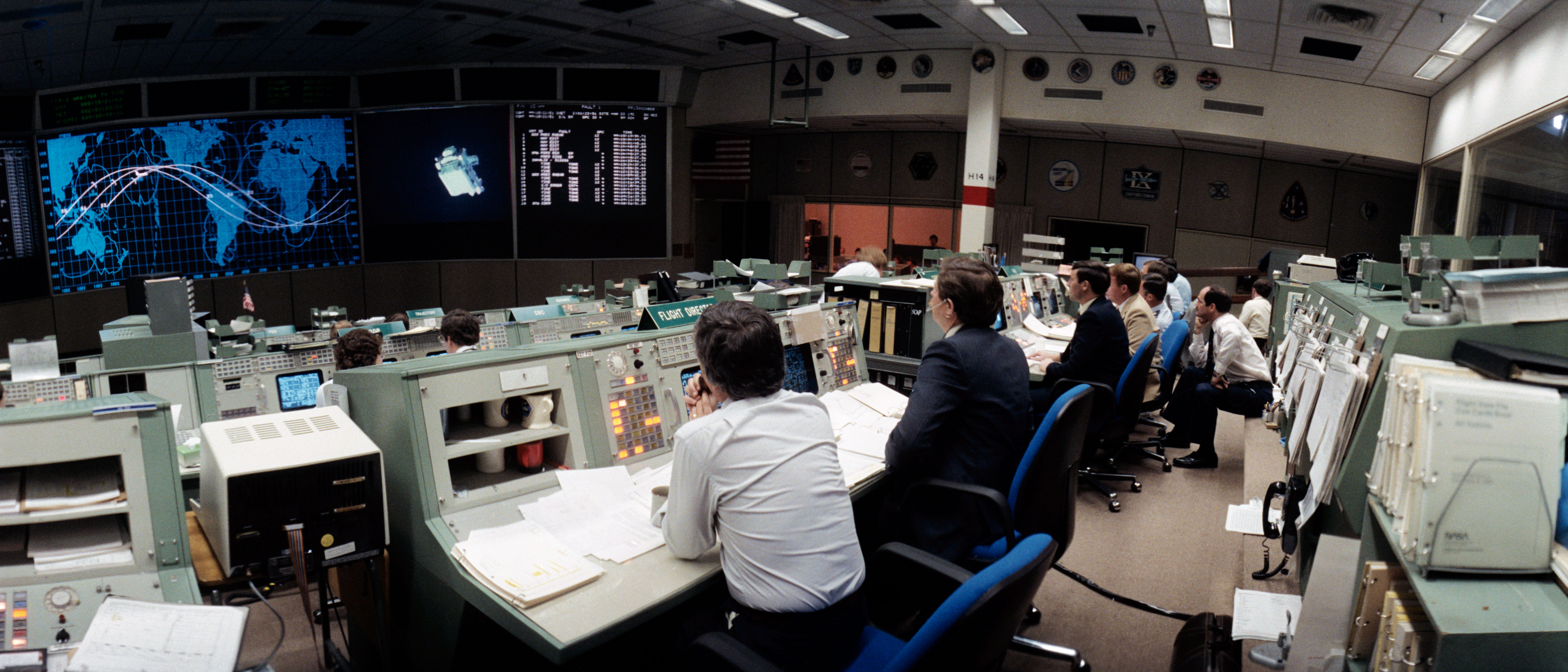
Mission Control during the first STS-41C spacewalk as NASA astronaut George D. “Pinky” Nelson flies the Manned Maneuvering Unit to the Solar Max satellite
Mission Control during the first STS-41C spacewalk as NASA astronaut George D. “Pinky” Nelson flies the Manned Maneuvering Unit to the Solar Max satellite.

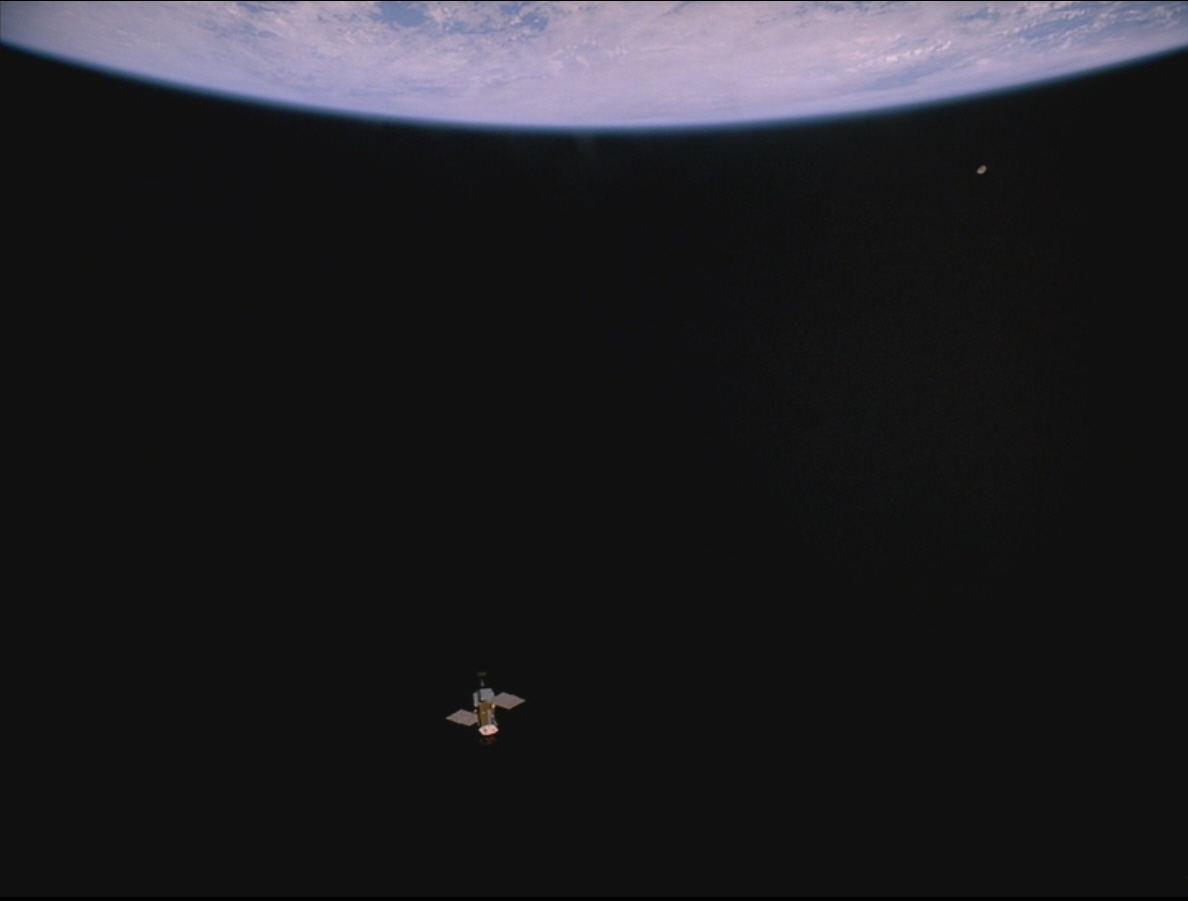
By the time the crew awoke to begin their third day in space, Challenger had closed the distance to Solar Max to 320 miles. Engineers at Goddard powered down Solar Max’s instruments and enabled its communications system to interact with Challenger’s. They also inhibited its attitude control system to allow the astronauts to maneuver it without resistance. The satellite continued its slow rotation of once every six minutes to maintain stability. The astronauts first visually sighted Solar Max at a distance of 600,000 feet, and continued maneuvers to close the distance to the satellite. As Challenger approached Solar Max, Hart assisted Nelson and Van Hoften to don their spacesuits. Jerry L. Ross served as capcom during the spacewalk. Nelson and Van Hoften switched their suits to battery power, officially starting the spacewalk, as Crippen and Scobee closed in on Solar Max, finally stopping 140 feet away. The spacewalkers exited the airlock into the payload bay and began checking out the MMU. Nelson donned the unit and with Van Hoften’s help installed the Trunnion Pin Attachment Device (TPAD), the device used to dock the MMU with a trunnion pin on Solar Max, on the front of the unit. Hart unstowed the RMS, ready to grapple Solar Max. Nelson flew the MMU in the payload bay to familiarize himself with its characteristics then began his 10-minute flight to Solar Max. On his first attempt to dock to the satellite using the TPAD, its jaws didn’t fire to grasp the trunnion pin and he bounced off the satellite. He tried a second time, and once again could not dock. He tried a third time, but bounced off again, his attempts causing Solar Max to wobble in all three axes. He grabbed one of the solar arrays in an attempt to stabilize the satellite. Running low on maneuvering gas, Nelson flew back to the payload bay. Crippen decided to capture Solar Max using the rolling grapple technique with Hart operating the RMS. After several unsuccessful attempts, Mission Control and the crew decided to stand down for the day. Goddard turned on the magnetorquers to slowly bring the spacecraft under control. Nelson parked the MMU, and both he and Van Hoften returned inside after a shortened spacewalk lasting 2 hours 38 minutes. Crippen fired Challenger’s thrusters to back away from Solar Max and station keep 60 miles away overnight. The initial plan for the next day would have Crippen and Scobee rendezvous a second time and have Hart do a rotating grapple with the RMS to capture Solar Max and place it in the FSS, with Nelson and Van Hoften performing the repairs on the satellite during a second spacewalk the day after.

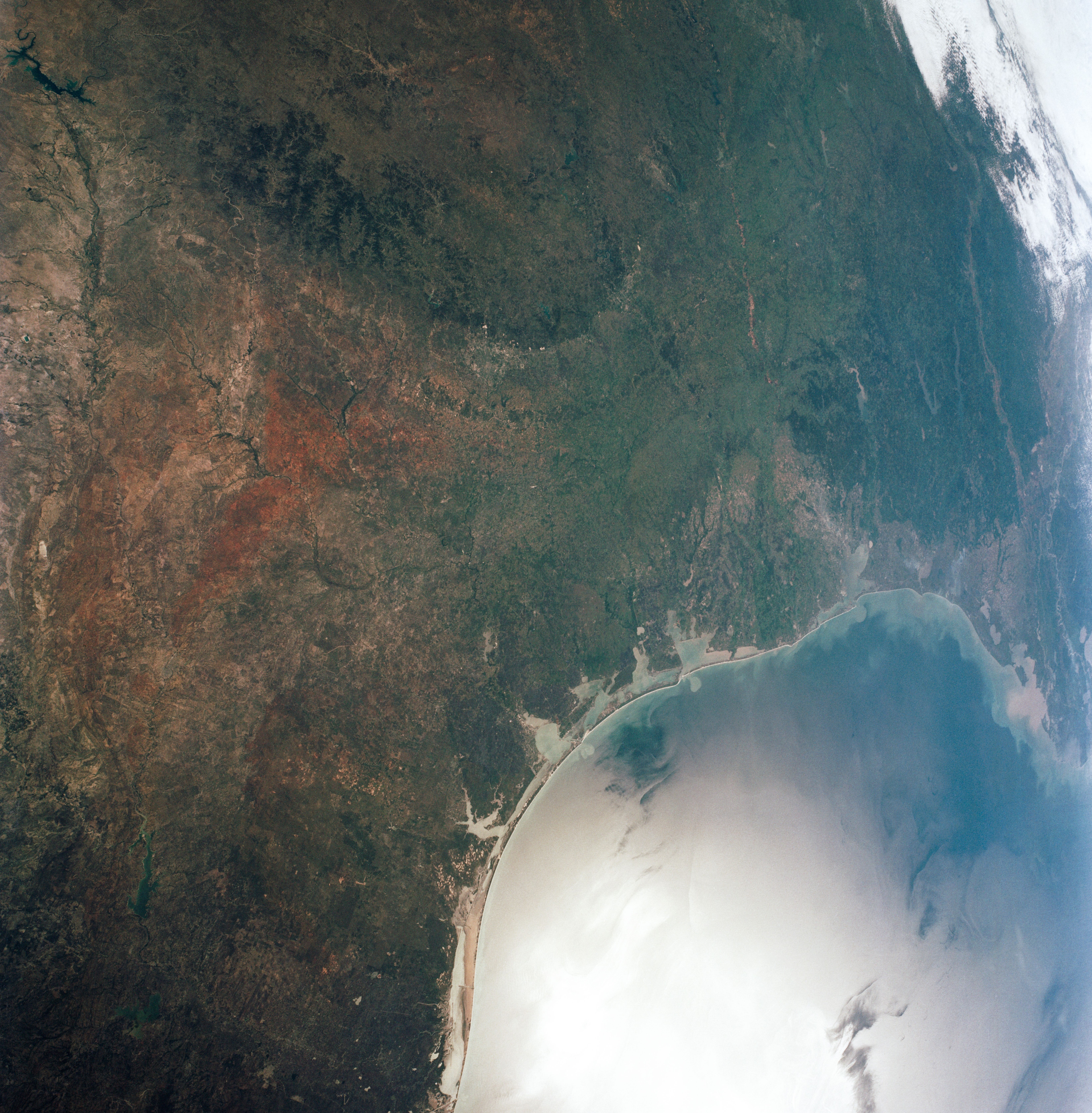
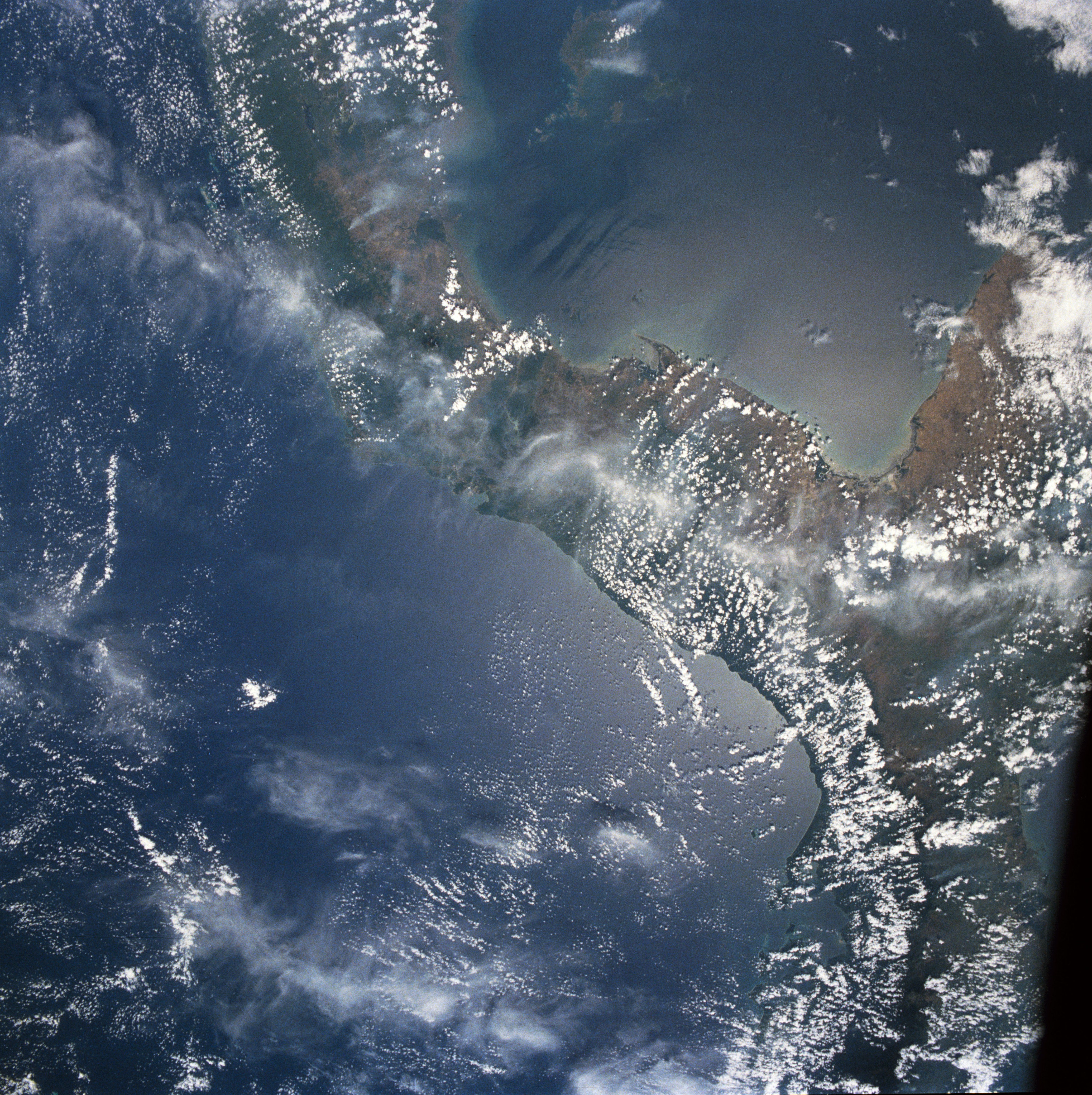
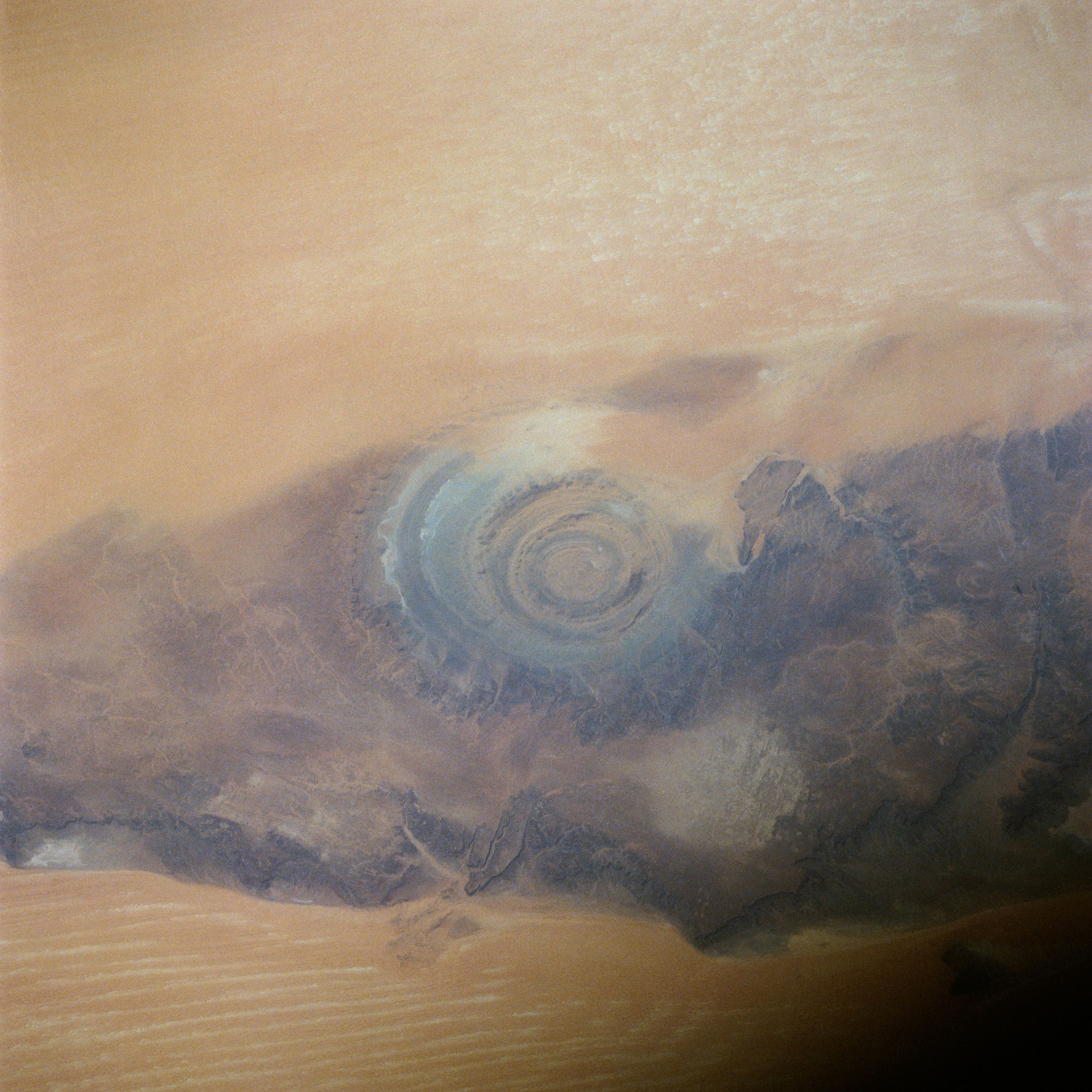
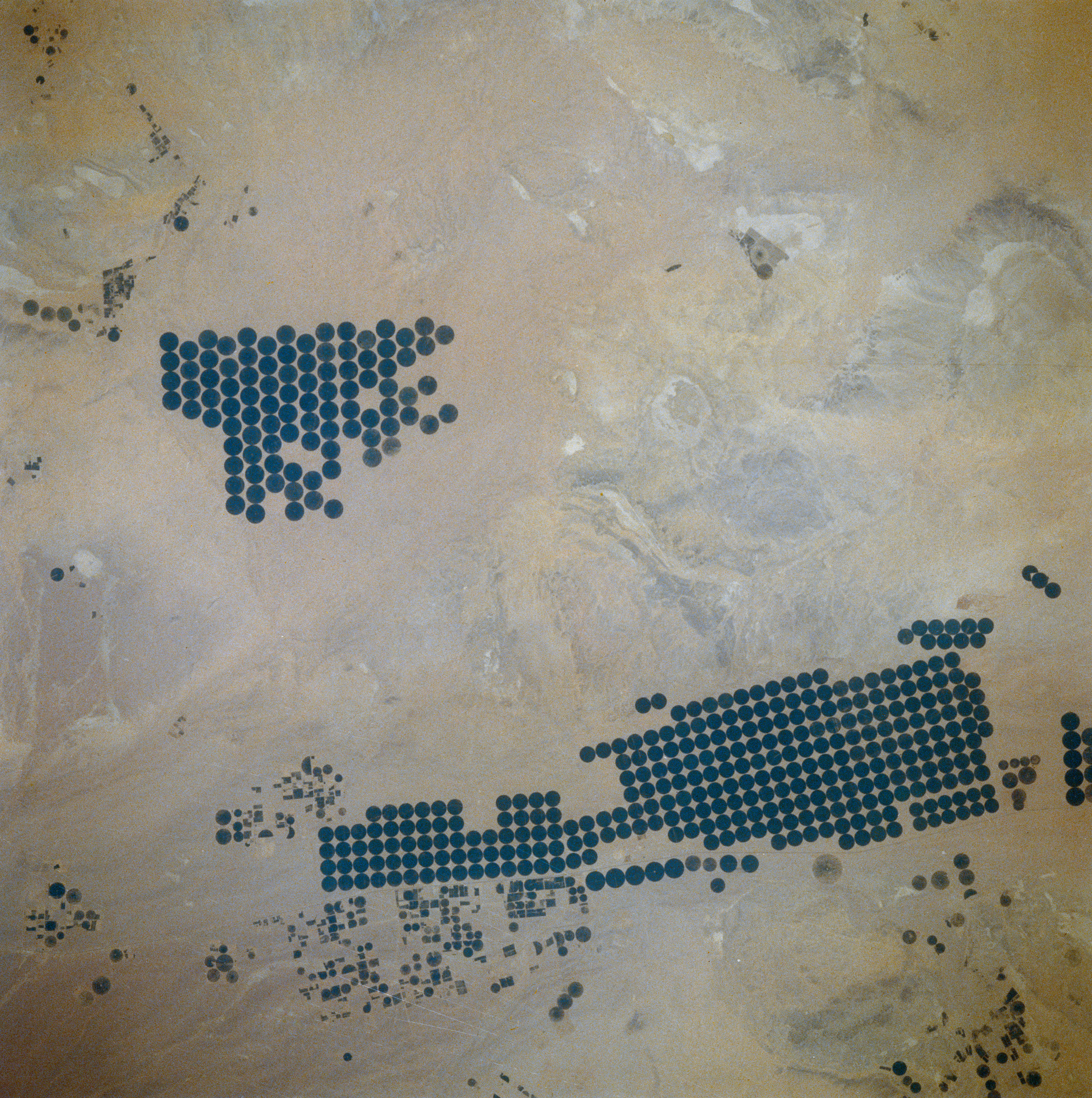
The Texas Gulf Coast Panama The Richat structure in Mauritania Circular irrigation in Saudi Arabia
STS-41C crew Earth observation photographs. Left: The Texas Gulf Coast. Middle left: Panama. Middle right: The Richat structure in Mauritania. Right: Circular irrigation in Saudi Arabia.

Overnight, Mission Control decided to take another 24 hours to finalize plans and delayed the rendezvous by one day, adding an extra day to the mission. They informed the crew shortly after the wakeup call on flight day four. In the meantime, engineers at Goddard managed to slow Solar Max’s tumble and pointed its solar arrays to the Sun to charge up its batteries. The crew’s activities on this day focused on the honeybee student experiment, the large format camera, and Earth observations.

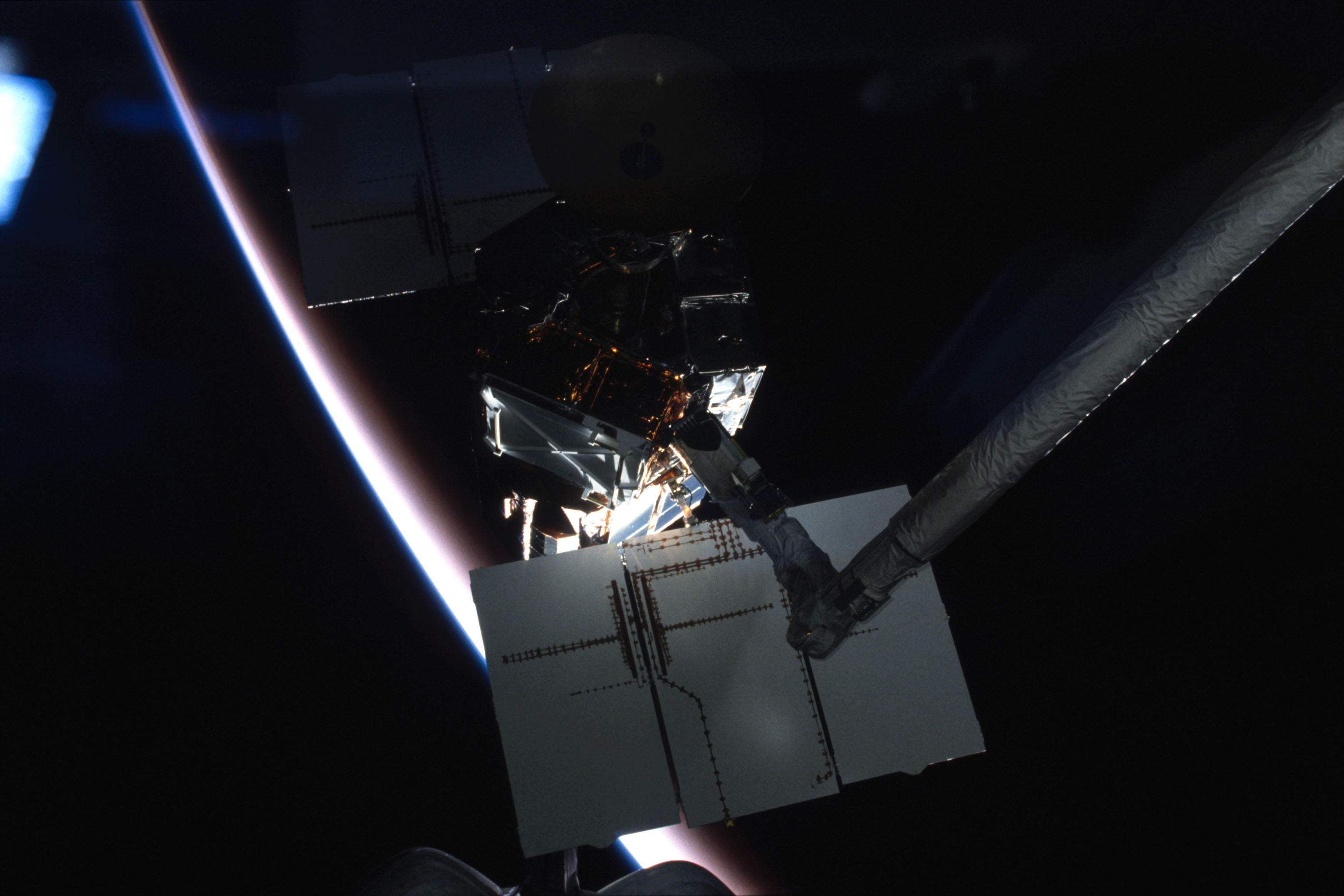
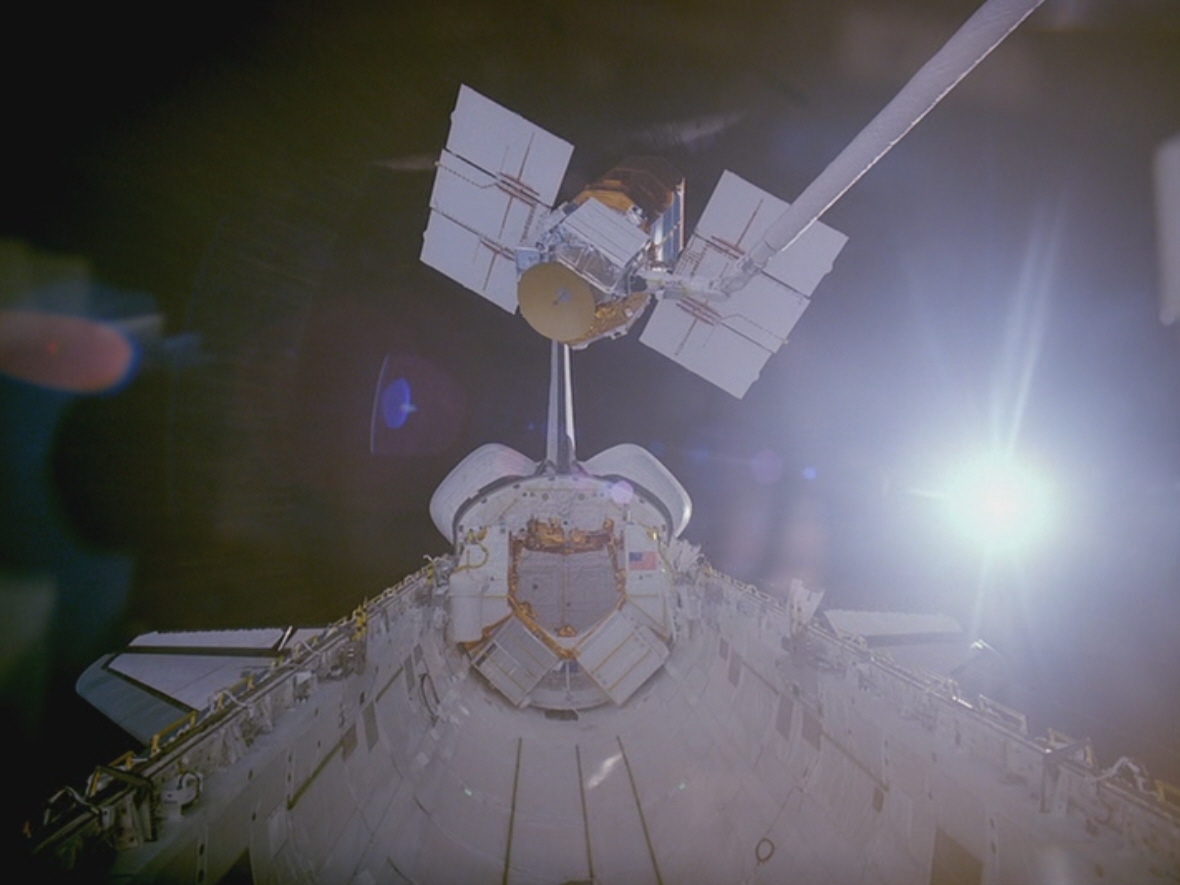
Terry J. Hart grapples Solar Max during orbital night Using the RMS, Hart moving Solar Max to the Flight Support Structure in Challenger’s payload bay
Left: Terry J. Hart grapples Solar Max during orbital night. Right: Using the RMS, Hart moving Solar Max to the Flight Support Structure in Challenger’s payload bay.

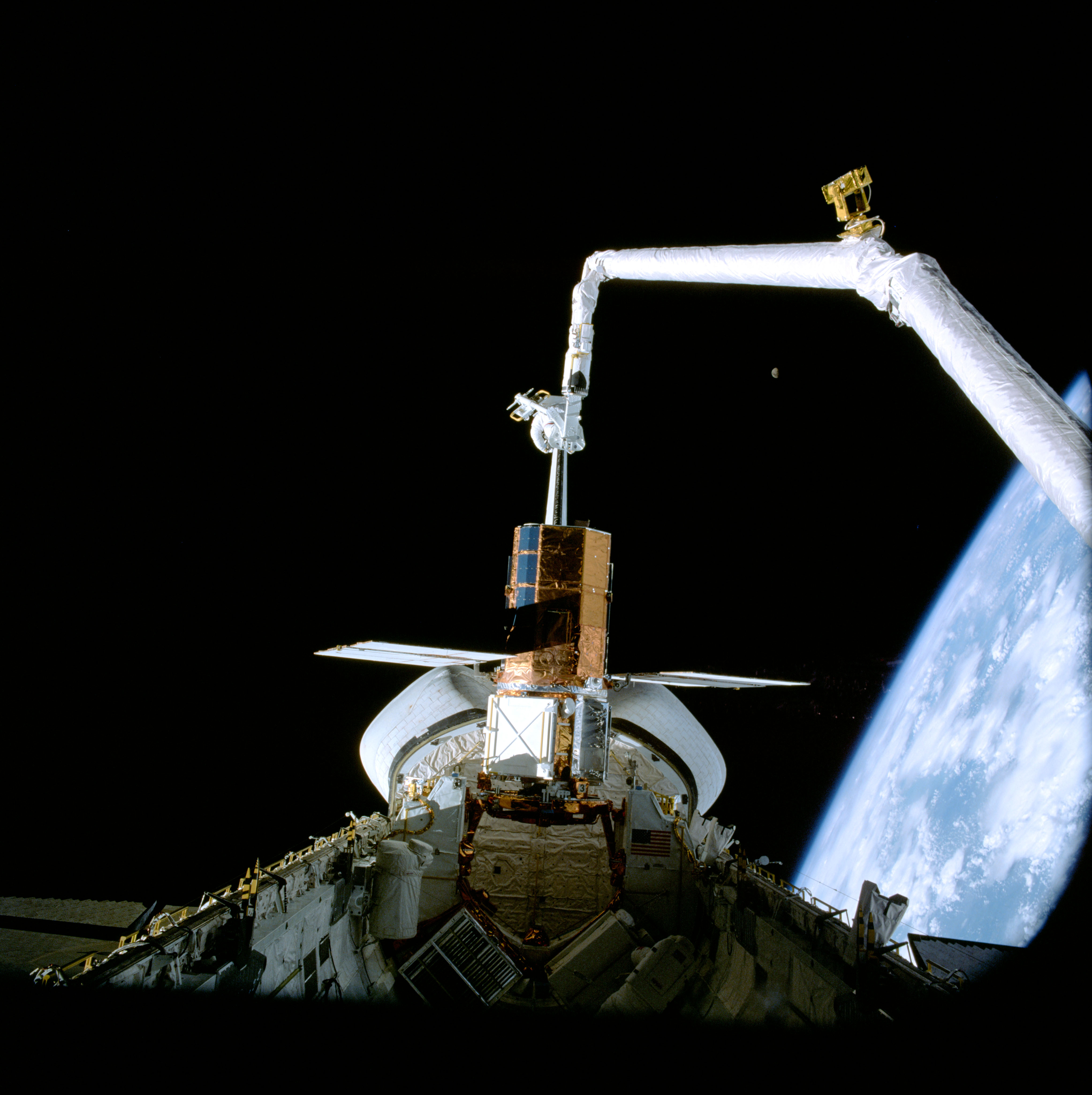
The astronauts began their fifth day by starting the second rendezvous with Solar Max, the series of maneuvers bringing Challenger to within 40 feet of the satellite, now rotating at half a degree per second as expected to perform the rolling grapple. With Solar Max positioned over the payload bay, Hart steered the RMS and grappled the satellite on his first attempt. He maneuvered it to the rear of the payload bay and berthed it on the FSS, marking the first in-orbit capture of a satellite for repair. Umbilicals provided power from the shuttle to Solar Max. Hart unlatched the RMS and stowed until its next use during the following day’s spacewalk. President Ronald W. Reagan called to congratulate the crew on the successful capture of Solar Max.

Astronauts George D. “Pinky” Nelson, left, and James D. “Ox” Van Hoften replace Solar Max’s attitude control system module during the second STS-41C spacewalk Van Hoften, left, and Nelson replace the main electronics box of one of the satellite’s instruments Nelson on the end of the Remote Manipulator System inspects Solar Max
Left: Astronauts George D. “Pinky” Nelson, left, and James D. “Ox” Van Hoften replace Solar Max’s attitude control system module during the second STS-41C spacewalk. Middle: Van Hoften, left, and Nelson replace the main electronics box of one of the satellite’s instruments. Right: Nelson on the end of the Remote Manipulator System inspects Solar Max.

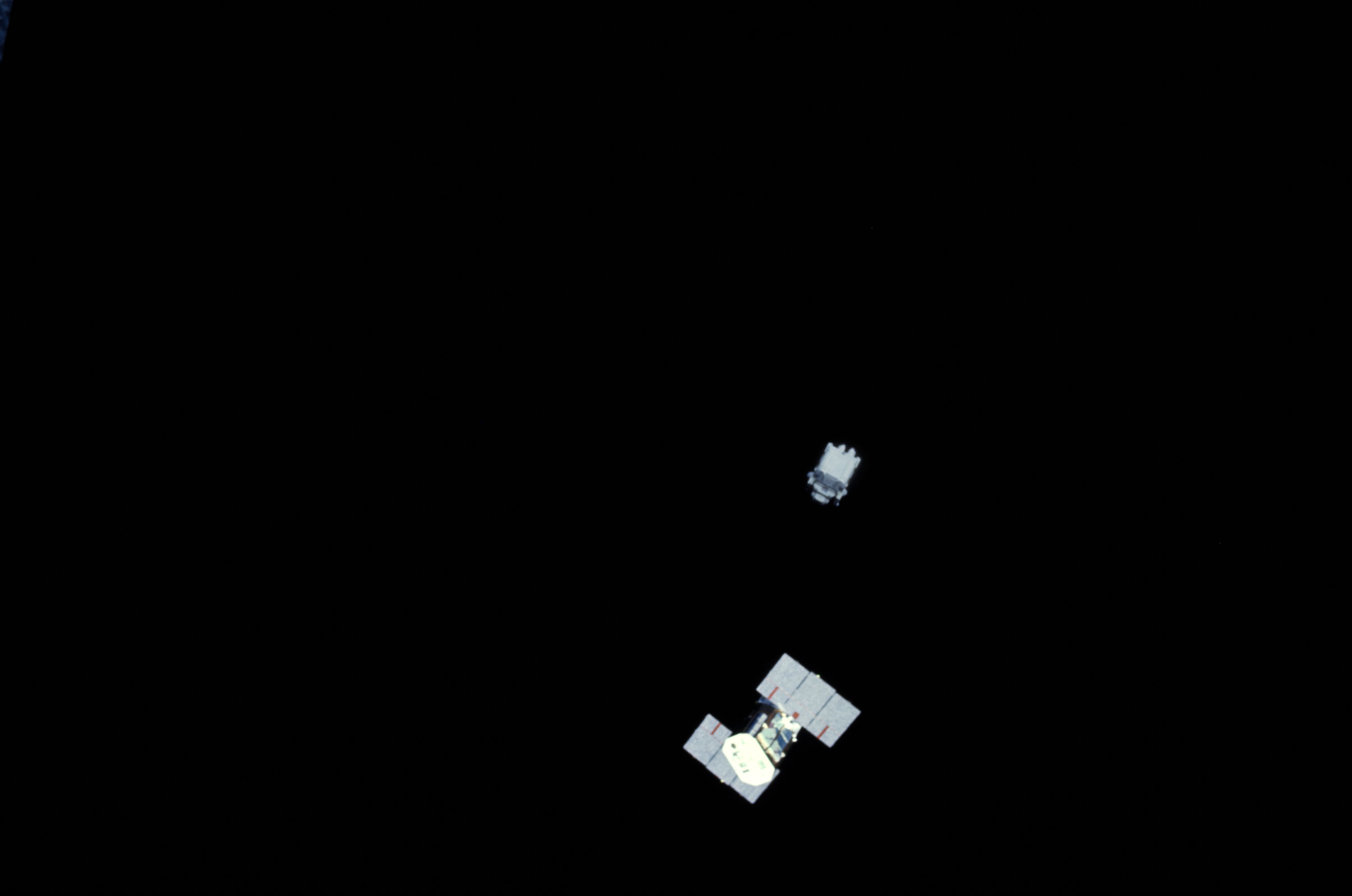
During the second STS-41C spacewalk, James D. “Ox” Van Hoften flies the Manned Maneuvering Unit in Challenger’s payload bay Terry J. Hart lifts the repaired Solar Max out of Challenger’s payload bay Solar Max departs from Challenger
Left: During the second STS-41C spacewalk, James D. “Ox” Van Hoften flies the Manned Maneuvering Unit in Challenger’s payload bay. Middle: Terry J. Hart lifts the repaired Solar Max out of Challenger’s payload bay. Right: Solar Max departs from Challenger.

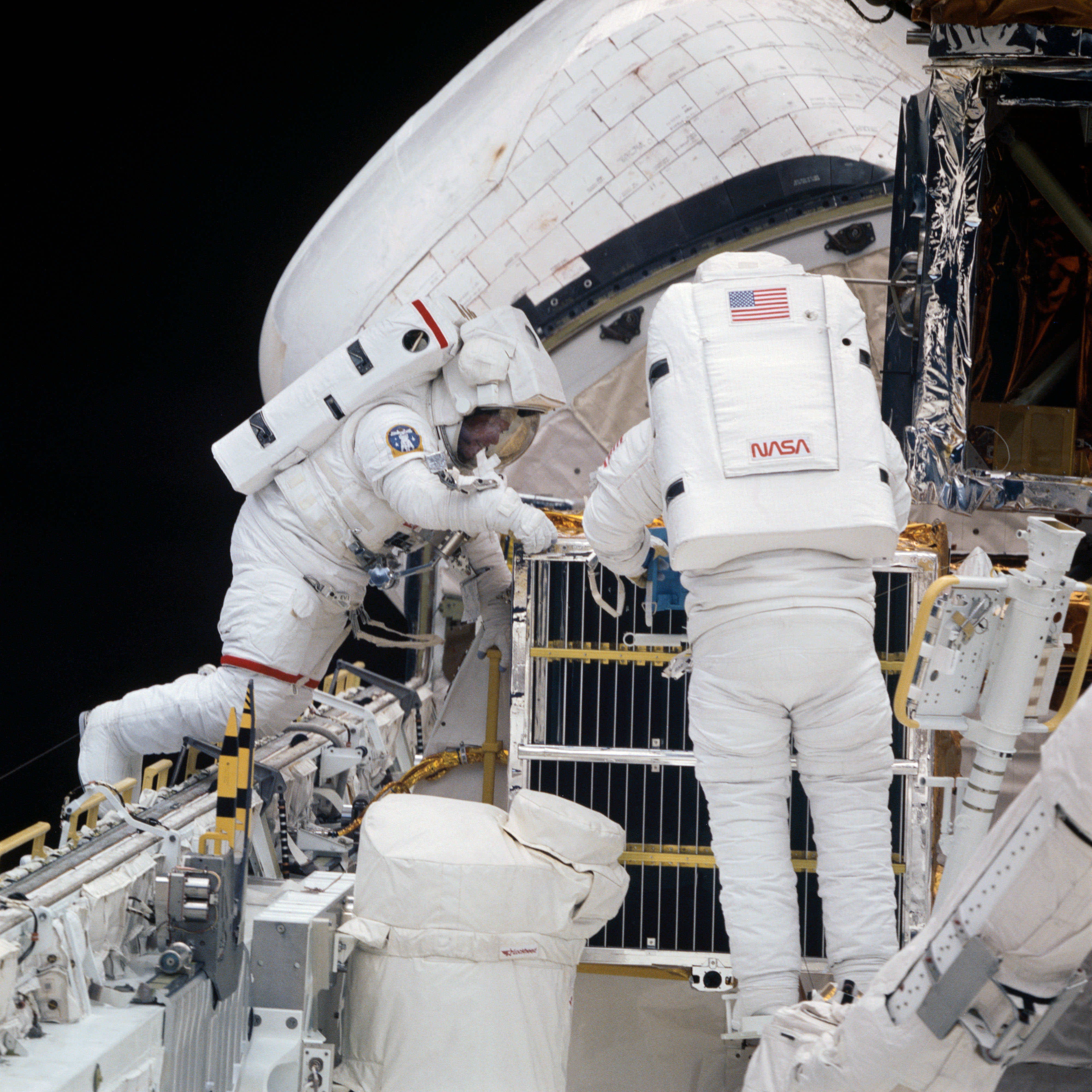
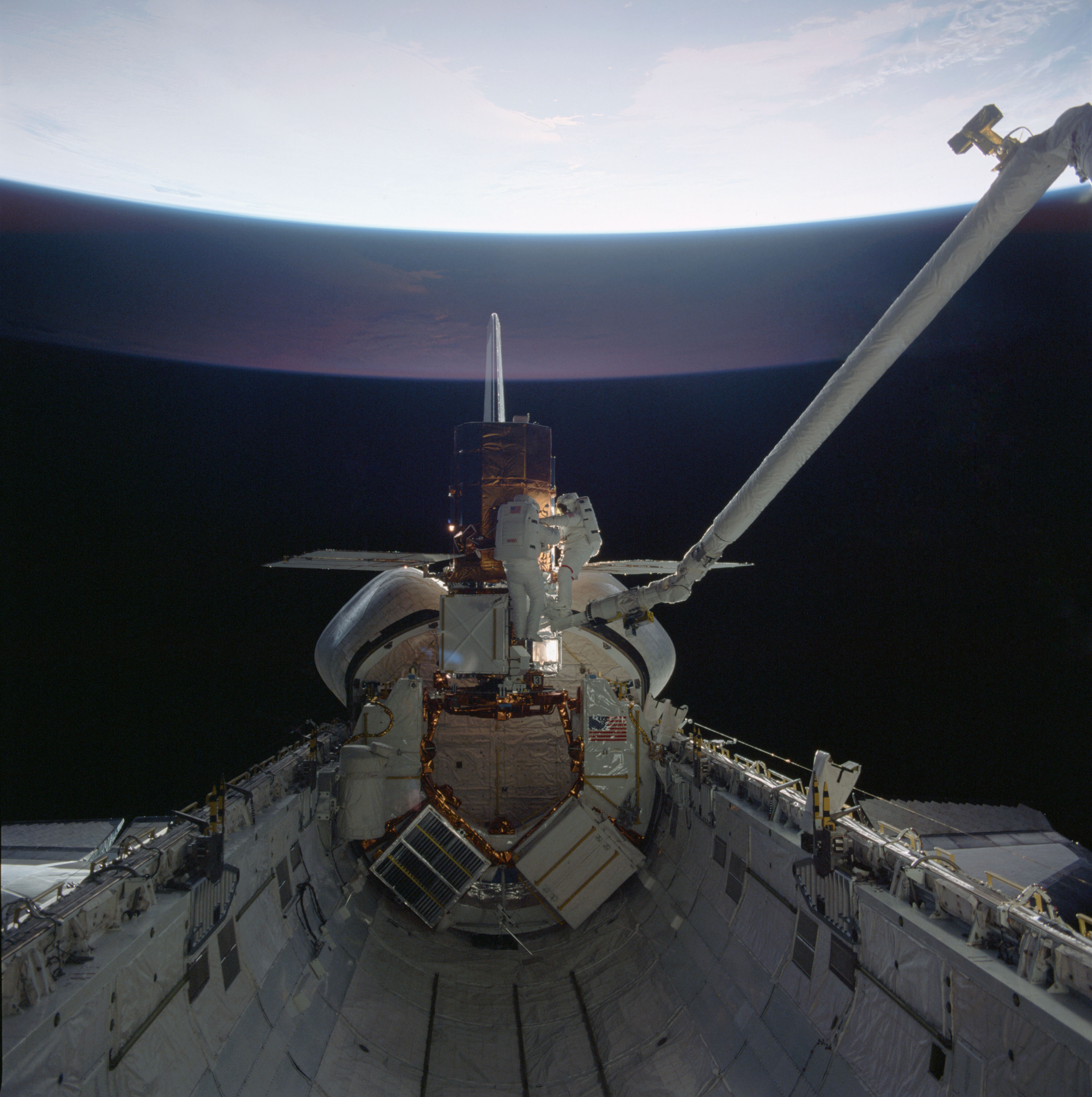
On flight day six, Scobee helped Nelson and Van Hoften put on their spacesuits in preparation for the mission’s second spacewalk, with the plan to complete all the repairs on Solar Max originally planned across two excursions. After depressurizing and exiting the airlock, Van Hoften positioned himself on the Manipulator Foot Restraint (MFR) that Hart had picked up with the RMS. With both spacewalkers back with the Solar Max, they first replaced the satellite’s attitude control system module – the item that crippled the satellite – in just 45 minutes. They next installed a manifold to protect the X-ray polychromator instrument. For the final task, the replacement of the main electronics box of the satellite’s chronograph polarimeter instrument, never designed for on-orbit repair, Nelson swapped places with Van Hoften on the MFR. The two completed that task in one hour. Nelson then moved over to take measurements of the trunnion pin to determine why the TPAD could not latch onto it during the first spacewalk. He noted a little thermal button sticking up about ¼ inch that might have interfered with the TPAD, later identified conclusively as the culprit. Hart then steered Nelson on the end of the arm to conduct a survey of Solar Max. Because the spacewalkers completed the repair tasks ahead of schedule, Mission Control allowed Van Hoften to fly the MMU in the payload bay and conduct engineering tests with it. Nelson and Van Hoften returned to the airlock, ending the second spacewalk after 6 hours 44 minutes, the longest Earth orbital spacewalk to that time. Between the two spacewalks, Nelson and Van Hoften spent 9 hours 22 minutes outside Challenger. Hart grappled Solar Max with the RMS and lifted it out of the FSS, holding it over the payload bay overnight as engineers at Goddard checked out the satellite’s systems prior to release the next day.

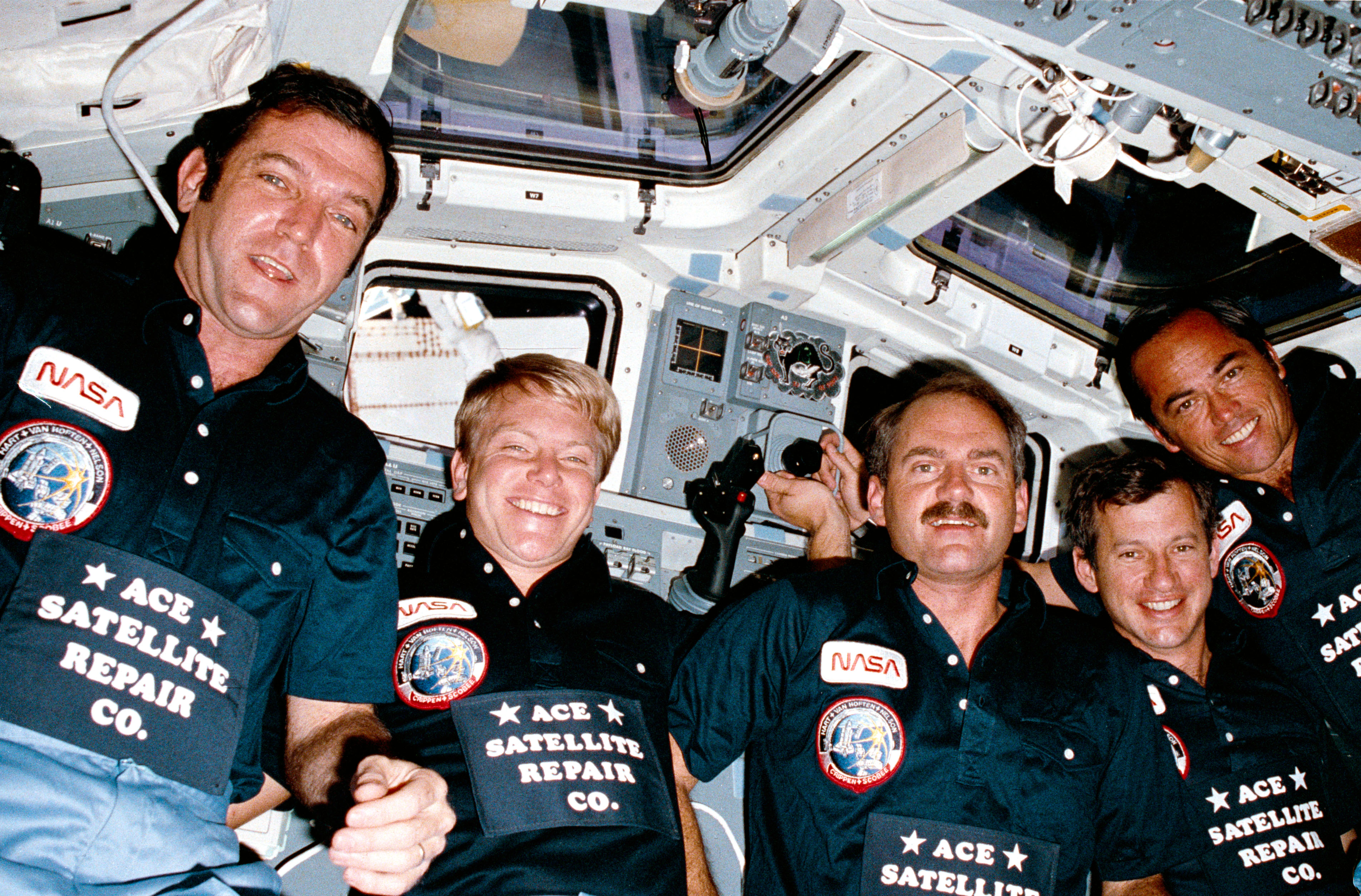
The STS-41C crew members pose on Challenger’s flight deck near the end of their successful mission, wearing customized shirts
Left: STS 41C astronaut James D. “Ox” Van Hoften examines the honeybee student experiment. Right: The STS-41C crew members pose on Challenger’s flight deck near the end of their successful mission, wearing customized shirts.

The next morning, Hart released Solar Max from the RMS and Scobee flew the shuttle away from the satellite. Later in the morning, the astronauts, sporting shirts that read “Ace Satellite Repair Co.,” held a 30-minute press conference, answering reporters’ questions about their ultimately successful first repair of an on-orbit satellite. They spent the rest of the day readying Challenger for the next day’s entry and landing, including stowing unneeded equipment and testing the orbiter’s maneuvering thrusters and aerodynamic control surfaces. Nelson and Van Hoften stowed the two spacesuits and Hart the RMS, equipment that had served the crew so well during this mission.

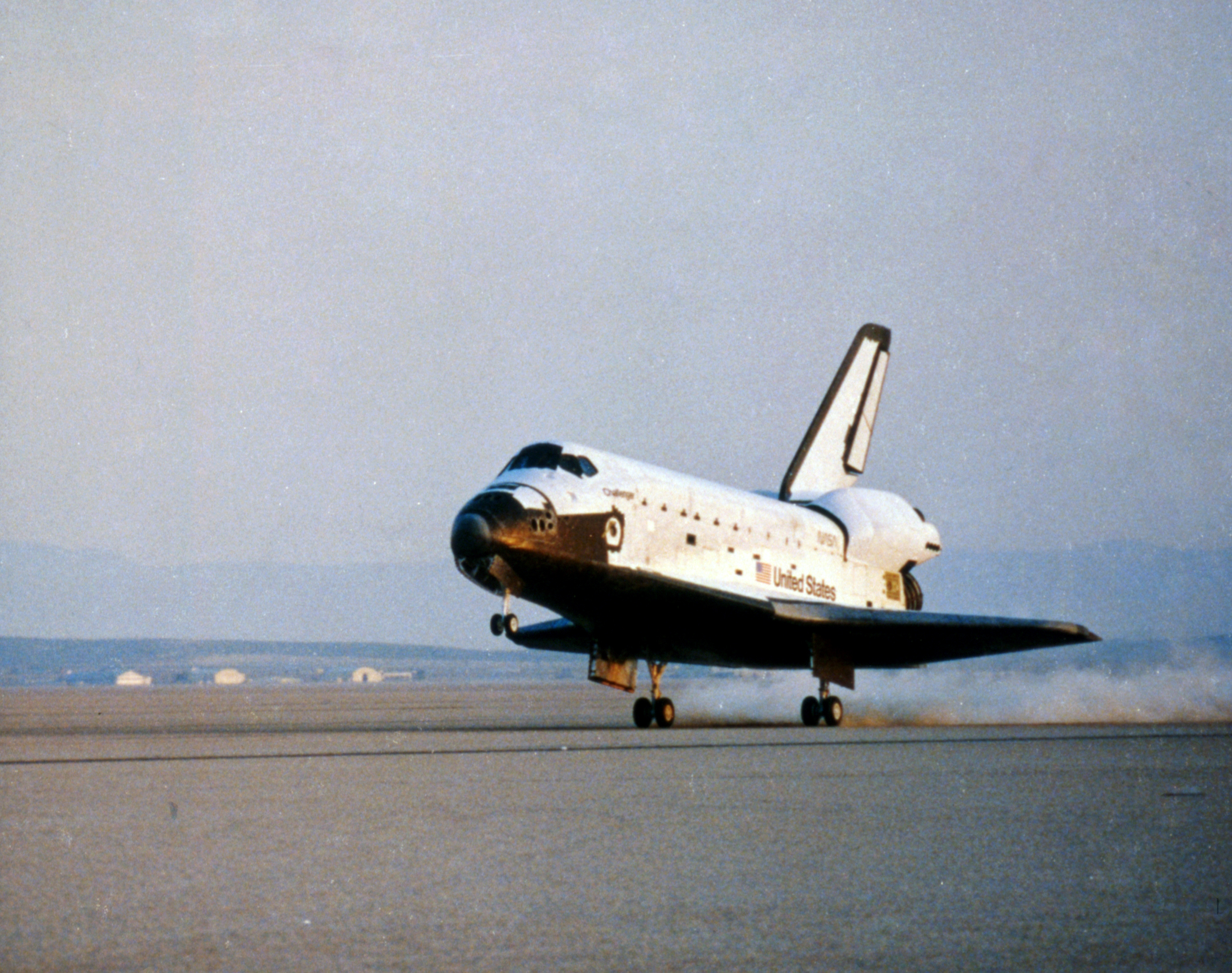
Space shuttle Challenger rolls down the runway at Edwards Air Force Base in California to end the STS-41C mission STS-41C astronauts congratulate themselves on a successful flight In Mission Control at NASA’s Johnson Space Center in Houston, Lead STS-41C Flight Director Eugene F. Kranz applauds the successful landing of STS-41C
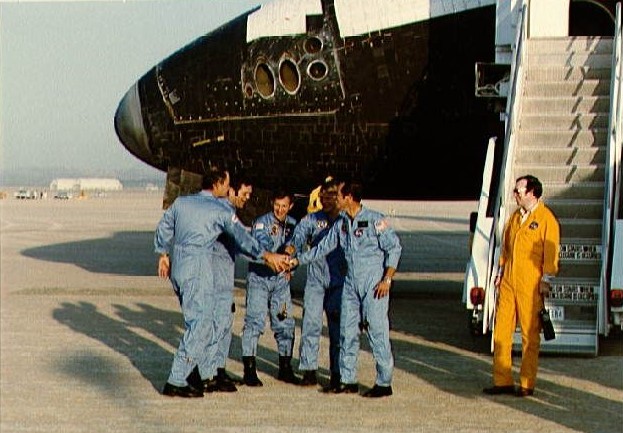
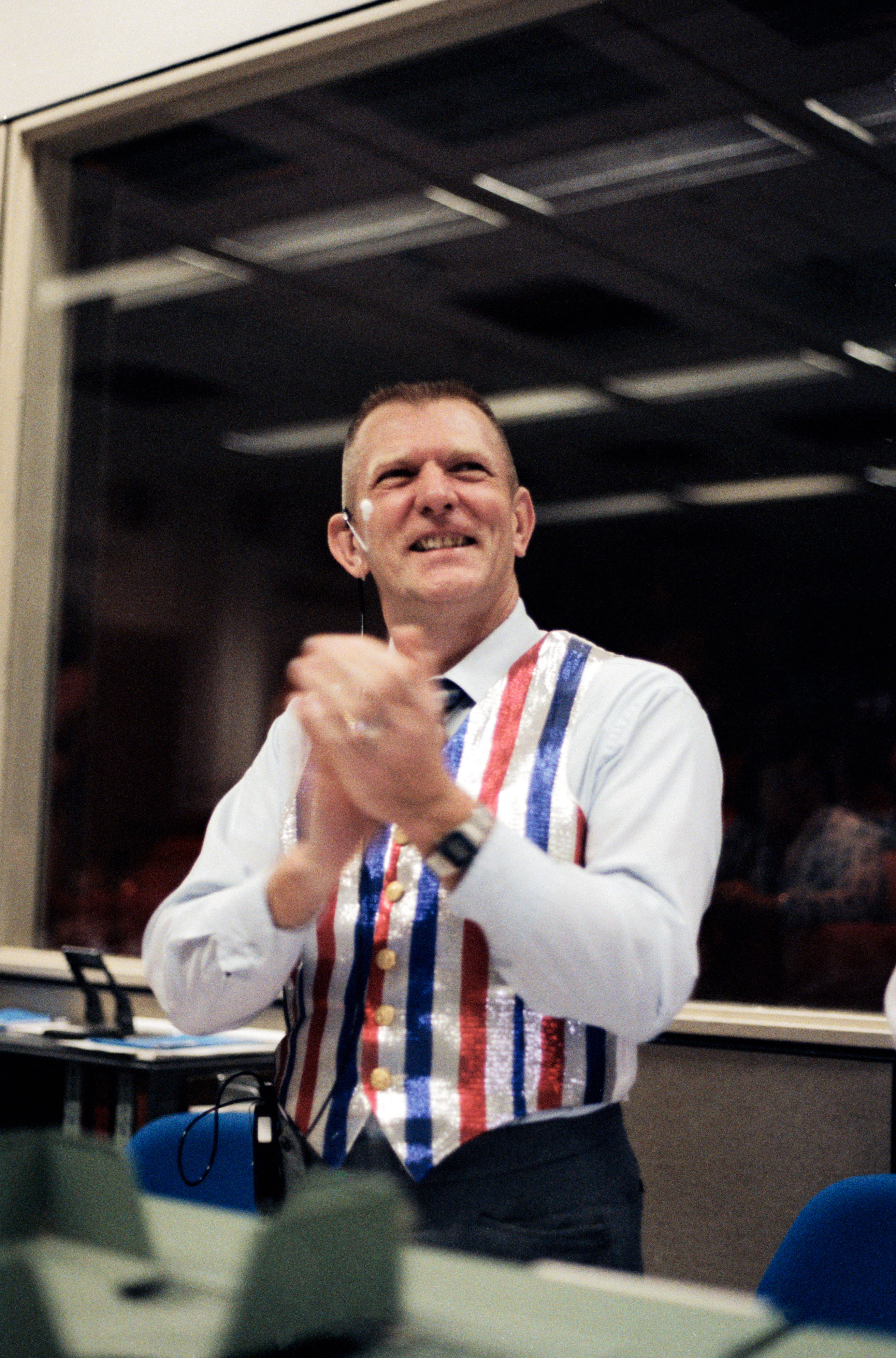
Left: Space shuttle Challenger rolls down the runway at Edwards Air Force Base in California to end the STS-41C mission. Middle: STS-41C astronauts congratulate themselves on a successful flight. Right: In Mission Control at NASA’s Johnson Space Center in Houston, Lead STS-41C Flight Director Eugene F. Kranz applauds the successful landing of STS-41C.

On Friday April 13, as the astronauts awakened for their final day in space, their distance to LDEF had increased to more than 6,000 miles and to Solar Max to 80 miles. In preparation for reentry, the astronauts closed the payload bay doors. Mission Control called up that a low cloud deck had moved over the Shuttle Landing Facility (SLF) at KSC and waved off the deorbit burn by one revolution. As the weather at KSC worsened, with light rain showers moving in, Mission Control decided to bring Challenger home at Edwards Air Force Base in California, where the weather seemed perfect. Crippen and Scobee oriented Challenger with its tail in the direction of flight and fired its two OMS engines to slow the spacecraft enough to drop it from orbit. They reoriented the orbiter to fly with its heat shield exposed to the direction of flight as it entered Earth’s atmosphere at 400,000 feet. The buildup of ionized gases caused by the heat of reentry prevented communications for about 15 minutes but provided the astronauts a great light show as their reentry took place in darkness. After crossing the California coastline, they made the final turn into Edwards. Scobee lowered the landing gear at 300 feet and Crippen brought Challenger down to a smooth touchdown 16 minutes after sunrise on Edwards’s dry lake bed runway 17, calling out “Houston, Challenger is wheels stop,” to end the successful satellite deployment and repair mission. During the mission lasting 6 days 23 hours 40 minutes they orbited the Earth 108 times.

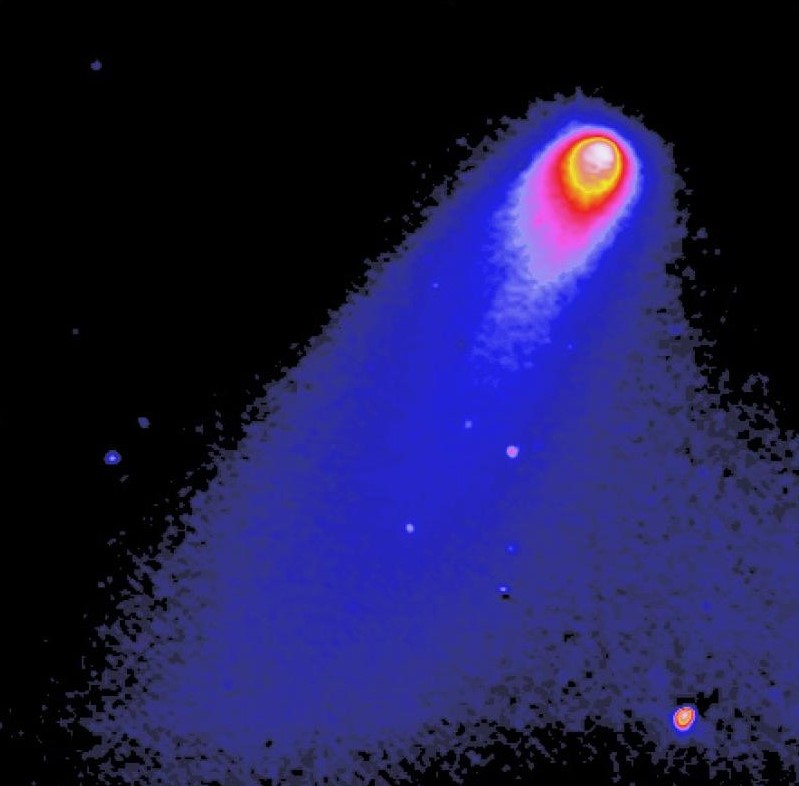
Space shuttle Challenger arrives back at NASA’s Kennedy Space Center in Florida atop a Shuttle Carrier Aircraft Solar Max image of a solar coronal mass ejection event on May 4, 1986 Solar Max false color image of Halley’s comet taken on Feb. 28, 1986
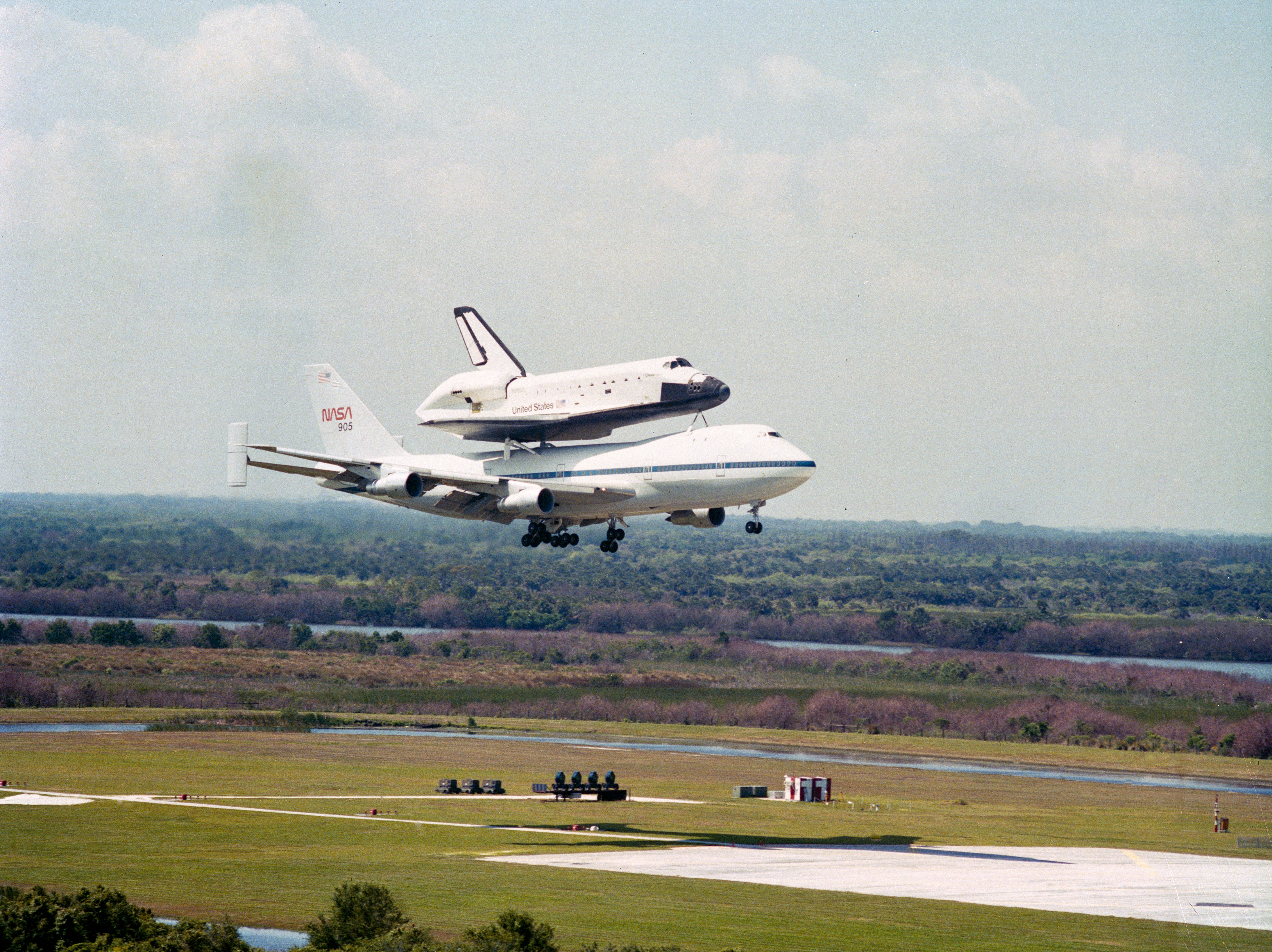
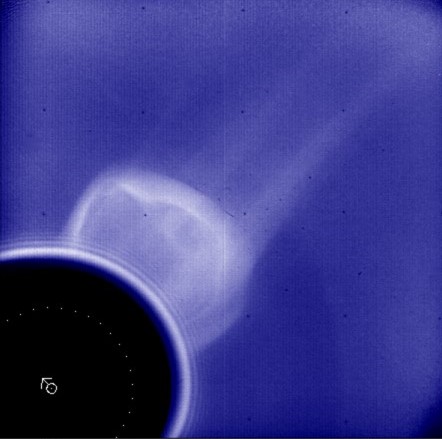
Left: Space shuttle Challenger arrives back at NASA’s Kennedy Space Center in Florida atop a Shuttle Carrier Aircraft. Middle: Solar Max image of a solar coronal mass ejection event on May 4, 1986. Right: Solar Max false color image of Halley’s comet taken on Feb. 28, 1986.

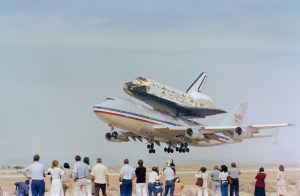
Following the landing, the astronauts returned to Houston, where they reunited with their families who had awaited them at KSC. Workers at Edwards towed Challenger to NASA’s Dryden, now Armstrong, Flight Research Center and mounted it atop a Shuttle Carrier Aircraft, a modified Boeing 747. On April 17, the duo took off from Edwards on the first leg of the transcontinental flight to KSC. After an overnight refueling stop at Kelly AFB in San Antonio, Challenger arrived at KSC’s SLF, where workers began preparing it for its next flight, STS-41G. Meanwhile, engineers at Goddard began activating Solar Max’s instruments almost immediately after deployment, and all systems, including the repaired ones, worked perfectly, and within three days its instruments began collecting science data. Following a 30-day thorough checkout, Solar Max returned to a fully operational status. And although it missed the 1980 solar maximum, the satellite returned much useful data as the Sun cycled through a solar minimum and approached the next maximum in the 11-year cycle. When the mission ended in November 1989, Solar Max had returned 240,000 images of the Sun’s corona, recorded more than 12,000 solar flares, and observed 15 deep-space gamma ray bursts and also observed Halley’s Comet as it passed through the inner solar system in early 1986. Although planned for retrieval after 9-10 months in space, LDEF remained in orbit far longer. A series of payload shuffles in 1985 followed by the Challenger accident in January 1986 and subsequent extended grounding of the shuttle fleet delayed its return until STS-32 in January 1990, after 57 months in space.

Enjoy the crew narrated video of the STS-41C mission.

Read Crippen’s, Hart’s, Van Hoften’s, and Nelson’s recollections of the STS-41C mission in their oral histories with the JSC History Office.

Powered by WPeMatico

Get The Details…
Kelli Mars

Hubble Peers at Pair of Closely Interacting Galaxies

Hubble Peers at Pair of Closely Interacting Galaxies

2 min read

Hubble Peers at Pair of Closely Interacting Galaxies

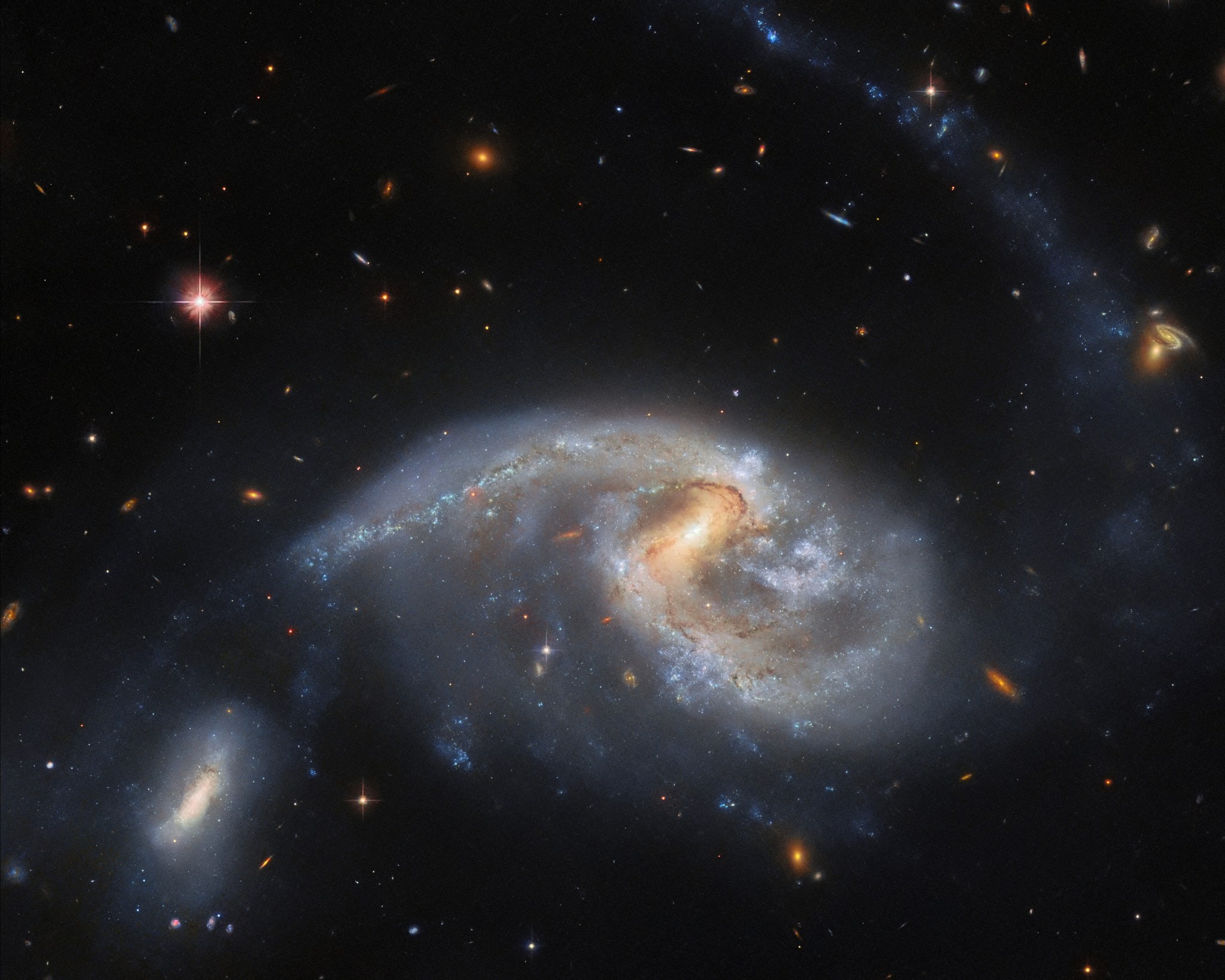
A large spiral galaxy with a smaller neighboring galaxy. The spiral galaxy is wide and distorted, with colorful dust. Its companion lies close by, at the end of a spiral arm, to the lower left. A long, faint tail of stars reaches up from the right side of the spiral galaxy to the top of the image. Several small, distant galaxies are visible in the background, along with one bright star in the foreground.
This NASA/ESA Hubble Space Telescope image features Arp 72.
ESA/Hubble & NASA, L. Galbany, J. Dalcanton, Dark Energy Survey/DOE/FNAL/DECam/CTIO/NOIRLab/NSF/AURA

This image from the NASA/ESA Hubble Space Telescope features Arp 72, a very selective galaxy group that only includes two galaxies interacting due to gravity: NGC 5996 (the large spiral galaxy) and NGC 5994 (its smaller companion, in the lower left of the image). Both galaxies lie approximately 160 million light-years from Earth, and their cores are separated from each other by a distance of about 67,000 light-years. The distance between the galaxies at their closest points is even smaller, closer to 40,000 light-years. While this might sound vast, in galactic separation terms it is really quite close. For comparison, the distance between the Milky Way and its nearest independent galactic neighbor Andromeda is around 2.5 million light-years. Alternatively, the distance between the Milky Way and its largest and brightest satellite galaxy, the Large Magellanic Cloud (satellite galaxies orbit around another galaxy), is about 162,000 light-years.

Given this and the fact that NGC 5996 is roughly comparable in size to the Milky Way, it is not surprising that NGC 5996 and NGC 5994 — separated by only about 40,000 light-years — are interacting with one another. In fact, the interaction likely distorted NGC 5996’s spiral shape. It also prompted the formation of the very long and faint tail of stars and gas curving away from NGC 5996, up to the top right of the image. This ‘tidal tail’ is a common phenomenon that appears when galaxies closely interact and is visible in other Hubble images of interacting galaxies.

Text credit: European Space Agency (ESA)

Media Contact:

Claire Andreoli
NASA’s Goddard Space Flight CenterGreenbelt, MD
claire.andreoli@nasa.gov

Share

Details

Last Updated
Apr 05, 2024
Editor
Andrea Gianopoulos

Powered by WPeMatico

Get The Details…

NASA Employee Grateful for Opportunities at NASA Stennis

NASA Employee Grateful for Opportunities at NASA Stennis

3 min read

Preparations for Next Moonwalk Simulations Underway (and Underwater)

a woman, cherie beech, wearing a green sweater smiles at the camera while standing at a desk working on a laptop
Cherie Beech works in the NASA Stennis Office of the Chief Information Officer, where she helps many of the more than 5,200 employees of the NASA Stennis Federal City, as customer engagement and information technology acquisition specialist.
NASA/Danny Nowlin

Cherie Beech knows full well the opportunity that working at NASA’s Stennis Space Center near Bay St. Louis, Mississippi, affords. Since arriving at the federal city as a contractor 26 years ago, she since has expanded her skillset and grown as a member of the NASA Stennis team.

“I always want to make sure, by doing my job, that things are better than the way I found it…That’s what I strive to do. I’m ecstatic to work at NASA Stennis. I’m very humble and grateful for it.”

cherie beech

cherie beech

NASA Stennis Customer Engagement and IT Acquisition Specialist

“We are very blessed to have these opportunities,” said Beech, who works in the NASA Stennis Office of the Chief Information Officer. “It is fascinating because it takes everybody, all of us, to accomplish the work. It took me a long time, but I finally understand that it takes all skillsets to accomplish the job, because it takes all of us to ensure mission success.”

The mission is helping NASA explore the unknown in air and space, innovate for the benefit of humanity, and inspire the world through discovery. Through Artemis, NASA will return America to the Moon to establish the foundation for long-term scientific exploration and then set its sights on Mars for the benefit of all. Such a goal requires a diverse group of people to help make it happen. 

“We all bring our unique traits and skills to the table, and that’s what I enjoy,” Beech said. “We all are valued. We are all contributing to the bigger thing, and I find that fascinating.”

Beech, a native of Picayune, Mississippi, grew up less than 15 miles from the south Mississippi NASA center often referenced then as “the test site.” She sometimes heard propulsion testing as a young girl and since has experienced NASA Stennis transforming into a multifaceted aerospace and technology hub.

“It’s a place full of opportunity,” she said.

Beech began her NASA Stennis career as a scheduler with Lockheed Martin. Her role evolved to include work with budget submissions, and communication and outreach, among other functions. Beech continued working across multiple contracts through the years working to support the NASA Stennis Office of the Chief Information Officer. She subsequently was hired as a civil servant by NASA in 2020.

“Once I was at NASA Stennis, then I realized there is a lot here to offer for all careers. There are also chances where you can talk to people and learn from everybody. People are so nice and very willing to help you and mentor and guide you. Since being here, I have learned all the necessary technical knowledge.”

In her role as customer engagement and information technology acquisition specialist with NASA, Beech now helps many of the more than 5,200 employees working across the federal city to ensure all understand the latest technology updates that contribute to their line of work. She also helps ensure employees are aware of all the NASA information technology purchasing regulations for work projects involving hardware and/or software.

“I always want to make sure, by doing my job, that things are better than the way I found it,” Beech said. “That’s what I strive to do. I’m ecstatic to work at NASA Stennis. I’m very humble and grateful for it.”

For information about NASA’s Stennis Space Center, visit:

Stennis Space Center – NASA

Powered by WPeMatico

Get The Details…
LaToya Dean
NASA’s NEOWISE Extends Legacy With Decade of Near-Earth Object Data

NASA’s NEOWISE Extends Legacy With Decade of Near-Earth Object Data

6 min read

Preparations for Next Moonwalk Simulations Underway (and Underwater)

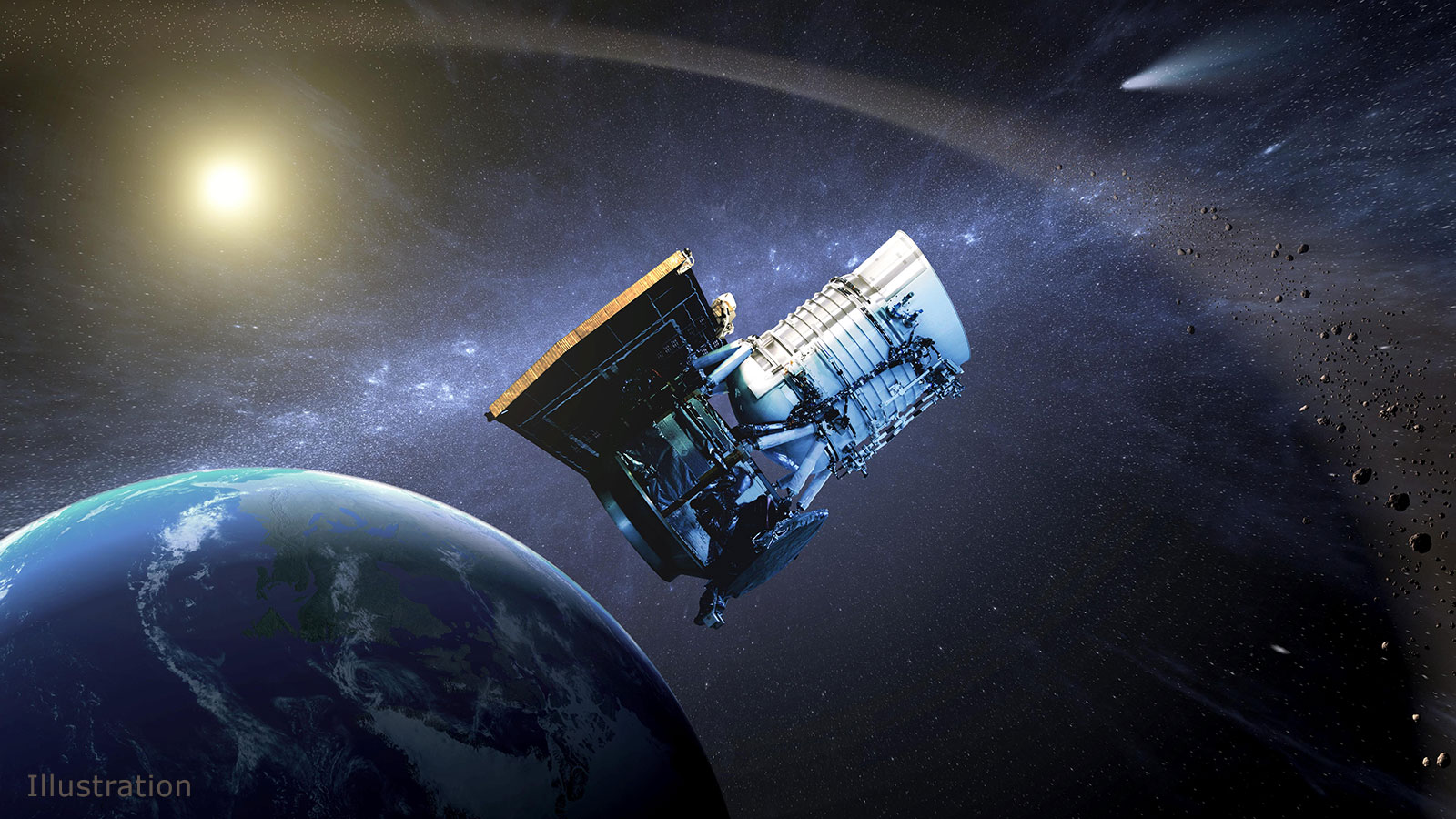
Artist’s concept depicts the NEOWISE spacecraft
This artist’s concept depicts the NEOWISE spacecraft in orbit around Earth. Launched in 2009 to survey the entire sky in infrared, the spacecraft took on a more specialized role in 2014 when it was reactivated to study near-Earth asteroids and comets.
NASA/JPL-Caltech

As the infrared space telescope continues its long-duration survey of the universe, it is creating a unique resource for future astronomers to make new discoveries.

NASA’s NEOWISE mission has released its 10th year of infrared data – the latest in a unique long-duration (or “time-domain”) survey that captures how celestial objects change over long periods. Time-domain astronomy can help scientists see how distant variable stars change in brightness and observe faraway black holes flaring as they consume matter. But NEOWISE has a special focus on our planet’s local cosmic neighborhood, producing a time-domain infrared survey used for planetary science, with a particular emphasis on asteroids and comets.
Short for Near-Earth Object Wide-field Infrared Survey Explorer, NEOWISE is a key component of NASA’s planetary defense strategy, helping the agency refine the orbits of asteroids and comets while also estimating their size. One such example is the potentially hazardous asteroid Apophis, which will make a close approach of our planet in 2029.

By repeatedly observing the sky from its location in low-Earth orbit, NEOWISE has made 1.45 million infrared measurements of over 44,000 solar system objects. That includes more than 3,000 NEOs, 215 of which the space telescope discovered. Twenty-five of those are comets, including the famous comet NEOWISE.

“The space telescope has been a workhorse for characterizing NEOs that may pose a hazard to Earth in the future,” said Amy Mainzer, NEOWISE’s principal investigator at the University of Arizona and University of California, Los Angeles. “The data that NEOWISE has generated for free use by the scientific community will pay dividends for generations.”

From Data to Discovery

Managed by NASA’s Jet Propulsion Laboratory, the mission sends data three times a day to the U.S. Tracking and Data Relay Satellite System (TDRSS) network, which then delivers it to IPAC, an astronomical data research center at Caltech in Pasadena, California. IPAC processes the raw data into fully calibrated images that are accessible online. It also generates NEO detections, sending them to the Minor Planet Center – the internationally recognized clearinghouse for the position measurements of solar system bodies. By searching multiple images of the same patch of sky at different times, scientists capture the motions of individual asteroids and comets.

This top-down animated view of the solar system shows the positions of all the asteroids and comets detected by NEOWISE in the decade since its reactivation in 2014. Credit: IPAC/Caltech/University of Arizona

“The science products we generate identify specific infrared sources in the sky with precisely determined positions and brightnesses that enable discoveries to be made,” said Roc Cutri, lead scientist for the NEOWISE Science Data System at IPAC. “The most fun thing when I look at the data for the first time is knowing that no one has seen this before. It puts you in a unique position of doing real exploration.”

IPAC will also produce data products for NASA’s NEO Surveyor, which is targeting a launch no earlier than 2027. Managed by JPL, with Mainzer serving as principal investigator, the next-generation space survey telescope will seek out some of the hardest-to-find near-Earth objects, such as dark asteroids and comets that don’t reflect much visible light but shine brighter in infrared light.

Two Missions, One Spacecraft

The NEOWISE spacecraft launched in 2009, but as a different mission and with a different name: the Wide-field Infrared Survey Explorer, or WISE, which set out to survey the entire sky. As an infrared telescope, WISE studied distant galaxies, comparatively cool red dwarf stars, exploding white dwarfs, and outgassing comets, as well as NEOs.

An infrared telescope requires cryogenic coolant to prevent the spacecraft’s heat from disrupting its observations. After the WISE telescope’s ran out of coolant and was no longer able to observe the universe’s coldest objects, NASA put the spacecraft into hibernation in 2011. But because the telescope could still detect the infrared glow of comets and asteroids as they are heated by the Sun, Mainzer proposed to restart the spacecraft to keep an eye on them. The mission was reactivated in 2014 and renamed NEOWISE, extending the life of a spacecraft that was initially planned for less than a year of operation.

“We are 14 years into a seven-month mission,” said Joseph Masiero, NEOWISE’s deputy principal investigator and a scientist at IPAC. He started at JPL as a postdoctoral researcher working on WISE just two months before the spacecraft launched on Dec. 14, 2009. “This little mission has been with me my entire career – it just kept going, making new discoveries, helping us better understand the universe,” Masiero added. “And if it wasn’t for the tyranny of orbital dynamics, I’m sure the spacecraft would continue to operate for years to come.”

Solar activity is causing NEOWISE to fall out of orbit, and the spacecraft is expected to drop low enough into Earth’s atmosphere that it will eventually become unusable.

“NEOWISE has lasted way past its original spacecraft design lifetime,” said Joseph Hunt, NEOWISE project manager at JPL. “But as we didn’t build it with a way to reach higher orbits, the spacecraft will naturally drop so low in the atmosphere that it will become unusable and entirely burn up in the months following decommissioning. Exactly when depends on the Sun’s activity.”

More About the Mission

NEOWISE and NEO Surveyor support the objectives of NASA’s Planetary Defense Coordination Office (PDCO) at NASA Headquarters in Washington. The NASA Authorization Act of 2005 directed NASA to discover and characterize at least 90% of the near-Earth objects more than 140 meters (460 feet) across that come within 30 million miles (48 million kilometers) of our planet’s orbit. Objects of this size can cause significant regional damage, or worse, should they impact the Earth.

JPL manages and operates the NEOWISE mission for PDCO within the Science Mission Directorate. The Space Dynamics Laboratory in Logan, Utah, built the science instrument. Ball Aerospace & Technologies Corp. of Boulder, Colorado, built the spacecraft. Science data processing takes place at IPAC at Caltech. Caltech manages JPL for NASA.

For more information about NEOWISE, visit:

https://www.nasa.gov/neowise

and

http://neowise.ipac.caltech.edu/

News Media Contacts

Ian J. O’Neill
Jet Propulsion Laboratory, Pasadena, Calif.
818-354-2649
ian.j.oneill@jpl.nasa.gov

Karen Fox / Charles Blue
NASA Headquarters, Washington
202-358-1257 / 202-802-5345
karen.c.fox@nasa.gov / charles.e.blue@nasa.gov

2024-038

Powered by WPeMatico

Get The Details…
Anthony Greicius