The Overview Effect: Astronaut Perspectives from 25 Years in Low Earth Orbit

The Overview Effect: Astronaut Perspectives from 25 Years in Low Earth Orbit

To see Earth from space is to be forever changed by the view. Since Alan Shepard became the first American to lay eyes on our home planet from above, countless NASA astronauts have described feeling awed by the astonishing sight and a profound shift in perspective that followed.
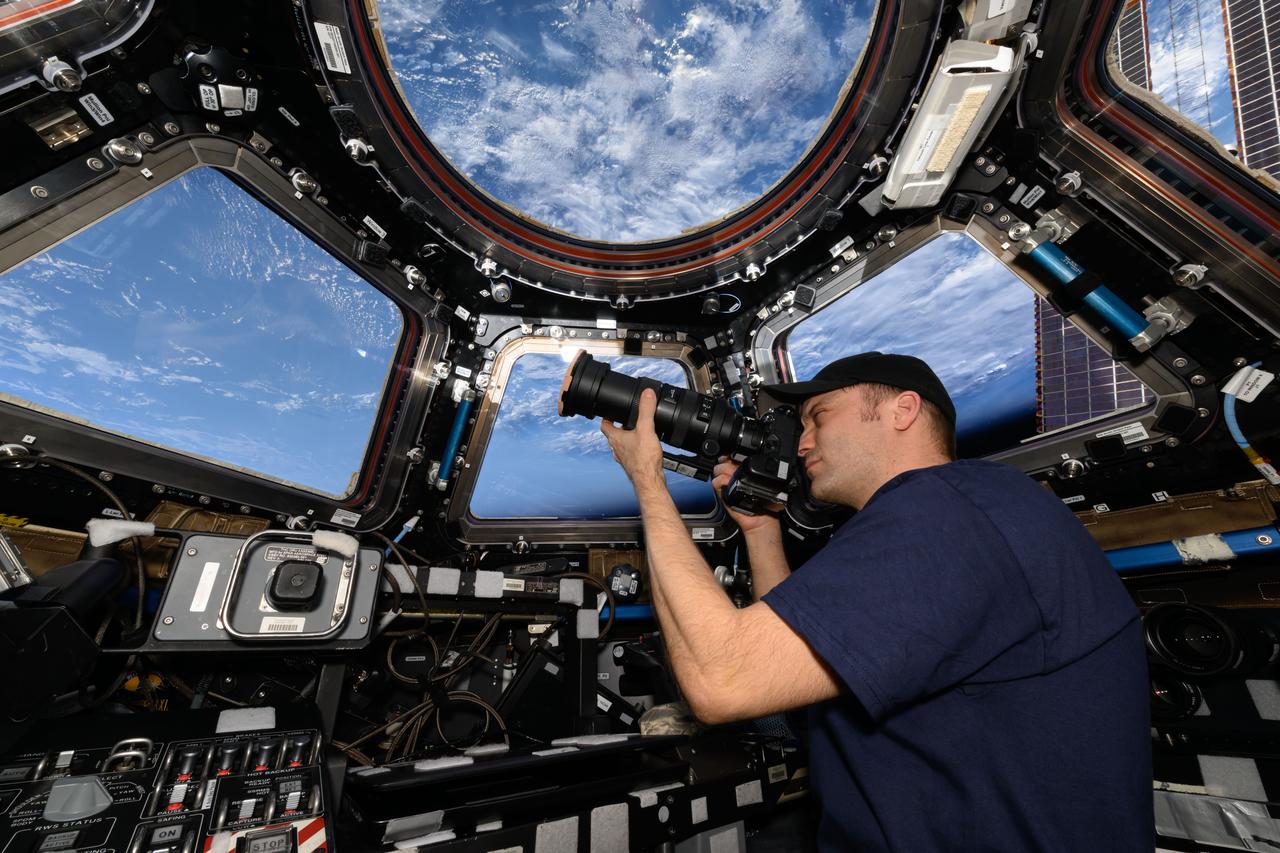
NASA astronaut Matthew Dominick points his camera through a cupola window as the International Space Station orbits 262 miles above the Atlantic Ocean off the coast of Africa.
NASA

This unique experience is known as the overview effect – a term coined in 1987 by space philosopher and author Frank White in a book of the same name. The phenomenon creates powerful changes in the way astronauts think about Earth and life and can be particularly strong for those who lived and worked aboard the International Space Station during its 25 years of continuous human presence. The orbiting laboratory’s cupola module, equipped with seven windows looking down on Earth, provides the perfect place for observation and reflection.
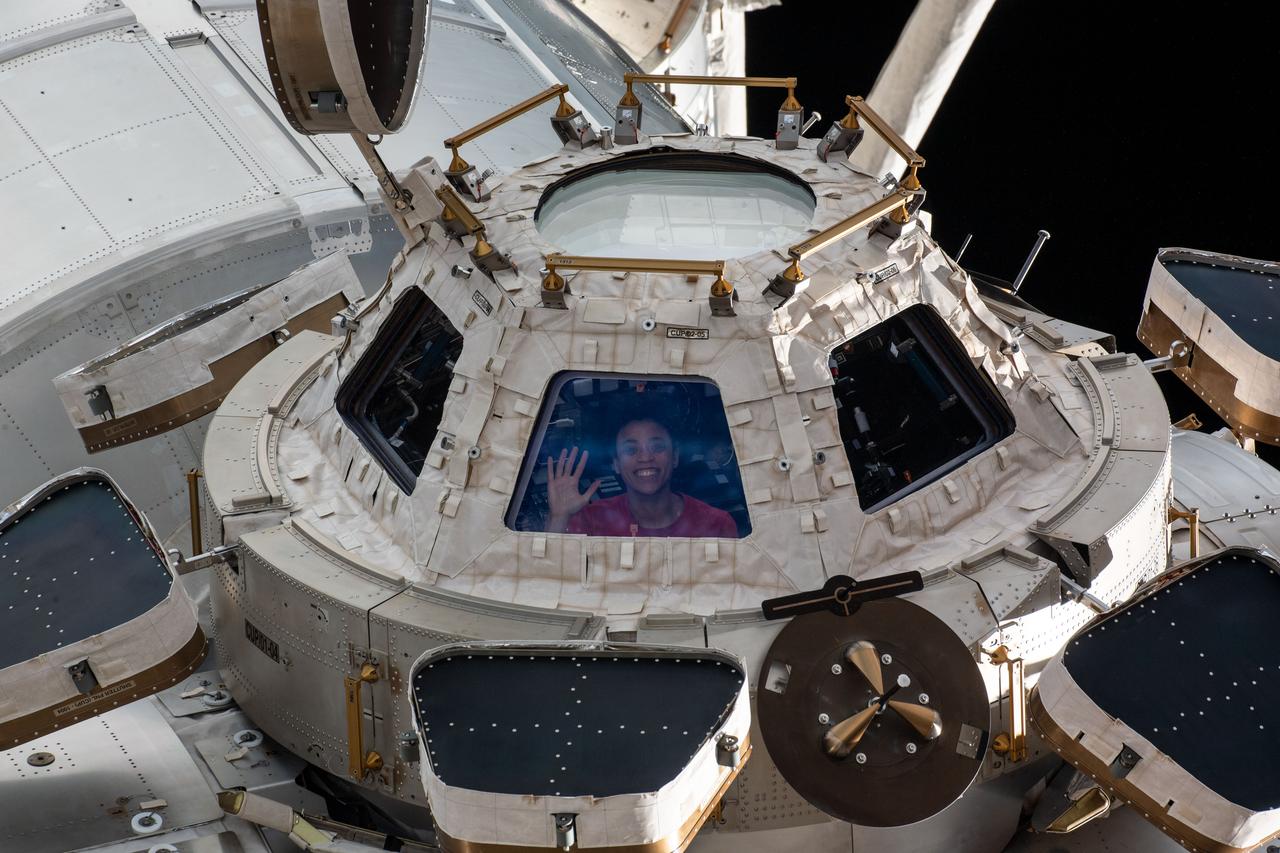
NASA astronaut Jessica Watkins is pictured looking out from the International Space Station's cupola window.
NASA astronaut Jessica Watkins is pictured looking out from the International Space Station’s “window to the world” – the cupola. Astronauts use the seven-windowed observation module to monitor the arrival of spacecrafts at the orbiting laboratory and view the Earth below.
NASA

As Artemis II Mission Specialist Christina Koch explained:

    “The overview effect is when you’re looking through the cupola and you see the Earth as it exists with the whole universe in the background. You see the thin blue line of the atmosphere, and then when you’re on the dark side of the Earth, you actually see this very thin green line that shows you where the atmosphere is. What you realize is every single person that you know is sustained and inside of that green line and everything else outside of it is completely inhospitable. You don’t see borders, you don’t see religious lines, you don’t see political boundaries. All you see is Earth and you see that we are way more alike than we are different.”

Koch’s Artemis II crewmate, NASA astronaut Victor Glover, said the overview effect’s potency is closely tied to the “sea level effect” – humanity’s shared experience on Earth. “You come back to sea level, and then you have a choice,” he explained. “Are you going to try to live your life a little differently? Are you going to really choose to be a member of this community of Earth?”
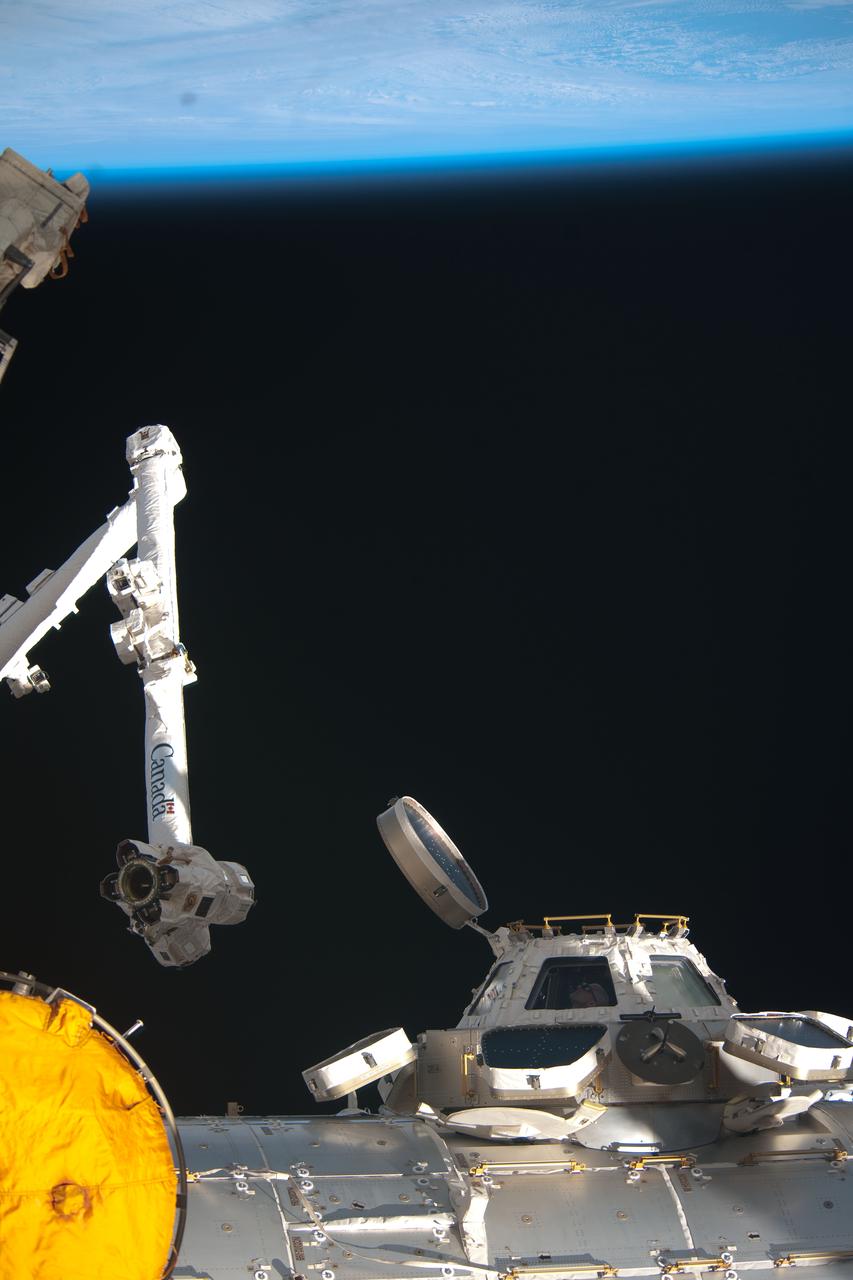
NASA astronaut Don Pettit, Expedition 30 flight engineer, is pictured in a window of the cupola of the International Space Station, backdropped by Earth’s horizon and the blackness of space.
NASA

Many astronauts emphasize the importance of unity after experiencing the overview effect. “You see that it’s a single planet with a shared atmosphere. It’s our shared place in this universe,” said former NASA astronaut Bob Behnken. “I think that perspective, as we go through things like the pandemic or we see the challenges across our nation or across the world, we recognize that we all face them together.”

Seeing the Earth from space can also change their concept of home. Former NASA astronaut Nicole Stott recalls wanting to see her home state of Florida during her first mission to the International Space Station. “Finally, we were flying over Florida. I wanted to go to the window and see it, and then realized somewhere down the line that I wasn’t looking at Florida that same way anymore,” she said. “I still wanted to see Florida, but Florida had just become this special part of home, which is Earth. We’re all earthlings.”
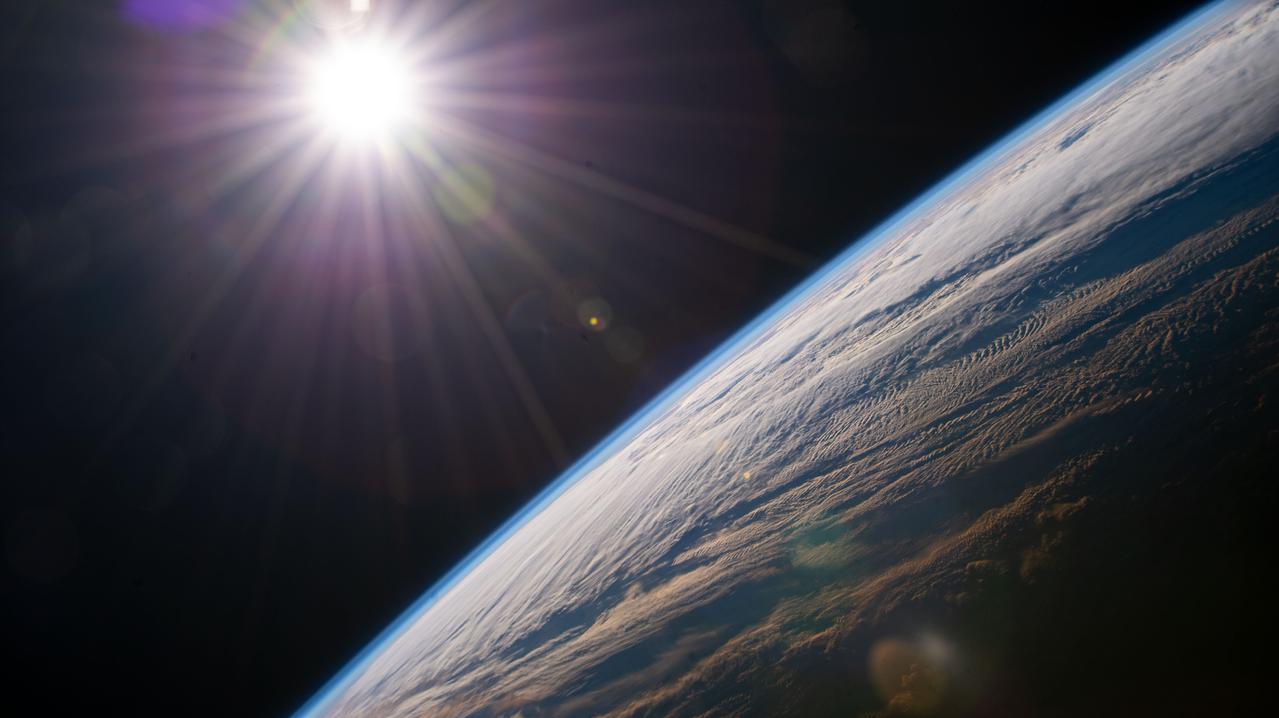
The sun shines above Earth's horizon as the space station orbits 264 miles above the Canadian province of Quebec.
The sun shines above Earth’s horizon as the space station orbits 264 miles above the Canadian province of Quebec.
NASA

For some astronauts, their perspective shift inspired them to make changes on the ground. “I think if you’re not a conservationist before you go to space, you’re at least partly a conservationist when you come back. Because when you see how thin that atmosphere is, that protective layer that we have here, you think, wow, we really have to take care of this because it does look so fragile from space,” said retired NASA astronaut Mike Foreman.

Others hope to share the overview effect with more people. “That perspective helps you grow. It has really inspired me to try to get more people this experience and to get a permanent foothold in the stars for our species,” said former NASA astronaut Jack Fischer. “I want to do everything I possibly can to help the human species, humanity as a whole, go further and grow and evolve like I know they’re capable of.”
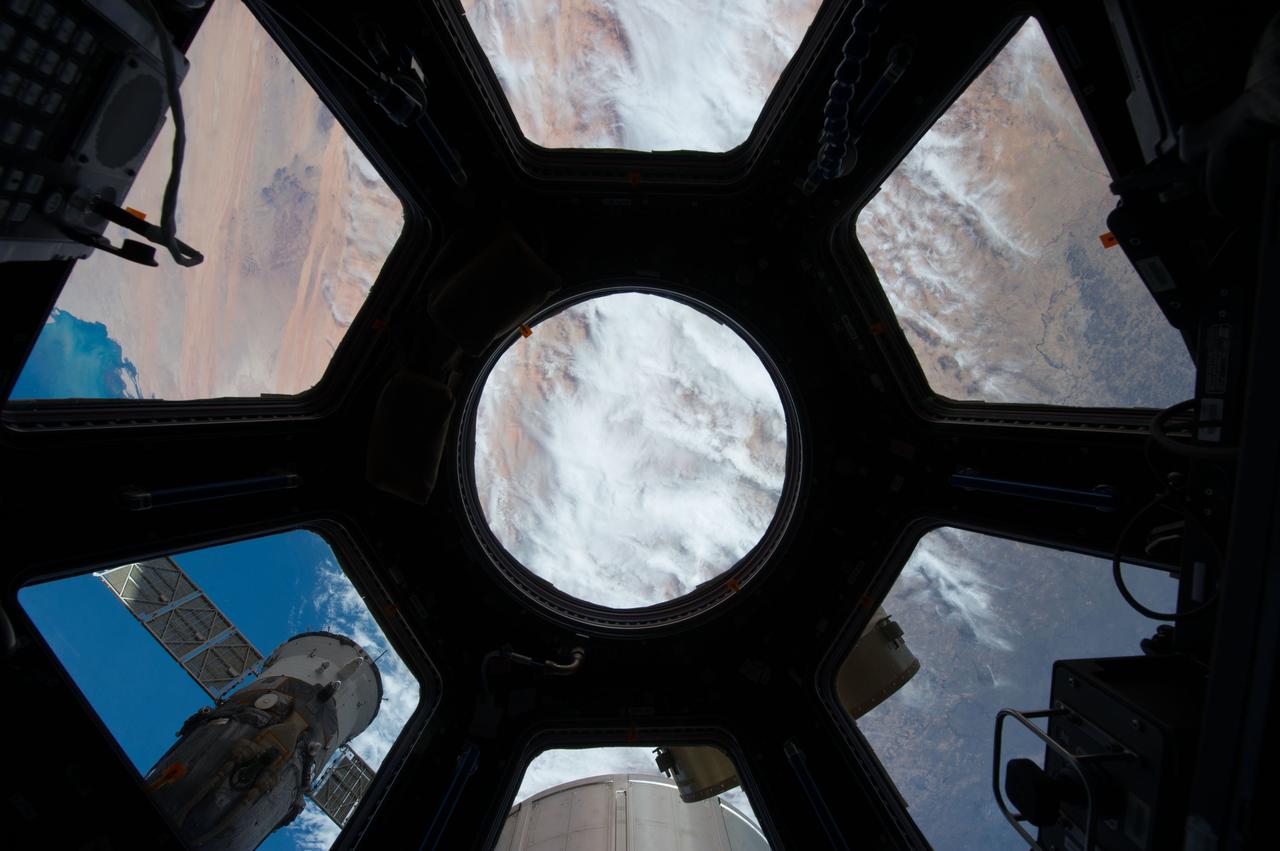
An Earth observation taken through cupola windows by the Expedition 39 crew. Portions of the International Space Station are in view.
NASA

Future crews to the orbiting laboratory can look forward to a similar experience. “In that instant, when you’re overwhelmed with that vista, when your eyes see nothing but the beauty of the Earth – every single crew member that I brought in [the cupola] for that exposure, cried,” said retired NASA astronaut T.J. Creamer. “It is heart stopping. It is soul pounding. It is breathtaking.”

For more astronaut perspectives from the International Space Station, watch “Down to Earth” on NASA+.

Powered by WPeMatico

Get The Details…
Linda E. Grimm
NASA Awards Liquid Hydrogen Supply Contracts

NASA Awards Liquid Hydrogen Supply Contracts

The letters NASA on a blue circle with red and white detail, all surrounded by a black background
Credit: NASA

NASA has selected Plug Power, Inc., of Slingerlands, New York, and Air Products and Chemicals, Inc., of Allentown, Pennsylvania, to supply up to approximately 36,952,000 pounds of liquid hydrogen for use at facilities across the agency.

The NASA Agency-wide Supply of Liquid Hydrogen awards are firm-fixed-price requirements contracts that include multiple firm-fixed-price delivery orders critical for the agency’s centers as they use liquid hydrogen, combined with liquid oxygen, as fuel in cryogenic rocket engines, and the commodity’s unique properties support the development of aeronautics. The total value for the combined awards is about $147.2 million.

The contracts begin Monday, Dec. 1, and each consists of a two-year base period followed by three one-year option periods that, if exercised, would extend the contracts to Nov. 30, 2030.

Air Products and Chemicals Inc. will supply up to about 36.5 million pounds of liquid hydrogen to NASA’s Kennedy Space Center and Cape Canaveral Space Force Station in Florida; NASA’s Marshall Space Flight Center in Huntsville, Alabama; and NASA’s Stennis Space Center in Bay St. Louis, Mississippi, for a maximum contract value of approximately $144.4 million.

Plug Power, Inc. will deliver up to approximately 480,000 pounds of the commodity to NASA’s Glenn Research Center in Cleveland, Ohio, and at Neil A. Armstrong Test Facility in Sandusky, Ohio, for a maximum contract value of about $2.8 million.

For additional information about NASA and agency programs, visit:

https://www.nasa.gov/

-end-

Tiernan Doyle
Headquarters, Washington
tiernan.doyle@nasa.gov
202-358-1600

Amanda Griffin
Kennedy Space Center, Fla.
amanda.griffin@nasa.gov
321-593-6244

Powered by WPeMatico

Get The Details…
Tiernan P. Doyle

10 Years of Students Helping NASA Grow Space Food with Growing Beyond Earth

10 Years of Students Helping NASA Grow Space Food with Growing Beyond Earth

3 min read

10 Years of Students Helping NASA Grow Space Food with Growing Beyond Earth

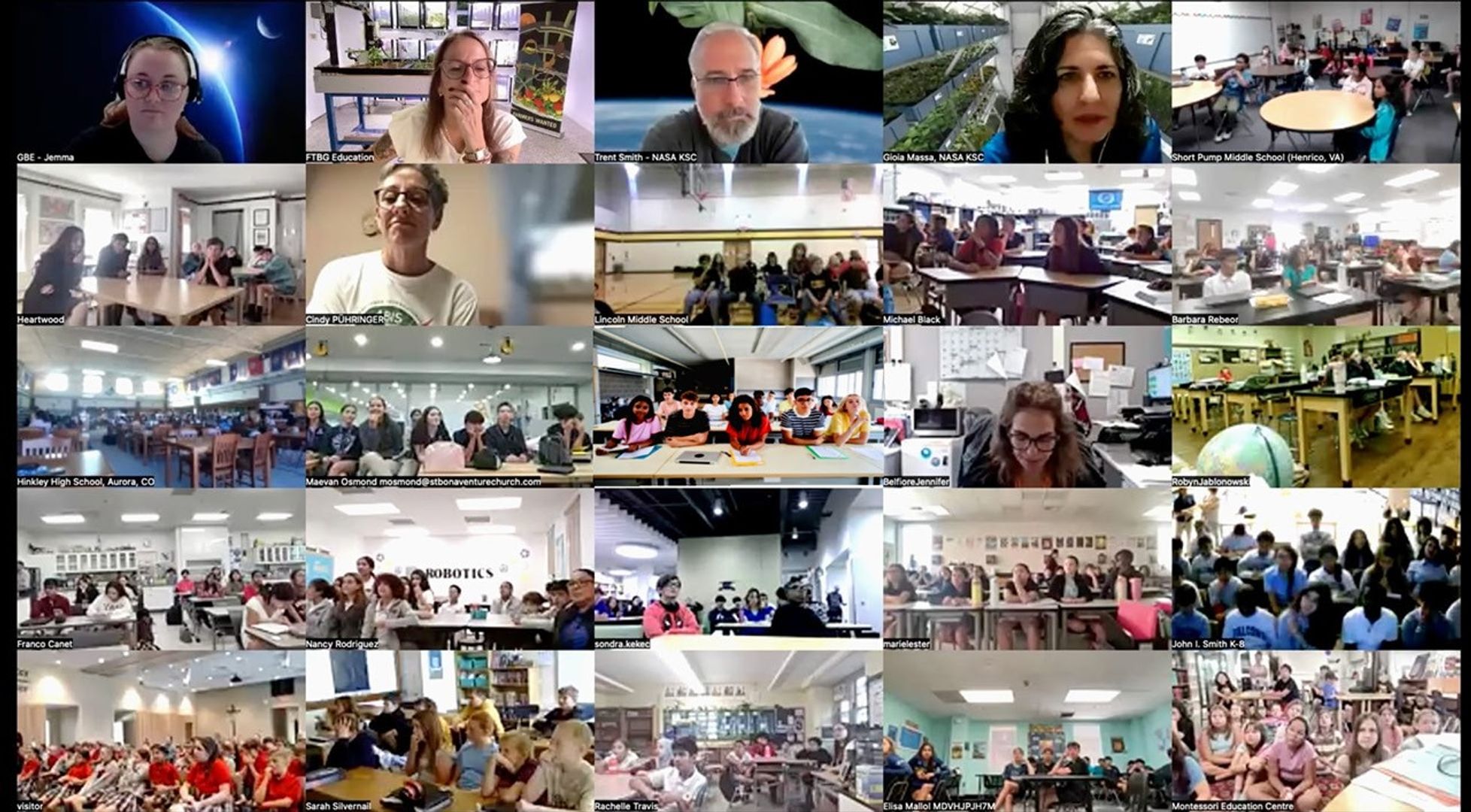
Student from 71 Classrooms engaged with NASA scientists to learn about how their Growing Beyond Earth research is contributing to feeding astronauts for long distance space travel.
Students from 71 Classrooms engaged with NASA scientists to learn about how their Growing Beyond Earth research is contributing to feeding astronauts for long distance space travel.

Nearly 1,250 middle and high school students from 71 schools around the world joined Fairchild Tropical Botanic Garden for the Growing Beyond Earth (GBE) Student Launch Chat with the Scientists, marking an inspiring milestone in the program’s 10th anniversary year.

The live session, held in collaboration with NASA, connected classrooms directly with Dr. Gioia Massa and Trent M. Smith, senior leaders of NASA Kennedy Space Center’s Space Crop Production team. Students heard firsthand how their classroom experiments are helping NASA identify and grow the best crops for future astronauts on long-duration missions to the Moon and Mars.

“Our students are contributing to real NASA science,” said one participating teacher. “It’s incredibly motivating for them to know their data could influence what astronauts eat in space someday.”

Connecting Classrooms with NASA Science

Growing Beyond Earth, led by Fairchild Tropical Botanic Garden in Miami, Florida, brings authentic NASA research into classrooms in a way that few science programs can. For more than a decade, the 83-acre botanic garden – renowned for its conservation, education, and research programs – has worked hand-in-hand with NASA to advance understanding of food production in space.

Students use specially designed plant growth chambers to test how different crops perform under conditions that mimic spacecraft environments. The data they collect are shared with NASA scientists, who use the findings to refine ongoing space crop production research.

Since the program’s inception, more than 120,000 students across 800+ classrooms have tested over 250 plant cultivars, with five student-tested crops already grown aboard the International Space Station.

Cultivating the Future STEM (Science, Technology, Engineering, & Mathematics) Workforce

The Growing Beyond Earth project exemplifies the mission of NASA’s Science Activation (SciAct) program, which connects NASA Science with people of all ages and backgrounds in ways that activate minds and promote a deeper understanding of our world and beyond, with the ultimate Vision: To increase learners’ active participation in the advancement of human knowledge. By engaging students as active participants in cutting-edge research, projects like GBE not only advance NASA’s goals but also cultivate curiosity, creativity, and confidence in the next generation of scientists and explorers. This year’s GBE Student Launch Chat celebrated that impact, showing how student research from classrooms around the globe contributes to the future of space exploration.

“When students see themselves as part of NASA’s mission, they realize science isn’t something distant, it’s something they can do,” said Dr. Massa. Teacher Espy Rodriguez from Hialeah Senior High School said, “It made their [her students] projects matter. I think it gave the kids a real sense of community. We are far, but we are one.” By growing plants, analyzing data, and sharing results with NASA, these students are helping humanity prepare for life beyond Earth, proving that the seeds of tomorrow’s discoveries are being planted in today’s classrooms.

GBE is supported by NASA under cooperative agreement award number 80NCCS2M0125 and is part of NASA’s Science Activation Portfolio. Learn more about how Science Activation connects NASA science experts, real content, and experiences with community leaders to do science in ways that activate minds and promote deeper understanding of our world and beyond: https://science.nasa.gov/learn/about-science-activation/.

www.fairchildgarden.org/gbe

Powered by WPeMatico

Get The Details…

Europa Clipper Captures Uranus With Star Tracker Camera

Europa Clipper Captures Uranus With Star Tracker Camera

2 Min Read

Europa Clipper Captures Uranus With Star Tracker Camera

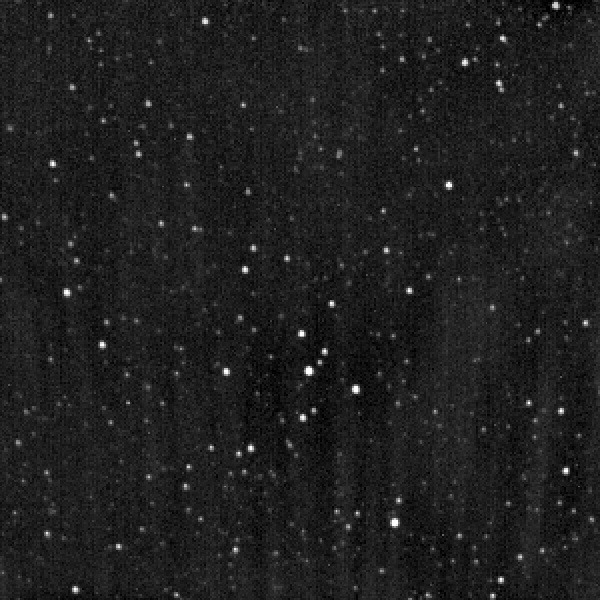
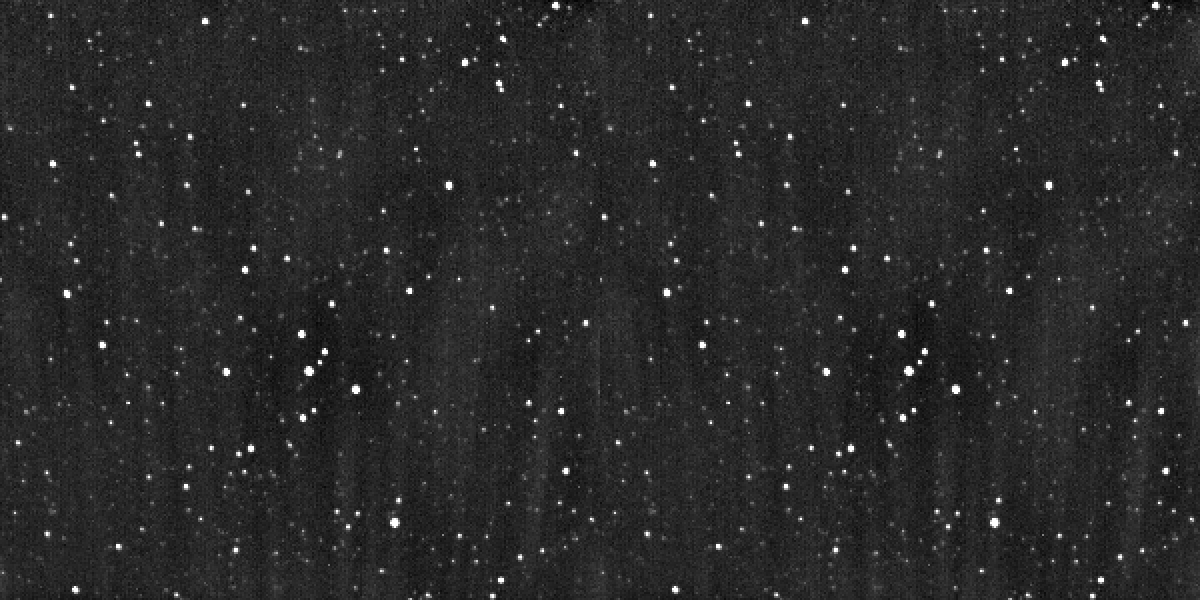
NASA’s Europa Clipper captured this image of a starfield — and the planet Uranus — on Nov. 5, 2025, while experimenting with one of its two stellar reference units
PIA26544
Credits:
NASA/JPL-Caltech

Description

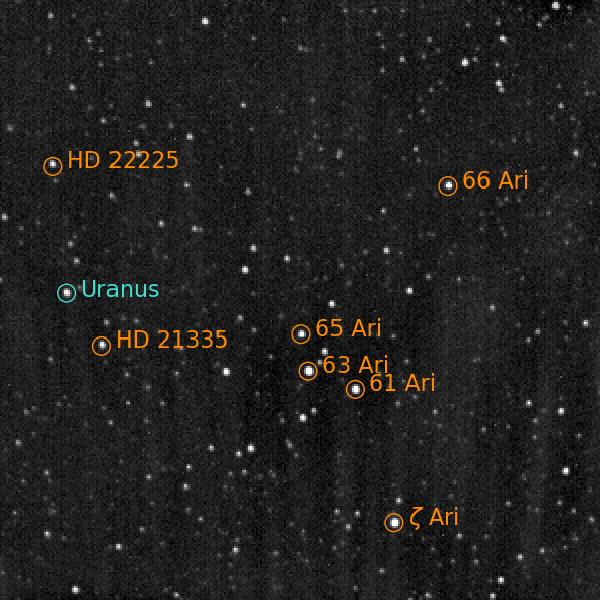
NASA’s Europa Clipper captured this image of a starfield — and the planet Uranus — on Nov. 5, 2025, while experimenting with one of its two stellar reference units. These star-tracking cameras are used for maintaining spacecraft orientation. Within the camera’s field of view — representing 0.1% of the full sky around the spacecraft — Uranus is visible as a larger dot near the left side of the image.

PIA26544_figA
Figure A is an annotated version of the image with Uranus and several background stars labeled.
NASA/JPL-Caltech
PIA26544_figB
Figure B is an animated GIF made of a pair of images taken 10 hours apart. In this version, Uranus can be seen moving very slightly, relative to the background stars.
NASA/JPL-Caltech

At the time the images were taken, Europa Clipper was about 2 billion miles (3.2 billion kilometers) from Uranus. The spacecraft is currently en route to the Jupiter system to study the icy moon Europa.

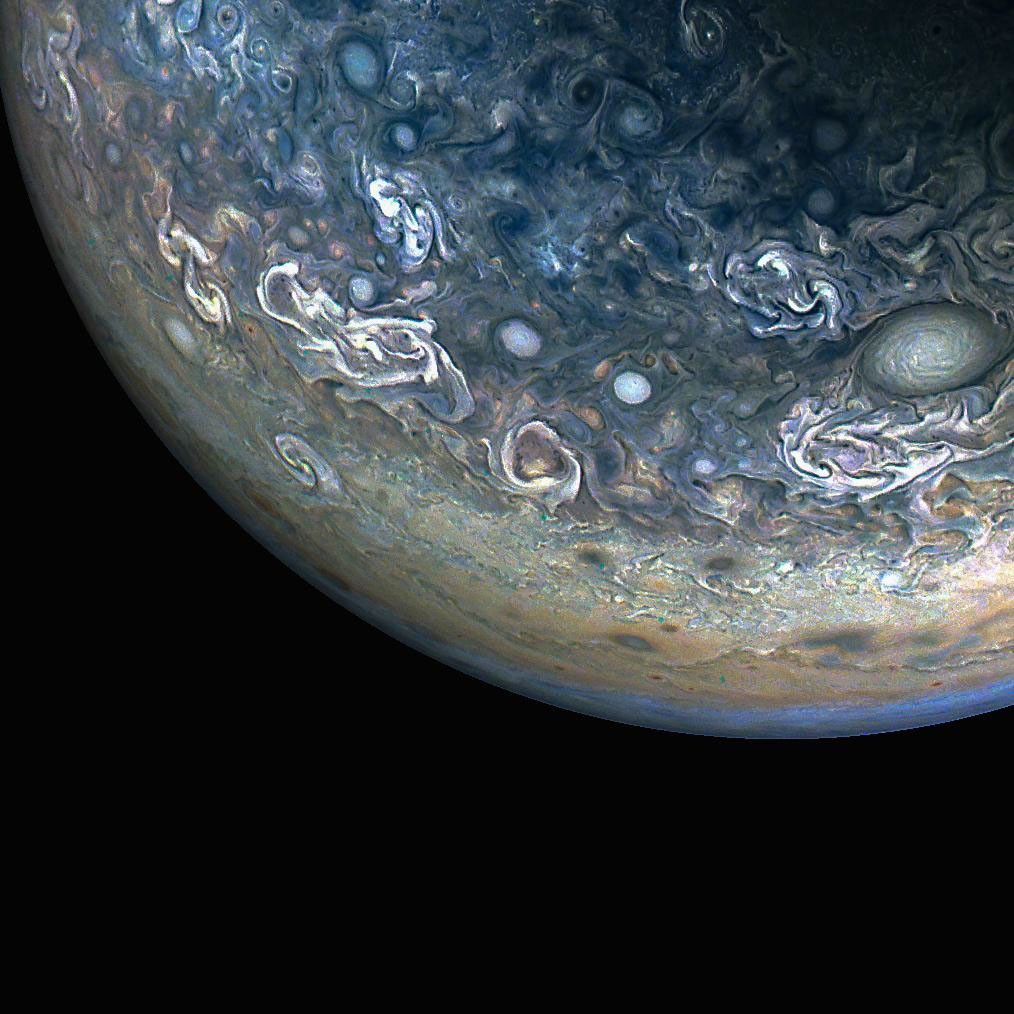
Europa Clipper launched in October 2024 and will arrive at the Jupiter system in 2030 to conduct about 50 flybys of Europa. The mission’s main science goal is to determine whether there are places below Europa’s surface that could support life. The mission’s three main science objectives are to determine the thickness of the moon’s icy shell and its surface interactions with the ocean below, to investigate its composition, and to characterize its geology. The mission’s detailed exploration of Europa will help scientists better understand the astrobiological potential for habitable worlds beyond our planet.

For more information about Europa and Europa Clipper, go to: https://science.nasa.gov/mission/europa-clipper/

Powered by WPeMatico

Get The Details…

NASA’s Scott Tingle to Serve as Agency’s Chief Astronaut

NASA’s Scott Tingle to Serve as Agency’s Chief Astronaut

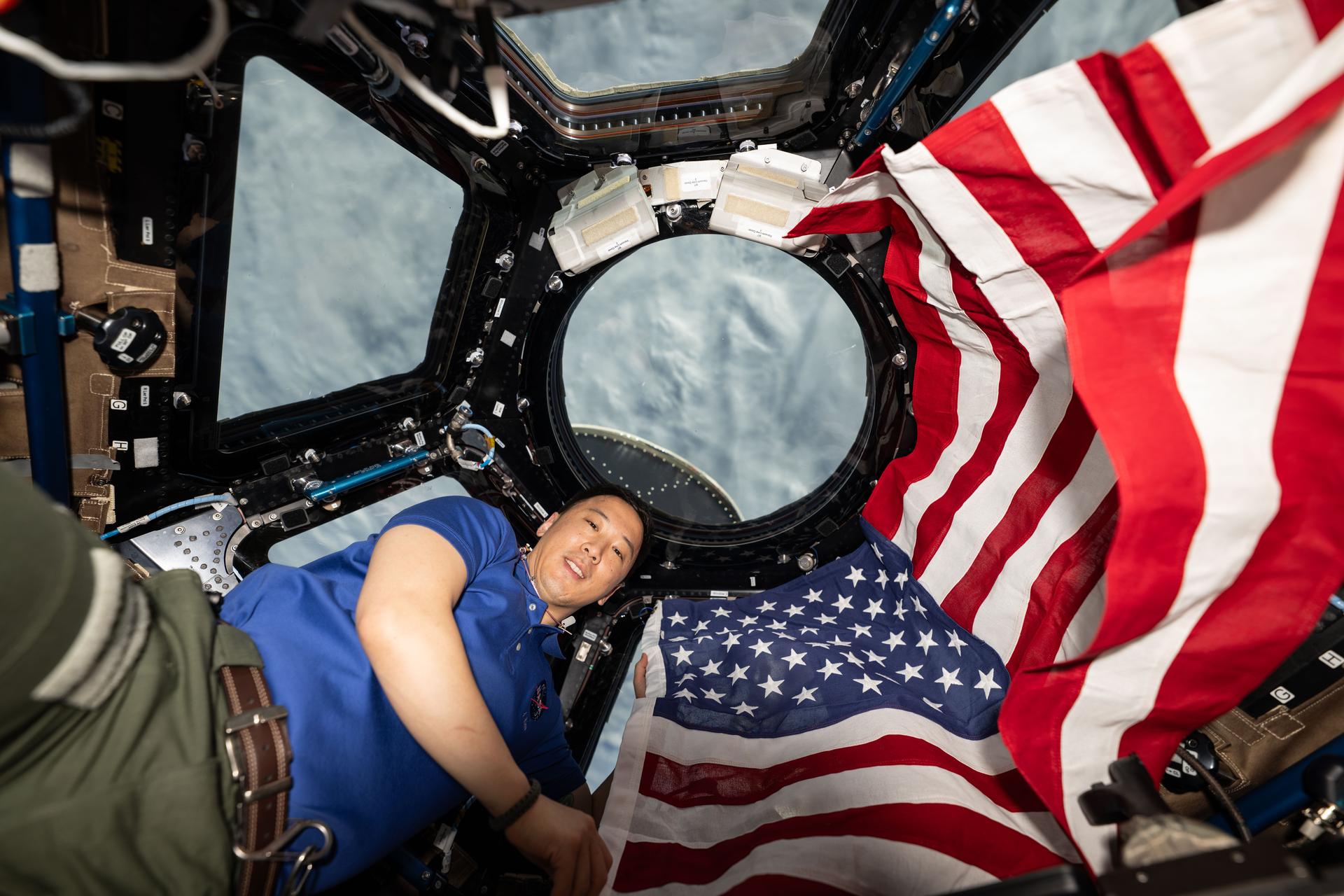
Nasa Astronaut with American Flag
NASA astronaut Scott Tingle

NASA named astronaut Scott Tingle as chief of the Astronaut Office at the agency’s Johnson Space Center in Houston, effective Nov. 10. A decorated spaceflight veteran and former captain in the United States Navy, Tingle has logged more than 4,500 flight hours in 51 different aircraft and served as a flight engineer aboard the International Space Station.

As chief astronaut, Tingle is responsible for managing astronaut resources and operations. He also will help develop astronaut flight crew operations and make crew assignments for future human spaceflight missions, including Artemis missions to the Moon.

“Our Johnson Space Center team congratulates Scott on his selection as chief of the Astronaut Office. We wish him well as he takes on this new and exciting leadership role,” said Johnson Space Center Director Vanessa Wyche. “I extend my sincerest thanks to Joe Acaba, for his dedicated service to the Astronaut Office, as he completed the tremendous task of preparing our astronaut corps for daring missions to and from the International Space Station and integrated their expertise and space knowledge to develop and test future technologies, software, and procedures making space travel safer and more attainable for our nation’s explorers.”

A native of Randolph, Massachusetts, Tingle was selected as a NASA astronaut in 2009. He holds a bachelor’s degree in mechanical engineering from Southeastern Massachusetts University and a master’s degree in mechanical engineering from Purdue University in West Lafayette, Indiana.

Tingle most recently served as a flight engineer aboard the space station, spending more than six months in orbit during Expedition 54/55. He was the flight engineer and United States Operational Segment lead for the mission, which launched from the Baikonur Cosmodrome aboard a Soyuz spacecraft on Dec. 17, 2017, and concluded with landing on June 3, 2018. Since returning to Earth, he has supported the Astronaut Office in various roles, including mission support, technical leadership, and crew readiness activities.

Before coming to NASA, Tingle worked for The Aerospace Corporation in El Segundo, California, where he served as a technical staff member supporting the company’s propulsion department. He was commissioned as a naval officer in 1991 and went on to complete a distinguished career, earning the rank of captain before retiring. Follow Tingle on X.

Tingle succeeds NASA astronaut Joe Acaba, who had served as chief of the Astronaut Office since February 2023. Acaba has transitioned to the center director’s staff, where he provides technical advice on mission planning and strategy at NASA Johnson. In this new role, he leads the center’s alignment with NASA’s strategic plan and human spaceflight priorities, supports the agency’s STEM workforce goals, and advances collaboration with commercial space, academia, and other government partners as NASA continues its exploration beyond low Earth orbit.

Learn more about the International Space Station:

https://www.nasa.gov/international-space-station

-end-

Shaneequa Vereen

Johnson Space Center, Houston
281-483-5111

shaneequa.y.vereen@nasa.gov

Powered by WPeMatico

Get The Details…
Wendy K. Avedisian