Meet NASA’s Artemis II Crew During Houston Public Event

Meet NASA’s Artemis II Crew During Houston Public Event

Artemis astronauts in Orion capsule
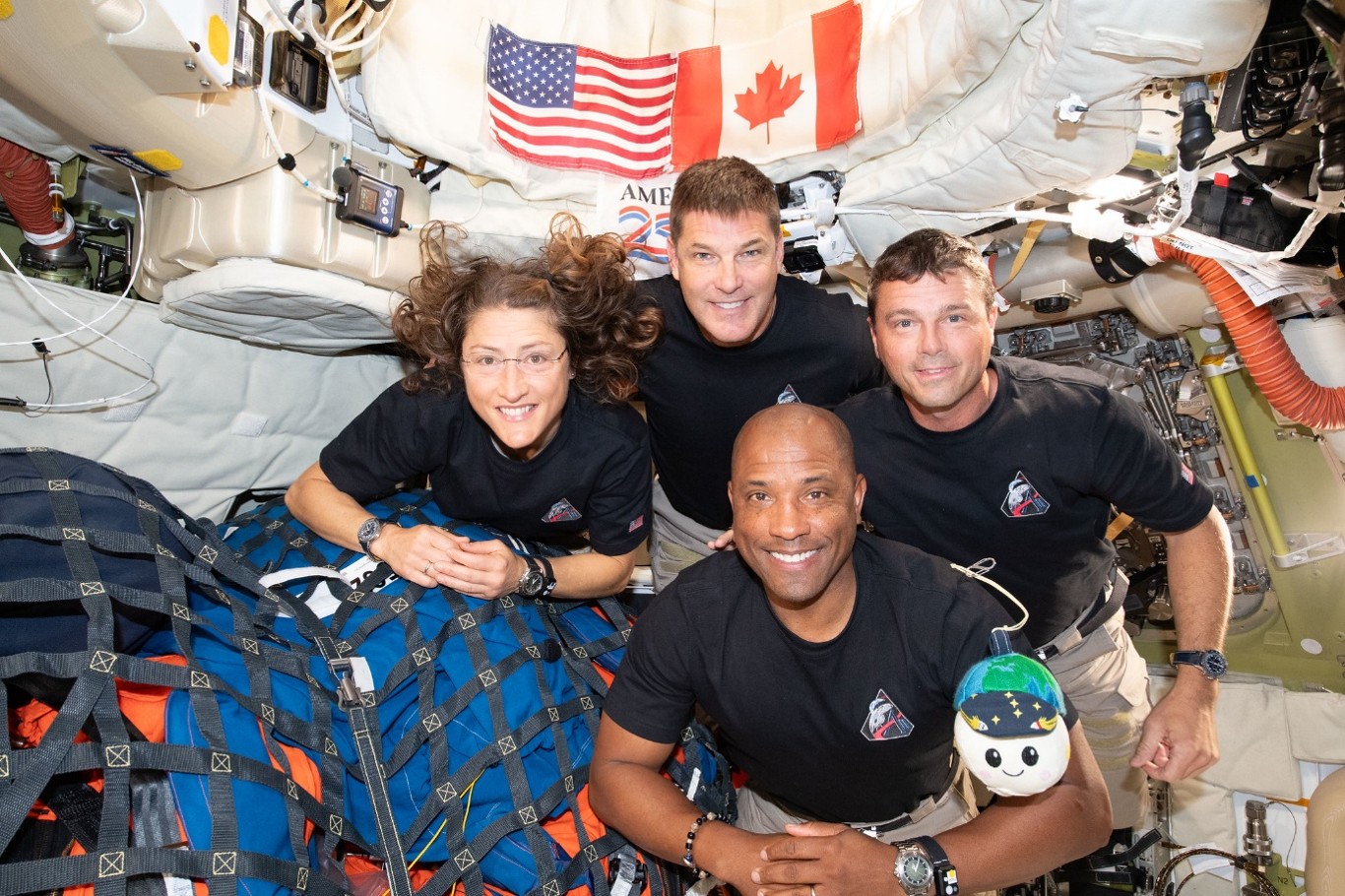
The Artemis II crew (clockwise from left) Mission Specialist Christina Koch, Mission Specialist Jeremy Hansen, Commander Reid Wiseman, and Pilot Victor Glover pause for a group photo with their zero gravity indicator “Rise,” inside the Orion spacecraft during their nearly 10-day mission around the Moon and back. Credit: NASA

The four astronauts of NASA’s Artemis II mission will participate in an event hosted by industry and community partners at the University of Houston to discuss their mission around the Moon aboard the Orion spacecraft. It will be the first event in Houston for the public following their lunar mission earlier this year and marks the conclusion of their post-flight campaign.

Astronauts Reid Wiseman, Victor Glover, and Christina Koch of NASA and CSA (Canadian Space Agency) astronaut Jeremy Hansen will share highlights from their mission at 7 p.m. CDT Wednesday, Sept. 30, during the free, public event at University of Houston’s Fertitta Center. Additionally, the National Aeronautic Association will recognize the crew for surpassing the record for human spaceflight’s farthest distance traveled, previously set by the Apollo 13 mission in 1970.

Media are invited to attend a brief question and answer session with the Artemis II crew at 5:45 p.m. prior to the public presentation. Media interested in attending must RSVP no later than 12 p.m. on Sept. 30 to Kenna Pell at: kenna.m.pell@nasa.gov.  

NASA’s historic Artemis II mission launched April 1 and splashed down in the Pacific Ocean on April 10. The crew members were the first astronauts to launch on the agency’s SLS (Space Launch System) rocket, flying aboard NASA’s Orion spacecraft. During their record-setting mission, the astronauts traveled 252,756 miles from Earth, farther than any humans have traveled before.

As part of the Golden Age of innovation and exploration, NASA will send Artemis astronauts on increasingly difficult missions to explore more of the Moon for scientific discovery, economic benefits, establish an enduring human presence on the lunar surface, and to build on our foundation for the first crewed missions to Mars.

Learn more about the Artemis program at:

                                         https://www.nasa.gov/artemis
                                                                -end-
 

Kenna Pell
Johnson Space Center, Houston
281-483-5111
kenna.m.pell@nasa.gov

Powered by WPeMatico

Get The Details…
Wendy K. Avedisian

What You Need to Know About NASA’s SpaceX Crew-13 Mission

What You Need to Know About NASA’s SpaceX Crew-13 Mission

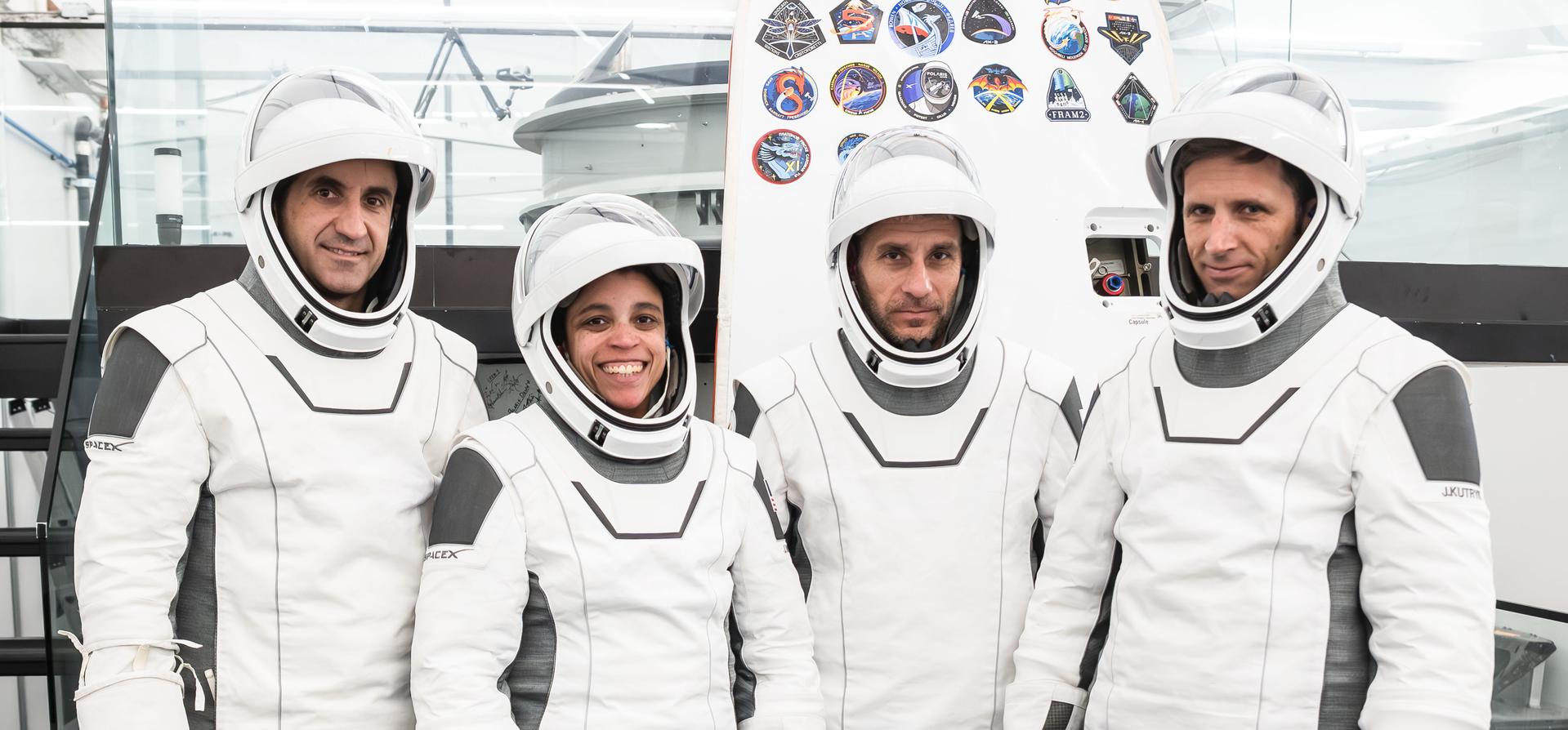
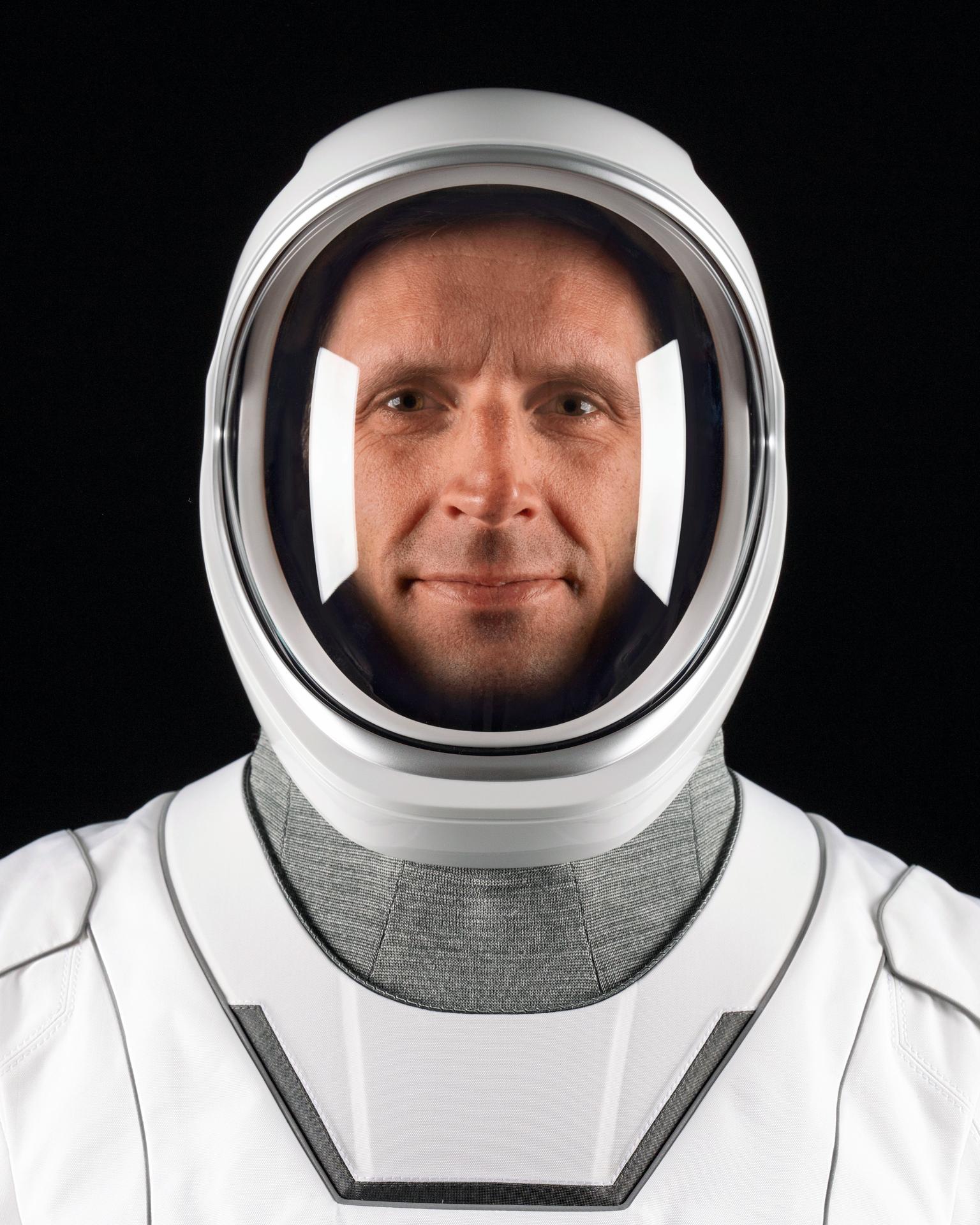
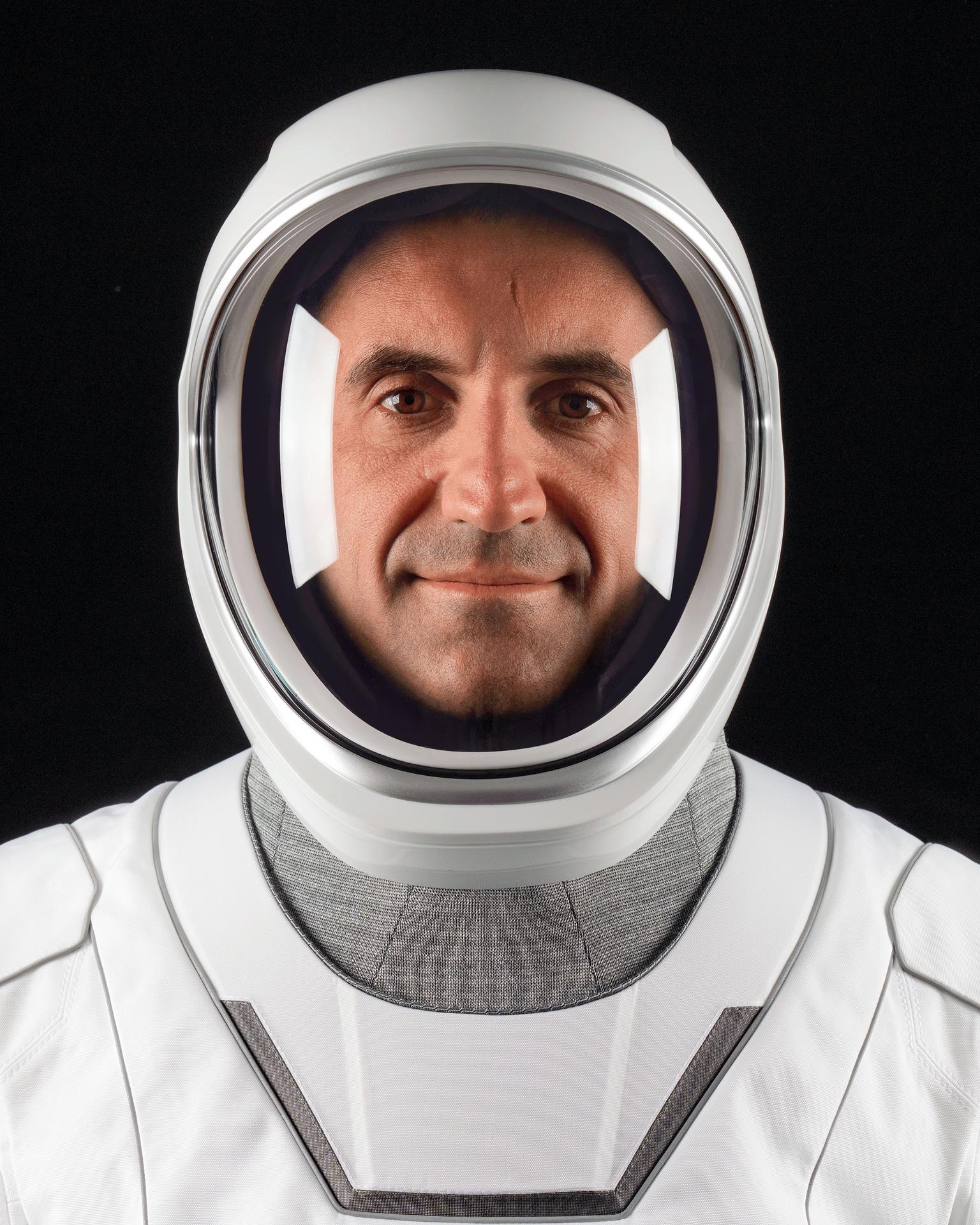
The SpaceX Crew-13 members pose for a portrait in their pressure suits during a preflight training session at the company's headquarters in Hawthorne, California. From left are, Roscosmos cosmonaut Sergey Teteryatnikov, NASA astronauts Jessica Watkins and Luke Delaney, and CSA (Canadian Space Agency) astronaut Joshua Kutryk.
The SpaceX Crew-13 members pose for a portrait in their pressure suits during a preflight training session at the company’s headquarters in Hawthorne, California. From left are, Roscosmos cosmonaut Sergey Teteryatnikov, NASA astronauts Jessica Watkins and Luke Delaney, and CSA (Canadian Space Agency) astronaut Joshua Kutryk.
SpaceX

Four crew members are set to launch to the International Space Station as part of NASA’s SpaceX Crew-13 mission to perform research, technology demonstrations, and maintenance aboard the orbiting laboratory.

NASA astronauts Jessica Watkins and Luke Delaney will support the mission as spacecraft commander and pilot, respectively, joined by CSA (Canadian Space Agency) astronaut Joshua Kutryk and Roscosmos cosmonaut Sergey Teteryatnikov as mission specialists. Crew-13 will lift off no earlier than 11:10 a.m. EDT, Thursday, Oct. 1, from Space Launch Complex 40 at Cape Canaveral Space Force Station in Florida and join the space station’s Expedition 75 crew. Throughout its long‑duration mission, the crew will conduct science experiments to advance research and technology for future Moon and Mars missions and improve life on Earth.

“During the mission, the crew will help researchers treat heart disease and Parkinson’s disease by studying human stem-cell derived tissues that can help improve medicine, disease modeling, and pharmaceutical testing,” said Dana Weigel, manager of NASA’s Low Earth Orbit Program at the agency’s Johnson Space Center in Houston. “They also will explore crop production, which is important for longer-duration spaceflight missions,  help us better understand blood flow abnormalities that we see in space, and test new diagnostic medical equipment for monitoring crew health.”

The flight is the 13th crew rotation mission with SpaceX to the space station as part of NASA’s Commercial Crew Office.

Support teams continue to progress through Dragon preflight milestones for Crew-13 and are preparing a SpaceX Falcon 9 rocket booster for its third flight. Up in orbit, NASA’s SpaceX Crew-12 is preparing to return to Earth after a brief handover once Crew-13 arrives.

After all rocket and spacecraft system checkouts are complete and all components are certified, teams will mate Dragon to Falcon 9 in SpaceX’s hangar at the launch site. The integrated spacecraft and rocket will then roll to the pad, where it will be raised vertically for a dry dress rehearsal with the crew and an integrated static fire test before launch.

The quartet will fly aboard a SpaceX Dragon spacecraft named Grace. This spacecraft previously flew in summer 2025 in support of private astronaut mission Axiom Mission 4.

Meet Crew-13

Commander Jessica Watkins

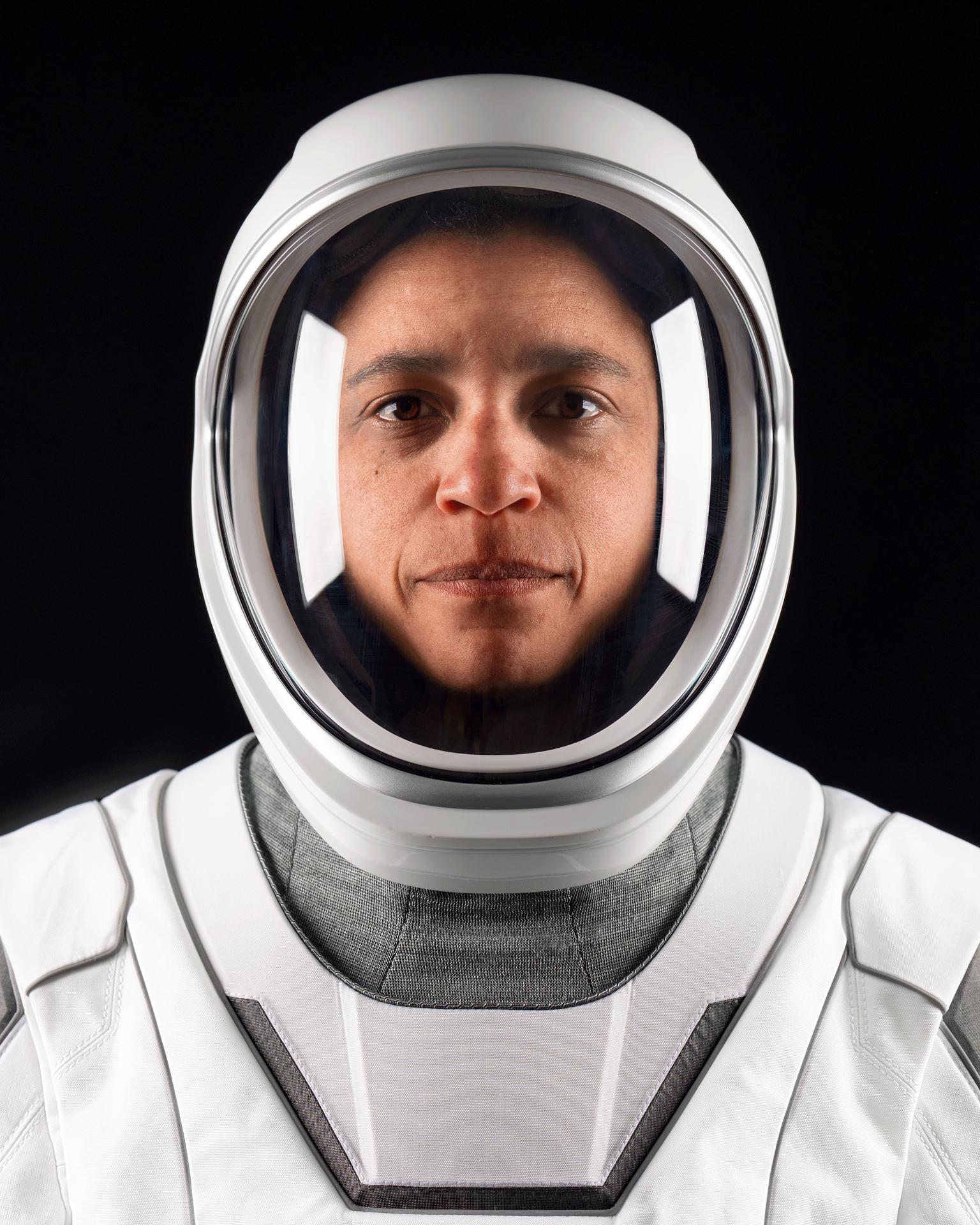
NASA astronaut Jessica Watkins, commander of NASA’s SpaceX Crew-13 mission to the International Space Station, poses for a portrait in her pressure suit at SpaceX headquarters in Hawthorne, California.
SpaceX

This will be the second flight to the space station for Watkins, who was selected as a NASA astronaut in 2017. She grew up in Lafayette, Colorado, and earned an undergraduate degree in geological and environmental sciences from Stanford University, as well as a doctorate in geology from the University of California, Los Angeles. As a geologist, Watkins studied the Martian surface and was a member of the Curiosity rover science team at NASA’s Jet Propulsion Laboratory in Southern California. She first launched to the space station aboard NASA’s SpaceX Crew-4 mission, spending a total of 170 days in space across Expeditions 67/68 in 2022. She will be the first NASA astronaut to launch twice aboard a SpaceX Dragon spacecraft. Follow Jessica on X and Instagram.

Pilot Luke Delaney

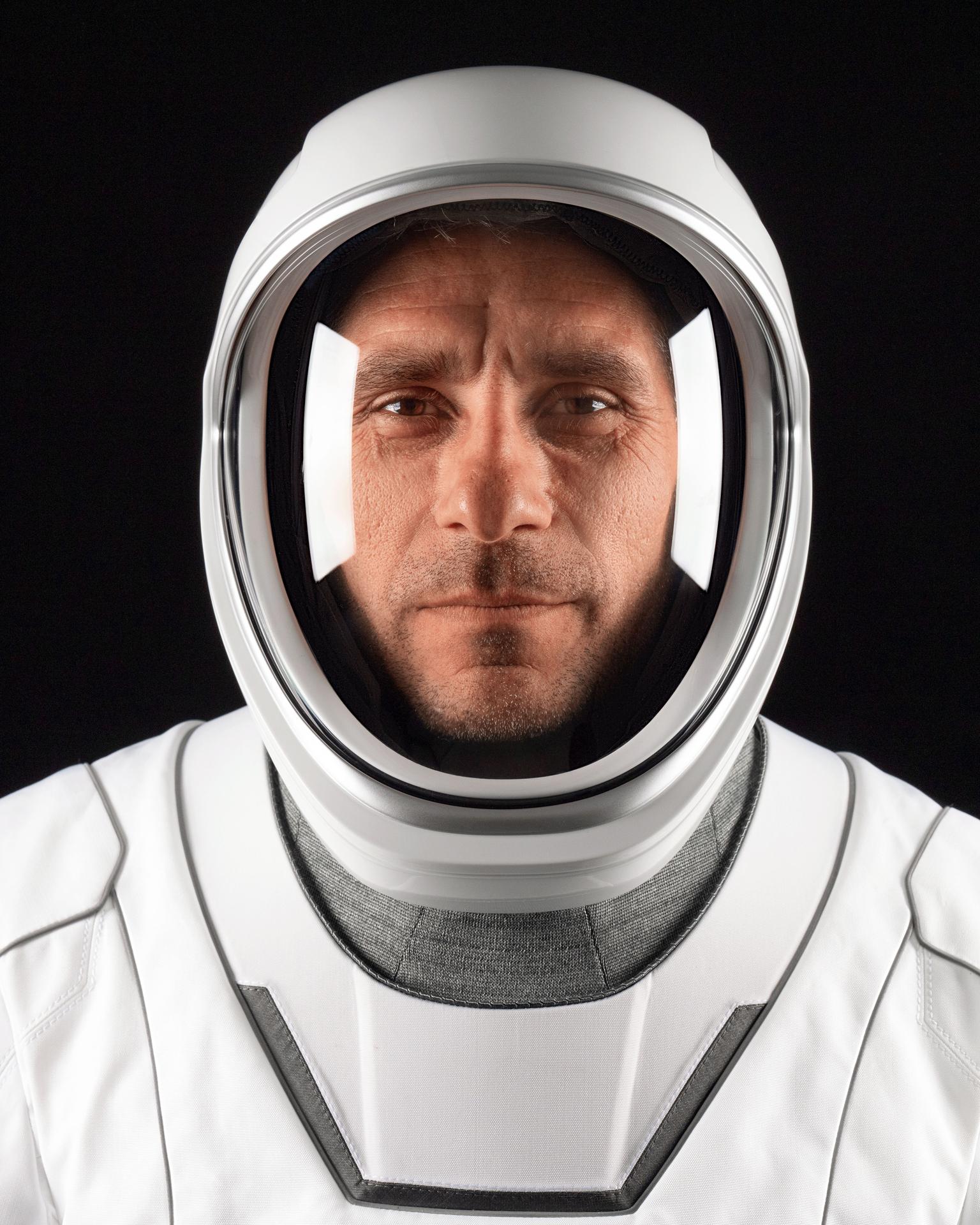
NASA astronaut Luke Delaney, pilot of NASA’s SpaceX Crew-13 mission to the International Space Station, poses for a portrait in his pressure suit at SpaceX headquarters in Hawthorne, California.
SpaceX

Selected as a NASA astronaut in 2021, Delaney earned a bachelor’s degree in mechanical engineering at the University of North Florida and a master’s degree in aerospace engineering at the Naval Postgraduate School. The Florida native is a distinguished naval aviator who participated in exercises throughout the Asia-Pacific region and flew missions in support of Operation Enduring Freedom. As a test pilot, Delaney evaluated developmental aircraft systems and served as a test pilot instructor. He also worked as a research pilot at NASA’s Langley Research Center in Hampton, Virginia, where he supported airborne science missions. This is Delaney’s first spaceflight.

Mission Specialist Joshua Kutryk

CSA (Canadian Space Agency) astronaut Joshua Kutryk, mission specialist of NASA’s SpaceX Crew-13 mission to the International Space Station, poses for a portrait in his pressure suit at SpaceX headquarters in Hawthorne, California.
SpaceX

The Crew-13 mission also is the first spaceflight for Kutryk. Prior to his selection as a CSA astronaut in 2017, he served as a CF-18 fighter pilot, flying missions in support of Canada’s NATO, U.N., and North American Aerospace Defense Command commitments. A native of Fort Saskatchewan, Alberta, Kutryk worked as an experimental and operational test pilot at the Aerospace Engineering Test Establishment in Cold Lake, Alberta. Kutryk received a bachelor’s degree in mechanical engineering from the Royal Military College of Canada in Kingston, Ontario, and is a distinguished graduate of the United States Air Force Test Pilot school in Edwards, California. He has master’s degrees in space studies, flight test engineering, and defense studies. Follow Josh on X and Instagram.

Mission Specialist Sergey Teteryatnikov

Roscosmos cosmonaut Sergey Teteryatnikov, mission specialist of NASA’s SpaceX Crew-13 mission to the International Space Station, poses for a portrait in his pressure suit at SpaceX headquarters in Hawthorne, California.
SpaceX

This mission will be Teteryatnikov’s first trip to the orbiting laboratory. He graduated from the Naval Academy, St. Petersburg, Russia, in 2011 as an engineer specializing in ship power plant operations. Before his selection as a test cosmonaut, Teteryatnikov served in various naval engineering roles, including undersea vessels and specialized engine room operations. He was selected for the Gagarin Research and Test Cosmonaut Training Center Cosmonaut Corps in 2021 and has served as a test cosmonaut since 2023.

Mission Overview

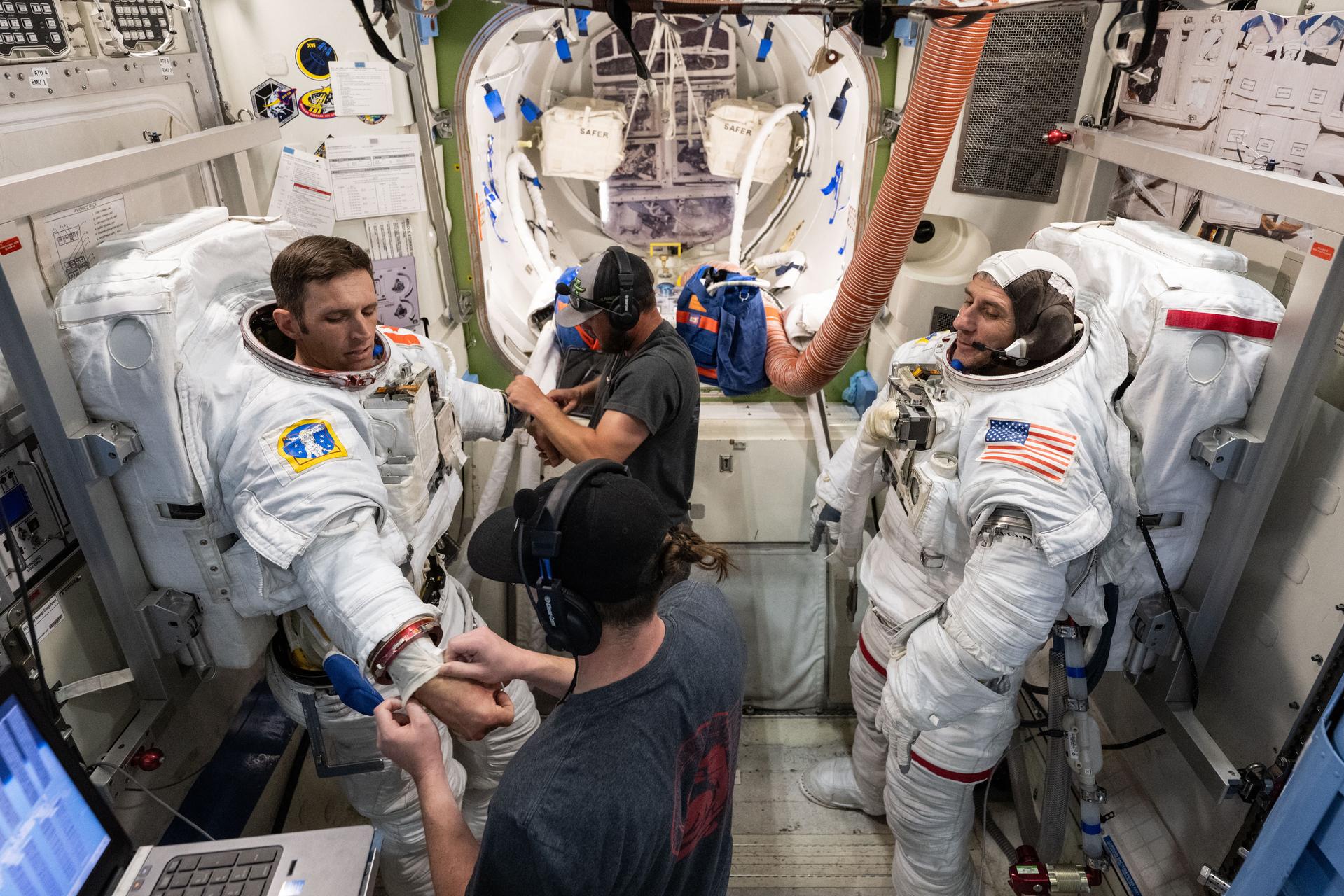
CSA (Canadian Space Agency) astronaut Josh Kutryk (left) and NASA astronaut Luke Delaney (right), with assistance from training specialists, practice suiting up in spacesuits in an International Space Station airlock simulator at Johnson Space Center’s (JSC) Space Vehicle Mockup Facility in Houston, Texas. Astronauts familiarize themselves with spacesuit systems and procedures and practice Quest airlock operations before conducting spacewalk training at JSC’s Neutral Buoyancy Laboratory in simulated microgravity.
NASA/Josh Valcarcel

Following liftoff, Falcon 9 will accelerate Dragon to approximately 17,500 mph. Once in orbit, the crew, along with NASA and SpaceX mission control, will monitor a series of maneuvers guiding Dragon to the forward-facing port of the station’s Harmony module. The spacecraft is designed to dock autonomously, but the crew can take manual control if necessary.

After docking, Crew-13 will be welcomed aboard the station by the seven-member Expedition 75 crew, including NASA astronauts Jessica Meir, Anil Menon, and Jack Hathaway, ESA (European Space Agency) astronaut Sophie Adenot, and Roscosmos cosmonauts Pyotr Dubrov, Andrey Fedyaev, and Anna Kikina. After a short handover period, the crew will bid farewell to the Dragon spacecraft carrying NASA’s SpaceX Crew-12 crew of Meir, Hathaway, Adenot, and Fedyaev.

While aboard the orbiting laboratory, Crew-13 will welcome NASA’s SpaceX’s 35th commercial resupply mission in the fall for station resupply and the delivery of International Space Station Roll-Out Solar Arrays. The crew also will welcome NASA’s Northrop Grumman Commercial Resupply Services-25 mission later this year.

For more than 25 years, people have lived and worked continuously aboard the International Space Station, advancing scientific knowledge and making research breakthroughs not possible on Earth. The space station helps NASA understand and overcome the challenges of human spaceflight, expand commercial opportunities in low Earth orbit, and build on the foundation for long-duration missions to the Moon, as part of the Artemis program, and to Mars.

Learn more about the space station, its research, and crew, at:

https://www.nasa.gov/station

Powered by WPeMatico

Get The Details…
Mark A. Garcia

Space Station View of Earth at Night

Space Station View of Earth at Night

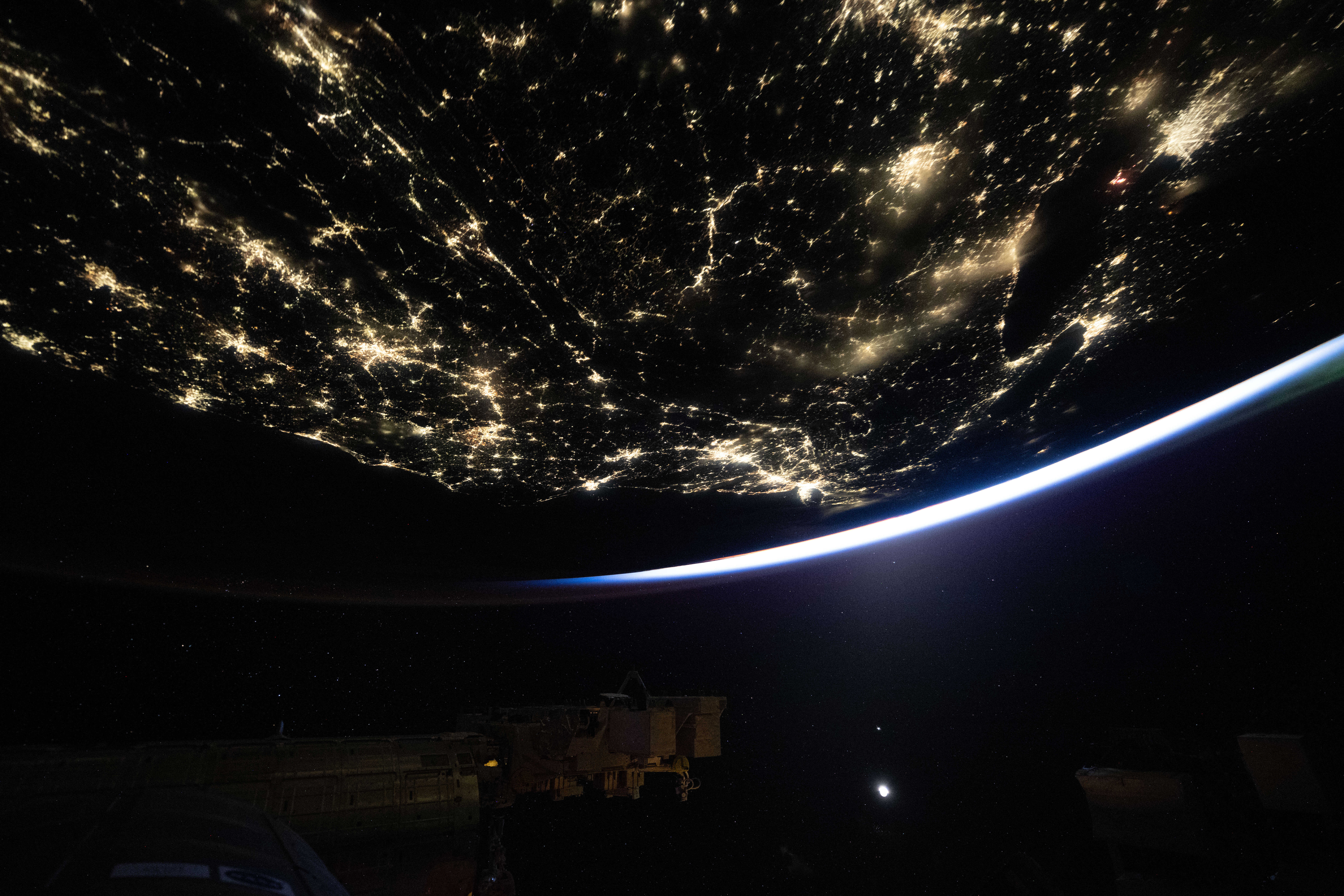
A dark Earth, lit up in areas by city lights, takes up most of the image. A small sliver of light is visible at the bottom right curve of our home planet. Part of the International Space Station can be faintly seen at the bottom of the photo.
NASA/Jessica Meir

This nighttime view of the United States, dotted with city lights looking toward New York City (center), was taken at approximately 3:40 a.m. local time on Sept. 8, 2026, from the International Space Station as it orbited 259 miles above Earth.

Image credit: NASA/Jessica Meir

Powered by WPeMatico

Get The Details…
HQ Web Team

NASA ORBIT Challenge 2027

NASA ORBIT Challenge 2027

1 min read

Preparations for Next Moonwalk Simulations Underway (and Underwater)

NASA ORBIT graphic design imagery. The words "NASA ORBIT" are displayed encircled by an oval graphic design with a star at the bottom of the oval.

The NASA ORBIT (Opportunities in Research, Business, Innovation, and Technology for the Workforce) Challenge invites university and community college students nationwide to work with real NASA intellectual property and mission challenges.

Choose your path: develop commercial applications of NASA patents that solve problems here on Earth (ORBIT Earth), or design next-generation technologies for space exploration (ORBIT Space). The most ambitious teams can pursue both through the optional Integration Bonus.

Award: Up to $500,000 in prizes, receive mentorship from NASA experts, and present your work at an in-person showcase. Finalists gain access to an exclusive accelerator program designed to launch careers in STEM and entrepreneurship.

Challenge Open Date: September 14, 2026

Registration Close Date: November 16, 2026

For more information, visit: https://nasaorbit.org/

Powered by WPeMatico

Get The Details…
Bailey G. Light

Contractor to Civil Servant: NASA Welcomes Kristie Foster

Contractor to Civil Servant: NASA Welcomes Kristie Foster

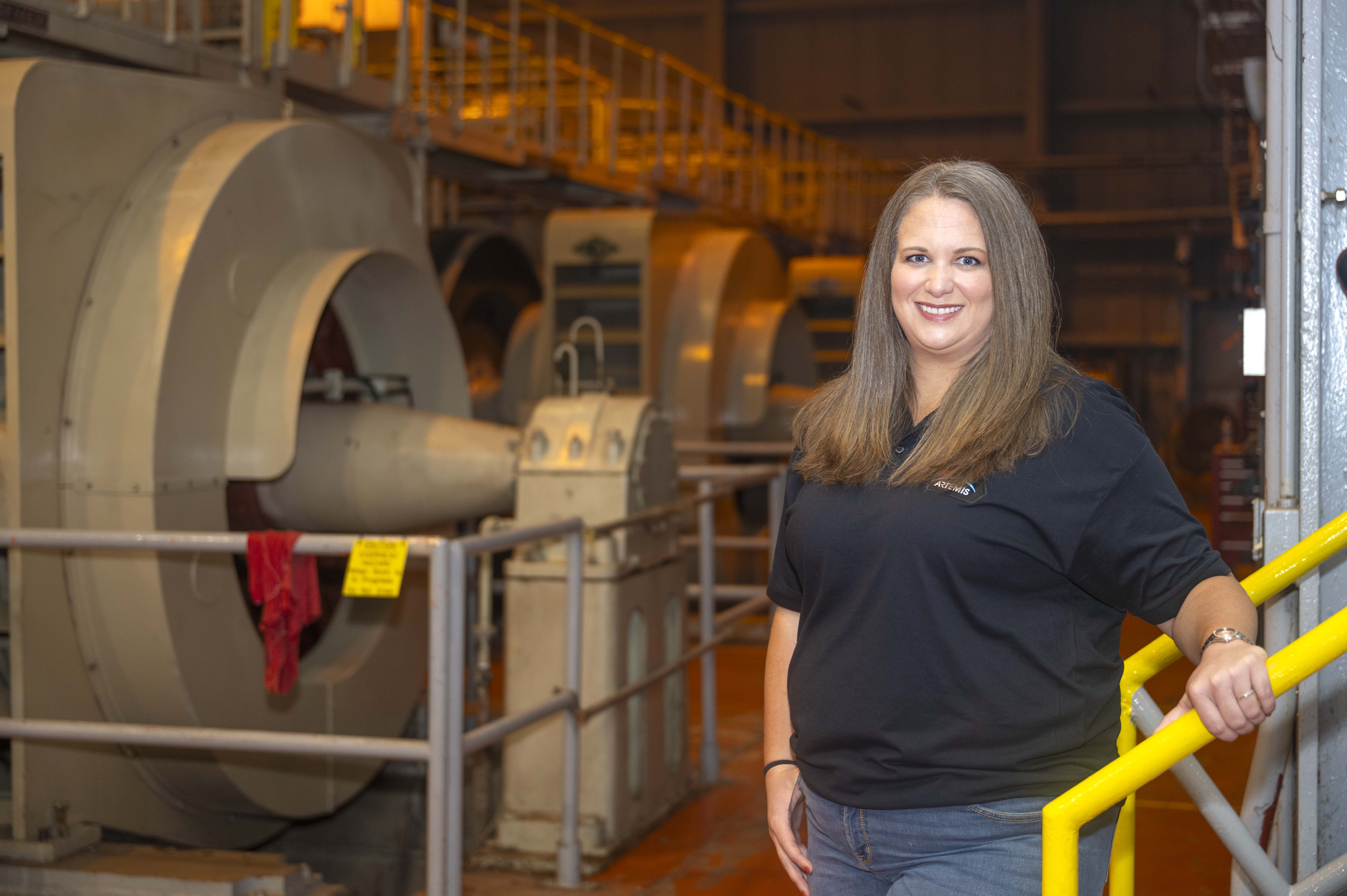
Kristie Foster, a quality engineer at NASA’s Stennis Space Center, stands inside the High Pressure Industrial Water Facility in Bay St. Louis, Mississippi, during a photo session on September 10, 2026.
Kristie Foster, quality engineer at NASA’s Stennis Space Center near Bay St. Louis, Mississippi, poses for a photograph inside the High Pressure Industrial Water Facility on Sept. 10, 2026. Foster is now a NASA civil servant at Stennis as part of the administrator’s directive to strengthen technical core competencies within the civil service workforce.
NASA/Danny Nowlin

Kristie Foster paved her road to becoming a NASA civil servant with literal miles of dedication. Her work at the agency’s Stennis Space Center near Bay St. Louis, Mississippi, supports NASA’s mission to return American astronauts to the Moon, build a Moon Base for an enduring presence on the lunar surface, and ensure American leadership in space.

Foster’s move from a long-time contractor to a civil servant secures critical institutional knowledge after being hired in June under the agency’s workforce directive to restore core competencies.

“It means a lot, especially carrying the family legacy forward after my father retired from NASA last year after working about 20 years at Stennis,” said Foster. “It meant something to finally see that dream come true in full circle.”

As a quality engineer, Foster manages quality assurance and engineering at America’s largest rocket propulsion test site with much of her focus at the High Pressure Gas Facility and High Pressure Industrial Water Facility.

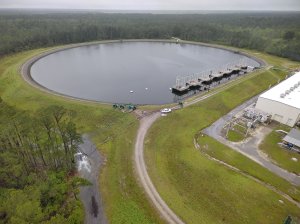
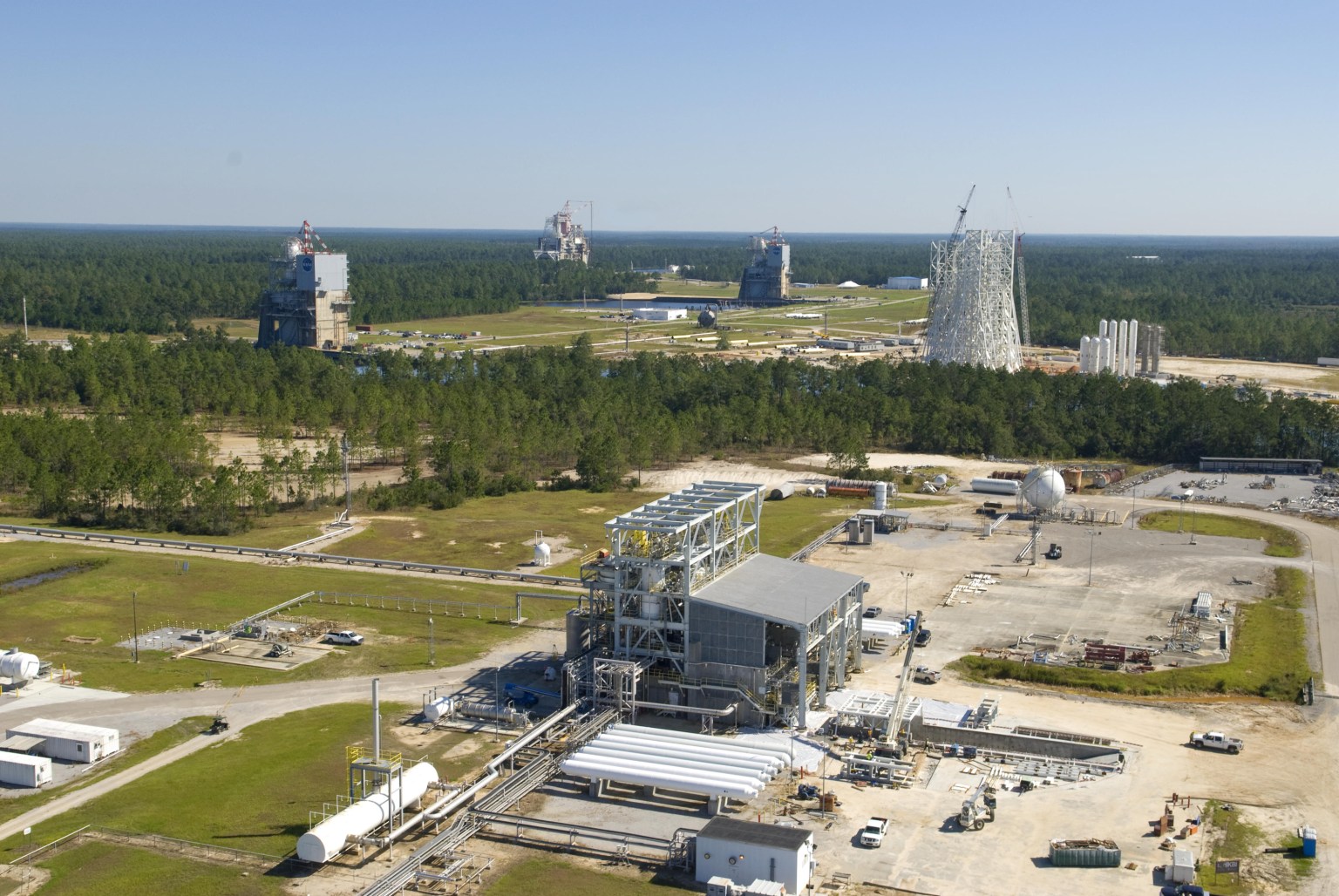
Known as the heart of Stennis, the gas facility is where gaseous nitrogen, helium, hydrogen, and air are created, stored, and distributed through a 7-mile pipeline across the center for propulsion testing. The water facility utilizes a 66-million-gallon reservoir to pump massive volumes of water to the test stands for cooling and sound suppression.

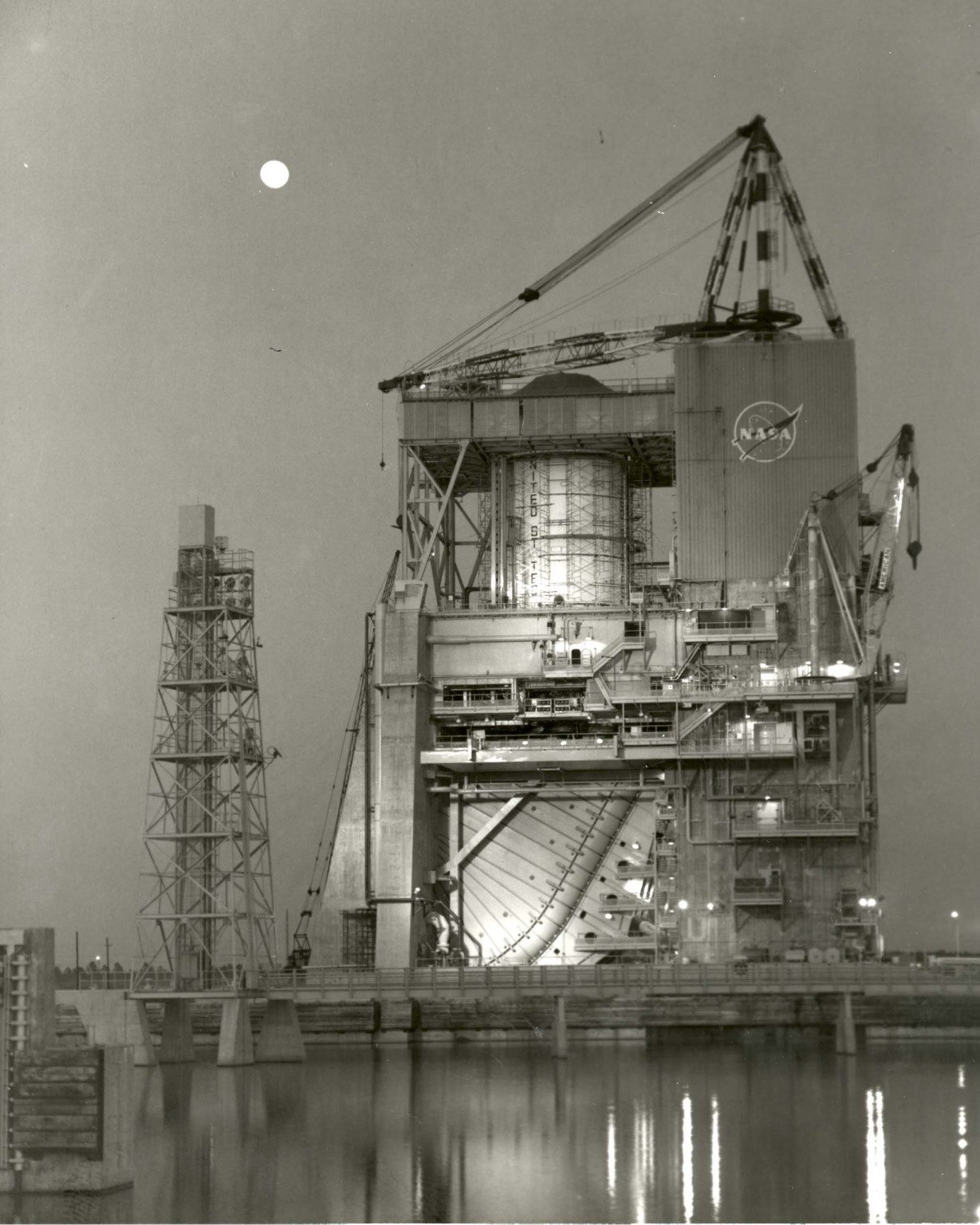
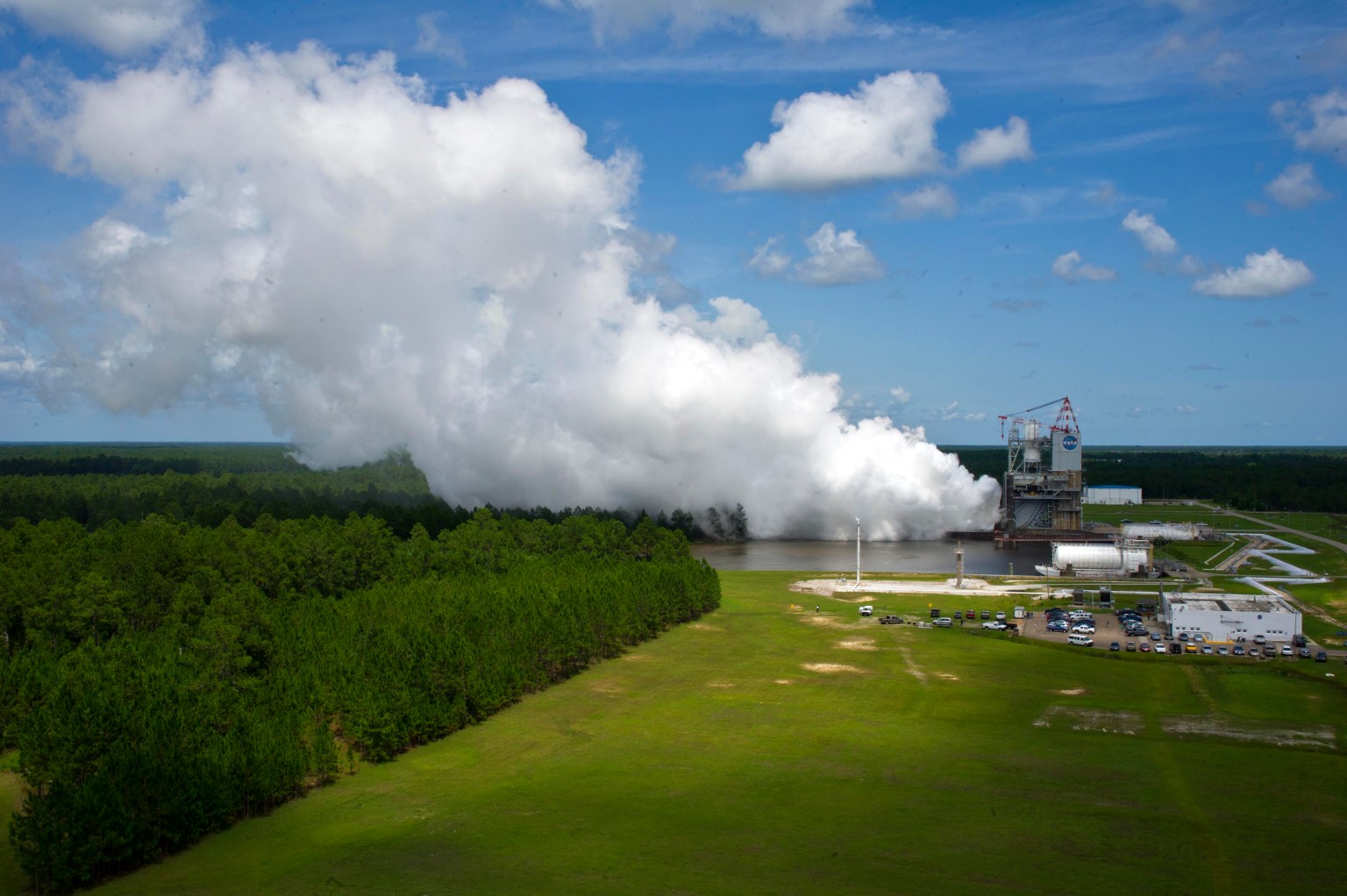
She also has taken on a safety role of supporting the build up at the Thad Cochran Test Stand (B-2), where Blue Origin will conduct second stage hot fire testing of the company’s New Glenn rocket.

Her technical work involves reviewing test preparation sheets, verifying operational plans in the field, and ensuring processes are executed from the initial design phase through final closeout.

“If you put safety and quality up front and incorporate it throughout the entire process, you are going to end up with a better product at the end,” said Foster. “Because NASA pushes safety and actively performs it, we are able to work at a fast pace with safety at the forefront.”

Foster applies an adaptable, mission-first mindset to her work that is advancing Artemis missions. Following the successful Artemis II mission last April, Artemis III is intended to demonstrate integrated operations between the Orion spacecraft and test versions of commercial human landing systems before Artemis IV returns astronauts to the lunar surface.

“I feel like the space race is back to that original excitement all over again,” said Foster. “Artemis I and II were huge, successful missions. That was amazing to be a part of, and it is something to look forward to with Artemis III and IV. I want to see humans back on the Moon. It is exciting.”

While her focus is now on returning humans to the Moon, Foster’s own journey to NASA started close to home. She completed two years at Pearl River Community College, along with summer night classes at Mississippi Gulf Coast Community College.

Her first time working at Stennis came with the largest tenant of the NASA Stennis Federal City: The United States Navy, and an internship with the Naval Oceanographic Office.

While finishing her bachelor’s degree in construction management and land development at Mississippi State University, Foster landed a four-week holiday internship on a Stennis construction project. This evolved into a senior-year schedule of working three days a week at Stennis, then driving hours back to campus to attend classes the other four days.

The hard work paid off with a full-time job. Foster worked as a contractor supporting NASA’s work from 2008 until her recent hire with the agency.

A resident of Poplarville, Mississippi, Foster balances her career with life on a farm. Her 12-year-old son, an avid space enthusiast, now shares similar aerospace conversations with his mother that she once had with her father.

As Foster ensures the safety and quality of NASA’s propulsion testing at Stennis, she is leading by example for her son and the Artemis Generation.

“I have always lived by the saying: ‘Shoot for the Moon, because even if you miss, you land among the stars.’ That is how I have approached my career,” said Foster. “It takes persistence and enjoying what you do. One neat thing about working with NASA at Stennis, especially in the test complex, is that I have never done the same thing twice. It is always an evolving situation.”

Share

Details

Last Updated

Sep 28, 2026

Editor
Bo Black
Location
Stennis Space Center

Related Terms

Powered by WPeMatico

Get The Details…
LaToya Dean