NSTGRO 2026

NSTGRO 2026

NSTGRO Homepage

Omar Alyousef
University Of Memphis
Polycatenated Architected Materials (PAM) for Origami-Inspired Space Docking Ports

Cade Armstrong
University Of Texas at Austin
Intelligent Multi-Agent Constellations for Cooperative Cislunar Operations

Laurel Barnett
Harvard University
Photonic SNSPD Readout and Feed Forward System for Improved Optical Communication Capabilities

Katie Barcak
William Marsh Rice University
Compact magnetic heat switch for thermal management of long duration low power exploration missions

Austin Bodin
University Of Colorado, Boulder
Rapid Robust Trajectory Design via Motion Funnels in Multi-Body Systems

William Bodnar
North Carolina State University
Near-field Thermophotovoltaics for Extraterrestrial Surface Power Generation

Diana Bolanos
University of California, Berkeley
Origami-inspired lattice architectures for robotic assembly and reconfiguration of modular space structures

Annalise Cabra
University Of Colorado, Boulder
Development of RF Hydrogen Plasma for Ion-Assisted Metal Processing of Lunar Regolith

William Callahan Eshleman
University of Illinois at Urbana-Champaign
Plume-Surface Interaction Experiments for Physics-Informed Ejecta Modeling

Alexander Chin
University of Washington
Adaptive Wire-Bent Compliant Attachment Aids for Small Satellite Docking and ISAM Applications

Eric Comstock
Georgia Institute of Technology
Vlasov Simulation Methods for Air Breathing Electric Propulsion

Rachel Constantin
University Of Tennessee
High-Speed Tomographic Background-Oriented Schlieren for Supersonic Retropropulsion Characterization

Andrew Dean
University Of Central Florida
Power and Mass Determination for Scalable Molten Salt Powered Lunar Outposts

Lars Erickson
University Of Minnesota
Embedded Normal Form Algorithms for Low-Cost Cislunar Navigation

Elsa Forberger
University Of Southern California
Capability-Aware Planning and Control of Multi-Robot Teams for Resilient Lunar Cargo Transport

Abigail Glover
Colorado School Of Mines
Standardizing Regolith Terramechanics Properties via Multi-Modal Characterization for Risk-Aware Navigation in Rovers

Emily Gokie
University Of Colorado, Boulder
A low-SWaP timing system for distributed in-orbit and planetary surface platforms

Elan Graupe
University Of Minnesota
Model-Driven Navigation for Robust Spacecraft Atmospheric Entry and Descent

Nikki Hart
William Marsh Rice University
Lifelong Plan Adaptation for Robot Manipulation Starting from One Example

Elizabeth Hoerber
Georgia Institute of Technology
High-Precision Landing Using Visual-Inertial Odometry

Theodore Houser
University Of Chicago
ECLiPSe: ElectroChemical Liquid Propellant Synthesis

Hannah Hutton
University of Michigan
RESIST: Radiation-Enabled Structural Improvement in Space Materials

Joseph Hwang
Purdue University
Experimental and Computational Study of Spray Cooling for Propellant Tank Thermal Management

John Lance
North Carolina State University
Predicting RDRE Thermal Loads and Performance through Accurate Detonation Modeling

Madison Lin
University of Colorado, Boulder
Autonomous Trajectory Anomaly Detection and Replanning in Cislunar Space

Breno Macarenhas Pontes
University Of Colorado, Boulder
Development of a Compact, Wide-Field X-ray Navigation Sensor for Simultaneous Multi-Pulsar Tracking

Emilia Mann
William Marsh Rice University
Advanced, 3D Knit Autonomous and Reconfigurable Soft Robots for Sustainable Planetary Surface Logistics

Alanis Matias-Perez
Colorado School Of Mines
Linking Thermophysical Properties and Electrochemical Behavior in Molten Regolith Electrolysis

Connor McCleery
Yale University
Ultrafast, High-Temperature Sintering of Mechanically Robust, Spectrally Selective Coatings for Cryogenic Propellant Storage

Eleni Mowery
University of Michigan
Multiphysics Simulation of Vapor Core Nuclear Reactors with MHD Power Conversion

Dillon Mulrooney
University of Illinois at Urbana-Champaign
Internal Pressure in Pyrolyzing Ablators for Atmospheric Entry

Robert Muldrow
University of Florida
Enabling Autonomous SmallSat Robotic Docking via Novel Electrical & Data Interface

Ari Nadelson
University of Illinois at Urbana-Champaign
Designing Solid State Batteries & Electrolytes for Low Temperature Applications

Karl Pederson
University Of Minnesota
Lightweight Metamaterial Smart Windows for Human Space Exploration

Abbey Piatt Price
Columbia University
Leveraging Protonic Solid-Oxide Electrochemical Cells for Process Intensification of H2 Recycling and In-Situ Resource Production

Rithvik Ramesh
California Institute of Technology
Integrated Opto-Electronically Mode-Locked Laser for Space Applications

Alexander Roush
Colorado School Of Mines
Adaptive Autonomy for Lunar Regolith Construction through Graph-Based Planning and Physics-Informed Surrogate Modeling

Samuel Russell
Johns Hopkins University
Particle concentration and surface topography during plume-surface interaction

Jamie Santos
Oregon State University
Dynamic Multi-Objective Prioritization for Autonomous Robot Teams on the Moon and Mars

Liam Smego
Georgia Institute of Technology
A Differential Geometric Approach to Autonomous Navigation

Truman Stoller
University Of Nebraska, Lincoln
Proposing an Advanced Heat Pipe: an Innovative Pumpless Flow Boiling Device

Tetiana Tymoshevska
University of Michigan
Liquid Droplet Radiator Enabled by an Electrospray Array

James Wall
Massachusetts Institute of Technology
A new model for cavitation in rocket engine turbopump inducers

Adam Zheng
Texas A&M University
Coupled Thermal-Structural Design of Self-Deploying Reflectors for Solar Energy Distribution to Lunar Surface Assets

Albert Zhou
California Institute of Technology
Master-Equation-Informed Reduced-Order Model for Non-Equilibrium Thermochemistry of Air in Planetary Entry

Eleanor Zimmermann
Michigan Technological University
Radiative Passive Processing Technology for Offworld Resource Separation (RaPPTORS)

Share

Details

Last Updated

Sep 29, 2026

Editor
Loura Hall

Powered by WPeMatico

Get The Details…
Loura Hall
Under the Microscope: NASA-Made Material for Moon Manufacturing

Under the Microscope: NASA-Made Material for Moon Manufacturing

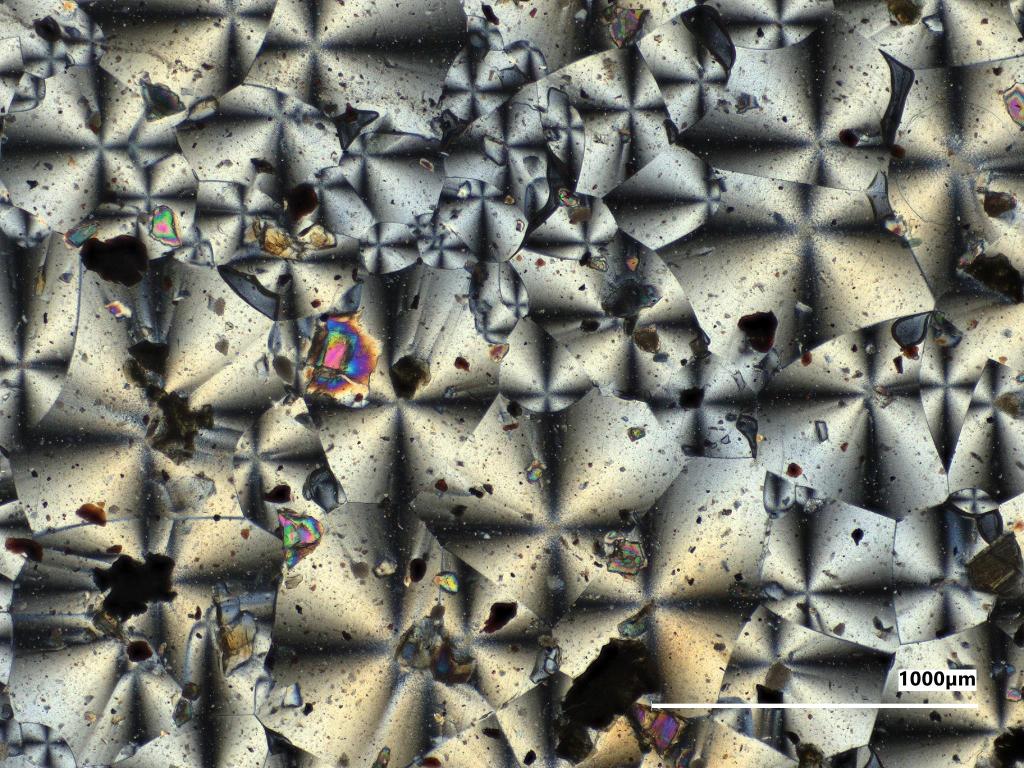
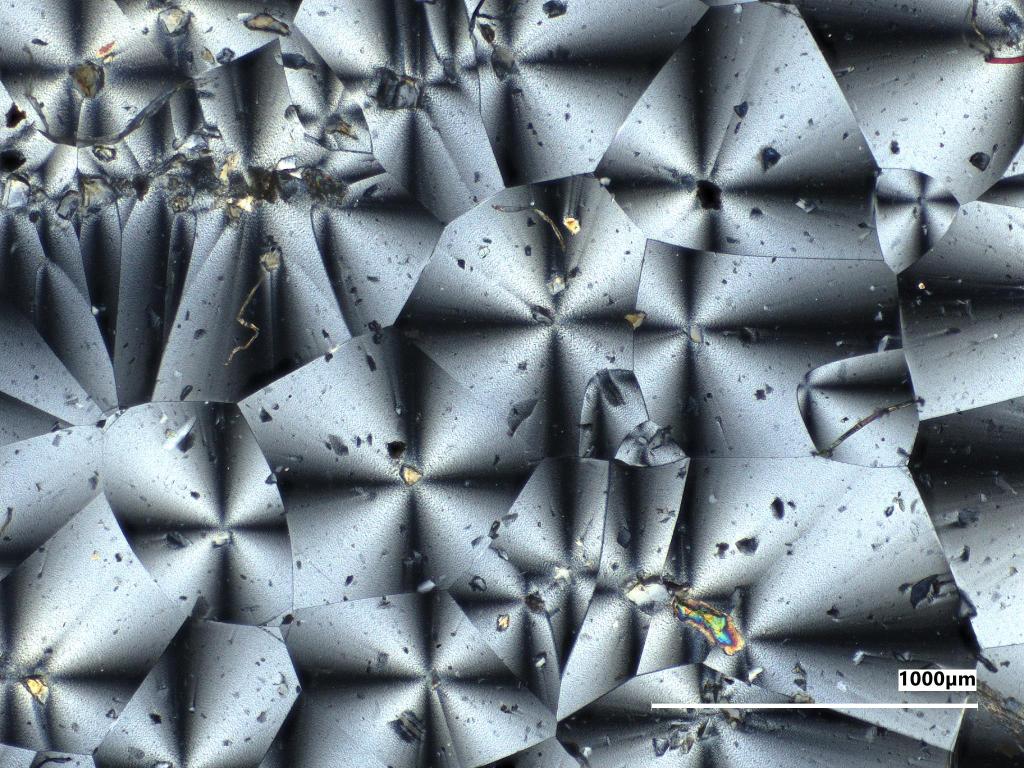
Photos taken using a microscope reveal the colorful, kaleidoscope-like crystal structure of a new NASA-made material that could be used for manufacturing during future space missions. Developed at NASA’s Glenn Research Center in Cleveland, the material could be created directly on the Moon or Mars, allowing NASA to pack fewer supplies — saving weight and reducing launch costs. 

To make the material, research chemical engineer Allison Christy and her team of summer interns at NASA Glenn — Tyler Klinchuch, Ethan Bilodeau, and Emma Levenson — mixed a special plastic with simulated Moon and Mars dust. This plastic is biodegradable and could be produced by bacteria fed with crew waste or carbon dioxide. 

“The plastic literally grows within the bacteria’s little bodies,” Christy said. “It’s really cool.” 

The team found that incorporating simulated lunar and Martian dust particles into this plastic made it stronger and easier to process. Adding different types and amounts of dust allowed them to adjust the material’s properties. The gray image shows sample material manufactured using mock Moon dust, while the reddish image shows material made with mock Mars dust.  

The material could be used to manufacture equipment used inside future Moon or Mars habitats, like structural brackets, wrenches, or chairs. By potentially enabling on‑demand, fully recyclable fabrication with lunar surface material, this could help advance NASA’s objective of a permanent Moon Base by reducing resupply needs and empowering crews to build and repair essential equipment on-site. 

“You can’t just bring everything with you to the Moon or Mars,” Christy said. “If something breaks, you have to find a way to fix it with what you have. This is a very versatile material, which is a huge benefit.” 

Going forward, the team hopes to analyze whether this material could also be used outside in the harsh environments of the lunar or Martian surfaces.  

The material is now undergoing testing in Glenn’s Lunar Environment Structural Test Rig to see how it holds up in extreme temperatures. Several samples are also slated to launch aboard the upcoming Materials International Space Station Experiment 23 (MISSE-23) mission and will be exposed to intense conditions outside the station. 

This research is funded through NASA Glenn’s 2026 Center Innovation Fund, which is managed by the agency’s Research and Technology Mission Directorate.  

Learn more about the program:

https://www.nasa.gov/center-innovation-fund/ 

Powered by WPeMatico

Get The Details…
Ellen Bausback

APOD: 2026 September 29 – Sh2-188: The Shrimp Nebula

APOD: 2026 September 29 – Sh2-188: The Shrimp Nebula

APOD

Astronomy Picture of the Day

Discover the cosmos! Each day a different image or photograph of our fascinating universe is featured, along with a brief explanation written by a professional astronomer.

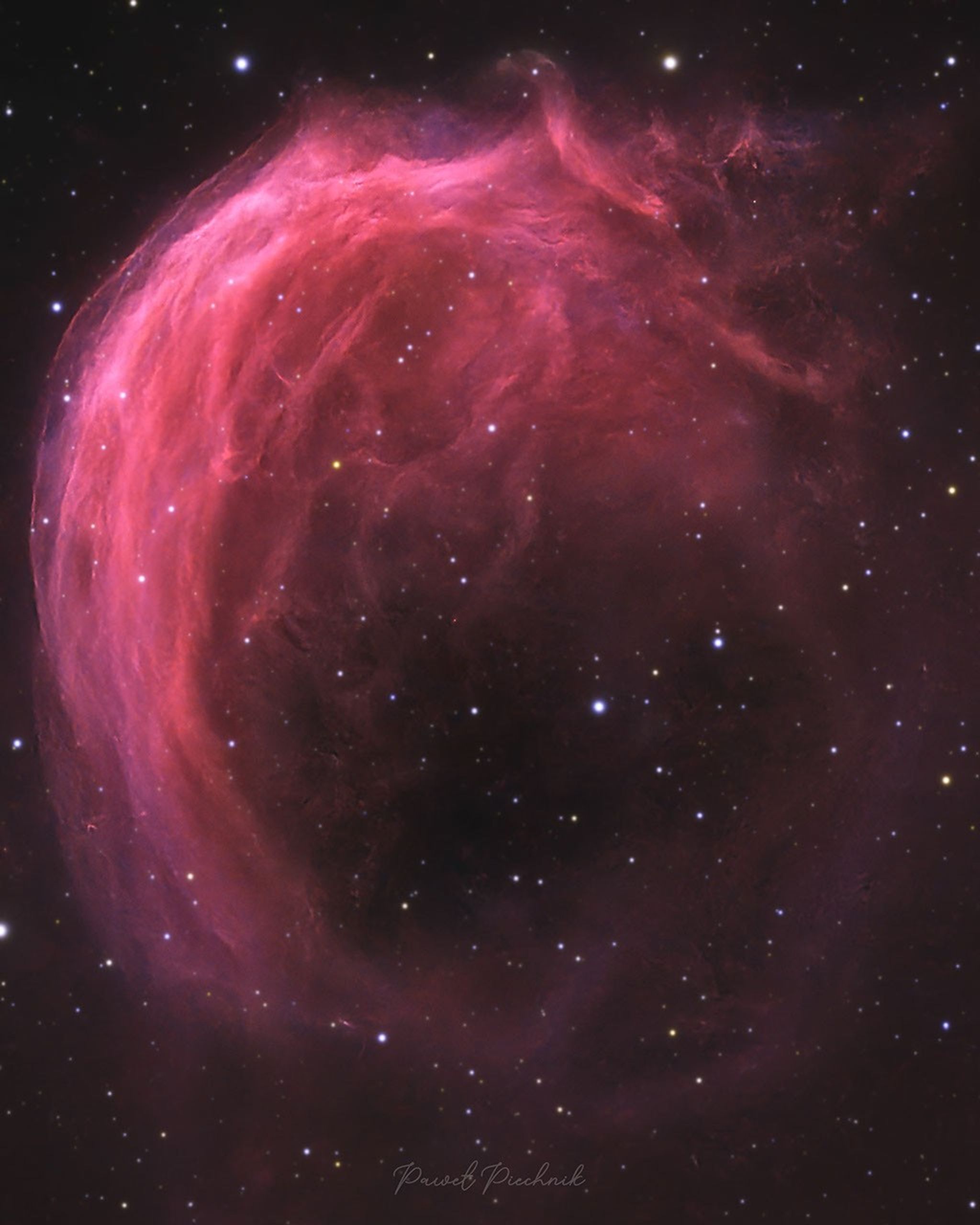
A starfield has a bright pink swirling nebula  in it. The top part of the nebula shows much detail, while the bottom part is mostly open.

Sh2-188: The Shrimp Nebula

Explanation: What causes the swirl in the Shrimp Nebula? Its high speed is likely. What is sure is that Sh2-188 is one of the larger planetary nebulas on the night sky, by angular size, spanning about half the diameter of the Moon. Moreover, the white-dwarf core — leftover from the Sun-like star that shed its outer atmosphere — is moving unusually fast through interstellar space, creating a bow shock most visible on the upper left that is similar to a boat plowing through water. Although faint, the Shrimp Nebula glows also by compressing and brightening gas on its leading edge. The featured image was taken in the light of hydrogen, sulfur, and oxygen by a backyard telescope in Krakow, Poland and then digitally adjusted to approximate the nebula‘s true colors.

APOD’s email for image submissions has changed. Please see: APOD Submissions
APOD’s main NASA site has moved: From apod.nasa.gov to science.nasa.gov/apod
Tomorrow’s picture: open space

Date September 29, 2026
Credit & Copyright Pawel Piechnik
Authors & editors: Robert Nemiroff, Jerry Bonnell, Cecilia Chirenti, Keighley Rockcliffe
A service of: ASD at NASA / GSFC,
NASA Science Activation & Michigan Tech. U.

Powered by WPeMatico

Get The Details…

Fire Cloud with a Pileus on Top

Fire Cloud with a Pileus on Top


natural color
swir

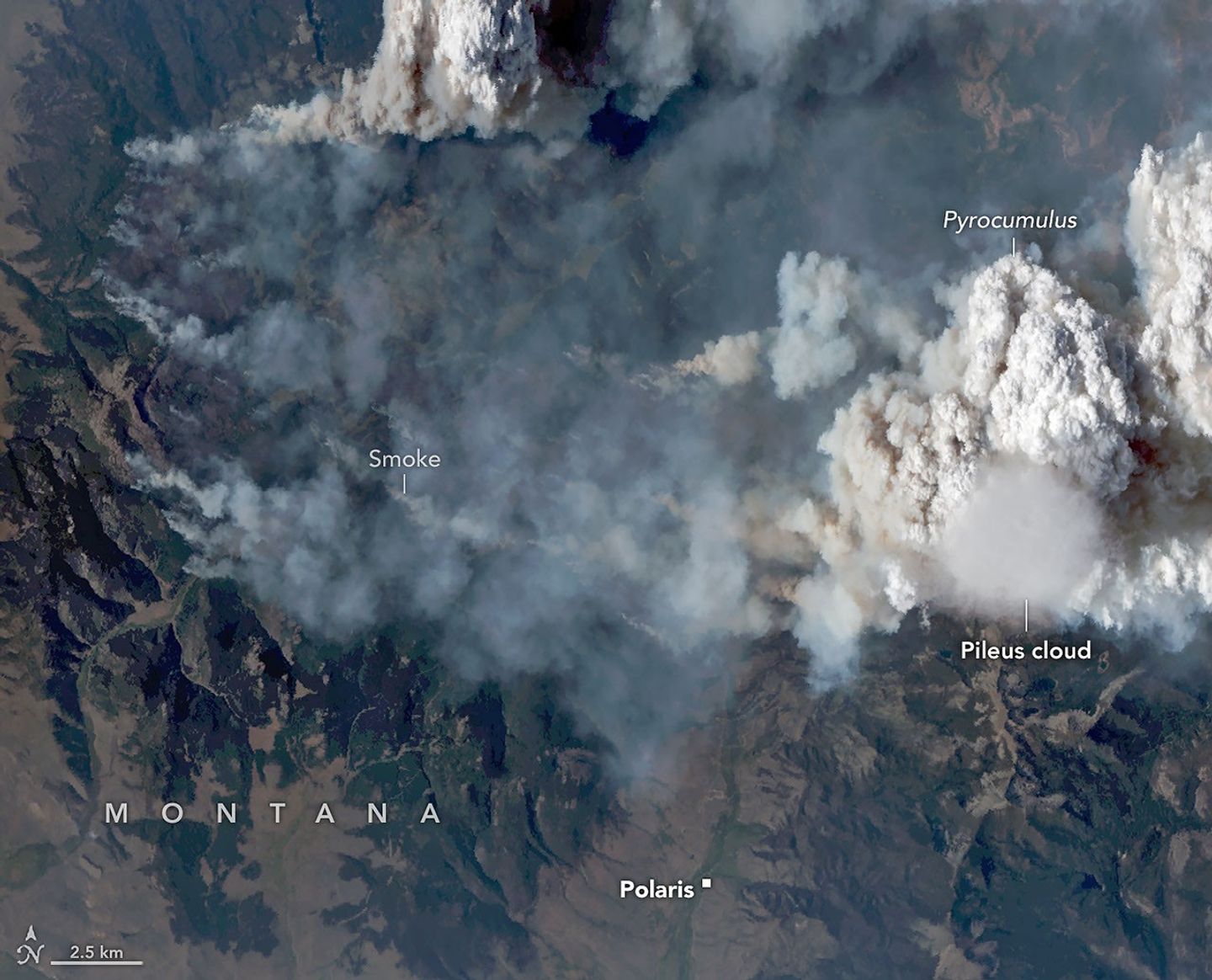
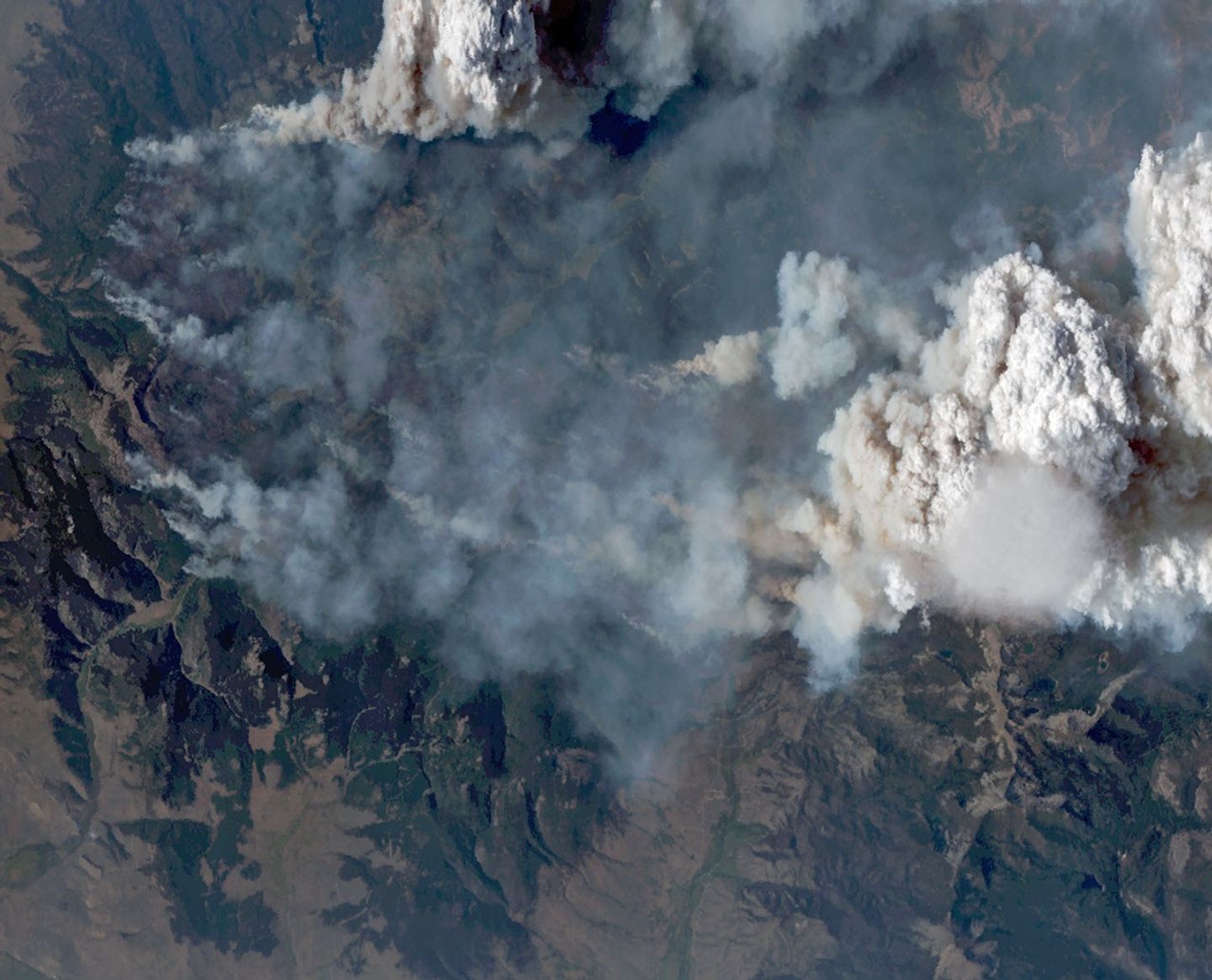
Natural-color aerial image of a wildfire in mountainous terrain. Thick gray and brown smoke spreads across much of the landscape, while a towering white pyrocumulus cloud rises at right. A smooth, thin pileus cloud hovers just below the main convective cloud.
NASA Earth Observatory/Michala Garrison

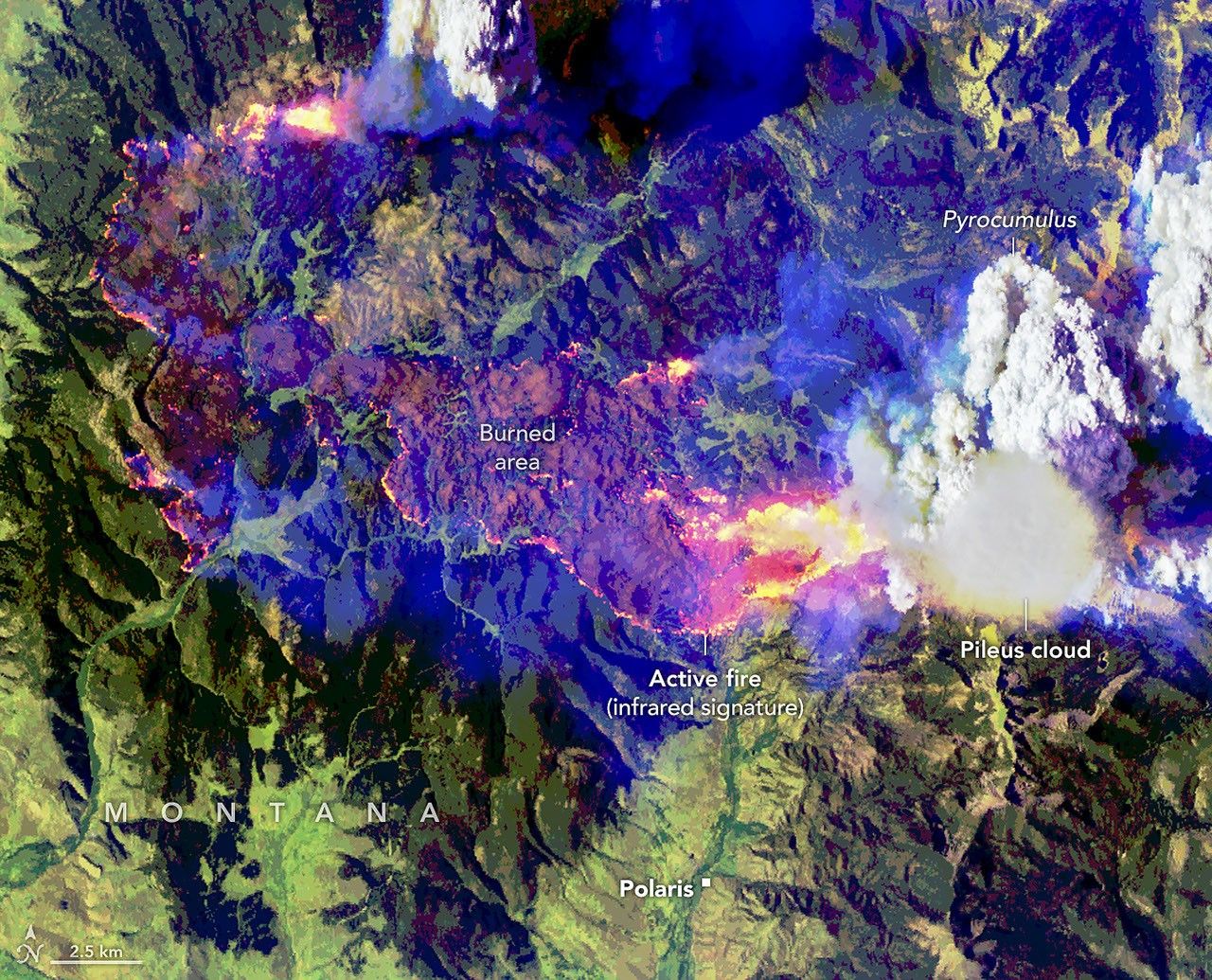
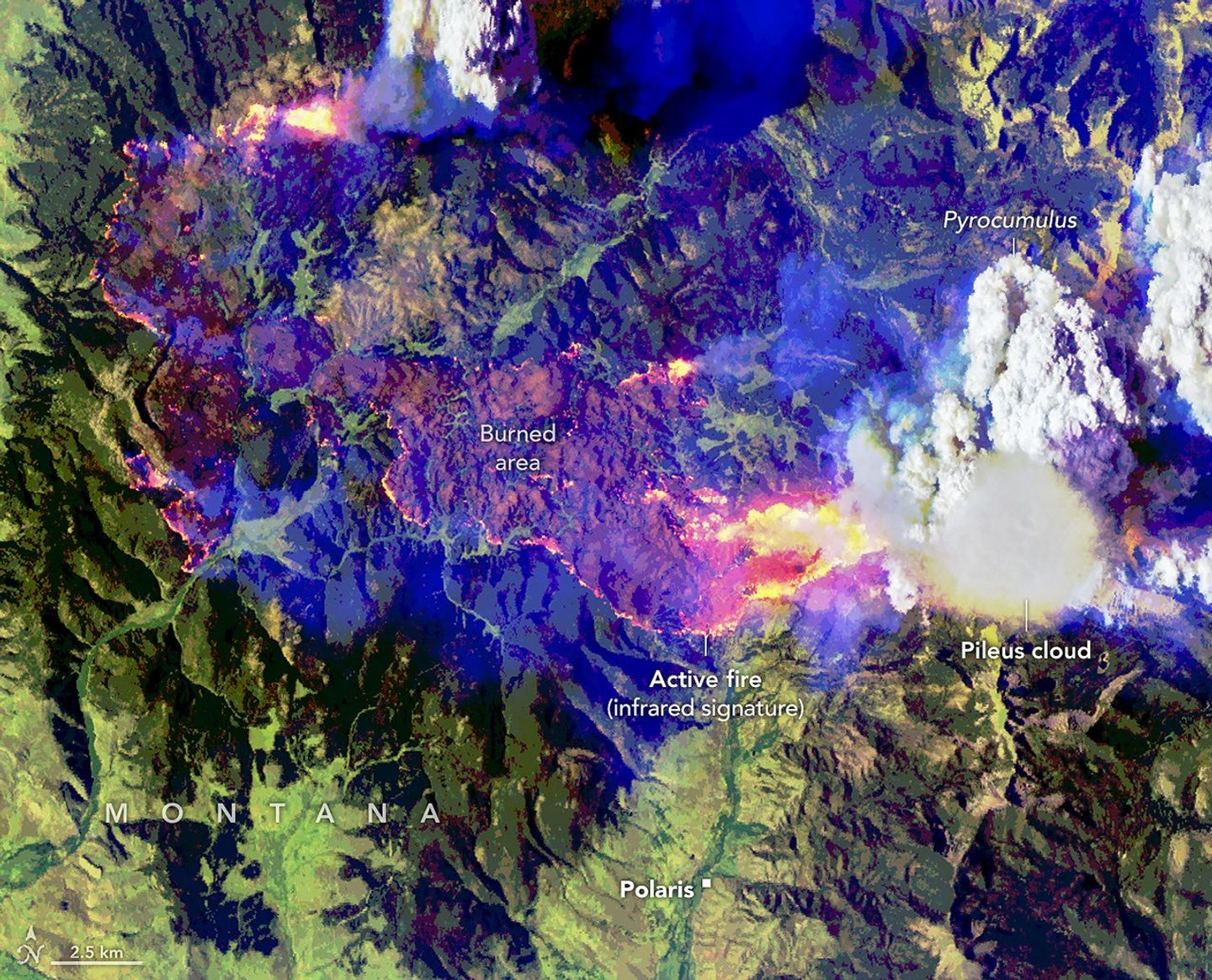
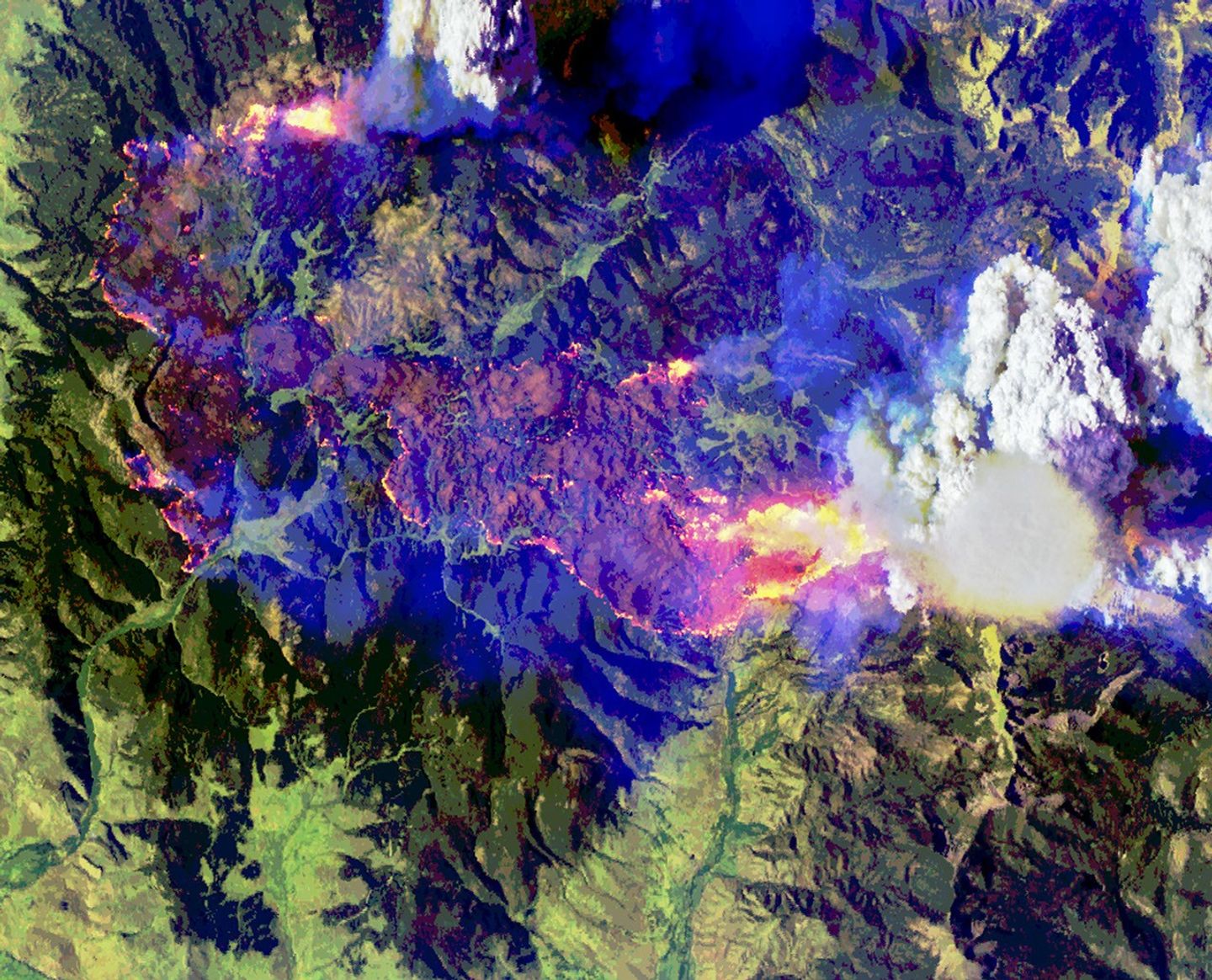
False-color aerial image of the same wildfire. Active fire fronts appear bright pink, magenta, and yellow around a large brown burned area. A towering white pyrocumulus cloud rises from the fire at right. A smooth, thin pileus cloud obscures part of its top.

Natural-color aerial image of a wildfire in mountainous terrain. Thick gray and brown smoke spreads across much of the landscape, while a towering white pyrocumulus cloud rises at right. A smooth, thin pileus cloud hovers just below the main convective cloud.
NASA Earth Observatory/Michala Garrison
False-color aerial image of the same wildfire. Active fire fronts appear bright pink, magenta, and yellow around a large brown burned area. A towering white pyrocumulus cloud rises from the fire at right. A smooth, thin pileus cloud obscures part of its top.

natural color

swir


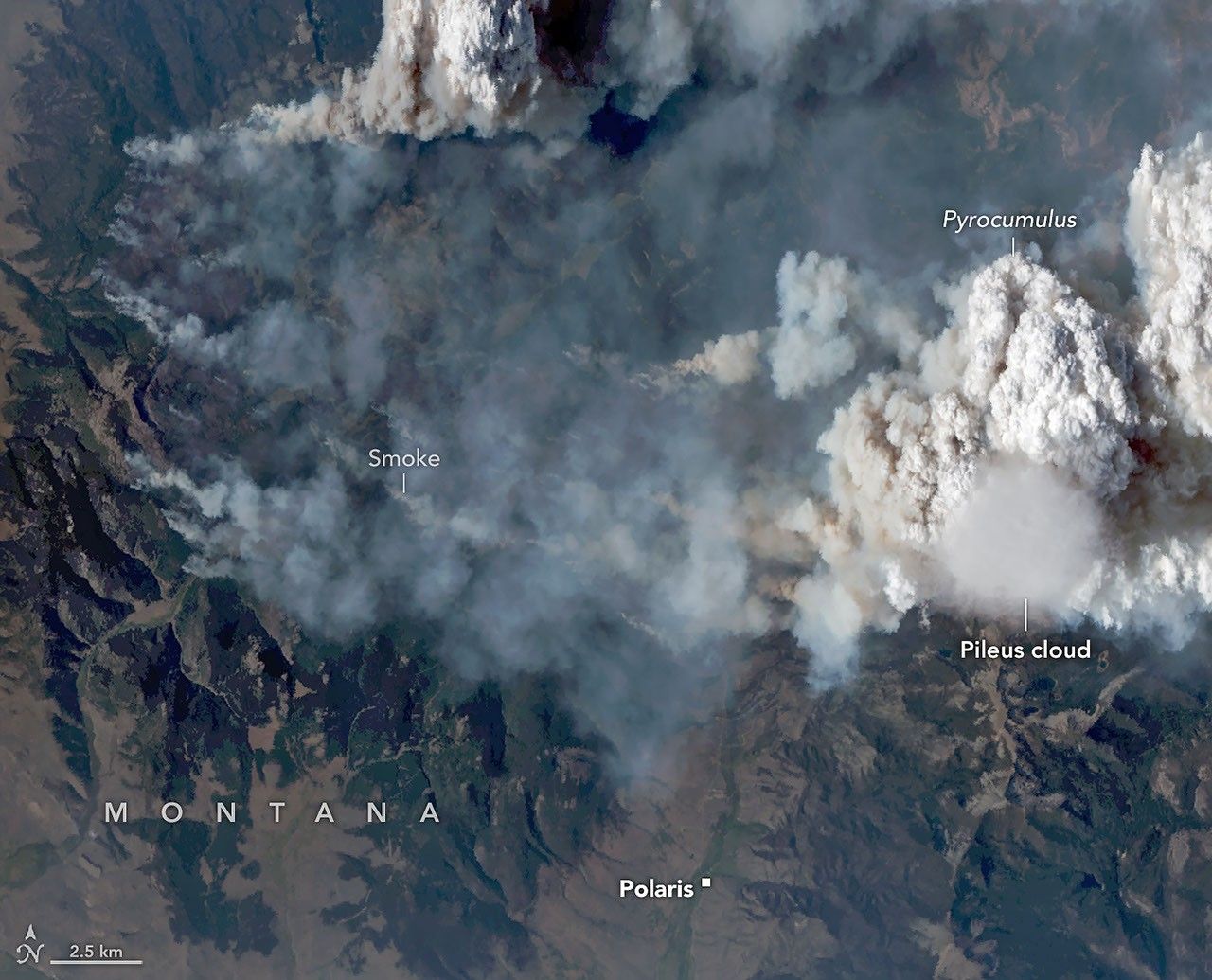
A pileus cloud veils part of a pyrocumulus rising from the Sand Creek fire in Montana on August 11, 2026, in images captured by the MASTER (MODIS/ASTER Airborne Simulator) on NASA’s ER-2. In the false-color image (right) active fires appear pink and yellow, burned areas brown, clouds white, and smoke blue-purple. MASTER images by RoseAnne Dominguez, annotated by Michala Garrison.

In summer 2026, scientists took to the air to intercept and study the towering, smoke-infused clouds that wildland fires sometimes create. But during an August 11 flight over the Sand Creek fire in Montana, they came back with a bonus—observations of an ephemeral pileus cloud hovering atop one of the towering fire clouds.

Smooth, veil-like pileus clouds are well-known to atmospheric scientists and cloud lovers and regarded as signs of especially vigorous convection. But researchers rarely observe a pileus cloud interacting with a fire cloud—known as a pyrocumulus (pyroCu)—in as much detail as they did on this flight, part of NASA’s INSPYRE (Injected Smoke and Pyrocumulonimbus Experiment) campaign.

Named after the Latin for “cap,” pileus clouds typically form when rising columns of air collide with a sufficiently moist layer of air aloft. Over the Sand Creek fire, a fast-rising updraft heated by the fire displaced air vertically and forced a horizontal layer of moister air sitting above it upward. The process is similar to how air forced over a mountain can produce clouds, explained Neil Lareau, INSPYRE’s deputy project investigator. “But in this case, the pyrocumulus itself was the ‘mountain,’” he said. As the displaced air was pushed upward, it cooled, and its water vapor condensed into a pileus cloud.

The pair of images above was captured at 5:40 p.m. local time (23:40 UTC) by the MASTER (MODIS/ASTER Airborne Simulator) on one of NASA’s ER-2s, a type of high-flying research aircraft. The natural-color image on the left shows the thin, circular pileus atop the turret of smoke and water rising from the spreading wildfire. The image on the right shows the same moment but includes shortwave-infrared (SWIR) observations, which reveal the burned area and actively burning spots along the fire’s perimeter.   

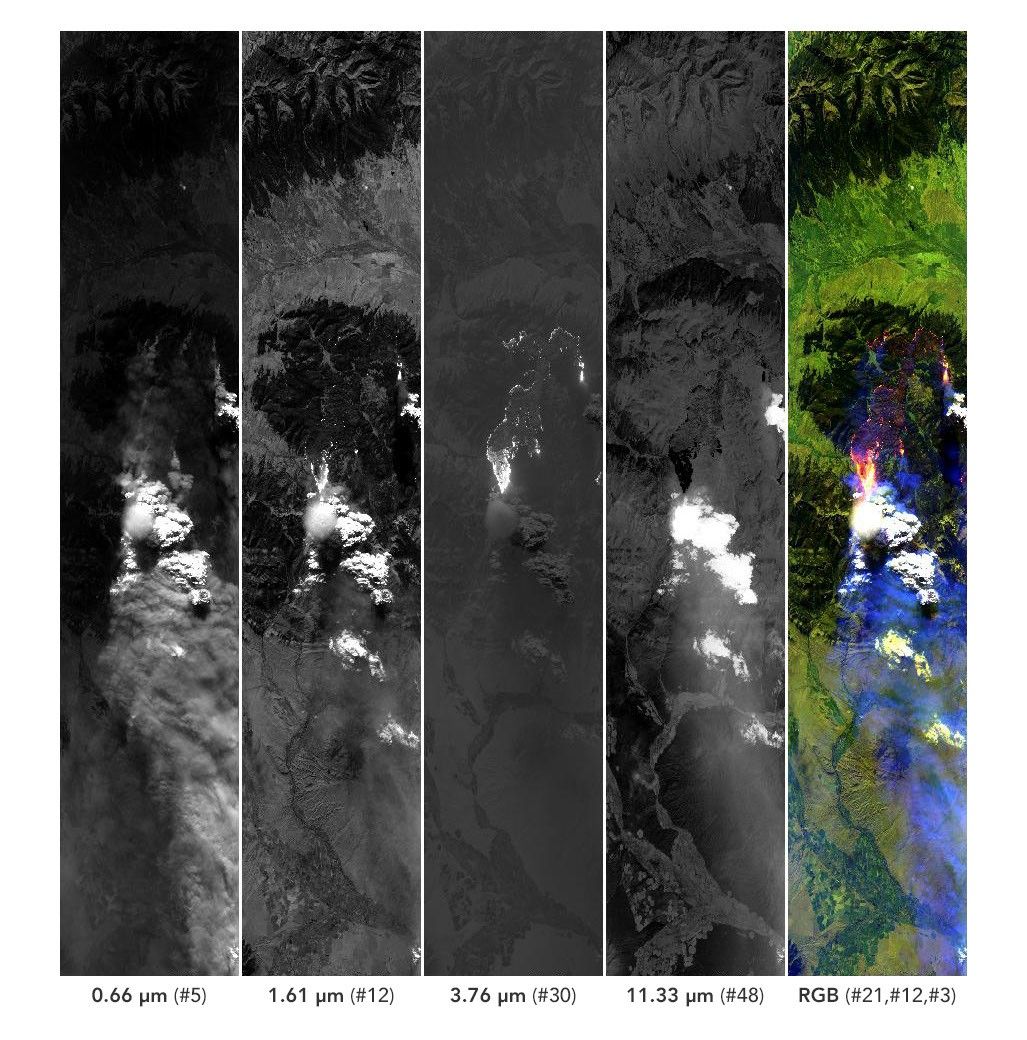
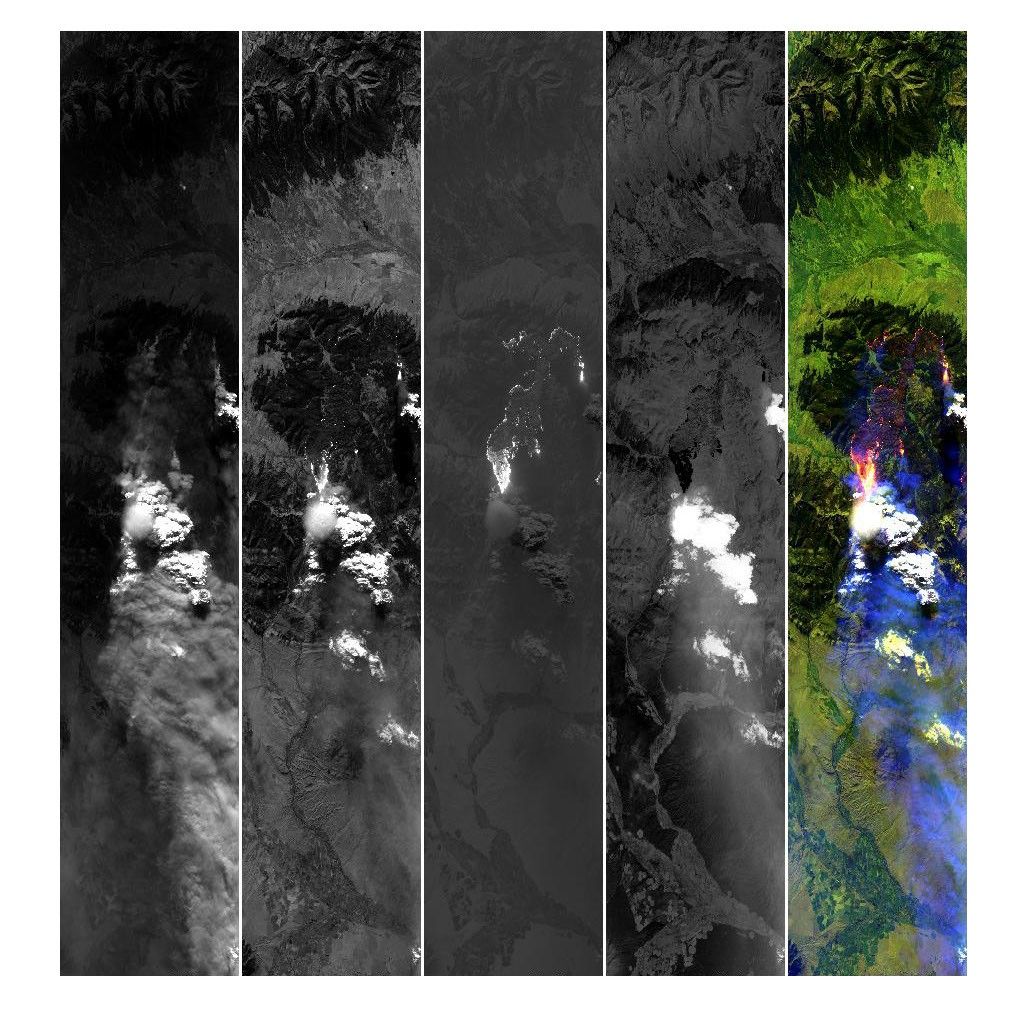
Five side-by-side panels from the MASTER instrument show a wildfire and its smoke plume. The four left panels are grayscale views of the scene at progressively longer wavelengths. The rightmost panel is a false-color composite in which active fires appear pink and yellow, burned areas in purple, smoke in purple, and clouds in white.
MASTER captures data at 50 different spectral bands, including at wavelengths of 0.66, 1.61, 3.76, and 11.33 micrometers. The strip on the far right combines information from three spectral bands.
MASTER/RoseAnne Dominguez.

Pileus clouds are usually quite short-lived, often persisting for only a few minutes before being overtaken by the underlying convection. During this flight, the scientists collected MASTER imagery of the plume roughly every 30 minutes, and the pileus was clearly visible in just one scene. The presence of the cloud hints at what Lareau described as the “extreme updraft dynamics” within the fire plume and pyrocumulus. At the time of the image, he explained, the fire was making a rapid run up the western side of Mount Comet as winds aligned with the drainage channels leading up the mountain.

“The whole scene is amazing,” he said, noting that the science team was fortunate that MASTER’s visible channels captured the rapidly developing pyrocumulus and pileus cloud, its infrared channels captured the fire’s extreme surface behavior, and downward-pointing radars on the airplane studied the cloud structure. “This scene is in many ways the core of what we’re after with INSPYRE,” he said. “We were able to connect and map the surface fire dynamics to the convective plume to the cloud processes.” The image above shows the cloud in four of the 50 channels, or bands, measured by MASTER. The false-color panel on the far right of the image is a combination of shortwave-infrared and visible observations, similar to the right image at the top of the page.

Fires are just one driver of convection that can produce pileus clouds. Vigorous updrafts associated with severe thunderstorms can also produce these wispy clouds. Researchers who participated in NASA’s CRYSTAL-FACE (Cirrus Regional Study of Tropical Anvils and Cirrus Layers-Florida Area Cirrus Experiment) in Honduras in 2002 reported the presence of thin cirrus clouds in the tropopause above thunderstorms that were likely the products of pileus clouds.

Volcanic eruptions can produce pileus clouds as well. One of the more stunning images captured by astronauts and published by NASA Earth Observatory is this photograph of a pileus cloud cloaking the top of a volcanic plume rising from the Sarychev volcano after an eruption in 2009.

MASTER images by RoseAnne Dominguez (Airborne Sensor Facility), annotated by Michala Garrison. Story by Adam Voiland.

References & Resources

You may also be interested in:

Stay up-to-date with the latest content from NASA as we explore the universe and discover more about our home planet.

Chasing Fire Clouds in Utah

6 min read

NASA aircraft are sampling smoke lofted high into the atmosphere by one of the most formidable cloud types in the…

Article

Cloudy Cloak Over the Northwest

2 min read

A low-lying cloud layer brought autumn ambience to western Washington and Oregon, while mountainous areas near the coast remained above…

Article

Smoke Streams Across Eastern Washington

3 min read

Wildland fires in early August 2026 pushed air quality to unhealthy levels, destroyed hundreds of structures, and triggered mandatory evacuations…

Article

Powered by WPeMatico

Get The Details…

Mars Has Its Charmes

Mars Has Its Charmes

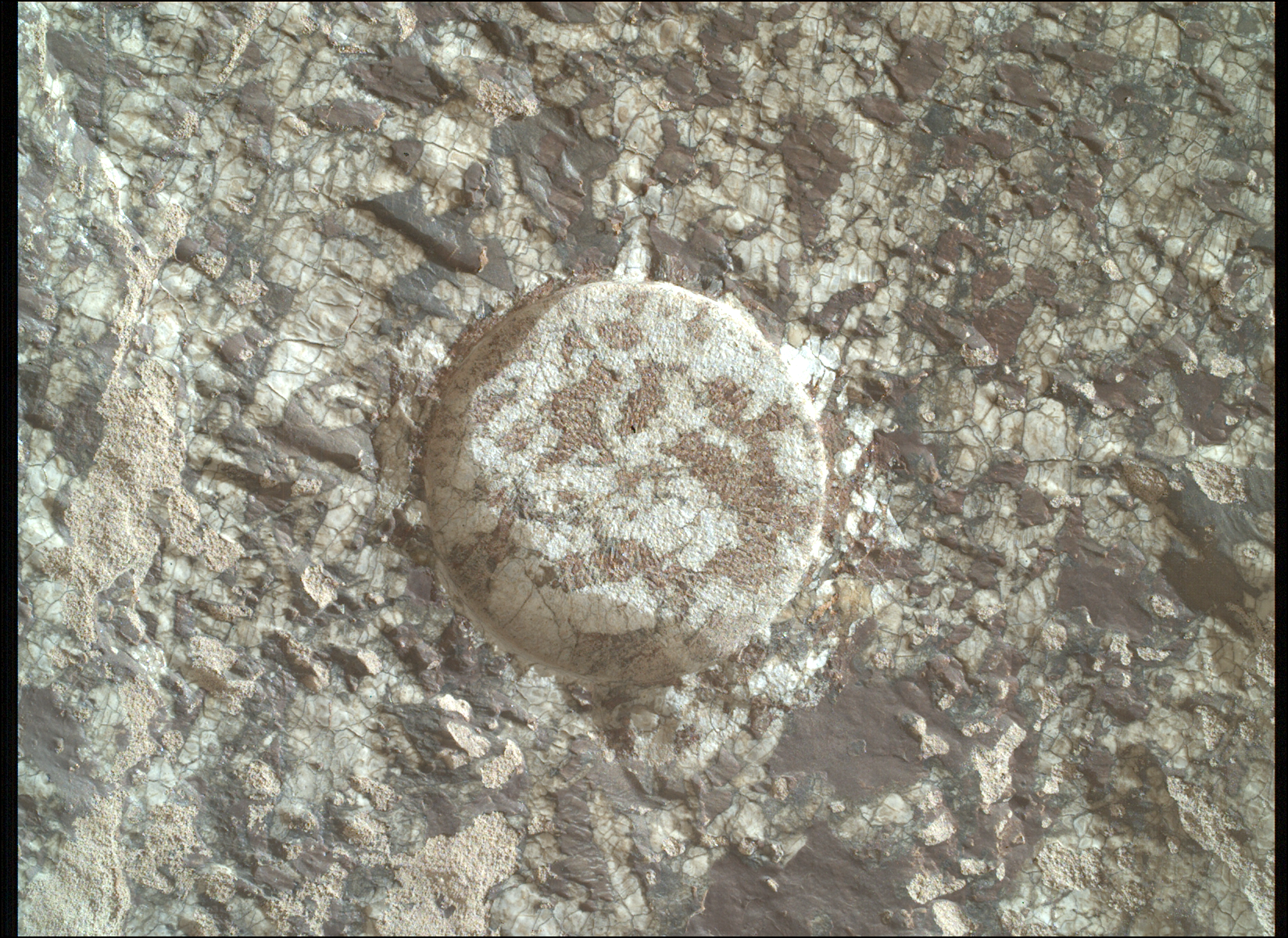
A close-up view of a rough, heavily cracked Martian rock surface. In the center is a perfectly circular, shallow, ground-down patch — created by the rover's abrasion tool — that exposes the freshly scraped rock underneath. The exposed interior within the circle is lighter in color with a speckled, mottled texture, contrasting with the darker, rougher, and dustier exterior of the surrounding rock.
NASA’s Mars Perseverance rover acquired this image using its SHERLOC WATSON camera, located on the turret at the end of the rover’s robotic arm. Perseverance acquired this image on Sept. 1, 2026 (Sol 1967, or Martian day 1,967 of the Mars 2020 mission) at the local mean solar time of 16:18:01.
NASA/JPL-Caltech

Written by Athanasios (Thanos) Klidaras, Ph.D. candidate at Purdue University 

Sept. 21, 2026

After a long hiatus, the Perseverance rover updates page is back. A lot has happened on Mars in the meantime, and with regular updates now resuming, there is plenty to catch up on — Perseverance has been busy. The rover has spent 2026 exploring the “Lac de Charmes” area, an area of valleys and ridges west of the Jezero crater rim that represent a “wild west frontier” for the mission. The rocks in this area are among the oldest Perseverance has encountered. They formed when Mars was still a young planet bombarded by asteroid impacts, long before the sedimentary rocks inside Jezero crater formed in rivers and lakes. They therefore could teach us much about the earliest era of Martian history — and, more broadly, how rocky planets evolved during the tumultuous early history of our solar system. 

The science team decided to thoroughly explore this ancient and intriguing terrain first, before deciding which rocks to sample. If you take a look at the rover’s location map, you’ll see that Perseverance has followed a looping path winding between interesting outcrops, helping scientists build up an understanding of how “Lac de Charmes” formed. In this time, Perseverance has created a total of 13 abrasion patches on rocks that caught the team’s attention, providing a feast of scientific data. So far, investigations suggest that many appear to have formed from cooled lava or magma (igneous rocks), as well as others that formed in the aftermath of a violent impact (impactite rocks) — and some that show evidence for both processes. Exploration has been boosted by a new algorithm that makes clever use of a processor originally used to communicate with the Ingenuity helicopter to achieve longer and more accurate drives. 

Perseverance’s exploration of the “Lac de Charmes” region is now nearing its end, but the discoveries certainly haven’t stopped. Recently, the science team sent the rover towards an area nicknamed “Idubi,” where hundreds of light-toned boulders were spotted from a distance. “Idubi” has proven to be a scientific bonanza, where rocks of varying texture and composition are concentrated. When Perseverance investigated one of these light-toned boulders, an abrasion patch fittingly named “Badger Peak” revealed a spectacular light-and-dark texture (shown in the image above) unlike any the rover has seen before. An attempt to sample this boulder was unsuccessful due to its high hardness, so the team is now searching elsewhere for a similar rock to sample.  In the meantime, Perseverance has stopped to investigate an interesting outcrop nearby named “Gardenia,” which could be a breccia — a rock that is itself comprised of fragments of many older rocks. This week, the rover will attempt an abrasion to give the science team a detailed look. Even after months of exploring Lac de Charmes, the team continues to be surprised, and with Perseverance preparing to move onward once again, there should be no shortage of new stories to share here. 

Powered by WPeMatico

Get The Details…