NASA’s Roman Observatory Passes Final Major Prelaunch Tests

NASA’s Roman Observatory Passes Final Major Prelaunch Tests

4 min read

Preparations for Next Moonwalk Simulations Underway (and Underwater)

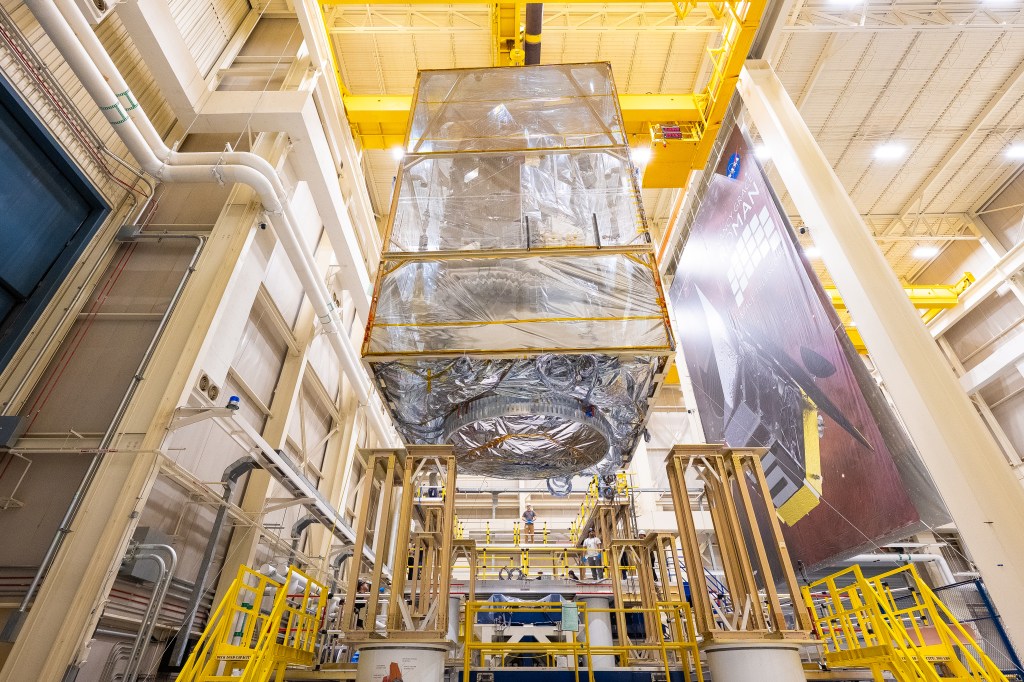
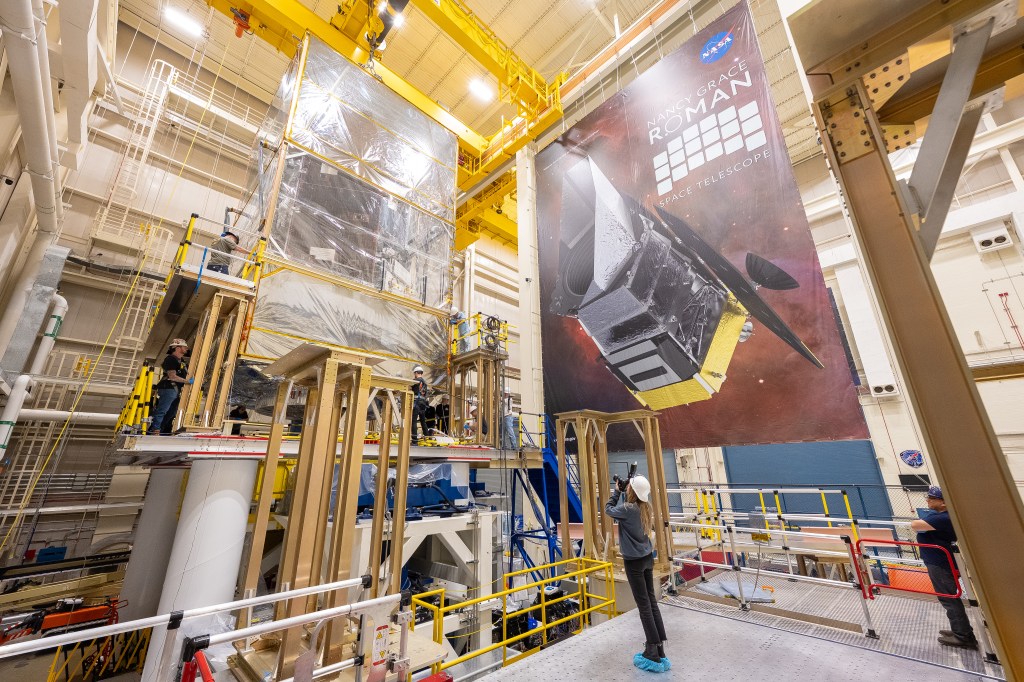
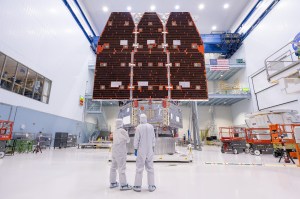
NASA’s Nancy Grace Roman Space Telescope team recently blasted the observatory with extreme sound, shook it, and listened to its electronic hum. Roman passed all three assessments, which aimed to confirm that the observatory will withstand launch conditions and function as expected in space. The achievement keeps the mission on track for launch as early as this fall.

“All of the testing went smoothly and progress is well ahead of schedule,” said Jack Marshall, the Roman observatory integration and testing lead at NASA’s Goddard Space Flight Center in Greenbelt, Maryland. “The team has done a great job putting the observatory together, and the tests show that everything is lining up with expectations.”
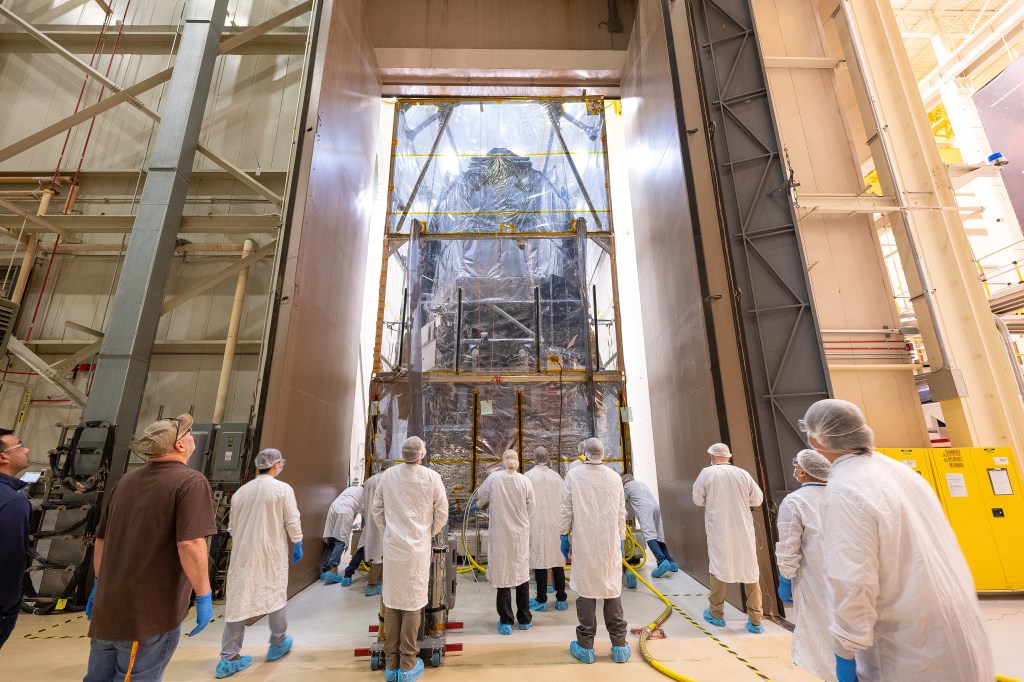
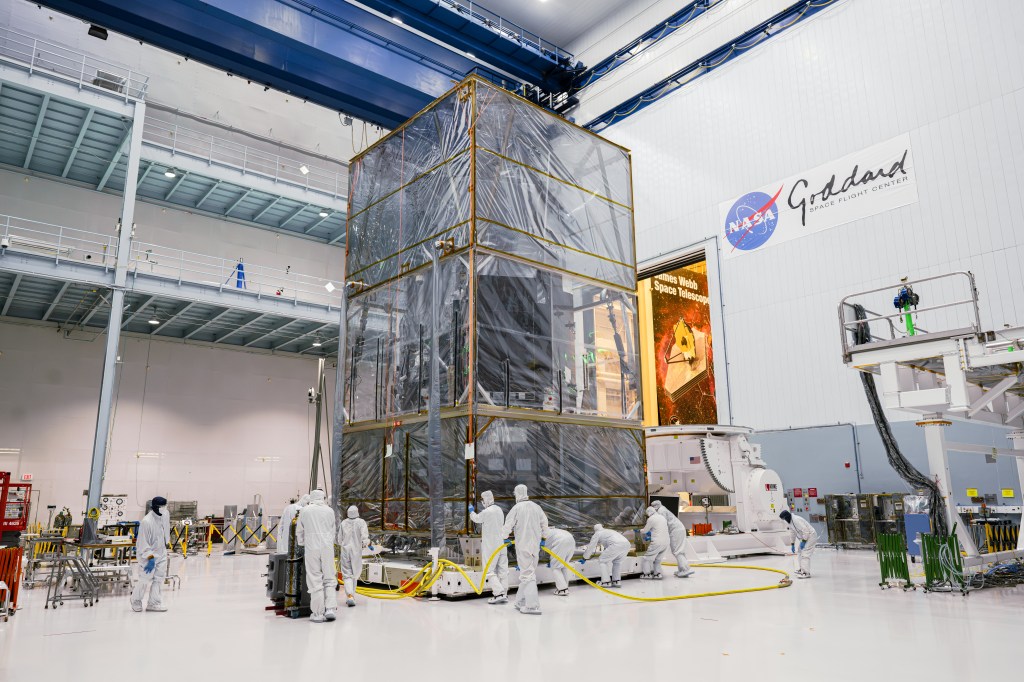
In January, the team set up an absorbent panel around the observatory for an electromagnetic interference test. This special configuration is designed to block external radio signals and absorb reflections inside the test facility.

Engineers powered on all of Roman’s electronics and measured the signals they generated, closely monitoring for any errors. Too much electrical noise could interfere with the observatory’s ability to detect faint infrared signals, but Roman passed with flying colors.

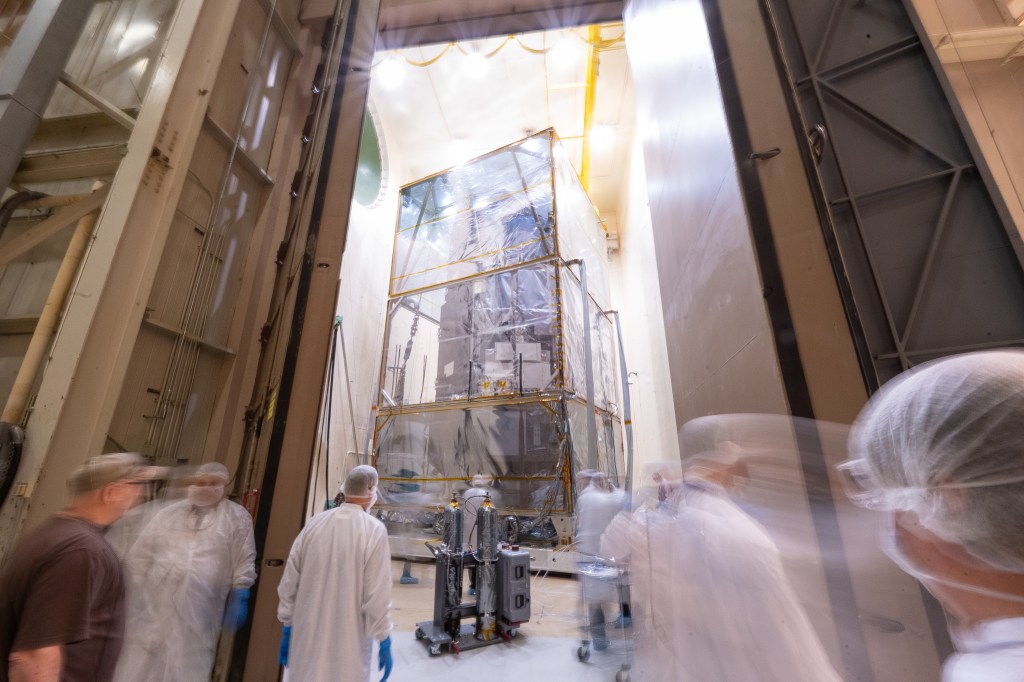
The team moved on to vibration testing in February. “Each time the observatory traveled between test facilities, it was placed in a custom-made portable clean room to protect it from contamination that could otherwise compromise scientific performance once in space,” said Joel Proebstle, a mechanical systems engineer who led the vibration and acoustic tests at NASA Goddard.

Engineers tested the observatory on a large shaker table to simulate the vibrations it will experience during launch, gradually building to higher frequencies. “Try to imagine sitting on that rocket and feeling all those vibrations,” said Cory Powell, the Roman structural analyst lead at NASA Goddard. “We simulated the shaking that the launch vehicle will produce to ensure the components and connections will all remain intact.”

In early March, the team conducted an acoustic test. The test took place in a state-of-the-art sound booth, where engineers ramped up the volume to 138 decibels — about as loud as a jet engine from 100 feet away.

“If you’ve ever been at a concert with an extremely loud bass, that load you felt was acoustic energy,” Powell said. “Now think about how loud a launch is. The acoustics can produce very high loads on a large structure like Roman.”

This video showcases some of NASA’s Nancy Grace Roman Space Telescope team’s major accomplishments during the second half of 2025, culminating in the completion of the observatory.
NASA’s Goddard Space Flight Center

Roman has now returned to the large clean room at Goddard where it will undergo a final series of smaller tests. The next one aims to replicate the shock Roman will experience shortly after launch when the observatory separates from the rocket. Then the team will deploy all of the elements that will initially be stowed (including the solar panels, “visor,” antenna, and “sunblock” shield), to verify that they’ll still work correctly even after launch and rocket separation.

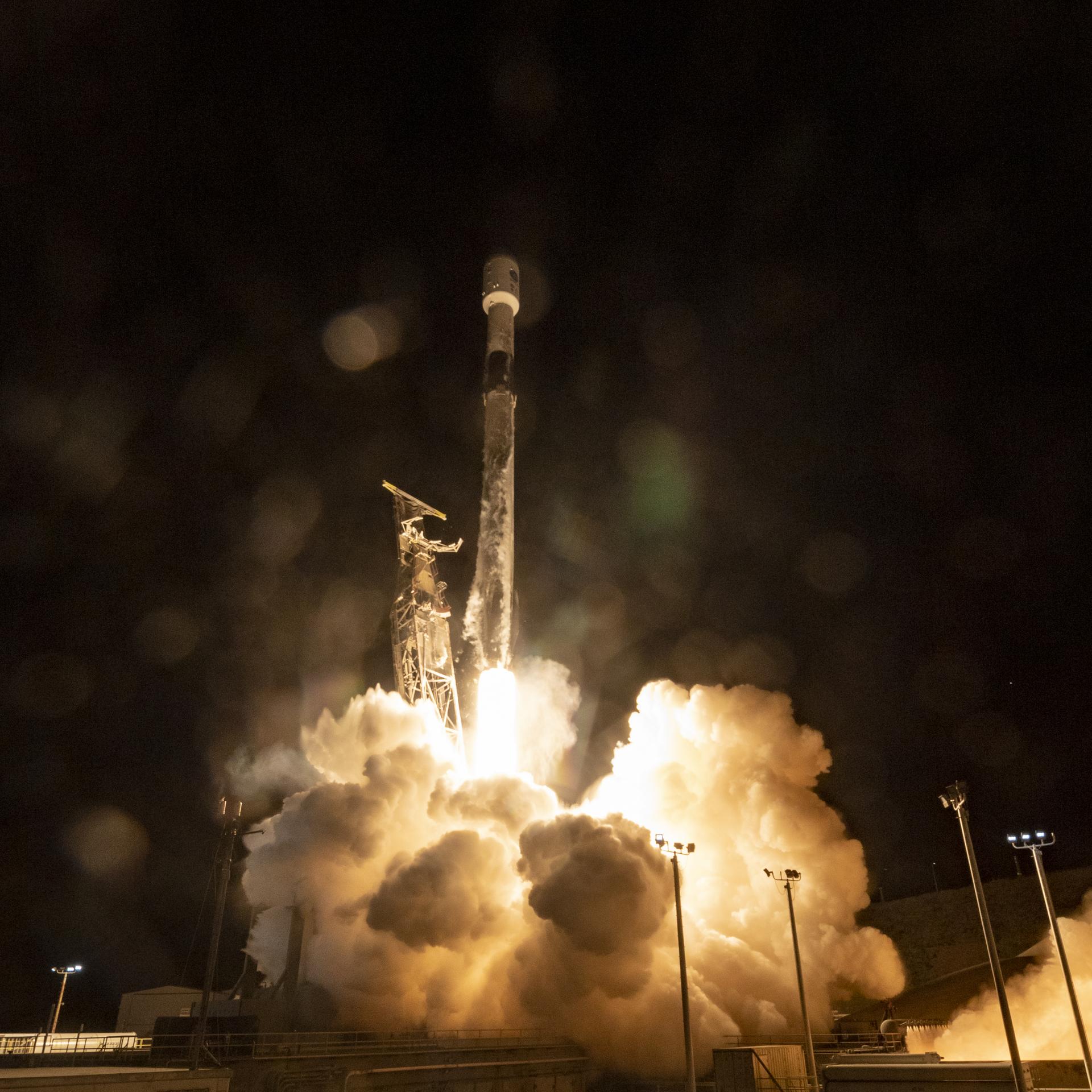
Early this summer, the observatory will be transported to NASA’s Kennedy Space Center in Florida for launch preparations. There, engineers will verify that the observatory arrived fully intact and begin prepping the rocket — a SpaceX Falcon Heavy. The team expects Roman to be ready for launch within a few months after the observatory’s arrival at NASA Kennedy.

“We have a great team, great leadership, and with our successful testing we continue to set the standard for staying within budget and schedule while balancing difficult challenges,” Powell said. “Meeting cost and schedule commitments without compromise to technical standards is a major point of pride for the Roman team.”

Explore a 3D model of the Roman observatory


To learn more about the Roman mission, visit:

www.nasa.gov/roman

By Ashley Balzer
NASA’s Goddard Space Flight Center, Greenbelt, Md.

Media contact:

Claire Andreoli
NASA’s Goddard Space Flight Center, Greenbelt, Md.
301-286-1940

Share

Details

Last Updated

Mar 19, 2026

Editor
Ashley Balzer
Contact
Ashley Balzer
Location
Goddard Space Flight Center

Powered by WPeMatico

Get The Details…
Ashley Balzer
Australia’s “Red Centre” Turns Green

Australia’s “Red Centre” Turns Green


January 21, 2026
March 10, 2026

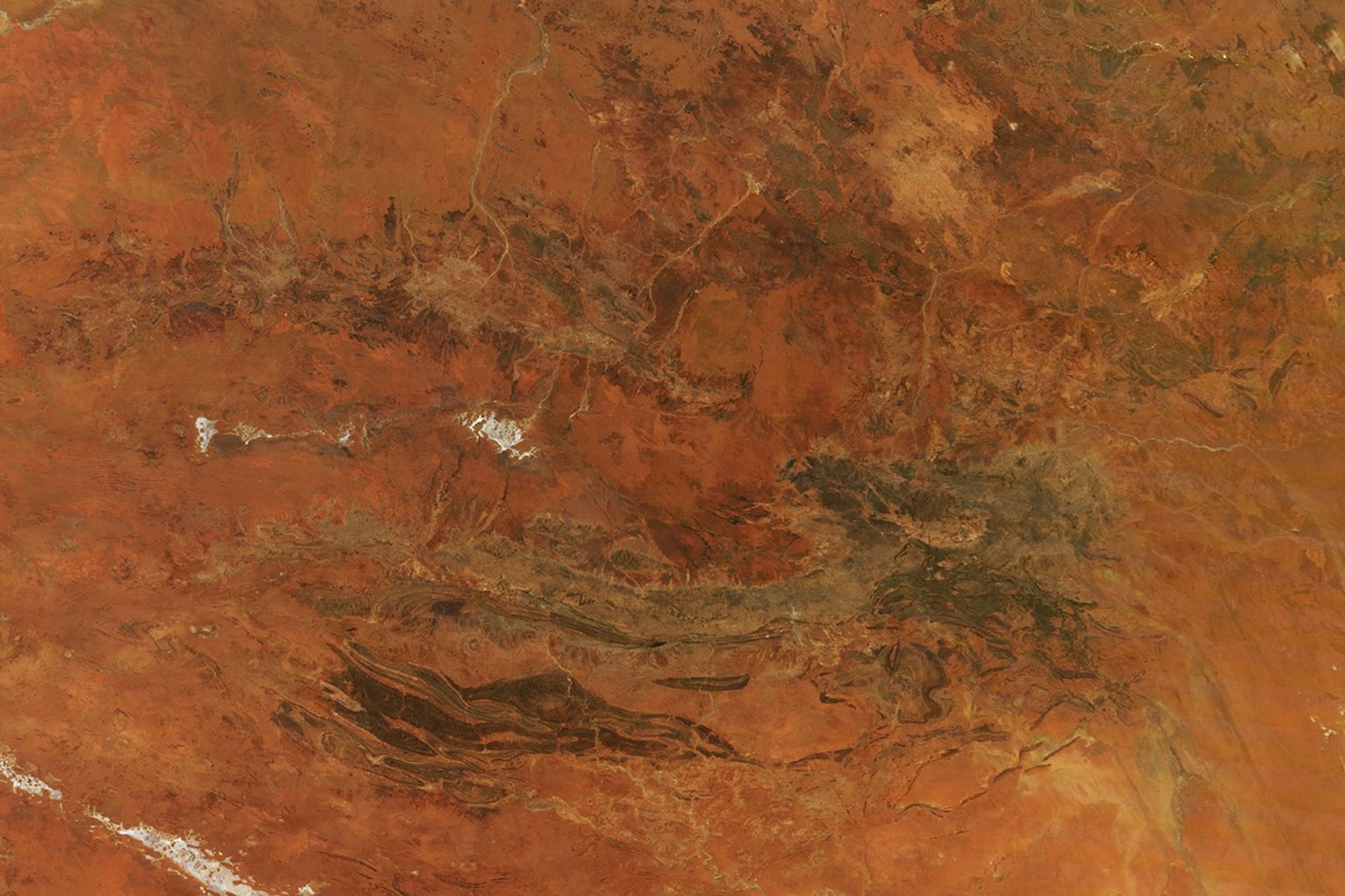
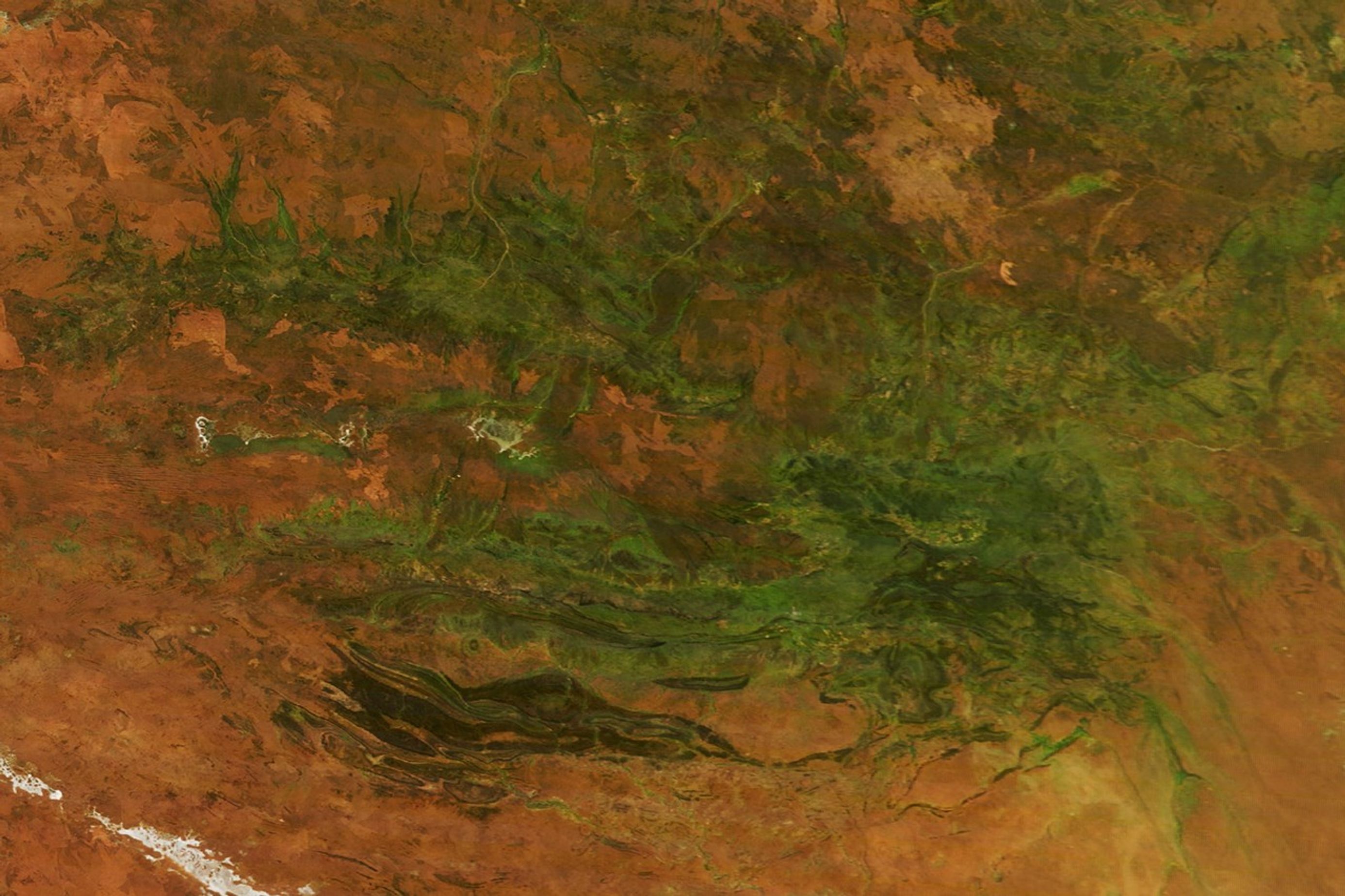
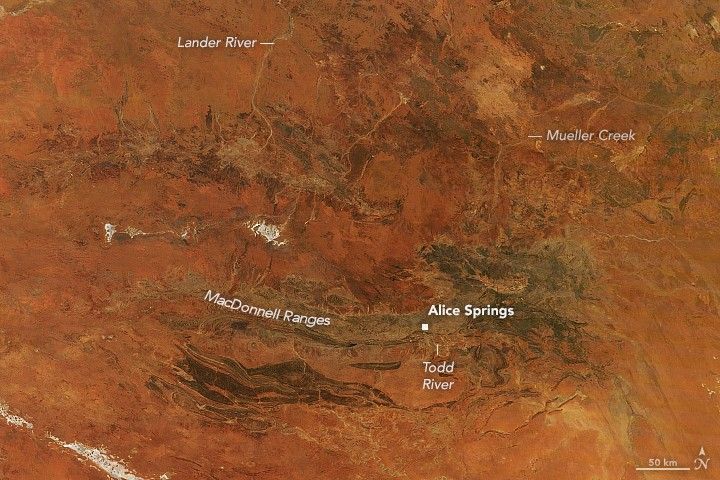
Central Australia’s desert landscape appears predominantly rusty red.
NASA Earth Observatory / Lauren Dauphin

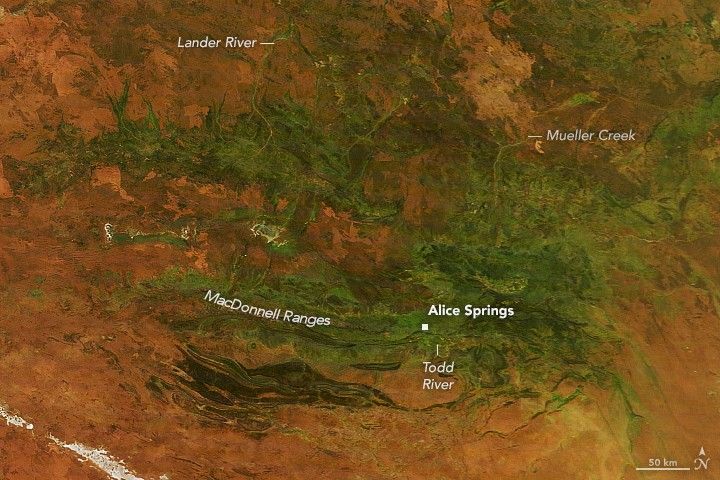
Central Australia’s desert landscape shows widespread green vegetation across areas that are typically red.
NASA Earth Observatory / Lauren Dauphin


The town of Alice Springs lies near Australia’s geographic center, in a region often called the “Red Centre” for the rusty hue of its desert landscape. After weeks of heavy rainfall in February and March 2026, however, vast areas of desert and surrounding mountains turned lush and green. 

The MODIS (Moderate Resolution Imaging Spectroradiometer) on NASA’s Terra satellite captured this image (right) of the southern part of Australia’s Northern Territory on March 10, 2026. For comparison, the left image shows the same area in January 2026, before the onset of heavy rains.

The area’s landscape typically appears red due to the oxidation of iron-rich rock. During periods of sufficient rainfall, water begins to flow in previously dry riverbeds, and dormant vegetation springs to life. February 2026 brought more than enough water to the Northern Territory for the transformation to occur—an area average of 239 millimeters (9 inches)—marking the territory’s third-wettest February on a record that dates back to 1900, according to the Bureau of Meteorology.

Beyond the transformation visible from above, the rainfall also caused disruptions on the ground. Thunderstorms earlier in the month produced enough rain to cause water levels on the Todd River and other area rivers to quickly rise, while flash flooding in Alice Springs uprooted trees and left some people stranded, according to news reports. Later in the month, heavy rains returned as another tropical low stalled over central Australia for nearly a week, causing flooding that prompted officials to declare a natural disaster.

As of late March, more extreme weather was on the way for Australia with the approach of Tropical Cyclone Narelle. Bureau of Meteorology forecasts called for severe storm impacts to reach northern Queensland by late on March 19 or March 20. Flooding watches and warnings also extended inland, including to Alice Springs, where past storms have already saturated river catchments.  

NASA Earth Observatory image by Lauren Dauphin, using MODIS data from NASA EOSDIS LANCE and GIBS/Worldview. Story by Kathryn Hansen.

References & Resources

You may also be interested in:

Stay up-to-date with the latest content from NASA as we explore the universe and discover more about our home planet.

Pacific Moisture Drenches the U.S. Northwest

3 min read

A potent atmospheric river delivered intense rainfall to western Washington, triggering flooding and mudslides.

Article

Summer Heat Hits Southeastern Australia

4 min read

January brought blistering extremes Down Under as record temperatures scorched the nation’s southeast.

Article

Dry-Season Floods Drench Northern Colombia

3 min read

Villages and farmland were swamped after unusually heavy early-February rains pushed the Sinú River over its banks.

Article

Powered by WPeMatico

Get The Details…

Curiosity Blog, Sols 4832–4837: Driving the (Contact) Line!

Curiosity Blog, Sols 4832–4837: Driving the (Contact) Line!

3 min read

Curiosity Blog, Sols 4832–4837: Driving the (Contact) Line!

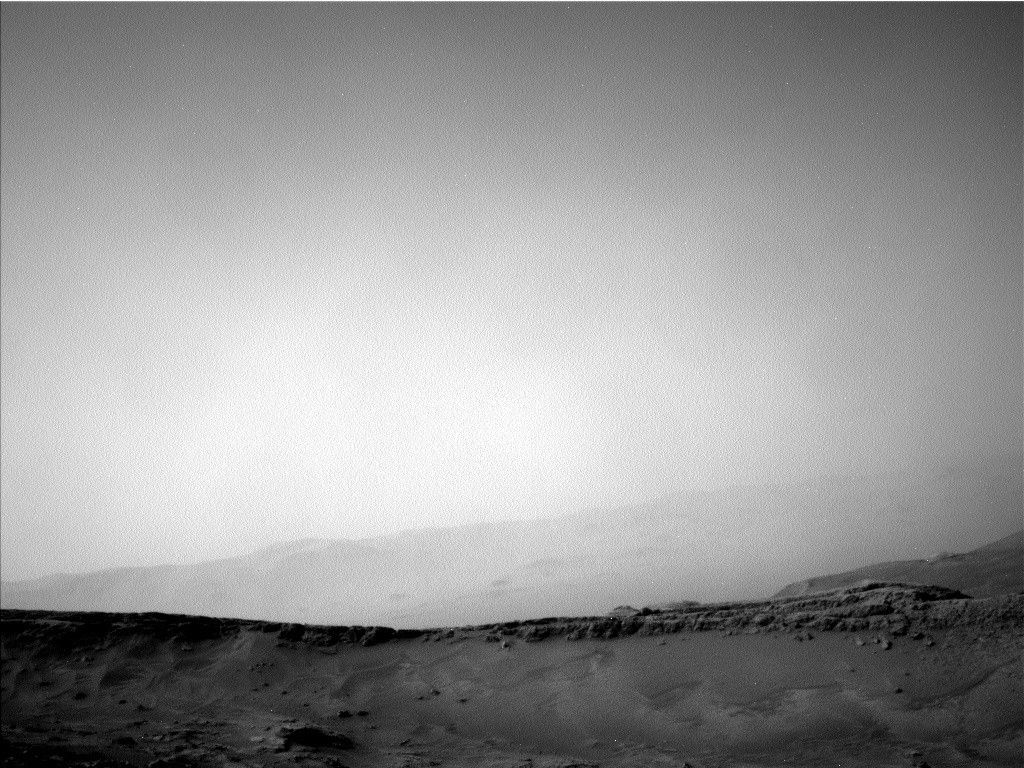
A grayscale photo of the surface of Mars shows rough, rocky terrain — knobby, jagged, and racked areas in the top half of the frame, with smoother areas dotted with numerous small rocks in the lower half. Part of the Curiosity rover is visible at the bottom of the frame.
NASA’s Mars rover Curiosity acquired this image showing the rough, nodular texture in its workspace, using its Mast Camera (Mastcam). This image was taken on March 13, 2026 — Sol 4834, or Martian day 4,834 of the Mars Science Laboratory mission — at 01:22:42 UTC.
NASA/JPL-Caltech/MSSS

Written by Catherine O’Connell-Cooper, APXS Strategic Planner and Payload Uplink/Downlink Lead, University of New Brunswick, Canada

Earth planning date: Friday, March 13, 2026

We are in our final phase of the boxwork campaign, investigating the contacts between the boxwork unit and the layered sulfate unit. As my colleague Bill reported here, last week we crossed out of the boxwork unit back into the underlying layered sulfate unit and then back into the boxwork unit for our Monday plan. We are now driving southward across the uppermost portion of the boxwork unit. This unit is characterized by smooth bedrock where the boxwork structures are not as obvious as they were back at our “Nevado Sajama” drill sites, where we took our boxwork “postcard.”

This past week, our goal was to characterize as much as we could before leaving. On Monday, MAHLI imaged the targets (all named after geographic locations around the Andes in South America) “Piedras Bonitas” and “La Calera” — the latter was brushed bedrock also analyzed by APXS. On Friday, MAHLI and APXS analyzed a brushed, nodular bedrock at “Jaruma” and a larger nodule (or cluster of smaller nodules) at the unbrushed “Constancia.” (Click on the name to see the MAHLI images!) 

Mastcam had a very busy week! Typically, as we come toward the end of a science campaign, the wish list of Mastcam targets gets very large, and the ending of this boxwork campaign is following that tradition. Mastcam acquired two mosaics on the southern contact between the boxworks and layered sulfate unit: an 18×1 mosaic (i.e., 18 frames along one row) on Monday and 19×3 mosaic (“El Misti”) on Friday. These will be key to helping us understand the origin and evolution of the boxwork unit. Other mosaics include “Yungas” (a highly veined area), “Ujina” (looking at cross-sectional stratigraphy (both on Monday) and two mosaics on Friday on the target “Salar de Maricunga” (to characterize light-toned bedrock in the drive direction).

We did not neglect our environmental monitoring either. We continue to monitor dust in the atmosphere using different tools, including Navcam dust-devil monitoring and surveys, zenith and suprahorizon movies, and Mastcam taus.

The weekend drive is planned to take us about 23 meters to the west-southwest (about 75 feet) as we get closer and closer to leaving the boxwork unit. I have been a member of the boxwork working group (we call ourselves the “Fracture Townies”) since its inception about two years before we ever put a wheel on the unit. It is bittersweet to be so close to the end of this campaign, but we have so much data and imagery from here to work with, we won’t have too much time to be sad.

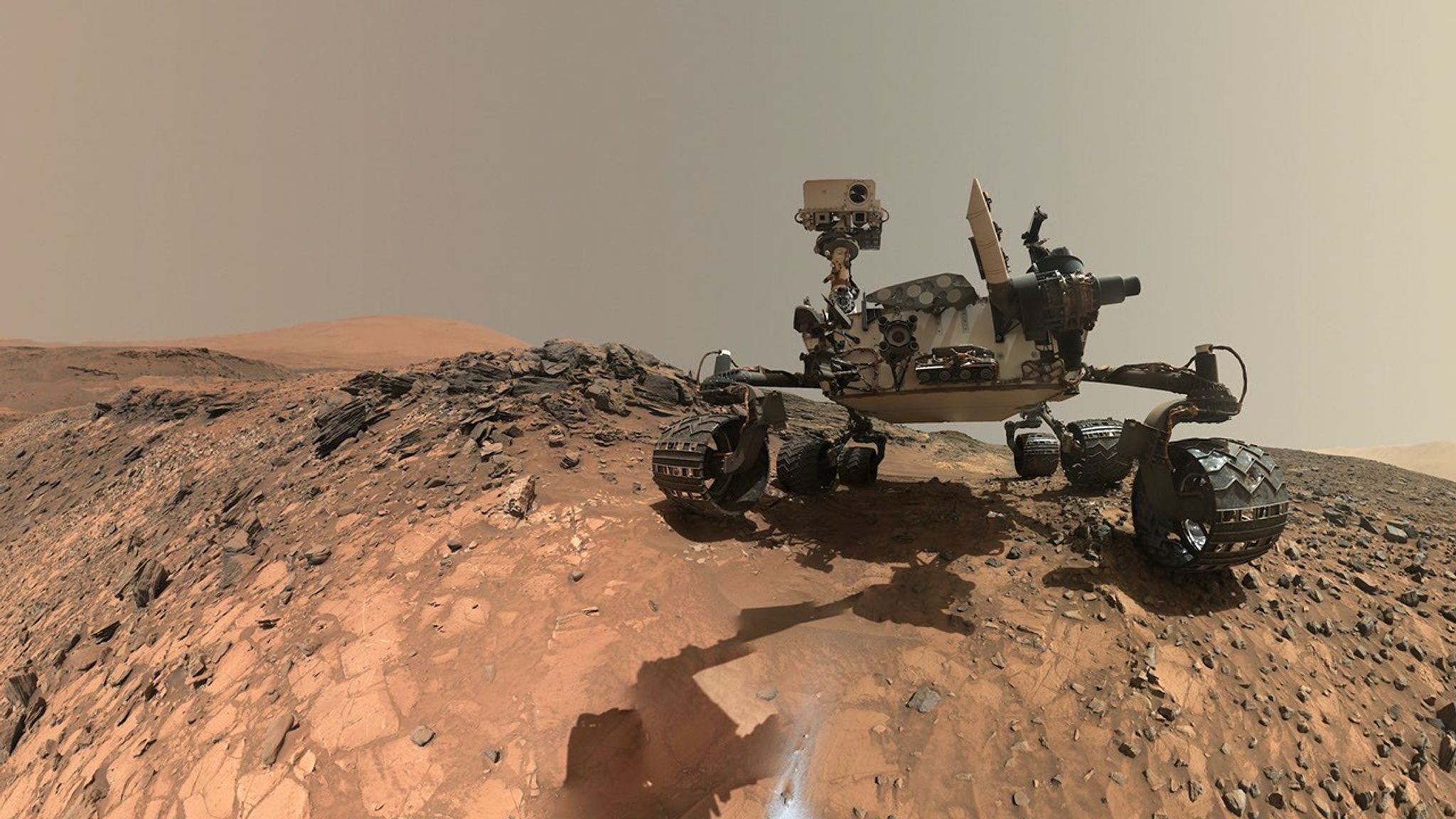
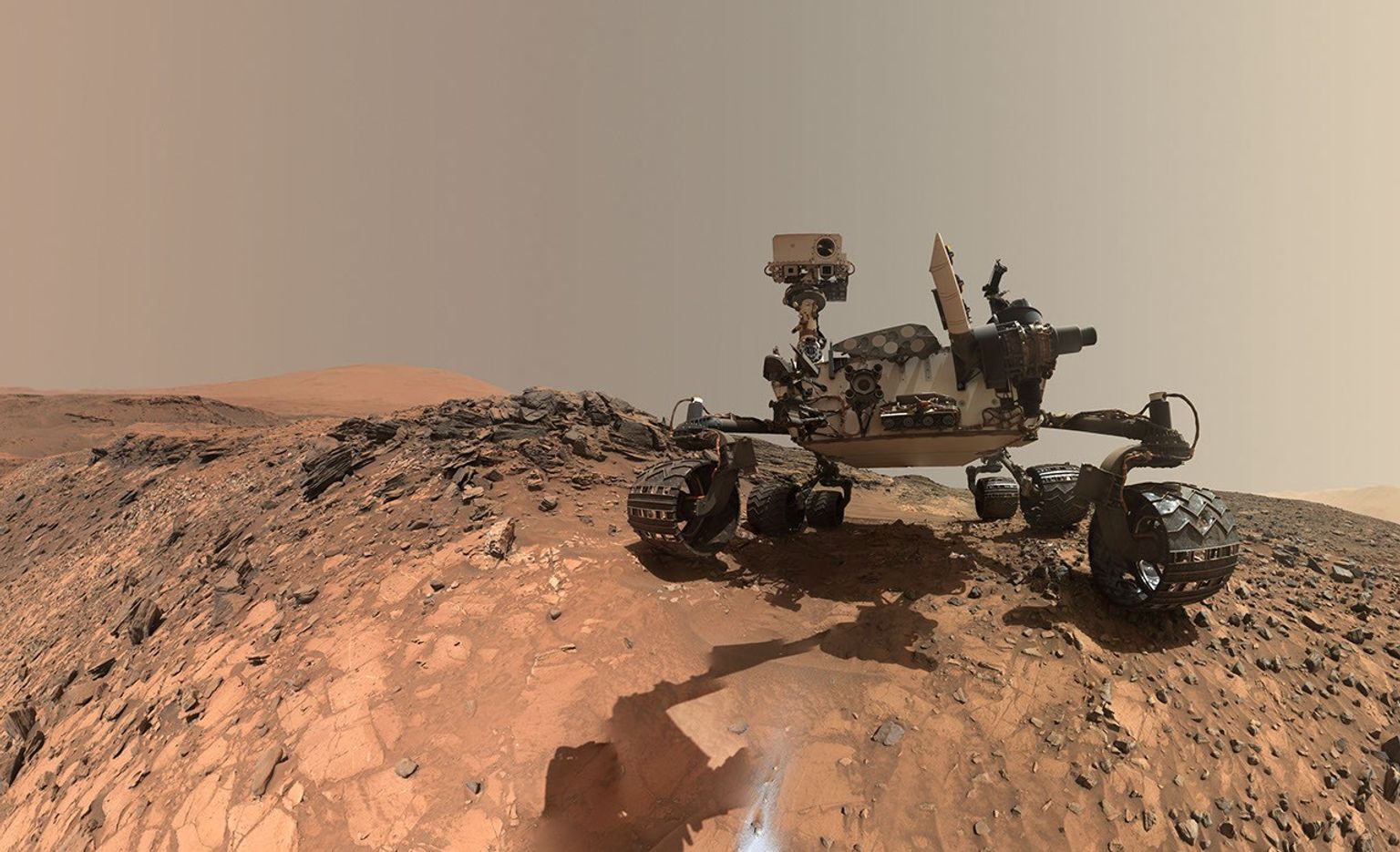
A rover sits on the hilly, orange Martian surface beneath a flat grey sky, surrounded by chunks of rock.
NASA’s Curiosity rover at the base of Mount Sharp
NASA/JPL-Caltech/MSSS

Share

Details

Last Updated
Mar 18, 2026

Related Terms

Powered by WPeMatico

Get The Details…

Lava Flows Down Mayon

Lava Flows Down Mayon

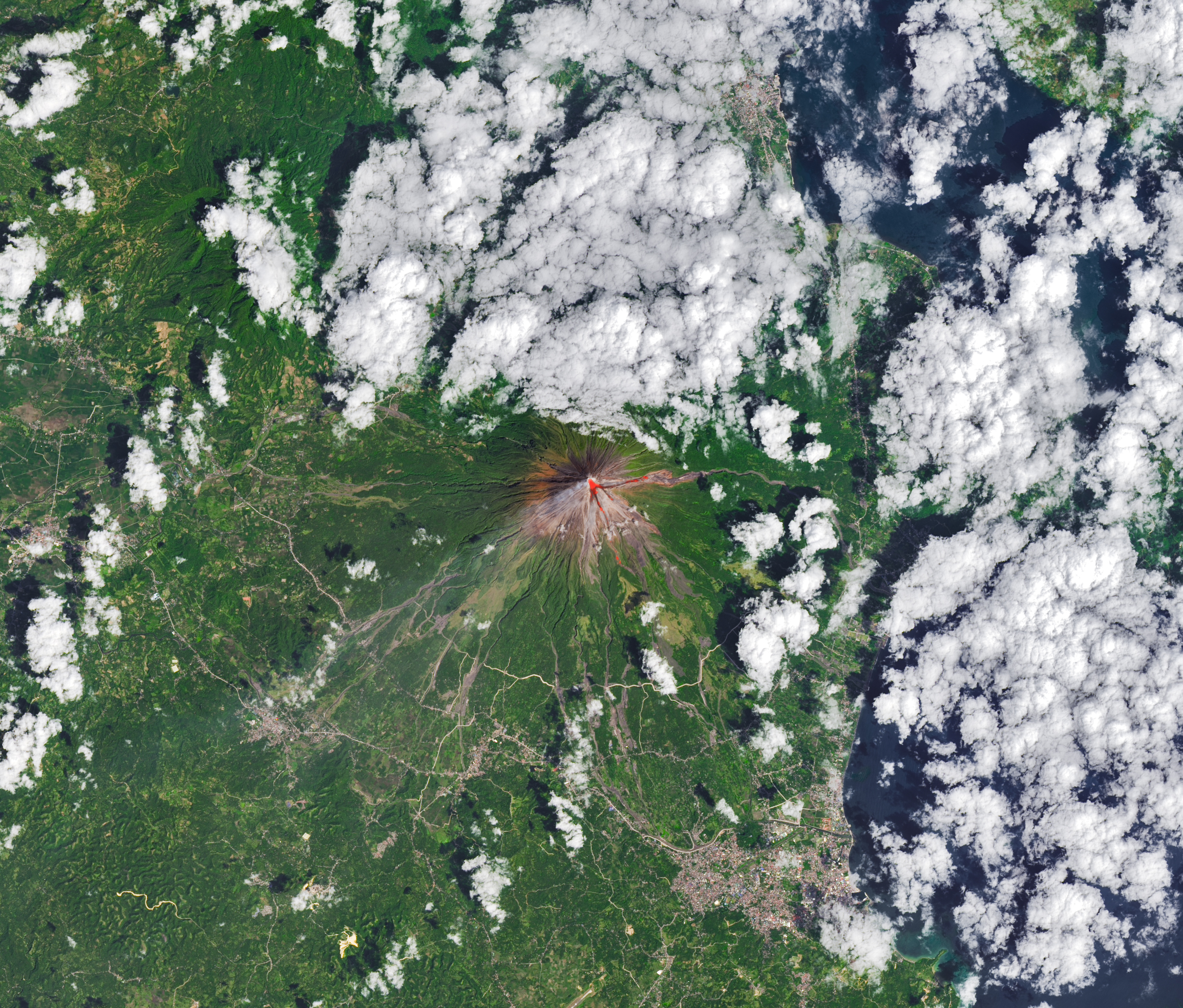
The upper slopes of Mayon volcano appear brown, with several narrow channels radiating from the crater. A red infrared heat signature appears near the summit, with red streaks extending east and southeast. The lower slopes are green and forested. Farmland and towns are visible in the lower part of the image.
At any given moment, about 20 volcanoes on Earth are actively erupting. Often among them is Mayon—the most active volcano in the Philippines.
Michala Garrison, using Landsat data from the U.S. Geological Survey

The OLI (Operational Land Imager) on Landsat 8 acquired this rare, relatively clear image of  Mayon, the most active volcano in the Philippines, on Feb. 26, 2026. The natural-color scene is overlaid with infrared observations to highlight the lava’s heat signature. On that day, the Philippine Institute of Volcanology and Seismology (PHIVOLCS) reported volcanic earthquakes, rockfalls, and hot clouds of ash and debris called pyroclastic flows. Along with PHIVOLCS, multiple NASA satellites also monitored the volcano’s sulfur dioxide emissions, showing sizable plumes of the gas drifting southwest on February 4 and March 6.

Read more about Mayon.

Text credit: Adam Voiland

Image credit: Michala Garrison, using Landsat data from the U.S. Geological Survey

Powered by WPeMatico

Get The Details…
Monika Luabeya

From Service to Space Systems: A Pathways Journey to NASA

From Service to Space Systems: A Pathways Journey to NASA

For Corey Elmore, the path to NASA’s Kennedy Space Center did not begin in engineering. It began in service.

Today he serves as a NASA Pathways engineering intern in the Technical Processes and Tools Branch (KSC-NE-TA) at Kennedy Space Center. Through the Pathways program, he is gaining hands-on experience supporting the engineering environments, technical tools and processes that help NASA teams design, analyze, and operate complex mission systems.

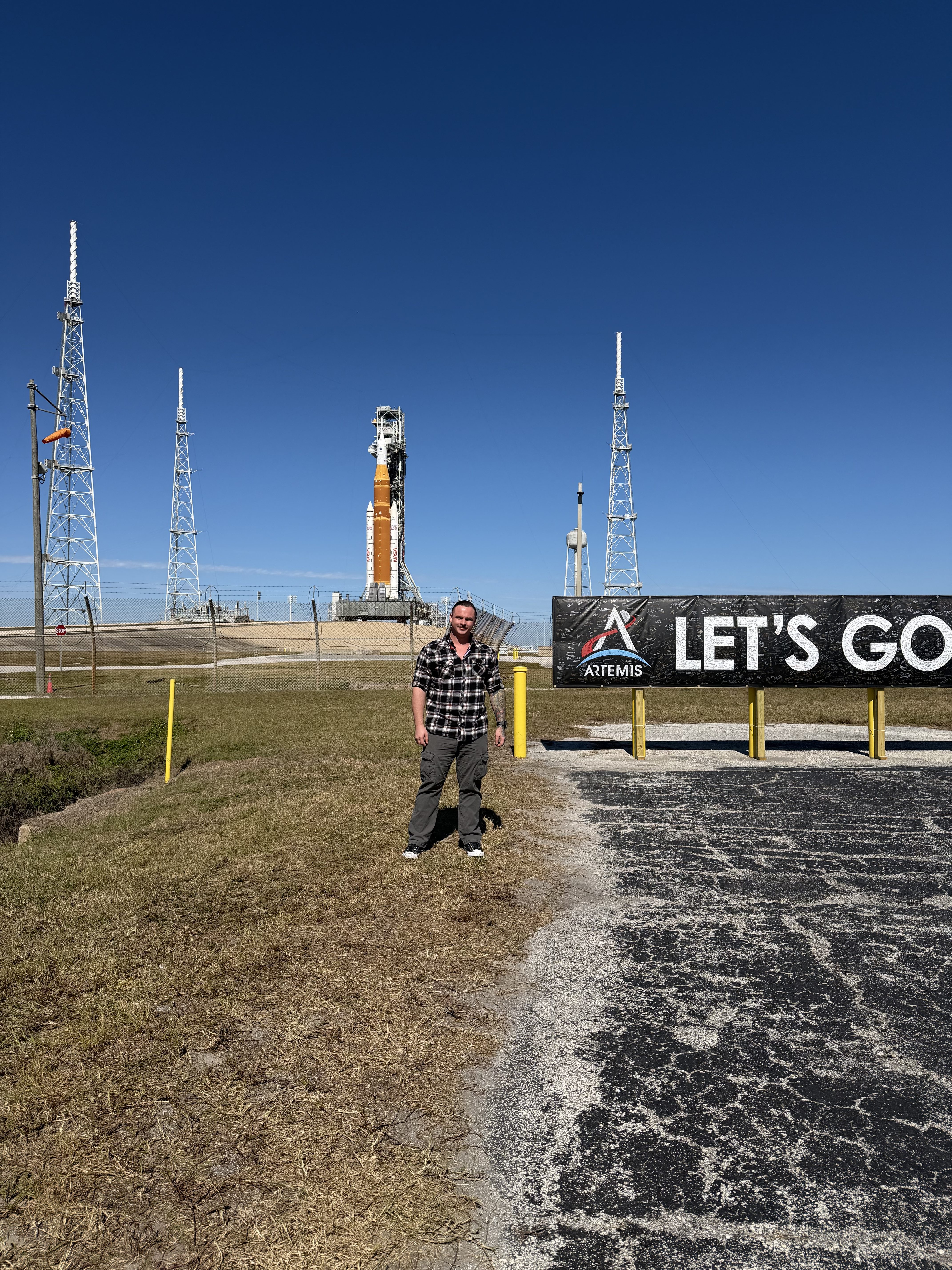
NASA Pathways intern Corey Elmore stands near Launch Complex 39B at Kennedy Space Center, with the Space Launch System rocket and Artemis infrastructure in the background. Through the Pathways program, Elmore supports engineering tools and processes that help enable NASA missions.
NASA/Corey Elmore

Within the branch, his work explores how artificial intelligence, machine learning, and automation can enhance engineering workflows. As modern missions generate massive amounts of data across interconnected systems, these tools help engineers organize information, improve analysis, and make faster decisions.

By studying how intelligent systems can support engineers, he hopes to help teams focus more deeply on solving the technical challenges that enable exploration.

«What excites me most about being at NASA is the chance to work on problems that are bigger than any one person. In a place like this, even small improvements in how we think, build, or support engineers can ripple outward into missions that push exploration forward.»

Corey Elmore

Corey Elmore

NASA Pathways Intern

The Pathways program provides students the opportunity to work alongside experienced engineers while contributing to real projects across NASA centers. At Kennedy Space Center, the experience offers a front-row view of how large-scale technical systems come together, from engineering processes and technical documentation to the collaborative teams responsible for supporting mission operations.

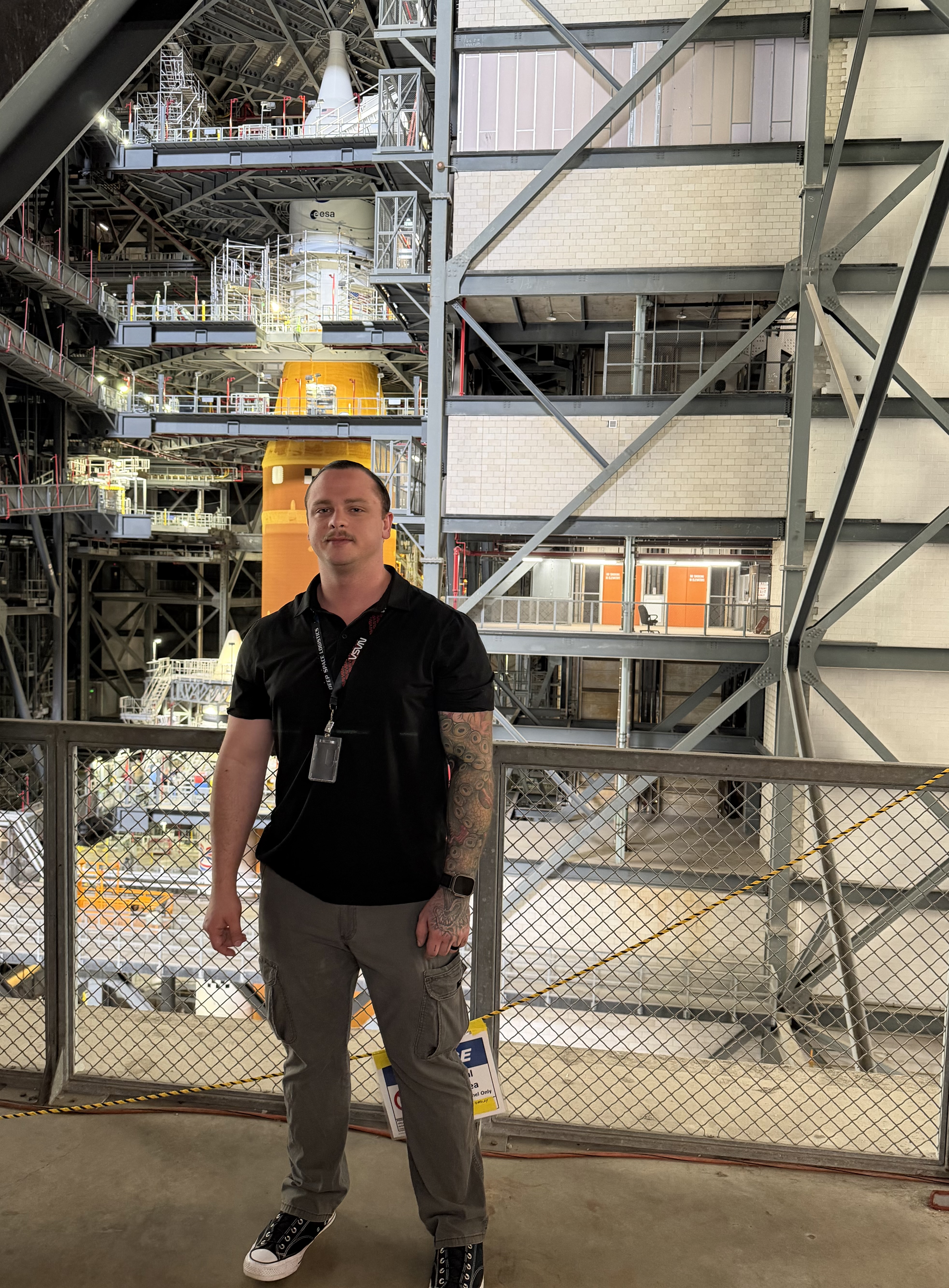
A NASA intern stands inside a large industrial facility with rocket hardware and structural platforms in the backgrou
NASA Pathways intern Corey Elmore stands inside the Vehicle Assembly Building at Kennedy Space Center, where large-scale hardware and engineering systems are prepared for mission operations.

Mentorship and collaboration have been central to the experience. Working with engineers across multiple disciplines has reinforced the importance of systems thinking: understanding how people, processes, and technology interact within complex mission environments.

His path to NASA, however, did not begin in engineering. Before entering the STEM field, he served in the U.S. Navy as a hospital corpsman supporting Marine Corps and Navy units. During that time, he also served as an instructor working with Navy Seabees, helping train and mentor service members in mission-critical skills.

That role required breaking down complex information, leading under pressure, and ensuring others could perform effectively in demanding environments. These skills translate naturally into engineering problem solving.

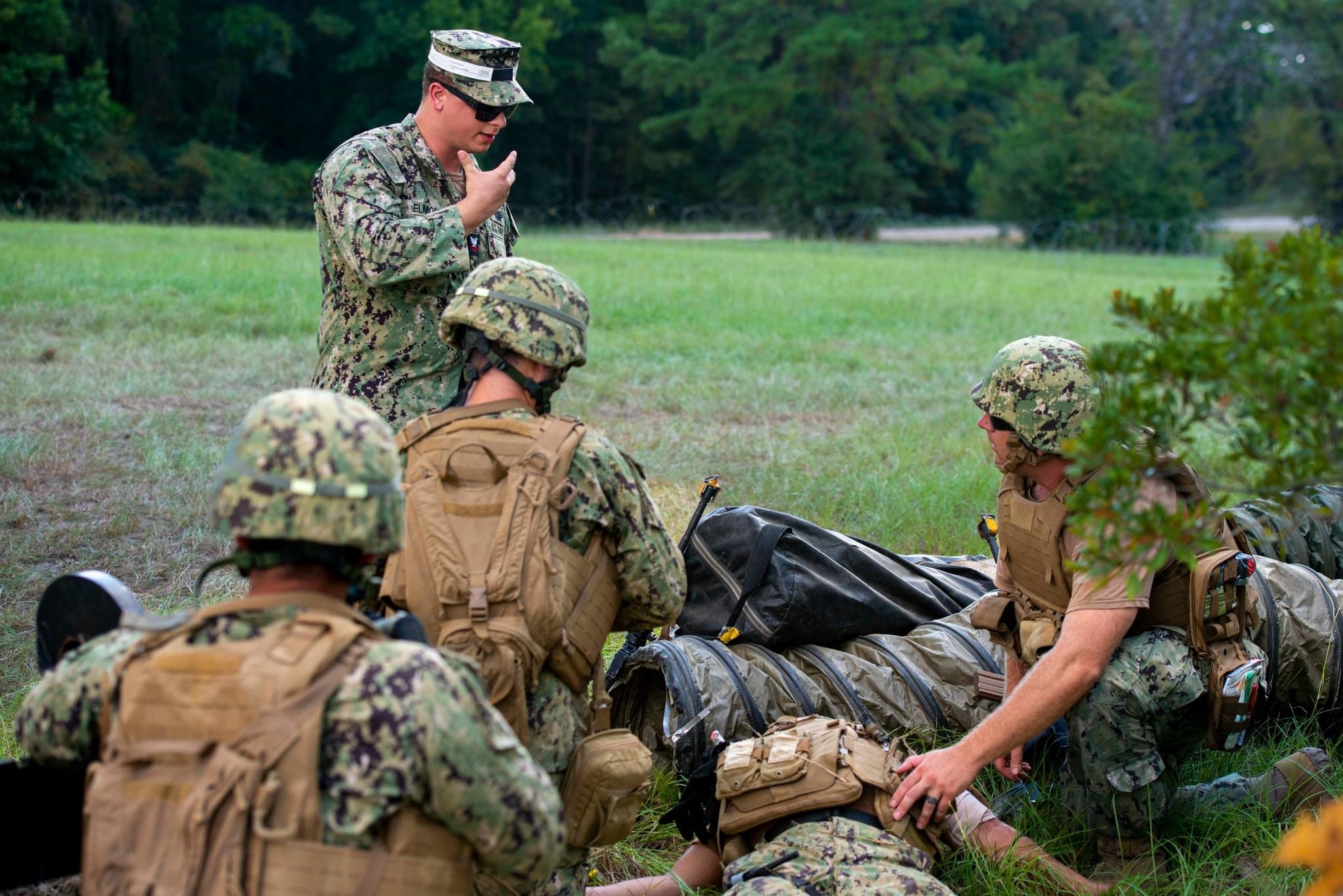
U.S. Navy personnel conduct a field training exercise while assisting a simulated casualty in an outdoor environment.
Before joining NASA, Corey Elmore served in the U.S. Navy as a hospital corpsman, supporting Marine Corps and Navy units and training service members in mission-critical skills.
NASA/Corey Elmore

My transition from military service to NASA has shown me that purpose does not end when the uniform comes off. The setting changes, the tools change, but the deeper mission remains: Serving something larger than yourself.

Corey Elmore

Corey Elmore

NASA Pathways Intern

Following military service, the next chapter unfolded in the defense and shipbuilding industry, supporting naval maintenance and logistics systems connected to fleet readiness. Working in shipbuilding environments provided firsthand exposure to the scale and coordination required to sustain complex operational platforms.

Maintaining ships at sea and preparing spacecraft for launch share a common challenge. Both depend on integrating engineering disciplines, operational processes, and reliable technology into a cohesive system.

While building professional experience, he continued pursuing higher education. During his time in the Navy, he earned a bachelor’s degree in supply chain and operations management from Western Governors University. Today, he is continuing his studies while working at NASA, pursuing both bachelor’s and master’s degrees in computer science with a focus on artificial intelligence and machine learning.

Combining operational experience, systems thinking, and emerging technologies is helping shape a foundation aligned with the increasingly complex challenges of modern space exploration.

Equally meaningful has been the community at Kennedy Space Center. Through the Pathways program, interns work alongside experienced mentors and engineering teams across NASA, creating an environment where curiosity, learning, and collaboration drive growth.

For this Navy veteran, the opportunity represents more than a career milestone; it represents a continuation of service.

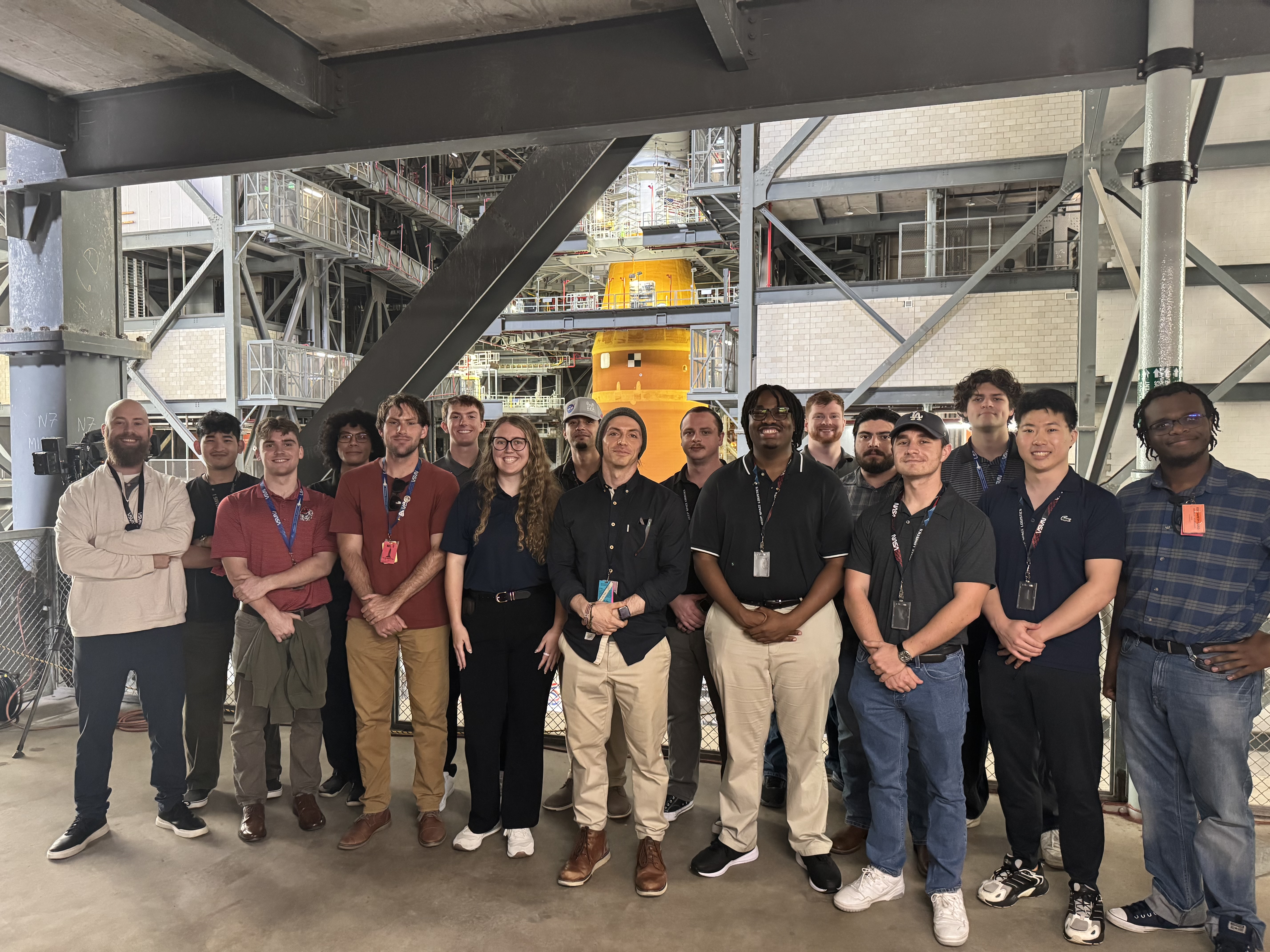
A group of approximately 18 young professionals, identified as NASA Pathways interns, posing for a group photo inside a large industrial assembly facility. They are standing on a concrete platform under a steel support structure. In the background, a massive orange rocket stage is visible within a complex gray gantry and scaffolding system. The interns are dressed in professional-casual attire and most are wearing NASA-branded lanyards.
Pathways interns at KSC get a front-row seat to the hardware that will power our next giant Artemis leap.

For those transitioning from military careers, the path into engineering and exploration may look different, but the mission often feels familiar. Programs like NASA Pathways provide veterans the chance to bring their discipline, leadership, and operational experience into fields that support the next generation of discovery.

As his journey at Kennedy Space Center continues, he remains focused on contributing to the systems and technologies that will help enable the future of human exploration.

For more information about the Pathways program, visit nasa.gov/careers/pathways.

Powered by WPeMatico

Get The Details…
Dan Levy