NASA to Discuss Science, First Intuitive Machines Artemis Moon Flight
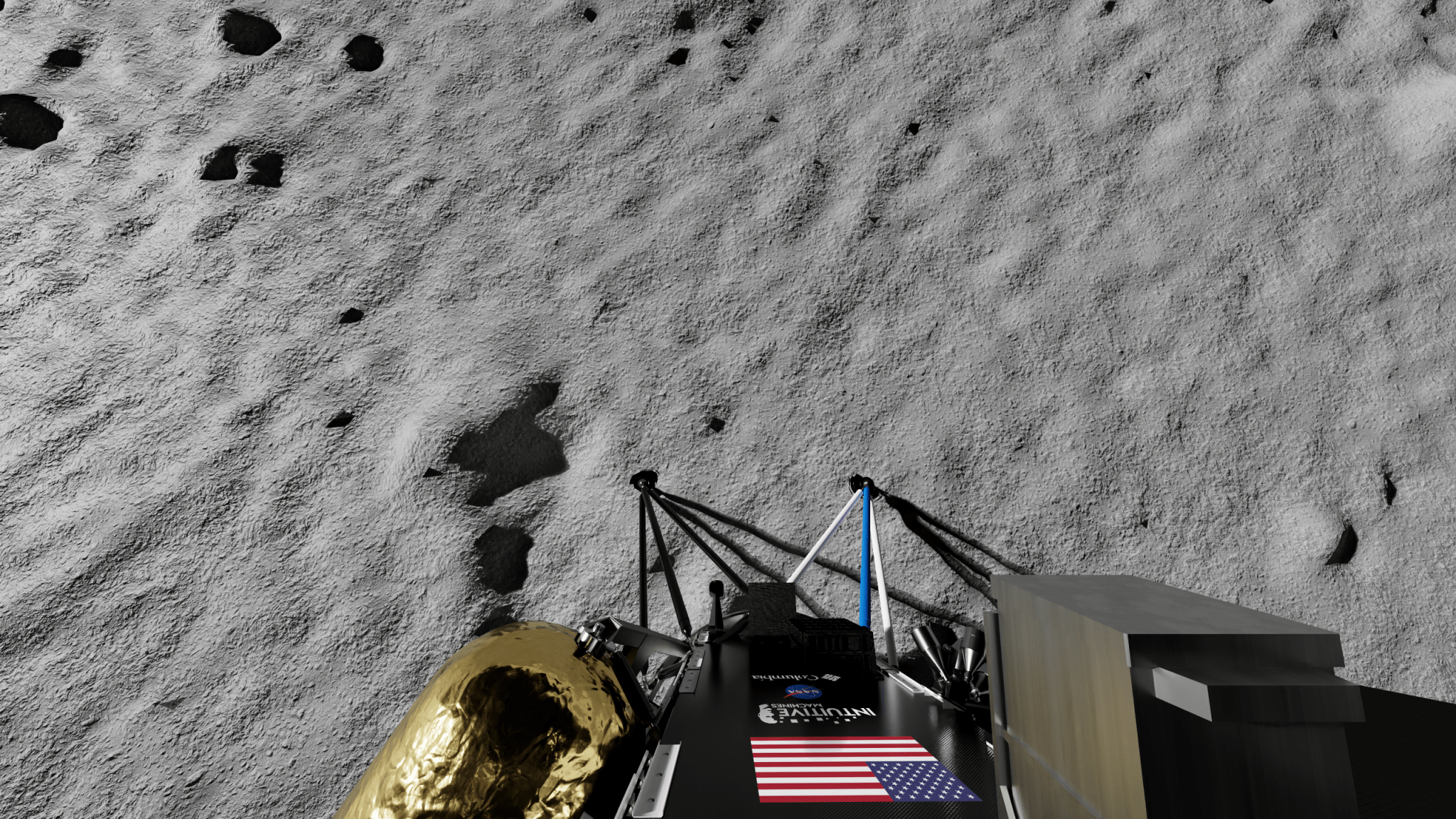
This artist’s concept shows Intuitive Machines’ Nova-C lander on the surface of the Moon. This robotic delivery, part of NASA’s CLPS (Commercial Lunar Payload Services) initiative and Artemis campaign, will transport agency science and technology demonstrations to the Moon for the benefit of all.
Intuitive Machines
NASA will host a media teleconference at 3:30 p.m. EST Wednesday, Jan. 31, to discuss its science and technology demonstrations flying aboard Intuitive Machines’ first flight to the Moon as part of the agency’s CLPS (Commercial Lunar Payload Services) initiative and Artemis campaign.
Audio of the CLPS science call will livestream on the agency’s website at:
Joel Kearns, deputy associate administrator for exploration, Science Mission Directorate, NASA Headquarters
Debra Needham, program scientist, Exploration Science Strategy and Integration Office, NASA Headquarters
Chris Culbert, program manager, CLPS, NASA Johnson Space Center
Trent Martin, vice president, Space Systems, Intuitive Machines
To participate, media must RSVP no later than two hours before the briefing by emailing ksc-newsroom@mail.nasa.gov.
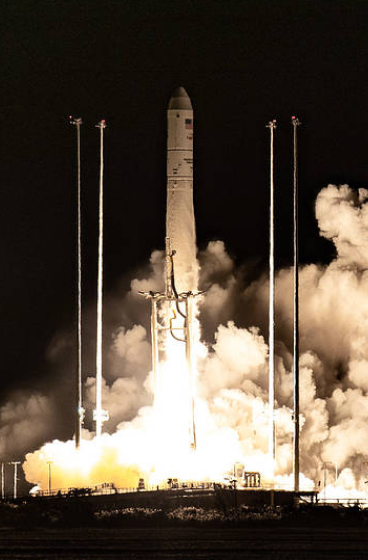
The Intuitive Machines Nova-C lander will launch on a SpaceX Falcon 9 rocket and carry NASA robotic science and other commercial payloads to the Moon. Liftoff of the SpaceX Falcon 9 rocket is targeted for a multi-day launch window, which opens no earlier than mid-February from Launch Complex 39A at NASA’s Kennedy Space Center in Florida.
Among the items on its lander, this first Intuitive Machines mission will carry NASA science instruments focusing on plume-surface interactions, space weather and lunar surface interactions, radio astronomy, precision landing technologies, and a communication and navigation node for future autonomous navigation technologies.
In May 2019, the agency awarded a task order for scientific payload delivery to Intuitive Machines. Through Artemis, commercial robotic deliveries will perform science experiments, test technologies, and demonstrate capabilities to help NASA explore the Moon in advance of Artemis Generation astronaut missions to the lunar surface, in preparation for future missions to Mars.
NASA is working with several U.S. companies to deliver science and technology to the lunar surface through the CLPS initiative. This pool of companies may bid on task orders. A task order award includes payload integration and operations, as well as launching from Earth and landing on the surface of the Moon. NASA’s CLPS contracts are indefinite-delivery/indefinite-quantity contracts with a cumulative maximum contract value of $2.6 billion through 2028.
NASA Selects Winners of Third TechRise Student Challenge
4 min read
Preparations for Next Moonwalk Simulations Underway (and Underwater)
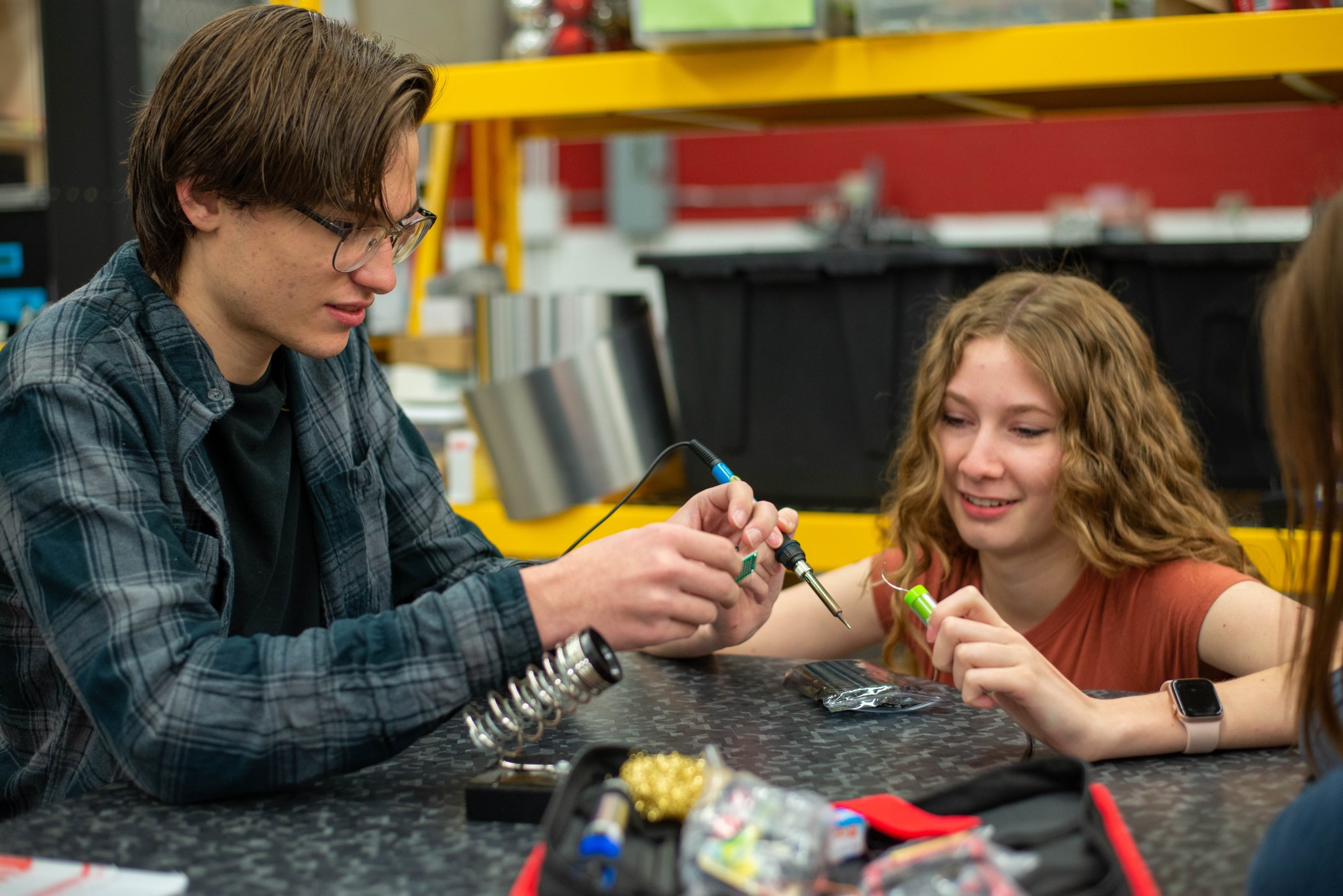
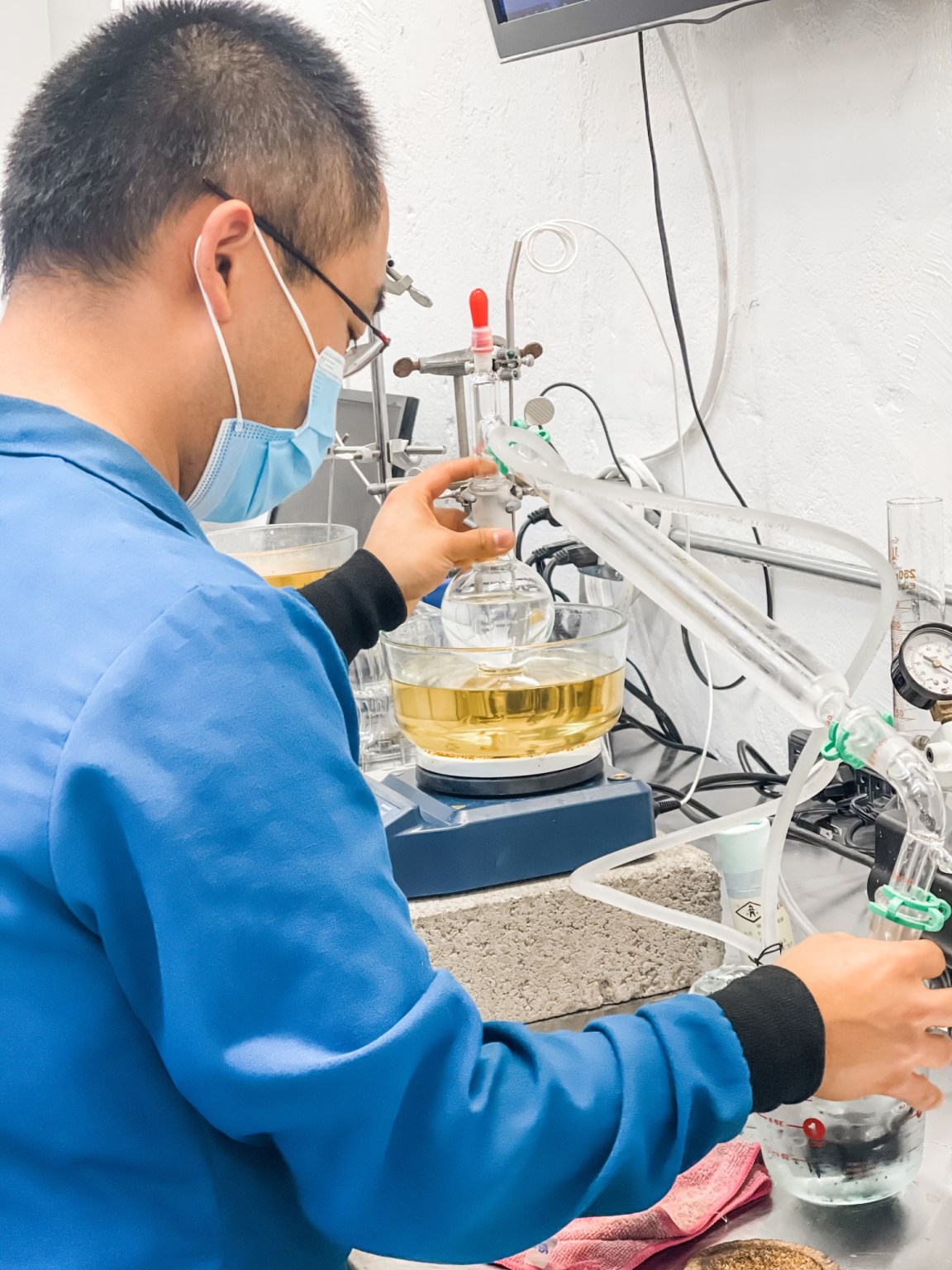
Pictured here from left to right, Zephyr Proffitt and Tayah Day of Red Mountain High School in Mesa, Arizona work on building their experiment during last year’s TechRise Student Challenge.
Red Mountain High School
NASA is announcing 60 winning teams for its third TechRise Student Challenge, a nationwide contest to engage students in technology, science, and space exploration. The student teams will work together to turn their proposed science and technology experiments into reality ahead of NASA-sponsored suborbital flight tests this summer.
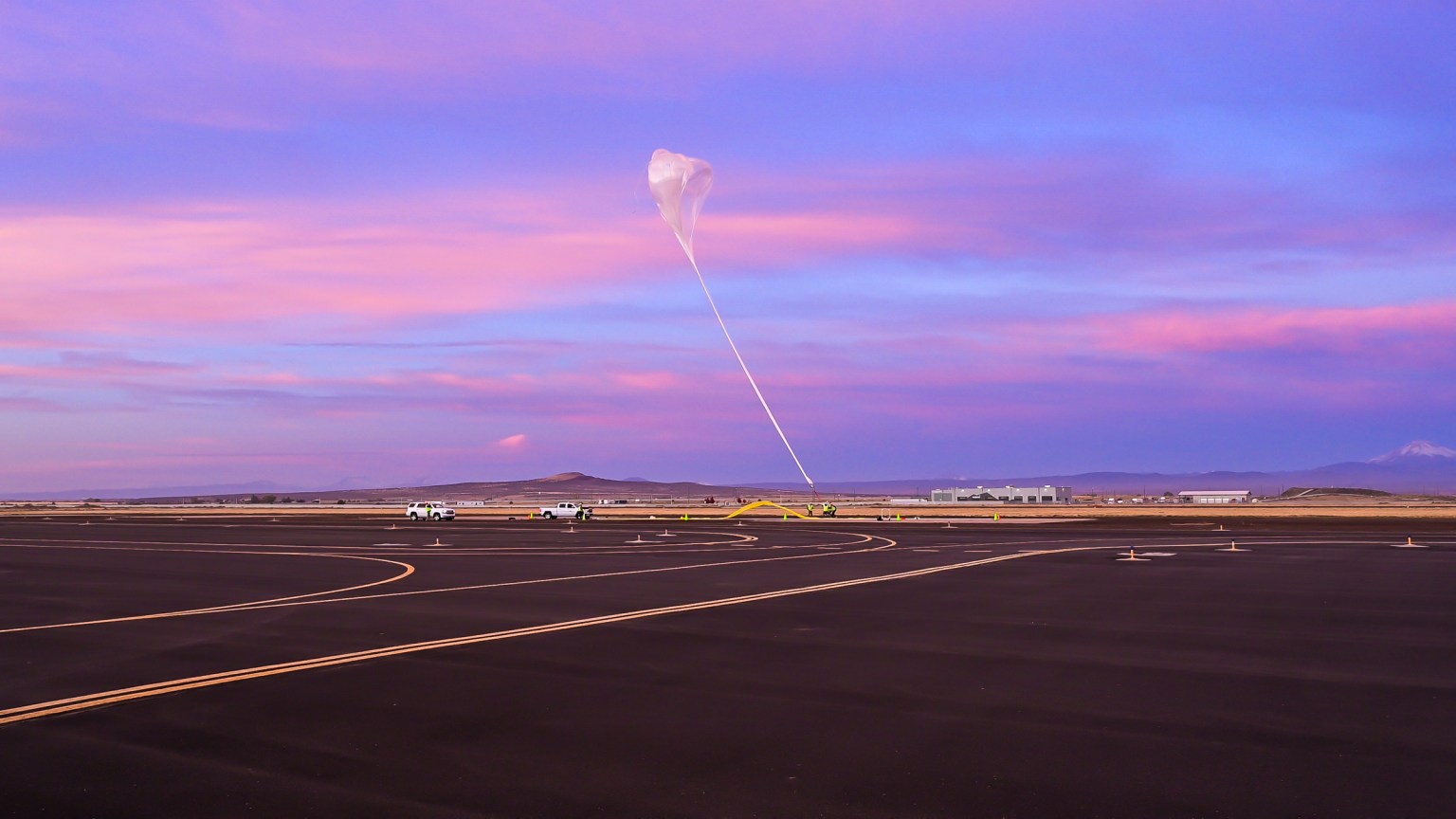
The challenge opened for submissions in August to students in grades six through 12 at U.S. public, private, or charter schools, including those in U.S. territories. The winning teams include more than 490 students representing 46 states and territories. Their experiments will fly on one of two commercial suborbital flight platforms: a high-altitude balloon operated by World View of Tucson, Arizona, or the Xodiac rocket-powered lander operated by Astrobotic of Pittsburgh.
“Cultivating creativity and curiosity and inspiring students to pursue STEM careers is one of NASA’s most important missions,” said Prasun Desai, deputy associate administrator, Space Technology Mission Directorate at NASA Headquarters in Washington. “TechRise is a unique opportunity that allows students to gain hands-on knowledge while developing real payloads for flight, and it’s an experience they can carry with them during their educational and early career journeys.”
Winning proposals address a wide variety of science and technology challenges, including studying the effects of stratospheric conditions, such as solar and ionizing radiation on plant seeds; testing radiation shielding materials; and using sensors such as thermal cameras and lidar to map a simulated lunar surface.
A complete list of winning teams is available on the TechRisewebsite.
Each team will receive $1,500 to build their experiments, a flight box to house it, technical support from Future Engineers, and an assigned spot for their experiments on a suborbital flight test scheduled for this summer. The challenge is managed by NASA’s Flight Opportunities program, which rapidly demonstrates technologies for space exploration, discovery, and the expansion of space commerce through suborbital testing with industry flight providers.
Experiments tested on the high-altitude balloon will experience approximately four hours of flight time at approximately 70,000 feet with exposure to Earth’s upper atmosphere, high-altitude radiation, and perspective views of Earth. During flight, they will experience the stratosphere’s unique thermal and atmospheric environment, providing conditions that ground-based testing cannot replicate. The high-altitude balloon will also allow payloads to observe the surface below them and collect data on land features such as vegetation and bodies of water.
Those tested on the lander will fly for approximately two minutes at an altitude of 80 feet over Astrobotic’s Lunar Surface Proving Ground, a test field designed to simulate the Moon’s surface, located at Astrobotic’s test site at the Mojave Air and Space Port in Mojave, California. During flight, payloads will be able to collect information on the features of the simulated lunar surface and discover hidden objects. Student experiments can also study the physics and characteristics of the lander’s flight environment.
“I am most excited about the hands-on experience that building the NASA TechRise experiment will offer my students,” said Amy Becker, TechRise educator lead for the winning team from Clear Creek Middle School in Ellijay, Georgia. “They will not only acquire technical knowledge but also learn essential skills like effective communication and critical thinking. The prospect of seeing their ideas materialize into a tangible project, one that will ascend about 70,000 feet into the stratosphere, is both thrilling and educational.”
A group of approximately 200 volunteer judges with expertise in engineering, space, and Earth science reviewed entries and selected the nationwide winners. Judges evaluated proposals based on experiment originality, its impact on education or society, feasibility within the allotted timeframe and budget, and the quality of the build plan. Criteria were also designed to encourage equitable student participation and geographic representation, and scoring included additional points for Title I-eligible schools.
Managed by NASA’s Flight Opportunities program at the agency’s Armstrong Flight Research Center in Edwards, California, and administered by Future Engineers, TechRise is designed to inspire a deeper understanding of Earth’s atmosphere, surface features, and climate. It also provides students the opportunity to learn more about space exploration, coding, electronics, and the value of test data. TechRise is one of many NASA Prizes, Challenges, and Crowdsourcing efforts within STMD offering opportunities to participate in America’s space program.
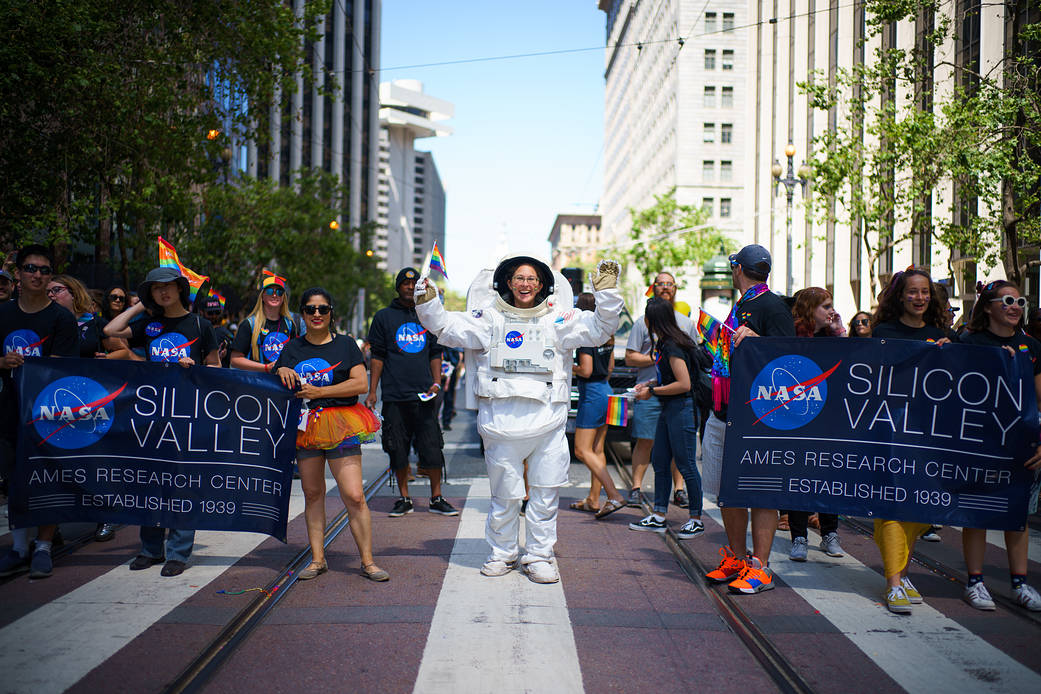
At NASA, diversity and inclusion drive workplace creativity, innovation and mission success. For #PrideMonth we’re celebrating the stories of our #LGBTQ community.
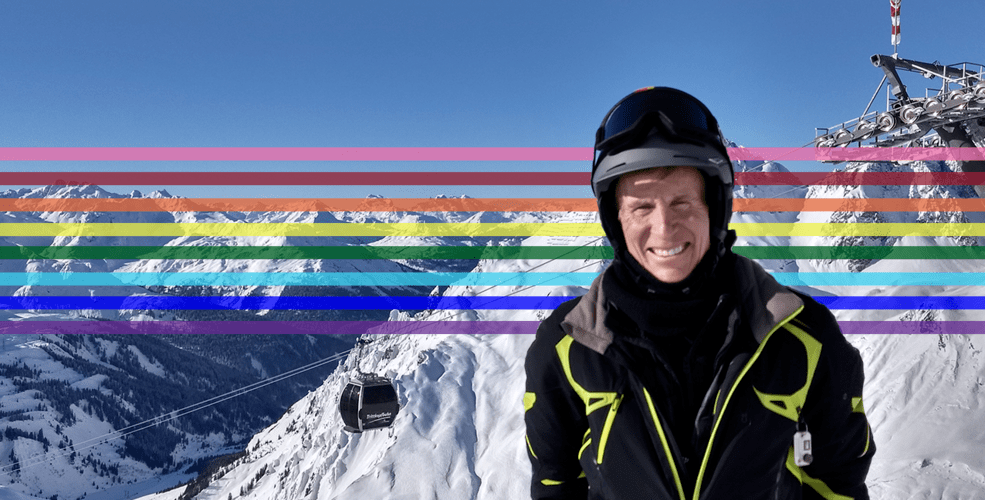
Bob Lutz skiing in St. Anton, Austria.
What is your role at NASA? I’m a computer engineer. I’m presently leading a task performing sustaining engineering for flight software on launched Earth and space science missions. I had worked for 10 years in the development of ground systems for two weather satellites: the Geostationary Operational Environmental Satellite and the Joint Polar Satellite System. I’m also Co-Chair of the LGBT Advisory Committee and a long-time member of the Engineering and Technology Directorate Diversity and Inclusion Committee.
How long have you worked here? I worked 18 years a contractor and 19 years as a civil servant.
What is your background/what did you do before working at NASA? I have a Bachelor and Master’s Degrees in Meteorology and Oceanography and a PhD in Remote Sensing – Geography. Before coming to NASA I was a graduate student at University of Maryland.
Why did you chose to work at NASA and what makes you stay? I worked at NASA’s Goddard Institute for Space Studies (GISS) when I was a graduate student in NYC. I have always been interested in the Earth and space sciences. I am a lifer here – I enjoy the campus-like atmosphere and the ability to grow intellectually by attending seminars and interacting with scientists and engineers with different backgrounds and expertise.
What has been your favorite project or memory from your time here? My favorite project was supporting the establishment of a field experiment in the boreal forests of Canada (BOREAS) led by Piers Sellers (who became an astronaut). We had to bushwhack through the dense boreal forest with compasses to find the optimal place to build air chemical flux towers to be used in the experiment. Fun work, but not exactly your typical NASA-type work!
Why is working in a diverse environment critical to our mission? Here at NASA we solve problems – lots of them are hard! People with different backgrounds and different ways of thinking contribute to a solution set that maximizes our chance for success.
What do you like to do outside of work? I enjoy spending time with my partner Brian, where we have been together almost 34 years. We’re now living and having fun in DC. I’m also an avid skier (30 plus days a year), and I enjoy the outdoors – hiking, camping, biking and kayaking.
If you could go anywhere in the world, where would it be? Having travelled quite a bit in Europe since we ski there – something very different – like seeing the pyramids.
What is your proudest accomplishment (personal or professional)? Being successful in a long-term relationship, obtaining my PhD and running and completing the Marine Corps Marathon twice.
Is there anything else you would like to add? NASA’s Goddard Space Flight Center (GSFC) is a great place to work and a big shout of appreciation to the leadership at GSFC in supporting LGBT as well as Diversity and Inclusion issues.
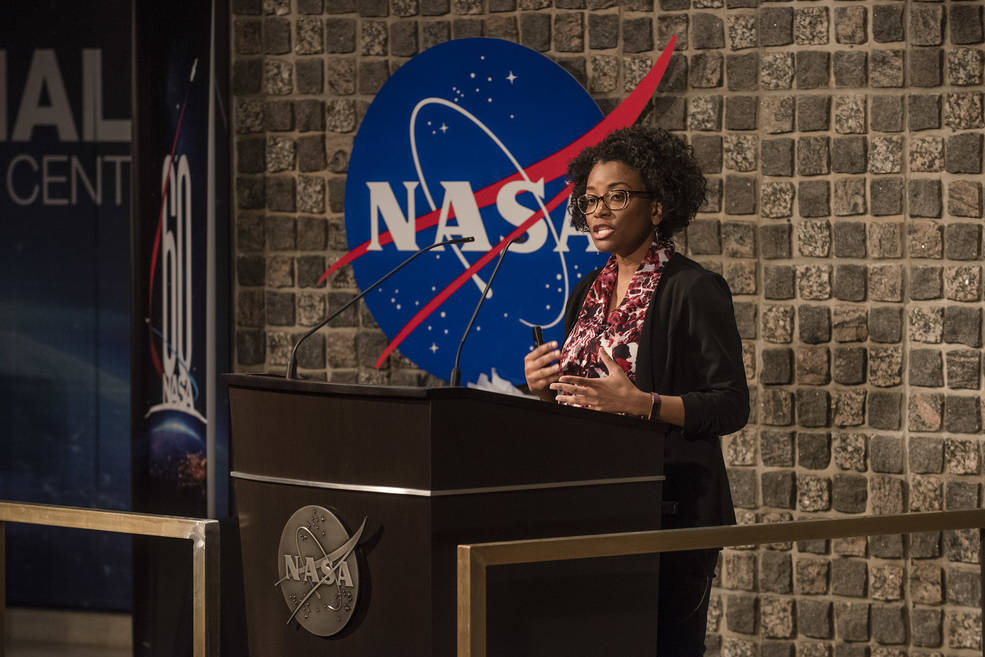
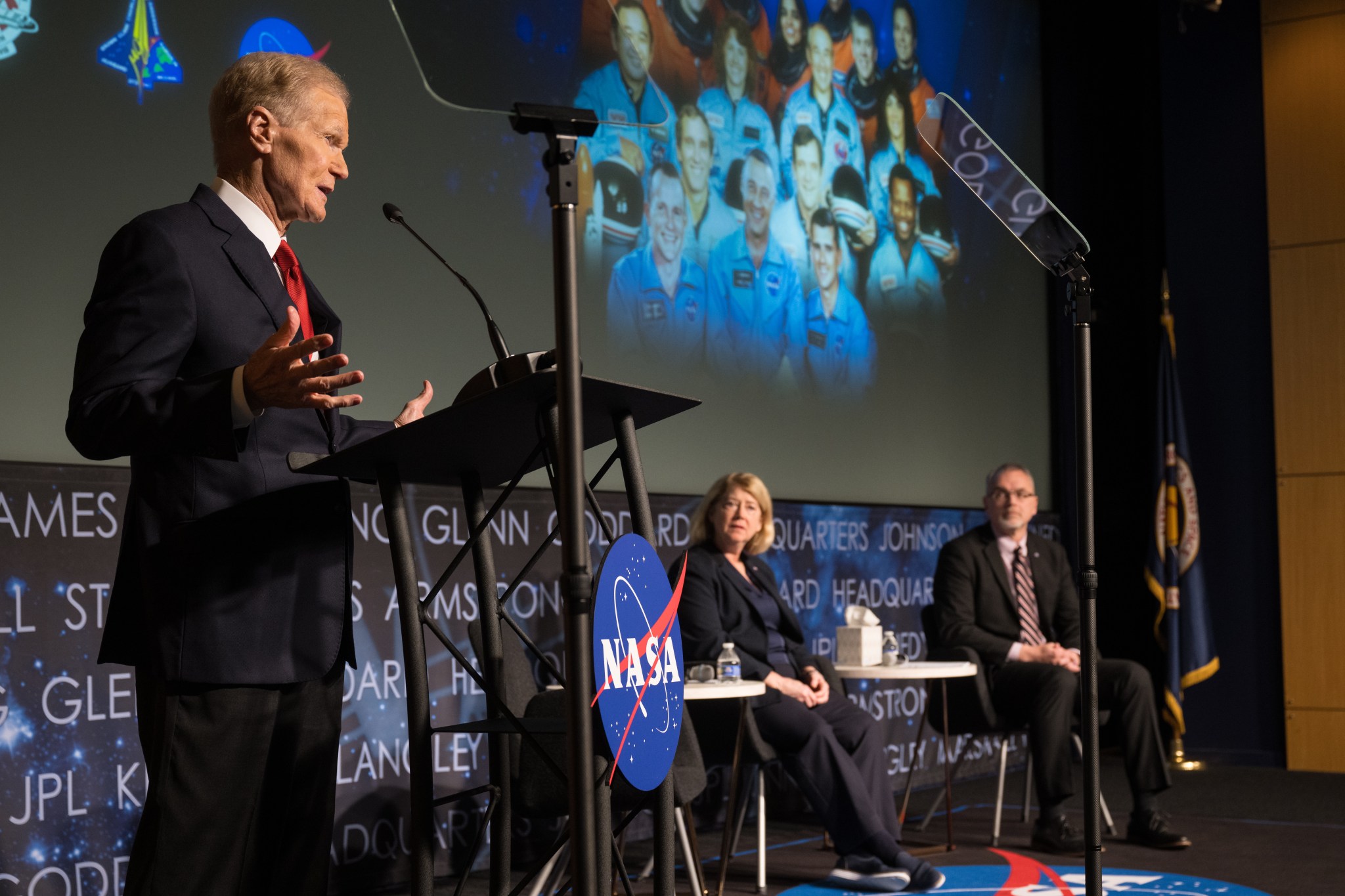
NASA Administrator Bill Nelson speaks during a NASA Safety Town Hall, Tuesday, Jan. 23, 2024 at the Mary W. Jackson NASA Headquarters building in Washington. The Safety Town Hall is held annually near the Day of Remembrance to learn from past errors and pay tribute to those that lost their lives in the quest for space exploration.
How NASA Chases and Investigates Bright Cosmic Blips
9 min read
How NASA Chases and Investigates Bright Cosmic Blips
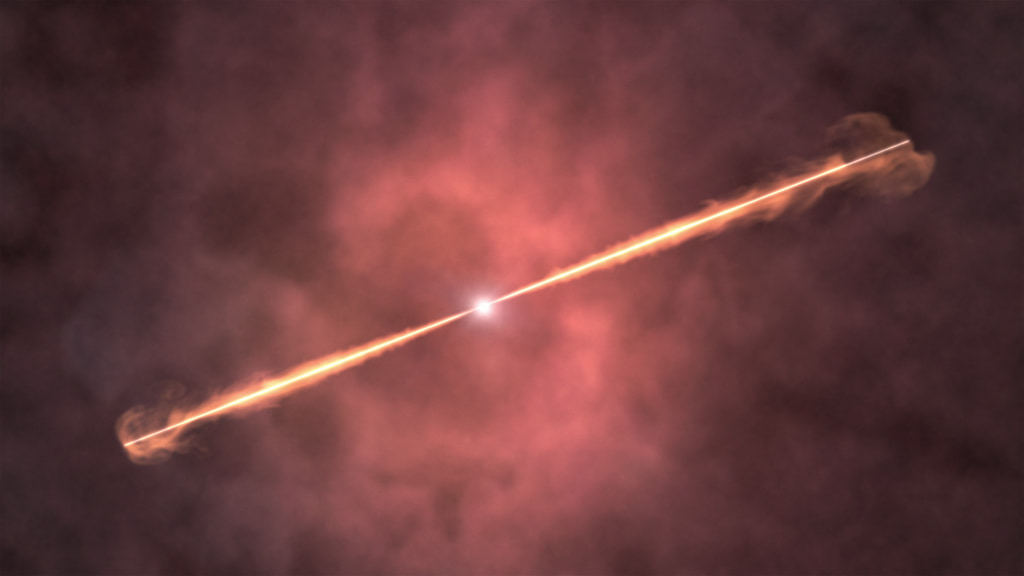
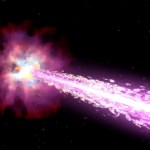
Astronomers think a long GRB (gamma-ray burst) arises from a massive, rapidly rotating star when its core runs out of fuel and collapses, forming a black hole in the star’s center. In this artist’s concept, two jets emerge from the dying star and interact with surrounding gas and dust.
NASA’s Goddard Space Flight Center Conceptual Image Lab
Stephen Lesage’s phone started vibrating just after halftime on Oct. 9, 2022, while he was watching a soccer game in Atlanta with a friend. When Lesage saw the incoming messages, the match no longer seemed important. There had been a rare cosmic event, and he needed to get to his computer immediately.
NASA’s Fermi Gamma-Ray Satellite and Neil Gehrels Swift Observatory had spotted an unusually bright signal in space, and sent automatic alerts to scientists. Lesage’s team’s Fermi chat channel lit up with messages as scientists coordinated their follow-up strategy.
“Everyone in that group was like, ‘this thing’s crazy! Who’s on duty to analyze this? This is what we’ve been waiting for,’” Lesage, a graduate student at the University of Alabama, Huntsville, recalled. “Time to go!”
The unusual event turned to be a cosmic burst that may have been the brightest at X-ray and gamma-ray energies since civilization began. Astronomers dubbed it the BOAT, “the brightest of all time.” Lesage led an analysis of Fermi data that demonstrated just how bright the BOAT really was. More than 150 telescopes in space and on Earth followed up to get more details of the event including NASA’s IXPE (Imaging X-ray Polarimetry Explorer ), Hubble Space Telescope, and James Webb Space Telescope, as well as the European Space Agency’s XMM-Newton telescope.
The Universe is Changing
The BOAT is an example of what astronomers call Time-Domain and Multimessenger Astronomy. The “Time Domain” part refers to events that happen in the universe that telescopes can observe as they unfold, such as a supernova or the merger of two neutron stars. “Multimessenger Astronomy” refers to the variety of “messengers” that deliver information from the universe, including all forms of light, high-energy particles, and ripples in spacetime called gravitational waves.
While the universe may seem like it changes extremely slowly, over millions or even billions of years, its celestial occupants do sometimes produce dramatic changes on the order of days or even fractions of seconds. Galactic centers brighten as their central black holes eat material. Black holes siphon plasma from nearby stars. Stars explode. Neutron stars collide with black holes, neutron stars collide with neutron stars, and black holes merge with black holes. Even distant crashes of celestial objects can send powerful ripples that can be detected by space- and ground-based telescopes and instruments. Many of these phenomena are unpredictable in terms of both where and when they might happen next.
NASA has two “watchdog” satellites with wide fields of view that send out alerts when they detect a sudden brightening of gamma rays: Fermi and Swift. Fermi’s Gamma-Ray Burst Monitor and Large Area Telescope, and Swift’s Burst Alert Telescope, are key instruments that might be the first to observe these events.
“When something impulsive happens, when something goes boom and explodes or something goes crunch and collapses, they trigger,” said Valerie Connaughton, who leads the high-energy astrophysics portfolio and the Time-Domain and Multimessenger Astronomy Initiative within the Astrophysics Division at NASA Headquarters in Washington.
Once scientists receive an alert on their computers and phones, they may be able to collaborate with other telescopes to follow up on the event. By using a variety of different space-based observatories and instruments to study these largely unpredictable flashes, scientists can piece together what, where, when, and why they observed a “blip” in the usual calm of space.
After comparing observations of the BOAT from numerous telescopes, scientists determined that this unusually bright burst came from a supernova and specifically, the core collapse of a massive star rotating rapidly. Later, with data from NASA’s NuSTAR mission, scientists found that the jet of material shooting out from the exploding star had a more complicated shape than they originally thought.
“A giant star just exploded, and we get to study it and figure out what happened, and reverse engineer the pieces and put it back together,” Lesage said.
Time-domain astronomy lets us get fundamental answers on the properties of the universe, of fundamental physics itself, and the origin of the elements.”
ERIC BURNS
Astrophysicist, Louisiana State University
New Bright Signals
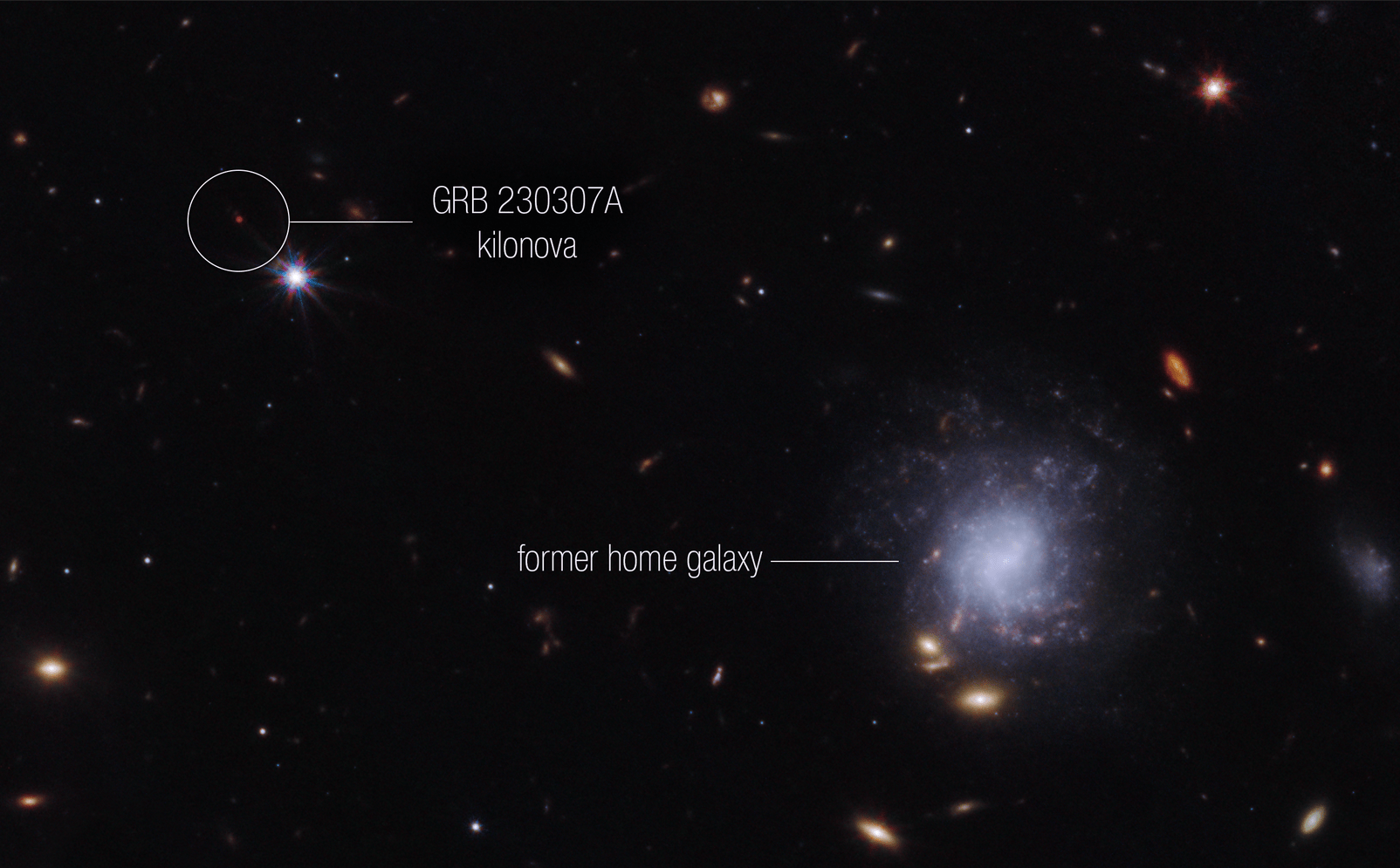
Just five months after the BOAT, scientists received an alert from Fermi about the second-brightest gamma-ray burst seen in the last 50 years. This newer signal, GRB 230307A, which happened in March 2023, joined the BOAT in the category of “long” gamma-ray bursts, lasting 200 seconds, compared to 600 for the BOAT. Thanks to infrared data from NASA’s James Webb Space Telescope, scientists determined that GRB 230307A may have had a very different origin: the merger of two neutron stars about a billion light-years away from Earth. What’s more, Webb detected the rare element tellurium, suggesting that neutron star mergers create heavy elements like this.
This result still puzzles astronomers such as Eric Burns, a co-author of the GRB 230307A paper and member of the Fermi team at Louisiana State University. Merging neutron stars shouldn’t produce such long gamma-ray bursts, and current models of atomic physics do not entirely explain the mid-infrared wavelengths that Webb detected. He hopes Webb will help us learn more about these kinds of events in the next few years.
“Time-domain astronomy lets us get fundamental answers on the properties of the universe, of fundamental physics itself, and the origin of the elements,” Burns said.
This image from NASA’s James Webb Space Telescope NIRCam (Near-Infrared Camera) instrument highlights Gamma-Ray Burst (GRB) 230307A and its associated kilonova, as well as its former home galaxy, among their local environment of other galaxies and foreground stars. The GRB likely was powered by the merger of two neutron stars. The neutron stars were kicked out of their home galaxy and traveled the distance of about 120,000 light-years, approximately the diameter of the Milky Way galaxy, before finally merging several hundred million years later.
NASA, ESA, CSA, STScI, A. Levan (Radboud University and University of Warwick)
A Multitude of Messengers
Cosmic “messengers” associated with fleeting cosmic blips also help scientists reconstruct their origins. The initial 2015 discovery of gravitational waves by LIGO, the Laser Interferometer Gravitational-Wave Observatory, showed that the universe could be observed in a brand new way, and began a new era of possibility for using multiple messengers to study sudden blips in the universe.
In 2017, scientists demonstrated that potential by combining gravitational wave observations with data from many different ground and space-based observatories to study a kilonova, or neutron star merger, called GW170817. Among the insights from the extensive study of this kilonova, Burns and colleagues used it to make the first precise measurement of the speed of gravity, “the last major confirmation of a prediction from Einstein,” he said.
Today, the network of the U.S. NSF (National Science Foundation)-supported LIGO, Europe’s VIRGO, and Japan’s KAGRA looks out for gravitational wave events.
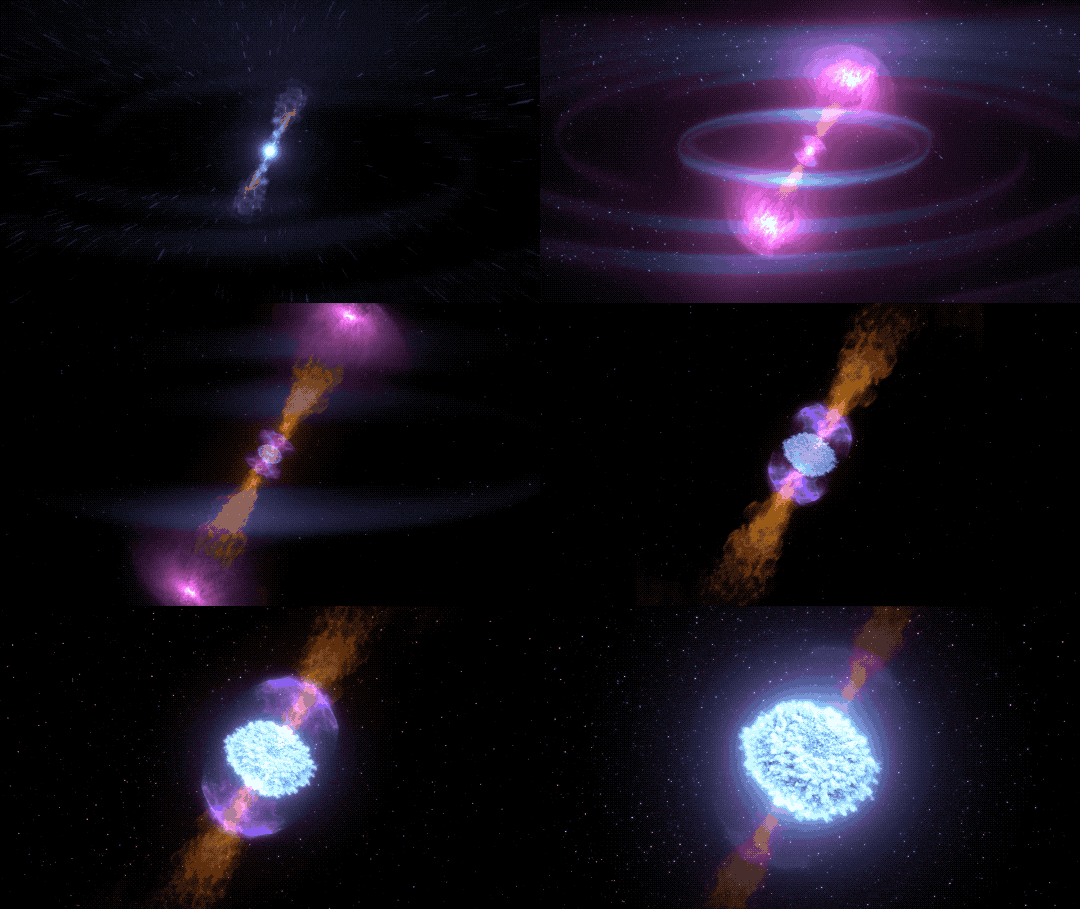
This animation captures phenomena observed over the course of nine days following the neutron star merger known as GW170817, detected on Aug. 17, 2017. They include gravitational waves (pale arcs), a near-light-speed jet that produced gamma rays (magenta), expanding debris from a kilonova that produced ultraviolet (violet), optical and infrared (blue-white to red) emission, and, once the jet directed toward us expanded into our view from Earth, X-rays (blue).
NASA’s Goddard Space Flight Center/Conceptual Image Lab
Light is the only kind of “messenger” from the universe that has been detected for both the BOAT and the gamma-ray burst that seems to have produced tellurium. An experiment near the South Pole called IceCube, supported by the NSF, looked for high-energy neutrinos coming from the same area of the sky as each event, but did not find any. However, the lack of neutrinos observed helps scientists constrain the possibilities for how these events unfolded.
“This multimessenger approach is important, even when you don’t have a detection,” said Michela Negro, astrophysicist and assistant professor at Louisiana State University. “It really helps rule out some scenarios, on top of telling us something new when we have detections.”
A Bright Future
For Lesage, who is writing his dissertation about the BOAT, time-domain and multimessenger astronomy is an exciting area of study. The BOAT itself is still keeping him and other astronomers busy as they look at all of the processes revealed by the exceptionally bright light from this extreme event. But more transient events are sure to come, and will keep scientists on their toes as they chase after them with a wide variety of telescopes and instruments.
“That’s just transient events — look now or you’re going to miss it,” Lesage said. “Look as quickly as you possibly can.”
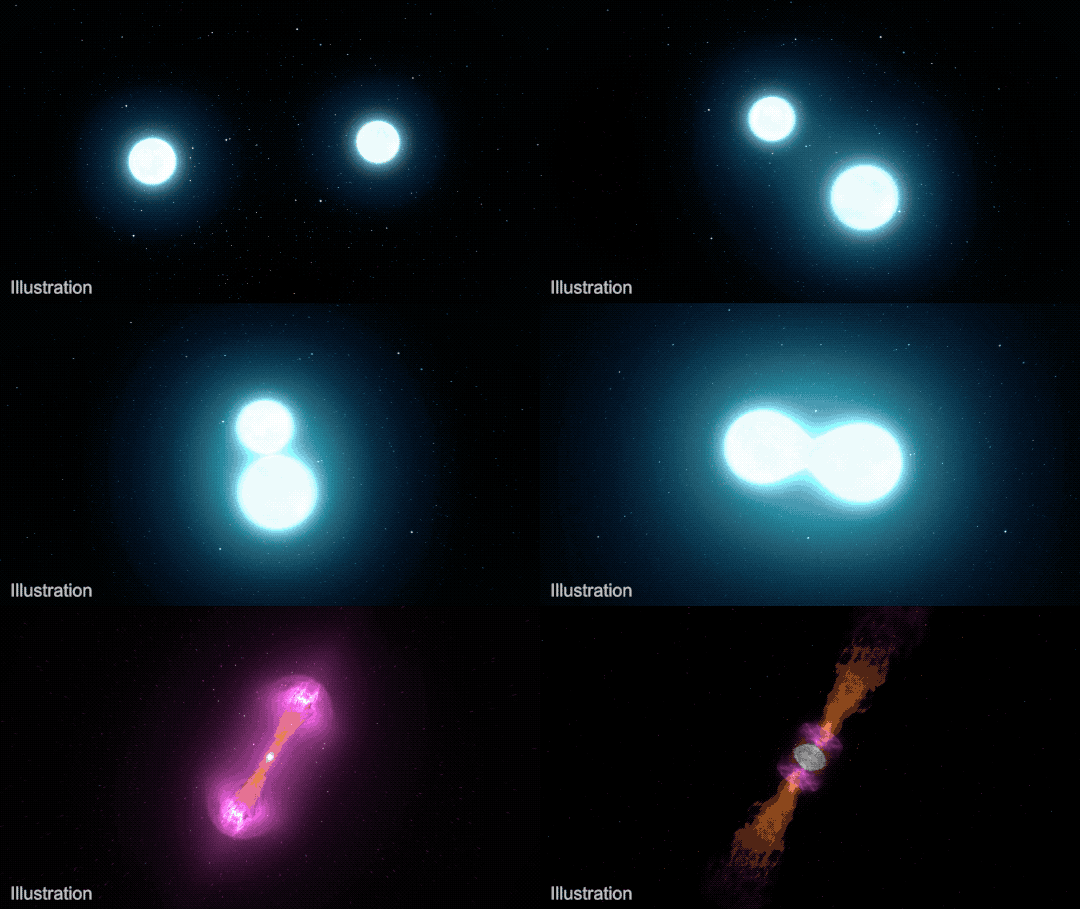
Doomed neutron stars whirl toward their demise in this illustration. Gravitational waves bleed away orbital energy, causing the stars to move closer together and merge. As they collide, some of the debris blasts away in particle jets moving at nearly the speed of light, producing a brief burst of gamma rays.
NASA’s Goddard Space Flight Center/Conceptual Image Lab
Further Reading: Telescopes on the Case
In the next few years NASA will be launching new “watcher” satellites to help look out for sudden transient events like these. They include several CubeSats, which are a class of miniaturized spacecraft built in standardized units of cubes around 4 inches (10 cm) on a side:
BurstCube, launching in March 2024, to monitor gamma-ray signals
BlackCat, launching in 2025, to detect X-ray light
Starburst, launching in 2027, to monitor gamma-ray signals
International partnerships also involve this kind of science:
ULTRASAT (Ultraviolet Transient Astronomy Satellite), a small satellite from the Israeli Space Agency and the the Weizmann Institute of Science, with a wide field of view specializing in ultraviolet light, has NASA contributions. Expected to launch in 2026.
ESA’s LISA (Laser Interferometer Space Antenna) mission, which would be the first time that gravitational waves could be detected from space, has NASA contributions. Expected to launch in the 2030s.
Additionally, NASA telescopes with other primary goals can help look out for these unusual events:
Psyche, on its way to the metal-rich asteroid Psyche, has a gamma-ray spectrometer that astronomers can use to detect gamma-ray bursts as the spacecraft cruises toward its destination over the next several years.
WISE, which mapped the sky at infrared wavelengths, found many new distant objects and cosmic phenomena. The NEOWISE mission, which reuses the WISE telescope, surveys near-Earth space for potentially hazardous asteroids.
NASA’s Nancy Grace Roman Space Telescope, an infrared observatory that will illuminate longstanding mysteries of dark energy and discover thousands of exoplanets, is designed to have a wide view of the sky and will undoubtedly pick up on transient infrared signals. The observatory will do several surveys to look for these phenomena, and the mission will support many teams to study relevant topics ranging from variable stars, the birth of black holes and active galaxies. Roman is scheduled to launch by May 2027, and will also provide alerts about the changes in the sky it discovers.
The NEO Surveyor mission will use infrared detectors to broaden the search for asteroids and comets that may pose a hazard to the Earth. The images to be taken by NEO Surveyor also are expected to capture many more distant background objects.