NASA’s Begoña Vila Awarded 2024 Galician Excellence Award

NASA’s Begoña Vila Awarded 2024 Galician Excellence Award

Begoña Vila, an instrument systems engineer for NASA’s James Webb Space Telescope, has been selected to receive the 2024 Galician Excellence Title in the Sciences and Medicine Category for her career and work on Webb.
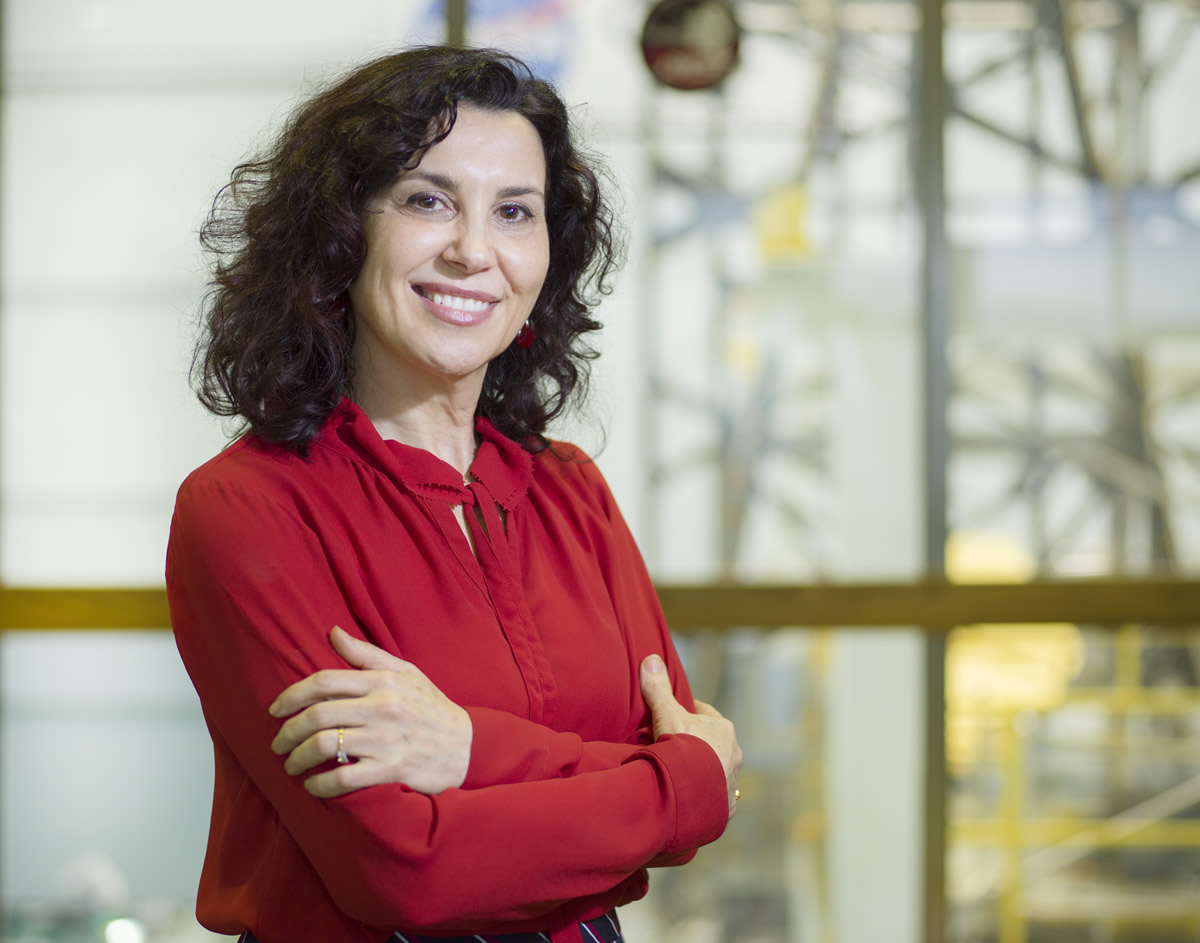
Dr. Begoña Vila, Instrument Systems Engineer, James Webb Space Telescope

This award comes from the Spanish Association of Galician Entrepreneurs of Catalonia (AEGA-CAT), a civic and social organization of entrepreneurs who seek to extend their vocation outside the country of Spain. The award honors individuals for their “profound human quality, their professional achievements, and their contribution to the development of Galicia and its respect for the culture and traditions of their land.” The award was presented to Vila July 5 at the 19th Gala Dinner of AEGA-CAT in Barcelona, Spain.

“I feel very honored to receive this title,” Vila said. “It is a wonderful surprise and special to me, working abroad, to be remembered and recognized in my home country. I grew up in Galicia, where a lot of my family lives, and it is always a pleasure to go back there.”

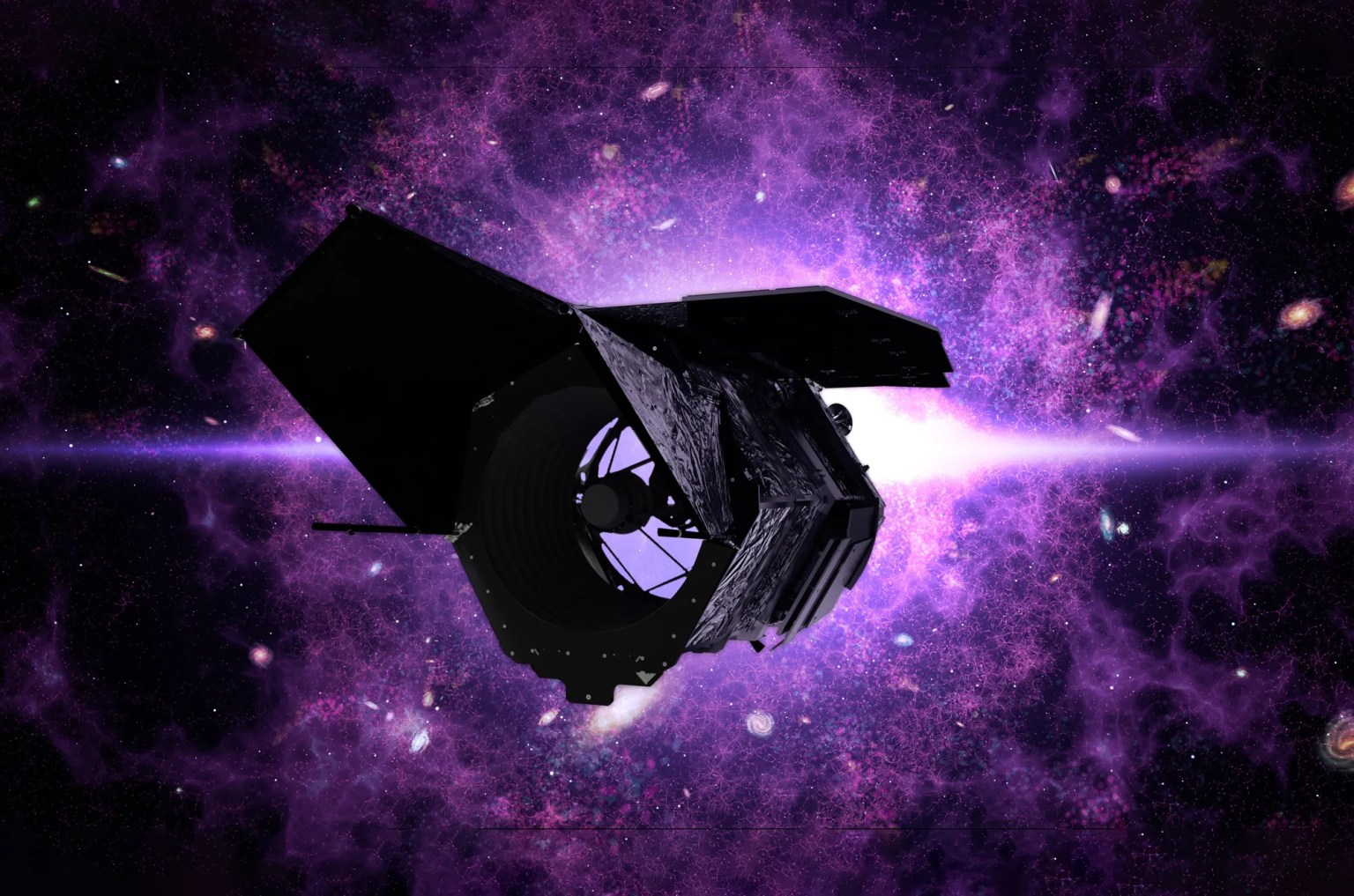
Vila is also an instrument systems engineer for NASA’s upcoming Nancy Grace Roman Space Telescope at the agency’s Goddard Space Flight Center in Greenbelt, Maryland, in addition to her role with the Webb mission. In particular, she is the systems lead for two of the instruments on Webb, one of which is the Fine Guidance Sensor (FGS) responsible for the pointing and stability of the observatory.

She led the final cryogenic test at Goddard for all the science instruments and supported the testing at NASA’s Johnson Space Flight Center in Houston; Northrop Grumman Space Systems in southern California; at the launch site, Europe’s Spaceport in French Guiana; and during the commissioning period at the Mission Control Center at the Space Telescope Science Institute in Baltimore. Vila continues her support for Webb operations and actively engages in Spanish and English media interviews and outreach activities for the Webb program, including Science, Technology, Engineering, and Mathematics (STEM) events.

Vila’s involvement with Webb began in 2006 when she was working with COM DEV International, the Canadian company that developed and tested the FGS and Near Infrared Imager and Slitless Spectrograph (NIRISS) under CSA (Canadian Space Agency), one of NASA’s international partners. Vila worked with the CSA team to ensure all the tests, analysis, and requirements verifications were complete and the instruments were ready for delivery to NASA in 2012.

She then moved to work at Goddard, as systems lead for FGS and NIRISS but also expanding her role to test director for the final cryogenic test of all the Webb’s instruments, and to deputy operations lead for the science instruments.

The Galician Excellence Titles, established by the association in 2005, recognize the personal and professional career of those people who contribute to the economic development and knowledge of Galicia outside its borders. Other categories of this award include Arts, Business, Solidarity Action, Sports, Communication & New Entrepreneurs.

The James Webb Space Telescope is the world’s premier space science observatory. Webb is solving mysteries in our solar system, looking beyond to distant worlds around other stars, and probing the mysterious structures and origins of our universe and our place in it. Webb is an international program led by NASA with its partners, ESA (European Space Agency) and CSA (Canadian Space Agency).

For more information about NASA’s Webb telescope visit: www.nasa.gov/webb

Rob Gutro

NASA’s Goddard Space Flight Center
Powered by WPeMatico
Get The Details…

Sols 4236-4238: One More Time… for Contact Science at Mammoth Lakes

Sols 4236-4238: One More Time… for Contact Science at Mammoth Lakes

2 min read

Sols 4236-4238: One More Time… for Contact Science at Mammoth Lakes

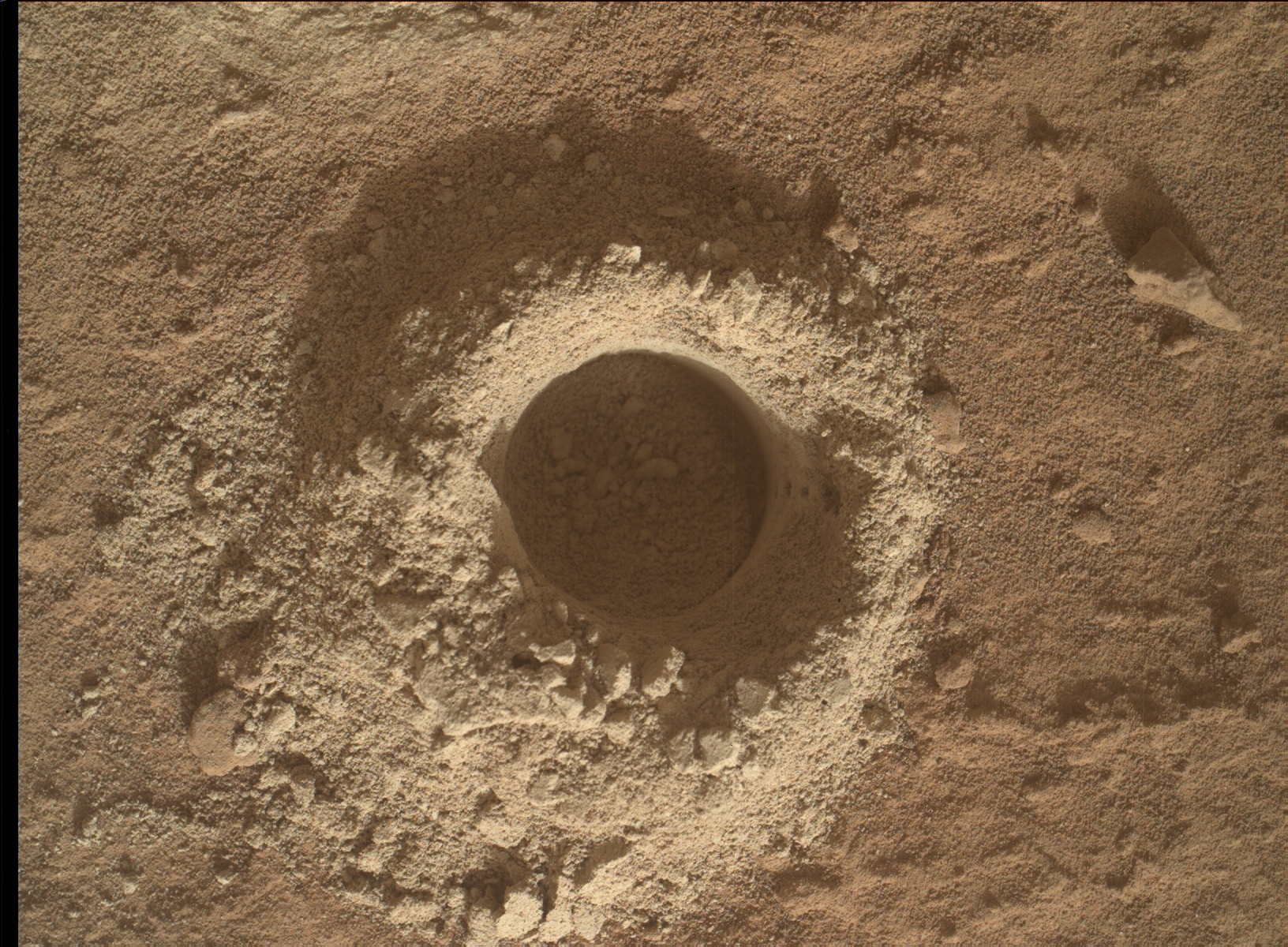
An overhead image of Martian terrain, light orange-brown and resembling a bundt-cake pan viewed from above. A dark drill hole is at center, surrounded by a doughnut-shaped area of soft-looking soil scraped from the hard-packed surface.
NASA’s Mars rover Curiosity acquired this image using its Mars Hand Lens Imager (MAHLI), located on the turret at the end of the rover’s robotic arm, on July 4, 2024, Sol 4234 of the Mars Science Laboratory Mission, at 16:38:50 UTC. This image of the Mammoth Lakes 2 drill fines and drill hole was taken from about 25 centimeters (about 10 inches) above the surface.

Earth planning date: Friday, July 5, 2024

Curiosity will drive away from the Mammoth Lakes drill location on the second sol of this three-sol weekend plan, but before she does, the team will take the opportunity for one last chance at contact science in this interesting region of the Gediz Vallis deposit. The team have noticed distinct troughs surrounding many of the bright-toned, pitted blocks in this area and have been wanting to get closer imaging with MAHLI before driving away. We were unable to do this with powdered Mammoth Lakes still in the drill stem but, having dumped any remaining material in the previous plan, Curiosity is free to use her arm again for contact science, and hence the MAHLI camera. We will take images from about 30 centimeters (about 12 inches) away from the block (“Glacier Notch”) with MAHLI. Unfortunately, “Glacier Notch” was too close to the rover to be able to fit the turret in for APXS to examine the chemistry, so we had to choose a different target: “Lake Ediza” is an example of gray material that rims the Mammoth Lakes drill block.

We also have one last chance for ChemCam and Mastcam in this immediate area. We will acquire ChemCam passive spectra of the Mammoth Lakes powdered material surrounding the drill hole (we collected APXS data and MAHLI images of the drill fines in the previous plan) and LIBS on a darker-toned target, “Zumwalt Meadow.” These targets will be documented by Mastcam. The long-distance imaging capabilities of ChemCam will also be utilized to examine nearby ridge and trough-like forms.

There are also a slew of atmospheric/environmental observations planned. Before we drive away, we will take advantage of being parked in the same spot while drilling to monitor any changes in the immediate environment by re-imaging a couple of areas previously captured on multiple occasions by Mastcam. Other atmospheric observations include a Navcam line-of-sight mosaic, Navcam dust devil, zenith, and suprahorizon movies, a ChemCam passive sky, and Mastcam taus.

After the drive, MARDI will image the terrain beneath the wheels and ChemCam will autonomously select a target to analyze with LIBS. Standard REMS, DAN and RAD activities round out the plan.

The team are looking forward to a new workspace when we return for planning on Monday, and continued investigation of the Gediz Vallis deposit.

Written by Lucy Thompson, Planetary Geologist at University of New Brunswick

Share

Details

Last Updated
Jul 06, 2024

Related Terms

Powered by WPeMatico
Get The Details…

Maintenance Tasks Continue Into Friday for Crew

Maintenance Tasks Continue Into Friday for Crew

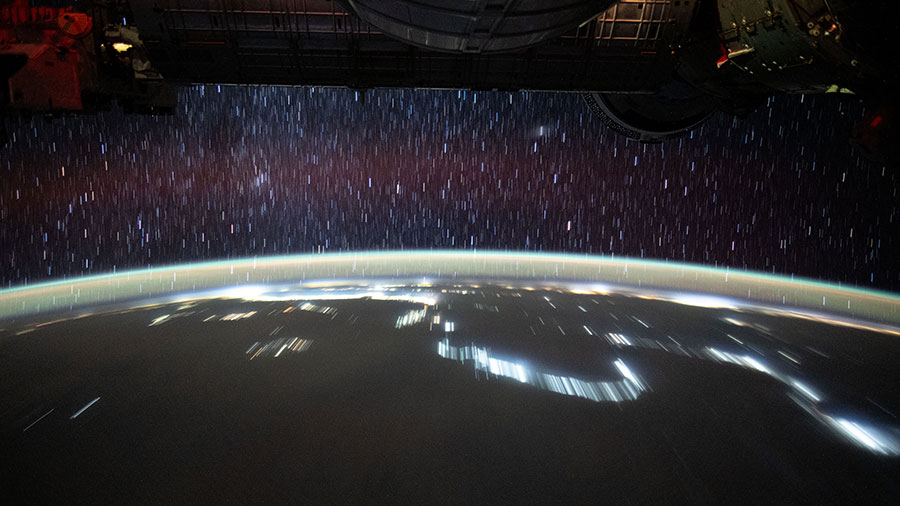
The International Space Station was orbiting above Africa at night when this long duration photograph was taken of city lights along the the Nile River, the atmospheric glow above the Earth, and star trails.

Orbital maintenance and upkeep occupied Friday’s schedule aboard the International Space Station as the two crews went back to work following a day off on Thursday to observe the Independence Day holiday.

In preparation for the future installation of new exercise equipment, Expedition 71 Flight Engineer Matthew Dominick and Boeing Crew Flight Test Commander Butch Wilmore and Pilot Suni Williams worked together throughout the day inside the Columbus module to swap out an empty rack that previously housed retired exercise gear.

Afterward, Dominick and Williams moved into the Tranquility module to reinstall the toilet system after the pressure control pump motor was replaced on Wednesday. Meanwhile, NASA astronaut Mike Barratt focused on additional orbital plumbing tasks, including a fluid transfer from the wastewater processing system and a manual fill of the water recovery system.

In the Kibo Laboratory, NASA astronaut Jeanette Epps spent a majority of the day recording a video survey of hardware that enables data communications between space and Earth. The video was then downlinked to ground teams for analysis. After lunch, Epps analyzed water samples that were collected on Wednesday to assess for microbial growth.

NASA astronaut Tracy C. Dyson kicked off her day by loading new software onto the Surface Avatar program which allows crew members to remotely control robots on Earth and investigate how haptic controls, user interfaces, and virtual reality could command surface-bound robots from long distances. Dyson was then joined by cosmonauts Oleg Kononenko and Nikolai Chub to complete on-orbit emergency training.

Kononenko and Chub also completed hearing assessments on Friday, then loaded trash and discarded gear inside Progress 87, which is slated to undock from the orbiting laboratory in mid-August. Their crewmate, Alexander Grebenkin, worked maintenance on the water recovery system then completed some computer work in the Nauka module.


Learn more about station activities by following the space station blog@space_station and @ISS_Research on X, as well as the ISS Facebook and ISS Instagram accounts.

Get weekly video highlights at: https://roundupreads.jsc.nasa.gov/videoupdate/

Get the latest from NASA delivered every week. Subscribe here: www.nasa.gov/subscribe

Powered by WPeMatico
Get The Details…

Mark Garcia

The NASA Breath Diagnostics Challenge

The NASA Breath Diagnostics Challenge

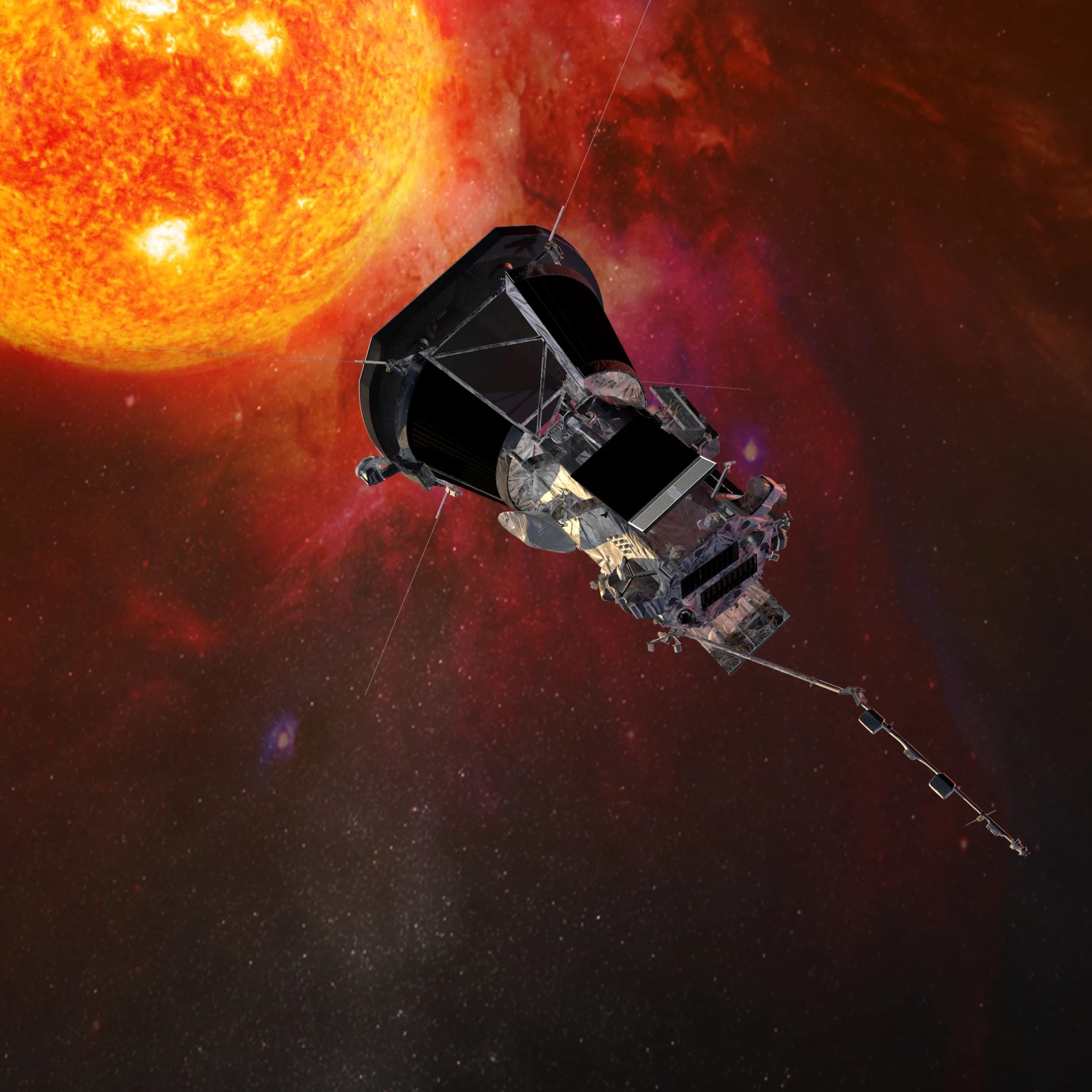
Depiction of Earth from space with data models in the foreground, as well as two Covid-19 viruses.

The NASA Breath Diagnostics challenge tasks solvers to leverage their expertise to develop a classification model that can accurately discriminate between the breath of COVID-positive and COVID-negative individuals, using existing data. The ultimate goal is to improve the accuracy of the NASA E-Nose device as a potential clinical tool that would provide diagnostic results based on the molecular composition of human breath.

Award: $55,000 in total prizes

Open Date: July 5, 2024

Close Date: September 6, 2024

For more information, visit: https://bitgrit.net/competition/22

Powered by WPeMatico
Get The Details…
Sarah Douglas

NASA Science Activation Teams Present at National Rural STEM Summit

NASA Science Activation Teams Present at National Rural STEM Summit

1 min read

NASA Science Activation Teams Present at National Rural STEM Summit

NASA Science Activation (SciAct) teams participated in the National Rural STEM (Science, Technology, Engineering, & Mathematics) Summit held June 4-7, 2024 in Tucson, Arizona. Hosted by Kalman Mannis of the Rural Activation and Innovation Network (Arizona Science Center) and the SciTech Institute, the summit fostered learning and sharing among organizations dedicated to creating partnerships and pathways for authentic STEM learning in rural communities.

Participants included:

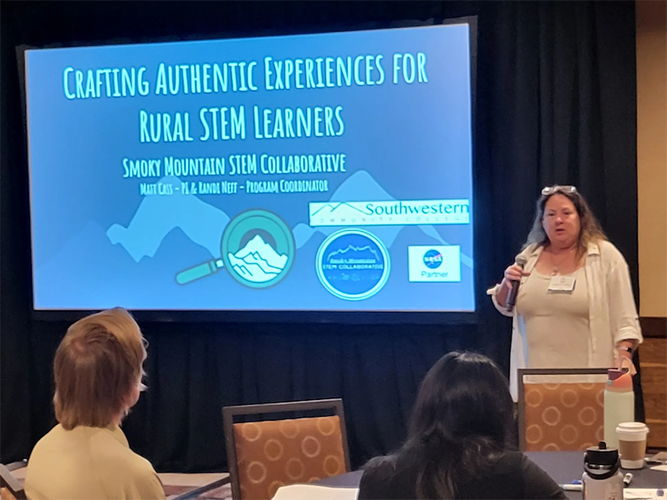
  • Matt Cass and Randi Neff from SciAct’s Smoky Mountains STEM Collaborative, who presented “A sense of place: Crafting authentic experiences for rural STEM learners”;
  • Tina Harte from NASA (Science Systems and Applications, Inc), who presented “Nature explorations with NASA”;
  • Kalman Mannis from the SciAct STEM Ecosystems project and the Rural Activation and Innovation Network, who presented “Building leaders in STEM through coaching, connections, and camaraderie”; and
  • members of the SciAct Rural Committee.

SciAct STEM Ecosystems is supported by NASA under cooperative agreement award number 80NSSC210007 and is part of NASA’s Science Activation Portfolio. Learn more about how Science Activation connects NASA science experts, real content, and experiences with community leaders to do science in ways that activate minds and promote deeper understanding of our world and beyond: https://science.nasa.gov/learn

Randi Neff of the NASA SciAct-funded Smoky Mountains STEM Collaborative presents at the National Rural STEM Learning Summit.
Arizona Science Center

Share

Details

Last Updated
Jul 05, 2024
Editor
NASA Science Editorial Team

Powered by WPeMatico

Get The Details…