NASA Funds Open-Source Software Underpinning Scientific Innovation

NASA Funds Open-Source Software Underpinning Scientific Innovation
NASA logo
NASA logo

NASA has awarded $15.6 million in grant funding to 15 projects supporting the maintenance of open-source tools, frameworks, and libraries used by the NASA science community, for the benefit of all.

The agency’s Open-Source Tools, Frameworks, and Libraries awards provide support for the sustainable development of tools freely available to everyone and critical for the goals of the agency’s Science Mission Directorate.

“We received almost twice the number of proposals this year than we had in the previous call,” said Steve Crawford, program executive, Open Science implementation, Office of the Chief Science Data Officer, NASA Headquarters in Washington. “The NASA science community’s excitement for this program demonstrates the need for sustained support and maintenance of open-source software. These projects are integral to our missions, critical to our data infrastructure, underpin machine learning and data science tools, and are used by our researchers, every day, to advance science that protects our planet and broadens our understanding of the universe.”

This award program is one of several cross-divisional opportunities at NASA focused on advancing open science practices. The grants are funded by NASA’s Office of the Chief Science Data Officer through the agency’s Research Opportunities for Space and Earth Science. The solicitation sought proposals through two types of awards:

  • Foundational awards: cooperative agreements for up to five years for open-source tools, frameworks, and libraries that have a significant impact on two or more divisions of the Science Mission Directorate.
  • Sustainment awards: grants or cooperative agreements of up to three years for open-source tools, frameworks, and libraries that have significant impact in one or more divisions of the Science Mission Directorate.

2024 awardees are:

Foundation awards:

  • NASA’s Ames Research Center, Silicon Valley, California
    • Principal investigator: Ross Beyer
    • “Expanding and Maintaining the Ames Stereo Pipeline”
  • Caltech, Pasadena, California
    • Principal investigator: Brigitta Sipőcz
    • “Enhancement of Infrastructure and Sustained Maintenance of Astroquery”
  • Cornell University, Scarsdale, New York
    • Principal investigator: Ramin Zabih
    • “Modernize and Expand arXiv’s Essential Infrastructure”
  • NASA’s Goddard Space Flight Center, Greenbelt, Maryland
    • Principal investigator: D. Cooley
    • “Enabling SMD Science Using the General Mission Analysis Tool”
  • NumFOCUS, Austin, Texas
    • Principal investigator: Thomas Caswell
    • “Sustainment of Matplotlib and Cartopy”
  • NumFOCUS
    • Principal investigator: Erik Tollerud
    • “Investing in the Astropy Project to Enable Research and Education in Astronomy”

Sustainment awards:

  • NASA’s Jet Propulsion Laboratory, Southern California
    • Principal investigator: Cedric David
    • “Sustain NASA’s River Software for the Satellite Data Deluge,” three-year award
  • Pennsylvania State University, University Park
    • Principal investigator: David Radice
    • “AthenaK: A Performance Portable Simulation Infrastructure for Computational Astrophysics,” three-year award
  • United States Geological Survey, Reston, Virginia
    • Principal investigator: Trent Hare
    • “Planetary Updates for QGIS,” one-year award
  • NASA JPL
    • Principal investigator: Michael Starch
    • “How To F Prime: Empowering Science Missions Through Documentation and Examples,” three-year award
  • NASA Goddard
    • Principal investigator: Albert Shih
    • “Enhancing Consistency and Discoverability Across the SunPy Ecosystem,” three-year award
  • Triad National Security, LLC, Los Alamos, New Mexico
    • Principal investigator: Julia Kelliher
    • “Enhancing Analysis Capabilities of Biological Data With the NASA EDGE Bioinformatics Platform,” four-year award
  • iSciences LLC, Burlington, Vermont
    • Principal investigator: Daniel Baston
    • “Sustaining the Geospatial Data Abstraction Library,” three-year award
  • University of Maryland, College Park,
    • Principal investigator: C Max Stevens
    • “Sustaining the Community Firn Model,” three-year award
  • Quansight, LLC, Austin, Texas
    • Principal investigator: Dharhas Pothina
    • “Ensuring a Fast and Secure Core for Scientific Python – Security, Accessibility and Performance of NumPy, SciPy and scikit-learn; Going Beyond NumPy With Accelerator Support,” three-year award

For information about open science at NASA, visit:

https://science.nasa.gov/open-science

-end-

Alise Fisher
Headquarters, Washington
202-617-4977
alise.m.fisher@nasa.gov

Powered by WPeMatico

Get The Details…
Abbey A. Donaldson
NASA Releases Economic Impact Report for Fiscal Year 2023

NASA Releases Economic Impact Report for Fiscal Year 2023

2 min read

Preparations for Next Moonwalk Simulations Underway (and Underwater)

The letters NASA on a blue circle with red and white detail, all surrounded by a black background
NASA logo

In fiscal year 2023, NASA investments supported 66,208 jobs in the state of California, generated $18.5 billion in economic output and $1 billion in tax revenue to the state’s economy.

Overall, NASA generated an estimated $9.5 billion in federal, state, and local taxes throughout the United States.

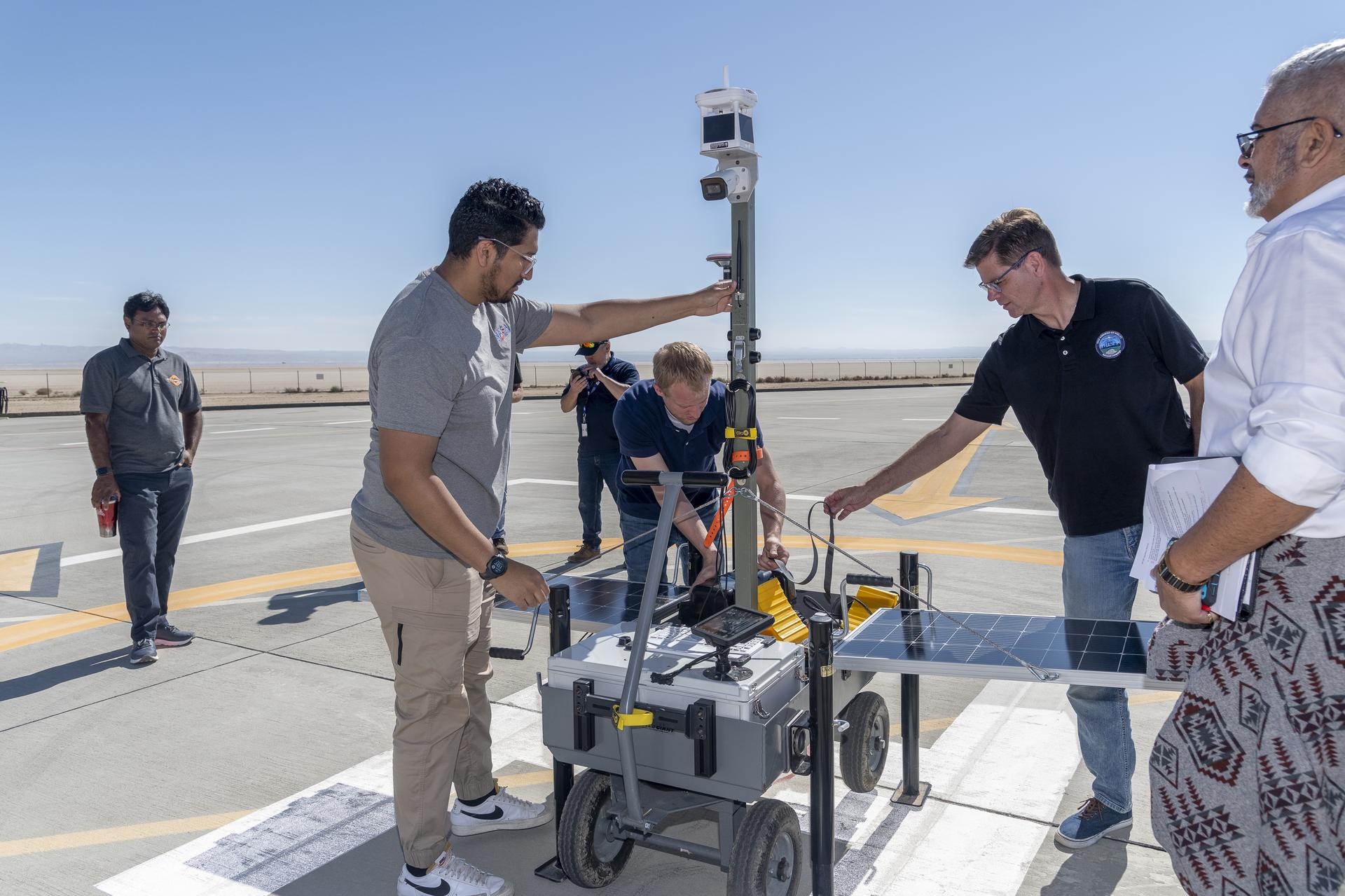
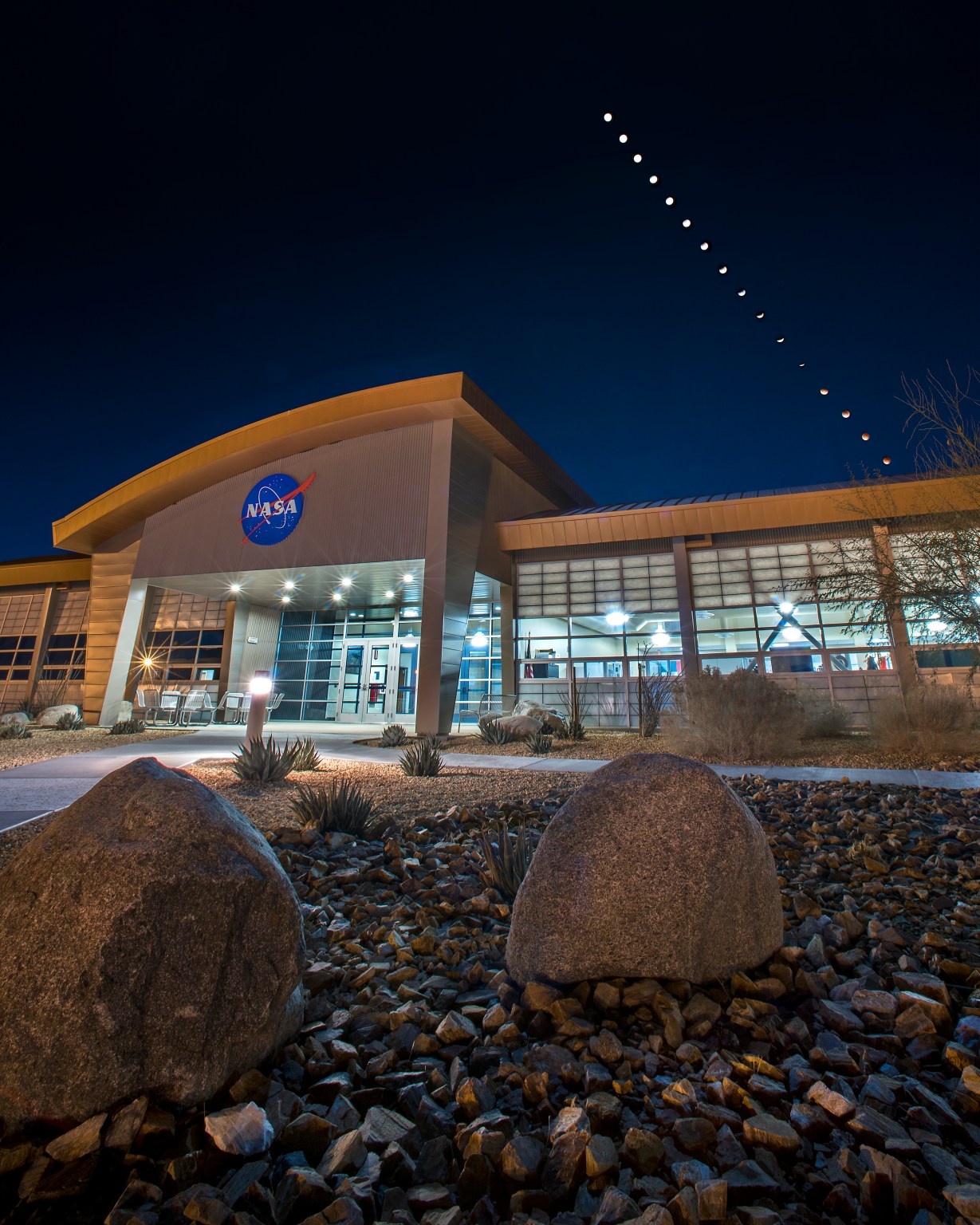
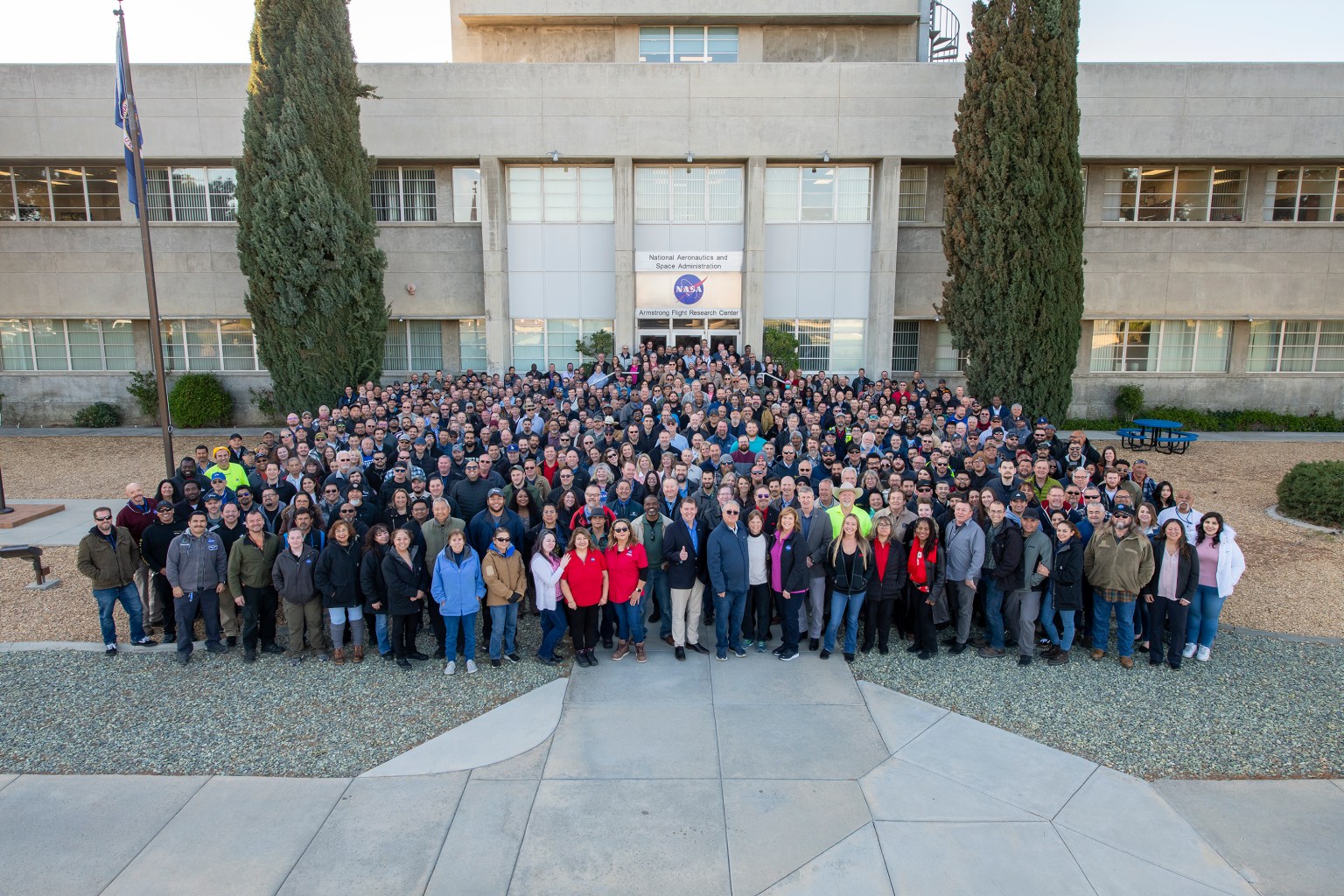
NASA’s Armstrong Flight Research Center in Edwards, California is one of three NASA centers in the state that contributes to this economic achievement. The center supports critical research in sustainable flight, air mobility, and airborne science, reinforcing the region as a hub of aerospace innovation.

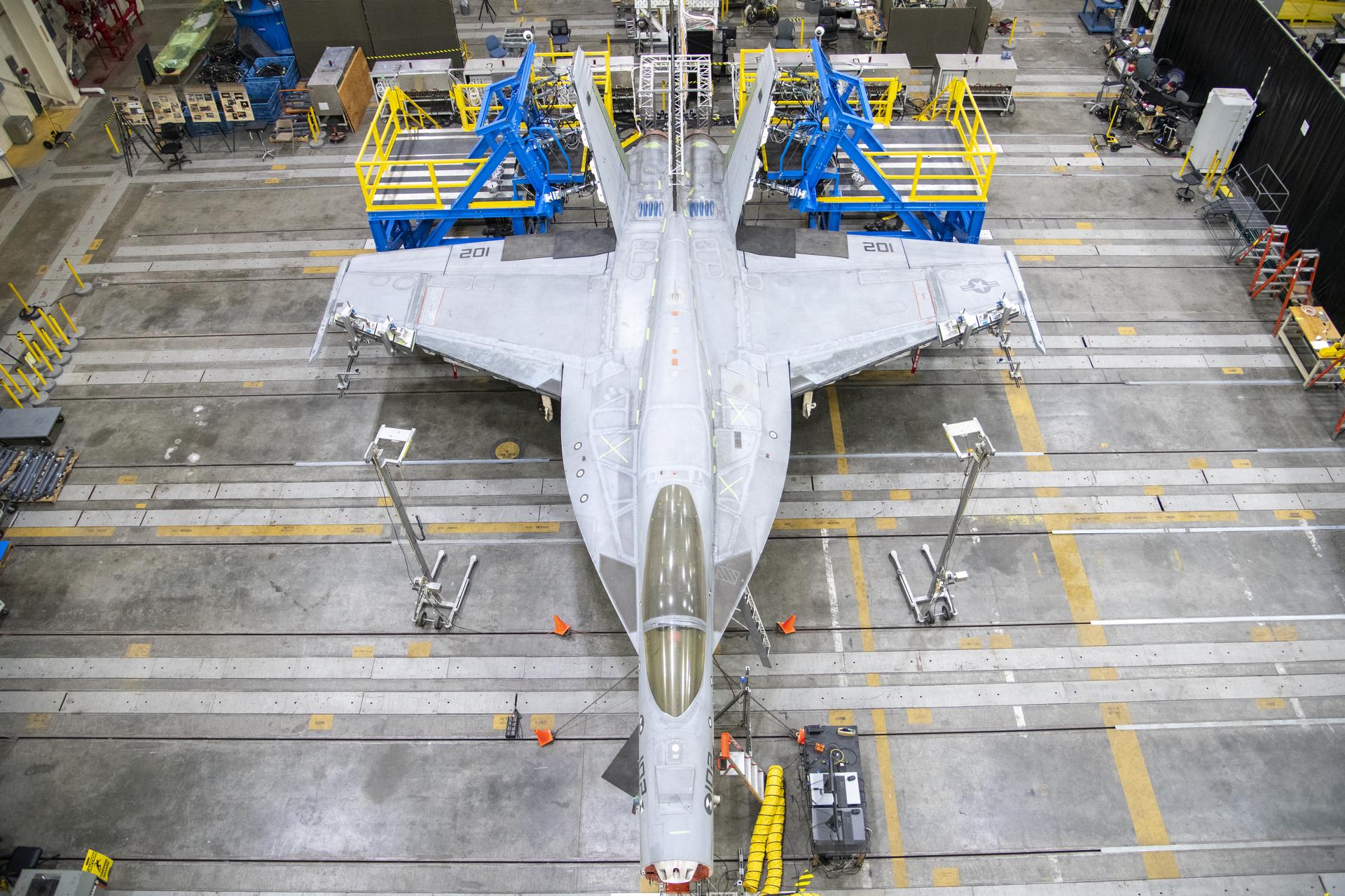
Most notably, NASA Armstrong plays a unique role in the Quesst mission and X-59 project, aimed at reducing the sonic booms into quieter “sonic thumps,” to change regulations impeding supersonic flight over land. Additionally, maturing key airframe technologies with the X-66 aircraft in the Sustainable Flight Demonstrator project which may influence the next generation single-aisle seat class airliner. The Center also supports the research of electric air taxis and drones to operate safely in the national airspace as well as supporting science aircraft for NASA’s Earth Science Mission.

NASA’s Moon to Mars campaign generated 16,129 jobs and $4.7 billion in economic output in California. Collaborations with contractors like Boeing and Lockheed Martin further extended these benefits by creating thousands of high-skilled jobs in the Antelope Valley and across the state.

NASA also fosters partnerships with educational institutions across the state, investing $39.5 million in universities to cultivate the next generation of aerospace innovators. These investments bring STEM opportunities to local communities and prepare students for careers in cutting-edge industries – adding to the agency’s most valuable asset, its workforce.

NASA embraces the challenges of exploring the unknown and making the impossible possible as we continue our global leadership in science, human spaceflight, aerospace innovation, and technology development, and support the U.S. economy and benefit all.

Read the full Economic Impact Report for Fiscal Year 2023.

-end-

Nicolas Cholula / Sarah Mann
NASA’s Armstrong Flight Research Center
661-714-3853 / 661-233-2758
nicolas.h.cholula@nasa.gov /sarah.mann@nasa.gov

Share

Details

Last Updated

Oct 24, 2024

Editor
Dede Dinius
Contact
Nicolas Cholula
Sarah Mann

Powered by WPeMatico

Get The Details…
Dede Dinius

Statement from NASA’s Janet Petro on FY23 Economic Impact Report

Statement from NASA’s Janet Petro on FY23 Economic Impact Report

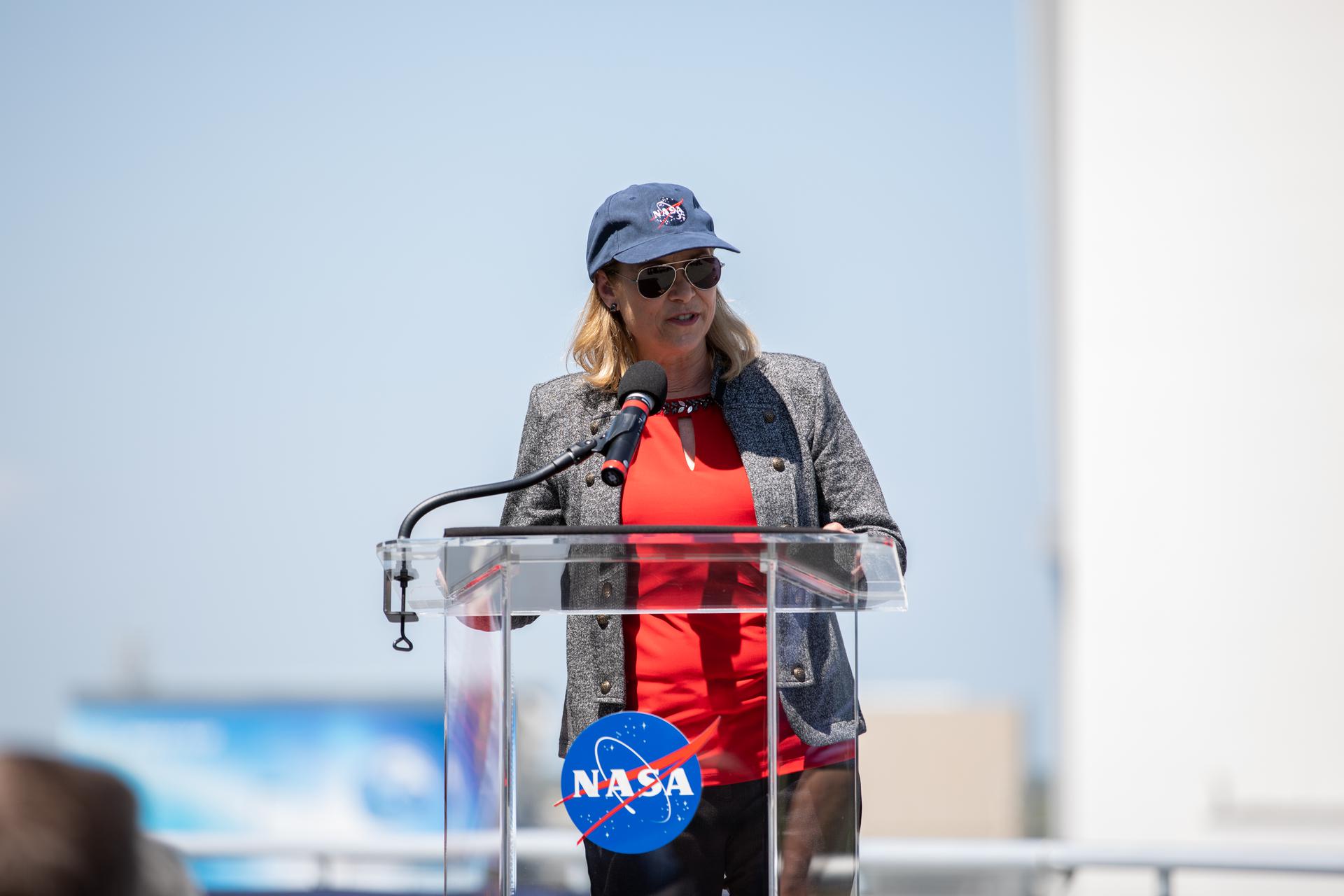
Image of Kennedy Space Center Director Janet Petro speaking to a crowd.
Kennedy Space Center Director Janet Petro speaks in March 2022 during the annual State of NASA event at the Florida spaceport.
NASA/Kim Shiflett

America is returning to the Moon with our sights set on Mars, and NASA is leading the way. Along with our industry and international partners, we’re advancing scientific research, inspiring the next generation of explorers, and ensuring reliable and continuous access to space for our nation.

NASA’s Economic Impact Report for fiscal year (FY) 2023 highlights the nation’s strong return on its investment in NASA. Our missions help unveil the secrets of the universe and our home planet while also benefitting the taxpayers, communities, and industries across the country.

Here at the agency’s Kennedy Space Center in Florida, we are on track for another record-setting year of launches from our Space Coast. Recent NASA missions will tell us more about Earth’s weather and climate, explore Jupiter’s moon Europa for the ingredients of life, and enable more innovative research on the International Space Station. We’re also busy building the Artemis rockets, spacecraft, and technologies that will allow our astronauts to live and work on the Moon.

While exploring the universe for the benefit of all, NASA is also supporting the U.S. economy. During FY23, an investment of less than one-half of 1% of the federal budget, the agency generated $76 billion in total economic output nationwide.

In Florida alone, NASA activities in FY2023 supported 35,685 jobs in the state and $8.2 billion in economic output, resulting in an additional $286.6 million in state tax revenue. NASA Kennedy’s unique facilities, proven technical capabilities, and master plan enable nearly 250 partnerships with 100 private-sector partners. And the dedication and commitment of our workforce means that our spaceport remains the world’s leader in space science, human exploration, and technology development.

As we look toward a future of more exploration and discovery, I invite you to learn more about the impacts that NASA missions may have had in your life. The agency’s technology transfer initiatives transition NASA innovations into private hands, where real impacts are made. And NASA’s STEM engagements encourage research and the study of science, technology, engineering, and math at all ages.

And, of course, I hope you will learn more about the exciting work we’re doing at Earth’s premier spaceport by visiting:

www.nasa.gov/kennedy

-end-

Images of Janet Petro are available from NASA’s image library in vertical and horizontal  formats.

Patti Bielling
Kennedy Space Center, Florida
321-501-7575
patricia.a.bielling@nasa.gov

Powered by WPeMatico

Get The Details…
Elyna Niles-Carnes

NASA Science on Health, Safety to Launch on 31st SpaceX Resupply Mission

NASA Science on Health, Safety to Launch on 31st SpaceX Resupply Mission

5 min read

NASA Science on Health, Safety to Launch on 31st SpaceX Resupply Mission

New science experiments for NASA are set to launch aboard the agency’s SpaceX 31st commercial resupply services mission to the International Space Station. The six investigations aim to contribute to cutting-edge discoveries by NASA scientists and research teams. The SpaceX Dragon spacecraft will liftoff aboard the company’s Falcon 9 rocket from Launch Complex 39A at NASA’s Kennedy Space Center in Florida.

Science experiments aboard the spacecraft include a test to study smothering fires in space, evaluating quantum communications, analyzing antibiotic-resistant bacteria, examining health issues like blood clots and inflammation in astronauts, as well as growing romaine lettuce and moss in microgravity.

Developing Firefighting Techniques in Microgravity

Putting out a fire in space requires a unique approach to prioritize the safety of the spacecraft environment and crew. The SoFIE-MIST (Solid Fuel Ignition and Extinction – Material Ignition and Suppression Test) is one of five investigations chosen by NASA since 2009 to develop techniques on how to contain and put out fires in microgravity. Research from the experiment could strengthen our understanding of the beginning stages of fire growth and behavior, which will assist in building and developing more resilient space establishments and creating better plans for fire suppression in space

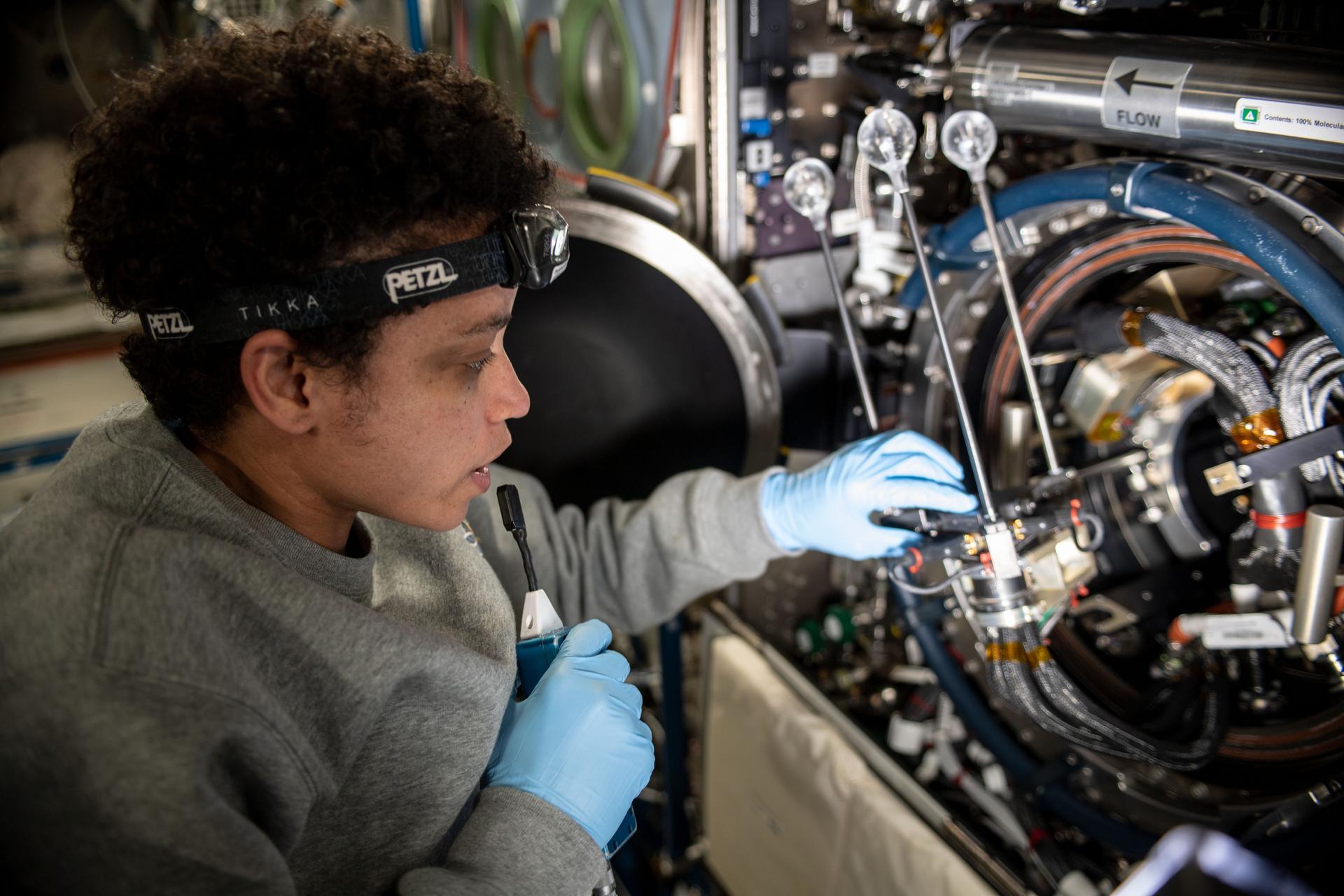
A female astronaut wearing blue gloves looks at wires and tubes that make up a science experiment aboard the International Space Station
NASA astronaut Jessica Watkins services components that support the SOFIE (Solid Fuel Ignition and Extinction) fire safety experiment inside the International Space Station’s combustion integrated rack
Credit: NASA

Combating Antibiotic Resistance

Resistance to antibiotics is as much of a concern for astronauts in space as it is for humans on Earth. Research determined that the impacts of microgravity can weaken a human’s immune system during spaceflight, which can lead to an increase of infection and illness for those living on the space station.

The GEARS (Genomic Enumeration of Antibiotic Resistance in Space) investigation scans the orbiting outpost for bacteria resistant to antibiotics and these organisms are studied to learn how they thrive and adapt to microgravity. Research results could help increase the safety of astronauts on future missions as well as provide clues to improving human health on Earth.

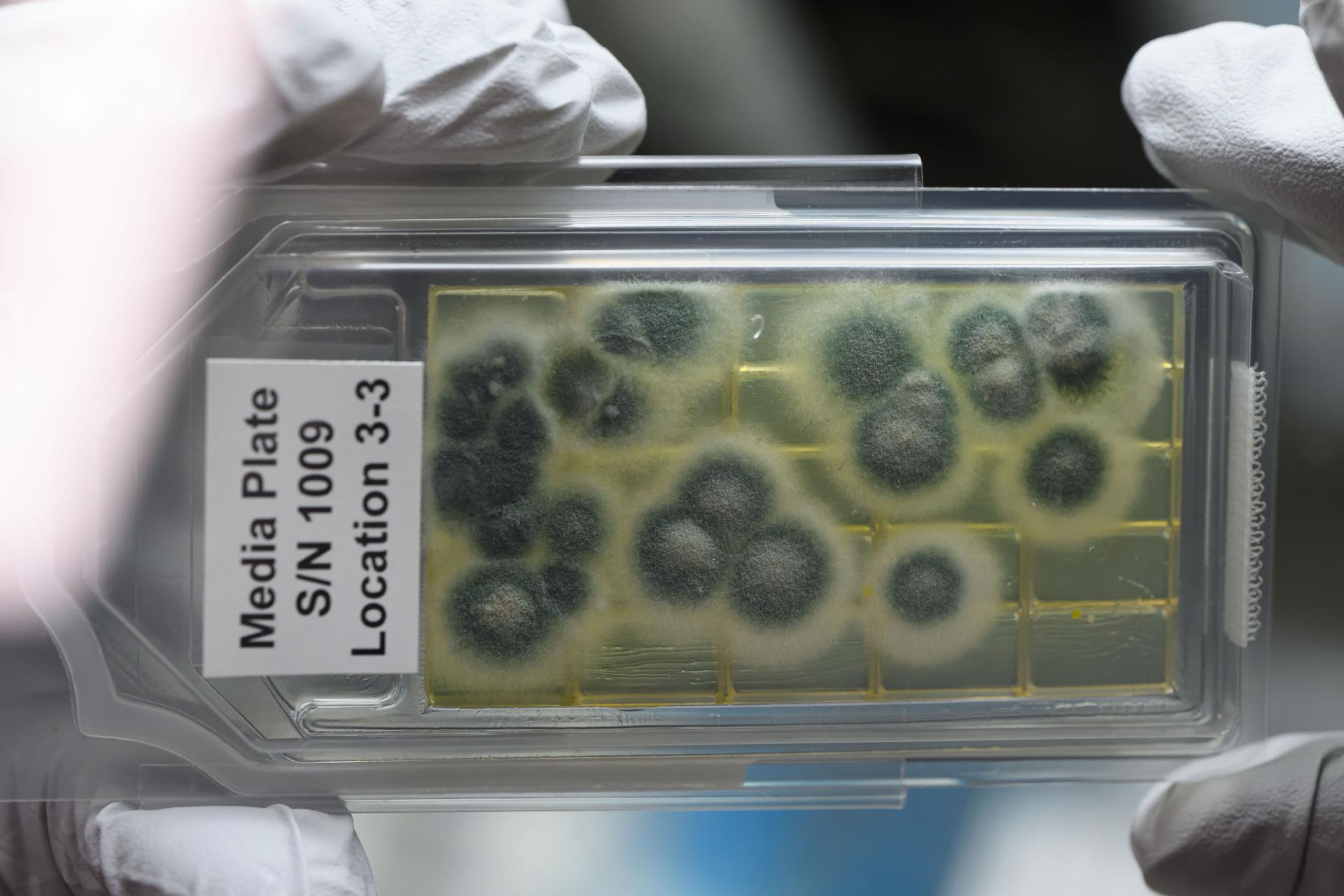
Two hands with white gloves hold a rectangle box filled with black and yellow circles that are samples for a science experiment
A sample media plate pictured aboard the International Space Station. The GEARS (Genomic Enumeration of Antibiotic Resistance in Space) investigation surveys the orbiting laboratory for antibiotic-resistant organisms. Genetic analysis could provide knowledge that informs measures to protect astronauts on future long-duration missions
Credit: NASA

Understanding Inflammation and Blood Clotting

Microgravity takes a toll on the human body and studies have shown that astronauts have had cases of inflammation and abnormally regulated blood clotting. The MeF-1 (Megakaryocytes Orbiting in Outer Space and Near Earth: The MOON Study (Megakaryocyte Flying-One)) investigation will conduct research on how the conditions in microgravity can impact the creation and function of platelets and bone-marrow megakaryocytes. Megakaryocytes, and their progeny, platelets, are key effector cells bridging the inflammatory, immune, and hemostatic continuum.

This experiment could help scientists learn about the concerns caused by any changes in the formation of clots, inflammation, and immune responses both on Earth and during spaceflight.

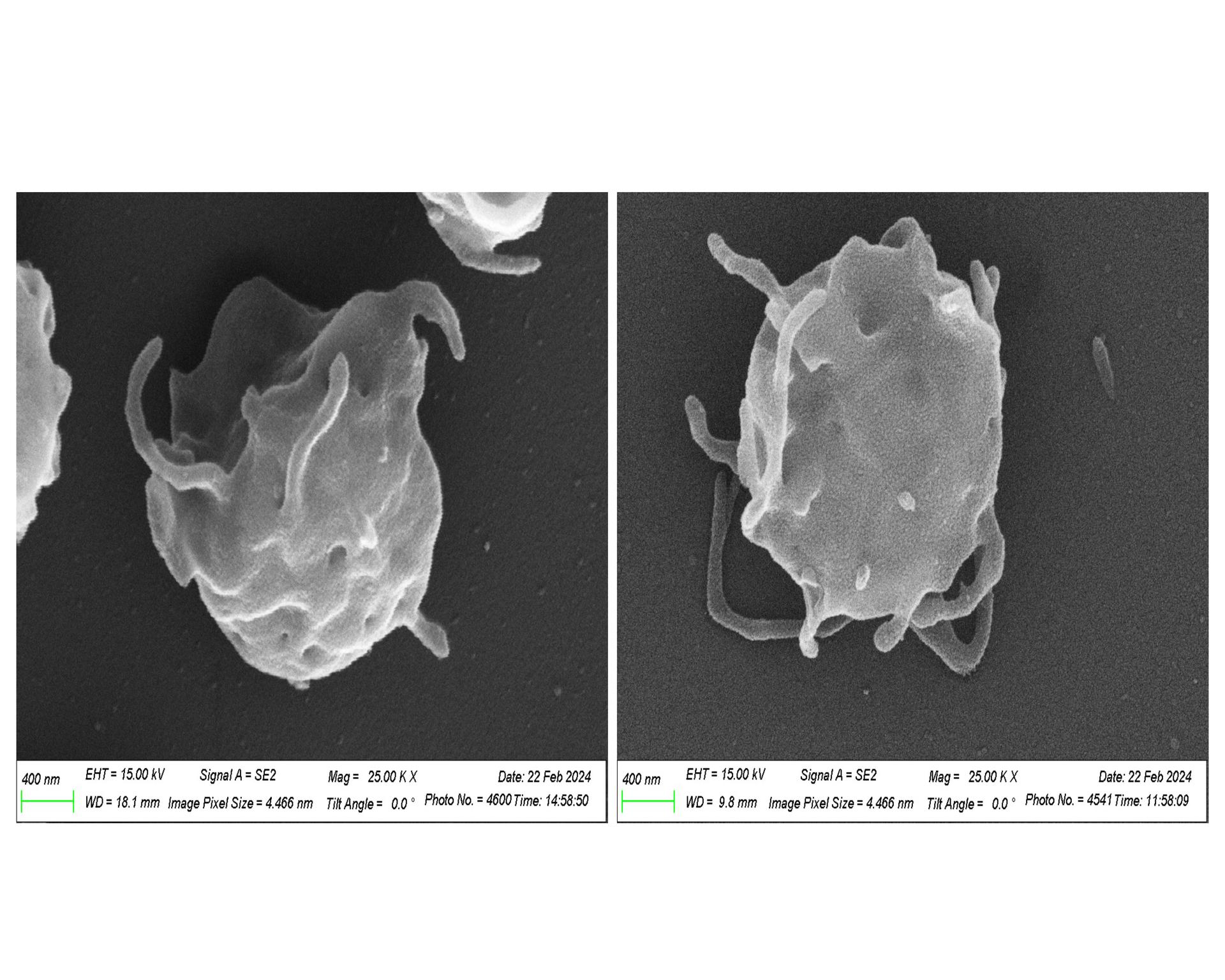
Two side by side square images of textured blobs in grayscale that are human platelets. Underneath each square in very small print are letters and numbers
A scanning electron-microscopy image of human platelets taken at the NASA Space Radiation Laboratory
NASA Space Radiation Laboratory

Building the Space Salad Bar

The work continues to grow food in the harsh environment of space that is both nutritious and safe for humans to consume. With Plant Habitat-07, research continues on ‘Outredgeous’ romaine lettuce, first grown on the International Space Station in 2014.

This experiment will sprout this red lettuce in microgravity in the space station’s Advanced Plant Habitat and study how optimal and suboptimal moisture conditions impact plant growth, nutrient content, and the plant microbiome. The knowledge gained will add to NASA’s history of growing vegetables in space and could also benefit agriculture on Earth.

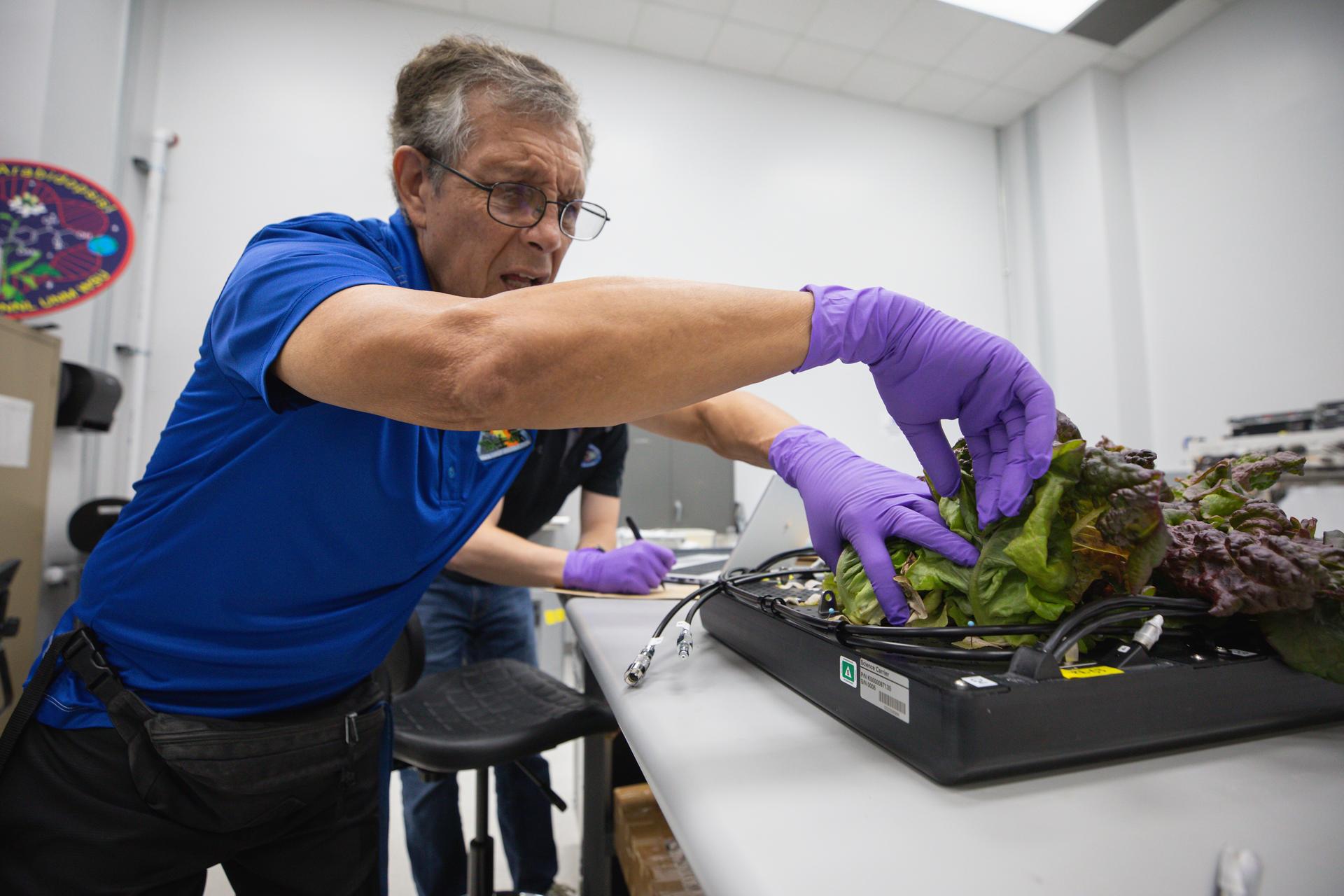
A man wearing a blue shirt, glasses, and bright purple gloves touches red and green colored lettuce in a black plant holder at a NASA laboratory with white walls
Pace crop production scientist Oscar Monje harvests Outredgeous romaine lettuce for preflight testing of the Plant Habitat-07 experiment inside a laboratory at the Space Systems Processing Facility at NASA’s Kennedy Space Center in Florida
NASA/Ben Smegelsky

Mixing Moss with Space Radiation

ARTEMOSS (ANT1 Radiation Tolerance Experiment with Moss in Orbit on the Space Station) continues research that started on Earth with samples of Antarctic moss that underwent simulated solar radiation at the NASA Space Radiation Lab at Brookhaven National Lab in Upton, New York.

After exposure to radiation some of the moss samples will spend time on the orbiting outpost in the microgravity environment and some will remain on the ground in the 1g environment. ARTEMOSS will study how Antarctic moss recovers from any potential damage from ionizing radiation exposure when plants remain on the ground and when plants grow in spaceflight microgravity. This study leads the way in understanding the effects of combined simulated cosmic ionizing radiation and spaceflight microgravity on live plants, providing more clues to plant performance in exploration missions to come.  

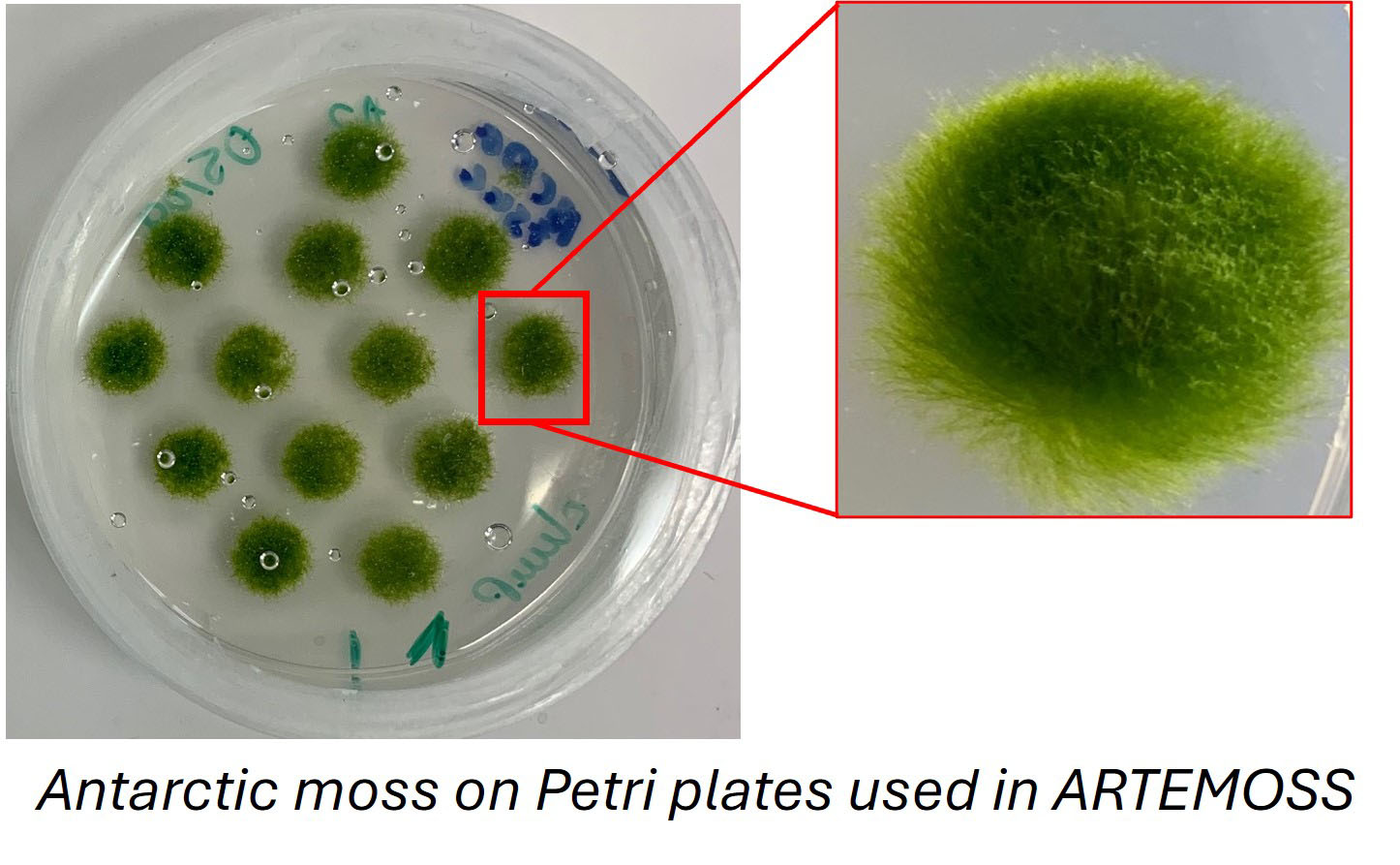
A circle dish contains 13 green fuzzy moss plants that are circular and the size of marbles. On the right side of the photo, there is a square box with a red outline that contains another image of one of the circles zoomed in to show the grassy texture of the sample; it is mainly dark green and with a lighter green around the edges
An example of moss plants grown for the ARTEMOSS mission
Credit: NASA

Enabling Communication in Space Between Quantum Computers

The SEAQUE (Space Entanglement and Annealing Quantum Experiment) will experiment with technologies that, if successful, will enable communication on a quantum level using entanglement. Researchers will focus on validating in space a new technology, enabling easier and more robust communication between two quantum systems across large distances. The research from this experiment could lead to developing building blocks for communicating between equipment such as quantum computers with enhanced security.

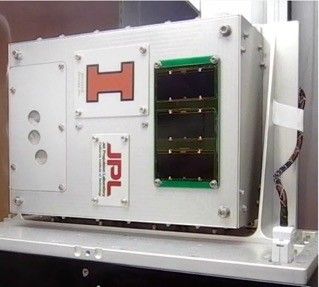
The SEAQUE platform is a rectangle 3-D box with four smaller rectangle plates screwed on to the box that contains software to perform experiments on the space station.
A quantum communications investigation, called SEAQUE (Space Entanglement and Annealing Quantum Experiment), is pictured as prepared for launch to the International Space Station on NASA’s SpaceX 31st commercial resupply services mission. The investigation is integrated on a MISSE-20 (Materials International Space Station Experiment) device, which is a platform for experiments on the outside of space station exposing instrumentation directly to the space environment. SEAQUE will conduct experiments in quantum entanglement while being exposed to the radiation environment of space
Credit: NASA

Related resources:

NASA’s Biological and Physical Sciences Division pioneers scientific discovery and enables exploration by using space environments to conduct investigations not possible on Earth. Studying biological and physical phenomenon under extreme conditions allows researchers to advance the fundamental scientific knowledge required to go farther and stay longer in space, while also benefitting life on Earth.

Powered by WPeMatico

Get The Details…

New Report Shows NASA’s $75.6 Billion Boost to US Economy

New Report Shows NASA’s $75.6 Billion Boost to US Economy

NASA’s work, including its Moon to Mars exploration approach, is advancing science and technology for the Artemis Generation, while also driving significant economic growth across the United States, the agency announced Thursday.

In its third agencywide economic impact report, NASA highlighted how its Moon to Mars activities, climate change research and technology development, and other projects generated more than $75.6 billion in economic output across all 50 states and Washington, D.C., in fiscal year 2023.

“To invest in NASA is to invest in American workers, American innovation, the American economy, and American economic competitiveness,” says NASA Administrator Bill Nelson. “Our work doesn’t just expand our understanding of the universe — it fuels economic growth, inspires future generations, and improves our quality of life. As we embark on the next great chapter of exploration, we are proud to help power economic strength, job creation, scientific progress, and American leadership on Earth, in the skies, and in the stars.”

Combined, NASA’s missions supported 304,803 jobs nationwide, and generated an estimated $9.5 billion in federal, state, and local taxes throughout the United States.

The study found NASA’s Moon to Mars activities generated more than $23.8 billion in total economic output and supported an estimated 96,479 jobs nationwide. For investments in climate research and technology, the agency’s activities generated more than $7.9 billion in total economic output and supported an estimated 32,900 jobs in the U.S.

Additional key findings of the study include:

  • Every state in the country benefits economically through NASA activities. Forty-five states have an economic impact of more than $10 million. Of those 45 states, eight have an economic impact of $1 billion or more.
  • The agency’s Moon to Mars initiative, which includes the Artemis missions, generated nearly $2.9 billion in tax revenue. These activities provided about 32% of NASA’s economic impact.
  • The agency’s investments in climate change research and technology generated more than $1 billion in tax revenue.
  • Approximately 11% of NASA’s economic impacts are attributable to its investments in climate change research and technology.    
  • NASA had more than 644 active international agreements for various scientific research and technology development activities in the 2023 fiscal year. The International Space Station, representing 15 countries and five space agencies, has a predominant role in the agency’s international partnerships.
  • In fiscal year 2023, NASA oversaw 2,628 active domestic and international non-procurement partnership agreements, which included 629 new domestic and 109 new international agreements, active partnerships with 587 different non-federal  partners across the U.S., and partnerships in 47 of 50 states. 
  • NASA Spinoffs, which are public products and processes that are developed with NASA technology, funding, or expertise, provide a benefit to American lives beyond dollars and jobs. As of result of NASA missions, our fiscal year 2023 tech transfer activities produced 1,564 new technology reports, 40 new patent applications, 69 patents issued, and established 5,277 software usage agreements. 
  • Scientific research and development, which fuels advancements in science and technology that can help improve daily life on Earth and for humanity, is the largest single-sector benefitting from NASA’s work, accounting for 19% of NASA’s total economic impact.

The study was conducted by the Nathalie P. Voorhees Center for Neighborhood and Community Improvement at the University of Illinois at Chicago.

To review the full report, visit:

https://go.nasa.gov/3NEtUIq

-end-

Meira Bernstein / Melissa Howell
Headquarters, Washington
202-615-1747 / 202-961-6602
meira.b.bernstein@nasa.gov / melissa.e.howell@nasa.gov

Share

Details

Last Updated

Oct 24, 2024

Powered by WPeMatico

Get The Details…
Roxana Bardan