Crew-1 Takes Questions Thursday, Station Busy with Human Research

Crew-1 Takes Questions Thursday, Station Busy with Human Research
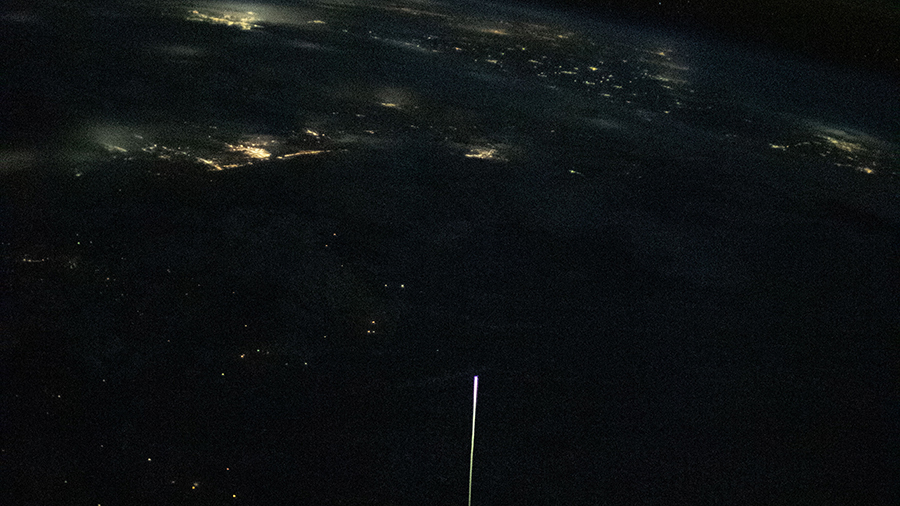
The SpaceX Crew Dragon Resilience, with four astronauts aboard, is pictured from the station reentering Earth's atmosphere on May 2, 2021.
The SpaceX Crew Dragon Resilience, with four astronauts aboard, is pictured from the station reentering Earth’s atmosphere on May 2, 2021.

The SpaceX Crew-1 astronauts are back in Houston after splashing down in the Gulf of Mexico early Sunday completing a 168-day mission. The quartet will have a news conference on NASA TV then participate in a Facebook Live event on Thursday.

NASA astronauts Michael Hopkins, Victor Glover and Victor Glover with Japan Aerospace Exploration Agency astronaut Soichi Noguchi will talk to reporters and answer social media questions on Thursday. The NASA TV news conference starts at 3:45 p.m. EDT. The Facebook Live event will begin at 4:35 p.m. and last 20 minutes.

Back in space, seven Expedition 65 crew members will be orbiting Earth on the International Space Station until October. The five astronauts and two cosmonauts are participating in a variety of research today to understand how living in space affects the human body.

Microbes can change characteristics in microgravity and scientists are testing anti-microbial coatings on the station. Today, an astronaut touched a sample with the coating representing a high-touch surface. The sample was stowed in a science freezer and will be returned later to Earth for analysis. Results could mitigate health issues on spacecraft and planetary surfaces.

The Celestial Immunity study taking place today on the orbiting lab is exploring how the immune system adapts to weightlessness. The astronauts look at human blood cells for age-associated effects giving scientists insights into the development of new vaccines and drugs to treat diseases.

Some of the crewmates also had ultrasound scans today to understand how long-term microgravity affects their muscle’s biochemical properties such as tone, stiffness and elasticity. Samples, including blood, saliva and urine, were also collected and stowed for the Standard Measures and Repository biology studies.

Get The Details…

Mark Garcia

Powered by WPeMatico

NASA Celebrates Asian American, Pacific Islander Heritage Month

NASA Celebrates Asian American, Pacific Islander Heritage Month

This May, NASA celebrates the contributions of its Asian American and Pacific Islander (AAPI) employees – past and present – with a variety of internal and external events and products centered around the theme: Advancing Leaders Through Purpose-Driven Service.

Get The Details…

Powered by WPeMatico

Crew Staying in Space Until October for Research Mission

Crew Staying in Space Until October for Research Mission

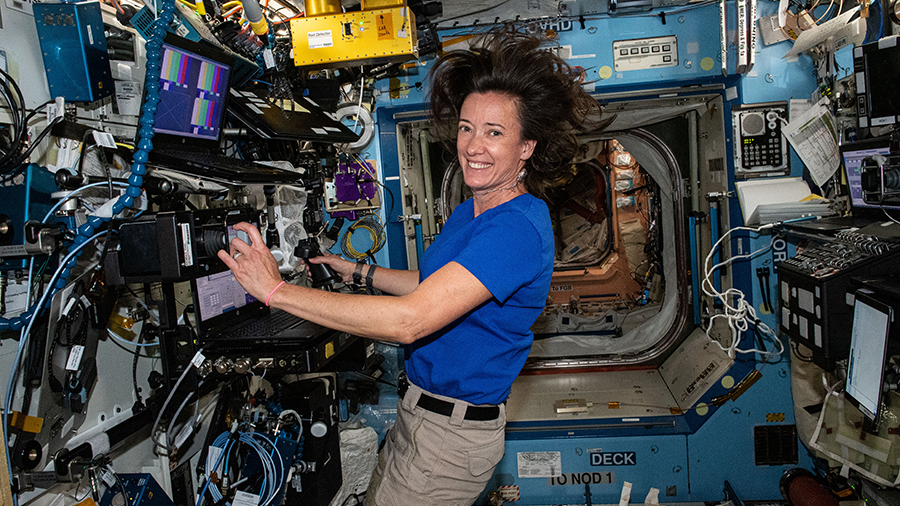
NASA astronaut Megan McArthur is at the robotics workstation participating in Canadarm2 robotic arm training.

The seven-member Expedition 65 crew aboard the International Space Station will be orbiting Earth until October after watching the SpaceX Crew-1 astronauts depart over the weekend. The five astronauts and two cosmonauts staying behind prepared for the next SpaceX Cargo mission and researched a variety of space phenomena today.

NASA and SpaceX are targeting June 3 for the launch of the next Cargo Dragon mission to resupply the orbital lab. NASA Flight Engineer Shane Kimbrough and station Commander Akihiko Hoshide of the Japan Aerospace Exploration Agency began getting the station ready for the upcoming space shipment. The duo organized the Permanent Multipurpose Module and the Kibo laboratory module today to make room for the new cargo.

Monday’s science activities ran the gamut of robotics, human research and drug development. Research on the orbiting lab can improve the health of humans on and off the Earth, benefit a range of industries, and advance the commercialization of space.

The Astrobee robotic assistants were flying around inside Kibo testing automated rendezvous techniques as Kimbrough monitored the activities. Flight Engineer Thomas Pesquet of the European Space Agency wore a virtual reality headset and reached for virtual objects to help scientists understand how weightlessness affects the central nervous system.

NASA Flight Engineer Megan McArthur cleaned up the Microgravity Science Glovebox after closing out the Transparent Alloys physics study. Flight Engineer Mark Vande Hei of NASA checked out emergency hardware then set up gear for an immune system study that may promote the development of new vaccines and drugs to treat diseases.

Roscosmos cosmonaut and Flight Engineer Oleg Novitskiy worked on inventory updates and cargo transfers from the ISS Progress 77 resupply ship. Flight Engineer Pyotr Dubrov installed hardware for a Russian experiment that monitors the Earth’s atmosphere in ultraviolet light.

Get The Details…

Mark Garcia

Powered by WPeMatico

Alan Shepard Completes His Mission

Alan Shepard Completes His Mission

On May 5, 1961, NASA astronaut Alan Shepard piloted his Freedom 7 Mercury capsule in a 15-minute suborbital flight, becoming America’s first astronaut. In this image, he is shown being hoisted aboard a U.S. Marine helicopter after splashdown. The flight carried him to an altitude of 116 statute miles.

Get The Details…

Powered by WPeMatico