La NASA avanza hacia la misión Artemis III en 2027 y anuncia a su tripulación
Read this release in English here.
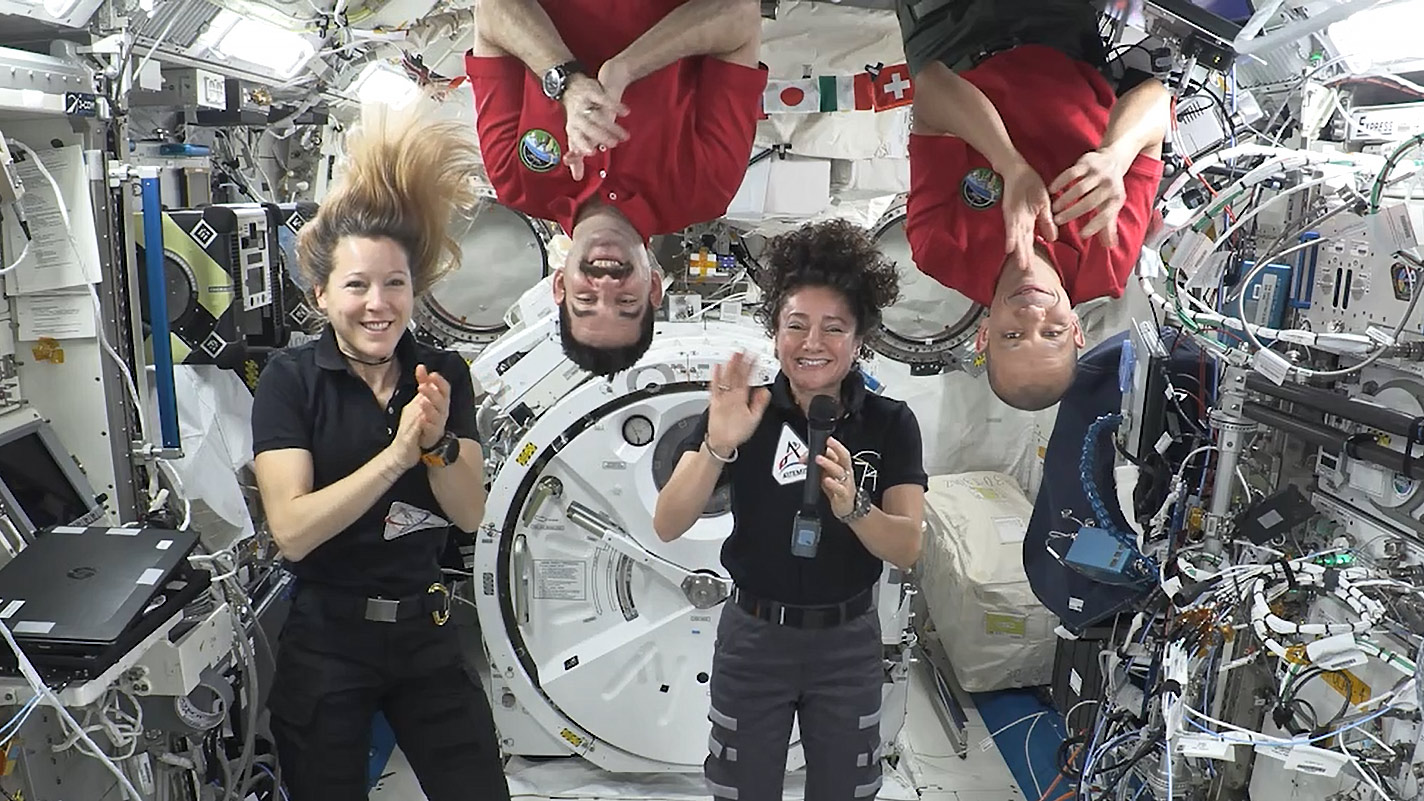
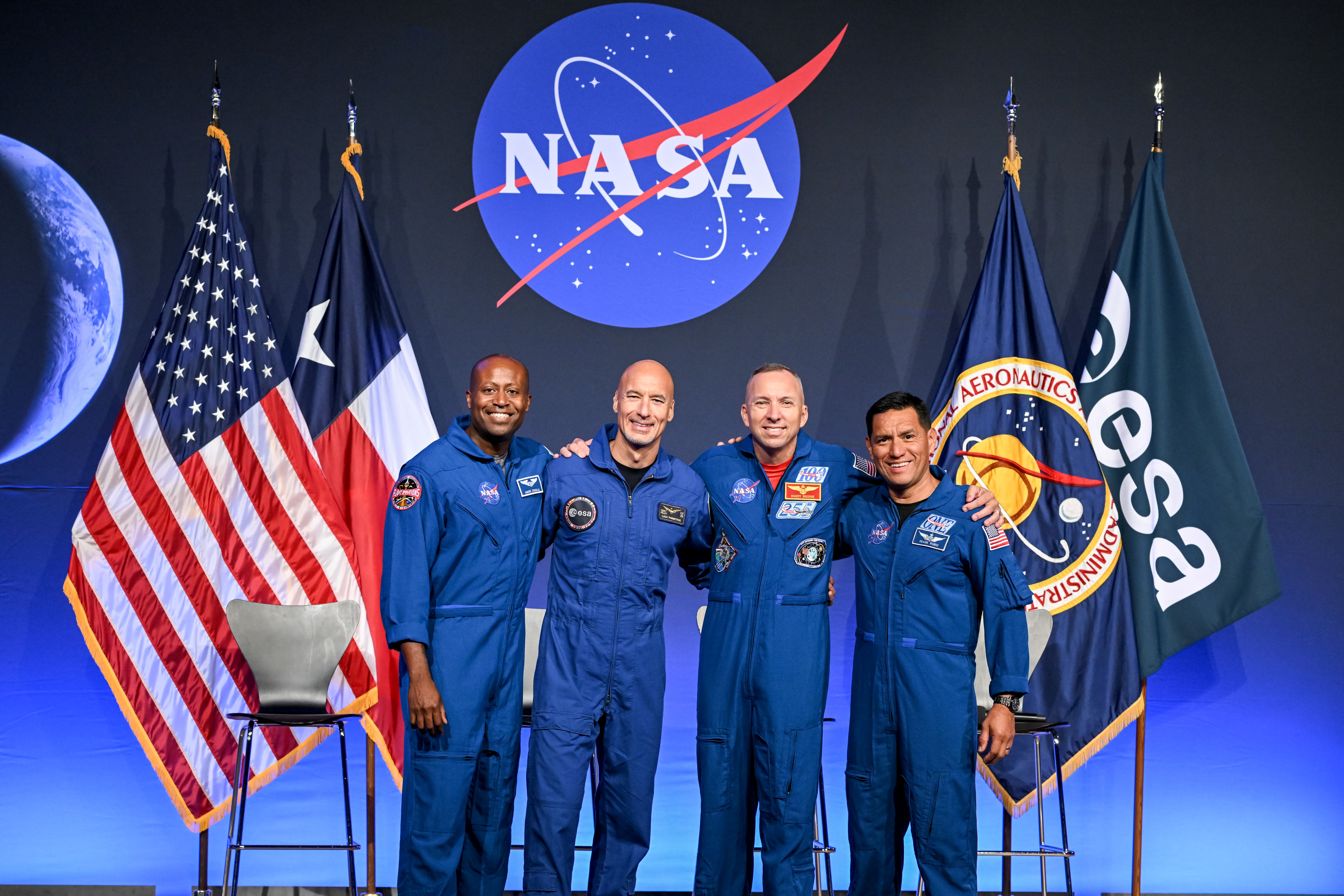
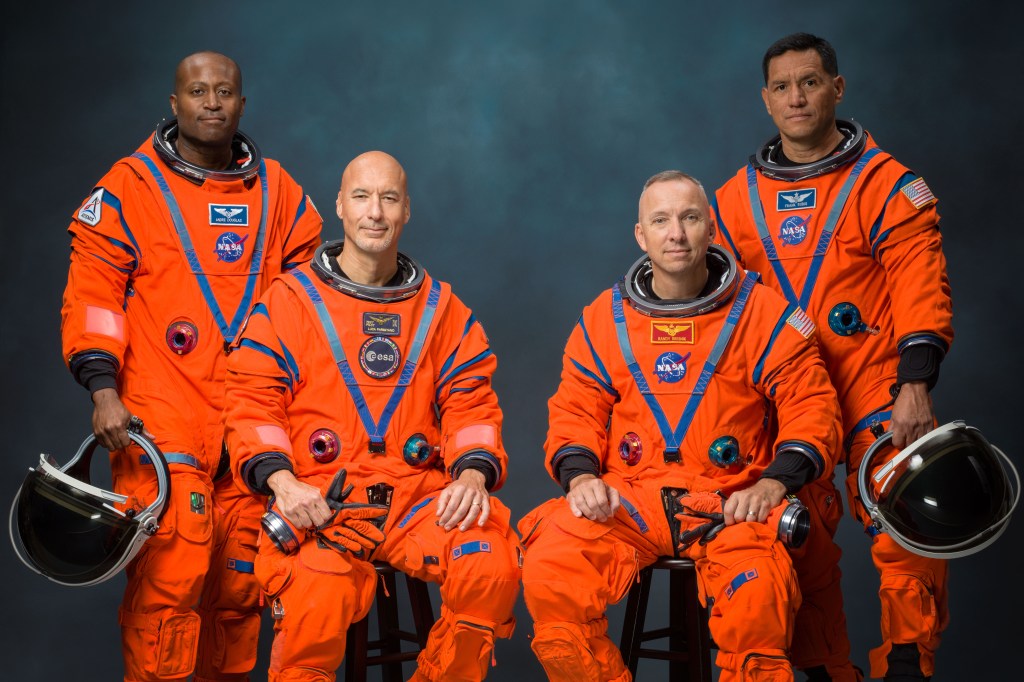
La NASA dio el martes otro paso hacia una de las misiones tripuladas más complejas de la historia reciente al ofrecer nuevos detalles sobre Artemis III y anunciar a los cuatro miembros principales de la tripulación y a un suplente para este vuelo de prueba. En 2027, la misión llevará a cabo una serie de exigentes pruebas cerca de la Tierra que son esenciales para Artemis IV, la primera misión tripulada al Polo Sur lunar, prevista para 2028.
En la misión Artemis III, el cohete SLS (por las siglas en inglés de Sistema de Lanzamiento Espacial) de la agencia lanzará la nave espacial Orion y a su tripulación desde el Centro Espacial Kennedy de la NASA, en Florida, a la órbita terrestre baja. Tras las verificaciones de los sistemas de Orion, la nave espacial demostrará por primera vez sus capacidades de encuentro y acoplamiento con versiones de prueba de uno o ambos sistemas comerciales estadounidenses de aterrizaje humano, que están siendo desarrollados por Blue Origin y SpaceX. Esta misión, cuidadosamente coreografiada, incluye una espectacular campaña de múltiples lanzamientos de los cohetes más potentes del mundo y pondrá a prueba el equipamiento integrado entre Orion y los módulos de aterrizaje, así como las interfaces de los sistemas, el software, la propulsión y las comunicaciones.
Los astronautas asignados a la tripulación son los siguientes:
Durante el evento del martes, el astronauta de la NASA Bob Hines fue nombrado miembro suplente de la tripulación. La tripulación comenzará a entrenarse de inmediato en los sistemas de la nave espacial Orion y también colaborará en el desarrollo y las operaciones de las versiones de prueba de los módulos de aterrizaje de Blue Origin y SpaceX.
“Hoy damos otro paso audaz en el regreso de la humanidad a la Luna, basándonos en los extraordinarios cimientos sentados por los astronautas de Artemis II”, dijo el administrador de la NASA, Jared Isaacman. “Sus logros reavivaron el entusiasmo mundial por la exploración, y ahora le pasan la antorcha al equipo de Artemis III: Randy, Luca, Frank y Andre. Artemis III demostrará el poder de la innovación estadounidense y la colaboración internacional mientras ponemos a prueba operaciones complejas de encuentro y acoplamiento, y avanzamos las tecnologías que algún día nos llevarán más adentro del sistema solar. Esta misión requerirá la coordinación más impresionante de lanzamientos de cohetes de carga pesada de la historia, aprovechando el talento y las capacidades de equipos de todo el ámbito gubernamental y de la comunidad de vuelos espaciales. Los astronautas de Artemis III, junto con la ESA y nuestros socios internacionales, y las decenas de miles de las personas más brillantes y capaces de la agencia y la industria, están dando inicio a una nueva edad dorada de la exploración, impulsando las esperanzas y los sueños de la próxima generación, así como los astronautas del programa Apolo lo hicieron por tantos de nosotros”.
Esta también es la primera vez que se asigna a un astronauta de la ESA a una misión de Artemis.
“Artemis III ampliará los límites de las operaciones de naves espaciales en órbita. La asignación de Luca como piloto refleja la profundidad de la experiencia europea en los vuelos espaciales tripulados y se basa en su amplia experiencia operativa en situaciones de alta presión”, dijo Josef Aschbacher, director general de la ESA. “Al mismo tiempo, el Módulo de Servicio Europeo de la ESA volverá a aportar las capacidades fundamentales que proporcionan energía a Orion, lo que demuestra la presencia duradera de Europa en el corazón mismo del programa Artemis. La noticia que hoy llega desde Houston es un poderoso reconocimiento del papel de la ESA al hacer posible el regreso de la humanidad a la Luna, y un avance clave en nuestra colaboración con la NASA. Los europeos pueden enorgullecerse de formar parte de este apasionante viaje”.
Avances de la misión
La NASA y sus socios están avanzando en los preparativos para el vuelo de prueba. Este verano boreal, los equipos de ingeniería conectarán el módulo de la tripulación y el módulo de servicio de Orion, e integrarán el sistema de acoplamiento de la nave espacial, que volará por primera vez. Continúan las pruebas del escudo térmico, ya que cada uno de los bloques ha sido sometido a inspecciones ultrasónicas y se ha instalado en la estructura del escudo térmico.
El procesamiento del cohete también está muy avanzado. Los técnicos de SLS están integrando la sección del motor con el resto de la etapa central antes de instalar los cuatro motores RS-25 este verano boreal. Con todos los segmentos de los propulsores sólidos del cohete ya en el centro Kennedy de la NASA y el acondicionamiento del lanzador móvil avanzando según lo previsto, también se prevé que el apilamiento del cohete comience este verano. La NASA continúa con el diseño y la fabricación de un segmento espaciador que reemplazará la etapa superior en Artemis III.
Blue Origin está desarrollando una versión tripulada de su módulo de aterrizaje lunar Blue Moon, mientras que SpaceX está desarrollando una versión de módulo de aterrizaje lunar tripulado de su nave Starship. Ambas empresas están construyendo unidades de prueba para Artemis III. La NASA brinda apoyo directo a ambos proveedores de módulos de aterrizaje durante el diseño, el desarrollo, las pruebas y la evaluación, lo que incluye compartir la experiencia y las capacidades de la agencia obtenidas en misiones anteriores.
Durante el evento, la NASA ofreció actualizaciones de la agencia y de ambos socios comerciales, así como detalles sobre las operaciones previstas para Artemis III, las cuales respaldarán una mayor cadencia de misiones, aumentarán la producción e impulsarán mejoras en la cadena de suministro del programa Artemis.
La misión Artemis III se basa en el exitoso vuelo de Artemis II, que se completó en abril, y ayudará a la agencia a prepararse para enviar a los primeros astronautas, estadounidenses, a Marte.
Artemis III contempla el lanzamiento en rápida sucesión de los cohetes más potentes del mundo. El módulo de aterrizaje de exploración (pathfinder) de Blue Origin, que puede permanecer en órbita durante varias semanas, se lanzará primero y esperará a la tripulación. La NASA usará el cohete SLS para enviar a los astronautas a bordo de Orion a orbitar la Tierra, antes de un encuentro en el espacio con la unidad de prueba del módulo de aterrizaje de la empresa, con la cual Orion permanecerá acoplada durante unos dos días para llevar a cabo pruebas y demostraciones tecnológicas, incluido el ingreso al módulo de aterrizaje.
Tras completar las operaciones acoplada con Blue Origin, Orion se separará y esperará a Starship. El módulo de exploración Starship de SpaceX se lanzará y se encontrará con Orion para pasar aproximadamente un día acoplados para verificaciones y pruebas. Después de eso, Orion y su tripulación se desacoplarán y regresarán a casa, amerizando de manera segura en el océano Pacífico, donde un equipo de la Marina de Estados Unidos y la NASA recuperará a los astronautas.
En total, se prevé que la tripulación permanezca en el espacio durante unas dos semanas. La duración exacta de la misión se determinará en tiempo real en función de las operaciones de lanzamiento, encuentro y acoplamiento.
Más información sobre los miembros de la tripulación de Artemis III
Esta será la tercera misión espacial de Bresnik, quien fue lanzado a bordo del trasbordador espacial Atlantis en la misión STS-129 a la Estación Espacial Internacional en 2009. Posteriormente, viajó a la estación espacial en la nave espacial Soyuz MS-05 desde el Cosmódromo de Baikonur, en Kazajistán, y se desempeñó como ingeniero de vuelo en la Expedición 52 y como comandante de la Expedición 53 de la estación. Originario de California, se graduó en The Citadel con un título en matemáticas y fue seleccionado por la NASA en la promoción de candidatos a astronautas de 2004. Coronel retirado del Cuerpo de Marines de Estados Unidos, ha acumulado más de 7.000 horas de vuelo en 95 tipos de aeronaves y es miembro de la Sociedad de Pilotos de Pruebas Experimentales. Desde 2018, se ha desempeñado como asistente del jefe de la Oficina de Astronautas para asuntos de exploración, supervisando el desarrollo y las pruebas de la nave espacial y los sistemas que operarán durante las misiones de Artemis.
Artemis III también será el tercer vuelo espacial de Parmitano. Seleccionado por la ESA como astronauta en 2009, primero se desempeñó como ingeniero de vuelo en la primera misión de larga duración de la Agencia Espacial Italiana (ASI, por sus siglas en italiano) a la estación espacial, despegando en una nave Soyuz desde Baikonur en 2013. Regresó al laboratorio orbital en 2019 a bordo de Soyuz MS-13 para su segunda misión, durante la cual ejerció de comandante de la Expedición 61 y se convirtió en el tercer europeo, y el primer italiano, en comandar la estación. Parmitano obtuvo una licenciatura en ciencias políticas en la Universidad de Nápoles Federico II y una maestría en ingeniería de pruebas de vuelo experimentales en el Instituto Superior de la Aeronáutica y del Espacio en Toulouse, Francia. Graduado de la Academia de la Fuerza Aérea Italiana, se convirtió en piloto de pruebas en 2007 y fue ascendido a coronel en 2019. Ha acumulado más de 2.000 horas de vuelo en 40 tipos de aeronaves.
Este será el segundo viaje al espacio de Rubio, quien fue lanzado a bordo de la nave espacial Soyuz MS-22 desde Baikonur a la estación espacial el 21 de septiembre de 2022 y regresó el 27 de septiembre de 2023, batiendo el récord del vuelo espacial individual más largo realizado por un astronauta estadounidense, con 371 días en órbita. Rubio fue seleccionado por la NASA en la promoción de candidatos a astronautas de 2017. Originario de Florida, se graduó en la Academia Militar de Estados Unidos en 1998, obtuvo un doctorado en medicina en la Universidad de Servicios Uniformados de las Ciencias de la Salud en 2010 y ha servido durante más de 28 años en el Ejército de Estados Unidos como aviador, médico y astronauta.
La misión es el primer vuelo espacial de Douglas. Fue seleccionado por la NASA en la promoción de candidatos a astronautas de 2021 y anteriormente se desempeñó como miembro suplente y de la tripulación de cierre de la misión Artemis II de la agencia. Originario de Virginia, Douglas obtuvo una licenciatura en ingeniería mecánica en la Academia de la Guardia Costera de Estados Unidos y cuatro títulos de posgrado en distintas instituciones, entre ellos un doctorado en ingeniería de sistemas de la Universidad George Washington. Durante su tiempo en la Guardia Costera, llevó a cabo operaciones de búsqueda y rescate, salvamento marítimo e interdicción de drogas. Además, su trabajo en el Laboratorio de Física Aplicada de la Universidad Johns Hopkins incluyó el diseño y la prueba de vehículos autónomos multidominio, sistemas de exploración espacial y numerosas plataformas de guerra submarina.
Como miembro suplente de la tripulación, Hines se entrenará junto con Bresnik, Parmitano, Rubio y Douglas. En caso de que un miembro principal de la tripulación no pueda participar en la misión, se uniría a la tripulación de Artemis III. Hines se desempeñó anteriormente como piloto de la misión SpaceX Crew 4 de la NASA a la Estación Espacial Internacional. Seleccionado por la NASA en la promoción de candidatos a astronautas de 2017, antes de su selección se desempeñó como piloto de investigación en el Centro Espacial Johnson de la agencia. Es coronel de la Fuerza Aérea de Estados Unidos, con más de 27 años de servicio como piloto instructor, piloto de combate y piloto de pruebas.
Como parte de una edad de oro de innovación y exploración, la NASA enviará astronautas en misiones cada vez más difíciles para explorar más de la Luna con fines de descubrimiento científico y beneficios económicos, establecer una presencia humana duradera en la superficie lunar y continuar sentando las bases para las primeras misiones tripuladas a Marte.
Aprende más sobre el programa Artemis:
https://www.nasa.gov/artemis (inglés)
https://ciencia.nasa.gov/artemis (español)
-fin-
Bethany Stevens / Amber Jacobson / María José Viñas
Sede central, Washington
+1 202-358-1600
bethany.c.stevens@nasa.gov / amber.c.jacobson@nasa.gov / maria-jose.vinasgarcia@nasa.gov
Anna Schneider
Centro Espacial Johnson, Houston
281-483-5111
anna.c.schneider@nasa.gov
Powered by WPeMatico
Get The Details…
María José Viñas