Crew Keeps Up Advanced Research Ahead of Cargo Mission Swap

Crew Keeps Up Advanced Research Ahead of Cargo Mission Swap
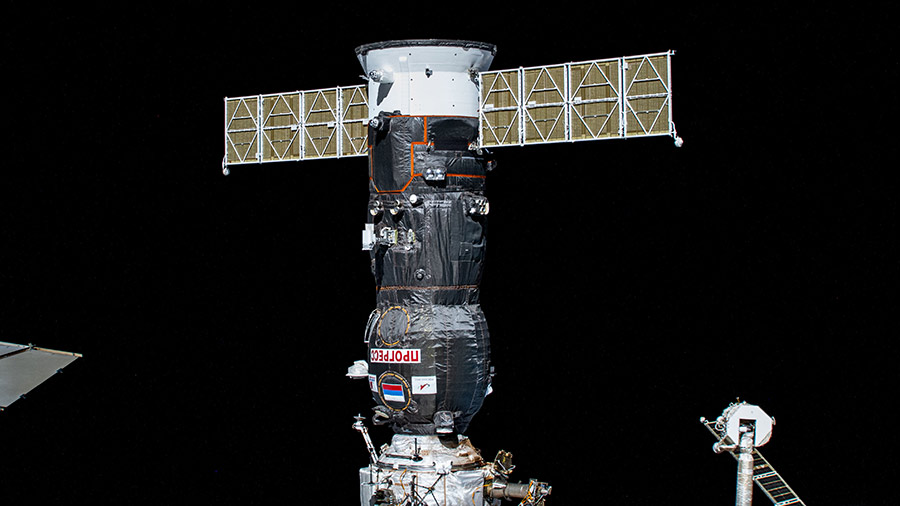
The Roscosmos Progress 84 cargo craft is pictured on May 26 docked to the Poisk module a couple of days after its arrival.

The Expedition 70 crew is continuing its advanced life science work today while gearing up for a cargo mission swap at the International Space Station this week. Meanwhile, the orbital residents also ensured exercise equipment and life support systems remain in good operating condition.

The ageing and immunity research taking place aboard the orbital outpost today is using the microgravity environment to gain biomedical insights impossible to achieve on Earth. Cells respond differently to weightlessness helping doctors understand how a variety of organisms from plants to astronauts adapt to life in space. Observations from the space biology experiments may provide advanced therapies to treat ailments on Earth and promote astronaut health on long-term missions.

NASA Flight Engineer Loral O’Hara started Tuesday wearing a vest and headband loaded with sensors that will record her health status for 48 hours. She will answer questions and download the medical data for the CIPHER human research experiment that is observing the long-term physiological and psychological effects of living in space. She then processed brain cell-like samples for the Cerebral Ageing study that seeks to understand accelerated ageing processes and neurodegenerative conditions, and possibly advance research techniques and drug development.

ESA (European Space Agency) Commander Andreas Mogensen removed blood samples from the Kubik incubator for spinning in the Human Research Facility’s centrifuge. After the samples were processed he placed them in a science freezer for later analysis for a study investigating cellular immunity in space.

NASA Flight Engineer Jasmin Moghbeli spent some time on SpaceX Dragon cargo operations then moved onto testing the operation of the COLBERT treadmill following Monday’s inspection and cleaning activities. Astronaut Satoshi Furukawa of JAXA (Japan Aerospace Exploration Agency) replaced components inside a device that scrubs carbon dioxide from the space station’s atmosphere.

The Roscosmos Progress 86 resupply ship rolled out to its launch pad today at the Baikonur Cosmodrome in Kazakhstan. The rocket, loaded with nearly 5,600 pounds of cargo, is due to launch at 4:25 a.m. EST on Thursday and automatically dock to the Poisk module at 6:14 a.m. on Saturday. Cosmonauts Oleg Kononenko and Nikolai Chub worked together on Tuesday preparing for its arrival. The duo installed and trained on hardware to monitor the approaching cargo craft and remotely control it if necessary.

The Progress 86 is replacing the Progress 84 spaceship that has been docked to Poisk since May 24. Progress 84, packed with trash and obsolete gear, will depart the station at 2:55 a.m. on Wednesday for a fiery, but safe reentry and disposal above the south Pacific Ocean about three-and-a-half hours later.

There was still plenty of time for research aboard the Roscosmos segment of orbiting lab on Tuesday. Kononenko studied futuristic spacecraft and robotic piloting techniques while Chub explored how electrical and magnetic fields in space may affect fluid systems. Cosmonaut Konstantin turned on an experiment to observe Earth’s nighttime atmosphere in the near ultraviolet wavelength then deactivated the gear following the study’s completion.

Powered by WPeMatico

Get The Details…

Mark Garcia

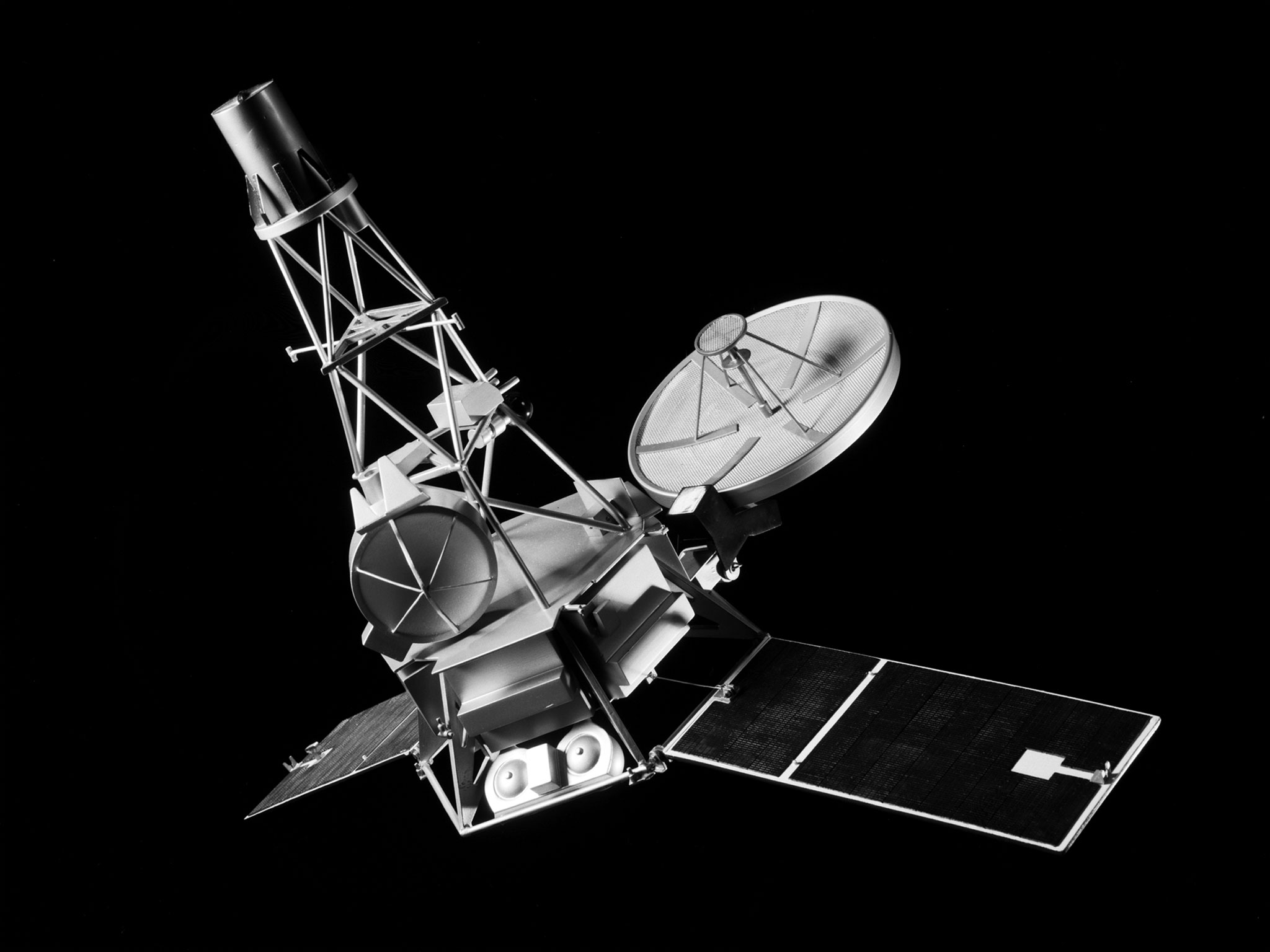
Mariner-C Spacecraft Model

Mariner-C Spacecraft Model

A model of the Mariner-C spacecraft at the National Aeronautics and Space Administration (NASA) Lewis Research Center for a June 1964 Conference on New Technology. Mariner-C and Mariner-D were identical spacecraft designed by the Jet Propulsion Laboratory to flyby Mars and photograph the Martian surface. Mariner-C was launched on November 4, 1964, but the payload shroud did not jettison properly and the spacecraft’s battery power did not function. The mission ended unsuccessfully two days later. Mariner-D was launched as designed on November 28, 1964 and became the first successful mission to Mars. It was the first time a planet was photographed from space. Mariner-D’s 21 photographs revealed an inhospitable and barren landscape. The two Mariner spacecraft were launched by Atlas-Agena-D rockets. Lewis had taken over management of the Agena Program in October 1962. There had been five failures and two partial failures in the 17 Agena launches before being taken over by NASA Lewis. Lewis, however, oversaw 28 successful Agena missions between 1962 and 1968, including several Rangers and the Mariner Venus ’67.

Powered by WPeMatico

Get The Details…

Artemis II Crew Signs NASA Moon Rocket Hardware at Marshall

Artemis II Crew Signs NASA Moon Rocket Hardware at Marshall

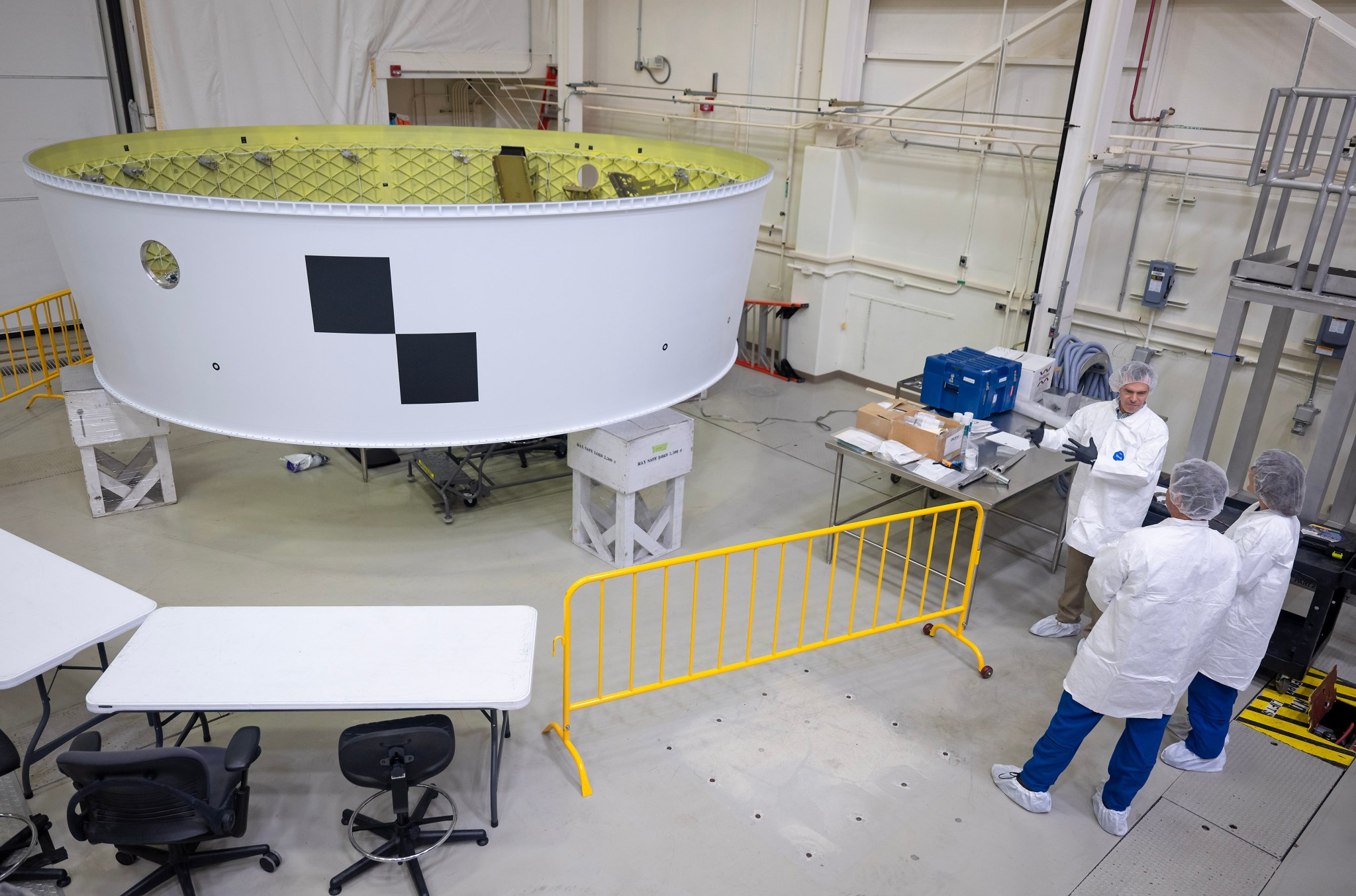
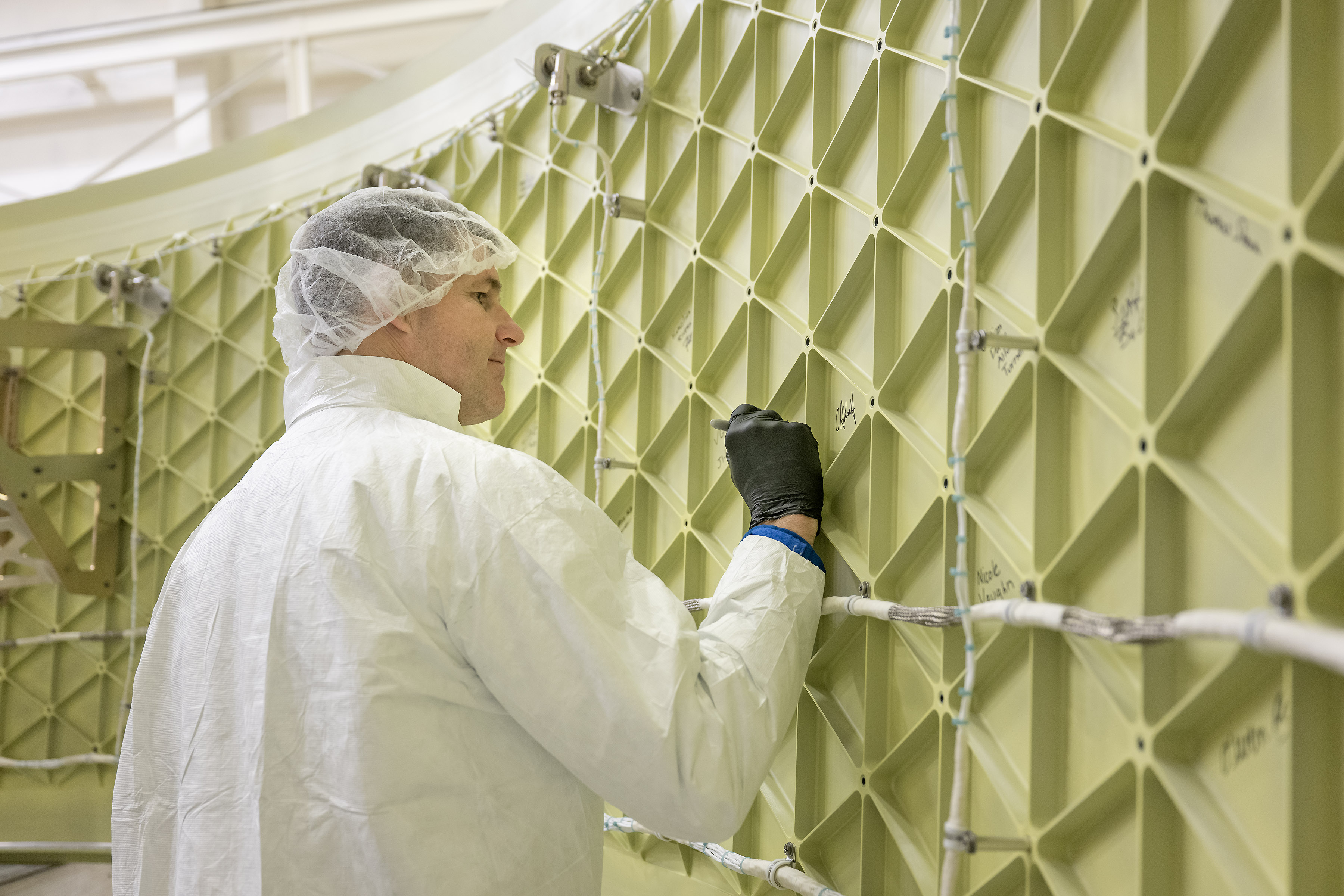
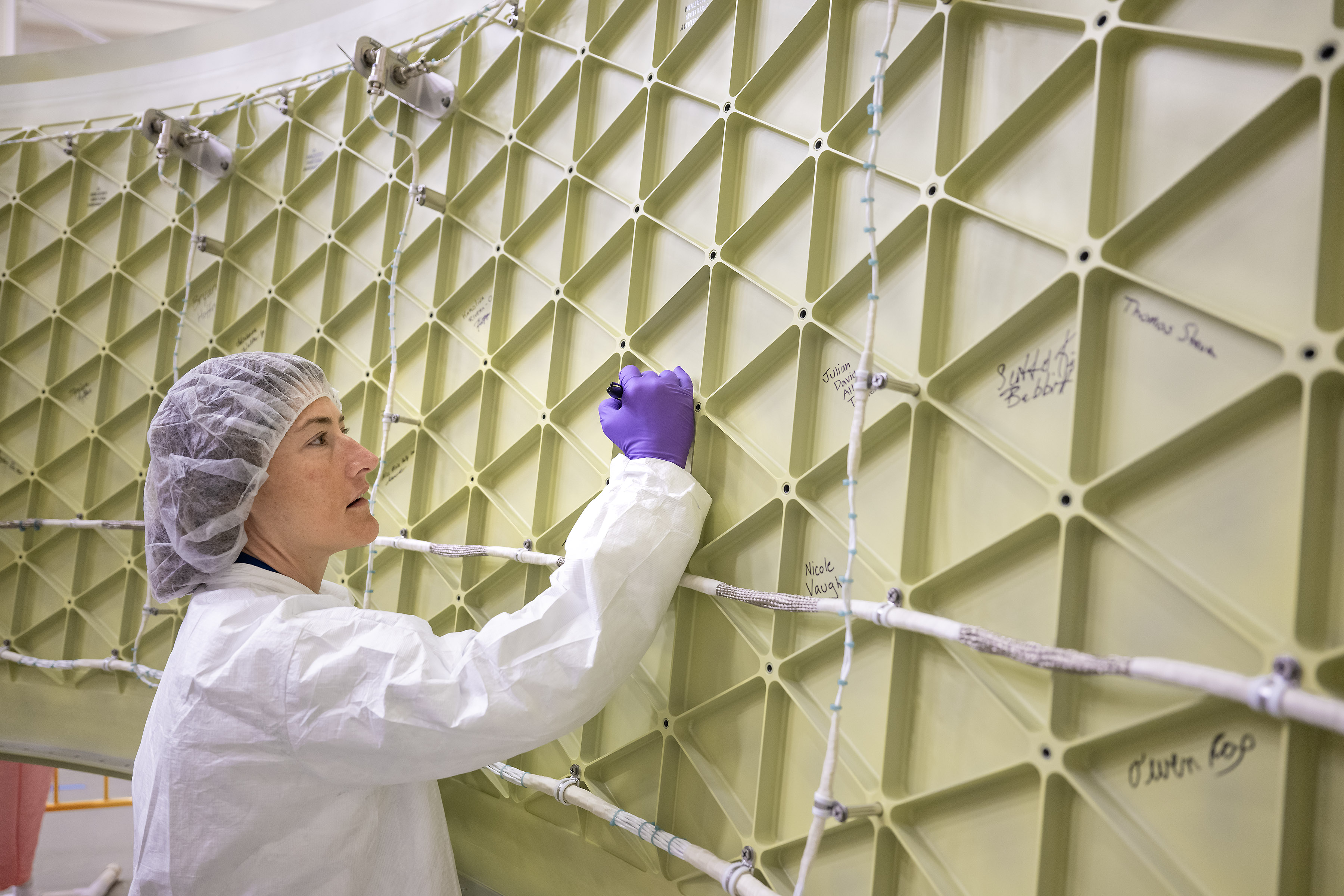
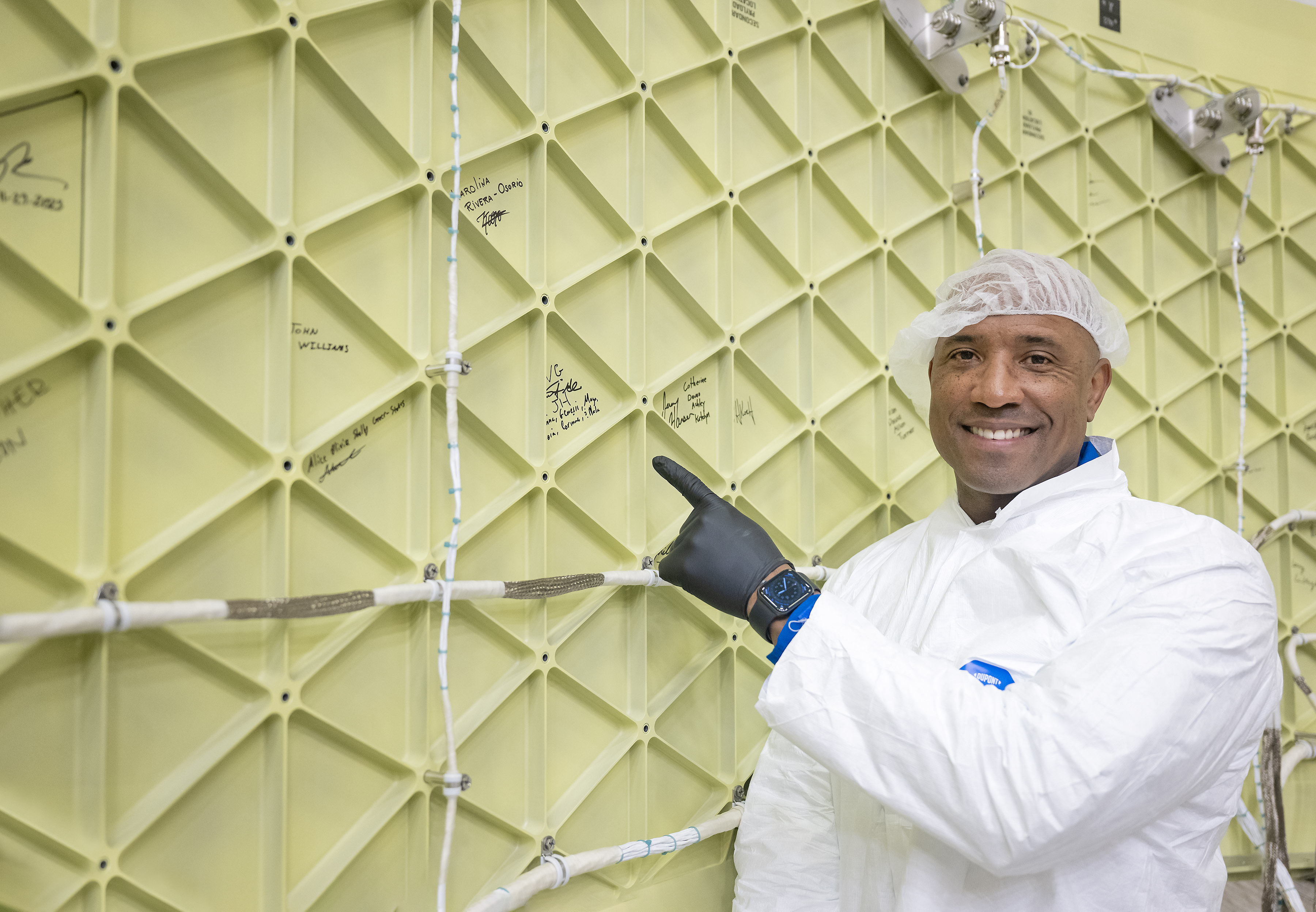
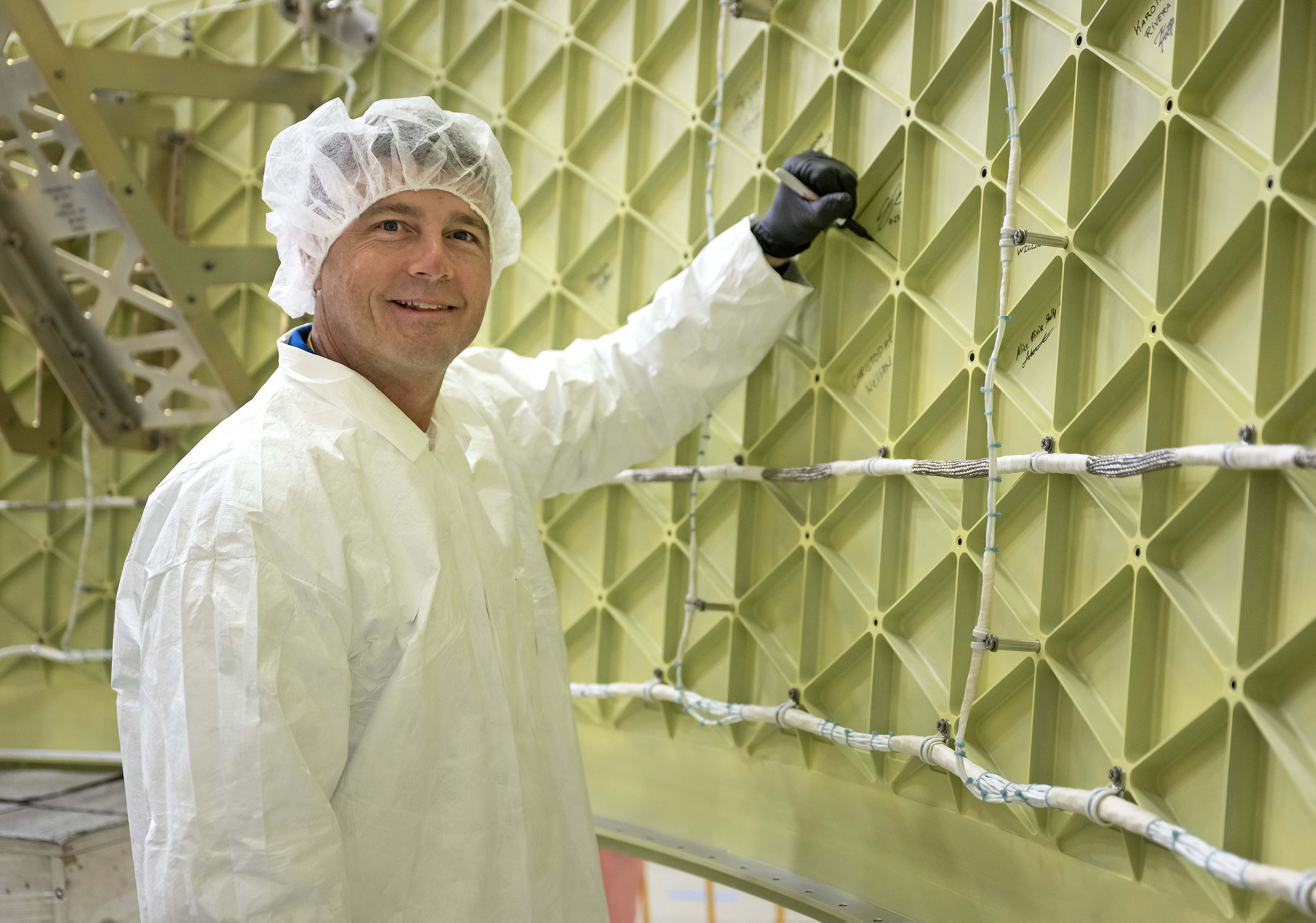
Artemis II Astronauts Victor Glover, Reid Wiseman, Christina Koch, and Jeremy Hansen visit Marshall Space Flight Center in Huntsville, AL on Nov. 27 and sign the Artemis II Orion stage adapter
NASA/Charles Beason

Artemis II NASA astronauts Victor Glover, Reid Wiseman, and Christina Koch of NASA, and CSA (Canadian Space Agency) astronaut Jeremy Hansen signed the Orion stage adapter for the SLS (Space Launch System) rocket at NASA’s Marshall Space Flight Center in Huntsville, Alabama, Nov. 27. The hardware is the topmost portion of the SLS rocket that they will launch atop during Artemis II when the four astronauts inside NASA’s Orion spacecraft will venture around the Moon.

Artemis II Astronaut Jeremy Hansen visits Marshall Space Flight Center in Huntsville, AL on Nov. 27 and signs the Artemis II Orion stage adapter. Artemis II Astronaut Christina Koch visits Marshall Space Flight Center in Huntsville, AL on Nov. 27 and signs the Artemis II Orion stage adapter. Artemis II Astronaut Victor Glover visits Marshall Space Flight Center in Huntsville, AL on Nov. 27 and signs the Artemis II Orion stage adapter. Artemis II Astronaut Reid Wiseman visits Marshall Space Flight Center in Huntsville, AL on Nov. 27 and signs the Artemis II Orion stage adapter.
From left, Artemis II astronauts Jeremy Hansen, Christina Koch, Victor Glover, and Reid Wiseman sign the SLS Orion stage adapter for the Artemis II mission during their visit to NASA’s Marshall Space Flight Center in Huntsville, Alabama, Nov. 27.
Image credits: NASA/Charles Beason

The Orion stage adapter is a small ring structure that connects NASA’s Orion spacecraft to the SLS rocket’s interim cryogenic propulsion stage and fully manufactured at Marshall. At five feet tall and weighing 1,800 pounds, the adapter is the smallest major element of the SLS rocket. During Artemis II, the adapter’s diaphragm will serve as a barrier to prevent gases created during launch from entering the spacecraft.

NASA is working to land the first woman and first person of color on the Moon under Artemis. SLS is part of NASA’s backbone for deep space exploration, along with the Orion spacecraft, advanced spacesuits and rovers, the Gateway in orbit around the Moon, and commercial human landing systems. SLS is the only rocket that can send Orion, astronauts, and supplies to the Moon in a single mission. Through Artemis, NASA will explore more of the lunar surface than ever before and prepare for the next giant leap: sending astronauts to Mars.

For more on NASA SLS visit:

https://www.nasa.gov/sls

News Media Contact

Corinne Beckinger
Marshall Space Flight Center, Huntsville, Ala.
256.544.0034
corinne.m.beckinger@nasa.gov

Powered by WPeMatico

Get The Details…
Lee Mohon

A Miniature Mariner-C

A Miniature Mariner-C

A black and white photo of a model of the Mariner-C spacecraft against a black backdrop. The spacecraft is tilted to the left. It has a conical shape, with two solar panels and a satellite dish at the bottom.
NASA

A model of the Mariner-C spacecraft seems to float in the darkness of space in this photo from a June 1964 Conference on New Technology at NASA’s Glenn Research Center in Cleveland.

Mariner-C and Mariner-D were identical spacecraft designed by NASA’s Jet Propulsion Laboratory to fly by Mars and photograph the Martian surface. Mariner-C was launched on Nov. 4, 1964, but the mission ended unsuccessfully two days later. Mariner-D, or Mariner 4, launched on Nov. 28, 1964, and became the first successful mission to Mars, as well as the first mission to photograph a planet from space.

Build your own models of spacecraft currently exploring space.

Image Credit: NASA

Powered by WPeMatico

Get The Details…
Monika Luabeya

Aero Engineer Brings NASA into Hawaii’s Classrooms

Aero Engineer Brings NASA into Hawaii’s Classrooms

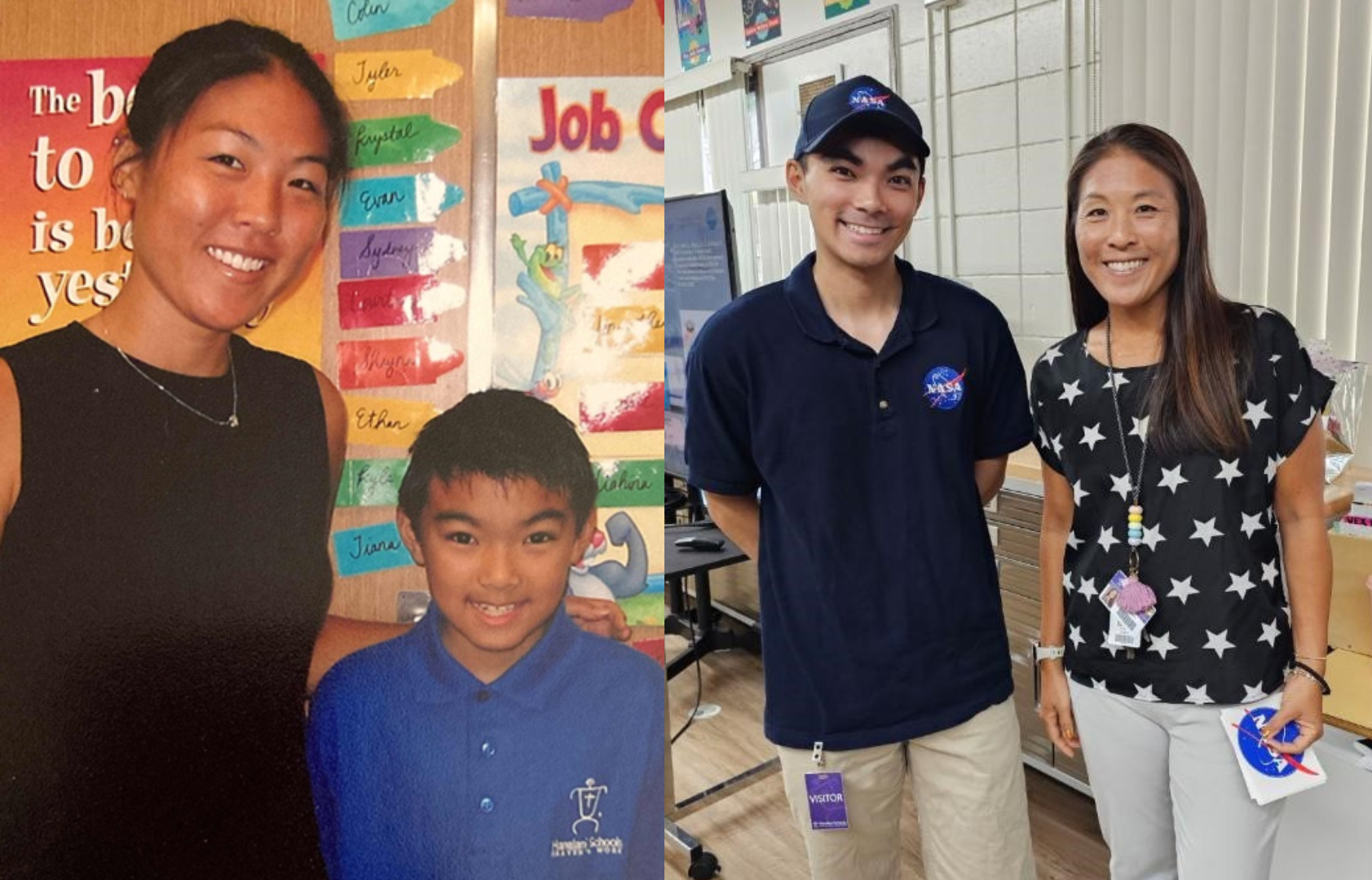
Side-by-side photos of a teacher with a young student and the same teacher with the same student who has grown up.
On the left, NASA Ames engineer Evan Kawamura on his first day of sixth grade with teacher Kristen Stoker of Hanalani Schools. On the right, Kawamura reunited with Mrs. Stoker when speaking to her students about his work at NASA.

The field of aerial vehicle autonomy focuses on self-reliance, building the flight equivalent of puppets without puppeteers. Behind the scenes, however, is a rich network of people and systems that work together to develop frameworks, test new technologies, and inspire a pipeline of engineers to create the breakthroughs of the future. Encouraging kids to dream big and pursue their STEM passions is especially important to Evan Kawamura, a guidance, navigation and control engineer in the Intelligent Systems Division at NASA’s Ames Research Center in California’s Silicon Valley.

Kawamura takes mentorship and STEM outreach as seriously as his work in unmanned aerial vehicles (UAVs) and Advanced Air Mobility (AAM). He extends his duty as an engineer from his office to classrooms across Oahu, Hawaii, where he lives. He has led drone-building workshops, presented about his journey to NASA, and connected with hundreds of students and educators. Most recently, Kawamura returned to his alma mater and reunited with his sixth-grade teacher, Mrs. Kristen Stoker, to talk to her students about his work at NASA.

“Since my family, teachers, advisors, mentors, and professors provided me with wonderful opportunities and experiences that inspired and prepared me for engineering, I feel that it’s crucial to continue to inspire the next generation,” he said. “If we do not protect, inspire, and educate our children, then the future is dark and uncertain.”

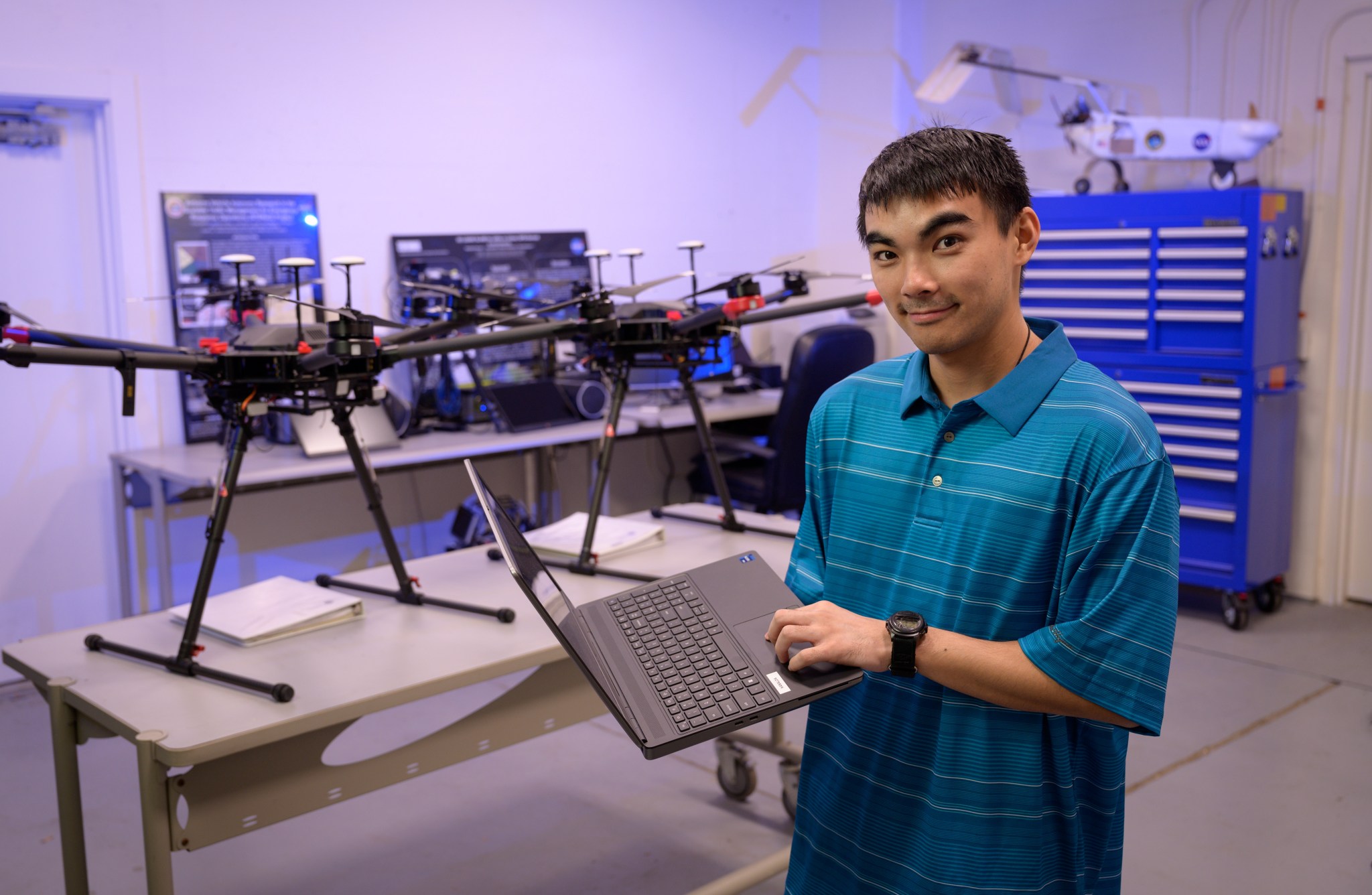
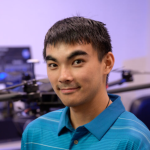
Evan Kawamura, computer guidance, navigation, and control engineer, with two hexacopters in the NASA Unmanned Aircraft System Autonomy Research Complex.
Credit: NASA/Dominic Hart

Kawamura writes code that helps aerial vehicles launch, fly, and land without intervention from human operators. One of his early proud moments was in the summer of 2019 when, with the help of his team lead and mentor, Corey Ippolito of NASA Ames’ Airborne Science Program, he successfully programmed a six-propellered hexacopter to launch from and return to a defined point in space without a human driver.

“It was very rewarding and fulfilling to see our efforts pay off both in simulation and in a real world flight test,” Kawamura said. “The work also became the baseline autonomy code for others on our team and my graduate school research too, so I felt a lot of pressure during development but a huge relief when it worked.”

Kawamura comes from a long line of builders and engineers, back to his boatbuilding great-great- grandfather who moved to Hawaii from Japan in 1909 with his nine-year-old son. Evan’s father, a software engineer, bought him science and engineering books, and entertained endless questions about how things work. His grandfather, a contractor who built the house Evan’s dad grew up in, was a fan of origami and spent countless hours teaching Evan to fold boats and planes. His family inspired in him a fascination for the ways different materials could fit together like trains and LEGO to make something new, but sometimes he didn’t get to play with his creations.

“I got excited to create a battle with all the paper planes and boats my grandpa and I made,” Kawamura said. “But he fell asleep before we could start playing.”

The cool and strange thing is that I see the aloha spirit at NASA Ames, which was one of the main reasons that made me want to work at NASA.

Evan kawamura

Evan kawamura

NASA Engineer

Kawamura joined Ames as an intern while getting his PhD at University of Hawaii at Manoa. He completed his first internship in 2018, returned in the spring of 2019, and accepted a NASA Pathways internship later that summer. In 2021, Kawamura converted to a remote full-time employee at Ames. All along the way, he relied on the guidance and support of his family, mentors, and teammates. That experience drives him to pay forward the inspiration and encouragement that helped him get where he is today.

“Growing up in Hawaii fosters a ‘togetherness’ mindset that is very inclusive and family-oriented,” he said. “Helping others, sharing burdens, and having each other’s backs opens channels of communication to build friendships and foster collaboration, which is what aloha is all about. The cool and strange thing is that I see the aloha spirit at NASA Ames, which was one of the main reasons that made me want to work at NASA.”

Powered by WPeMatico

Get The Details…
Arezu Sarvestani