Two NASA Goddard Earth Scientists Receive AGU Awards

Two NASA Goddard Earth Scientists Receive AGU Awards

3 min read

Two NASA Goddard Earth Scientists Receive AGU Awards

The American Geophysical Union (AGU) announced this month that two Earth scientists at NASA’s Goddard Space Flight Center in Greenbelt, Maryland, were receiving medals from the organization. Dr. Dalia Kirschbaum was awarded a Joanne Simpson Medal for Mid-Career Scientists, and Dr. John Bolten received the AGU International Award. Kirschbaum is director of Goddard’s Earth Sciences Division, and Bolten leads the center’s Hydrological Sciences Lab.
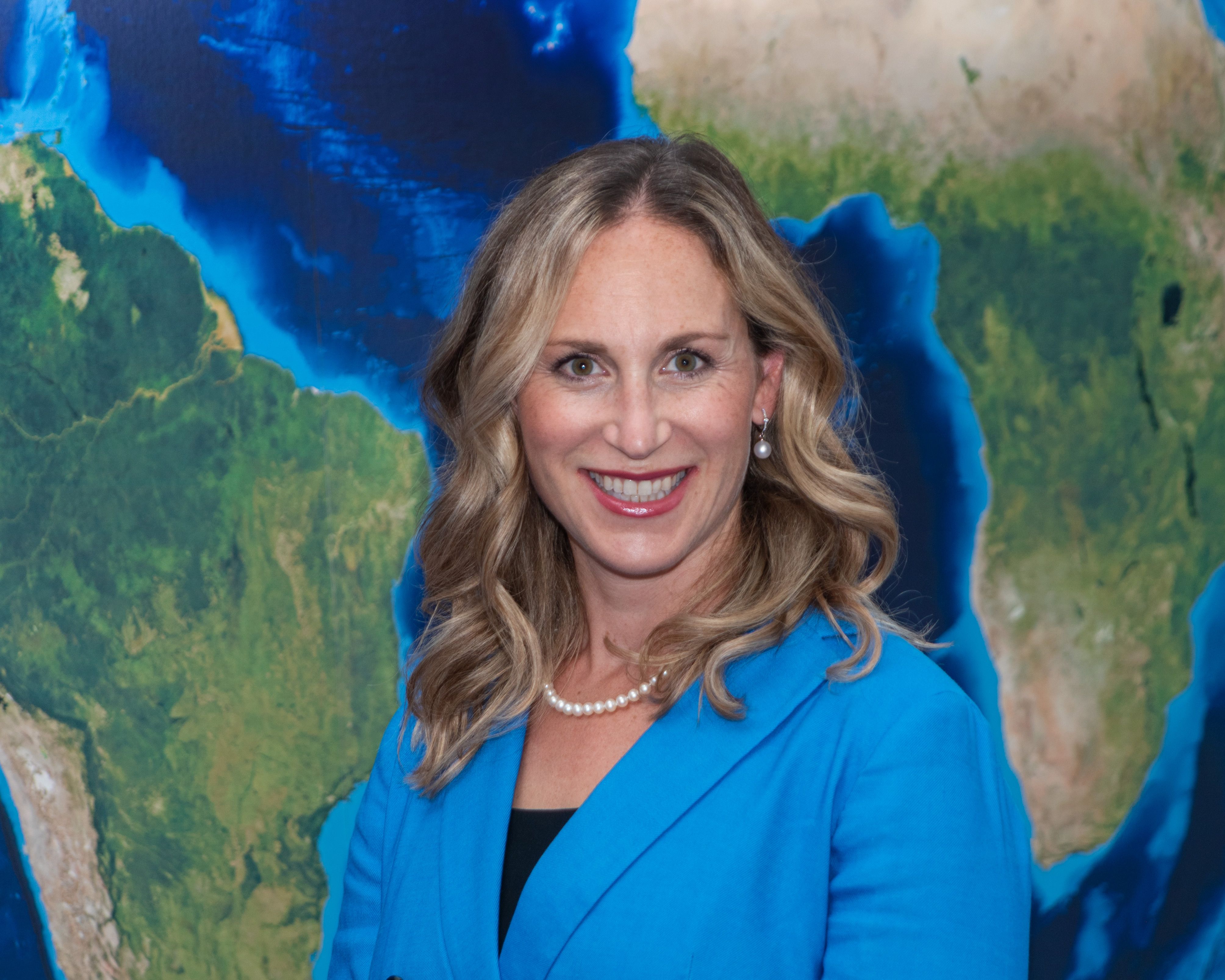
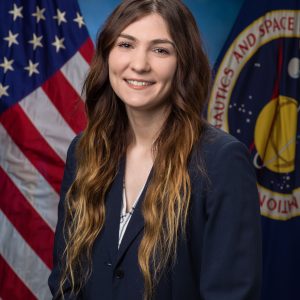
portrait of woman in blue blazer standing in front of an image of Earth
Dr. Dalia Kirschbaum, director of the Earth Science Division at NASA’s Goddard Space Flight Center in Greenbelt, Md., is one of three recipients of the American Geophysical Union’s 2023 Simpson Medal. Credit: NASA
NASA’s Goddard Space Flight Center

“To receive an award named after such a prolific and impactful woman is a true honor,” Kirschbaum said. Dr. Joanne Simpson was the first woman to receive a doctorate in meteorology. As a tribute to her, AGU awards the medal to individuals with exceptional leadership qualities and an unwavering passion for scientific advancement for public service. Like Simpson’s groundbreaking research on tropical clouds and hurricanes, this award highlights mid-career scientists who have also made significant scientific breakthroughs. Kirschbaum is one of three recipients of AGU’s Simpson medal this year.

“When I was an intern and Ph.D. researcher, I was fortunate enough to work at NASA and actually sit in Joanne Simpson’s office,” Kirschbaum said. “She had since retired but I was surrounded by her awards, her publications, and her contributions to NASA. She was one of the key scientific leaders to campaign for the Tropical Rainfall Measuring Mission (TRMM) and after the Global Precipitation Measurement (GPM) mission, which is still flying today. I have worked on TRMM and then GPM for my entire scientific career, which was all enabled by her tenacity, creativity, intelligence, and insight.”

The award highlights the achievements of a broad Earth science team working to benefit humanity, Kirschbaum said. TRMM and GPM data, for example, has helped communities around the globe estimate where rainfall-triggered landslides may occur.

Bolten’s award likewise commemorates work with a global impact. AGU selected Bolten for their International Award “for dedication to improving lives in Southeast Asia and Africa through development and training in the use of hydrological datasets and tools,” according to their citation.
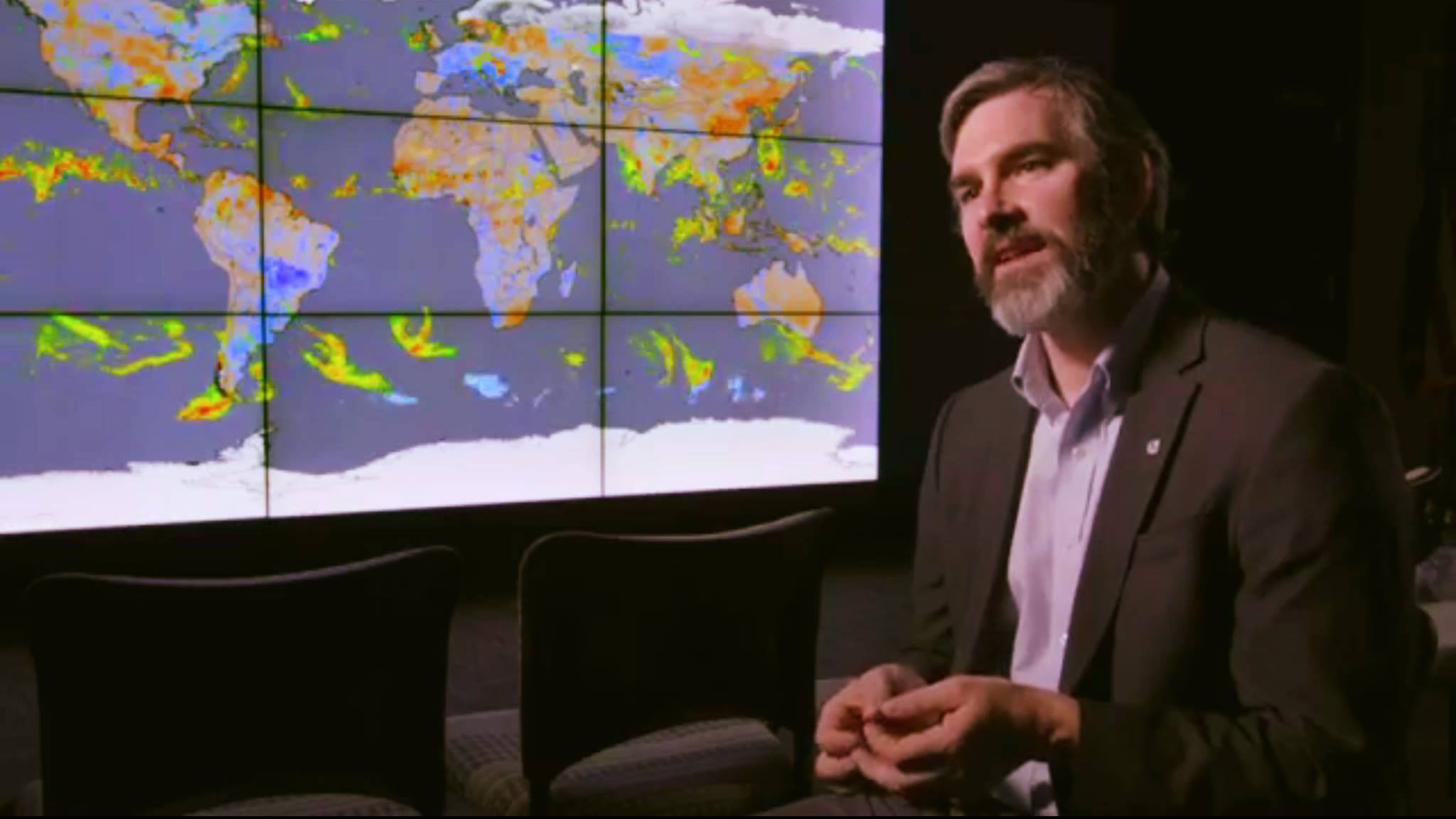
man in suit with a bank of computer monitors projecting a map of Earth in the background
Dr. John Bolten, who leads NASA Goddard’s Hydrological Sciences Lab, received AGU’s 2023 International Award.
NASA’s Goddard Space Flight Center

Bolten has developed several research products to aid in water resources management around the world. Much of the work has been supported by NASA’s Applied Science Program, which enables the agency’s data products to deliver societal benefits. Bolten served as the associate program manager for water resources in the program from 2014 to 2022.

“It is an incredible honor to serve the international community and to be recognized in this way,” Bolten said. “Thanks and kudos should be shared with the numerous NASA colleagues and collaborators I’ve had the privilege to work with. I am grateful for their contributions and am thrilled to be a part of the NASA family and make a positive impact in the world.”

Kirschbaum echoed the globally minded mentality: Among her priorities as director of Goddard’s Earth Sciences Division is to “bring together the best of what NASA provides for societal benefit,” she said. “Our team will continue to innovate and improve these capabilities to support the agency, the nation, and the world.”

Kirschbaum, who also received fellowship in AGU as part of her award, and Bolten will be recognized during the organization’s annual meeting in December.

Learn more about NASA’s landslide research at https://landslides.nasa.gov, and Goddard’s hydrology lab at https://science.gsfc.nasa.gov/earth/hydrology/.

By Angel Kumari
NASA’s Goddard Space Flight Center, Greenbelt, Md.

Share

Details

Last Updated

Sep 29, 2023

Editor

Rob Garner

Contact

Rob Garner
rob.garner@nasa.gov

Powered by WPeMatico

Get The Details…
Rob Garner
NASA Funds Eight Studies to Protect Astronaut Health on Long Missions 

NASA Funds Eight Studies to Protect Astronaut Health on Long Missions 

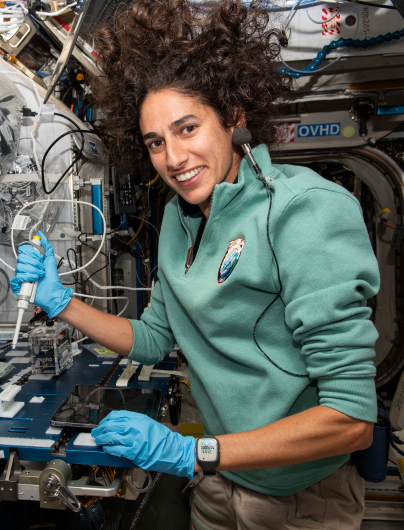
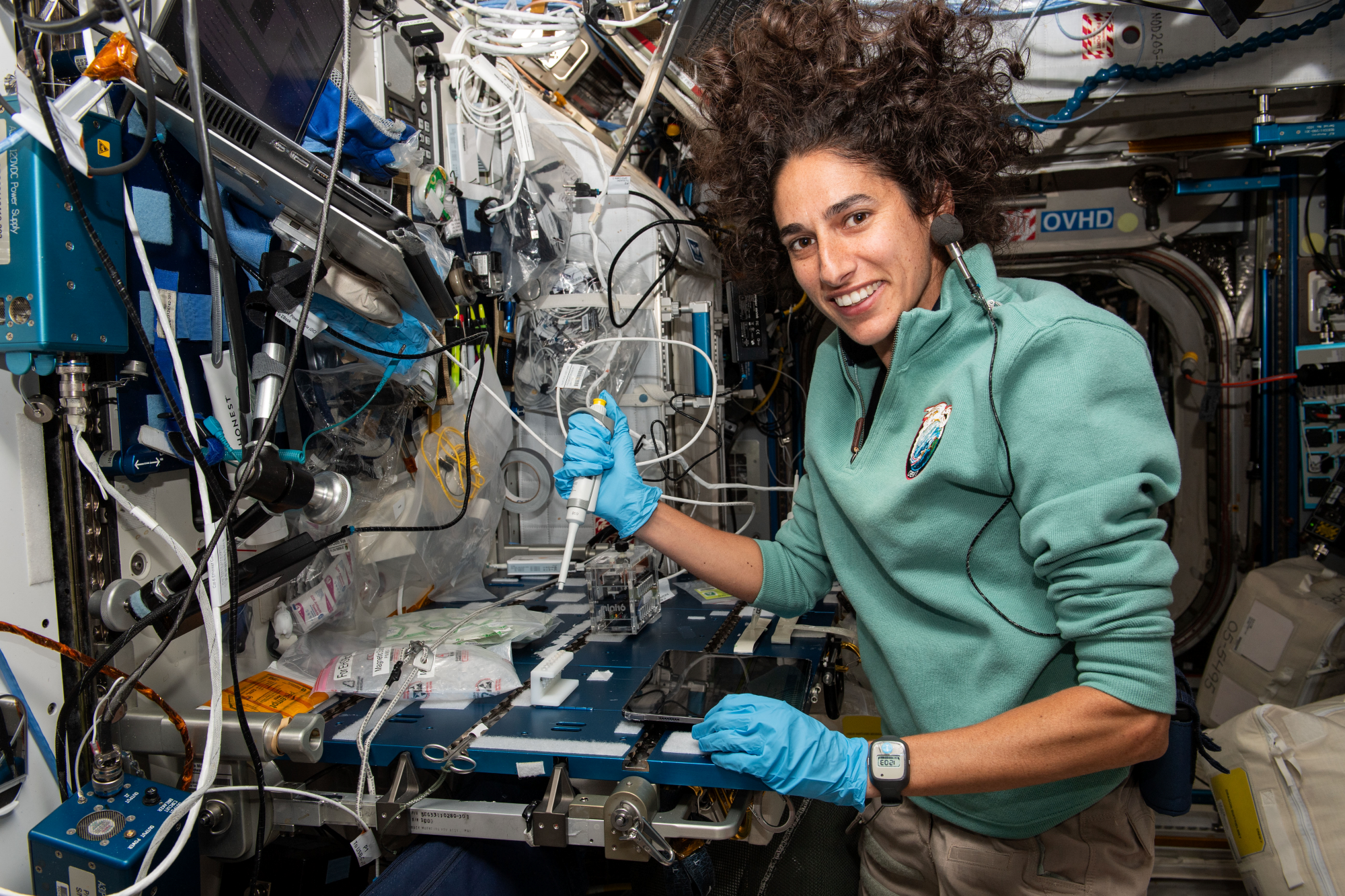
NASA astronaut Jasmin Moghbeli services microbe samples for DNA sequencing aboard the International Space Station.
NASA astronaut Jasmin Moghbeli works on microbe samples aboard the International Space Station. Studies newly funded by NASA’s Human Research Program aim to assess how astronauts adjust to spaceflight.
Credit: NASA

NASA is funding eight new studies aimed at better understanding how the human body reacts to spaceflight. These studies will be done on Earth without the need for samples and data from astronauts.

Collectively, these studies will help measure physiological and psychological responses to physical and mental challenges that astronauts may encounter during spaceflight. With this information, NASA may be better able to mitigate risks and protect astronaut health and performance during future long-duration missions to the International Space Station, the Moon, Mars, and beyond. 

The selected research projects were chosen from 60 proposals submitted in response to the 2023 Human Exploration Research Opportunities, Appendix A solicitation. They will address numerous spaceflight risks related to muscle and bone health, sex differences, crew autonomy and behavior, balance and disorientation, and inflammation of the brain or spinal cord. 

Proposals were independently reviewed by subject matter experts in academia, industry, and government using a dual anonymous peer review process to assess scientific merit. Top scoring proposals were assessed by NASA for relevance to the agency’s Human Research Roadmap before final selections were made. The cumulative award totals about $1.2 million in funding, spread across the projects. Funding for each project will last up to one year.

The selected investigators and their teams are: 

  • Heather Allaway, Louisiana State University and A&M College, “A time course of bone microarchitectural and material property changes in male and female mice during simulated unloading and spaceflight.” 
  • Kelly Crowe, Xavier University, “Assessment of Sialylation in Skeletal Muscle Atrophy due to Simulated Microgravity.” 
  • Anthony Lau, College of New Jersey, “Effects of Acute and Protracted Proton Radiation Exposure on Bone Health.” 
  • Ranjana Mehta, Texas A&M Engineering Experiment Station, “Characterizing and mitigating the interactive impacts of fatigue- and altered gravity-related stressors on sensorimotor, behavioral, and operational outcomes.” 
  • Kathleen Mosier, Teamscape LLC, “Negotiating Crew Autonomy during Space Operations.” 
  • Talmo Pereira, Salk Institute for Biological Studies, “Automated deep learning for spaceflight rodent behavior quantification and health phenotyping.” 
  • Shubhankar Suman, Georgetown University, “Senescent cell targeting to alleviate space radiation-induced neuroinflammation.” 
  • Danyal Turkoglu, Ultra Safe Nuclear Corporation – Space, “Radioisotope to Enable X-Ray Based Inflight Space Radiology.” 

______

NASA’s Human Research Program, or HRP, pursues the best methods and technologies to support safe, productive human space travel. Through science conducted in laboratories, ground-based analogs, and the International Space Station, HRP scrutinizes how spaceflight affects human bodies and behaviors. Such research drives HRP’s quest to innovate ways that keep astronauts healthy and mission-ready as space travel expands to the Moon, Mars, and beyond.

Powered by WPeMatico

Get The Details…
Nathan Cranford

Science in Space: Week of Sept. 29, 2023 – Fire Safety in Space

Science in Space: Week of Sept. 29, 2023 – Fire Safety in Space

Crew members aboard the International Space Station conducted a variety of scientific investigations during the week ending Sept. 29, 2023, including FLARE.

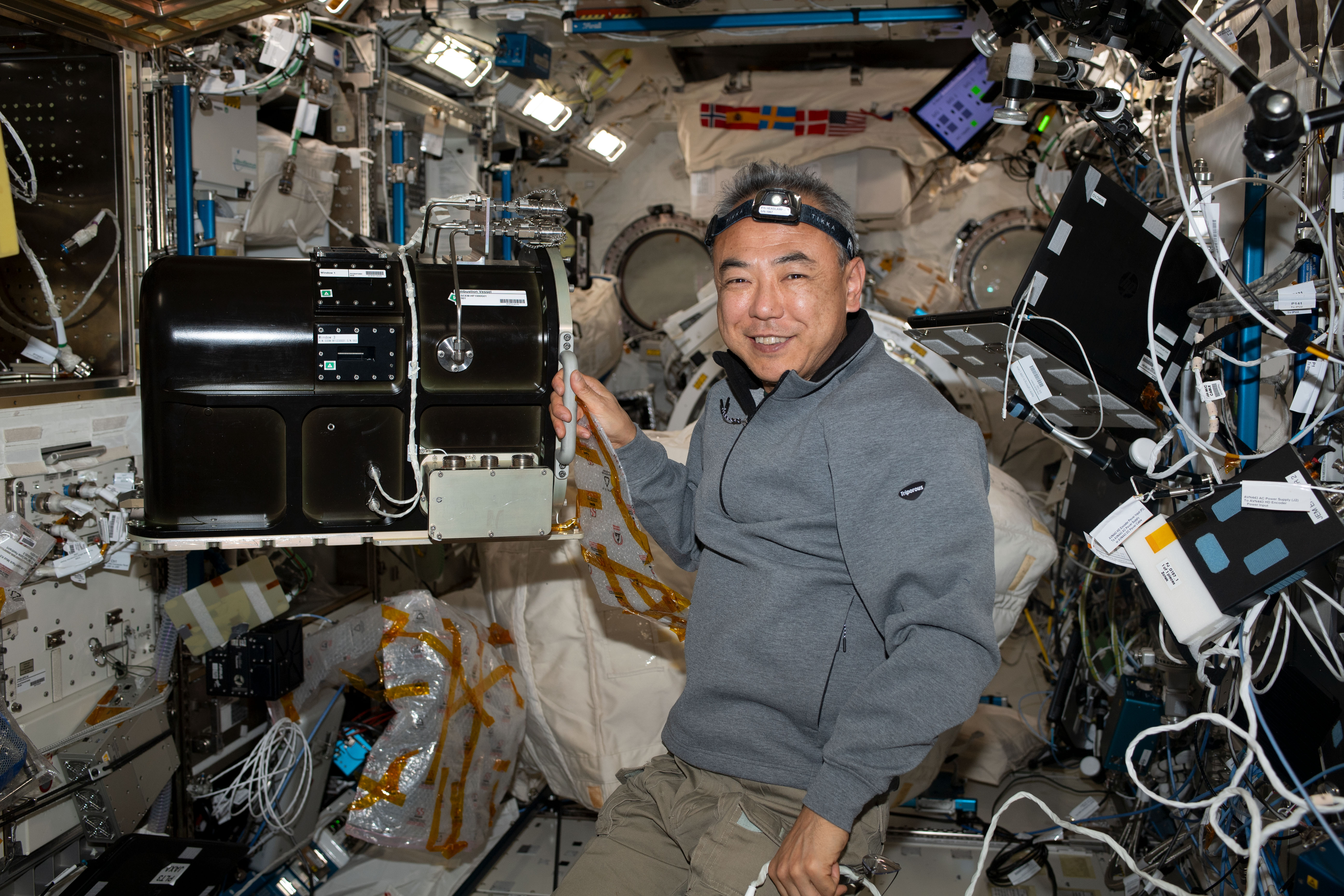
This JAXA (Japan Aerospace Exploration Agency) investigation explores the flammability of materials in microgravity. Current tests of materials that are used in crewed spacecraft do not consider gravity, which significantly affects combustion phenomena. The ability for flames to spread over solid materials, for example, is affected by the forces of buoyancy, which are absent in microgravity. Removing the effects of buoyancy by conducting combustion experiments in microgravity also gives researchers a better understanding of specific flame behaviors.

male astronaut setting up hardware for a combustion experiment
JAXA astronaut Satoshi Furukawa sets up hardware for the FLARE investigation.
NASA

Other investigations on the space station have examined the behavior, spread, and growth of fire. This work helps guide selection of spacecraft cabin materials, improve understanding of early fire growth behavior, validate models used to determine material flammability, and identify optimal fire suppression techniques. Developing ways to prevent and extinguish fire is of critical importance to the safety of crew members and vehicles in space and in confined spaces such as aircraft on Earth. These settings limit the options for suppressing fires and can be difficult to evacuate from.

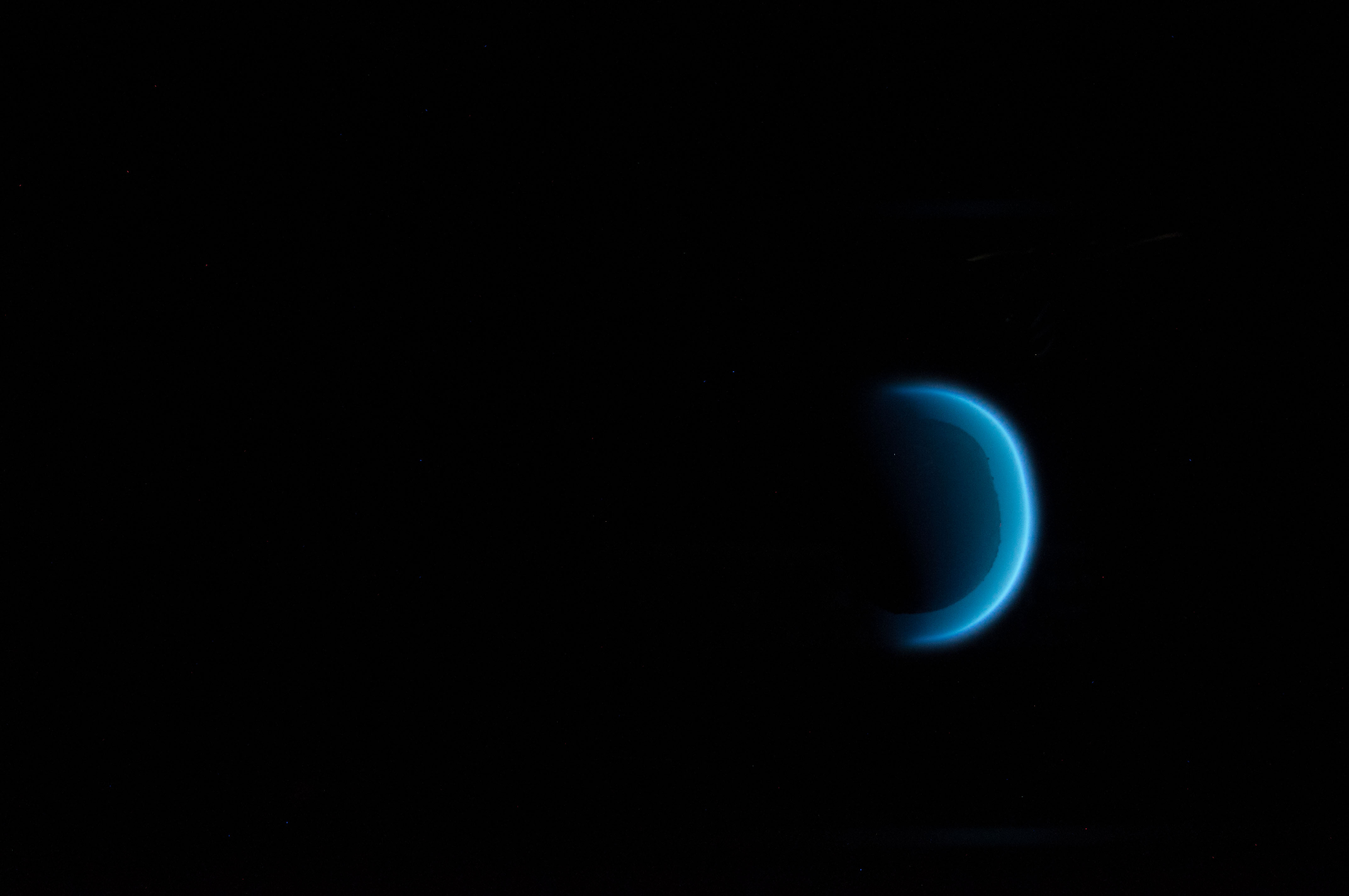
Burning and Suppression of Solids (BASS) was one of the first investigations to examine how to extinguish a variety of fuels burning in microgravity. Putting out fires in space must consider the geometry of the flame and characteristics of the materials and methods used to extinguish it, as those used on the ground could be ineffective or even make the flame worse. Analysis of 59 BASS burn tests provided data on heat flow, flame size, effects of fuel mixture flow, and other important parameters.

BASS-II examined the burning and extinction characteristics of a variety of fuel samples to test the hypothesis that materials burn as well if not better in microgravity than in normal gravity, given adequate ventilation and identical conditions such as pressure, oxygen concentration, and temperature. A number of papers have been published based on results from BASS-II, with findings including a report on the differences between flame spread and fuel regression and comparison of flame spread rates.

blue flame burning during combustion experiment
Image of a flame burning during the BASS experiments on extinguishing burning fuels.
NASA

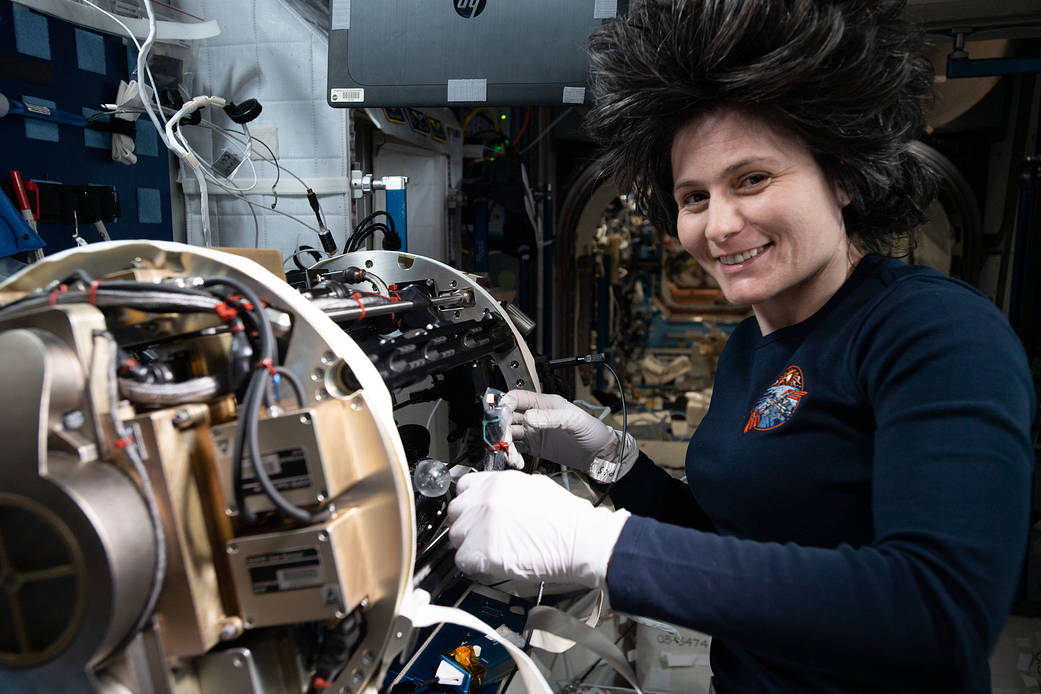
Solid Fuel Ignition and Extinction – Growth and Extinction Limit (SoFIE-GEL), a research collaboration between NASA and Roscosmos, analyzes how the temperature of a fuel affects material flammability. Researchers report that experimental observations agree with trends predicted by the models. This investigation is the first in a series using the SoFIE insert for the station’s Combustion Integrated Rack.

Astronaut Samantha Cristoforetti reconfigures combustion research components
ESA (European Space Agency) astronaut Samantha Cristoforetti works on the SoFIE-GEL investigation of materials flammability.
NASA

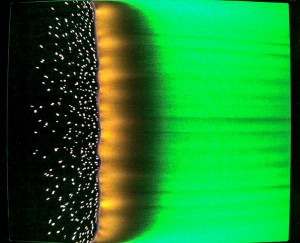
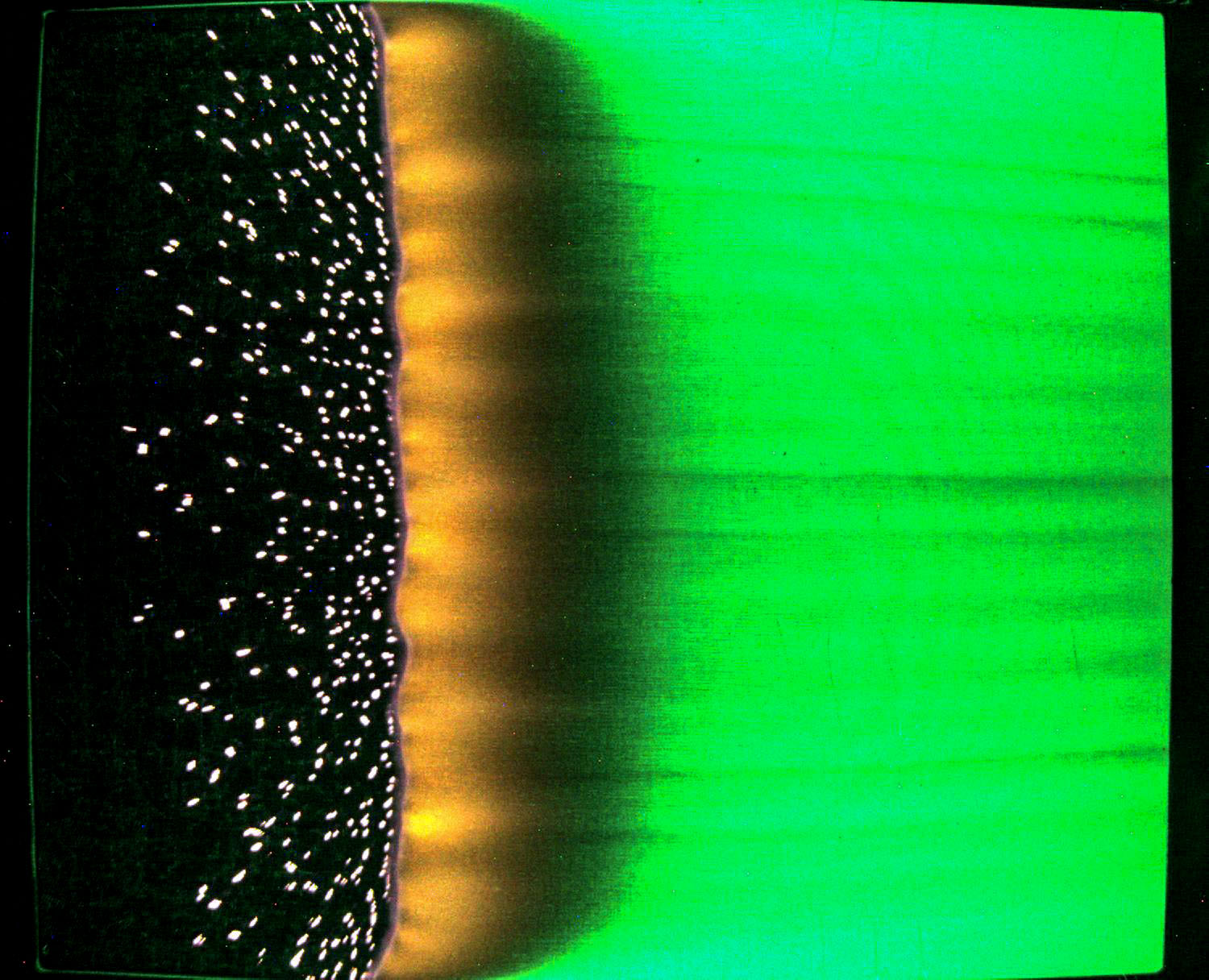
Saffire is a series of experiments conducted aboard uncrewed Cygnus cargo spacecraft after they depart the station. Using these cargo vehicles provides distance from the crewed station and enables tests of larger fires. Results have shown that a flame spreading over thin fabrics in microgravity reaches a steady spread rate and a limiting length, which can be used to establish the rate of heat release in a spacecraft, and found that reducing pressure slows down the flame spread.

green fabric burns from left to right with particles of ash on the left and a flame line in the center
A sample of fabric burns inside an uncrewed Cygnus cargo craft for the Saffire-IV experiment.
NASA

Confined Combustion, sponsored by the ISS National Lab, examines the behavior of flame spread in confined spaces of different shapes. Confinement has been shown to have significant effects on fire characteristics and hazards. Researchers report specifics on interactions between a flame and its surrounding walls and the fate of the flame, such as growth or extinction. These data provide guidance for design of structures and fire safety codes and response in space and on Earth. Other results suggest that confinement can increase or decrease solid fuel flammability depending on conditions. Researchers also demonstrated that color pyrometry – capturing flame emission simultaneously at three broad spectral bands – can determine the temperature of a flame without disrupting its spread.

Flame studies help keep crews in space and people on Earth safe. This research also can lead to more efficient combustion, reducing impurities and producing greener and more efficient flames for uses on Earth such as heating and transportation.

Powered by WPeMatico

Get The Details…
Ana Guzman

Near-Earth Asteroids as of September 2023

Near-Earth Asteroids as of September 2023

1 min read

Near-Earth Asteroids as of September 2023

September 2023

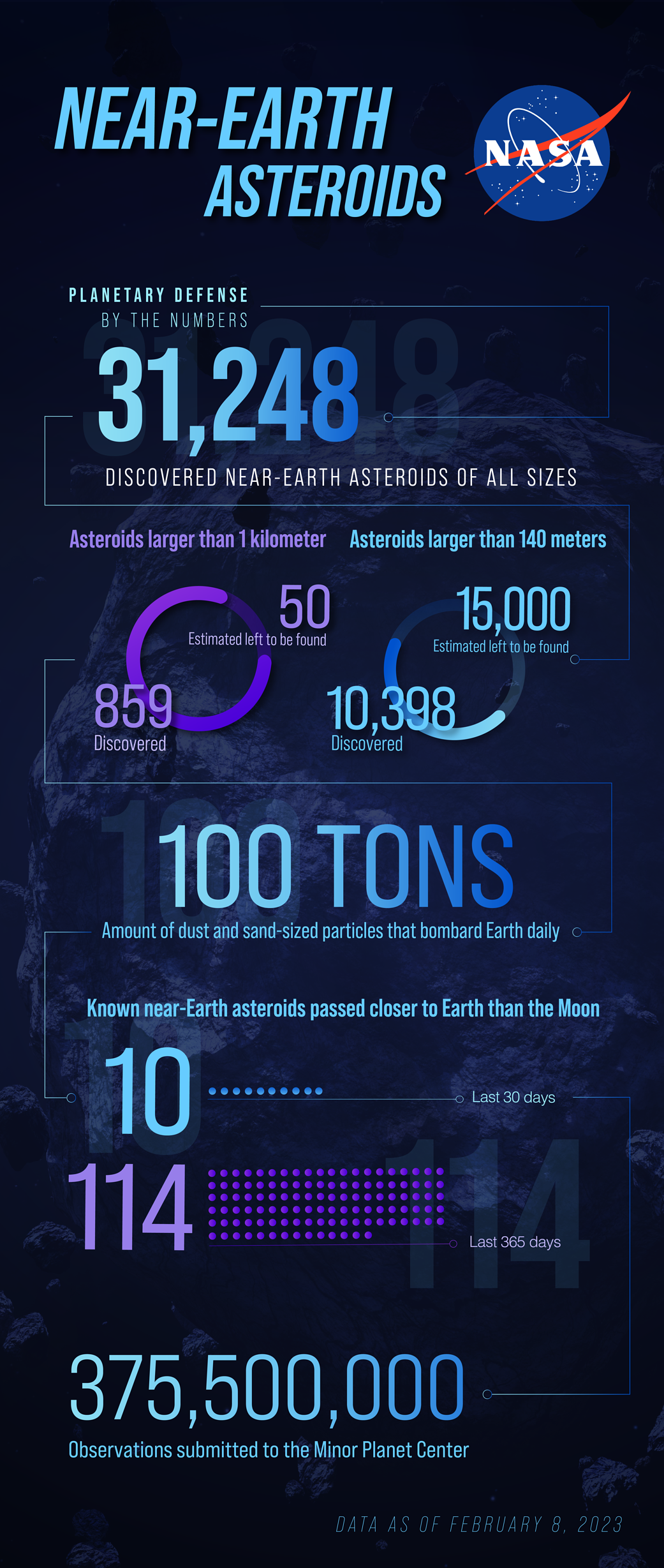
Labeled infographic highlighting to-date near-Earth asteroid data from NASA’s Planetary Defense Coordination Office.
Near-Earth Asteroids: Planetary Defense by the Numbers – February 2023

Each month, NASA’s Planetary Defense Coordination Office releases a monthly update featuring the most recent figures on NASA’s planetary defense efforts, near-Earth object close approaches, and other timely facts about comets and asteroids that could pose an impact hazard with Earth. Here is the what we’ve found for September. 

Powered by WPeMatico

Get The Details…

Life Encapsulated: Inside NASA’s Orion for Artemis II Moon Mission

Life Encapsulated: Inside NASA’s Orion for Artemis II Moon Mission

5 min read

Life Encapsulated: Inside NASA’s Orion for Artemis II Moon Mission

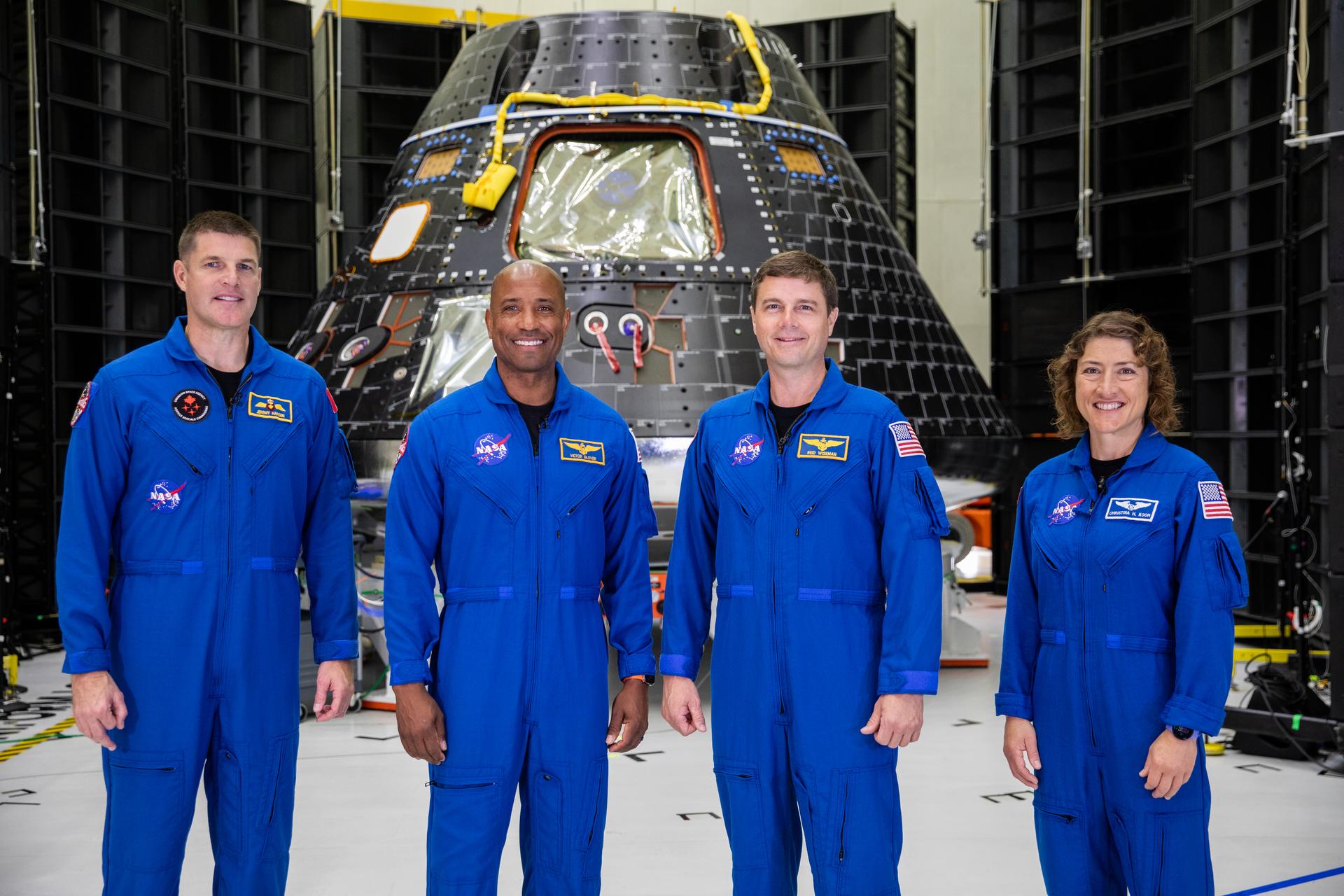
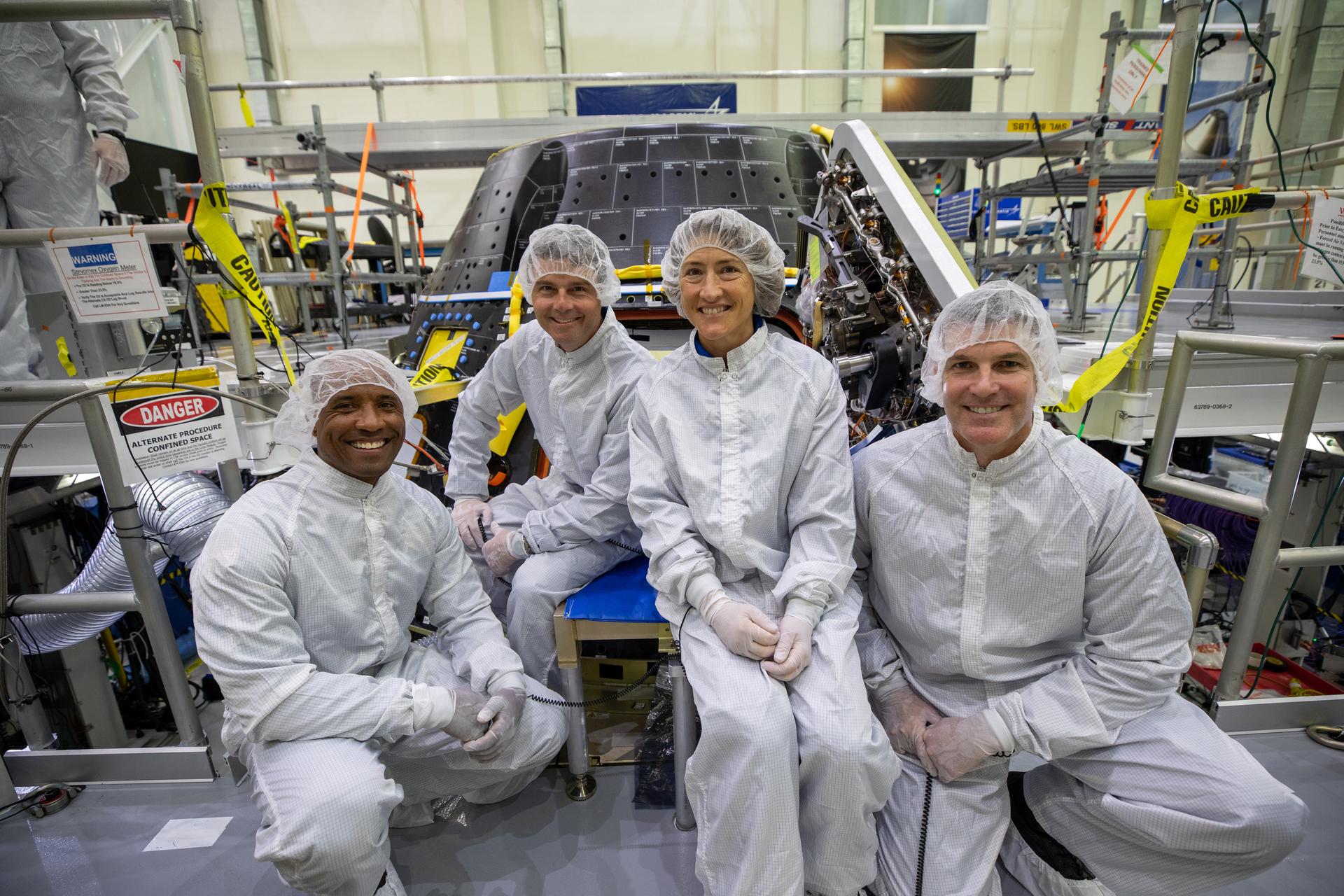
Artemis II crew members, shown inside the Neil Armstrong Operations and Checkout Building at NASA’s Kennedy Space Center in Florida, stand in front of their Orion crew module on Aug. 8, 2023. From left are: Jeremy Hansen, mission specialist; Victor Glover, pilot; Reid Wiseman, commander; and Christina Hammock Koch, mission specialist.

On NASA’s upcoming Artemis II mission, four astronauts will fly inside the Orion spacecraft and venture around the Moon, becoming the first to lay their eyes on our celestial neighbor at a relatively close distance in more than 50 years.

Orion will be home for NASA astronauts Reid Wiseman, Victor Glover, and Christina Koch, and Canadian Space Agency (CSA) astronaut Jeremy Hansen during their 600,000-mile, nearly 10-day journey. They will live and work in Orion’s crew module while its service module provides the essential commodities astronauts need to stay alive, including potable water and nitrogen and oxygen to breathe.

As the first time astronauts will fly aboard Orion, Artemis II will include several objectives to check out many of the spacecraft’s life support systems operating in space for the first time. The crew will provide valuable feedback for future Artemis missions to the Moon.

Artemis II crew members inspect their Orion crew module inside the high bay of the Neil A. Armstrong Operations and Checkout Building at NASA’s Kennedy Space Center in Florida, on Aug. 7, 2023.

Spacecraft Life

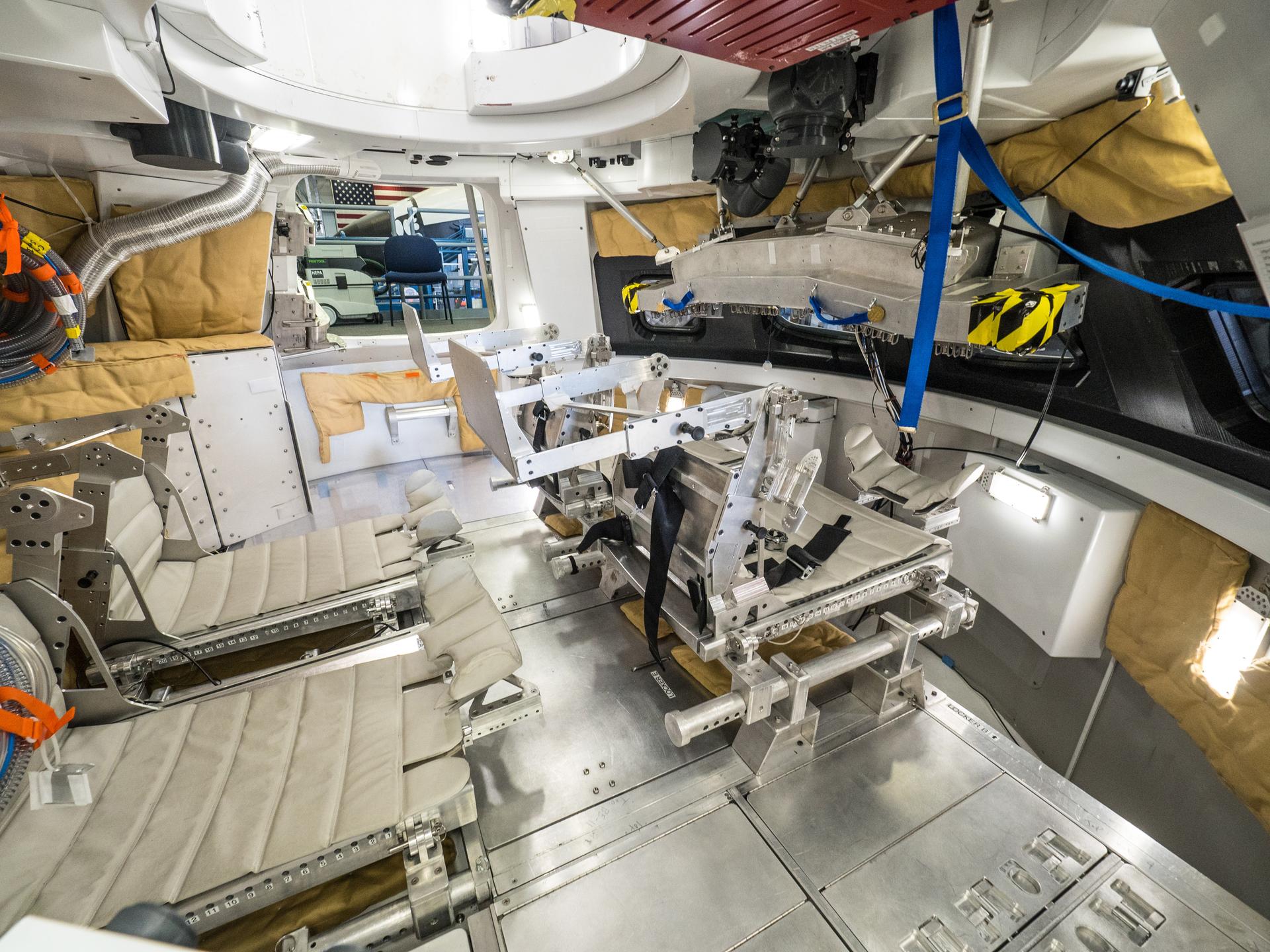
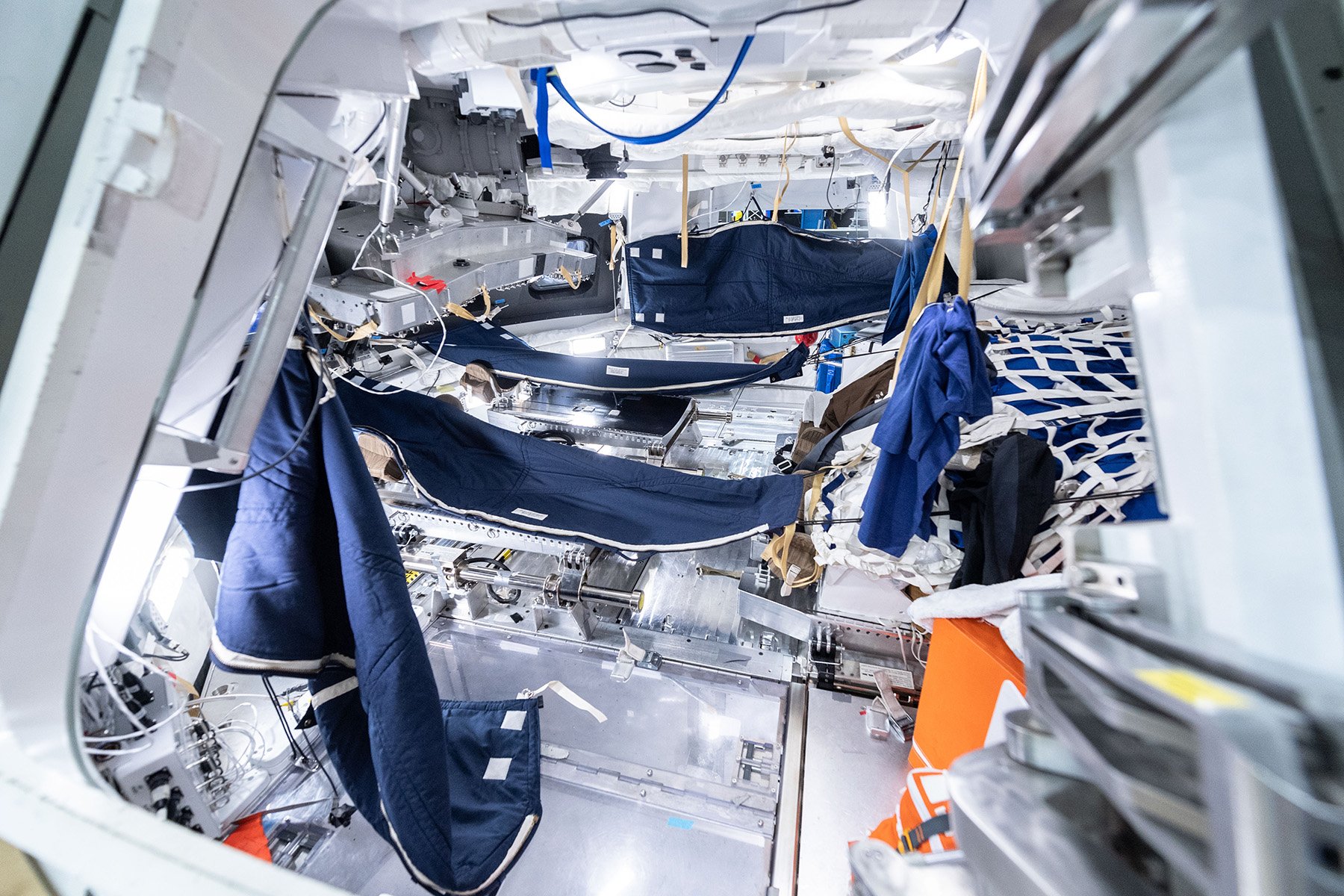
Orion’s cabin has a habitable volume of 330 cubic feet, giving the crew about as much living space as two minivans. After their ride to space atop NASA’s SLS (Space Launch System) rocket, the crew will stow Koch and Hansen’s seats until the day of return, giving them more room to move around during the flight. The backs of Wiseman and Glover’s seats, as commander and pilot respectively, will remain out but their foot pans will be stowed. Orion has nearly 60 percent more space than the Apollo command module’s 210 cubic feet.

A view of the interior of the Orion spacecraft medium-fidelity mockup used for astronaut training and systems familiarization at NASA’s Johnson Space Center in Houston.

What’s on the Menu?


Food scientists in the Space Food Systems Laboratory at the agency’s Johnson Space Center in Houston are working with the crew to pre-select their meals long before departing Earth. While they won’t have the day-to-day options that a space station crew has during their expeditions, the Artemis II astronauts will have a set menu based on their personal preferences and nutritional needs. Orion is outfitted with a water dispenser and food warmer to rehydrate and heat food, and the crew will have dedicated meal times in their schedule to refuel.

Artemis II crew members undergo food testing in the Space Food Systems Laboratory at NASA’s Johnson Space Center, where they rate and choose foods that they want to bring with them on their journey around the Moon.
NASA/James Blair

Fit for Flight

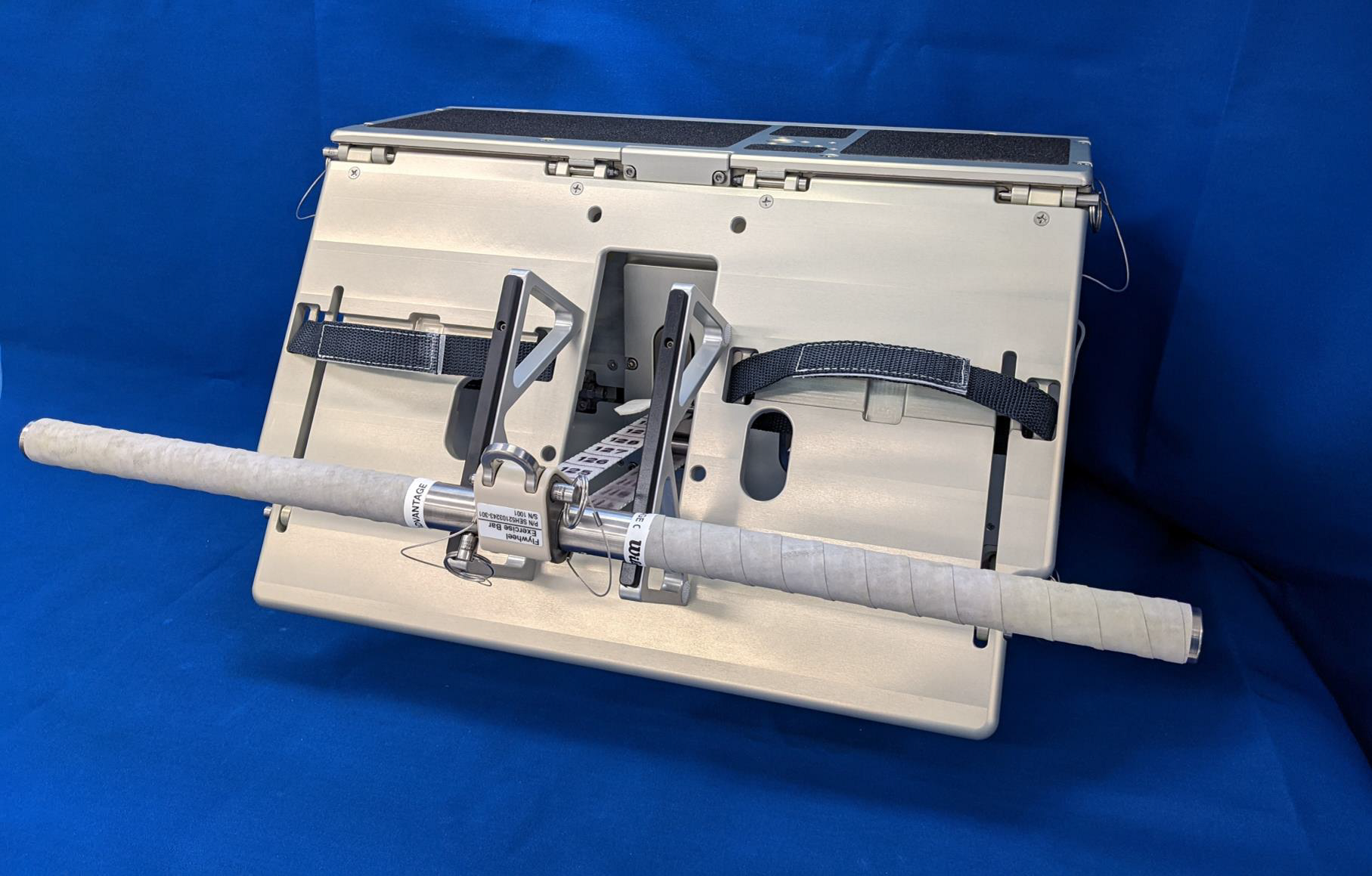
Each astronaut will dedicate 30 minutes daily to exercise, minimizing the muscle and bone loss that occurs without gravity. Orion is equipped with a flywheel, a small device installed directly below the side hatch used to enter and exit Orion and will conveniently be used as a step when the crew get inside Orion on launch day. The flywheel is a simple cable-based device for aerobic exercises like rowing and resistance workouts like squats and deadlifts. It works like a yo-yo, giving astronauts as much load as they put into it, maxing out at 400 pounds.

On the International Space Station, astronauts have several exercise machines that collectively weigh more than 4,000 pounds and occupy about 850 cubic feet. While effective for space station crew members, Orion’s exercise equipment must accommodate more stringent mass and volume constraints. The flywheel weighs approximately 30 pounds and is slightly smaller than a carry-on suitcase.  

The Artemis II crew will exercise on Orion using a flywheel, a simple cable-based device for aerobic exercises like rowing and resistance workouts like squats and deadlifts. It works like a yo-yo, giving astronauts as much load as they put into it, maxing out at 400 pounds.

Keeping it Clean

The hygiene bay includes doors for privacy, a toilet, and space for the crew to bring in their personal hygiene kits. The kits typically include items like a hairbrush, toothbrush and toothpaste, soap, and shaving supplies. Astronauts can’t shower in space but use liquid soap, water, and rinseless shampoo to remain clean.

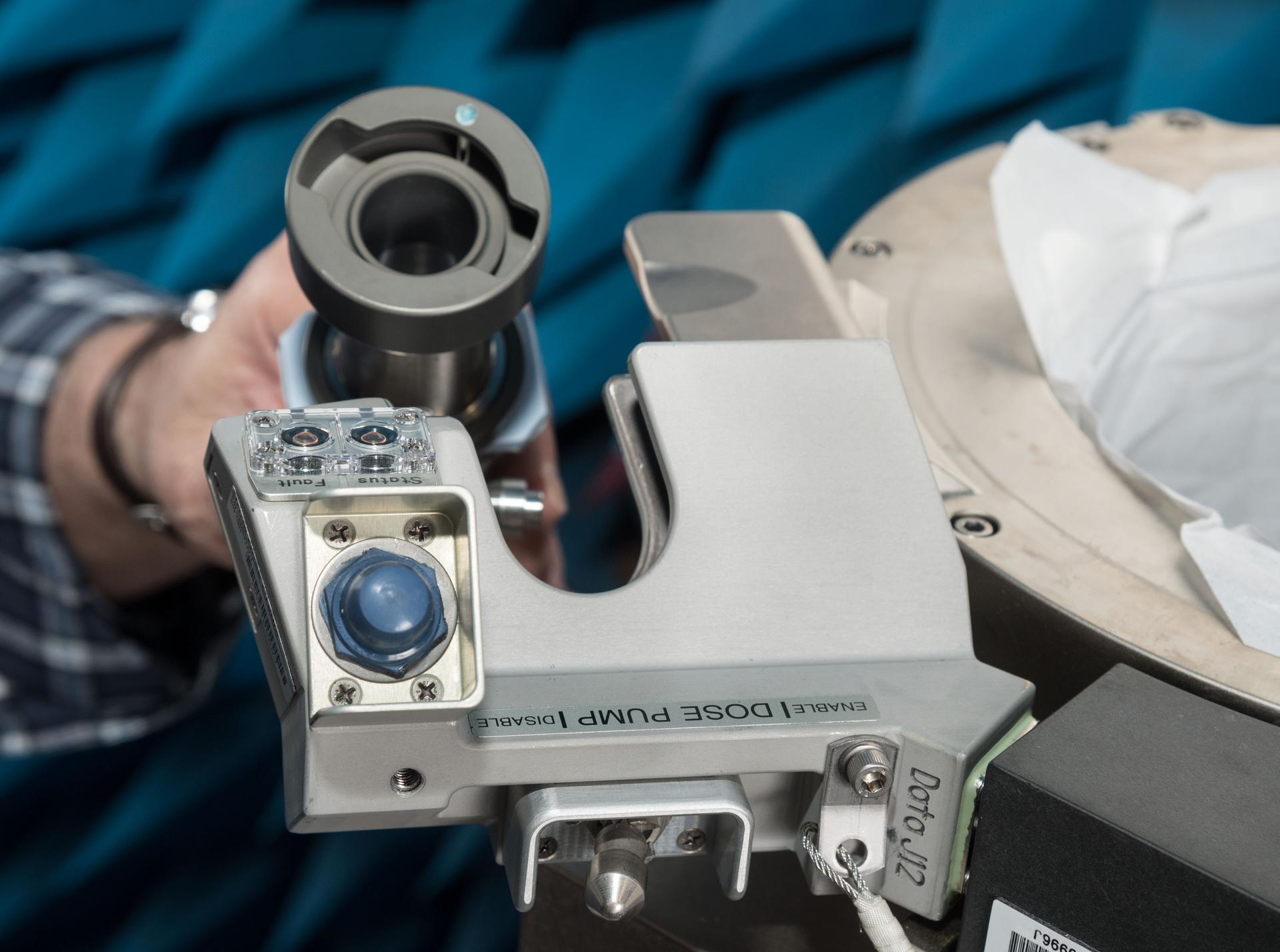
When nature inevitably comes calling, crew members will use Orion’s toilet, the Universal Waste Management System, a feature Apollo crews did not have. Nearly identical to a version flying on  NASA’s space station, the system collects urine and feces separately. Urine will be vented overboard while feces are collected in a can and safely stowed for disposal upon return.

Should the toilet malfunction, the crew will be able to use collapsible contingency urinals, a system that collects urine in a bag and interfaces with the venting system to send the urine overboard. With two different styles designed to accommodate both females and males, the bags hold about a liter of urine each. Should the UWMS fail, the crew will still use the toilet for fecal collection, only without the fan that helps with fecal separation.

A team member at Johnson Space Center in Houston demonstrates lifting the urine hose of the Universal Waste Management System out of its cradled position like a crew member would for use. A funnel (not shown) is attached to the open end of this hose and can then be easily replaced or removed for disinfection. 

Medical Care

In case of minor medical needs during the mission, Orion will have a medical kit on board that includes everything from basic first aid items to diagnostic tools, such as a stethoscope and an electrocardiogram, that can be used to provide data to physicians on the ground. The crew will also have regular private medical conferences with flight surgeons in mission control to discuss their health and well-being.

Catching Some Shuteye

With a jam-packed schedule, the Artemis II crew will have a full eight hours of sleep built into their schedule to ensure they’re well rested and can make the most of their mission. For most of the mission, all four crew will sleep at the same time, attaching sleeping bags to Orion’s walls for some shuteye.

Artemis II crew sleeping bag configurations are tested in the Orion spacecraft medium-fidelity mockup at NASA’s Johnson Space Center in Houston, used for astronaut training and systems familiarization.

Keeping in Touch

Inside Orion, the astronauts will use a handheld microphone and speaker or wear a headset to communicate with mission controllers, conduct medical checks with flight physicians, and catch up with their families. The crew will also have tablets and laptops they can use to review procedures and load entertainment onto before launch.

Artemis II will confirm all Orion’s systems operate as designed with crew aboard in the actual environment of deep space. The mission will pave the way for future lunar surface missions, including by the first woman and first person of color, establishing long-term lunar science and exploration capabilities, and inspire the next generation of explorers – The Artemis Generation.

About the Author

Erika Peters

Erika Peters

Share

Details

Last Updated

Sep 29, 2023

Powered by WPeMatico

Get The Details…
Erika Peters