NASA Invites Media to First Astrobotic, ULA Robotic Artemis Moon Launch 

NASA Invites Media to First Astrobotic, ULA Robotic Artemis Moon Launch 
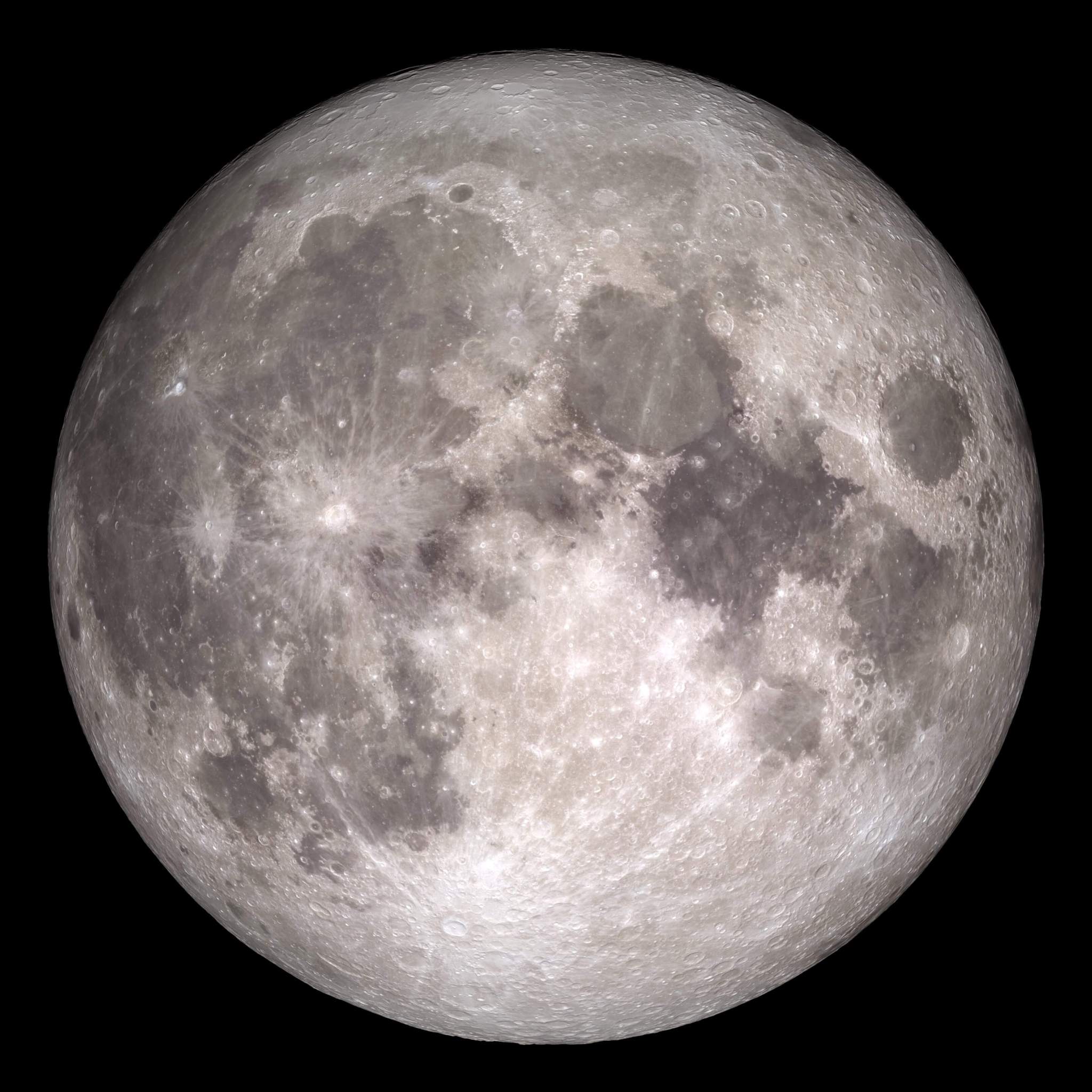
The first United States commercial robotic landing on the Moon’s surface as part of NASA’s Commercial Lunar Payload Services initiative and Artemis program are scheduled to occur in early 2024. 
Credit: NASA/LRO

Media accreditation is open for the first United States commercial robotic flight to the Moon’s surface as part of NASA’s CLPS (Commercial Lunar Payload Services) initiative and Artemis program.

Carrying NASA and commercial payloads, Astrobotic will launch its Peregrine lander on United Launch Alliance’s (ULA) Vulcan rocket no earlier than Sunday, Dec. 24, from Space Launch Complex 41 at the Cape Canaveral Space Force Station in Florida. This is the inaugural launch of ULA’s new Vulcan rocket.

Astrobotic’s Peregrine Mission One will land on the Moon in early 2024. The NASA payloads aboard the lunar lander aim to help the agency develop capabilities needed to explore the Moon under Artemis ahead of sending astronauts to the lunar surface.

Media prelaunch and launch activities will take place at NASA’s Kennedy Space Center in Florida. Attendance for this launch is open to U.S. citizens and international media. U.S. media must apply by Friday, Dec. 8, and international media must apply by Thursday, Nov. 9.

Media interested in participating in person must apply at:

https://media.ksc.nasa.gov

Credentialed media will receive a confirmation email upon approval. NASA’s media accreditation policy is available online. For questions about accreditation or to request special logistical support such as space for satellite trucks, tents, or electrical connections, please email by Wednesday, Dec. 13, to: ksc-media-accreditat@mail.nasa.gov. For other questions, please contact NASA Kennedy’s newsroom at: 321-867-2468.

Para obtener información sobre cobertura en español en el Centro Espacial Kennedy o si desea solicitar entrevistas en español, comuníquese con Antonia Jaramillo o Messod Bendayan a: antonia.jaramillobotero@nasa.gov o messod.c.bendayan@nasa.gov.

In May 2019, NASA awarded Astrobotic its first CLPS task order. The commercial flight is tracking to become the first launch of the eight delivery orders the agency has awarded to date. NASA is working with multiple vendors to establish a regular cadence of payload lunar deliveries to perform experiments, test technologies, and demonstrate capabilities. Robotically exploring the lunar surface through CLPS will help NASA collect relevant science data, ultimately advancing our lunar knowledge ahead of Artemis missions with crew on and around the Moon.

For more information about the agency’s Commercial Lunar Payload Services initiative at:

https://www.nasa.gov/clps

-end-

Karen Fox
Headquarters, Washington
202-358-1275
karen.fox@nasa.gov

Nilufar Ramji
Johnson Space Center, Houston
281-483-5111
nilufar.ramji@nasa.gov

Antonia Jaramillo
Kennedy Space Center, Florida
321-501-8425
antonia.jaramillobotero@nasa.gov

Share

Details

Last Updated

Nov 03, 2023

Related Terms

Powered by WPeMatico

Get The Details…
Roxana Bardan
Early Production Continues on Advanced Upper Stage for NASA Moon Rocket

Early Production Continues on Advanced Upper Stage for NASA Moon Rocket

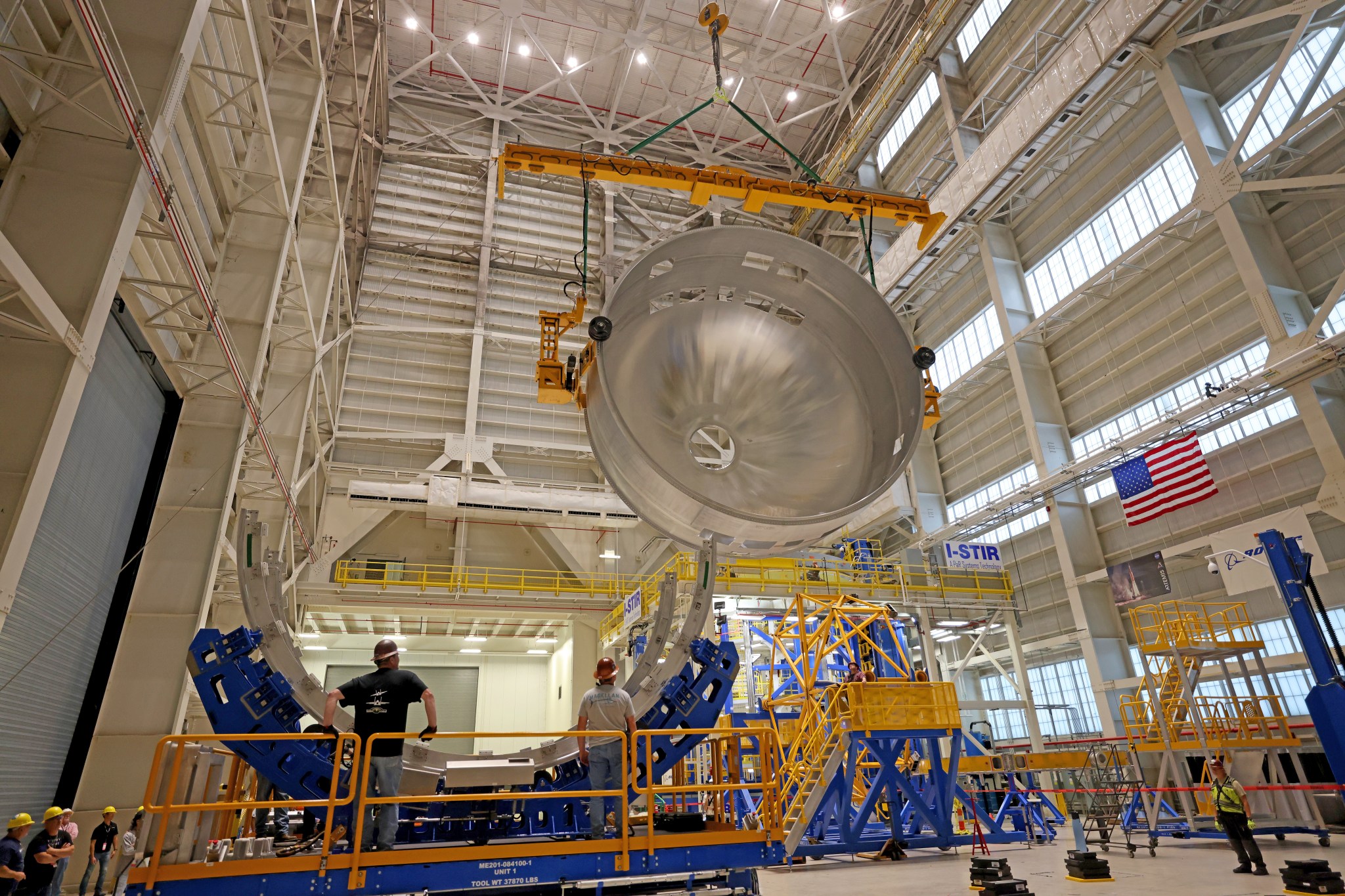
Technicians at NASA’s Michoud Assembly Facility in New Orleans have completed a major portion of a weld confidence article for the advanced upper stage of NASA’s SLS (Space Launch System) rocket. The hardware was rotated to a horizontal position and moved to another part of the facility Oct. 24.
NASA/Michael DeMocker

Link to full image

Technicians at NASA’s Michoud Assembly Facility in New Orleans have completed a major portion of a weld confidence article for the advanced upper stage of NASA’s SLS (Space Launch System) rocket. The hardware was rotated to a horizontal position and moved to another part of the facility Oct. 24.

The weld confidence article forms part of the liquid oxygen tank for the SLS rocket’s exploration upper stage and is the fifth of seven weld confidence articles engineers are manufacturing for the evolved SLS Block 1B configuration of the SLS rocket. Beginning with Artemis IV, SLS will evolve to its more powerful Block 1B configuration with the advanced upper stage that gives the rocket the capability to launch 40% more to the Moon along with Artemis astronauts inside NASA’s Orion spacecraft.

Teams use weld confidence articles to verify welding procedures, interfaces between the tooling and hardware, and structural integrity of the welds. The dome of the liquid oxygen tank weld confidence article was first welded to its structural ring at NASA’s Marshall Space Flight Center in Huntsville, Alabama, using friction stir welding tooling. The hardware was transported to Michoud, where Michoud crews in the Liquid Oxygen Tank Assembly Center (LTAC) finished welding the hardware. Marshall and Michoud engineers simultaneously conducted testing and analysis on the hardware to validate welding parameters.

In tandem, NASA and Boeing, the SLS lead contractor for the core stage and exploration upper stage, are producing structural test articles and flight hardware structures for the upper stage at Marshall and Michoud.

NASA is working to land the first woman and first person of color on the Moon under Artemis. SLS is part of NASA’s backbone for deep space exploration, along with Orion and the Gateway in orbit around the Moon, and commercial human landing systems. SLS is the only rocket that can send Orion, astronauts, and supplies to the Moon in a single mission.

For more on NASA SLS visit:

https://www.nasa.gov/humans-in-space/space-launch-system/

Corinne Beckinger
Marshall Space Flight Center, Huntsville, Ala.
256.544.0034
corinne.m.beckinger@nasa.gov

Powered by WPeMatico

Get The Details…
Lee Mohon

NASA ASTRO CAMP® Sets New Record While Providing STEM Opportunities

NASA ASTRO CAMP® Sets New Record While Providing STEM Opportunities

3 min read

NASA ASTRO CAMP® Sets New Record While Providing STEM Opportunities

Another year equals another record as NASA’s ASTRO CAMP® initiative reached across the nation and beyond to help a broad spectrum of students learn about NASA and STEM (science, technology, engineering, and mathematics).

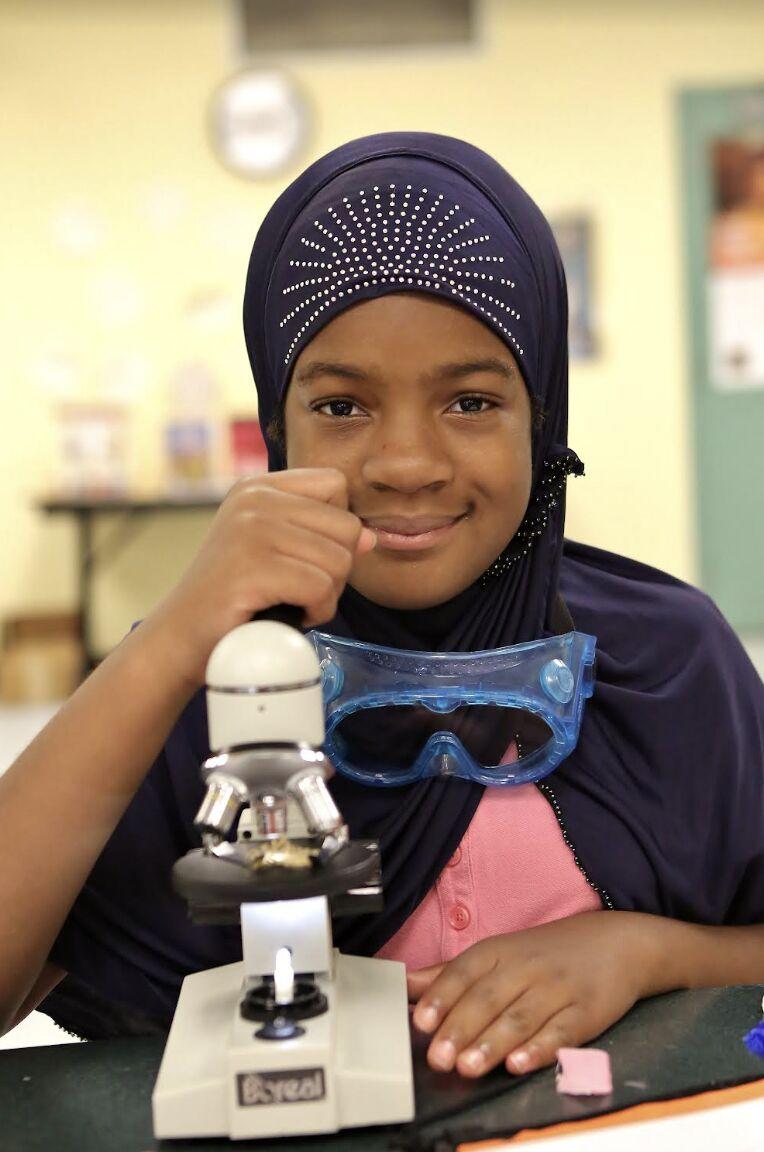
a young female child poses with a microscope
A NASA ASTRO CAMP® participant engages with a NASA STEM (science, technology, engineering, and mathematics) activity at the Arizona Science Center in Phoenix, Arizona.
Arizona Science Center

The NASA ASTRO CAMP® Community Partners (ACCP) program surpassed previous milestone marks during fiscal year 2023 by partnering with 331 community sites, including 31 outside the United States, to inspire youth, families, and educators. Participants included students from various population segments, focusing on students from underrepresented groups, accessibility for differently-abled students, and reaching under-resourced urban and rural settings.

“We honor the schools and organizations that have created programs to inspire and encourage young people who may be interested in a future career in STEM,” said Kelly Martin-Rivers, principal investigator for NASA’s ACCP. “Many STEM programs are not recognized for their success, dedication, and mentorship for underrepresented students. ACCP partner sites provide a minimum of 30 hours of NASA STEM activities, and we are proud to honor these programs for bringing quality STEM programs and open access to students everywhere.”

In addition to reaching communities across the country during the most-recent fiscal year, the NASA ACCP program partnered with international sites in Qatar, Ecuador, Mexico, India, Ukraine, and Spain. Overall, more than 115,000 students took part in the program, a more than 300% increase from the 35,000-plus who participated the previous year.

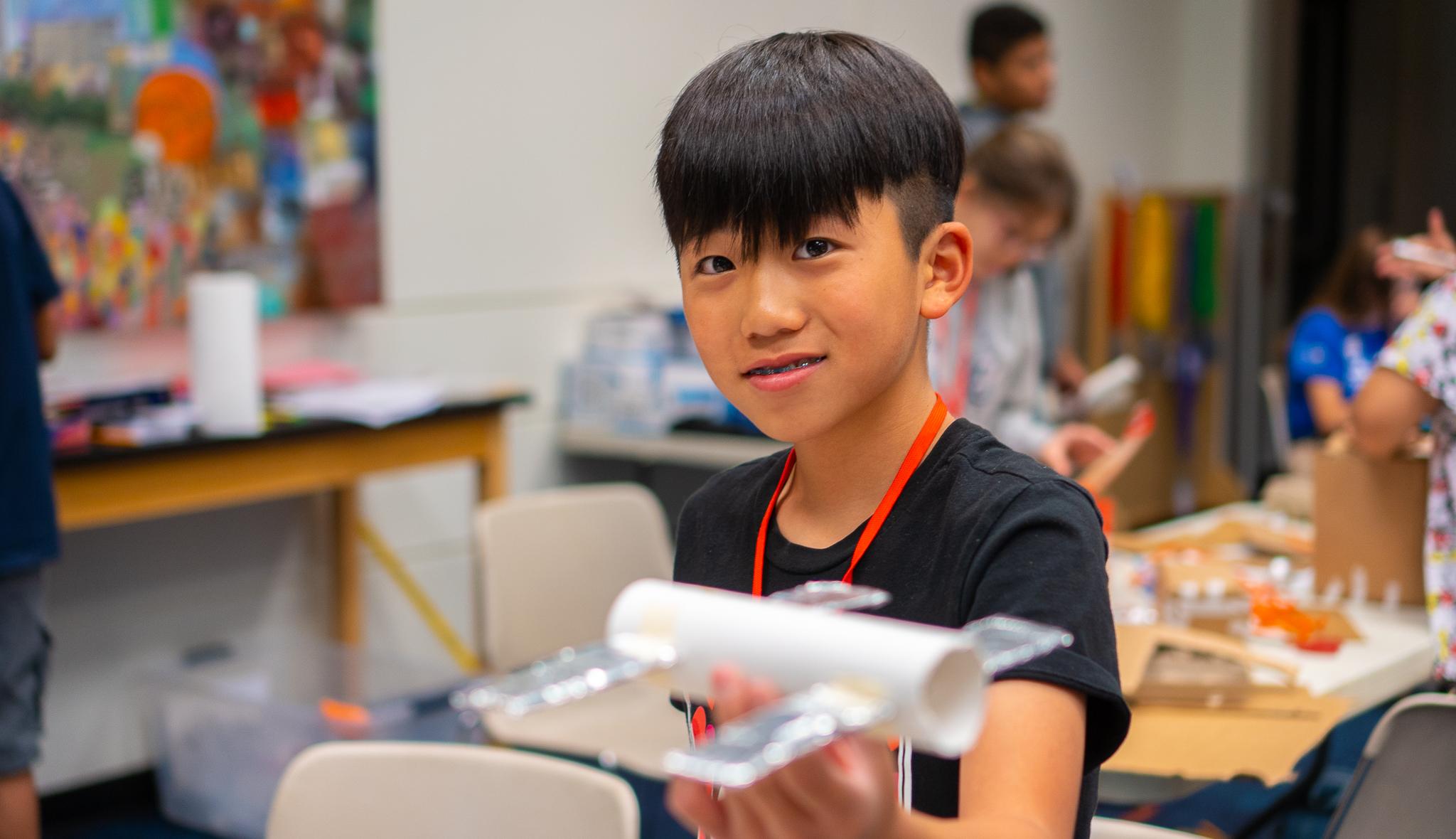
A camp participant shows his handmade satellite
A NASA ASTRO CAMP® participant shows his handmade satellite at the Arizona Science Center in Phoenix, Arizona.
Arizona Science Center
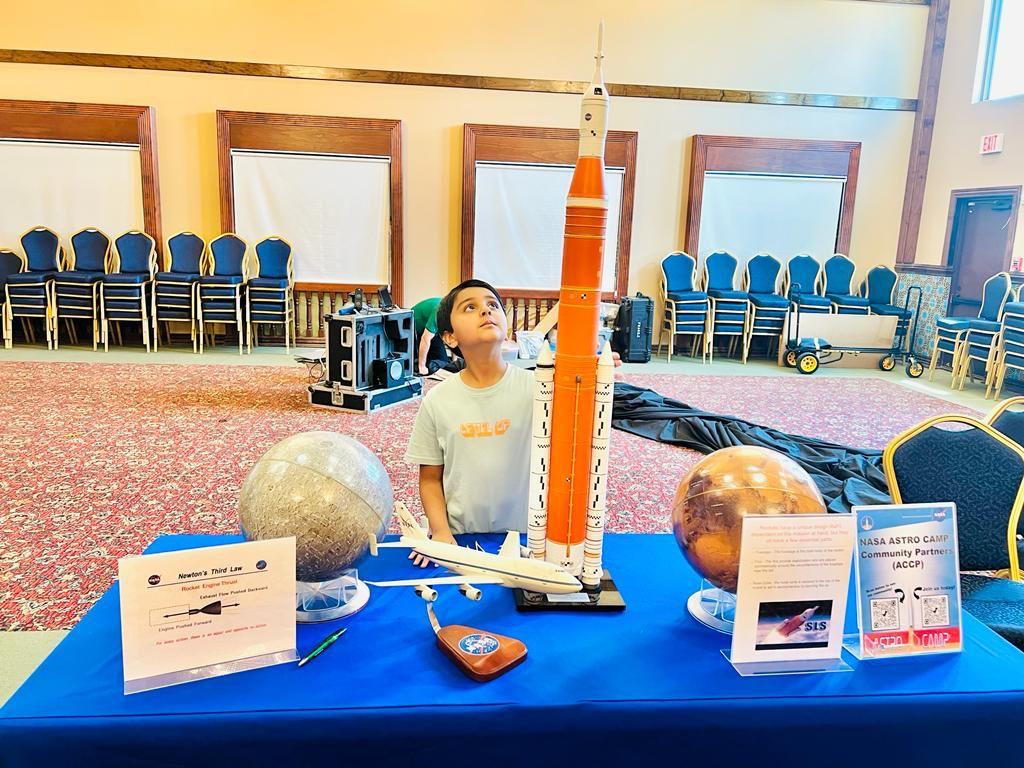
A young male child looking at a model of NASA's SLS rocket
A NASA ASTRO CAMP® participant looks at a model of NASA’s powerful SLS (Space Launch System) rocket at an event in Sugarland, Texas.
STEM Pioneers

An additional 74,454 students took part in special STEM activities, also an increase from the previous year’s total of almost 44,000. ACCP trained 1,160 facilitators during the fiscal year as well.

As part of the NASA Science Mission Directorate Science Activation program, ACCP continues making strides to bridge disparities and break barriers in STEM. A breakdown of participants from the most-recent year includes 30,828 African American students, 24,285 Hispanic students, 6,928 Asian students, and 1,300 Native American students. Half (51%) of all participants were elementary students, with the remainder split among middle school (28%) and high school (21%) students. A bit more than half (53%) of participants were male.

ACCP activities offer real-world opportunities for students to enhance scientific understanding and contribute to NASA science missions, while also inspiring lifelong learning. The ACCP theme was “2023 NASA Science…Discovering Our Future Together!” The program featured materials and activities related to NASA science missions, astrophysics, heliophysics, Earth science, and planetary science.

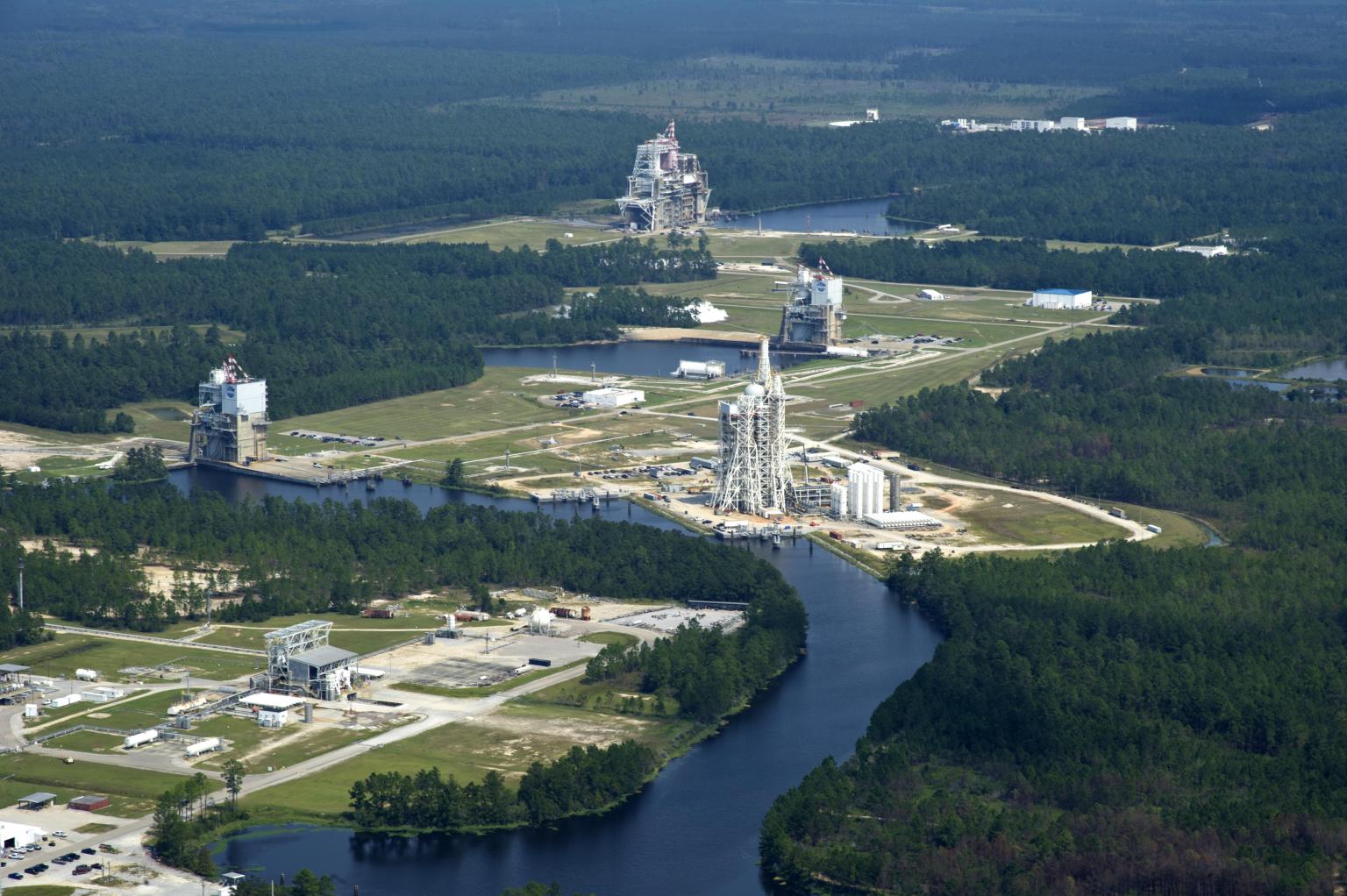
The unique methodology teaches students to work collaboratively to complete missions and provides trained community educators to implement the themed NASA modules, developed by the ACCP team, seated at NASA’s Stennis Space Center near Bay St. Louis, Mississippi.

ASTRO CAMP began at NASA Stennis as a single one-week camp in the 1990s. Since then, it has developed into several adaptable models for schools, museums, universities, libraries, and youth service organizations, enabling a worldwide expansion.

For more information about becoming a NASA ASTRO CAMP Collaborative Community Partner, contact: Kelly Martin-Rivers at kelly.e.martin-rivers@nasa.gov or 228-688-1500; or Maria Lott at maria.l.lott@nasa.gov or 228-688-1776.

For more on the ASTRO CAMP Collaborative Community Partner Program, visit:   https://www.nasa.gov/stennis/stem-engagement-at-stennis/nasa-accp/.

Share

Details

Last Updated

Nov 03, 2023

Editor

Contact

Location

Stennis Space Center

Related Terms

Powered by WPeMatico

Get The Details…
LaToya Dean

Hubble Tangos with a Dancer in Dorado

Hubble Tangos with a Dancer in Dorado

2 min read

Hubble Tangos with a Dancer in Dorado

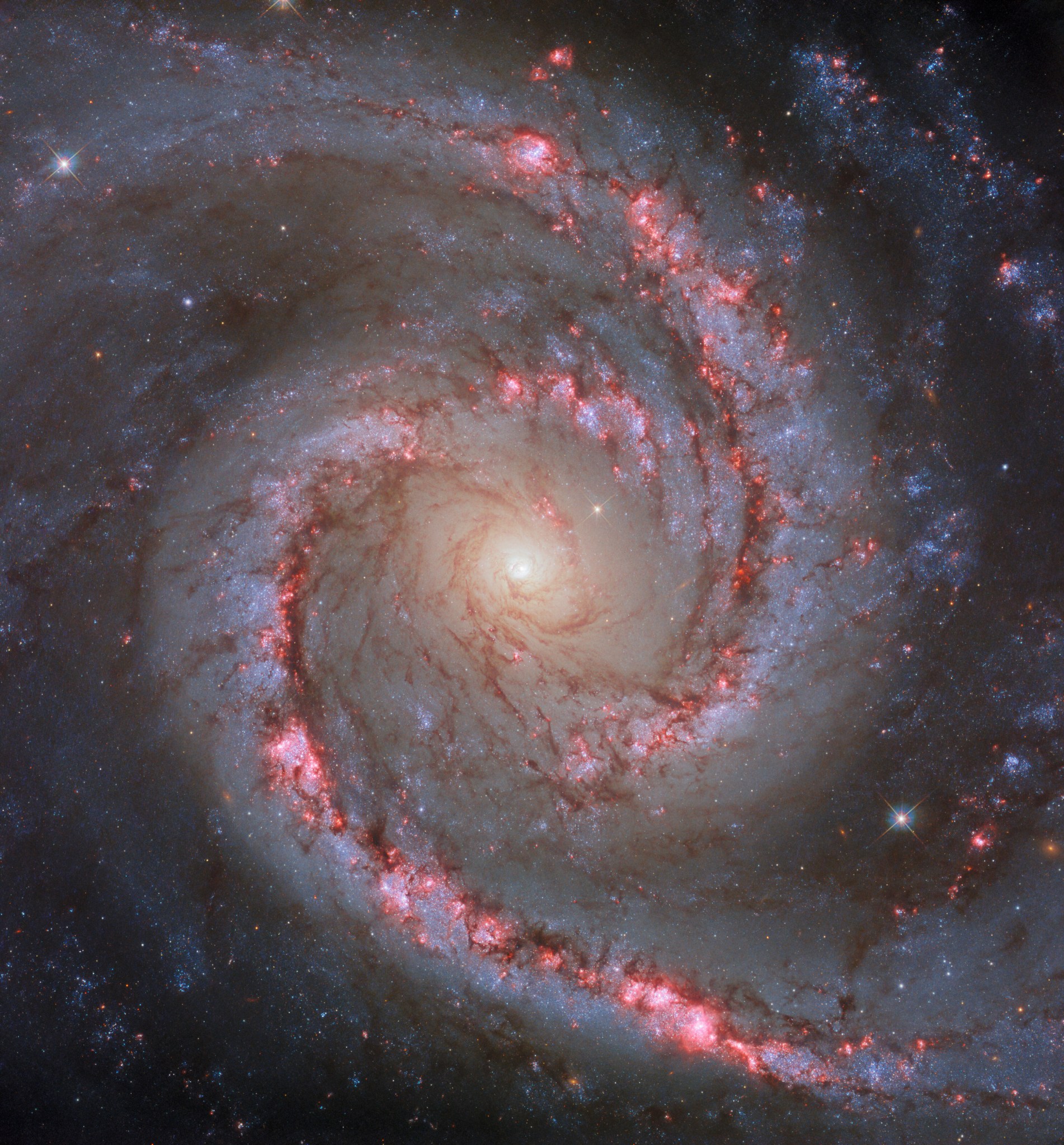
A spiral galaxy centered in the image and face-on to the viewer. It has two spiral arms that each make a half-turn from start to finish. The arms resemble the shape of a comma. Lanes of dark dust follow the arms into the center and split into many strands that swirl around the glowing galactic core. Bright pink blooms along the arms show areas of new star formation.
This NASA Hubble Space Telescope image features the spiral galaxy NGC 1566.
ESA/Hubble & NASA, D. Calzetti and the LEGUS team, R. Chandar

This vibrant Hubble Space Telescope image features the spiral galaxy NGC 1566, sometimes informally referred to as the ‘Spanish Dancer Galaxy’. Like the subject of another recent image, NGC 1566 is a weakly-barred or intermediate spiral galaxy. This means that it does not have a clearly present or a clearly absent bar-shaped structure at its center. The galaxy owes its nickname to the vivid and dramatic swirling lines of its spiral arms, which could evoke the shapes and colors of a dancer’s moving form. NGC 1566 lies around 60 million light-years from Earth in the constellation Dorado and is a member of the Dorado galaxy group.

A galaxy group is a collection of gravitationally bound galaxies. They differ from galaxy clusters in size and mass: galaxy clusters may hold hundreds of galaxies, while galaxy groups might only hold several tens of galaxies. However, groups are the most common collection of galaxies in the universe, holding more than 50% of all galaxies. Although there is currently no precise number delineation between the definition of a galaxy group and a galaxy cluster, some astronomers have suggested that collections with less than 80 trillion Suns should be classified as galaxy groups.

The Dorado group membership has fluctuated over the past few decades, as various scientific papers changed its list of constituent galaxies. This is one example of why it is so challenging for astronomers to pin down members of galaxy groups like the Dorado group. One way to better understand this problem is by imagining a photograph of an adult human and a large oak tree. We know the approximate size of the person and the tree, so if we see a photo where the person appears roughly the same size as the tree, then we would assume that, in reality, the person was much closer to the camera than the tree. When astronomers try to figure out which galaxies are members of a galaxy group, they do not necessarily know the size of the individual galaxies. Instead, they have to work out whether the galaxies really are relatively close together in space, or whether some of them are actually much closer or much further away. This process is easier with more sophisticated observation techniques, but it still can present a challenge.

Text credit: European Space Agency

Media Contact:

Claire Andreoli
NASA’s Goddard Space Flight CenterGreenbelt, MD
claire.andreoli@nasa.gov

Keep Exploring

Discover More Topics From NASA

Powered by WPeMatico

Get The Details…

Health Checks and Science on Station, SpaceX Adjusts Launch Date

Health Checks and Science on Station, SpaceX Adjusts Launch Date

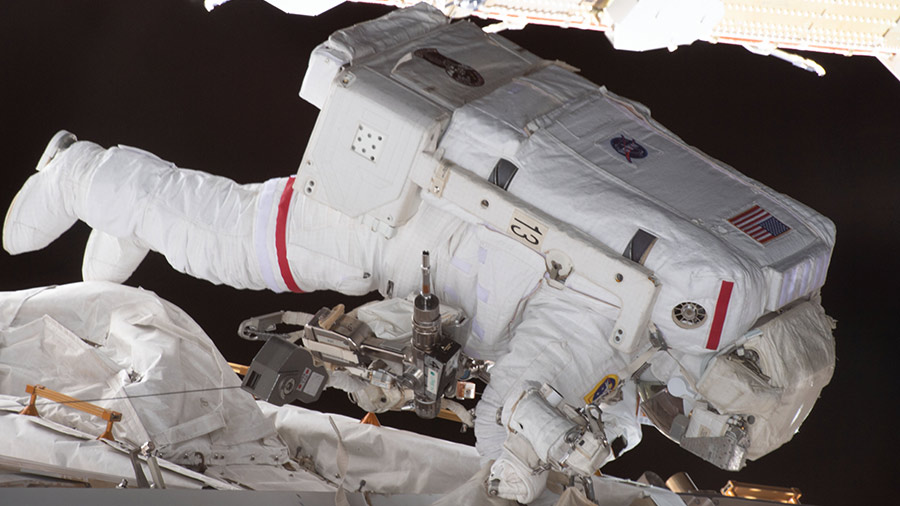
Astronaut Jasmin Moghbeli is pictured tethered to the space station during a spacewalk to replace solar array hardware.

The Expedition 70 crew participated in standard post-spacewalk activities today including health checks, spacesuit work, and a team conference. Meanwhile, science remained on Thursday’s schedule as the International Space Station residents studied future piloting techniques and space manufacturing.

NASA astronauts Jasmin Moghbeli and Loral O’Hara had their first post-spacewalk medical exams on Thursday. The duo spent a few moments measuring each other’s vital signs including temperature, blood pressure, and pulse. Afterward, the pair began cleaning up the Quest airlock and deactivating their spacesuits.

Moghbeli also downlinked imagery captured using spacewalk cameras on Wednesday. She then photographed the spacesuit gloves for inspection and analysis by mission controllers on the ground. O’Hara logged into a computer and participated in a cognitive assessment.

After lunchtime, the two astronauts joined Commander Andreas Mogensen and Flight Engineer Satoshi Furukawa for a conference with ground specialists and discussed the previous day’s spacewalk activities. Mogensen from ESA (European Space Agency) also spent an hour-and-a-half servicing the spacesuits the spacewalkers wore the day before. Satoshi from JAXA (Japan Aerospace Exploration Agency) joined the trio at the end of the day for eye scans using the Ultrasound 2 device.

The orbiting lab’s three cosmonauts spent Thursday focused on space research and lab maintenance in the orbital outpost’s Roscosmos segment. Cosmonaut Nikolai Chub split his day on a pair of different experiments. During the morning, he explored spacecraft and robotic piloting techniques crews may use on future planetary missions. He then spent the afternoon testing a 3D printer that could help crews become less dependent on supply missions launched from Earth. Cosmonauts Oleg Kononenko and Konstantin Borisov worked throughout the day maintaining a variety of life support and electronics hardware.

NASA and SpaceX now are targeting 8:28 p.m. EST, Nov. 9, for launch of the company’s 29th commercial resupply services (CRS-29) mission to the International Space Station. The additional time allows for completion of final prelaunch closeout ahead of liftoff of the SpaceX Falcon 9 rocket and Dragon cargo spacecraft from Launch Complex 39A at NASA’s Kennedy Space Center in Florida.

Prior to every Dragon mission, SpaceX conducts extensive prelaunch checkouts at every stage of refurbishment and final integration to ensure the spacecraft is ready to safely fly its next mission. During the initial propellant load in preparation for the CRS-29 mission, teams identified a leak of NTO (nitrogen tetroxide oxidizer) in a Draco thruster valve, which per standard procedure required a pause to the operation to troubleshoot. The team inspected the valve and respective data, and decided to replace the thruster.

SpaceX continues to keep NASA informed throughout the process and the joint team collectively decided to shift launch to account for the initial part replacement and subsequent system checkouts and data reviews.

With a Nov. 9 launch, the spacecraft will arrive at the space station about 5:20 a.m. Saturday, Nov. 11.


Learn more about station activities by following the space station blog@space_station and @ISS_Research on X, as well as the ISS Facebook and ISS Instagram accounts.

Get weekly video highlights at: https://roundupreads.jsc.nasa.gov/videoupdate/

Get the latest from NASA delivered every week. Subscribe here: www.nasa.gov/subscribe

Powered by WPeMatico

Get The Details…

Mark Garcia