Olympic Mountain Glory

Olympic Mountain Glory
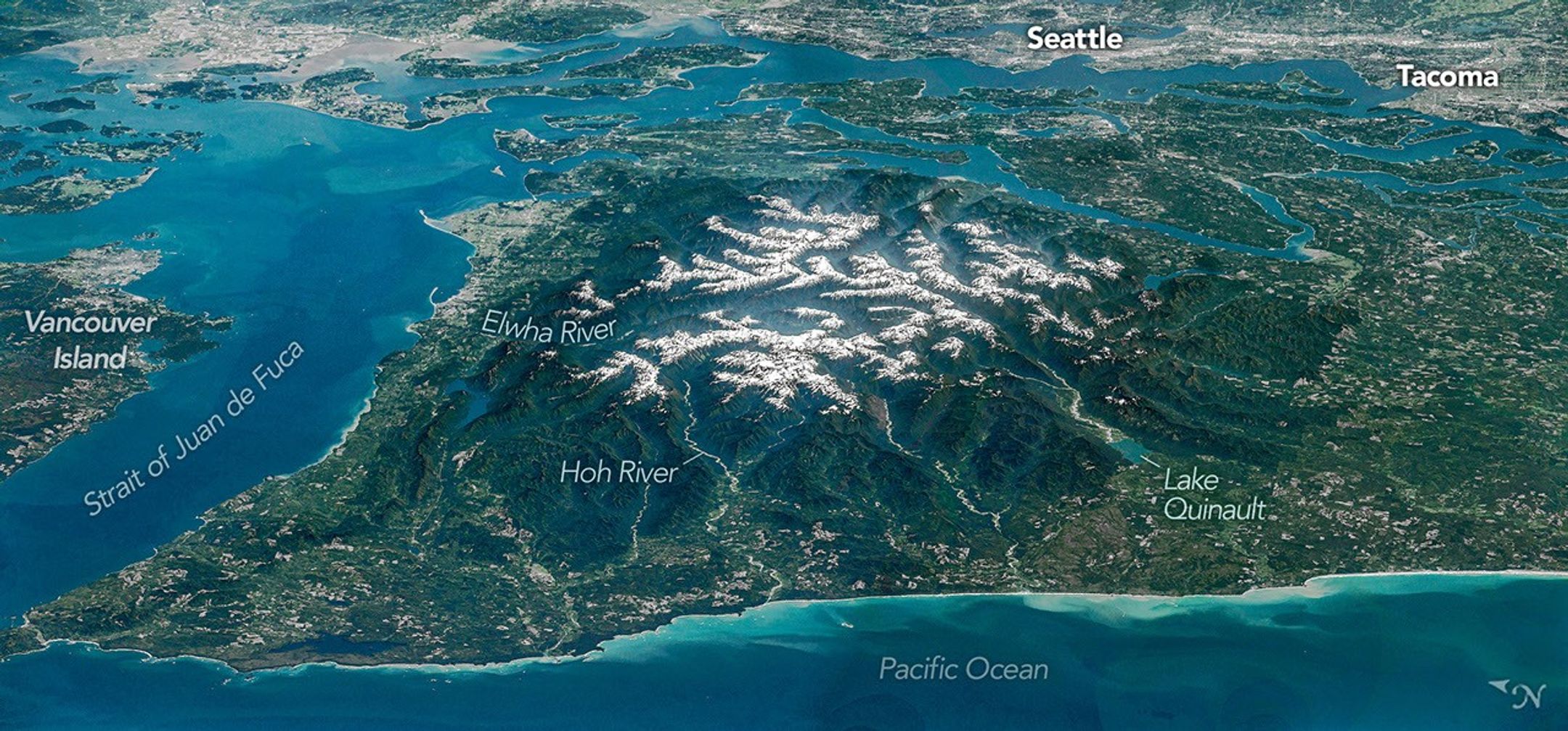
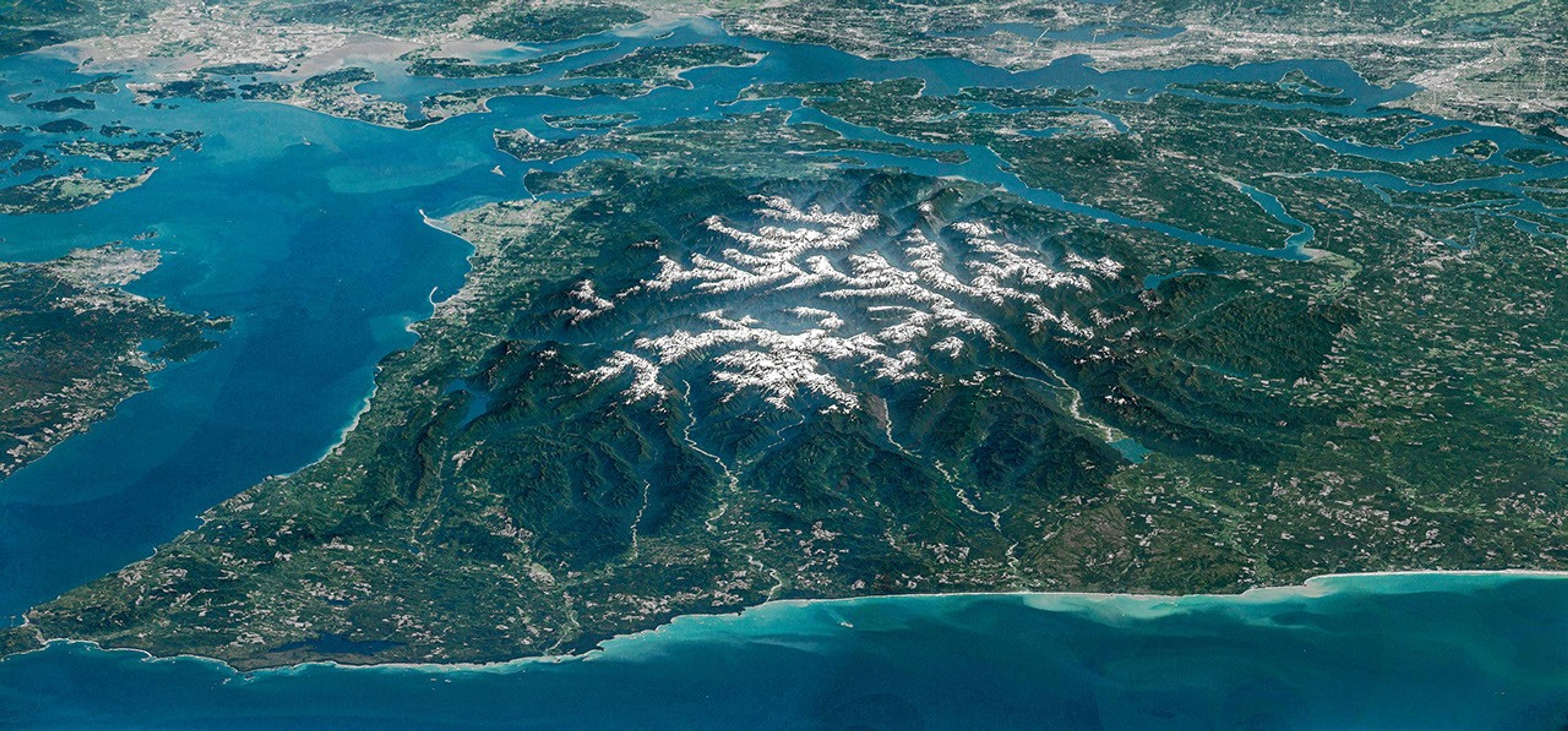
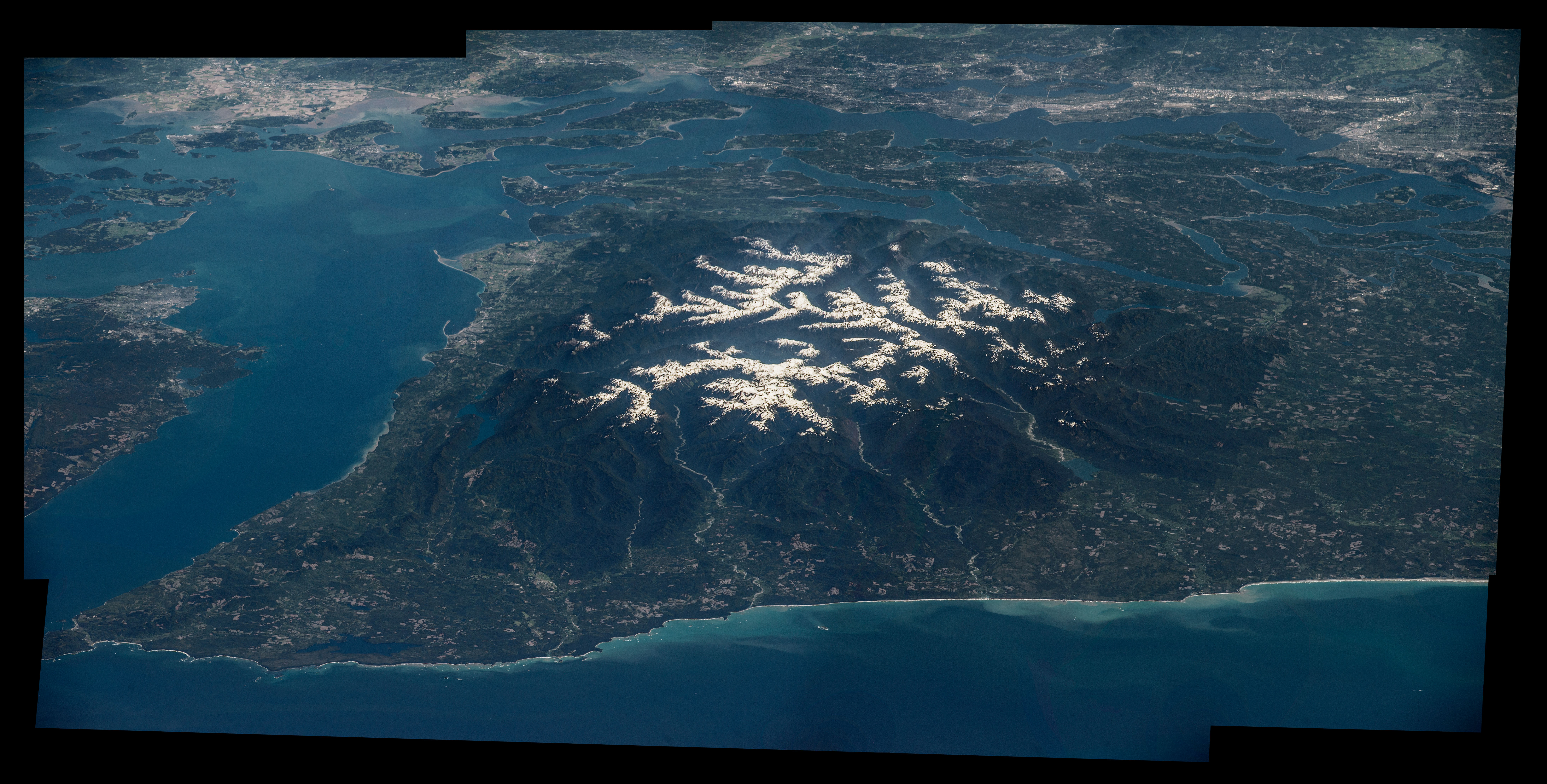
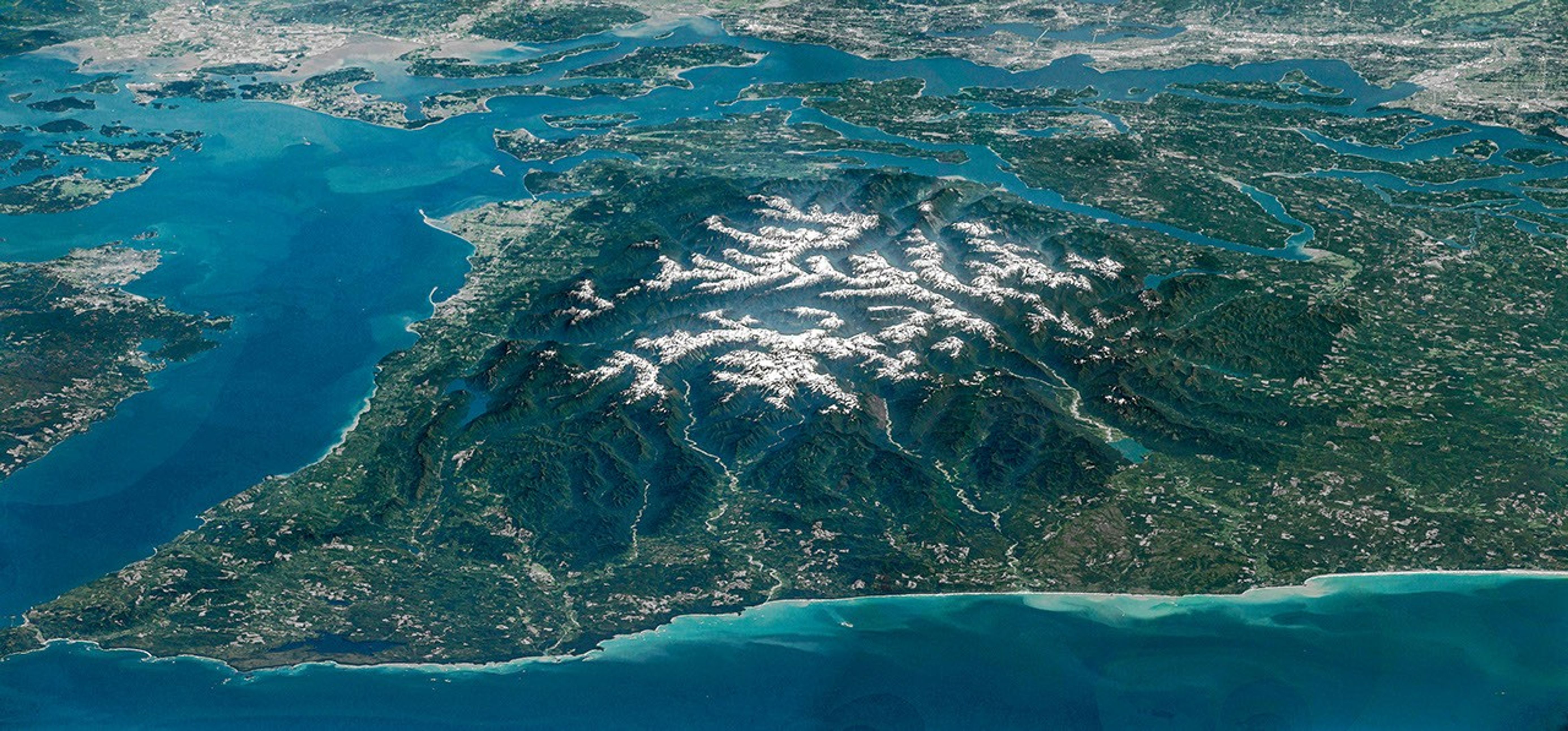
The Olympic Peninsula, viewed at an angle from above, features snow-capped mountains surrounded by deep, forested river valleys. Islands in Puget Sound and developed areas including Seattle and Tacoma appear across the top of the photo.
May 6, 2016

Alpine glaciers, wild coastlines, temperate rainforests, and deep river valleys coexist on the Olympic Peninsula in the northwest corner of Washington state. Surrounded by blue waters, peaceful islands, and bustling population centers, its rugged interior remains a relatively remote bastion of wilderness.

The Olympic Mountains’ imposing terrain comes into focus in this oblique view of the region, captured by an astronaut aboard the International Space Station. The image is a composite, made of several sequential, overlapping photos fused together into a panorama. Olympic National Park encompasses the peninsula’s mountainous core, along with some stretches of the Pacific coastline. Much of the remaining area is either national forest, state-owned land, or tribal territory.

The rock making up the mountains mostly originated beneath the surface of the ocean. From about 55 to 15 million years ago, layers of basalt from undersea eruptions and sand and mud transported seaward by rivers accumulated on the ocean bottom. This material was scraped off the Juan de Fuca plate as it subducted beneath the North American plate, with rock layers crumpling and rising up to 8,000 feet (2,440 meters) above sea level.

Tectonic forces continue to push the mountains skyward, but the countervailing force of erosion in this rainy, snowy corner of the country effectively cancels out the uplift. Snow at higher elevations feeds glaciers that carve out underlying rock. Glaciers in the Olympics are retreating and thinning, however, and their numbers are declining. One study tallied 255 glaciers and perennial snowfields in the range in 2015 and found that 35 glaciers and 16 perennial snowfields had disappeared in the preceding 35 years.

Other erosion is evidenced by the deep valleys radiating out from the snowy peaks. The Hoh, Queets, and Quinault rivers, draining west into the Pacific Ocean (bottom of the frame), are prominent in this view. These verdant valleys are known for their temperate rainforests, and the ancient forest in the Hoh River valley was once considered among the most naturally quiet places in the U.S., uninterrupted by human-caused noise.

Flowing to the north, the Elwha River has a rich natural and human history, including some of the earliest Euro-American exploration of the Olympics. Sponsored by a Seattle newspaper, an expedition from December 1889 to May 1890 crossed the mountain range from north to south, traveling up the Elwha valley and down the Quinault. The party spent several months in the Elwha Valley, their progress hindered by an unusually harsh and snowy winter. 

In the early 1900s, entrepreneurs saw economic opportunity in the valley. Two dams constructed on the river produced power for local industry. But the structures came with costs, such as blocking the migration of once-abundant trout and salmon to their spawning grounds. In 2011 and 2014, the dams were removed in what was then the largest such project in the U.S., and the process of restoring fish populations, seeding native plant communities, and replenishing sediment along the riverbanks commenced.

The mouth of the Elwha forms a delta in the Strait of Juan de Fuca, the waterway bordering the peninsula to the north. The U.S.-Canada border runs through the middle of this 11- to 17-mile-wide (18- to 27-kilometer-wide) channel, with Vancouver Island in British Columbia lying to the north. The strait connects the Pacific Ocean with the Strait of Georgia and Puget Sound. Ship traffic uses the strait to access important West Coast ports, including Seattle and Tacoma, visible along the top-right edge of the image.

Astronaut photographs ISS047-E-104138 through ISS047-E-104144 were acquired on May 6, 2016, with a Nikon D4 digital camera using a focal length of 400 millimeters. They are provided by the ISS Crew Earth Observations Facility and the Earth Science and Remote Sensing Unit at NASA Johnson Space Center. The images were taken by a member of the Expedition 47 crew. The images have been cropped and enhanced to improve contrast, and lens artifacts have been removed. The International Space Station Program supports the laboratory as part of the ISS National Lab to help astronauts take pictures of Earth that will be of the greatest value to scientists and the public, and to make those images freely available on the Internet. Additional images taken by astronauts and cosmonauts can be viewed at the NASA/JSC Gateway to Astronaut Photography of Earth. Story by Lindsey Doermann.
References & Resources

The Olympic Peninsula, viewed at an angle from above, features snow-capped mountains surrounded by deep, forested river valleys. Islands in Puget Sound and developed areas including Seattle and Tacoma appear across the top of the photo.

You may also be interested in:

Stay up-to-date with the latest content from NASA as we explore the universe and discover more about our home planet.
Belts of Green in the Washington Suburbs

3 min read

Along the northeast side of the Capital Beltway in Maryland, green spaces weave through the developed landscape.
Article

Colonial National Historical Park

2 min read

The colonial communities of “America’s historic triangle” played defining roles in the road to American independence.
Article

Great Balls of Fire

4 min read

An astronaut on the International Space Station was surprised to photograph a shower of light streaking through the darkness while…

Article

Powered by WPeMatico

Get The Details…

Weekend Departure Preps Continue as Crew Works Science, Spacesuits

Weekend Departure Preps Continue as Crew Works Science, Spacesuits

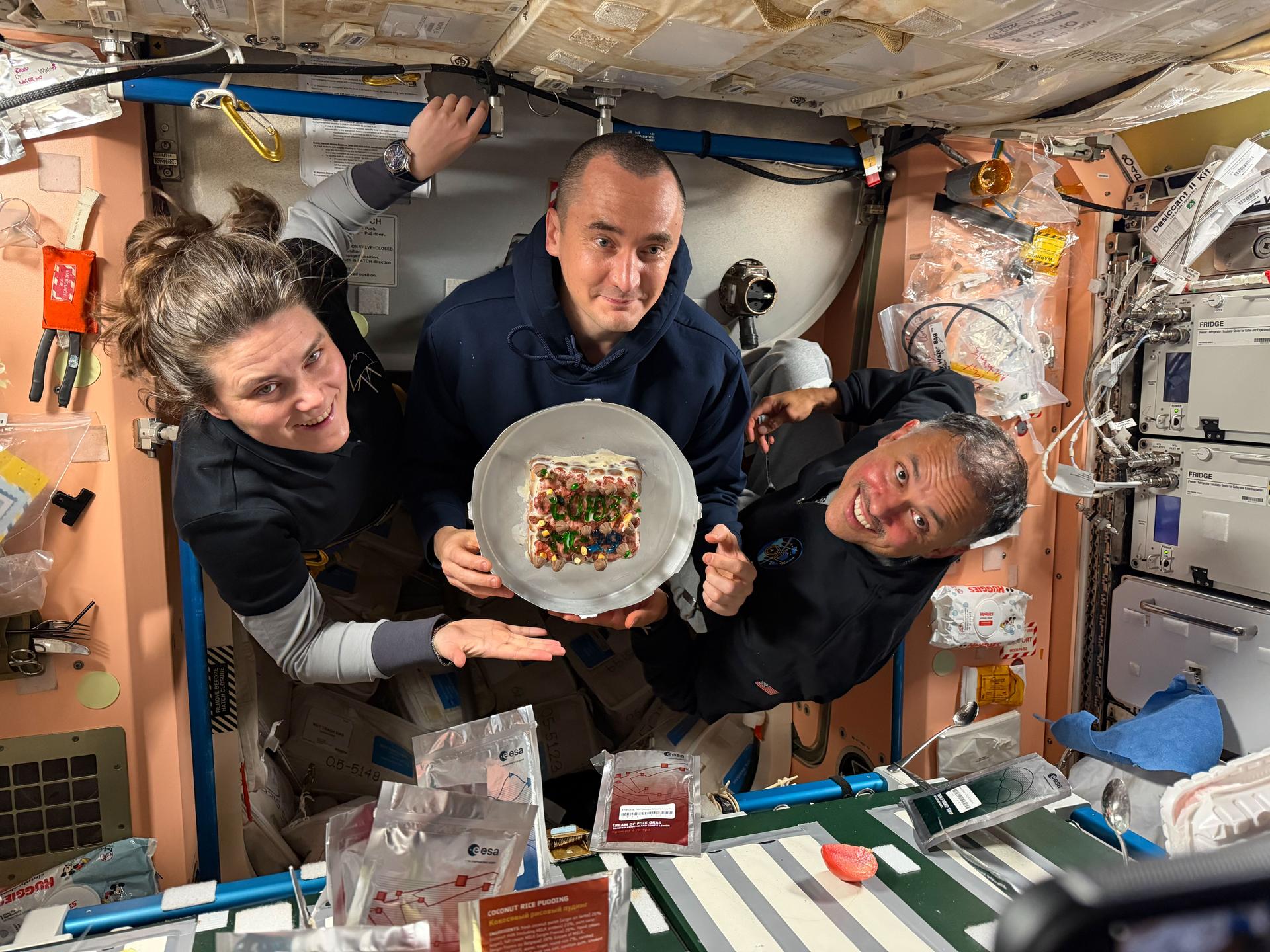
From left, Expedition 74 flight engineers Anna Kikina and Pyotr Dubrov of Roscosmos, and Anil Menon of NASA pose for a portrait while holding a cake celebrating their recent arrival aboard the International Space Station. The trio launched aboard the Soyuz MS‑29 spacecraft from the Baikonur Cosmodrome on July 14, 2026, and docked to the orbital outpost’s Rassvet module the same day, beginning an eight‑and‑a‑half‑month space research mission.
From left, Expedition 74 flight engineers Anna Kikina and Pyotr Dubrov of Roscosmos, and Anil Menon of NASA pose for a portrait while holding a cake celebrating their recent arrival aboard the International Space Station.
NASA/Chris Williams

Three Expedition 74 crew members are nearing the end of their stay aboard the International Space Station handing over mission responsibilities and packing up cargo for return to Earth. Science hardware, lab maintenance, and spacesuits kept the rest of the crew busy aboard the orbital outpost.

NASA astronaut Chris Williams and Roscosmos cosmonauts Sergey Kud-Sverchkov and Sergei Mikaev will ride back to Earth inside the Soyuz MS-28 spacecraft to land in Kazakhstan at 6:26 a.m. (3:26 p.m. local time) on Sunday, July 26, completing an eight-month space research mission. They are spending the rest of the week packing cargo inside the Soyuz while helping their replacements get up to speed with space station operations and systems. The Expedition 74 mission will end and Expedition 75 will officially begin when the homebound trio undocks from the Rassvet module inside their Soyuz spacecraft at 3:02 a.m. on Sunday.

NASA flight engineer Anil Menon and Roscosmos flight engineers Pyotr Dubrov and Ana Kikina are in the second week of their planned eight-and-a-half-month mission. They are using their new skills to conduct space research while still familiarizing themselves with living and working in space. Menon setup a pair of research incubators and connected them to the Columbus laboratory module’s power supply. Dubrov and Kikina collected and processed their blood samples, then stowed the specimens inside a Roscosmos science freezer for later analysis.

Flight engineers Jack Hathaway of NASA and Sophie Adenot of ESA (European Space Agency) partnered together at the end of their shift on Wednesday and checked out procedures and spacesuits in the Quest airlock. Hathaway also replaced orbital plumbing components in the Tranquility module. Adenot videotaped herself working out on the new European Enhanced Exploration Exercise Device to inform future workout techniques on missions to the Moon, Mars, and beyond.

NASA flight engineer Jessica Meir inspected crew quarters acoustic blankets, organized food packages stowed inside the Unity module, and tested the operation of plumbing hardware. Roscosmos flight engineer Andrey Fedyaev strapped a series of cuffs around his arm, wrist, and fingers to measure how blood flows through his microcirculatory system in microgravity then worked on life support maintenance the rest of his shift.

Learn more about station activities by following the space station blog, @space_station on X, as well as the ISS Facebook and ISS Instagram accounts.

Get the latest from NASA delivered every week. Subscribe here.

Powered by WPeMatico

Get The Details…

Mark A. Garcia

NASA to Showcase Agency’s Newest Wind Tunnel in Virginia

NASA to Showcase Agency’s Newest Wind Tunnel in Virginia

Flight Dynamics Research Facility
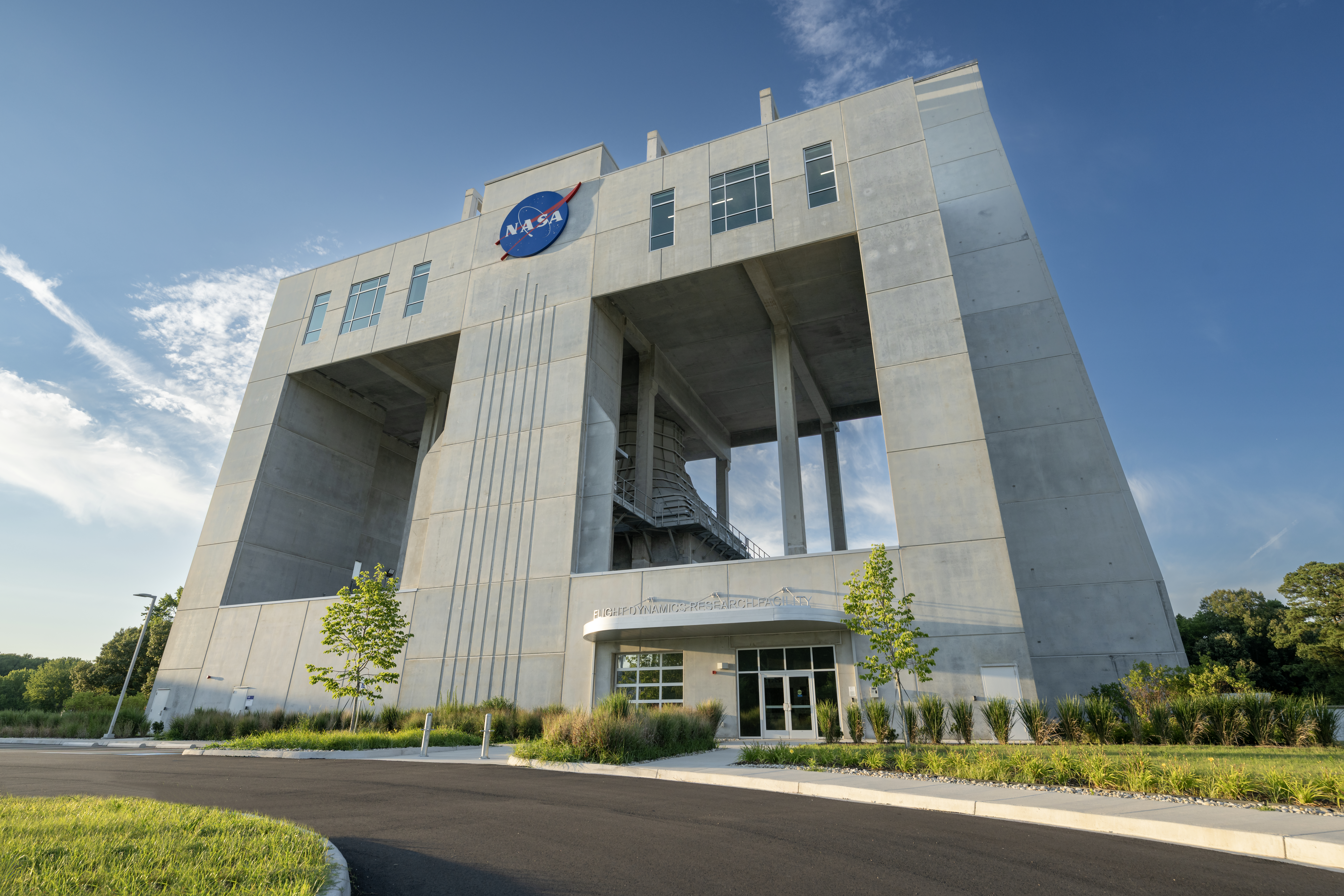
The Flight Dynamics Research Facility, located at NASA’s Langley Research Center in Hampton, Virginia, is the agency’s first major wind tunnel built in more than 40 years.
NASA/Mark Knopp

Media are invited to NASA’s Langley Research Center in Hampton, Virginia, on Friday, July 31, to attend a media tour and ribbon-cutting ceremony for the Flight Dynamics Research Facility, the agency’s first new wind tunnel in more than 40 years.

The event will include a brief media availability with:

  • NASA Administrator Jared Isaacman
  • Dr. Trina Dyal, center director, NASA Langley
  • Administrator Edward C. Forst, U.S. General Services Administration

This event is in person only and open to members of the media who are United States citizens or lawful permanent residents. Information about timing will be shared closer to the event. NASA’s media accreditation policy is available online.

Media requesting to participate in person must RSVP no later than 5 p.m. EDT on Wednesday, July 29. Media RSVPs must be sent to Kimiko Booker, kimiko.s.booker@nasa.gov, and Brittny McGraw, brittny.v.mcgraw@nasa.gov, with the following information:

  • Legal first and last names (must match government identification)
  • Email
  • Phone number
  • Job title and organization

The wind tunnel opening marks a major milestone in the evolution of NASA and the nation’s aeronautics and space research capabilities. The state-of-the-art facility will support research and technology development that will advance NASA’s aeronautics, exploration, and science goals, including establishing a sustained human presence on the lunar surface through the Artemis program and the development of a Moon Base.

Learn more about the Flight Dynamics Research Facility at:

https://go.nasa.gov/4yzKEGQ

-end-

Camille Gallo / Rob Margetta
Headquarters, Washington
202-358-1600
camille.m.gallo@nasa.gov / robert.j.margetta@nasa.gov 

Kimiko Booker / Brittny McGraw
NASA Langley, Hampton, Va.
757-506-5939 / 757-769-3763
kimiko.s.booker@nasa.gov / brittny.v.mcgraw@nasa.gov

Share

Details

Last Updated

Jul 22, 2026

Editor
Jennifer M. Dooren

Powered by WPeMatico

Get The Details…
Jennifer M. Dooren

Robotic Servicing Mission Launches with NASA Support

Robotic Servicing Mission Launches with NASA Support

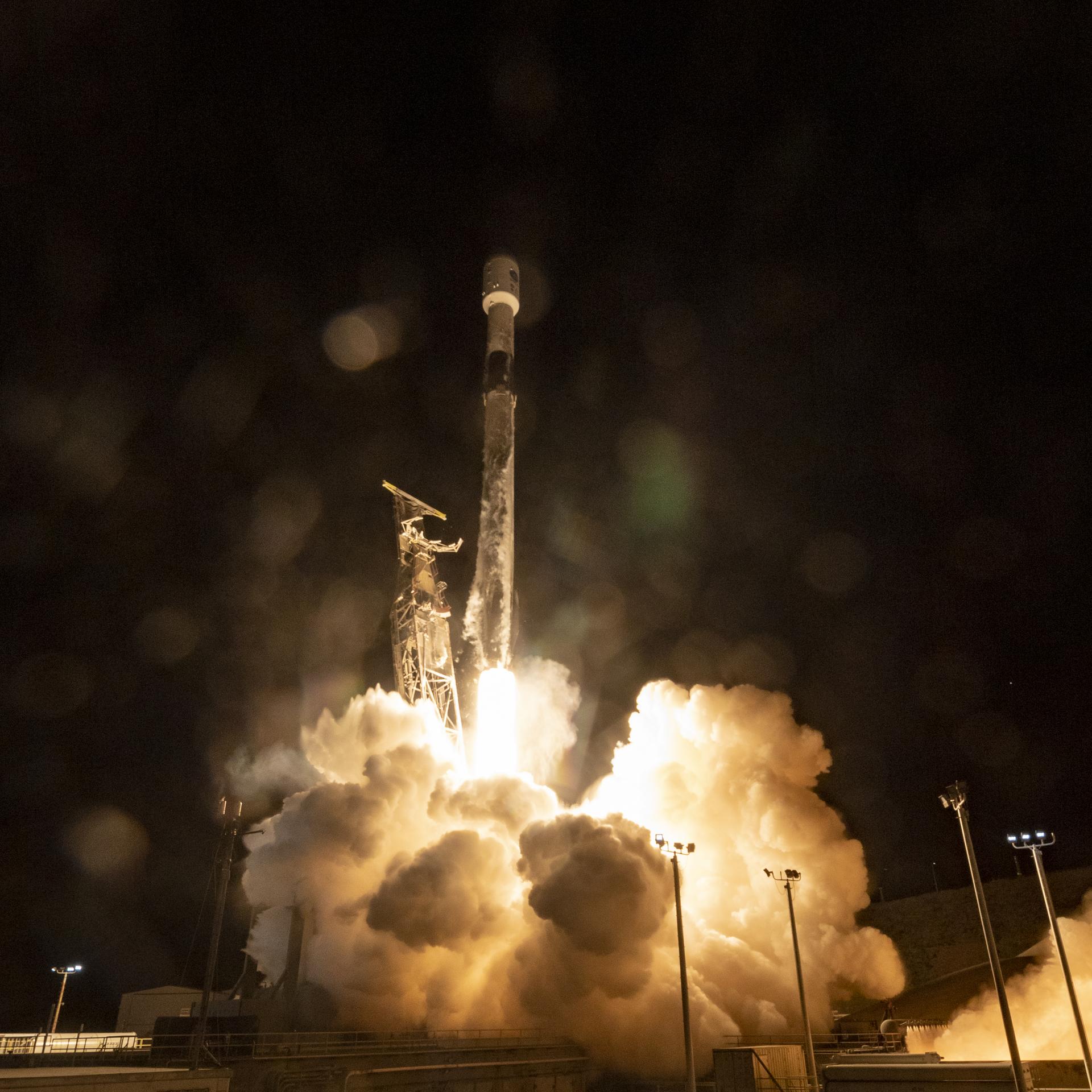
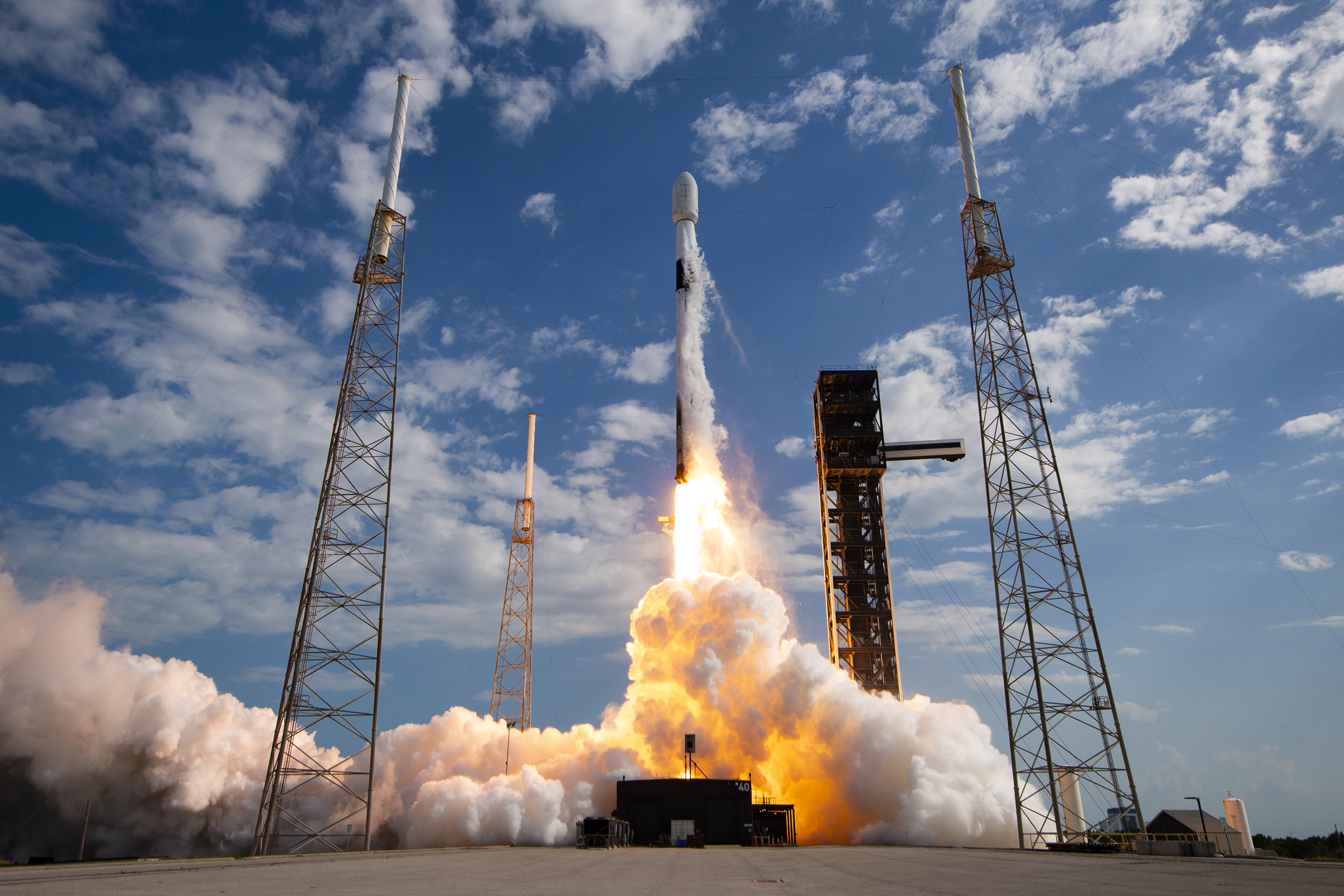
Following its liftoff from Cape Canaveral on July 21 aboard a SpaceX Falcon 9 rocket, the Mission Robotic Vehicle (MRV) hosting the NASA-supported Robotic Servicing of Geosynchronous Satellites (RSGS) payload is now en route to geosynchronous Earth orbit, where it will use its advanced robotics to service spacecraft.

RSGS leverages in-space robotics expertise from NASA, aligned with the agency’s broader goals to advance U.S. capabilities for in-space servicing, assembly, and manufacturing that can be applied to space commerce and exploration.

a rocket lifts off against a partly cloudy sky
Northrop Grumman’s Mission Robotic Vehicle hosting the NASA-supported Robotic Servicing of Geosynchronous Satellites (RSGS) payload launched aboard a SpaceX Falcon 9 rocket on July 21. The RSGS program is funded by the Defense Advanced Research Projects Agency (DARPA) and uses twin robotic arms developed by the U.S. Naval Research Laboratory.
SpaceX

Funded by the Defense Advanced Research Projects Agency (DARPA), the RSGS program uses twin dexterous robotic arms designed and developed by the U.S. Naval Research Laboratory. DARPA provided the robotic arm assembly for integration onto Northrop Grumman’s MRV, the nation’s first multi-mission robotic in-space servicer. The spacecraft will inspect and upgrade satellites in orbit by installing small propulsion modules – called mission extension pods – extending the operational life of existing spacecraft for years.

RSGS brings together government agencies and industry to test advanced robotic systems in space. NASA’s Goddard Space Flight Center in Greenbelt, Maryland, began supporting the RSGS mission in 2024 under an interagency agreement with DARPA.

NASA’s contributions to the mission leverage its legacy of servicing missions including the Hubble Space Telescope servicing missions and the Robotic Refueling Missions on the International Space Station. NASA support to RSGS program includes the development of dynamic simulation and analysis tools, software analysis for performance verification, and a team of flight robot operators who will support highly technical procedures in orbit. Hundreds of satellites are in geosynchronous orbit. Of those, fully functional satellites are often decommissioned early because they run out of fuel or their equipment becomes obsolete.  RSGS establishes a critical U.S. capability to extend the lifetime of spacecraft in orbit, allowing for more innovative and cost-effective mission designs.

By Colleen Wouters
NASA’s Goddard Space Flight Center, Greenbelt, Md.

Share

Details

Last Updated

Jul 22, 2026

Editor
Rob Garner
Contact
Rob Garner
Location
Goddard Space Flight Center

Powered by WPeMatico

Get The Details…
Rob Garner

NASA Sets Coverage for Astronaut Chris Williams, Crewmates Return

NASA Sets Coverage for Astronaut Chris Williams, Crewmates Return

D4_2071158_20251127T124233_R_2025-11-27 12-42-38.NEF
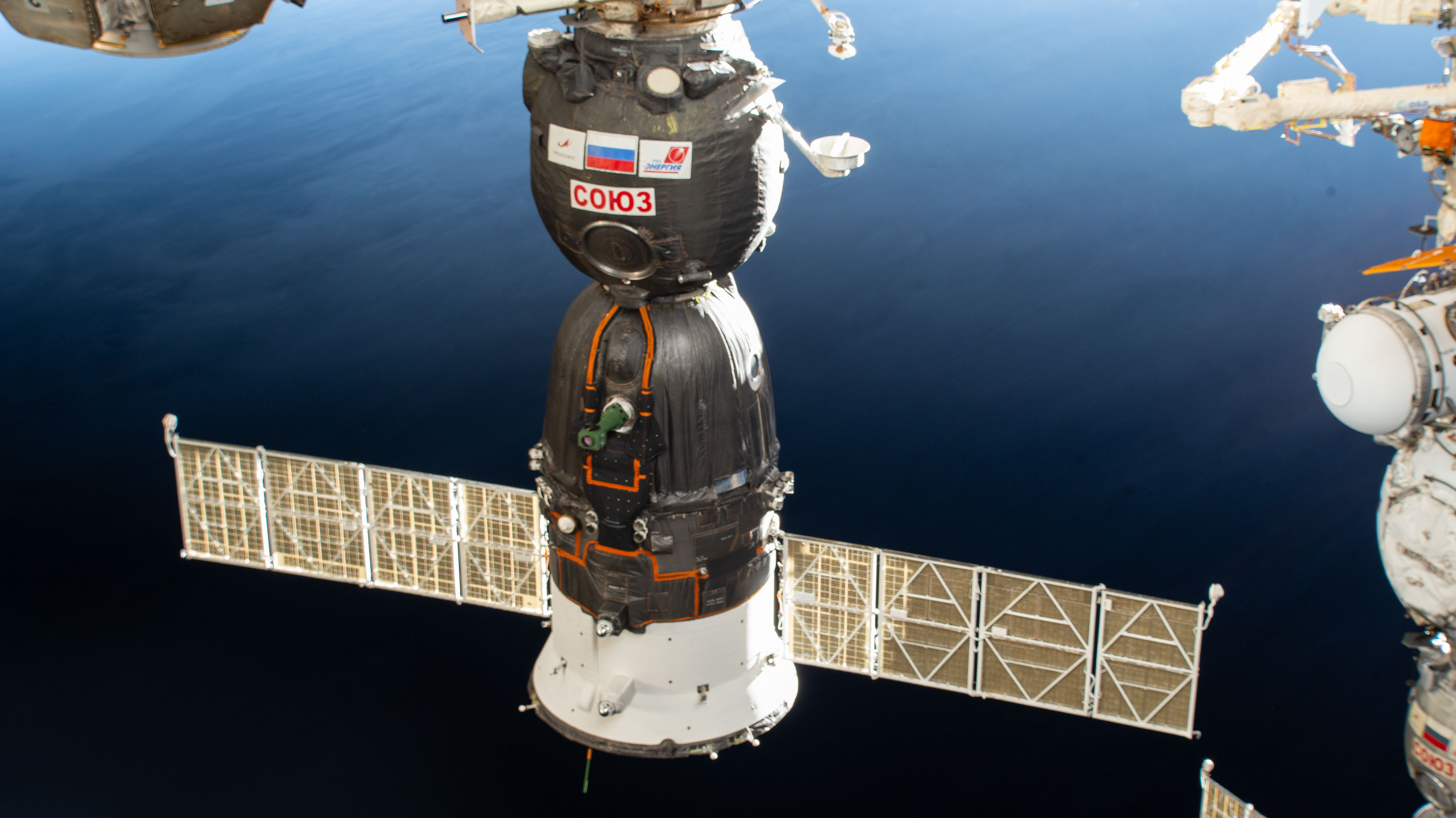
The Roscosmos Soyuz MS 28 spacecraft is pictured in November 2025 shortly after docking to the International Space Station’s Rassvet module.
Credit: NASA

NASA astronaut Chris Williams and Roscosmos cosmonauts Sergey Kud-Sverchkov and Sergei Mikaev are wrapping up their 241‑day mission aboard the International Space Station.

The crew and its Soyuz MS-28 spacecraft will undock from the orbiting laboratory’s Rassvet module at 3:02 a.m. EDT Sunday, July 26, heading for a parachute-assisted landing at 6:26 a.m. (3:26 p.m. local time) on the steppe of Kazakhstan, southeast of Dzhezkazgan.

NASA’s live return coverage will stream through a variety of platforms. Learn where to watch online:

https://www.nasa.gov/live

Williams and his crewmates will complete 3,856 orbits and travel more than 102 million miles before returning to Earth. The flight marks the first mission for Williams and Mikaev and the second for Kud‑Sverchkov.

After landing, the crew will fly by helicopter to Karaganda, Kazakhstan, where recovery teams are based. Williams then will return to NASA’s Johnson Space Center in Houston, while Kud‑Sverchkov and Mikaev head back to their training base in Star City, Russia.

NASA’s live return coverage is as follows (all times Eastern and subject to change based on real-time operations):

Saturday, July 25

9:40 a.m. – Coverage of the Space Station Expedition 74/75 change of command ceremony begins.

Kud‑Sverchkov will transfer command of the orbital complex to NASA astronaut Jessica Meir. Expedition 75 officially begins when Soyuz MS‑28 undocks.

11:10 p.m. – Coverage of crew farewells and hatch closing begins.

11:30 p.m. – Hatch closing

Sunday, July 26

2:30 a.m. – Coverage of undocking begins.

3:02 a.m. – Undocking

5:15 a.m. – Coverage of deorbit and landing begins.

5:32 a.m. – Deorbit burn

6:26 a.m. – Landing

For more than 25 years, people have lived and worked continuously aboard the International Space Station, advancing scientific knowledge and making research breakthroughs not possible on Earth. The space station helps NASA understand and overcome the challenges of human spaceflight, expand commercial opportunities in low Earth orbit, and build on the foundation for long-duration missions to the Moon, as part of the Artemis program, and to Mars.

To learn more about International Space Station research, operations, and its crews, visit:

www.nasa.gov/station

-end-

Joshua Finch / Jimi Russell
Headquarters, Washington
202-358-1100
joshua.a.finch@nasa.gov / james.j.russell@nasa.gov

Leah Cheshier / Anna Schneider
Johnson Space Center, Houston
281-483-5111
leah.d.cheshier@nasa.gov / anna.c.schneider@nasa.gov

Share

Details

Last Updated

Jul 22, 2026

Powered by WPeMatico

Get The Details…
Lauren E. Low