Artemis II Crew, Recovery Teams Train for Final Phase of Moon Mission
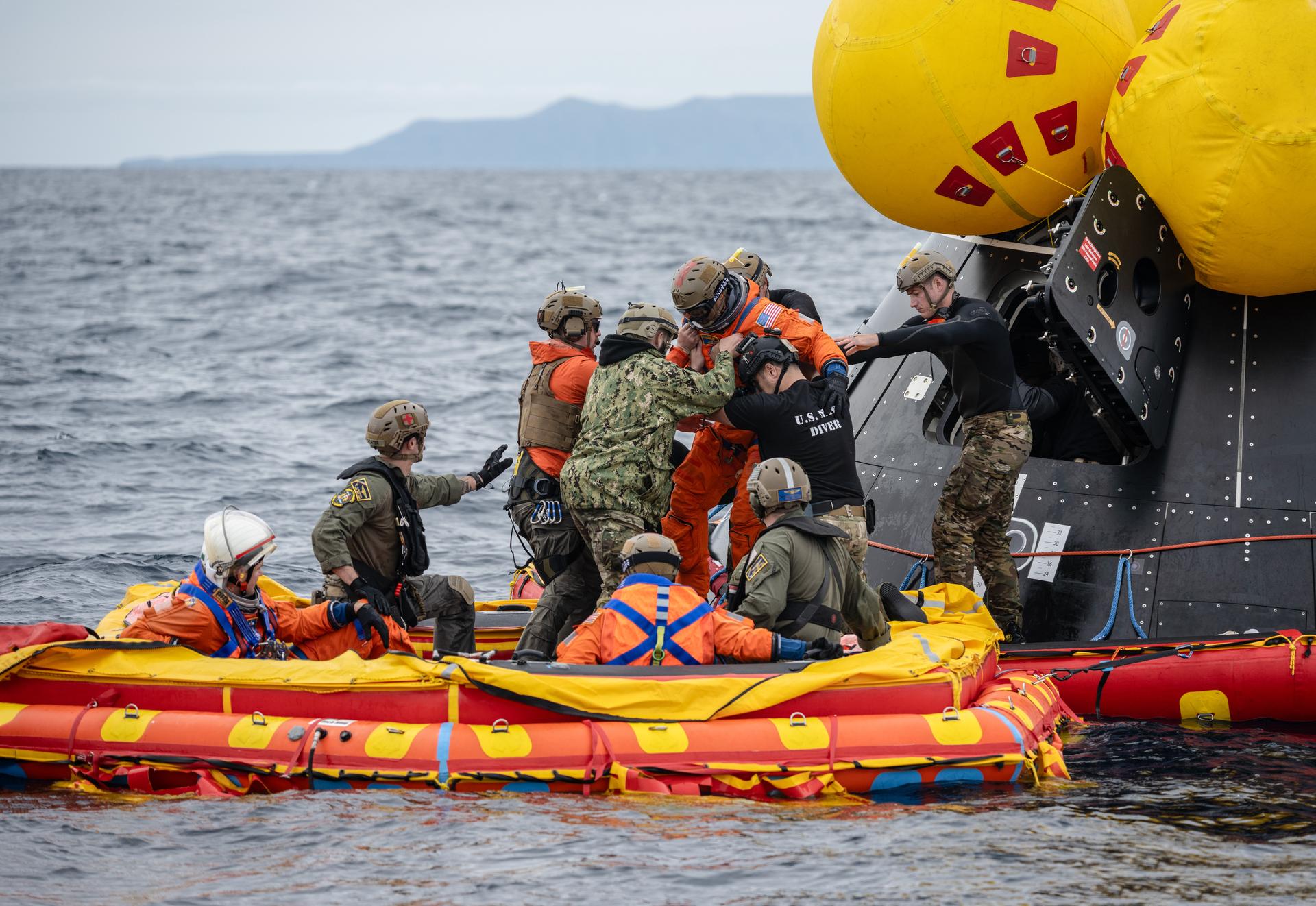
Credit: NASA/Kenny Allen
NASA astronaut and Artemis II pilot Victor Glover is assisted by U.S. Navy personnel as he exits a mockup of the Orion spacecraft in the Pacific Ocean during training Feb. 25, while his crewmates look on. The Artemis II crew and a team from NASA and the Department of Defense are spending several days at sea to test the procedures and tools that will be used to help the crew to safety when they splash down in the ocean at the end of their 10-day, 685,000-mile journey around the Moon next year as part of the first crewed mission under NASA’s Artemis campaign.
On the day of the crew’s return to Earth, a Navy ship with specially trained personnel will await splashdown and then approach the Orion capsule to help extract the four astronauts. An inflatable raft, called the front porch, will provide a place for them to rest when they exit the capsule before they are then individually hoisted by helicopters and flown to the waiting ship.
Artemis II, launching atop the SLS (Space Launch System) rocket from NASA’s Kennedy Space Center in Florida, will test the Orion spacecraft’s life support systems needed for future lunar missions.
NASA’s SpaceX 30th Resupply Mission to Launch Experiments to Station
NASA and the agency’s international partners are sending scientific investigations to the International Space Station on the 30th SpaceX commercial resupply services mission, including tests of technologies to monitor sea ice, automate 3D mapping, and create nanoparticle solar cells. The company’s Dragon cargo spacecraft is scheduled to launch from Cape Canaveral Space Force Station in Florida in early March.
Read more about some of the research making the journey to the orbiting laboratory:
Plants off the Planet
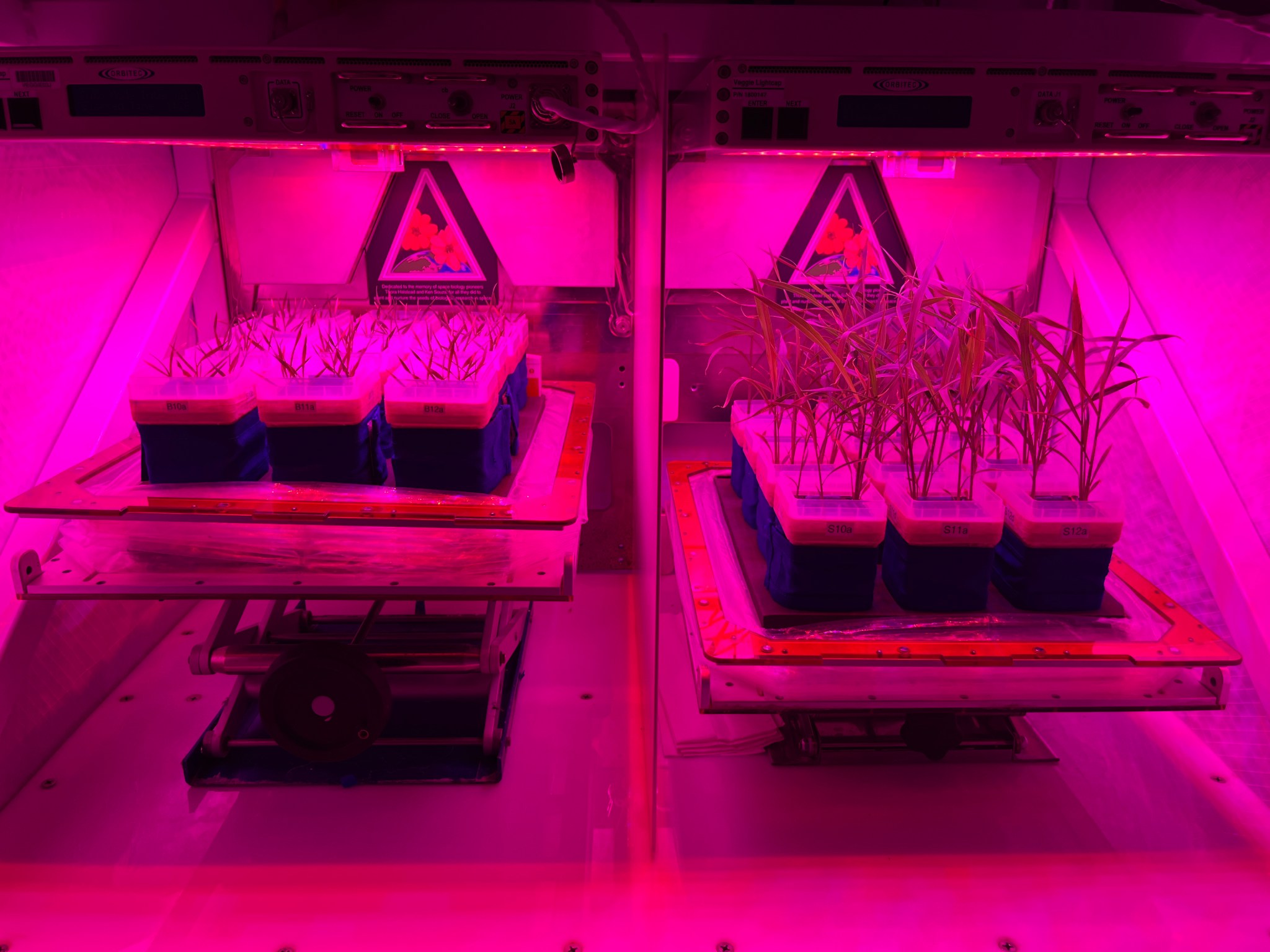
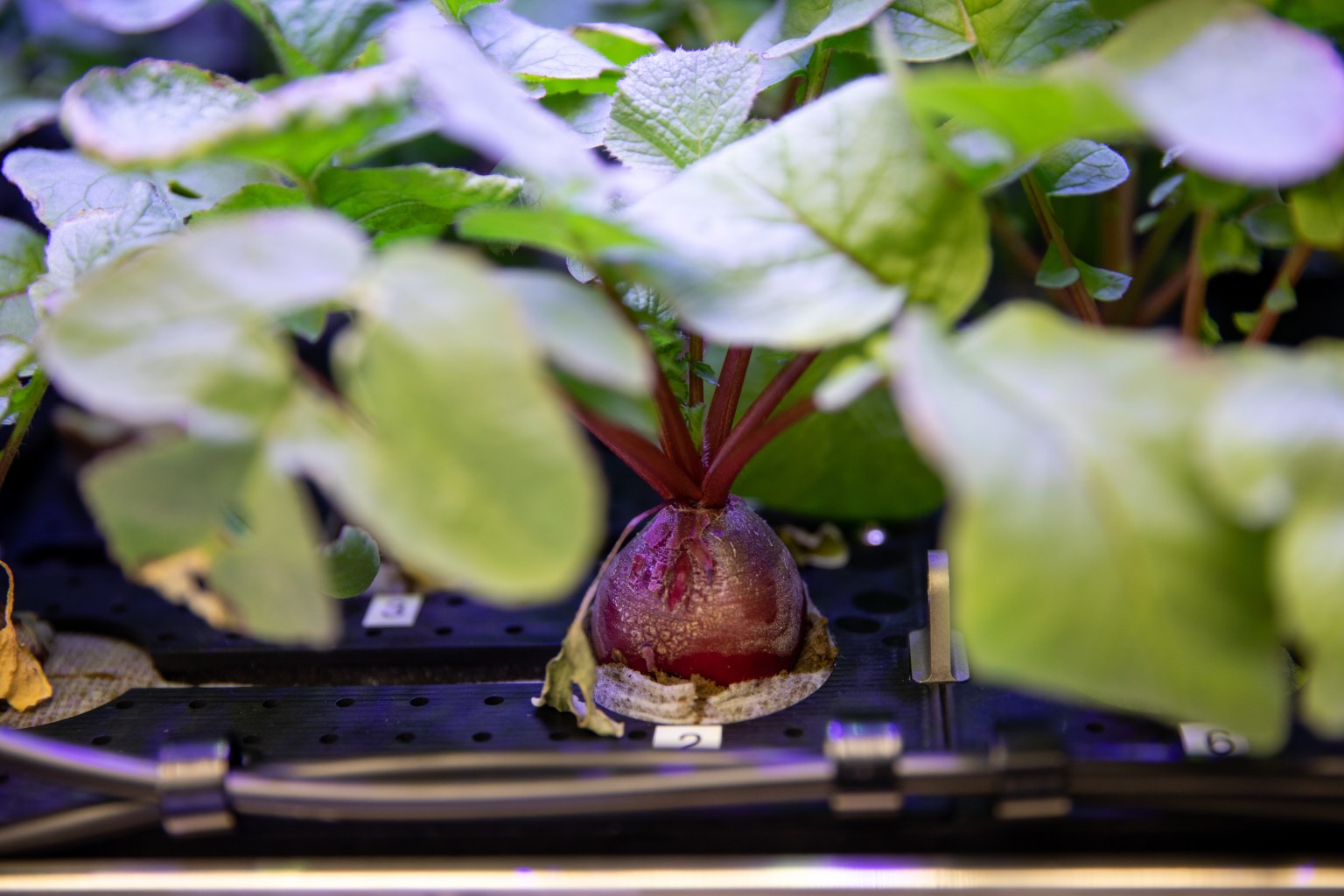
Plants can be used in regenerative life support systems, to provide food, and to contribute to the well-being of astronauts on future deep space exploration missions. C4 Photosynthesis in Space (APEX-09) examines how microgravity affects the mechanisms by which two types of grasses, known as C3 and C4, capture carbon dioxide from the atmosphere.
“Plants respond to stressful conditions based on their genetic makeup and the environment,” said Pubudu Handakumbura, principal investigator with the Pacific Northwest National Laboratory. “We aim to uncover the molecular changes involved in plants exposed to spaceflight stressors and develop an understanding of the mechanisms of photosynthesis in space.” Results could clarify plant responses to stressful environments and inform the design of bio-regenerative support systems on future missions, as well as systems for plant growth on Earth.
Seedlings germinating for the APEX-09 C4 Space investigation.
Pubudu Handakumbura
Sensing the Sea
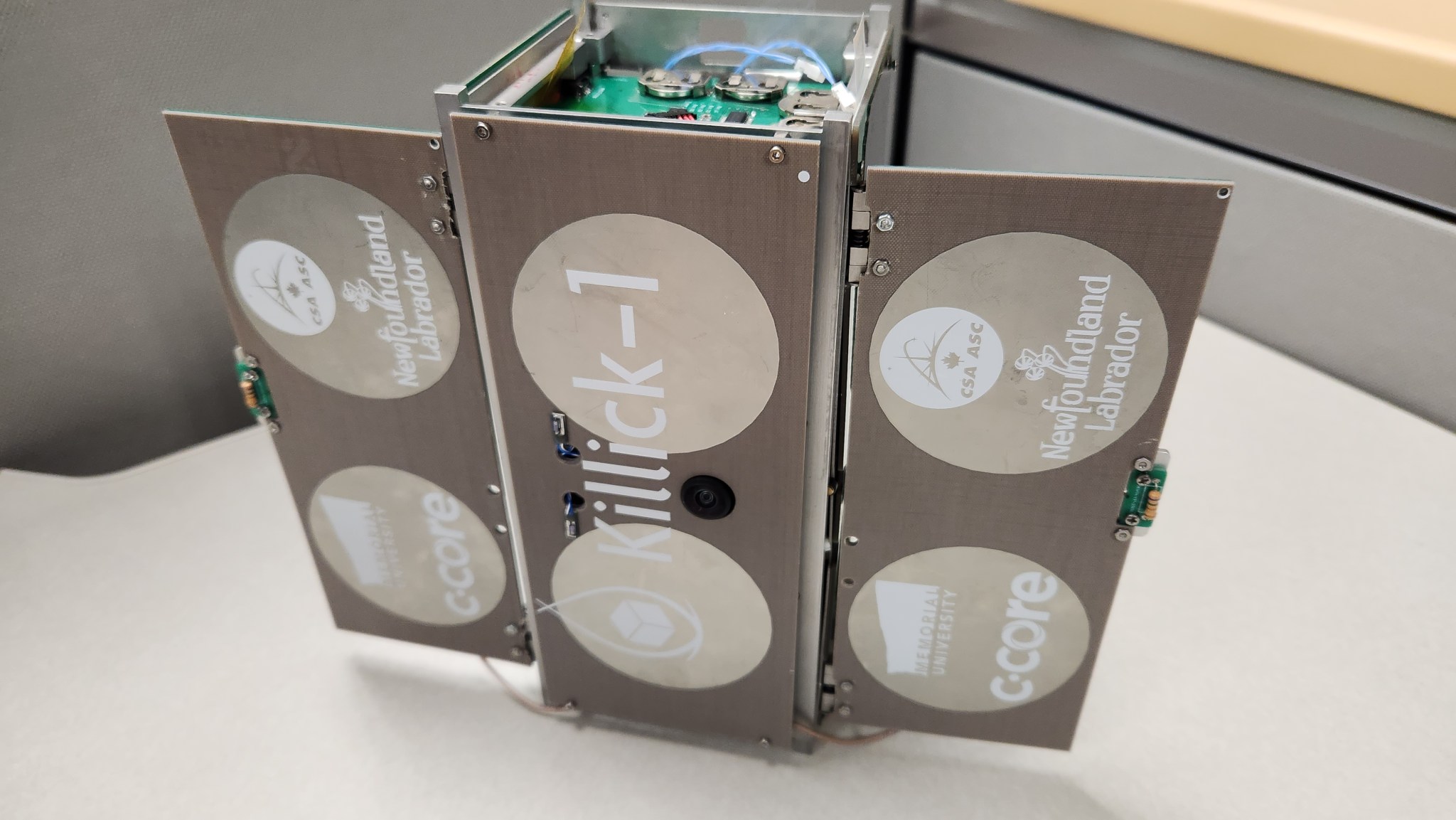
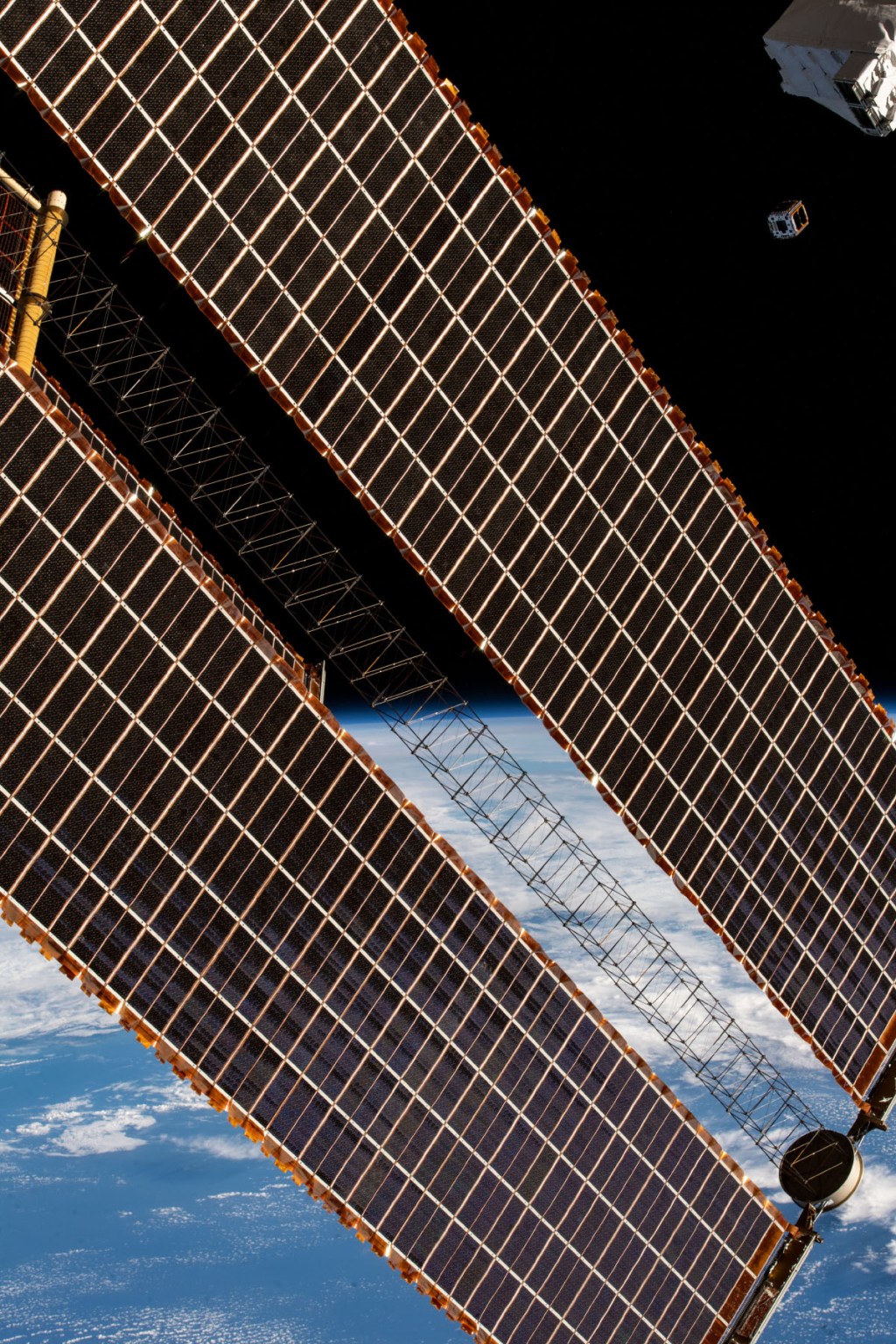
The ocean significantly affects the global climate. A technique called Global Navigation Satellite System reflectometry (GNSS-R), which receives satellite signals reflected from the surface of Earth, shows promise as a way to monitor ocean phenomena and improve climate models. Killick-1: A GNSS Reflectometry CubeSat for Measuring Sea Ice Thickness and Extent (Nanoracks KILLICK-1) tests using this technique to measure sea ice. The project supports development of space and science capabilities in Newfoundland and Labrador, Canada, by providing hands-on experience with space systems and Earth observation. More than 100 undergraduate and graduate engineering students participated in the project.
“The most exciting aspect of this project is that students have the opportunity to launch a mission into space,” said Desmond Power, a co-investigator with C-CORE of Canada. “It is also exciting to build a tiny satellite that does different things, including contributing to our knowledge of climate change.”
GNSS-R technology is low-cost, light, and energy efficient. Its potential applications on Earth include providing data for weather and climate models and improving the understanding of ocean phenomena such as surface winds and storm surge.
The KILLICK-1 CubeSat ready to pack for launch.
Memorial University, Canada
Automated Autonomous Assistance
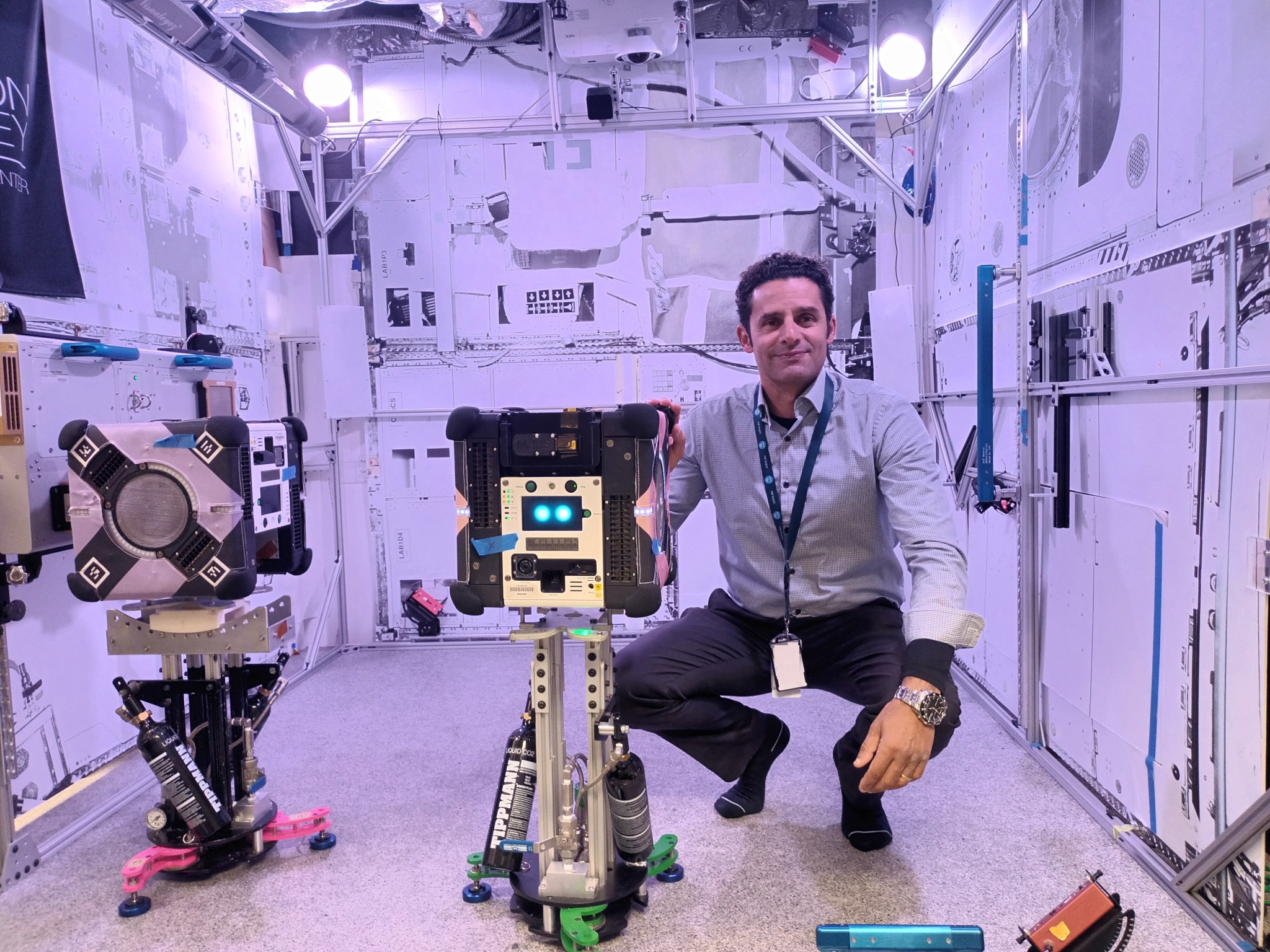
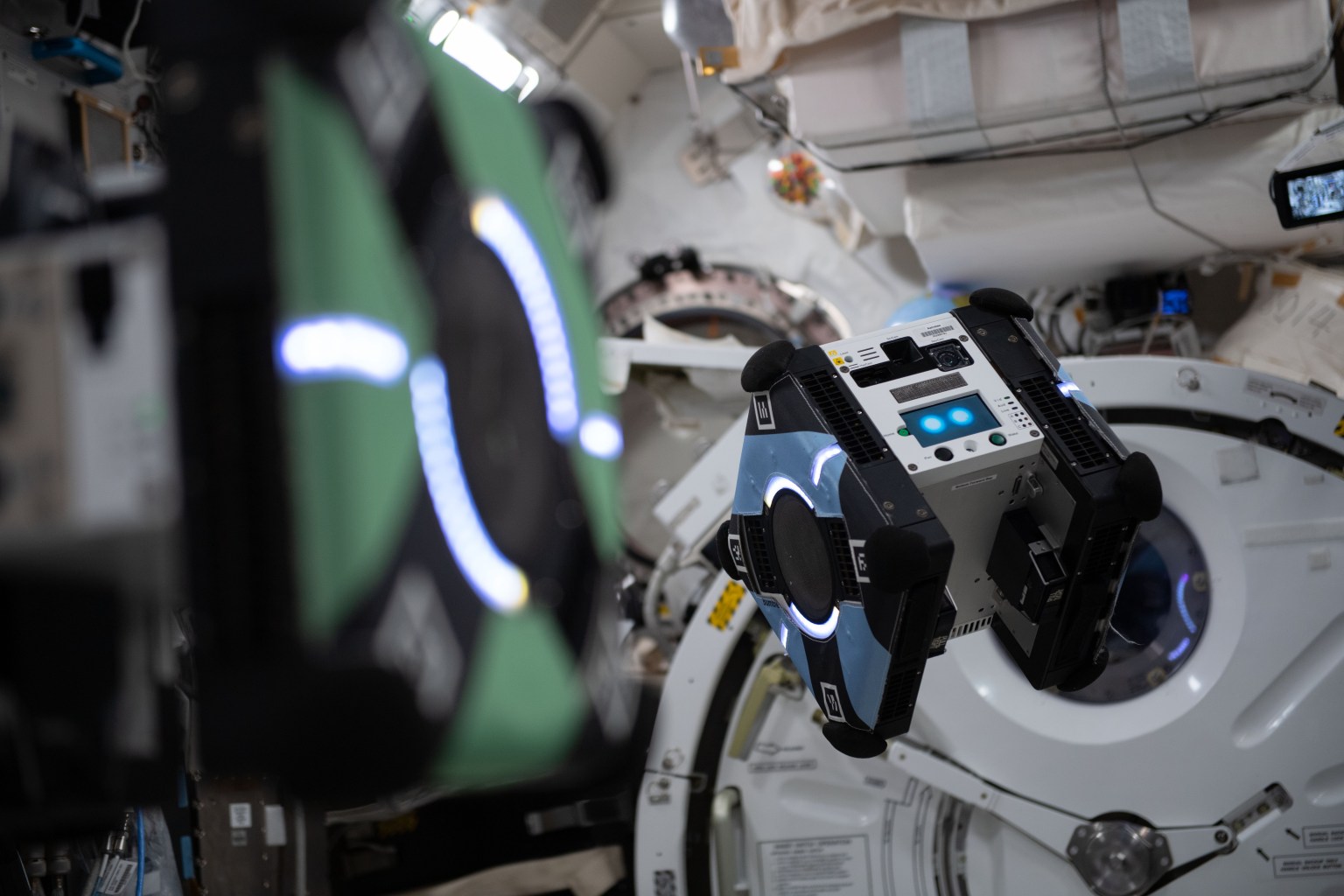
Multi-resolution Scanner (MRS) Payload for the Astrobee (Multi-Resolution Scanning) tests technology to automate 3D sensing, mapping, and situational awareness systems.
“Our MRS on an Astrobee free-flying robot will create 3D maps inside the space station,” said Marc Elmouttie, project lead with the Australian Commonwealth Scientific and Industrial Research Organization. “The technology combines multiple sensors, which compensates for weaknesses in any one of them and provides very high-resolution 3D data and more accurate trajectory data to understand how the robot moves around in space.”
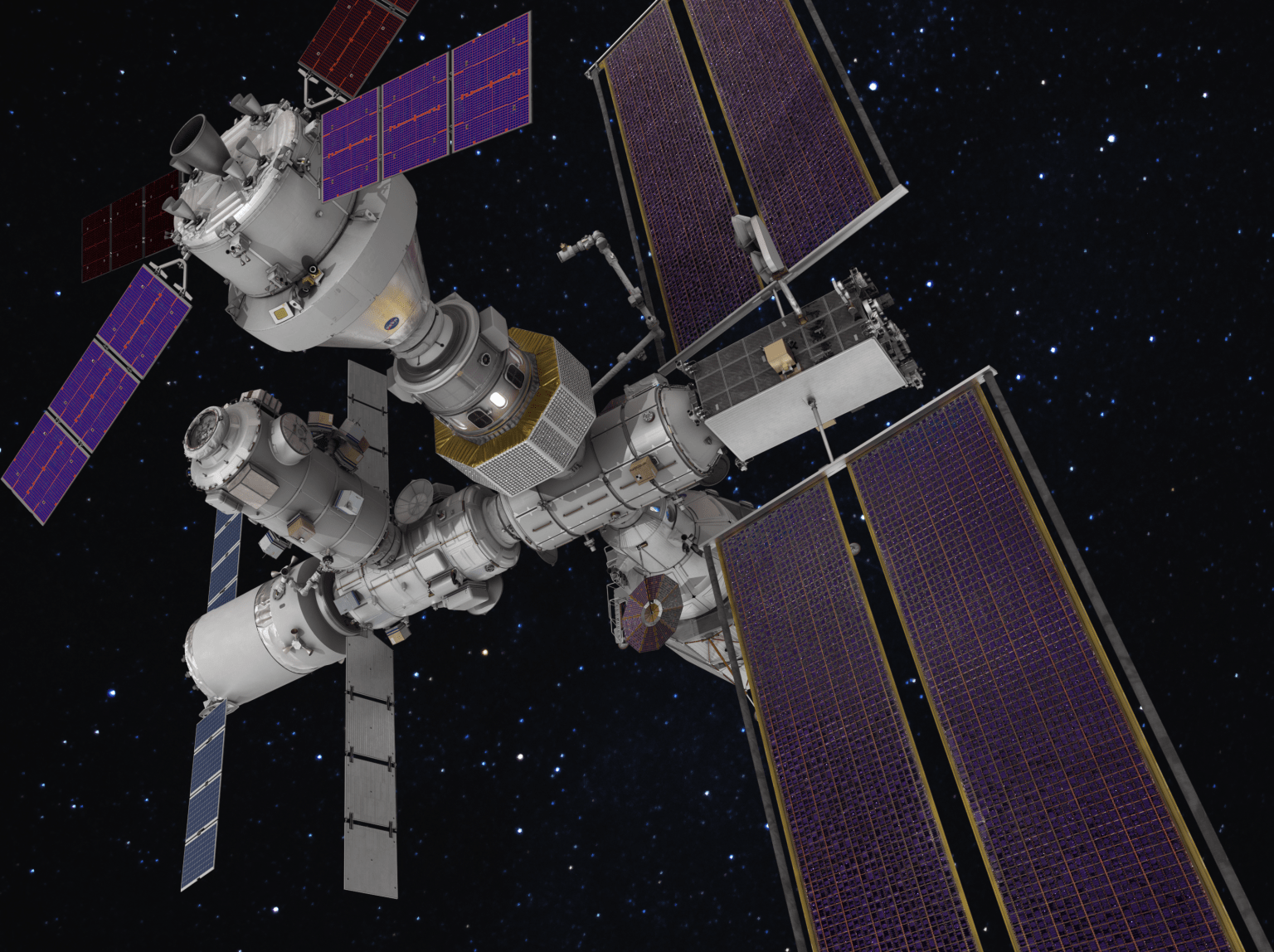
The technology could be used for autonomous operation of spacecraft with minimal or no human occupancy where robots must sense the environment and precisely maneuver, including the lunar Gateway space station. Other uses could be to inspect and maintain spacecraft and for autonomous vehicle operations on other celestial bodies. Results also support improvements in robotic technologies for harsh and dangerous environments on Earth.
Project Lead Marc Elmouttie with the MRS hardware housed in an Astrobee robot.
NASA
Placement of Particles
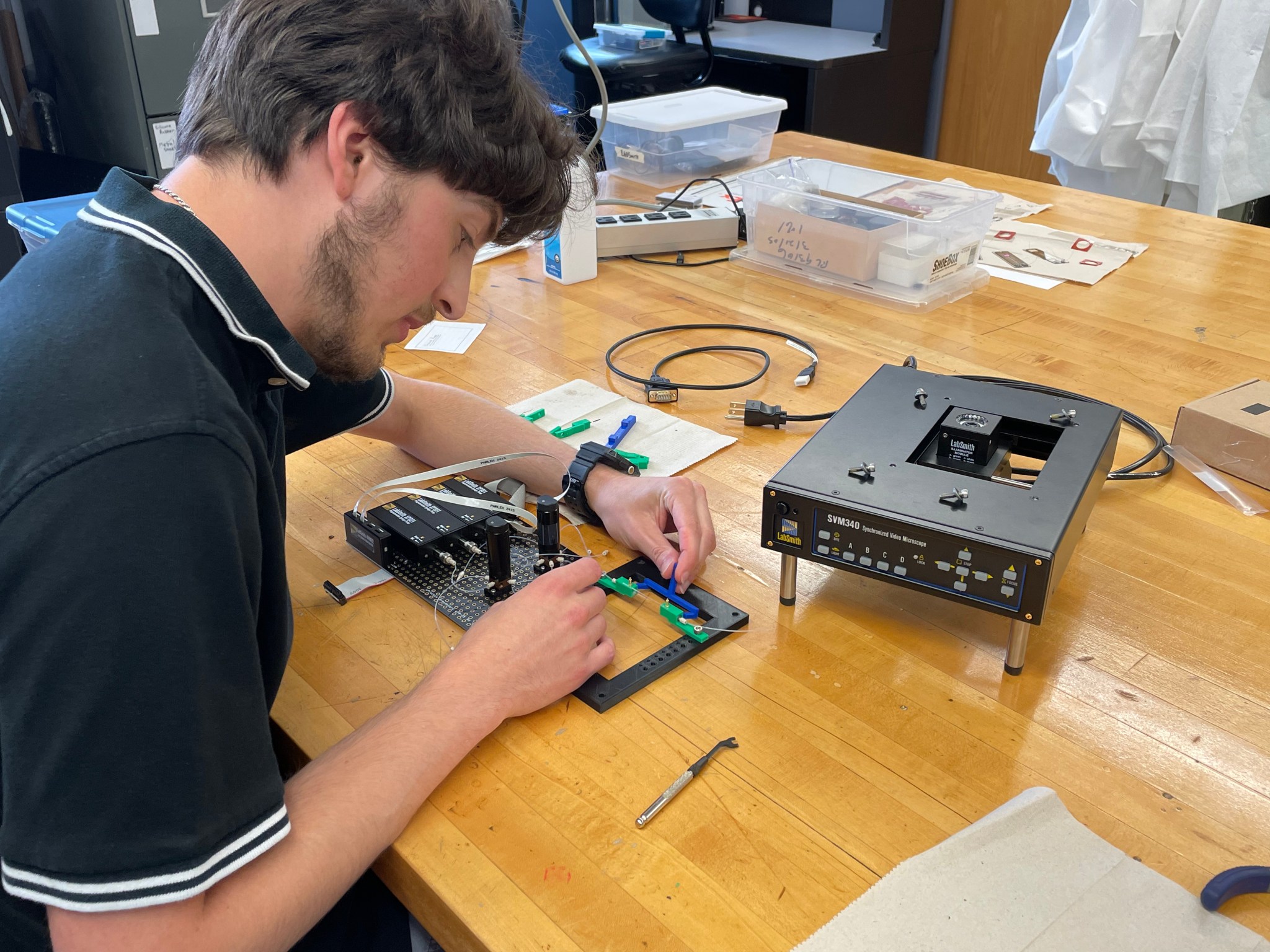
The Nano Particle Haloing Suspension investigation examines how nanoparticles and microparticles interact within an electrical field. A process called nanoparticle haloing uses charged nanoparticles to enable precise particle arrangements that improve the efficiency of quantum-dot synthesized solar cells, according to Stuart J. Williams, principal investigator with the University of Louisville Department of Mechanical Engineering.
Quantum dots are tiny spheres of semiconductor material with the potential to convert sunlight into energy much more efficiently. Conducting these processes in microgravity provides insight into the relationship between shape, charge, concentration, and interaction of particles.
The investigation is supported by NASA’s Established Program to Stimulate Competitive Research (EPSCoR), which partners with government, higher education, and industry on projects to improve a research infrastructure and research and development capacity and competitiveness.
A capstone student assembles part of the Nano Particle Haloing Suspension hardware.
University of Louisville
Download high-resolution photos and videos of the research mentioned in this article.
Melissa Gaskill International Space Station Program Research Office Johnson Space Center
Search this database of scientific experiments to learn more about those mentioned above.
NASA Invites You to Share Excitement of Agency’s SpaceX Crew-8 Launch
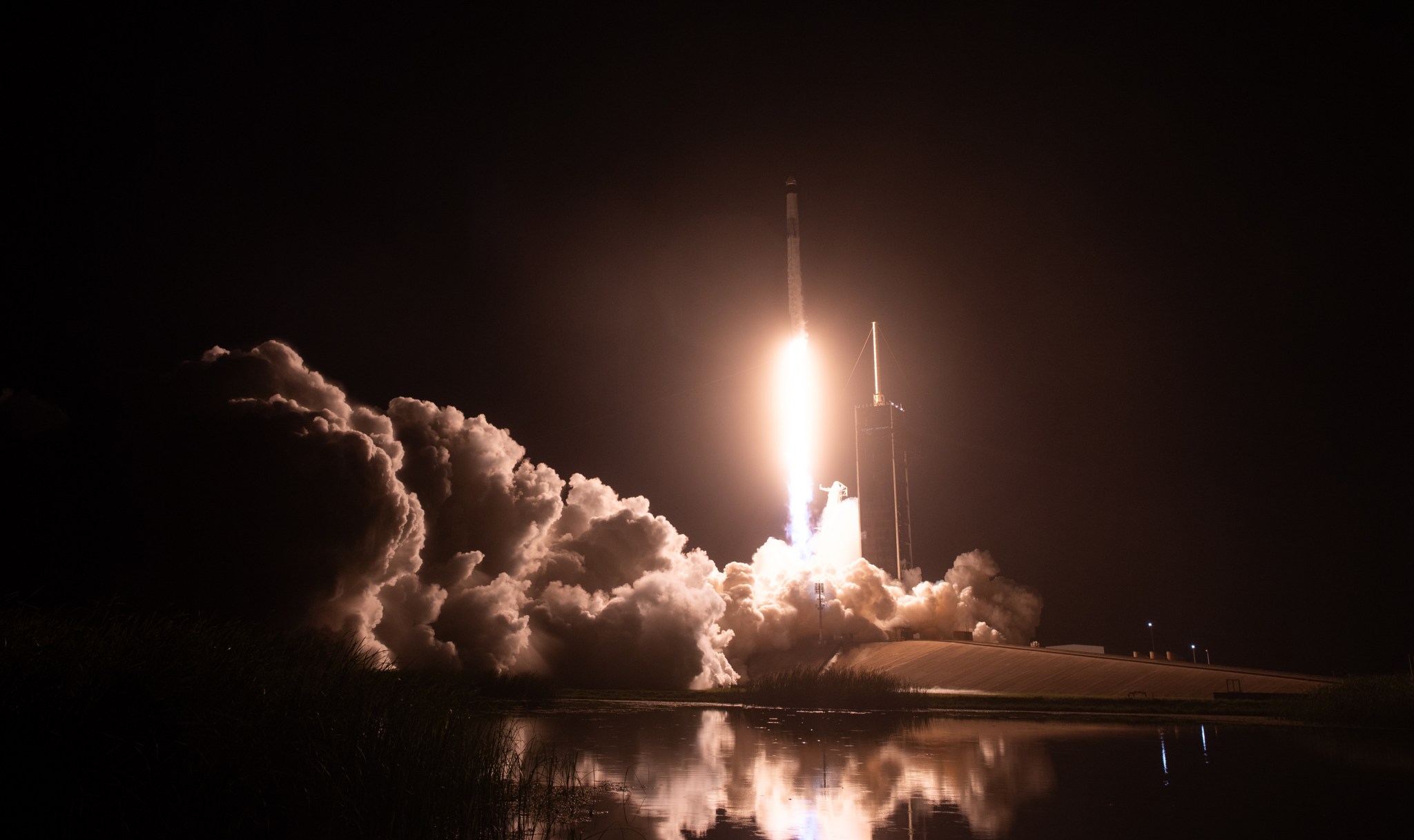
A SpaceX Falcon 9 rocket carrying the company’s Dragon spacecraft is launched on NASA’s SpaceX Crew-7 mission to the International Space Station Saturday, Aug. 26, 2023, at NASA’s Kennedy Space Center in Florida.
NASA/Joel Kowsky
NASA is inviting the public to take part in virtual activities for the launch of the agency’s SpaceX Crew-8 mission to the International Space Station.
NASA astronauts Matthew Dominick, commander; Michael Barratt, pilot; and Jeanette Epps, mission specialist; along with Roscosmos cosmonaut Alexander Grebenkin, mission specialist, will fly to the space station aboard SpaceX’s Dragon spacecraft and Falcon 9 rocket.
Launch is targeted for no earlier than 12:04 a.m. EST on Friday, March. 1, from Launch Complex 39A at Kennedy Space Center in Florida.
Members of the public can register to attend the launch virtually. As a virtual guest, you have access to curated resources, schedule changes, and mission specific information delivered straight to your inbox. Following each activity, virtual guests are sent a mission specific collectable stamp for their virtual guest passport. Hear more about the virtual guest program from the Crew-5 astronauts.
Live coverage and countdown commentary will begin at 8 p.m. on Thursday, Feb. 29 on NASA+, NASA Television, the NASA app, YouTube, and the agency’swebsite. Details about the mission and NASA’s Commercial Crew Program can be found by following the Crew-8 blog, the commercial crew blog, X, and Facebook.
NASA’s Planetary Radar Images Slowly Spinning Asteroid
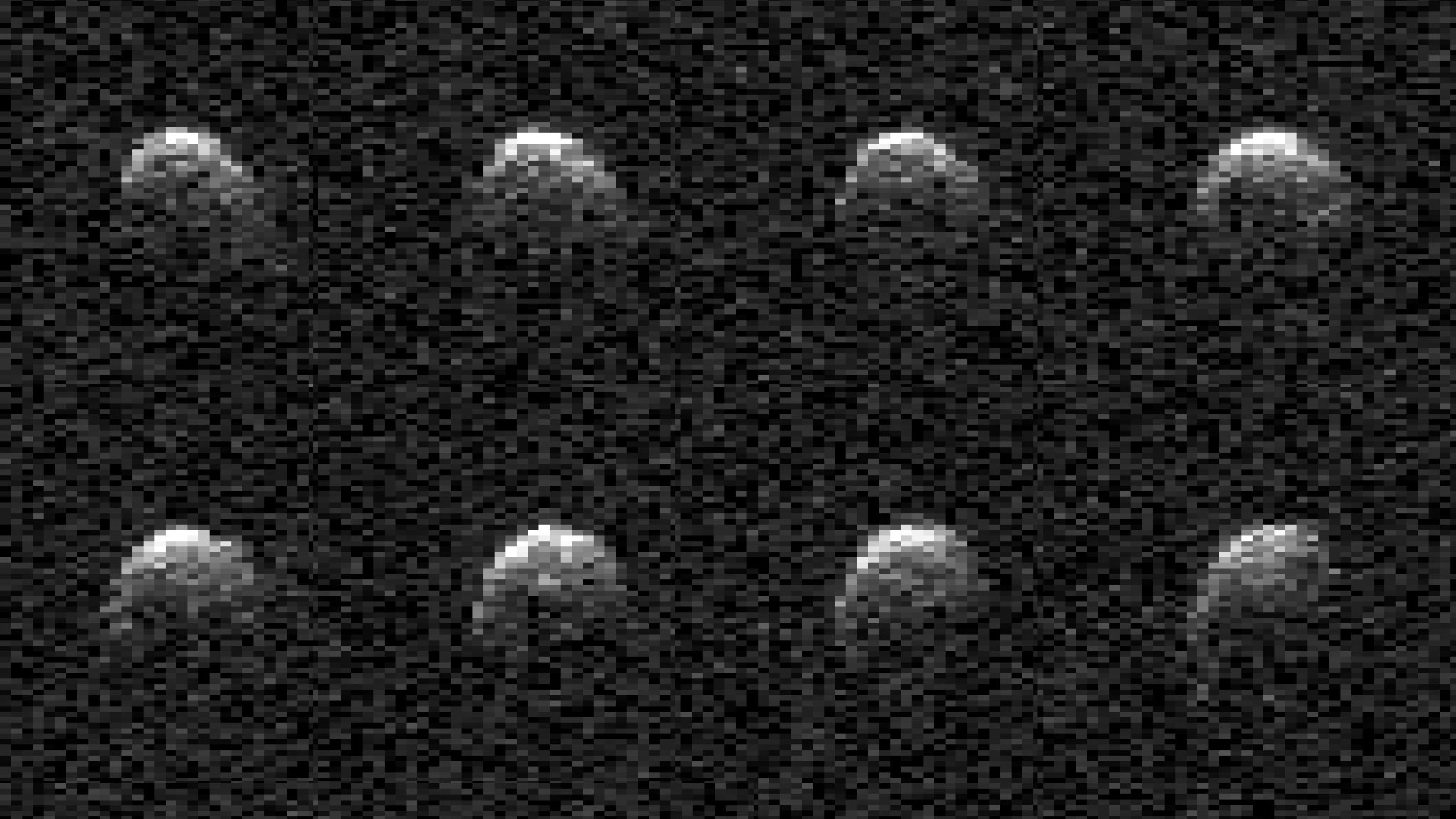
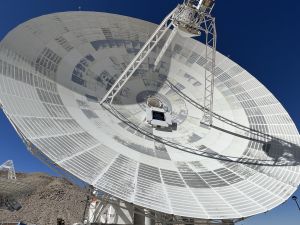
The day before asteroid 2008 OS7 made its close approach with Earth on Feb. 2, this series of images was captured by the powerful 230-foot (70-meter) Goldstone Solar System Radar antenna near Barstow, California.
NASA/JPL-Caltech
During the close approach of 2008 OS7 with Earth on Feb. 2, the agency’s Deep Space Network planetary radar gathered the first detailed images of the stadium-size asteroid.
On Feb. 2, a large asteroid safely drifted past Earth at a distance of about 1.8 million miles (2.9 million kilometers, or 7 ½ times the distance between Earth and the Moon). There was no risk of the asteroid – called 2008 OS7 – impacting our planet, but scientists at NASA’s Jet Propulsion Laboratory in Southern California used a powerful radio antenna to better determine the size, rotation, shape, and surface details of this near-Earth object (NEO). Until this close approach, asteroid 2008 OS7 had been too far from Earth for planetary radar systems to image it.
The asteroid was discovered on July 30, 2008, during routine search operations for NEOs by the NASA-funded Catalina Sky Survey, which is headquartered at the University of Arizona in Tucson. After discovery, observations of the amount of light reflected from the asteroid’s surface revealed that it was roughly between 650 to 1,640 feet (200 and 500 meters) wide and that it is comparatively slow rotating, completing one rotation every 29 ½ hours.
The rotational period of 2008 OS7 was determined by Petr Pravec, at the Astronomical Institute of the Czech Academy of Sciences in Ondřejov, Czech Republic, who observed the asteroid’s light curve – or how the brightness of the object changes over time. As the asteroid spins, variations in its shape change the brightness of reflected light astronomers see, and those changes are recorded to understand the period of the asteroid’s rotation.
During the Feb. 2 close approach, JPL’s radar group used the powerful 230-foot (70-meter) Goldstone Solar System Radar antenna dish at the Deep Space Network’s facility near Barstow, California, to image the asteroid. What scientists found was that its surface has a mix of rounded and more angular regions with a small concavity. They also found the asteroid is smaller than previously estimated – about 500 to 650 feet (150 to 200 meters) wide – and confirmed its uncommonly slow rotation.
The Goldstone radar observations also provided key measurements of the asteroid’s distance from Earth as it passed by. Those measurements can help scientists at NASA’s Center for Near Earth Object Studies (CNEOS) refine calculations of the asteroid’s orbital path around the Sun. Asteroid 2008 OS7 orbits the Sun once every 2.6 years, traveling from within the orbit of Venus and past the orbit of Mars at its farthest point.
CNEOS, which is managed by JPL, calculates every known NEO orbit to provide assessments of potential impact hazards. Due to the proximity of its orbit to that of the Earth and its size, 2008 OS7 is classified as a potentially hazardous asteroid, but the Feb. 2 close approach is the nearest it will come to our planet for at least 200 years.
While NASA reports on NEOs of all sizes, the agency has been tasked by Congress with detecting and tracking objects 460 feet (140 meters) in size and larger that could cause significant damage on the ground if they should impact our planet.
The Goldstone Solar System Radar Group and CNEOS are supported by NASA’s Near-Earth Object Observations Program within the Planetary Defense Coordination Office at the agency’s headquarters in Washington. The Deep Space Network receives programmatic oversight from Space Communications and Navigation (SCaN) program office within the Space Operations Mission Directorate, also at the agency’s headquarters.
More information about planetary radar, CNEOS, and near-Earth objects can be found at:
NASA Names New Station Manager, Space Operations Deputy
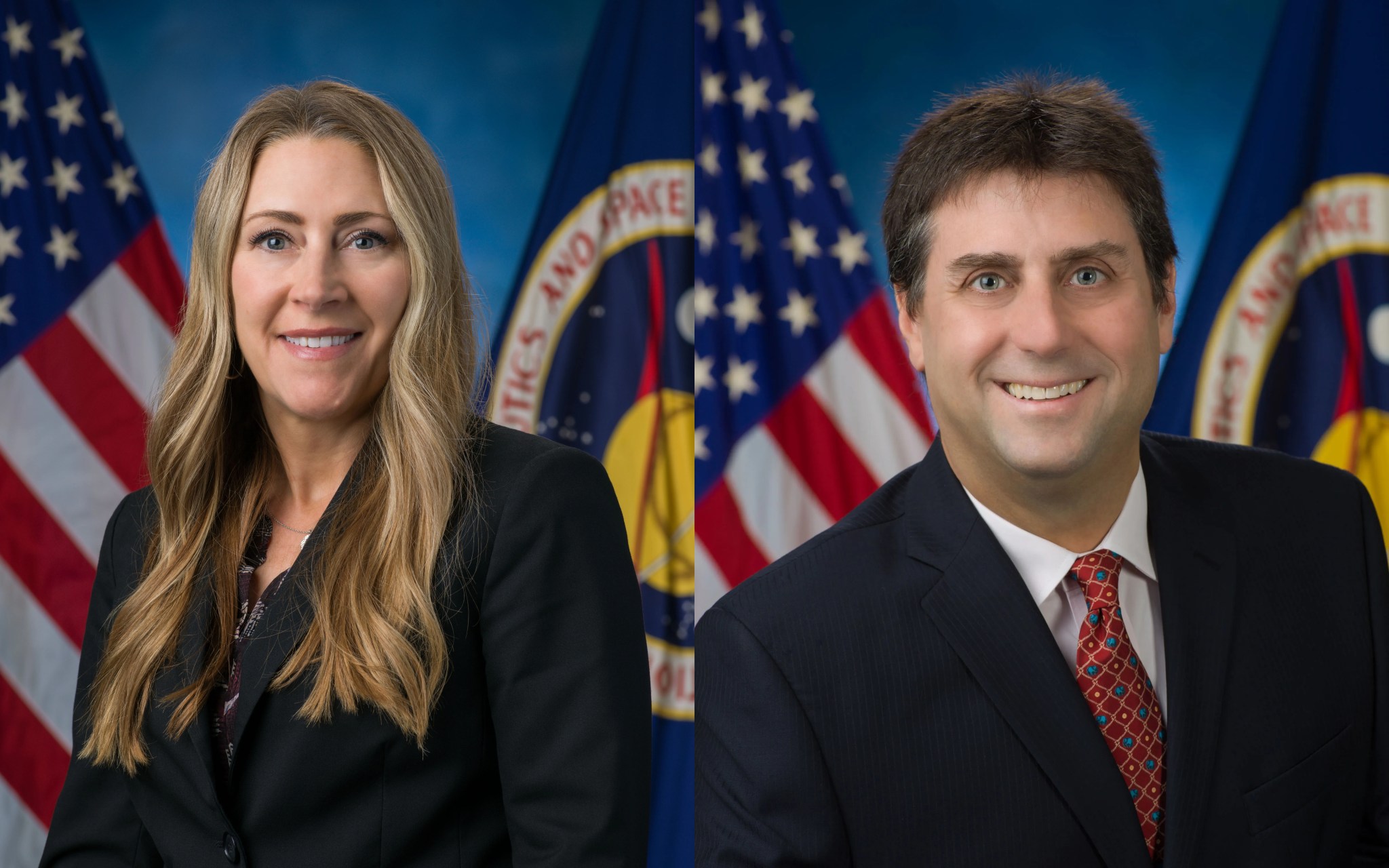
NASA has selected Dana Weigel as the International Space Station Program manager, based at the agency’s Johnson Space Center in Houston. Weigel succeeds Joel Montalbano, who has accepted a position as deputy associate administrator for the agency’s Space Operations Mission Directorate at NASA Headquarters in Washington.
Credits: NASA
NASA has selected Dana Weigel as the International Space Station Program manager, based at the agency’s Johnson Space Center in Houston. Weigel succeeds Joel Montalbano, who has accepted a position as deputy associate administrator for the agency’s Space Operations Mission Directorate at NASA Headquarters in Washington. Both positions will be effective April 7.
“Dana is an excellent choice to lead the space station program during this remarkably busy time in human spaceflight, especially aboard humanity’s home in orbit,” said Ken Bowersox, NASA’s associate administrator for space operations. “With Dana continuing her contributions to space station, Joel will bring his experience to the Space Operations directorate. NASA will continue to benefit from their human spaceflight knowledge as we maintain our unique capabilities in orbit and prepare for the future of the agency’s operations in space.”
Weigel will bring 20 years of NASA experience to her new role. She’s currently serving as the agency’s deputy program manager for the International Space Station since 2021. As program manager, Weigel will be responsible for the overall management, development, integration, and operation of the orbital complex. She also has served in a number of key positions at NASA, including as the manager of the Space Station Vehicle Office from 2014 to 2021, where she was responsible for sustaining, sparing and developing systems and payload facility hardware, managing the risks, and integrating commercial and international partner elements into the International Space Station. She served as deputy chief of the Flight Director Office from 2012 through 2014 and was a flight director from 2004 to 2014. Weigel began her career with Barrios Technology in 1994 and became a NASA civil servant in 2004.
A native of Baltimore, Weigel holds a bachelor’s degree in mechanical engineering from Texas A&M University. Throughout her career, Weigel has been recognized for achievements including the Astronauts’ Silver Snoopy Award in 2002; NASA’s Exceptional Service Medal in 2006, 2010 and 2011; Outstanding Leadership Medal in 2008; Exceptional Achievement Medal in 2010; Silver Achievement Medal in 2014; and Distinguished Service Medal in 2022. She was also recognized as a Rotary National Award for Space Achievement Stellar award recipient in 2000 and 2007.
“Dana’s depth of expertise and International Space Station Program experience will be instrumental as we continue to explore low Earth orbit for the benefit of all humanity,” said Johnson Center Director Vanessa Wyche. “On behalf of NASA Johnson, we are proud of Joel’s contributions and dedication to mission excellence and look forward to his accomplishments as Space Operations Mission Directorate’s deputy associate administrator.”
Montalbano will lend his vast experience to meet the nation’s goals of establishing a low Earth orbit economy and to maintain America’s leadership space. He has served as International Space Station Program manager since 2020. Prior to that, he was the deputy program manager since 2012. Montalbano began his career at Rockwell in June 1988 and became a NASA civil servant in August 1998, serving in a number of roles, including as a NASA flight director from 2000 to 2008.
He earned a bachelor’s degree in aerospace, aeronautical and astronautical engineering from Iowa State University in Ames, Iowa. Throughout his career, Montalbano has earned multiple NASA awards, including the Distinguished Service Medal in 2018. He received NASA’s Exceptional Service Medal in 2003 and 2007, Outstanding Leadership Medal in 2004, and the Superior Accomplishment Award in 2007. He also was awarded the Astronauts’ Silver Snoopy Award and the American Astronomical Society’s Advancement of International Cooperation Award. In 2012, he was awarded Rank of Meritorious Executive, conferred by the President of the United States. Montalbano also has earned the Boy Scouts of America rank of Eagle Scout.
The International Space Station is a hub for scientific research and technology demonstration. NASA and its partners continue to maximize use of the space station for research, where astronauts have lived and worked continuously for more than 23 years.
The Space Operations Mission Directorate, which oversees the International Space Station Program, helps maintain a continuous human presence in space for the benefit of people on Earth. The programs within the directorate are the heart of NASA’s exploration efforts, enabling Artemis, commercial space, science, and other agency missions through communication, launch services, research capabilities, and crew support.
For more information about the International Space Station, visit: