65 Years Ago: NASA Selects America’s First Astronauts

65 Years Ago: NASA Selects America’s First Astronauts

On Nov. 5, 1958, NASA, newly established to lead America’s civilian space program, formally established the Space Task Group (STG) at NASA’s Langley Research Center in Hampton, Virginia, to implement one of the nation’s top priorities – to develop a spacecraft capable of sending humans into space and returning them safely to Earth. In January 1959, the STG selected a contractor to build the spacecraft for Project Mercury and began the process of choosing who would fly the spacecraft. President Dwight D. Eisenhower directed NASA to choose its first astronauts from among the ranks of military pilots. The three-month rigorous process led to the selection on April 2, 1959, of seven men from among America’s military branches. The agency presented them to the world on April 9 as America’s Mercury 7 astronauts.
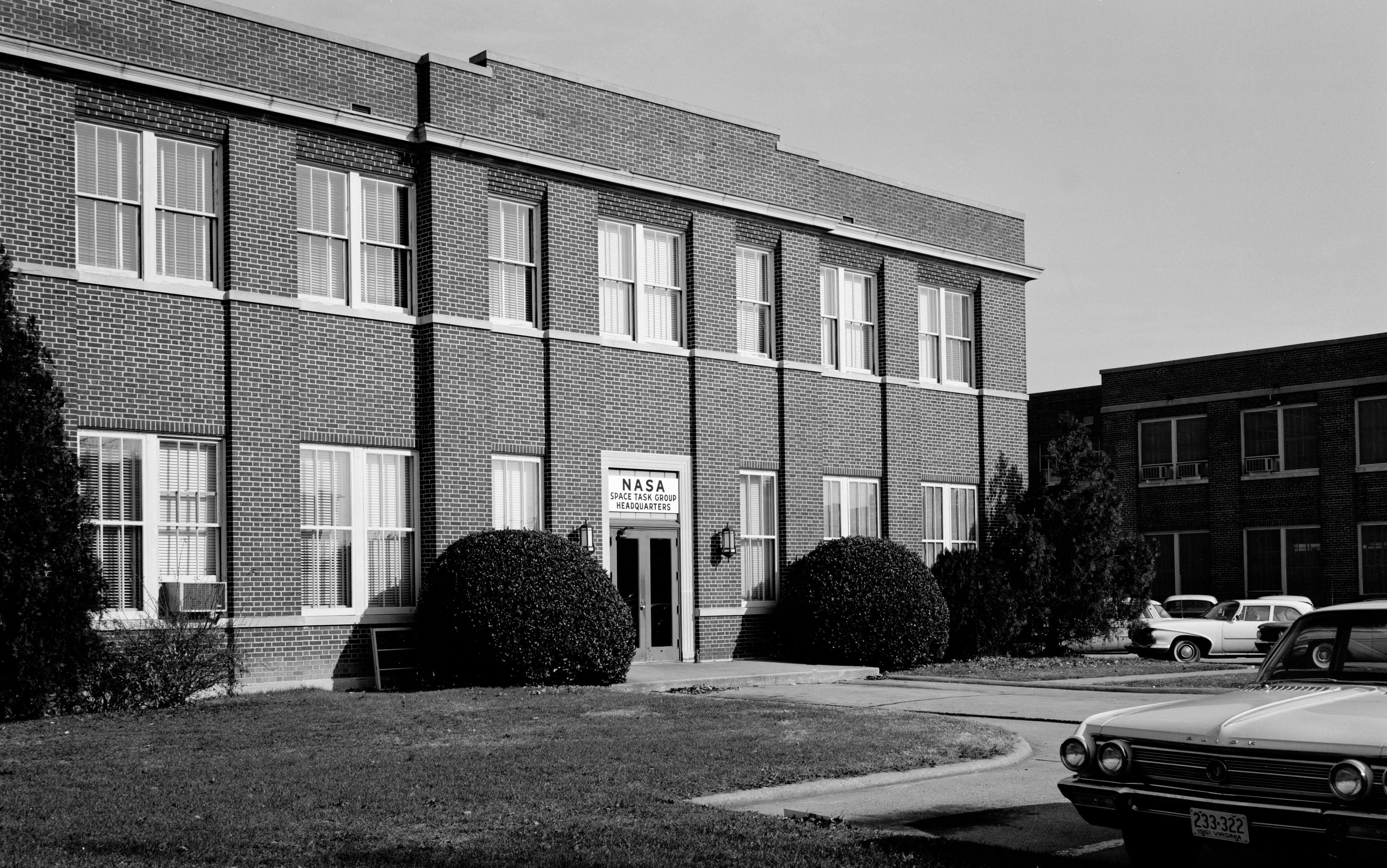
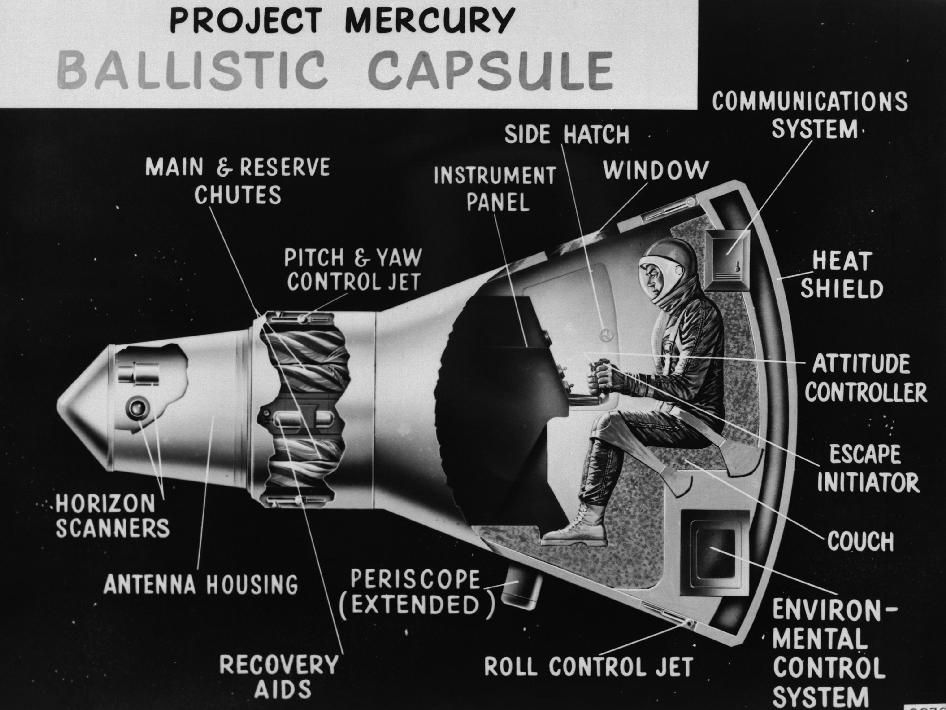
The headquarters building for the Space Task Group at NASA’s Langley Research Center in Hampton, Virginia An early cutaway representation of the Mercury capsule
Left: The headquarters building for the Space Task Group at NASA’s Langley Research Center in Hampton, Virginia. Right: An early cutaway representation of the Mercury capsule.

President Eisenhower decided that military test pilots would make the most suitable astronauts. Choosing from among armed forces personnel would expedite the selection process since the government had access to their records and all had received prior security clearances and medical screening. On Jan. 5, 1959, NASA established the qualifications for the astronauts: less than 40 years of age; less than 5 feet 11 inches tall; excellent physical condition; bachelor’s degree or equivalent; graduate of test pilot school; and 1,500 hours of jet flight time. A screening in late January of the files of 508 graduates of the Navy and Air Force test pilot schools who met the basic age and flying requirements resulted in 110 qualified candidates. The selection committee ranked these candidates and divided them into three groups of about 35 each. The first two groups, comprising 69 candidates, received classified briefings at the Pentagon about the Mercury spacecraft and their potential participation. From this group, 53 volunteered for further evaluation and NASA decided not to call in the third group of candidates. Following an initial medical screening, 32 from this group advanced to undergo thorough medical evaluations at the Lovelace Foundation for Medical Education and Research, commonly known as the Lovelace Clinic, in Albuquerque, New Mexico. Beginning on Feb. 7, the candidates in six groups of five or six spent one week at Lovelace undergoing comprehensive medical examinations. From there, 31 of the 32 (one candidate failed a blood test at Lovelace) advanced to the Aero Medical Laboratory (AML) at Wright-Patterson Air Force Base in Dayton, Ohio, where weeklong testing of the six groups took place between Feb. 15 and March 28. Rather than simply examining them physically, testing at AML consisted of stressing the candidates in centrifuges, altitude chambers, and other devices to evaluate their reactions. The selection committee met at Langley in late March and based on all the available data selected seven candidates for Project Mercury. The 24 unsuccessful candidates received notification by telephone on April 1 with a follow up letter from Assistant STG Manager Charles J. Donlan on April 3, also advising them to apply for any possible future astronaut selections. Four of them did apply to the second selection in 1962, and NASA selected two of them. The seven chosen as Mercury astronauts received telephone calls from Donlan on April 2.
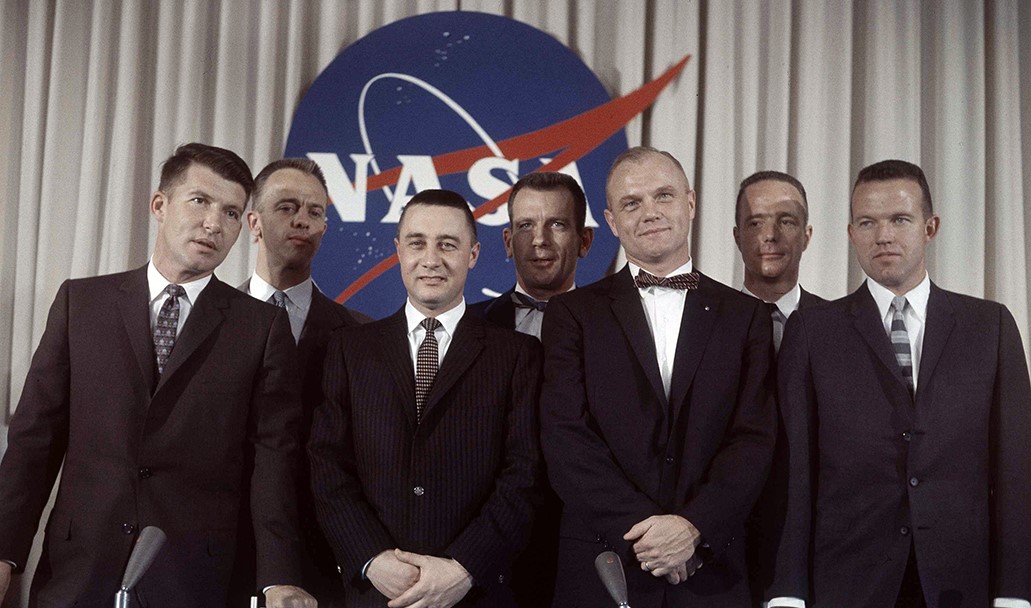
Group photo of the Mercury 7 astronauts at their first public appearance in April 1959: Walter M. Schirra, left, Alan B. Shepard, Virgil I. “Gus” Grissom, Donald K. “Deke” Slayton, John H. Glenn, M. Scott Carpenter, and L. Gordon Cooper
Group photo of the Mercury 7 astronauts at their first public appearance in April 1959: Walter M. Schirra, left, Alan B. Shepard, Virgil I. “Gus” Grissom, Donald K. “Deke” Slayton, John H. Glenn, M. Scott Carpenter, and L. Gordon Cooper.

On April 9, 1959, NASA formally introduced the men to the nation and the world. The event took place in the ballroom of the Dolley Madison House on Lafayette Square in Washington, D.C., the new space agency’s first headquarters. The astronauts took their seats at a long table on a makeshift stage, and NASA Administrator T. Keith Glennan introduced them in alphabetical order: “Malcolm S. Carpenter, Leroy G. Cooper, John H. Glenn, Virgil I. Grissom, Walter M. Schirra, Alan B. Shepard, and Donald K. Slayton … the nation’s Mercury astronauts!” After a brief photo session, for the next 90 minutes the new astronauts responded to numerous questions from the reporters gathered in the ballroom. For most of the men, meeting the press represented a new experience as they had little prior exposure to the media in their previous jobs as test pilots. By the time the event concluded, they clearly sensed that their lives had changed forever, with public attention as much a part of their jobs as training for and flying in space. They reported for work at Langley on April 27.
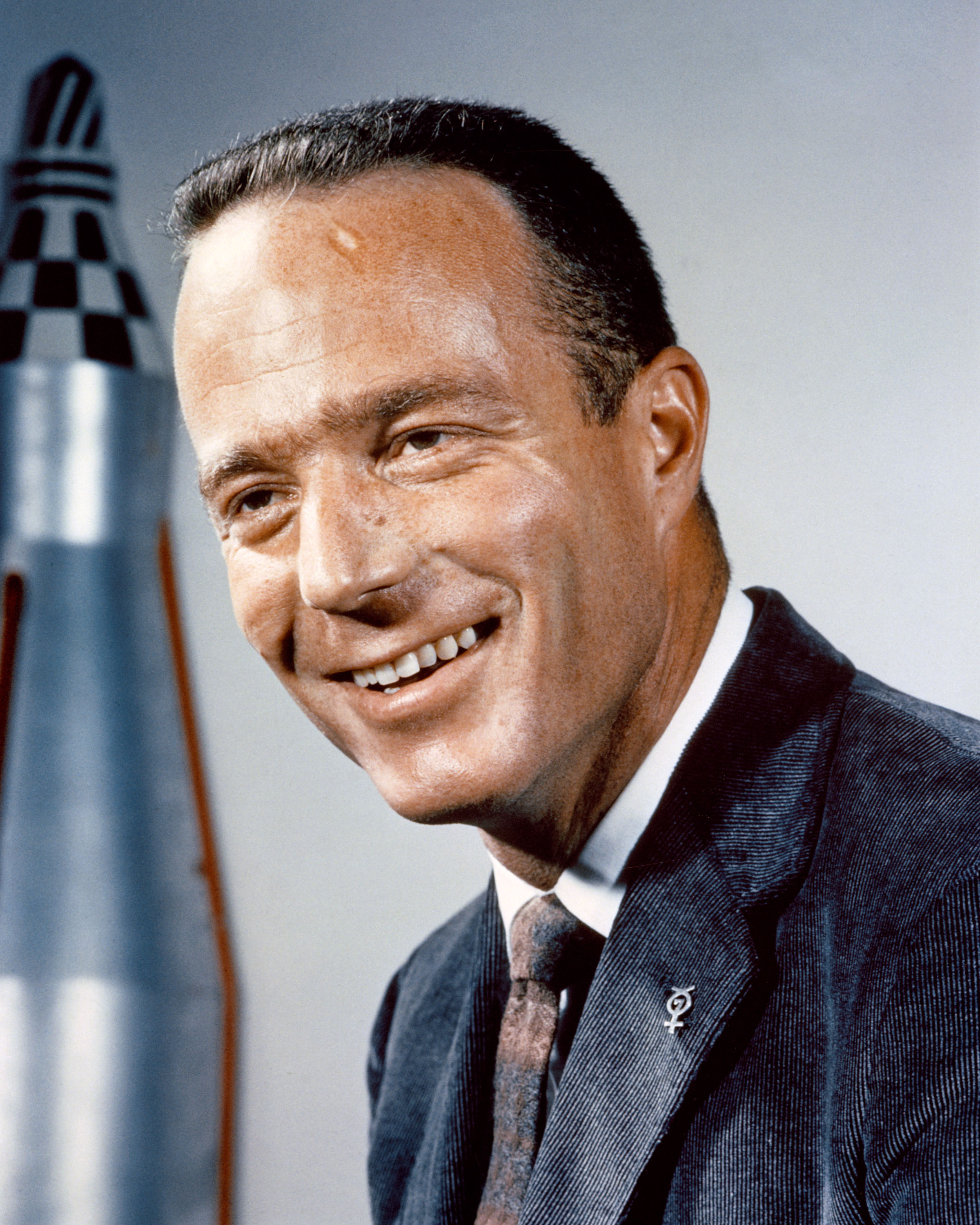
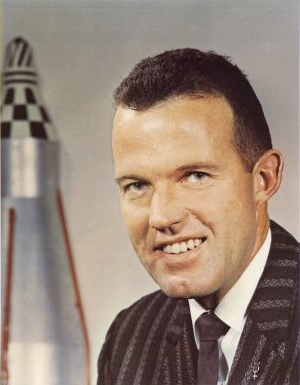
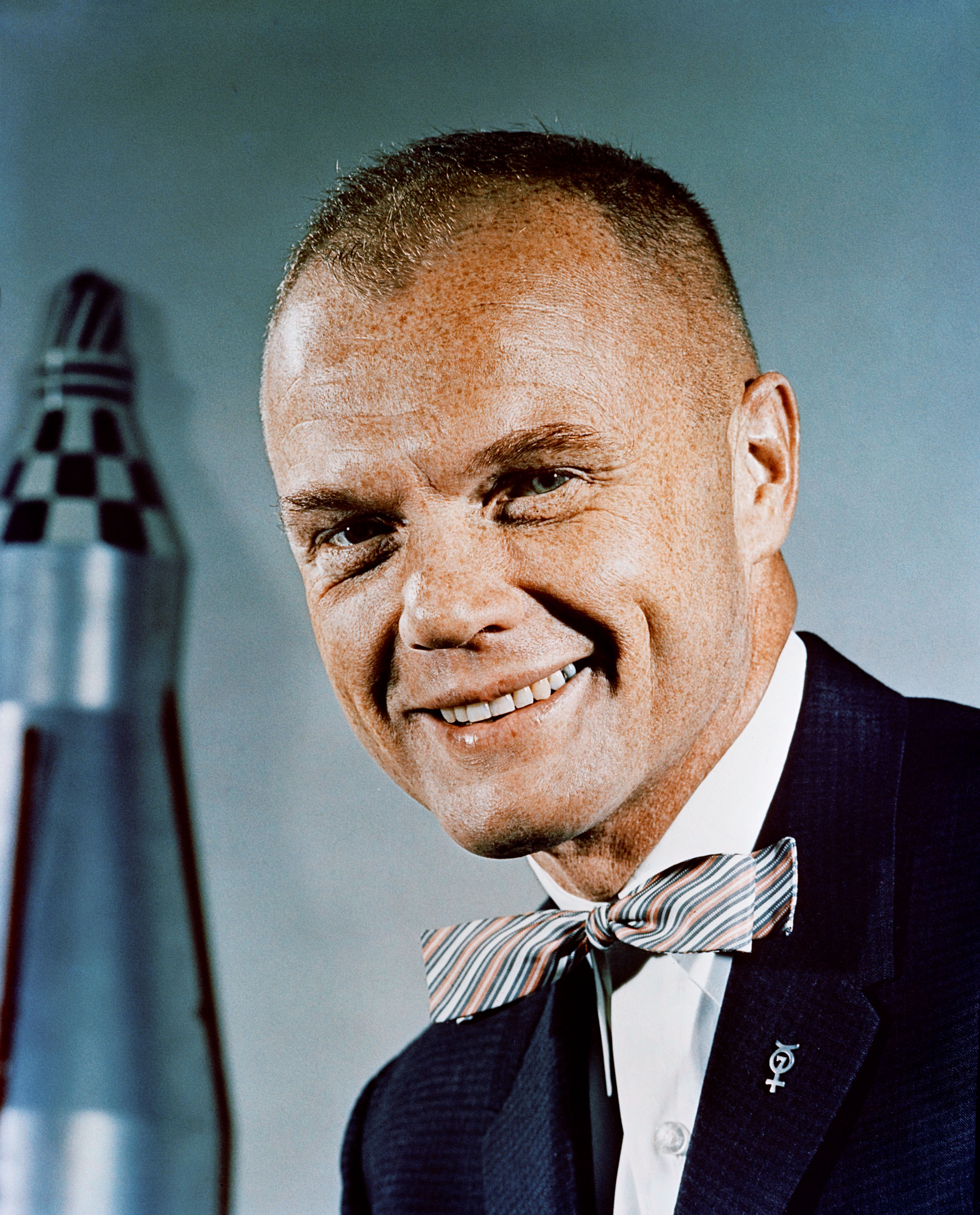
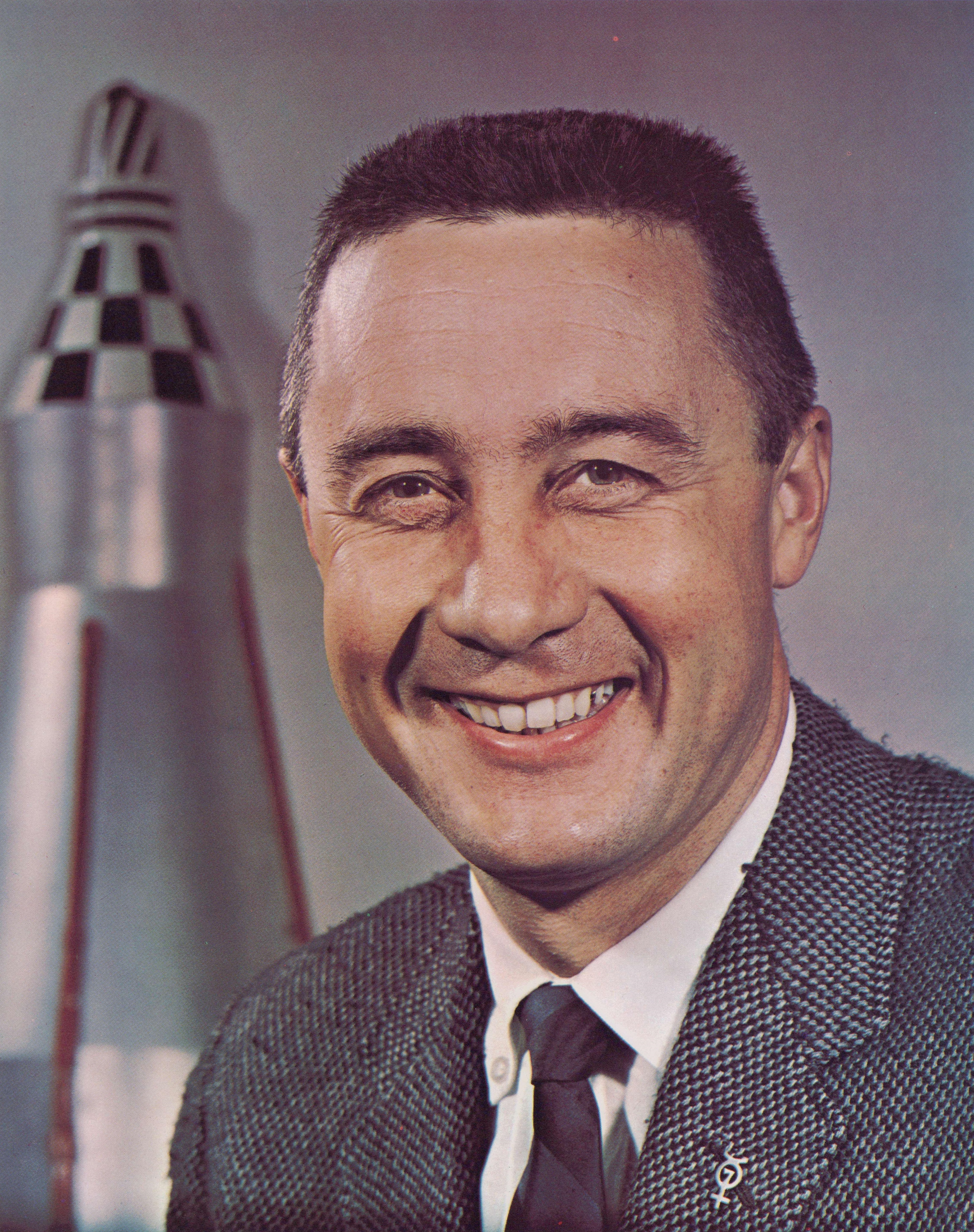
M. Scott Carpenter L. Gordon Cooper John H. Glenn Virgil I. “Gus” Grissom
Mercury 7 astronauts M. Scott Carpenter, left, L. Gordon Cooper, John H. Glenn, and Virgil I. “Gus” Grissom.

Carpenter flew America’s second orbital flight, Mercury 7, in May 1962, after serving as backup to Glenn for his historic first orbital flight. He named his capsule Aurora 7. Due to late firing of his retrorockets for the deorbit burn, Carpenter landed 250 miles from the target, and he waited hours for rescue forces to recover him. Cooper served as Schirra’s backup before getting his flight assignment on Mercury 9. He spent 34 hours aboard his Faith 7 capsule, at the time the longest American spaceflight. He served as command pilot of the eight-day Gemini V mission in August 1965, setting another American record. As his last assignment, he served as backup commander for Apollo 10 in 1969. Glenn made history in February 1962 as the first American to orbit the Earth aboard Friendship 7. Although he retired from NASA in 1964 to pursue a career in politics, he flew again as a U.S. Senator in 1998 aboard STS-95 at age 77, still the record as the oldest person to orbit the Earth. Grissom flew the second suborbital mission, Mercury 4, aboard his Liberty Bell 7 capsule, in August 1961. Following splashdown, his spacecraft’s hatch accidentally blew off and seawater rapidly filled it, a recovery helicopter pulling him to safety at the last moment. As the first American to travel to space a second time, he commanded the first two-man spacecraft, Gemini 3, in March 1965. He received a third spaceflight assignment as the commander of Apollo 1, the first flight of the three-person spacecraft. He died tragically during a ground test fire of the spacecraft on Jan. 27, 1967.
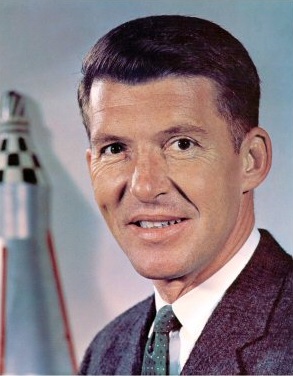
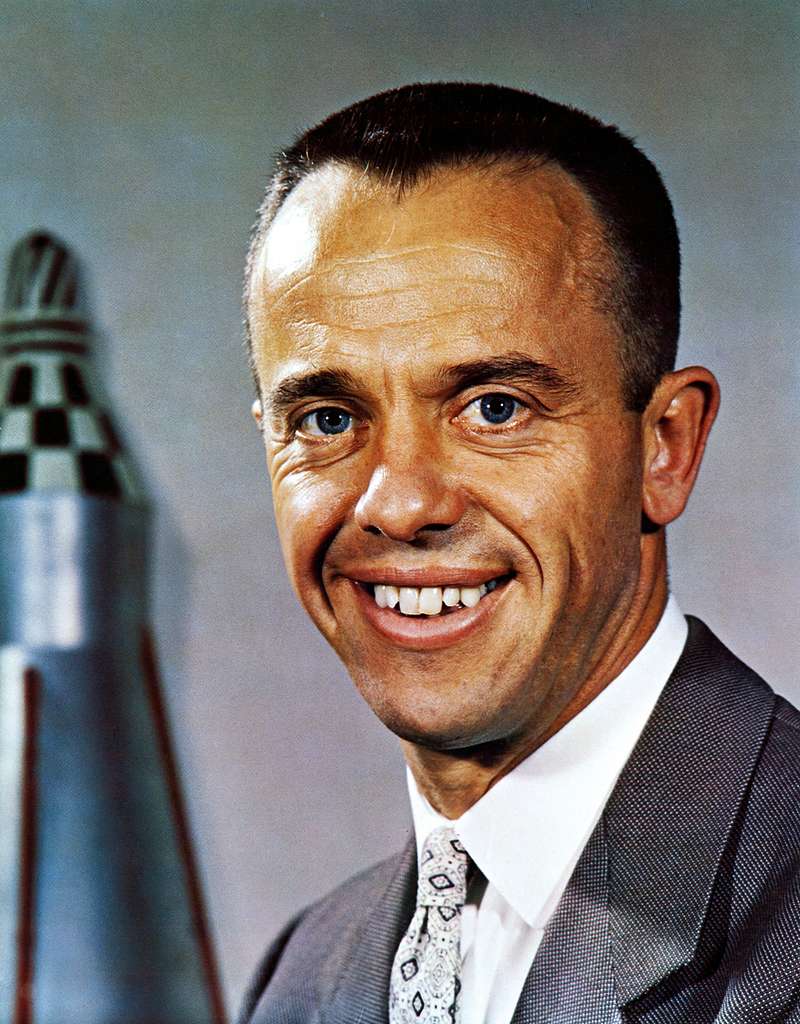
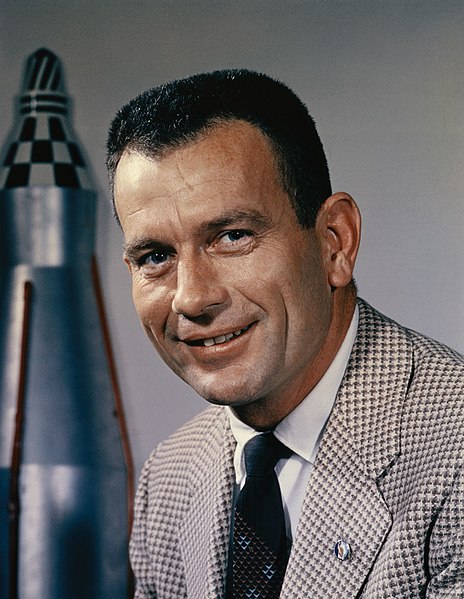
Walter M. Schirra Alan B. Shepard Donald K. “Deke” Slayton
Mercury 7 astronauts Walter M. Schirra, left, Alan B. Shepard, and Donald K. “Deke” Slayton.

Schirra served as Carpenter’s backup before flying six orbits aboard his Sigma 7 spacecraft during the Mercury 8 mission in October 1962. He served as Grissom’s backup for Gemini 3 and flew as the command pilot for Gemini VI in December 1965, the first space rendezvous mission. Two months earlier, he showed his cool when on the first attempt to launch Gemini VI, the rocket’s engines shutdown just before liftoff. Before the Apollo 1 fire, he served as the commander of the Apollo 2 mission, then once again as Grissom’s backup for Apollo 1. After the fire, he flew as the commander of Apollo 7, the first crewed test of Command and Service Module in October 1968, the only astronaut to fly aboard all three of America’s first spacecraft. Shepard holds the honor as the first American in space for his suborbital flight aboard Freedom 7 during the Mercury 4 mission in May 1961. Grounded by an inner ear malady, Shepard went on to lead the astronauts as their chief until reinstated to flight duty in May 1969. He served as the commander of Apollo 14 in January-February 1971, the only Mercury 7 astronaut to walk on the Moon. Originally assigned to fly the Mercury 7 mission, in March 1962, flight surgeons grounded Slayton due to a heart irregularity just two months before his scheduled mission aboard Delta 7. While grounded, he served as chief of flight crew operations. Flight surgeons reinstated him to flying status in March 1972, and soon after NASA assigned him as the docking module pilot for the July 1975 Apollo-Soyuz Test Project joint mission with the Soviet Union.

Summary of spaceflights by the Mercury 7 astronauts. The highlighted boxes with flight names in italics represent astronauts who died before they could undertake the mission. Italics represent astronaut assigned to but did not fly the mission.

Astronaut biographies can be found at https://www.nasa.gov/astronauts

Read the JSC History Office oral histories with Carpenter, Cooper, Glenn, Schirra, and Shepard.

Powered by WPeMatico

Get The Details…
Kelli Mars

Ten-Member Crew Works on Cargo, Spacesuits, and Human Research

Ten-Member Crew Works on Cargo, Spacesuits, and Human Research

The SpaceX Dragon cargo spacecraft approaches the space station for a docking to the Harmony module's space-facing port on March 23, 2024.
The SpaceX Dragon cargo spacecraft approaches the space station for a docking to the Harmony module’s space-facing port on March 23, 2024.

The 10 crew members aboard the International Space Station, including five NASA astronauts, four Roscosmos cosmonauts, and one Belarus spaceflight participant, turned their attention on Tuesday toward cargo transfers and spacesuit work. There was still time for science on the orbital outpost as the Expedition 70 crew continued more human research.

The NASA astronauts worked throughout the day swapping cargo in and out of the SpaceX Dragon cargo spacecraft docked to the Harmony module’s space-facing port. Flight Engineer Loral O’Hara kicked off Tuesday’s cargo work releasing launch restraints that had secured payloads during Dragon’s ascent to space. Next, Matthew Dominick and Jeanette Epps took over unstrapping more cargo to move into the station.

O’Hara then unpacked a new U.S. spacesuit helmet from Dragon and swapped it with an older helmet for return to Earth aboard the spacecraft. Dominick packed the upper torso of a U.S. spacesuit in a box then labeled and prepared it for stowing on Dragon for analysis and servicing back on Earth. NASA Flight Engineer Tracy C. Dyson assisted the duo during the spacesuit cargo work then finalized battery charging duties in preparation for an upcoming Roscosmos spacewalk.

NASA Flight Engineer Mike Barratt released and transferred science hardware from inside Dragon for installation on a space station EXPRESS rack. The EXPRESS racks are multipurpose research facilities enabling astronaut-operated or ground-controlled experiments. Barratt also installed and set up new research gear in the Harmony module expanding protein crystallization research for a space pharmaceutical study.

The Roscosmos segment’s four cosmonauts fit in an array of space science while also working on their contingent of cargo activities.  Flight Engineer Alexander Grebenkin operated gear monitoring Flight Engineer Oleg Novitskiy while has was attached to sensors recording his blood circulation. Novitskiy also partnered with spaceflight participant Marina Vasilevskaya photographing Earth landmarks and filming educational activities. Flight Engineer Nikolai Chub continued collecting his blood and saliva samples for a space immunity study.

Novitskiy also packed cargo inside the Soyuz MS-24 crew ship that he, Vasilevskaya, and O’Hara will return to Earth in on April 6. Chub stowed more cargo inside the Progress 86 resupply ship and updated the space station’s inventory management system. Expedition 70 Commander Oleg Kononenko spent his day on electronics maintenance checking video gear and computer hardware.


Learn more about station activities by following the space station blog@space_station and @ISS_Research on X, as well as the ISS Facebook and ISS Instagram accounts.

Get weekly video highlights at: https://roundupreads.jsc.nasa.gov/videoupdate/

Get the latest from NASA delivered every week. Subscribe here: www.nasa.gov/subscribe

Powered by WPeMatico

Get The Details…

Mark Garcia

NASA Aeronautics Monthly STEM Newsletter

NASA Aeronautics Monthly STEM Newsletter

1 min read

Preparations for Next Moonwalk Simulations Underway (and Underwater)

NASA Aeronautics STEM Monthly Newsletter graphic showing an email icon with a paper airplane.

2024

NASA Aeronautics Monthly STEM Newsletter: Issue 35

NASA Aeronautics Monthly STEM Newsletter: Issue 34

Aeronautics STEM

Share

Details

Last Updated

Apr 02, 2024

Editor
Lillian Gipson
Contact
Jim Banke

Related Terms

Powered by WPeMatico

Get The Details…
Lillian Gipson

A Home for Astronauts around the Moon

A Home for Astronauts around the Moon

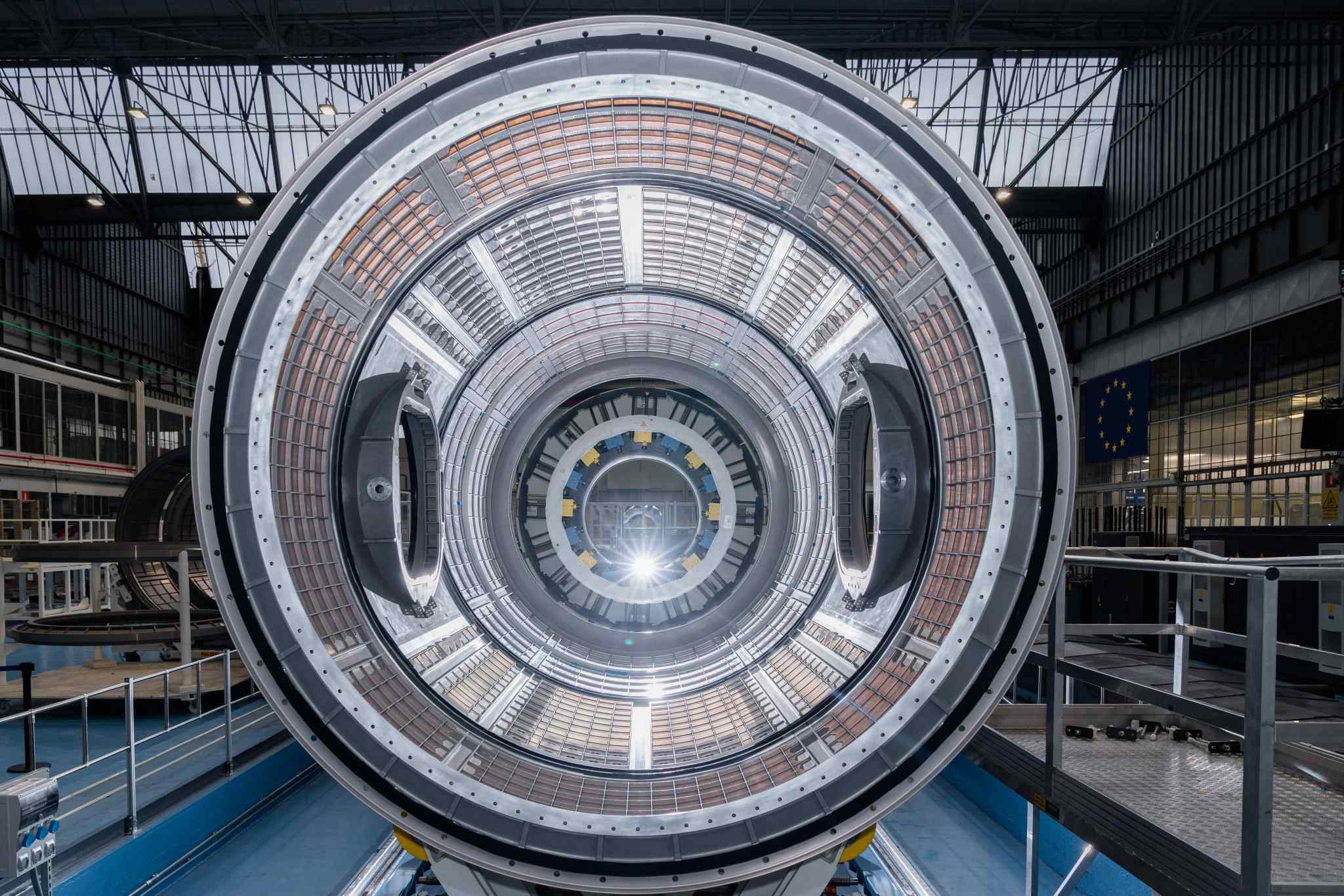
A large circular structure stands in a facility. The camera looks straight through the structure. At this angle, the interior looks like concentric circles.
Northrop Grumman/Thales Alenia Space

The Gateway space station’s HALO (Habitation and Logistics Outpost) module, one of two of Gateway’s habitation elements where astronauts will live, conduct science, and prepare for lunar surface missions, is one step closer to launch following welding completion in Turin, Italy.

HALO, shown in this image from Oct. 23, 2023, will next undergo a series of stress tests to ensure its safety. Upon successful completion, the future home for astronauts will travel to Gilbert, Arizona where Northrop Grumman will complete final outfitting ahead of launch to lunar orbit.

Gateway will be humanity’s first space station in lunar orbit as an essential element of the Artemis missions to return humans to the Moon for scientific discovery and chart a path for the first human missions to Mars.

Image Credit: Northrop Grumman/Thales Alenia Space

Powered by WPeMatico

Get The Details…
Dylan Connell

Veronica T. Pinnick Put NASA’s PACE Mission through Its Paces

Veronica T. Pinnick Put NASA’s PACE Mission through Its Paces

To achieve the impossible, Veronica T. Pinnick, who put NASA’s PACE mission through its prelaunch paces, says you need to get comfortable with being uncomfortable.

Name: Dr. Veronica T. Pinnick

Title: Plankton Aerosol, Cloud and ocean Ecosystem (PACE) Integration and Test (I&T) manager

Formal Job Classification: Chemist

Organization: Integration and Test Branch, Electrical Engineering Division (Code 568)

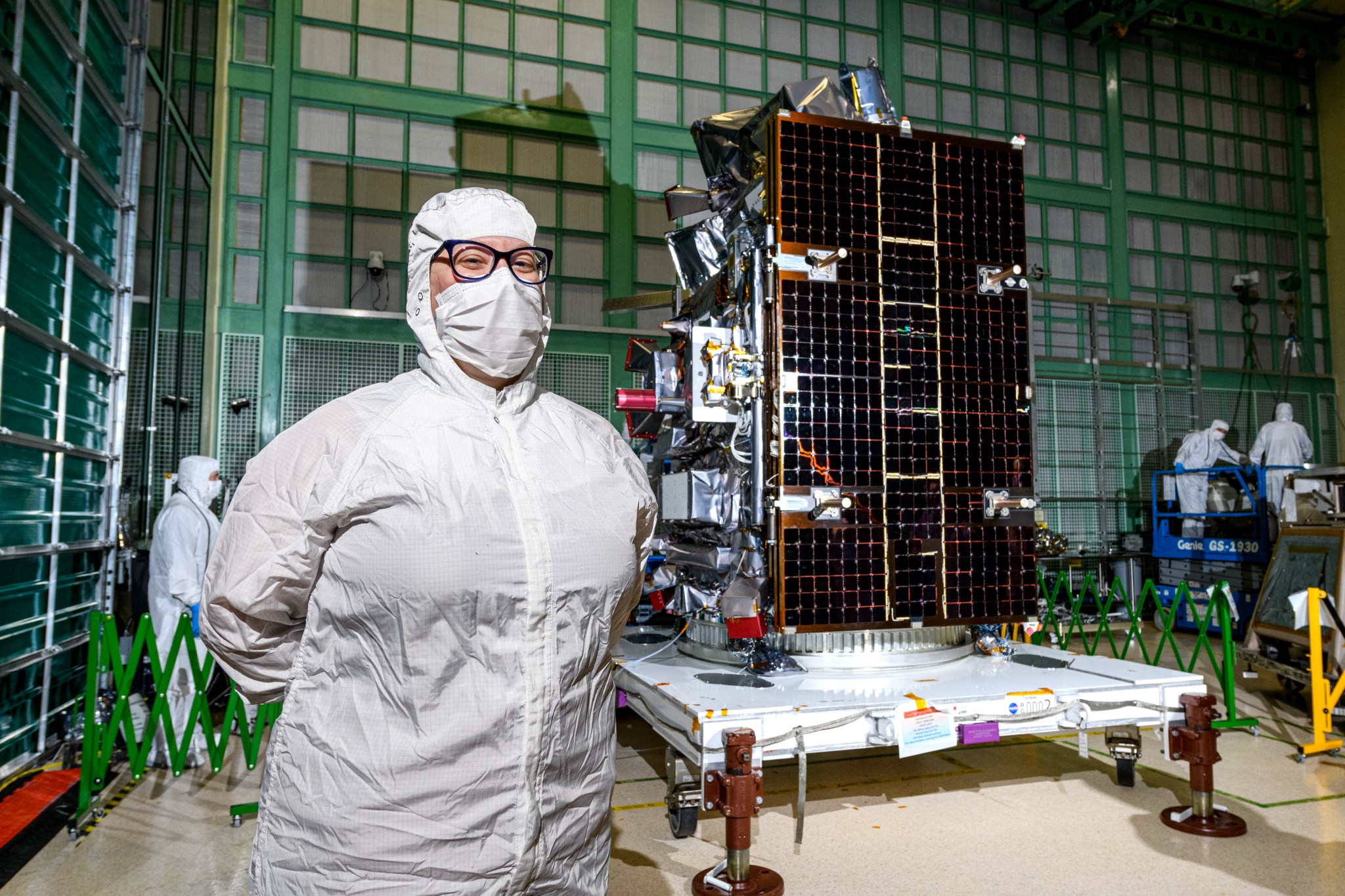
A woman stands on the left side of the image, seen from the waist up. She wears a white clean suit that covers her arms, torso, and over her head. She also has on a white mask that covers her nose and mouth and blue latex gloves. Behind her and to the right in the image is a large, rectangular piece of equipment - the PACE satellite. The side of the satellite visible is black and reflects light off it. Behind the woman and PACE is a large wall that has a green gridded pattern on it.
Veronica Pinnick is an integration and test manager at NASA’s Goddard Space Flight Center in Greenbelt, Md.
Credit: NASA/Dennis Henry

What do you do and what is most interesting about your role here at Goddard?

As the PACE I&T manager, I managed the build-up of the entire observatory. Integration means we put the spacecraft together. Testing means we make sure it works within itself and that it will also work in space.

Why did you become a chemist? What is your educational background?

In third grade, we did a science experiment that involved pulling out the colors of a black maker, which turned out to be a mixture of many colors. It was the first time my little science brain exploded! I learned that maybe not everything was as it first appeared, it was so cool. Years later, I now do that same experiment (chromatography) on Mars, looking at dirt and pulling it apart to see what it is made of.

I have a B.A. in chemistry from Minot State University in North Dakota. I have a Ph.D. in analytical chemistry from Texas A&M University. I did a post-doctoral fellowship at Johns Hopkins School of Medicine in Maryland.

How did you come to Goddard?

My post-doctoral fellowship involved a Goddard project, designing an instrument to look for life on Mars. I thought that was an interesting application of my specialty! After my fellowship, I joined Goddard in 2010 working on that same project for 10 more years.

Towards the end of that project, I became the I&T manager responsible for building, testing, and delivery of that instrument to an ESA (European Space Agency) Mars rover. During those years, I realized that I wanted to change my career path more towards engineering.

Why did you merge science and engineering in your career?

Branching out to try new things can be scary. I think what I enjoy most about working at Goddard is that there are endless opportunities for people who are comfortable being uncomfortable. I really like both science and engineering. I think skills from my scientific background really help in building and testing instruments for other scientists.

When I started in college, I did not really understand the difference between science and engineering. When I arrived at Goddard, I learned the important difference between these two different roles.  The scientist asks, “What do I want to measure?” The engineer asks, “How can I build an instrument to measure that?” Blending the two disciplines, you end up with an instrument that measures something in space!

We work at our best when we are cross-disciplinary, when scientists think like engineers and engineers think like scientists, when we can understand where each other is coming from. My passion is to try to return Goddard to my original mindset, that there should be full understanding of the goals of science and engineering by both disciplines.

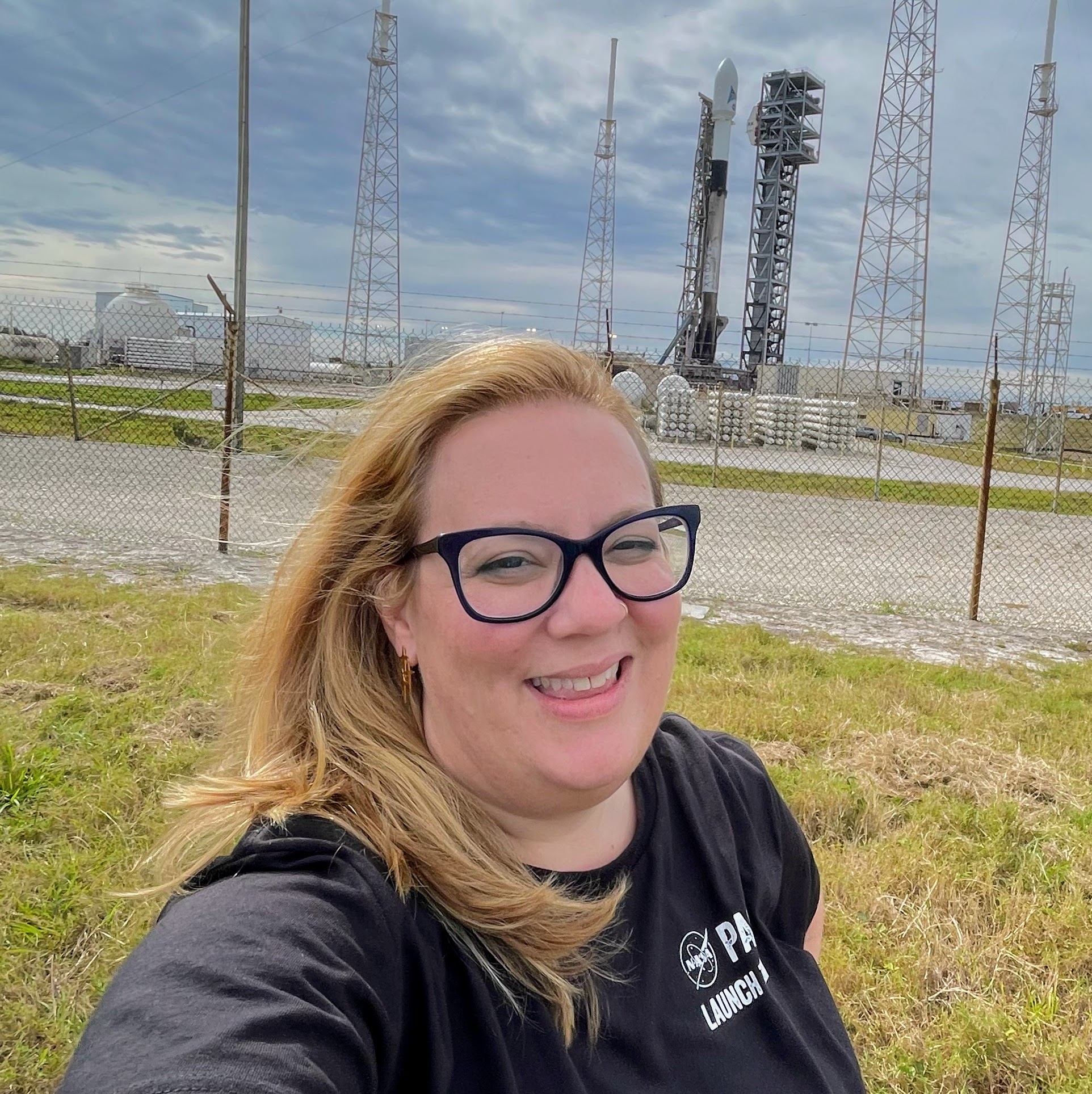
Selfie of Veronica Pinnick standing in front of a green lawn. She is smiling at the camera and wearing black glasses and a black shirt. Behind her, a Falcon 9 rocket is vertical on the launchpad.
Courtesy of Veronica Pinnick

As a mentor, how do you encourage your people to be cross-disciplinary?

I encourage my mentees to think about their skill sets with an open mind and an open imagination. Sometimes people can get pigeon-holed in their skills and think they can only do one specific job. With the right mentorship and the right vision of what Goddard can do, and what gaps exist, we can fill the gaps with different skill sets.

So many times, junior scientists and engineers tell themselves they cannot do something because they lack the background or education. But in practice, what you really need are creative thinkers, creative problem solvers – your background does not matter. You must believe in your own potential. I try to show my mentees that I believe in them and their potential to branch out from their comfort zone. I tell them to push themselves to evolve. Again, you progress by being uncomfortable.

Goddard has the top minds in science and engineering. Everyone is always learning from their peers. Likewise, our mentees have so much to offer. The most junior people come at problems with a fresh perspective. Diverse perspectives always help bring new ideas to the table.

What is Goddard’s greatest challenge for new scientists and engineers?

When you are at a university, you do not always have a big budget, but you are unlimited in terms of the size or power of an instrument you want to build. When you send an instrument to space, the engineering challenges are to make it small, lightweight, and power efficient.

This is one of the hardest changes coming out of a university and joining Goddard. This is an adjustment that every person new to space has to think about and make.

What has made you proudest in your career?

I am proud of what I have built for space, but I am proudest of the people I have positively impacted along the way. I really think it is important to learn lessons from those who came before me and I am very grateful to them. I also want to help teach those coming up. We prepare lessons learned after each mission. I feel very strongly that it is important to pass these along to the next generation.

In addition to technical information, I focus a lot on people skills. To build a good team culture, you have to listen to and respect all the voices on your team. I hope to pass on the importance of teamwork and also having fun while doing our very important, very difficult work.

How does being comfortable being uncomfortable motivate you?

I have been drawn to a lot of flight missions and technology developments that are really, really challenging. That is what Goddard does best. It is unbelievable to do science on other planets! Each planet has its own unique challenges.

I started by working on ExoMars, the ESA Mars rover. I learned all about Mars and what makes doing science on Mars hard.

Then I worked on the proposal for Dragonfly, which is a flying drone that will explore Saturn’s moon Titan. I had to learn about why Titan is hard.

Now, I’ve finished building and launching a whole satellite for observing Earth, which included performing all the testing needed to make sure it will work on orbit.

Engineering instruments for different locations in the solar system requires a whole new set of engineering solutions. That is really fun, it allows me to be so creative. There are very few tried and true methods for some of these environments.

At Goddard, I am constantly challenged which makes me constantly uncomfortable but that is what I like. At first, it is intimidating. Then it is exciting!

Be comfortable being uncomfortable!

Why is working at Goddard like solving a puzzle?

At Goddard we work with some of the smartest people around. We are open to brainstorming together and coming up with solutions together.

Working on flight missions at Goddard, we work in teams which are inherently cross-disciplinary. When problems happen, it is not always easy to figure out what went wrong or how to fix the problem. Some of my most invigorating professional moments have been when things don’t go according to plan and I feel like a detective trying to figure out what exactly went wrong and how to fix it. That is where I have seen some of Goddard’s absolute best work.

Troubleshooting is like looking at 850 pieces of a 1,000 piece puzzle that you have to put together. You will never get all the pieces, but will have a pretty good idea of the big picture. It initially makes me frustrated, but I love it. It is so satisfying when your team solves the puzzle.

Why are education and outreach so important to you?

Being a good scientist means that a portion of your job is to communicate to the public what you are studying, why it is important, and what you found out. As a civil servant, the public is paying me to do this job, so I feel extremely responsible for bringing NASA’s mission to the public.

I have done education and public outreach with people of all ages. I really enjoy doing Mars rover activities with preschoolers. Three- and 4-year-olds helped me design the next Mars rover. Honestly, their ideas had great potential. I told them Mars was cold, so some of the kids put a blanket on the Rover model, which is almost exactly what we do. They were so excited to find out their solution really works in space!

People respond to knowing they can be a part of what we do. The public is so excited about what we do and want to know more. I feel inspired by their curiosity. Their excitement is infectious. They reinvigorate the joy in what we do and why we are doing what we do. I truly consider being an ambassador for NASA to the public a privilege, not a responsibility.

What do you do for fun?

I really like escape rooms; they involve all sorts of puzzles. I love the challenge of trying to figure something out under pressure. I play acoustic guitar and ukelele. We have a family band, but we only perform at home. I also like to travel and learn new languages. I am a total foodie and very much enjoy new creations made by my husband.

Who would you like to thank for encouraging you?

I absolutely thank my family, especially my husband and my son. Many of the missions we do at Goddard require a lot of personal sacrifice at times. Our missions often require long hours and extreme focus and concentration. We do it because we truly believe in and are inspired by Goddard’s mission. We are driven to build things and send them to space. That requires dedication not just from the people who work at Goddard, but also from their families. Their unending support means the world to me.

What is your “six-word memoir”? A six-word memoir describes something in just six words.

Always learning, giving back, being challenged.

By Elizabeth M. Jarrell
NASA’s Goddard Space Flight Center, Greenbelt, Md.

A graphic with a collection of people's portraits grouped together in front of a soft blue galaxy background. The people come from various races, ethnicities, and genders. A soft yellow star shines in the upper left corner, and the stylized text

Conversations With Goddard is a collection of Q&A profiles highlighting the breadth and depth of NASA’s Goddard Space Flight Center’s talented and diverse workforce. The Conversations have been published twice a month on average since May 2011. Read past editions on Goddard’s “Our People” webpage.

Powered by WPeMatico

Get The Details…
Katy Mersmann