NASA, Northrop Grumman “Go” to Proceed with Cygnus XL Station Arrival

NASA, Northrop Grumman “Go” to Proceed with Cygnus XL Station Arrival

Northrop Grumman's 21st Cygnus cargo craft, with its prominent cymbal-shaped UltraFlex solar arrays, is pictured in the grips of the Canadarm2 robotic arm shortly after its capture on Aug. 6, 2024.
Northrop Grumman’s 21st Cygnus cargo craft, with its prominent cymbal-shaped UltraFlex solar arrays, is pictured in the grips of the Canadarm2 robotic arm shortly after its capture on Aug. 6, 2024.
NASA

NASA and Northrop Grumman are targeting the safe arrival of the company’s Cygnus XL at approximately 7:18 a.m. EDT Thursday, Sept. 18, to the International Space Station.  The Cygnus XL now will conduct a series of burns to bring the spacecraft to the space station for its robotic capture and installation.

NASA astronaut Jonny Kim is scheduled to capture Cygnus XL using the station’s Canadarm2 robotic arm with backup support from NASA astronaut Zena Cardman. After capture, the spacecraft will be installed on the Unity module’s Earth-facing port and will remain at the space station until March 2026.

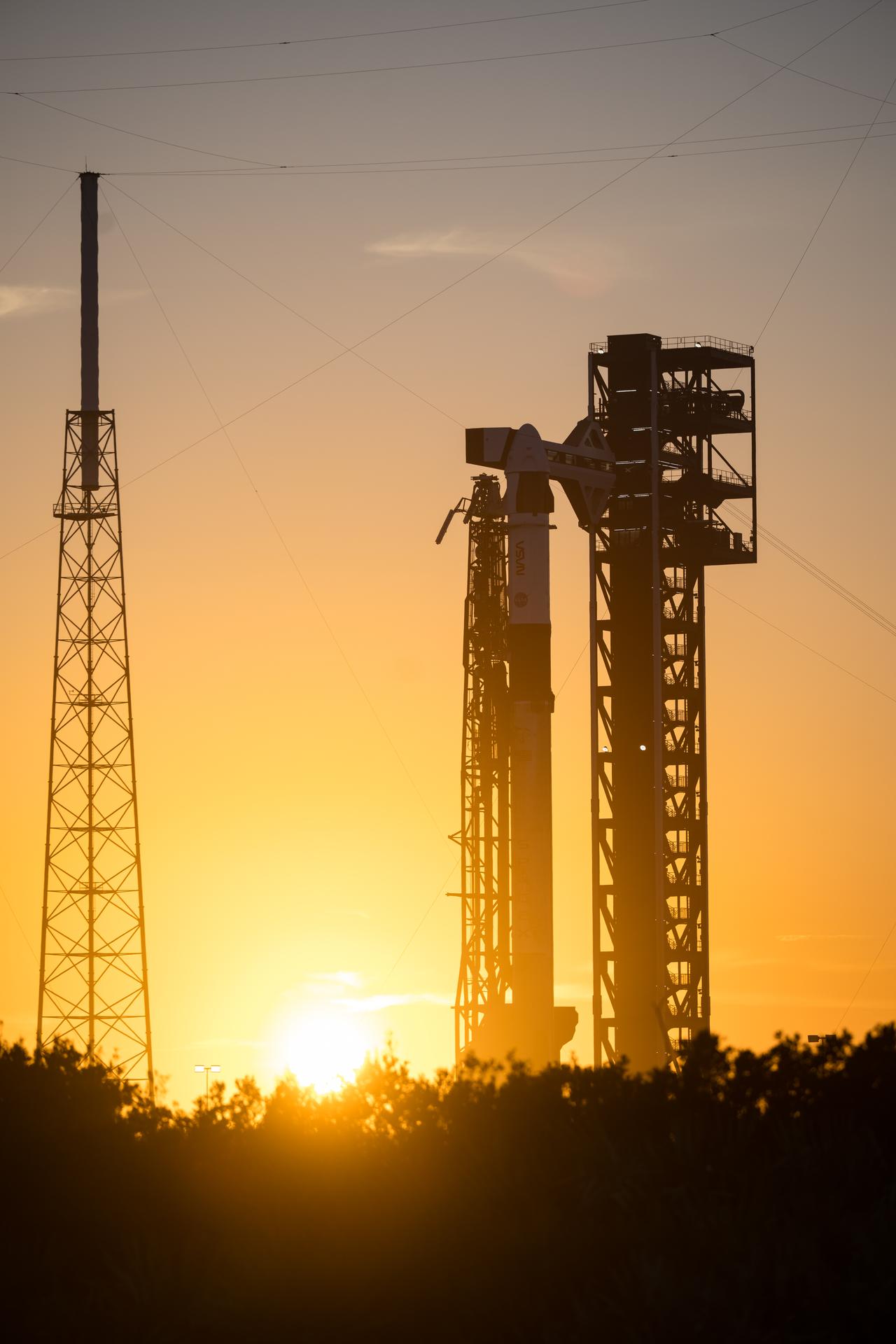
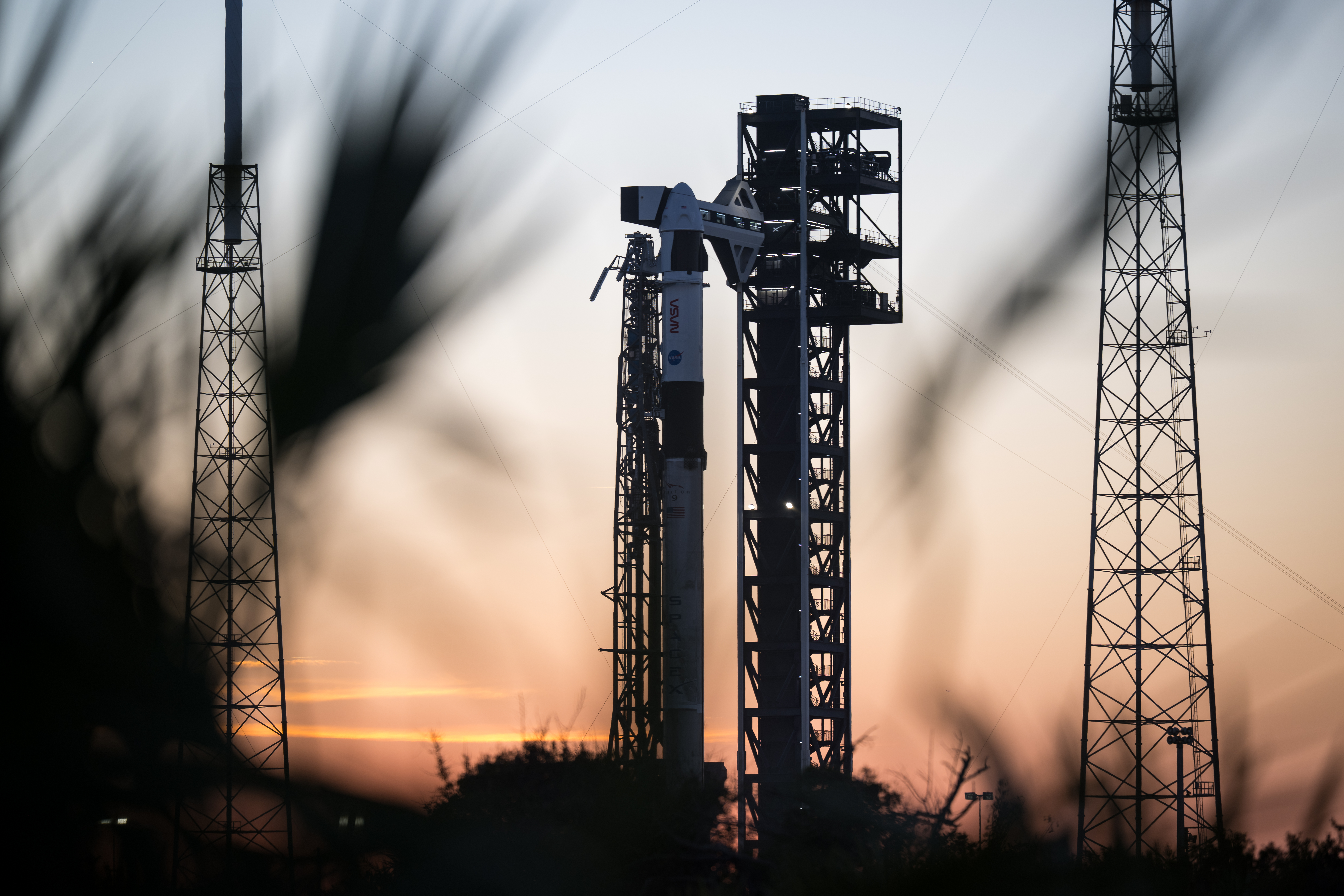
The Cygnus XL spacecraft launched at 6:11 p.m. on Sept. 14 on a SpaceX Falcon 9 rocket from Space Launch Complex 40 at Cape Canaveral Space Force Station in Florida. On Sept. 16, Cygnus XL commanded the main engine to shutdown earlier than planned during two, non-sequential rendezvous burns (delta velocity burns 3 and 5), designed to raise the orbit of the spacecraft for rendezvous with the space station. Cygnus XL’s trajectory placed the spacecraft a safe distance behind the space station while engineers assessed the spacecraft and developed its alternate burn plan. Data shared by the spacecraft confirmed that Cygnus XL operated as intended during two planned maneuvers when an early warning system initiated a shutdown command and ended the main engine burn because of a conservative safeguard in the software settings.

NASA’s arrival, capture, and installation coverage are as follows (all times Eastern and subject to change based on real-time operations):

Thursday, Sept. 18

5:45 a.m. – Arrival coverage begins on NASA+, Amazon Prime, and more.

7:18 a.m. – Capture of Cygnus XL with the space station’s robotic arm.

8:25 a.m. – Installation coverage begins on NASA+, Amazon Prime, and more.

Follow the space station blog for the most up-to-date information. 

The mission is known as NASA’s Northrop Grumman Commercial Resupply Services 23, or Northrop Grumman CRS-23, and is the first flight of the larger, more cargo-capable version of the solar-powered spacecraft. 

Powered by WPeMatico

Get The Details…

Joseph Zakrzewski

NASA, Northrop Grumman Assessing Cygnus XL Engine Burn Plan

NASA, Northrop Grumman Assessing Cygnus XL Engine Burn Plan

Northrop Grumman's 21st Cygnus cargo craft, with its prominent cymbal-shaped UltraFlex solar arrays, is pictured in the grips of the Canadarm2 robotic arm shortly after its capture on Aug. 6, 2024.
Northrop Grumman’s 21st Cygnus cargo craft, with its prominent cymbal-shaped UltraFlex solar arrays, is pictured in the grips of the Canadarm2 robotic arm shortly after its capture on Aug. 6, 2024.
NASA

NASA and Northrop Grumman are delaying the arrival of the Cygnus XL to the International Space Station as flight controllers evaluate an alternate burn plan for the resupply spacecraft. The Cygnus XL will not arrive to the space station on Wednesday, Sept. 17, as originally planned, with a new arrival date and time under review.

Early Tuesday morning, Cygnus XL’s main engine stopped earlier than planned during two burns designed to raise the orbit of the spacecraft for rendezvous with the space station, where it will deliver 11,000 pounds of scientific investigations and cargo to the orbiting laboratory for NASA. All other Cygnus XL systems are performing normally.

NASA astronaut Jonny Kim is scheduled to capture Cygnus XL using the station’s Canadarm2 robotic arm with backup support from NASA astronaut Zena Cardman. After capture, the spacecraft will be installed on the Unity module’s Earth-facing port and will remain at the space station until March 2026.

The spacecraft launched at 6:11 p.m. on Sept. 14 on a SpaceX Falcon 9 rocket from Space Launch Complex 40 at Cape Canaveral Space Force Station in Florida. The mission is known as NASA’s Northrop Grumman Commercial Resupply Services 23, or Northrop Grumman CRS-23.

Learn more about station activities by following the space station blog, @space_station on X, as well as the ISS Facebook and ISS Instagram accounts.

Get the latest from NASA delivered every week. Subscribe here.

Powered by WPeMatico

Get The Details…

Mark A. Garcia

Station Crew Awaits Cygnus Cargo Mission

Station Crew Awaits Cygnus Cargo Mission

NASA astronaut and Expedition 73 Flight Engineer Zena Cardman operates the robotics workstation in the International Space Station’s Destiny laboratory module during a computerized test tracking space-related effects on her brain function. Part of the CIPHER suite of 14 human research investigations, the cognition study could lead to advanced tools like brain scans and task simulations for future long-duration missions.
NASA astronaut Zena Cardman operates the robotics workstation in the International Space Station’s Destiny laboratory module during a computerized test tracking space-related effects on her brain function.
NASA

Expedition 73 awaits over 11,000 pounds of new science and supplies packed inside Northrop Grumman’s Cygnus XL cargo craft and orbiting Earth toward the International Space Station. NASA Flight Engineers Jonny Kim and Zena Cardman will be on duty in the cupola to capture Cygnus at 6:35 a.m. EDT on Wednesday. The pair spent Tuesday studying rendezvous procedures and practicing Canadarm2 robotic arm maneuvers they will use when Cygnus reaches a point about 10 meters away from the orbital outpost. Kim will be in the cupola commanding Canadarm2 with Cardman backing him up and monitoring the activities.

At the beginning of Tuesday, the duo joined Flight Engineers Mike Fincke of NASA and Kimiya Yui of JAXA (Japan Aerospace Exploration Agency) and reviewed Cygnus’ mission profile and the cargo it is delivering. They will soon be unloading new science experiments to explore manufacturing semiconductor crystals, disinfecting spacecraft with ultraviolet light, producing cancer-treating pharmaceuticals, and developing cryogenic fluid tanks. The quartet also called down to mission controllers at the end of Tuesday’s shift and discussed the upcoming cargo operations.

Another cargo craft, the Progress 93 from Roscosmos, arrived at the orbital outpost on Saturday when it docked to the Zvezda service module’s aft port packed with three tons of food, fuel, and supplies. Roscosmos cosmonauts Sergey Ryzhikov and Alexey Zubritsky spent Tuesday unpacking Progress and transferring fluids to and from the new resupply ship. The station commander and flight engineer also continued configuring the spacecraft for six months of cargo transfers and docked operations.

Roscosmos Flight Engineer Oleg Platonov worked on a pair of different science experiments on Tuesday.  He first set up physics research hardware to observe complex plasmas potentially advancing spacecraft designs and industrial processes on Earth. Next, he photographed glaciers and mountains throughout South America and Africa to analyze natural and man-made conditions on Earth.

Learn more about station activities by following the space station blog, @space_station on X, as well as the ISS Facebook and ISS Instagram accounts.

Get the latest from NASA delivered every week. Subscribe here.

Powered by WPeMatico

Get The Details…

Mark A. Garcia

Crew Awaits Second Cargo Mission in Less Than a Week; Keeps Up Biotech Research

Crew Awaits Second Cargo Mission in Less Than a Week; Keeps Up Biotech Research

Image of a bright blue ocean on Earth that was captured from a window on the SpaceX Dragon Endurance spacecraft as it approached the International Space Station.
This view of Earth was captured from a window on the SpaceX Dragon Endurance spacecraft as it approached the International Space Station.

One cargo spacecraft has docked to the International Space Station and another one is on its way to continue resupplying the Expedition 73 crew. While the orbital residents await their next delivery, they continued researching on Monday advanced ways to keep humans healthy and nourished on long duration space missions.

Roscosmos’ Progress 93 cargo craft completed its trip to the orbital outpost at 1:23 p.m. EDT on Saturday, Sept. 13, when it docked to the Zvezda service module’s rear port delivering over 2.8 tons of food, fuel, and supplies. Station Commander Sergey Ryzhikov opened the Progress’ hatch the next day and entered the spacecraft with Flight Engineer Alexey Ovchinin to begin unpacking the new gear. Progress 93 began its mission after launching from the Baikonur Cosmodrome in Kazakhstan on Thursday, Sept. 11.

Northrop Grumman’s Cygnus XL resupply ship, carrying over 11,000 pounds of new science experiments and station hardware, is orbiting Earth today after blasting off at 6:11 p.m. on Sunday, Sept. 14, from Cape Canaveral Space Force Station in Florida. Cygnus XL will catch up to the orbital outpost on Wednesday as NASA Flight Engineers Jonny Kim and Zena Cardman monitor the spacecraft’s automated approach and rendezvous. Kim will command the Canadarm2 robotic arm from the cupola’s robotics workstation to reach out and capture the spacecraft at 6:35 a.m. on Wednesday when it reaches a point about 10 meters from the station. Ground controllers will then take over and remotely command Canadarm2 to install Cygnus to the Unity module’s Earth-facing port where it will stay for six months. Listen to mission managers talk about the Cygnus XL mission during Friday’s prelaunch media teleconference on YouTube.

Meanwhile, biotechnology research filled Monday’s crew schedule keeping scientists on the ground informed about microgravity’s effect on the human body. The astronauts not only study advanced space biology but also regularly send down physical and mental data informing doctors of crew health in real time.

Kim and Cardman joined each other at the beginning of their shift Monday collecting blood pressure measurements and ultrasound artery scans. Kim, a Harvard-educated physician, led the study operating the biomedical gear and examining Cardman with assistance from doctors on the ground. Cardman also wore electrodes measuring her cardiac activity for the portion of the CIPHER human research investigation studying heart, brain, and eye function in space.

Later during the second half of his shift, Kim took turns with Flight Engineer Kimiya Yui of JAXA (Japan Aerospace Exploration Agency) studying how liver tissues with blood vessels bioprinted on Earth react to weightlessness. They each split their shift and used a portable glovebag inside the Destiny laboratory module processing experiment modules containing the tissue samples then inserting the modules inside an artificial gravity-generating research platform. Results may advance the manufacture of high-quality vascularized tissues and organs improving long term health for astronauts and quality of life for patients on Earth.

Cardman wrapped up her shift on Monday treating bone stem cell samples in the Kibo laboratory module’s Life Science Glovebox for preservation in a science freezer and later analysis. Researchers are exploring how microgravity affects bone tissue to safeguard a crew member’s skeletal system and possibly treat aging conditions and bone diseases on Earth.

NASA Flight Engineer Mike Fincke worked inside the Harmony module exploring ways to produce vitamins and nutrients on spacecraft helping supply adequate nutrition for long-term space missions. He treated yeast, yogurt, and fermented milk samples then stowed them in a research incubator for the BioNutrients-3 investigation seeking to create a biomanufacturing facility to help sustain future space crews.

Roscosmos cosmonauts Sergey Ryzhikov and Alexey Zubritsky, station Commander and Flight Engineer respectively, spent Monday configuring the new Progress 93 for docked operations. The duo began Monday checking out a docking mechanism inside of the Zvezda service module’s aft port where Progress arrived on Saturday. Ryzhikov and Zubritsky then spent the rest of their shift transferring water and unpacking cargo from inside the Progress. Flight Engineer Oleg Platonov focused on science photographing landmarks in South America for analysis and maintaining physics research hardware that observes complex plasmas potentially advancing spacecraft designs and industrial processes on Earth.

Learn more about station activities by following the space station blog@NASASpaceOps and @space_station on X, as well as the ISS Facebook and ISS Instagram accounts. 

Powered by WPeMatico

Get The Details…

Kelcie Nicole Howren

Solar Arrays Deploy as Cygnus XL Orbits Toward Station

Solar Arrays Deploy as Cygnus XL Orbits Toward Station

Northrop Grumman's Cygnus cargo craft, carrying 8,200 pounds of science and supplies, approaches the International Space Station for a capture with the Canadarm2 robotic arm commanded by Expedition 71 Flight Engineer Matthew Dominick of NASA. The maneuver marked the 50th free-flying capture for the Canadarm2 robotic arm.
Northrop Grumman’s Cygnus cargo craft with its two cymbal-shaped UltraFlex solar arrays deployed approaches the International Space Station on Aug. 6, 2024.
NASA

Northrop Grumman’s Cygnus XL spacecraft deployed its two solar arrays after launching earlier Sunday at 6:11 p.m. EDT on a SpaceX Falcon 9 rocket from Space Launch Complex 40 at Cape Canaveral Space Force Station in Florida to the International Space Station. 

Live coverage of the spacecraft’s arrival will begin at 5 a.m. on Wednesday, Sept. 17, on NASA+, Amazon Prime, and more. Learn how to watch NASA content through a variety of platforms, including social media. The mission is known as NASA’s Northrop Grumman Commercial Resupply Services 23, or Northrop Grumman CRS-23.

NASA astronaut Jonny Kim will capture Cygnus XL using the station’s Canadarm2 robotic arm at approximately 6:35 a.m., and NASA astronaut Zena Cardman is backup. After capture, the spacecraft will be installed on the Unity module’s Earth-facing port and will remain at the space station until March 2026.

Learn more about station activities by following the space station blog, @NASASpaceOps and @space_station on X, as well as the ISS Facebook and ISS Instagram accounts. 

Powered by WPeMatico

Get The Details…

Mark A. Garcia