NASA, Northrop Grumman Collaboration Ensures Resupply Mission Success

NASA, Northrop Grumman Collaboration Ensures Resupply Mission Success

Northrop Grumman's Cygnus XL cargo craft, carrying over 11,000 pounds of new science and supplies for the Expedition 73 crew, is pictured in the grips of the International Space Station's Canadarm2 robotic arm following its capture. Both spacecraft were orbiting 257 miles above Tanzania. Cygnus XL is Northrop Grumman's expanded version of its previous Cygnus cargo craft increasing its payload capacity and pressurized cargo volume.
Northrop Grumman’s Cygnus XL cargo craft, carrying over 11,000 pounds of new science and supplies for the Expedition 73 crew, is pictured in the grips of the International Space Station’s Canadarm2 robotic arm following its capture.
NASA

The crew aboard the International Space Station continue to unpack more than 11,000 pounds of critical spares, food and supplies delivered Sept. 18 by a Cygnus XL commercial resupply mission.  The arrival of the Cygnus XL to the space station was delayed by one day, due to changes in the rendezvous planning resulting from the main spacecraft engine shutting down early on two burns on Sept. 16.

Northrop Grumman’s engineering and operations, in close coordination with NASA, immediately began to evaluate the Cygnus XL engine burn and worked very closely with the agency to develop a new burn plan. The Northrop Grumman team soon discovered a conservative safeguard in the spacecraft software settings that triggered an early warning and safe shutdown of the engine. Teams adjusted the burn durations and resumed a new series of rendezvous burns to continue Cygnus XL’s approach toward the space station.

All subsequent burns were executed perfectly, allowing for the safe delivery of the spacecraft with no impact to station operations.

“NASA’s workforce remains strong and dedicated to safely working alongside our partners to ensure mission success. Commercial partnerships we pioneered in low Earth orbit are moving farther into the solar system with NASA, including at the Moon and Mars,” said NASA Associate Administrator Amit Kshatriya. “I’m incredibly proud of our joint mission teams who demonstrated their toughness and competence to solve issues when they arose – these values will propel America forward in our Golden Age of innovation and exploration.”

NASA astronaut and Expedition 73 crew member Jonny Kim, currently living and working aboard the space station, echoed that sentiment and embraced the newly devised plan to welcome Cygnus XL’s arrival.

“A big congratulations to the NASA and Cygnus teams for a successful Cygnus launch, rendezvous, and capture. Adapting and overcoming unforeseen challenges is something we do at NASA and I’m very proud to be a part of this team,” said NASA astronaut Jonny Kim. Cygnus will remain at the space station until spring when it departs the orbiting laboratory at which point it will dispose of several thousand pounds of debris through its re-entry into Earth’s atmosphere where it will harmlessly burn up.

Learn more about station activities by following the space station blog, @space_station on X, as well as the ISS Facebook and ISS Instagram accounts.

Get the latest from NASA delivered every week. Subscribe here.

Powered by WPeMatico

Get The Details…

Mark A. Garcia

Cygnus XL Cargo Craft Installed on Station’s Unity Module

Cygnus XL Cargo Craft Installed on Station’s Unity Module

Sept. 18, 2025: International Space Station Configuration. Six spaceships are docked at the space station including the SpaceX Dragon cargo craft, the SpaceX Crew-11 Dragon spacecraft, Northrop Grumman's Cygnus XL cargo craft, the Soyuz MS-27 crew ship, and the Progress 92 and 93 resupply ships.
Sept. 18, 2025: International Space Station Configuration. Six spaceships are docked at the space station including the SpaceX Dragon cargo craft, the SpaceX Crew-11 Dragon spacecraft, Northrop Grumman’s Cygnus XL cargo craft, the Soyuz MS-27 crew ship, and the Progress 92 and 93 resupply ships.
NASA

Northrop Grumman’s new Cygnus XL spacecraft has been installed to the International Space Station. The mission is known as NASA’s Northrop Grumman Commercial Resupply Services 23, or Northrop Grumman CRS-23.

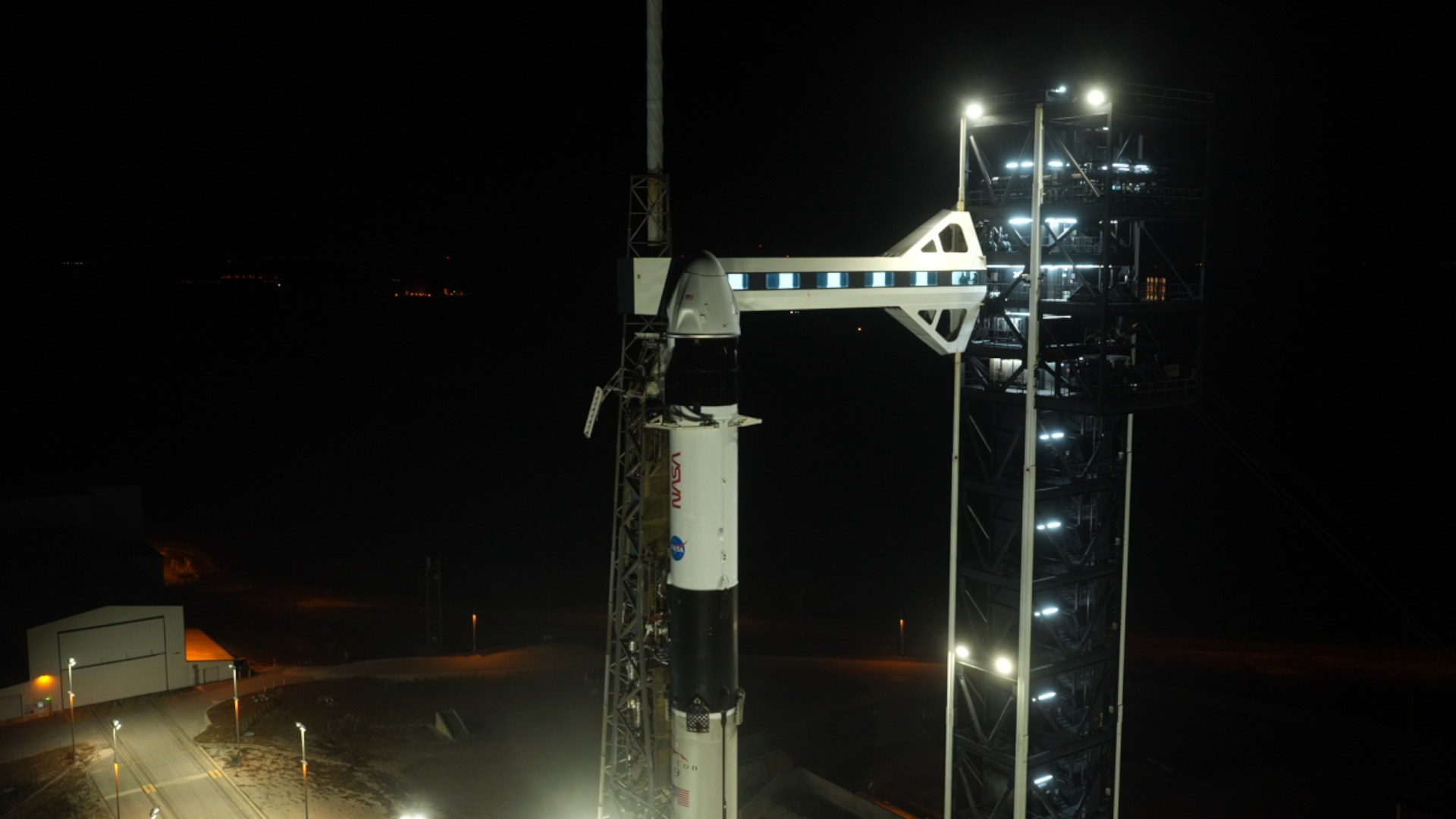
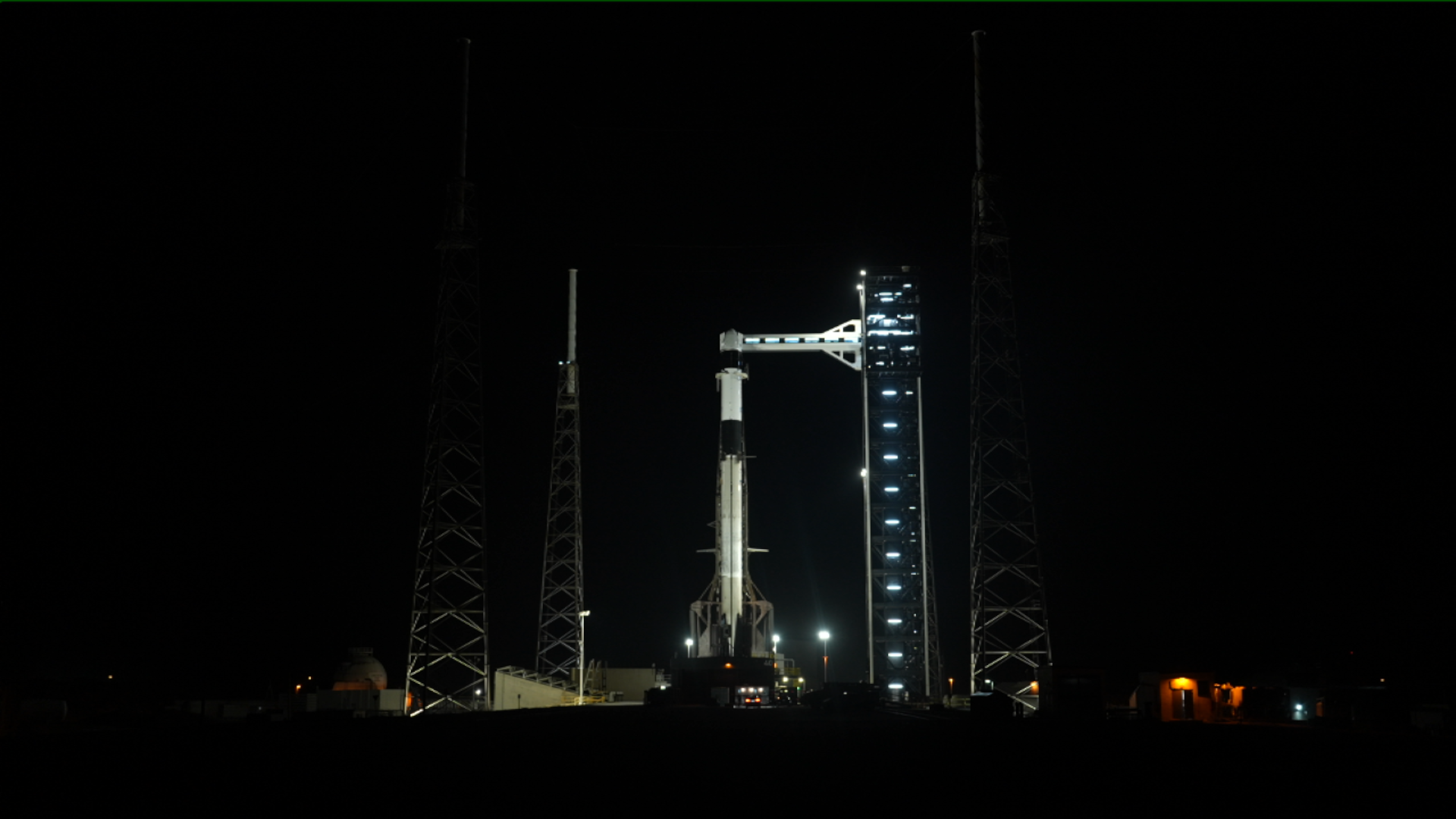
Filled with more than 11,000 pounds of research and supplies, the Northrop Grumman Cygnus XL spacecraft, carried on a SpaceX Falcon 9 rocket, launched at 6:11 p.m. EDT on Sept. 14, from Space Launch Complex 40 at Cape Canaveral Space Force Station in Florida. This mission will be the first flight of the Cygnus XL, the larger, more cargo-capable version of the company’s solar-powered spacecraft.

Cygnus will remain at the space station until spring when it departs the orbiting laboratory at which point it will dispose of several thousand pounds of debris through its re-entry into Earth’s atmosphere where it will harmlessly burn up.

Learn more about station activities by following the space station blog, @NASASpaceOps and @space_station on X, as well as the ISS Facebook and ISS Instagram accounts.

Powered by WPeMatico

Get The Details…

Mark A. Garcia

Robotic Arm Maneuvering Cygnus for Station Installation

Robotic Arm Maneuvering Cygnus for Station Installation

The Cygnus XL cargo craft is maneuvered by the Canadarm2 robotic arm toward the International Space Station's Unity module for installation.
The Cygnus XL cargo craft is maneuvered by the Canadarm2 robotic arm toward the International Space Station’s Unity module for installation.

NASA’s coverage is underway for the installation of Northrop Grumman’s Cygnus XL spacecraft to the International Space Station on NASA+, Amazon Prime, and more. Learn how to watch NASA content through a variety of platforms, including social media.

At 7:24 a.m. EDT, NASA astronaut Jonny Kim, with NASA astronaut Zena Cardman acting as backup, captured the Cygnus XL spacecraft using the International Space Station’s Canadarm2 robotic arm.

The spacecraft is carrying more than 11,000 pounds of scientific investigations and cargo to the orbiting laboratory. It launched at 6:11 p.m. EDT on Sept. 14 on a SpaceX Falcon 9 rocket from Space Launch Complex 40 at Cape Canaveral Space Force Station in Florida.

Cygnus XL will remain at the space station until March 2026, when it will depart and dispose of several thousand pounds of trash by burning up during re-entry into Earth’s atmosphere.

Learn more about station activities by following the space station blog, @NASASpaceOps and @space_station on X, as well as the ISS Facebook and ISS Instagram accounts. 

Powered by WPeMatico

Get The Details…

Mark A. Garcia

Cygnus XL Cargo Craft Captured by Station Robotic Arm

Cygnus XL Cargo Craft Captured by Station Robotic Arm

The Cygnus XL cargo craft is pictured moments away from being captured with the Canadarm2 robotic arm.
NASA+

At 7:24 a.m. EDT, NASA astronaut Jonny Kim, with assistance from NASA astronaut Zena Cardman, captured Northrop Grumman’s Cygnus XL spacecraft using the International Space Station’s Canadarm2 robotic arm. 

Mission control at NASA’s Johnson Space Center in Houston will use the Canadarm2 to position the spacecraft to its installation orientation. It then will guide Cygnus XL in for installation to the Unity module’s Earth-facing port. 

NASA will provide coverage of the spacecraft’s installation at 9 a.m. on NASA+, Amazon Prime, and more. Learn how to watch NASA content through a variety of platforms, including social media.

NASA’s Northrop Grumman Commercial Resupply Services 23 mission launched at 6:11 p.m. on Sept. 14 on a SpaceX Falcon 9 rocket from Space Launch Complex 40 at Cape Canaveral Space Force Station in Florida, carrying more than 11,000 pounds of scientific investigations and cargo to the orbiting laboratory. 

Learn more about station activities by following the space station blog, @NASASpaceOps and @space_station on X, as well as the ISS Facebook and ISS Instagram accounts.

Powered by WPeMatico

Get The Details…

Mark A. Garcia

Cygnus Resupply Ship Approaching Station for Capture

Cygnus Resupply Ship Approaching Station for Capture

Northrop Grumman's Cygnus cargo craft, carrying 8,200 pounds of science and supplies, approaches the International Space Station for a capture with the Canadarm2 robotic arm commanded by Expedition 71 Flight Engineer Matthew Dominick of NASA. The maneuver marked the 50th free-flying capture for the Canadarm2 robotic arm.
Northrop Grumman’s 21st Cygnus cargo craft approaches the International Space Station for a capture with the Canadarm2 robotic arm on Aug. 6, 2024.
NASA

NASA’s coverage is underway on NASA+, Amazon Prime, and more for the capture of Northrop Grumman’s Cygnus XL spacecraft. At approximately 7:18 a.m. EDT, NASA astronaut Jonny Kim will capture the spacecraft using the International Space Station’s Canadarm2 robotic arm, and NASA astronaut Zena Cardman will assist. After capture, the spacecraft will be installed on the Unity module’s Earth-facing port for cargo unloading. 

On Sept. 16, the Cygnus XL spacecraft’s main engine shut down earlier than planned during two orbit-raising burns for its space station rendezvous. NASA and Northrop Grumman delayed its arrival while flight controllers assessed an alternate approach plan. The early shutdown was triggered by a conservative software safeguard. The spacecraft has been cleared for its approach to the orbiting laboratory.

The spacecraft launched at 6:11 p.m. on Sept. 14 on a SpaceX Falcon 9 rocket from Space Launch Complex 40 at Cape Canaveral Space Force Station in Florida, carrying more than 11,000 pounds of scientific investigations and cargo to the orbiting laboratory for NASA. The mission is known as NASA’s Northrop Grumman Commercial Resupply Services 23, or Northrop Grumman CRS-23. 

Live coverage of Cygnus XL installation will begin at 8:25 a.m. on NASA+, Amazon Prime, and more. Learn how to watch NASA content through a variety of platforms, including social media. 

NASA will provide coverage of the spacecraft’s installation beginning at 8 a.m. on NASA+, the NASA app, YouTube, X, Facebook, and the agency’s website.

Learn more about station activities by following @NASASpaceOps and @space_station on X, as well as the International Space Station’s Facebook and Instagram accounts.

Powered by WPeMatico

Get The Details…

Mark A. Garcia