Light Duty Day Aboard Station as Crew Awaits Axiom Mission 4

Light Duty Day Aboard Station as Crew Awaits Axiom Mission 4

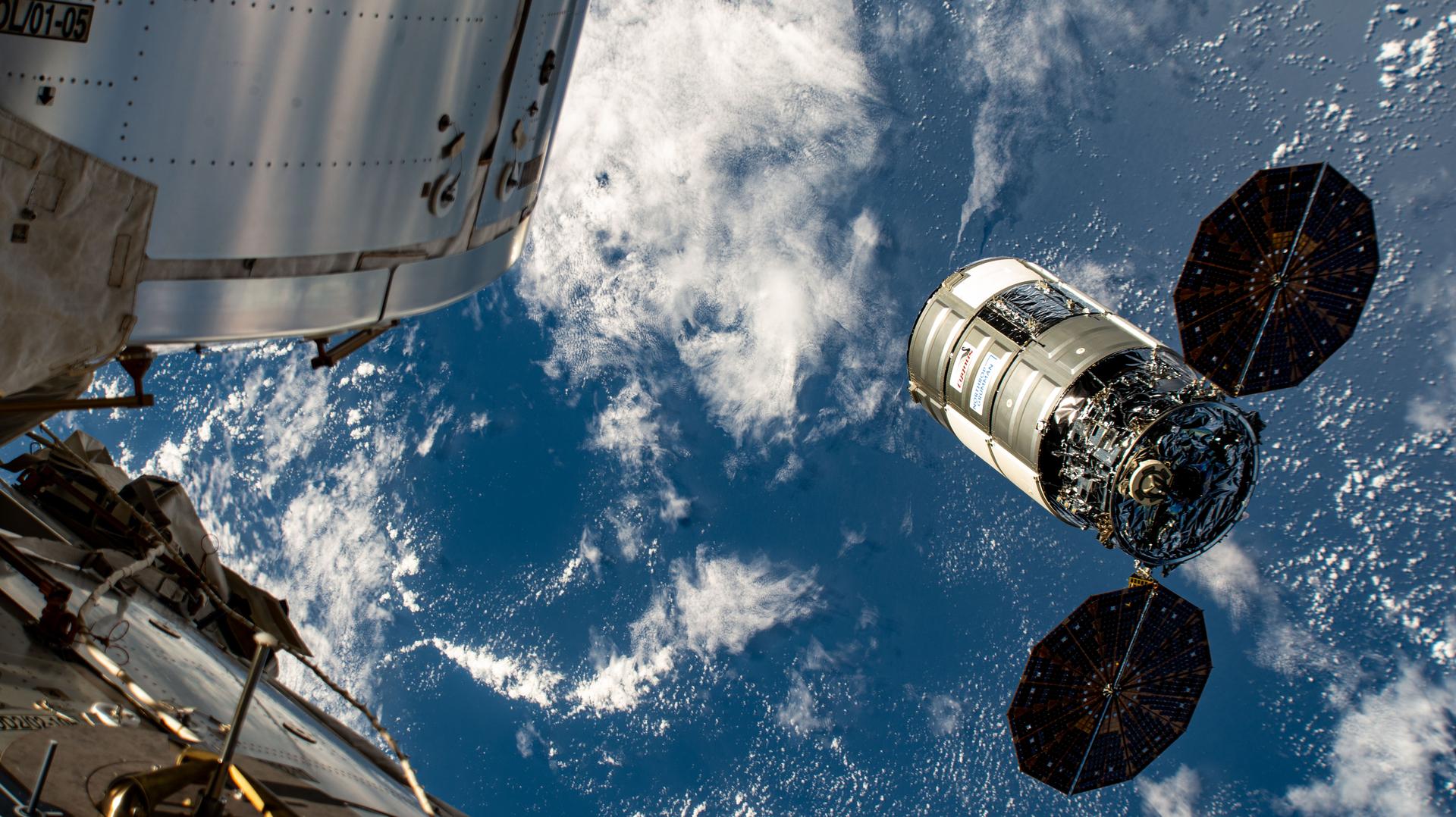
South Florida, the Bahamas, and Cuba are prominently featured in this photograph from the International Space Station as it orbited 261 miles above the Sunshine State.
NASA

The Expedition 73 crew members lightened their schedule on Wednesday following several days of Axiom Mission 4 (Ax-4) preparations including readying International Space Station systems, tablet computers, and temporary crew quarters. The orbital residents relaxed throughout the day while setting aside some time to continue ongoing human research and orbital maintenance.

NASA, Axiom Space, and SpaceX have postponed the launch opportunity on Wednesday, June 11, of Ax-4 to the orbital outpost to allow additional time for SpaceX teams to repair a liquid oxygen leak identified during post-static fire Falcon 9 rocket inspections.  A new launch date for the fourth private astronaut mission will be provided once repair work is complete, pending range availability. 

Four astronauts, three from NASA and one from JAXA (Japan Aerospace Exploration Agency, moderated their shifts on Wednesday opening up time to relax after focusing on the upcoming arrival of the Ax-4 mission. The quartet still kept up some space science duties while maintaining the upkeep of the orbital outpost.

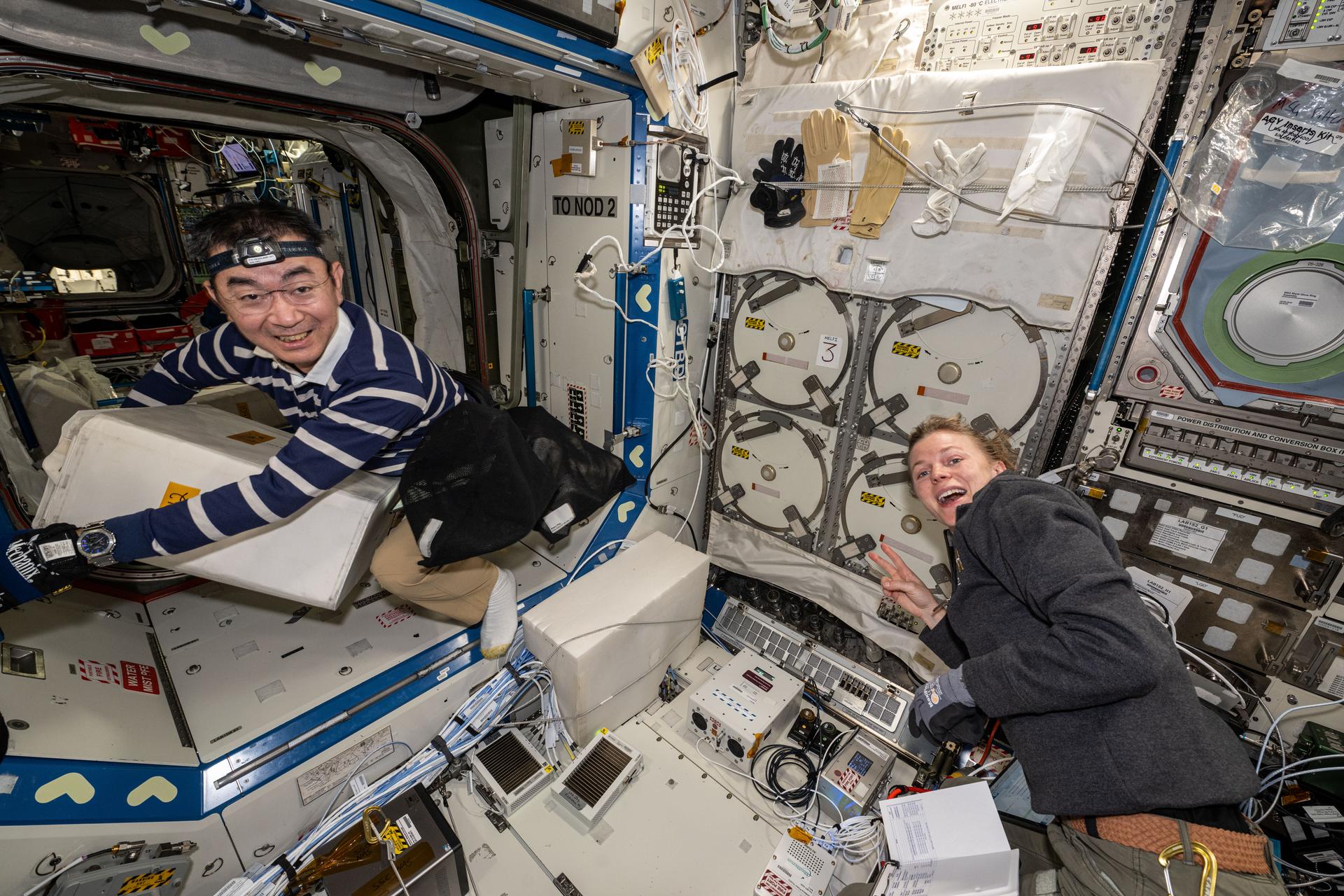
Station Commander Takuya Onishi from JAXA, during the middle of his short day, opened up the Microgravity Science Glovebox and installed samples into research hardware to study how proteins behave in a liquid in microgravity. Results may lead to a better understanding and newer treatments for neurodegenerative diseases such as Alzheimer’s and promote space commercialization opportunities.

The three NASA Flight Engineers Jonny Kim, Anne McClain, and Nichole Ayers worked on a variety of life support maintenance tasks during their light duty day ensuring the orbital outpost operates in tip-top shape.

Kim calibrated and checked the functionality of the total organic carbon analyzer, one of several on-orbit tools that measure the quality of the station’s water. McClain activated audio hardware and measured the station’s acoustic environment, with its continuously running science racks and ventilation systems, to learn how it affects a crew member’s hearing. Finally, Ayers inspected and cleaned fans inside the Destiny laboratory module.

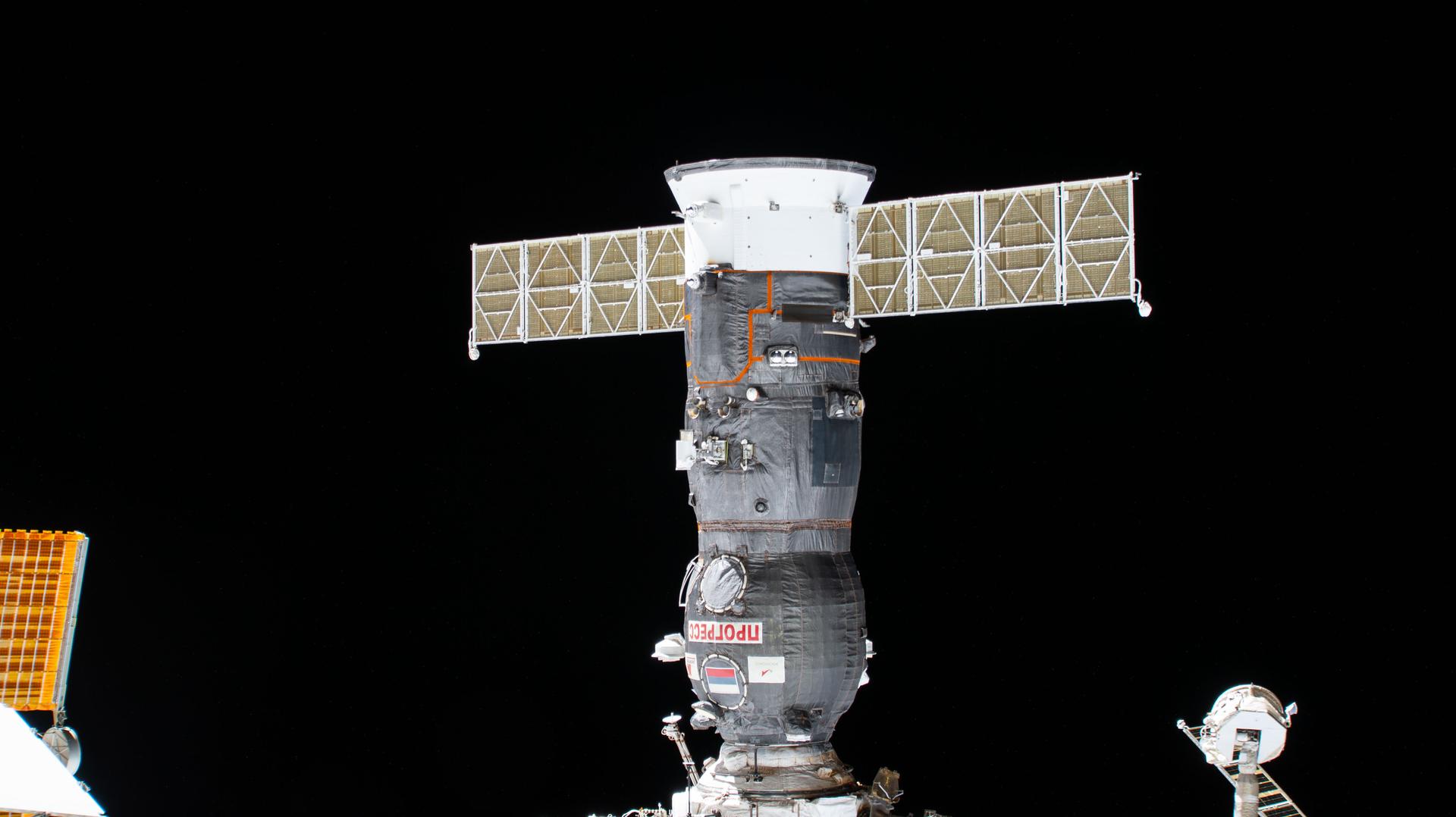
The three cosmonauts had a full shift on Wednesday studying space biology and maintaining life support systems in the Roscosmos segment of the space station. Flight Engineers Sergey Ryzhikov and Alexey Zubritskiy joined each other at the beginning of their day and studied how microgravity affects the exchange of blood between the bloodstream and surrounding tissues. Ryzhikov then pumped water from the Progress 90 spacecraft into station tanks and serviced the Elektron oxygen generator located in the Zvezda service module. Zubritsky photographed the condition of windows inside Zvezda and also partnered with Flight Engineer Kirill Peskov documenting and organizing cargo space inside the Nauka science module.

Learn more about station activities by following the space station blog, @space_station and @ISS_Research on X, as well as the ISS Facebook and ISS Instagram accounts.

Get the latest from NASA delivered every week. Subscribe here.

Powered by WPeMatico

Get The Details…

Mark A. Garcia

NASA, Partners Delay Axiom Mission 4, Reviewing Launch Date 

NASA, Partners Delay Axiom Mission 4, Reviewing Launch Date 

The official crew portrait of the Axiom Mission-4 private astronaut mission to the International Space Station. From left are, Pilot Shubhanshu Shukla from India, Commander Peggy Whitson from the U.S., and Mission Specialists Sławosz Uzanański-Wiśniewksi from Poland and Tibor Kapu from Hungary.
Axiom Space

NASA, Axiom Space, and SpaceX are standing down from the launch opportunity on Wednesday, June 11, of Axiom Mission 4 to the International Space Station to allow additional time for SpaceX teams to repair a liquid oxygen leak identified during post-static fire Falcon 9 rocket inspections.  A new launch date for the fourth private astronaut mission will be provided once repair work is complete, pending range availability. 

Peggy Whitson, former NASA astronaut and director of human spaceflight at Axiom Space, will command the commercial mission, while ISRO (Indian Space Research Organisation) astronaut Shubhanshu Shukla will serve as pilot. The two mission specialists are ESA (European Space Agency) project astronaut Sławosz Uznański-Wiśniewski of Poland and Tibor Kapu of Hungary. 

The crew will lift off aboard the SpaceX Dragon spacecraft on Falcon 9 from Launch Complex 39A at NASA’s Kennedy Space Center in Florida.

Learn more about station activities by following the space station blog, @space_station and @ISS_Research on X, as well as the ISS Facebook and ISS Instagram accounts.

Get the latest from NASA delivered every week. Subscribe here.

Powered by WPeMatico

Get The Details…

Mark A. Garcia

Axiom Mission 4 Preps and Ongoing Space Science Fill Crew Schedule

Axiom Mission 4 Preps and Ongoing Space Science Fill Crew Schedule

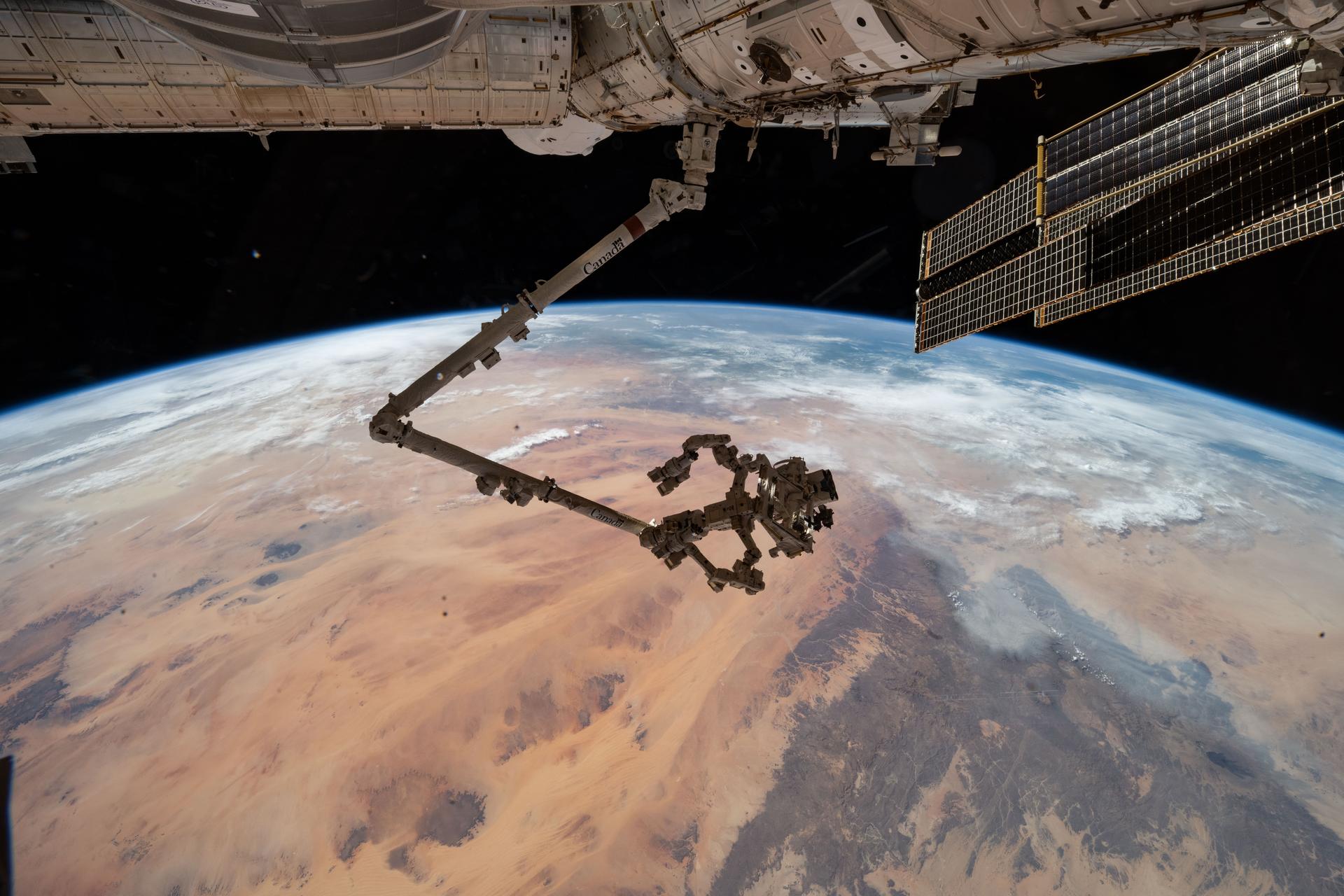
JAXA (Japan Aerospace Exploration Agency) astronaut and Expedition 73 Commander is pictured during maintenance operations on the Japanese robotic arm's Small Fine Arm inside the Kibo laboratory module. The Small Fine Arm is used for precise and dexterous robotic maneuvers when grappling small components or payloads on the outside of the International Space Station. There are two other robotic arms on the outside of the orbital outpost including the Canadarm2 robotic arm and the European robotic arm (ERA). Canadarm2 can be used to maneuver spacecraft, spacewalkers, and large payloads. ERA can also be used to maneuver spacewalkers and space station components.
JAXA astronaut is pictured during maintenance operations on the Japanese robotic arm’s Small Fine Arm which can grapple and maneuver small science payloads on the outside of the Kibo laboratory module.
NASA

Expedition 73 continues preparing for the arrival of the Axiom Mission 4 (Ax-4) crew targeted to launch to the International Space Station on Wednesday. Meanwhile, space science operations continued for advancing human health, promoting future missions, and observing Earth landmarks.

The Falcon 9 rocket that is targeted to launch Ax-4 inside the SpaceX Dragon spacecraft to the station at 8 a.m. EDT on Wednesday stands at its launch pad at NASA’s Kennedy Space Center. Ax-4 Commander and veteran astronaut Peggy Whitson will lead Pilot Shubhanshu Shukla from India and Mission Specialists Sławosz Uzanański-Wiśniewksi from Poland and Tibor Kapu from Hungary. The four private astronauts will ride inside Dragon to an automated docking on the Harmony Module’s space-facing port planned for 12:30 p.m. on Thursday, June 12. Live launch coverage on NASA+ begins at 7:05 a.m. on Wednesday.

Back on the orbiting lab, NASA Flight Engineers Jonny Kim and Nichole Ayers partnered together for eye checks today using standard medical imaging gear found in an optometrist’s office on Earth. Kim led the eye exam in Harmony operating the biomedical imaging hardware as Ayers peered inside. Doctors on the ground remotely monitored in real time to observe Ayers’ retinas for any space-caused issues.

Kim earlier collected station drinking water samples for analysis then continued setting up sleep stations for the arrival of Ax-4. Ayers swapped components on a U.S. spacesuit in the Quest airlock then cleaned and photographed the condition of metal oxide containers used to remove carbon dioxide from the spacesuits.

Station Commander Takuya Onishi from JAXA (Japan Aerospace Exploration Agency) worked on a spacecraft fire safety experiment taking place in the Kibo laboratory module. He swapped sample cartridges inside Kibo’s Solid Combustion Experiment Module that safely observes how solids and fuels burn in weightlessness. Results from the combustion study in weightlessness may improve the design and safety of spacecraft systems and space habitats.

NASA Flight Engineer Anne McClain began her shift draining orbital plumbing tanks that are part of the waste and hygiene compartment, also known as the space station’s bathroom, located in the Tranquility module. After her lunchtime, McClain gathered emergency hardware prepared ahead of every crew mission to the orbital lab and staged it for Ax-4’s arrival.

Working in the orbital outpost’s Roscosmos segment, cosmonaut and Flight Engineer Kirill Peskov was back on Earth observation duties conducting a pair of ongoing investigations. He set up specialized cameras to image landmarks throughout Europe and Asia in a variety of wavelengths. Flight Engineer Alexey Zubritskiy configured research hardware to understand how neutron radiation caused by solar flares and gamma-ray bursts may affect spacecraft to plan for future missions. Three-time station resident and veteran Flight Engineer Sergey Ryzhikov checked communication and life support systems in the Zvezda and Rassvet modules.

Learn more about station activities by following the space station blog, @space_station and @ISS_Research on X, as well as the ISS Facebook and ISS Instagram accounts.

Get the latest from NASA delivered every week. Subscribe here.

Powered by WPeMatico

Get The Details…

Mark A. Garcia

Station Waits Extra Day for Axiom Mission 4 Launch, Studies Eyes and Proteins

Station Waits Extra Day for Axiom Mission 4 Launch, Studies Eyes and Proteins

NASA astronauts (left to right) Anne McClain and Nichole Ayers, both Expedition 73 Flight Engineers, pose for a portrait together aboard the International Space Station's Harmony module. Moments earlier, Ayers finished trimming McClain's hair using an electric razor with a suction hose attached that collects the loose hair to protect the station's atmosphere.
NASA astronauts (left to right) Anne McClain and Nichole Ayers pose for a portrait together aboard the International Space Station’s Harmony module. Moments earlier, Ayers finished trimming McClain’s hair using an electric razor with a suction hose attached that collects the loose hair to protect the station’s atmosphere.
NASA

The Axiom Mission 4 (Ax-4) crew is at NASA’s Kennedy Space Center counting down to a launch aboard the SpaceX Dragon spacecraft targeted for 8 a.m. EDT on Wednesday to the International Space Station. Veteran astronaut Peggy Whitson is commanding Ax-4 and will be flying on her fifth mission to the orbiting lab. She is leading first time space flyers Pilot Shubhanshu Shukla from India and Mission Specialists Sławosz Uzanański-Wiśniewksi from Poland and Tibor Kapu from Hungary. The four private astronauts are preparing for a two-week stay on the orbital laboratory to conduct a wide array of space research supporting human health, space commercialization, and more.

The Expedition 73 crew has had several days of Ax-4 reviews studying the mission’s profile and Dragon’s automated approach and rendezvous techniques. The orbital crewmates also readied space station systems, activated tablet computers, and installed sleep stations Ax-4 will use during its planned two-week stay aboard the station. NASA Flight Engineers Anne McClain and Nichole Ayers will be on duty monitoring Dragon as the Ax-4 quartet approaches the station for a docking at 12:30 p.m. on Thursday.

Meanwhile aboard the orbiting lab on Monday, the orbital residents’ research schedule was composed of eye checks, space physics, and Earth observations. Ongoing lab maintenance rounded out the day with spacesuit cleaning, advanced exercise gear inspections, electronics and plumbing hardware swaps, and Soyuz seat checks.

McClain, Ayers, and station Commander Takuya Onishi of JAXA (Japan Aerospace Exploration Agency) joined each other before their midday lunch and had their first set of eye exams. The trio participated in eye scans with the Ultrasound 2 biomedical device with remote guidance from doctors on the ground. The researchers were looking at the astronauts’ optic nerve, cornea, and lens to understand if microgravity is affecting their eye structure. The astronauts also got together at the end of their shift for a second set of eye checks peering into medical imaging hardware for more insight into space-caused vision issues.

Ayers began her shift in the Destiny laboratory module setting up physics research hardware inside the Microgravity Science Glovebox. The Ring Sheared Drop investigation looks at proteins in a liquid without a container for potential insights into neurodegenerative diseases such as Alzheimer’s and new space commercialization opportunities.

Onishi also partnered with NASA Flight Engineer Jonny Kim and inspected the Enhanced European Exploration Exercise Device (E4D) inside the Columbus laboratory module. The duo checked out components and greased rails and rollers to ensure the E4D’s functionality and prevent corrosion. The E4D is being tested on the station for future use on missions to the Moon, Mars, and beyond. Onishi then conducted leak checks and removed batteries from a spacesuit in the Quest airlock. Kim drained recycled water tanks and replaced hardware on the station’s bathroom located in the Tranquility module.

eteran cosmonaut and Flight Engineer Sergey Ryzhikov began his shift examining hatch seals in the station’s Roscosmos segment. Following that work, he cleaned and replaced ventilation system gear in the Poisk module then tested the functionality of communications hardware. Flight Engineer Alexey Zubritskiy transferred nitrogen from Poisk tanks then tested the operations of a 3D printer in the Nauka science module. The pair also performed a fit check of the seats they will ride in aboard the Soyuz MS-27 spacecraft when they return to Earth later this year with Jonny Kim. Flight Engineer Kirill Peskov pointed a specialized camera, called a hyperspectrometer, out a space station window and captured imagery of landmarks across Europe and Asia in visible and near-infrared wavelengths for analysis.

Learn more about station activities by following the space station blog, @space_station and @ISS_Research on X, as well as the ISS Facebook and ISS Instagram accounts.

Get the latest from NASA delivered every week. Subscribe here.

Powered by WPeMatico

Get The Details…

Mark A. Garcia

NASA, Partners Update Axiom Mission 4 Launch Opportunity Due to Weather 

NASA, Partners Update Axiom Mission 4 Launch Opportunity Due to Weather 

The Axiom Mission 4, or Ax-4, crew will launch aboard a SpaceX Dragon spacecraft to the International Space Station from NASA’s Kennedy Space Center in Florida no earlier than Spring 2025. From left to right: Tibor Kapu of Hungary, ISRO (Indian Space Research Organisation) astronaut Shubhanshu Shukla, former NASA astronaut Peggy Whitson, and ESA (European Space Agency) astronaut Sławosz Uznański-Wiśniewski of Poland.
From left, Axiom Mission 4 crew members Tibor Kapu of Hungary, ISRO (Indian Space Research Organisation) astronaut Shubhanshu Shukla, former NASA astronaut Peggy Whitson, and ESA (European Space Agency) astronaut Sławosz Uznański-Wiśniewski of Poland.
Credit: SpaceX

NASA, Axiom Space, and SpaceX are standing down from the launch opportunity on Tuesday, June 10, of Axiom Mission 4 to the International Space Station due to forecasted weather conditions in the ascent corridor along the flight path of the SpaceX Dragon spacecraft.

Teams are targeting no earlier than 8 a.m. EDT on Wednesday, June 11, for the next launch opportunity of the fourth private astronaut mission. 

Peggy Whitson, former NASA astronaut and director of human spaceflight at Axiom Space, will command the commercial mission, while ISRO (Indian Space Research Organisation) astronaut Shubhanshu Shukla will serve as pilot. The two mission specialists are ESA (European Space Agency) project astronaut Sławosz Uznański-Wiśniewski of Poland and Tibor Kapu of Hungary. 

The crew will lift off aboard Dragon on a SpaceX Falcon 9 rocket from Launch Complex 39A at NASA’s Kennedy Space Center in Florida. 

Learn more about station activities by following the space station blog, @space_station and @ISS_Research on X, as well as the ISS Facebook and ISS Instagram accounts.

Get the latest from NASA delivered every week. Subscribe here.

Powered by WPeMatico

Get The Details…

Mark A. Garcia