Head and Eye Health, Dragon Reboost Preps, and Emergency Drill Fill Crew Day

Head and Eye Health, Dragon Reboost Preps, and Emergency Drill Fill Crew Day

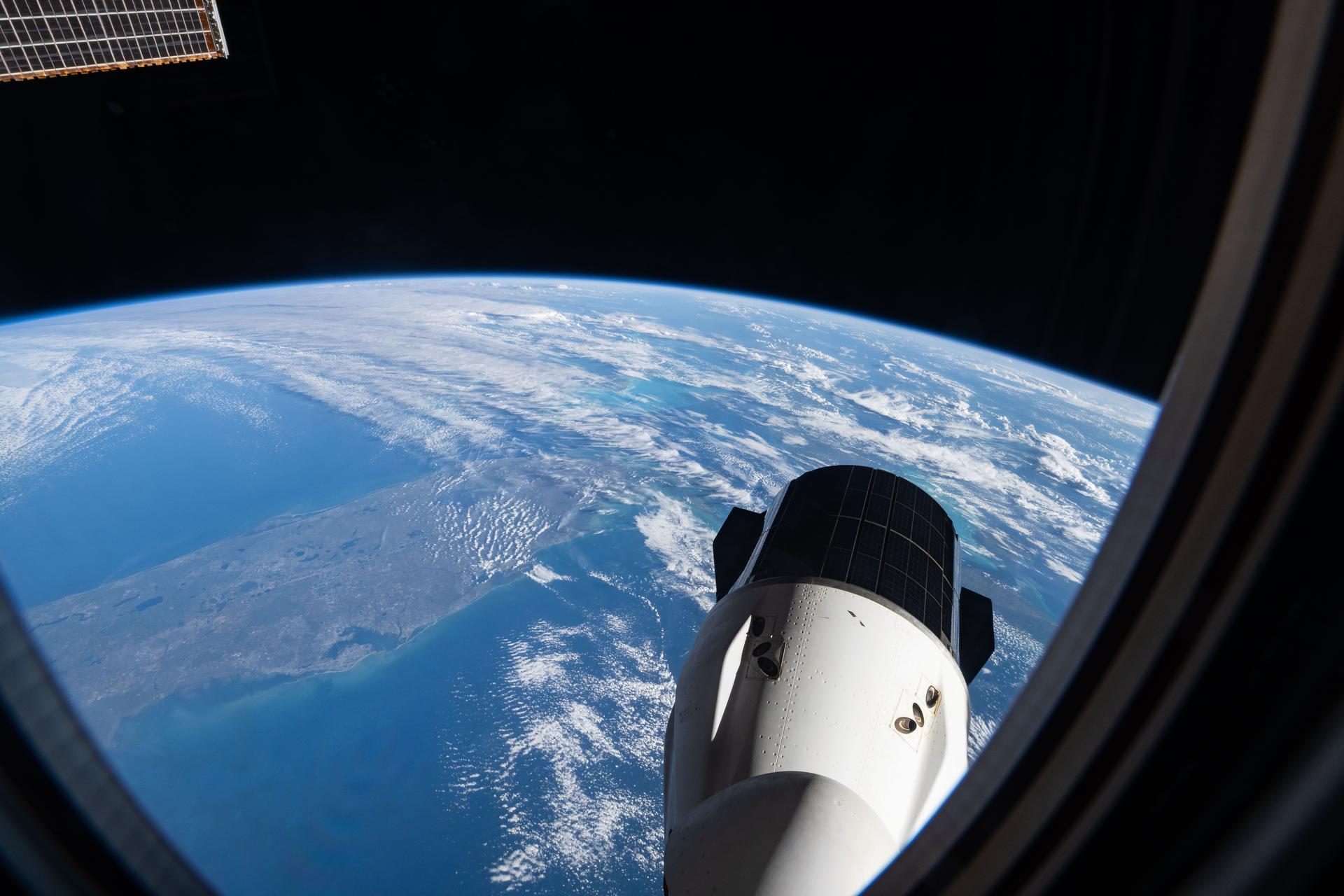
A SpaceX Dragon cargo spacecraft with its nosecone open and carrying over 5,000 pounds of science, supplies, and hardware for NASA's SpaceX CRS-33 mission approaches the International Space Station for an automated docking to the Harmony module's forward port. Both spacecraft were flying 262 miles above the Atlantic Ocean east of the Canadian province of Newfoundland at the time of this photograph.
A SpaceX Dragon cargo spacecraft approaches the International Space Station for an automated docking to the Harmony module’s forward port on Aug. 25, 2025.
NASA

Preventing space-caused head and eye pressure impacts using specialized medical hardware was the top research theme aboard the International Space Station on Wednesday. The Expedition 73 residents also continued unpacking a SpaceX Dragon cargo spacecraft and practiced an emergency drill aboard the orbital outpost.

Microgravity pulls a crew member’s body fluids toward the head leading to potential eye structure and vision changes. One common, easily visible symptom is called “puffy face” where an astronaut’s face appears swollen and redder. Researchers are looking at a unique thigh cuff worn on an astronaut’s leg that may counteract the headward fluid shifts reducing pressure on the head and eyes.

Flight Engineer Kimiya Yui of JAXA (Japan Aerospace Exploration Agency) led the thigh cuff study on Wednesday testing the biomedical device on NASA Flight engineer Mike Fincke. Yui also scanned Fincke’s legs with the Ultrasound 2 device as electrodes on Fincke’s chest measured his cardiac activity. Doctors on the ground monitored gaining real time insights into astronaut health to learn how to protect crews on longer duration missions to the Moon, Mars, and beyond.

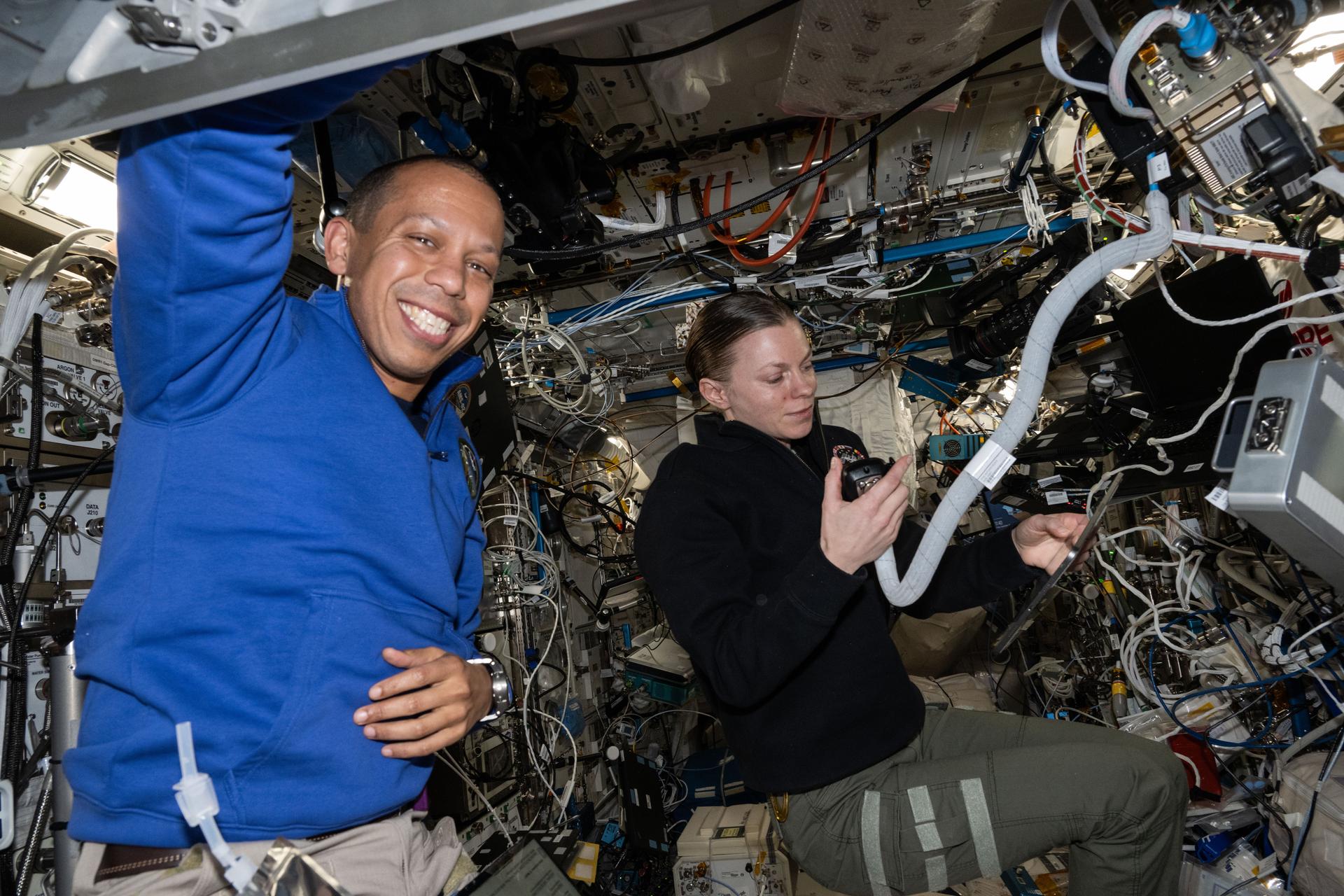
NASA Flight Engineers Jonny Kim and Zena Cardman spent their shift focusing on cargo operations inside the SpaceX Dragon. The duo continued unpacking some of the several tons of gear including human research experiments and life support hardware.

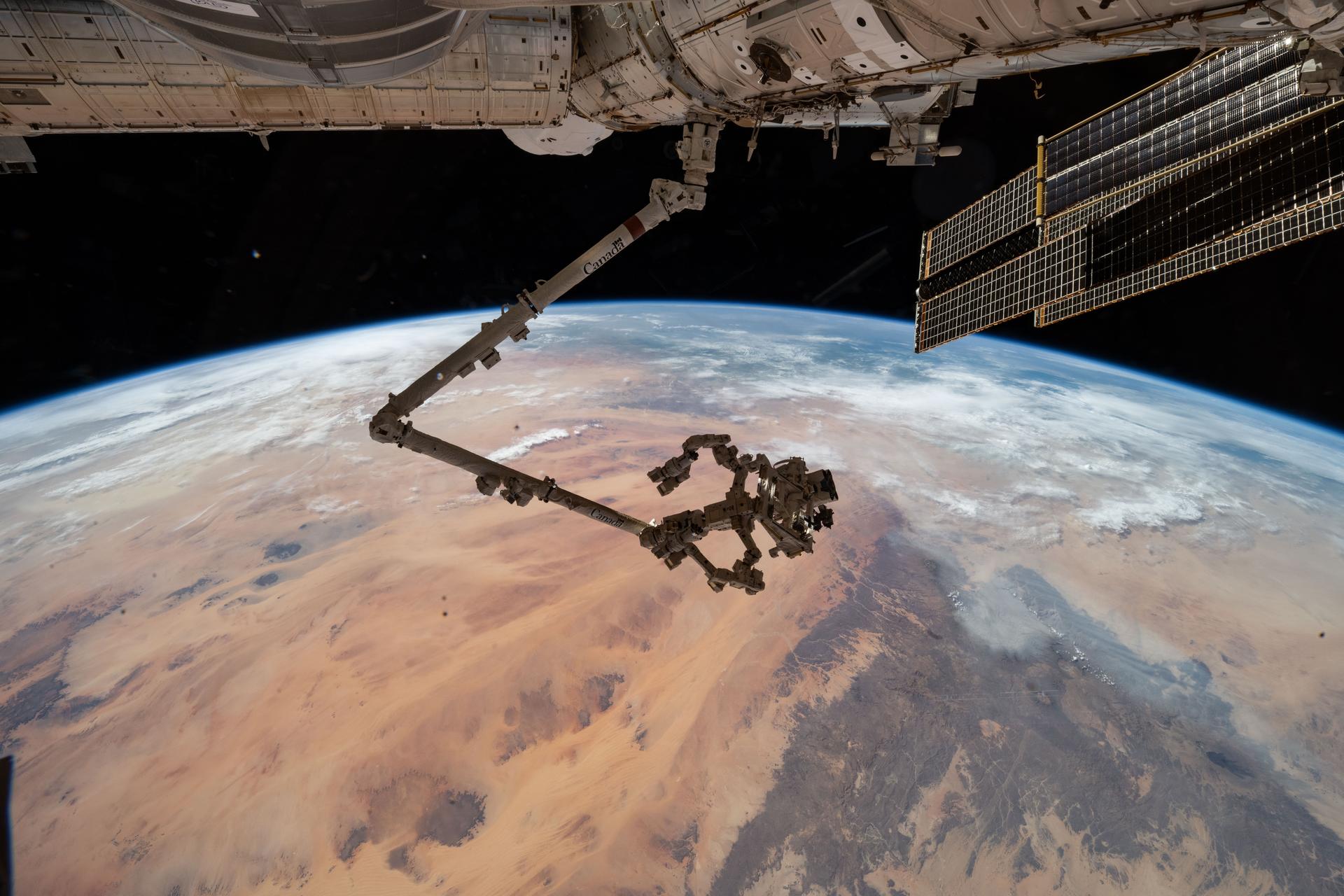
Dragon also delivered an external payload, a reboost kit, or an independent propellant system located in the spacecraft’s trunk that will use two Draco engines to demonstrate the ability to maintain the orbital outpost’s altitude. On Tuesday, robotics controllers on the ground remotely commanded the Canadarm2 robotic arm to visually inspect the new propellant hardware before Dragon fires its Draco engines in September reboosting the station’s altitude.

All four astronauts also joined the orbiting lab’s three Roscosmos cosmonauts station Commander Sergey Ryzhikov and Flight Engineers Alexey Zubritsky and Oleg Platonov and practiced procedures for a simulated emergency. The septet reviewed the steps they would use on a computer tablet in unlikely events such as an ammonia leak, a depressurization, or a fire. The crew also practiced emergency communication and coordination with mission controllers from around the world.

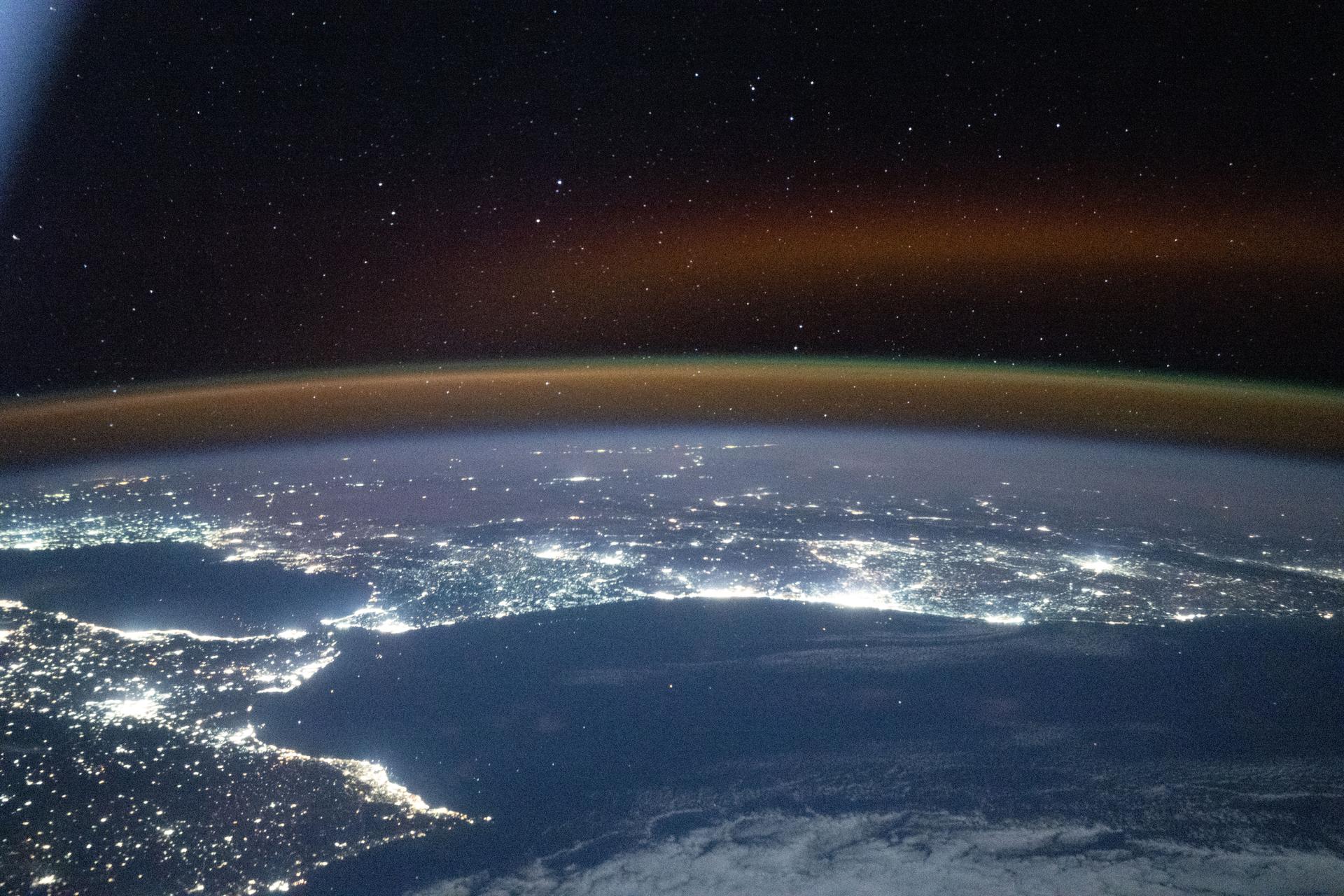
Before the emergency drill, Ryzhikov began his shift testing the performance of electronics hardware in the Zarya module before jogging on the Zvezda service module’s treadmill for a fitness evaluation. Zubritsky set up multispectral imaging gear in a station window and photographed areas of western Africa. Platonov started his day downloading imagery of Central Asia captured automatically during the crew’s sleep shift. Afterward, he checked Roscosmos life support systems and collected station air samples to analyze for trace contaminants such as carbon dioxide and ammonia to ensure a safe breathable environment.

Learn more about station activities by following the space station blog, @space_station on X, as well as the ISS Facebook and ISS Instagram accounts.

Get the latest from NASA delivered every week. Subscribe here.

Powered by WPeMatico

Get The Details…

Mark A. Garcia

Crew Sets Up Liver Tissue Research and Preps for Dragon Reboost

Crew Sets Up Liver Tissue Research and Preps for Dragon Reboost

The seven-member Expedition 73 crew gathers together for a dinnertime portrait inside the galley of the International Space Station's Unity module. In the front from left are, Flight Engineers Zena Cardman of NASA, Kimiya Yui of JAXA (Japan Aerospace Exploration Agency), and Jonny Kim of NASA. In the back are, Flight Engineers Oleg Platonov of Roscosmos and Mike Fincke of NASA, and station Commander Sergey Ryzhikov and Alexey Zubritsky, both from Roscosmos.
iss073e0508120 (Aug. 15, 2025) — The seven-member Expedition 73 crew gathers together for a dinnertime portrait inside the galley of the International Space Station’s Unity module. In the front from left are, Flight Engineers Zena Cardman of NASA, Kimiya Yui of JAXA (Japan Aerospace Exploration Agency), and Jonny Kim of NASA. In the back are, Flight Engineers Oleg Platonov of Roscosmos and Mike Fincke of NASA, and station Commander Sergey Ryzhikov and Alexey Zubritsky, both from Roscosmos.
NASA

Expedition 73 opened the hatch to the SpaceX Dragon spacecraft shortly after its arrival on Monday and has begun unloading advanced science experiments to continue benefitting humans living on and off the Earth. The International Space Station residents also prepared for next month’s Dragon reboost and kept up lab maintenance and Earth observations.

NASA Flight Engineer Mike Fincke opened Dragon’s hatch following a series of pressure and leak checks about an hour-and-a-half after it docked to the Harmony module’s forward port at 7:05 a.m. EDT on Monday. Shortly afterward, he was followed inside by NASA Flight Engineers Jonny Kim and Zena Cardman along with JAXA (Japan Aerospace Exploration Agency) Flight Engineer Kimiya Yui unpacking time sensitive research samples and installing them inside station science freezers for preservation and upcoming analysis.

The station’s newest investigation, MVP Cell-07, or Maturation of Vascularized Liver Tissue Construct in Zero Gravity, was unloaded from Dragon on Monday and is now underway aboard the orbital outpost. Cardman set up a portable glovebag in Harmony’s maintenance work area and installed experiment modules containing liver tissue into an artificial gravity generator. The biotechnology investigation will explore how bioprinted, or engineered, liver tissues containing blood vessels behave in microgravity. Results may improve long term health for astronauts and improve quality of life for patients on Earth.

Kim continued unpacking some of the several thousand pounds of crew supplies and lab hardware Dragon delivered on Monday. Fincke and Yui also removed portable science freezers containing research samples inside Dragon and installed them inside station science freezers. The trio later joined Cardman at the end of their shift and reviewed plans for Dragon’s upcoming reboost of the space station’s orbit in September. Dragon will fire its reboost kit, an independent propellant system using two Draco engines, to demonstrate its ability to maintain the orbital outpost’s altitude.

Working in the Roscosmos segment of the orbiting lab, station Commander Sergey Ryzhikov spent his day swapping out computer networking gear while Flight Engineer Alexey Zubritsky activated Earth observation gear and cleaned life support gear. Flight Engineer Oleg Platonov collected radiation measurements, worked on orbital plumbing tasks, and also activated automated Earth imaging gear for an overnight photography session of the Asian continent.

Learn more about station activities by following the space station blog, @space_station on X, as well as the ISS Facebook and ISS Instagram accounts.

Get the latest from NASA delivered every week. Subscribe here.

Powered by WPeMatico

Get The Details…

Mark A. Garcia

SpaceX Dragon Docks to Station Delivering New Science, Supplies

SpaceX Dragon Docks to Station Delivering New Science, Supplies

The SpaceX Dragon cargo spaceraft, with its nosecone open, approaches the International Space Station for an automated docking.
The SpaceX Dragon cargo spacecraft, with its nosecone open, approaches the International Space Station for an automated docking.

At 7:05 a.m. EDT, the SpaceX Dragon spacecraft docked to the forward port of the International Space Station’s Harmony module. 

The spacecraft carried over 5,000 pounds of scientific investigations and cargo to the orbiting laboratory on SpaceX’s 33rd commercial resupply services mission for NASA. The mission launched at 2:45 a.m. on Aug. 24 atop a SpaceX Falcon 9 rocket from Space Launch Complex 40 at Cape Canaveral Space Force Station in Florida. 

Research conducted aboard the space station advances future space exploration – including Artemis missions to the Moon and astronaut missions Mars – and provides multiple benefits to humanity. 

Learn more about station activities by following the space station blog, @space_station on X, as well as the ISS Facebook and ISS Instagram accounts.

Get the latest from NASA delivered every week. Subscribe here.

Powered by WPeMatico

Get The Details…

Mark A. Garcia

SpaceX Dragon Cargo Spacecraft Approaching Station Now

SpaceX Dragon Cargo Spacecraft Approaching Station Now

The SpaceX Dragon cargo craft, with its nosecone open, approaches the International Space Station for an automated docking to the Harmony module's space-facing port. Dragon delivered about 6,700 pounds of new science experiments and crew supplies replenishing the Expedition 73 crew.
The SpaceX Dragon cargo craft, with its nosecone open, approaches the International Space Station for an automated docking to the Harmony module’s space-facing port on April 22, 2025.
NASA

NASA’s coverage is underway for arrival of the SpaceX Dragon spacecraft to the International Space Station on NASA+, Netflix, Amazon Prime, and more. Learn how to watch NASA content through a variety of platforms, including social media.

At approximately 7 a.m. EDT, Dragon will dock autonomously to the forward port of the space station’s Harmony module. 

The spacecraft is carrying over 5,000 pounds of scientific investigations and cargo to the orbiting laboratory on SpaceX’s 33rd commercial resupply services mission for NASA. The mission launched at 2:45 a.m. on Aug. 24 atop a SpaceX Falcon 9 rocket from Space Launch Complex-40 at Cape Canaveral Space Force Station in Florida. 

Research conducted aboard the space station advances future space exploration – including Artemis missions to the Moon and astronaut missions Mars – and provides multiple benefits to humanity. 

Learn more about station activities by following the space station blog, @space_station on X, as well as the ISS Facebook and ISS Instagram accounts.

Get the latest from NASA delivered every week. Subscribe here.

Powered by WPeMatico

Get The Details…

Mark A. Garcia

SpaceX Dragon Lifts Off to Resupply Station Crew

SpaceX Dragon Lifts Off to Resupply Station Crew

The SpaceX Falcon 9 rocket with Dragon atop launches on time from Cape Canaveral Space Force Station in Florida.
NASA+

At 2:45 a.m. EDT, over 5,000 pounds of scientific investigations and cargo launched to the International Space Station aboard the SpaceX Dragon spacecraft for the company’s 33rd commercial resupply services mission for NASA. The spacecraft lifted off on a SpaceX Falcon 9 rocket from Space Launch Complex 40 at Cape Canaveral Space Force Station in Florida.

About 10 minutes after launch, Dragon will separate from the rocket’s second stage, open its nosecone, and begin a carefully choreographed series of maneuvers to reach the space station. 

Dragon will arrive at the orbiting outpost at 7:30 a.m. on Monday, Aug. 25, and dock autonomously to the forward port of the space station’s Harmony module. 

NASA will provide live coverage of the spacecraft’s rendezvous and docking beginning at 6 a.m. on NASA+, Netflix, Amazon Prime and more. Learn how to watch NASA content through a variety of platforms, including social media. 

Learn more about station activities by following the space station blog, @space_station on X, as well as the ISS Facebook and ISS Instagram accounts.

Get the latest from NASA delivered every week. Subscribe here.

Powered by WPeMatico

Get The Details…

Mark A. Garcia