Robotics Supporting Exploration; Briefers Talk Friday About Spacewalk

Robotics Supporting Exploration; Briefers Talk Friday About Spacewalk
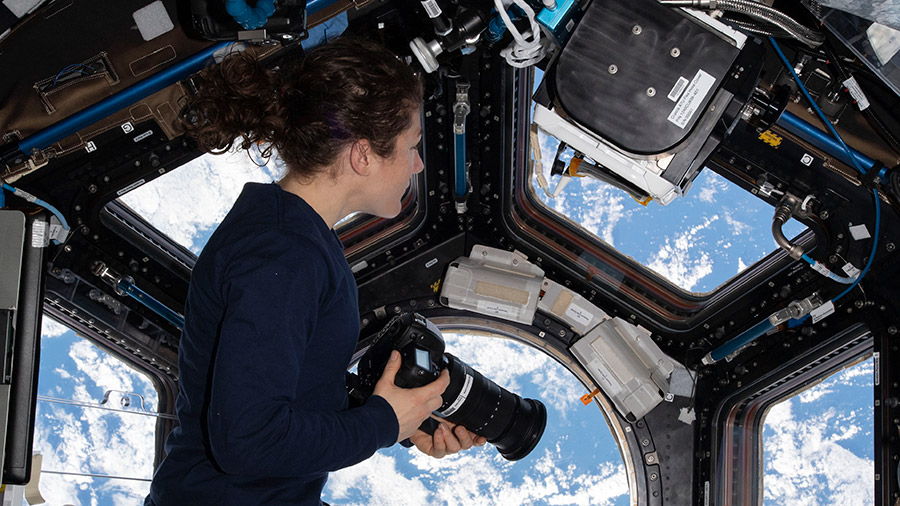
Expedition 60 Flight Engineer Christina Koch of NASA
Expedition 60 Flight Engineer Christina Koch of NASA photographs Earth landmarks through the station’s “window to the world,” the seven-windowed cupola.

The Expedition 60 crew is busy conducting space research everyday inside the International Space Station. While they work, scientists and engineers on Earth can remotely control and observe experiments attached to the outside of the orbiting lab.

Researchers today concluded a run of the external Robotic Refueling Mission 3 experiment. Robotics controllers on the ground remotely guided the Dextre robotic hand, attached to the Canadarm2 robotic arm, and tested cryogenic refueling techniques in space. Refueling and repairing satellites and spacecraft supports NASA’s objective of sending humans to the Moon, Mars and beyond.

Back inside the space station, the astronauts continued supporting human research activities. NASA astronauts Nick Hague and Andrew Morgan joined ESA (European Space Agency) astronaut Luca Parmitano for eye exams at the end of the day. Morgan also serviced a variety of science freezers holding experiment samples for analysis. Parmitano continued researching stem cell differentiation for the Micro-15 experiment.

Hague and Morgan are also getting ready for a spacewalk on Aug. 21. The duo spent a couple of hours Wednesday configuring spacewalking tools and tethers they will use next week. The spacewalkers’ mission is to install a second commercial crew vehicle docking port, the International Docking Adapter-3, on top of the Harmony module. Briefers will discuss the spacewalk details on NASA TV beginning Friday at 2 p.m. EDT.

All six crewmembers, including NASA astronaut Christina Koch and cosmonauts Alexey Ovchinin and Alexander Skvortsov, participated in an emergency simulation during the afternoon. The station crew practiced the activities necessary to contain emergencies such as pressure and chemical leaks or a fire.

Two reboosts will occur overnight tonight to set up the correct phasing for the uncrewed Soyuz MS-14 34-orbit rendezvous next week and landing Sept. 6. The Soyuz and its 2.1a booster are scheduled to roll out to the Site 31 launch pad on Monday.

In Louisville, Colorado, Sierra Nevada Corporation announced the selection of United Launch Alliance as launch provider for the Dream Chaser spacecraft. Dream Chaser is scheduled to begin missions to transport cargo to and from the International Space Station in late 2021.

Get The Details…

Mark Garcia

Powered by WPeMatico

Crew Gets Ready for Next Spacewalk and New Spaceships

Crew Gets Ready for Next Spacewalk and New Spaceships

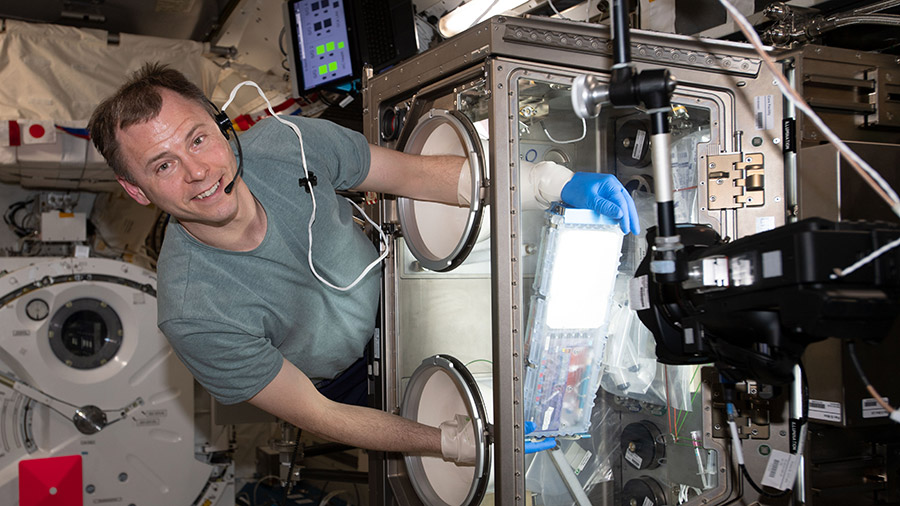
NASA astronaut Nick Hague
NASA astronaut Nick Hague conducts science operations for the Cell Science-02 bone healing and tissue regeneration experiment.

The International Space Station will soon see U.S., Russian and Japanese spaceships arriving and departing over the next several weeks. Meanwhile, the Expedition 60 crew is staying focused on an upcoming spacewalk while continuing ongoing microgravity research.

Next week’s spacewalkers, NASA astronauts Nick Hague and Andrew Morgan, are reviewing their procedures and practicing their maneuvers on a computer today. The duo will exit the station Aug. 21 and install the station’s second commercial crew vehicle docking port, the International Docking Adapter-3, to the Harmony module’s space-facing port.

Morgan wrapped up his day setting up experiments designed by middle and high school students researching a variety of space phenomena. Luca Parmitano of the European Space Agency continued exploring stem cell differentiation. Christina Koch of NASA serviced and replaced hardware that fuels experiments inside the Combustion Integrated Rack.

Cosmonauts Alexey Ovchinin and Alexander Skvortsov worked during the morning tearing down a Russian atmosphere purification unit. The duo then moved on to cardiopulmonary research before winding down the day with exercise.

The next spacecraft to launch to the orbiting lab will be an unpiloted Soyuz MS-14 crew ship on Aug. 22. It will lift off from the Baikonur Cosmodrome in Kazakhstan for a test of its upgraded 2.1a Soyuz booster. The new Soyuz will automatically dock to the Poisk module two days later where it will stay until Sept. 6.

Russia will launch its next crewed mission Sept. 25 aboard the Soyuz MS-15 spacecraft. Cosmonaut Oleg Skripochka will lead the six-hour flight to the station with NASA astronaut Jessica Meir and Spaceflight Participant Hazzaa Ali Almansoori.

SpaceX is planning to retrieve its Dragon resupply ship on Aug. 27 when it splashes down in the Pacific Ocean after its release from the Harmony module. Dragon will return to Earth with several thousand pounds of completed science experiments for analysis and station hardware for servicing.

Finally, Japan’s resupply ship, the H-II Transfer Vehicle-8 (HTV-8), is scheduled to blast off to the station Sept. 10 (U.S. time) from the Tanegashima Space Center. It will arrive at the station Sept. 14 for a robotic capture and installation to the same Harmony port Dragon will vacate at the end of the month. HTV-8’s scheduled liftoff date comes exactly 10 years after the Japan Aerospace Exploration Agency launched its first HTV cargo freighter to the space station.

Get The Details…

Mark Garcia

Powered by WPeMatico

Human Research Revealing Space Impacts as Spacewalk Preps Gear Up

Human Research Revealing Space Impacts as Spacewalk Preps Gear Up

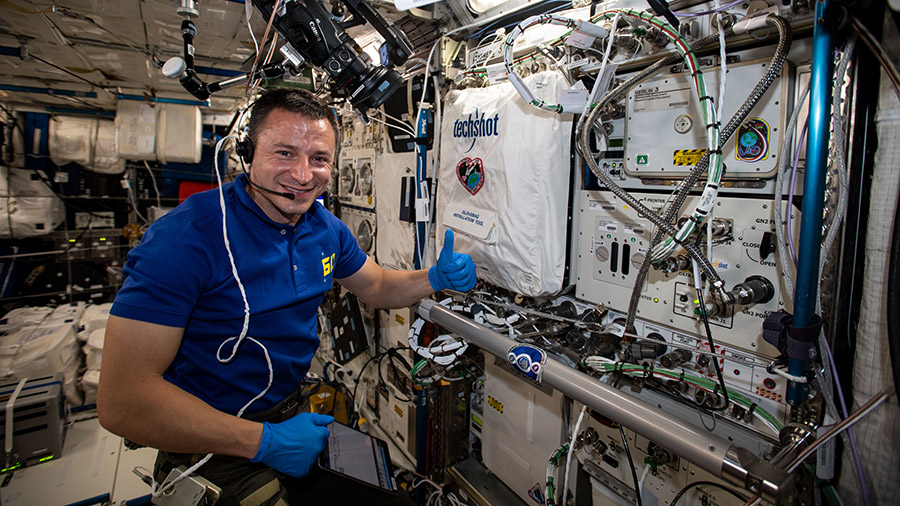
Expedition 60 Flight Engineer Andrew Morgan of NASA
Flight Engineer Andrew Morgan works with the BioFabrication Facility that is researching whether the weightless environment of space may support the fabrication of human organs.

The Expedition 60 crew kicked off the workweek exploring stem cells and testing the printing of human tissue on the International Space Station. The astronauts are also gearing up for a spacewalk planned for next week.

Operations continue inside the orbiting lab’s new BioFabrication Facility today. Astronaut Nick Hague printed more human tissue samples Monday and stowed them in an incubator to observe and promote their cellular growth.

Flight Engineer Luca Parmitano of the European Space Agency set up the Life Science Glovebox in the Kibo laboratory module and researched the properties of stem cells. The space-based Micro-15 experiment is helping scientists understand stem cell differentiation better than ground-based studies. Results may provide therapeutic insights into ailments affecting humans on Earth and in space.

Early this morning, Parmitano joined NASA astronaut Andrew Morgan for hearing tests. Scientists are measuring how the microgravity environment and the acoustic levels of the station affect a crewmember’s hearing before, during and after a mission.

Morgan then partnered up with astronaut Christina Koch in the afternoon to configure spacewalking tools and spacesuit components. Morgan will follow lead spacewalker Nick Hague out of the Quest airlock hatch on Aug. 21 for a six hour and 30 minute spacewalk. The duo will install the International Docking Adapter-3 designed to receive new commercial crew vehicles from Boeing and SpaceX.

Cosmonauts Alexey Ovchinin and Alexander Skvortsov spent their morning learning how the gastrointestinal system adapts to long-term spaceflight. The duo performed ultrasound scans of their gut before and after eating breakfast. Ovchinin then packed gear for return on a future Soyuz landing as Skvortsov checked Russian video and photography gear.

Get The Details…

Mark Garcia

Powered by WPeMatico

Satellite Software Contest on Station as Crew Tests Organ Printing

Satellite Software Contest on Station as Crew Tests Organ Printing

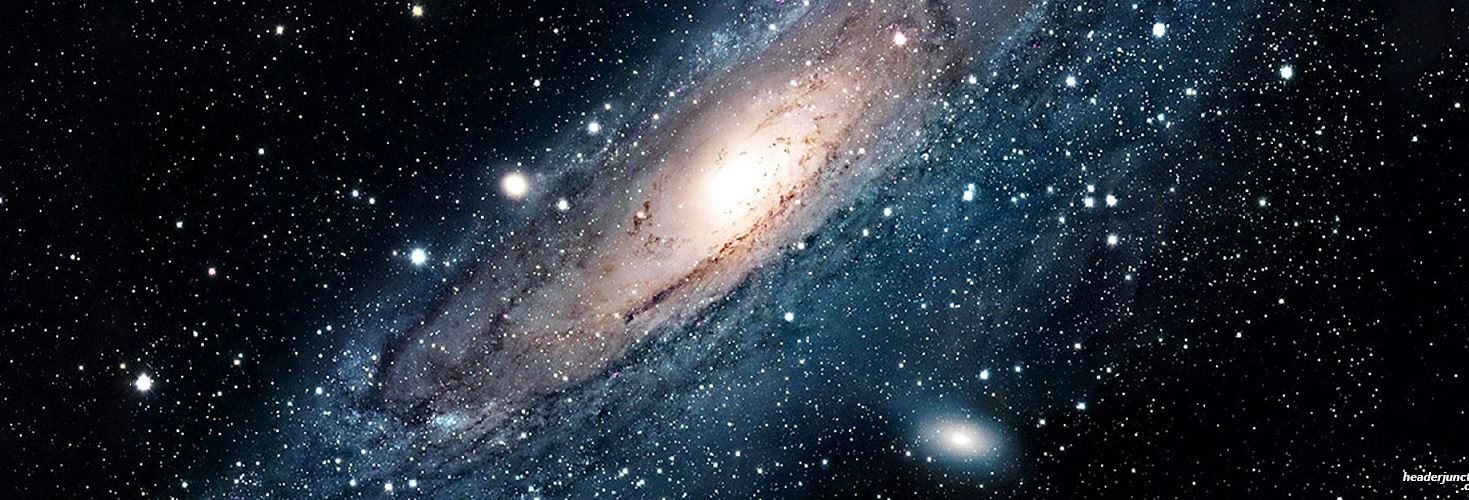
The Milky Way
The Milky Way lights up an orbital night pass as the International Space Station orbited 257 miles above the Coral Sea in between Australia and Papua New Guinea. The atmospheric glow highlights Earth’s limb.

The International Space Station is the setting today for a student competition to control tiny, free-floating satellites aboard the orbiting lab. Meanwhile, the Expedition 60 crewmembers conducted a variety of research operations and continued configuring a pair of spacesuits.

Middle school students are competing to design algorithms that autonomously control basketball-sized SPHERES satellites aboard the station. The student-written software tests rendezvous and docking maneuvers that simulate scenarios such as retrieving an inoperable satellite. Flight Engineers Andrew Morgan and Alexander Skvortsov were on hand monitoring the SPHERES contest inside the Kibo laboratory module.

NASA astronaut Christina Koch is helping scientists learn how to print and grow human organs in space. She printed tissue samples using the BioFabrication Facility in the Columbus lab module. The samples are housed for several weeks inside a specialized incubator to promote cellular growth. Earth’s gravity inhibits 3-D bioprinters and incubators from recreating and growing complex organic structures.

Flight Engineers Nick Hague and Luca Parmitano continued working on U.S. spacesuits and spacewalking tools during the afternoon. Hague started the day configuring a fluorescence microscope that can observe cellular changes in microgravity. Parmitano serviced Europe’s Fluid Science Laboratory to continue researching the physics of fluids in microgravity.

Commander Alexey Ovchinin worked in the Russian segment of the space lab today readying obsolete gear for return to Earth aboard a Soyuz spacecraft. The veteran cosmonaut spent the rest of the afternoon servicing life support gear and inspecting biology research hardware.

Get The Details…

Mark Garcia

Powered by WPeMatico

Crew Gears Up for Spacewalk, Scans Eyes and Practices Medical Emergency

Crew Gears Up for Spacewalk, Scans Eyes and Practices Medical Emergency

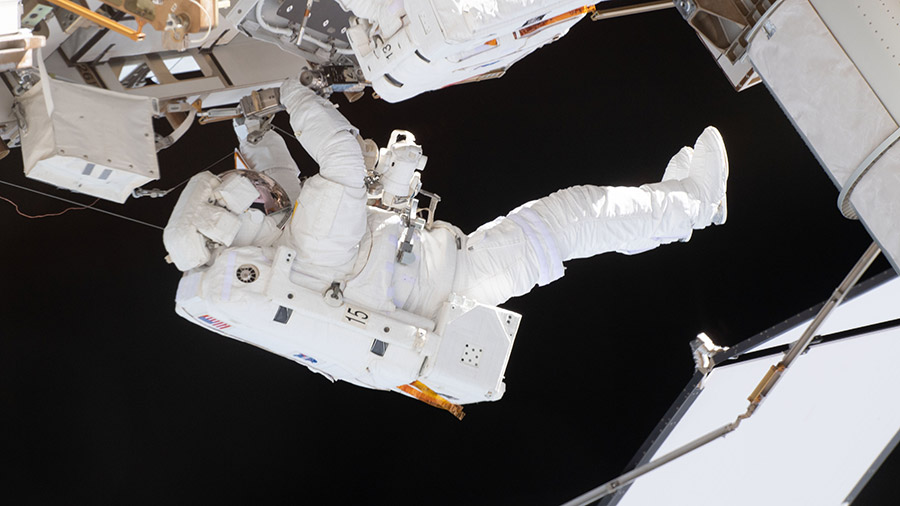
NASA astronaut Nick Hague
NASA astronaut Nick Hague, in his white U.S. spacesuit, is contrasted by the blackness of space during a six-hour, 39-minute spacewalk that took place in March 2019.

The Expedition 60 crew is gearing up for an upcoming spacewalk to prepare the International Space Station for more commercial crew missions. Biomedical science also took up a portion of the astronauts’ day as they help researchers understand what happens to the human body in microgravity.

NASA astronauts Nick Hague and Andrew Morgan are reviewing their tasks planned for Aug. 21 when they conduct the fifth spacewalk of the year at the orbiting lab. The duo will take about six-and-a-half hours to install the International Docking Adapter-3 (IDA-3) on top of the Harmony module. The IDA-3, delivered inside the Dragon cargo craft’s trunk, will be the second port at the station designed to receive the new Boeing and SpaceX crew ships.

Flight Engineers Christina Koch and Luca Parmitano are helping the spacewalkers get ready for the upcoming excursion. They are configuring spacesuit components today and will continue assisting the pair before, during and after the next spacewalk.

Morgan first joined Koch and Parmitano during the morning for ultrasound eye exams. Koch took charge of the eye scans in the Columbus lab module with real-time inputs from doctors on the ground. She observed her crewmates’ retina, cornea, lens and optic nerve to maintain eye health in space.

Koch and Parmitano later split up feeding the station’s mice and cleaning their habitats in the Destiny laboratory module. Observing the rodents, which are genetically similar to humans, in the weightless environment of microgravity gives scientists critical therapeutic insights that can benefit Earthlings and astronauts.

The most recent trio to arrive at the station gathered at the end of the day to train for a medical emergency. Morgan, Parmitano and cosmonaut Alexander Skvortsov practiced cardiopulmonary resuscitation (CPR), checked out medical gear and reviewed emergency communications.

Get The Details…

Mark Garcia

Powered by WPeMatico