Vein Scans, Muscle Study on Station Informing Ways to Keep Crews Healthy

Vein Scans, Muscle Study on Station Informing Ways to Keep Crews Healthy

NASA astronaut and Expedition 72 Commander Suni Williams displays production packs containing geneticallly engineered yeast and edible media for incubation to activate yeast growth. The BioNutrients investigation explores using the engineered yeast to produce on-demand nutrients and avoid vitamin deficiencies for crews on long-term missions. The samples are later frozen then returned to Earth to analyze their ability promote crew health and improve the preservation of probiotics.
NASA

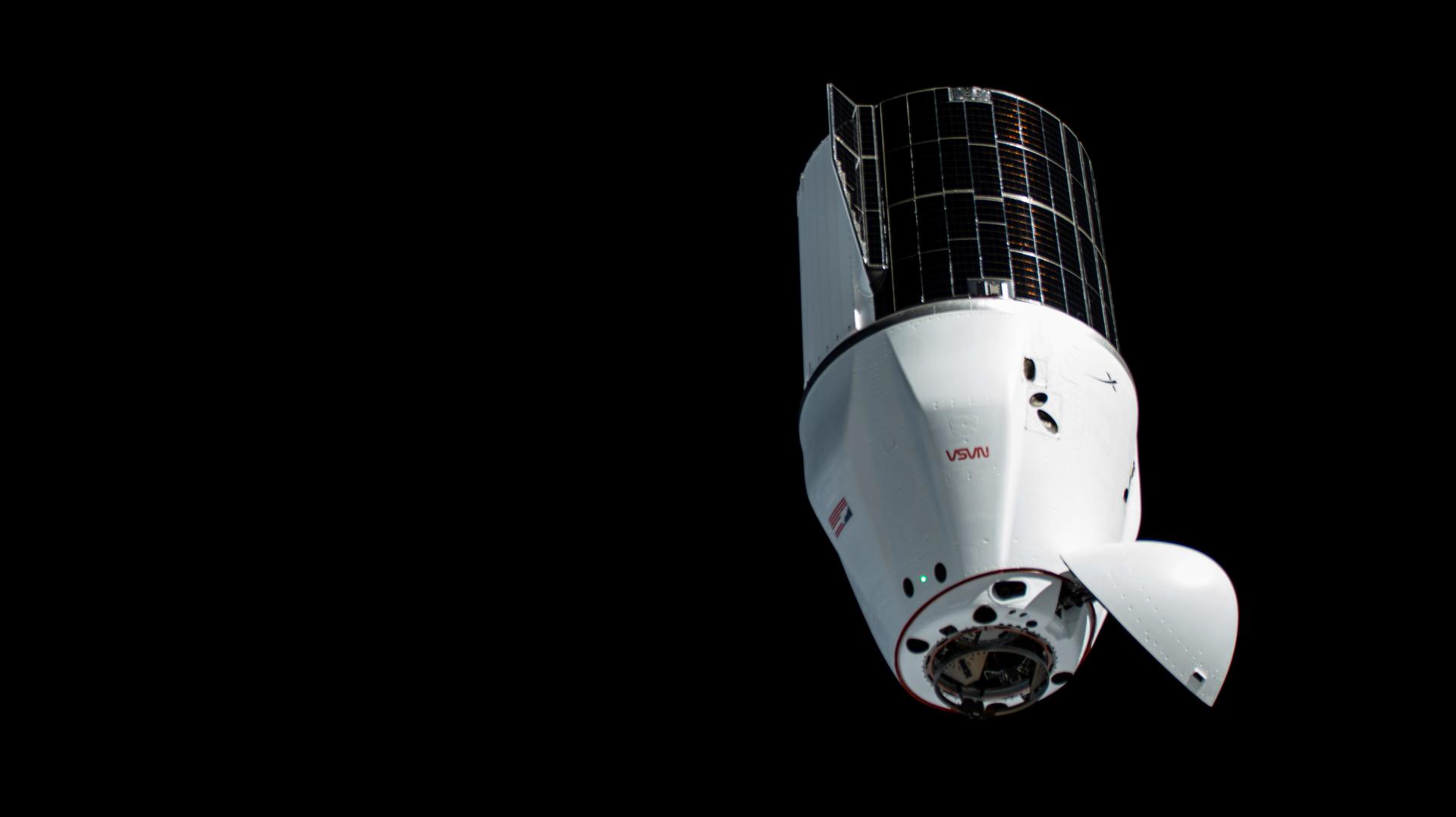
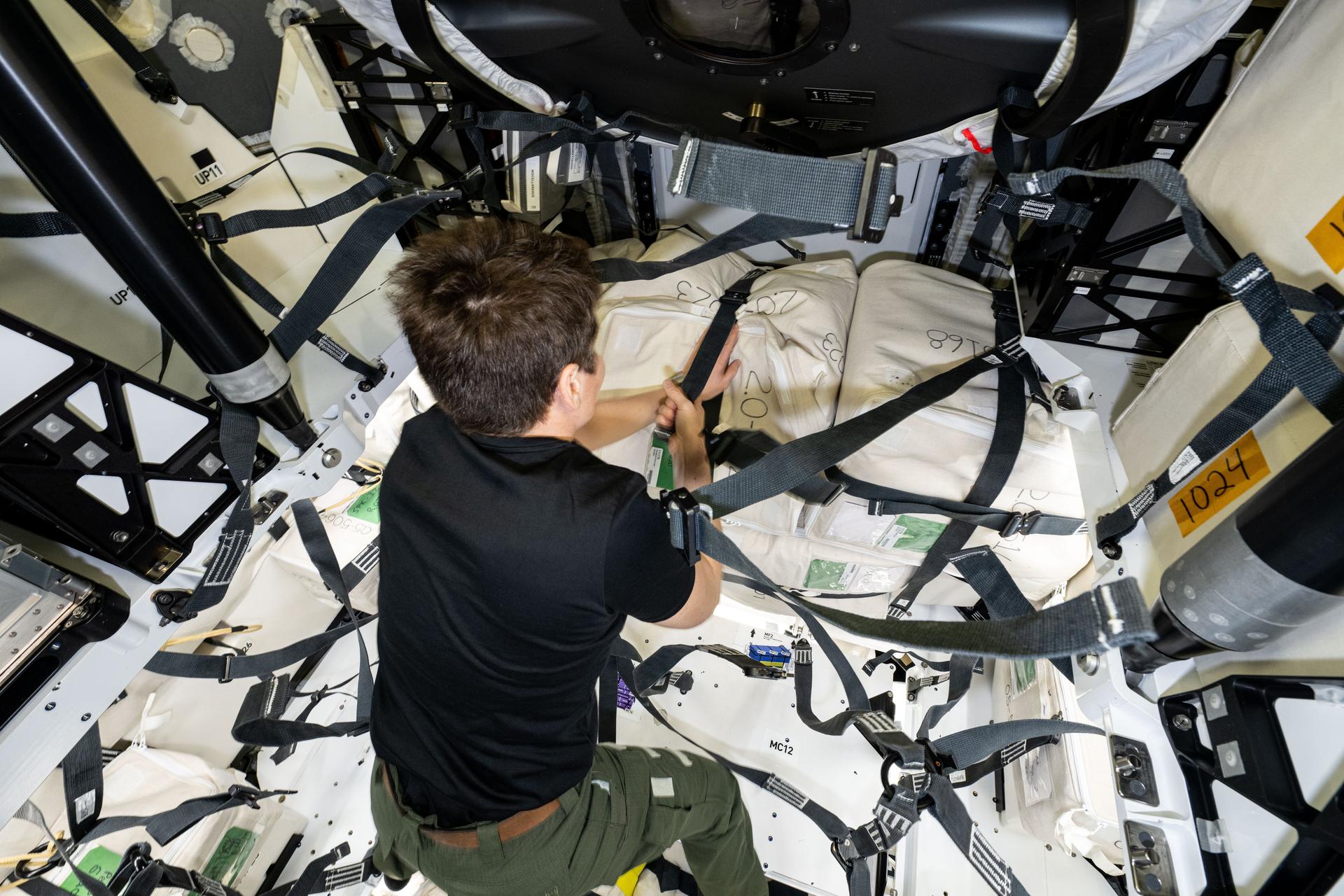
Human research, the series of ongoing investigations to understand how to keep astronauts healthy while living long-term in space, was the main science topic aboard the International Space Station on Thursday. The Expedition 72 residents also continued packing a cargo craft for its upcoming departure and conducted an emergency drill to stay familiar with response, communication, and coordination procedures.

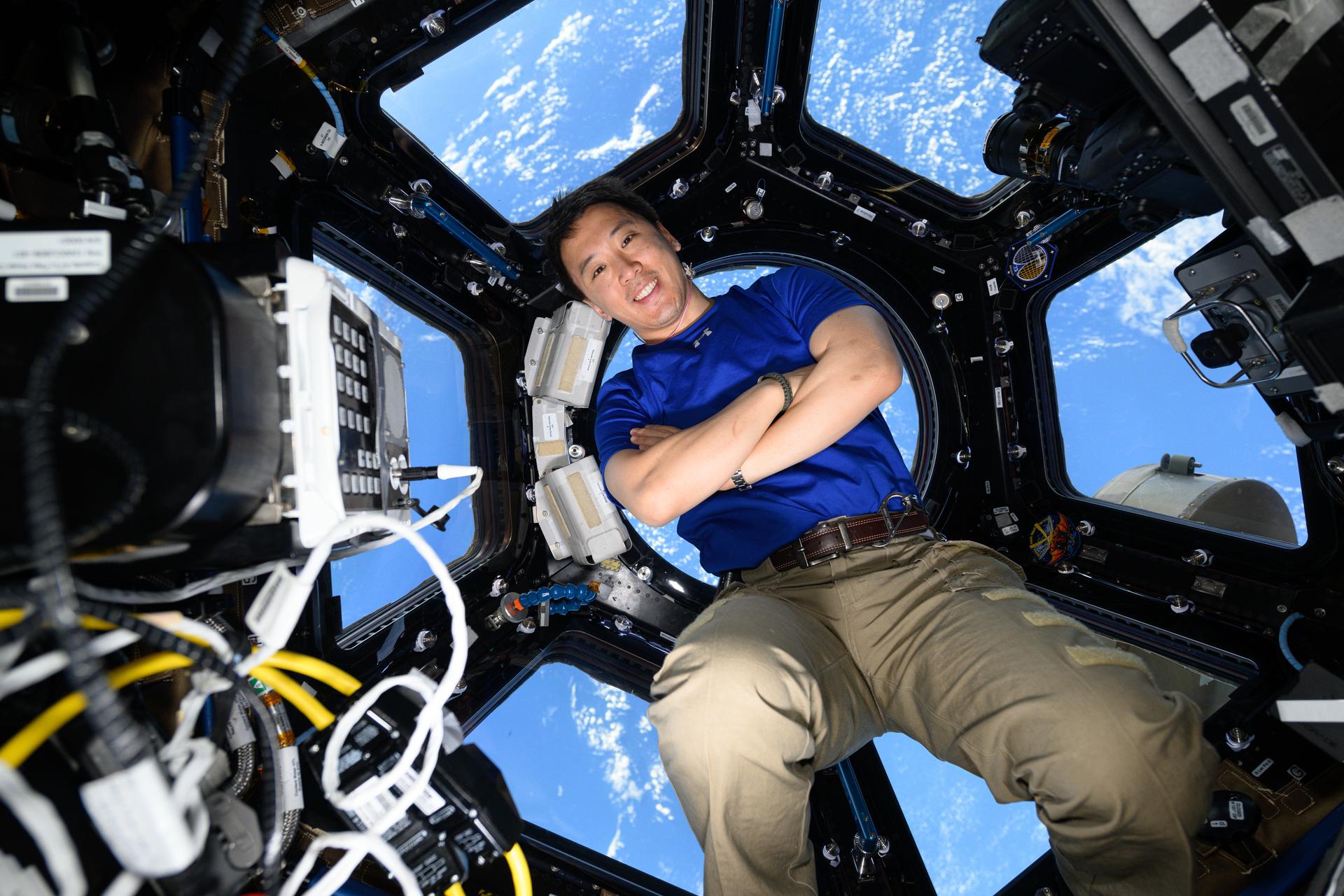
Four NASA astronauts took turns Thursday morning in the Columbus laboratory module using the Ultrasound 2 device to scan their neck, shoulder, and leg veins. Flight Engineers Butch Wilmore and Nick Hague kicked off the biomedical work as Wilmore powered up the Human Research Facility and its ultrasound hardware. Next, Wilmore scanned Hague’s veins as doctors on the ground monitored in real-time guidance.

Hague then took control of the Ultrasound 2 and scanned the veins of station Commander Suni Williams while she relaxed in the Columbus lab. Afterward, Hague handed over the ultrasound device to Flight Engineer Don Pettit taking his turn as crew medical officer to scan the veins of Wilmore with remote guidance from specialists on Earth. Doctors will use the downlinked medical data to gain insights into crew health and learn how the human body adjusts to living and working in weightlessness.

After the vein scans, Pettit began setting up hardware and connecting electrical gear for the new Muscle Stimulation experiment that seeks to counter space-caused muscle atrophy in crew members’ legs with improved exercise methods. Hague collected his urine samples and stowed them in a science freezer for future testing. Wilmore finalized packing radio communications hardware that had been removed from outside the orbital outpost during a Jan. 30 spacewalk.

Williams also activated an Astrobee robotic free flyer that maneuvered inside the Kibo laboratory module demonstrating its ability to capture and stream live video back to Earth. Williams then retrieved samples of engineered yeast from an incubator and stowed them in a science freezer for later analysis to determine their ability to produce on-demand nutrients on future missions.

Roscosmos cosmonaut Aleksandr Gorbunov pointed a camera out a Zvezda service module window and photographed Earth landmarks in a variety of wavelengths. Flight Engineer Alexey Ovchinin collected trash and obsolete gear for disposal aboard the Progress 89 cargo craft before its departure at the end of February. Flight Engineer Ivan Vagner worked on ventilation maintenance in the Nauka science module.

At the end of their shift, all seven Expedition 72 crewmates gathered together and practiced a regularly scheduled emergency drill. The orbital septet worked in conjunction with mission controllers around the world and followed simulated emergency drill steps on computer tablets. The crew then reviewed procedures to follow in the unlikely event of a depressurization, chemical leak, or fire aboard the space station.

Learn more about station activities by following the space station blog@space_station and @ISS_Research on X, as well as the ISS Facebook and ISS Instagram accounts.

Get the latest from NASA delivered every week. Subscribe here: www.nasa.gov/subscribe

Powered by WPeMatico

Get The Details…

Mark A. Garcia

Keeping Crews Healthy Farther Away from Earth Key Station Research Topic

Keeping Crews Healthy Farther Away from Earth Key Station Research Topic

Astronaut Suni Williams (center) is dwarfed near the SpaceX Dragon crew spacecraft during a spacewalk on Jan. 16, 2025, as the space station orbited 267 miles above a cloudy Pacific Ocean east of New Zealand. Astronauts undergo standard health checks prior to conducting a spacewalk to ensure their readiness.
NASA

The Expedition 72 crew continued its research on Wednesday to better understand space-caused eye pressure changes and ensure crew members stay healthy on future missions to the Moon, Mars, and beyond. The orbital residents also kept up the continuous operations of critical science gear and life support systems on the International Space Station.

Commander Suni Williams and Flight Engineer Nick Hague joined each other on Wednesday studying a method that may reduce space-caused pressure on the back of an astronaut’s eyes. The lack of gravity leads body fluids toward a crew member’s head potentially causing eye structure and vision problems. Williams tried on a thigh cuff that may reverse the headward fluid shifts and protect crews on long-term missions farther away from Earth. Hague performed an ultrasound scan on Williams, examined her eyes, and measured her blood pressure to test the effectiveness of the biomedical device during the human research study.

NASA Flight Engineers Don Pettit and Butch Wilmore spent their day servicing a variety of science hardware and life support systems throughout the orbital outpost’s U.S. segment. Maintaining the advanced science gear is necessary to ensure successful operations of space research experiments and the preservation of numerous types of samples for analysis both on Earth and on the space station. Keeping up life support systems is critical to preserving the orbital lab’s atmosphere for a safe, habitable crew environment in microgravity.

Pettit first disconnected a laptop computer that supported the Plant UV-B study observing how microgravity stress and high ultraviolet radiation affect plant growth in space. Next, he installed an airflow sensor in the Harmony module then measured air velocity inside the Kibo laboratory module’s ventilation system. Wilmore started his day downloading radiation exposure data to a laptop computer. Afterward, he swabbed surfaces in the Kibo, Columbus, and Unity modules to collect microbe samples for analysis. At the end of his shift, Wilmore disassembled the NanoRacks CubeSat Deployer, that deploys microsatellites outside the space station, in preparation for its return to Earth.

Working in the Roscosmos segment of the orbiting lab, Flight Engineers Alexey Ovchinin and Ivan Vagner explored the neutron radiation exposure the space station experiences and ways to shield space radiation. The duo installed components on the neutron radiation detection unit and also conducted a photographic inspection of the device. Flight Engineer Aleksandr Gorbunov repaired a water recovery system and worked on water transfer tasks.

Learn more about station activities by following the space station blog@space_station and @ISS_Research on X, as well as the ISS Facebook and ISS Instagram accounts.

Get the latest from NASA delivered every week. Subscribe here: www.nasa.gov/subscribe

Powered by WPeMatico

Get The Details…

Mark A. Garcia

Crew Studies Space Agriculture, Biotechnology to Promote Future Missions

Crew Studies Space Agriculture, Biotechnology to Promote Future Missions

Astronaut Nick Hague processes samples of micro-algae for a biotechnology study to learn how to revitalize the spacecraft environment using photosynthesis and produce fresh food on long-term space missions.
NASA

Tuesday’s International Space Station research objectives included learning how to grow crops on spacecraft and produce vitamins and nutrients in space to sustain crews farther away from Earth. The Expedition 72 crewmates also explored how the human body orients itself in weightlessness and serviced a pair of docked spacecraft.

NASA Flight Engineers Butch Wilmore and Nick Hague joined each other on Tuesday setting up hardware for the Plant Habitat-07 botany experiment inside the Kibo laboratory module. Wilmore installed the science carrier that is packed with red romaine lettuce seeds in Kibo’s Advanced Plant Habitat then collected water samples for analysis. Hague prepared water refill bags and injected water into the plant habitat to begin growing a small crop of lettuce. The space agriculture investigation is exploring optimal plant growth methods in space, the nutritional content of space-grown plants, and the types of microbes they support.

NASA Flight Engineer Don Pettit studied how space radiation exposure affects plant growth at the molecular and cellular levels. He processed samples and watered thale cress plants that had been growing for two weeks in Kibo’s Cell Biology Experiment Facility. The samples were then placed inside a science freezer for future analysis. The Plant UV-B study is observing how microgravity stress and high ultraviolet radiation affects plants to promote growing space crops

Commander Suni Williams continued her investigation into using genetically engineered yeast to produce on-demand nutrients and avoid vitamin deficiencies on long-term missions. She first hydrated production packs containing the yeast and edible media for incubation to activate yeast growth. Williams then photographed and agitated the packs before stowing them inside a research incubator. The samples are later frozen then returned to Earth to analyze their ability promote crew health and improve the preservation of probiotics.

In the orbital outpost’s Roscosmos segment, Flight Engineers Alexey Ovchinin and Ivan Vagner took turns wearing a virtual reality headset while attached to electrodes. The two cosmonauts were studying how a crew member’s vision, balance, and spatial orientation adjusts to microgravity. Ovchinin then replaced life support gear inside the Soyuz MS-26 crew ship before gathering items for disposal inside the Progress 89 cargo craft. Vagner pointed a camera outside the Zvezda service module and photographed components on the Nauka science module for routine inspection.

Flight Engineer Aleksandr Gorbunov turned off and stowed a student-controlled camera that photographed pre-programmed Earth landmarks. He then searched areas inside the station’s Roscosmos segment for extra cargo stowage space then worked on Nauka’s ventilation system.

Learn more about station activities by following the space station blog@space_station and @ISS_Research on X, as well as the ISS Facebook and ISS Instagram accounts.

Get the latest from NASA delivered every week. Subscribe here: www.nasa.gov/subscribe

Powered by WPeMatico

Get The Details…

Mark A. Garcia

Biotechnology to Sustain Crews on Long Missions Tops Research Schedule

Biotechnology to Sustain Crews on Long Missions Tops Research Schedule

Expedition 72 Commander Suni Williams, who will soon conduct biotechnology research to demonstrate producing nutrients in space, takes a selfie portrait with a pair of Astrobee robotic free-flyers behind her inside the Kibo laboratory module.
NASA

Biotechnology to Sustain Crews on Long Missions Tops Research Schedule

Biotechnology kicked off the work week aboard the International Space Station as the Expedition 72 crew members explored ways to counter the effects of microgravity and produce vitamins and nutrients during long-term space missions.

The lack of gravity leads body fluids to move toward an astronaut’s head potentially causing eye structure and vision problems. NASA Flight Engineers Nick Hague and Butch Wilmore spent all day Monday investigating the phenomena using a thigh cuff as a potential countermeasure to the headward fluid shifts. Hague wore electrodes and the thigh cuff as Wilmore performed an ultrasound scan on Hague, measured his eye fluid pressure, and checked his blood pressure testing the effectiveness of the biomedical device. The tight leg cuffs are compact and lightweight, ideal for spacecraft, and may help protect crews on missions to the Moon, Mars, and beyond.

Providing vitamins and nutrients to keep crews healthy is another key research goal as NASA and its international partners plan longer-term missions farther away from Earth. Station Commander Suni Williams reviewed procedures on Monday for the BioNutrients biotechnology study to demonstrate producing fresh nutrients in space. Preserving nutrients on long-term space missions causes them to degrade over time. However, using genetically engineered yeast to enable on-demand production of nutrients to supplement potential vitamin losses from the stored food may benefit crews traveling longer and farther away from Earth.

NASA Flight Engineer Don Pettit spent his day inside the Tranquility module on orbital plumbing duties replacing hydraulic components on the waste and hygiene compartment, or the space station’s bathroom.

Cosmonauts Alexey Ovchinin and Ivan Vagner started their day testing communications with the Progress 89 cargo craft due to depart at the end of February after six months docked to the rear port of the Zvezda service module.

Ovchinin then moved on and worked on Zvezda’s ventilation system and began packing the Progress 89 with trash and discarded gear. Vagner worked on orbital plumbing inside Zvezda’s bathroom repairing pumps and pipes inside the Roscosmos segment’s toilet. Flight Engineer Aleksandr Gorbunov spent his day inside the Nauka science module first swapping out electrical hardware then inspecting and cleaning laptop computers.

Learn more about station activities by following the space station blog@space_station and @ISS_Research on X, as well as the ISS Facebook and ISS Instagram accounts.

Get the latest from NASA delivered every week. Subscribe here: www.nasa.gov/subscribe

Powered by WPeMatico

Get The Details…

Mark A. Garcia

Relaxation, Housekeeping Wrap Up Work Week Aboard the Station

Relaxation, Housekeeping Wrap Up Work Week Aboard the Station

Astronaut Suni Williams rides the Canadarm2 robotic arm while being maneuvered to her worksite 264 miles above the Earth during a spacewalk on Jan. 30, 2025.

The Expedition 72 crew wrapped up the work week with housekeeping duties and relaxation following several days of spacewalk cleanup activities and advanced research aboard the International Space Station.

Station Commander Suni Williams and Flight Engineer Butch Wilmore, both NASA astronauts, were off duty on Friday after stowing spacewalk tools and deconfiguring spacesuits earlier in the week. The duo used the tools and wore the suits during a five hour and 26-minute spacewalk on Jan. 30 for science and maintenance. Williams and Wilmore also worked throughout the week on robotics research, computer updates, and life support maintenance.

NASA Flight Engineers Nick Hague and Don Pettit took turns at the end of the week measuring the airflow in their crew quarters ensuring a safe breathing environment inside the orbital lab. Hague first checked his overhead crew quarters then Pettit checked his starboard crew quarters, both in the Harmony module, measuring the airflows at different locations and at different speeds. Hague earlier collected biological samples for processing while Pettit conducted a photographic inspection of stowage areas inside the Columbus laboratory module.

Roscosmos Flight Engineer Aleksandr Gorbunov spent his day on variety of science activities. He first prepared drives to capture research data collected from a plasma crystal study, swapped a lens on a student-controlled Earth observation camera, then checked video recording gear. Flight Engineers Alexey Ovchinin and Ivan Vagner spent their day on life support maintenance tasks throughout the orbital outpost’s Roscosmos segment.


Learn more about station activities by following the space station blog@space_station and @ISS_Research on X, as well as the ISS Facebook and ISS Instagram accounts.

Get the latest from NASA delivered every week. Subscribe here: www.nasa.gov/subscribe

Powered by WPeMatico

Get The Details…

Mark Garcia