NASA, International Astronauts Answer Questions from Florida Students

NASA, International Astronauts Answer Questions from Florida Students
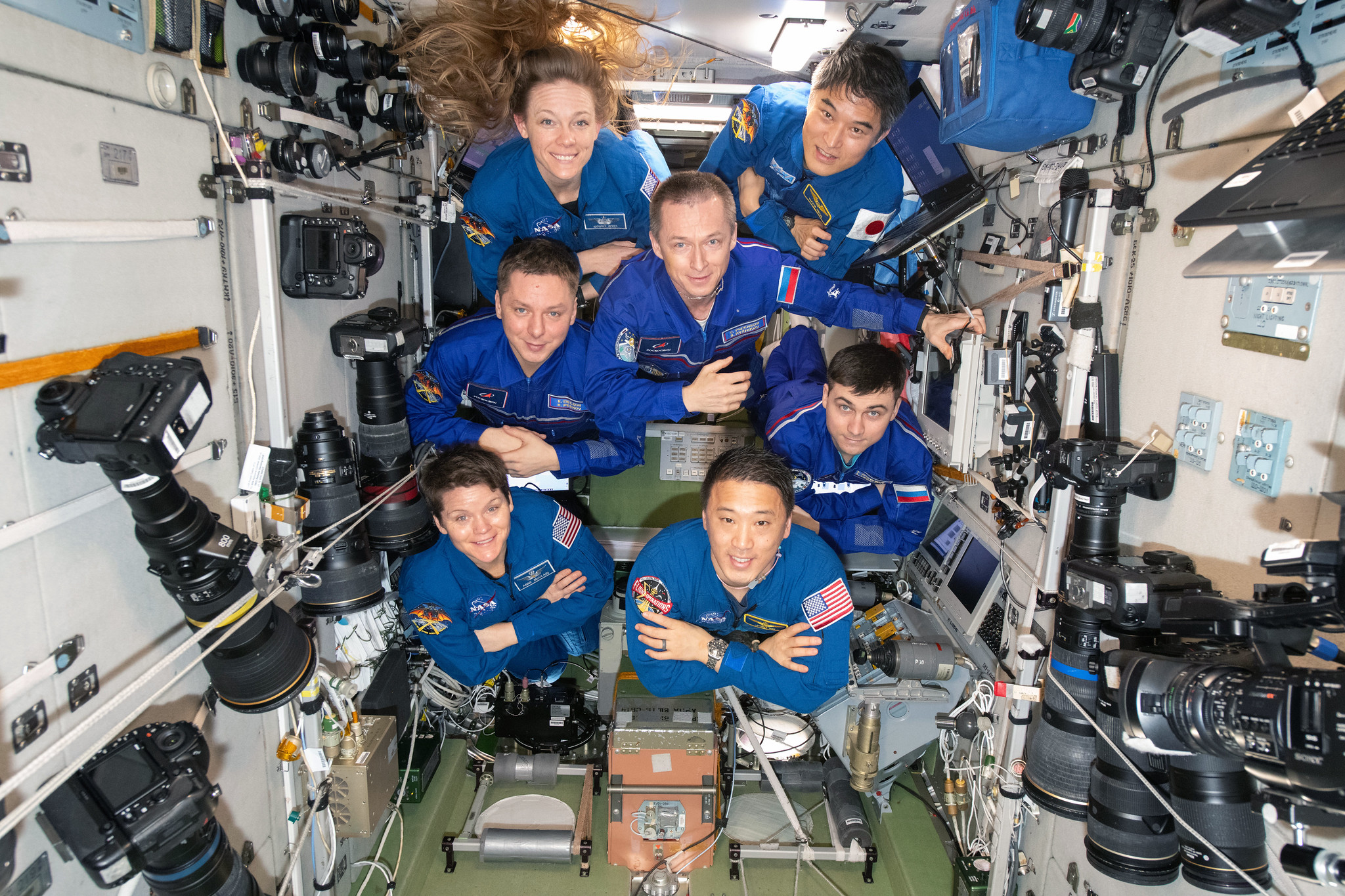
The seven-member Expedition 73 crew poses for a portrait inside the International Space Station's Zvezda service module.
The seven-member Expedition 73 crew poses for a portrait inside the International Space Station’s Zvezda service module.
Credit: NASA

Students in Big Pine Key, Florida, will have the chance to have NASA astronauts aboard the International Space Station answer their prerecorded questions.

At 10:05 a.m. EDT on Monday, July 14, NASA astronaut Nicole Ayers and JAXA (Japan Aerospace Exploration Agency) astronaut Takuya Onishi will answer questions submitted by students.

Watch the 20-minute Earth-to-space call on NASA STEM’s YouTube Channel.

The event is hosted by the Seacamp Association of Big Pine Key, Florida, which provides immersive science lessons for youth interested in discovering the sea. The event will be attended by local Monroe County students, as well as national and international campers ages 10-17 years old. The goal of the event is to help students make connections between astronauts training in space and scientists working in the sea.  

Media interested in covering the event must RSVP by 5 p.m. EDT, Friday, July 11, to Judy Gregoire at: 305-872-2331 or email at: info@seacamp.org.

For nearly 25 years, astronauts have continuously lived and worked aboard the space station, testing technologies, performing science, and developing skills needed to explore farther from Earth. Astronauts aboard the orbiting laboratory communicate with NASA’s Mission Control Center in Houston 24 hours a day through SCaN’s (Space Communications and Navigation) Near Space Network.

Important research and technology investigations taking place aboard the space station benefit people on Earth and lay the groundwork for other agency missions. As part of NASA’s Artemis campaign, the agency will send astronauts to the Moon to prepare for future human exploration of Mars; inspiring Golden Age explorers and ensuring the United States continues to lead in space exploration and discovery.

See videos of astronauts aboard the space station at:

https://www.nasa.gov/stemonstation

-end-

Gerelle Dodson
Headquarters, Washington
202-358-1600
gerelle.q.dodson@nasa.gov

Sandra Jones
Johnson Space Center, Houston
281-483-5111
sandra.p.jones@nasa.gov

Powered by WPeMatico

Get The Details…
Gerelle Q. Dodson

I Am Artemis: Joe Pavicic

I Am Artemis: Joe Pavicic

2 Min Read

I Am Artemis: Joe Pavicic

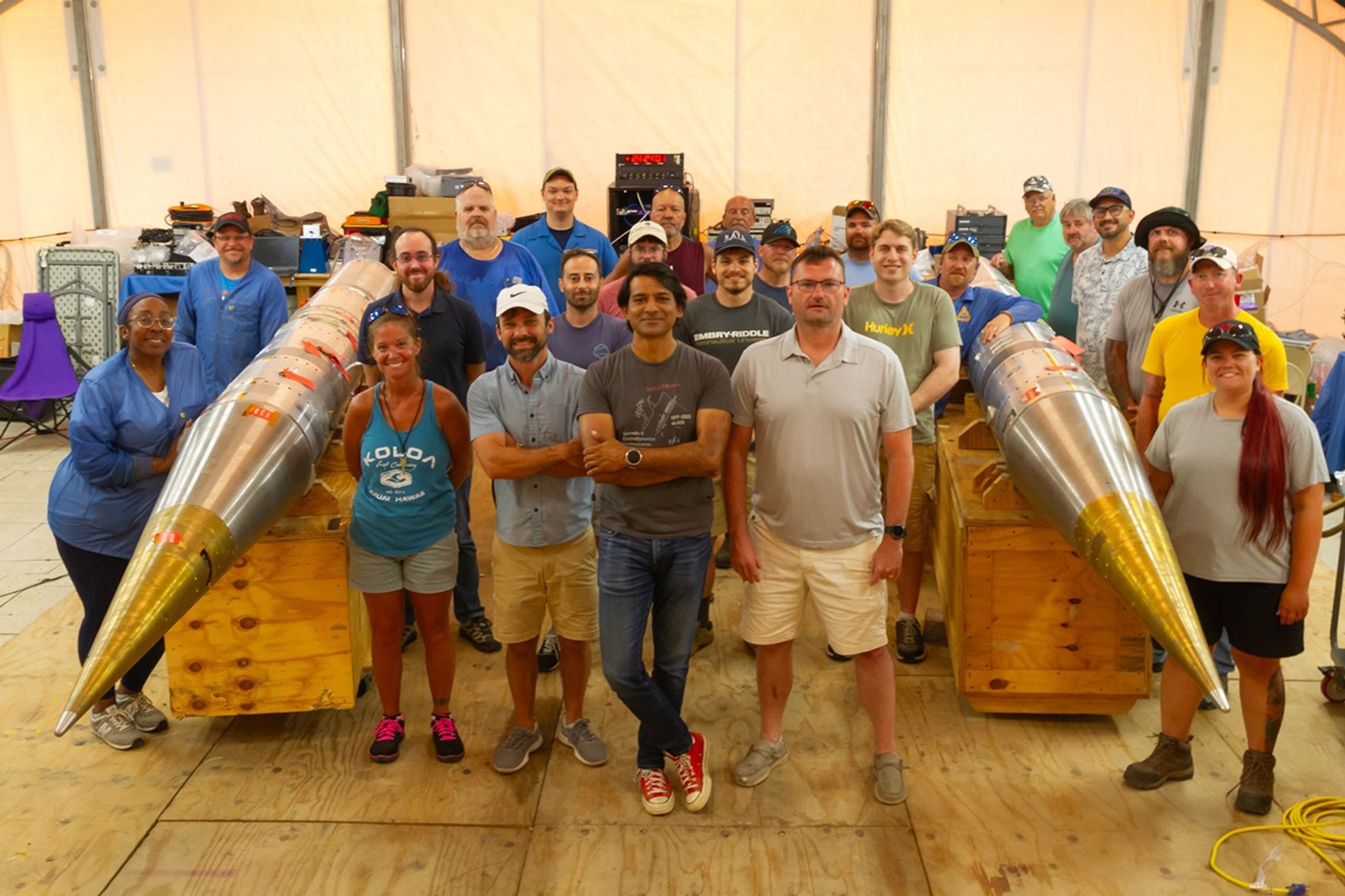
Image shows man smiling in black shirt with NASA's Artemis logo.

Listen to this audio excerpt from Joe Pavicic, Artemis operations project engineer

0:00 / 0:00

Joe Pavicic will never forget when he told the Artemis launch director teams were NO-GO for launch.

Before Artemis I lifted off from NASA’s Kennedy Space Center in Florida in November 2022, the launch team made multiple launch attempts the months prior.  

“During a previous Artemis I launch attempt, there was an issue with engine three,” said Pavicic, operations project engineer who worked on the engines console during Artemis I. “One sensor was showing that it wasn’t seeing liquid hydrogen through it. It was showing that it was at ambient temperature.”

And I had to tell the launch director, ‘We can’t get there today with the current criteria that we have. My recommendation is a NO-GO.’

Joe pavicic

Joe pavicic

Operations Project Engineer

Prior to engine ignition, launch team controllers must first chill the engines before the cryogenic liquid propellant fuels and lifts the SLS (Space Launch System) rocket and Orion spacecraft into the heavens and onward to the Moon. Chilling the engines ensures the hardware doesn’t get damaged when exposed to the super-cooled liquid hydrogen at -423 degrees Fahrenheit.   

NASA/Kim Shiflett

“We tried everything we could think of,” Pavicic recalls. “Any procedure we could try, we tried it, and we just never saw those rates that we should have.” 

Thus, Pavicic, who is originally from West Palm Beach and studied aerospace engineering at Embry Riddle Aeronautical University in Daytona Beach, Florida, went back to the drawing board with the rest of his team, working days and nights rewriting procedures and learning new lessons about the engines and sensors until they were finally able to get to a successful launch. 

“I just remember after I said, ‘NO-GO,’ I felt like all these people came to watch the launch, all my family, and I’m like, ‘I’m the guy,’ but I told myself, ‘I’m not going to be the one to say this for the next launch attempt. I’m going to do what I can to get us there.’ 

joe pavicic

joe pavicic

Operations Project Engineer

NASA successfully launched and flew the Artemis I mission and now, Pavicic is working as one of the operations project engineers, continuing to help the launch team develop new launch commit criteria and procedures within the launch countdown ahead of Artemis II, the first crewed Artemis mission, which will send four astronauts around the Moon and back in 10 days next year.  

About the Author

Antonia Jaramillo

Antonia Jaramillo

Share

Details

Last Updated

Jul 09, 2025

Powered by WPeMatico

Get The Details…
Antonia Jaramillo

Polar Tourists Give Positive Reviews to NASA Citizen Science in Antarctica

Polar Tourists Give Positive Reviews to NASA Citizen Science in Antarctica

2 min read

Polar Tourists Give Positive Reviews to NASA Citizen Science in Antarctica

Citizen science projects result in an overwhelmingly positive impact on the polar tourism experience. That’s according to a new paper analyzing participant experiences in the first two years of FjordPhyto, a NASA Citizen Science project..  

The FjordPhyto citizen science project invites travelers onboard expedition cruise vessels to gather data and samples during the polar summer season, helping researchers understand changes in microalgae communities in response to melting glaciers. Travelers in Antarctica from November to March help collect phytoplankton and ocean data from polar regions facilitated by trained expedition guides. 

The new research found that ninety-seven percent of respondents reported that participating in citizen science enriched their travel experience. The paper provides a first understanding of the impact of citizen science projects on the tourism experience.  

“I was worried that I would feel guilty being a tourist in a place as remote and untouched as Antarctica,” said one anonymous FjordPhyto participant. “But being able to learn and be a part of citizen science, whilst constantly being reminded of our environmental responsibilities, made me feel less like just a visitor and more a part of keeping the science culture that Antarctica is known for alive and well.” 

For more information and to sign up, visit the FjordPhyto website. 

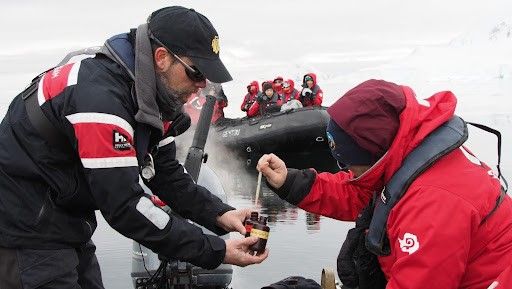
Scientists in cold-weather gear collect a water sample from a small boat in a polar region, with others observing from a nearby inflatable boat.
Travelers in Antarctica participate in collecting phytoplankton and ocean data from polar regions facilitated by trained expedition guides.
Credit: Mathew Farrell courtesy of Robert Gilmore

Share

Details

Last Updated
Jul 09, 2025

Powered by WPeMatico

Get The Details…

Continuing the Quest for Clays

Continuing the Quest for Clays

3 min read

Continuing the Quest for Clays

A color photo from the Martian surface shows an area of pale brownish-orange rocks, mostly medium to large and flat, with varied edges and cracks. Among them are numerous smaller rocks that are more jagged, poking up. In between the rocks the area is covered in fine soil, slightly darker-toned than the rocks.
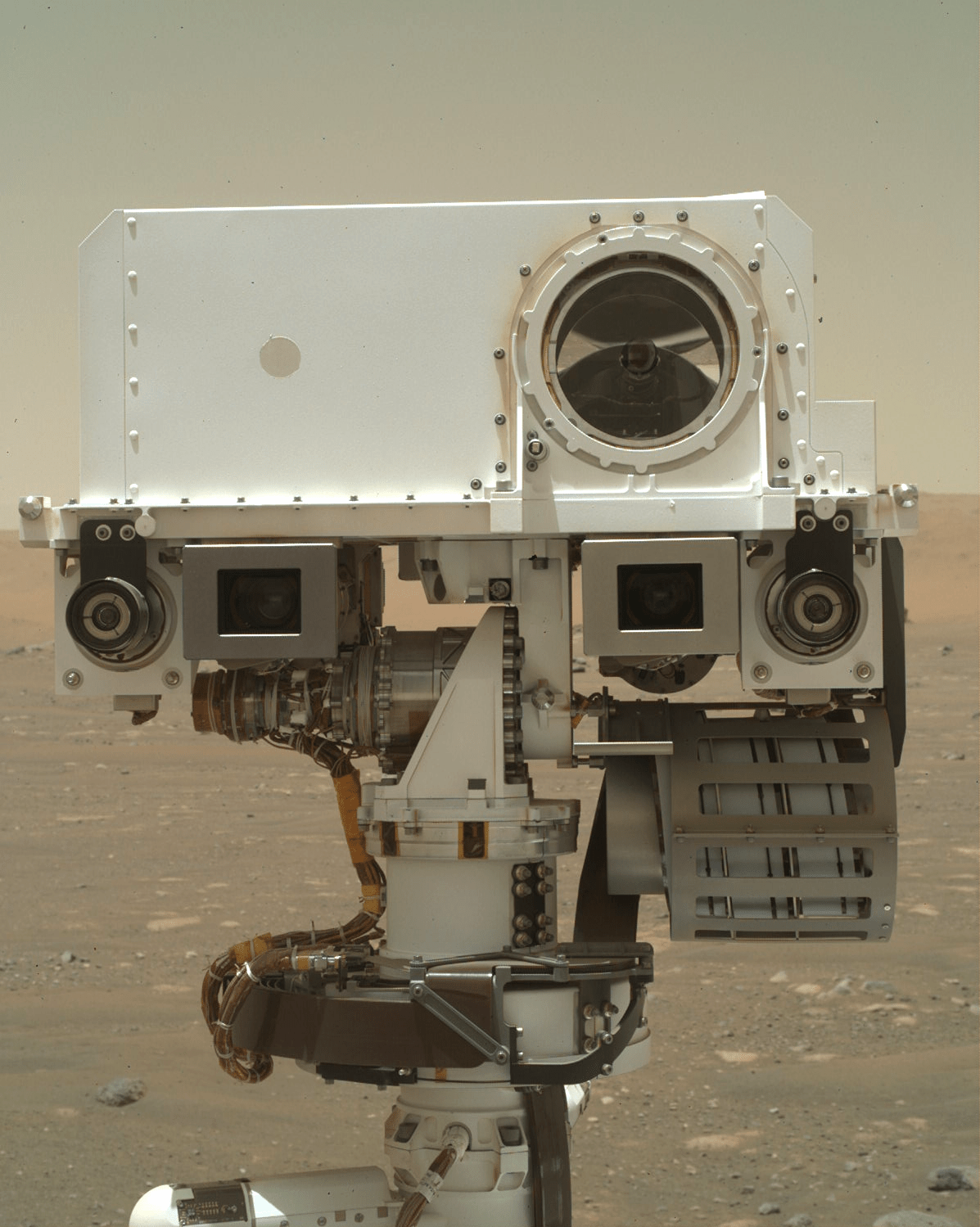
NASA’s Mars Perseverance rover acquired this image showing the target “Jigging Cove,” named by Make-A-Wish participant Madeline, located in the center of the image. Perseverance used its Left Mastcam-Z camera, one of a pair of cameras located high on the rover’s mast, to capture the image on June 27, 2025 (Sol 1547, or Martian day 1,547 of the Mars 2020 mission) at the local mean solar time of 11:26:04.
NASA/JPL-Caltech/ASU

Written by Eleanor Moreland, Ph.D. Student Collaborator at Rice University

For the past month and a half, Perseverance has been exploring the Krokodillen plateau in search of clay-bearing rocks. An earlier blog discussed that these rocks could hold clues to Mars’ watery past, and Perseverance has been exploring multiple potential locations to find a suitable target to sample. When a coring target could not be found at the previous outcrop, the Science Team decided to return to the “Main Topsail” locality. In a single drive to this area, Perseverance drove 411.7 meters (1,350.7 feet, or just over a quarter mile) — the longest driving distance ever accomplished by a robotic vehicle on another planet. Go, Percy, go! 

Back in the region near “Main Topsail” and “Salmon Point,” the team attempted to abrade and sample the clay-bearing rocks at a few different targets. These rocks, however, are proving very breakable and difficult to sample and abrade. Perseverance has experienced challenging fine-grained rocks before, such as during the fan front campaign inside Jezero crater. In that scenario and this one, the Science and Engineering teams work together diligently to find the highest priority targets and find rocks that could withstand the abrasion and coring processes. In this case, the team has decided to return to the site of a previous abrasion, “Strong Island,” to sample the rock we have already abraded and analyzed. This abrasion showed the strong clay signature the team is looking to sample, and we will make another coring attempt this week. 

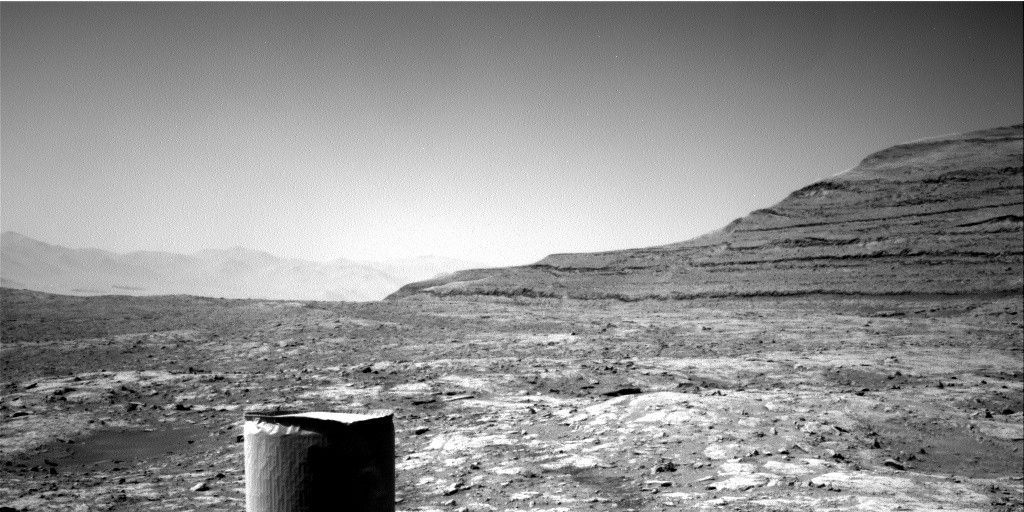
A color image from the Martian surface shows uneven yellow-tan ground, covered in gravel and much larger flat, angular rocks showing above the surface. A portion of the Perseverance rover is visible in the lower left corner of the image.
NASA’s Mars Perseverance rover acquired this image of the target “Gallants,” named by Make-A-Wish participant Joshua, located in the lower left quadrant of the image. Perseverance used its onboard Left Navigation Camera (Navcam), which is located high on the rover’s mast and aids in driving, to capture the image on July 1, 2025 (Sol 1551 or Martian day 1,551 of the Mars 2020 mission), at the local mean solar time of 13:10:08.
NASA/JPL-Caltech

This past week, the Perseverance team hosted two very special visitors, Madeline and Joshua, and had the unique honor of fulfilling their wishes through the Make-A-Wish foundation. During their visits to JPL, Madeline and Joshua were named honorary Mars 2020 Operations Team Members. They visited the test rovers in the JPL Mars Yard, watched data arrive from the rover with the Perseverance operations team, and attended a rover planning meeting, collaborating with the science and engineering team members on campus. Madeline and Joshua will forever be connected to the Mars 2020 mission, as each selected the name of one of our planning targets. Madeline’s target, “Jigging Cove,” was a target for Mastcam-Z and SuperCam “all techniques” analysis, including LIBS, VISIR, and RMI. Joshua’s selection, “Gallants,” will be used for the next coring target. Carrying forward the resilience shown by Madeline and Joshua, Perseverance will attempt to sample this clay-rich bedrock before continuing the investigation along the Jezero crater rim. 

Share

Details

Last Updated
Jul 08, 2025

Related Terms

Powered by WPeMatico

Get The Details…

Helio Highlights: May 2025

Helio Highlights: May 2025

3 min read

Helio Highlights: May 2025

3 Min Read

Helio Highlights: May 2025

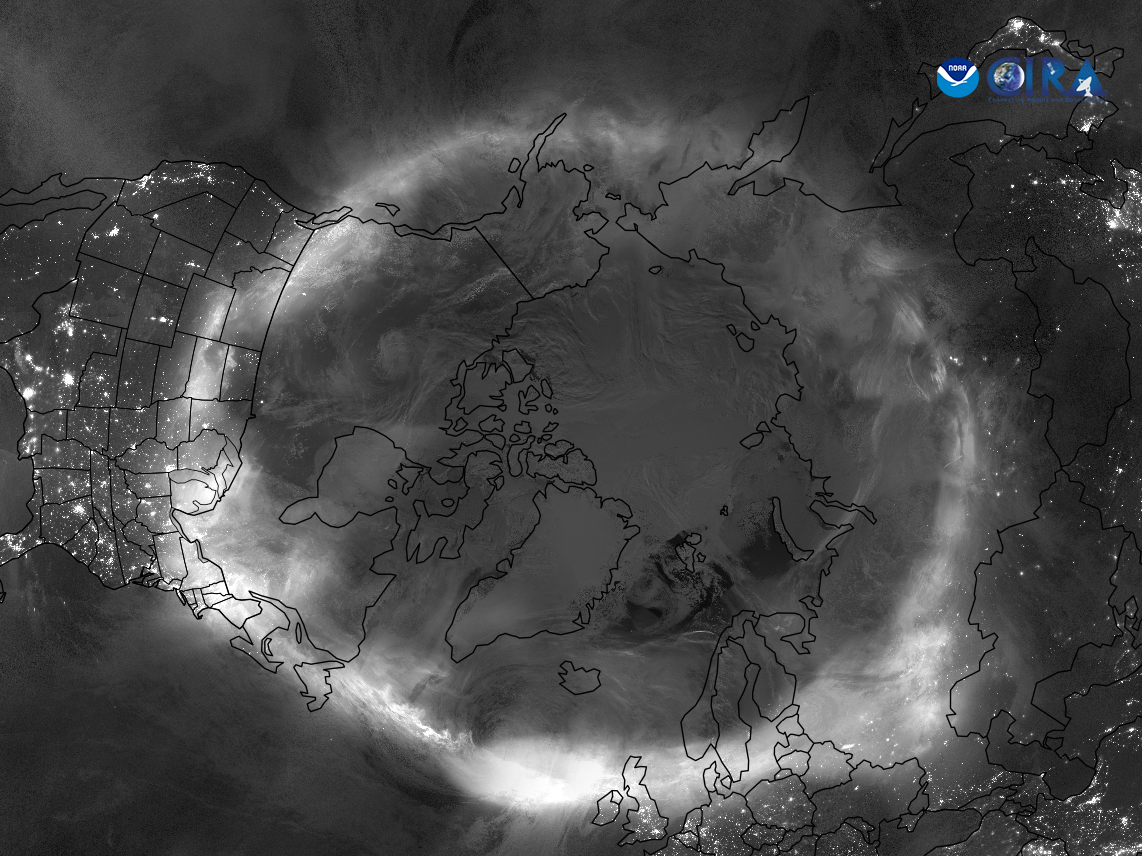
A grayscale top-down image of the North Pole showing the glowing band of the Northern Lights circling the Earth
A satellite image showing the extent of the Northern Lights during part of the Mother’s Day 2024 solar storms.
Credits:
NOAA

One year ago, solar storms lit up the night sky. Why?

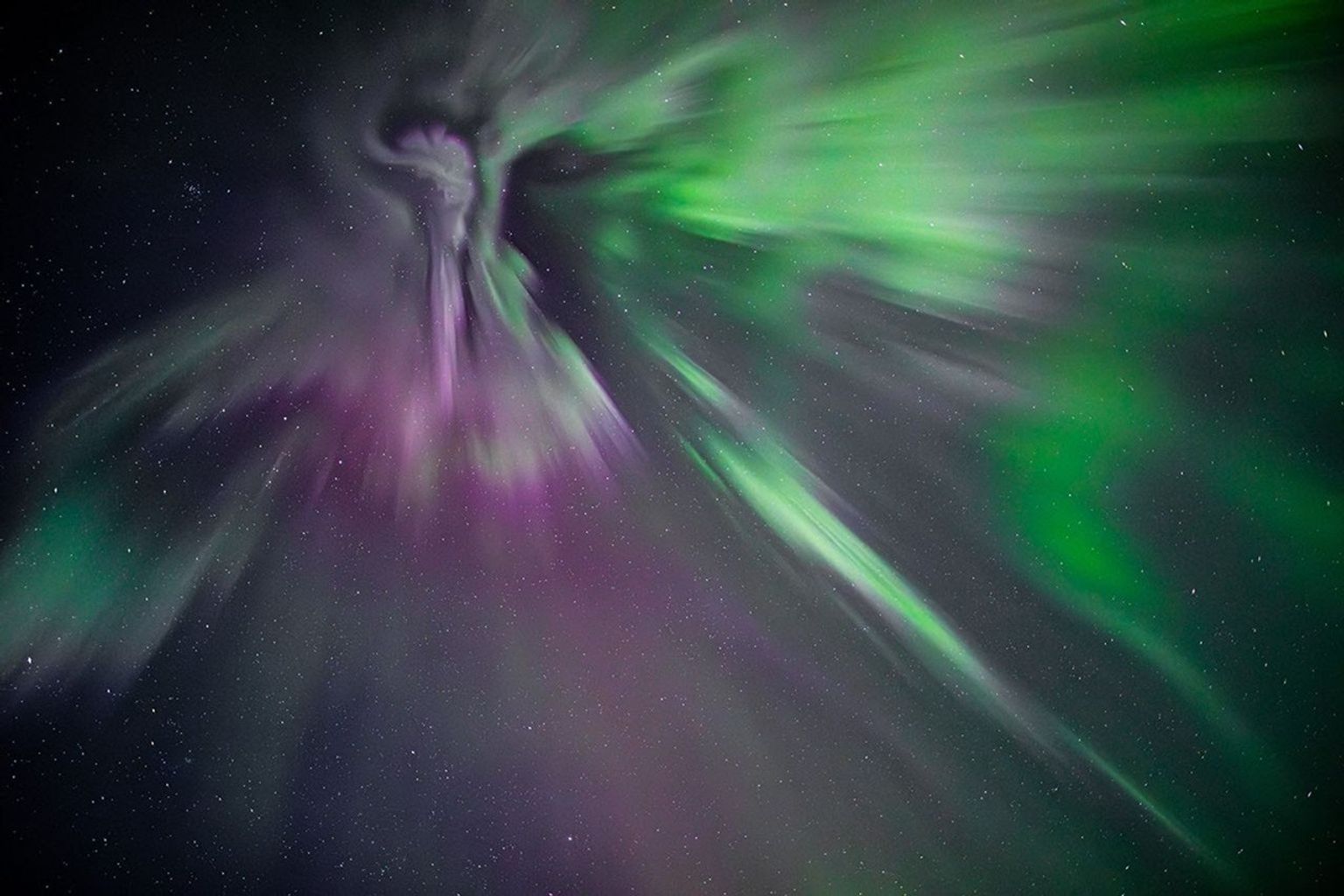
The Sun is 93 million miles away from Earth, on average. Even though it’s far away, we can still see and feel its effects here. One of the most beautiful effects are the auroras – colorful lights that dance across the sky near the North and South Poles. These are also called the Northern and Southern Lights. They happen when tiny particles from the Sun hit gas molecules in our atmosphere and give off energy.

Sometimes the Sun becomes very active and sends out a lot more energy than normal. When this happens, we can see auroras in places much farther from the poles than normal. In May 2024, around Mother’s Day, the Sun sent powerful solar storms in the direction of Earth. These storms were also called the Gannon Storms, named after Jennifer Gannon, a scientist who studied space weather. The Northern Lights could be seen as far south as Puerto Rico, Hawaii, Mexico, Jamaica, and the Bahamas. The Southern Lights were also visible as far north as South Africa and New Zealand.

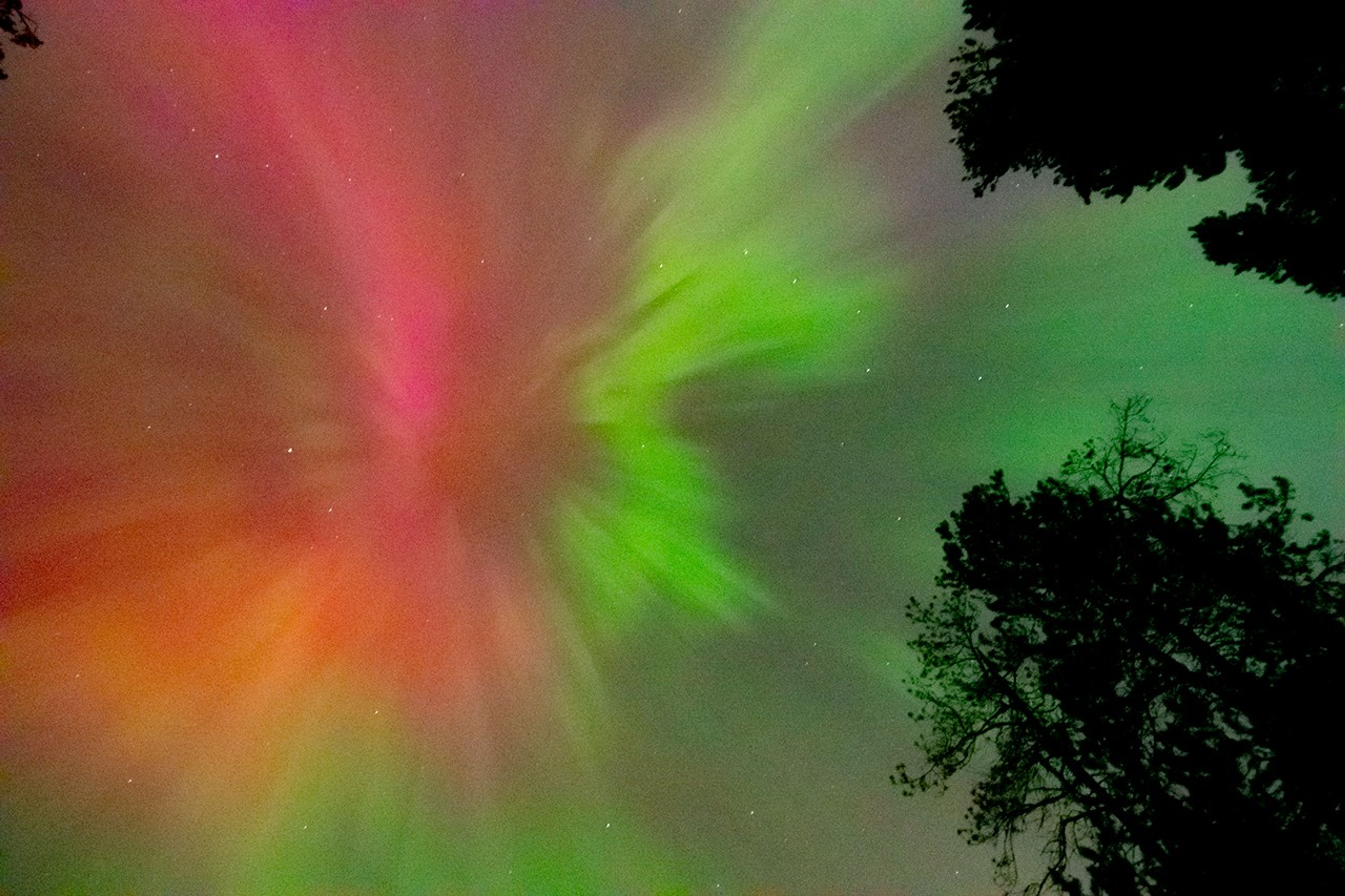
Red and green streaks of an aurora radiate out from the center of the photo. Black silhouettes of trees line the edge.
Aurora Borealis seen from British Columbia, Canada on May 10, 2024.
NASA/Mara Johnson-Groh

Scientists who study the Sun and its effects on our solar system work in a field called heliophysics. Their studies of the Sun have shown that it goes through cycles of being more active and less active. Each one of these cycles lasts about 11 years, but can be anywhere from 8 to 14 years long. This is called the Solar Cycle.

The middle of each cycle is called Solar Maximum. During this time, the Sun has more dark spots (called sunspots) and creates more space weather events. The big storms in May 2024 happened during the Solar Maximum for Solar Cycle 25.

On May 8 and 9, 2024, an active area on the Sun called AR3664 shot out powerful solar flares and several huge bursts of energy called coronal mass ejections (CMEs). These CMEs headed straight for Earth. The first CME pushed aside the normal solar wind, making a clear path for the others to reach us faster. When all this energy hit our atmosphere, it created auroras much farther from the poles than usual. It was like the Sun gave the auroras a huge power boost!

A grayscale top-down image of the North Pole showing the glowing band of the Northern Lights circling the Earth
Eruptions of Solar material into space as seen on May 7 (right) and May 8 (left), 2024. These types of eruptions often come just before a larger Coronal Mass Ejection (CME), including the ones which caused the Mother’s Day solar storms.
NASA/SDO

Auroras are beautiful to watch, but the space weather that creates them can also cause problems. Space weather can mess up radio signals, power grids, GPS systems, and satellites. During the May 2024 storms, GPS systems used by farmers were disrupted. Many farmers use GPS to guide their self-driving tractors. Since this happened during peak planting season, it may have cost billions of dollars in lost profit.

Because space weather can cause so many problems, scientists at NASA and around the world watch the Sun closely to predict when these events will happen. You can help too! Join local science projects at schools, teach others about the Sun, and help make observations in your area. All of this helps us to learn more about the Sun and how it affects our planet.

Here are some resources to connect you to the Sun and auroras

Powered by WPeMatico

Get The Details…