Newfound ‘Baby’ Planet Smashes Record for Youngest Known World

Newfound ‘Baby’ Planet Smashes Record for Youngest Known World
5 Min Read

Newfound ‘Baby’ Planet Smashes Record for Youngest Known World

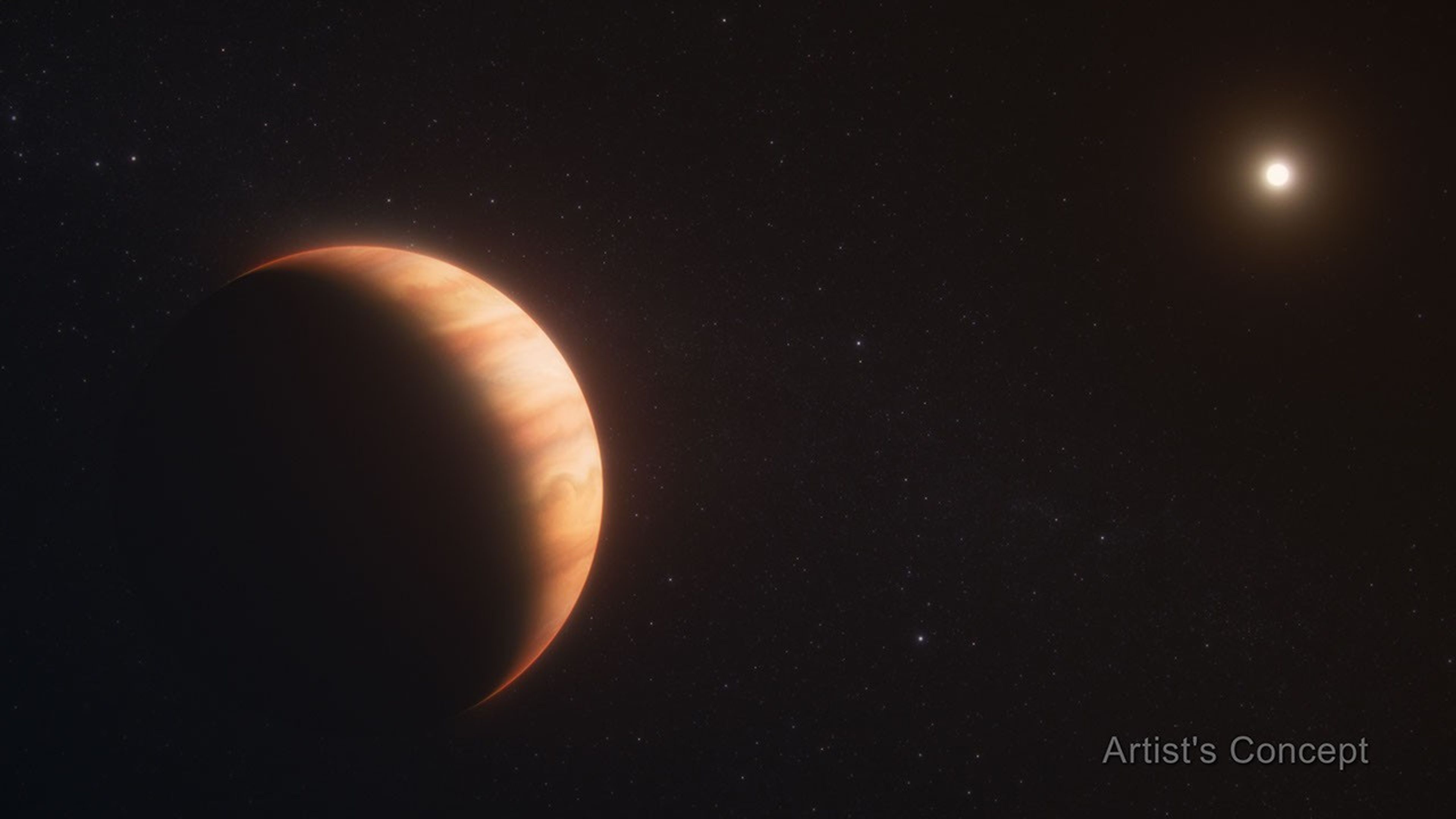
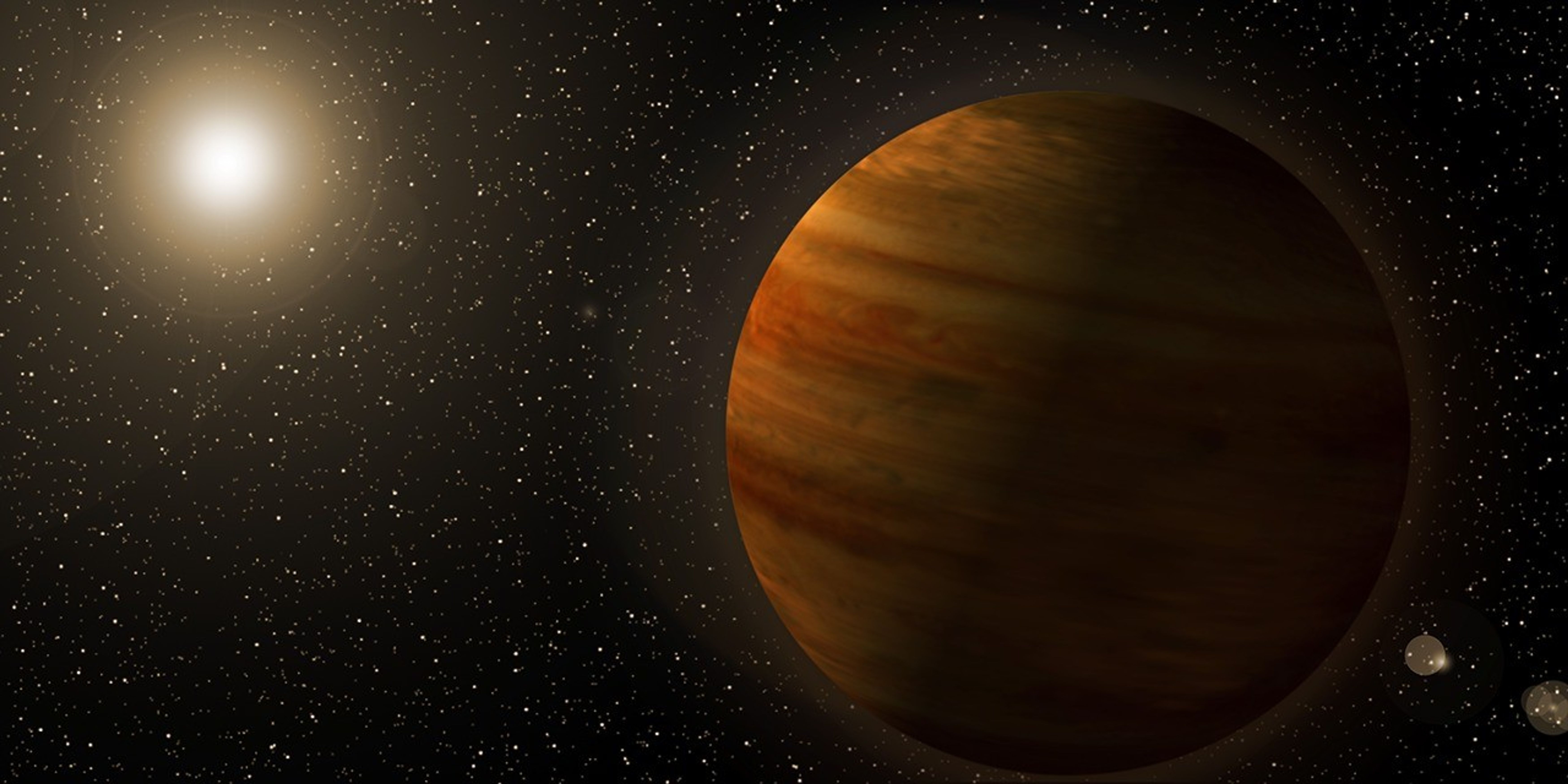
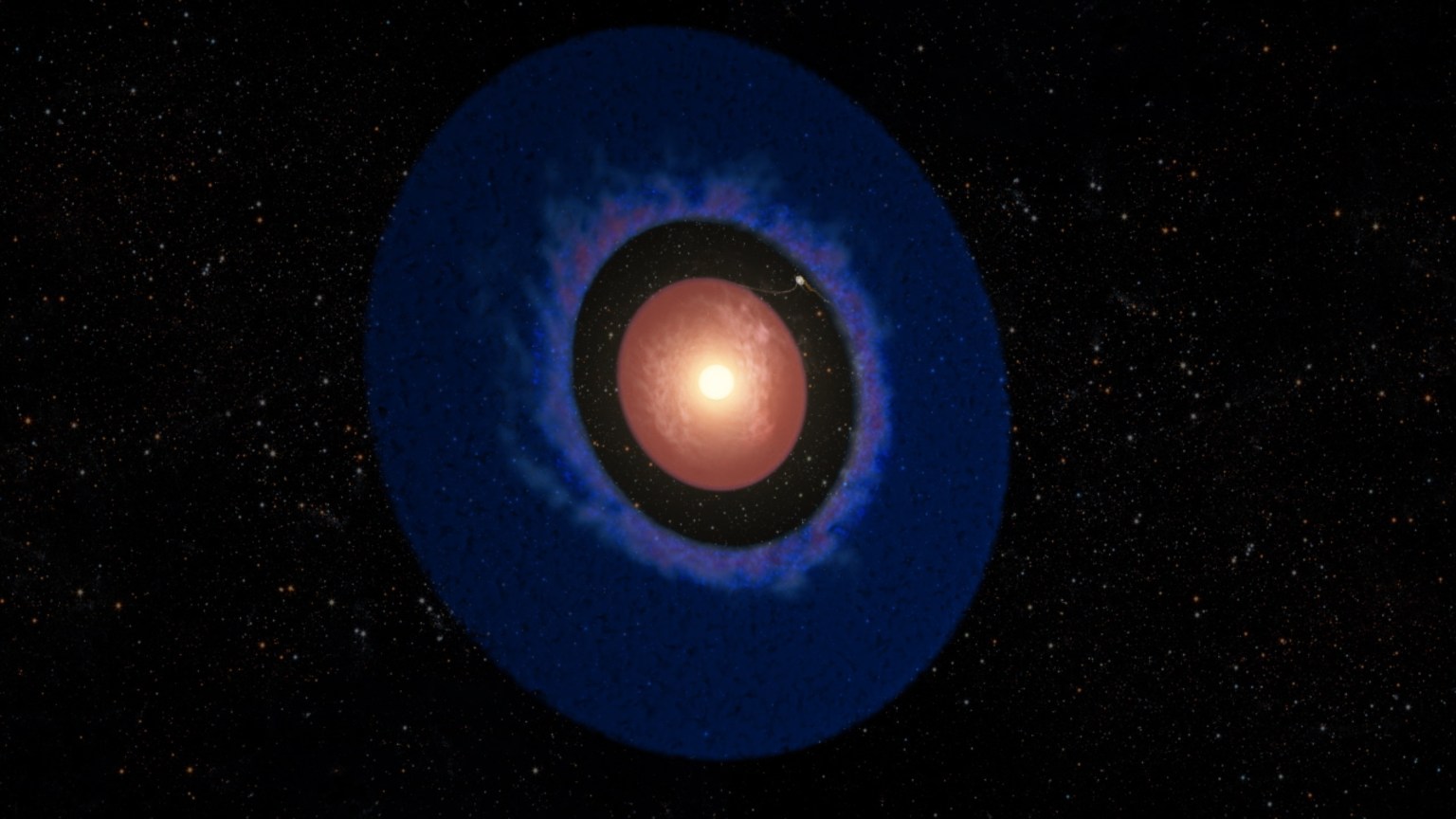
An artist’s concept of the youngest known exoplanet: Elias 2024 b.

Credits:
W. M. Keck Observatory/Adam Makarenko

Astronomers have confirmed a world that’s less than a million years old as the youngest known planet, using data from NASA-funded archives. Called Elias 2-24 b, the baby planet is still whirling in its natal disk of dust and gas.

“Our planet-formation models already struggled to explain the previous record holders for the youngest known planet — a four-way tie between two planets orbiting the star PDS 70 and two planets orbiting the star WISPIT 2 — which are all more than 5 million years old,” said Lucas Cieza, a professor at the Instituto de Estudios Astrofísicos in Chile and co-author of a paper detailing the results. “Elias 2-24 b shows us that even our best planet-formation models are still missing some important processes.”

In a study published Wednesday in The Astrophysical Journal Letters, a team led by Andrea Bernardi, a doctoral candidate at the Universidad Diego Portales in Chile, homed in on archival observations of seven stars that were observed using the coronagraph at the W. M. Keck Observatory in Hawaii, which partners with NASA under a cooperative agreement. Each of these stars hosts a debris disk chock-full of dust, gas, and chunks of ice and rock with structures and gaps in the disk hinting that planets may be forming around them.
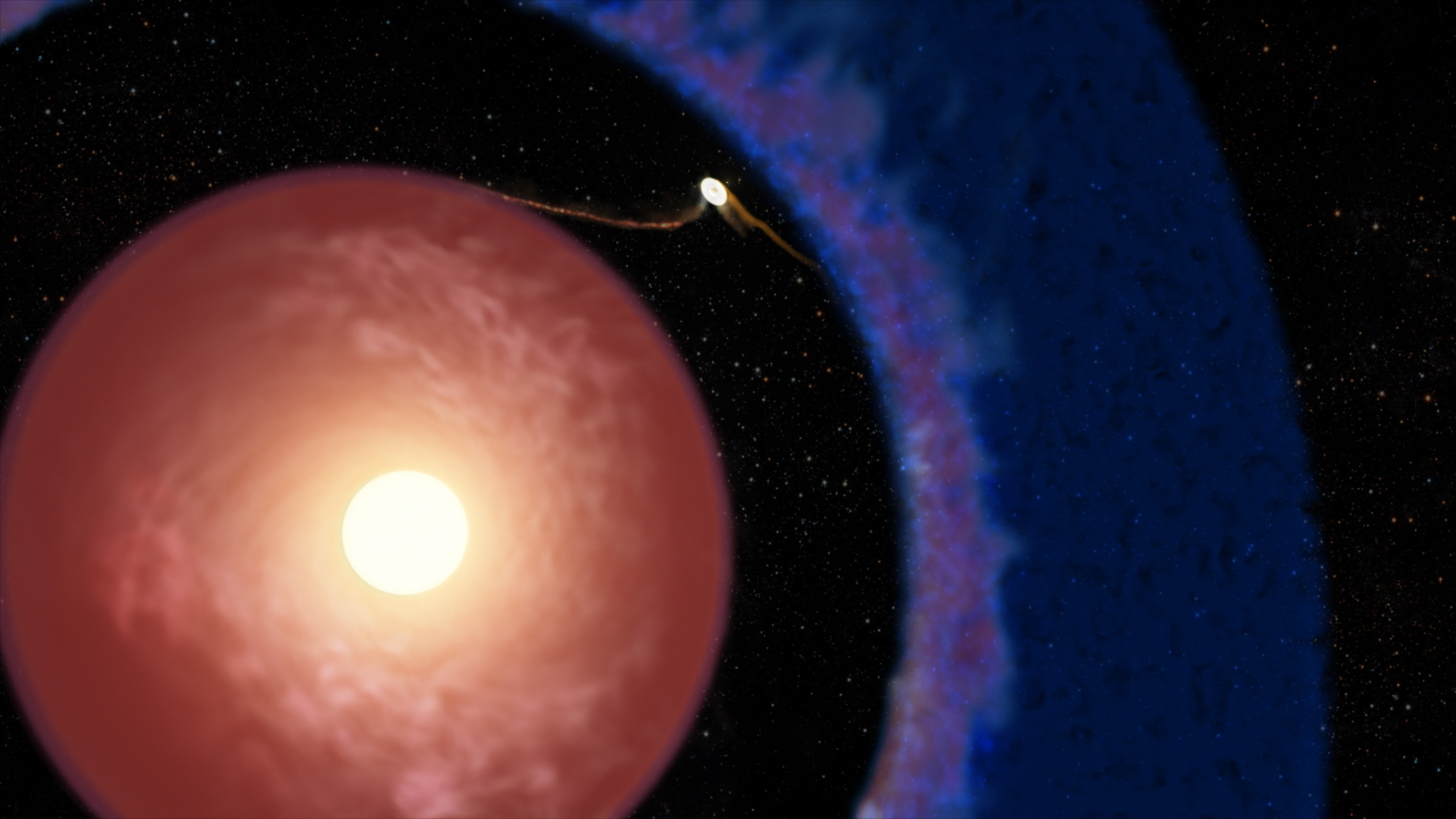
An artist's concept of planet Elias 2-24 b
Artist’s concept depicting Elias 2-24 b, the youngest exoplanet detected to date, still growing within the disk of gas and dust surrounding its young host star. Material from the disk is actively accreting onto the Jupiter-mass planet, which sits within a prominent gap in the disk, supporting the leading theory of giant planet formation.
W. M. Keck Observatory/Adam Makarenko

With the coronagraph blocking light from the host stars, astronomers searched for fainter planets orbiting those stars that could be embedded in the dusty disks. Planets found outside our own solar system are called exoplanets.

“The planets should be found within the gaps, since they are carving them,” Bernardi said. “And that’s exactly where we found Elias 2-24 b.”

The planet orbiting the star Elias 2-24 is about as massive as Jupiter and the star is about 450 light-years from Earth. Studying this system offers a time machine of sorts for scientists to explore what our own planetary system may have been like billions of years ago.

Construction zone

Stars are born in swirling clouds of gas and dust, swaddled in haze. Orbiting planets form from leftover material that clumps up and gradually sculpts a path around the star. But it’s difficult to study an exoplanet’s newborn stage because of all the dust that shrouds them.

Most of the exoplanets we’ve discovered so far have been found using transits, which happen when a planet passes in front of its star and temporarily dims the amount of light we receive.

Those transits are hard to spot when the planets are still deeply buried in dust or orbiting far from the star. That’s why an overwhelming majority of the 6,000 currently confirmed exoplanets are billions of years old and very close to their stars. Current planet-formation models rely on a combination of complex theories and simulations, along with observations of young stars with disks where the presence of planets cannot yet be detected. Finding and studying more baby planets like Elias 2-24 b will help astronomers refine those models.

“The galaxy churns out new stars and planets continuously, so there are many in every stage of evolution,” Cieza said. “That means we can see the entire process in theory, but there is a large gap in what most telescopes can detect. We are mostly blind to these baby planets right now.”

Artist’s animation depicting Elias 2-24 b, the youngest exoplanet detected to date, still growing within the disk of gas and dust surrounding its young host star. Material from the disk is actively accreting onto the Jupiter-mass planet, which sits within a prominent gap in the disk, supporting the leading theory of giant planet formation.
W. M. Keck Observatory/Adam Makarenko

Connecting dots

The confirmation using Keck data solves a mystery that has puzzled astronomers for a decade. About a decade ago, observations from ALMA (Atacama Large Millimeter/submillimeter Array) in Chile showed a gap in the young star’s dusty disk. The European Southern Observatory’s Very Large Telescope in Chile then detected a faint point of light sitting in that gap.
 
Astronomers debated whether it could be a planet; according to planet formation theories, such gaps appear too early and too far from their stars for planets to have formed. Current models predict that it takes about 5 million years to form a Jupiter-size planet at Jupiter’s distance from the Sun (which is just over five times larger than the distance of Earth to the Sun), and even longer farther out. Yet the glowing dot they spotted was 55 times farther from its star than Earth is from the Sun and already behaving like a forming planet.
 
So Bernardi’s team searched the Keck Observatory Archive, a NASA-funded partnership between Keck Observatory and the NASA Exoplanet Science Institute at Caltech/IPAC, for the same little point of light again and found it in observations from 2018 and 2020. They stitched the observations together to analyze its motion over time and found that it behaved more like a planet than an imaging defect or background star, ultimately confirming it as Elias 2-24 b.
 
“We usually hear about telescopes working separately, but this confirmation was possible only by using multiple telescopes together,” Bernardi said. “Elias 2-24 b is at the limit of what current telescopes can detect, but with new instruments like NASA’s Nancy Grace Roman Space Telescope, such detections should become easier.”
 
Roman, which just launched Aug. 30, is equipped with an even more powerful coronagraph and is capable of spotting planets that are much harder for other telescopes to see. By employing the same technique, Roman could find planets in much smaller orbits, including true Jupiter analogs that are currently impossible to see through the glare. Elias 2-24 b is about 10 times farther out from its host star.
 
“This is just the beginning of a new era of discovery,” Cieza said. “It’s incredible that with modern technology, we are actually able to see planet formation in action, and Roman will take planet hunting to the next level.”

To learn more about NASA’s exploration of exoplanets, visit:

https://nasa.gov/exoplanets

About the Author

Ashley Balzer

Ashley Balzer

Ashley is the lead science writer for NASA’s Nancy Grace Roman Space Telescope.

Share

Details

Last Updated

Sep 16, 2026

Editor
Ashley Balzer
Contact
Ashley Balzer
Location
Goddard Space Flight Center

Powered by WPeMatico

Get The Details…

APOD: 2026 September 16 – Webb’s View of M64

APOD: 2026 September 16 – Webb’s View of M64

APOD

Astronomy Picture of the Day

Discover the cosmos! Each day a different image or photograph of our fascinating universe is featured, along with a brief explanation written by a professional astronomer.

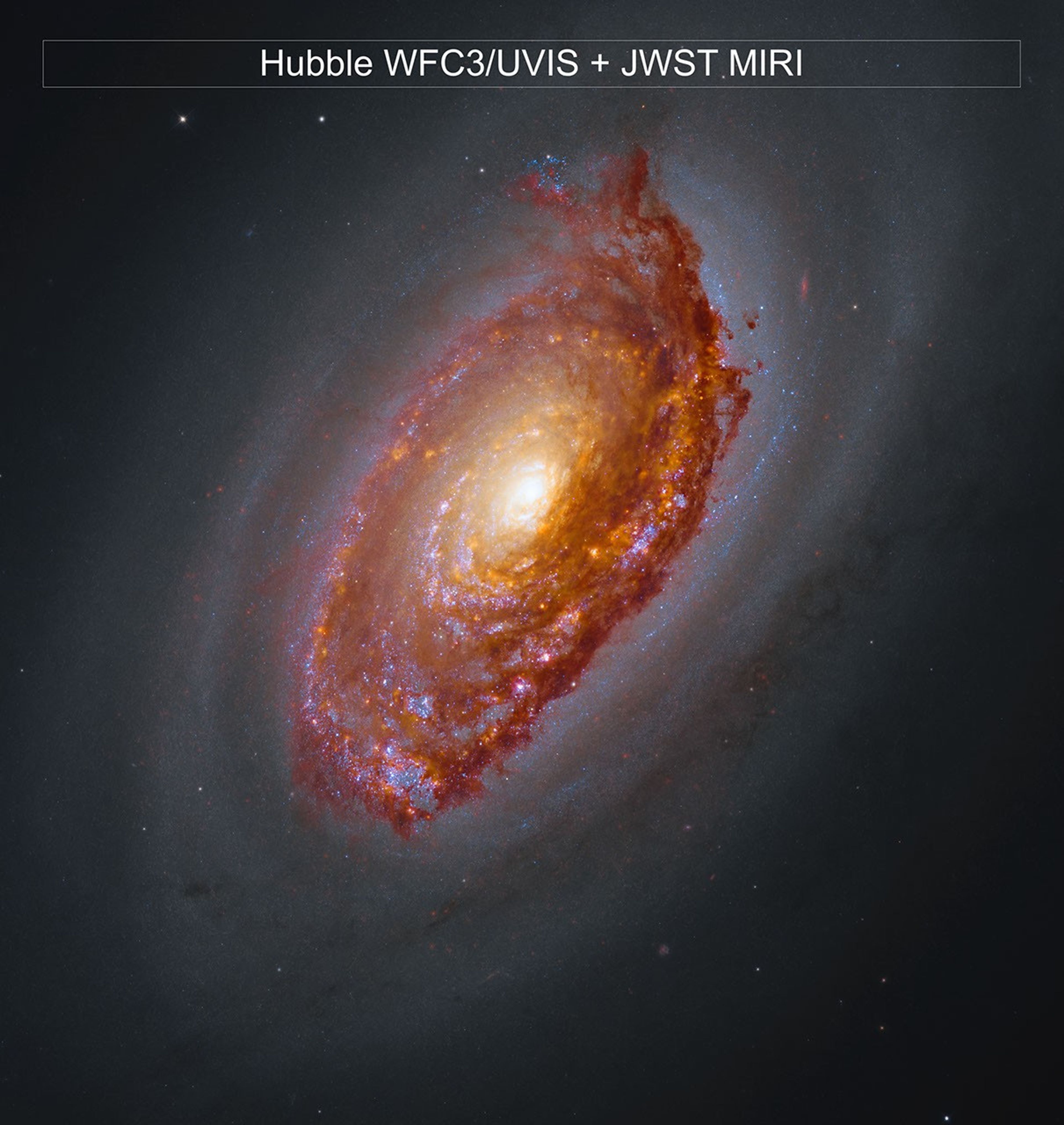
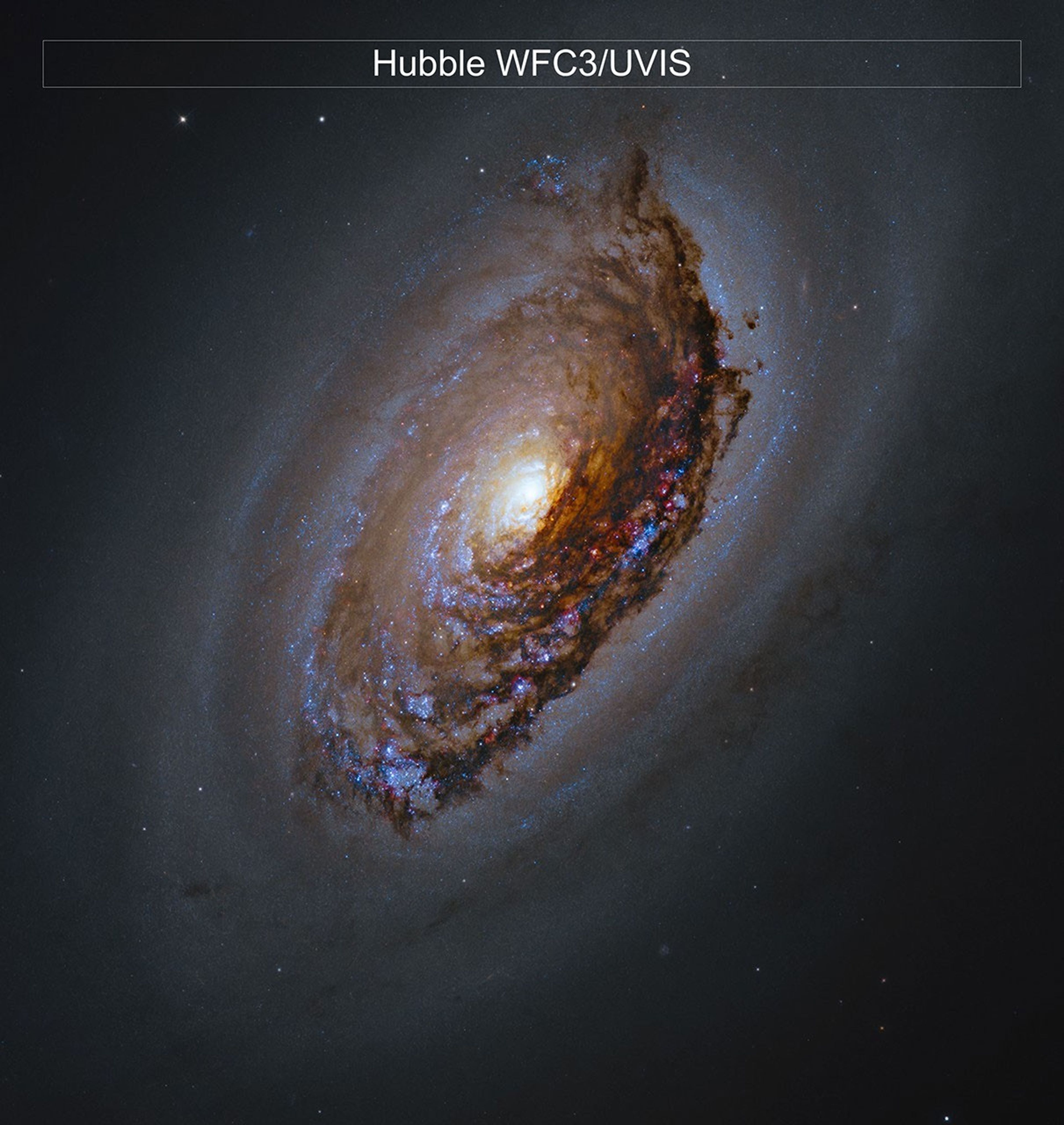
Hubble and JWST image of M64. A massive spiral galaxy glows with a yellow core, surrounded by arms full of orange-brown dust and pink and blue patches of star formation. Framed by a haze of dark dust, the galaxy shines against black space dotted with a few stars.Hubble image of M64. A massive spiral galaxy glows with a yellow core, surrounded by arms full of dark dust and pink and blue patches of star formation. Framed by a haze of dark dust, the galaxy shines against black space dotted with a few stars.

Webb’s View of M64

Explanation: Sometimes where Hubble finds darkness, Webb sees light. An example is today’s composite images of Messier 64 (M64), a nearby spiral galaxy of many names. The dark band of dust partially blocking its bright core earned it the moniker “the Black Eye Galaxy.” Webb’s Mid-InfraRed Instrument (MIRI) sees that dust, shown in red, as it absorbs and re-emits light from surrounding newborn stars. These young stars are embedded in pink star-forming regions in the Hubble-only image. M64’s inner and outer gas regions counter-rotate, creating regions of increased star formation where the two gas “currents” meet and compress. A merger between M64 and a smaller galaxy was likely the cause of the opposing motion of the outer gas. Spiral galaxies were once thought to have peaceful histories. M64 was key evidence that spiral galaxies, including the Milky Way, can and do experience mergers. Webb’s view of M64 will tell astronomers about the structure, motion, and composition of the galaxy’s dust and add context to the galaxy’s merger history and evolution.

APOD’s main NASA site is moving: From apod.nasa.gov to science.nasa.gov/apod
Tomorrow’s picture: treasure

Date: September 16, 2026
Credit: NASA, CSA, ESA, F. Belfiore (ESO), J. Lee (STScI), A. Leroy (OSU), and D. Thilker (JHU); Processing: G. Kober (NASA/Catholic University)
Authors & editors: Keighley Rockcliffe, Robert Nemiroff, Jerry Bonnell, Cecilia Chirenti
A service of: ASD at NASA / GSFC,
NASA Science Activation & Michigan Tech. U.

Powered by WPeMatico

Get The Details…

NASA Ames Stars of the Month: September 2026

NASA Ames Stars of the Month: September 2026

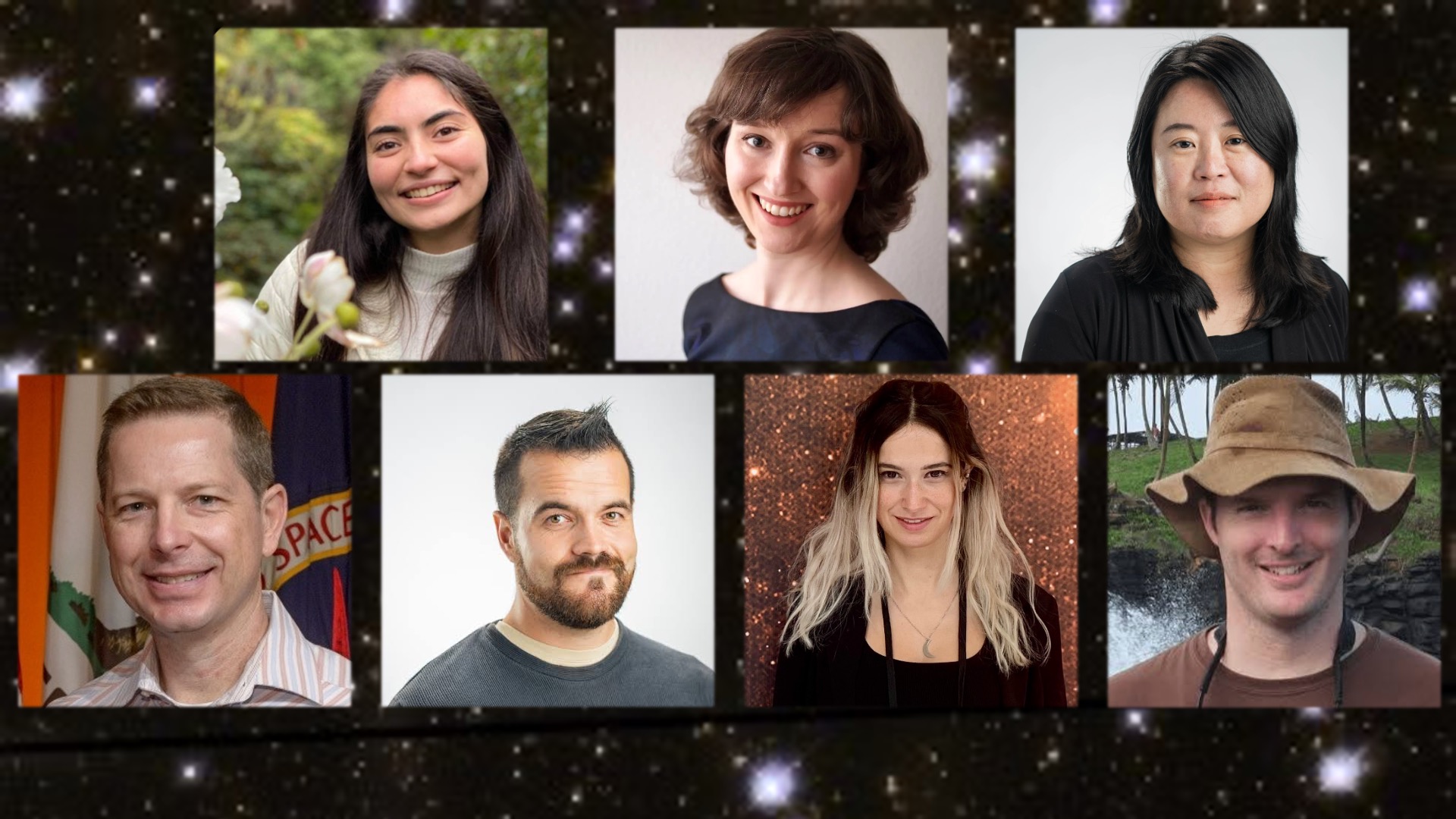
NASA Ames science stars of the month for September 20206. Pictured left to right is Steve Ormsby, Aphrodite Kostakis, Alejando Borlaff, Sarah Nickerson, Martina Caussi, Keiko Nomura, and Stephen Broccardo.

The NASA Ames Science Directorate recognizes the outstanding contributions of (pictured left to right) Steve Ormsby, Aphrodite Kostakis, Alejando Borlaff, Sarah Nickerson, Martina Caussi, Keiko Nomura, and Stephen Broccardo. Their commitment to the NASA mission represents the entrepreneurial spirit, technical expertise, and collaborative disposition needed to explore this world and beyond.

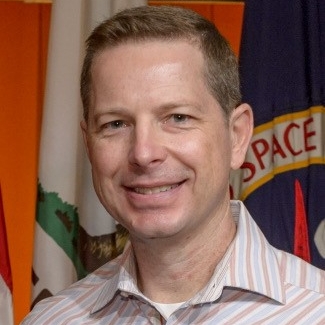
A portrait shot of Steve Ormsby in front of a NASA flag.

Space Biosciences Star: Steve Ormsby 

Steve Ormsby is a project engineer for the Space Biosciences Division with Amentum in the Center Operations Directorate. He is recognized for his perseverance, dedication and initiative in overseeing the safety of division facilities and infrastructure maintenance, as well as exceptional diligence as a property custodian.

Portrait photo of Aphrodite Kostakis

Space Biosciences Star: Aphrodite Kostakis

Aphrodite Kostakis is the Facility Service Manager with Amentum for building N239 in the Space Biosciences Division. She is acknowledged for her exemplary work ethic in maintaining building safety, preparing for and leading VPP inspections with diligence and attention, and suggesting infrastructure improvements and ensuring they get implemented for everyone’s benefit. 

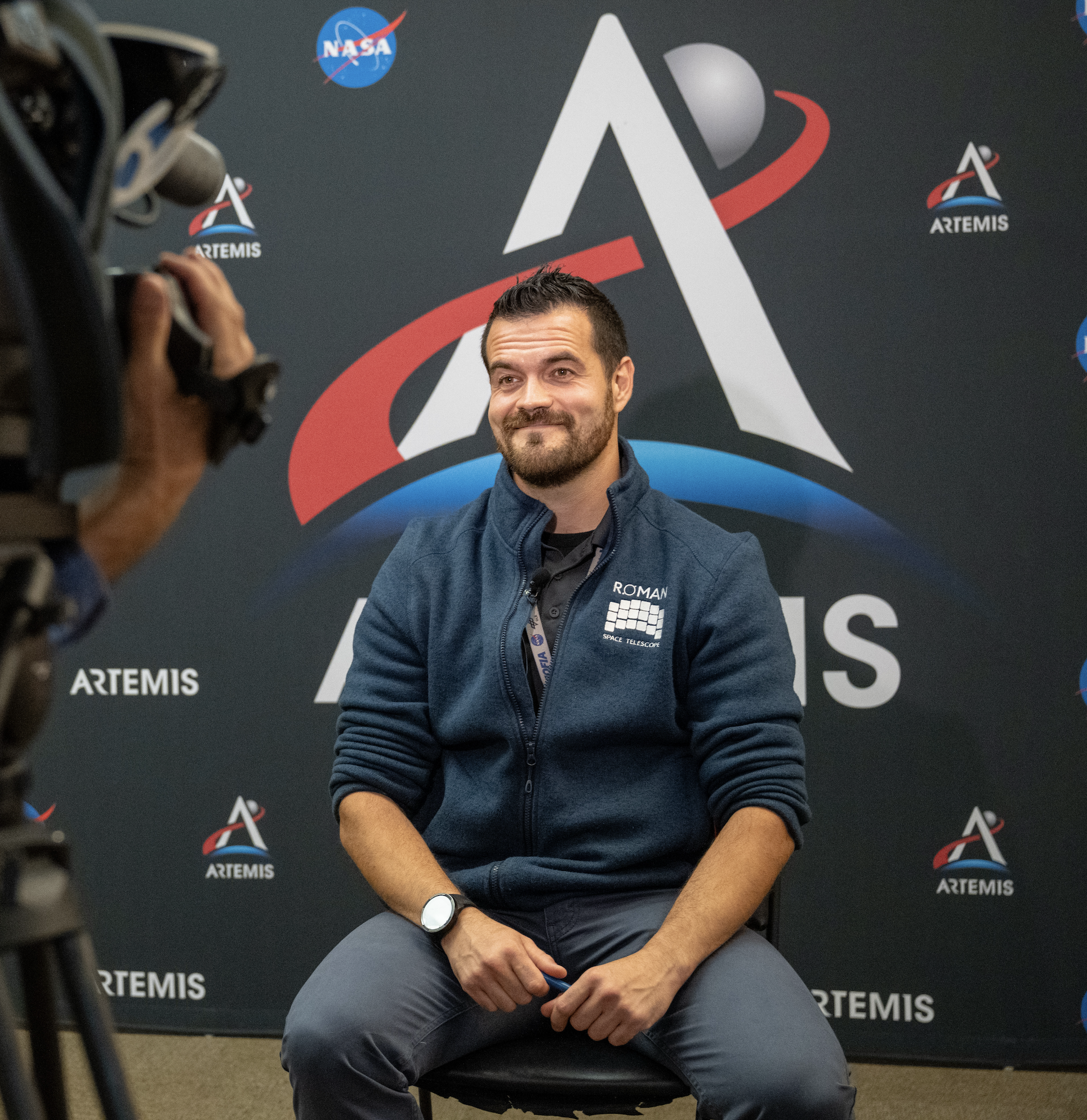
lejandro Serrano Borlaff speaks to media during the Artemis II splashdown event at Chabot Space & Science Center in Oakland, California.

Astrophysics Star: Alejandro Borlaff

Alejandro (Alex) Borlaff, a research scientist in the Astrophysics Division with the Bay Area Environmental Research Institute, is recognized for his leadership in pioneering and developing image reduction pipelines for the Hubble Space Telescope (HST) and the Roman Space Telescope’s Wide Field Instrument (WFI). These algorithms significantly advance the detection of ultra-low surface brightness features through rigorous modeling of background contamination, including scattered and zodiacal light, better maximizing the science derived from NASA flagship astrophysics missions. 

Portrait photo of Sarah Nickerson

Astrophysics Star: Sarah Nickerson

Sarah Nickerson, a research scientist in the Astrophysics Division with the Bay Area Environmental Research Institute, is recognized for exceptional work on the analysis and curation of data taken from the EXES instrument on NASA’s Stratospheric Observatory for Infrared Astronomy (SOFIA) observatory. This provides high-level data products  to the global astrophysics community for continued discovery and synergy with other NASA missions.

Portrait photo of Martina Caussi

Planetary Science and Exobiology Star: Martina Caussi

Martina Caussi is a NASA Postdoctoral Program Fellow in the Planetary Science and Exobiology Division. Martina is recognized for her outstanding work using finite element simulations to determine that topographic relaxation has played a significant role in shaping Tegid, an unusually shaped impact crater on Europa. This work represents valuable precursory science in anticipation of the Europa Clipper mission, which will refine our understanding of this ocean world.

Portrait of Keiko Nomura in a black shirt.

Earth Science Star: Keiko Nomura

Keiko Nomura is a research scientist for the NASA Earth Exchange (NEX) in the Earth Science Division with the Bay Area Environmental Research Institute. She is acknowledged for timely efforts in leadership, stakeholder engagement, coordination with NASA HQ management, and team building for the recently funded NEX-GeoAI project. This project is now being recognized as a key step forward to establishing NASA as the ground-truthing agency for federal and private sector GeoAI modeling activities for decision making.

Earth Science Star: Stephen Broccardo

Stephen Broccardo is a research scientist in the Earth Science Division with the Bay Area Environmental Research Institute. He is recognized for exceptional initiative and technical leadership in sustaining and advancing Ames’ atmospheric remote-sensing capabilities. Stephen has maintained critical observational capabilities  and developed thoughtful technical milestones for future satellite-validation and science activities.

Powered by WPeMatico

Get The Details…
Aaron McKinnon

NASA Invites Media to International Observe the Moon Night

NASA Invites Media to International Observe the Moon Night

NASA will host an International Observe the Moon Night celebration from 5:30 to 8 p.m. CST on Saturday, Sept. 19, at the U.S. Space & Rocket Center, the official visitor center for NASA’s Marshall Space Flight Center in Huntsville, Alabama.

International Observe the Moon Night celebrates the Moon, the science behind it, and its connection to space exploration and human culture. NASA’s free public event will include agency experts delivering talks on lunar science and exploration and highlighting lunar observations made by the Artemis II crew in April.

Media interested in covering the event should confirm their attendance with Joel Wallace, joel.w.wallace@nasa.gov, in the NASA Marshall newsroom by 3 p.m., Friday, Sept. 18. Media must report to the Davidson Center to participate in the event. Visitor parking is available at the U.S. Space & Rocket Center.

NASA will have opportunities for media to capture visuals and interview agency experts. Activities available for coverage include hands-on STEM activities, a science stage show, an event photo booth, and face-painting.

The event also features Janet Ivey, the host of the television children’s series, “Janet’s Planet.” The Von Braun Astronomical Society will be on-site with telescopes, providing attendees with guided tours of the Moon, planets, and other celestial objects.

The evening is presented by the Planetary Missions Program Office at NASA Marshall.

For more information about International Observe the Moon Night, visit:

https://science.nasa.gov/moon/observe-the-moon-night/overview

Joel Wallace

Marshall Space Flight Center, Huntsville, Ala

256-786-0117

joel.w.wallace@nasa.gov

Share

Details

Last Updated

Sep 15, 2026

Editor
Lee Mohon
Contact

Powered by WPeMatico

Get The Details…
Lee Mohon

Celebrate International Observe the Moon Night with NASA

Celebrate International Observe the Moon Night with NASA

In April, the world watched as four humans circled the Moon for the first time in over 50 years with NASA’s Artemis II mission. On Saturday, Sept. 19, the public is invited to look up again with NASA events across the country, including the International Observe the Moon Night celebration held at NASA’s Goddard Space Flight Center Visitor Center in Greenbelt, Maryland.

Graphic advertising International Observe the Moon Night.
This year, NASA will celebrate International Observe the Moon Night with people around the world on Sept. 19.
NASA/Vi Nguyen

International Observe the Moon Night is an annual celebration that brings people together to learn about the Moon and explore our connection to Earth’s nearest celestial neighbor. Since the program began in 2010, people around the world have participated through lunar observations, hands-on activities, artwork, music, and more.
 
At NASA Goddard, this year’s celebration will highlight the agency’s ongoing exploration of the Moon, including the historic Artemis II mission. Visitors can peer behind the scenes to learn more about what it took to make Artemis II’s journey around the Moon a success and discover how Goddard scientists and engineers are helping advance our understanding of the Moon, solar system, and beyond.
 
The event will run from 6 p.m. to 9 p.m. EDT.
 
Throughout the event at NASA Goddard, visitors can take part in interactive hands-on activities, create artwork and crafts, and capture selfies at a photo kiosk. Telescopes will also be set up outside (depending on weather), giving attendees an opportunity to observe the Moon and other astronomical objects up close. Inside the Visitor Center, guests can even see a real Apollo 14 Moon rock on display.

  • At 6:30 p.m., Dr. Amanda Nahm, planetary scientist at NASA Headquarters, will explore the lunar science and Moon joy from Artemis II.
  • At 7:30 p.m., Ernie Wright, scientific visualizer at NASA Goddard, will offer a more technical look at how scientists use real data to create videos and visualizations of the Moon.
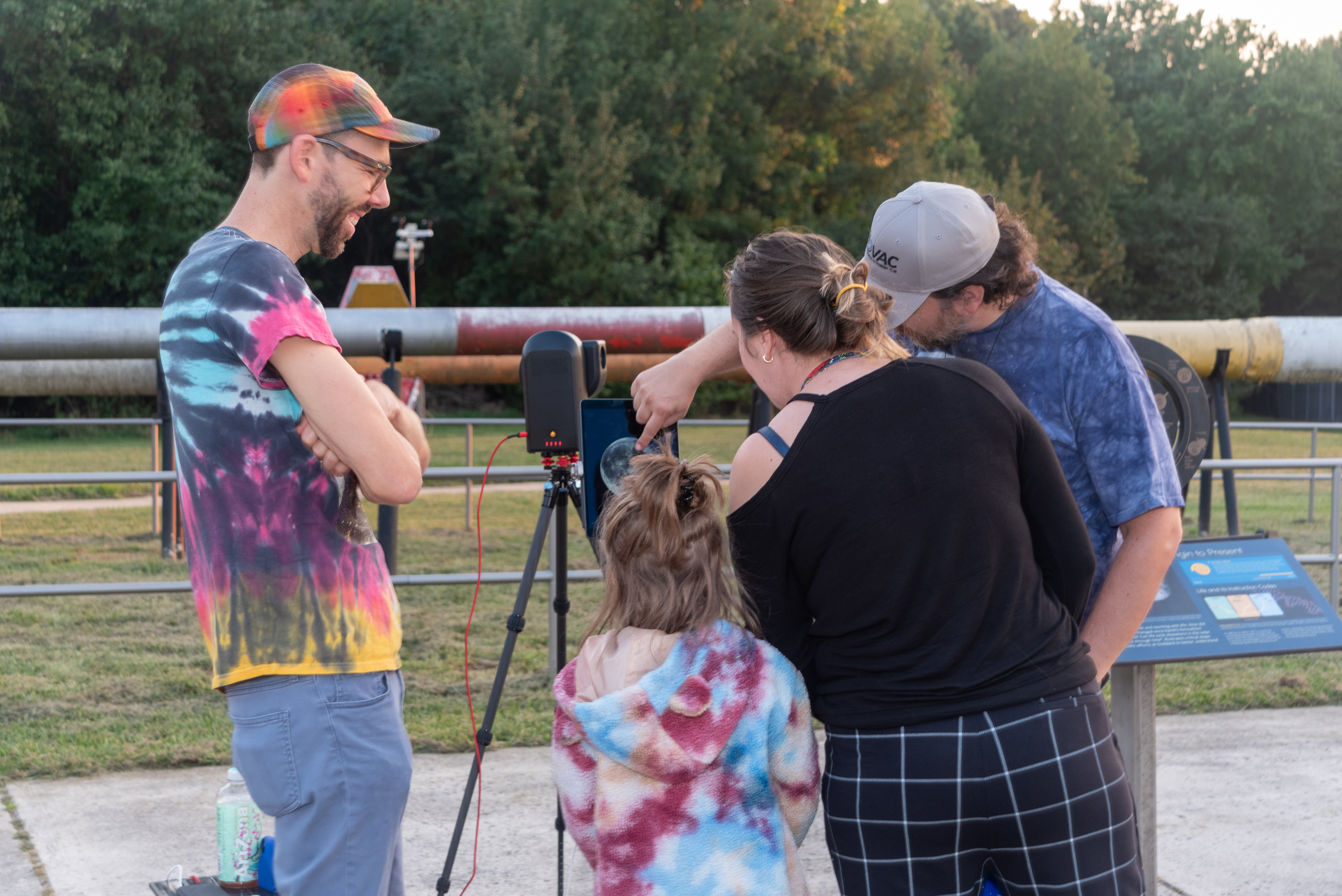
A child and two adults look at a tablet screen with a telescope’s display showing the full Moon. Another person stands to the left, smiling and looking on.
A family observes the Moon through a telescope at NASA’s Goddard Space Flight Center in Greenbelt, Md. during the International Observe the Moon Night celebration on Saturday, Sept. 14, 2024.
NASA/Britt Griswold

The event will also offer a chance to learn more about the groundbreaking research happening at NASA Goddard as scientists work to unlock the secrets of the Moon with missions like the Lunar Reconnaissance Orbiter (LRO) and explore our solar system and the universe beyond.
 
International Observe the Moon Night at Goddard is free and family friendly. Registration is not required, although registering in advance will help the Visitor Center team plan for the event. The event will take place rain or shine, and free parking is available at the Visitor Center.
 
Additional event details, including registration, accessibility and other logistics: https://www.nasa.gov/goddard/visitor-center/events-and-programs/.
 
For people who cannot travel to Greenbelt, there are opportunities to participate in International Observe the Moon Night from all around the planet. Join lunar observers around the world by observing the Moon with friends and family, attending a virtual event or finding an event in your area. Learn more and register your participation at go.nasa.gov/ObserveTheMoon.
 
International Observe the Moon Night is sponsored by NASA’s LRO mission and the Solar System Exploration Division of NASA’s Goddard Space Flight Center, with support from many partners. The celebration is a way for people to pause and look up at our future destination, as NASA prepares for deep space missions to the Moon and beyond.
 
To learn about NASA’s Artemis program, visit:
https://www.nasa.gov/artemis
 
To learn about LRO, visit:
https://www.nasa.gov/lro

Share

Details

Last Updated

Sep 15, 2026

Powered by WPeMatico

Get The Details…
Katy Mersmann