La NASA selecciona a los candidatos a astronauta de la promoción 2025, totalmente estadounidense
Read this press release in English here.
Diez nuevos candidatos a astronauta de la NASA fueron presentados el lunes tras un competitivo proceso de selección en el que participaron más de 8.000 aspirantes de todo Estados Unidos. Ahora, la nueva clase completará casi dos años de formación antes de poder optar a asignaciones de vuelo en apoyo de futuras misiones científicas y de exploración a la órbita terrestre baja, la Luna y Marte.
El administrador interino de la NASA, Sean Duffy, dio la bienvenida a la promoción de candidatos a astronautas estadounidenses de 2025 durante una ceremonia celebrada en el Centro Espacial Johnson de la agencia en Houston.
“¡Es un honor para mí dar la bienvenida a nuestra agencia a la próxima generación de exploradores estadounidenses! Más de 8.000 candidatos se presentaron a esta convocatoria: científicos, pilotos, ingenieros y soñadores, de todos los rincones del país. Los diez hombres y mujeres que hoy se sientan aquí personifican la realidad de que, en Estados Unidos, independientemente de dónde se empiece, no hay límites para lo que un soñador decidido puede lograr, ni siquiera ir al espacio”, afirmó Duffy. “Juntos, daremos paso a la Edad de Oro de la exploración”.
La 24.ª promoción de astronautas de la agencia se presentó al servicio en el centro Johnson a mediados de septiembre y comenzó inmediatamente su entrenamiento. Su plan de estudios incluye instrucción y adquisición de destrezas para operaciones complejas a bordo de la Estación Espacial Internacional, en misiones Artemis a la Luna y más allá. En concreto, la capacitación incluye robótica, supervivencia en tierra y agua, geología, idiomas extranjeros, medicina y fisiología espaciales, entre otras materias, además de simulacros de caminatas espaciales y vuelos en aviones de alto rendimiento.
Tras su graduación, la promoción de 2025 se incorporará al cuerpo de astronautas activos de la agencia. Los astronautas en activo llevan a cabo investigaciones científicas a bordo de la estación espacial, a la vez que se preparan para la transición a estaciones espaciales comerciales y los próximos grandes avances en la exploración humana de la Luna y Marte. La experiencia operativa, los conocimientos científicos y la formación y experiencia técnica de los candidatos son esenciales para avanzar en los objetivos de exploración del espacio profundo de la NASA y mantener una presencia humana a largo plazo más allá de la órbita terrestre baja.
Los candidatos a astronauta de 2025 son:
Ben Bailey, de 38 años de edad, suboficial mayor de 3.ª clase del Ejército de los Estados Unidos, nació y se crio en Charlottesville, Virginia. Es licenciado en Ingeniería Mecánica de la Universidad de Virginia y está completando una maestría en Ingeniería de Sistemas en la Escuela Naval de Postgrado en Monterrey, California. Bailey es graduado de la Escuela de Pilotos de Prueba de la Marina de los Estados Unidos, y tiene más de 2.000 horas de vuelo en más de 30 aeronaves diferentes, tanto de ala fija como rotatoria. En el momento de su selección, Bailey era responsable de las pruebas de desarrollo de tecnologías emergentes a bordo de aeronaves de ala rotatoria del Ejército, especializándose en el UH-60 Black Hawk y el CH-47F Chinook.
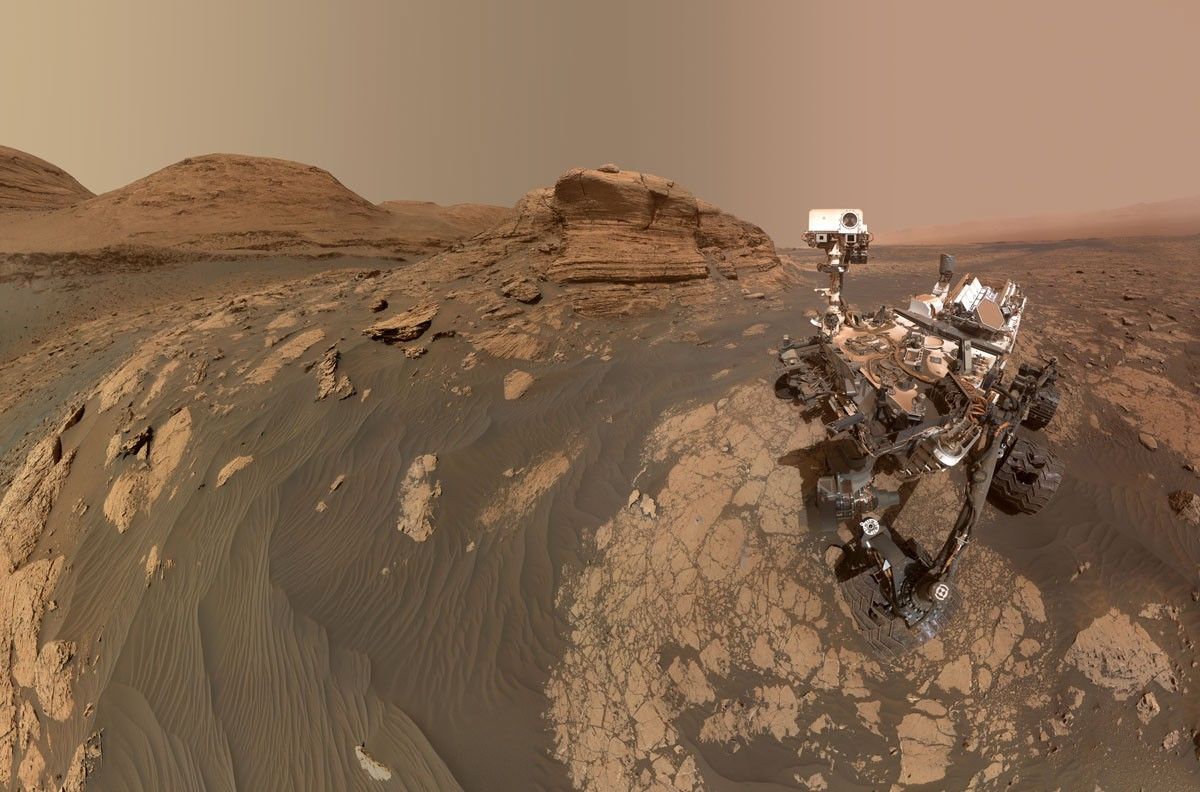
Lauren Edgar, de 40 años de edad, considera a Sammamish, Washington, su ciudad natal. Obtuvo una licenciatura en Ciencias de la Tierra en Dartmouth College, y una maestría y un doctorado en Geología en el Instituto Tecnológico de California. Edgar se ha desempeñado como investigadora principal adjunta del equipo de geología de Artemis III. En este cargo, ayudó a definir los objetivos científicos lunares, las actividades de geología que llevarán a cabo los astronautas de la NASA y las operaciones científicas para el regreso de la NASA a la Luna. También dedicó más de 17 años a apoyar a los rovers de exploración de Marte. Era científica participante en el Laboratorio de Ciencias de Marte en el momento de su selección.
Adam Fuhrman, de 35 años de edad, mayor de la Fuerza Aérea de los Estados Unidos, es originario de Leesburg, Virginia, y ha acumulado más de 2.100 horas de vuelo en 27 aeronaves diferentes, incluyendo el F-16 y el F-35. Es licenciado en Ingeniería Aeroespacial por el Instituto de Tecnología de Massachusetts y tiene una maestría en Ingeniería de Pruebas de Vuelo y otra en Ingeniería de Sistemas de la Escuela de Pilotos de Pruebas de la Fuerza Aérea de los Estados Unidos y la Universidad de Purdue, respectivamente. Ha participado en las operaciones Centinela de la libertad y Apoyo decidido, con 400 horas de combate a sus espaldas. En el momento de su selección, Fuhrmann ocupaba el cargo de director de operaciones de una unidad de pruebas de vuelo de la Fuerza Aérea.
Cameron Jones, de 35 años de edad, mayor de la Fuerza Aérea de los Estados Unidos, es oriundo de Savanna, Illinois. Tienes una licenciatura y una maestría en Ingeniería Aeroespacial de la Universidad de Illinois en Urbana-Champaign. También es graduado de la Escuela de Pilotos de Pruebas de la Fuerza Aérea de los Estados Unidos en la Base Aérea Edwards, en California, y en la Escuela de Armas de la Fuerza Aérea de los Estados Unidos en la Base Aérea Nellis, en Nevada. Es un piloto de pruebas con amplia experiencia, con más de 1.600 horas de vuelo en más de 30 aeronaves diferentes, incluyendo 150 horas de combate. En el momento de su selección, Jones era miembro académico de la Fuerza Aérea en la Agencia de Proyectos de Investigación Avanzada de Defensa.
Yuri Kubo, de 40 años de edad, es oriundo de Columbus, Indiana. Obtuvo una licenciatura en Ingeniería Eléctrica y una maestría en Ingeniería Eléctrica e Informática de la Universidad de Purdue. Trabajó durante 12 años en diferentes equipos de SpaceX, incluyendo como director de lanzamiento de los cohetes Falcon 9, director de aviónica para el programa Starshield y director del Segmento Terrestre. Al principio de su carrera, Kubo fue estudiante en el Programa de Educación Cooperativa del centro Johnson, donde completó varias rotaciones en apoyo a la nave espacial Orion, la Estación Espacial Internacional y el programa del transbordador espacial. En el momento de su selección, Kubo era vicepresidente sénior de Electric Hydrogen.
Rebecca Lawler, de 38 años de edad, es originaria de Little Elm, Texas, y excapitana de corbeta de la Marina de los Estados Unidos. Es expiloto de aviones P-3 de la Marina y expiloto de pruebas experimentales con más de 2.800 horas de vuelo en más de 45 aeronaves. Lawler es licenciada en Ingeniería Mecánica de la Academia Naval de los Estados Unidos y tiene maestrías de la Universidad Johns Hopkins y la Escuela Nacional de Pilotos de Pruebas. También es graduada de la Escuela de Pilotos de Pruebas de la Marina de los Estados Unidos. Lawler voló anteriormente como cazadora de huracanes para la Administración Nacional Oceánica y Atmosférica y pilotó vuelos de la Operación IceBridge de la NASA. En el momento de su selección era piloto de pruebas de United Airlines.
Anna Menon, de 39 años de edad, es originaria de Houston y obtuvo su licenciatura en la Universidad Cristiana de Texas con una doble especialización en Matemáticas y Español. También tiene un máster en Ingeniería Biomédica de la Universidad de Duke. Menon trabajó anteriormente en el Centro de Control de Misión del centro Johnson de la NASA, prestando apoyo al hardware y software médico a bordo de la Estación Espacial Internacional. En 2024, Menon voló al espacio como especialista de misión y oficial médico a bordo de la misión Polaris Dawn de SpaceX. En esta misión, se estableció un nuevo récord de altitud para una mujer, se realizó la primera caminata espacial comercial y se completaron aproximadamente 40 experimentos de investigación. En el momento de su selección, Menon era ingeniera sénior en SpaceX.
Imelda Muller, de 34 años de edad, considera a Copake Falls, Nueva York, su ciudad natal. Fue teniente de la Marina de los Estados Unidos y prestó servicio como oficial médico de buceo tras formarse en el Instituto Médico para Buceo de la Escuela Naval. Muller obtuvo una licenciatura en neurociencia conductual de la Northeastern University y una licenciatura en medicina de la Facultad de Medicina de la Universidad de Vermont. Su experiencia incluye la prestación de apoyo médico durante el entrenamiento operativo en buceo de la Marina en el Laboratorio de Flotabilidad Neutral de la NASA. En el momento de su selección, Muller estaba completando su residencia en anestesia en la Escuela de Medicina Johns Hopkins en Baltimore.
Erin Overcash, de 34 años de edad, capitana de corbeta de la Marina de Estados Unidos, es originaria de Goshen, Kentucky. Es licenciada en Ingeniería Aeroespacial y tiene una maestría en Bioastronáutica de la Universidad de Colorado, Boulder. Graduada por la Escuela de Pilotos de Pruebas de la Marina de los Estados Unidos, Overcash es una experimentada piloto de aeronaves F/A-18E y F/A-18F Super Hornet con participación en múltiples despliegues militares. Ha acumulado más de 1.300 horas de vuelo en 20 aeronaves, incluyendo 249 aterrizajes de apontaje en portaaviones. Overcash formó parte del Programa de Atletas de Clase Mundial de la Marina y se entrenó a tiempo completo en el Centro de Entrenamiento Olímpico con el Equipo Nacional Femenino de Rugby de Estados Unidos. En el momento de su selección, se estaba entrenando para una rotación como jefa de departamento de escuadrón.
Katherine Spies, de 43 años de edad, es originaria de San Diego y tiene una licenciatura en Ingeniería Química de la Universidad del Sur de California y una maestría en Ingeniería de Diseño de la Universidad de Harvard. Es expiloto de helicópteros de ataque AH-1 del Cuerpo de Marines y expiloto de pruebas experimentales, con más de 2.000 horas de vuelo en más de 30 aeronaves diferentes. Graduada de la Escuela de Pilotos de Pruebas de la Marina de los Estados Unidos, ocupó el cargo de oficial de proyectos para aviones UH-1Y/AH-1Z y coordinadora de la plataforma AH-1W durante su servicio activo. En el momento de su selección, Spies era directora de ingeniería de pruebas de vuelo en Gulfstream Aerospace Corporation.
Con la incorporación de estos diez candidatos, la NASA ha seleccionado a un total de 370 candidatos a astronauta desde que eligió al grupo original, conocido como “Mercury Seven”, en 1959.
“Hoy en día, nuestra misión nos impulsa aún más mientras nos preparamos para nuestro próximo gran avance con la nueva clase de candidatos a astronauta de la NASA”, afirmó Vanessa Wyche, directora del centro Johnson de la NASA. “Esta promoción, que representa a los mejores y más brillantes de Estados Unidos, marcará el comienzo de la edad de oro de la innovación y la exploración conforme avanzamos hacia la Luna y Marte”.
Se ofrecerán entrevistas con los candidatos a astronauta de forma virtual y en persona el martes 7 de octubre. Los representantes de medios de comunicación interesados en esta oportunidad limitada deben ponerse en contacto con la sala de prensa del centro Johnson llamando al teléfono +1 281-483-5111 o por correo electrónico en jsccommu@mail.nasa.gov. La política de acreditación de medios de la NASA está disponible en línea.
Para obtener más información (en inglés) y fotos de los nuevos aspirantes a astronautas, consulte el sitio web:
https://www.nasa.gov/astronauts
-fin-
Bethany Stevens / Jimi Russell / María José Viñas
Sede central, Washington
202-358-1100
bethany.c.stevens@nasa.gov / james.j.russell@nasa.gov / maria-jose.vinasgarcia@nasa.gov
Chelsey Ballarte
Centro Espacial Johnson, Houston
281-483-5111
chelsey.n.ballarte@nasa.gov
Powered by WPeMatico
Get The Details…
Jessica Taveau