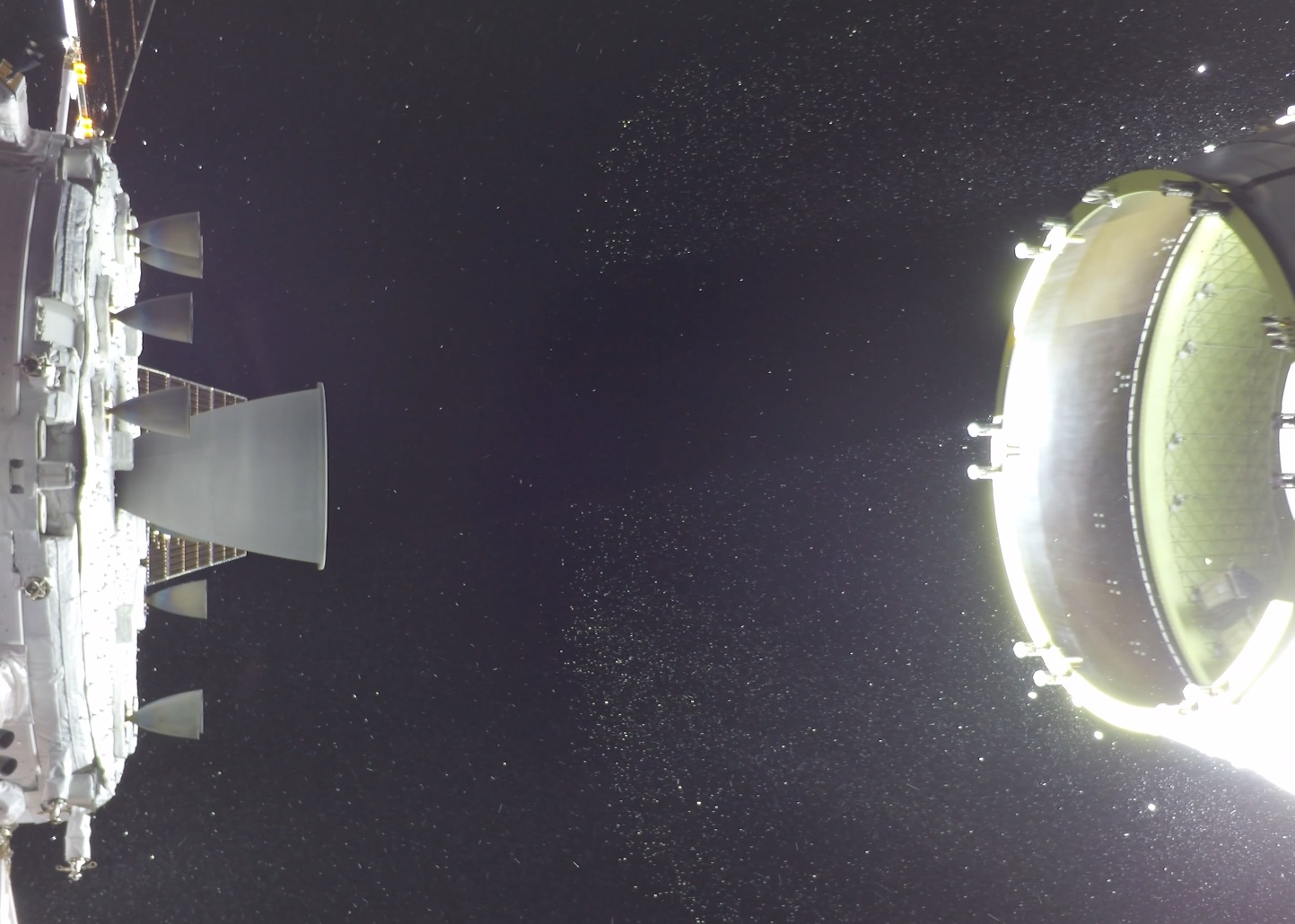
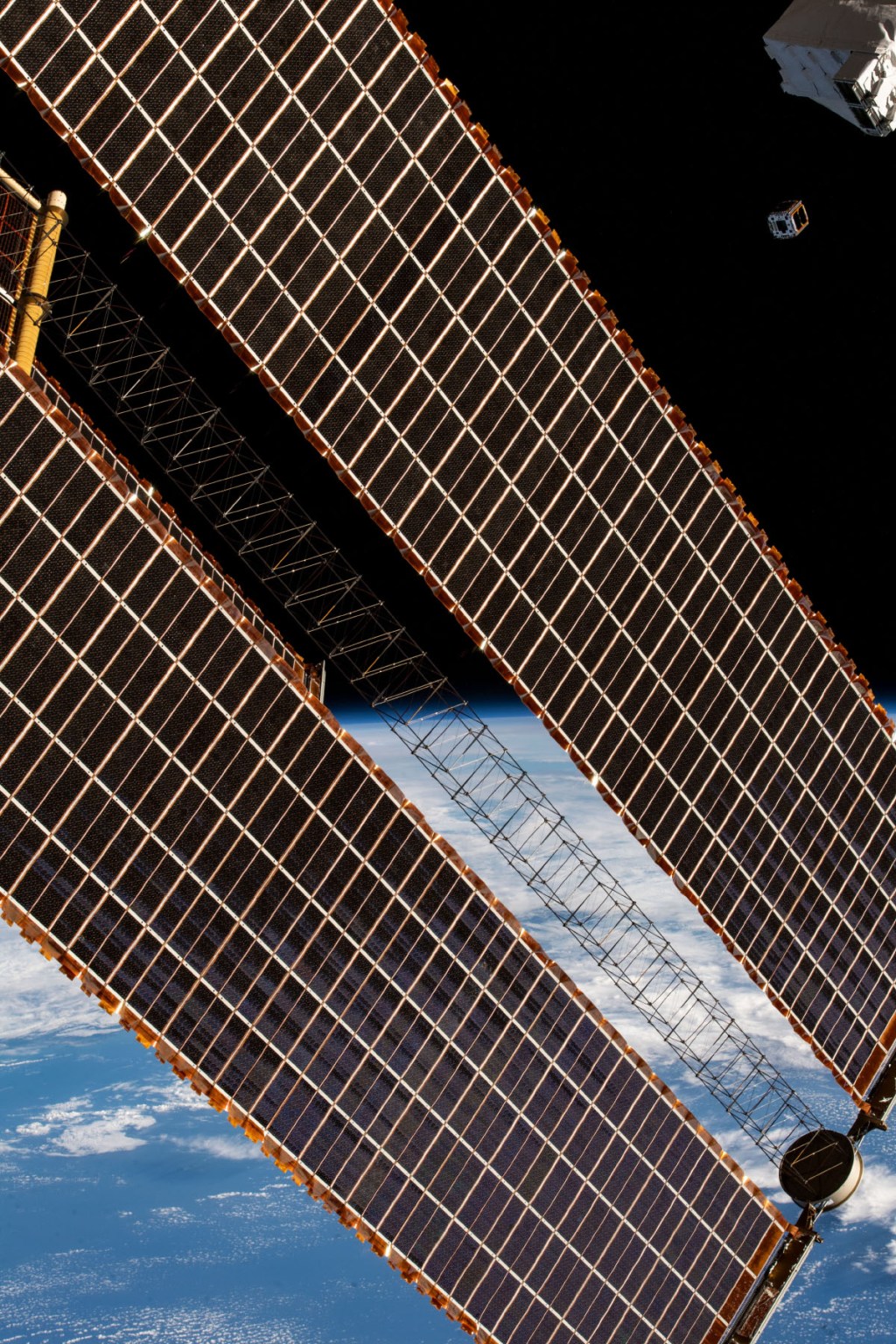
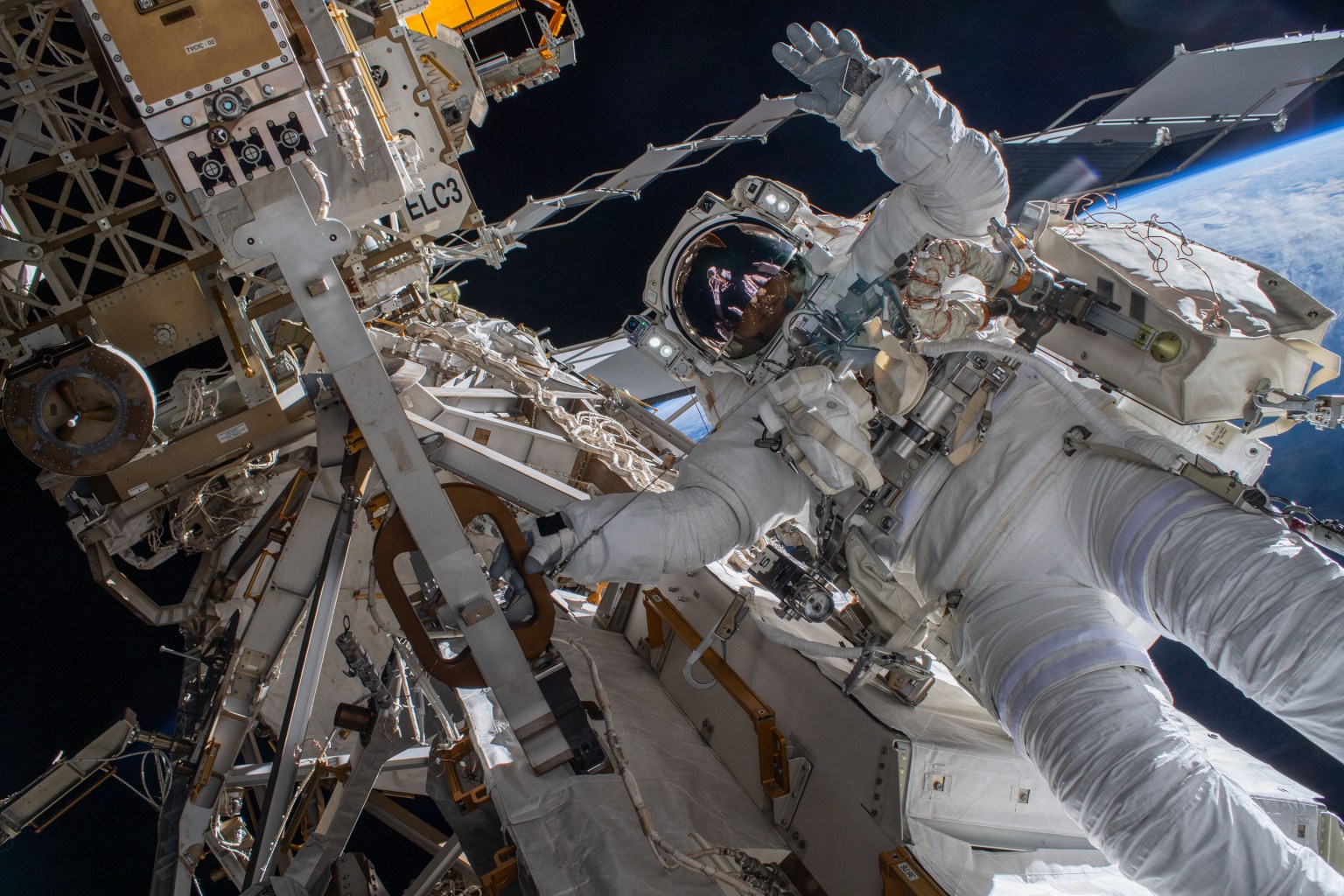
Two of the Artemis II CubeSats can be seen in the lower portion of the Orion stage adapter on the right side of the image.
NASA
Organizations interested in launching CubeSats on future Artemis missions should respond to NASA’s request for information (RFI) by Monday, June 1, for initial consideration.
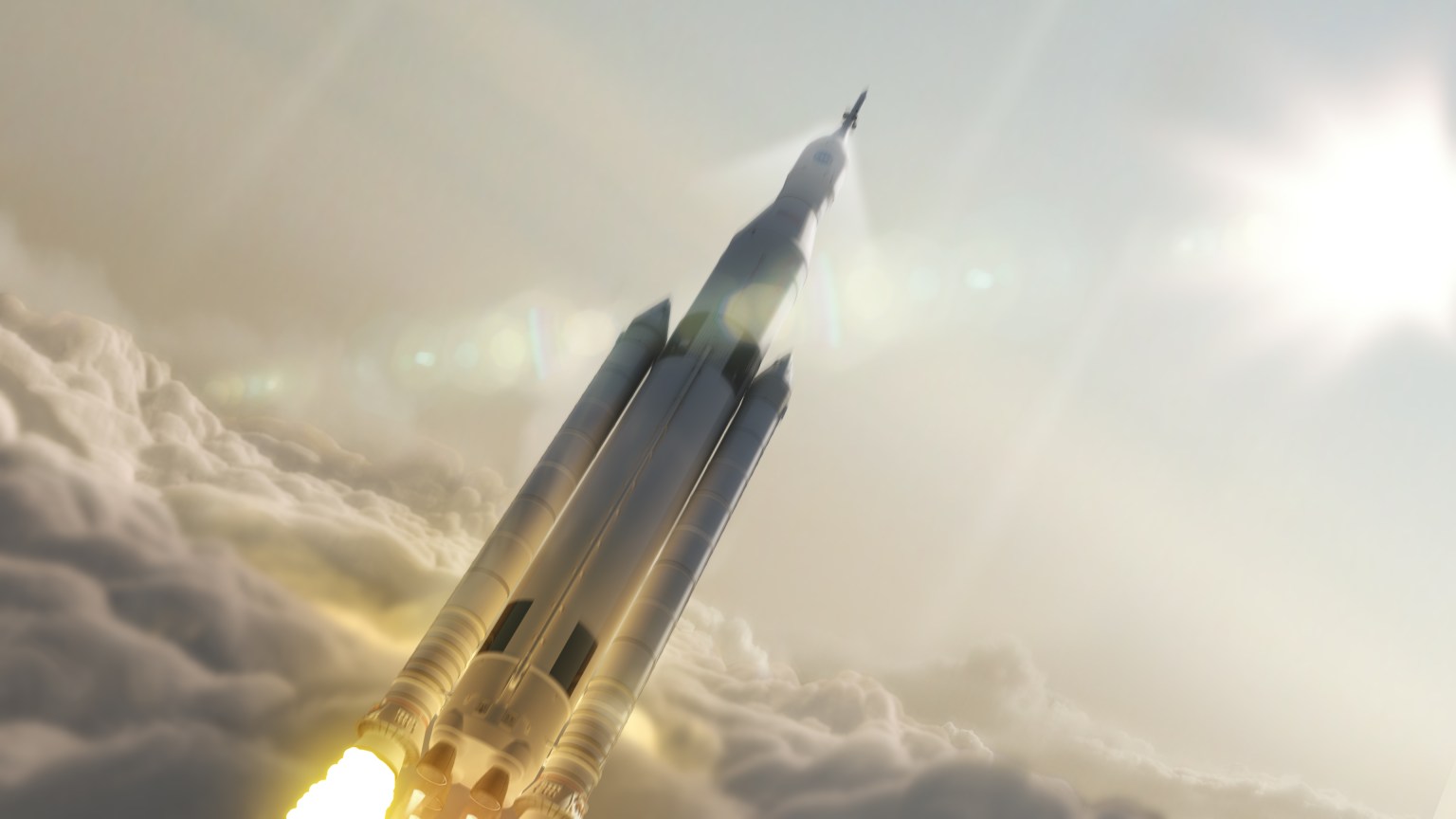
“The SLS (Space Launch System) rocket and the Artemis missions provide great opportunities for teams to conduct important, science and technology investigations that contribute to the expansion of human space exploration,” said Courtney Ryals, acting manager, SLS payload integration, NASA’s Marshall Space Flight Center in Huntsville, Alabama.
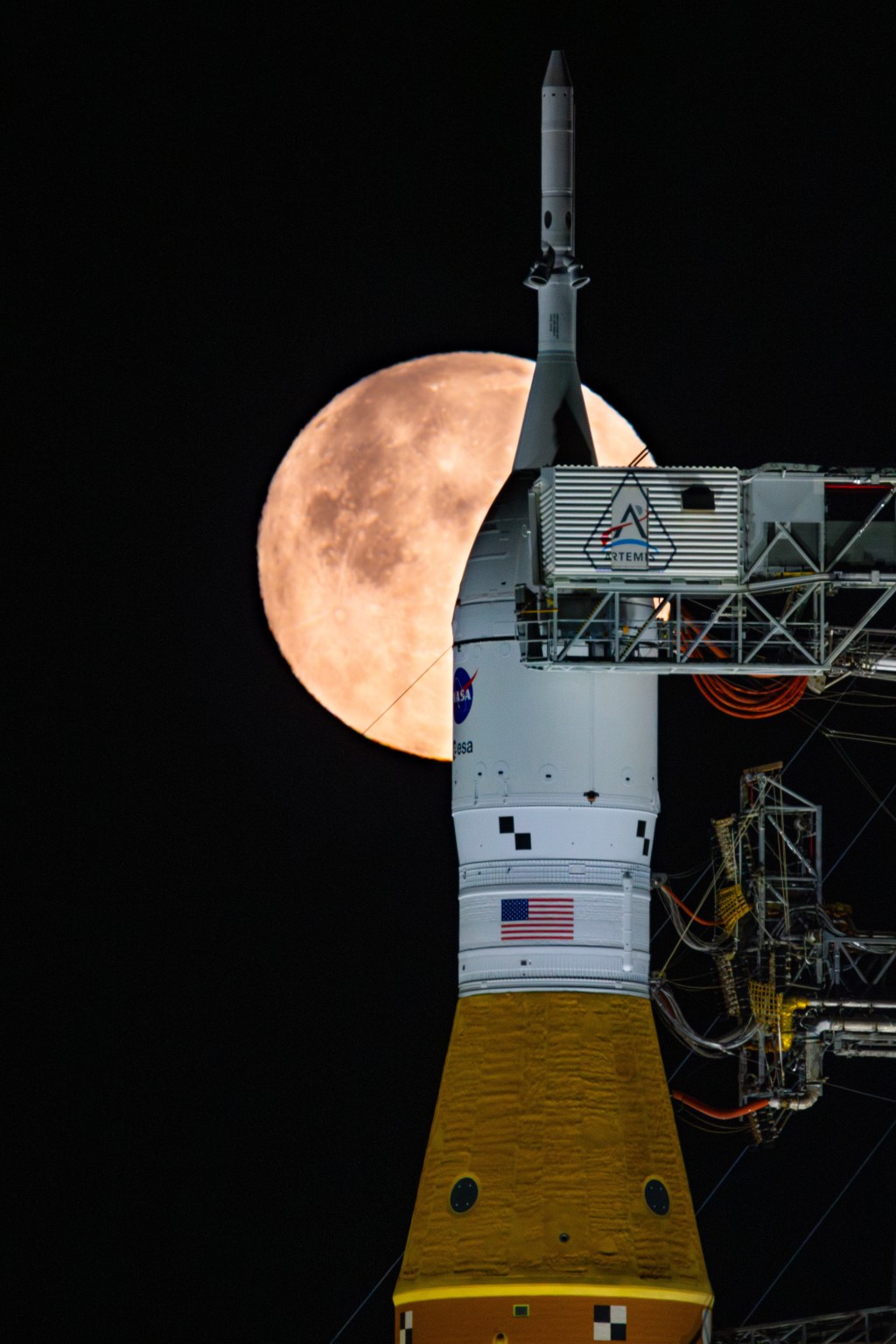
The RFI will inform potential future opportunities for CubeSats to fly on Artemis III, IV and V. While NASA is reviewing specific mission profiles, the agency expects to accommodate 6U and 12U-sized CubeSats that would deploy in Earth orbit or on a heliocentric disposal trajectory following the separation of the Orion spacecraft from the rocket, as the nanosatellites would deploy from a ring on the upper stage of the rocket. Opportunities may also exist for CubeSats deployed on a reentry trajectory from Earth orbit.
CubeSat sizes are measured in “one unit” or “1U” increments, each measuring 10x10x10 centimeters.
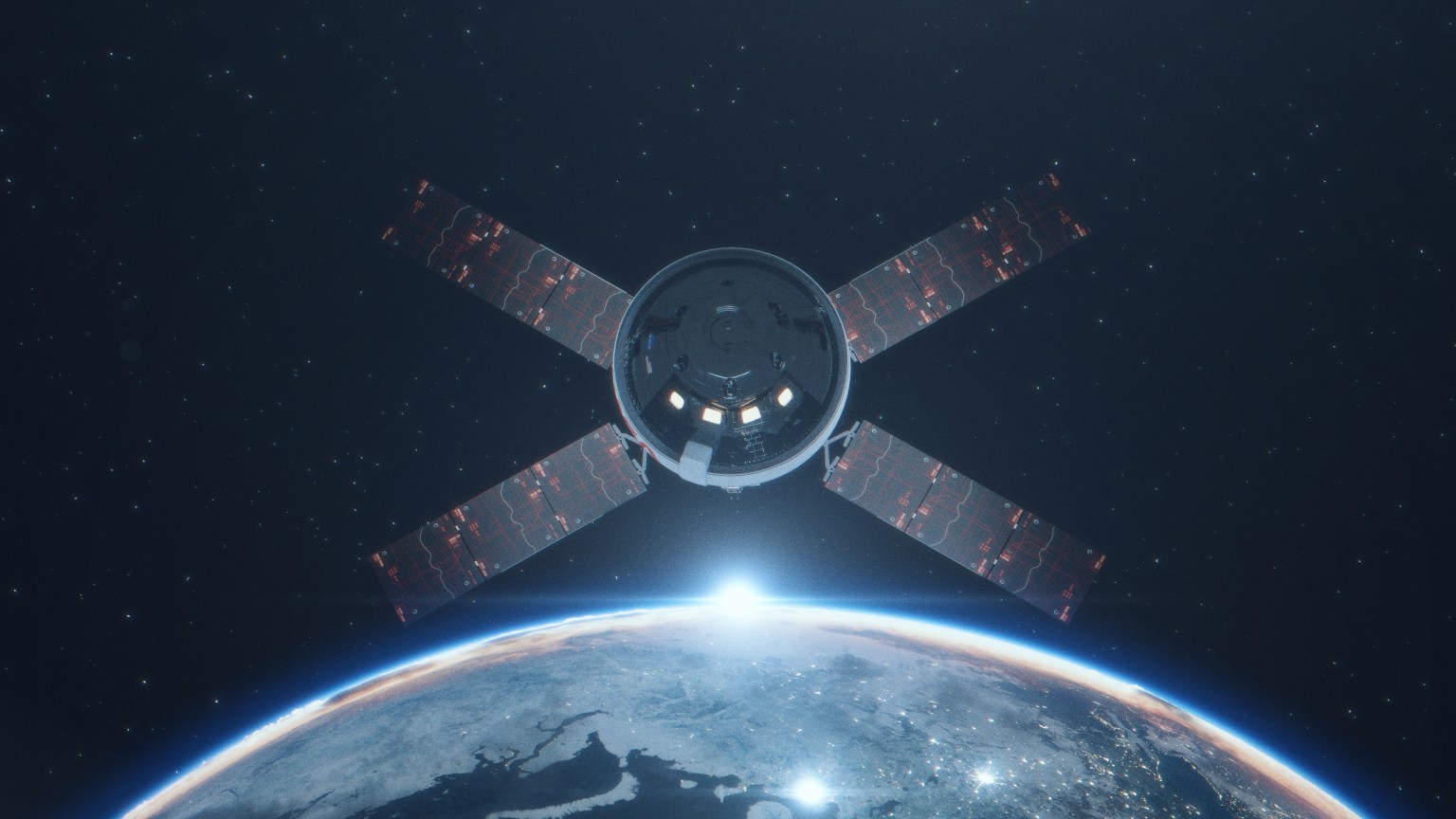
NASA flew 10 CubeSats on the uncrewed Artemis I mission in 2022 and four on the crewed Artemis II mission, deploying each after the upper stage detached from the spacecraft and Orion was flying free on its own to carry out its primary mission. In addition to providing a ride to space as secondary payloads, the agency provides payload integration and engineering support.
As part of the Golden Age of innovation and exploration, NASA will send Artemis astronauts on increasingly difficult missions to explore more of the Moon for scientific discovery, economic benefits, establish an enduring human presence on the lunar surface, and to build on our foundation for the first crewed missions to Mars.
NASA’s AWE Completes Mission to Study Earth’s Effect on Space Weather
4 Min Read
NASA’s AWE Completes Mission to Study Earth’s Effect on Space Weather
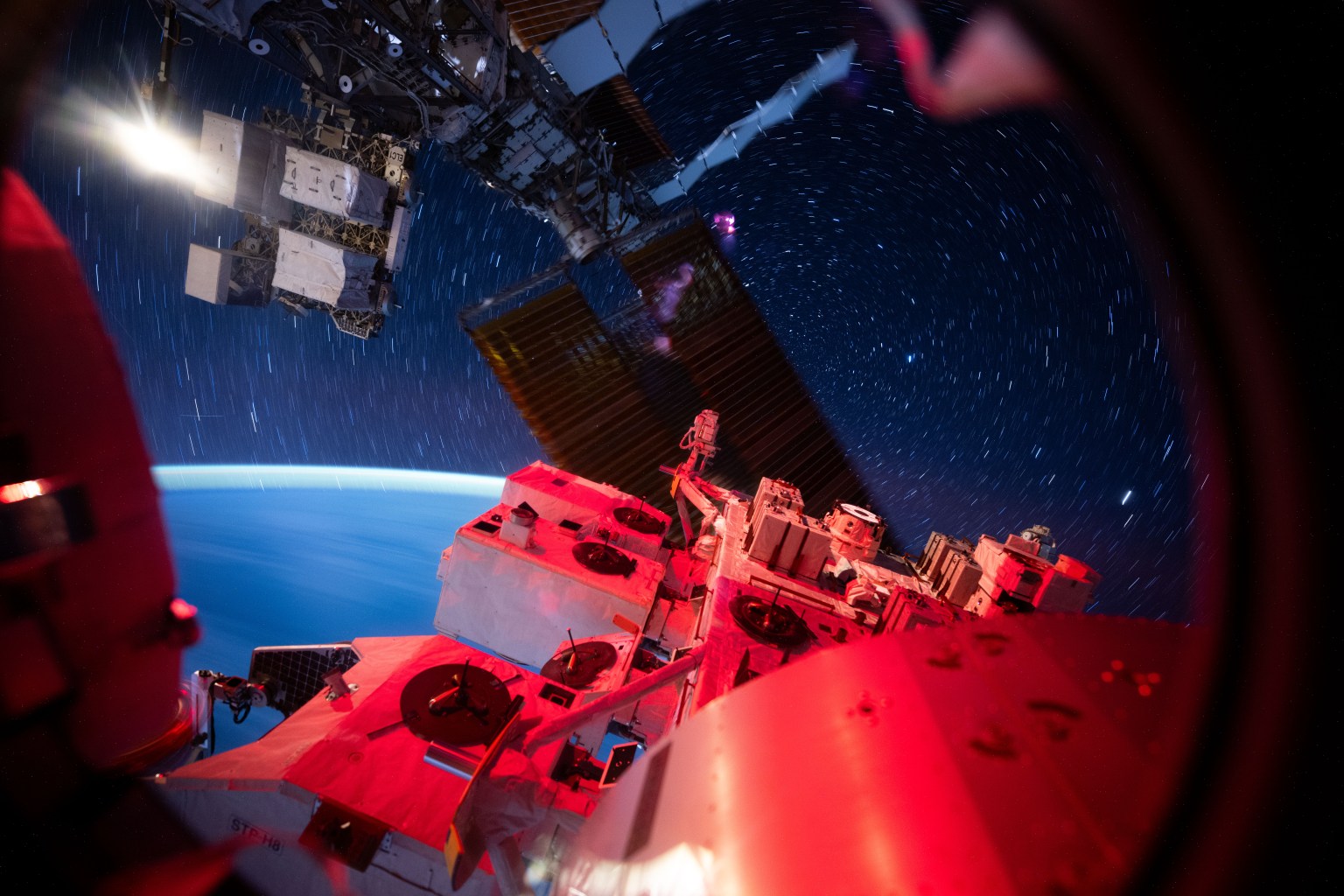
A long-exposure photo taken from the International Space Station shows airglow as bands of green and red curving around Earth. A flash of lightning appears near the bottom.
Credits: NASA
On May 21, ground controllers powered down NASA’s AWE (Atmospheric Waves Experiment) instrument, bringing the data collection phase of the mission to a successful and scheduled end, surpassing its planned two-year mission.
Installed on the exterior of the International Space Station since November 2023, AWE studied atmospheric gravity waves, which are giant ripples in the atmosphere caused by strong winds flowing over tall mountains or by violent weather events, such as tornadoes, thunderstorms, and hurricanes. The AWE instrument looked for these waves in colorful bands of light in Earth’s atmosphere, called airglow. Funded by NASA’s Heliophysics Division, AWE investigated how atmospheric gravity waves propagate upward to space and contribute to space weather — conditions in space that can disrupt satellites, as well as navigation and communications signals.
“The AWE mission has proven that our atmosphere is not a ceiling, but a living, breathing ocean in the sky,” said Joe Westlake, director of NASA’s Heliophysics Division at NASA Headquarters in Washington. “For the first time, we can see how a thunderstorm in the Midwest, a hurricane over Florida, or a wind gust over the Andes sends invisible ripples — atmospheric gravity waves — crashing into the edge of space like waves hitting a shoreline. By mapping these ripples from the International Space Station, we’ve discovered that Earth’s weather doesn’t just end at the clouds, instead it reaches out beyond our planet, shaping the space weather that impacts our orbital economy.”
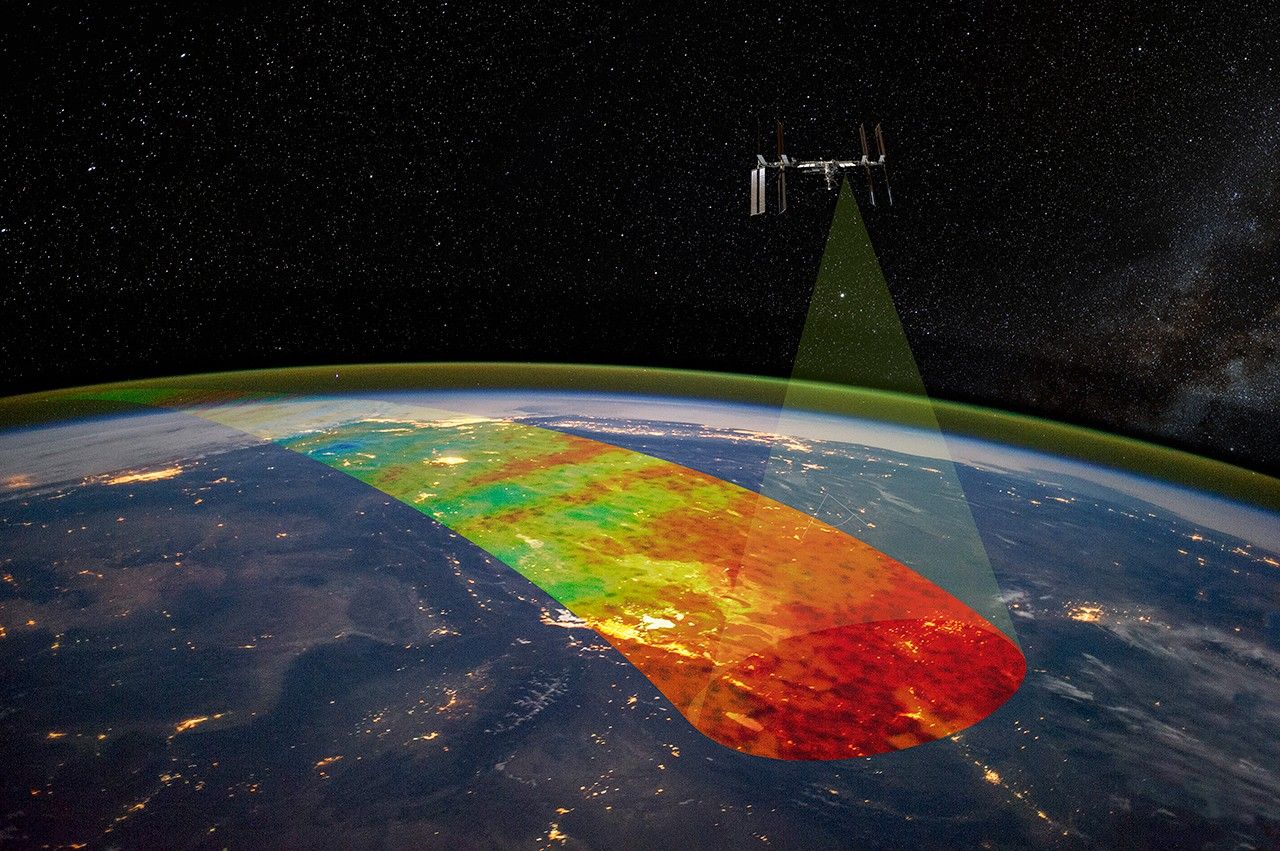
This artist’s conception depicts the Atmospheric Waves Experiment (AWE) scanning the atmosphere from aboard the International Space Station, measuring variations in infrared airglow to track atmospheric gravity waves as they move up from the lower atmosphere into space.
Utah State University Space Dynamics Laboratory
During AWE’s 30-month residency on the station, the instrument captured four infrared images every second, tallying more than 80 million nighttime images, which is when airglow can be seen. It observed atmospheric gravity waves from numerous extreme weather events, including a tornado outbreak across the central U.S. in May 2024 and Hurricane Helene impacting the gulf coast of Florida in September 2024.
“We’ve seen atmospheric wave signatures associated with major terrestrial events, which provided a clear example of how intense weather systems can generate measurable upper-atmospheric responses,” said AWE’s principal investigator, Ludger Scherliess of Utah State University in Logan.
These events revealed variations in the types of atmospheric gravity waves created by different kinds of storms. For example, when AWE viewed atmospheric gravity waves generated by a thunderstorm in north Texas on May 26, 2024, it saw they were smaller and more irregular, with a notable asymmetry from north to south, compared to waves created by storms in the same part of the country earlier that month.
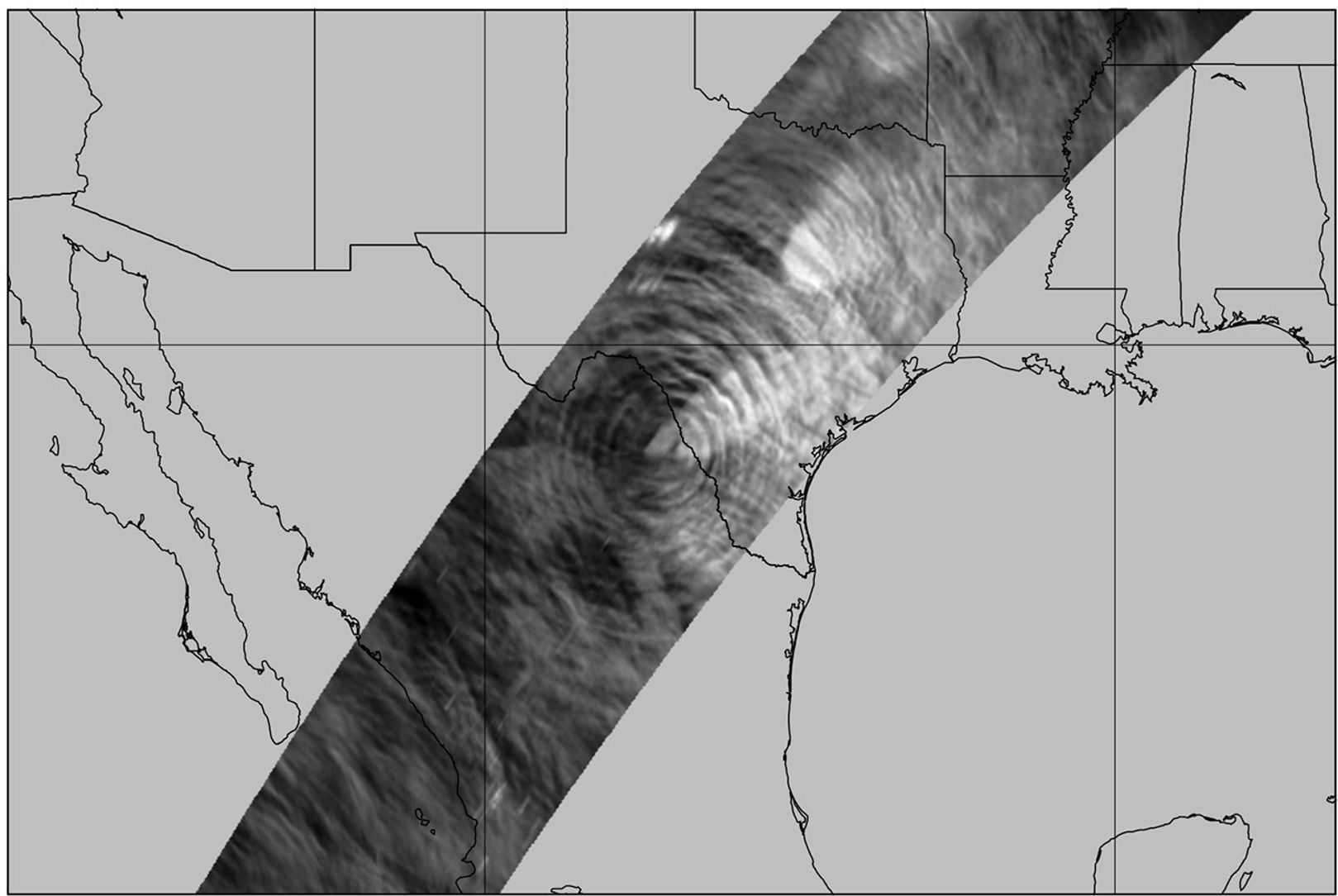
This image from AWE shows concentric atmospheric gravity waves caused by a severe weather event that included a tornado near the U.S.-Mexico border on May 3, 2024. Captured during orbit 2529 of AWE’s stay on the International Space Station, the image shows waves spreading across Texas and Mexico in near-perfect circles, a sight rarely observed with such clarity prior to the AWE mission.
NASA/Utah State University
It is important to understand variations in the density of plasma, which is electrically charged gas, in Earth’s upper atmosphere instigated by atmospheric gravity waves, because these variations can disrupt radio signals traveling between satellites and the ground, and from satellite to satellite, degrading the accuracy and reliability of systems used for navigation, timing, and communications.
In a recent study, AWE measurements also revealed the gravity waves with the greatest influence on the upper atmosphere have small horizontal wavelengths, ranging from 30 to 300 kilometers, which AWE was specifically designed to measure.
With its data-collection phase complete, the AWE instrument was turned off to make way for another science experiment that will take its place on the outside of the space station. Called CLARREO Pathfinder (Calibration Absolute Radiance and Refractivity Observatory Pathfinder), the new instrument will take measurements of sunlight reflected by Earth and the Moon that are five to 10 times more accurate than those from existing sensors. The exchange of instruments is a key part of the space station’s mission and versatility as an orbiting laboratory for various types of research.
As the International Space Station traveled over the southeastern United States on Sept. 26, 2024, AWE observed atmospheric gravity waves generated by Hurricane Helene as the storm slammed into the gulf coast of Florida. The curved bands extending to the northwest of Florida, artificially colored red, yellow, and blue, show changes in brightness (or radiance) in a wavelength of infrared light produced by airglow in Earth’s mesosphere. The small black circles on the continent mark the locations of cities.
Utah State University
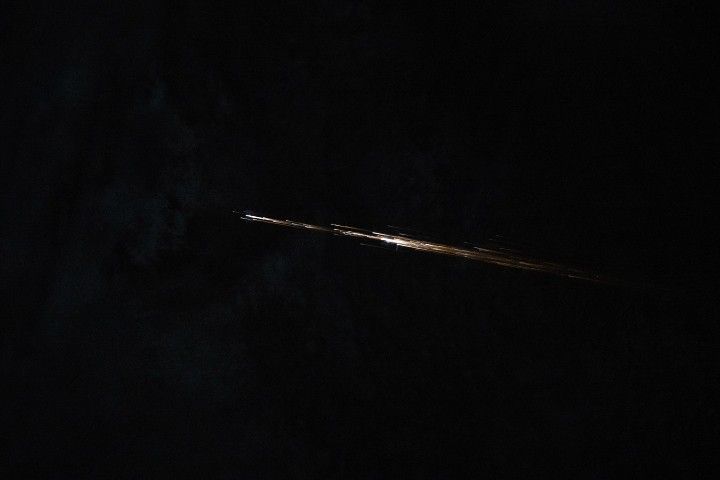
In the coming days, a robotic arm on the space station, called Canadarm2, will remove the AWE instrument from its location. Soon afterward, the AWE instrument will be loaded into part of a SpaceX Dragon cargo spacecraft that will deorbit and burn up as it re-enters the atmosphere. However, all of AWE’s observations will ultimately become available to the public and the scientific community for ongoing research and discovery.
“Data from AWE will continue to be made public for both professional researchers and citizen scientists,” Scherliess said.
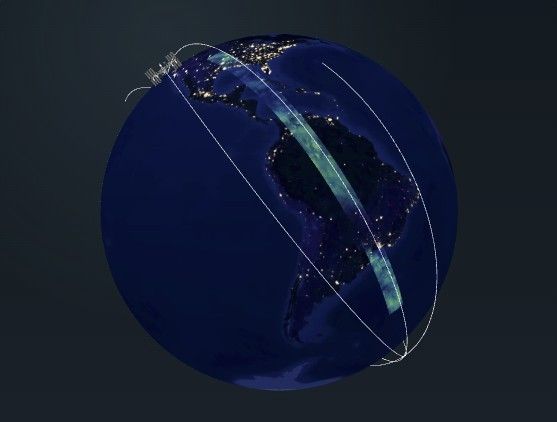
Some of this data already is available, including interactive, online visualizations on Utah State University’s website, where AWE’s observations are “painted” in swaths onto a globe or on a map as the space station orbits the planet. Users can rotate the visualizations to view atmospheric gravity waves from different angles.
A still image from an interactive visualization shows AWE data collected over the Western Hemisphere.
Utah State University
Launched on Nov. 9, 2023, AWE is managed by the Explorers Program Office at NASA’s Goddard Space Flight Center in Greenbelt, Maryland. Utah State University’s Space Dynamics Laboratory built the AWE instrument and provided the mission operations center.
Hear more about AWE by listening to episode 334 of NASA’s Houston We Have a Podcast, recorded on Jan. 26, 2024.
By Vanessa Thomas NASA’s Goddard Space Flight Center, Greenbelt, Md.
NASA Wins Four Telly Awards for Artemis Moon Coverage, More
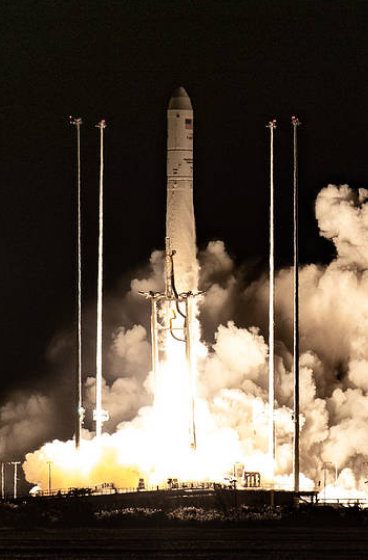
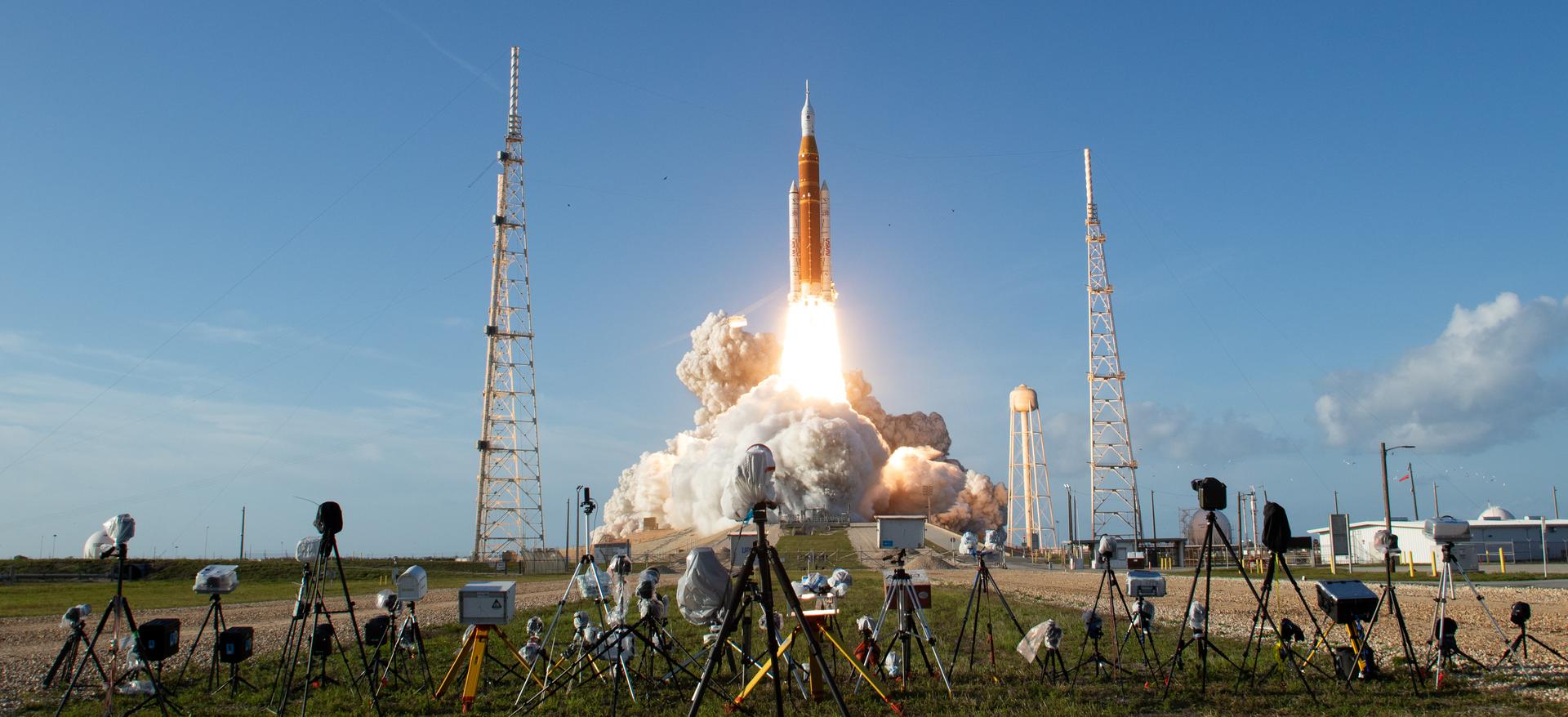
NASA’s SLS (Space Launch System) rocket lifts off from Launch Pad 39B at the agency’s Kennedy Space Center in Florida on Wednesday, April 1, 2026, sending NASA astronauts Reid Wiseman, Victor Glover, and Christina Koch and CSA (Canadian Space Agency) astronaut Jeremy Hansen aboard the Orion spacecraft on a test flight around the Moon and back.
Credit: NASA/Aubrey Gemignani
NASA’s historic Artemis II mission coverage, which connected global audiences to watch the first humans to travel around the Moon in more than half a century, is among the agency’s video productions recognized with four 2026 Telly Awards.
“President Trump’s leadership in establishing the Artemis program reignited America’s bold vision for space exploration and set our nation on a course back to the Moon. During America’s 250th birthday, Artemis II marked the beginning of that new era by sending astronauts around the Moon for the first crewed lunar mission since Apollo, inspiring millions across the country and around the world,” said Will Boyington, associate administrator, Office of Communications, NASA Headquarters in Washington. “These Telly Awards recognize the extraordinary NASA teams who brought that historic journey into homes everywhere through innovative storytelling, live coverage, and an unprecedented digital experience that showcased American leadership in space and renewed the spirit of exploration for a new generation.”
The agency’s continuous, 24/7 livestream of the Artemis II mission, which functioned as both a live event and as a science storytelling experience, combined visuals, real-time mission data, and expert analysis to make a complex spaceflight clear and accessible for an international audience. NASA’s video documentation of mission astronauts and support teams conducting geology training on Earth to prepare for future Artemis missions on the Moon also won a science and technology storytelling award.
In addition, NASA won a screenwriting award for a documentary on the agency’s Hubble Space Telescope, James Webb Space Telescope, and Nancy Grace Roman Space Telescope, narrated by actor John Rhys-Davies.
“By following NASA’s Artemis II coverage in real time on multiple platforms, millions of viewers around the world were able to experience the mission inside the Orion spacecraft and alongside the crew, from lunar flyby to splashdown,” said Brittany Brown, director, Office of Communications Digital and Technology Division, NASA Headquarters in Washington. “Our team’s coordination, from the Mission Control Center at NASA’s Johnson Space Center in Houston to the Moon, technical expertise, and around-the-clock dedication turned a single spaceflight mission into a shared, global experience of wonder and inspiration.”
Full list of NASA’s Telly Award wins:
NASA’s Artemis II: Humanity’s Return to the Moon Gold Winner, Science and Technology
NASA’s Artemis II: Humanity’s Return to the Moon Silver Winner, Live Events and Experiences
Preparing for Artemis: NASA’s Geology Training for Lunar Exploration Silver Winner, Science and Technology
The Fellowship of the Telescopes Bronze Winner, Craft-Writing
Livestream coverage of the mission and milestones reached NASA’s largest streaming audience ever on its individual platforms, ultimately reaching nearly 290 million combined views across agency platforms. Commercial streaming partners expanded the mission’s reach to a global audience of hundreds of millions more potential viewers.
Watch all NASA content through a variety of online platforms:
NASA Welcomes 16th Deputy Administrator Matt Anderson
Matt Anderson, left, joined by his wife Christine, is sworn in as the 16th deputy administrator of NASA, by NASA Administrator Jared Isaacman, Thursday, May 21, 2026, at the Eisenhower Executive Office Building in Washington.
Credit: NASA/Bill Ingalls
Matt Anderson was sworn in Thursday as NASA’s 16th deputy administrator by NASA Administrator Jared Isaacman. The oath was taken during a ceremony held at the Eisenhower Executive Office Building in Washington.
As NASA deputy administrator, Anderson will help lead the agency’s efforts to execute the President’s national space policy, strengthen America’s leadership in space, and advance NASA’s missions in exploration, science, and aeronautics.
“Matt Anderson brings exactly the kind of operational leadership, technical expertise, and mission focus NASA needs right now,” said NASA Administrator Jared Isaacman. “His decades of experience across the Air Force, Space Command, and the aerospace industry give him a valuable perspective as we work to strengthen America’s leadership in space and enter the next era of exploration. I’m excited to have him helping lead NASA as we take on the near-impossible and push the boundaries of what we can achieve.”
“I’m deeply honored to serve as the deputy administrator and support the men and women across NASA who carry out some of the most ambitious and important work in the world,” said NASA Deputy Administrator Matt Anderson. “NASA has been entrusted with a mission of enormous strategic, scientific, and economic significance, and delivering on that mission will require disciplined execution, technical excellence, and a strong culture of accountability. I’m grateful to President Trump for the trust and confidence he has placed in me with this nomination, and I look forward to serving alongside Administrator Isaacman and the extraordinary NASA workforce as we strengthen America’s leadership in space and build toward the next golden era of space exploration.”
“NASA succeeds when we pair clear mission goals with empowered teams and disciplined execution,” said NASA Associate Administrator Amit Kshatriya. “Matt Anderson has spent his career leading in complex operational environments where the stakes are high and mission success depends on trust in the people doing the work. I look forward to working with him as we continue building the capabilities, partnerships, and workforce needed for the challenging missions ahead of us.”
Anderson was nominated by President Donald J. Trump on Jan. 13, and confirmed by the U.S. Senate on May 18.
Read Anderson’s official biography on the agency’s website:
In 2025, researchers using the orbital laboratory conducted more than 750 investigations that advanced understanding of life in space, drove innovations to benefit people on Earth, and supported NASA’s exploration of the Moon and Mars.
Results include a study that could protect astronaut performance on future long-duration missions and a biomaterials investigation aimed at advancing tissue engineering and regenerative medicine.
Miniaturizing surgery
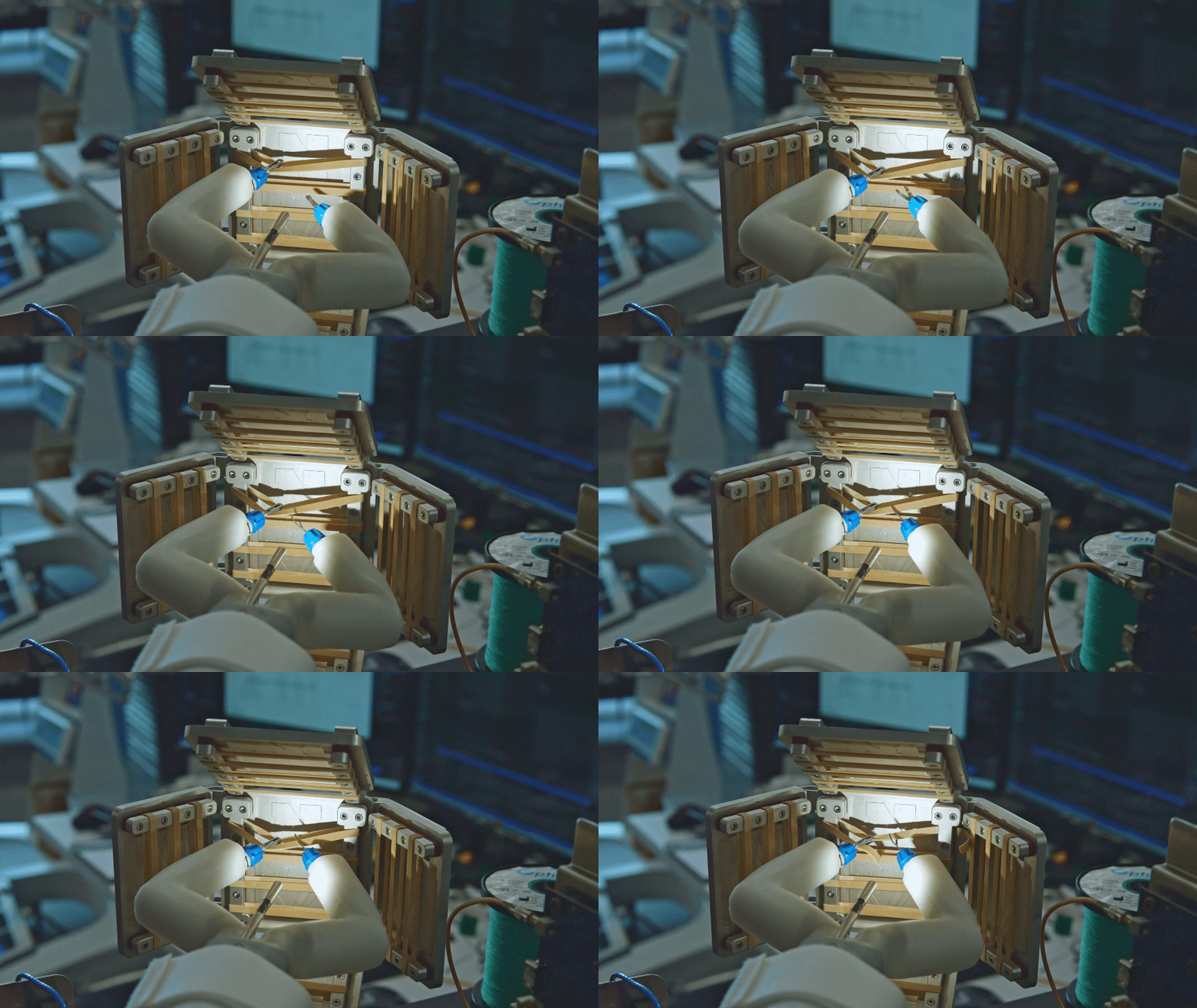
The Robotic Surgery Tech Demo device is shown simulating a surgical task with rubber bands on Earth.
Virtual Incision
NASA evaluated whether a miniature robotic system could perform surgical tasks in microgravity. Researchers used rubber bands to simulate surgical tasks aboard the space station, allowing them to observe communication delays from Earth and test robotic precision in space during remote operations. Results showed that while timing delays increased the duration of procedures, they had minimal impact on robotic accuracy.
This research demonstrates that precise surgical procedures could one day be performed in space, including at a future lunar base or on Mars. Robotic surgery also offers a compact, reliable option for performing medical procedures in remote places on Earth.
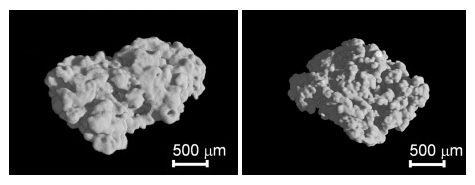
Images show calcium phosphate crystals grown in space (left) and on Earth (right). Synthetic bone graft materials developed aboard the International Space Station showed strong support for bone growth and healthy tissue formation.
Komlev, Biomedical Technology
The Roscosmos investigation Magnetic 3D Bioprinter used magnetic levitation to form complex tissue structures in microgravity with high precision and minimal materials. Researchers used this technique to position calcium crystals into structures that can serve as synthetic bone grafts to promote new bone growth. Samples formed in microgravity showed superior structural organization and a high capacity for bone tissue regeneration. Astronauts experience bone loss in space and may face a higher risk of bone fractures during long-duration exploration missions.
This research could one day allow astronauts to fabricate medical treatments on demand to address skeletal injuries far from Earth.
Melanin infused materials
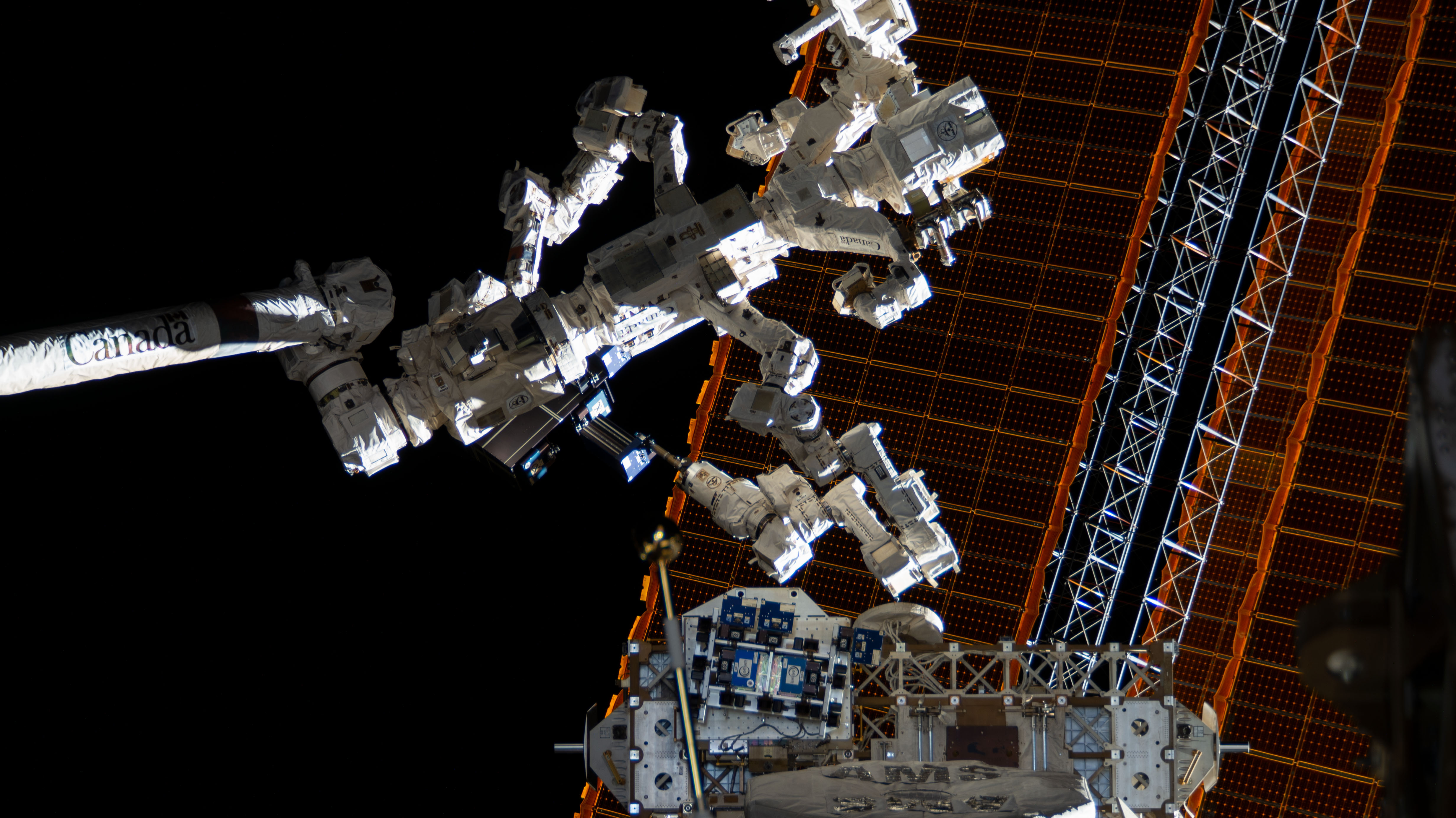
The International Space Station’s robotic manipulator, Dextre, hovers above Materials International Space Station Experiment-13 sample hardware during operations outside the space station.
NASA
NASA examined how prolonged exposure to the vacuum of space affects the performance and durability of materials used in space exploration. Researchers exposed polymers, thermal protection systems, spacesuit components, and radiation-shielding materials to the space environment for six months. The research also tested several biomaterials infused with different types of melanin, a naturally occurring pigment that protects against ultraviolet radiation. The materials infused with fungal melanin showed the greatest resistance to radiation damage.
Biologically derived materials offer a lightweight, sustainable option for radiation shielding during future missions beyond Earth, with potential applications on Earth in medical protection, UV defense, and radiation-resistant structures.
Learn more about the Materials International Space Station Experiment-13-NASA (MISSE-13-NASA) investigation.
Power that endures
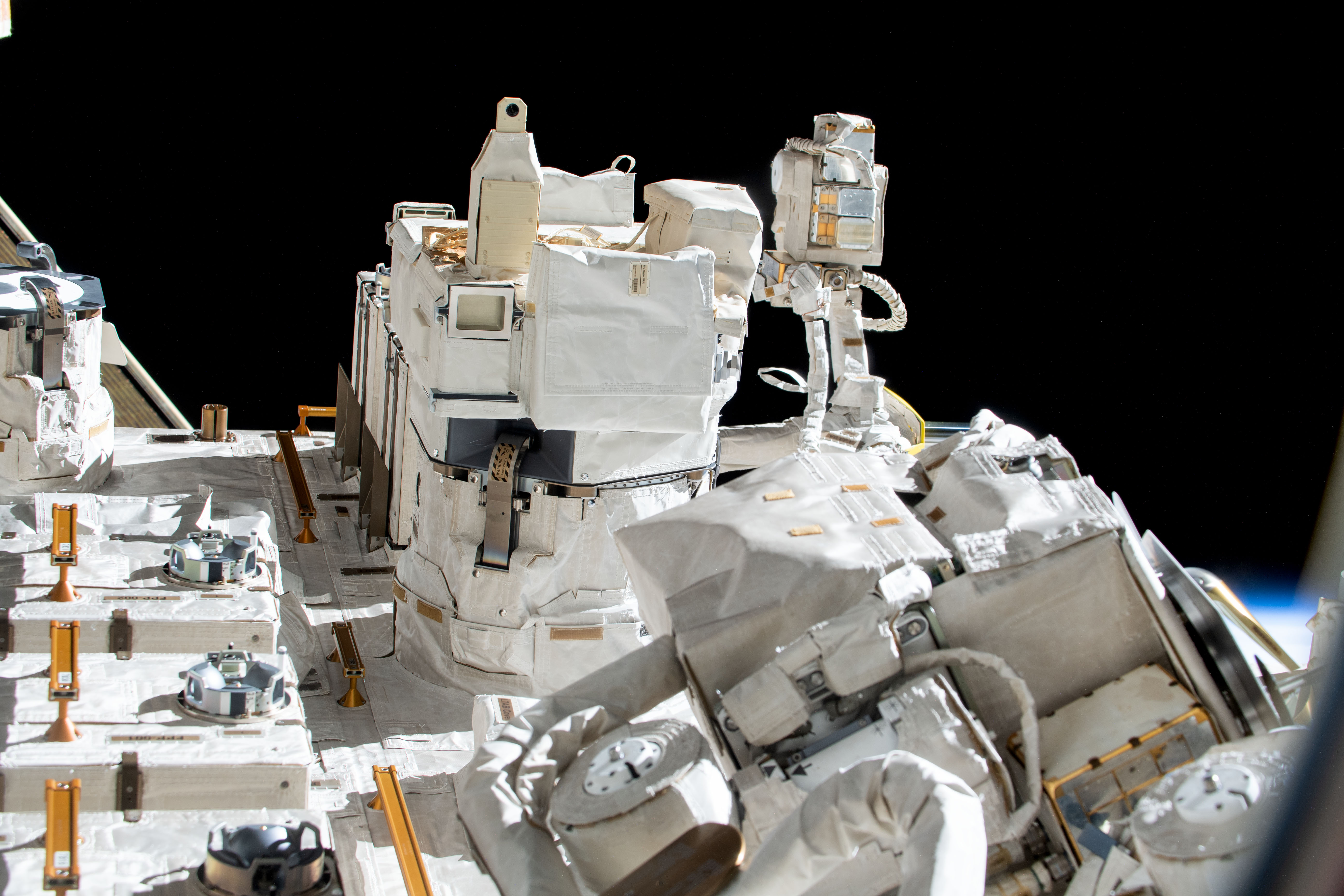
The All Solid-state Lithium Ion Battery investigation is shown near the top center, mounted on the exterior of the International Space Station on the Japanese Experiment Module exposed facility.
NASA
A JAXA (Japan Aerospace Exploration Agency) investigation studied the stable operation of all solid-state lithium ion batteries in space, including under extreme temperature swings and vacuum. Compared to conventional lithium ion batteries, these batteries are believed to operate across a wider temperature range, offer greater chemical stability, and provide increased ignition resistance.
Researchers assembled a battery pack from multiple all solid-state lithium ion batteries in space and exposed it to space for 434 days to track performance, degradation, and radiation response. The battery pack showed stable electrical behavior, no signs of degradation, and only a 2% loss in capacity. These results demonstrate that these batteries could provide safer, more reliable power systems for missions to the Moon and Mars, as well as for use in extreme environments on Earth.
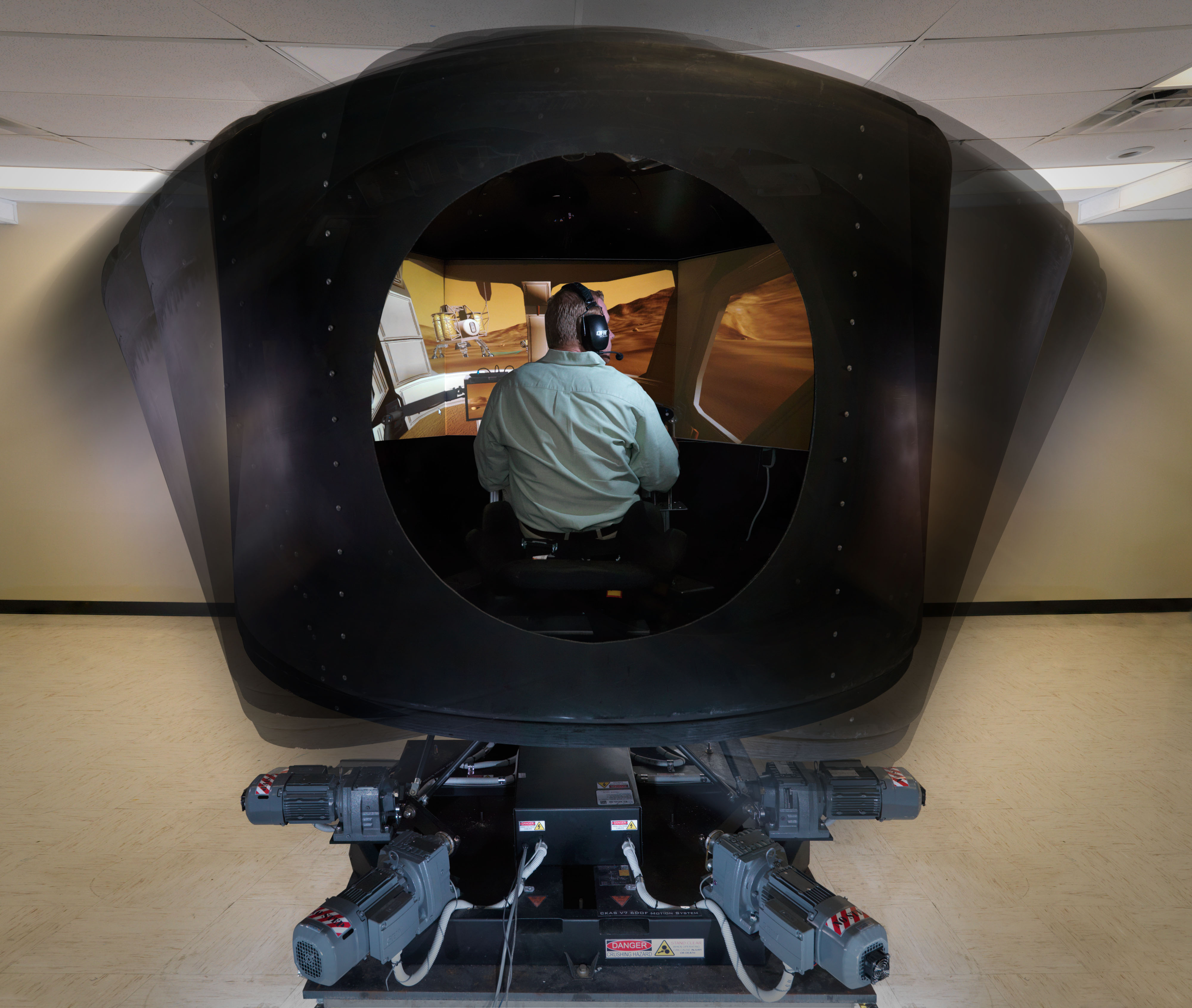
Test subject Lance Dean performs a manual control task in the Neurosciences Laboratory’s Motion Simulator at NASA’s Johnson Space Center in Houston.
NASA
NASA continues to study how long-duration spaceflight affects astronauts’ ability to pilot and perform complex tasks after landing. Five experienced astronauts completed simulated aircraft landings before and after their space station missions. The astronauts’ results showed degraded performance after returning to Earth, including higher touchdown speeds and navigational errors. However, most pilots returned to baseline during a second attempt on the same day.
These findings suggest that long-term exposure to microgravity can temporarily diminish critical piloting skills, highlighting the need for countermeasures that help astronauts maintain their abilities after space travel.
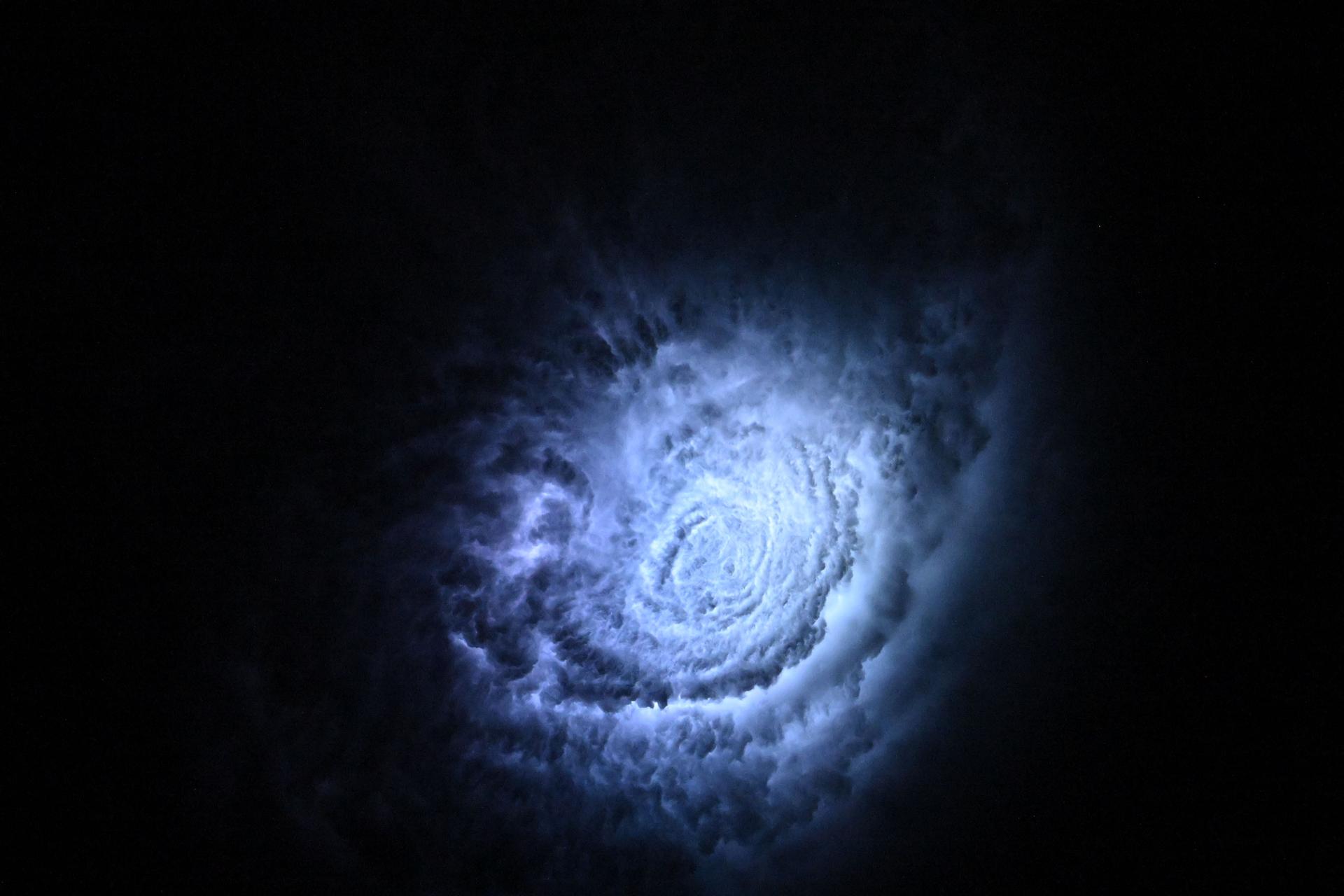
Blue lightning flashes illuminate cloud tops near the Pacific coast of central Mexico in June 2025 in an image taken from the International Space Station.
NASA
The European Space Agency is studying electrical phenomena that occur above severe thunderstorms, including colorful sprays of energy and light known as sprites, blue jets, and elves. Researchers combined the observations with radio measurements from ground-based receivers to confirm powerful bursts of electricity above thunderstorms can generate enough energy to trigger elves. The team also found a correlation between the brightness of blue flashes and electrical current, improving our ability to model energy transfer between the upper atmosphere and the edge of space.
Tracking this activity could enhance severe weather prediction and deepen understanding of the upper atmosphere, a region critical for satellite operations and communication systems.
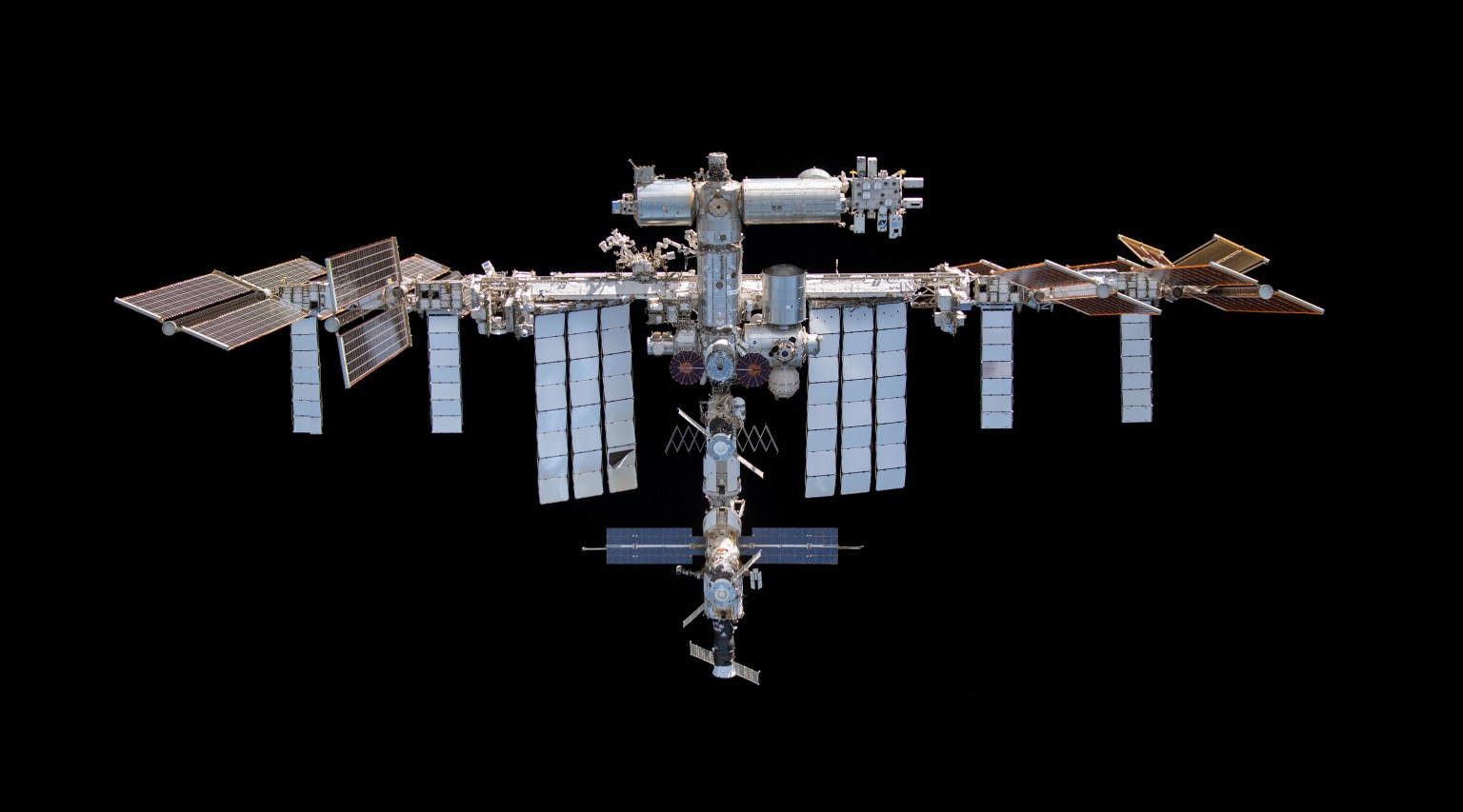
Throughout more than two decades of operations, researchers from more than 110 nations have carried out 4,000-plus experiments, producing over 5,000 scientific publications. Space station research has been cited more than 100,000 times in scientific journals.