La presentación del X-59 de la NASA personifica la tradición aeronáutica

La presentación del X-59 de la NASA personifica la tradición aeronáutica
6 Min Read

La presentación del X-59 de la NASA personifica la tradición aeronáutica

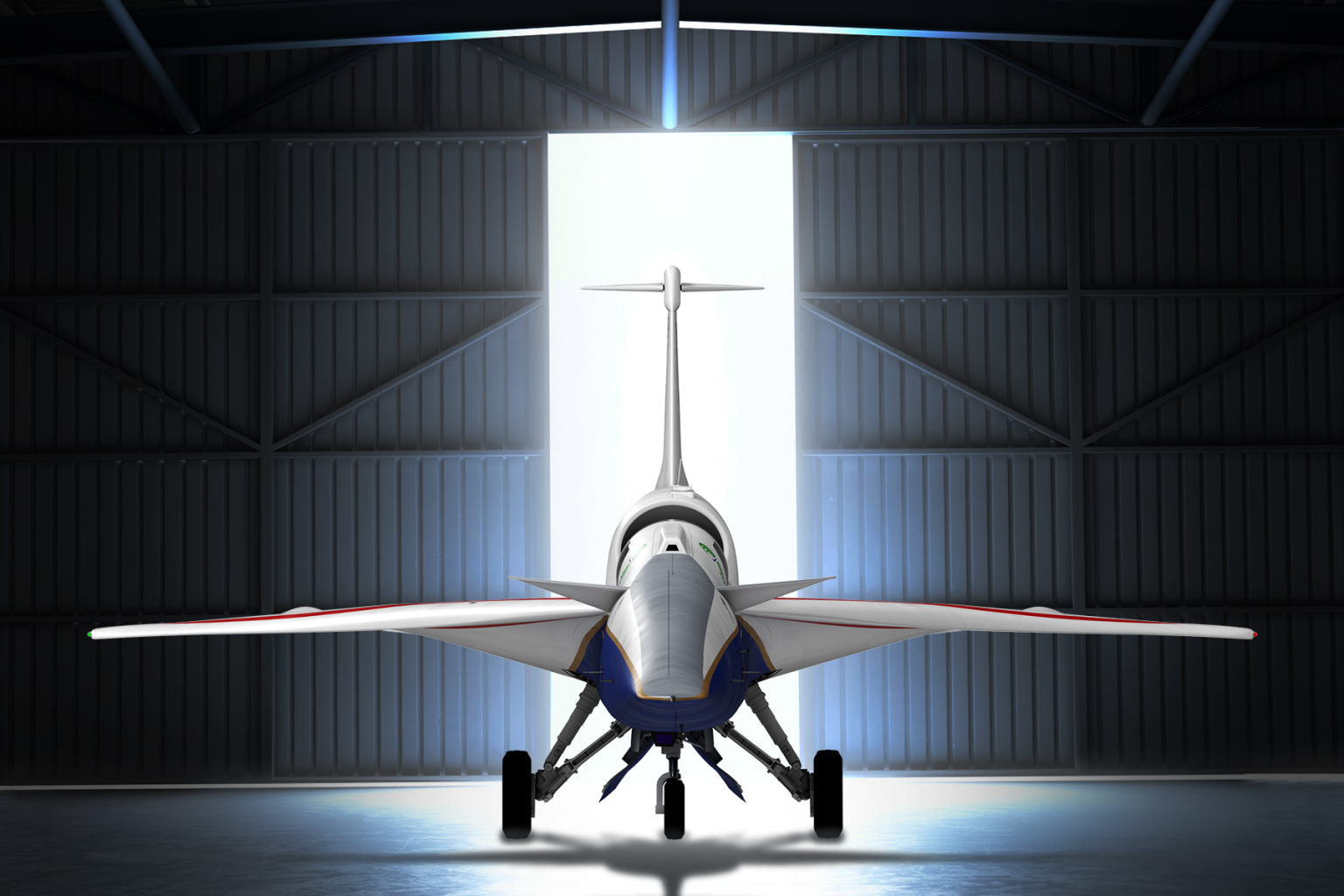
Artist’s concept of the X-59

Concepto artístico del silencioso avión supersónico X-59. La pieza central de la misión Questt de la NASA, la agencia y Lockheed Martin presentarán oficialmente al mundo el totalmente terminado y recientemente pintado avion X-59, durante una ceremonia que tendrá lugar el viernes 12 de enero a las 4 de la tarde, hora del Este.

Credits:
NASA

Read this story in English here.

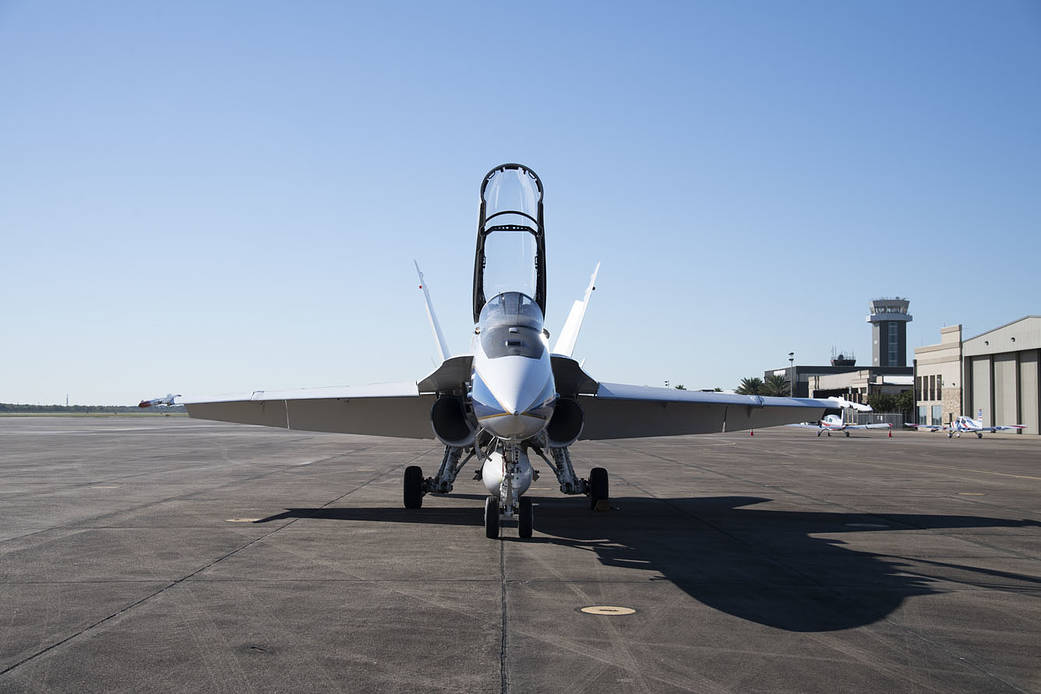
El avión X-59 de la NASA está saliendo del hangar–preparándose para embarcarse en la primera fase de su misión de volar más rápido que la velocidad del sonido sin generar un fuerte estampido sónico.

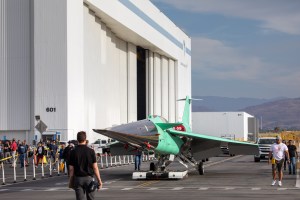
Los directivos de la NASA y el contratista principal Lockheed Martin,  presentarán oficialmente al mundo el totalmente terminado y recientemente pintado avion X-59, durante una ceremonia que tendrá lugar el viernes 12 de enero a las 4 de la tarde, hora del Este. Este evento será transmitido en directo por NASA TV desde las instalaciones Skunk Works de Lockheed Martin en Palmdale, California, donde este avión fue ensamblado.

“Esta es la gran revelación”, declaró Catherine Bahm, directora del proyecto Low Boom Flight Demonstrator de la NASA, que supervisa el desarrollo y la construcción del X-59. “La presentación es un gran logro hacia el objetivo general de la misión Quesst de reducir el estampido sónico”.

Quesst es la misión de la NASA a través de la cual el X-59 demostrará sus capacidades supersónicas silenciosas. La NASA volará la aeronave sobre comunidades estadounidenses seleccionadas y después estudiará lo que la gente sobre tierra firme escucha. La agencia compartirá la información de estas reacciones a los “golpes” sónicos más silenciosos con los organismos reguladores, que podrían considerar las normas que actualmente prohíben los vuelos supersónicos comerciales sobre tierra firme por motivos de ruido.

Tradición de la presentación

¿Qué es la presentación de una aeronave? ¿Y por qué es importante para la NASA, el sector industrial y el equipo de innovadores en la aeronáutica que construyeron el X-59?

Concebir, diseñar, construír y probar una nueva aeronave conlleva años de trabajo detallado y meticuloso. Cada diseño nuevo contribuye a innovar una nueva forma de volar– especialmente en el caso de los X-Planes, que tienen la misión de continuar sobrepasando los límites de lo posible. 

La presentación del X-59 al mundo no solamente representa los logros técnicos del avión, sino también el futuro del vuelo y el espíritu de la investigación en la aeronáutica.

Para el equipo, algunos de los cuales han trabajado en el avión desde que se creó el primer componente, la presentación del X-59 será un momento muy especial.

CATHERINE BAHM

CATHERINE BAHM

NASA Project Manager

En el pasado, las aeronaves y naves espaciales construidas y utilizadas por la NASA han tenido ceremonias de presentación de diverso alcance y significado.

Por ejemplo, en 1959, el X-15, que fue el primer avión propulsado por cohete, despegó ante una audiencia que incluía a los líderes del proyecto, los pilotos de la aeronave y al Vice presidente Richard Nixon. El avión representaba el futuro de los vuelos espaciales hipersónicos y con alas. Llevó por primera vez a pilotos estadounidenses al espacio a bordo de un vehículo con alas y estableció el récord de velocidad más rápida alcanzada por un humano en un avión, récord que sigue vigente hoy en día. 
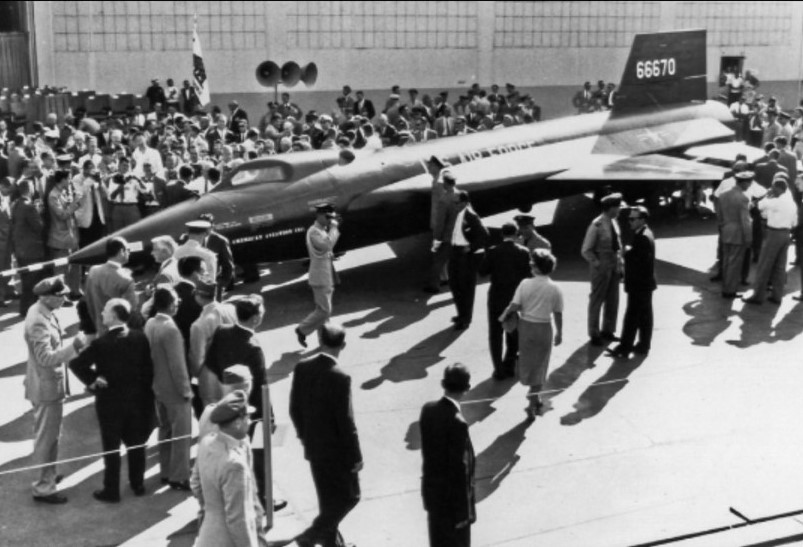
Crowds gather to admire the first X-15 after its rollout from the North American Aviation plant
Multitudes se reúnen el 15 de octubre de 1958 para admirar el primer avión cohete X-15 después de su lanzamiento desde la planta de North American Aviation en Los Ángeles. Uno de los aviones más históricos de la NASA, voló 199 misiones entre 1959 y 1968 durante un programa que incluía a la NASA, la Fuerza Aérea de los EE. UU. y la Marina de los EE. UU.

Otra presentación famosa de la NASA fue el del transbordador espacial Enterprise en 1976, con la presencia del reparto de Star Trek: la serie original y del creador de la serie, Gene Roddenberry. El Enterprise, llamado así por la nave ficticia de la serie de televisión de los años 60, demostró que el transbordador orbital podía descender y aterrizar como un avión tras su reentrada del espacio. El vehículo marcó el camino para que el Programa del Transbordador Espacial continuara con los vuelos espaciales.
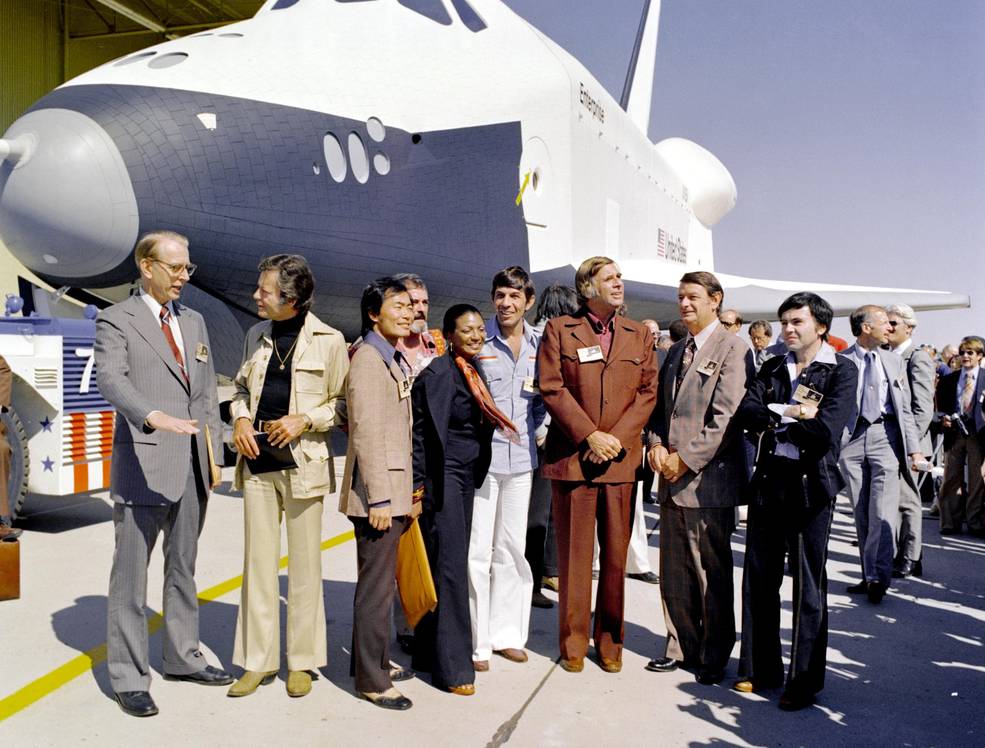
enterprise_rollout_at_palmdale_w_star_trek_crew_sep_17_1976
Funcionarios de la NASA y representantes del programa de televisión Star Trek, incluido el creador Gene Roddenberry, estuvieron presentes en el lanzamiento de Enterprise desde su fábrica de Rockwell en Palmdale, California, el 17 de septiembre de 1976.
NASA

Culminación de los esfuerzos

En el caso del X-59, la ceremonia de presentación permite vislumbrar una posible nueva era de vuelos comerciales de alta velocidad y silenciosos sobre tierra.

Hace cincuenta años, Estados Unidos prohibió los vuelos supersónicos comerciales sobre tierra debido a la preocupación por el ruido generado por los estampidos sónicos. Sin embargo hoy en día la tecnología de Quesst podría reducir drásticamente este ruido. El objetivo de la misión es recopilar datos del X-59 que podrían ayudar a los reguladores a ajustar la prohibición, considerando los niveles de ruido en lugar de la velocidad.

“La idea de levantar la prohibición de los vuelos supersónicos sobre tierra firme es realmente emocionante”, comenta Bahm. “Y ése es el futuro que podría habilitar el X-59”.

Mire este lapso de tiempo del ensamblaje del X-59 tal como ocurrió entre mayo de 2019 y junio de 2021 dentro de la fábrica Skunk Works de Lockheed Martin en Palmdale, California.

El lanzamiento también representa algo más cercano al suelo–el logro del equipo trabajador y dedicado que llevó el avión de la imaginación a la realidad. Para ellos, el lanzamiento celebra las semanas, meses y años dedicados al desarrollo y construcción del X-59.

“Para el equipo, algunos de los cuales han trabajado en el avión desde que se creó el primer componente, la presentación del X-59 será un momento muy especial.”comentó Bahm. “El diseño innovador del X-59 aprovecha décadas de trabajo para la NASA. Compartimos este logro con todos los que lo han hecho posible”.

Una vez completado el ensamblaje, la misión de la NASA de silenciar el estampido sónico alcanzará un nuevo capítulo. Aunque todavía queda camino por recorrer, el futuro potencial de los viajes supersónicos comerciales está más cerca que antes. El equipo de la misión Quesst continuará ahora las pruebas en tierra firme antes del primer vuelo a finales de este año.

“El lanzamiento es un gran logro, pero también significa que el siguiente logro es el primer vuelo, y después los vuelos supersónicos”, comentó Bahm. “Nuestros ojos están puestos en la misión”.

A Boeing 747 Jumbo Jet is seen in a hangar with 26 flight attendants representing 26 airliner standing in front of the airplane.
El 30 de septiembre de 1968 tuvo lugar una ceremonia de lanzamiento memorable en la historia de la aviación, cuando el primer Boeing 747 hizo su debut público en la planta de ensamblaje de la compañía en Everett, cerca de Seattle. Para conmemorar el evento, asistieron a la ceremonia azafatas en representación de cada una de las 26 aerolíneas que habían comprado un avión 747.
Boeing

Artículo Traducido por: Elena Aguirre y Monica Uribe

About the Author

John Gould

John Gould

Aeronautics Research Misson Directorate

Share

Details

Last Updated

Jan 09, 2024

Editor
Lillian Gipson
Contact

Powered by WPeMatico

Get The Details…
Lillian Gipson
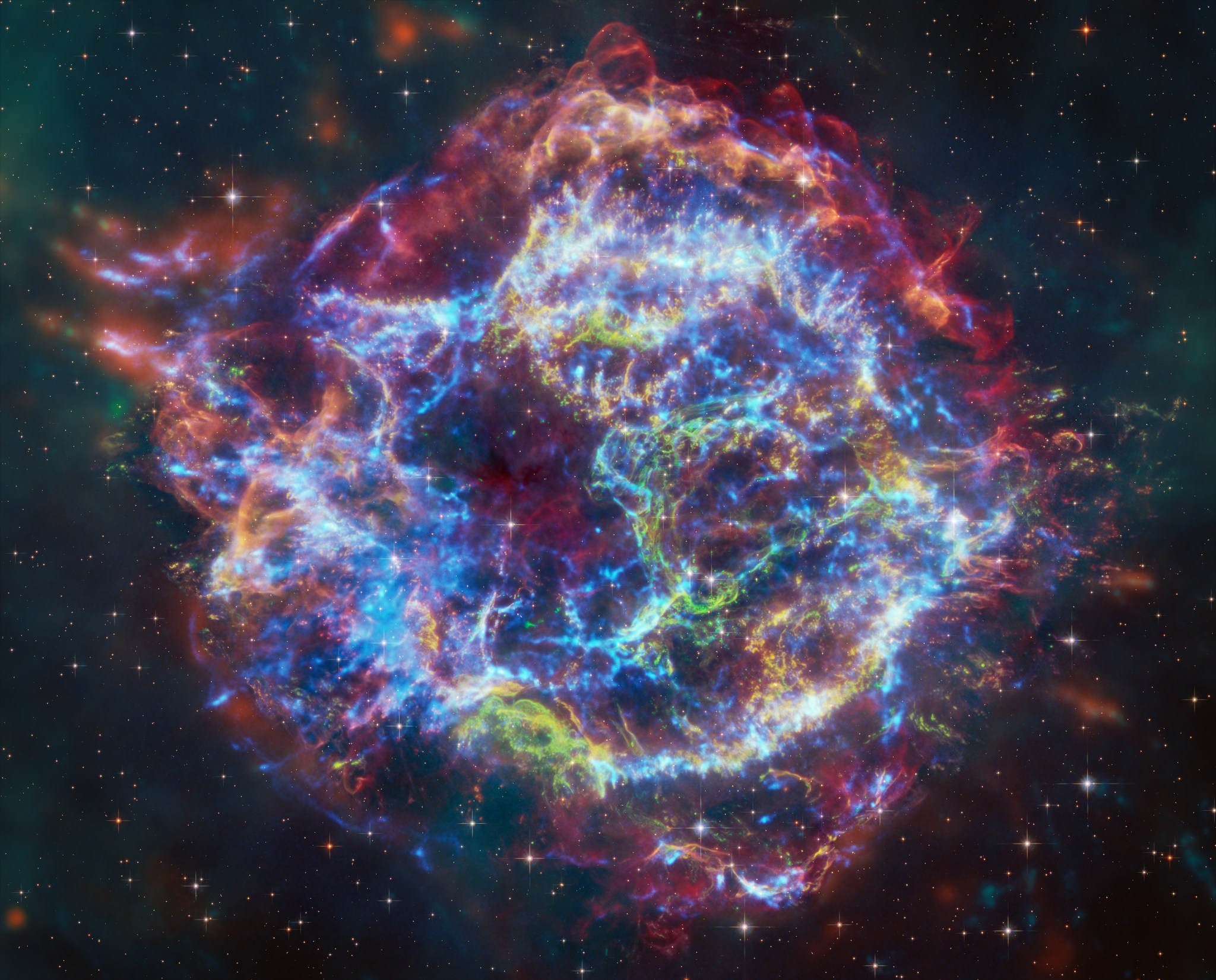
A “Green Monster” Lurks in Star’s Debris

A “Green Monster” Lurks in Star’s Debris

This image of Cassiopeia A resembles a disk of electric light with red clouds, glowing white streaks, red and orange flames, and an area near the center of the remnant resembling a somewhat circular region of green lightning. X-rays from Chandra are blue and reveal hot gas, mostly from supernova debris from the destroyed star, and include elements like silicon and iron. X-rays are also present as thin arcs in the outer regions of the remnant. Infrared data from Webb is red, green, and blue. Webb highlights infrared emission from dust that is warmed up because it is embedded in the hot gas seen by Chandra, and from much cooler supernova debris. Hubble data shows a multitude of stars that permeate the field of view.
X-ray: NASA/CXC/SAO; Optical: NASA/ESA/STScl; IR: NASA/ESA/CSA/STScl/Milisavljevic et al., NASA/JPL/CalTech; Image Processing: NASA/CXC/SAO/J. Schmidt and K. Arcand

For the first time, astronomers have combined data from NASA’s Chandra X-ray Observatory and James Webb Space Telescope to study the well-known supernova remnant Cassiopeia A (Cas A). This work has helped explain an unusual structure in the debris from the destroyed star called the “Green Monster,” because of its resemblance to the wall in the left field of Fenway Park.

By combining the Webb data with X-rays from Chandra, researchers have concluded that the Green Monster was created by a blast wave from the exploded star slamming into material surrounding it. Detailed analysis found that filaments in the outer part of Cas A, from the blast wave, closely matched the X-ray properties of the Green Monster, including less iron and silicon than in the supernova debris. This interpretation is apparent from the color Chandra image, which shows that the colors inside the Green Monster’s outline best match with the colors of the blast wave rather than the debris with iron and silicon.

Learn more about the Green Monster.

Powered by WPeMatico

Get The Details…
Michelle Zajac

NASA Shares Progress Toward Early Artemis Moon Missions with Crew

NASA Shares Progress Toward Early Artemis Moon Missions with Crew

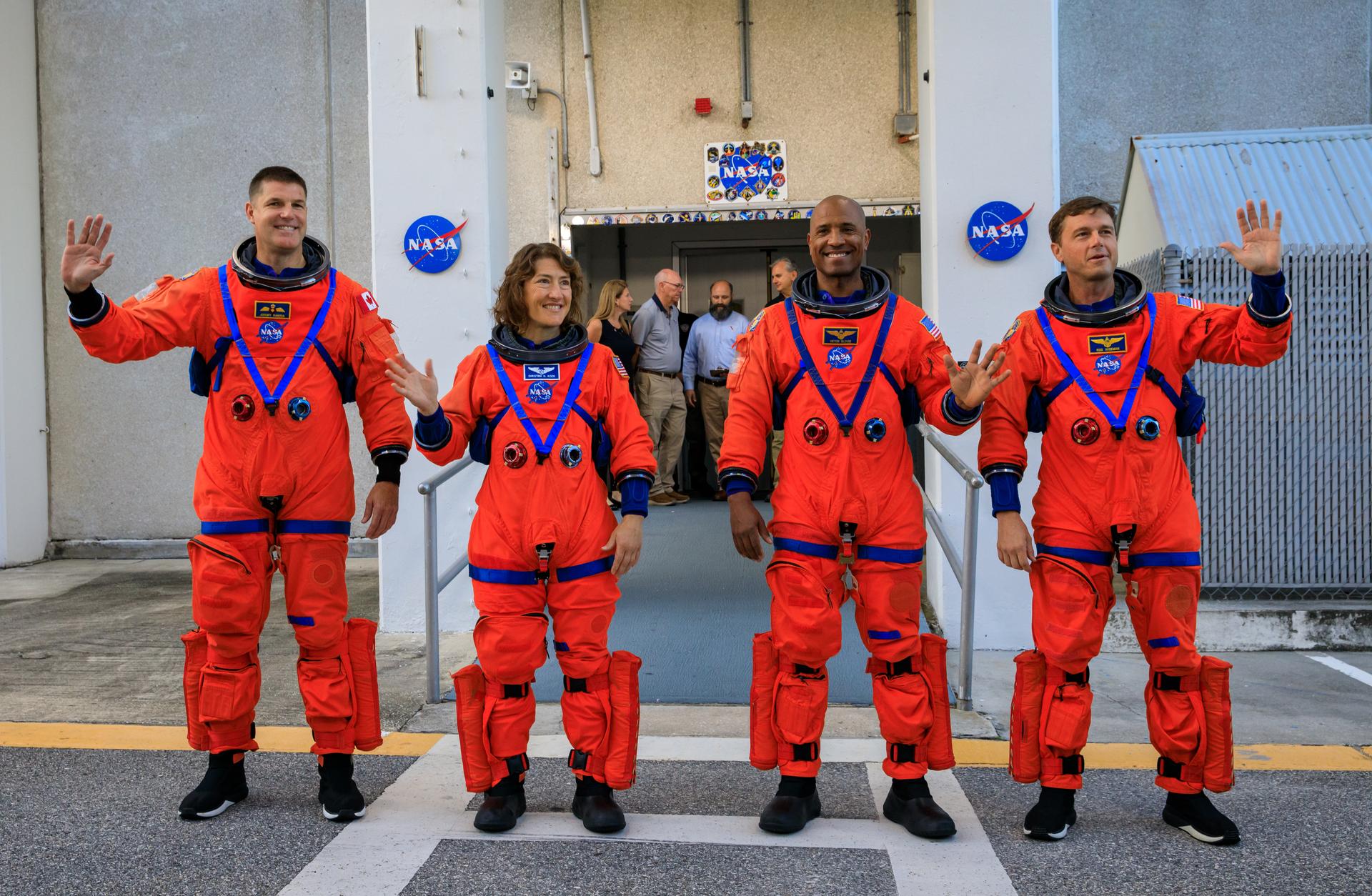
Artemis II crew members (from left) CSA (Canadian Space Agency) astronaut Jeremy Hansen, and NASA astronauts Christina Koch, Victor Glover, and Reid Wiseman walk out of Astronaut Crew Quarters inside the Neil Armstrong Operations and Checkout Building to the Artemis crew transportation vehicles prior to traveling to Launch Pad 39B as part of an integrated ground systems test at Kennedy Space Center in Florida on Wednesday, Sept. 20, to test the crew timeline for launch day.
NASA

NASA announced Tuesday updates to its Artemis campaign that will establish the foundation for long-term scientific exploration at the Moon, land the first woman and first person of color on the lunar surface, and prepare for human expeditions to Mars for the benefit of all. To safely carry out these missions, agency leaders are adjusting the schedules for Artemis II and Artemis III to allow teams to work through challenges associated with first-time developments, operations, and integration.

NASA will now target September 2025 for Artemis II, the first crewed Artemis mission around the Moon, and September 2026 for Artemis III, which is planned to land the first astronauts near the lunar South Pole. Artemis IV, the first mission to the Gateway lunar space station, remains on track for 2028.

“We are returning to the Moon in a way we never have before, and the safety of our astronauts is NASA’s top priority as we prepare for future Artemis missions,” said NASA Administrator Bill Nelson. “We’ve learned a lot since Artemis I, and the success of these early missions relies on our commercial and international partnerships to further our reach and understanding of humanity’s place in our solar system. Artemis represents what we can accomplish as a nation – and as a global coalition. When we set our sights on what is hard, together, we can achieve what is great.”

Ensuring crew safety is the primary driver for the Artemis II schedule changes. As the first Artemis flight test with crew aboard the Orion spacecraft, the mission will test critical environmental control and life support systems required to support astronauts. NASA’s testing to qualify components to keep the crew safe and ensure mission success has uncovered issues that require additional time to resolve. Teams are troubleshooting a battery issue and addressing challenges with a circuitry component responsible for air ventilation and temperature control.

NASA’s investigation into unexpected loss of char layer pieces from the spacecraft’s heat shield during Artemis I is expected to conclude this spring. Teams have taken a methodical approach to understand the issue, including extensive sampling of the heat shield, testing, and review of data from sensors and imagery.

The new timeline for Artemis III aligns with the updated schedule for Artemis II, ensures the agency can incorporate lessons learned from Artemis II into the next mission, and acknowledges development challenges experienced by NASA’s industry partners. As each crewed Artemis mission increases complexity and adds flight tests for new systems, the adjusted schedule will give the providers developing new capabilities – SpaceX for the human landing system and Axiom Space for the next-generation spacesuits – additional time for testing and any refinements ahead of the mission.

“We are letting the hardware talk to us so that crew safety drives our decision-making. We will use the Artemis II flight test, and each flight that follows, to reduce risk for future Moon missions,” said Catherine Koerner, associate administrator, Exploration Systems Development Mission Directorate at NASA Headquarters in Washington. “We are resolving challenges associated with first-time capabilities and operations, and we are closer than ever to establishing sustained exploration of Earth’s nearest neighbor under Artemis.”

In addition to the schedule updates for Artemis II and III, NASA is reviewing the schedule for launching the first integrated elements of Gateway, previously planned for October 2025, to provide additional development time and better align that launch with the Artemis IV mission in 2028.

NASA also shared that it has asked both Artemis human landing system providers – SpaceX and Blue Origin – to begin applying knowledge gained in developing their systems as part of their existing contracts toward future variations to potentially deliver large cargo on later missions.

“Artemis is a long-term exploration campaign to conduct science at the Moon with astronauts and prepare for future human missions to Mars. That means we must get it right as we develop and fly our foundational systems so that we can safely carry out these missions,” said Amit Kshatriya, deputy associate administrator of Exploration Systems Development, and manager of NASA’s Moon to Mars Program Office at headquarters. “Crew safety is and will remain our number one priority.”

NASA leaders emphasized the importance of all partners delivering on time so the agency can maximize the flight objectives with available hardware on a given mission. NASA regularly assesses progress and timelines and as a part of integrated programmatic planning to ensure the agency and its partners can successfully accomplish its Moon to Mars exploration goals.

With Artemis, NASA will explore more of the Moon than ever before, learn how to live and work away from home, and prepare for future human exploration of the Red Planet. NASA’s SLS (Space Launch System) rocket, exploration ground systems, and Orion spacecraft, along with the human landing system, next-generation spacesuits, Gateway lunar space station, and future rovers are NASA’s foundation for deep space exploration.

For more information about Artemis, visit:

https://www.nasa.gov/artemis

-end-

Kathryn Hambleton / Rachel Kraft
Headquarters, Washington
202-358-1100 / 202-365-7575
kathryn.hambleton@nasa.gov / rachel.h.kraft@nasa.gov

Powered by WPeMatico

Get The Details…
Abbey A. Donaldson

NASA’s Webb Finds Signs of Possible Aurorae on Isolated Brown Dwarf

NASA’s Webb Finds Signs of Possible Aurorae on Isolated Brown Dwarf

6 Min Read

NASA’s Webb Finds Signs of Possible Aurorae on Isolated Brown Dwarf

An artist concept portrays a round, dark blue, gaseous object on a black, star-filled background.

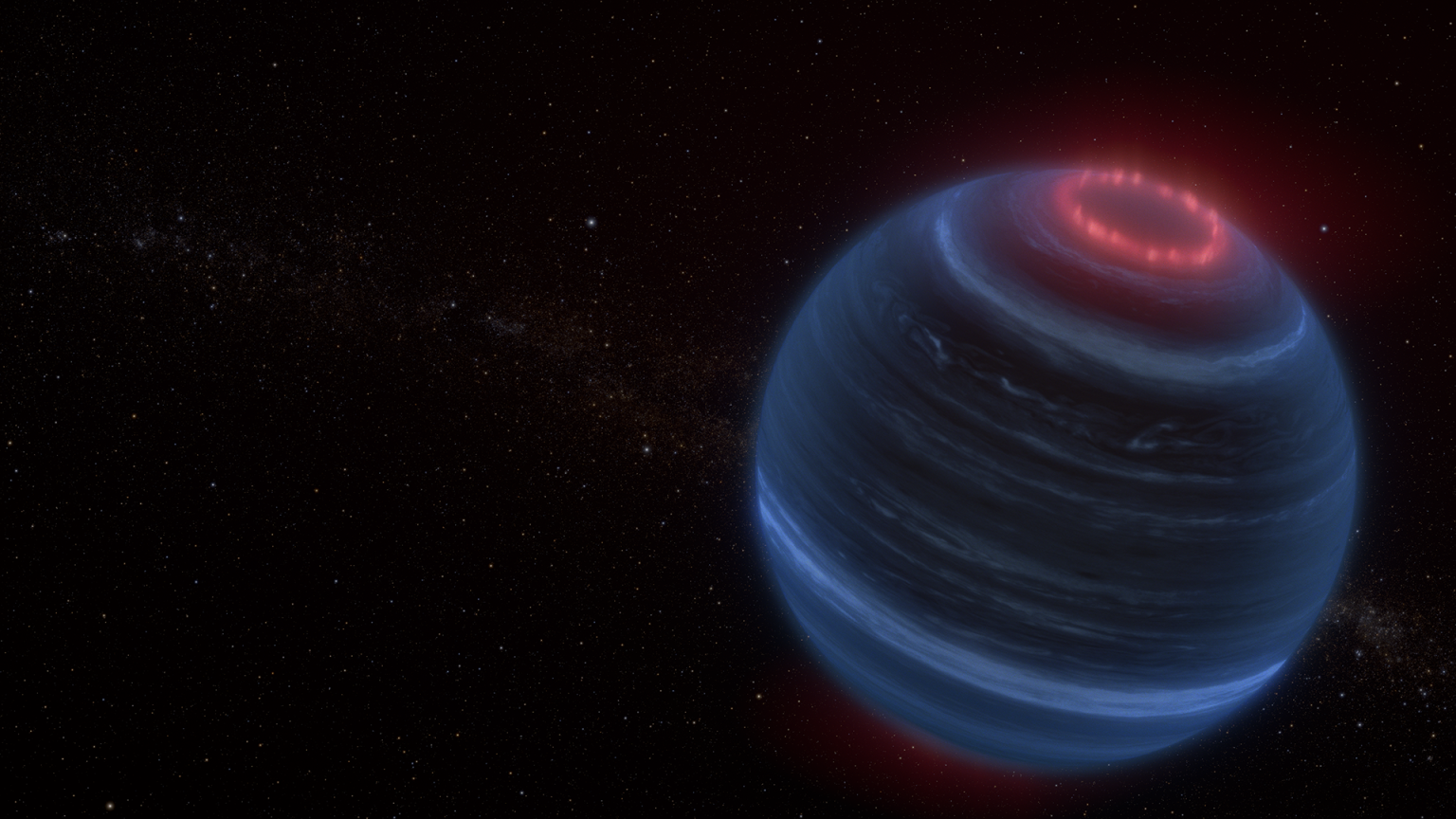
Artist’s concept portrays the brown dwarf W1935.

Credits:
NASA, ESA, CSA, and L. Hustak (STScI)

Infrared emission from methane suggests atmospheric heating by auroral processes.

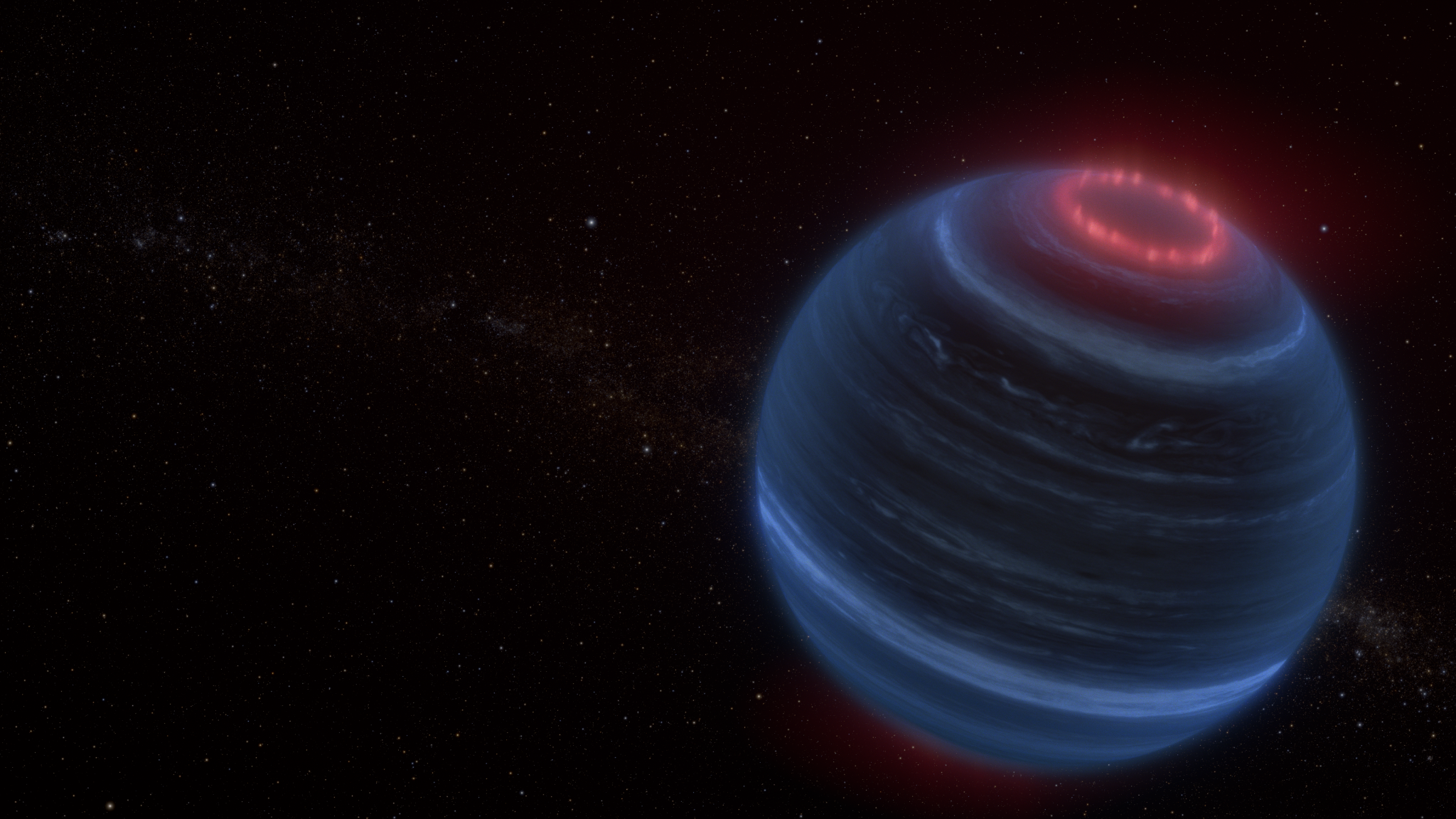
Astronomers using NASA’s James Webb Space Telescope have found a brown dwarf (an object more massive than Jupiter but smaller than a star) with infrared emission from methane, likely due to energy in its upper atmosphere. This is an unexpected discovery because the brown dwarf, W1935, is cold and lacks a host star; therefore, there is no obvious source for the upper atmosphere energy. The team speculates that the methane emission may be due to processes generating aurorae.

These findings are being presented at the 243rd meeting of the American Astronomical Society in New Orleans.

To help explain the mystery of the infrared emission from methane, the team turned to our solar system. Methane in emission is a common feature in gas giants like Jupiter and Saturn. The upper-atmosphere heating that powers this emission is linked to aurorae.

Image: Artist Concept Brown Dwarf W1935

An artist concept portrays a round, dark blue, gaseous object on a black, star-filled background.
This artist concept portrays the brown dwarf W1935, which is located 47 light-years from Earth. Astronomers using NASA’s James Webb Space Telescope found infrared emission from methane coming from W1935. This is an unexpected discovery because the brown dwarf is cold and lacks a host star; therefore, there is no obvious source of energy to heat its upper atmosphere and make the methane glow. The team speculates that the methane emission may be due to processes generating aurorae, shown here in red.
NASA, ESA, CSA, and L. Hustak (STScI)

On Earth, aurorae are created when energetic particles blown into space from the Sun are captured by Earth’s magnetic field. They cascade down into our atmosphere along magnetic field lines near Earth’s poles, colliding with gas molecules and creating eerie, dancing curtains of light. Jupiter and Saturn have similar auroral processes that involve interacting with the solar wind, but they also get auroral contributions from nearby active moons like Io (for Jupiter) and Enceladus (for Saturn).

For isolated brown dwarfs like W1935, the absence of a stellar wind to contribute to the auroral process and explain the extra energy in the upper atmosphere required for the methane emission is a mystery. The team surmises that either unaccounted internal processes like the atmospheric phenomena of Jupiter and Saturn, or external interactions with either interstellar plasma or a nearby active moon, may help account for the emission.

A Detective Story

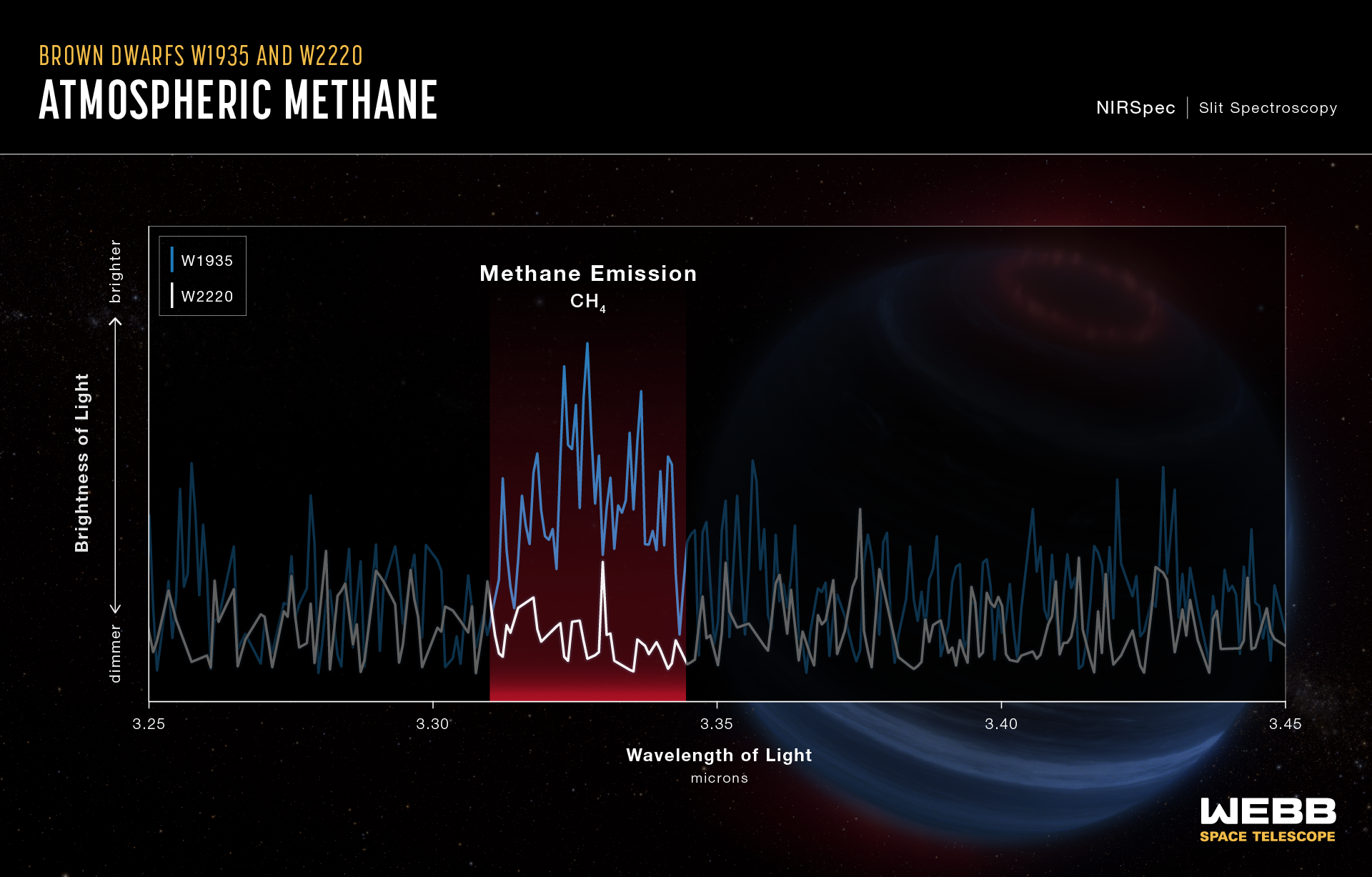
The aurorae’s discovery played out like a detective story. A team led by Jackie Faherty, an astronomer at the American Museum of Natural History in New York, was awarded time with the Webb telescope to investigate 12 cold brown dwarfs. Among those were W1935 – an object that was discovered by citizen scientist Dan Caselden, who worked with the Backyard Worlds zooniverse project – and W2220, an object that was discovered using NASA’s Wide Field Infrared Survey Explorer. Webb revealed in exquisite detail that W1935 and W2220 appeared to be near clones of each other in composition. They also shared similar brightness, temperatures, and spectral features of water, ammonia, carbon monoxide, and carbon dioxide. The striking exception was that W1935 showed emission from methane, as opposed to the anticipated absorption feature that was observed toward W2220. This was seen at a distinct infrared wavelength to which Webb is uniquely sensitive.

“We expected to see methane because methane is all over these brown dwarfs. But instead of absorbing light, we saw just the opposite: The methane was glowing. My first thought was, what the heck? Why is methane emission coming out of this object?” said Faherty.

The team used computer models to infer what might be behind the emission. The modeling work showed that W2220 had an expected distribution of energy throughout the atmosphere, getting cooler with increasing altitude. W1935, on the other hand, had a surprising result. The best model favored a temperature inversion, where the atmosphere got warmer with increasing altitude.  “This temperature inversion is really puzzling,” said Ben Burningham, a co-author from the University of Hertfordshire in England and lead modeler on the work. “We have seen this kind of phenomenon in planets with a nearby star that can heat the stratosphere, but seeing it in an object with no obvious external heat source is wild.”  

Image: Spectra W1935 vs W2220

A graphic titled “Brown Dwarfs W1935 and W2220, Atmospheric Methane, NIRSpec Slit Spectroscopy.
Astronomers used NASA’s James Webb Space Telescope to study 12 cold brown dwarfs. Two of them – W1935 and W2220 – appeared to be near twins of each other in composition, brightness, and temperature. However, W1935 showed emission from methane, as opposed to the anticipated absorption feature that was observed toward W2220. The team speculates that the methane emission may be due to processes generating aurorae.
NASA, ESA, CSA, and L. Hustak (STScI)

Clues from our Solar System

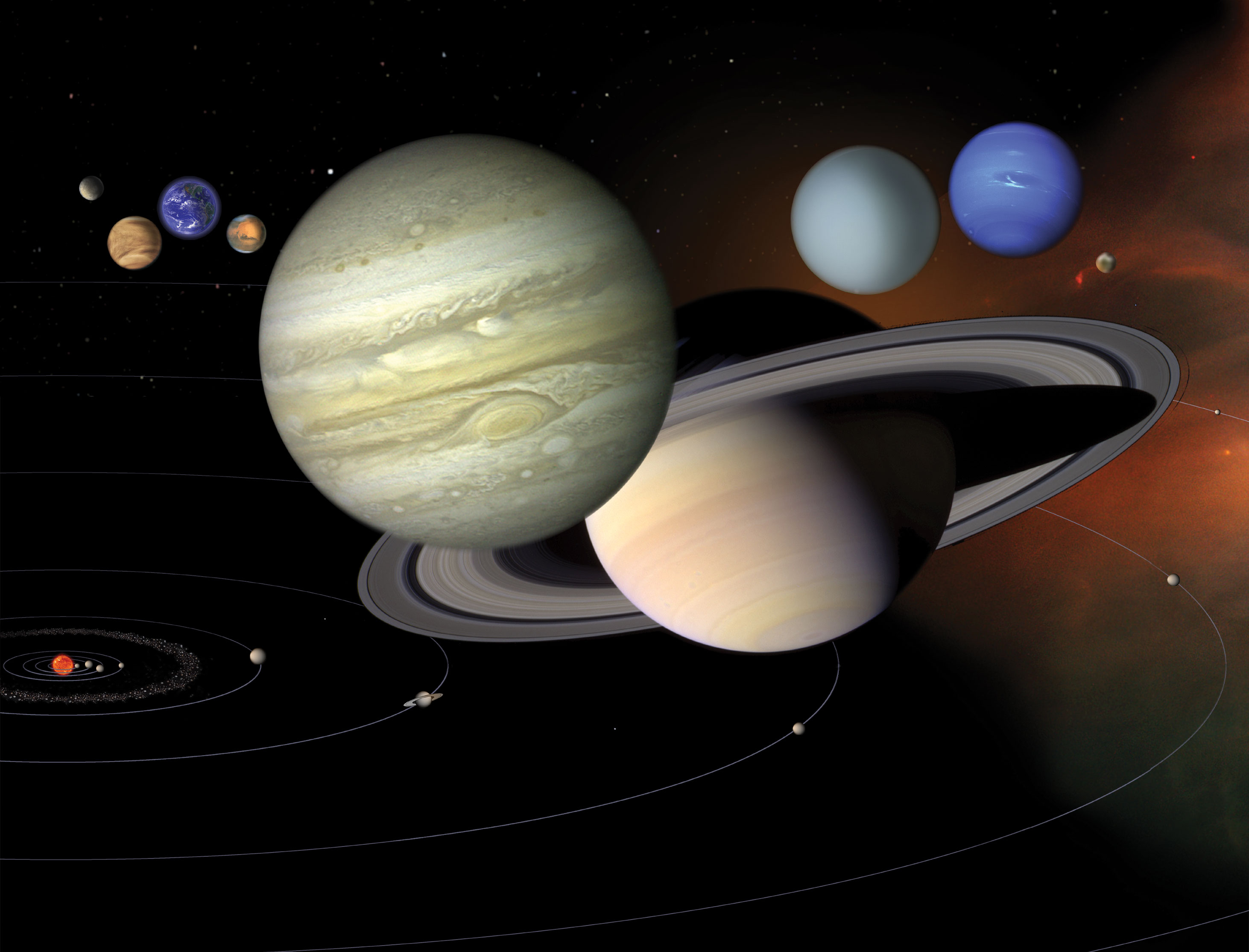
For clues, the team looked in our own backyard, to the planets of our solar system. The gas giant planets can serve as proxies for what is seen going on more than 40 light-years away in the atmosphere of W1935.

The team realized that temperature inversions are prominent in planets like Jupiter and Saturn. There is still ongoing work to understand the causes of their stratospheric heating, but leading theories for the solar system involve external heating by aurorae and internal energy transport from deeper in the atmosphere (with the former a leading explanation).

Brown Dwarf Aurora Candidates in Context

This is not the first time an aurora has been used to explain a brown dwarf observation. Astronomers have detected radio emission coming from several warmer brown dwarfs and invoked aurorae as the most likely explanation. Searches were conducted with ground-based telescopes like the Keck Observatory for infrared signatures from these radio-emitting brown dwarfs to further characterize the phenomenon, but were inconclusive.

W1935 is the first auroral candidate outside the solar system with the signature of methane emission. It’s also the coldest auroral candidate outside our solar system, with an effective temperature of about 400 degrees Fahrenheit (200 degrees Celsius), about 600 degrees Fahrenheit warmer than Jupiter.

In our solar system the solar wind is a primary contributor to auroral processes, with active moons like Io and Enceladus playing a role for planets like Jupiter and Saturn, respectively. W1935 lacks a companion star entirely, so a stellar wind cannot contribute to the phenomenon. It is yet to be seen whether an active moon might play a role in the methane emission on W1935. 

“With W1935, we now have a spectacular extension of a solar system phenomenon without any stellar irradiation to help in the explanation.” Faherty noted. “With Webb, we can really ‘open the hood’ on the chemistry and unpack how similar or different the auroral process may be beyond our solar system,” she added.

The James Webb Space Telescope is the world’s premier space science observatory. Webb is solving mysteries in our solar system, looking beyond to distant worlds around other stars, and probing the mysterious structures and origins of our universe and our place in it. Webb is an international program led by NASA with its partners, ESA (European Space Agency) and the Canadian Space Agency.

Want to help discover a new world?

Want to help discover a new world? Join the Backyard Worlds: Planet 9 citizen science project and search the realm beyond Neptune for new brown dwarfs and planets. Or try NASA’s new Burst Chaser citizen science project, which launched Jan. 9.

Downloads

Download full resolution images for this article from the Space Telescope Science Institute.

Right click the images in this article to open a larger version in a new tab/window.

Media Contacts

Laura Betz – laura.e.betz@nasa.gov, Rob Gutro– rob.gutro@nasa.gov
NASA’s  Goddard Space Flight Center, , Greenbelt, Md.

Christine Pulliam – cpulliam@stsci.edu
Space Telescope Science Institute, Baltimore, Md.

Related Information

Brown Dwarfs

More Webb News – https://science.nasa.gov/mission/webb/latestnews/

More Webb Images – https://science.nasa.gov/mission/webb/multimedia/images/

Webb Mission Page – https://science.nasa.gov/mission/webb/

Related For Kids

What is the Webb Telescope?

SpacePlace for Kids

En Español

Ciencia de la NASA

NASA en español 

Space Place para niños

Powered by WPeMatico

Get The Details…
Steve Sabia

Be a Burst Chaser and Witness the Most Powerful Explosions in the Universe!

Be a Burst Chaser and Witness the Most Powerful Explosions in the Universe!

2 min read

Be a Burst Chaser and Witness the Most Powerful Explosions in the Universe!

Text overlaying a hazy purple image of the
The Burst Chaser Project was launched today at the American Astronomical Society meeting in New Orleans, Louisiana.
Credit: NASA Goddard Space Flight Center/Zooniverse

Yes, the universe IS talking to you! Gamma-ray bursts, massive explosions visible from everywhere in the observable universe, are telling us something about how stars end their lives and how massive black holes form. Now astronomers are asking you join the Burst Chaser project to read the signals from these bursts and decode what the universe is saying. 

NASA’s Neil Gehrels SWIFT observatory regularly detects pulses of gamma rays, a very energetic form of light, coming from billions of light years away. At Burst Chaser, you’ll examine plots that show how much gamma ray energy arrived at this space telescope as a function of time and classify their shapes—the pulse shapes. 

Gamma-ray bursts are known to be mostly connected to supernovae or the mergers of neutron stars and black holes, but exactly how these events produce pulses with such a variety of characteristics remains a mystery. “We need your help to classify these pulses for more clues of what they really are!” said Professor Amy Lien from the University of Tampa, the project’s Principal Investigator.  

Besides professional astronomers like Lien, the project’s science team includes three undergraduate students from the University of Tampa: Katherine Kurilov, Carter Murawski, and Sebastian Reisch. Several NASA volunteers also helped design the project: Sovan Acharya, Eduardo Antonini, Sumit Banerjee, Marco Zaccaria Di Fraia, Jonathan Holden, Vikrant Kurmude, Hugo Durantini Luca, Orleo Marinaro, John Yablonsky, and U.S. military veteran, Danny Roylance, interviewed here. The project platform is hosted by Zooniverse, a NASA Partner.

You can join this amazing collaboration, too. Go to https://www.zooniverse.org/projects/amylien/burst-chaser to help produce the first pulse structure catalog and unveil the mysterious origins of gamma-ray bursts!

Share

Details

Last Updated
Jan 08, 2024

Powered by WPeMatico

Get The Details…