NASA Remembers Retired Astronaut, US Air Force Pilot Joe Engle

NASA Remembers Retired Astronaut, US Air Force Pilot Joe Engle

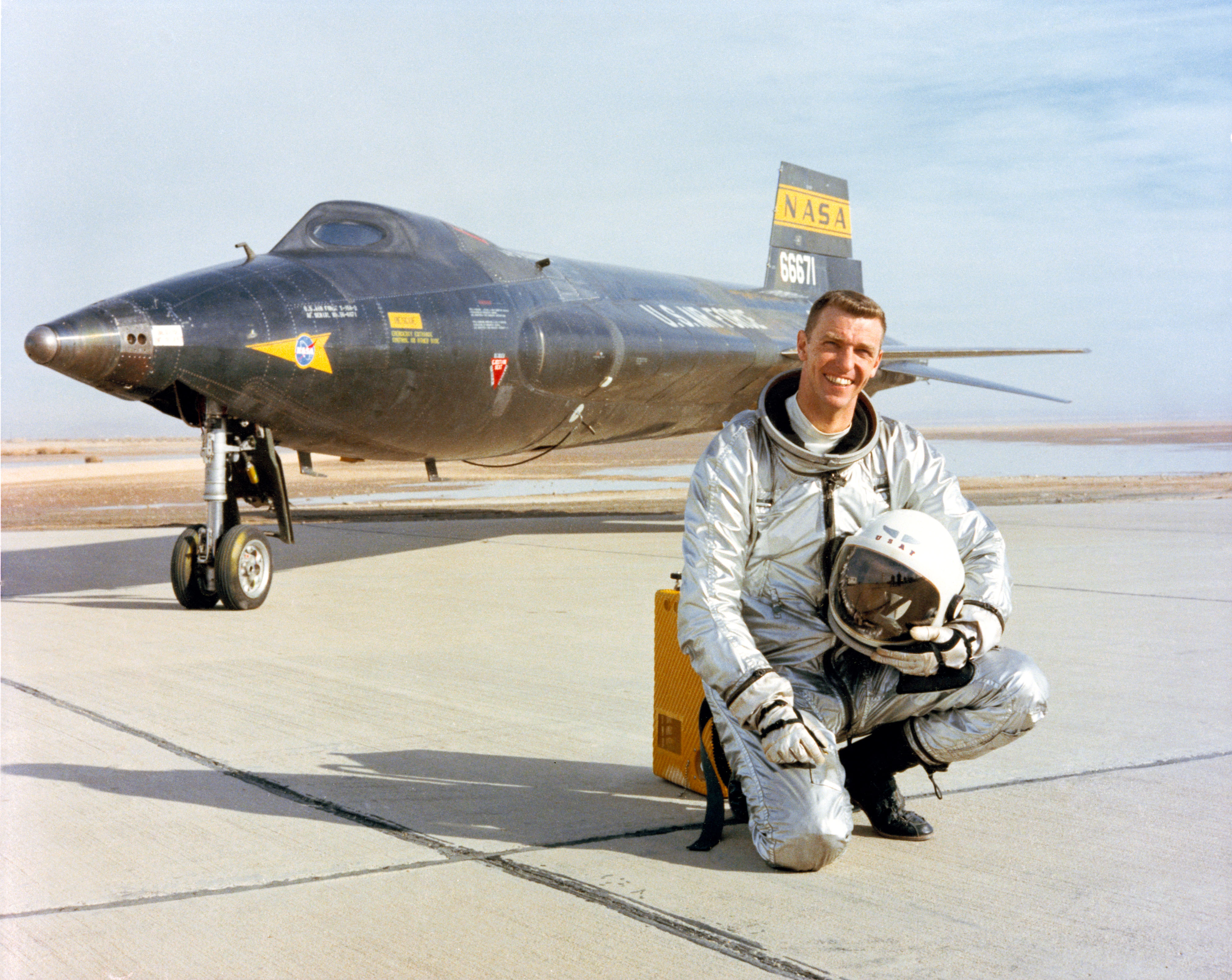
Portrait of retired NASA astronaut Joe Engle wearing flight suit in front of an X-15 fighter circa 1963.

Retired NASA astronaut and U.S. Air Force Maj. Gen. Joe Engle died July 10, surrounded by his family at home in Houston. Among his many honors, he is the only astronaut to pilot both the X-15 and space shuttle. He was 91.

Engle became an astronaut at age 32 while flying the X-15 for the U.S. Air Force, becoming the youngest pilot ever to qualify as an astronaut. When selected as a NASA astronaut candidate in 1966, he was the only person selected that was already engaged in spaceflight operations. He was the last surviving X-15 pilot.

“A natural pilot, Gen. Joe Engle helped humanity’s dreams take flight – in the X-15 program, the Apollo Program, and as one of the first commanders in the Space Shuttle Program,” said NASA Administrator Bill Nelson. “He was one of the first astronauts I met at NASA’s Johnson Space Center in Houston. I’ll never forget his big smile, his warmth, and his courage. We all will miss him.” 

Engle was born in Dickinson County, Kansas, and attended the University of Kansas, Lawrence, where he graduated with a degree in Aeronautical Engineering in 1955. He received his commission through the Air Force Reserve Officers Training Course, earning his pilot wings in 1958.

As a NASA astronaut, he supported the Apollo Program, and was backup lunar module pilot for Apollo 14. In 1977, he served as commander of the space shuttle Enterprise, which used a modified Boeing 747 shuttle carrier aircraft to release Enterprise for approach and landing tests. In November 1981, he commanded the second flight of the space shuttle Columbia. He was the first and only pilot to manually fly an aerospace vehicle from Mach 25 to landing. He accumulated the last of his 224 hours in space when he commanded the space shuttle Discovery in August 1985, one of the most challenging shuttle missions ever. On that mission the crew deployed three commercial satellites and retrieved, repaired, and redeployed another malfunctioning satellite that had been launched on a previous shuttle mission.

“As we mourn the immense loss of Joe, we’re thankful for his notable contributions to the advancement of human spaceflight,” said Vanessa Wyche, center director, NASA Johnson. “Joe’s accomplishments and legacy of perseverance will continue to inspire and impact generations of explorers for years to come.” 

Engle flew more than 180 different aircraft types and logged more than 14,000 flight hours. His military decorations include the Department of Defense Distinguished Service Medal, U.S. Air Force Distinguished Service Medal, and the Air Force Distinguished Flying Cross with Oak Leaf Cluster. He has received the NASA Distinguished Service Medal and Space Flight Medal, as well as the Harmon International Aviation Trophy, the Collier Trophy, the Goddard Space Trophy, the Gen.

Thomas D. White Space Trophy, and the Kinchelow Experimental Test Pilot’s Trophy. In 1992, he was inducted into the Aerospace Walk of Honor.

“Joe Henry was a loving husband, father, and grandfather. Blessed with natural piloting skills, General Joe, as he was known to many, was at his happiest in any cockpit. Always with a smile, he lived a fulfilled life as a proud American, U.S. Air Force pilot, astronaut, and Kansas Jayhawk,” said his wife, Jeanie Engle. “His passing leaves a tremendous loss in our hearts. We take comfort that he has joined Tom Stafford and George Abbey, two of the best friends anyone could ask for.”

Learn more about Engle’s life as an astronaut and pilot:

https://www.nasa.gov/aeronautics/the-x-15-the-pilot-and-the-space-shuttle/

-end-

Faith McKie / Cheryl Warner
Headquarters, Washington
202-358-1600
faith.d.mckie@nasa.gov / cheryl.m.warner@nasa.gov

Chelsey Ballarte / Courtney Beasley
Johnson Space Center, Houston
281-483-5111
chelsey.n.ballarte@nasa.gov / courtney.m.beasley@nasa.gov  

Powered by WPeMatico

Get The Details…
Abbey A. Donaldson

45 Years Ago: Skylab Reenters Earth’s Atmosphere

45 Years Ago: Skylab Reenters Earth’s Atmosphere

A few days before they left Skylab on Feb. 8, 1974, the final crew to occupy the station raised its altitude, hoping to keep it in orbit until a future space shuttle could revisit it. But higher than predicted solar activity caused the Earth’s atmosphere to expand, increasing drag on the large vehicle, causing its orbit to decay faster than expected. In 1978, controllers reactivated the station and changed its attitude, hoping to keep it in orbit as long as possible by reducing atmospheric drag. In the meantime, delays in the space shuttle’s development eventually made it impossible for a shuttle to revisit Skylab before it reentered the Earth’s atmosphere. On July 11, 1979, Skylab reentered, with debris landing over the Indian Ocean and Australia. Lessons learned from deorbiting large spacecraft like Skylab and others will inform the eventual deorbiting of the International Space Station.
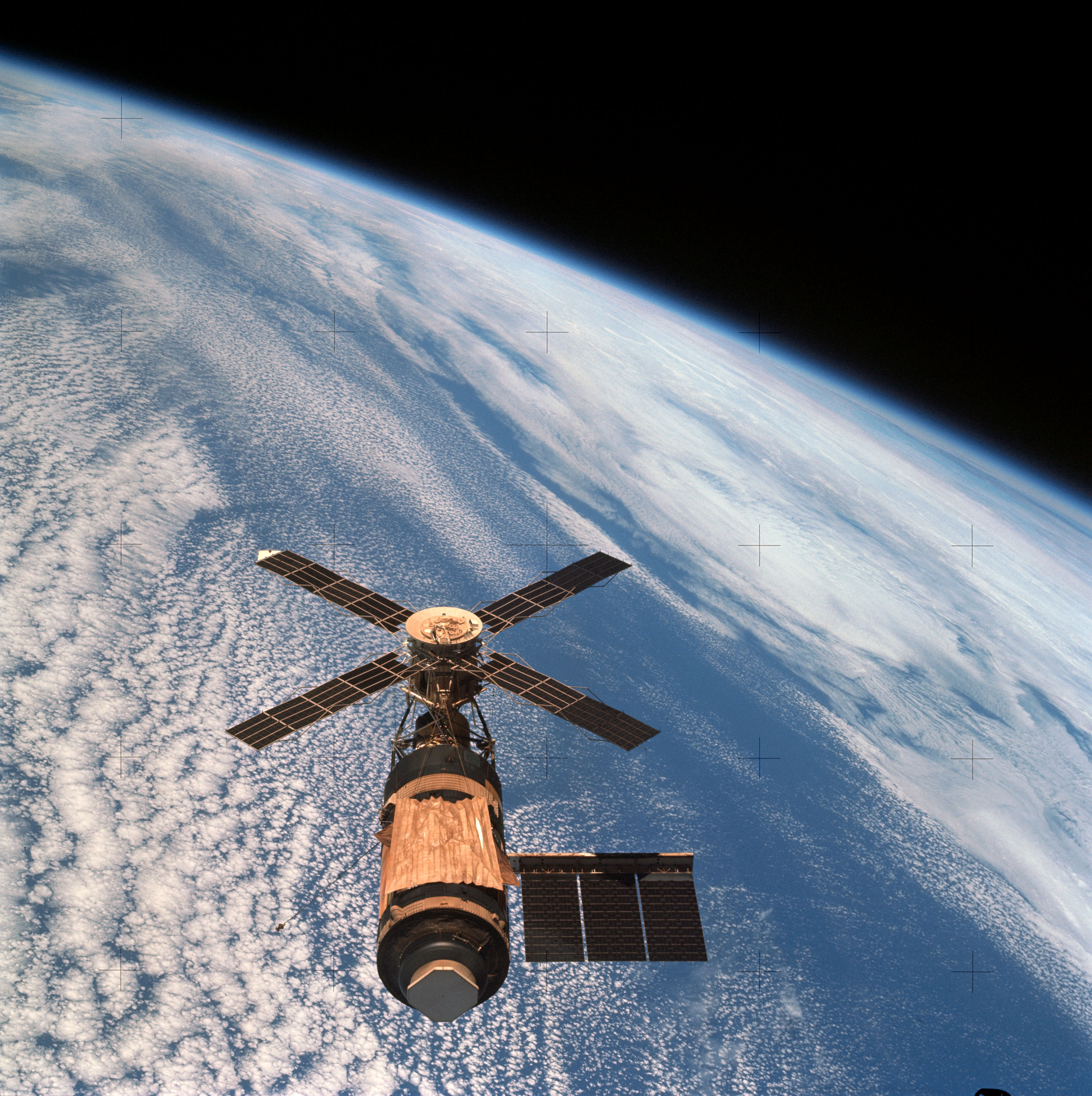
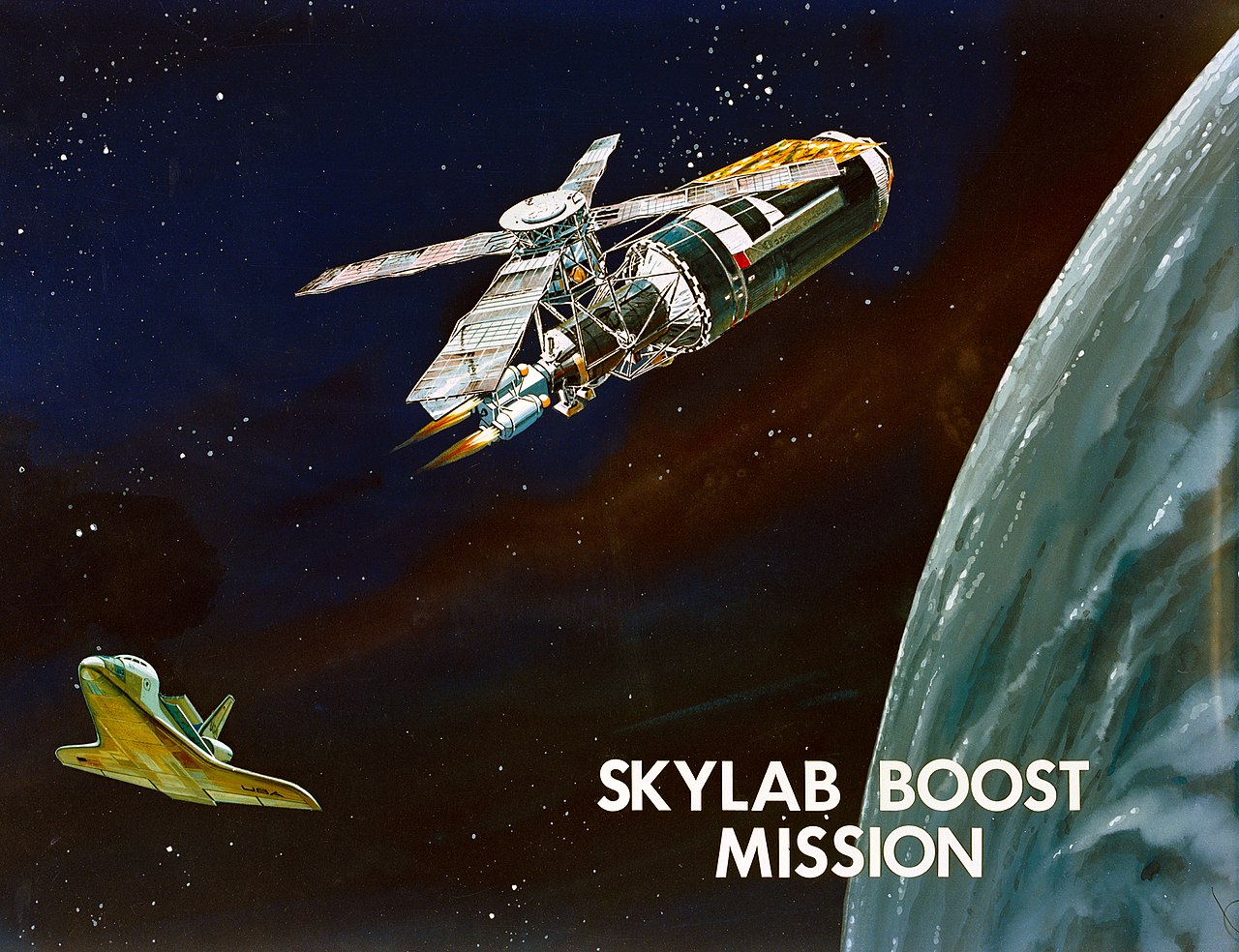
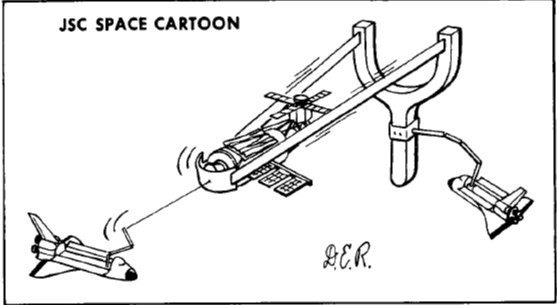
Skylab as it appeared to the final crew upon its departure Illustration of a proposed Skylab boost mission by the space shuttle A more whimsical depiction of the Skylab reboost by the space shuttle, as drawn by a cartoonist at NASA’s Johnson Space Center in Houston
Left: Skylab as it appeared to the final crew upon its departure. Middle: Illustration of a proposed Skylab boost mission by the space shuttle. Right: A more whimsical depiction of the Skylab reboost by the space shuttle, as drawn by a cartoonist at NASA’s Johnson Space Center in Houston.

When the Skylab 4 astronauts departed the station on Feb. 8, 1974, they left it in a 269-by-283-mile orbit. Just one day after the crew left the station, operators in the Mission Control Center at NASA’s Johnson Space Center in Houston ran a few final systems checks, oriented Skylab in a gravity-gradient attitude – meaning the heavier workshop faced the Earth – vented its atmosphere, and turned off its power. In this attitude, and based on predictions of the Sun’s activity in the upcoming solar cycle that would increase atmospheric drag and reduce Skylab’s altitude, scientists estimated that the station would remain in orbit until March 1983. However, the solar cycle intensified into the second most active one in a century and atmospheric perturbations shifted Skylab out of the gravity-gradient attitude, increasing its drag. By 1977, revised estimates projected Skylab’s reentry occurring as early as mid-1979. Although the space shuttle had yet to fly, NASA devised a plan for astronauts on one of its early missions to attach a rocket stage to Skylab and use it to either boost the station into a higher storage orbit or deorbit it in a controlled fashion into the Pacific Ocean. At 169,000 pounds, Skylab represented the heaviest spacecraft to reenter up to that time, and engineers believed that some of its components would survive the entry. Keeping the debris away from populated areas remained a priority.
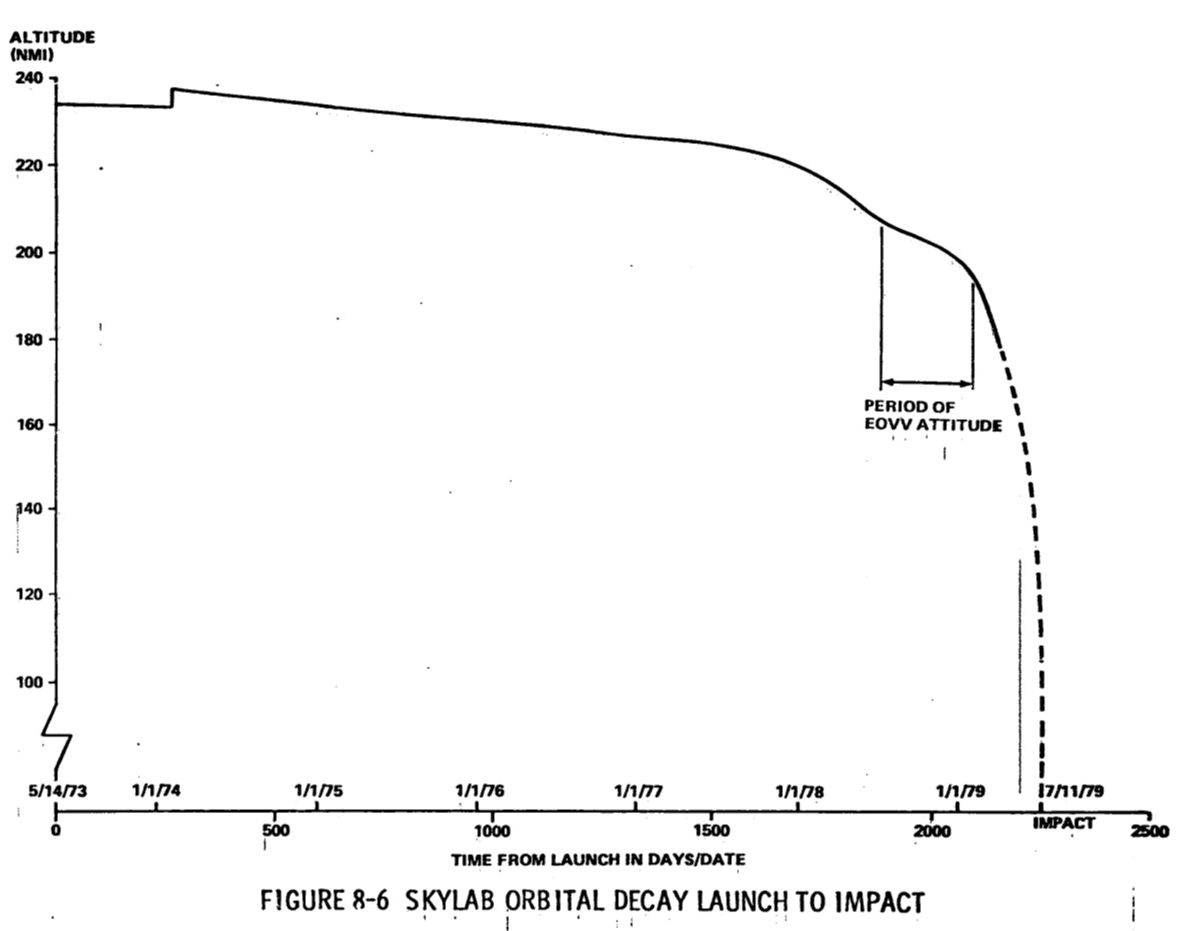
Plot of Skylab’s altitude from launch until reentry Illustration of the five ground stations used during the reactivation and tracking of Skylab
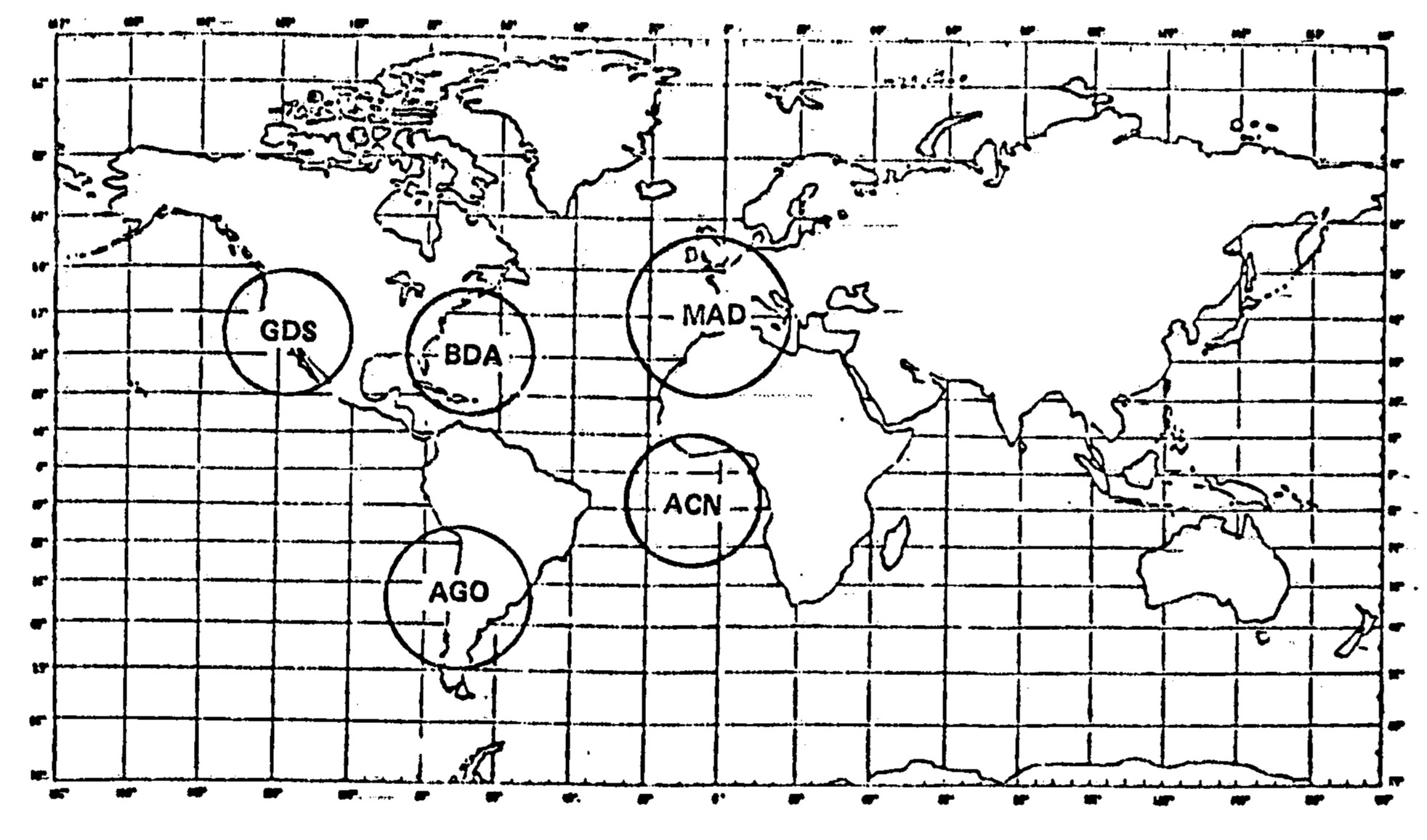
Left: Plot of Skylab’s altitude from launch until reentry. Right: Illustration of the five ground stations used during the reactivation and tracking of Skylab.

To ensure that Skylab stayed aloft long enough for this shuttle mission to reach it, NASA needed to reactivate it. Because Skylab had no ability to reboost itself, its rate of decay could only be slightly controlled by changing the station’s attitude. Between March and June 1978, using the limited communications afforded by five ground stations, a small team of controllers methodically reactivated Skylab after a more than four-year passive period. Remarkably, the station’s systems, including its all-important batteries, had survived the intervening period in good condition. When controllers fully reactivated Skylab on June 11, 1978, its altitude had decreased to 250 miles, and to prolong its life NASA decided to keep the station activated to control its attitude. Using its Thruster Attitude Control System, operators commanded Skylab into an End On Velocity Vector (EOVV) minimum drag attitude, with its forward end pointing in the direction of flight. Skylab remained in the EOVV attitude until Jan. 25, 1979, and engineers estimated that this extended the station’s orbital life by 3.5 months. By late 1978, with slips in the shuttle schedule, saving Skylab seemed no longer feasible. In a Dec. 19, 1978, press conference, NASA’s Associate Administrator for Space Transportation Systems John F. Yardley announced the cancellation of the shuttle reboost mission and the end of efforts to control Skylab’s attitude. Yardley emphasized the low likelihood of an uncontrolled Skylab reentry resulting in debris hitting populated areas, citing the example of the spent second stage of the Saturn V rocket that launched Skylab. That empty stage, larger in size although at 83,000 pounds less massive than Skylab, reentered out of control on Jan. 11, 1975, falling harmlessly into the Atlantic Ocean, about 1,000 miles west of Gibraltar.


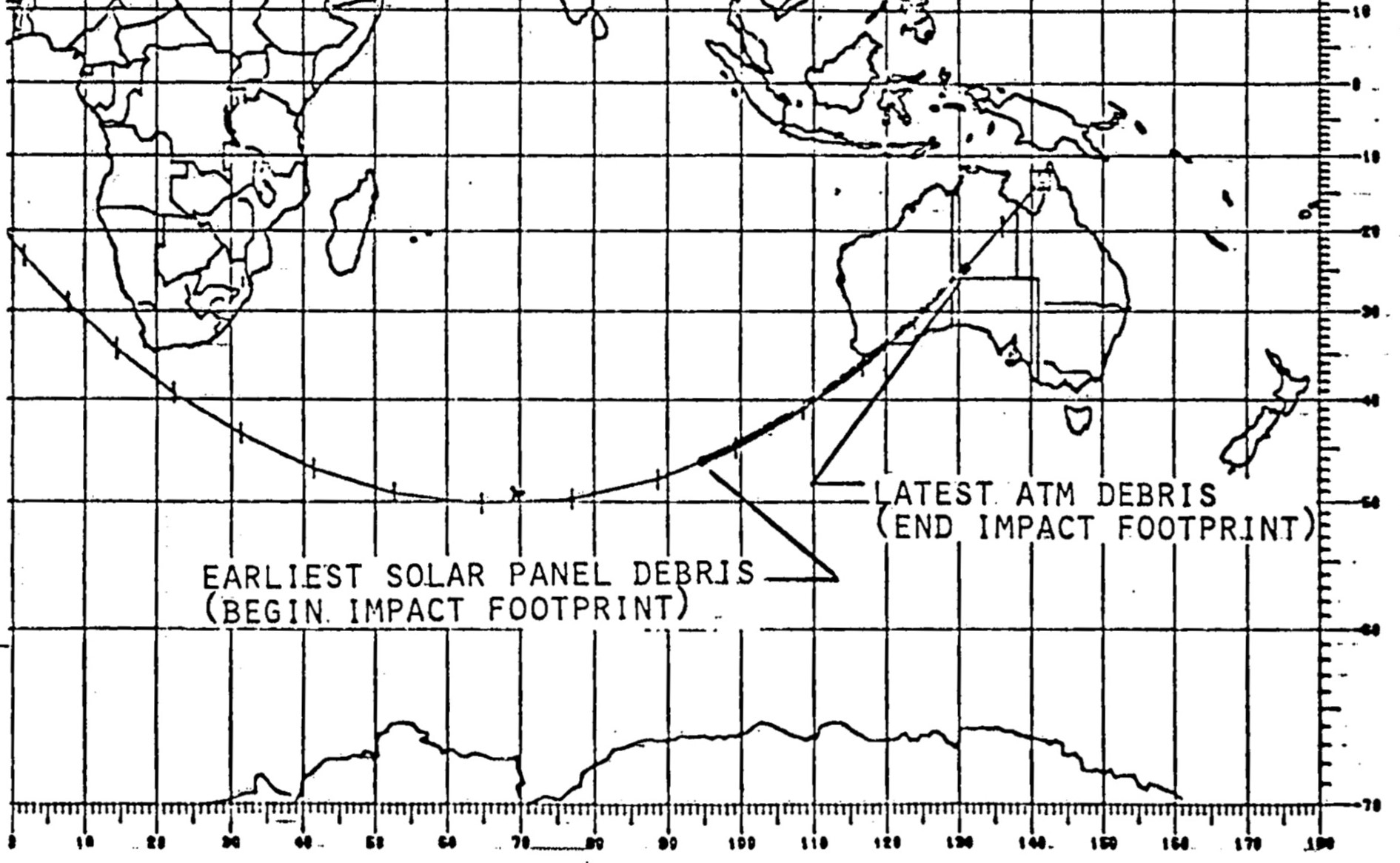
Illustration of Skylab in the End On Velocity Vector minimum drag attitude Cartoon of “Skylab is falling” fever Ground track of Skylab’s final orbit and the debris footprint in the Indian Ocean and Australia
Left: Illustration of Skylab in the End On Velocity Vector minimum drag attitude. Middle: Cartoon of “Skylab is falling” fever. Image credit: courtesy Chicago Tribune. Right: Ground track of Skylab’s final orbit and the debris footprint in the Indian Ocean and Australia.

On Jan. 25, 1979, controllers maneuvered Skylab from EOVV to solar inertial attitude, the orientation it maintained during its operational life, to ensure its solar arrays remained pointed at the Sun to keep the station’s batteries charged. Studies indicated that as Skylab descended below 161 miles, aerodynamic torques would make it difficult to maintain the solar inertial attitude. On June 20, with Skylab at 163 miles, controllers commanded it into a high-drag Torque Equilibrium Attitude (TEA). This gave controllers the ability to select the best orbit to execute the final reentry, one that overflew mostly water to minimize any potential harm to people and property. Orbit 34,981 on July 11 met those criteria. On that orbit, after Skylab passed over North America, it flew southeast over the Atlantic Ocean, round the southern tip of Africa, then northeast across the Indian Ocean before passing over the next major landmass, mainly sparsely populated areas of Australia. On the planned day of reentry, controllers commanded Skylab into a slow tumble at an altitude of 93 miles to better aim the entry point to the east of the southern tip of Africa, causing the breakup over the Indian Ocean. After this point, the ground no longer controlled the station. With a debris footprint possibly 3,500 miles long, some debris landing in Australia remained a possibility.
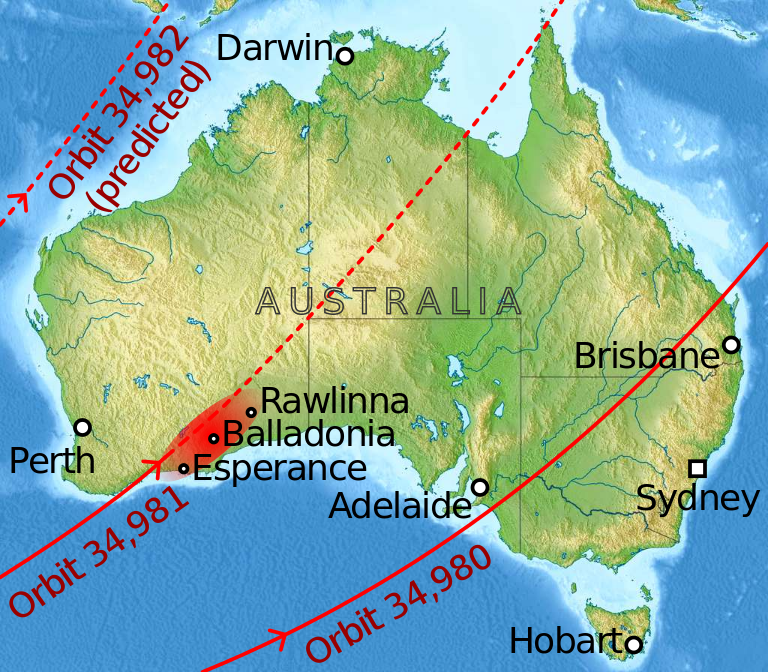
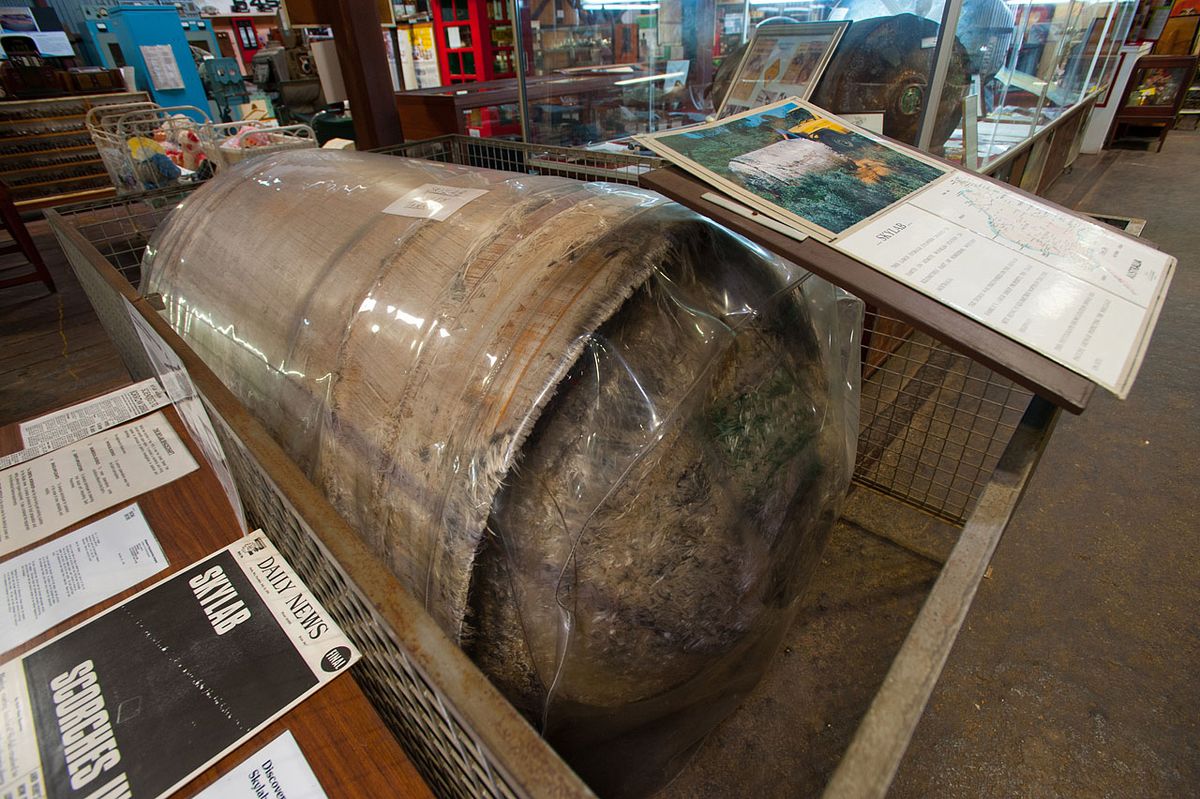
Skylab’s entry path over Western Australia, showing sites that recovered debris from the station The museum in Esperance, Western Australia, displays an oxygen tank and a titanium tank from Skylab The museum in Esperance, Western Australia, displays an oxygen tank and a titanium tank from Skylab
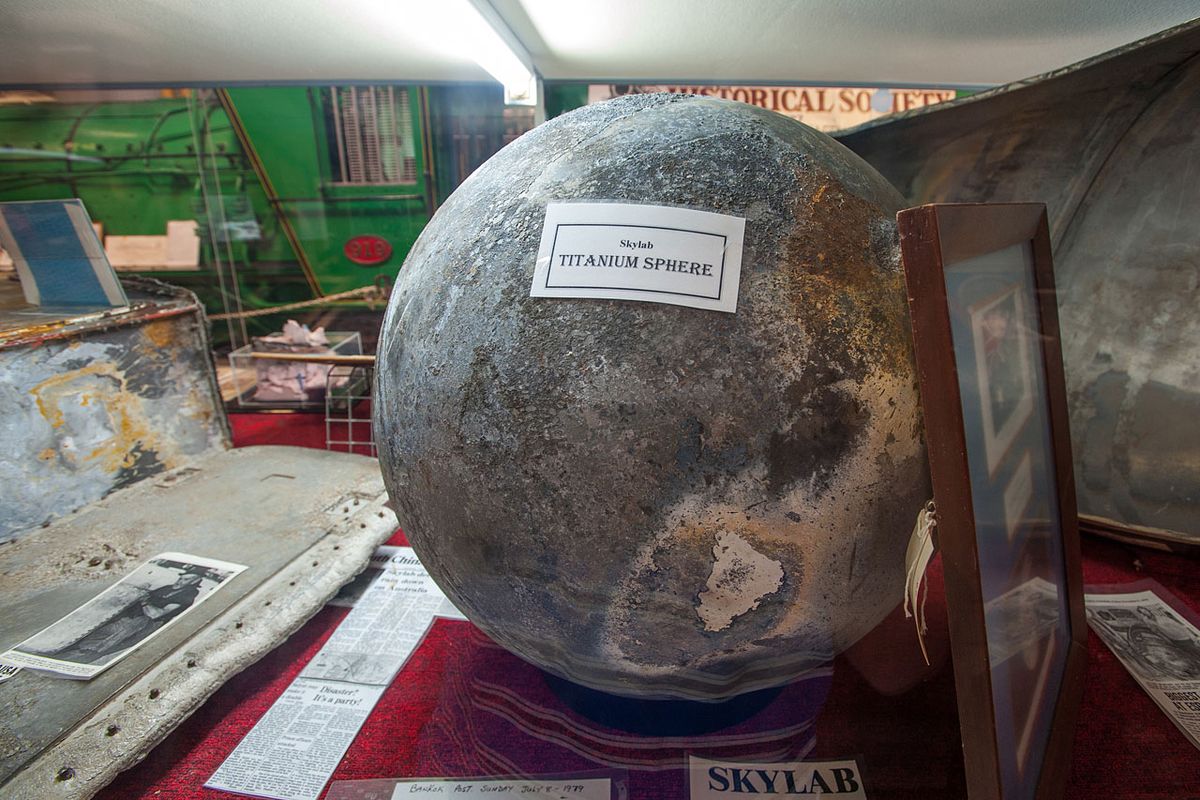
Left: Skylab’s entry path over Western Australia, showing sites that recovered debris from the station. Middle and right: The museum in Esperance, Western Australia, displays an oxygen tank and a titanium tank from Skylab. Image credits: courtesy Ben Cooper.

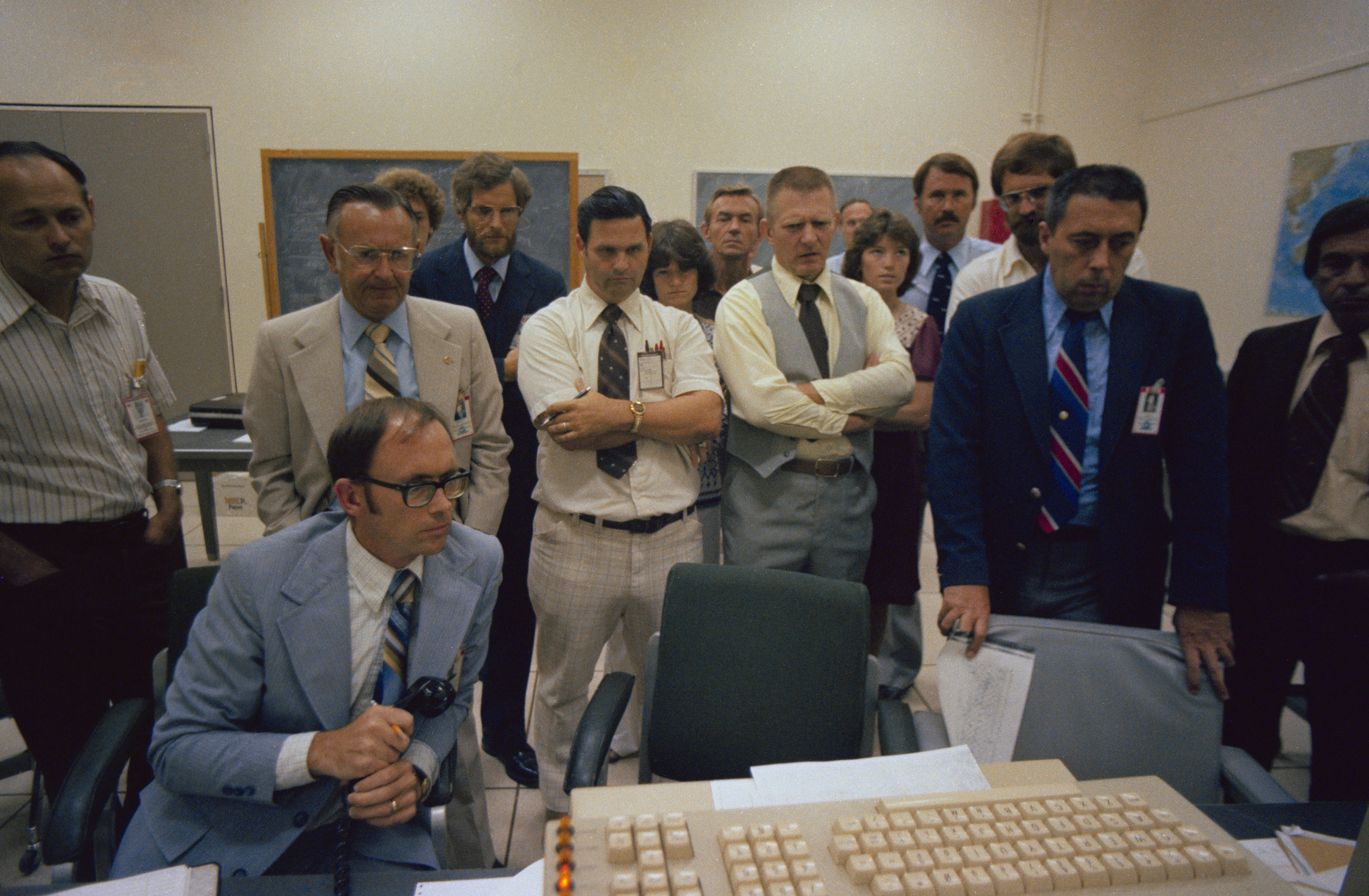
Operators in Mission Control at NASA’s Johnson Space Center in Houston during the Skylab reentry Managers and flight controllers monitor Skylab’s reentry
Left: Operators in Mission Control at NASA’s Johnson Space Center in Houston during the Skylab reentry. Right: Managers and flight controllers monitor Skylab’s reentry.

Tracking at the Bermuda station indicated Skylab’s large solar array still attached to the workshop. Controllers at Ascension Island in the South Atlantic made contact with Skylab as it flew 66 miles overhead, its large solar array beginning to detach from the workshop, itself already heating from the reentry. Once the disintegrating station passed out of range of Ascension, it continued its reentry unmonitored. Skylab finally broke apart at an altitude of 10 miles, slightly lower than expected, moving the impact footprint further east than planned. Pieces of Skylab falling on Western Australia created sonic booms heard by the inhabitants of the few towns in the Outback. The actual documented debris footprint stretched 2,450 miles. A museum in Esperance houses some of the recovered debris. Skylab Flight Director Charles S. Harlan said in a news conference after the event, “The surprise is over. No more suspense. Skylab is on the planet Earth.”
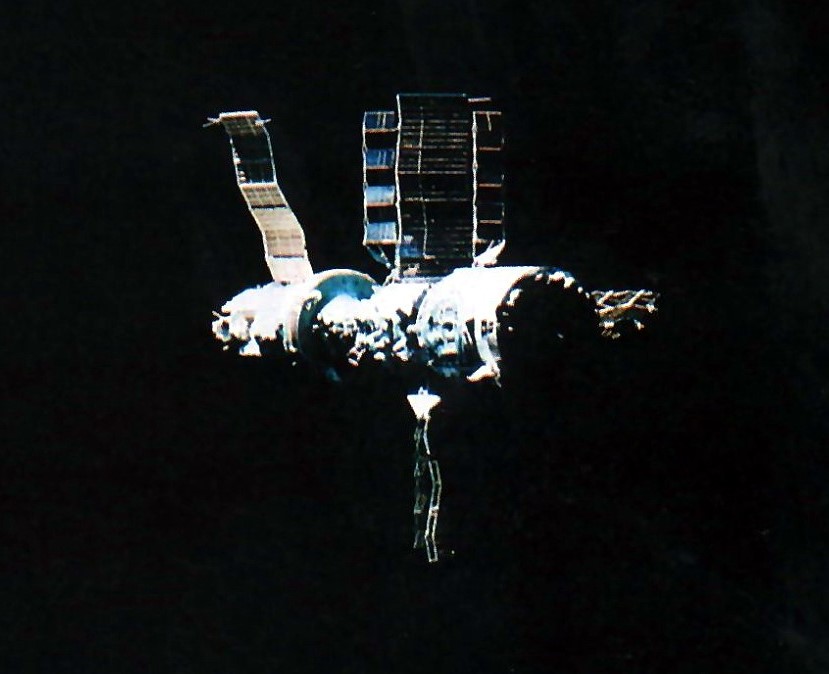
The Salyut 7-Kosmos 1686 complex photographed by the last departing crew Reentry trajectory of the Salyut 7-Kosmos 1686 complex A piece of Salyut 7 recovered in Argentina
Left: The Salyut 7-Kosmos 1686 complex photographed by the last departing crew. Middle: Reentry trajectory of the Salyut 7-Kosmos 1686 complex. Image credit: courtesy H. Klinkrad. Right: A piece of Salyut 7 recovered in Argentina. Image credit: courtesy Carlos Zelayeta.

In contrast to the partially controlled Skylab entry, the Salyut 7-Kosmos 1686 complex made an uncontrolled reentry over Argentina on Feb. 7, 1991. At 88,491 pounds, the complex had about half the mass of Skylab. Although controllers had sent all previous Salyut stations on controlled reentries into the Pacific Ocean, they lost communications with Salyut 7 more than two years before its reentry. A crew last occupied the Salyut 7-Kosmos 1686 complex in June 1986. In August 1986, engines on the Kosmos 1686 module raised the complex’s orbit by 84 miles to 295 miles, with an anticipated reentry in 1994. Like Skylab, controllers considered a possible retrieval of Salyut 7 by a Buran space shuttle before that program’s cancellation. The last communications with Salyut 7 occurred in December 1989. Again, like Skylab, higher than anticipated solar activity in the late 1980s accelerated its descent. The station initially entered a gravity gradient attitude with the heavier Kosmos 1686 facing the Earth, but that attitude degraded significantly as the station encountered denser atmosphere in January 1991. And although said to be uncontrollable, apparently on Feb. 5, ground teams commanded it into a head on attitude to reduce drag and direct entry to an orbit that overflew less populated areas. Fuel depletion did not allow completion of the maneuver and atmospheric drag torqued the vehicle away from this attitude. Although planned for reentry over the south Pacific Ocean, Salyut 7 overshot the target and came down over Argentina, with a few fragments recovered.
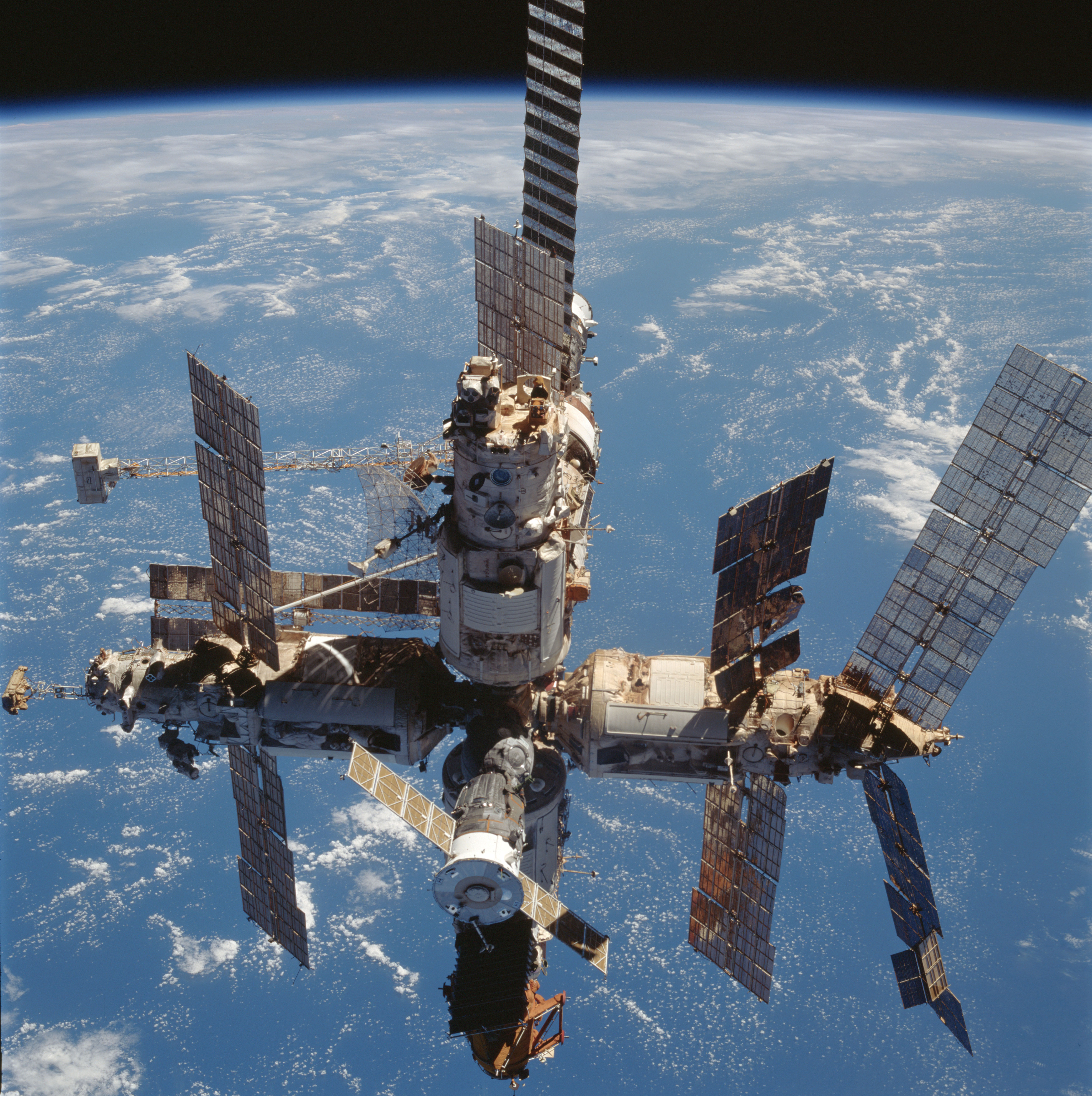
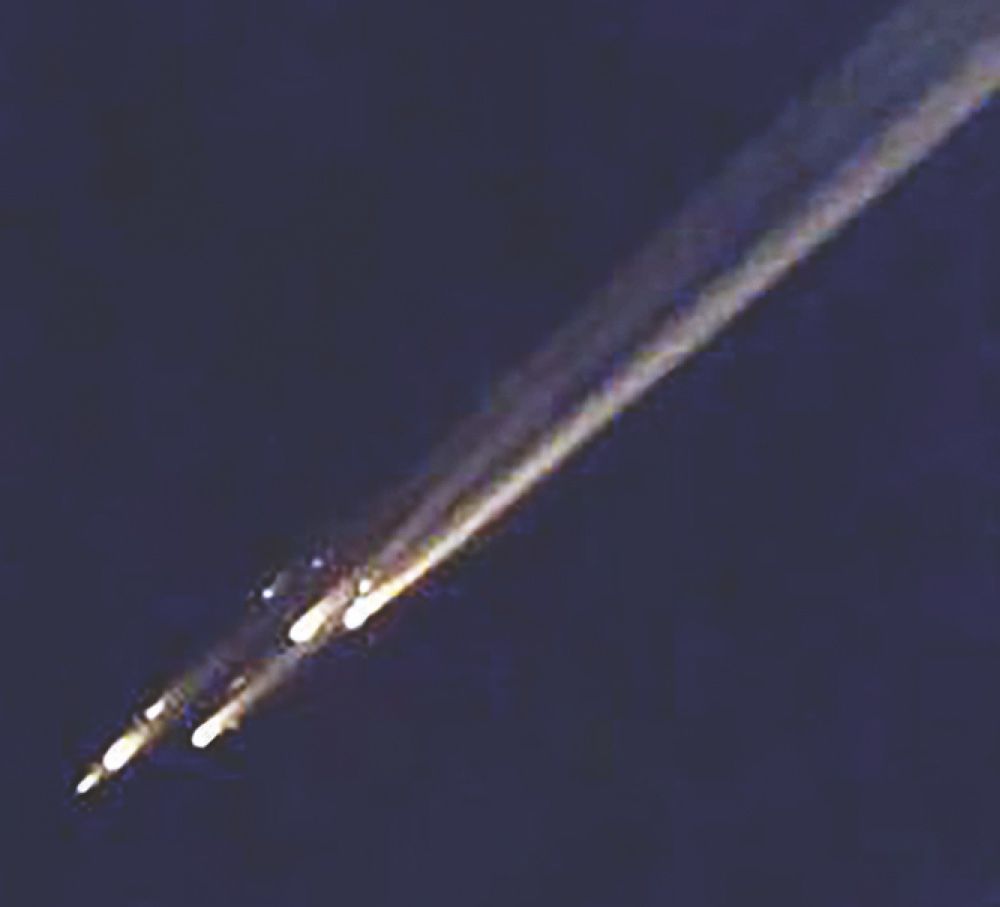
The Mir complex in 1998 The March 2001 reentry of Mir photographed from Fiji The reentry trajectory of Mir in March 2001
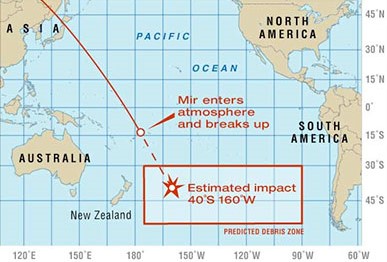
Left: The Mir complex in 1998. Middle: The March 2001 reentry of Mir photographed from Fiji. Right: The reentry trajectory of Mir in March 2001.

Lessons learned from the earlier reentries of large space stations led controllers to devise a three-stage process to deorbit the Mir space station in a controlled fashion into the Pacific Ocean in March 2001. In the first stage, controllers allowed orbital drag to bring the 285,940-pound station, at the time the heaviest object to reenter, down to an average altitude of 140 miles. For the second stage, on March 23, the docked Progress M1-5 fired its engines twice to lower Mir’s orbit to 103 by 137 miles. Two orbits later, the Progress fired its engines for 22 minutes to bring Mir out of orbit. It burned up on reentry over the South Pacific Ocean, with observers in Nadi, Fiji, watching its final moments.
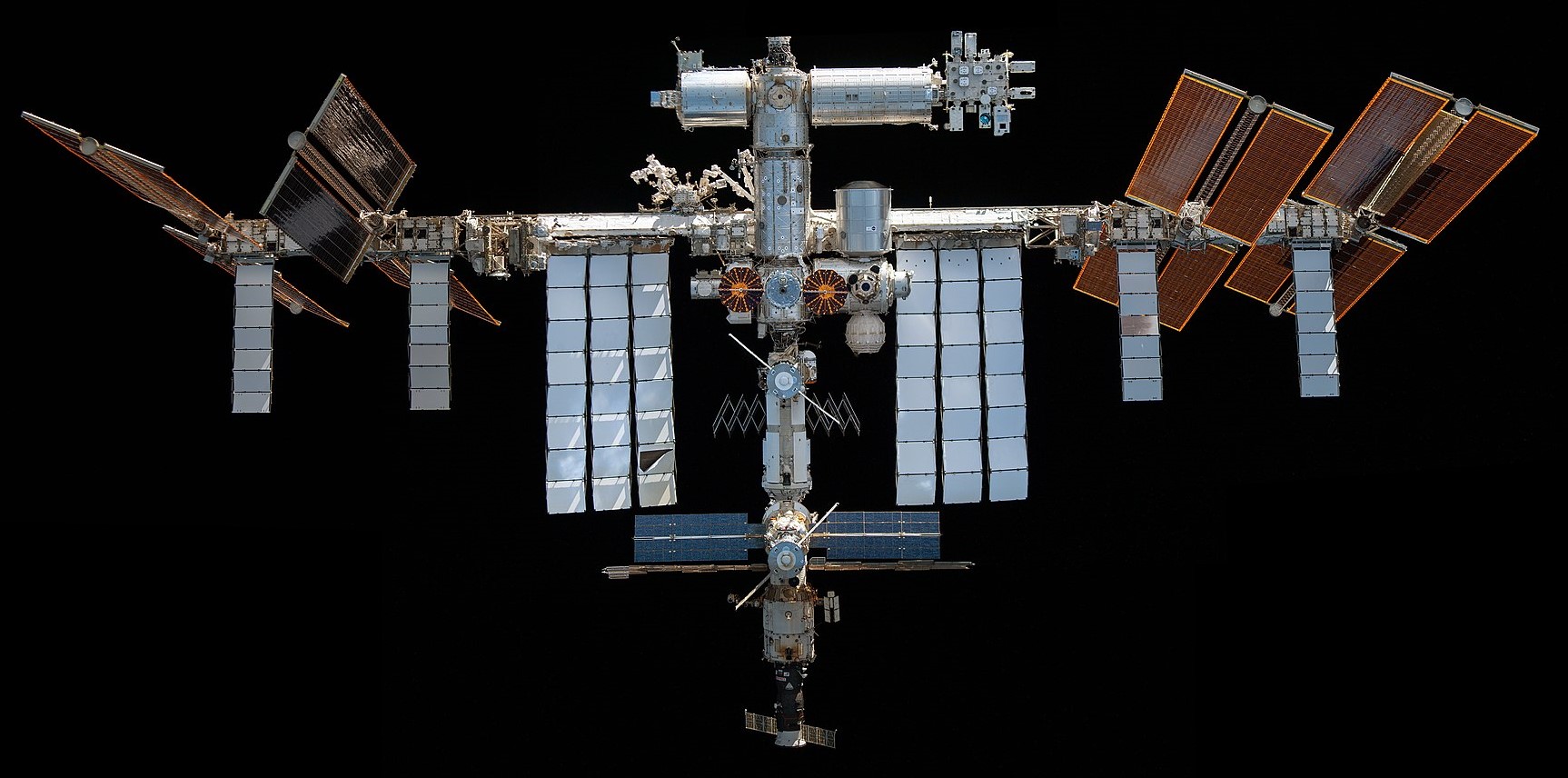
The International Space Station, the largest spacecraft in orbit
The International Space Station, the largest spacecraft in orbit.

In anticipation of the eventual controlled disposal of the International Space Station, on June 26, 2024, NASA selected SpaceX to develop and deliver the U.S. Deorbit Vehicle. The vehicle will safely deorbit the space station, the largest and, at over 900,000 pounds, by far the heaviest spacecraft in orbit, after the end of its operational life, currently expected in 2030. Past experiences can provide useful lessons learned.

Powered by WPeMatico

Get The Details…
Kelli Mars

Electrical and Mechanical Technician Clifton Brown

Electrical and Mechanical Technician Clifton Brown

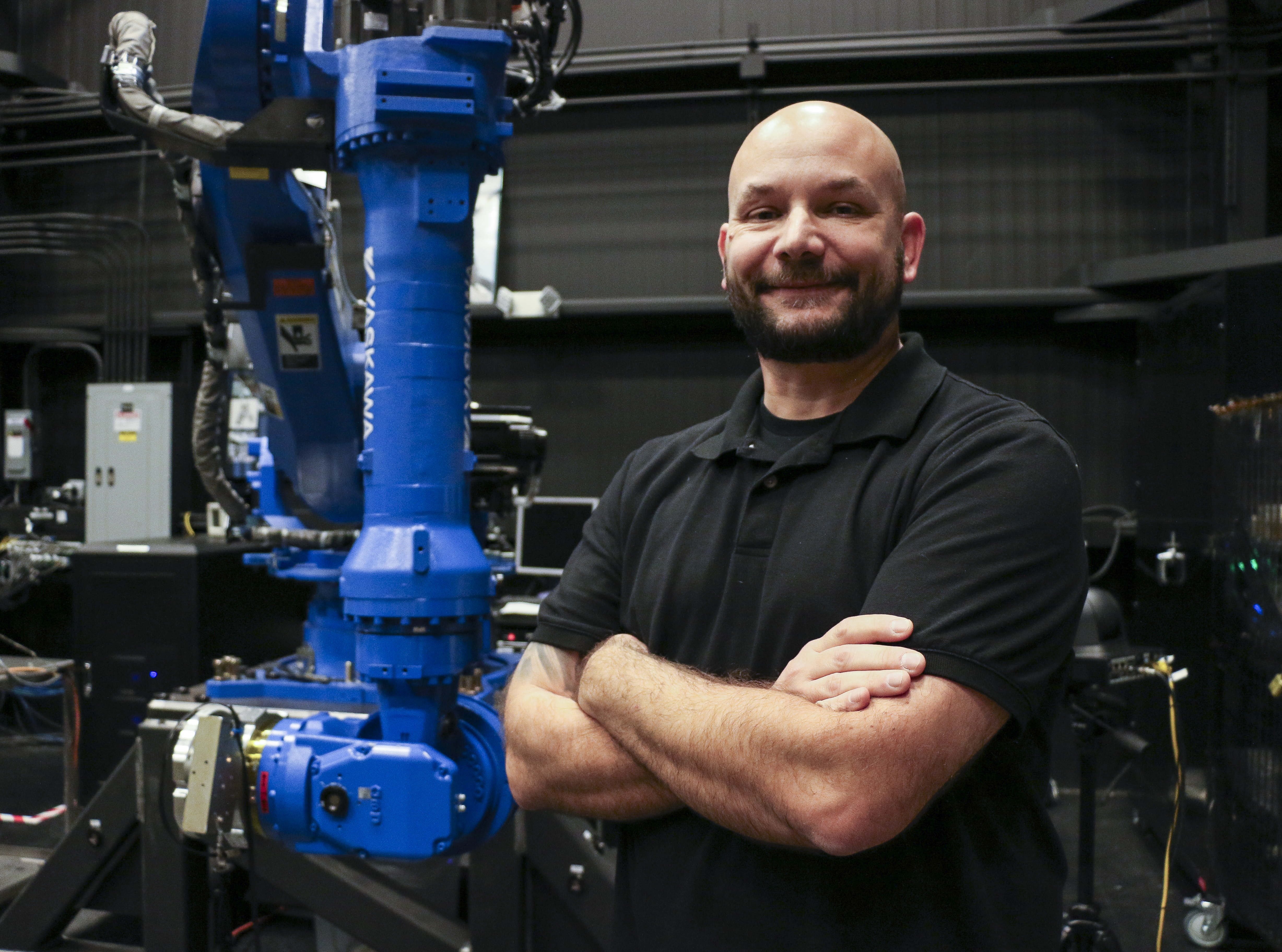
Clifton Brown, Engineering Technician, OMES III contract with NASA, poses for a portrait, Wednesday, Feb. 7, 2024 at NASA’s Goddard Space Flight Center in Greenbelt, Maryland. Photo Credit: (NASA/Thalia Patrinos)

“We have a group photo of my first project here, ASTRO-H, and that one means a lot to me because I came [to that NASA project] fresh off the street. I was super scared and intimidated. It was me and three other [technicians], who were also all new, and a handful of very seasoned scientists and engineers. And we came together.

“And we actually came in — I believe — under budget, ahead of schedule, and exceeded all expectations for our test results. That’s kind of unheard of, you know what I mean? We had such a good environment in the lab. Everybody got along so well. It was all teamwork. And everything just gelled.

“So when I look back on that photo from 14 years ago, first of all, I look really young in it. And secondly, it makes me realize how blessed and lucky I’ve been to be here for so long. It reminds me of that guy who was really nervous and still did alright. [It reminds me] to have a little confidence in myself, just be me, and do the work. It’ll all work out.

“I love looking back at that first team photo and just remembering how raw everything was at the time and how well it still came out.”

—Clifton Brown, Engineering Technician, OMES III, NASA’s Goddard Space Flight Center

Image Credit: NASA/Thalia Patrinos
Interviewer: NASA/Thalia Patrinos

Check out some of our other Faces of NASA. 

Powered by WPeMatico

Get The Details…
Thalia K. Patrinos

NASA Barge Preparations Underway for Artemis II Rocket Stage Delivery

NASA Barge Preparations Underway for Artemis II Rocket Stage Delivery

Teams at the agency’s Michoud Assembly Facility in New Orleans are preparing the agency’s Pegasus barge to carry the SLS rocket’s core stage from the agency’s rocket factory to NASA’s Kennedy Space Center in Florida.
NASA/Eric Bordelon

Team members are installing pedestals aboard NASA’s Pegasus barge to hold and secure the massive core stage of NASA’s SLS (Space Launch System) rocket, indicating NASA barge crews are nearly ready for its first delivery to support the Artemis II test flight around the Moon. The barge will ferry the core stage on a 900-mile journey from the agency’s Michoud Assembly Facility in New Orleans to its Kennedy Space Center in Florida.

The Pegasus crew began installing the pedestals July 10.The barge, which previously was used to ferry space shuttle external tanks, was modified and refurbished to compensate for the much larger and heavier core stage for the SLS rocket. Measuring 212 feet in length and 27.6 feet in diameter, the core stage is the largest rocket stage NASA has ever built and the longest item ever shipped by a NASA barge.

Pegasus now measures 310 feet in length and 50 feet in width, with three 200-kilowatt generators on board for power. Tugboats and towing vessels will move the barge and core stage from Michoud to Kennedy, where the core stage will be integrated with other elements of the rocket and prepared for launch. Pegasus is maintained at NASA Michoud.

NASA is working to land the first woman, first person of color, and its first international partner astronaut on the Moon under Artemis. SLS is part of NASA’s backbone for deep space exploration, along with the Orion spacecraft, supporting ground systems, advanced spacesuits and rovers, the Gateway in orbit around the Moon, and commercial human landing systems. SLS is the only rocket that can send Orion, astronauts, and supplies to the Moon in a single launch.

Powered by WPeMatico

Get The Details…
Lee Mohon

Take a Summer Cosmic Road Trip With NASA’s Chandra and Webb

Take a Summer Cosmic Road Trip With NASA’s Chandra and Webb

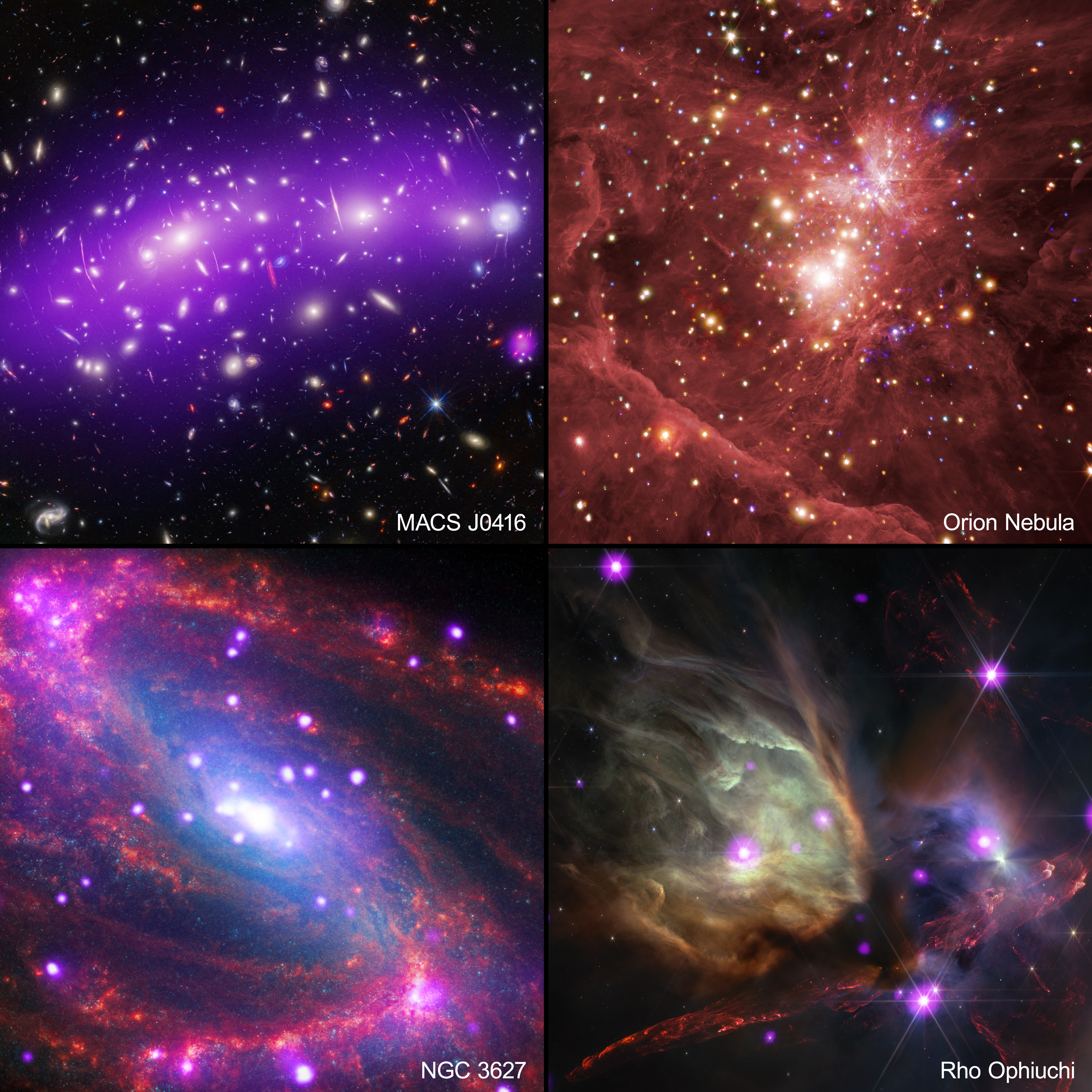
Cosmic Road Trip: four distinct composite images from NASA's Chandra X-ray Observatory and the James Webb Space Telescope, presented in a two-by-two grid, Rho Ophiuchi at lower right, the heart of the Orion Nebula at upper right, the galaxy NGC 3627 at lower left and the galaxy cluster MACS J0416.
Cosmic Road Trip: four distinct composite images from NASA’s Chandra X-ray Observatory and the James Webb Space Telescope, presented in a two-by-two grid, Rho Ophiuchi at lower right, the heart of the Orion Nebula at upper right, the galaxy NGC 3627 at lower left and the galaxy cluster MACS J0416.
X-ray: NASA/CXC/SAO; Optical/Infrared: (Hubble) NASA/ESA/STScI; IR: (JWST) NASA/ESA/CSA/STScI

It’s time to take a cosmic road trip using light as the highway and visit four stunning destinations across space. The vehicles for this space get-away are NASA’s Chandra X-ray Observatory and James Webb Space Telescope.

The first stop on this tour is the closest, Rho Ophiuchi, at a distance of about 390 light-years from Earth. Rho Ophiuchi is a cloud complex filled with gas and stars of different sizes and ages. Being one of the closest star-forming regions, Rho Ophiuchi is a great place for astronomers to study stars. In this image, X-rays from Chandra are purple revealing infant stars that violently flare and produce X-rays. Infrared data from Webb are red, yellow, cyan, light blue and darker blue and provide views of the spectacular regions of gas and dust.

Rho Ophiuchi, a cloud complex filled with gas, and dotted with stars. The murky green and gold cloud resembles a ghostly head in profile, swooping down from the upper left, trailing tendrils of hair. Cutting across the bottom edge and lower righthand corner of the image is a long, narrow, brick red cloud which resembles the ember of a stick pulled from a fire. Several large white stars dot the image. Many are surrounded by glowing neon purple rings, and gleam with diffraction spikes.
X-ray: NASA/CXC/MIT/C. Canizares; IR: NASA/ESA/CSA/STScI/K. Pontoppidan; Image Processing: NASA/ESA/STScI/Alyssa Pagan, NASA/CXC/SAO/L. Frattare and J. Major

The next destination is the Orion Nebula. Still located in the Milky Way galaxy, this region is a little bit farther from our home planet at about 1,500 light-years away. If you look just below the middle of the three stars that make up the “belt” in the constellation of Orion, you may be able to see this nebula through a small telescope. With Chandra and Webb, however, we get to see so much more. Chandra reveals young stars that glow brightly in X-rays, colored in red, green, and blue, while Webb shows the gas and dust in darker red that will help build the next generation of stars here.

X-ray: NASA/CXC/Penn State/E.Fei

It’s time to leave our galaxy and visit another. Like the Milky Way, NGC 3627 is a spiral galaxy that we see at a slight angle. NGC 3627 is known as a “barred” spiral galaxy because of the rectangular shape of its central region. From our vantage point, we can also see two distinct spiral arms that appear as arcs. X-rays from Chandra in purple show evidence for a supermassive black hole in its center while Webb finds the dust, gas, and stars throughout the galaxy in red, green, and blue. This image also contains optical data from the Hubble Space Telescope in red, green, and blue.

The galaxy NGC 3627 appears pitched at an oblique angle, tilted from our upper left down to our lower right. Much of its face is angled toward us, making its spiral arms, composed of red and purple dots, easily identifiable. Several bright white dots ringed with neon purple speckle the galaxy. At the galaxy’s core, where the spiral arms converge, a large white and purple glow identified by Chandra provides evidence of a supermassive black hole.
Spiral galaxy NGC 3627.
X-ray: NASA/CXC/SAO; Optical: NASA/ESO/STScI, ESO/WFI; Infrared: NASA/ESA/CSA/STScI/JWST; Image Processing:/NASA/CXC/SAO/J. Major

Our final landing place on this trip is the farthest and the biggest. MACS J0416 is a galaxy cluster, which are among the largest objects in the Universe held together by gravity. Galaxy clusters like this can contain hundreds or even thousands of individual galaxies all immersed in massive amounts of superheated gas that Chandra can detect. In this view, Chandra’s X-rays in purple show this reservoir of hot gas while Hubble and Webb pick up the individual galaxies in red, green, and blue.

Here is the distant galaxy cluster known as MACS J0416. The blackness of space is packed with glowing dots and tiny shapes, in whites, purples, oranges, golds, and reds, each a distinct galaxy. Upon close inspection (and with a great deal of zooming in!) the spiraling arms of some of the seemingly tiny galaxies are revealed in this highly detailed image. Gently arched across the middle of the frame is a soft band of purple; a reservoir of superheated gas detected by Chandra.
ACS J0416 galaxy cluster.
X-ray: NASA/CXC/SAO/G. Ogrean et al.; Optical/Infrared: (Hubble) NASA/ESA/STScI; IR: (JWST) NASA/ESA/CSA/STScI/Jose M. Diego (IFCA), Jordan C. J. D’Silva (UWA), Anton M. Koekemoer (STScI), Jake Summers (ASU), Rogier Windhorst (ASU), Haojing Yan (University of Missouri)

NASA’s Marshall Space Flight Center manages the Chandra program. The Smithsonian Astrophysical Observatory’s Chandra X-ray Center controls science from Cambridge Massachusetts and flight operations from Burlington, Massachusetts.

Read more from NASA’s Chandra X-ray Observatory.

For more Chandra images, multimedia and related materials, visit:

https://www.nasa.gov/mission/chandra-x-ray-observatory/

Visual Description:

This release features four distinct composite images from NASA’s Chandra X-ray Observatory and the James Webb Space Telescope, presented in a two-by-two grid.

At our lower right is Rho Ophiuchi, a cloud complex filled with gas, and dotted with stars. The murky green and gold cloud resembles a ghostly head in profile, swooping down from the upper left, trailing tendrils of hair. Cutting across the bottom edge and lower righthand corner of the image is a long, narrow, brick red cloud which resembles the ember of a stick pulled from a fire. Several large white stars dot the image. Many are surrounded by glowing neon purple rings, and gleam with diffraction spikes.

At our upper right of the grid is a peek into the heart of the Orion Nebula, which blankets the entire image. Here, the young star nursery resembles a dense, stringy, dusty rose cloud, peppered with thousands of glowing golden, white, and blue stars. Layers of cloud around the edges of the image, and a concentration of bright stars at its distant core, help convey the depth of the nebula.

In the lower left of the two-by-two grid is a hazy image of a spiral galaxy known as NGC 3627. Here, the galaxy appears pitched at an oblique angle, tilted from our upper left down to our lower right. Much of its face is angled toward us, making its spiral arms, composed of red and purple dots, easily identifiable. Several bright white dots ringed with neon purple speckle the galaxy. At the galaxy’s core, where the spiral arms converge, a large white and purple glow identified by Chandra provides evidence of a supermassive black hole.

At the upper left of the grid is an image of the distant galaxy cluster known as MACS J0416. Here, the blackness of space is packed with glowing dots and tiny shapes, in whites, purples, oranges, golds, and reds, each a distinct galaxy. Upon close inspection (and with a great deal of zooming in!) the spiraling arms of some of the seemingly tiny galaxies are revealed in this highly detailed image. Gently arched across the middle of the frame is a soft band of purple; a reservoir of superheated gas detected by Chandra.

News Media Contact

Megan Watzke
Chandra X-ray Center
Cambridge, Mass.
617-496-7998

Lane Figueroa
Marshall Space Flight Center
Huntsville, Ala.
256-544-0034

Powered by WPeMatico

Get The Details…
Lee Mohon