NASA Aircraft Gathers 150 Hours of Data to Better Understand Earth

NASA Aircraft Gathers 150 Hours of Data to Better Understand Earth

3 min read

Preparations for Next Moonwalk Simulations Underway (and Underwater)
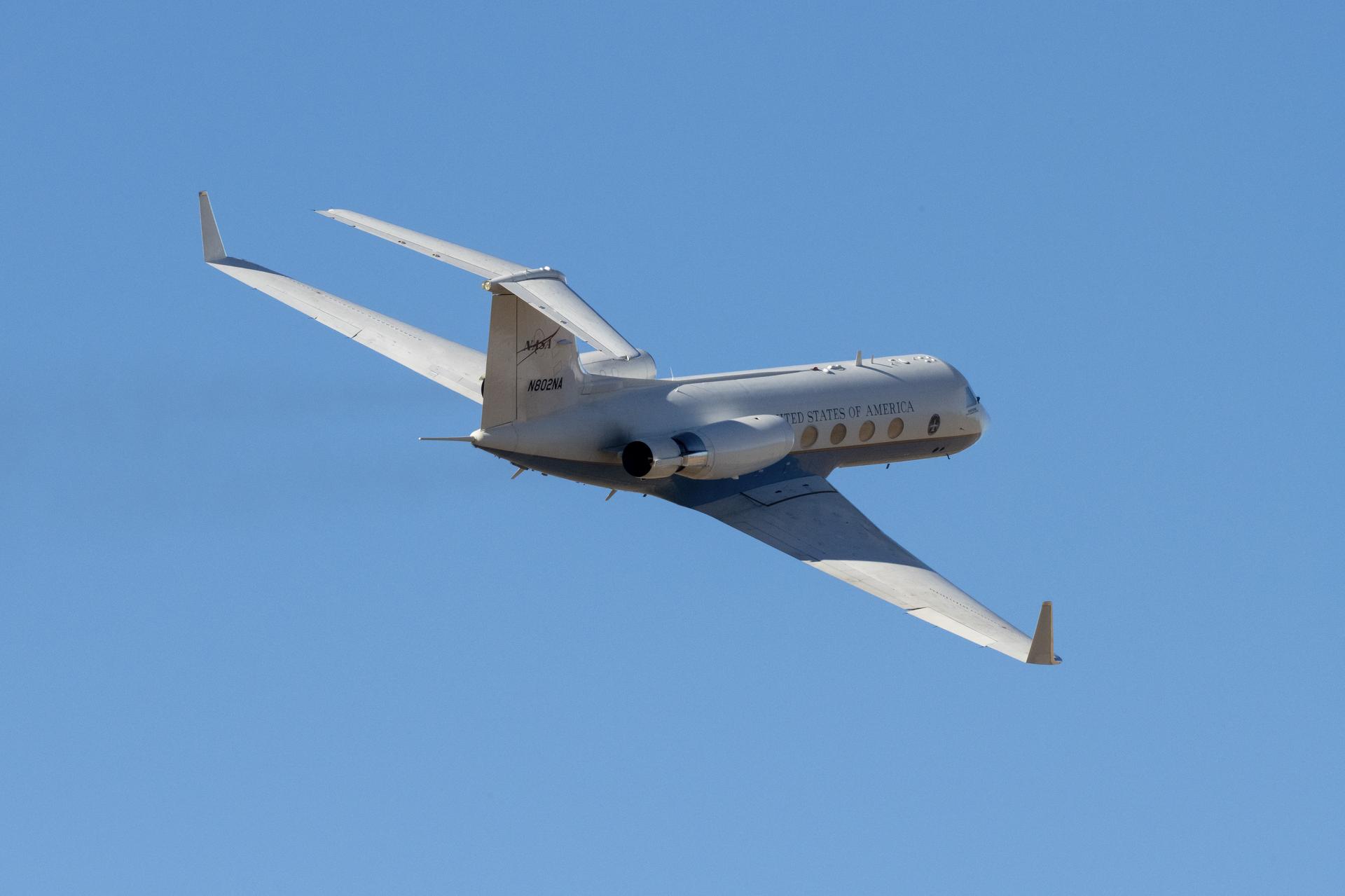
An aircraft in flight against a bright blue cloudless sky.
NASA’s C-20A aircraft completed more than 150 hours of international science flights from May 20 to July 24 in support of an Earth science deployment series. The aircraft, owned and operated by NASA’s Armstrong Flight Research Center in Edwards, California, overcame several challenges throughout the missions.
NASA/Carla Thomas

Operating internationally over several countries this summer, NASA’S C-20A aircraft completed more than 150 hours of science flights across two months in support of Earth science research and overcame several challenges throughout its missions.

Based at NASA’s Armstrong Flight Research in Edwards, California, the C-20A research aircraft has been modified to support the Uninhabited Aerial Vehicle Synthetic Aperture Radar and SAR-fusion camera. The instruments, built and operated by NASA’s Jet Propulsion Laboratory in Southern California, collect data and images of Earth’s surface for use in understanding global ecosystems, natural hazards, and land surface changes.  

From May 20 to July 24, the team crossed the Atlantic and deployed to several locations in Africa, as well as Germany, for two campaigns. They included the Africa Synthetic Aperture Radar (AfriSAR) mission, in collaboration with the European Space Agency, and the Germany Bistatic Experiment, in collaboration with the German Aerospace Center.

For the AfriSAR mission, researchers collected airborne data over African forests, savannas, and wetlands for use in studies of Earth’s ecosystems. Datasets collected over Germany will be used to develop land surface height maps.

Ten people post in front of an aircraft.
NASA team members pose in front of the C-20A aircraft while in Sao Tome, Africa, May 24, 2024. From left, Kirt Stallings, Joe Piotrowski Jr., Adam Vaccaro, Carrie Worth, Tim Miller, Otis Allen, Roger “Todd” Renfro, Edgar Aragon-Torres, Ryan Applegate, and Isac Mata.
NASA

The flight team successfully achieved its missions despite several challenges, including mechanical and technical issues with the aircraft. Despite the challenges, the team resolved issues quickly and worked to minimize impacts to the science schedule and objectives.

“We prepared for the unexpected and we expected to be unprepared,” said Shawn Kern, NASA Armstrong’s director of safety and mission assurance and a C-20A pilot. “With that mindset, we were ready to adapt and change the plans as needed, and met challenges with a lot of resilience, a lot of innovation, and a lot of improvised solutions to get things done despite some significant roadblocks.”

The team included aircraft mechanics, avionics technicians, quality assurance representatives, science leads and instrument operators, operation engineers, mission managers, and pilots. They were also supported by project management, safety, logistics, weather, and maintenance personnel at NASA Armstrong.

NASA pilots Kirt “Skirt” Stallings and Carrie Worth fly the C-20A aircraft over Africa on July 9, 2024.
NASA

“It was really the teamwork, improvisation, and creativity that resolved these unexpected challenges that made the mission a success.” Kern added.

Gathering scientific data in unique regions and conditions is necessary to understanding climate on the global scale. Data generated from these two airborne campaigns can be used to support the calibration and validation of data from future satellite-based missions like NISAR (NASA ISRO Synthetic Aperture Radar).

“Airborne campaigns like these are essential for enabling space-based technology. There are often measurements and science that simply cannot be achieved from satellites alone, and so they require airborne data collection.” said Gerald Bawden, program scientist for studies of Earth’s surface and interior at NASA Headquarters in Washington. “This deployment advanced both of these areas and was enabled by this team.”

Powered by WPeMatico

Get The Details…
Dede Dinius
This Rocks! NASA is Sending Student Science to Space

This Rocks! NASA is Sending Student Science to Space

4 min read

Preparations for Next Moonwalk Simulations Underway (and Underwater)

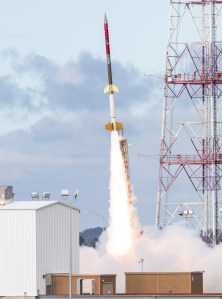
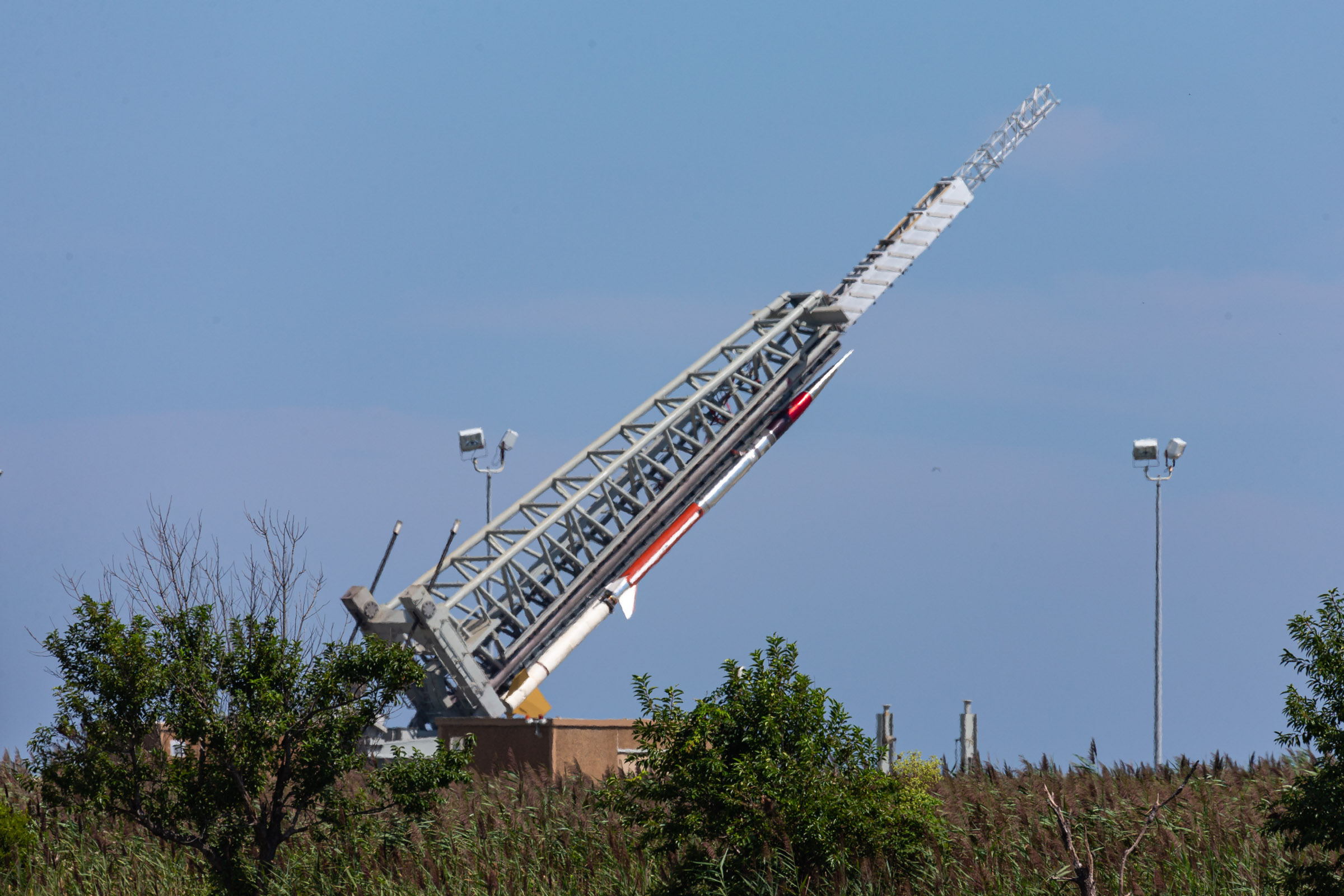
A sounding rocket is being raised on the launch rail, it is still in a horizontal position. The red a silver rocket contrasts against the bright blue sky behind, and green foliage can be seen at the bottom of the photo
A Terrier Improved Malemute sounding rocket carrying RockSat-X student developed experiments being raised on the launch rail on Wallops Island
NASA

NASA’s Wallops Flight Facility in Virginia is scheduled to launch a sounding rocket carrying student-developed experiments for the RockSat-X mission on Tuesday, Aug. 13.

The Terrier-Improved Malemute rocket is expected to reach an altitude of about 100 miles (162 kilometers) before descending by parachute into the Atlantic Ocean to be recovered. The launch window for the mission is 6 a.m. to 9 a.m. EDT, Aug. 13, with backup days of Aug. 14, 15, and 16. The Wallops Visitor Center’s launch viewing area will open at 5 a.m. for launch viewing. A livestream of the mission will begin 15 minutes before launch on the Wallops YouTube channel. Launch updates are also available via the Wallops Facebook page. The launch may be visible in the Chesapeake Bay region.

The rocket will carry experiments developed by nine university and community college teams as part of NASA’s RockSat programs.

“The RockSat program provides unique hands-on experiences for students in the development of scientific experiments and working in teams, so these students are ready to enter STEM careers,” said Dr. Joyce Winterton, Wallops senior advisor for education and leadership development.

A series of circles show areas in the United States from where a sounding rocket launch may be viewed at different times during flight.
These circular areas show where and when people may see the rocket launch in the sky, depending on cloud cover. The different colored sections indicate the time (in seconds) after liftoff that the sounding rocket may be visible.
NASA/Christian Billie

RockSat-X 2024 Flight Projects

  • The University of Alabama Huntsville is flying two primary experiments:
    1. Joint Union of Payload Information and Technology between Experiments and Rockets (JUPITER), a custom spacecraft bus-like system that connects experiment hardware with existing launch vehicle electronics.
    2. SwingSat will increase the technology readiness level of momentum exchange tether technology in the context of satellite constellation deployments.
  • The University of Alberta will demonstrate instruments for characterizing plasma wave activity and electron microburst precipitation, specifically by resolving precipitating relativistic and sub-relativistic electrons. The project will be capable of measuring magnetic plasma wave oscillations, including chorus waves and ground-based Very Low Frequency transmitters. The outcome of this mission will improve the Technology Readiness Level.
  • Clemson University’s experiment will measure electron density and temperature of the E region ionosphere, between 56- 93 miles (90-150 kilometers).
  • The College of the Canyons experiment will deploy three capsules to gather data on greenhouse gases in the upper atmosphere to aid in the fight against climate change.
  • The Community Colleges of Colorado, a collaboration of Arapahoe and Red Rocks Community Colleges, aims to evaluate how microgravity affects the mechanical properties of lunar regolith simulants sintered during suborbital flight. The mission will also create a cost-efficient star tracker using off-the-shelf materials and open-source software.
  • Northwest Nazarene University is testing a space-rated robotic arm capable of tracking and capturing objects. The arm will deploy and catch three balls, then stow itself for reentry, and will also capture video footage of all the catch attempts.
  • The University of Puerto Rico will collect environmental data of the atmosphere using humidity, temperature, and pressure sensors. Using an Ultra High Frequency antenna, telecommunications will use open-source protocols to beam down data to ground stations at Wallops. Uninterrupted Virtual Reality footage of flight will be used for STEM engagement.
  • Virginia Tech’s experiment tests a space tether that provides a small CubeSat with power and a mechanical connection.
  • West Virginia Space Collaboration, a collaboration of five West Virginia universities, will conduct nine independent experiments flying on the 2024 RockSat-X mission. Included are:
    • Lower Ionosphere Electric Field Double Probes (LIEF), which will study plasma and electric field densities throughout the flight.
    • A mycelium properties experiment that will study the mechanical properties of mycelium under space flight conditions.
    • A flight dynamics module that will record data on rocket and space flight conditions.
    • A Geiger counter to detect radiation density during flight.
    • A heat study that will analyze heat dissipation during space flight and reentry.
    • A study on the effect of spaceflight on microbes in soil during flight and reentry.
    • Power generation using type K thermocouples.
    • Spectrometric and photographic data of the Sun.
    • Creation of a 3D model of flight using LiDAR tracking and flight data.
A student participant integrating a RockSat-X experiment
NASA/Berit Bland

NASA’s Sounding Rocket Program is conducted at the agency’s Wallops Flight Facility, which is managed by NASA’s Goddard Space Flight Center in Greenbelt, Maryland. NASA’s Heliophysics Division manages the sounding rocket program for the agency.

Share

Details

Last Updated

Aug 08, 2024

Editor
Amy Barra
Contact
Location
Wallops Flight Facility

Powered by WPeMatico

Get The Details…
Amy Barra

Interior of Vacuum Tank at the Electric Propulsion Laboratory

Interior of Vacuum Tank at the Electric Propulsion Laboratory

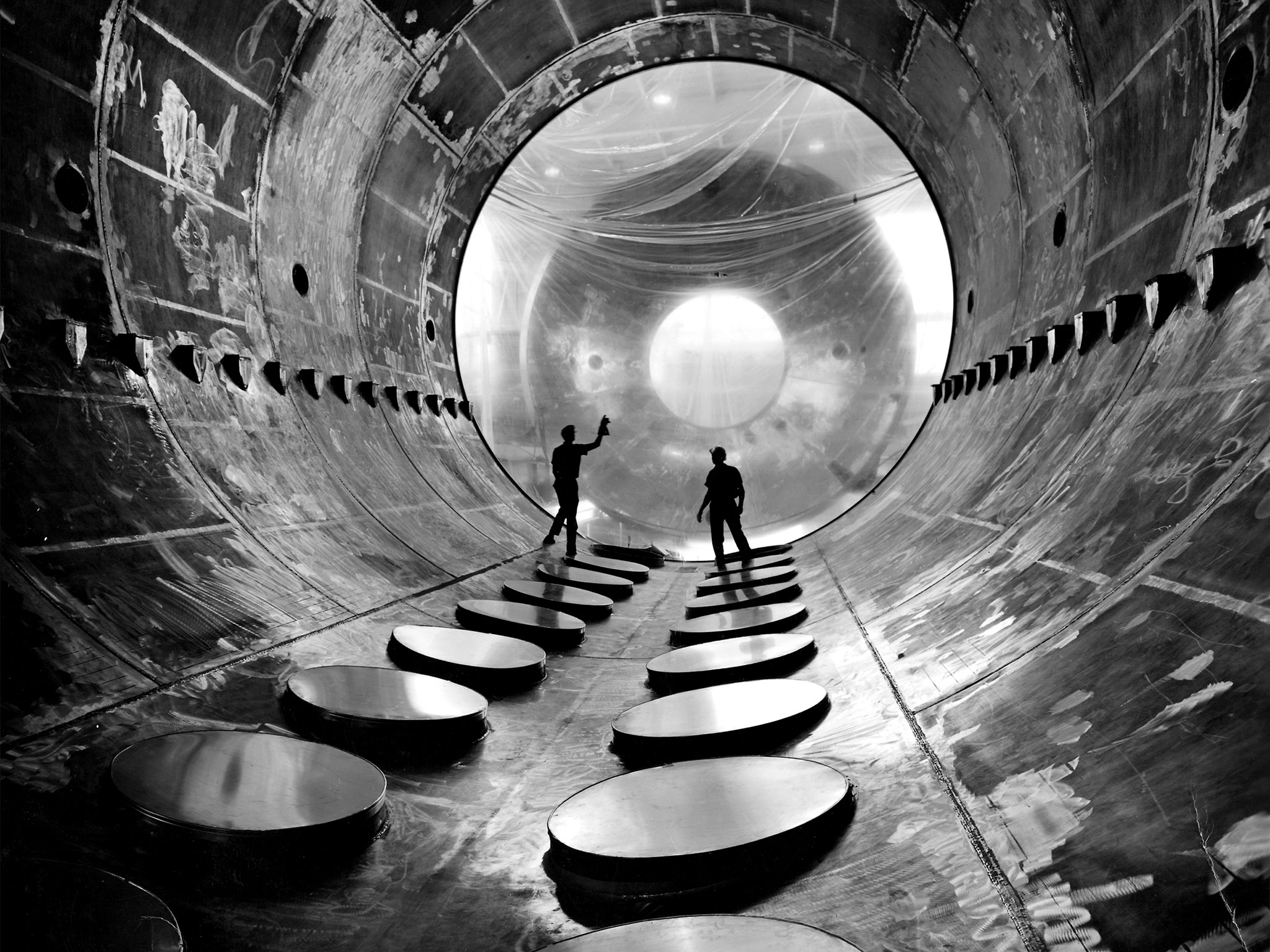
Two workers in a large vacuum tank.

Interior of the 20-foot diameter vacuum tank at the NASA Lewis Research Center’s Electric Propulsion Laboratory.

The Electric Propulsion Laboratory, which began operation in 1961, contained two large vacuum tanks capable of simulating a space environment. The tanks were designed especially for testing ion and plasma thrusters and spacecraft. The larger 25-foot diameter tank included a 10-foot diameter test compartment to test electric thrusters with condensable propellants. The portals along the chamber floor lead to the massive exhauster equipment that pumped out the air to simulate the low pressures found in space.

Lewis researchers had been studying different electric rocket propulsion methods since the mid-1950s. Harold Kaufman created the first successful ion engine, the electron bombardment ion engine, in the early 1960s. These engines used electric power to create and accelerate small particles of propellant material to high exhaust velocities. Electric engines have a very small thrust, but can operate for long periods of time. The ion engines are often clustered together to provide higher levels of thrust.

NASA

Powered by WPeMatico

Get The Details…
Gary Daines

Calling All Innovators: Apply for NASA’s 2025 Lunabotics Challenge

Calling All Innovators: Apply for NASA’s 2025 Lunabotics Challenge

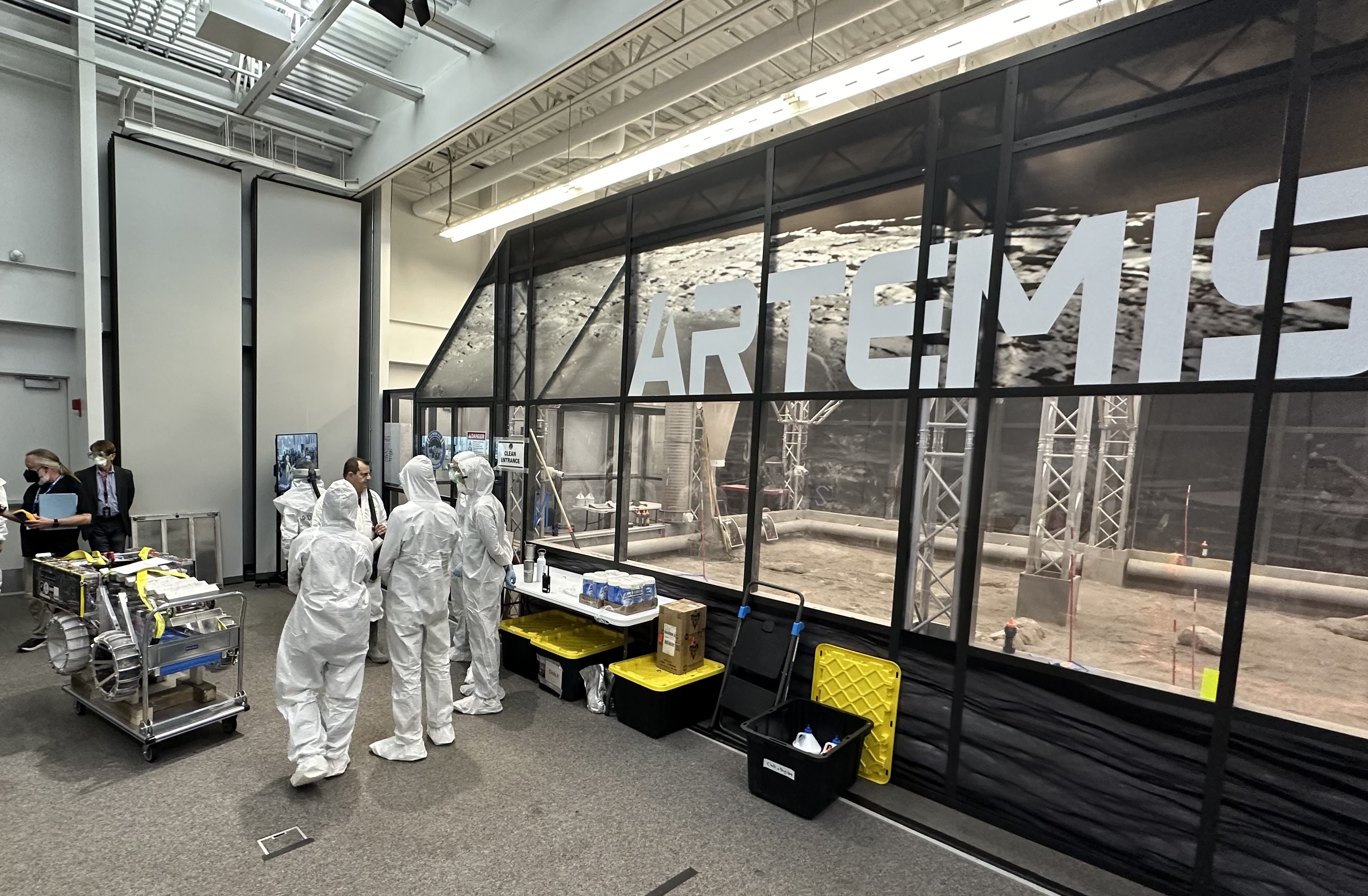
A college team dressed in protective clean room suits prepares their robotic rover to compete in the final round of NASA’s annual Lunabotics competition on Thursday, May 16, 2024. Teams score points when their rover completes challenging tasks inside the Artemis Arena – a simulated lunar landscape inside The Astronauts Memorial Foundation’s Center for Space Education at the Kennedy Space Center Visitor Complex in Florida.
NASA/Derrol Nail

NASA invites teams from colleges, universities, as well as technical and vocational schools around the country to test their engineering skills in the 2025 Lunabotics Challenge. Applications open at 5 p.m. EDT on Friday, Sept. 6. The competition is aimed at inspiring Artemis Generation students to explore science, technology, engineering, and math (STEM) for the benefit of humanity.

Managed by NASA’s Office of STEM Engagement, the Lunabotics Challenge asks teams to design and build an autonomous or telerobotic robot capable of navigating a simulated lunar surface and completing the assigned construction task. The robots will have to master the complexities of regolith, or lunar soil, simulants used to excavate and construct berm structures in a lunar environment, be capable of operating by remote control or through autonomous operations, and account for weight and size limitations.

By participating in one of NASA’s Artemis Student Challenges, students have the opportunity to provide data on robotic excavator and builder design and operations, helping shape future missions at the Moon and ultimately Mars. NASA encourages creative construction techniques and evaluates student designs and data just like it does for its own prototypes, increasing the chances of finding smart solutions for the challenges the agency may encounter at the Moon under the Artemis campaign.

Additionally, the competition will educate college students in the NASA systems engineering process, the agency’s methodical, multi-disciplinary approach for the design, realization, technical management, operations, and retirement of a system.

The competition will close on Thursday, Sept. 12, and NASA will announce selected teams on Friday, Sept. 20. These teams will put their robots to the test during the University of Central Florida’s Lunabotics Qualification Challenge in May 2025, with the highest scoring teams invited to the culminating event at NASA’s Kennedy Space Center in Florida later that month.

Lunabotics takes place annually, running since 2010, and is one of several Artemis Student Challenges reflecting the goals of the Artemis campaign, which seeks to land the first woman, first person of color, and first international astronaut on the Moon where NASA will establish a long-term presence and prepare for future science and exploration of Mars.

More than 7,000 students have participated in Lunabotics on-site or at their schools, with many former students now working at NASA or within the aerospace industry.   

To learn more about LUNABOTICS, visit:

https://go.nasa.gov/4dcsjVg

–end–

Abbey Donaldson
Headquarters, Washington
202-358-1600
abbey.a.donaldson@nasa.gov

Derrol Nail
Kennedy Space Center, Florida
321-289-9513
derrol.j.nail@nasa.gov

Powered by WPeMatico

Get The Details…
Abbey A. Donaldson

Sedimentary and Planetary Geologist Dr. Michael Thorpe

Sedimentary and Planetary Geologist Dr. Michael Thorpe

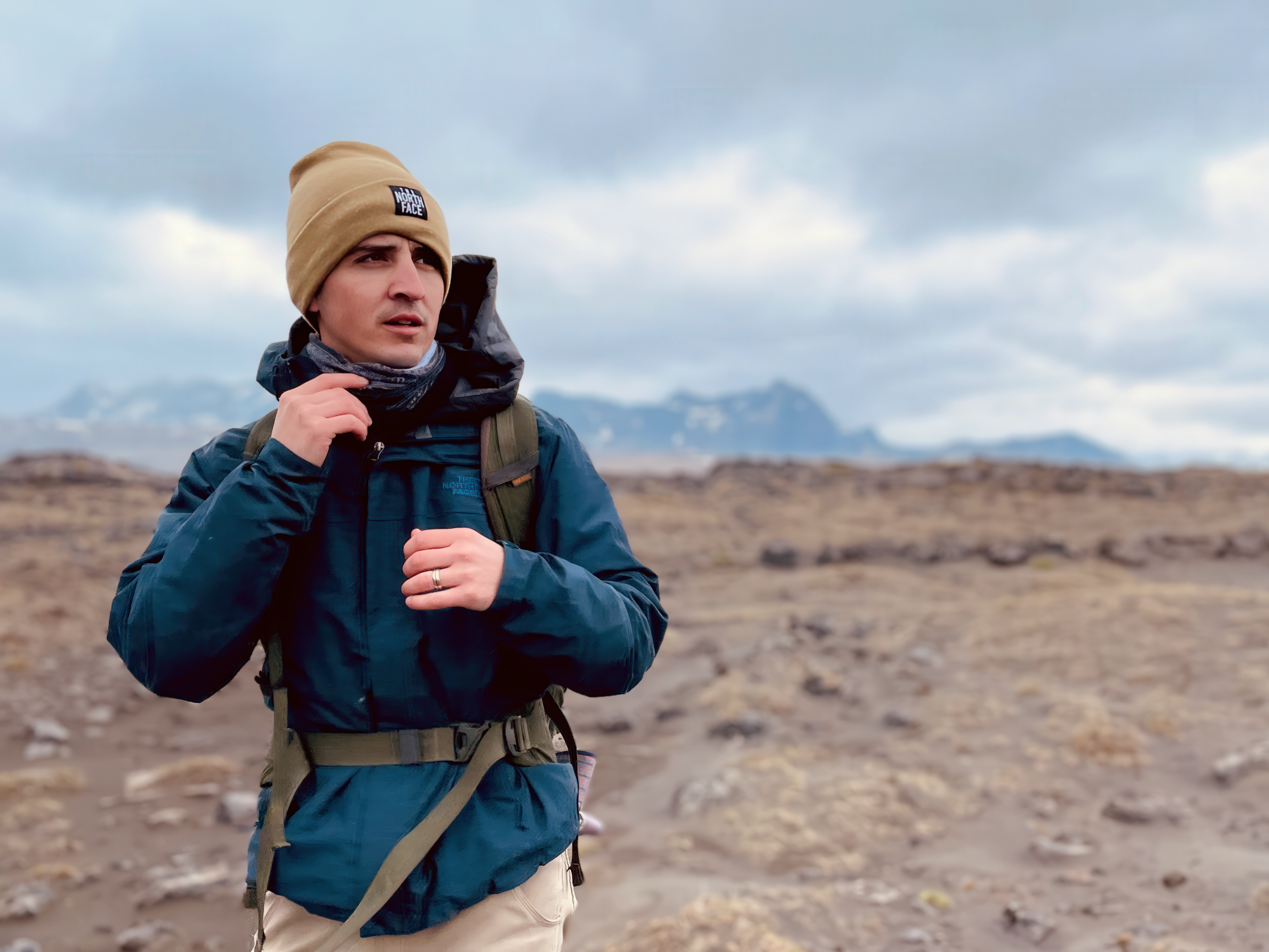
A man wearing a tan beanie and a blue winter jacket with a hiking backpack strapped around him. He's walking across a rocky surface with mountains in the background.

“I didn’t always grow up knowing that I was going to be working for NASA. It was just the way my life unfolded, and I couldn’t be more grateful and lucky to have this opportunity to be here. I think hiking is what really got me into my passion for wanting to have this outdoors kind of career. I’ve always pursued environmental science and geology, and still at that point in time, I had no idea that I could apply that kind of science to outer space and work for NASA one day.

“It wasn’t until I had these amazing mentors in front of me who were showing me, ‘Hey, what you’re doing, you can apply this to, for instance, Mars.’ And that’s what sparked my inspiration — [realizing] Mars had these ancient lakes and [wondering], ‘How can I use what I’m doing here on Earth to understand what was going on with those ancient lakes on Mars?’

“I’m kind of lucky. It’s less of a job and more of this exciting career opportunity where I get to go out into the field and even hike for a good portion of [my workday]. For instance, I just got back from Iceland where I was for 10 days. On these field trips, I’m in my comfort zone wearing a flannel and winter hat, backpacking with my rock hammer and shovel, hiking for a few hours to pick up samples, and then come back home to analyze them in the lab. I couldn’t have written a better story for me to continue doing the stuff that I enjoyed as a child and now to be doing it now for NASA is something I couldn’t have even dreamed of.

“Hiking and being in the field is the fun part. But then I get to come back to the lab and compare it to what Martian rovers are doing. They’re our hikers, our pioneers, our explorers, our geologists who are collecting samples for us on other planets.  It’s remarkable, often mind-blowing, to be able to work directly with our planetary geologists as well as the amazing people on the rover teams from around the globe to understand the surface of Mars and then eventually, compare it to what I see in the field here on Earth.

“So, I’m still that young boy at heart with my backpack and flannel on and headed out into the field.”

– Dr. Michael Thrope, Sedimentary and Planetary Geologist, NASA’s Goddard Space Flight Center

Image Credit: Iceland Space Agency/Daniel Leeb
Interviewer: NASA/Tahira Allen

Check out some of our other Faces of NASA. 

Powered by WPeMatico

Get The Details…
Tahira S. Allen