Crew Studies Physics and Biology, Preps for Spacewalk, Dragon Undocking Adjusted

Crew Studies Physics and Biology, Preps for Spacewalk, Dragon Undocking Adjusted

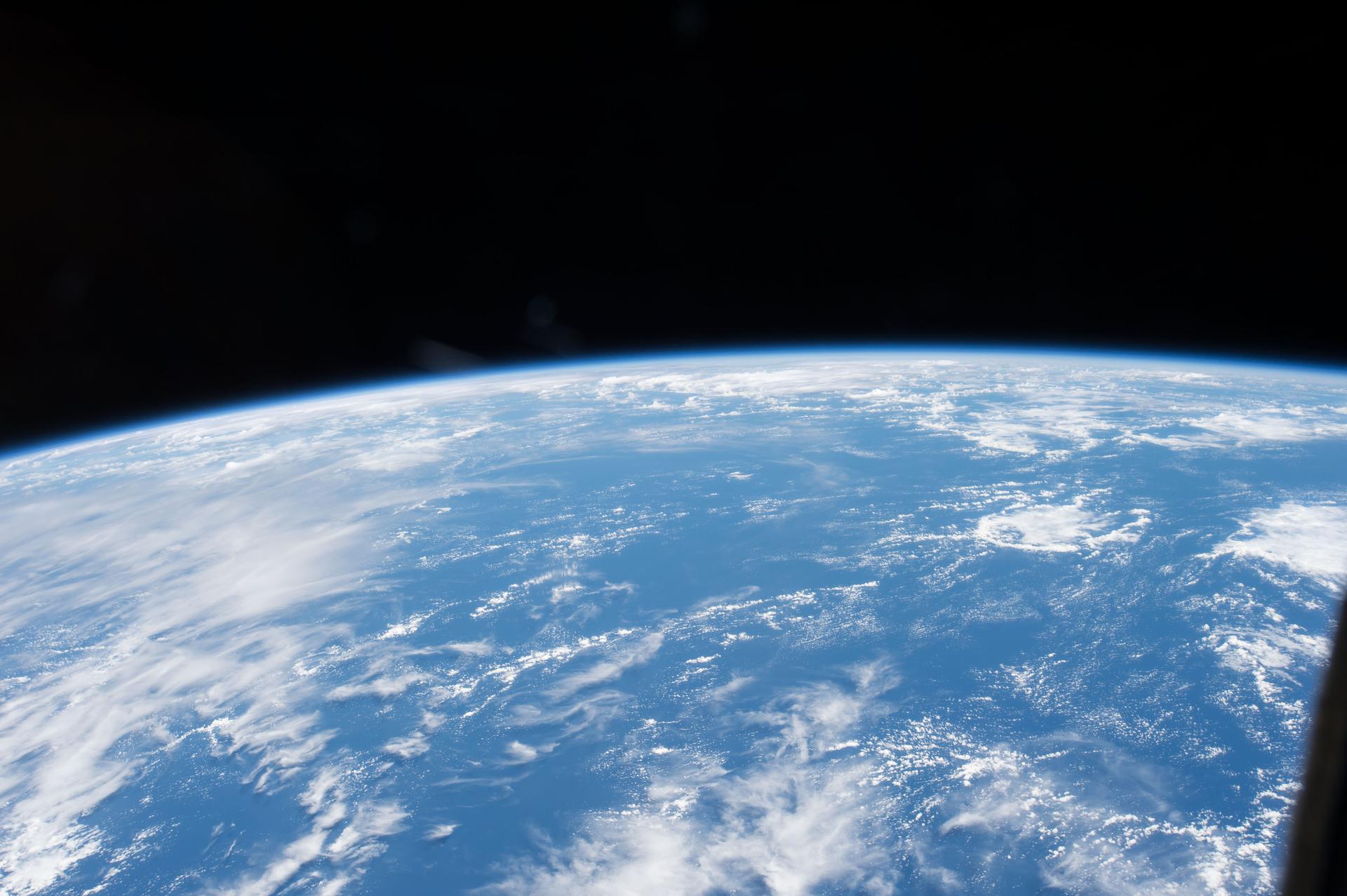
An orbital sunrise crowns Earth's horizon in this photograph from the International Space Station as it orbited 261 miles above Brazil.
An orbital sunrise crowns Earth’s horizon in this photograph from the International Space Station as it orbited 261 miles above Brazil.

A space exposure experiment, a micro-algae study, and eye exams topped the research schedule for the Expedition 72 crew members at the end of the week. The orbital residents also continue to gear up for a spacewalk planned for next week at the International Space Station.

NASA astronaut and station Commander Suni Williams spent most of her day inside the Tranquility module working on the Nanoracks Bishop airlock. She was joined at the beginning of her shift by NASA Flight Engineer Butch Wilmore who helped her prepare the Euro Materials Aging (EMA) experiment for installation inside Bishop. Afterward, she inspected one portion of the EMA study that will observe organic molecules and how they adapt to the external space environment.

NASA Flight Engineer Don Pettit looked at another segment of the EMA hardware that will expose a variety of materials to outer space to monitor how they age over time. Finally, NASA Flight Engineer Nick Hague inspected the Bishop airlock with the EMA experiment inside, closed its hatch, and prepared the airlock for its upcoming depressurization.

On Monday, the Canadarm2 robotic arm will detach Bishop with the EMA inside from Tranquility and maneuver it toward the Columbus laboratory module. Next, the EMA will be robotically installed on the Bartolomeo research platform attached to the outside of Columbus. The external investigation will operate outside Columbus for about a year.

Hague at the beginning of his shift on Friday, swapped samples of micro-algae inside the BioLab incubator located in Columbus. Researchers are exploring the potential of micro-algae as a way to remove carbon dioxide, produce oxygen, and grow food on spacecraft. At the end of the day, Williams partnered with Pettit and Wilmore for eye exams using standard medical imaging hardware found in a doctor’s office on Earth. The trio were joined by ground doctors monitoring in real-time who want to understand how living in weightlessness affects vision and the human eye.

Two cosmonauts continue their preparations for a spacewalk on Thursday, Dec. 19, to remove external science experiments and relocate European robotic arm hardware. Roscosmos Flight Engineers Alexey Ovchinin and Ivan Vagner began Friday installing components on their Orlan spacesuits. Next, the duo pedaled on an exercise bicycle for a pre-spacewalk fitness assessment. Finally, the cosmonauts wrapped up the day’s suit work installing lights, batteries, and video cameras they will wear on their spacesuits during the planned six-hour and 40-minute spacewalk next week.

Roscosmos Flight Engineer Aleksandr Gorbunov trained to use the European robotic arm reviewing the laptop computers that support the robotic arm attached to the Nauka science module. Following that work, the first-time space flyer swapped out life support hardware then installed Earth observation gear to view the effects of natural and human-caused catastrophes in different wavelengths.

Mission managers waved off the planned return of a Dragon resupply spacecraft on Saturday, Dec. 14, due to forecasted unfavorable weather conditions at the splashdown sites off the coast of Florida. NASA and SpaceX now are targeting no earlier than Sunday, Dec. 15, for the next undocking opportunity of NASA’s SpaceX 31st commercial resupply services spacecraft.


Learn more about station activities by following the space station blog, @space_station and @ISS_Research on X, as well as the ISS Facebook and ISS Instagram accounts.

Get the latest from NASA delivered every week. Subscribe here: www.nasa.gov/subscribe

Powered by WPeMatico

Get The Details…

Mark Garcia

NASA Awards Multi-Center Administrative Support Services Contract

NASA Awards Multi-Center Administrative Support Services Contract

The letters NASA on a blue circle with red and white detail, all surrounded by a black background
Credit: NASA

NASA has selected FedSync-BFS, LLC of Alexandria, Virginia, to provide administrative services for multiple NASA centers.

The Multi-Center Administrative Support Services Contract is a firm-fixed-price and indefinite-delivery/indefinite-quantity contract with a value not to exceed $200 million during a five-year ordering period. The performance period begins April 1, 2025.

Contracted work will take place in six NASA centers and facilities, including Johnson Space Center in Houston, Kennedy Space Center in Florida, Marshall Space Flight Center in Huntsville, Alabama, the Michoud Assembly Facility in New Orleans, Stennis Space Center near Bay St. Louis, Mississippi, and the White Sands Test Facility in Las Cruces, New Mexico.

The contract will provide administrative support including, but not limited to, general office services, data management services, travel coordination, time and labor collection, property coordination, move coordination, training coordination, information services coordination, customer service, special events coordination, and miscellaneous activities.

For information about NASA and other agency programs, visit:

https://www.nasa.gov

-end-

Tiernan Doyle
Headquarters, Washington
202-358-1600
tiernan.doyle@nasa.gov

Powered by WPeMatico

Get The Details…
Tiernan P. Doyle

Atmospheric Probe Takes Flight

Atmospheric Probe Takes Flight

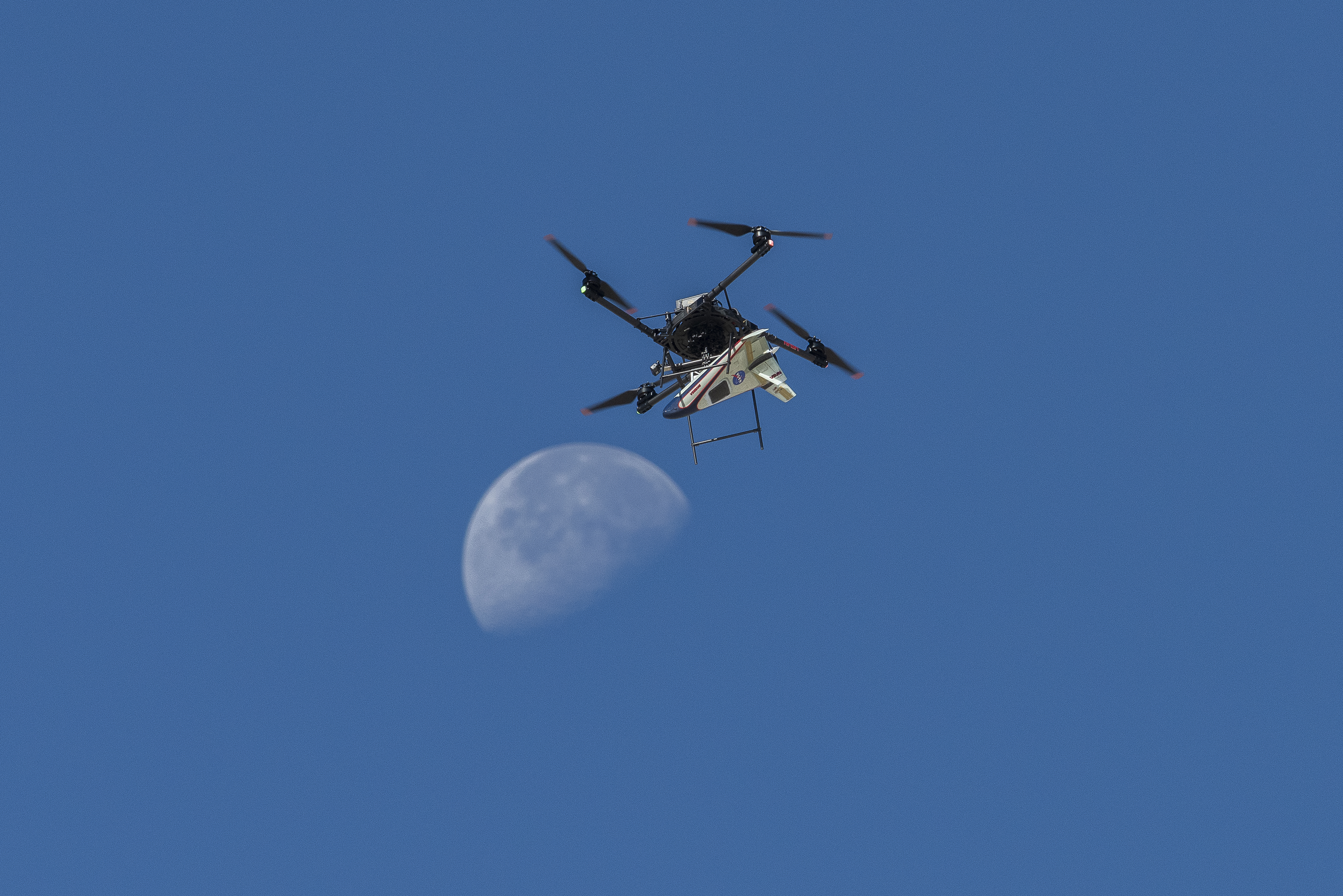
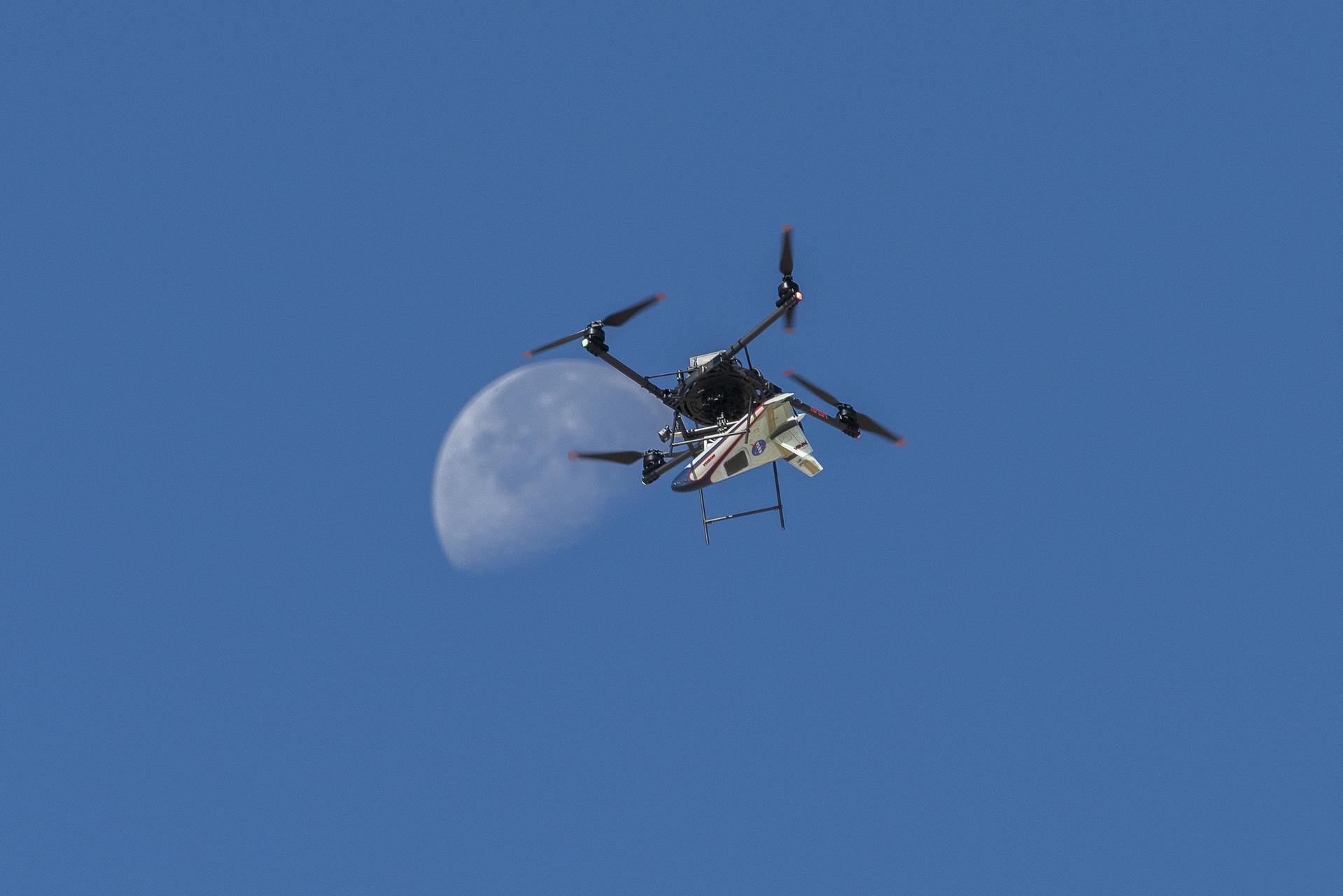
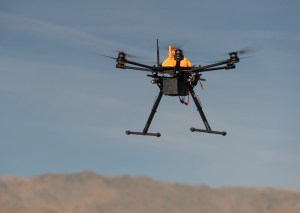
A white, blue, and red probe attached to a rotor with four blades flies in the blue sky, just above the Moon.
NASA/Steve Freeman

On Oct. 22, 2024, the latest iteration of an atmospheric probe developed by researchers at NASA’s Armstrong Flight Research Center in Edwards, California, successfully completed a test flight. Building on NASA 1960s research on lifting body aircraft, which use the aircraft’s shape for lift instead of wings, the concept could offer future scientists a potentially better and more economical way to collect data on other planets. Testing demonstrated the shape of the probe works.

The atmospheric probe flew after release from a quad-rotor remotely piloted aircraft above Rogers Dry Lake, a flight area adjacent to NASA Armstrong. “I’m ecstatic,” said John Bodylski, atmospheric probe principal investigator at NASA Armstrong. “It was completely stable in flight. We will be looking at releasing it from a higher altitude to keep it flying longer and demonstrate more maneuvers.”

See more photos from the test flight.

Image credit: Steve Freeman

Powered by WPeMatico

Get The Details…
Monika Luabeya

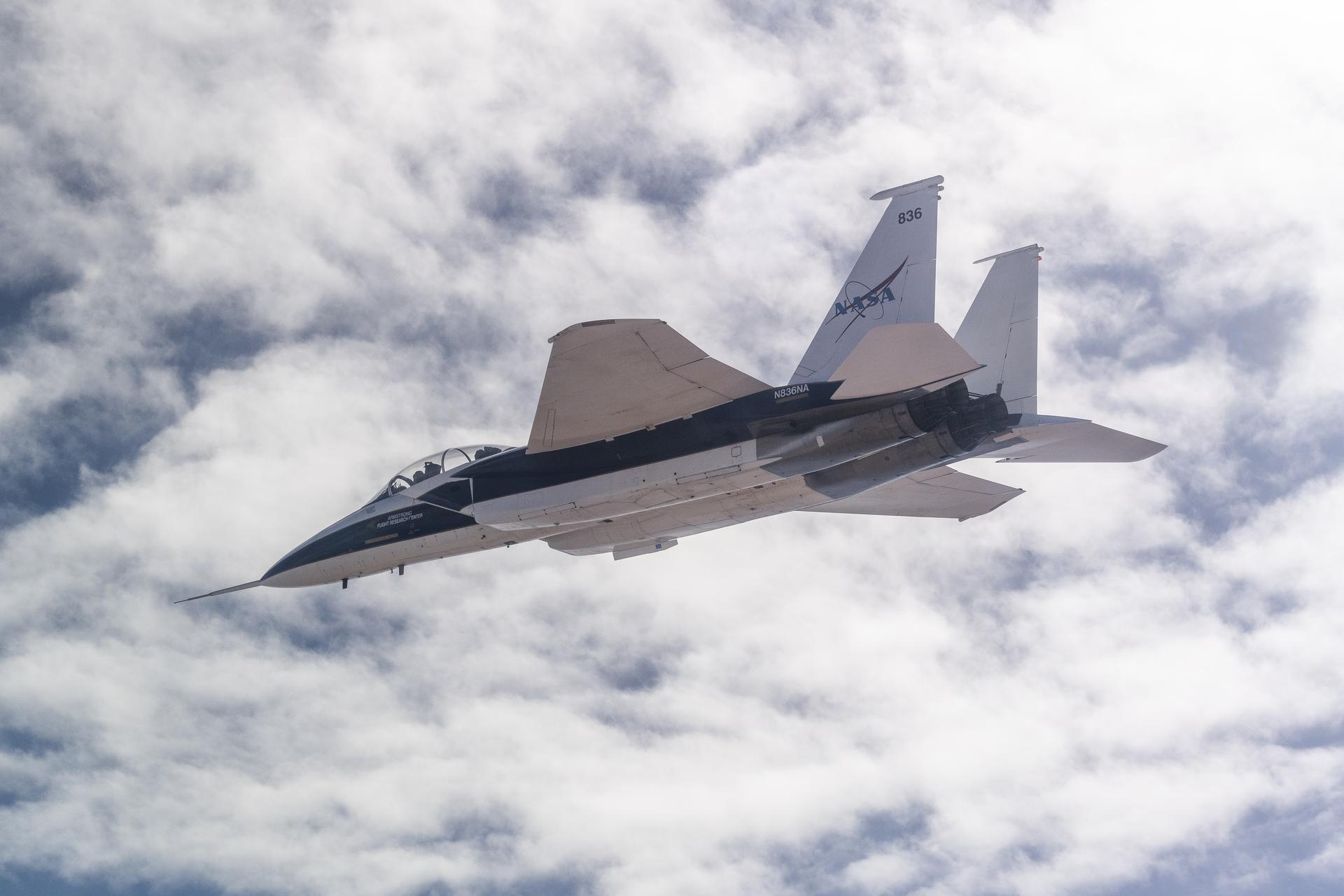
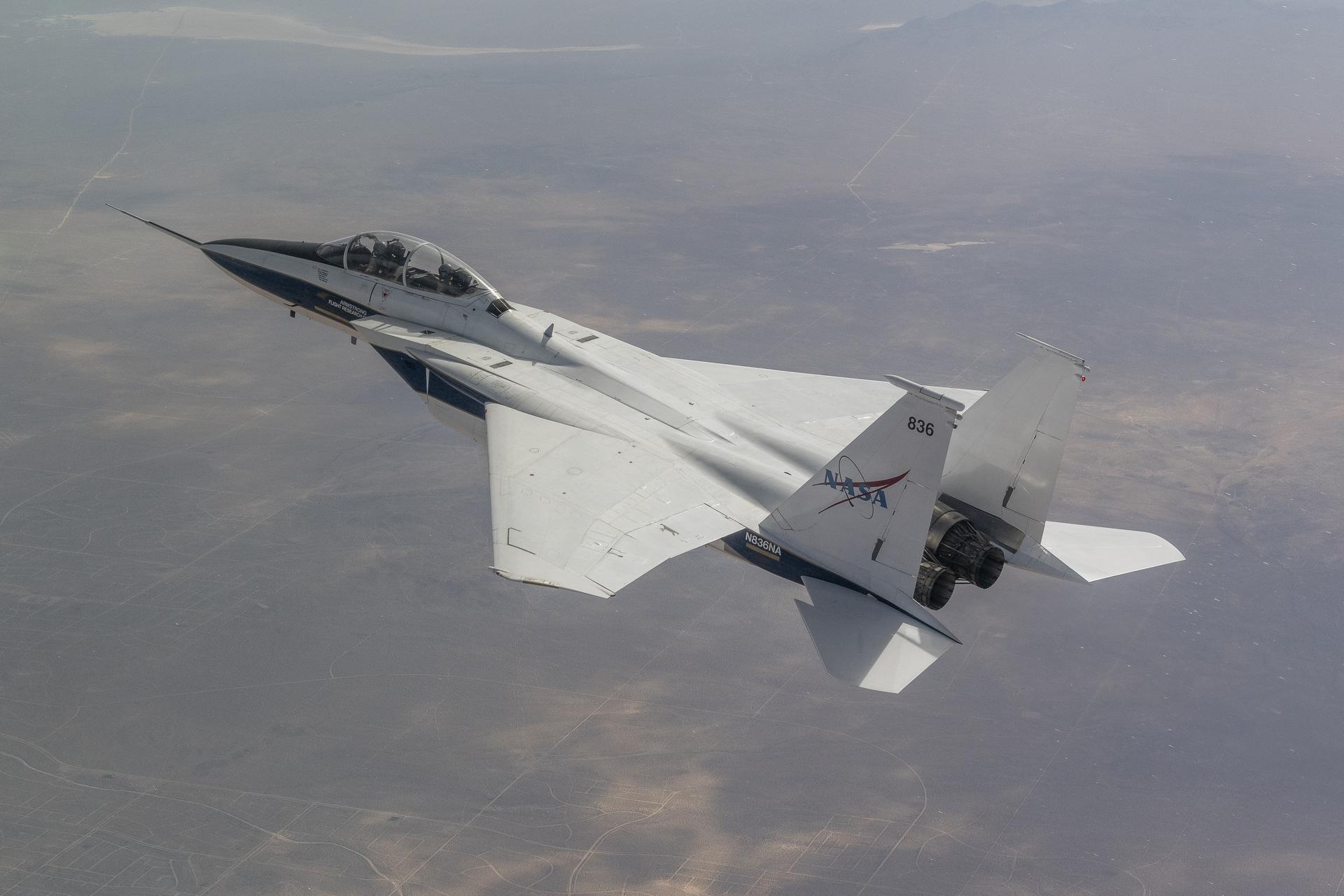
La NASA probará tecnología para medir las singulares ondas de choque del X-59

La NASA probará tecnología para medir las singulares ondas de choque del X-59

4 min read

Preparations for Next Moonwalk Simulations Underway (and Underwater)

Read this story in English here.

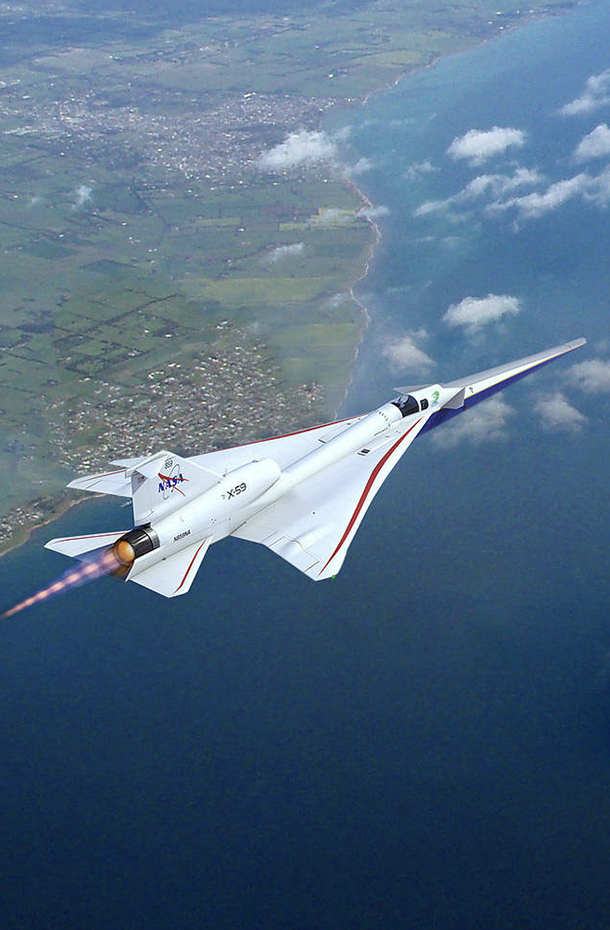
La NASA pronto pondrá a prueba los avances realizados en una herramienta clave para medir los singulares ‘golpes sónicos’ que su avión supersónico silencioso de investigación X-59 producirá durante el vuelo.

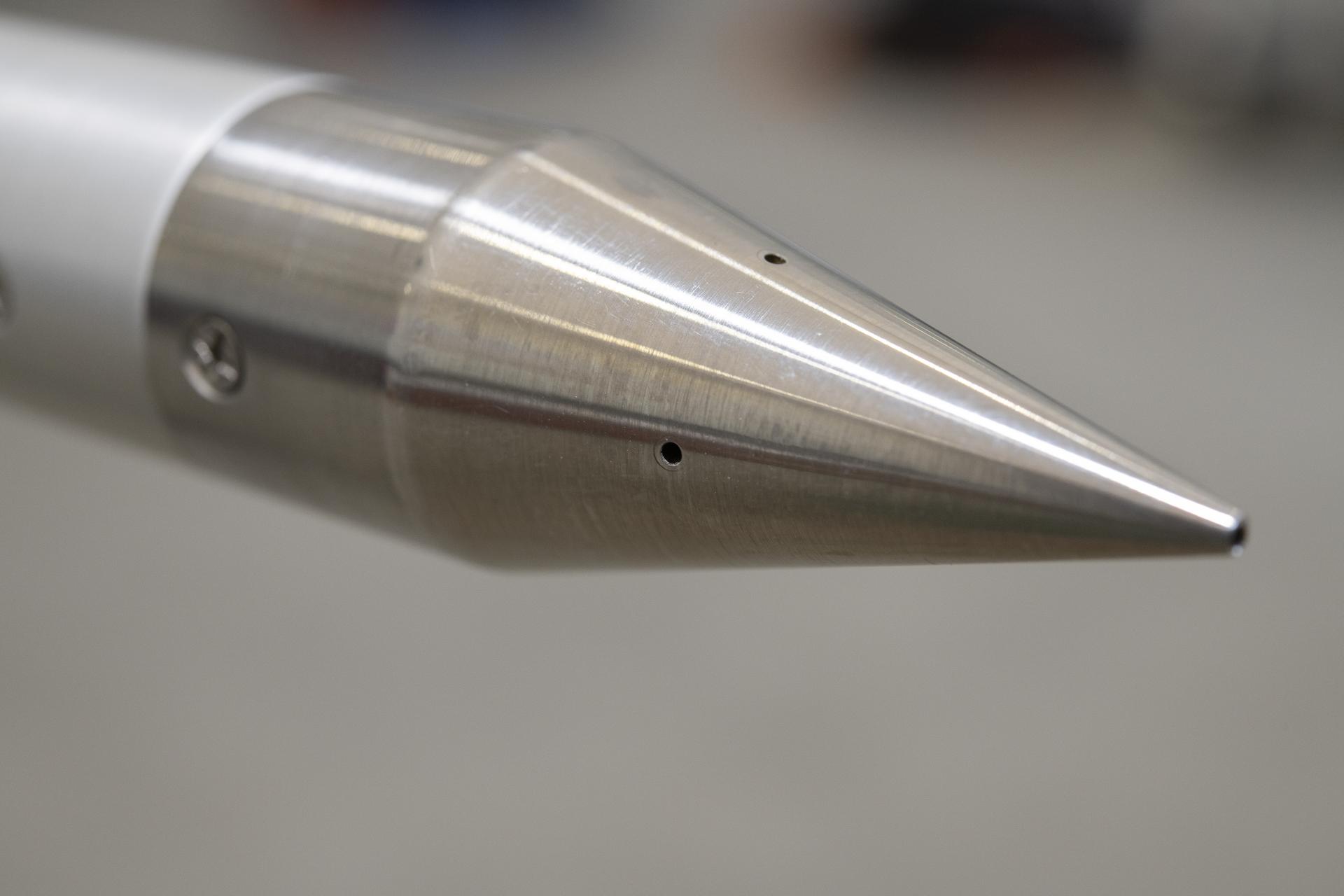
Una sonda de detección de impactoses una sonda de datos de aire en forma cónica desarrollada con características específicas para capturar las singulares ondas de choque que producirá el X-59. Investigadores del Centro de Investigación de Vuelo Armstrong de la NASA en Edwards, California, desarrollaron dos versiones de la sonda para recopilar datos precisos de presión durante el vuelo supersónico. Una de las sondas está optimizada para mediciones de campo cercano, capturando las ondas de choque que se producen muy cerca de donde las generará el X-59. La segunda sonda de detección de impactos medirá el centro del campo y recopilará datos a altitudes de entre 5.000 y 20.000 pies por debajo del avión.

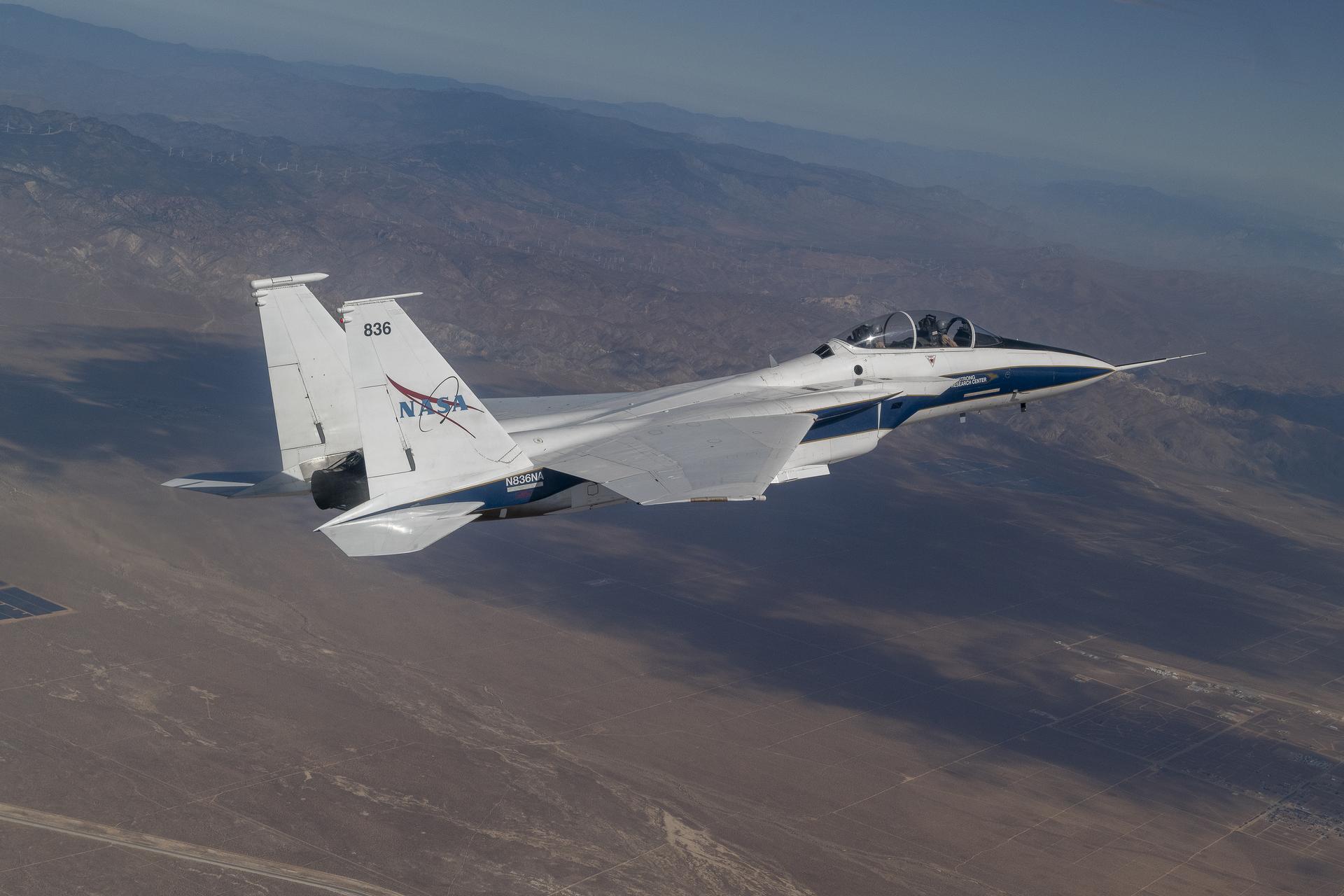
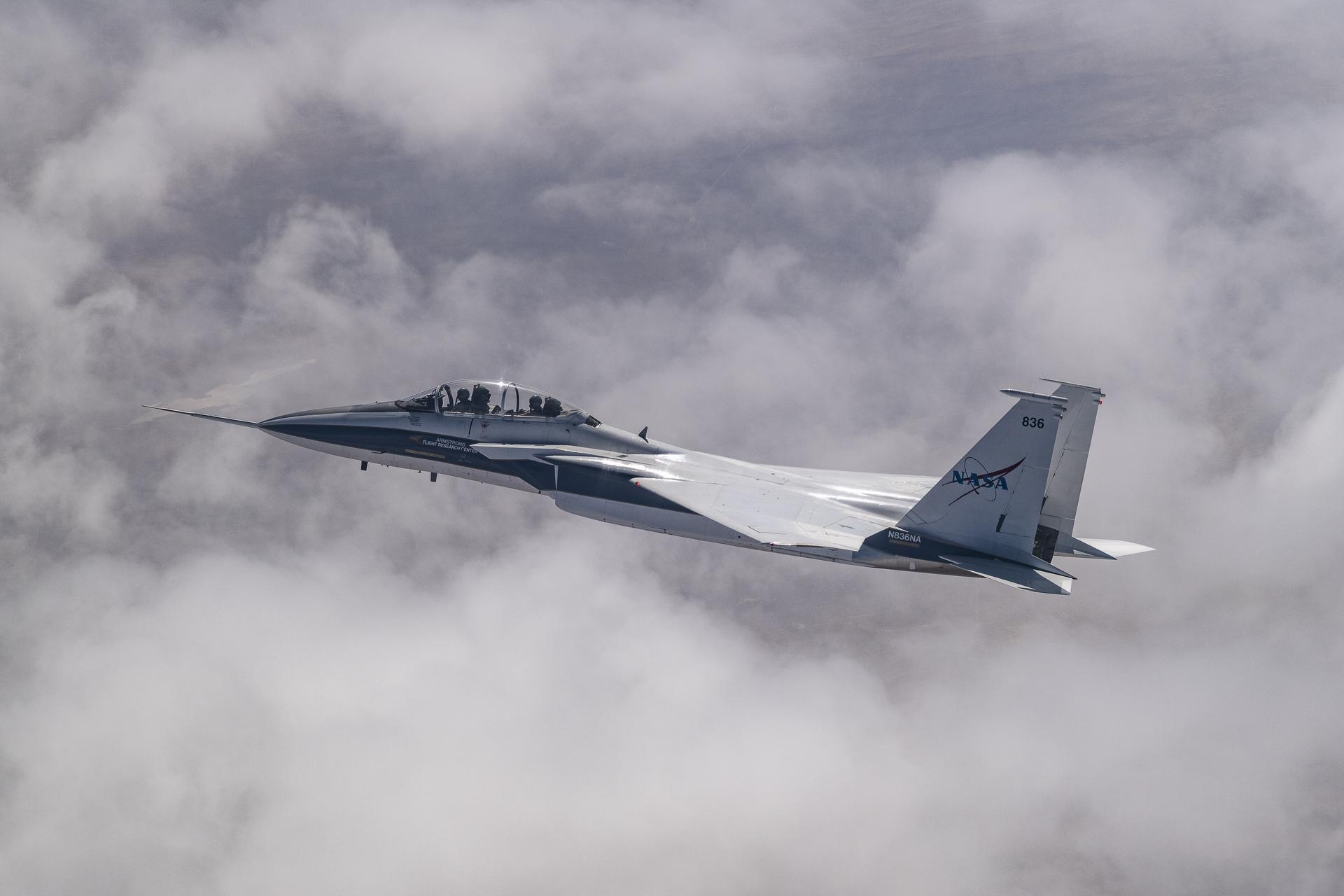
Cuando un avión vuela a velocidades supersónicas, genera ondas de choque que viajan a través del aire circundante, produciendo fuertes estampidos sónicos. El X-59 está diseñado para desviar esas ondas de choque, reduciendo los fuertes estampidos sónicos a golpes sónicos más silenciosos. Durante los vuelos de prueba, un avión F-15B con una sonda de detección de impactos acoplada a su morro volará con el X-59. La sonda, de aproximadamente 1,80 metros (6 pies), recolectará continuamente miles de muestras de presión por segundo, captando los cambios de presión del aire mientras vuela a través de ondas de choque. Los datos de los sensores serán vitales para validar los modelos informáticos que predicen la fuerza de las ondas de choque producidas por el X-59, la pieza central de la misión Quesst de la NASA.

“Una sonda de detección de impactos actúa como fuente de la verdad, comparando los datos previstos con las mediciones del mundo real”, dijo Mike Frederick, investigador principal de la NASA para la sonda.

Para la sonda de campo cercano, el F-15B volará cerca del X-59 a su altitud de crucero de aproximadamente 18.000 metros (55.000 pies), utilizando una configuración de “seguir al líder” que permitirá a los investigadores analizar ondas de choque en tiempo real. La sonda de campo medio, destinada para misiones separadas, recopilará datos más útiles a medida que las ondas de choque viajen más cerca al suelo.

La capacidad de las sondas para captar pequeños cambios de presión es especialmente importante para el X-59, ya que se espera que sus ondas de choque sean mucho más débiles que las de la mayoría de los aviones supersónicos. Al comparar los datos de las sondas con las predicciones de modelos de computadora avanzados, los investigadores pueden evaluar con mayor precisión.

“Las sondas tienen cinco puertos de presión, uno en la punta y cuatro alrededor del cono”, explica Frederick. “Estos puertos miden los cambios de presión estática a medida que el avión vuela a través de las ondas de choque, lo que nos ayuda a comprender las características de choque de un avión en particular”. Estos puertos combinan sus mediciones para calcular la presión local, la velocidad y la dirección del flujo de aire.

Los investigadores pronto evaluarán actualizaciones de la sonda de detección de impactos de campo cercano a través de vuelos de prueba, en los que la sonda, montada en un F-15B, recopilará datos persiguiendo a un segundo F-15 durante un vuelo supersónico. Las actualizaciones de la sonda incluyen la colocación de los transductores de presión – dispositivos que miden la presión del aire en el cono – a sólo 5 pulgadas de sus puertos. Los diseños anteriores colocaban esos transductores a casi 3 metros (12 pies) de distancia, lo que retrasaba el tiempo de grabación y distorsionaba las mediciones.

La sensibilidad a la temperatura de los diseños anteriores también presentó un desafío, ya que provocó fluctuaciones en la precisión cuando cambiaban las condiciones. Para solucionar esto, el equipo diseñó un sistema de calefacción para mantener los transductores de presión a una temperatura constante durante el vuelo.

“La sonda cumplirá los requisitos de resolución y precisión de la misión Quesst”, afirmó Frederick. “Este proyecto muestra cómo la NASA puede tomar tecnología existente y adaptarla para resolver nuevos desafíos”.

Powered by WPeMatico

Get The Details…
Dede Dinius

NASA Technologies Aim to Solve Housekeeping’s Biggest Issue – Dust

NASA Technologies Aim to Solve Housekeeping’s Biggest Issue – Dust

5 Min Read

NASA Technologies Aim to Solve Housekeeping’s Biggest Issue – Dust

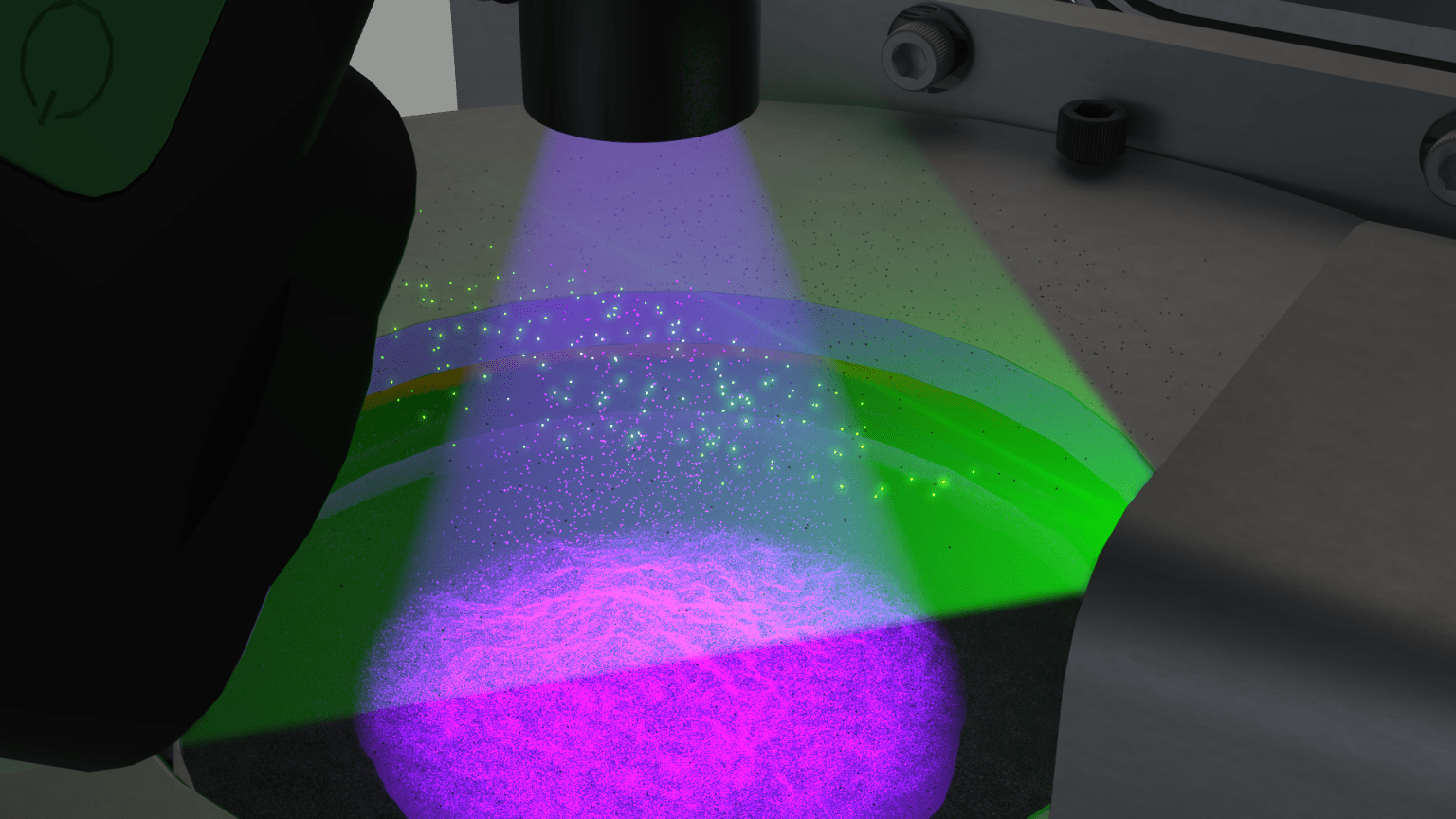
An artist rendering of Electrostatic Dust Lofting (EDL) with purple and green lights representing ultraviolet light and small white specs to depict dust particles. This technology examines the lofting of lunar dust when electrostatic charging occurs after exposure to ultraviolet light.

This artist rendering of Electrostatic Dust Lofting (EDL) examines the lofting of lunar dust when electrostatic charging occurs after exposure to ultraviolet light.

If you thought the dust bunnies under your sofa were an issue, imagine trying to combat dust on the Moon. Dust is a significant challenge for astronauts living and working on the lunar surface. So, NASA is developing technologies that mitigate dust buildup enabling a safer, sustainable presence on the Moon. 

A flight test aboard a suborbital rocket system that will simulate lunar gravity is the next step in understanding how dust mitigation technologies can successfully address this challenge. During the flight test with Blue Origin, seven technologies developed by NASA’s Game Changing Development program within the agency’s Space Technology Mission Directorate will study regolith mechanics and lunar dust transport in a simulated lunar gravity environment. 

The technologies featured in this animation are Electrostatic Dust Lofting (EDL), Electrodynamic Regolith Conveyor (ERC), Hermes Lunar-G, ISRU Pilot Excavator (IPEx), Clothbot, Duneflow, and Vertical Lunar Regolith Conveyor (VLRC). Each of these technology payloads will advance our understanding of regolith mechanics and lunar dust transport through flight testing in space with simulated lunar gravity.
NASA / Advanced Concepts Lab

Why Is Lunar Dust a Problem?

With essentially no atmosphere, dust gets lofted, or lifted by the surface, by a spacecraft’s plumes as it lands on the lunar surface. But it can also be lofted through electrostatic charges. Lunar dust is electrostatic and ferromagnetic, meaning it adheres to anything that carries a charge.

Kristen John, NASA’s Lunar Surface Innovation Initiative technical integration lead at Johnson Space Center said, “The fine grain nature of dust contains particles that are smaller than the human eye can see, which can make a contaminated surface appear to look clean.”

Although lunar dust can appear smooth with a powder like finish, its particles actually have a jagged shape. Lunar dust can scratch everything from a spacesuit to human lungs. Dust can also prevent hardware from surviving the lunar night when it accumulates on solar panels causing a reduction in available power. A buildup of dust coats thermal radiators, increasing the temperature of the equipment. Lunar dust can also accumulate on windows, camera lenses, and visors leading to obscured vision.

Dirty Moon? Clean It Up.

The projects being tested on the lunar gravity flight with Blue Origin include ClothBot, Electrostatic Dust Lofting (EDL), and Hermes Lunar-G.

ClothBot

When future astronauts perform extra-vehicular activities on the lunar surface they could bring dust into pressurized, habitable areas. The goal of the ClothBot experiment is to mimic and measure the transport of lunar dust as releases from a small patch of spacesuit fabric. When agitated by pre-programmed motions, the compact robot can simulate “doffing,” the movement that occurs when removing a spacesuit. A laser-illuminated imaging system will capture the dust flow in real-time, while sensors record the size and number of particles traveling through the space. This data will be used to understand dust generation rates inside a lander or airlock from extra-vehicular activity and refine models of lunar dust transport for future lunar and potential Martian missions.
 

Electrostatic Dust Lofting

This technology will examine the lofting of lunar dust when electrostatic charging occurs after exposure to ultraviolet light. The EDL’s camera with associated lights will record and illuminate for the duration of the flight. During the lunar gravity phase of the flight, a vacuum door containing the dust sample will release and the ultraviolet light source will illuminate the substance, charging the grains until they electrostatically repel one another and become lofted. The lofted dust will pass through a sheet laser as it rises up from the surface. When the lunar gravity phase ends, the ultraviolet light source disables, and the camera will continue recording until the end of the flight. This data will inform dust mitigation modeling efforts for future Moon missions.

Hermes Lunar-G

NASA partnered with Texas A&M and Texas Space Technology Applications and Research (T STAR) to develop Hermes Lunar-G, technology that utilizes flight-proven hardware to conduct experiments with regolith simulants. Hermes was previously a facility on the International Space Station. Hermes Lunar-G repurposed Hermes hardware to study lunar regolith simulants. The Hermes Lunar-G technology uses four canisters to compress the simulants during flight, takeoff, and landing. When the technology is in lunar gravity, it will decompress the contents of the canisters while high-speed imagery and sensors capture data. Results of this experiment will provide information on regolith mechanics that can be used in a variety of computational models. The results of Hermes Lunar-G will be compared to microgravity data from the space station as well as similar data acquired from parabolic flights for lunar and microgravity flight profiles.

The Future of Dust Mitigation

As a primary challenge of lunar exploration, dust mitigation influences several NASA technology developments. Capabilities from In-Situ Resource Utilization to surface power and mobility, rely on some form of dust mitigation, making it a cross-cutting area.

Learning some of the fundamental properties of how lunar dust behaves and how lunar dust impacts systems has implications far beyond dust mitigation and environments. Advancing our understanding of the behavior of lunar dust and advancing our dust mitigation technologies benefits most capabilities planned for use on the lunar surface.»

Kristen John

Kristen John

NASA’s Lunar Surface Innovation Initiative Technical Integration Lead

Engineering teams perform a variety of tests to mitigate dust, ensuring it doesn’t cause damage to hardware that goes to the Moon. NASA’s Game Changing Development program, created a reference guide for lunar dust mitigation to help engineers build hardware destined for the lunar surface.

NASA’s Flight Opportunities program funded the Blue Origin flight test as well as the vehicle capability enhancements to enable the simulation of lunar gravity during suborbital rocket flight for the first time. The payloads are managed under NASA’s Game Changing Development program within the agency’s Space Technology Mission Directorate.

To learn more visit: https://www.nasa.gov/stmd-game-changing-development/

Powered by WPeMatico

Get The Details…
Ivry Artis