


Pacific Ocean From the Space Station
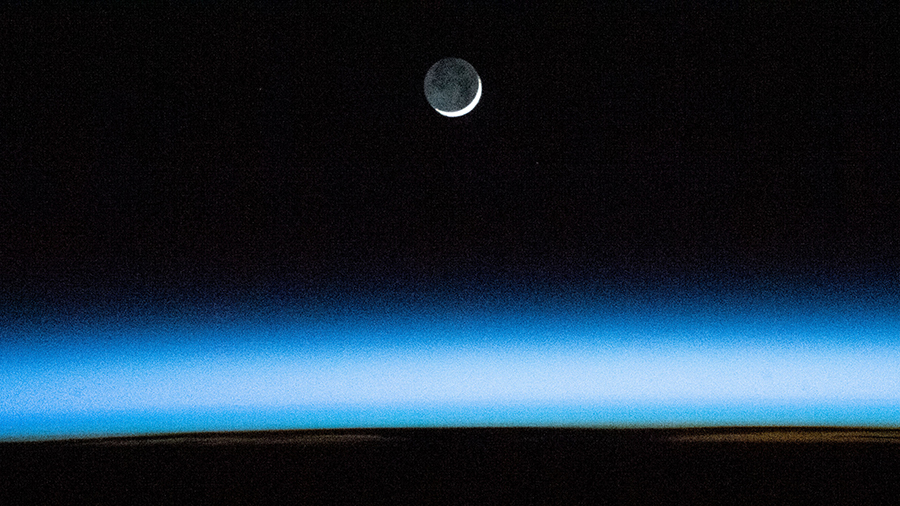
The International Space Station orbits into a dawn 261 miles above a cloudy Pacific Ocean in this image from April 2022.
Powered by WPeMatico
The International Space Station orbits into a dawn 261 miles above a cloudy Pacific Ocean in this image from April 2022.
Powered by WPeMatico
A variety of research operations were on the schedule for the Expedition 67 crew today including hearing checks, radiation protection, and space botany. The four astronauts and three cosmonauts also focused on cargo operations and International Space Station maintenance throughout the day.
NASA and SpaceX now are targeting no earlier than June 28 for the launch of the cargo Dragon spacecraft flight, designated CRS-25, to the International Space Station, pending variables, including availability on the Eastern Range and space station scheduling. The joint teams stood down from a launch attempt this week after elevated vapor readings were measured during propellant loading of the Dragon.
Flight Engineers Samantha Cristoforetti of ESA (European Space Agency) and Kjell Lindgren of NASA took turns monitoring the noise levels they are exposed to while working on the orbiting lab. Cristoforetti attached the Acoustic Diagnostics device to herself in the morning capturing and recording sound level data. She then handed over the audio hardware to Lindgren in the afternoon so he could begin his acoustic monitoring session.
NASA Flight Engineer Jessica Watkins tried on the AstroRad radiation protection vest Tuesday morning. The specialized vest is being tested for its ability to protect against solar particle events while providing comfort during normal station activities.
NASA Flight Engineer Bob Hines was back on gardening duty as he replaced seed cartridges and tended to radishes and mizuna greens growing for the XROOTS space botany study. Hines and Watkins then partnered together in the afternoon for packing activities inside the Cygnus space freighter ahead of its departure planned for late June.
Cosmonauts Oleg Artemyev and Sergey Korsakov continued their exercise research today learning how to maximize the effectiveness of a workout in microgravity. The duo then split up and serviced a variety of communications and life support gear. Roscosmos Flight Engineer Denis Matveev started his day with an Earth photography session then moved on to cargo transfer tasks inside the Progress 80 resupply ship docked to the Poisk module.
Mark Garcia
Powered by WPeMatico
NASA is inviting media to see a technology that could one day help land humans on Mars after it is inflated for the final time on Earth before its spaceflight demonstration later this year.
Powered by WPeMatico
This November 1996 image from Magellan shows Dickinson, an impact crater in the northeastern Atalanta Region of Venus.
Powered by WPeMatico
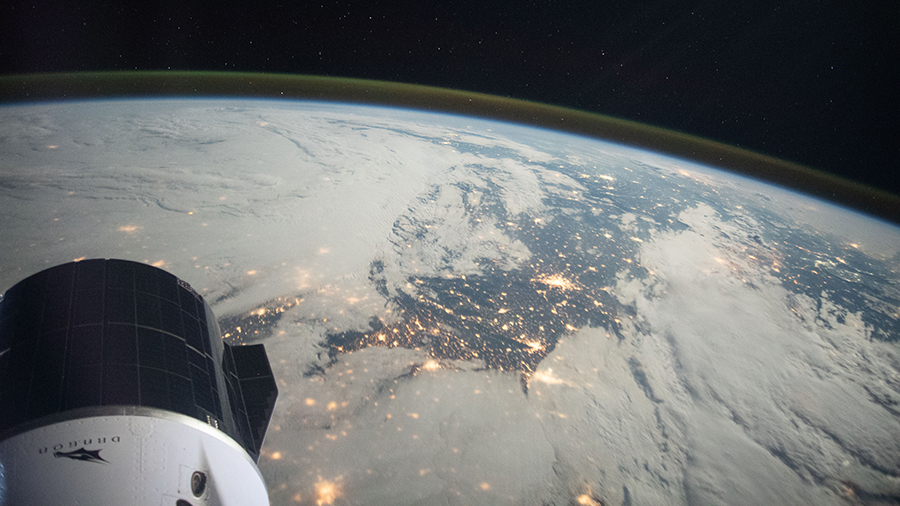
NASA and SpaceX are standing down from this week’s Falcon 9 launch of the CRS-25 cargo mission to the International Space Station. Officials from NASA and SpaceX met today to discuss an issue identified over the weekend and the best path forward.
During propellant loading of the Dragon spacecraft, elevated vapor readings of mono-methyl hydrazine (MMH) were measured in an isolated region of the Draco thruster propulsion system. The propellant and oxidizer have been offloaded from that region to support further inspections and testing. Once the exact source of the elevated readings is identified and cause is determined, the joint NASA and SpaceX teams will determine and announce a new target launch date.
In the meantime, Flight Engineers Jessica Watkins of NASA and Samantha Cristoforetti of ESA (European Space Agency) are getting up to speed with the Dragon cargo craft’s rendezvous and docking procedures. The duo trained on a computer on Monday to prepare for their roles when they monitor Dragon’s automated arrival and docking.
Eye exams were on the schedule with NASA Flight Engineer Kjell Lindgren taking charge as Crew Medical Officer today. He operated medical imaging gear, using standard optical coherence tomography techniques, and scanned the eyes and retinas of Cristoforetti and NASA Flight Engineer Bob Hines.
Before beginning his eye exam, Hines cleaned up and stowed obsolete combustion research hardware to make room for newer science gear being delivered on upcoming resupply missions. The first time space-flyer also worked on light orbital plumbing duties and recirculated fluids to support plants growing for the XROOTS space botany study.
Lindgren started his day in the Quest airlock servicing U.S spacesuits. The first time space-flyer collected water samples from the suit cooling loops and cleaned their water lines before installing new components. Watkins completed the spacesuit work in the afternoon following her Dragon rendezvous training.
In the station’s Russian segment, Commander Oleg Artemyev and Flight Engineer Sergey Korsakov took turns exploring ways to maximize and monitor the effectiveness of physical exercise in space. Artemyev also updated cargo inventory systems as Korsakov unpacked supplies from inside the new Progress 81 resupply ship. Flight Engineer Denis Matveev installed Earth observation gear before photographing the inside of the Nauka multipurpose laboratory module4 for inspection purposes.
Mark Garcia
Powered by WPeMatico
