Crew Works Eye, Earth Studies Day Before Dragon Launch
Astronaut Andreas Mogensen poses for a playful portrait with an empty spacesuit across from him inside the Unity module’s galley.
The Expedition 70 crew mainly focused Wednesday’s scientific research activities on the human eye and Earth observations while also continuing its life support maintenance tasks. The orbital residents will also welcome a cargo mission due to launch to the International Space Station this week.
Vision is a critical element contributing to the success of a spaceflight and doctors want to understand how living in space during a long-term mission affects the human eye. Researchers on the ground observe astronauts with a variety of instruments and experiments on the station collecting data for analysis. Insights may show what happens to the eye when continuously exposed to weightlessness and how an astronaut’s vision re-adjusts to gravity after returning to Earth.
One portion of the CIPHER suite of human research studies taking place on the orbital lab today is looking at space-caused structural and functional changes in the eye. Astronauts Loral O’Hara and Satoshi Furukawa joined each other in the Columbus laboratory module for the advanced biology study. The duo first attached electrodes around their eyes to measure their retinal activity in response to light stimuli. Next, O’Hara from NASA and Furukawa from JAXA (Japan Aerospace Exploration Agency) peered into medical imaging hardware for a closer look at their retinas. Finally, Furukawa imaged the eyes of Commander Andreas Mogensen from ESA (European Space Agency) using the same medical gear found in an optometrist’s office on Earth.
O’Hara also partnered with Mogensen during the day configuring camera gear that will be installed outside the space station on a future date. O’Hara then cleaned spacesuit helmets and stowed spacewalking gear inside the Quest airlock. Mogensen brushed up on his Canadarm2 robotics skills training on a computer to maintain his proficiency when operating the 57.7-foot-long robotic arm.
NASA Flight Engineer Jasmin Moghbeli spent all day in the Tranquility module working on orbital plumbing tasks. She removed and replaced components on the water recovery system that is part of the bathroom, also known as the Waste and Hygiene Compartment, located in Tranquility.
In the Roscosmos segment of the orbital outpost, the cosmonauts worked on a variety of Earth observation hardware supporting three different experiments. Veteran cosmonaut Oleg Kononenko set up a camera to monitor the effects of natural disasters and human-caused catastrophes on the ground. Flight Engineer Nikolai Chub configured a different set of camera gear pointing it toward Earth to image upper atmosphere clouds and gain more climate data. Flight Engineer Konstantin Borisov swapped lenses on the EarthKAM camera remotely controlled by students to capture their own imagery of Earth landmarks.
The SpaceX Dragon cargo spacecraft attached to the company’s Falcon 9 rocket is at the launch pad today at NASA’s Kennedy Space Center. Packed with several thousand pounds of new science experiments, crew supplies, and station hardware, Dragon is counting down to a liftoff at 8:28 p.m. EST on Thursday. It will arrive at the station on Saturday during its automated approach and rendezvous and dock to the Harmony module’s forward port at 5:21 a.m. O’Hara and Moghbeli will be on duty monitoring Dragon’s arrival.
Still Serving: Honoring Marshall, Michoud Veterans
Many members of the workforce at NASA’s Marshall Space Flight Center and Michoud Assembly Facility served in the U.S. Armed Forces before beginning their NASA careers, and some are still serving in both capacities today.
Their defense careers have been in a range of services, including the Army, Air Force, Marine Corps, National Guard, and Reserves. Today, they continue to serve the nation through their work at NASA. As we approach Veterans Day, we pause to acknowledge their military service and hear their stories.
Get to know some of our Marshall and Michoud veterans.
Marshall’s First Woman Director of Engineering Directorate Celebrates Retirement
By Celine Smith
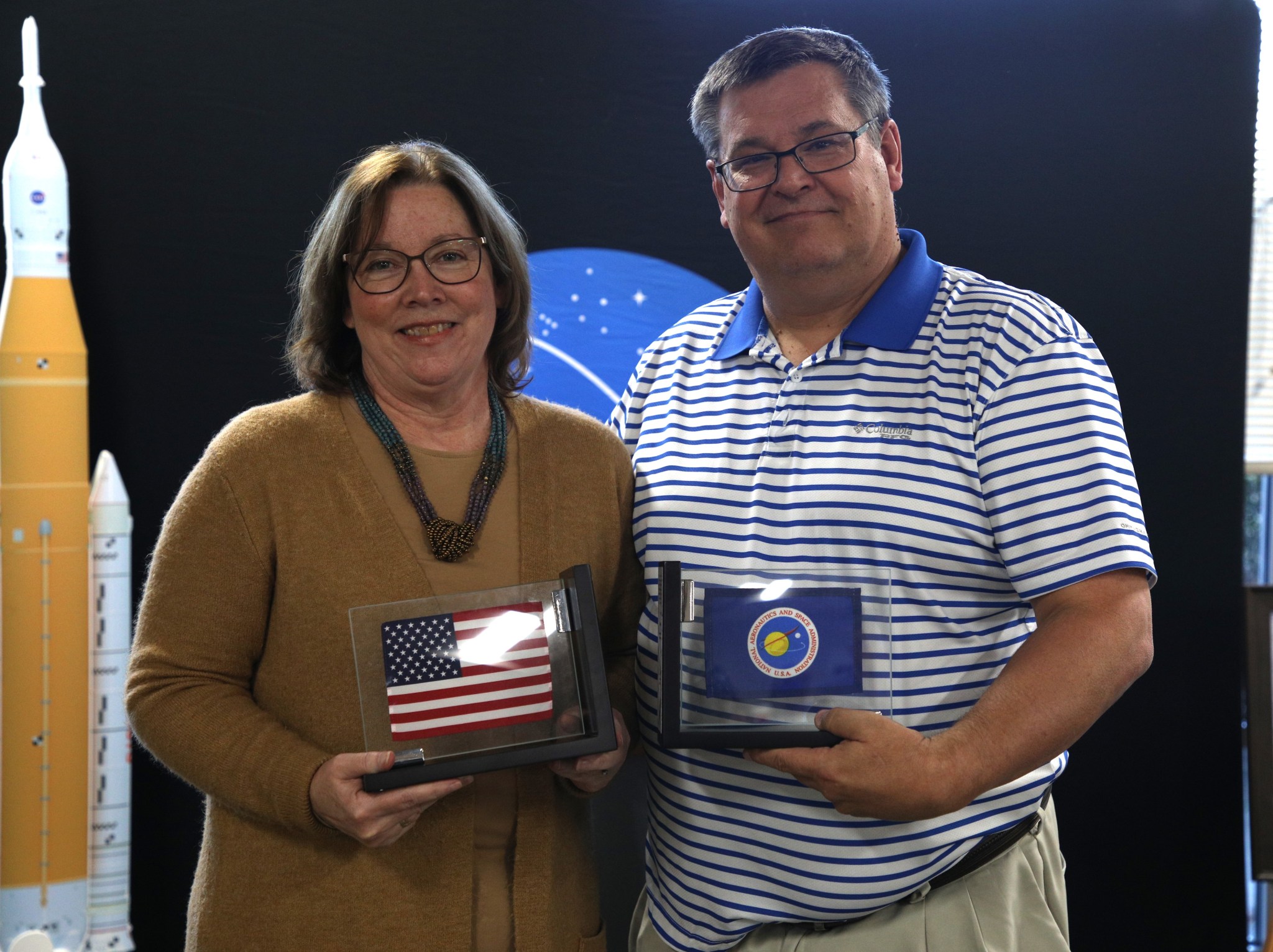
Mary Beth Koelbl, the first woman to serve as director of the Engineering Directorate at NASA’s Marshall Space Flight Center, celebrated her retirement among Marshall team members and family Nov. 2. Koelbl retires after serving 37 years at Marshall.
Marshall Associate Director, Technical, Larry Leopard gave a speech in honor of Koelbl’s impactful career. Both Leopard and Holder stressed how Koelbl’s personable character and great collaborative efforts made her career and teams successful.
NASA’s Marshall Space Flight Center Associate Director, Technical, Larry Leopard, right, presents Mary Beth Koelbl with bookends for her retirement. Encapsulated in them are flags that were flown in space.
NASA/Celine Smith
“Mary Beth has provided outstanding public service to not only engineering but to the center,” Leopard said. “She has been a standard for everybody to follow.”
Appointed to the position in July 2019, Koelbl helped oversee Marshall’s largest organization, comprised of more than 2,000 civil servants and contractors responsible for the design, testing, evaluation and operation of flight hardware and software associated with space transportation and spacecraft systems, science instruments and payloads now in development at Marshall. The directorate provides critical support to NASA’s SLS (Space Launch System) Program, which is managing the construction and testing of the world’s most powerful rocket.
Don Holder was named new director of engineering after previously serving in the role of deputy director under Koelbl.
“Mary Beth Koelbl’s positive attitude toward people and caring about their development has benefited the organization tremendously,” Holder said.
Prior to this appointment, Koelbl was director of the Propulsion Systems Department from 2015 to 2019. In that position, she also served as NASA’s senior executive overseeing the agency’s chemical propulsion capability, leading work across multiple field centers to effectively develop, mature, and apply chemical propulsion capabilities in support of NASA’s missions.
Throughout her NASA career, Koelbl has supported large, complex propulsion systems development and operations efforts for SLS, NASA’s Commercial Crew Program, and various planetary lander development activities. She also contributed to historic efforts such as the space shuttle main engine technology test bed, the Fastrac 60K engine, all shuttle propulsion elements, the Altair spacecraft, and the Ares launch vehicle upper stage and upper stage engine.
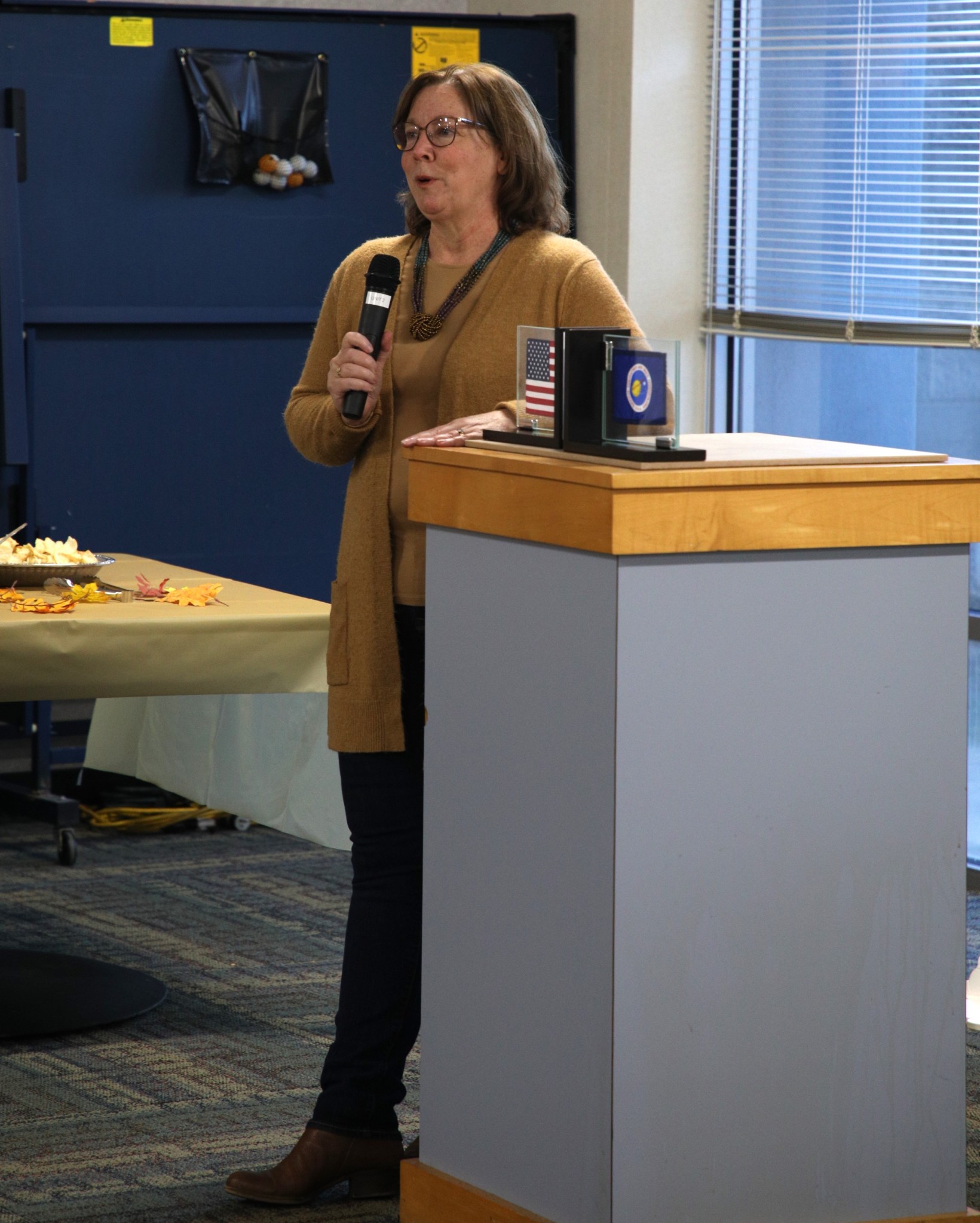
Koelbl extends a thanks to her team members and fondly speaks about her career during her retirement celebration held Nov. 2 in the Building 4203 cafeteria.
NASA/Celine Smith
Koelbl joined Marshall in 1986 as an aerospace engineer in the Turbomachinery and Combustion Devices Branch. She was named deputy group lead of the Engineering Directorate’s Engine Systems Engineering Group in 2000 and group leader in 2003. In 2005, following a center wide reorganization, Koelbl was named branch chief of the Engine and Main Propulsion Systems Branch. She was promoted to division chief of the Propulsion Systems Division in 2011, and later that year was named to the Senior Executive Service position of deputy director of the Propulsion Systems Department. The Senior Executive Service is the personnel system covering most of the top managerial positions in federal agencies.
“I have no plans of working after retirement because nothing could be better than this,” Koelbl said in her closing remarks at the reception.
A native of Iowa City, Iowa, Koelbl earned a bachelor’s degree in mechanical engineering in 1985 from the University of Iowa. She has been the recipient of many prestigious awards, including a NASA Exceptional Service Medal in 2018, NASA Leadership Medal in 2007, Space Flight Awareness Award in 2005, and Silver Snoopy in 1996.
Koelbl and her husband, Terry, who is also a NASA engineer at Marshall, reside in Madison with their three sons. She plans on enjoying her retirement by spending time with her children and grandchildren.
“I’m surely going to miss the people at Marshall – they’re the best,” Koelbl said.
Smith, a Media Fusion employee, supports the Marshall Office of Communications.
Don Holder Named Director of Marshall’s Engineering Directorate
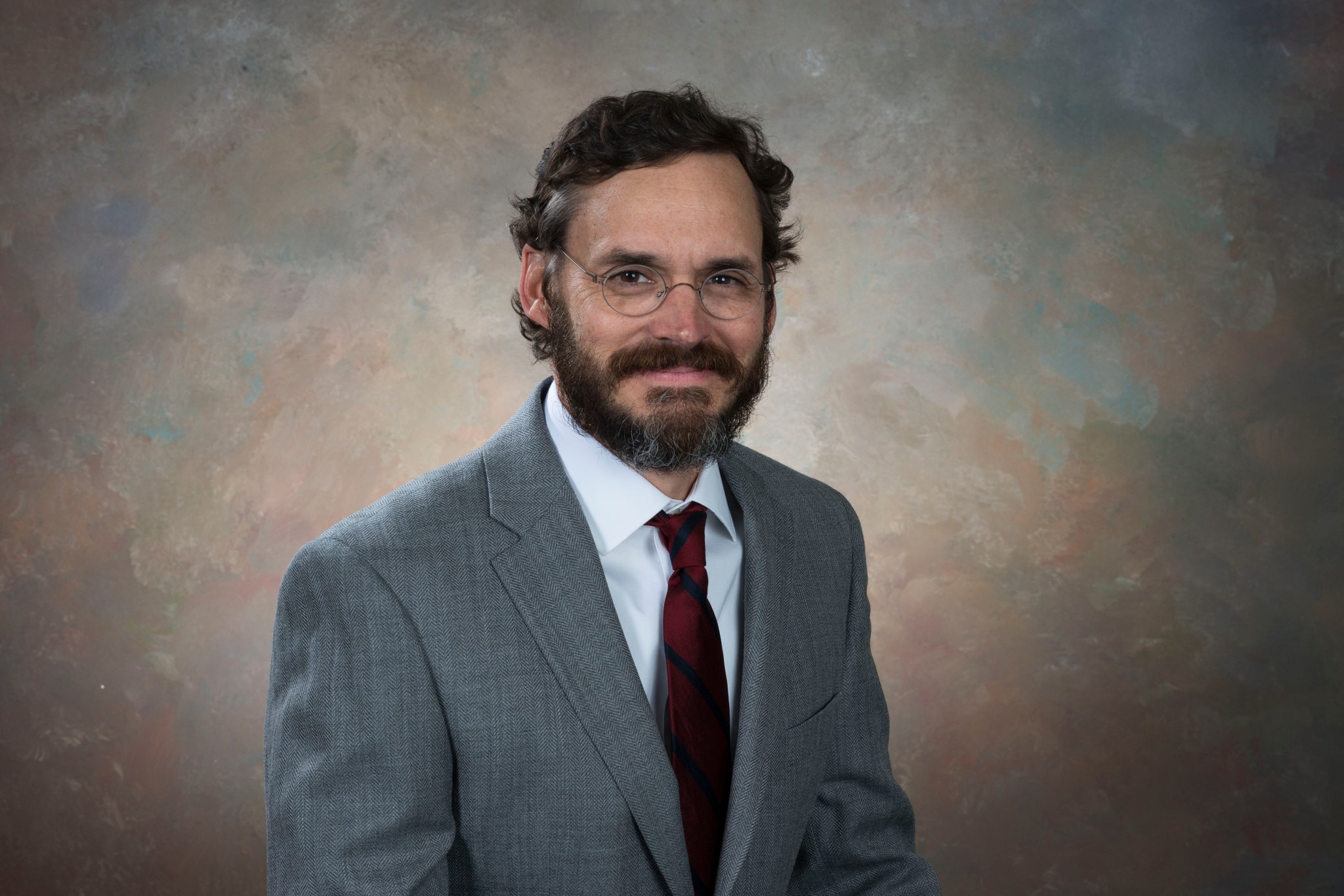
Don Holder has been named director of the Engineering Directorate at NASA’s Marshall Space Flight Center.
In his new role, Holder will be responsible for the center’s largest organization, comprised of more than 2,000 civil service and contractor personnel, leading the design, testing, evaluation, and operation of flight hardware and software associated with space transportation, spacecraft systems, science instruments, and payloads under development at the center.
Don Holder, director of the Engineering Directorate at NASA’s Marshall Space Flight Center.
NASA
He previously served as the Engineering Directorate’s deputy director.
Holder joined Marshall in 1986 as a quality engineer supporting the Shuttle Propulsion Office. Since then, he has served in a multitude of technical leadership roles and has distinguished himself as a subject matter expert in ECLSS (Environmental Control and Life Support Systems). From 1989 to 1999, he served as a water recovery systems engineer supporting the development of water recovery technologies for the International Space Station.
Holder supported the ECLSS Project in positions of increasing scope and responsibility, including ECLSS Design team lead, technical assistant, and assistant chief engineer from 2000 to 2008.
In 2008, Holder was assigned as a project chief engineer for the space station, providing leadership for Marshall-provided flight hardware. From 2011 to 2013, he served as chief of the Mechanical Fabrication Branch in the Space Systems Department where he led a workforce of engineers and technicians and managed the numerous facilities required to support Marshall’s manufacturing needs.
Holder served as deputy chief engineer of the FPPO (Flight Programs and Partnerships Office) from 2013 to 2014 until being appointed to the Senior Level position of FPPO chief engineer in mid-2014 and subsequently Human Exploration Development and Operations chief engineer in 2017. He served as deputy director of the Space Systems Department from May 2019 to February 2021.
Lisa Bates Named Deputy Director of Marshall’s Engineering Directorate
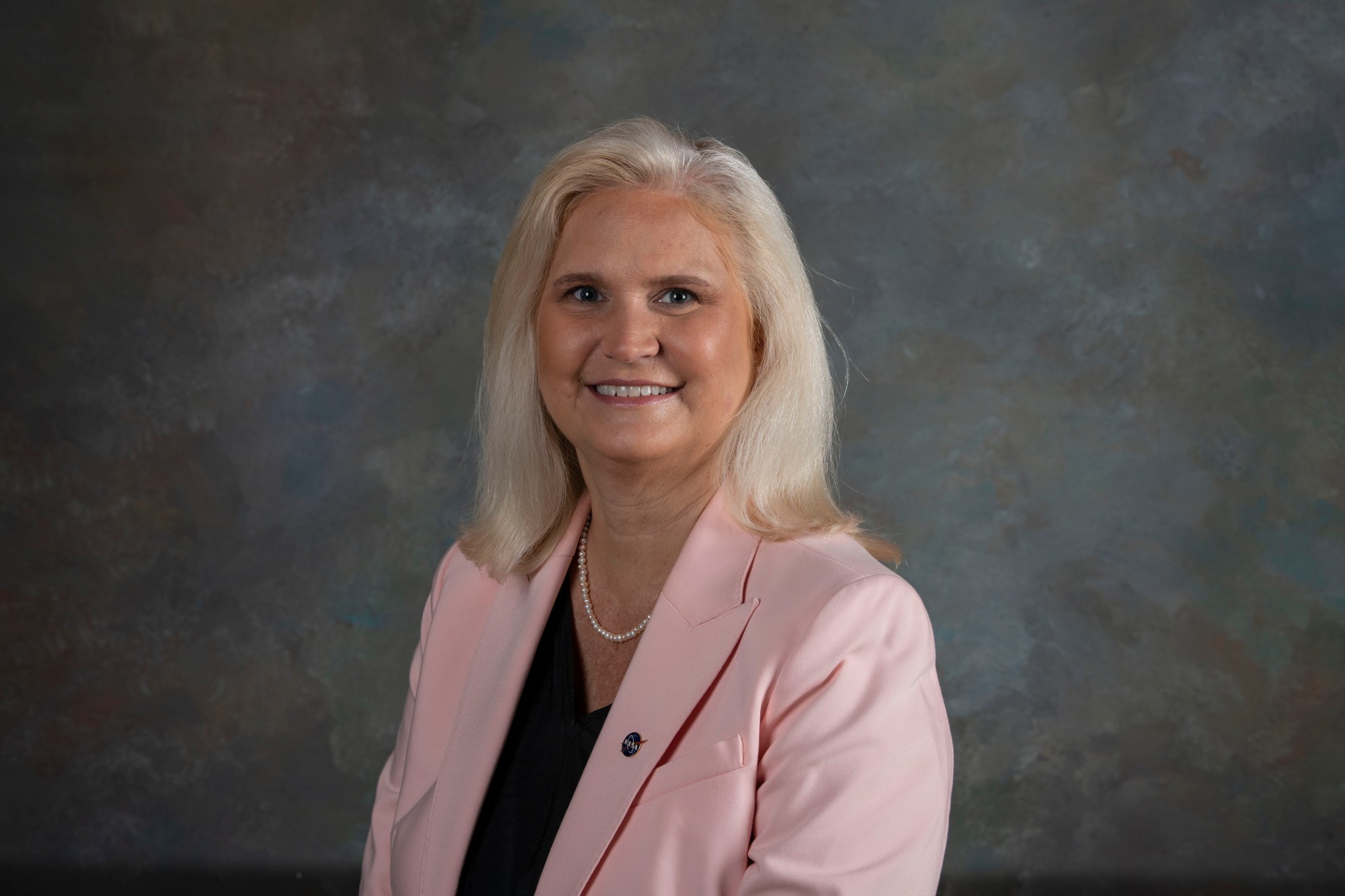
Lisa Bates has been named deputy director of the Engineering Directorate at NASA’s Marshall Space Flight Center.
In her new role, Bates will be jointly responsible for the center’s largest organization, comprised of more than 2,000 civil service and contractor personnel, who design, test, evaluate, and operate flight hardware and software associated with Marshall-developed space transportation and spacecraft systems, science instruments, and payloads.
Portrait: Lisa Bates
NASA
She was previously director of Marshall’s Test Laboratory. Appointed to the position in 2021, Bates provided executive leadership for all aspects of the Laboratory, including workforce, budget, infrastructure, and operations for testing.
She joined Marshall in 2008 as the Ares I Upper Stage Thrust Vector Control lead in the Propulsion Department. Since then, she has served in positions of increasing responsibility and authority. From 2009 to 2017, she served as the first chief of the new TVC Branch, which was responsible for defining operational requirements, performing analysis, and evaluating Launch Vehicle TVC systems and TVC components.
As the Space Launch System (SLS) Program Executive from 2017 to 2018, Bates supported the NASA Deputy Associate Administrator for Exploration Systems Development as the liaison and advocate of the SLS. Upon returning to MSFC in 2018, she was selected as deputy manager of the SLS Booster Element Office. Bates also served as deputy manager of the SLS Stages Office from 2018 to 2021 where she shared the responsibilities, accountability, and authorities for all activities associated with the requirements definition, design, development, manufacturing, assembly, green run test, and delivery of the SLS Program’s Stages Element.
Prior to her NASA career, Bates worked 18 years in private industry for numerous aerospace and defense contractors, including Jacobs Engineering, Marotta Scientific Controls, United Technologies (USBI), United Defense, and Sverdrup Technologies.
She holds a bachelor’s degree in mechanical engineering from the University of Alabama in Huntsville. She was awarded a NASA Outstanding Leadership Medal in 2013 and 2022 and has received numerous group and individual achievement awards. Bates and her husband, Don, reside in Madison and have four children.
Michoud Celebrates Family Day 2023 with Treats and No Tricks
By Matt Higgins
For the second consecutive year, NASA’s Michoud Assembly Facility hosted Family Day, a day when team members can invite their families to visit “America’s Rocket Factory.”
This year’s Family Day was Oct. 28.
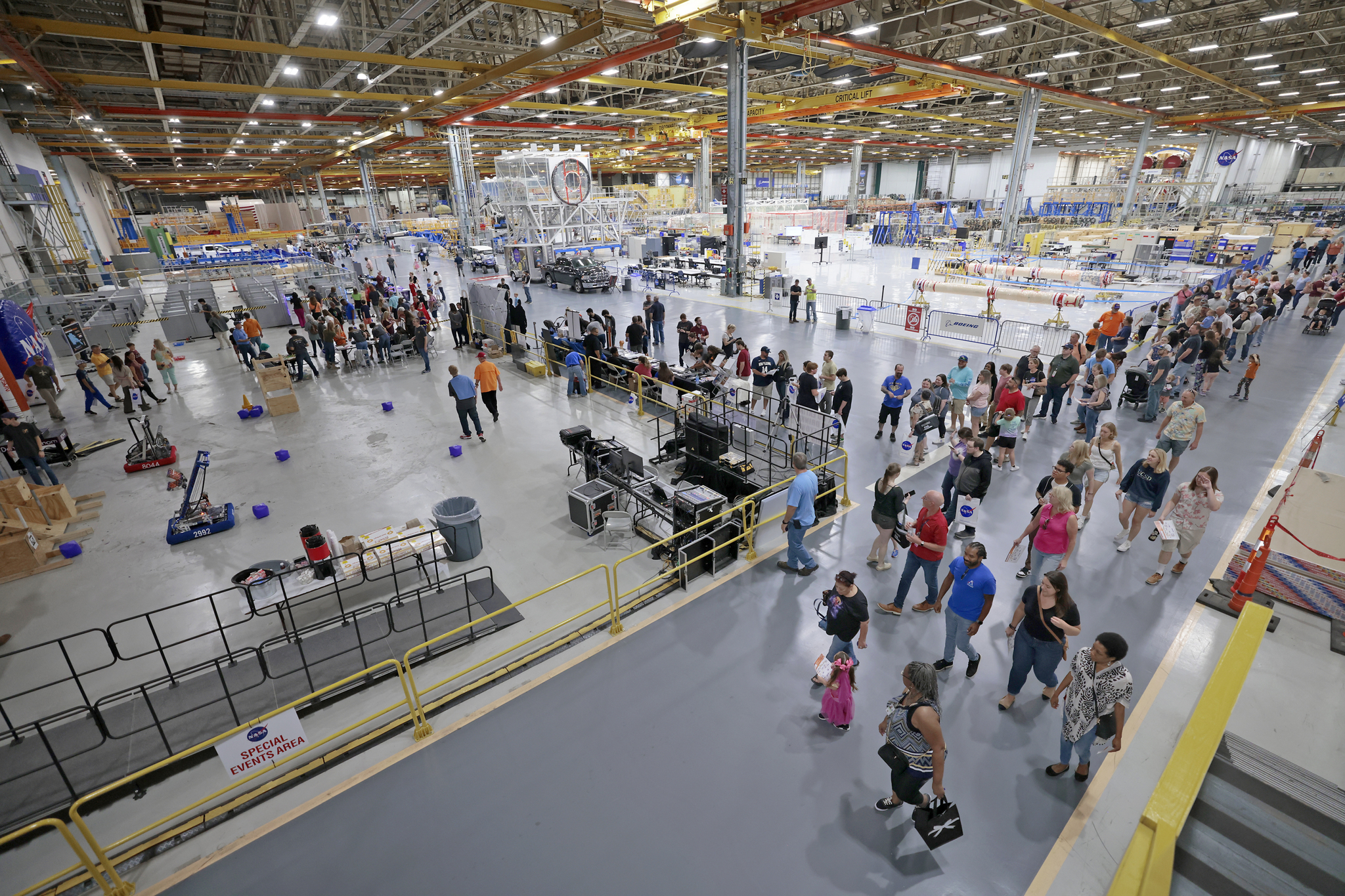
Thousands attend Michoud Family 2023 on Oct. 28 to observe Artemis production, interact with Michoud tenants, and enjoy Halloween festivities.
NASA/Michael DeMocker
“Family Day 2023 was a huge success,” said Michoud Director Lonnie Dutreix. “I enjoyed seeing the employees bring their families and seeing the looks of awe and smiling faces all around.”
Family Day occurred the weekend before Halloween. Team members and their families had the opportunity to view the latest stages of production in the 43-acre factory, including the fully assembled core stage for NASA’s SLS (Space Launch System) rocket for NASA’s Artemis II mission, and were treated to trunk-or-treat as they exited the factory. Michoud passed out candy and Moon Pies to trick-or-treaters of all ages.
“Family Day 2023 was an opportunity to build on last year’s success,” said Heather Keller, Michoud communications strategist and Family Day coordinator. “We even took advantage of the holiday weekend to include a trunk-or-treat for the kids.”
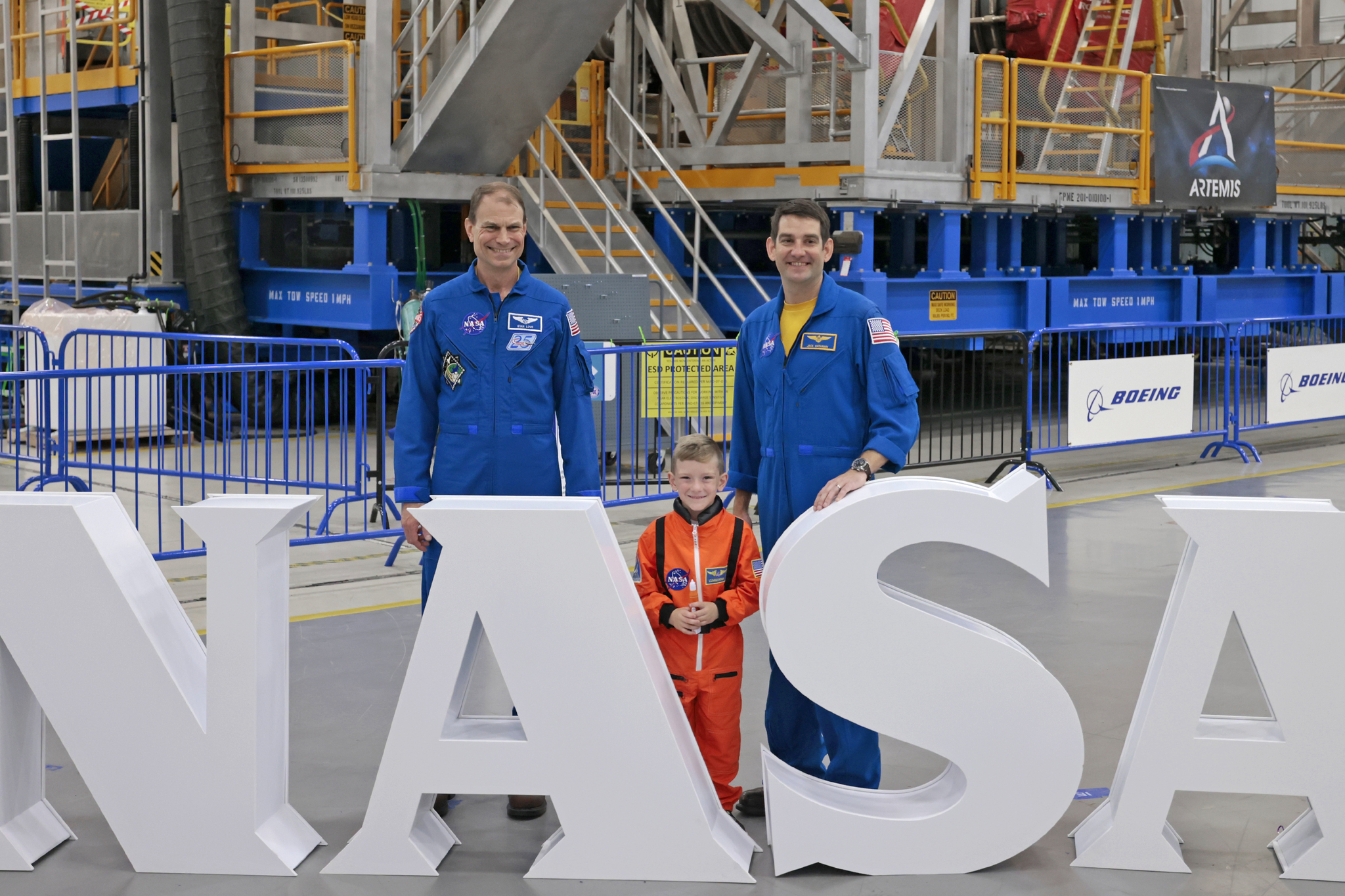
NASA astronaut Stan Love, left, and astronaut candidate Jack Hathaway pose for pictures with a young attendee at Michoud Family Day.
NASA/Michael DeMocker
Mother Nature spared the heavy rains that occurred during Family Day 2022. The lack of rain and threatening skies allowed for more displays and attractions. There were food trucks outside the factory gates, and a Coast Guard Sikorsky MH-60 Jayhawk helicopter landed on the facility grounds. Attendees viewed the distinct orange and white helicopter up close, sat inside, and took pictures. NASA astronaut Stan Love and astronaut candidate Jack Hathaway took pictures with families in front of the SLS core stage for Artemis II in the Final Assembly area.
Michoud’s tenants, including its prime contractors Boeing and Lockheed Martin, set up booths and provided swag for those who passed by. Some tenants included interactive virtual reality displays and science experiments.
“With the addition of astronauts, a USCG rescue helicopter, food trucks, and emergency and heavy equipment static displays, there really was something for everyone,” Keller said.
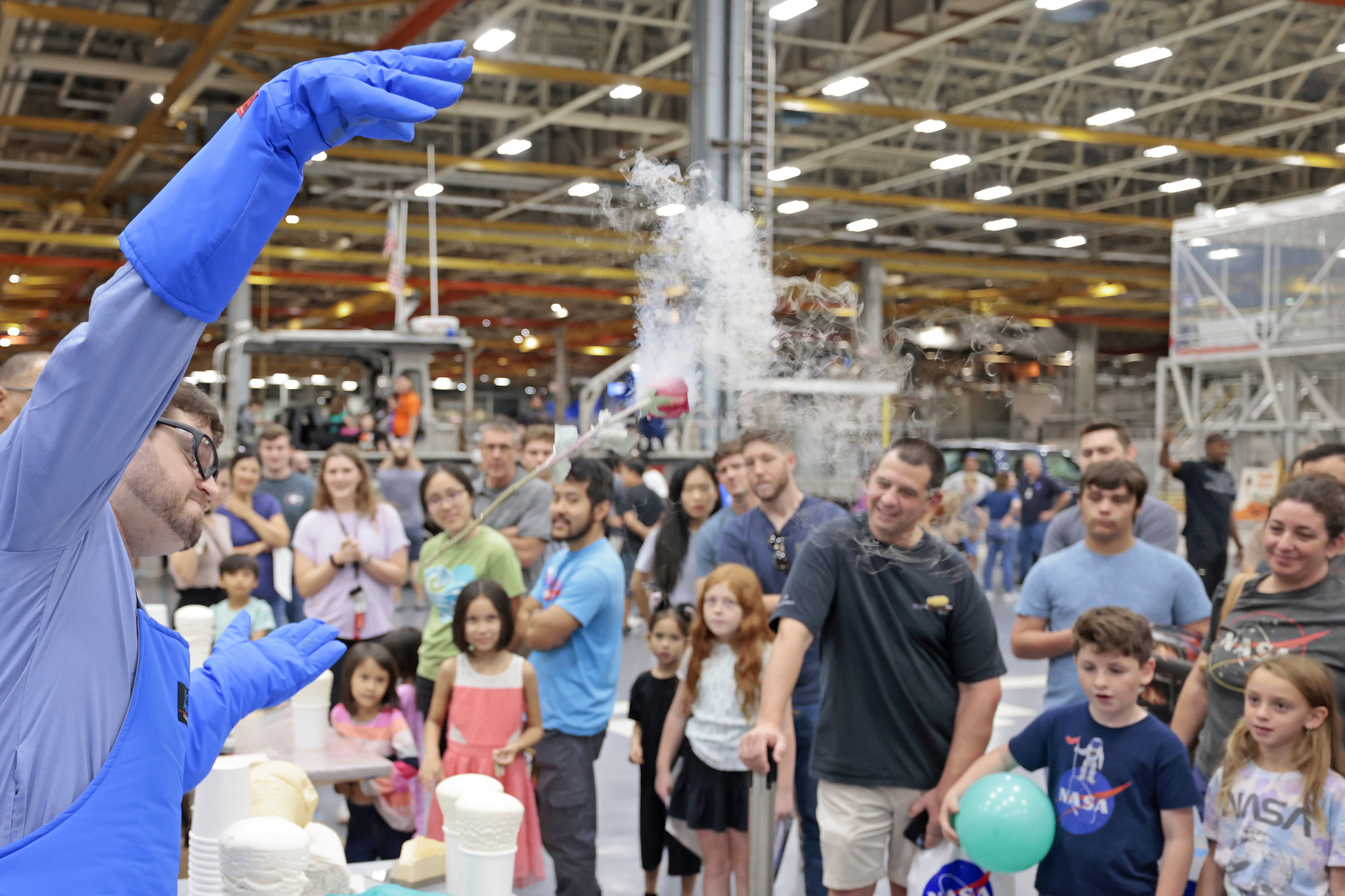
Attendees observe a liquid nitrogen demonstration at the Boeing table at Michoud Family Day.
NASA/Michael DeMocker
Prior to 2022’s celebration, Michoud Family Day hadn’t occurred since before the COVID-19 pandemic, and strong thunderstorms kept many people away in 2022. It meant that this year’s event was the first time many family members had seen Michoud in years and the first for many others. Organizers estimated more than 5,000 attended the event.
For Dutreix, it marked one of the final major events of his tenure. He will retire in December.
“It’s my last Family Day as director,” he said. “I’m going to miss it, but I’m proud of the family atmosphere we have at Michoud. The workforce looks out for each other, and we’re committed to seeing Artemis succeed.”
Higgins, a Manufacturing Technical Solutions Inc. employee, works in communications at Michoud Assembly Facility.
Watch Crews Add RS-25 Engines to NASA Artemis II SLS Rocket
Artemis II reached a significant milestone as teams fully installed all four RS-25 engines to the 212-foot-tall core stage for NASA’s SLS (Space Launch System) rocket at NASA’s Michoud Assembly Facility.
During Artemis II, the four engines, arranged like legs on a chair at the bottom of the mega rocket, will fire for eight minutes at launch, producing more than 2 million pounds of thrust to send the Artemis II crew around the Moon.
Boeing is the lead contractor for the SLS core stage. Aerojet Rocketdyne, an L3Harris Technologies company, is the lead contractor for the SLS engines. NASA’s Marshall Space Flight Center manages the SLS Program and Michoud.
NASA Telescopes Discover Record-breaking Black Hole
Astronomers have discovered the most distant black hole yet seen in X-rays, using NASA telescopes. The black hole is at an early stage of growth that had never been witnessed before, where its mass is similar to that of its host galaxy.
This result may explain how some of the first supermassive black holes in the universe formed.
By combining data from NASA’s Chandra X-ray Observatory and NASA’s James Webb Space Telescope, a team of researchers was able to find the telltale signature of a growing black hole just 470 million years after the big bang.
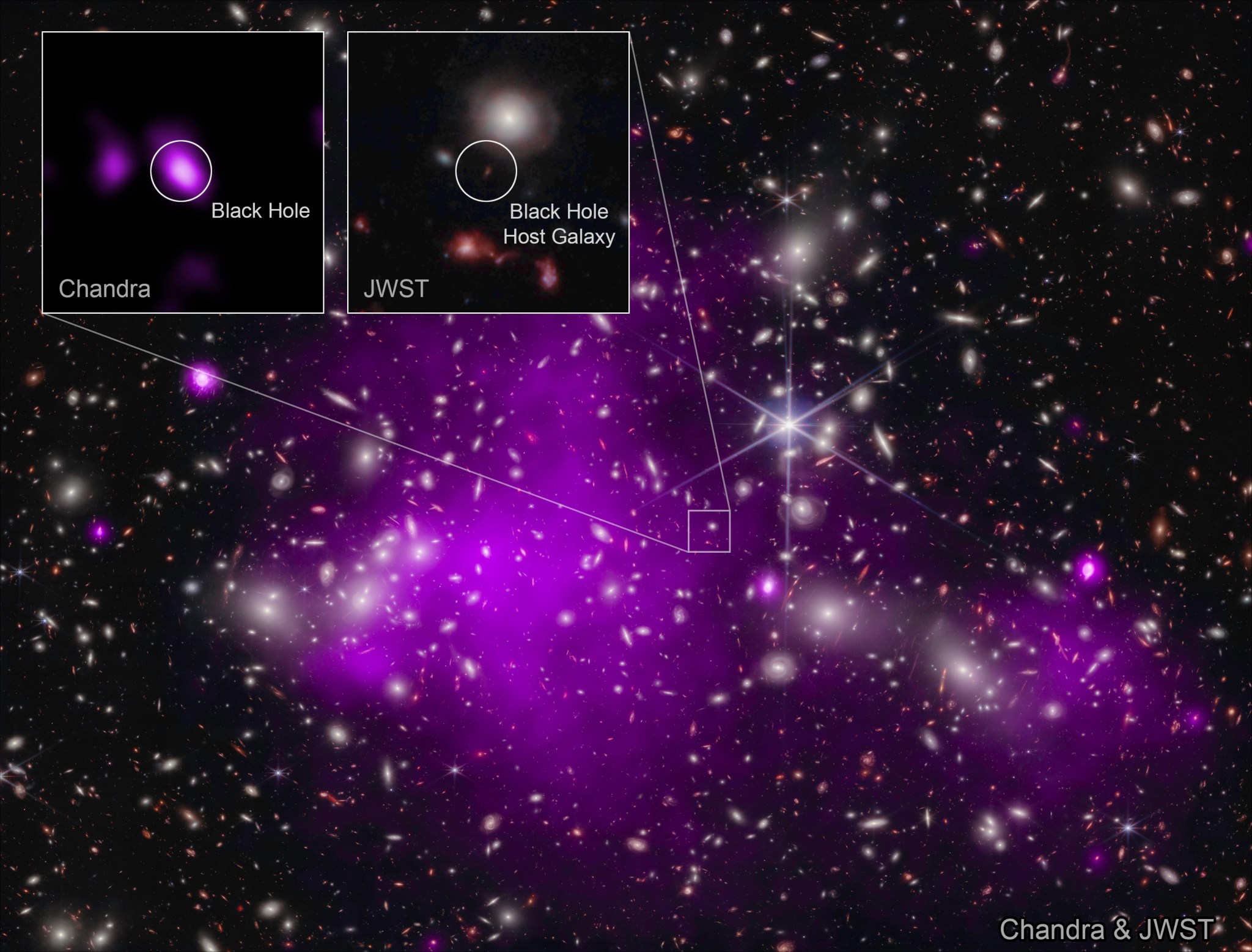
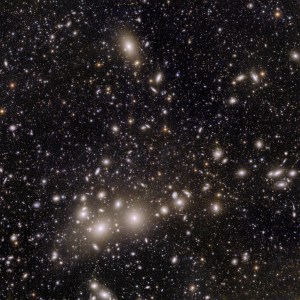
Astronomers found the most distant black hole ever detected in X-rays (in a galaxy dubbed UHZ1) using the Chandra and Webb space telescopes. X-ray emission is a telltale signature of a growing supermassive black hole. This result may explain how some of the first supermassive black holes in the universe formed. These images show the galaxy cluster Abell 2744 that UHZ1 is located behind, in X-rays from Chandra and infrared data from Webb, as well as close-ups of the black hole host galaxy UHZ1.
“We needed Webb to find this remarkably distant galaxy and Chandra to find its supermassive black hole,” said Akos Bogdan of the Center for Astrophysics | Harvard & Smithsonian (CfA) who leads a new paper in the journal Nature Astronomy describing these results. “We also took advantage of a cosmic magnifying glass that boosted the amount of light we detected.” This magnifying effect is known as gravitational lensing.
Bogdan and his team found the black hole in a galaxy named UHZ1 in the direction of the galaxy cluster Abell 2744, located 3.5 billion light-years from Earth. Webb data, however, has revealed the galaxy is much more distant than the cluster, at 13.2 billion light-years from Earth, when the universe was only 3% of its current age.
Then over two weeks of observations with Chandra showed the presence of intense, superheated, X-ray emitting gas in this galaxy – a trademark for a growing supermassive black hole. The light from the galaxy and the X-rays from gas around its supermassive black hole are magnified by about a factor of four by intervening matter in Abell 2744 (due to gravitational lensing), enhancing the infrared signal detected by Webb and allowing Chandra to detect the faint X-ray source.
This discovery is important for understanding how some supermassive black holes can reach colossal masses soon after the big bang. Do they form directly from the collapse of massive clouds of gas, creating black holes weighing between about 10,000 and 100,000 Suns? Or do they come from explosions of the first stars that create black holes weighing only between about 10 and 100 Suns?
“There are physical limits on how quickly black holes can grow once they’ve formed, but ones that are born more massive have a head start. It’s like planting a sapling, which takes less time to grow into a full-size tree than if you started with only a seed”, said Andy Goulding of Princeton University. Goulding is a co-author of the Nature Astronomy paper and lead author of a new paper in The Astrophysical Journal Letters that reports the galaxy’s distance and mass using a spectrum from Webb.
Bogdan’s team has found strong evidence that the newly discovered black hole was born massive. Its mass is estimated to fall between 10 and 100 million Suns, based on the brightness and energy of the X-rays. This mass range is similar to that of all the stars in the galaxy where it lives, which is in stark contrast to black holes in the centers of galaxies in the nearby universe that usually contain only about a tenth of a percent of the mass of their host galaxy’s stars.
The large mass of the black hole at a young age, plus the amount of X-rays it produces and the brightness of the galaxy detected by Webb, all agree with theoretical predictions in 2017 by co-author Priyamvada Natarajan of Yale University for an “Outsize Black Hole” that directly formed from the collapse of a huge cloud of gas.
“We think that this is the first detection of an ‘Outsize Black Hole’ and the best evidence yet obtained that some black holes form from massive clouds of gas,” said Natarajan. “For the first time we are seeing a brief stage where a supermassive black hole weighs about as much as the stars in its galaxy, before it falls behind.”
The researchers plan to use this and other results pouring in from Webb and those combining data from other telescopes to fill out a larger picture of the early universe.
NASA’s Hubble Space Telescope previously showed that light from distant galaxies is highly magnified by matter in the intervening galaxy cluster, providing part of the motivation for the Webb and Chandra observations described here.
The paper describing the results by Bogdan’s team appears in Nature Astronomy, and a preprint is available online.
The Webb data used in both papers is part of a survey called the Ultradeep Nirspec and nirCam ObserVations before the Epoch of Reionization (UNCOVER). The paper led by UNCOVER team member Andy Goulding appears in the Astrophysical Journal Letters. The co-authors include other UNCOVER team members, plus Bogdan and Natarajan. A detailed interpretation paper that compares observed properties of UHZ1 with theoretical models for Outsize Black Hole Galaxies is forthcoming.
NASA’s Marshall Space Flight Center manages the Chandra program. The Smithsonian Astrophysical Observatory’s Chandra X-ray Center controls science operations from Cambridge, Massachusetts, and flight operations from Burlington, Massachusetts.
The James Webb Space Telescope is the world’s premier space science observatory. Webb is solving mysteries in our solar system, looking beyond to distant worlds around other stars, and probing the mysterious structures and origins of our universe and our place in it. Webb is an international program led by NASA with its partners, ESA (European Space Agency) and the Canadian Space Agency.
NASA’s Lucy spacecraft got a surprise when it flew by asteroid Dinkinesh on Nov. 1 – the first of multiple asteroids Lucy will visit on its 12-year voyage. The mission is featured in “This Week @ NASA,” a weekly video program broadcast on NASA-TV and posted online.
Images captured by Lucy revealed that Dinkinesh is not just a single asteroid, as was thought, but a binary pair. The primary aim of the Lucy mission is to survey the Jupiter Trojan asteroids, a never-before-explored population of small bodies that orbit the Sun in two “swarms” that lead and follow Jupiter in its orbit.
NASA’s Goddard Space Flight Center provides overall mission management, systems engineering, and safety and mission assurance. Lockheed Martin Space in Littleton, Colorado, built the spacecraft. Lucy is the 13th mission in NASA’s Discovery Program. NASA’s Marshall Space Flight Center manages the Discovery Program for the Science Mission Directorate at NASA Headquarters.
View this and previous episodes at “This Week @NASA” on NASA’s YouTube page.
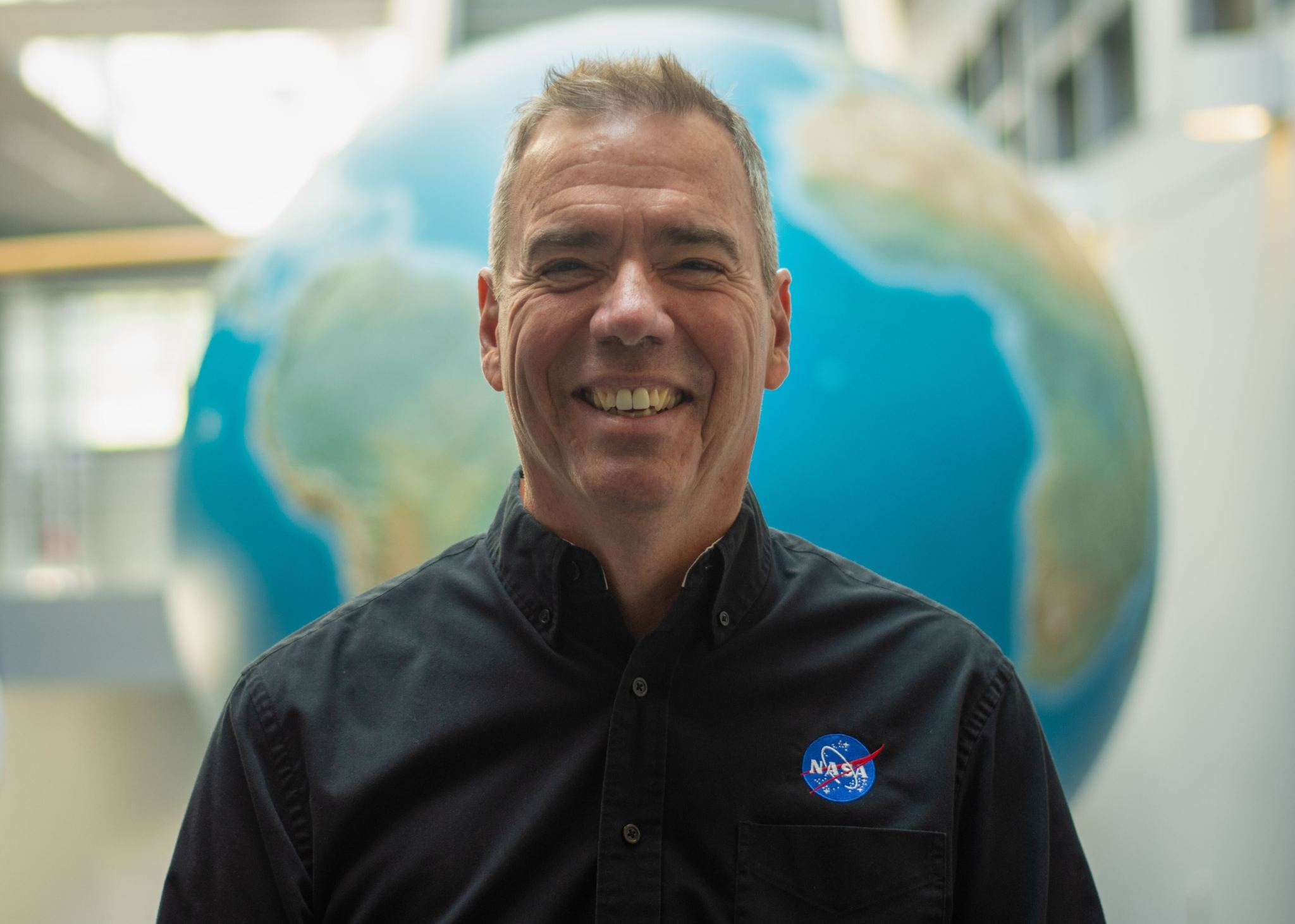
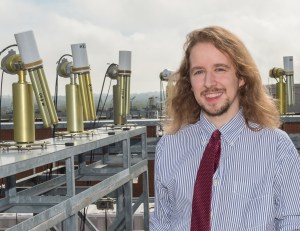
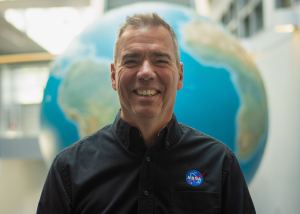
Dr. Peter Griffith is the director of NASA’s Carbon Cycle and Ecosystems Office. “As a scientist, I started off in the water and then gradually moved to on top of the water, and then ultimately went up into the air and into space, at least with the instrument eyes that we have on the world,” he said. “In some respects, I was a carbon cycle scientist since before it was cool.”
NASA / Angeles Miron
Name: Peter Griffith
Title: Director, NASA Carbon Cycle and Ecosystems Office
I lead NASA’s Carbon Cycle and Ecosystems Office, which is in the Biospheric Sciences Laboratory at Goddard. We answer to NASA Headquarters, we support the Carbon Cycle and Ecosystems Focus area, and we support different elements of the funded program that comes out of that. To a great extent, we support the terrestrial ecology program, but also ocean biology and biogeochemistry, biodiversity, the Carbon Monitoring System, and some application work.
A lot of our work consists of supporting field campaigns. These are activities where dozens and sometimes hundreds of investigators go out into amazing parts of the world and do the work on the ground – or on the water – to have an up-close view of what’s happening in critical parts of the planet and couple that fine-scale information with observations from remote sensing instruments on aircraft and ultimately on satellites.
What do you do on a day-to-day basis?
One of the really fun things I get to do is coordinate with our teams that are out in the field and the flight crews. We’ve got an aircraft, a relatively small twin-engine turboprop that’s flown in Alaska with an instrument called AVIRIS, a very fancy camera that sees lots of colors and makes images from it that have far more wavelengths than what your cell phone camera has in it. It’s called an imaging spectrometer. We fly that to look at vegetation characteristics and methane emissions across Alaska and some parts of Canada.
A couple months ago, I got to go up and spend some time in Fairbanks working with the instrument crew from NASA’s Jet Propulsion Laboratory in Southern California and the flight crew and fine-tune when and where we would fly each day. I don’t do lab work or very much field work at this point, so an awful lot of it is coordination with scientists and engineers to help us go to the right places and measure the right things.
How did your path to Goddard start?
I was a kid growing up in the in the Apollo program era, and I lived in my parents’ house on a lake in Central Florida about 50 miles from Cape Canaveral. A lot of my childhood consisted of catching alligators in the lake and watching Saturn V rockets take off. It was very exciting.
Because I was a giant nerd with big, thick glasses, being an astronaut was completely off the table, I knew that. But that whole thing about swimming in the lake took me in, ultimately, into being a scuba diver and going into marine biology. As a scientist, I started off in the water and then gradually moved to on top of the water, and then, ultimately went up into the air and into space, at least with the instrument eyes that we have on the world. In some respects, I was a carbon cycle scientist since before it was cool.
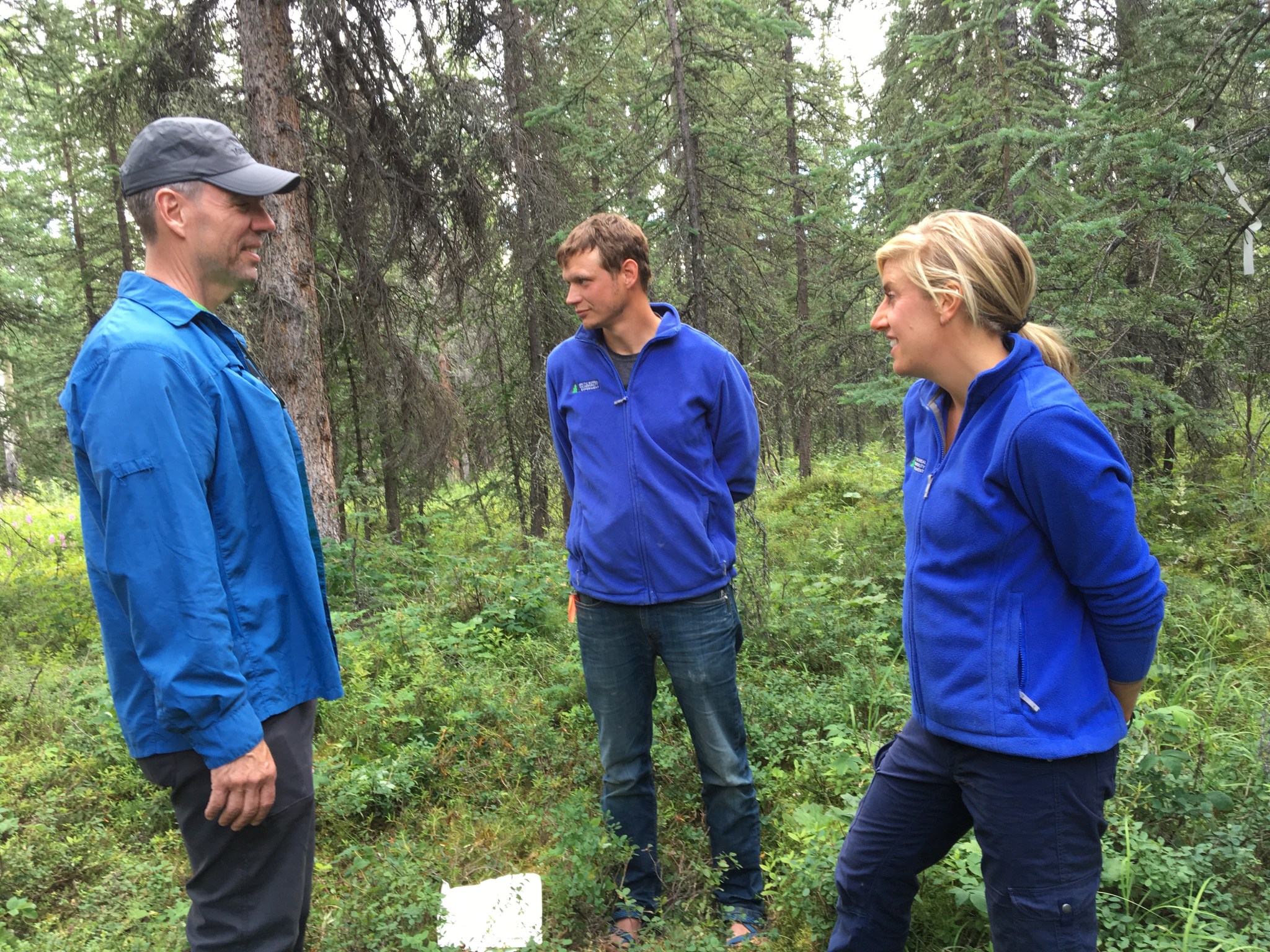
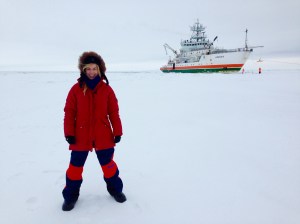
Peter Griffith, Brian Howard and Xanthe Walker discuss field work in Denali National Park during a 2016 expedition.
NASA / Kate Ramsayer
Do you have any cool stories from the field?
Oh, boy. We have several 100 investigators that have been funded over the years and probably 100 or more who are involved in one way or another, and I probably credit a lot of them for having the coolest stories, But in my own role, I’ve had conversations and consultations with federal and state and local folks in Alaska and Canada about where and when we fly our airborne instruments, so in the course of that, I’ve had the chance to talk with representatives from First Nations about what their concerns are. It’s been really interesting for me, very broadening of my knowledge from my narrow view as a scientist. We like to think we know a lot of things, but in talking with many of our Indigenous partners, I continue to learn that there are a lot of things that we don’t know, and that I don’t know.
One of the great things about this job is getting to learn new things all the time. Sometimes it’s about new satellites or new ways of using different kinds of radar and lidar to observe the planet. That is certainly a stimulating part of the job, but another really stimulating part of the job is getting to know people and getting to see their world and hear them explain how they see the world through their eyes.
Do you ever miss doing field work?
That’s a really good question. It’s a challenge because, there are a lot of sacrifices that you make as a field scientist. It may put you a very long way away from your family, for instance. One of the reasons, actually, that I moved into project management was that it gave me a better work-life balance at a time when I had small kids.
It’s been so fun working at Goddard Space Flight Center. There are still times when – and particularly after having to work remotely for a while – that I come on campus and see the great, big NASA emblem on the side of the High Bay Clean Room building and I go, “I can’t believe I get to work here.”
Conversations With Goddard is a collection of Q&A profiles highlighting the breadth and depth of NASA’s Goddard Space Flight Center’s talented and diverse workforce. The Conversations have been published twice a month on average since May 2011. Read past editions on Goddard’s “Our People” webpage.
By Ananya Udaygiri NASA’s Goddard Space Flight Center, Greenbelt, Md.
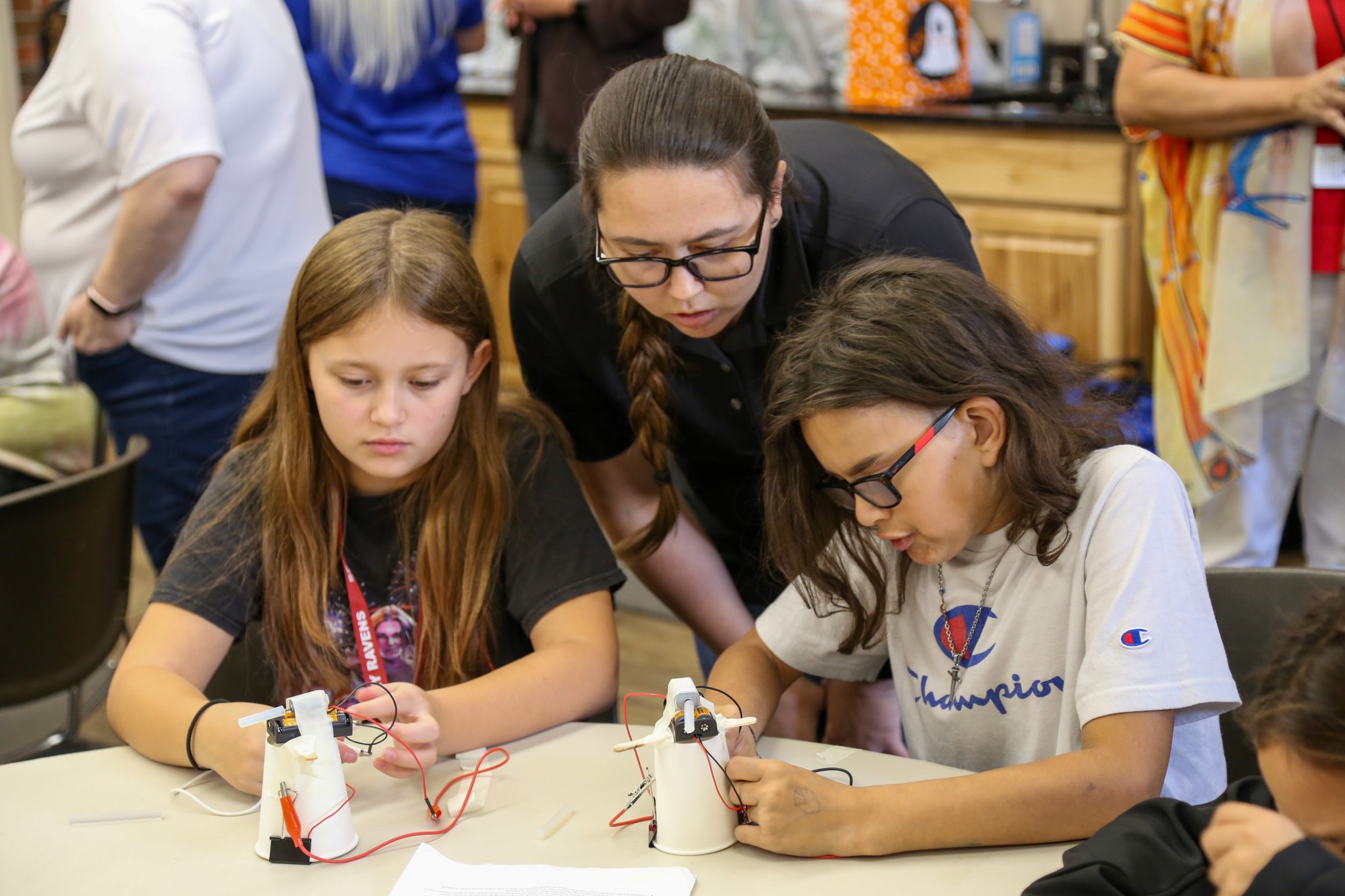
Tribal Students Make Robots with NASA Aerospace Engineer Casey Denham
NASA / Caroline Montgomery
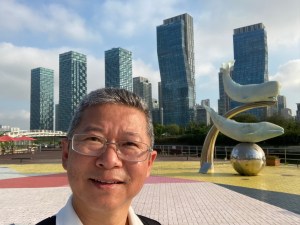
Casey Denham, aerospace engineer with the Systems Analysis and Concepts Directorate at NASA’s Langley Research Center in Hampton, Virginia, works with tribal students during a STEM activity at the American Indian Engineering Sciences (AISES) National Conference in Spokane, Washington, Oct. 19-21, 2023. Denham, whose heritage is Meskwaki, was part of a NASA group that presented sessions and shared their passion about their work with more than 3500 attendees. Denham was previously a Pathways Intern at Langley.
NASA Analysis Finds Strong El Niño Could Bring Extra Floods This Winter
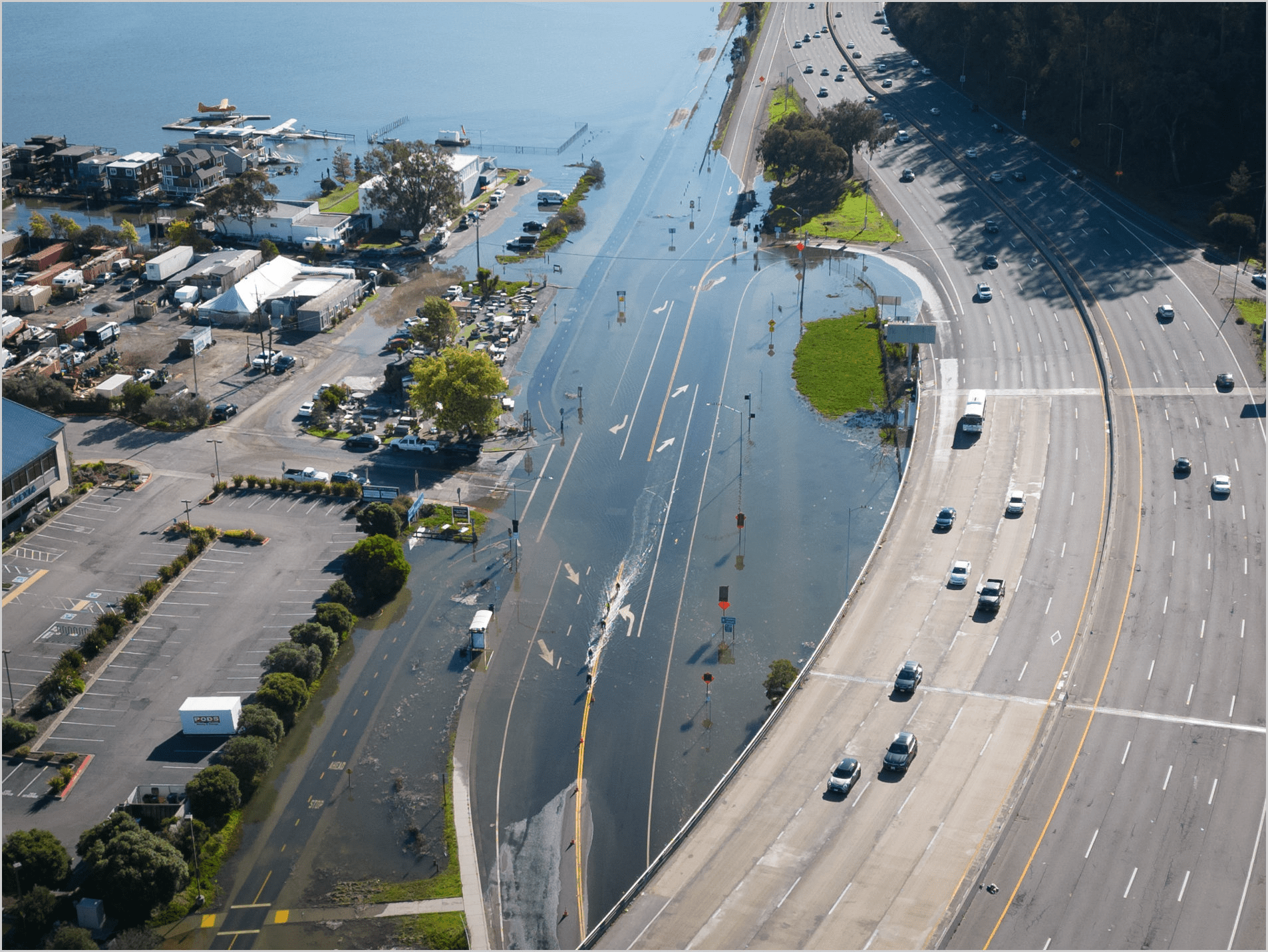
An unusually high tide, called a King Tide, floods a highway on-ramp in Northern California in January 2023. Sea level rise and El Niños can exacerbate this type of flooding.
California King Tides Project
Such high-tide flooding that inundates roads and buildings along the west coast of the Americas tends to be uncommon outside of ElNiño years, but that could change by the 2030s.
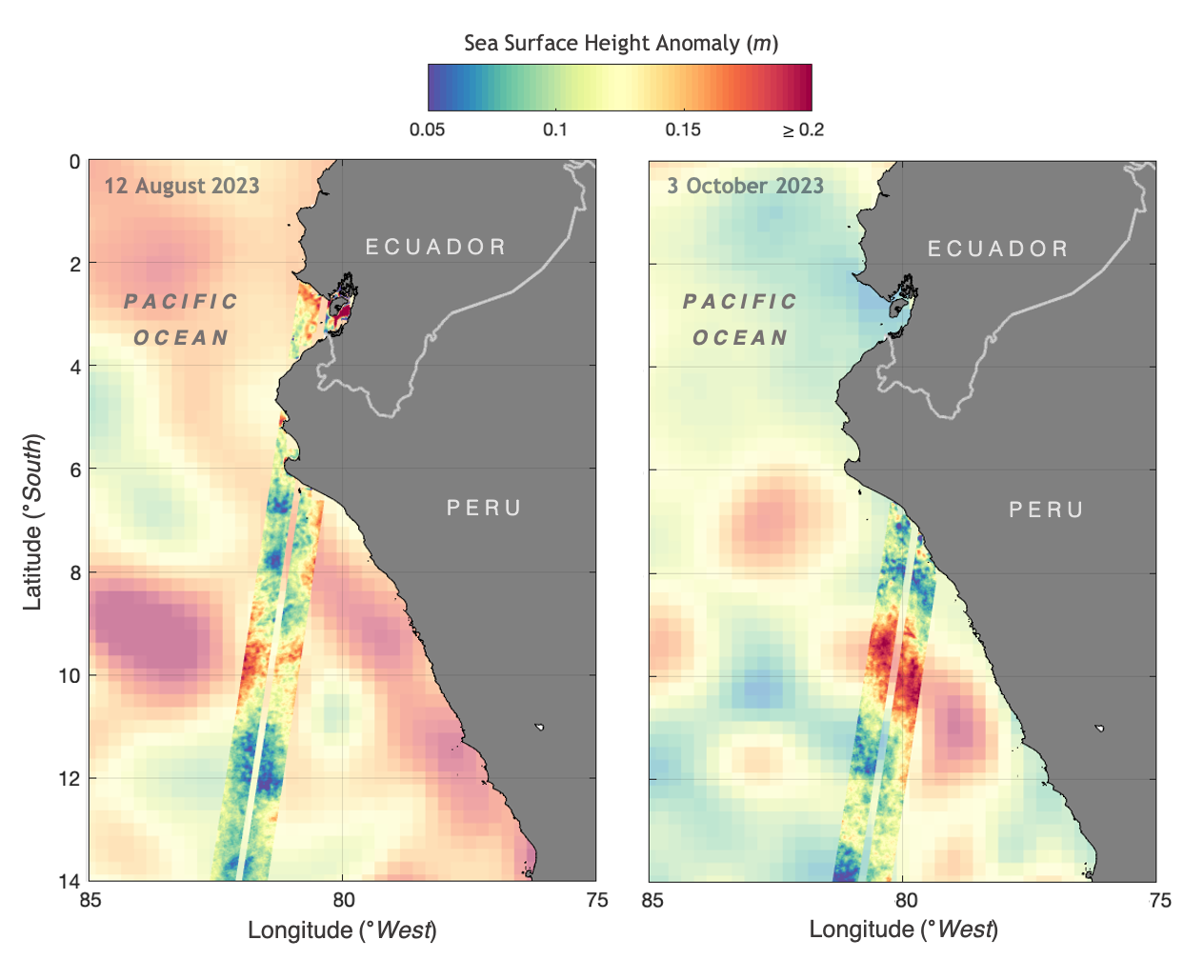
An analysis by NASA’s sea level change science team finds that if a strong El Niño develops this winter, cities along the western coasts of the Americas could see an increase in the frequency of high-tide flooding that can swamp roads and spill into low-lying buildings.
El Niño is a periodic climate phenomenon characterized by higher-than-normal sea levels and warmer-than-average ocean temperatures along the equatorial Pacific. These conditions can spread poleward along the western coasts of the Americas. El Niño, which is still developing this year, can bring more rain than usual to the U.S. Southwest and drought to countries in the western Pacific like Indonesia. These impacts typically occur in January through March.
The NASA analysis finds that a strong El Niño could result in up to five instances of a type of flooding called a 10-year flood event this winter in cities including Seattle and San Diego. Places like La Libertad and Baltra in Ecuador could get up to three of these 10-year flood events this winter. This type of flooding doesn’t normally occur along the west coast of the Americas outside of El Niño years. The researchers note that by the 2030s, rising seas and climate change could result in these cities experiencing similar numbers of 10-year floods annually, with no El Niño required.
Data from the SWOT satellite shows sea level anomalies – how much higher or lower sea levels are compared to the average height – off the coast of Ecuador and Peru on Aug. 12, 2023, and Oct. 3, 2023. The data indicates the development of an El Niño along the west coast of the Americas.
NASA/JPL-Caltech
“I’m a little surprised that the analysis found these 10-year events could become commonplace so quickly,” said Phil Thompson, an oceanographer at the University of Hawaii and a member of NASA’s sea level change science team, which performed the analysis. “I would have thought maybe by the 2040s or 2050s.”
Ten-year floods are those that have a one in 10 chance of occurring in any given year. They’re a measure of how high local sea levels become: The extent of flooding in a particular city or community depends on several factors, including a region’s topography and the location of homes and infrastructure relative to the ocean. Ten-year floods can result in what the National Oceanic and Atmospheric Administration classifies as moderate flooding, with some inundation of roads and buildings, and the possible need to evacuate people or move belongings to higher ground.
NASA’s coastal flooding analysis finds that by the 2030s, during strong El Niño years, cities on the west coast of the Americas could see up to 10 of these 10-year flood events. By the 2050s, strong El Niños may result in as many as 40 instances of these events in a given year.
Watching Sea Levels Rise
Water expands as it warms, so sea levels tend to be higher in places with warmer water. Researchers and forecasters monitor ocean temperatures as well as water levels to spot the formation and development of an El Niño.
“Climate change is already shifting the baseline sea level along coastlines around the world,” said Ben Hamlington, a sea level researcher at NASA’s Jet Propulsion Laboratory in Southern California and lead for the agency’s sea level change science team.
Sea levels are rising in response to planetary warming, as Earth’s atmosphere and ocean are heating up and ice sheets and shelves melt. This has already increased the number of high-tide, or nuisance, flooding days coastal cities experience throughout the year. Phenomena like El Niños and storm surges, which temporarily boost sea levels, compound these effects.
Missions that monitor sea levels, including the Surface Water and Ocean Topography (SWOT) satellite and Sentinel-6 Michael Freilich, help to monitor El Niños in the near term. SWOT in particular, collects data on sea levels right up to the coast, which can help to improve sea level rise projections. That kind of information could aid policymakers and planners in preparing their communities for rising seas in the next decades.
“As climate change accelerates, some cities will see flooding five to 10 times more often. SWOT will keep watch on these changes to ensure coastal communities are not caught off guard,” said Nadya Vinogradova Shiffer, SWOT program scientist and director of the ocean physics program at NASA Headquarters in Washington.
To learn more about how NASA studies sea level, visit: