Tech Today: NASA Helps Find Where the Wildfires Are

Tech Today: NASA Helps Find Where the Wildfires Are

2 min read

Preparations for Next Moonwalk Simulations Underway (and Underwater)

Satellite view of the Northwest United States, showing plumes of smoke from
In 2022, nearly 100 large wildland fires burned in the U.S. West. Almost two dozen of those burned Washington and Oregon alone, filling the air with smoke. Plumes from the fires often could easily be seen from space.
Credit: NASA

Globally, nearly all wildfires start with a human ignition source – not lightning strikes or wildlife encountering power equipment. Knowing humans can be a primary cause is an example of the sort of knowledge that helps predict and prevent wildfires, a challenge that NASA and the firefighting industry are undertaking together. 

As wildfires become more common in rarely experienced countries like Ireland and are more intense in other areas impacted by climate change, governments and businesses are turning to space for help.

Landsat satellite Earth-observation data, artificial intelligence, and machine learning now predict and monitor fires and support post-fire recovery. San Diego-based Technosylva Inc. provides firefighters with a wildfire monitoring service that combines all these technologies. The company also uses other NASA fire data resources compiled by the agency’s Ames Research Center in Silicon Valley to assist during the fire season and beyond.

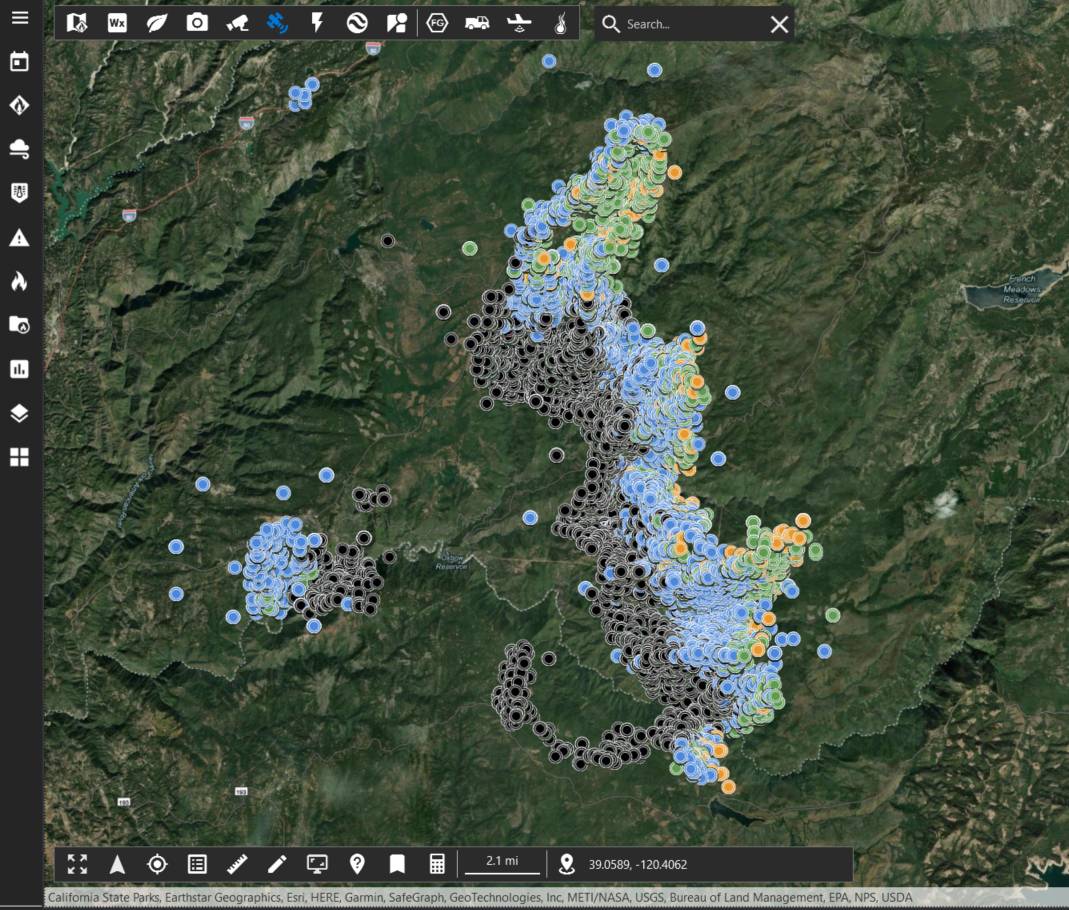
Screenshots from Technosylvas Wildfire Analyst identify areas previously burned by wildfire
Satellite imagery helps Technosylva’s Wildfire Analyst identify areas previously burned by wildfire to eliminate those areas without fuel like leaves or grasses (black circles) and pinpoint areas different types of available fuel (colored circles).
Credit: Technosylva Inc.

Technosylva uses data fusion, which integrates multiple data sources from climate, weather, landscapes, and human infrastructure, to develop a complete picture of current fire risks. Before fire season begins, these efforts help develop more resilient landscapes to make communities safer. During the fire season, models predict how fires will spread, and provide real-time equipment and personnel tracking across vast tracts of land.

During the 2017 Las Máquinas wildfire in Chile – a fire so large the only way to view the perimeter was from space – Technosylva assisted in firefighting efforts by providing satellite data to help identify new hot spots and guided containment efforts.

Powered by WPeMatico

Get The Details…
Andrew Wagner

Expedition 69 Astronauts Tour NASA Goddard, Speak With Employees

Expedition 69 Astronauts Tour NASA Goddard, Speak With Employees

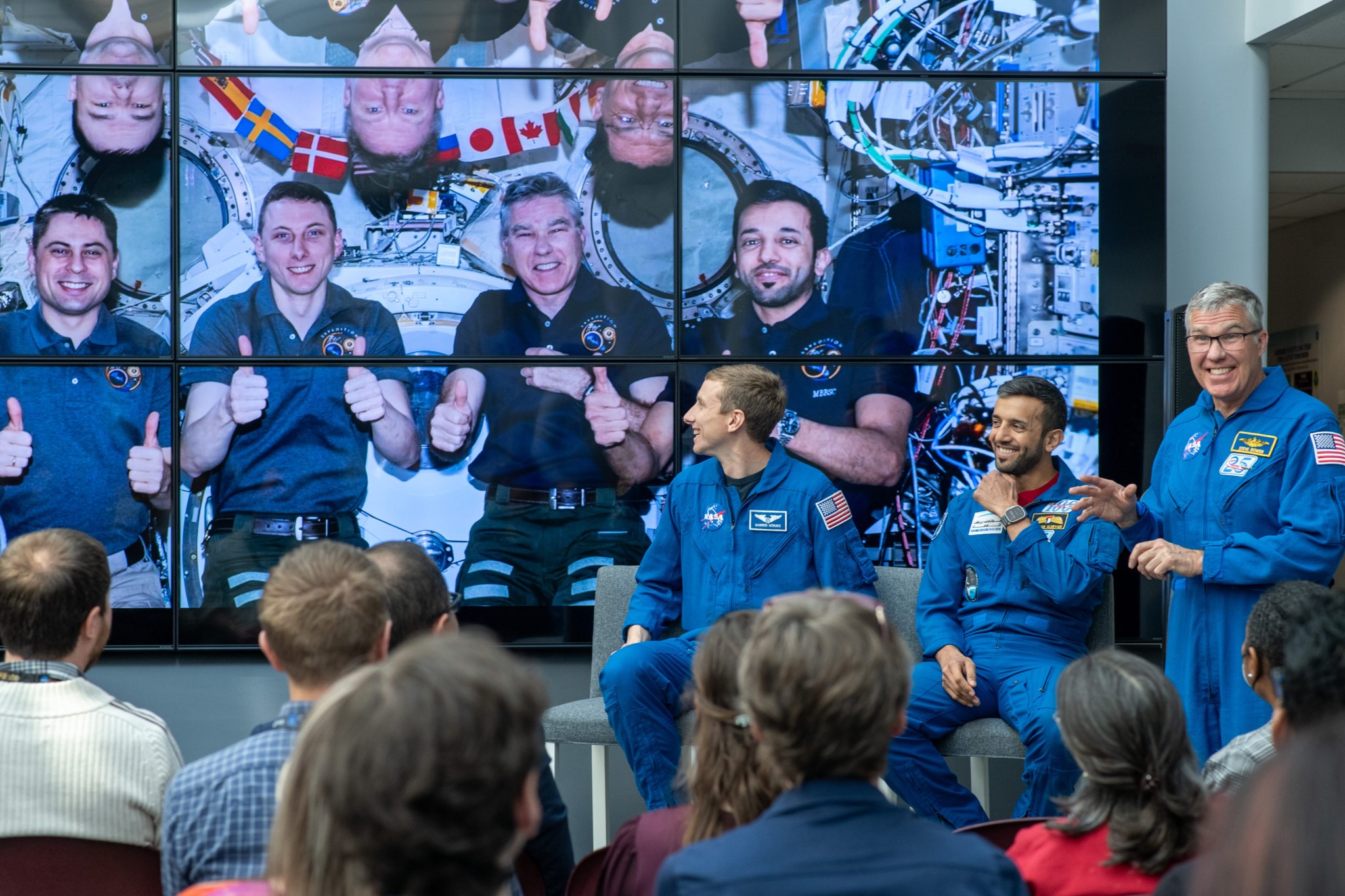
A trio of astronauts visited with employees at NASA’s Goddard Space Flight Center in Greenbelt, Maryland, on March 18, 2024, to share their spaceflight experiences aboard the International Space Station.

NASA astronauts Stephen Bowen and Warren “Woody” Hoburg, and United Arab Emirates astronaut Sultan Alneyadi all served as flight engineers on the Expedition 69 crew aboard the International Space Station last year.

Three astronauts in blue flight suits stand in front of a bank of TV monitors
Over 40 employees at NASA’s Goddard Space Flight Center in Greenbelt, Md., participated in a meet and greet with visiting astronauts on March 18, 2024. NASA astronaut Warren “Woody” Hoburg (left), United Arab Emirates astronaut Sultan Alneyadi, and NASA astronaut Stephen Bowen presented a video summarizing their mission before answering questions from Goddard staff.
NASA/Tabatha Luskey

The astronauts engaged with over 40 center employees during a meet and greet at the beginning of their visit. Employees viewed a 20-minute video that highlighted the astronauts’ preparation for the mission and their time in space. Afterward, they answered questions about daily life aboard the International Space Station.

“These are people that you see growing up, and you hear about them, but to actually be in person with them is beyond words,” said Emily Wilson, an intern at Goddard. “It’s really awesome to hear their stories.”

During their time in space, the Expedition 69 crew studied how materials burn in microgravity to understand spacecraft fire hazards, and they worked with technology to monitor how spaceflight stressors like microgravity and radiation impact the immune system. Bowen, Hoburg, and Alneyadi also completed spacewalks during the mission.

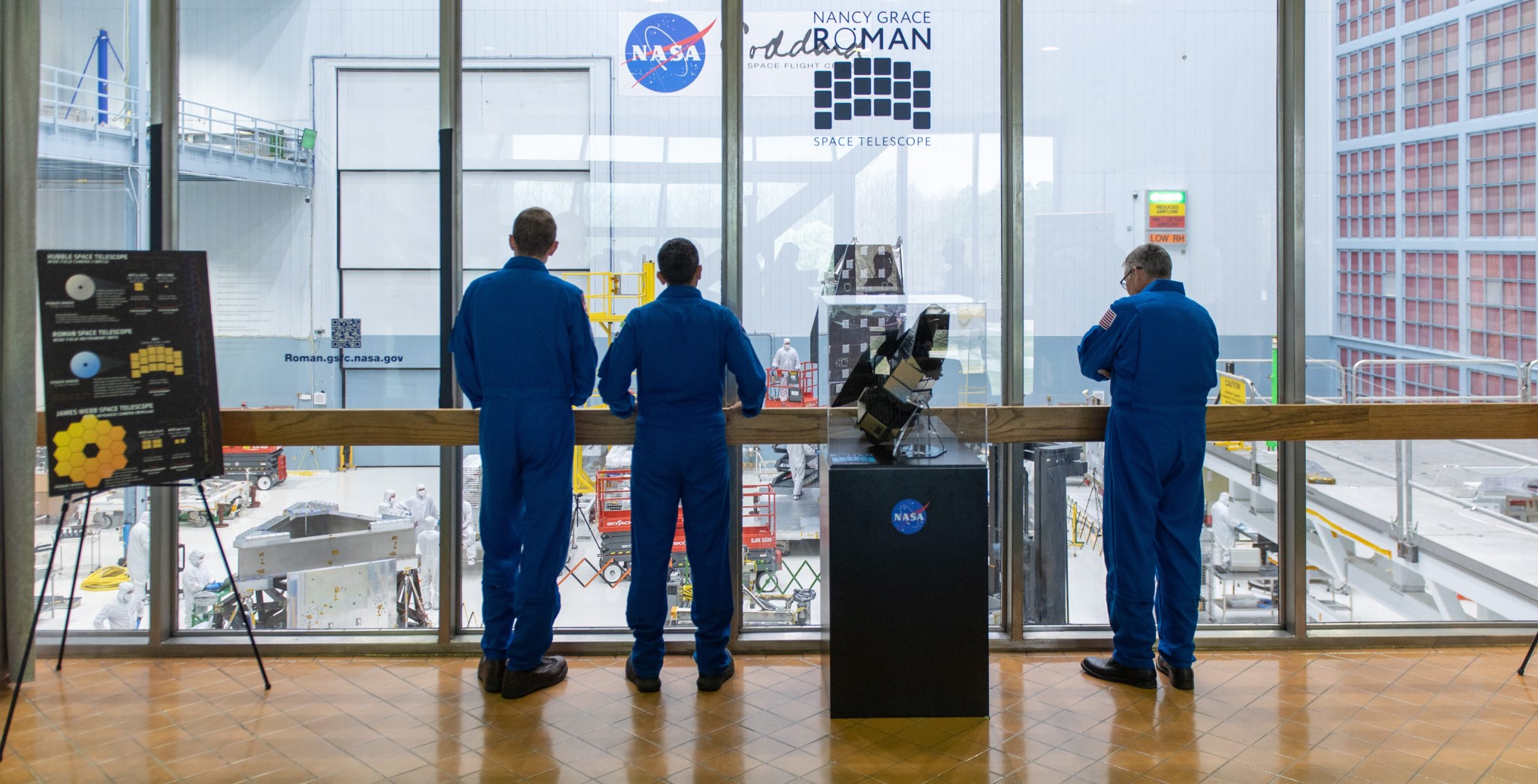
with backs to the camera, three astronauts in blue flight suits stand before glass windowpanes that look in on the enormous clean room where spaceflight hardware for the Roman Space Telescope can be seen in the background
Hoburg (left), Alneyadi, and Bowen view the construction of the Nancy Grace Roman Space Telescope from the clean room overlook in Goddard’s Building 29.
NASA/Tabatha Luskey

After their presentation to employees, the astronauts toured Goddard and heard from researchers about the exciting science and missions in work at the center. They listened to a presentation from Dr. Antti Pulkkinen, director of Goddard’s Heliophysics Science Division, and they visited the clean room where engineers are building the Nancy Grace Roman Space Telescope. Their time at Goddard concluded at the Hubble Space Telescope Operations Control Center.

“The long history is really amazing, of all the contributions Goddard has made,” Hoburg said. “We’re truly going after those big fundamental questions about the origins of the universe, and all the kind of inspiring big scientific questions that drive us as humans, and it’s cool to see the contribution Goddard makes to all those big questions.”

Learn more about NASA’s Expedition 69 at: https://www.nasa.gov/mission/expedition-69/

By Julia Tilton
NASA’s Goddard Space Flight Center, Greenbelt, Md.

Share

Details

Last Updated

Mar 19, 2024

Editor
Rob Garner
Contact
Rob Garner
Location
Goddard Space Flight Center

Powered by WPeMatico

Get The Details…
Rob Garner

US, Germany Partnering on Mission to Track Earth’s Water Movement

US, Germany Partnering on Mission to Track Earth’s Water Movement

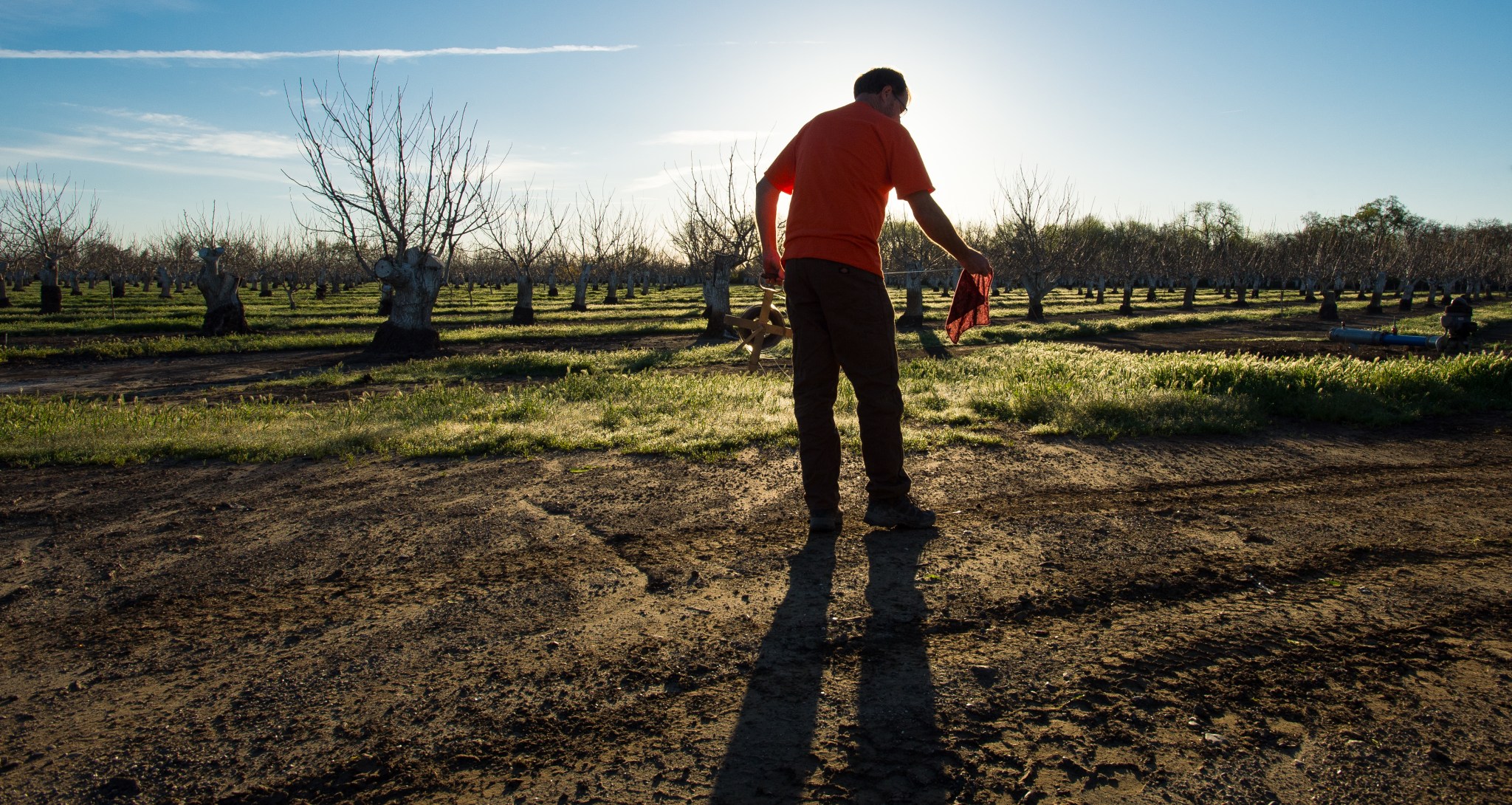
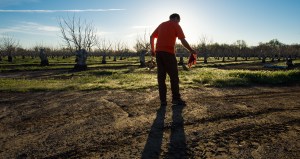
An engineering geologist measures water depth at an agricultural well in a field north of Sacramento, California. Groundwater is an important source of water for irrigation in the state’s Central Valley, especially during times of drought, and the GRACE missions provide data that helps track the resource.
Kelly M. Grow/California Department of Water Resources

The Gravity Recovery and Climate Experiment-Continuity mission will extend a decades-long record of following shifting water masses using gravity measurements.

NASA and the German Space Agency at DLR (German Aerospace Center) have agreed to jointly build, launch, and operate a pair of spacecraft that will yield insights into how Earth’s water, ice, and land masses are shifting by measuring monthly changes in the planet’s gravity field. Tracking large-scale mass changes – showing when and where water moves within and between the atmosphere, oceans, underground aquifers, and ice sheets – provides a view into Earth’s water cycle, including changes in response to drivers like climate change.

With the international agreement signed in late 2023, the Gravity Recovery and Climate Experiment-Continuity (GRACE-C) mission will extend a nearly 25-year legacy that began with the 2002 launch of the GRACE mission. The GRACE-Follow On (GRACE-FO) mission succeeded GRACE in 2018. GRACE-C is targeting a launch no earlier than 2028.

The data from the GRACE missions is considered key information in characterizing Earth’s climate. Those measurements, together with other information and computer models, are regularly used for drought assessment and forecasting, water-use planning for agriculture, and understanding the drivers of sea level rise, such as how much ice the world’s ice sheets are losing.

“GRACE-C represents an international and collaborative effort to observe and study one of our planet’s most precious resources,” said Nicola Fox, associate administrator for science at NASA in Washington. “From our coastlines to our kitchen tables, there is no aspect of our planet that is not impacted by changes in the water cycle. The partnership between NASA and the German Aerospace Center will serve a critical role in preparing for the challenges we face today and tomorrow.”

Engineers and scientists are finalizing design details for the instruments and satellites, and then teams will start work on fabricating and building. The mission will be composed of a pair of identical satellites flying one behind the other, roughly 60 to 190 miles (100 to 300 kilometers) apart, in a polar orbit. The spacecraft will fly at an altitude of roughly 300 miles (500 kilometers). Together they will monitor monthly changes to the distribution of water on Earth from variations in the planet’s gravity field.

Following the Water

The pull of gravity varies naturally from place to place on Earth depending on the mass distribution near the surface. For instance, large shifts in underground water storage (groundwater) or losses from ice sheets move a great amount of mass around, which can in turn shift the planet’s gravity field on weekly to monthly time scales.

Researchers can gauge those changes by measuring very small changes in the distance between the two GRACE-C satellites. As the lead spacecraft flies over an area with relatively more mass – like a spot with more groundwater than its surroundings – the slight increase in Earth’s gravity field pulls the satellite forward, increasing its distance from the trailing spacecraft. Capable of measuring distance changes 100 times smaller than the thickness of a human hair, a laser ranging interferometer (LRI) instrument continually measures the distance between the two spacecraft.

The satellite systems and orbit for GRACE-C will be similar to those of GRACE-FO, ensuring the continuity of measurements between the two missions.

“GRACE-C will build on decades of observations of the global movement of water and changes in water resources. This is critical to informing predictions of future trends in our climate and to assess food and water security,” said Frank Webb, GRACE-C project scientist at NASA’s Jet Propulsion Laboratory in Southern California. “The mission is an example of the commitment that NASA and our German partners share for studying the Earth and helping society better prepare for a warming world.”

GRACE-C, previously known as the Mass Change mission, addresses one of the key goals outlined in the 2017 Decadal Survey for Earth Science conducted by the U.S. National Academies of Science, Engineering, and Medicine: to better understand the planet’s global water cycle through large-scale changes in Earth’s mass.

“Together with NASA, we are now continuing along the GRACE route in Earth observation, thereby strengthening our international cooperation in space-based research,” said Walther Pelzer, a member of the DLR executive board and director general of the German Space Agency at DLR. “The USA and Germany have been working closely together for a long time on climate and environmental research from space. The trust that our U.S. partners are placing in German space expertise for these missions by commissioning the satellite construction and the delivery of important parts of the GRACE-C instrumentation and mission control is also a sign of Germany’s capabilities as a prime location for spaceflight.”

The mission will be part of NASA’s Earth System Observatory (ESO), a set of Earth-focused missions that will provide data to guide efforts related to climate change, natural hazard mitigation, wildfire management, and food security. When combined, ESO mission data will create a holistic view of Earth from the planet’s atmosphere to its bedrock.

More About the Mission

JPL manages the GRACE-C mission for NASA and will procure the two spacecraft from Airbus Defence and Space, the company that built the satellites for the GRACE and GRACE-FO missions. Development and construction of the LRI system will be led by JPL, which is managed for NASA by Caltech in Pasadena. The German contributions are funded by the German Federal Ministry of Economic Affairs and Climate Action and the Federal Ministry of Education and Research. The German Space Agency at DLR will manage the German contributions to GRACE-C, providing the LRI optics subsystems; mission operations; telemetry, tracking, and command; the ground data system; the laser retroreflectors to help with satellite positioning; the launch vehicle; and launch services.

To learn more about GRACE-FO, visit:

https://gracefo.jpl.nasa.gov/

News Media Contacts

Jane J. Lee / Andrew Wang
Jet Propulsion Laboratory, Pasadena, Calif.
818-354-0307 / 626-379-6874
jane.j.lee@jpl.nasa.gov / andrew.wang@jpl.nasa.gov

2024-030

Powered by WPeMatico

Get The Details…
Naomi Hartono

Gemini VI Astronauts Thomas P. Stafford and Walter M. Schirra Jr.

Gemini VI Astronauts Thomas P. Stafford and Walter M. Schirra Jr.

Two male astronauts, Thomas P. Stafford (left) and Walter M. Schirra Jr., look directly into the camera. They are wearing white spacesuits with multiple patches including their names, mission, NASA, and the American flag. Behind them is a deep blue backdrop.
NASA

Astronauts Thomas P. Stafford (left), and Walter M. Schirra Jr., pose for the camera during suiting up exercises on Oct. 22, 1965. Stafford was selected among the second group of astronauts in September 1962 by NASA to participate in Projects Gemini and Apollo. In December 1965, he piloted Gemini VI, which made the first rendezvous in space with Gemini VII, and helped develop techniques to prove the basic theory and practicality of space rendezvous.

In June 1966, Stafford commanded the Gemini IX mission and performed a demonstration of an early rendezvous that would be used in the Apollo lunar missions, the first optical rendezvous, and a lunar orbit abort rendezvous. He was also commander of Apollo 10 in May 1969; he descended to nine miles above the Moon, performing the entire lunar landing mission except the actual landing. He logged his fourth spaceflight as Apollo commander of the Apollo-Soyuz mission in July 1975, which culminated in the historic first meeting in space between American astronauts and Soviet cosmonauts.

Learn more about Stafford and the missions he participated in.

Image Credit: NASA

Powered by WPeMatico

Get The Details…
Monika Luabeya

NASA Study: Asteroid’s Orbit, Shape Changed After DART Impact

NASA Study: Asteroid’s Orbit, Shape Changed After DART Impact

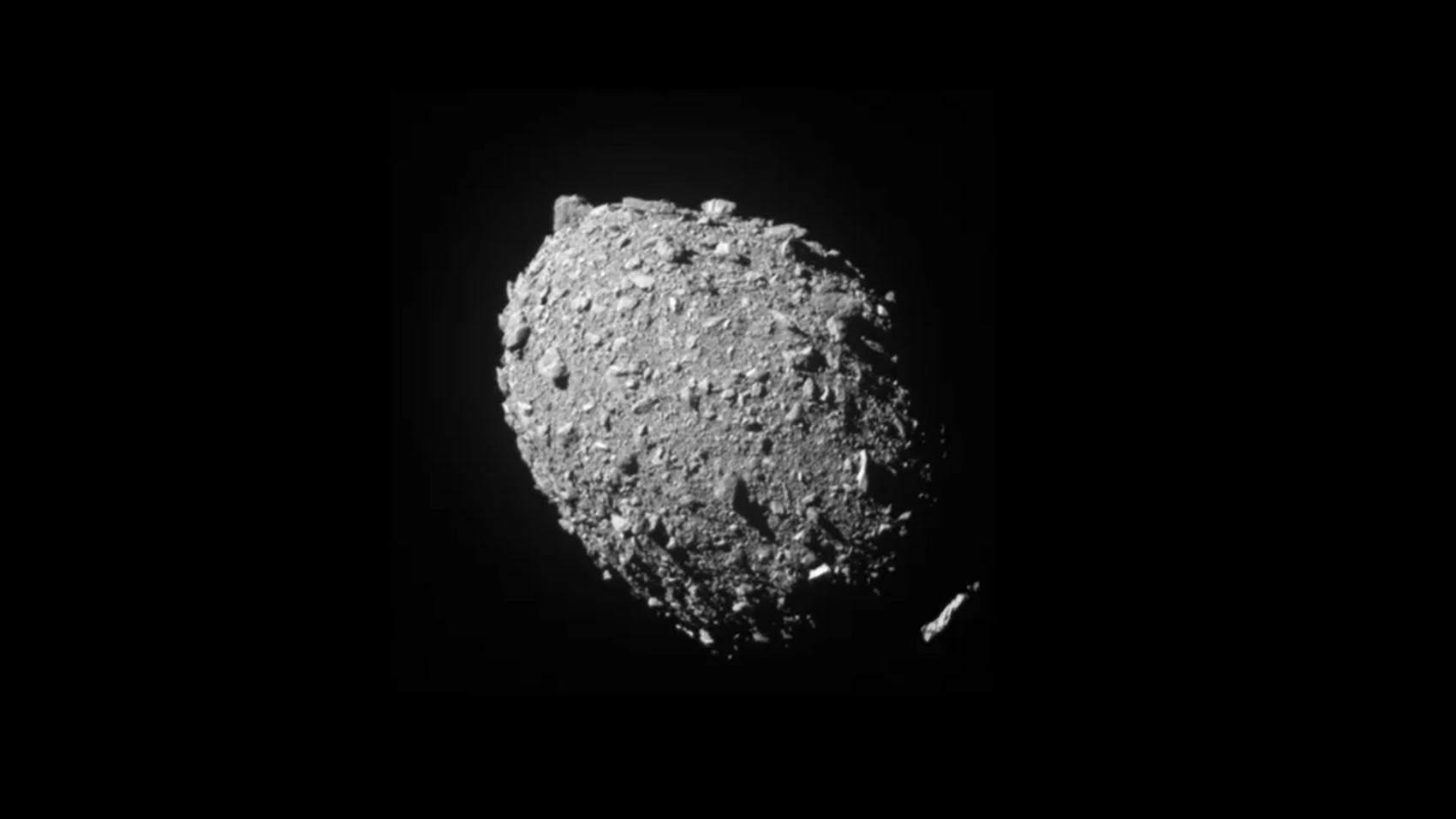
The asteroid Dimorphos was captured by NASA’s DART mission just two seconds before the spacecraft struck its surface on Sept. 26, 2022. Observations of the asteroid before and after impact suggest it is a loosely packed “rubble pile” object.
NASA/Johns Hopkins APL

After NASA’s historic Double Asteroid Redirection Test, a JPL-led study has shown that the shape of asteroid Dimorphos has changed and its orbit has shrunk.

When NASA’s DART (Double Asteroid Redirection Test) deliberately smashed into a 560-foot-wide (170-meter-wide) asteroid on Sept. 26, 2022, it made its mark in more ways than one. The demonstration showed that a kinetic impactor could deflect a hazardous asteroid should one ever be on a collision course with Earth. Now a new study published in the Planetary Science Journal shows the impact changed not only the motion of the asteroid, but also its shape.

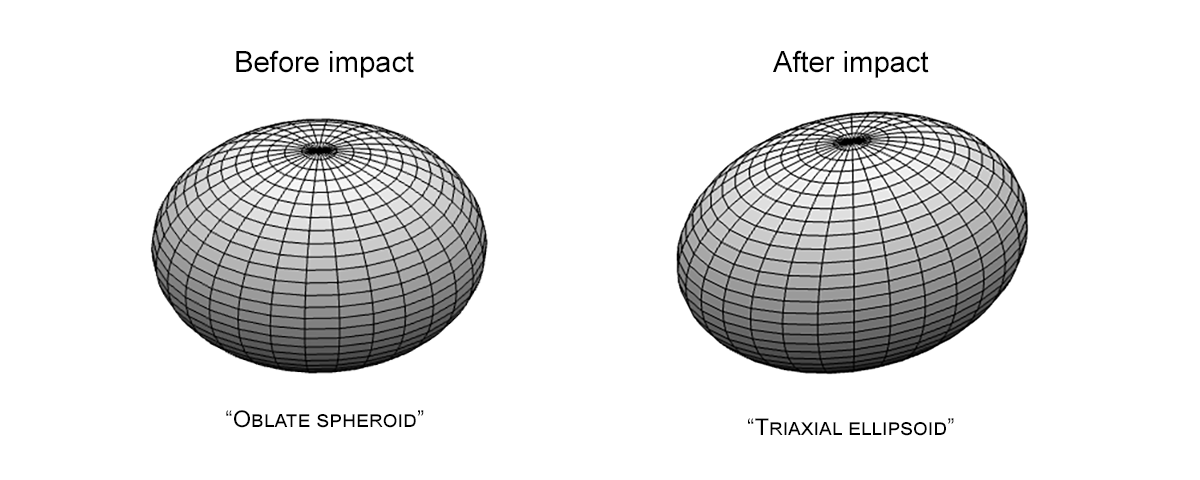
DART’s target, the asteroid Dimorphos, orbits a larger near-Earth asteroid called Didymos. Before the impact, Dimorphos had a roughly symmetrical “oblate spheroid” shape – like a squashed ball that is wider than it is tall. With a well-defined, circular orbit at a distance of about 3,900 feet (1,189 meters) from Didymos, Dimorphos took 11 hours and 55 minutes to complete one loop around Didymos.

“When DART made impact, things got very interesting,” said Shantanu Naidu, a navigation engineer at NASA’s Jet Propulsion Laboratory in Southern California, who led the study. “Dimorphos’ orbit is no longer circular: Its orbital period” – the time it takes to complete a single orbit – “is now 33 minutes and 15 seconds shorter. And the entire shape of the asteroid has changed, from a relatively symmetrical object to a ‘triaxial ellipsoid’ – something more like an oblong watermelon.”

This illustration shows the approximate shape change that the asteroid Dimorphos experienced after DART hit it. Before impact, left, the asteroid was shaped like a squashed ball; after impact it took on a more elongated shape, like a watermelon.
NASA/JPL-Caltech

Dimorphos Damage Report

Naidu’s team used three data sources in their computer models to deduce what had happened to the asteroid after impact. The first source was aboard DART: The spacecraft captured images as it approached the asteroid and sent them back to Earth via NASA’s Deep Space Network (DSN). These images provided close-up measurements of the gap between Didymos and Dimorphos while also gauging the dimensions of both asteroids just prior to impact.

The second data source was the DSN’s Goldstone Solar System Radar, located near Barstow, California, which bounced radio waves off both asteroids to precisely measure the position and velocity of Dimorphos relative to Didymos after impact. Radar observations quickly helped NASA conclude that DART’s effect on the asteroid greatly exceeded the minimum expectations.

The third and most significant source of data: ground telescopes around the world that measured both asteroids’ “light curve,” or how the sunlight reflecting off the asteroids’ surfaces changed over time. By comparing the light curves before and after impact, the researchers could learn how DART altered Dimorphos’ motion.

As Dimorphos orbits, it periodically passes in front of and then behind Didymos. In these so-called “mutual events,” one asteroid can cast a shadow on the other, or block our view from Earth. In either case, a temporary dimming – a dip in the light curve – will be recorded by telescopes.

“We used the timing of this precise series of light-curve dips to deduce the shape of the orbit, and because our models were so sensitive, we could also figure out the shape of the asteroid,” said Steve Chesley, a senior research scientist at JPL and study co-author. The team found Dimorphos’ orbit is now slightly elongated, or eccentric. “Before impact,” Chesley continued, “the times of the events occurred regularly, showing a circular orbit. After impact, there were very slight timing differences, showing something was askew. We never expected to get this kind of accuracy.”

The models are so precise, they even show that Dimorphos rocks back and forth as it orbits Didymos, Naidu said.

Orbital Evolution

The team’s models also calculated how Dimorphos’ orbital period evolved. Immediately after impact, DART reduced the average distance between the two asteroids, shortening Dimorphos’ orbital period by 32 minutes and 42 seconds, to 11 hours, 22 minutes, and 37 seconds.

Over the following weeks, the asteroid’s orbital period continued to shorten as Dimorphos lost more rocky material to space, finally settling at 11 hours, 22 minutes, and 3 seconds per orbit – 33 minutes and 15 seconds less time than before impact. This calculation is accurate to within 1 ½ seconds, Naidu said. Dimorphos now has a mean orbital distance from Didymos of about 3,780 feet (1,152 meters) – about 120 feet (37 meters) closer than before impact.

“The results of this study agree with others that are being published,” said Tom Statler, lead scientist for solar system small bodies at NASA Headquarters in Washington. “Seeing separate groups analyze the data and independently come to the same conclusions is a hallmark of a solid scientific result. DART is not only showing us the pathway to an asteroid-deflection technology, it’s revealing new fundamental understanding of what asteroids are and how they behave.”

These results and observations of the debris left after impact indicate that Dimorphos is a loosely packed “rubble pile” object, similar to asteroid Bennu. ESA’s (European Space Agency) Hera mission, planned to launch in October 2024, will travel to the asteroid pair to carry out a detailed survey and confirm how DART reshaped Dimorphos.

More About the Mission

DART was designed, built, and operated by the Johns Hopkins Applied Physics Laboratory (APL) in Laurel, Maryland, for NASA’s Planetary Defense Coordination Office, which oversees the agency’s ongoing efforts in planetary defense. DART was humanity’s first mission to intentionally move a celestial object.

JPL, a division of Caltech in Pasadena, California, manages the DSN for NASA’s Space Communications and Navigation (SCaN) program within the Space Operations Mission Directorate at the agency’s headquarters in Washington.

News Media Contacts

Ian J. O’Neill
Jet Propulsion Laboratory, Pasadena, Calif.
818-354-2649
ian.j.oneill@jpl.nasa.gov

Karen Fox / Charles Blue
NASA Headquarters
karen.c.fox@nasa.gov / charles.e.blue@nasa.gov

2024-029

Powered by WPeMatico

Get The Details…
Naomi Hartono